-
 Abkhazia
-
 Afghanistan
-
 Åland Islands
-
 Albania
-
 Algeria
-
 American Samoa
-
 Andorra
-
 Angola
-
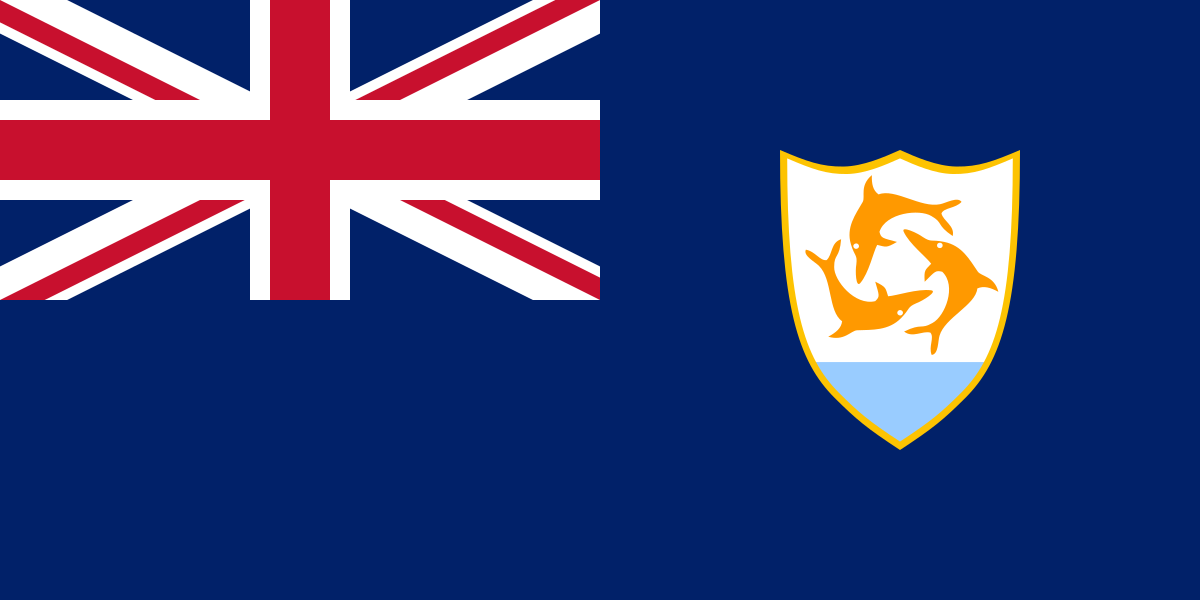 Anguilla
-
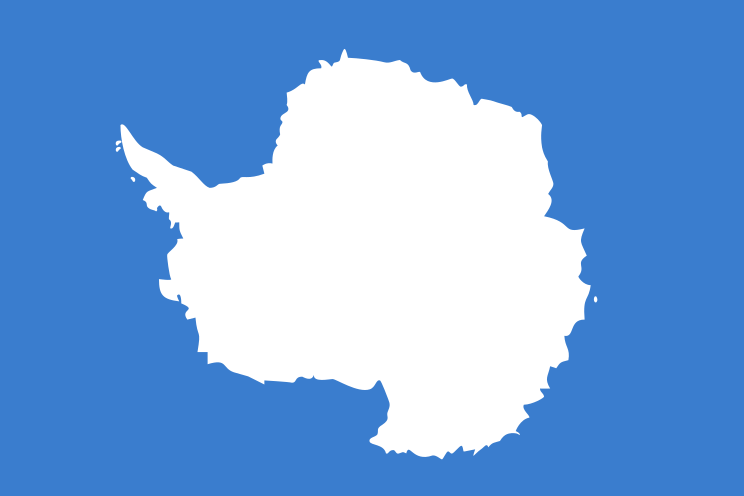 Antarctica
-
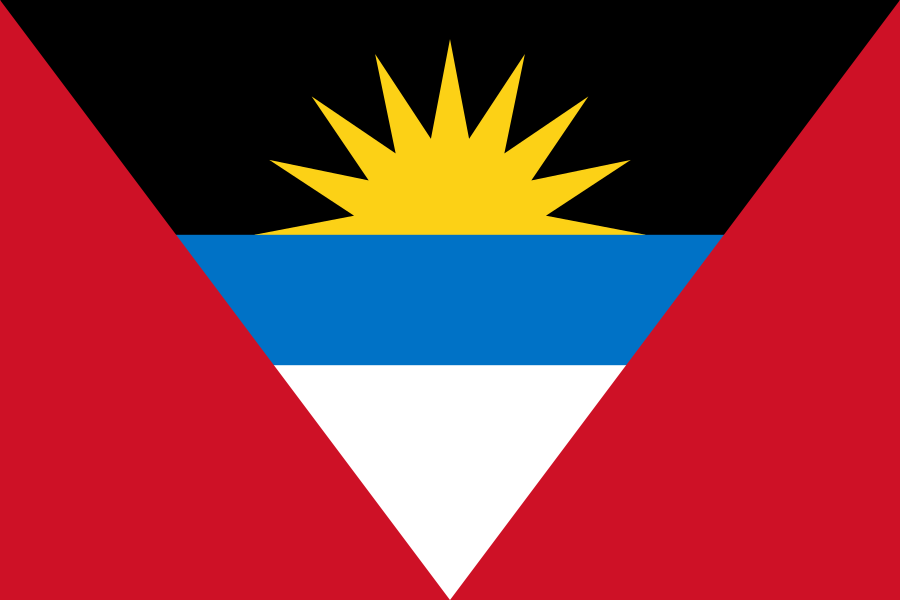 Antigua and Barbuda
-
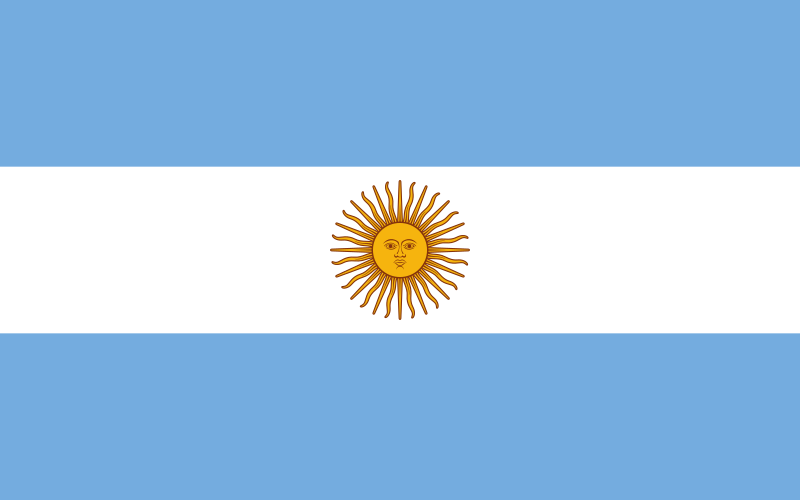 Argentina
-
 Armenia
-
 Artsakh
-
 Aruba
Aruba
-
 Australia
-
 Austria
-
 Azerbaijan
-
 Bahamas
-
 Bahrain
-
 Bangladesh
-
 Barbados
-
 Belarus
-
 Belgium
-
 Belize
-
 Benin
Benin
-
 Bermuda
-
 Bhutan
-
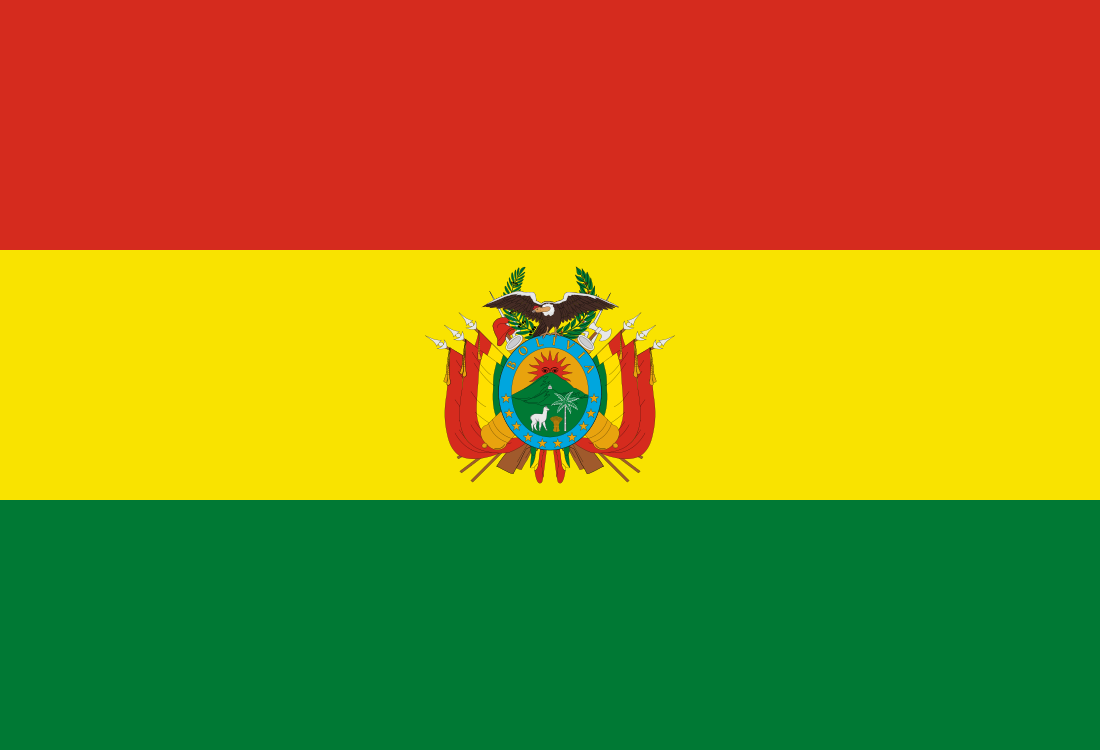 Bolivia
-
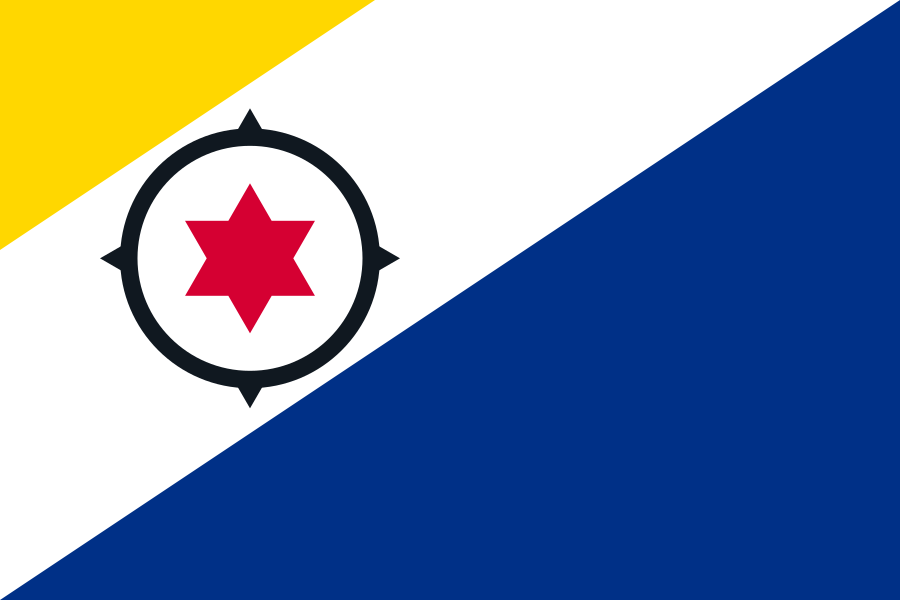 Bonaire
-
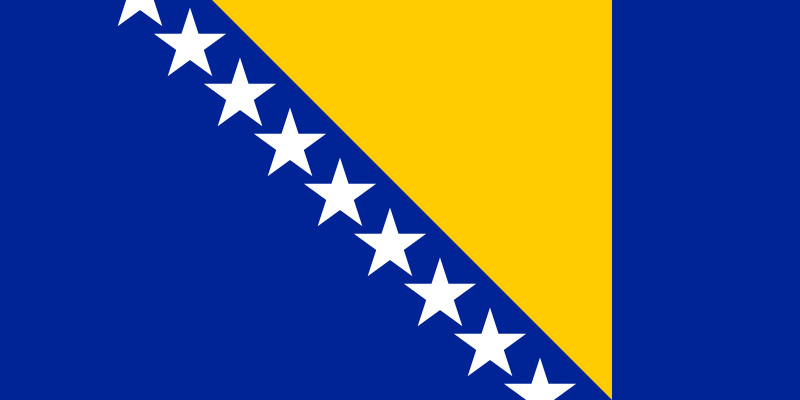 Bosnia and Herzegovina
-
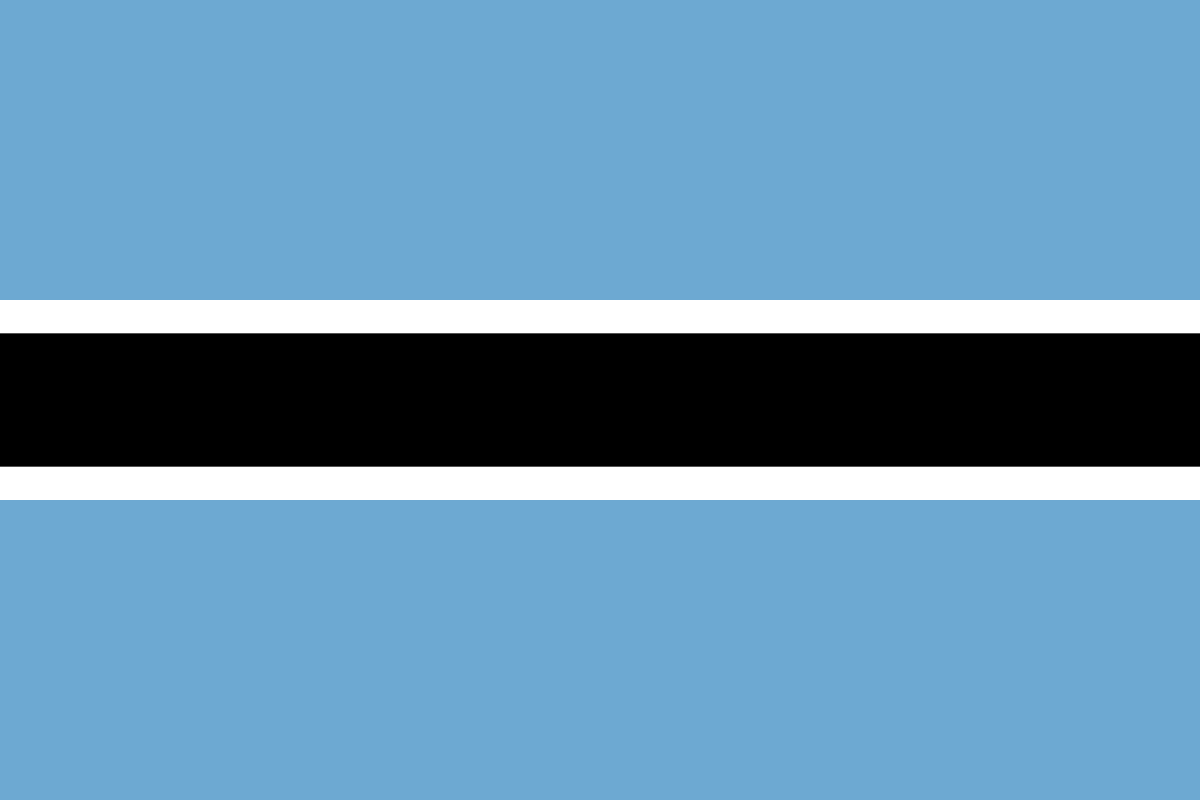 Botswana
-
 Bouvet Island
-
 Brazil
-
 British Indian Ocean Territory
-
 British Virgin Islands
-
 Brunei
-
 Bulgaria
-
 Burkina Faso
-
 Burundi
-
 Cambodia
-
 Cameroon
-
 Canada
-
 Cape Verde
-
 Caribbean Netherlands
-
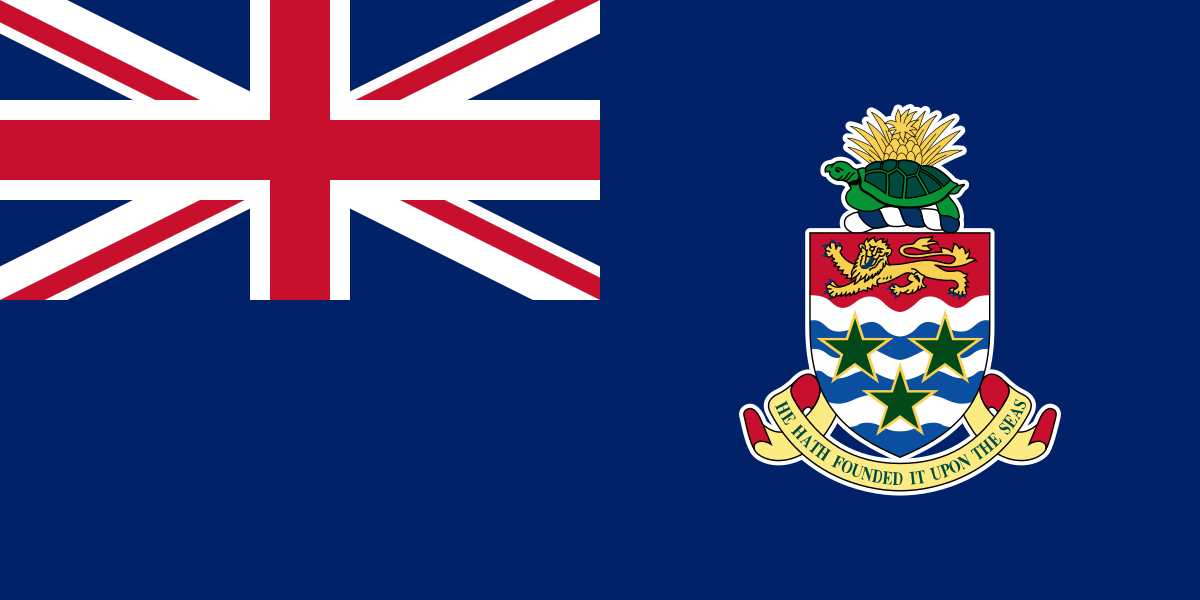 Cayman Islands
-
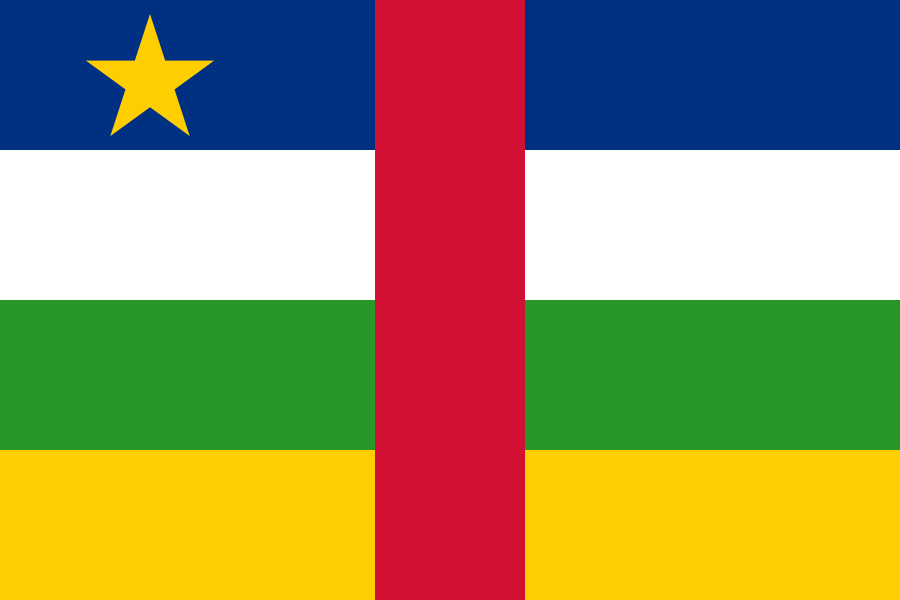 Central African Republic
-
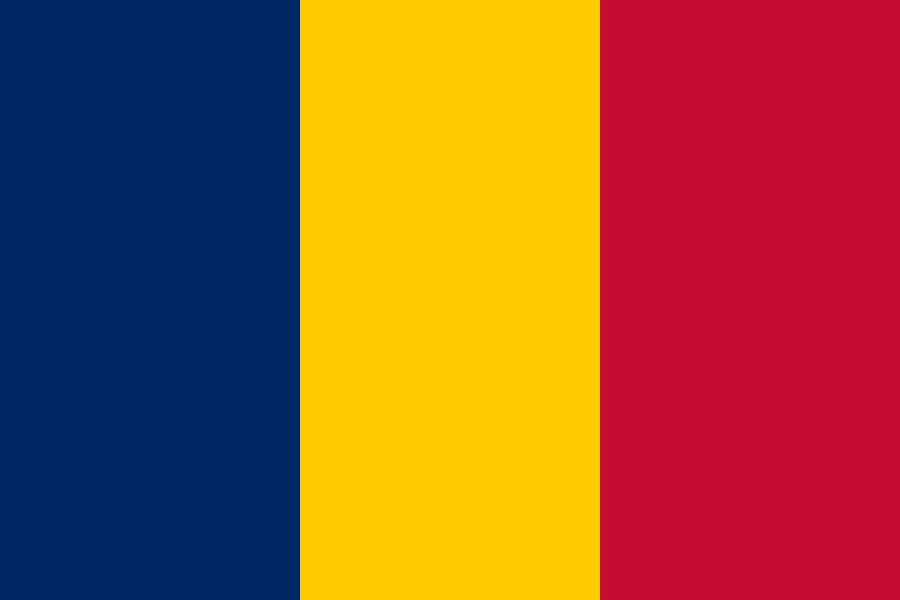 Chad
Chad
-
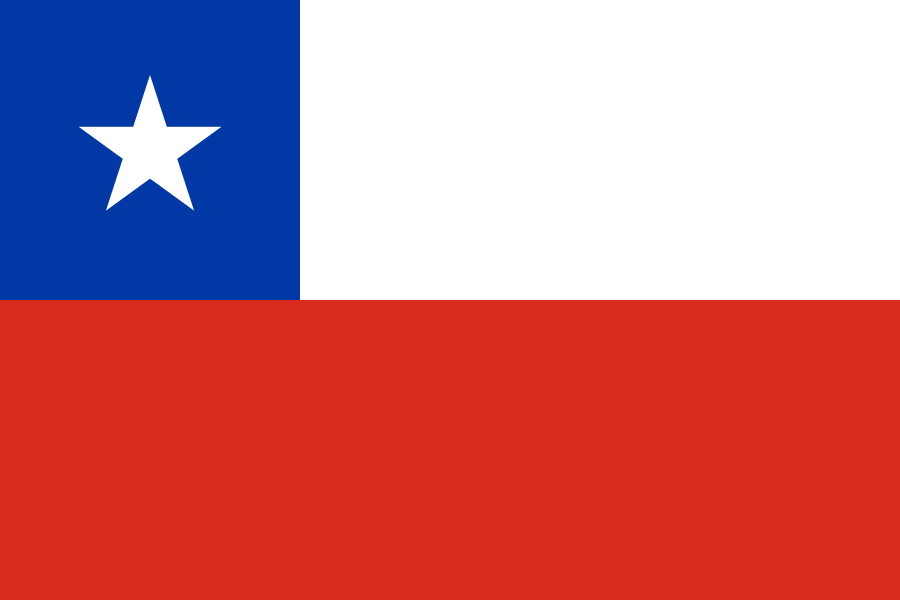 Chile
Chile
-
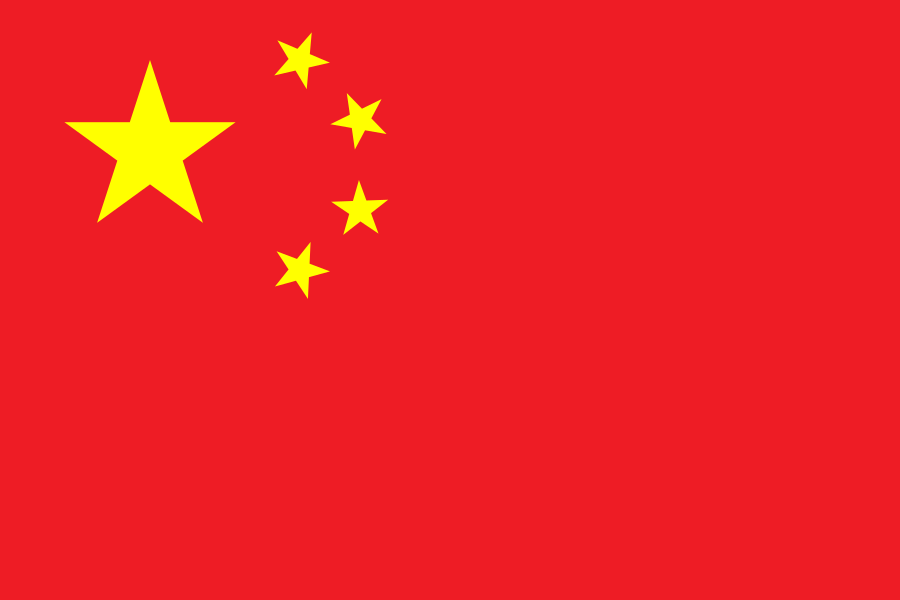 China
China
-
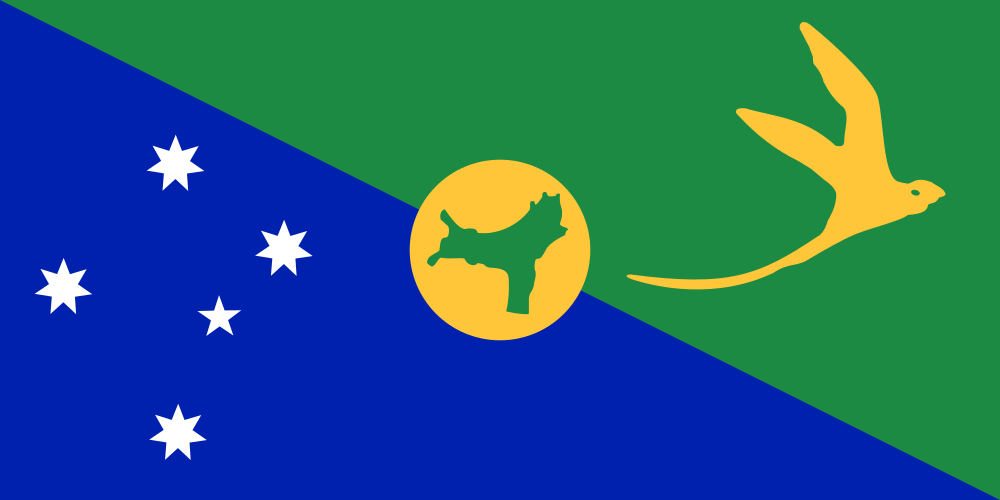 Christmas Island
-
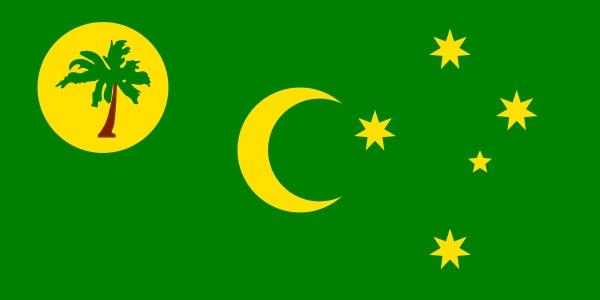 Cocos Islands
-
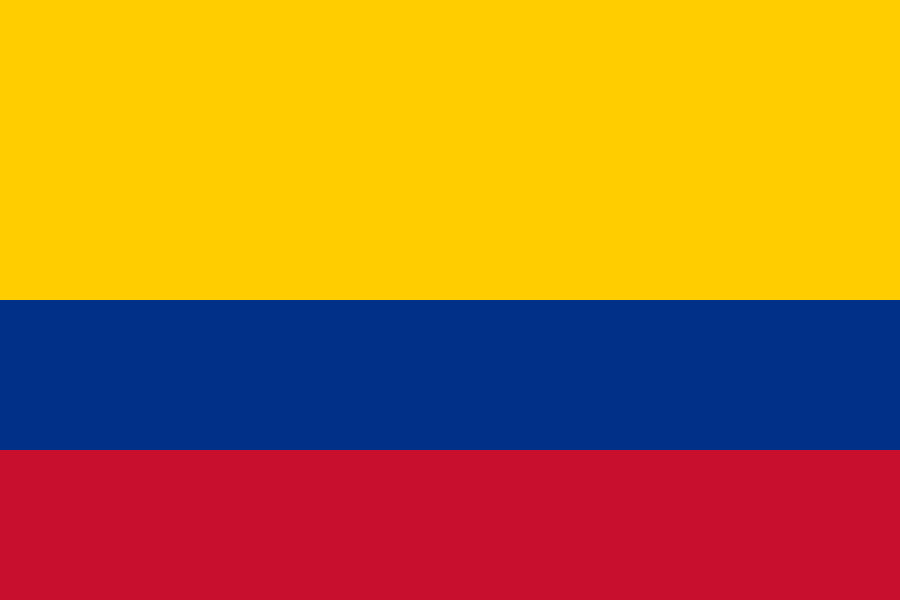 Colombia
-
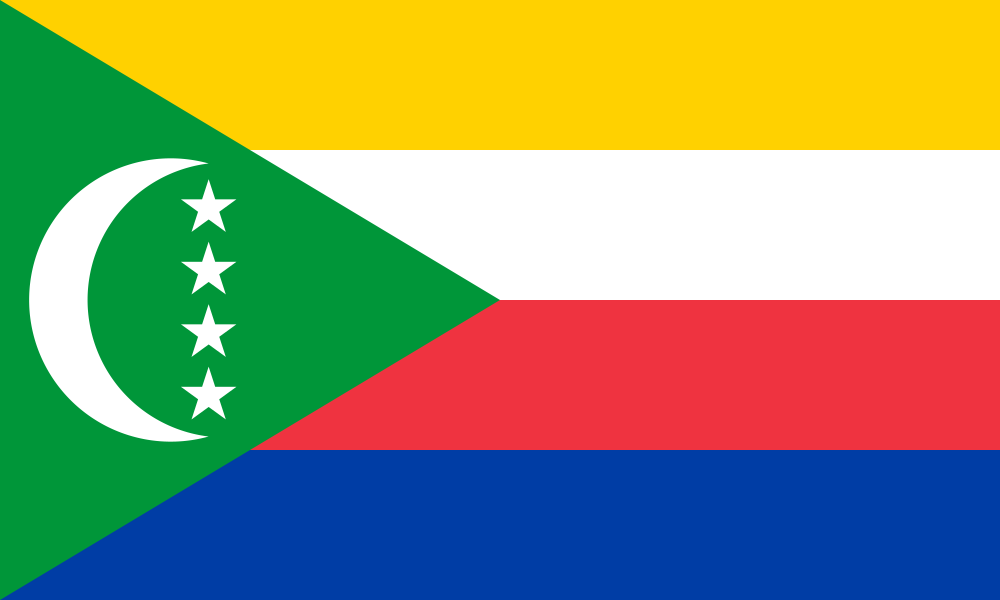 Comoros
-
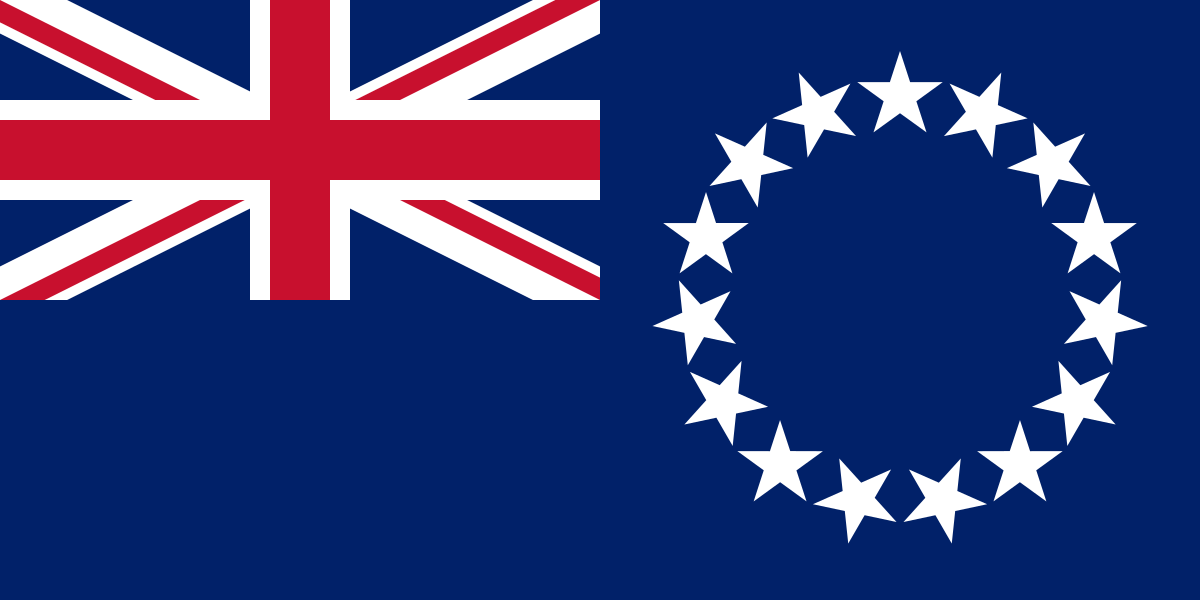 Cook Islands
-
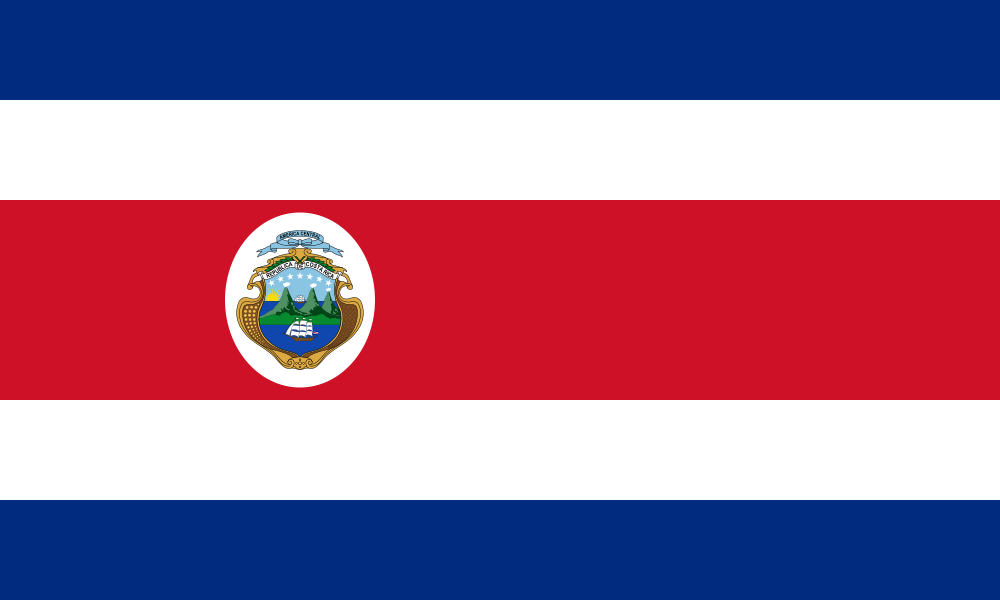 Costa Rica
-
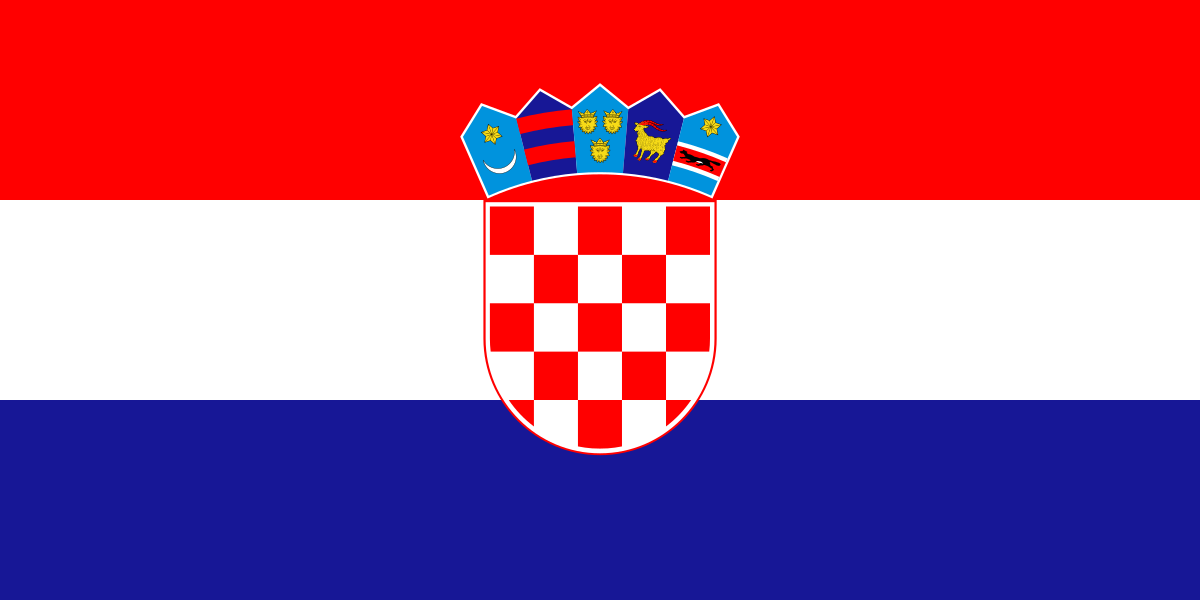 Croatia
-
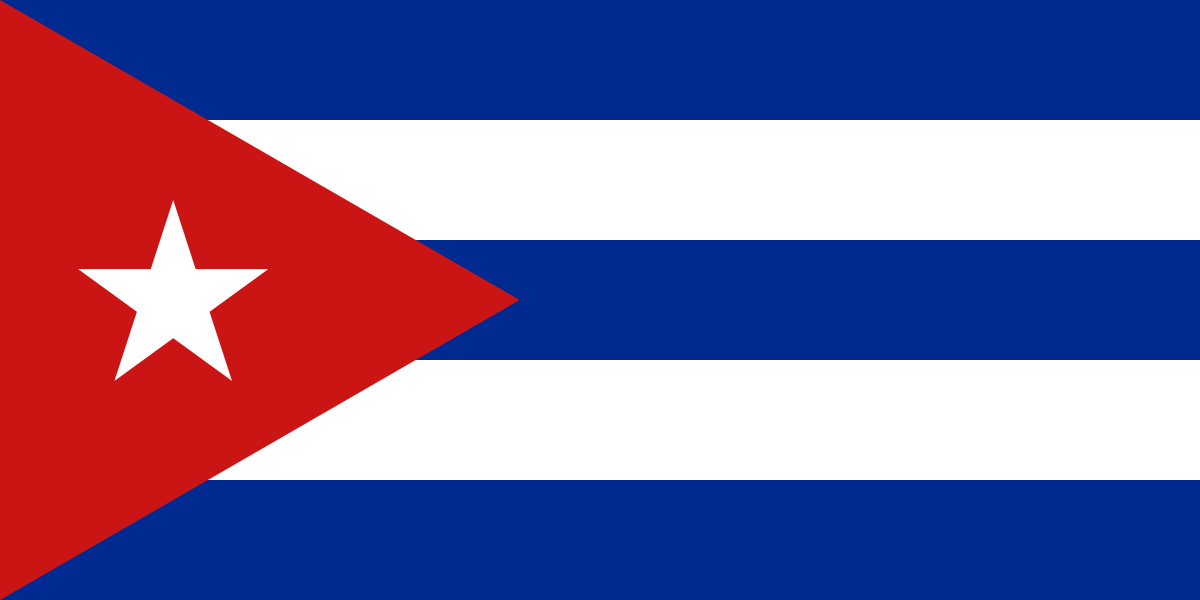 Cuba
Cuba
-
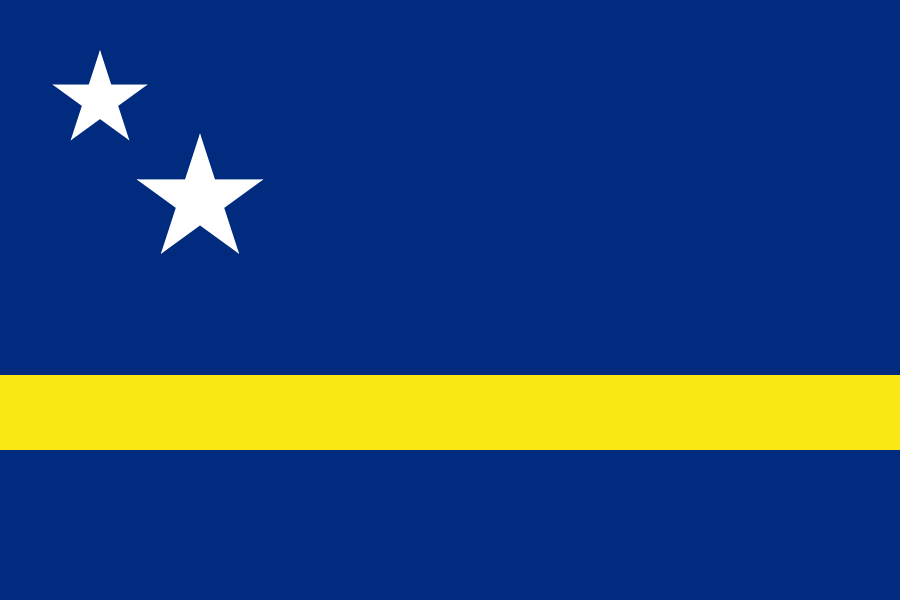 Curaçao
-
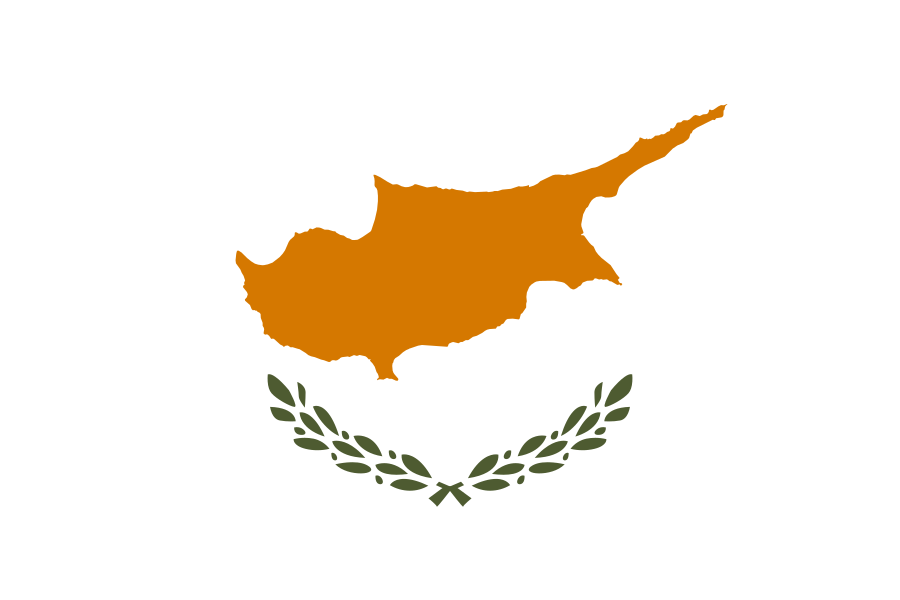 Cyprus
-
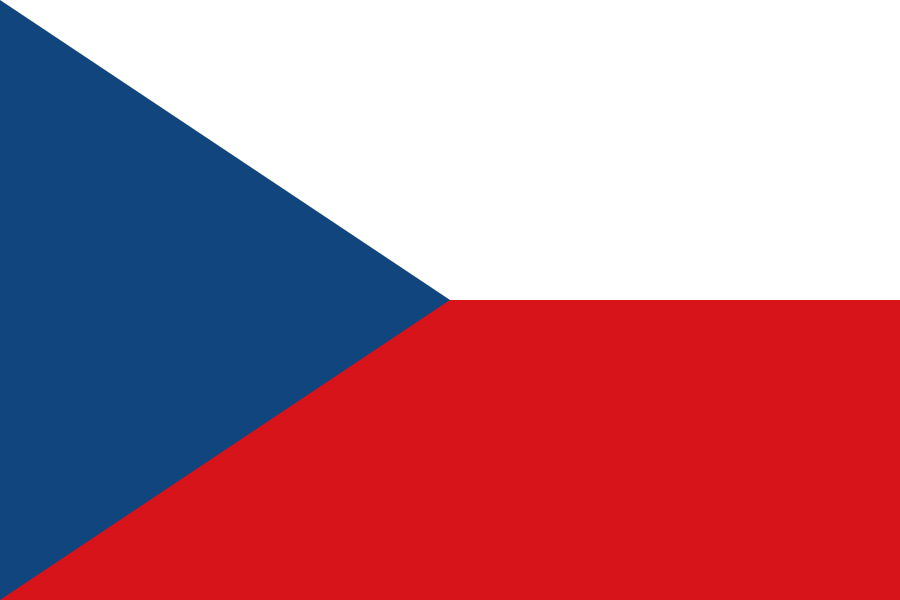 Czech Republic
-
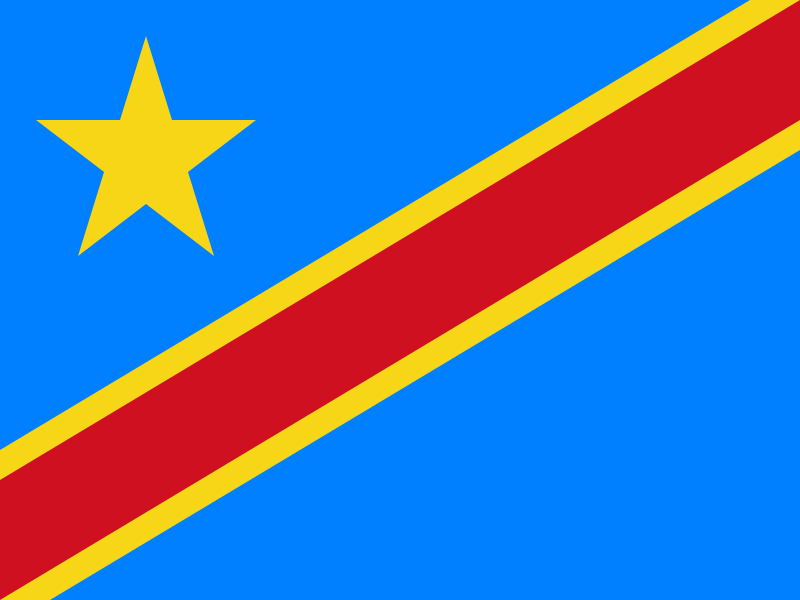 Democratic Republic of the Congo
-
 Denmark
-
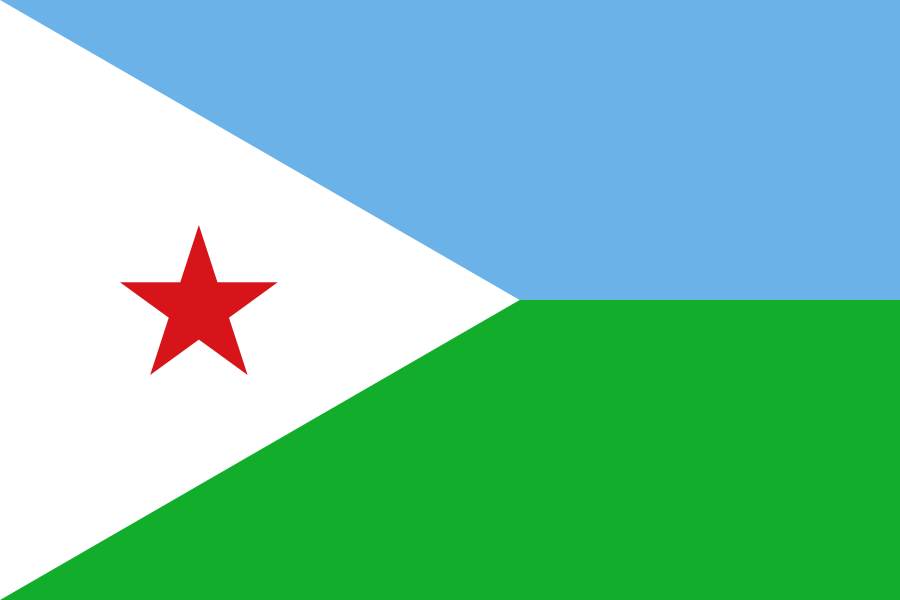 Djibouti
-
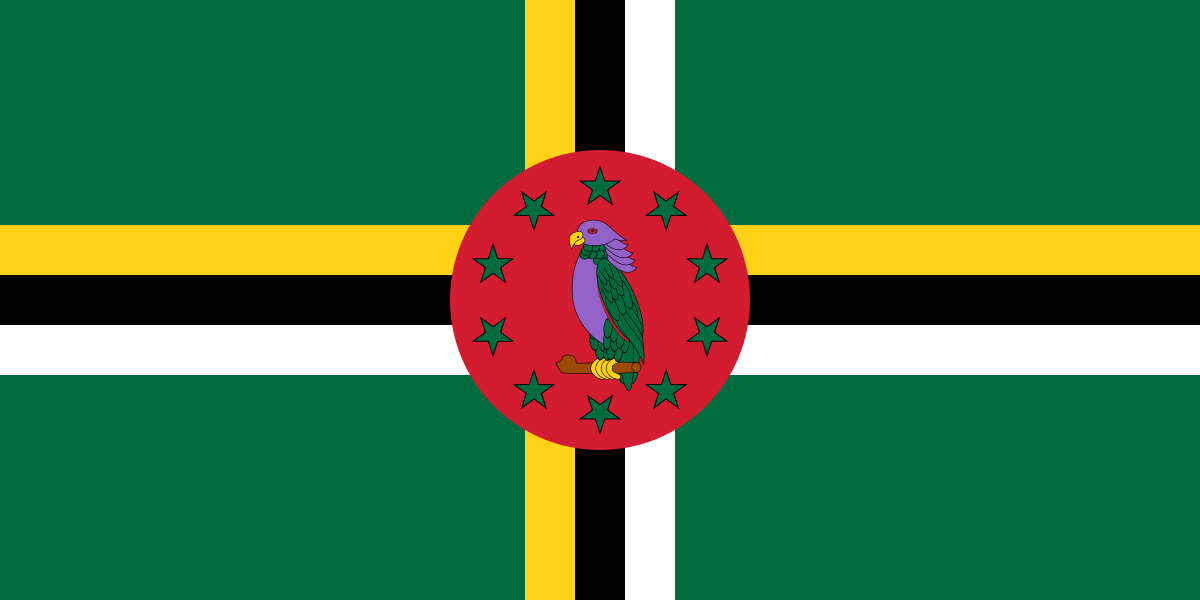 Dominica
-
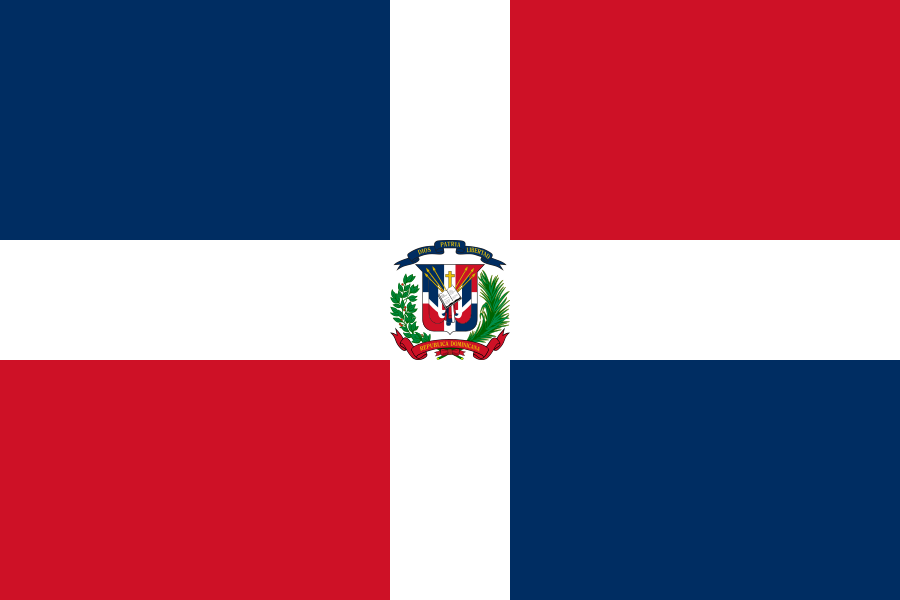 Dominican Republic
-
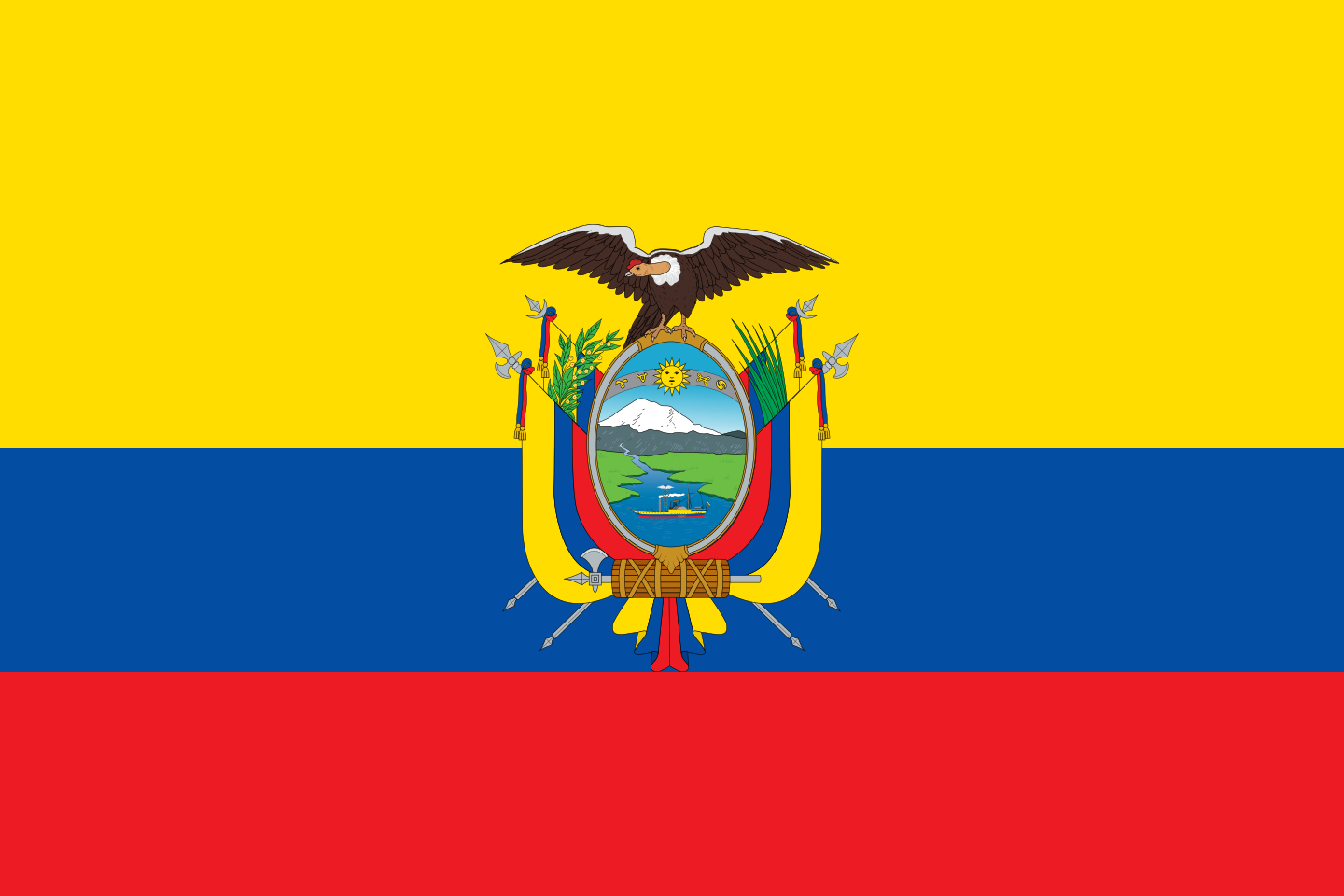 Ecuador
-
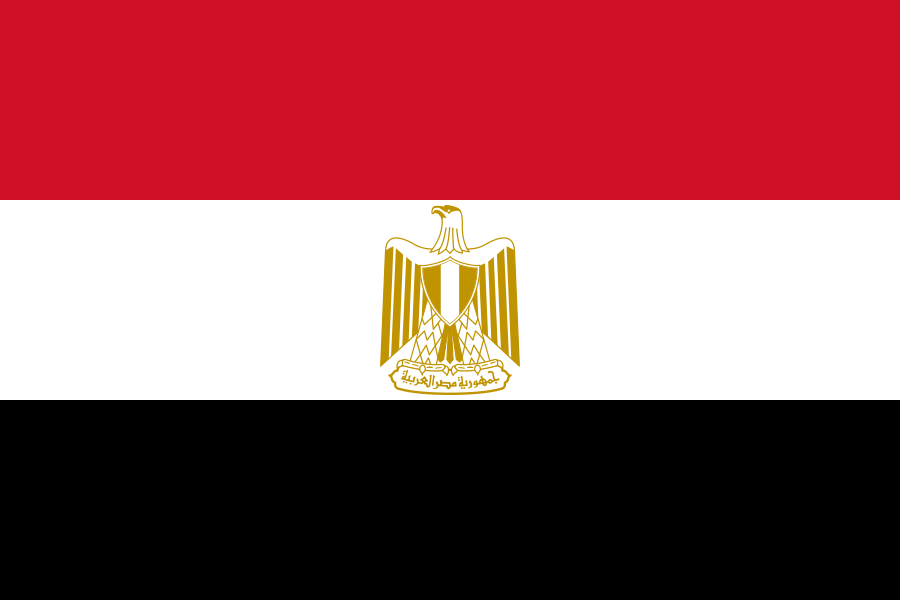 Egypt
Egypt
-
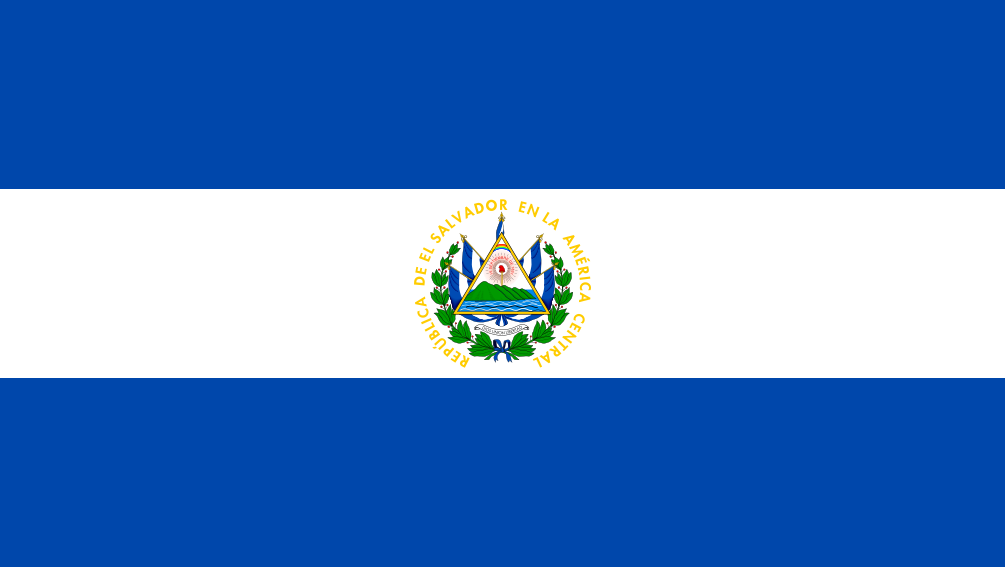 El Salvador
-
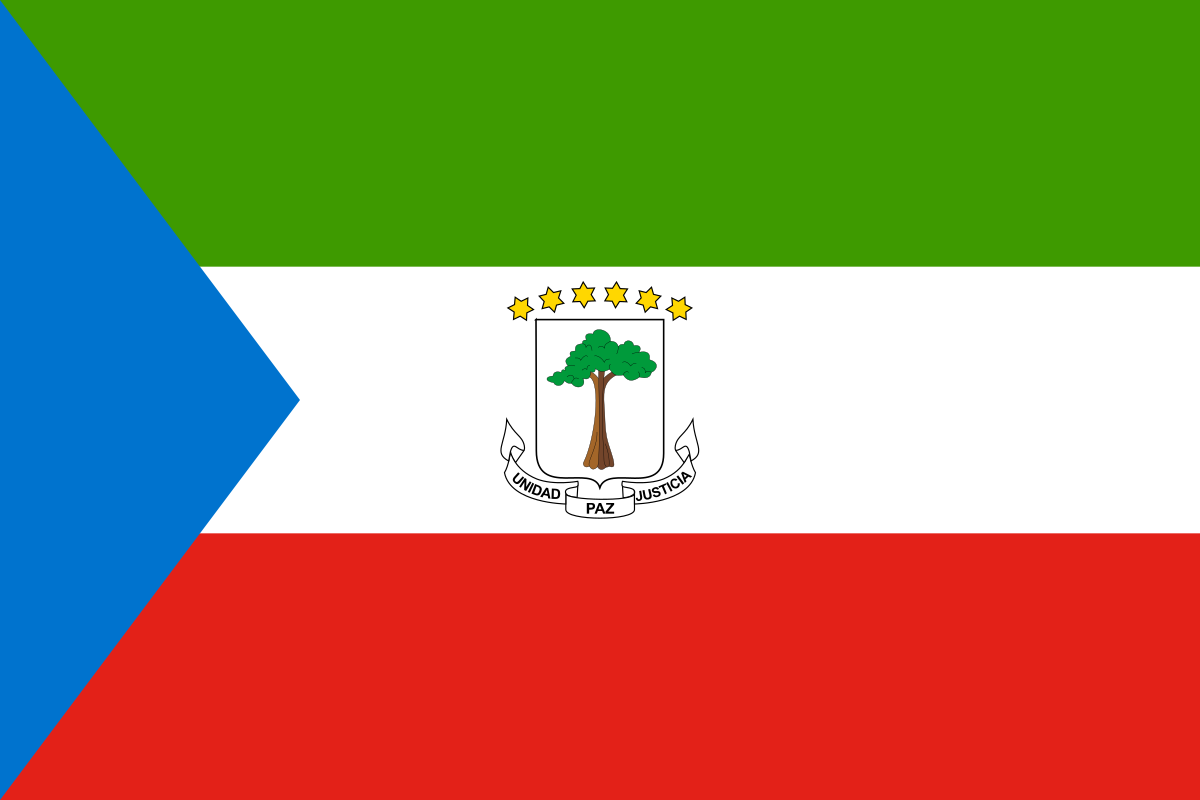 Equatorial Guinea
-
 Eritrea
-
 Estonia
-
 Eswatini
-
 Ethiopia
-
 Falkland Islands
-
 Faroe Islands
-
 Fiji
Fiji
-
 Finland
-
 France
-
French Guiana
-
 French Polynesia
-
 French Southern Territories
-
 Gabon
Gabon
-
 Gambia
-
 Georgia
-
 Germany
-
 Ghana
Ghana
-
 Gibraltar
-
 Greece
-
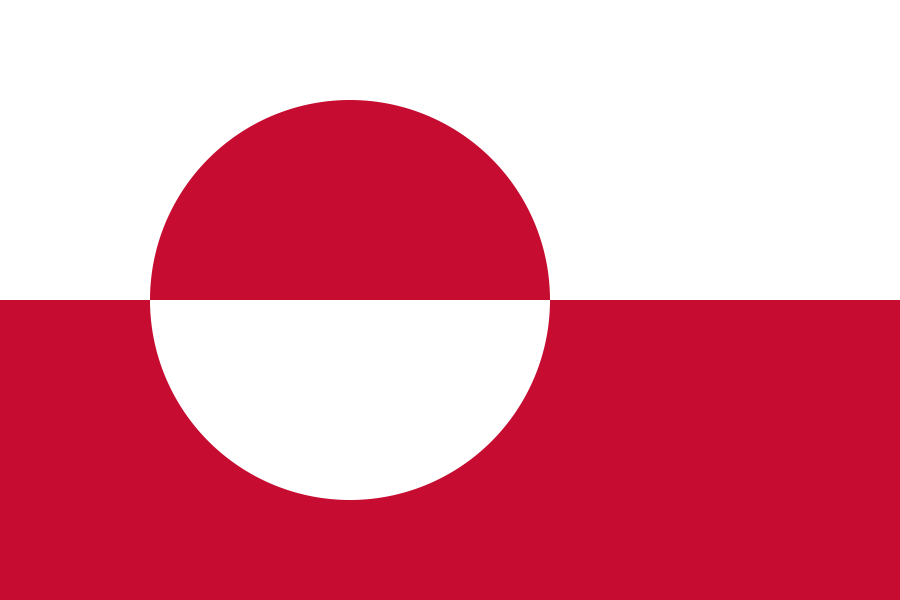 Greenland
-
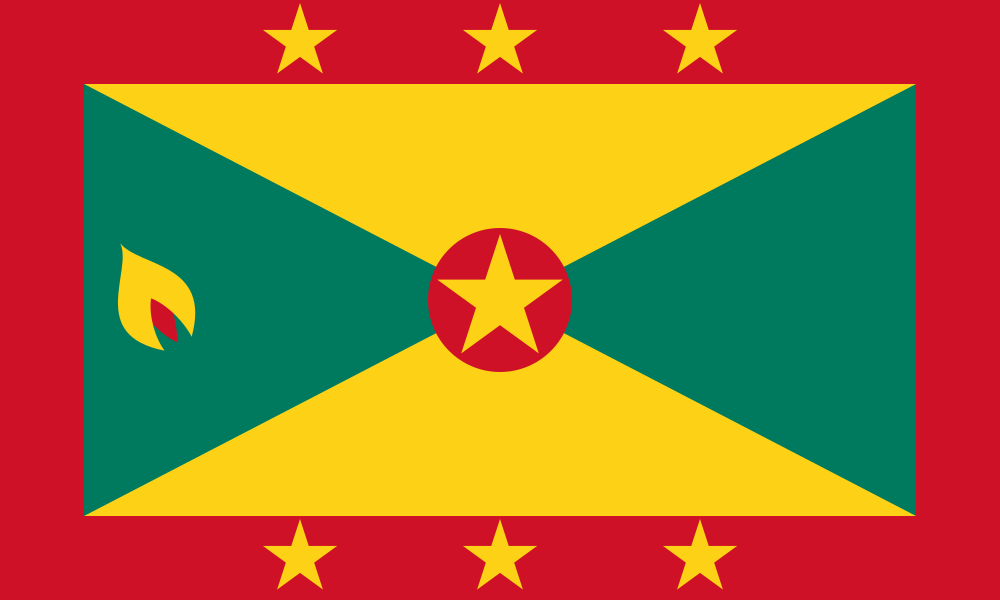 Grenada
-
Guadeloupe
-
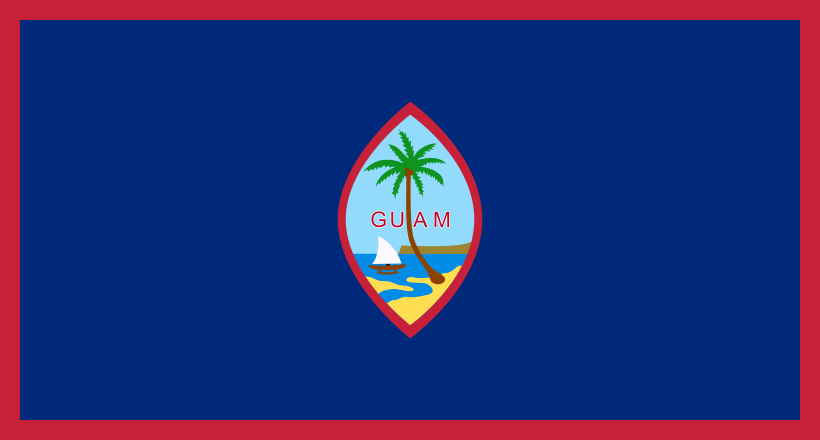 Guam
Guam
-
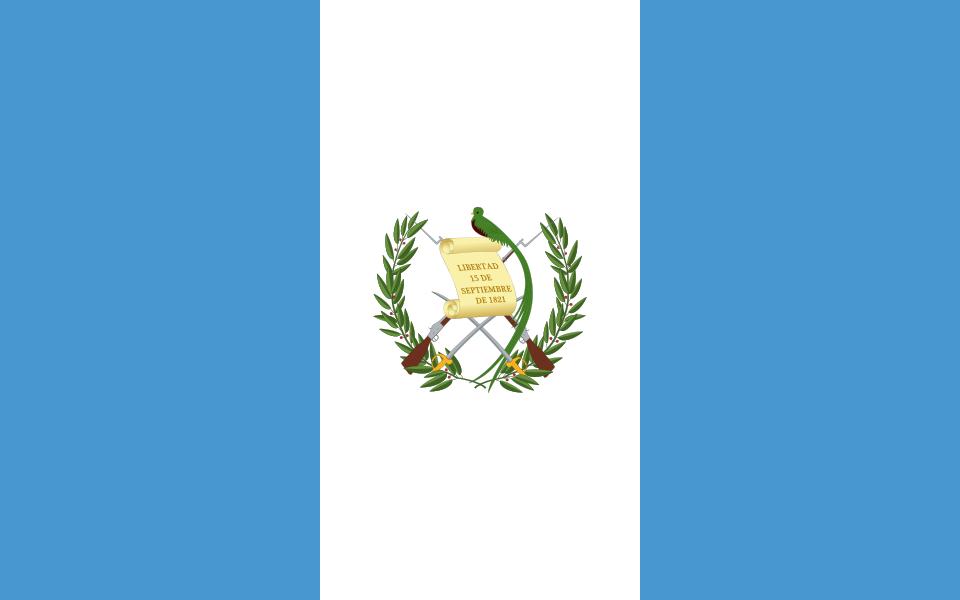 Guatemala
-
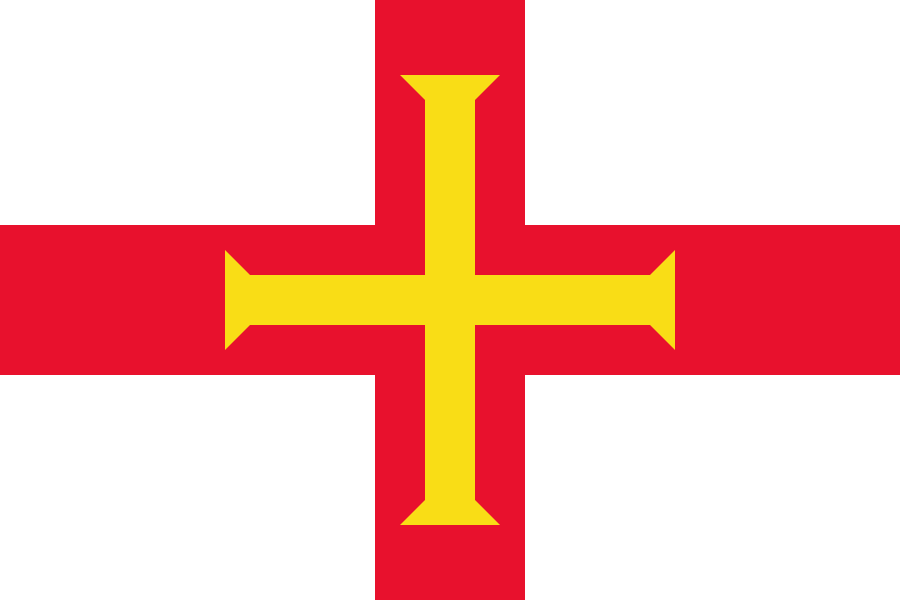 Guernsey
-
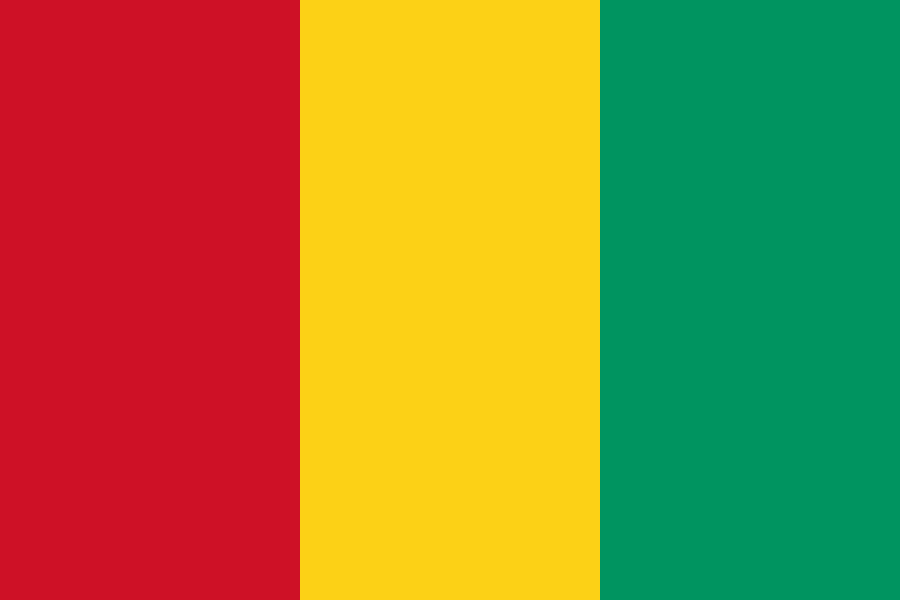 Guinea
-
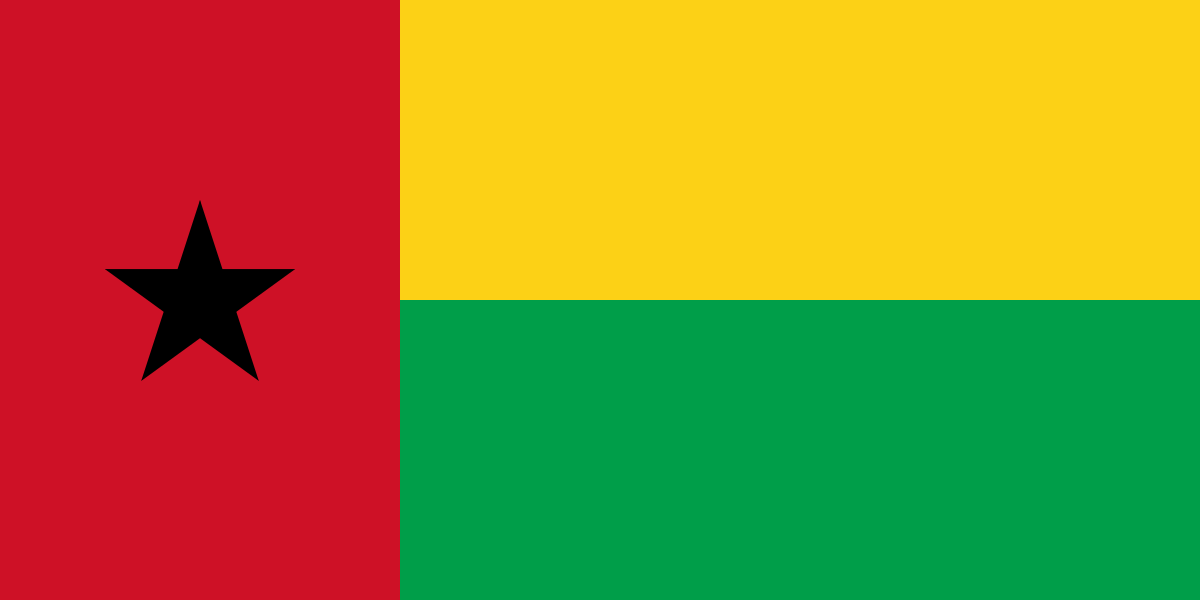 Guinea-Bissau
-
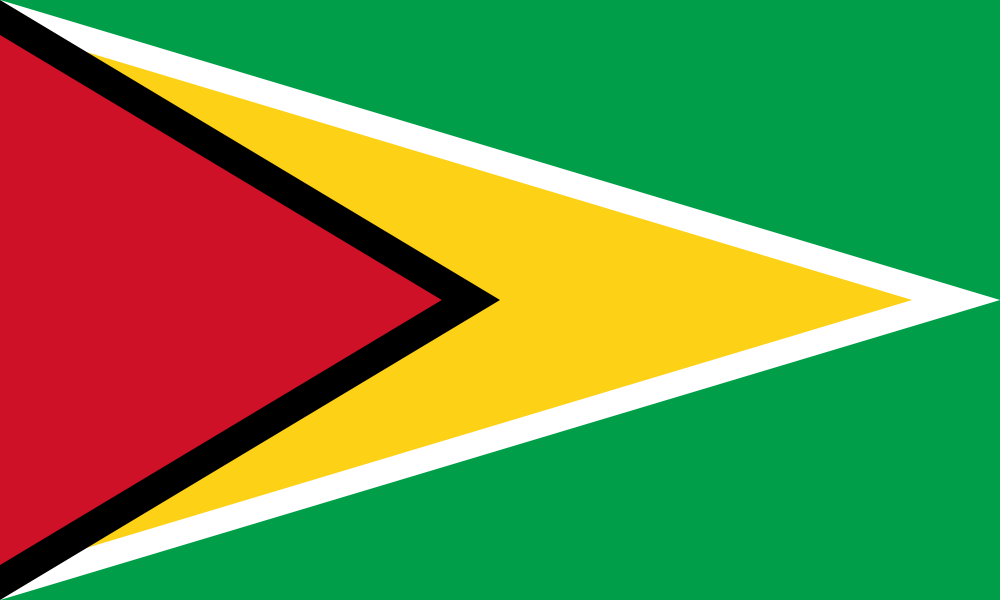 Guyana
-
 Haiti
Haiti
-
 Heard and McDonald Islands
-
 Honduras
-
 Hong Kong
-
 Hungary
-
 Iceland
-
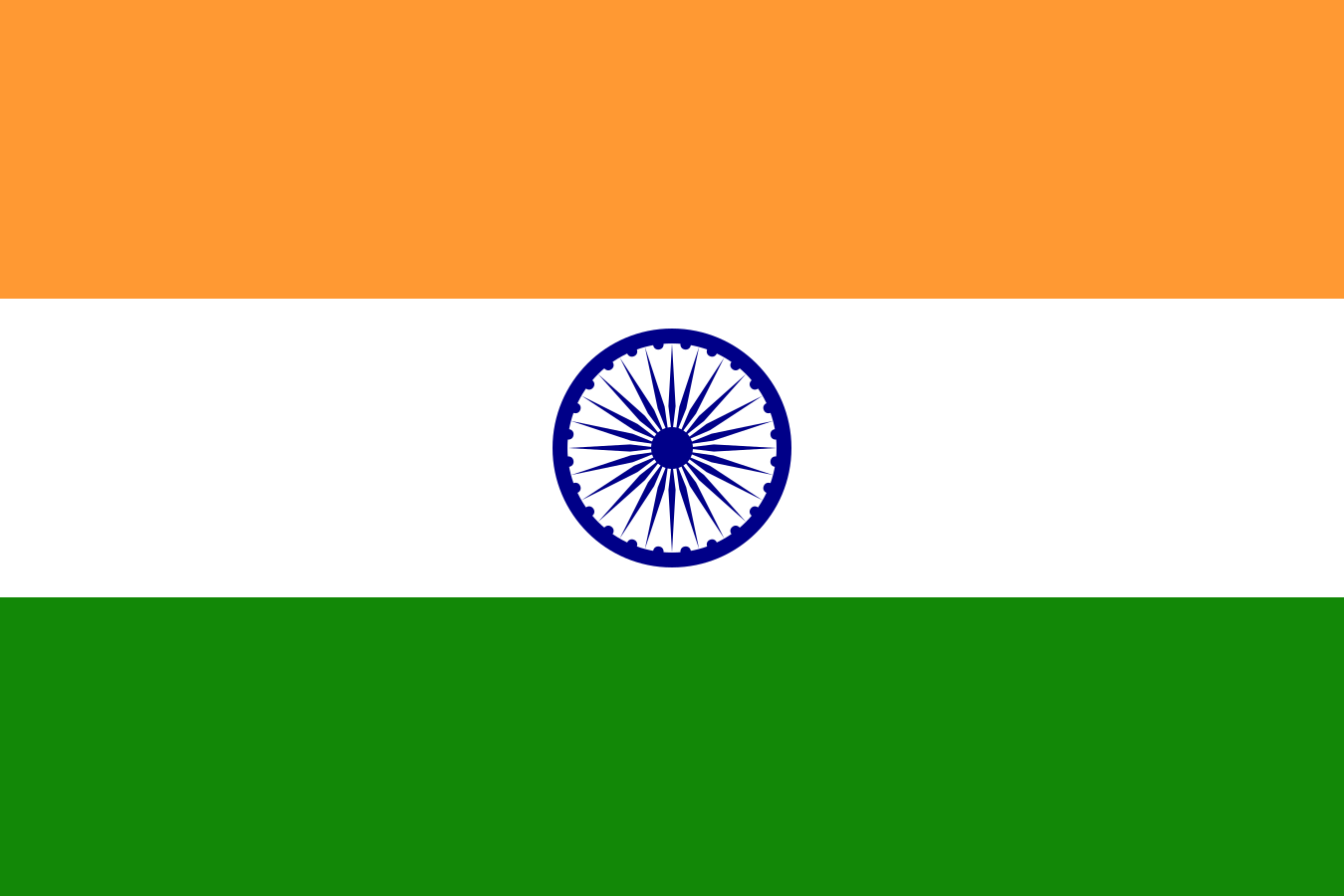 India
India
-
 Indonesia
-
 Iran
Iran
-
 Iraq
Iraq
-
 Ireland
-
 Isle of Man
-
 Israel
-
 Italy
Italy
-
 Ivory Coast
-
 Jamaica
-
 Japan
Japan
-
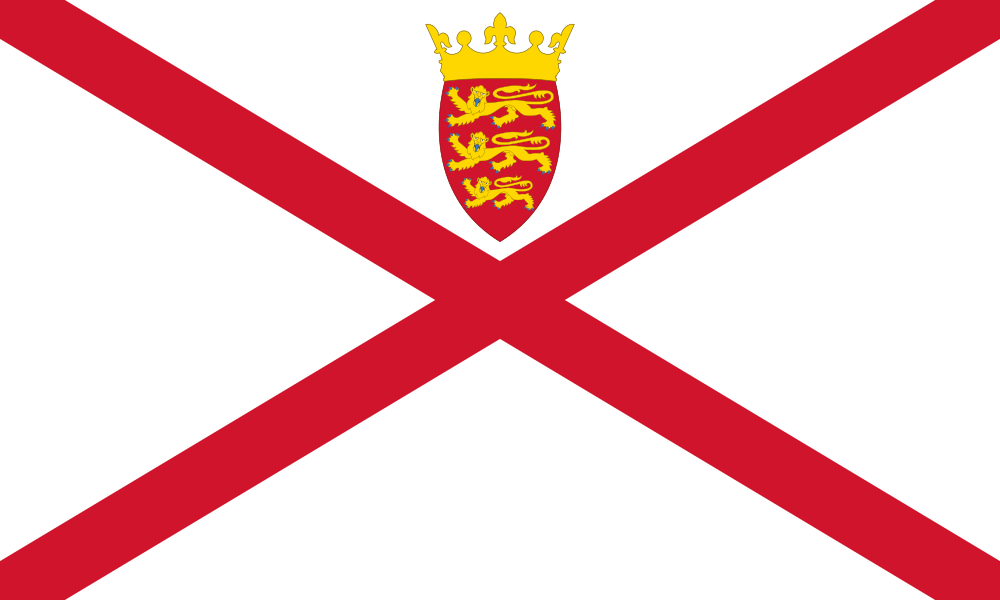 Jersey
-
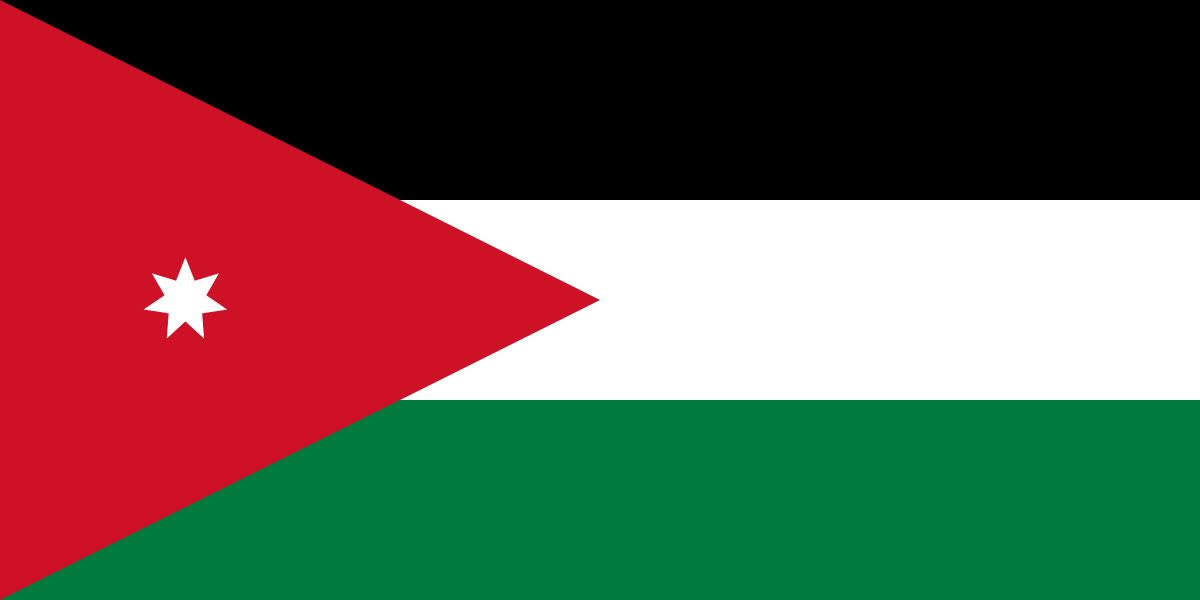 Jordan
-
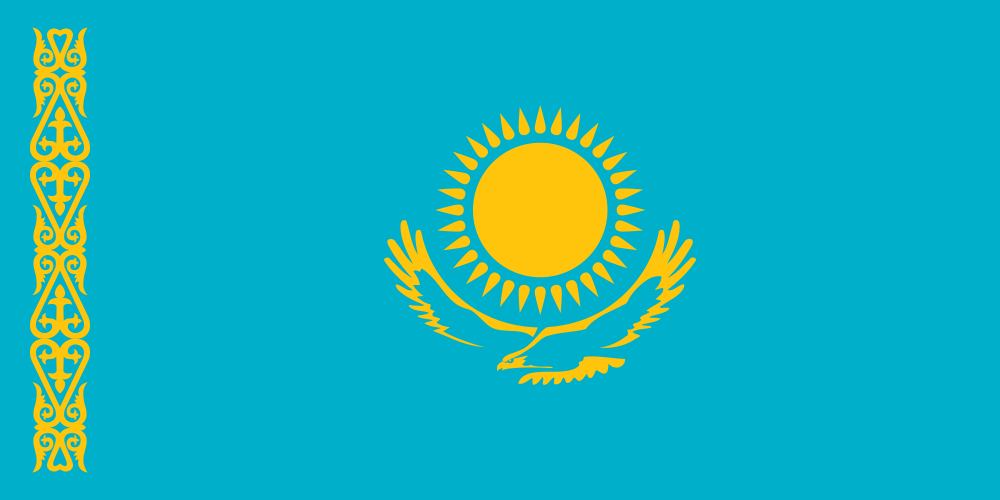 Kazakhstan
-
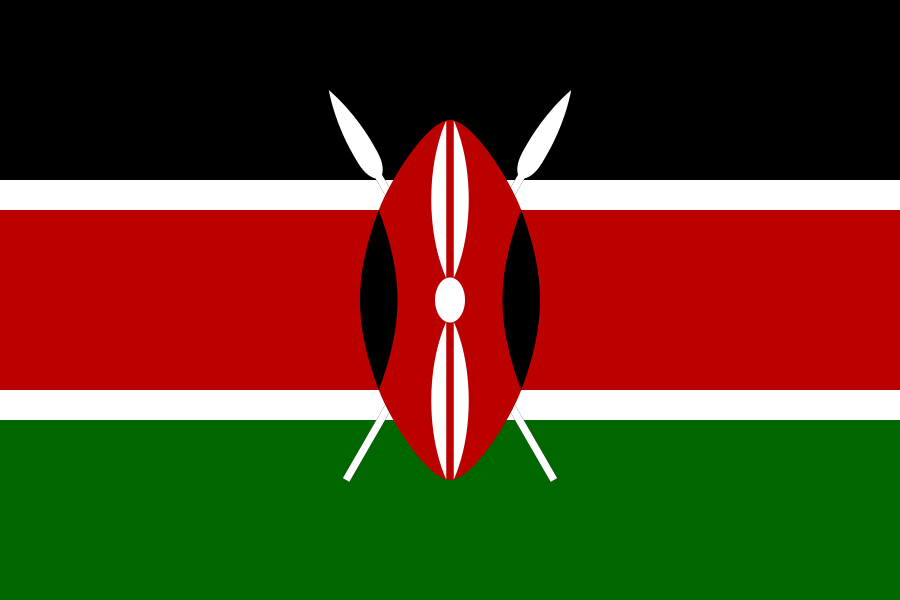 Kenya
Kenya
-
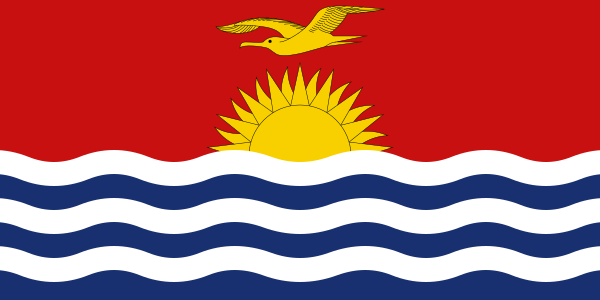 Kiribati
-
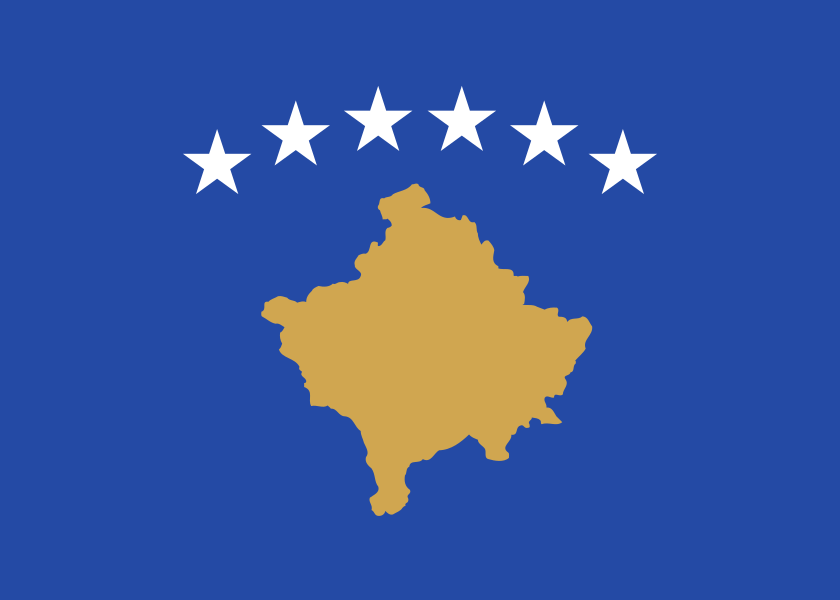 Kosovo
-
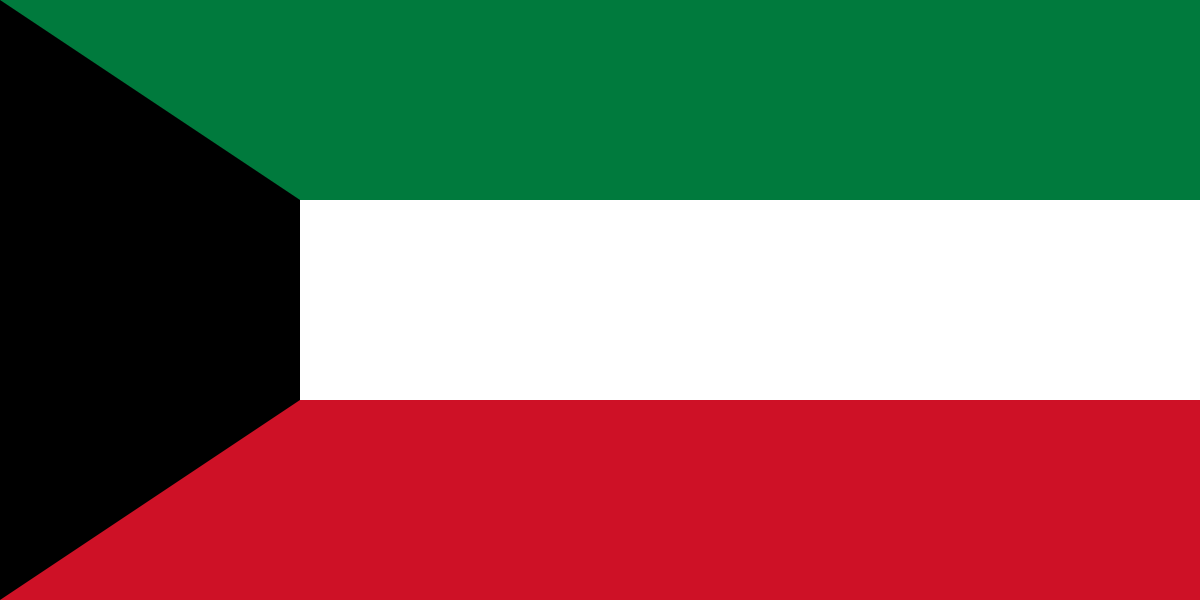 Kuwait
-
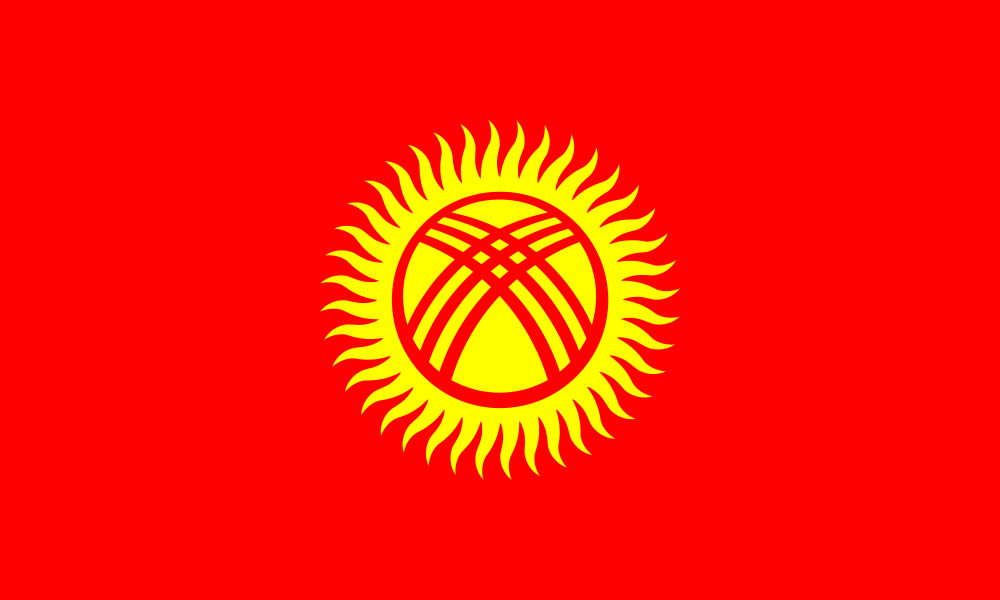 Kyrgyzstan
-
 Laos
Laos
-
 Latvia
-
 Lebanon
-
 Lesotho
-
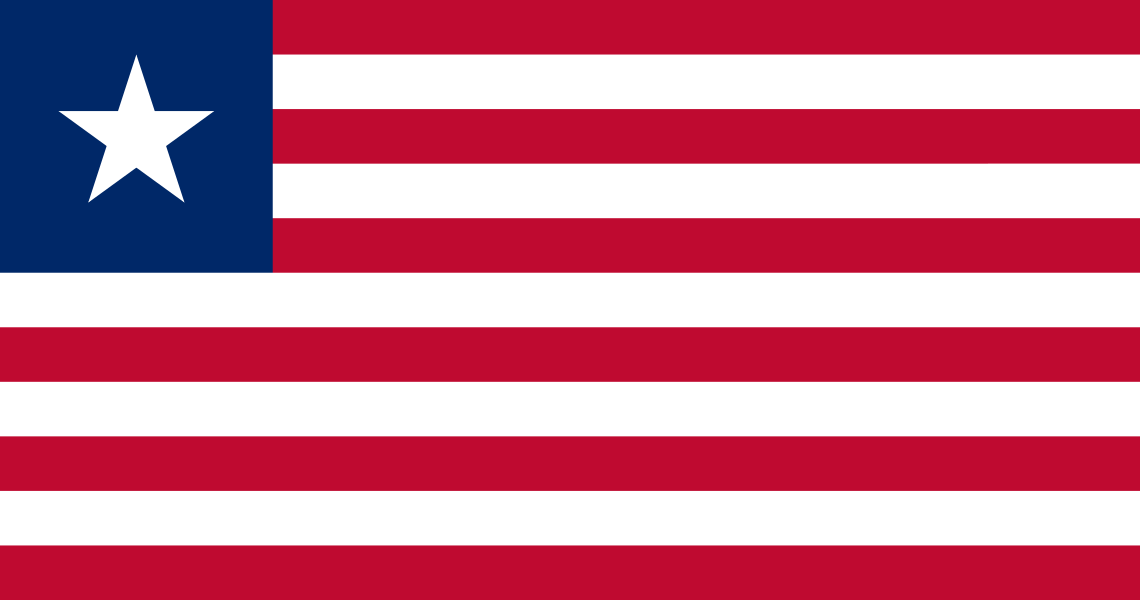 Liberia
-
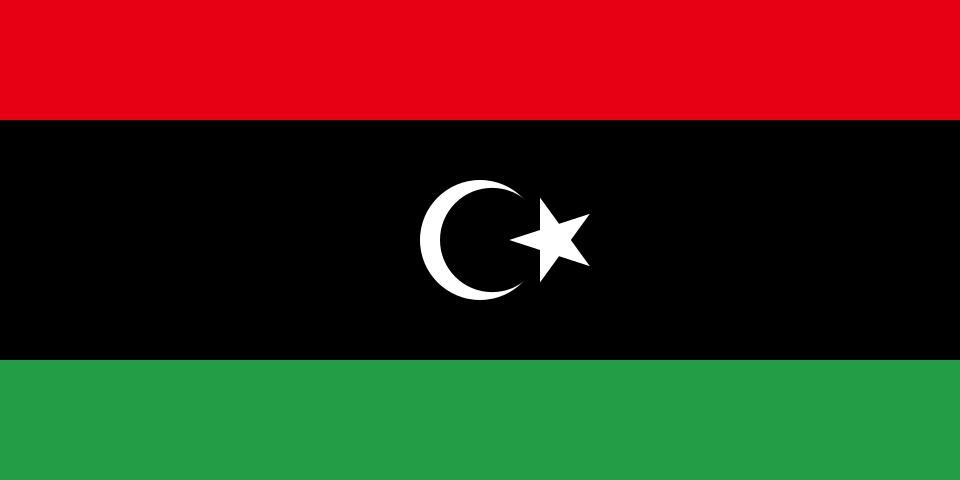 Libya
Libya
-
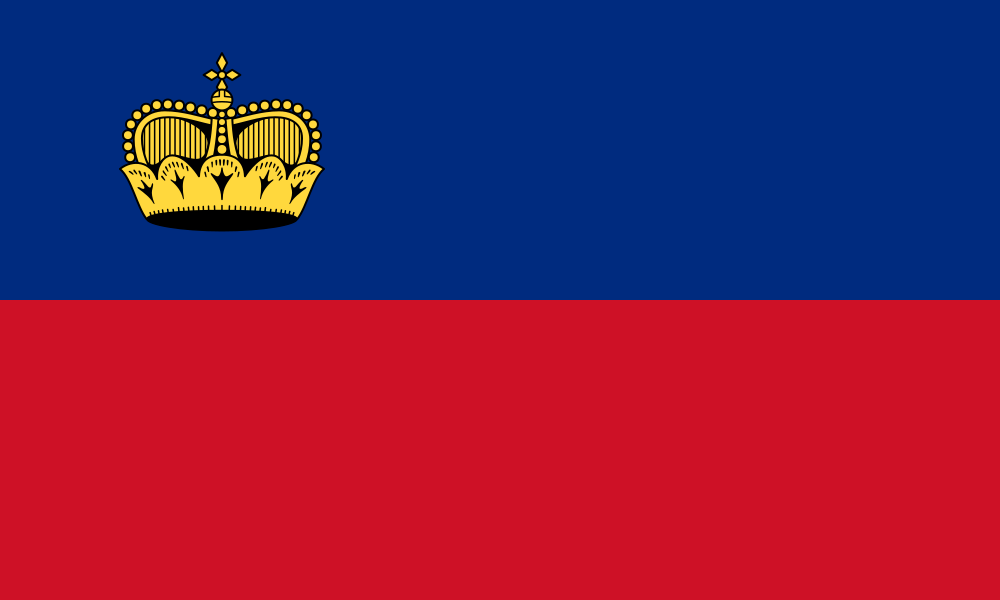 Liechtenstein
-
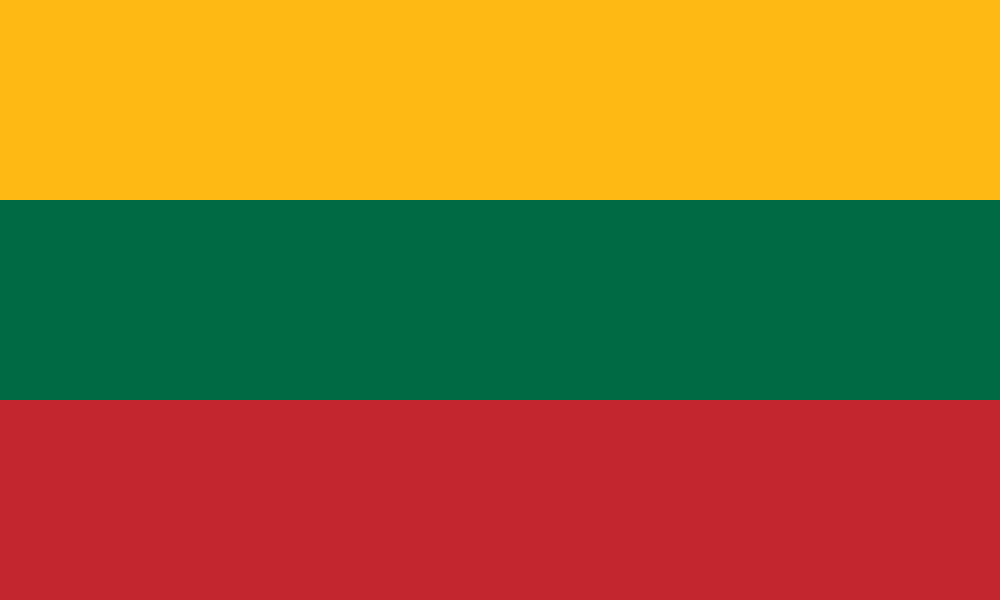 Lithuania
-
 Luxembourg
-
 Macau
Macau
-
 Madagascar
-
 Malawi
-
 Malaysia
-
 Maldives
-
 Mali
Mali
-
 Malta
Malta
-
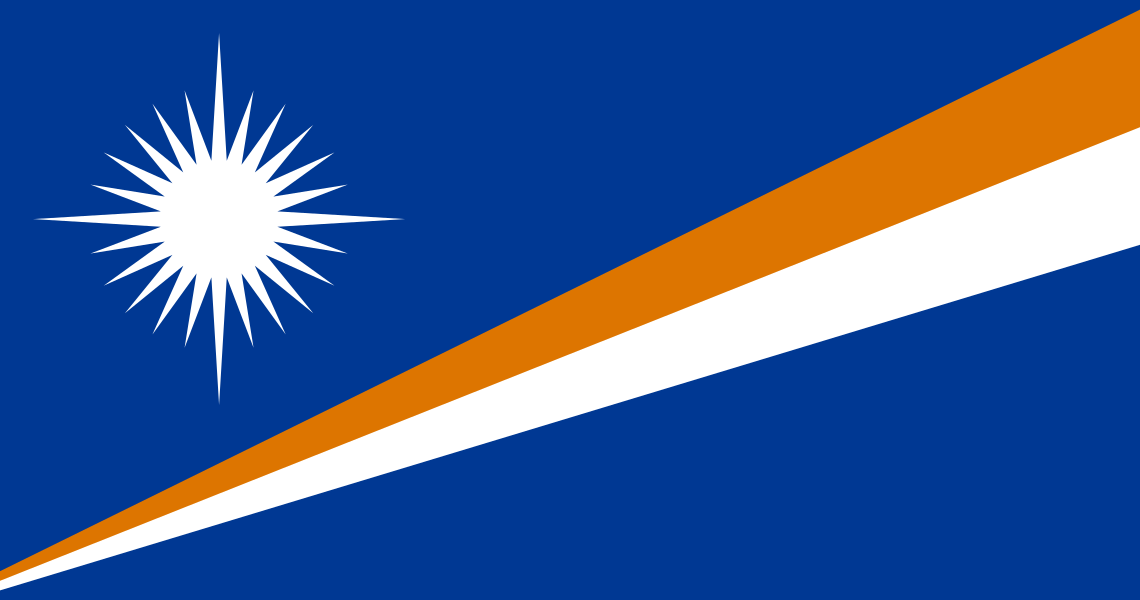 Marshall Islands
-
Martinique
-
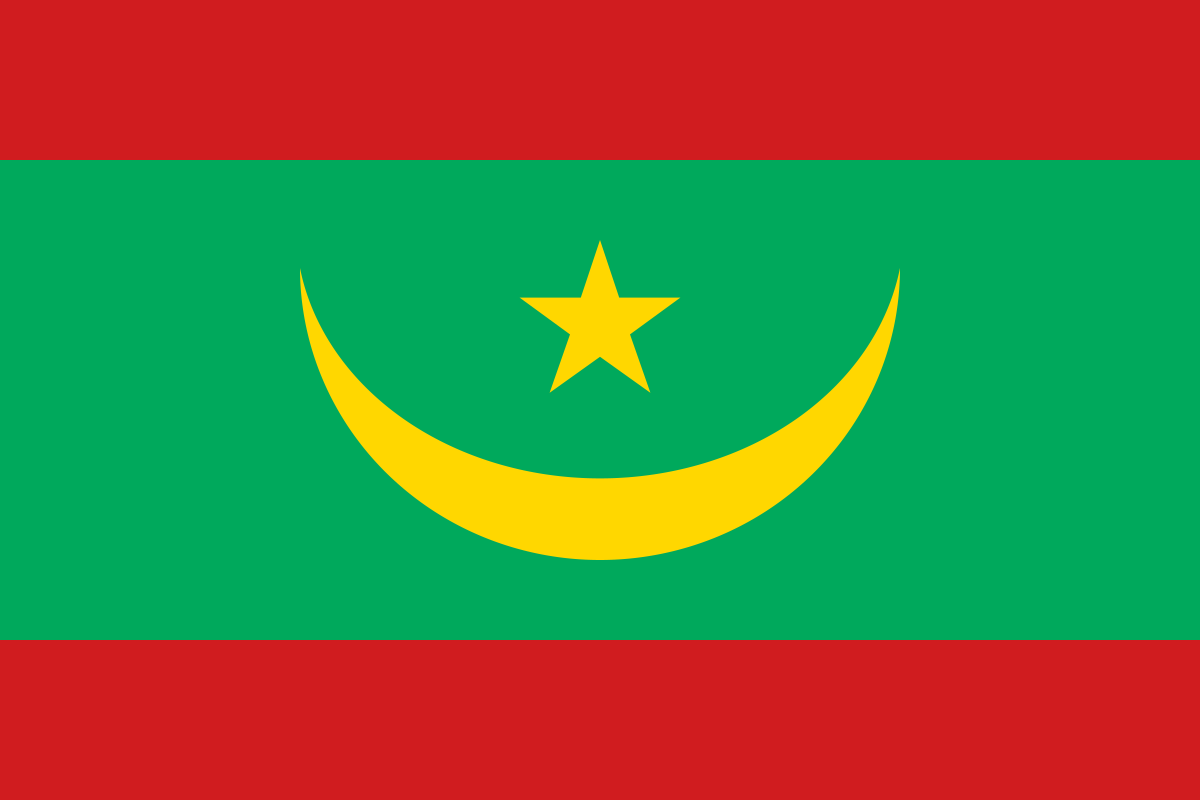 Mauritania
-
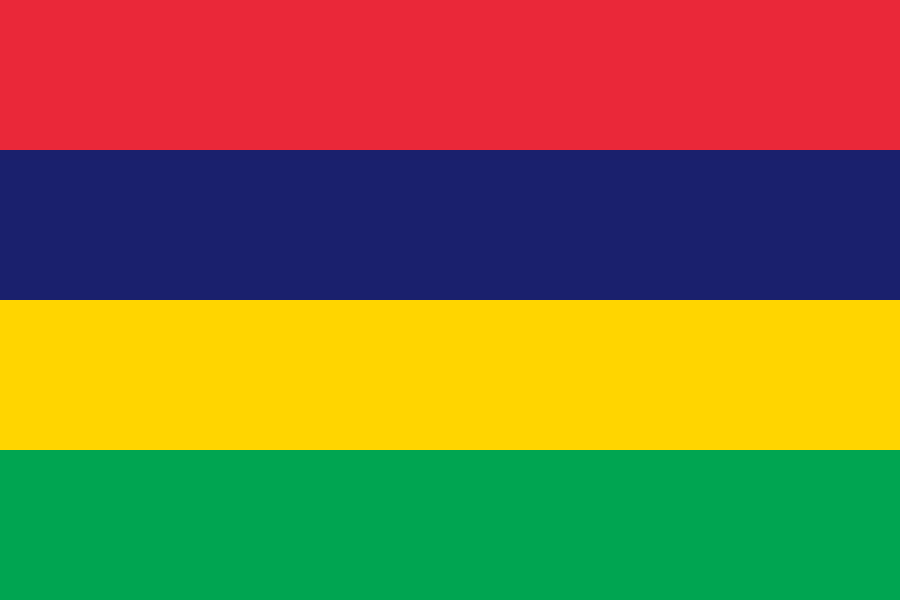 Mauritius
-
Mayotte
-
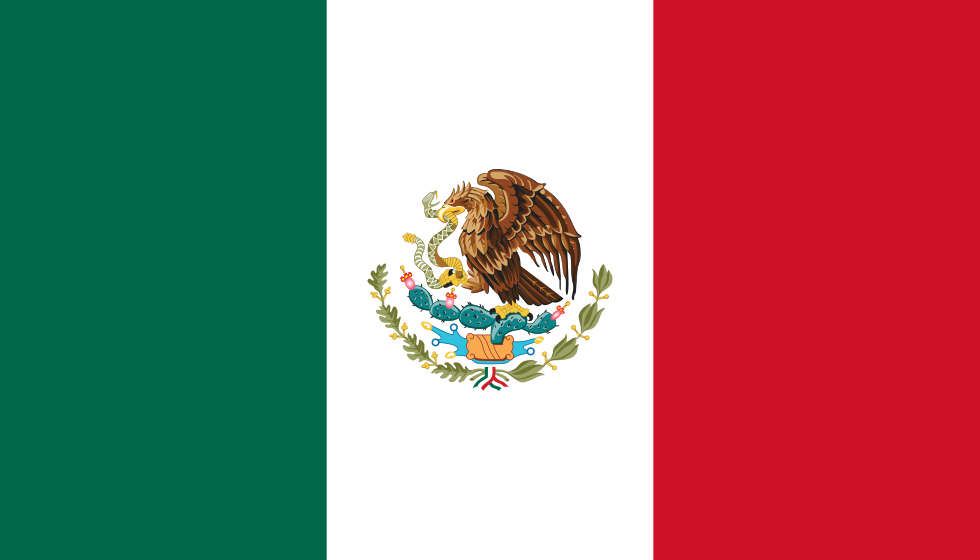 Mexico
-
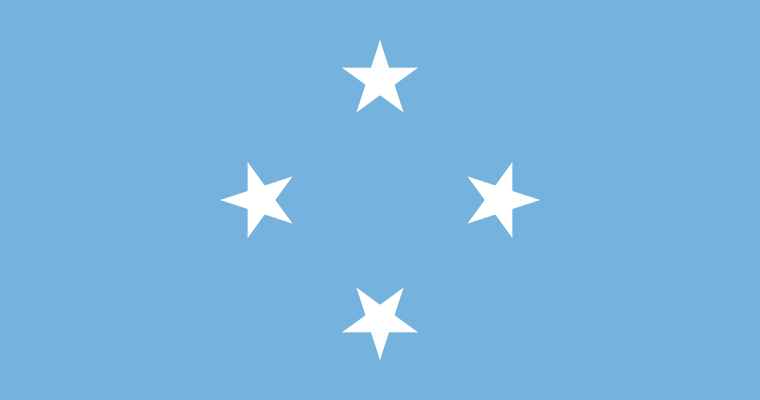 Micronesia
-
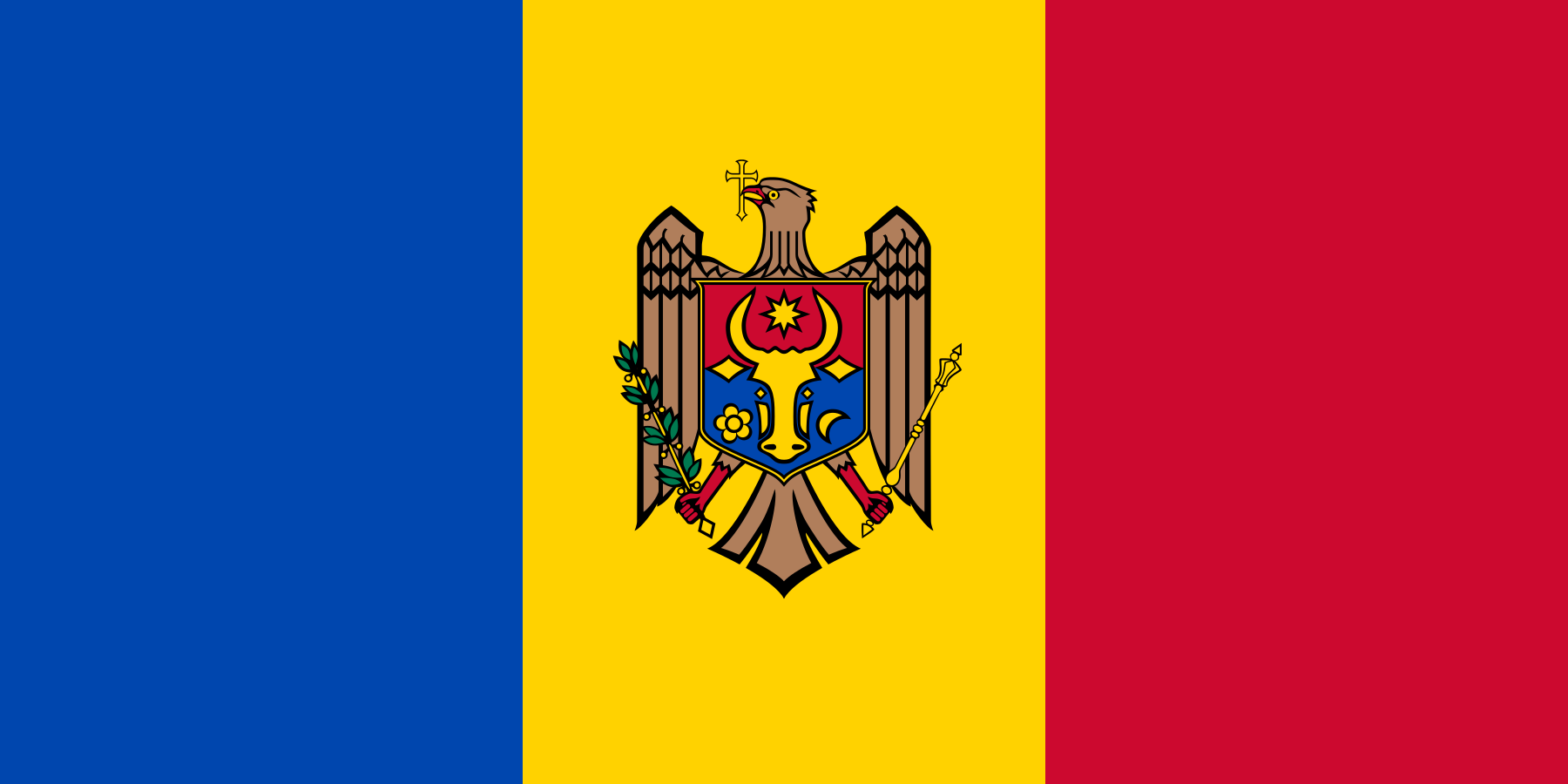 Moldova
-
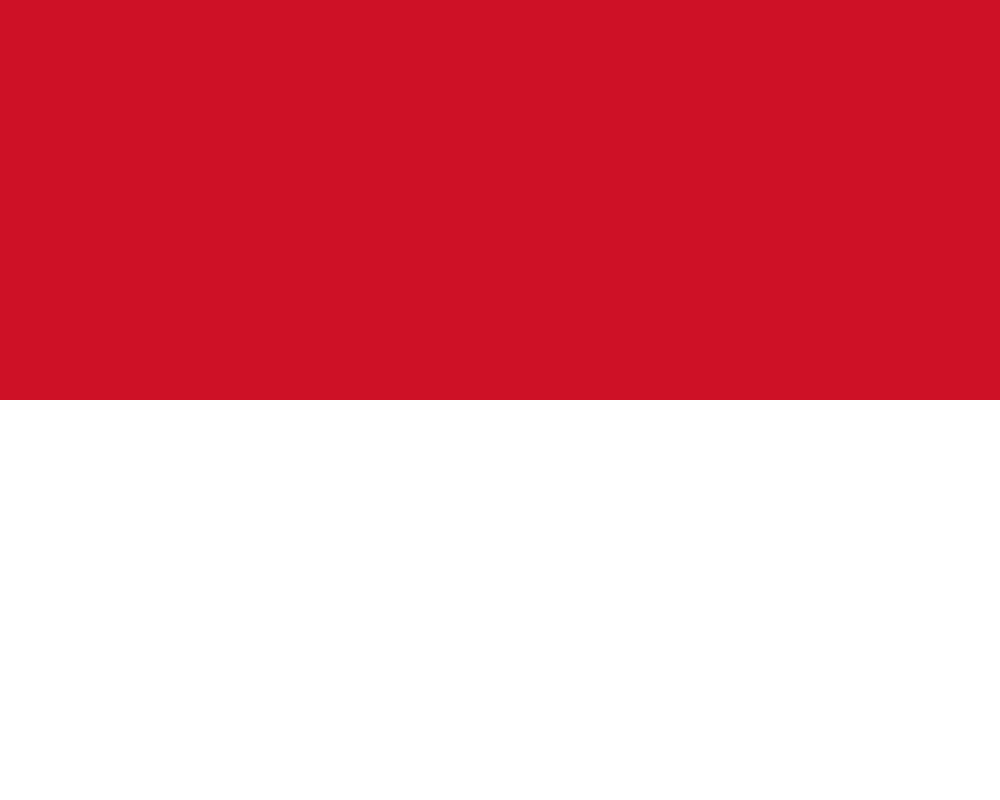 Monaco
-
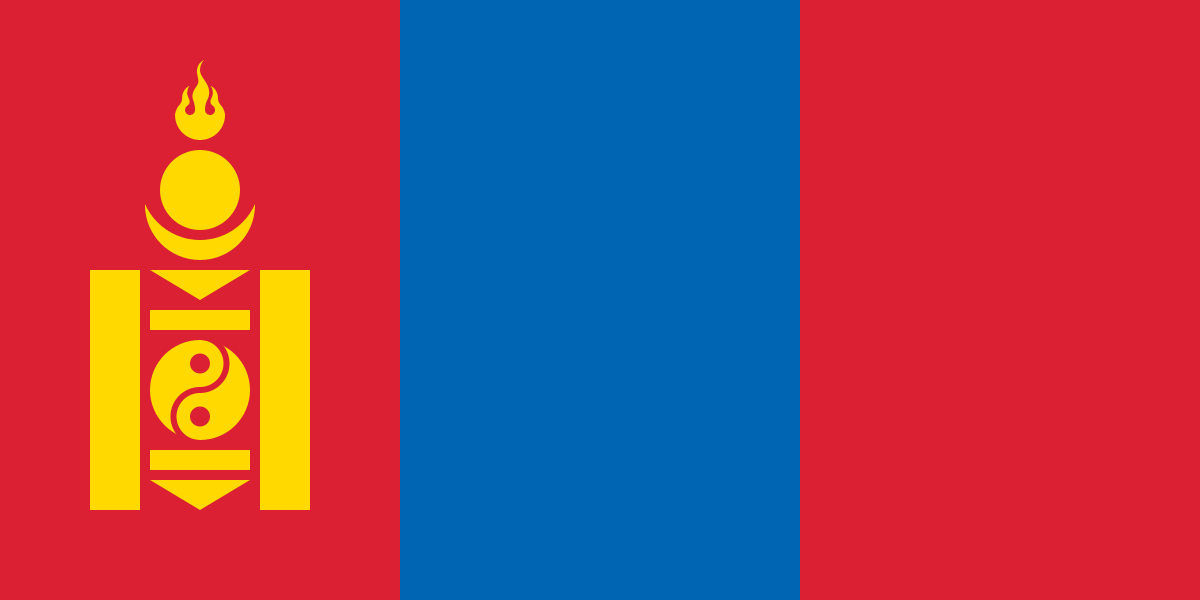 Mongolia
-
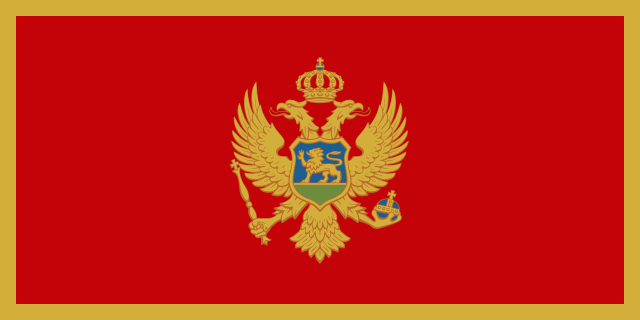 Montenegro
-
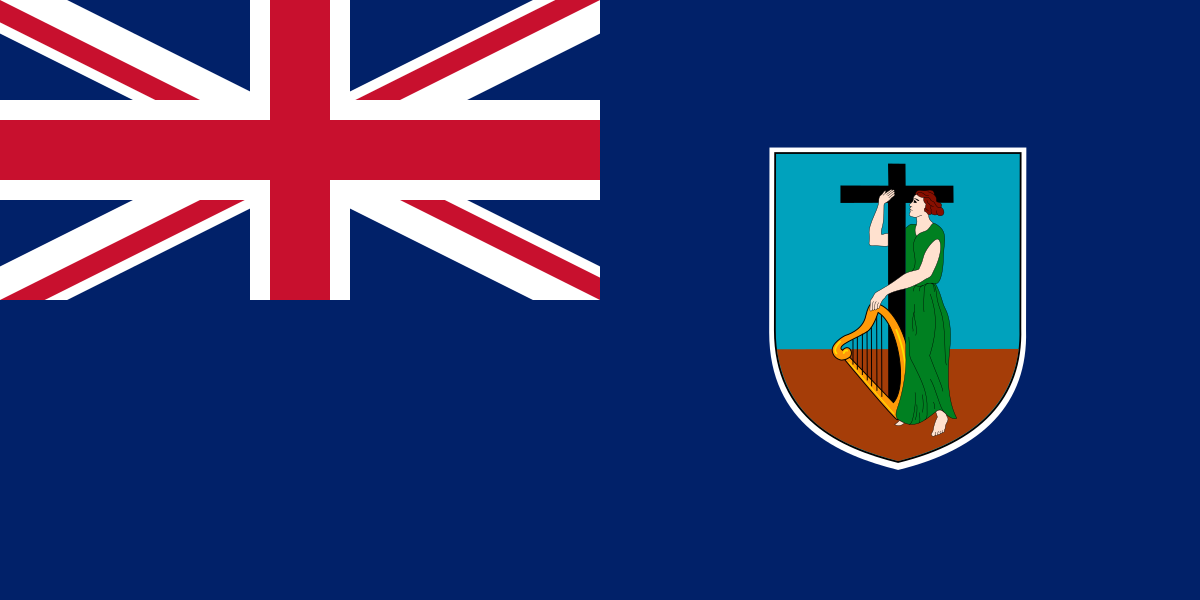 Montserrat
-
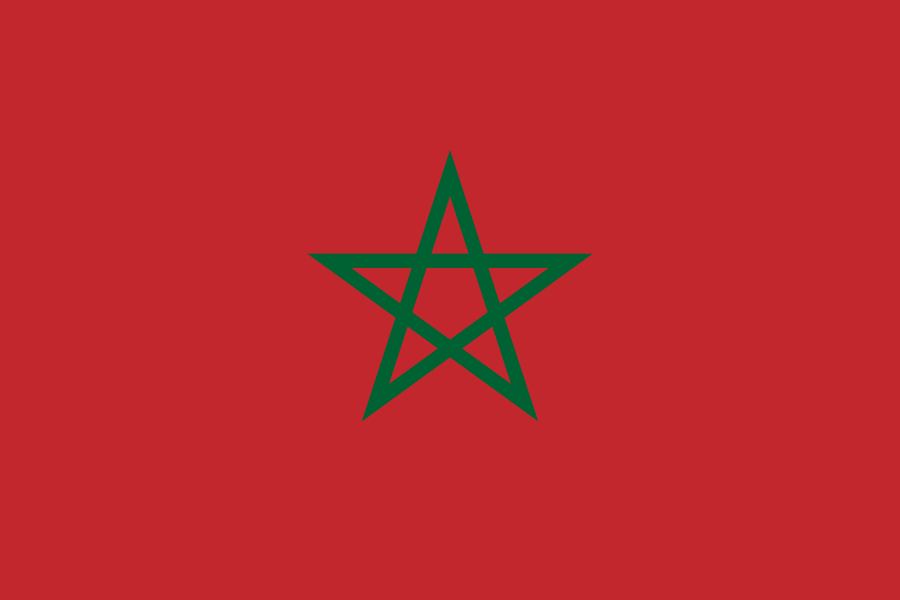 Morocco
-
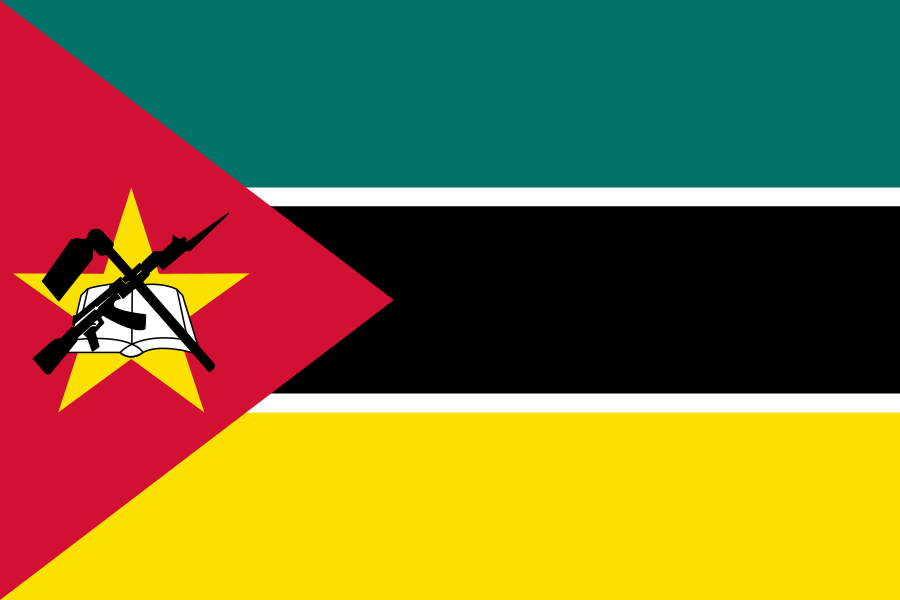 Mozambique
-
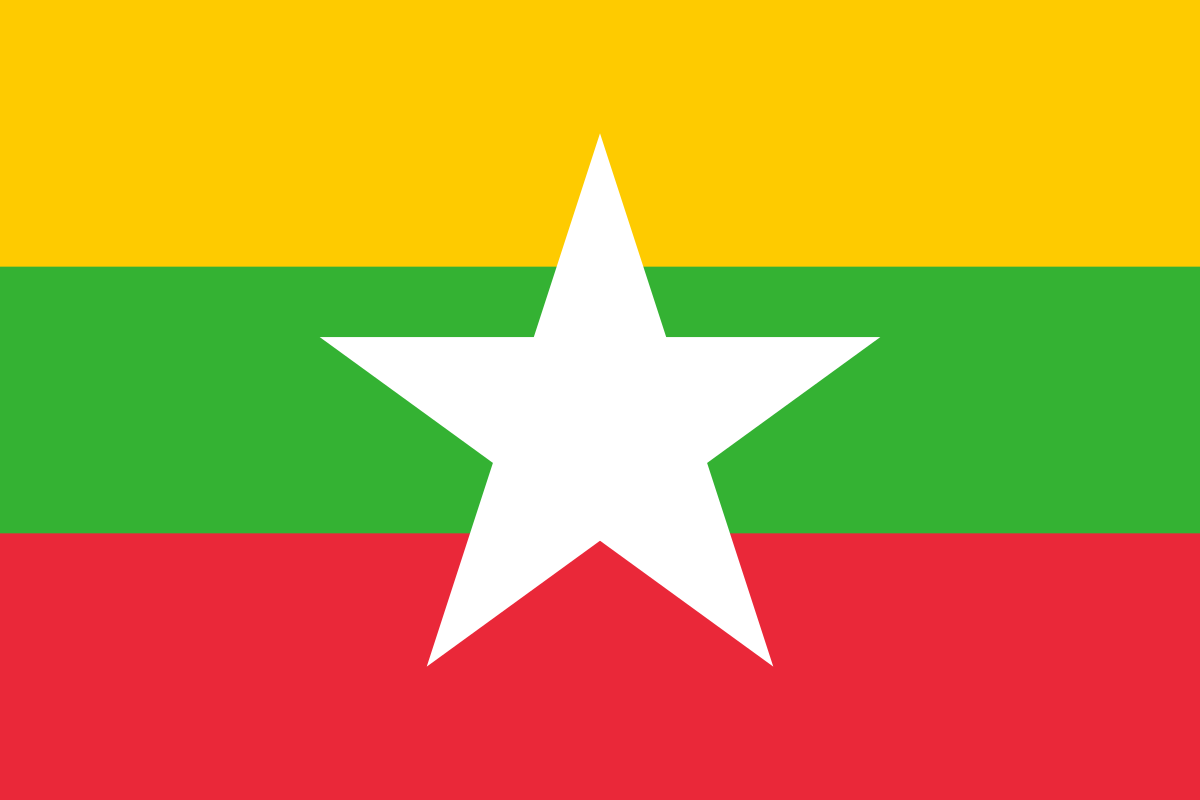 Myanmar
-
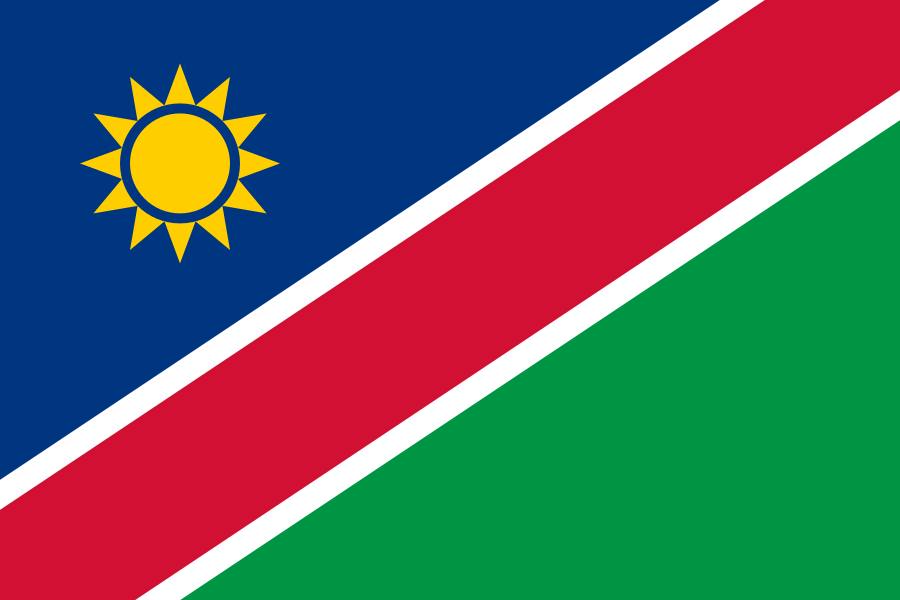 Namibia
-
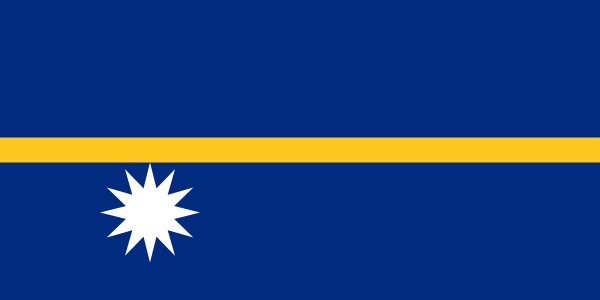 Nauru
Nauru
-
 Nepal
Nepal
-
Netherlands
-
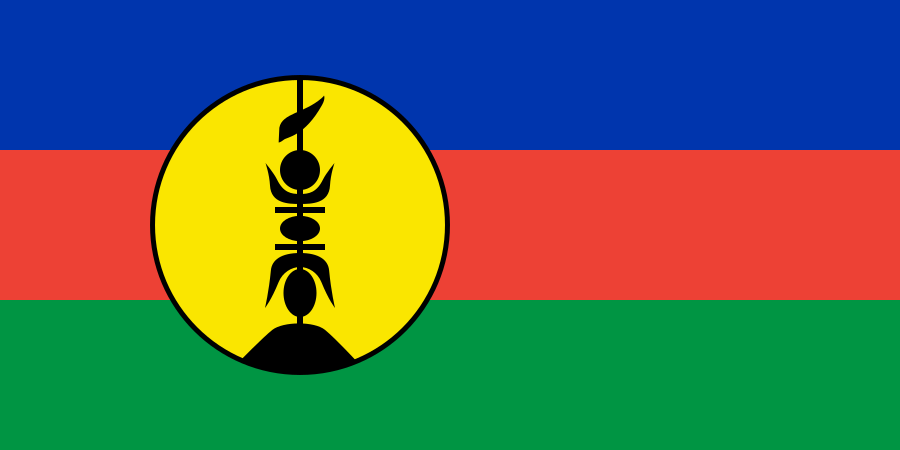 New Caledonia
-
 New Zealand
-
 Nicaragua
-
 Niger
Niger
-
 Nigeria
-
 Niue
Niue
-
 Norfolk Island
-
 North Korea
-
 North Macedonia
-
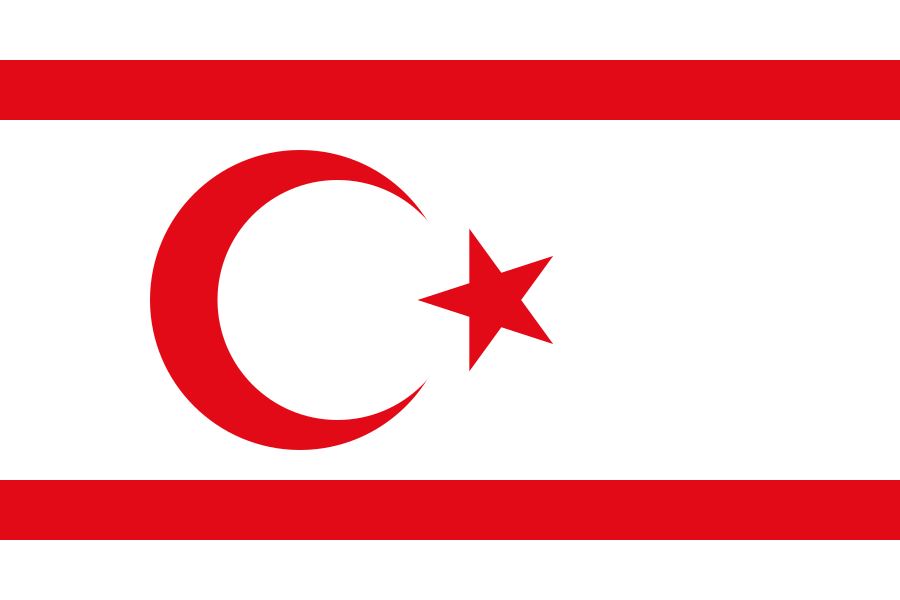 Northern Cyprus
-
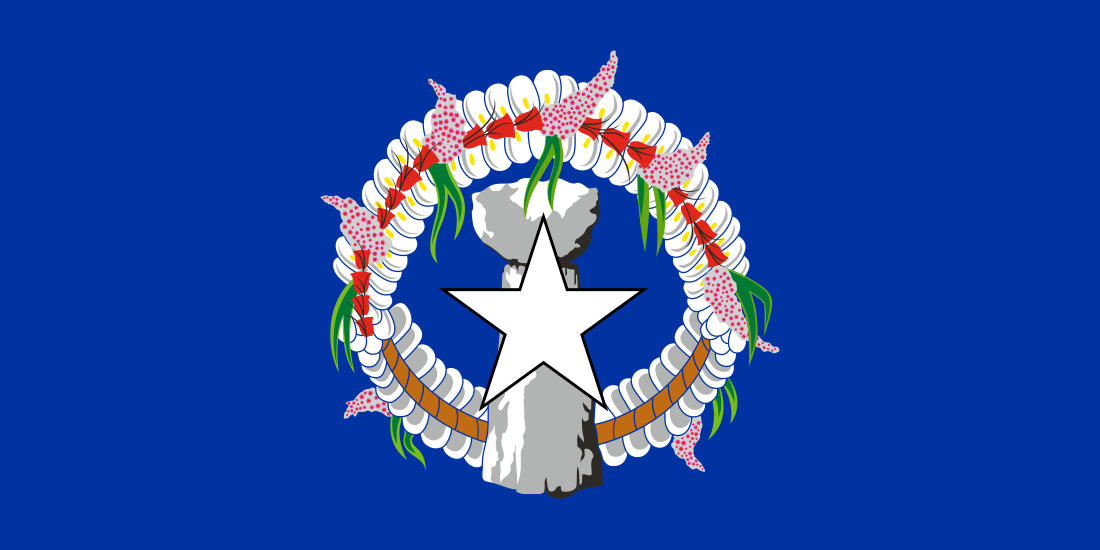 Northern Mariana Islands
-
 Norway
-
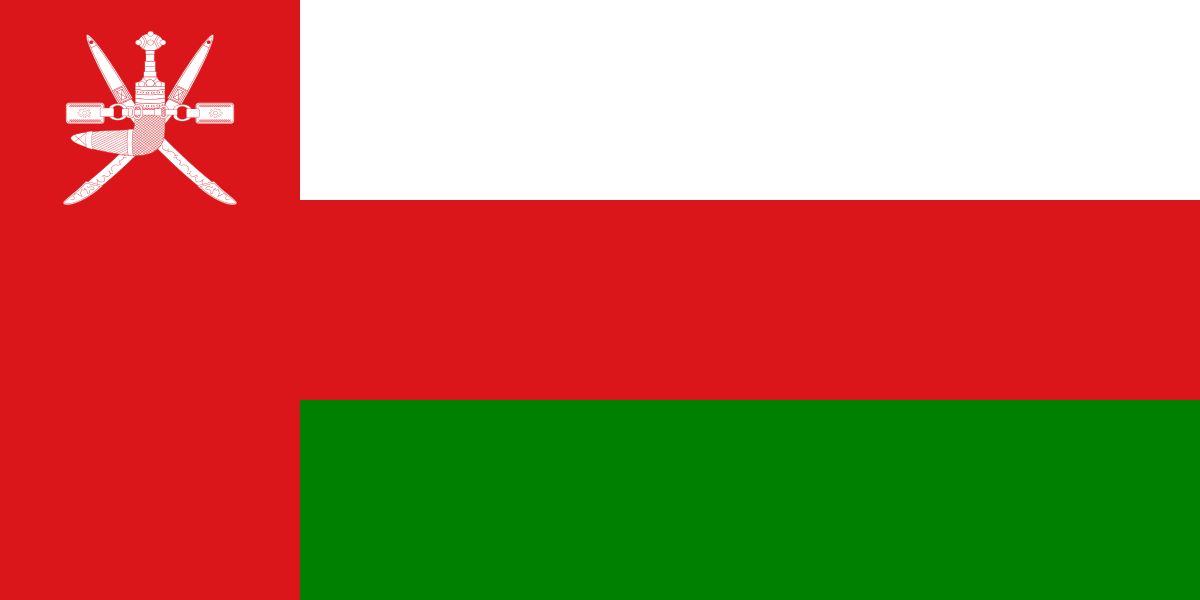 Oman
Oman
-
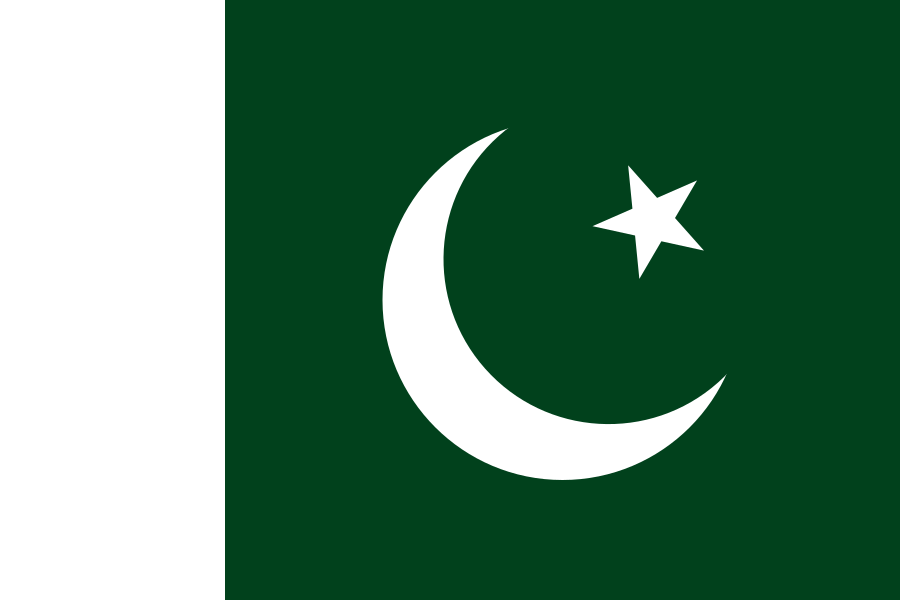 Pakistan
-
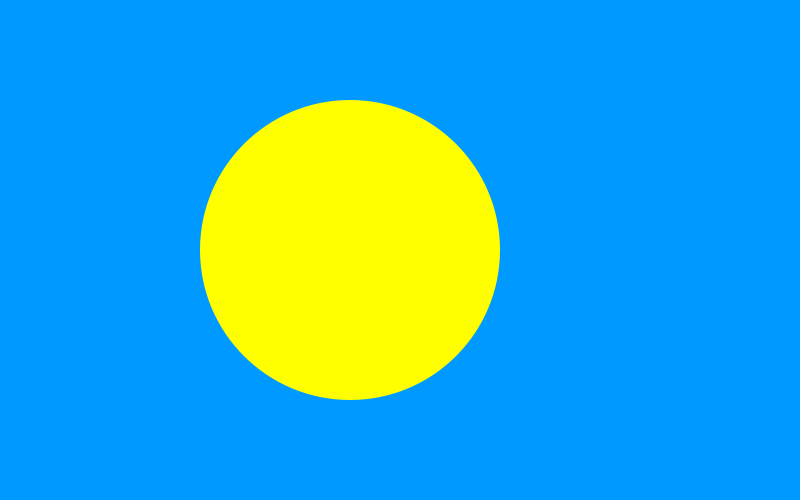 Palau
Palau
-
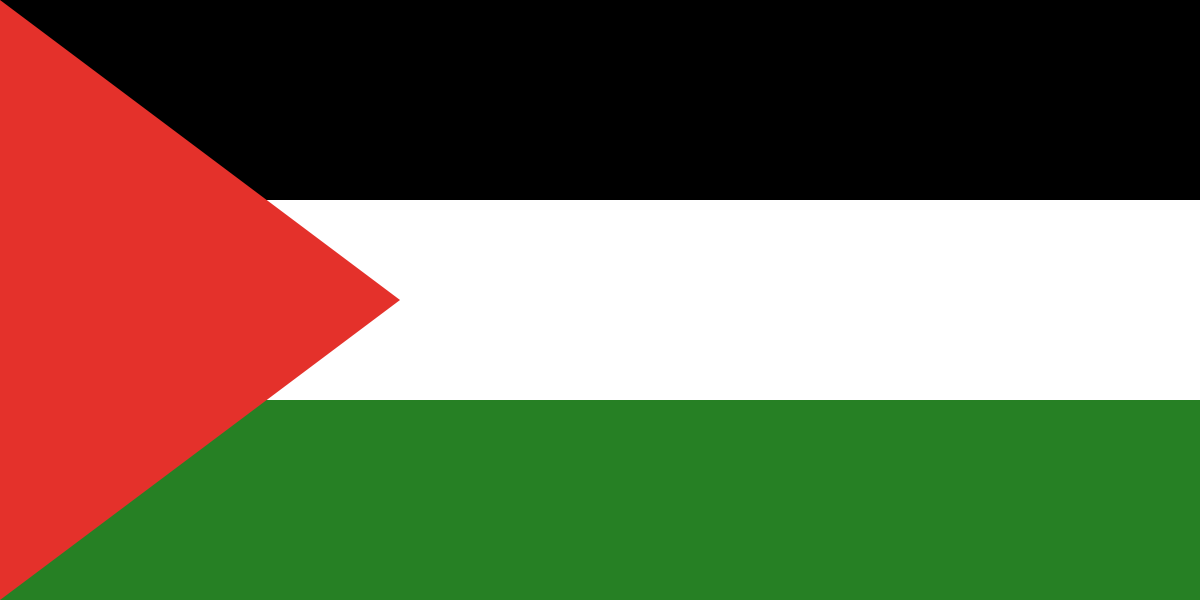 Palestine
-
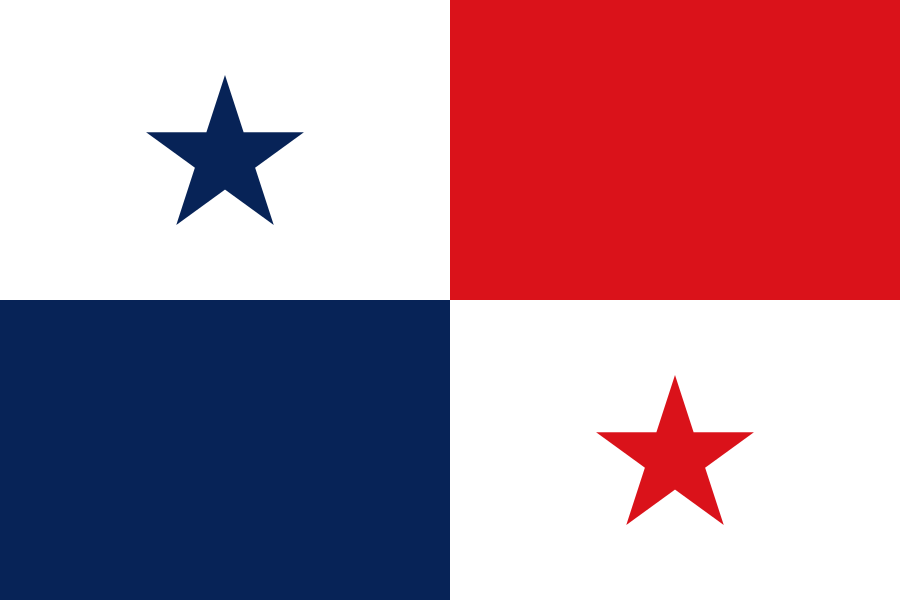 Panama
-
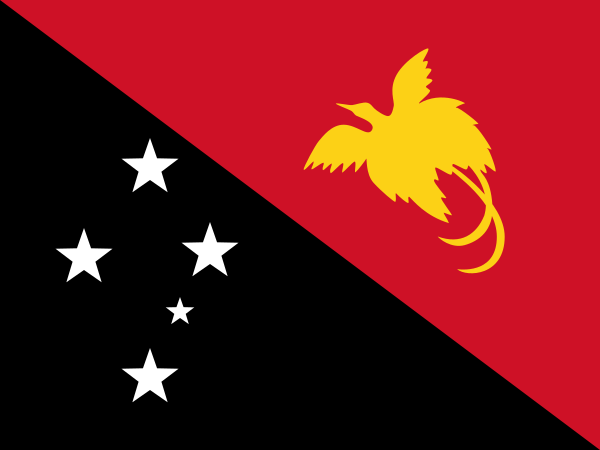 Papua New Guinea
-
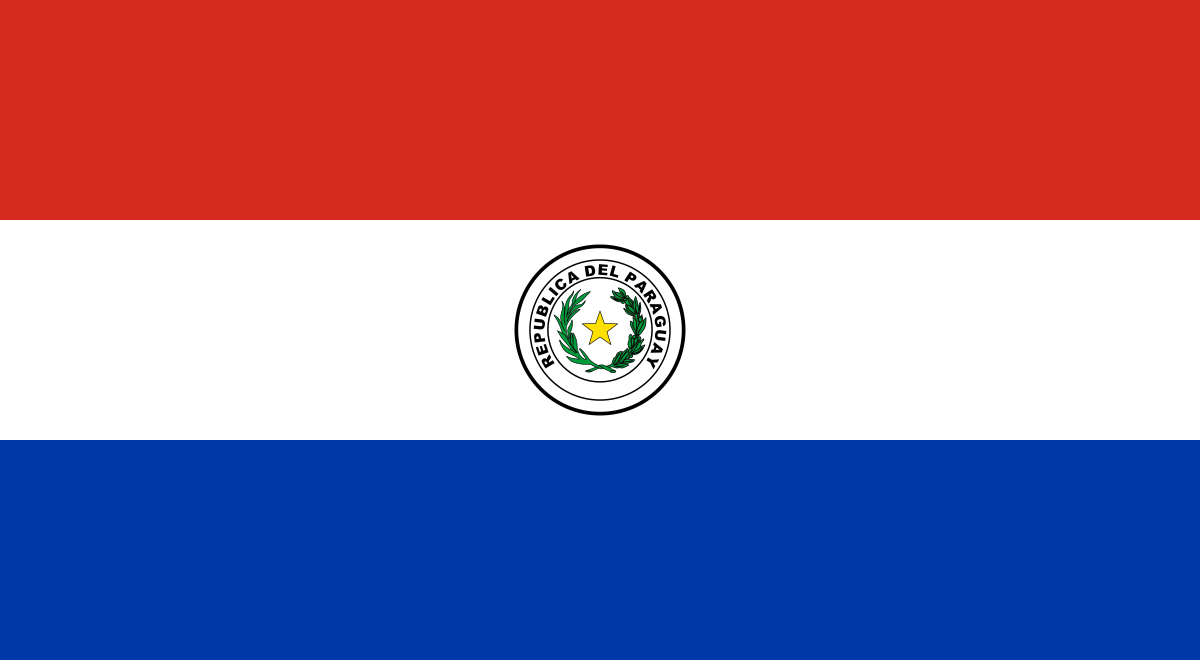 Paraguay
-
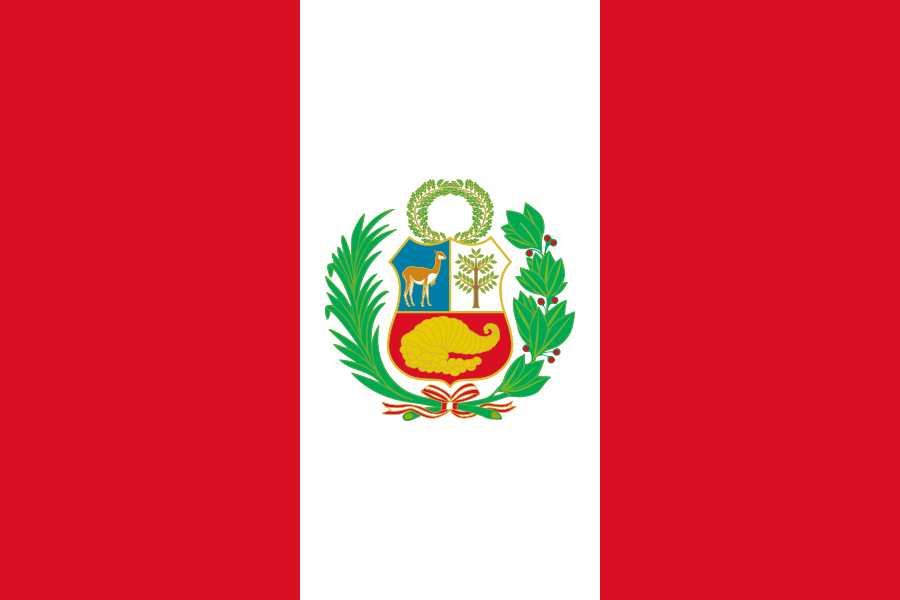 Peru
Peru
-
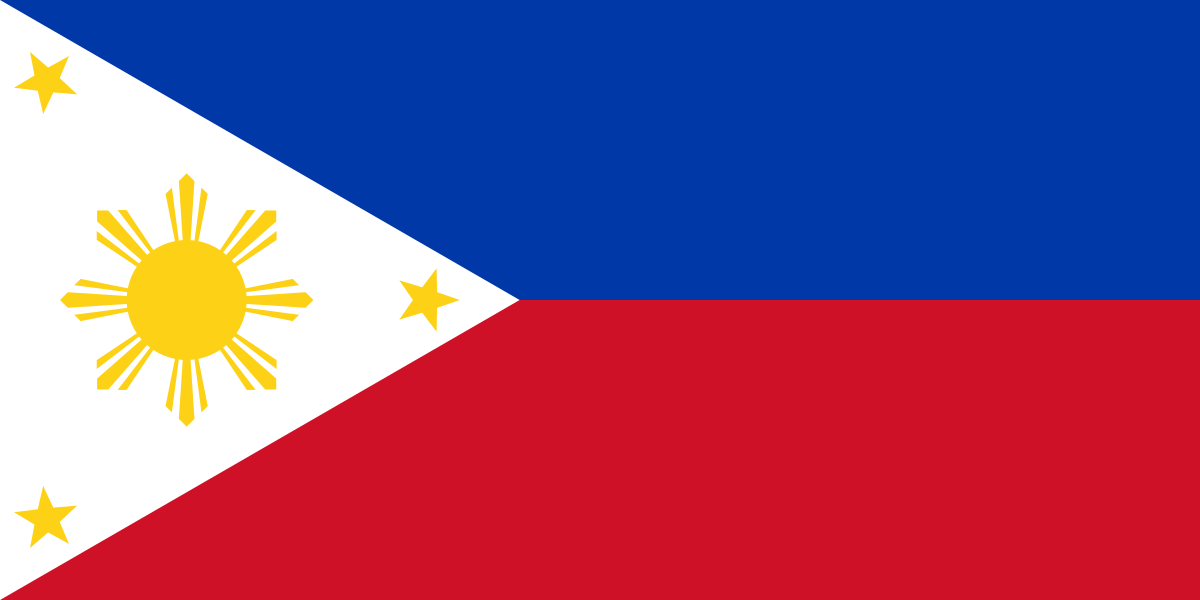 Philippines
-
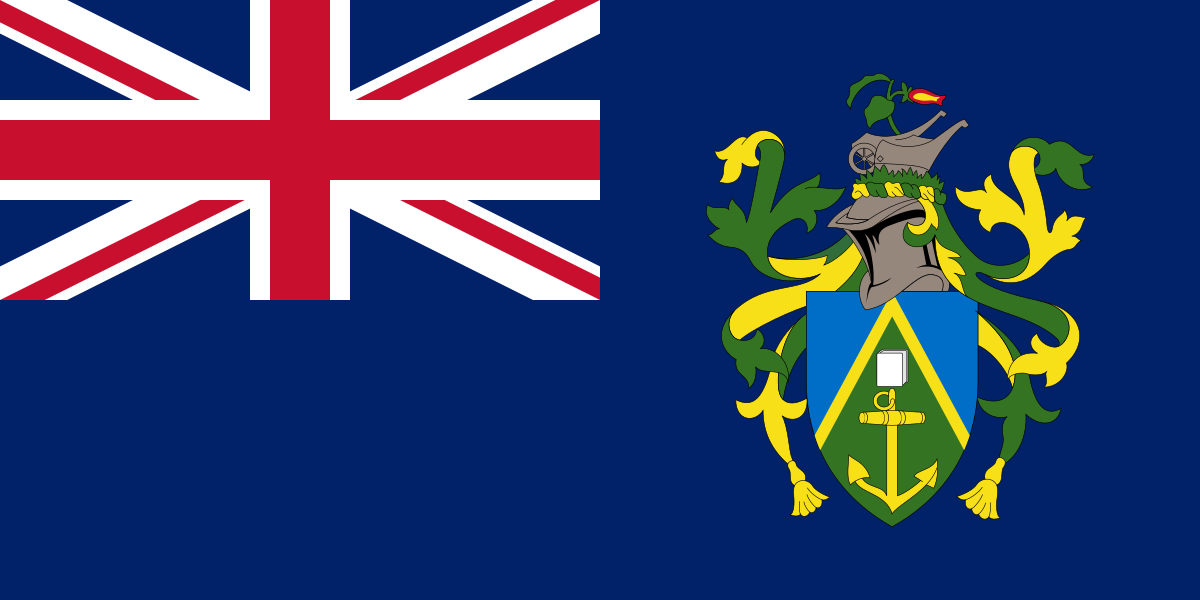 Pitcairn Islands
-
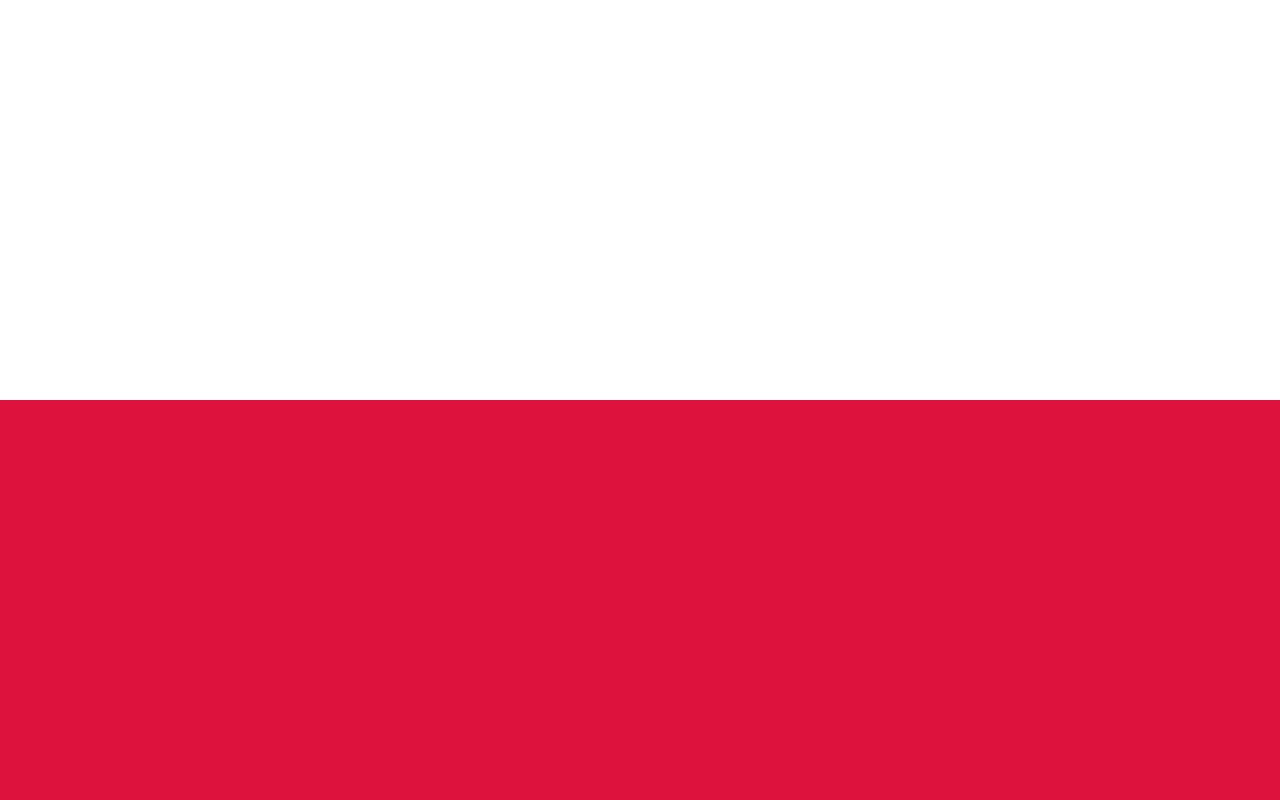 Poland
-
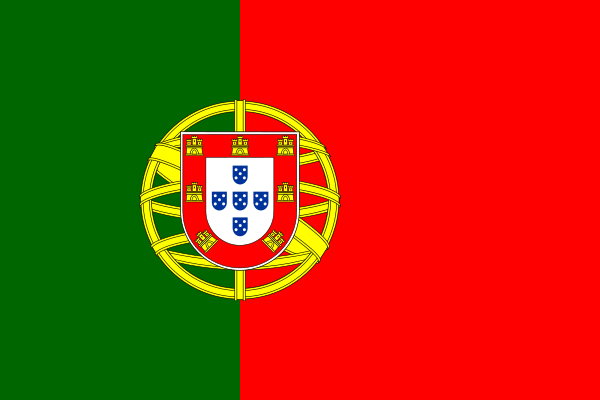 Portugal
-
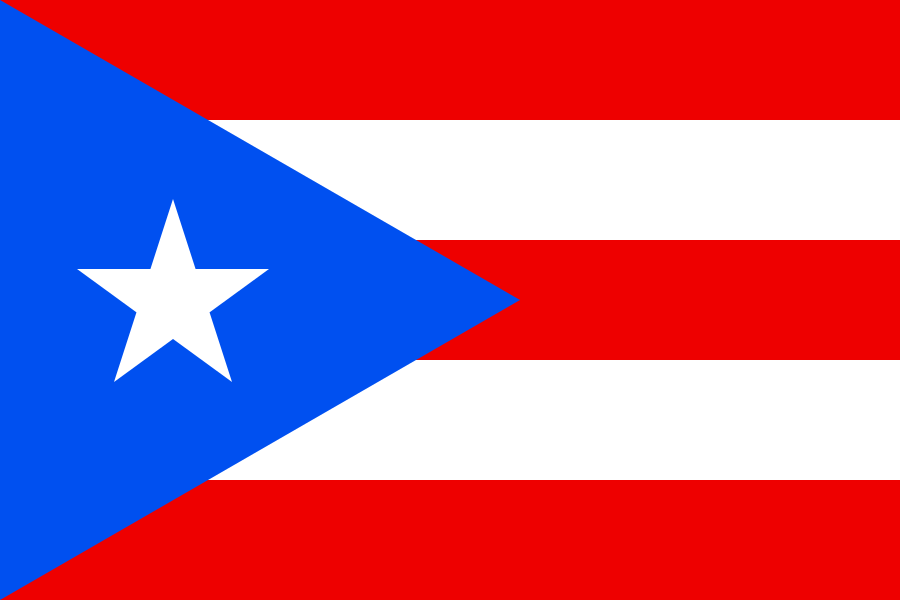 Puerto Rico
-
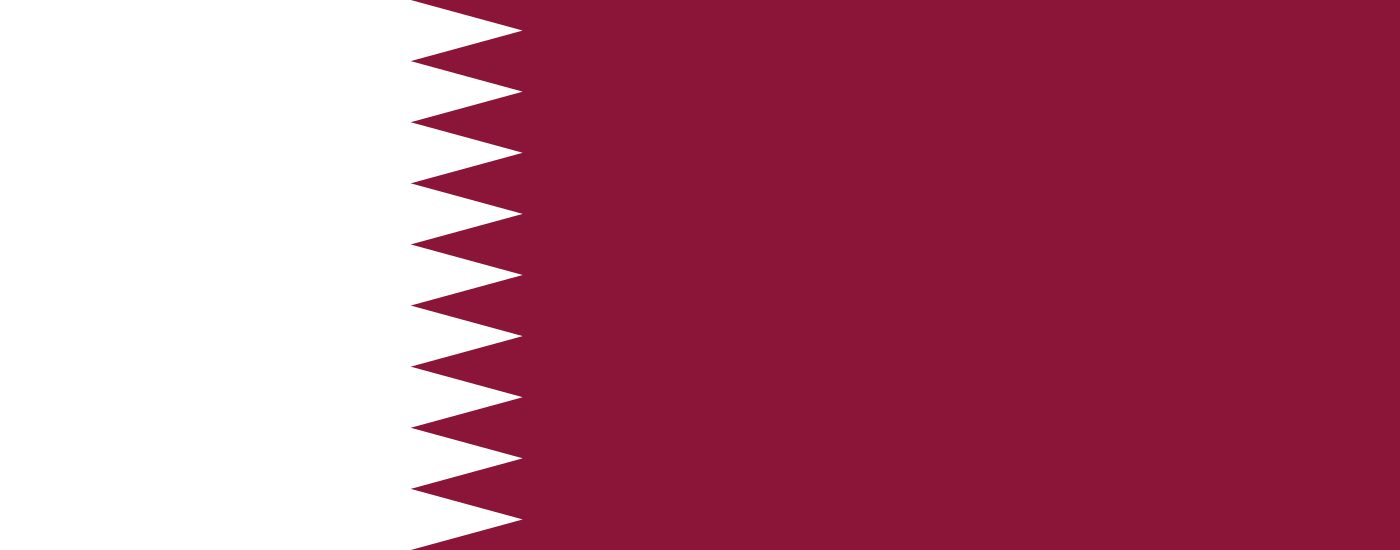 Qatar
Qatar
-
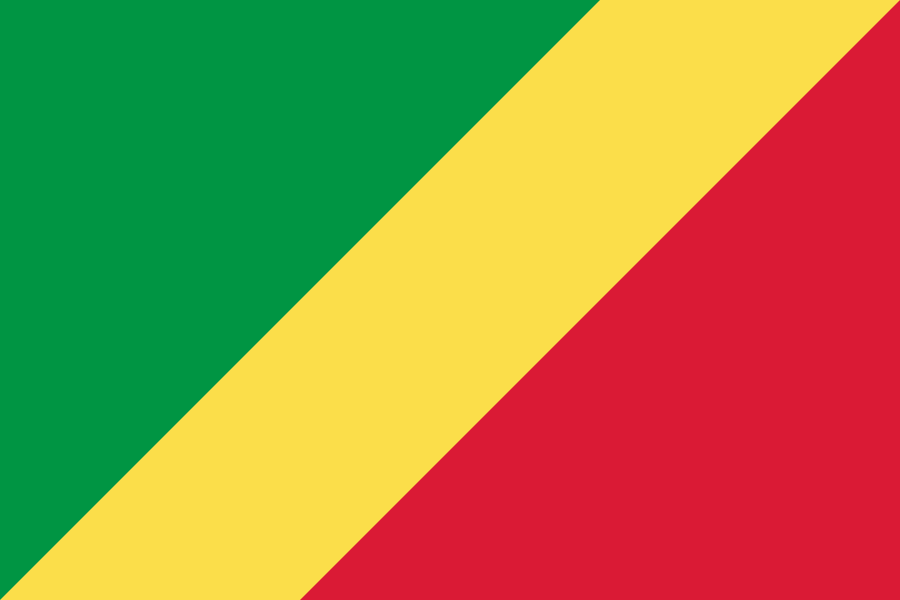 Republic of the Congo
-
Reunion
-
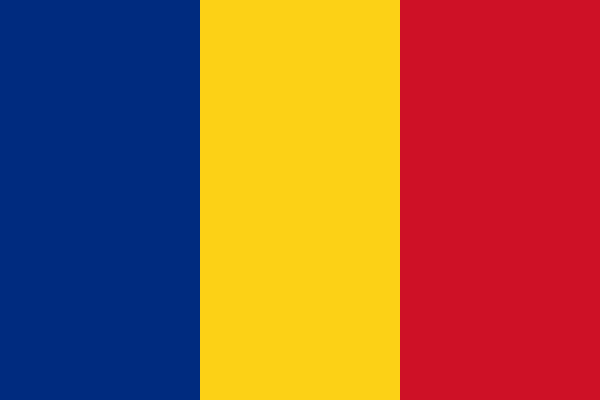 Romania
-
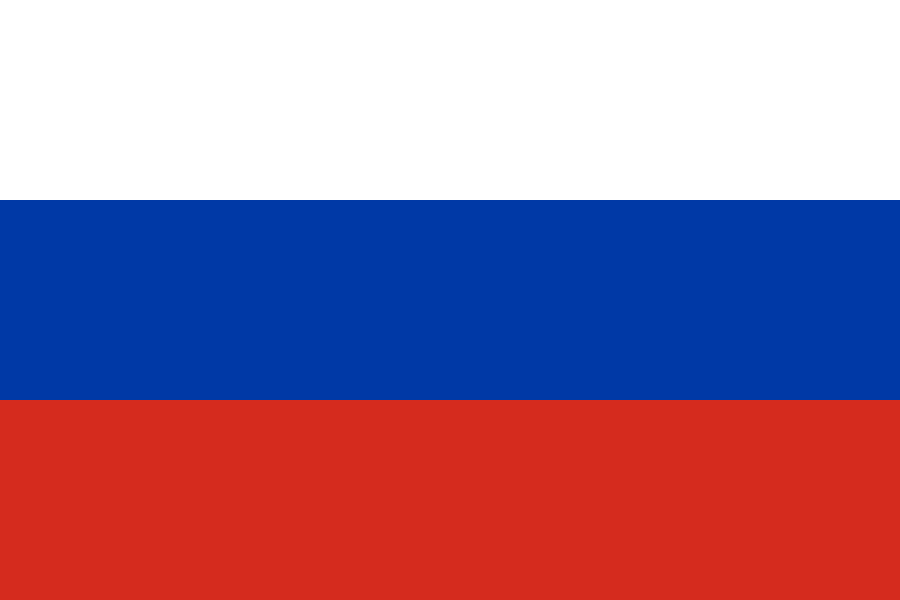 Russia
-
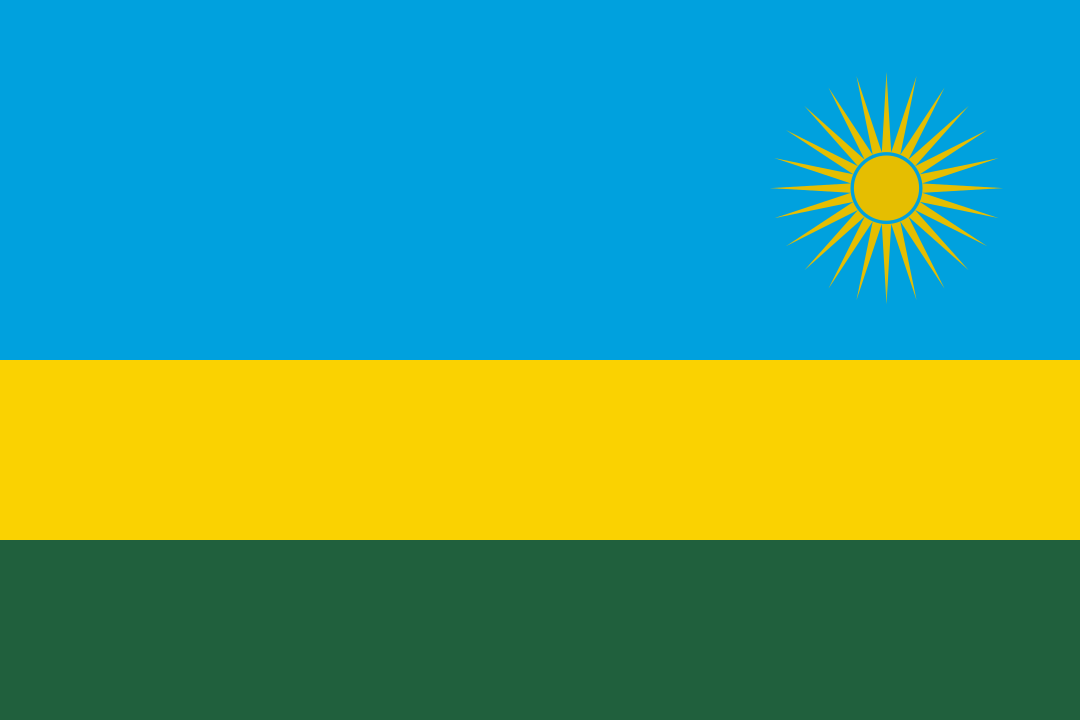 Rwanda
-
Saint Barthélemy
-
 Saint Helena And Dependencies
-
 Saint Kitts and Nevis
-
 Saint Lucia
-
Saint Martin
-
 Saint Pierre and Miquelon
-
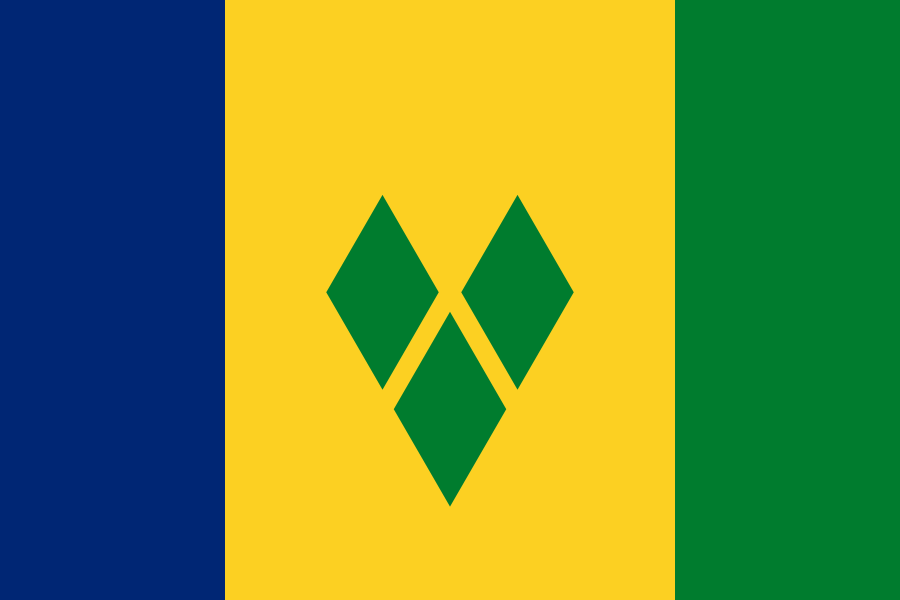 Saint Vincent and the Grenadines
-
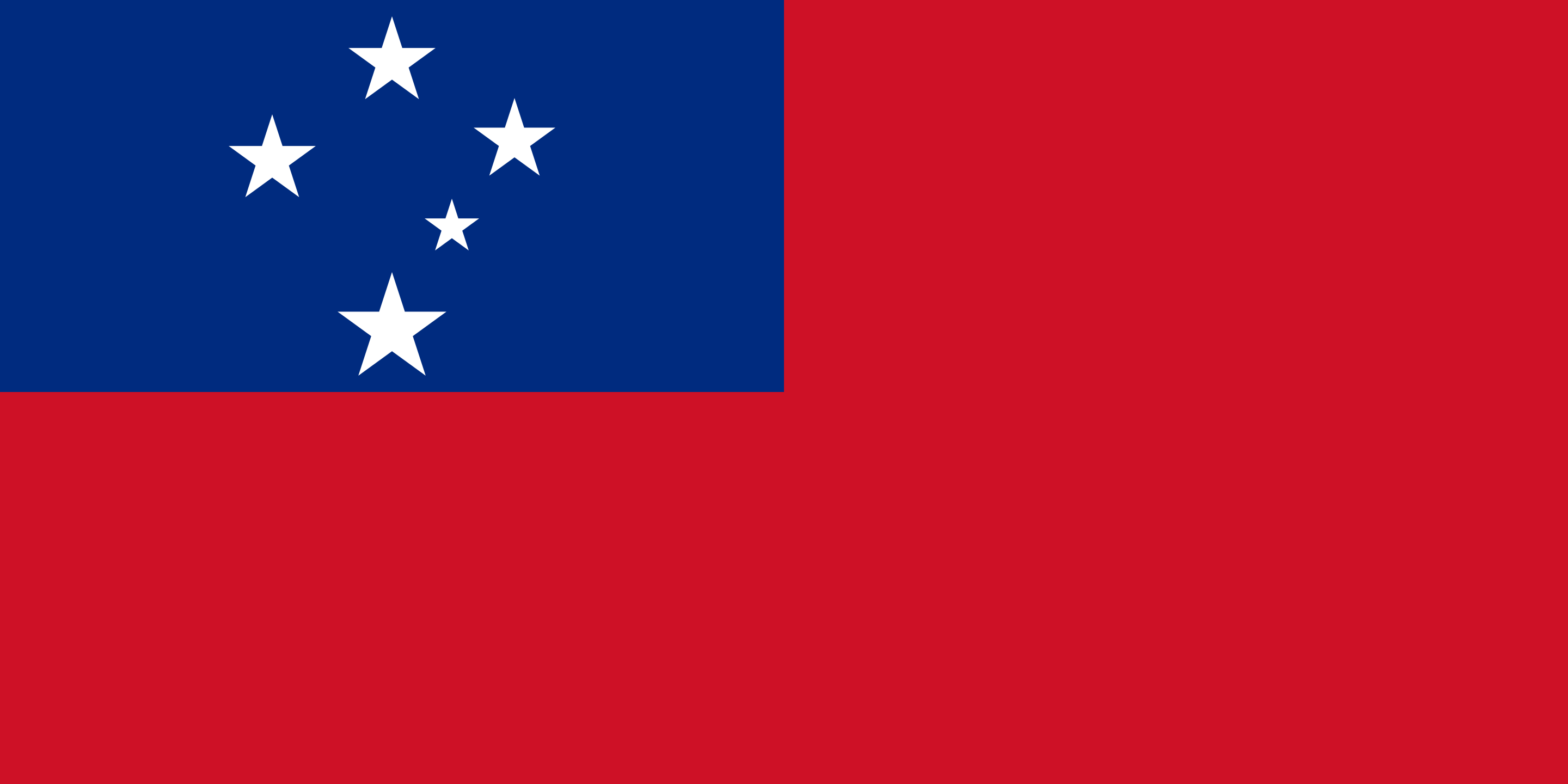 Samoa
Samoa
-
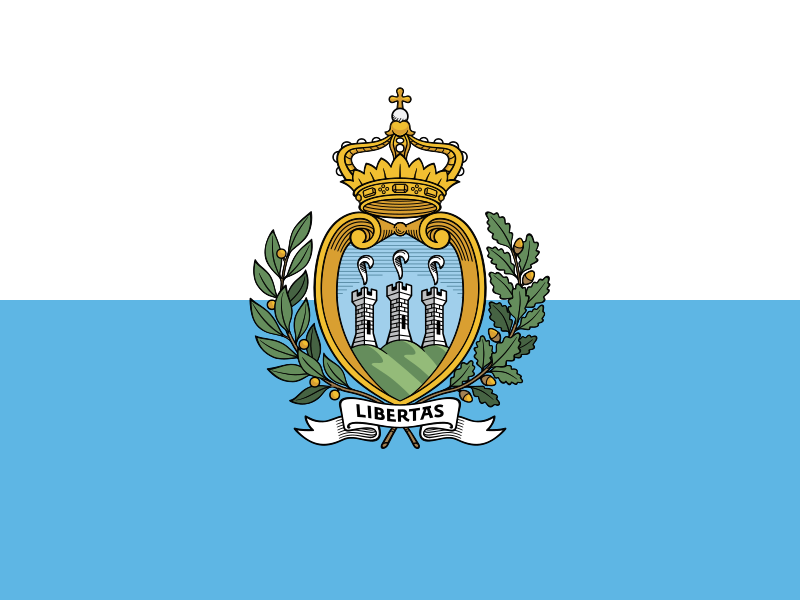 San Marino
-
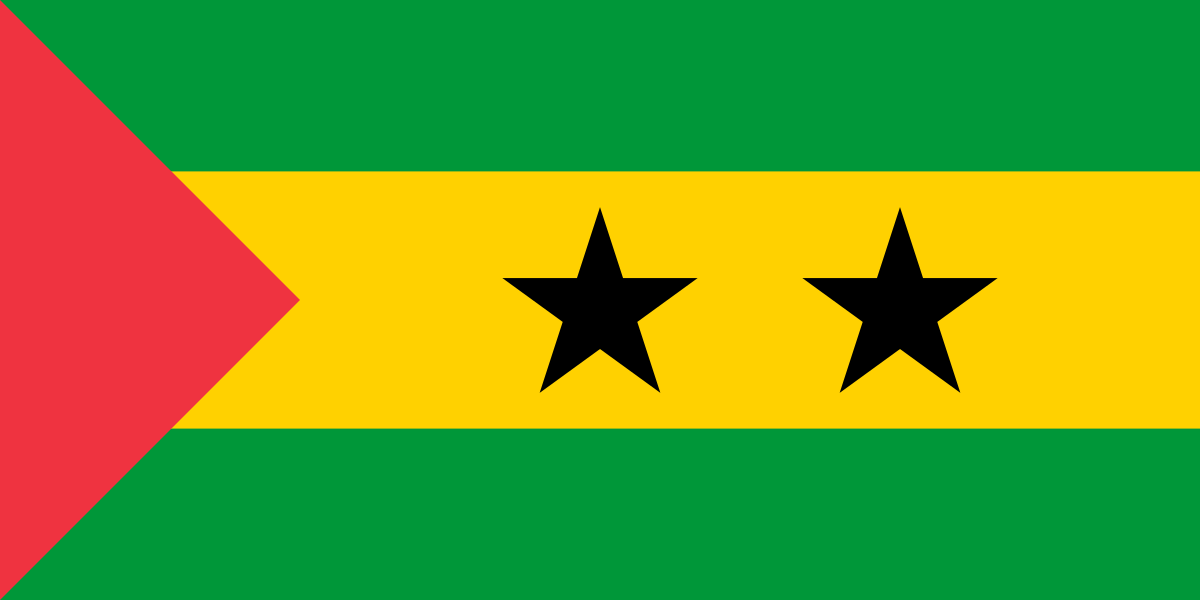 Sao Tome and Principe
-
 Saudi Arabia
-
 Senegal
-
 Serbia
-
 Seychelles
-
 Sierra Leone
-
 Singapore
-
 Sint Maarten
-
 Slovakia
-
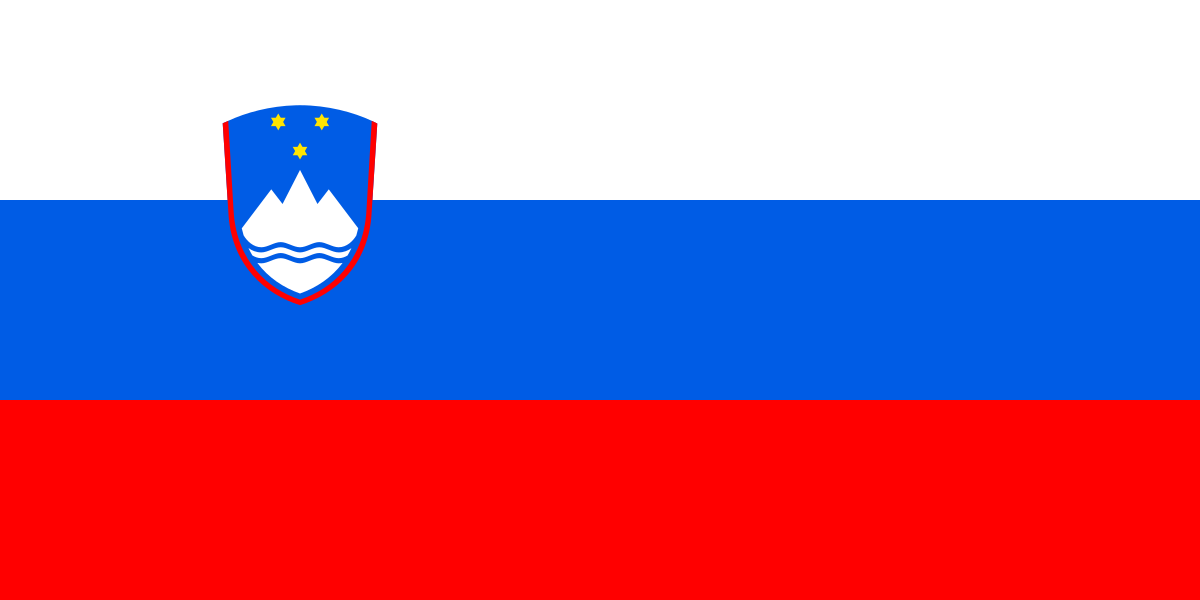 Slovenia
-
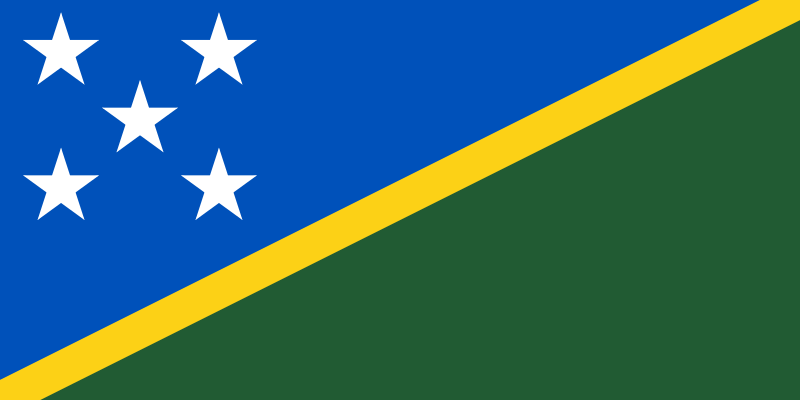 Solomon Islands
-
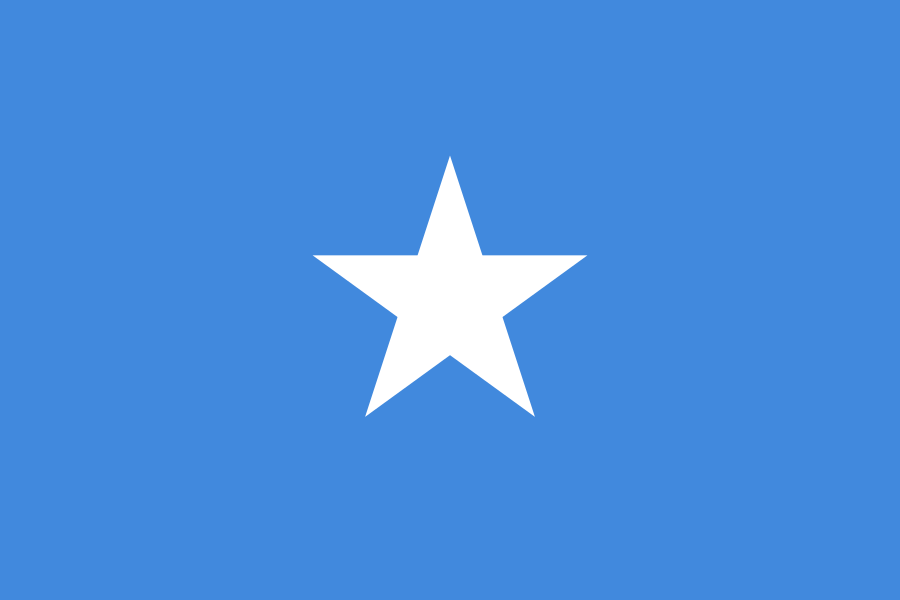 Somalia
-
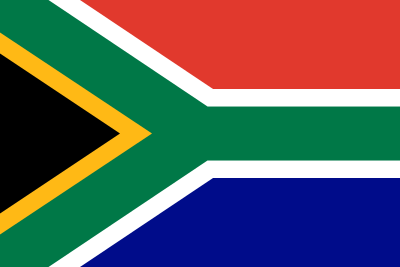 South Africa
-
 South Georgia and the Sandwich Islands
-
 South Korea
-
 South Sudan
-
 Spain
Spain
-
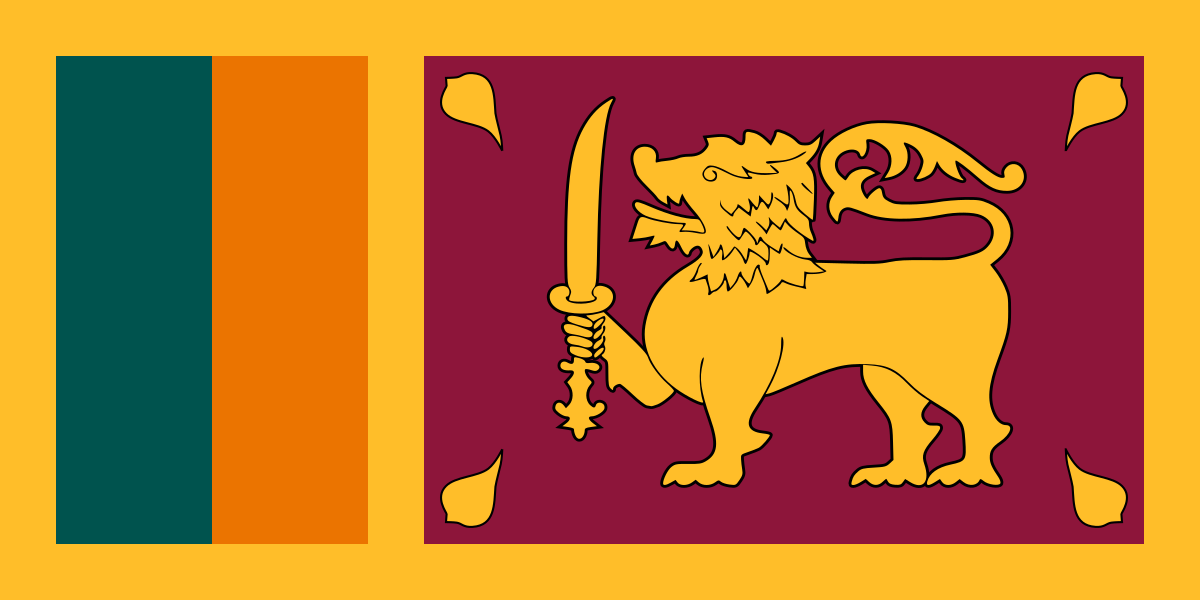 Sri Lanka
-
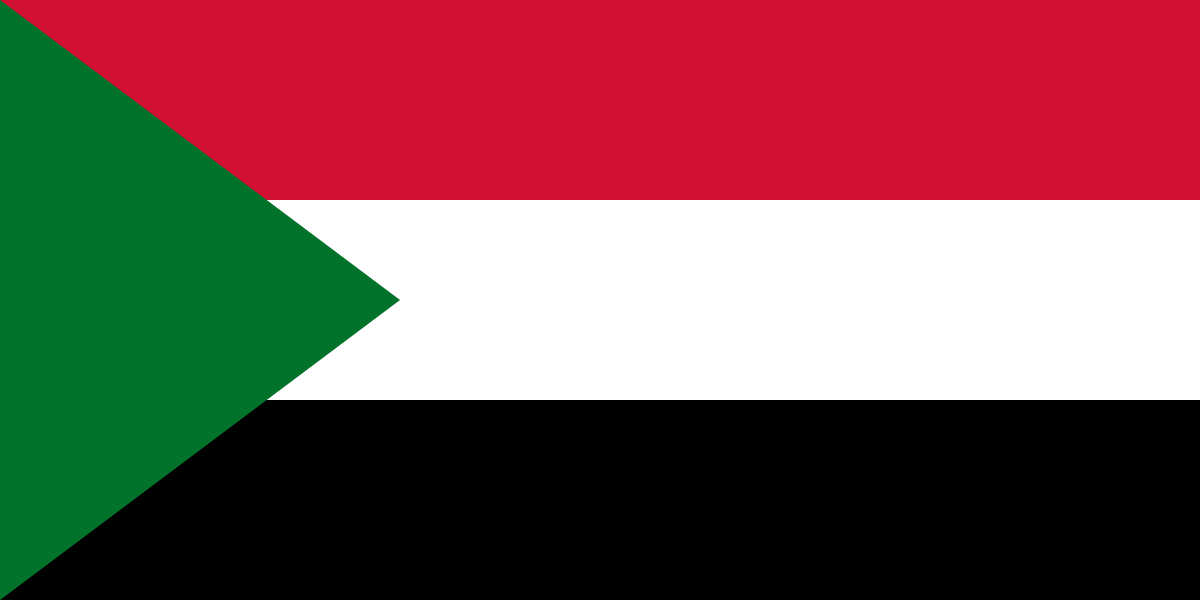 Sudan
Sudan
-
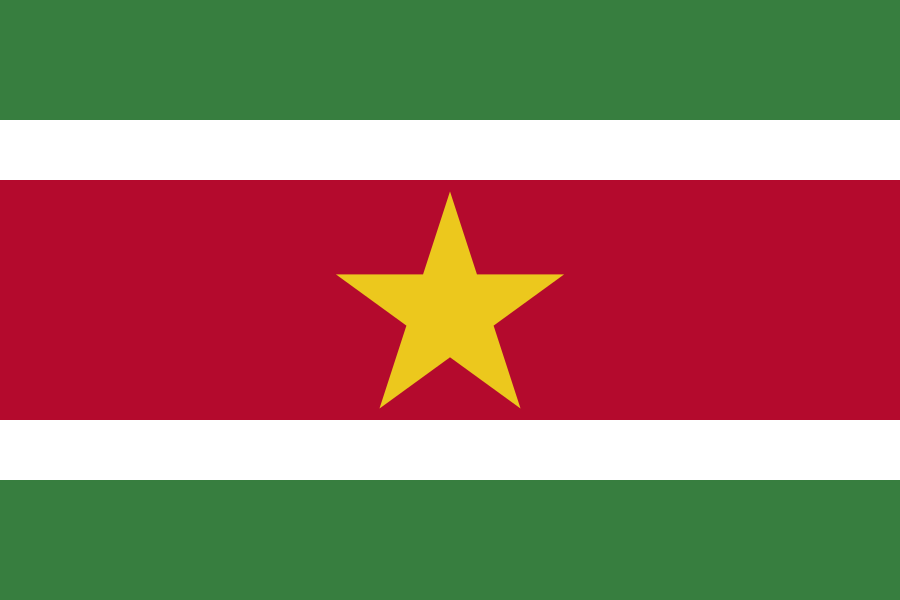 Suriname
-
Svalbard and Jan Mayen
-
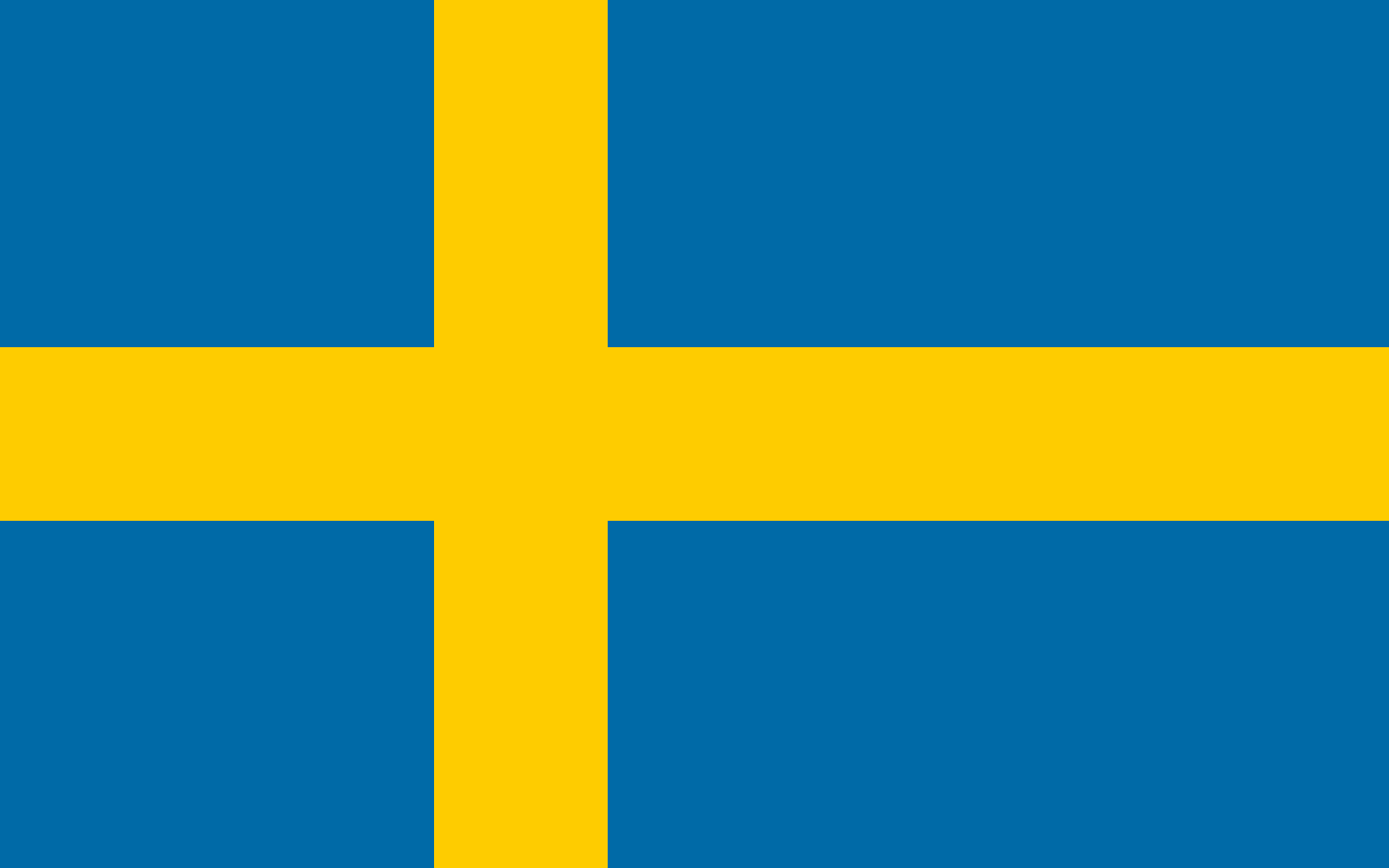 Sweden
-
 Switzerland
-
 Syria
Syria
-
 Taiwan
-
 Tajikistan
-
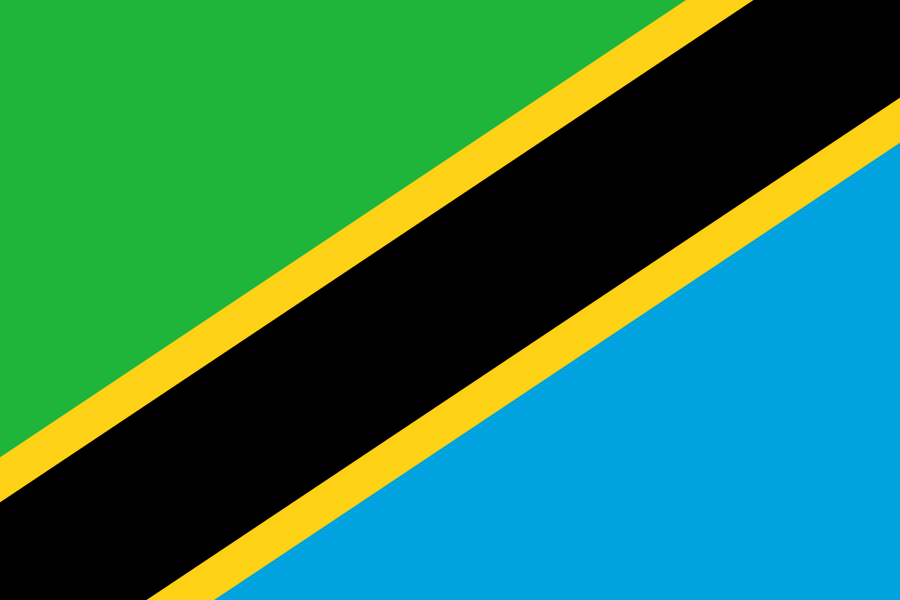 Tanzania
-
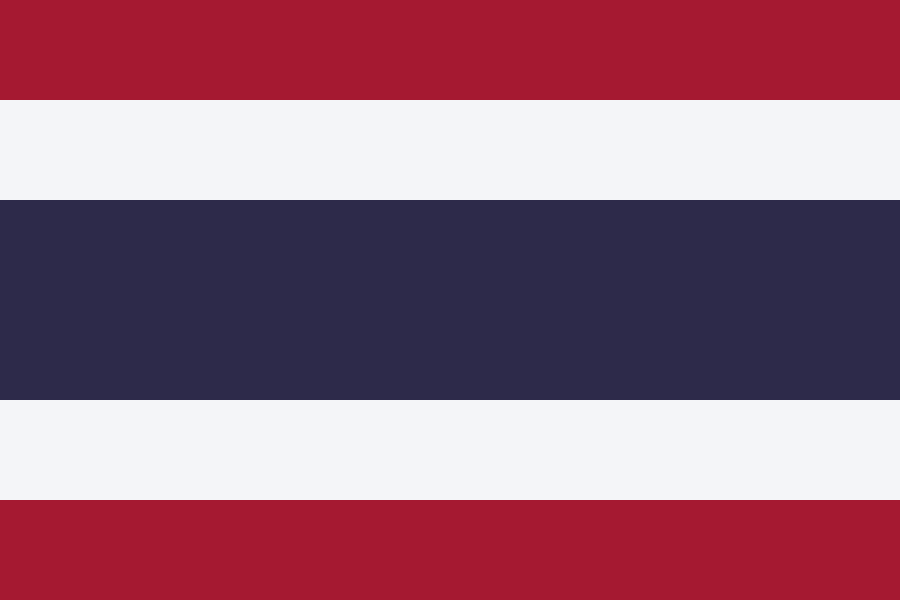 Thailand
-
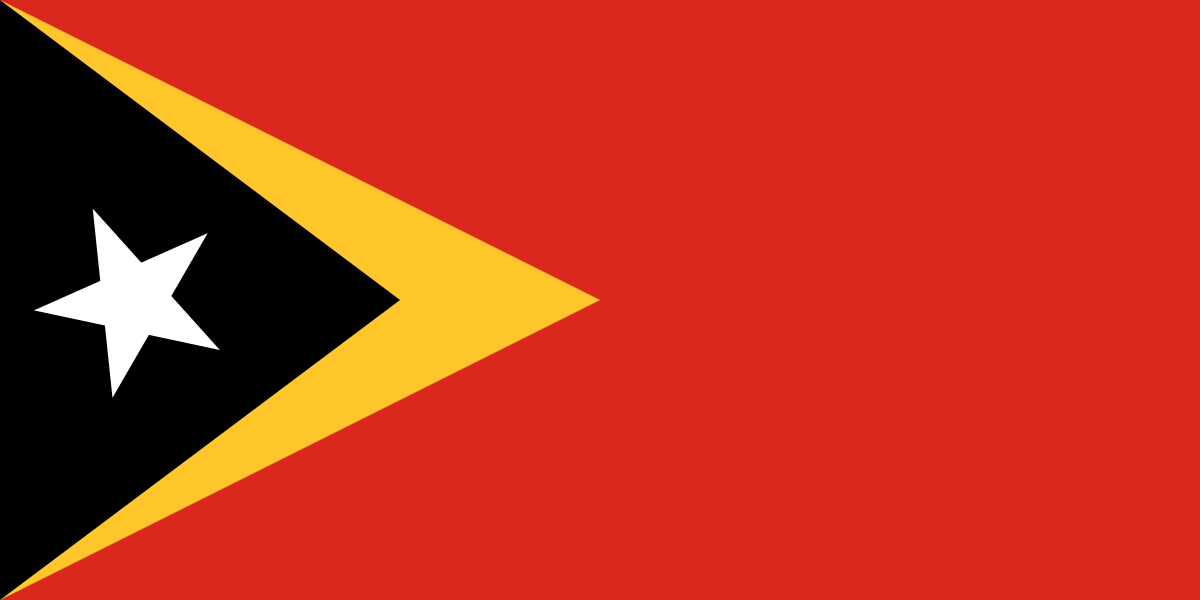 Timor-Leste
-
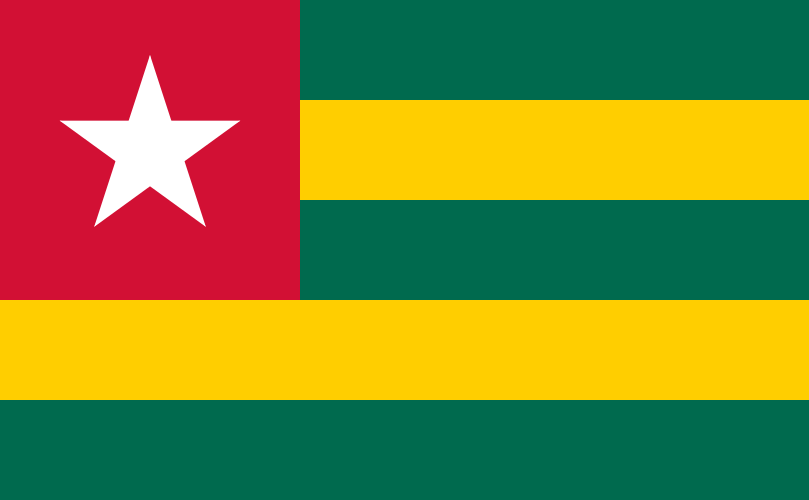 Togo
Togo
-
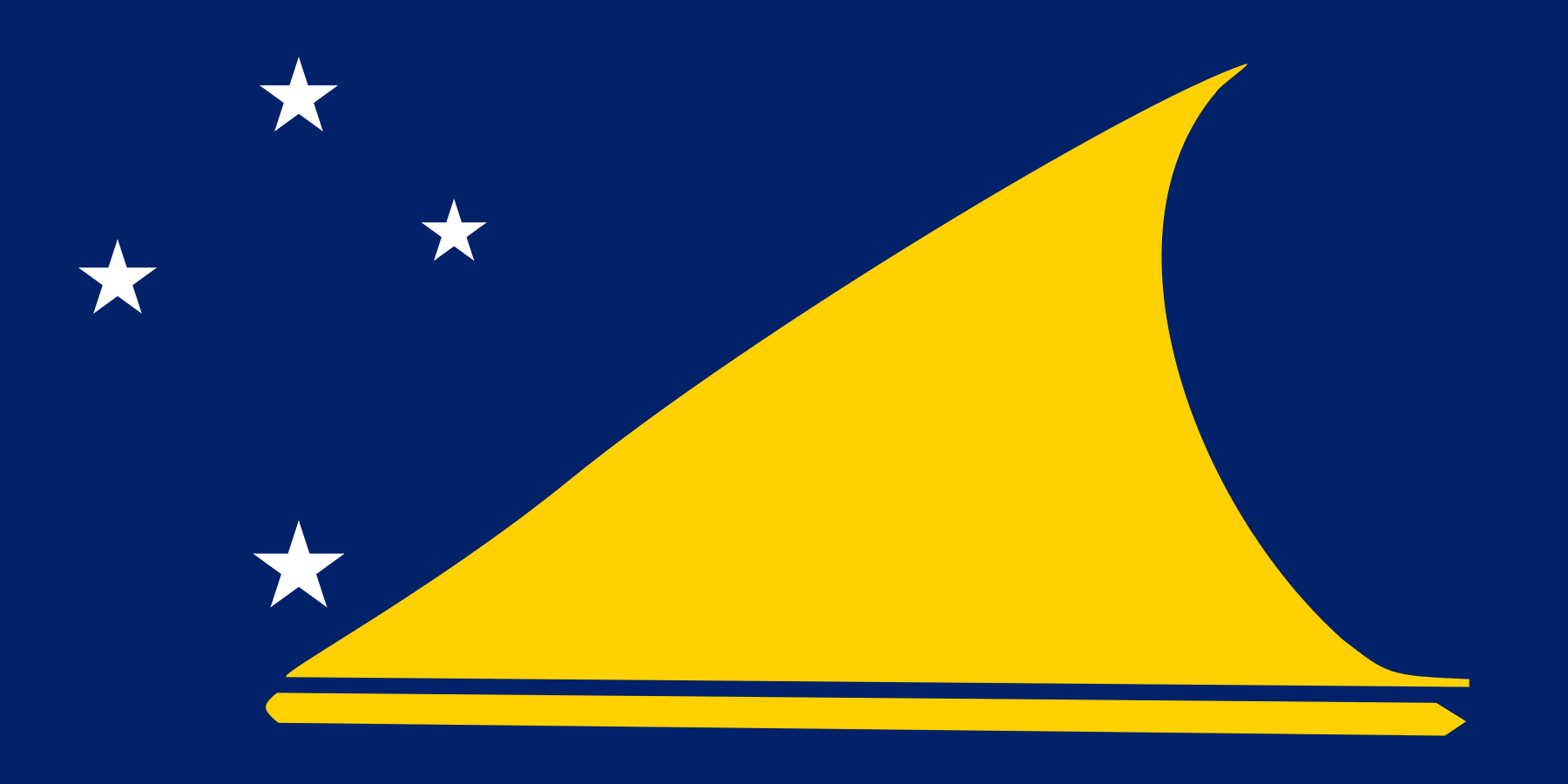 Tokelau
-
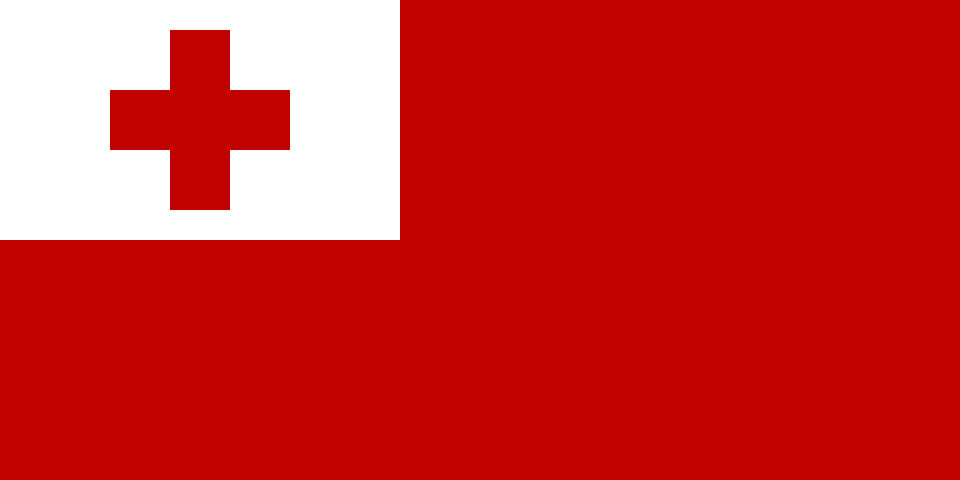 Tonga
Tonga
-
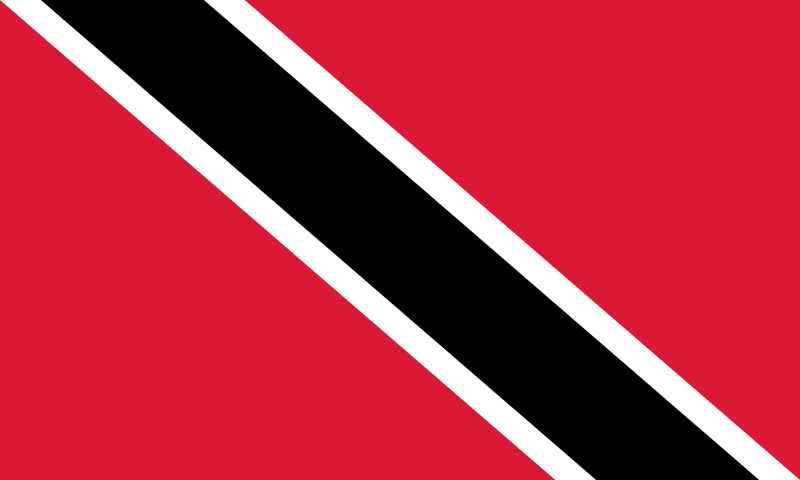 Trinidad and Tobago
-
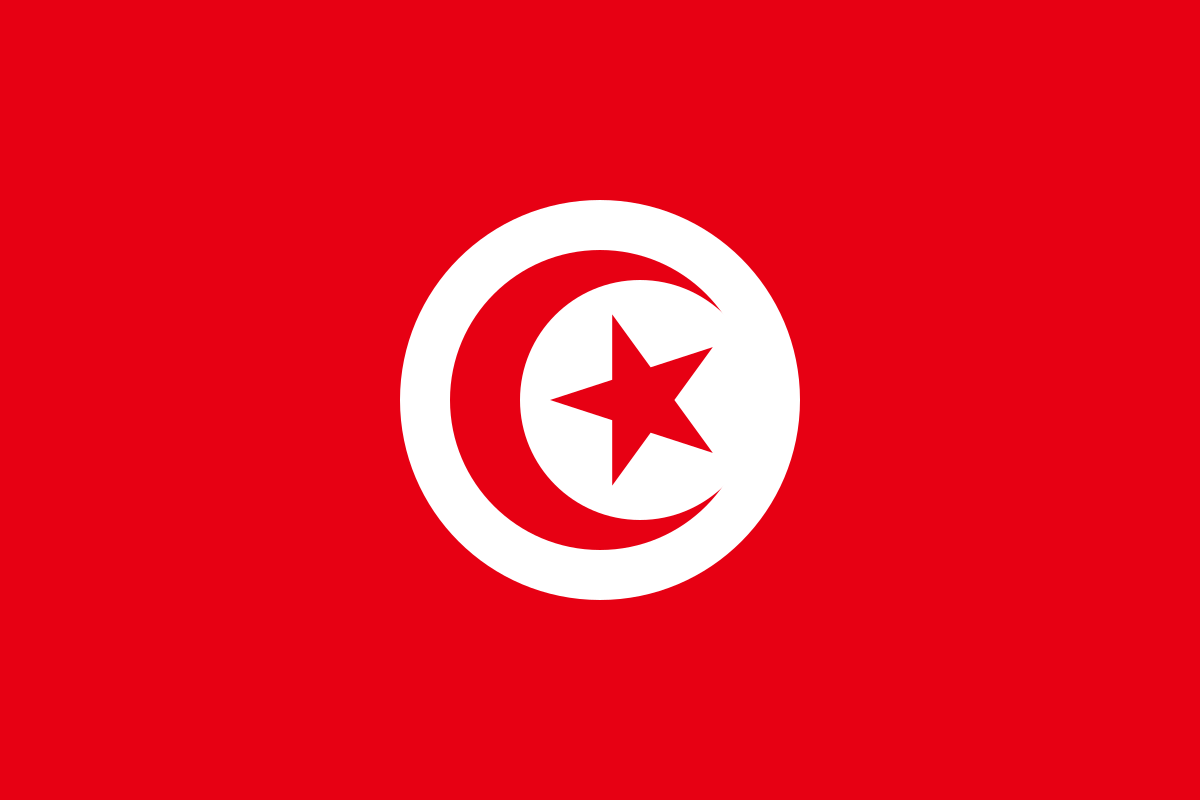 Tunisia
-
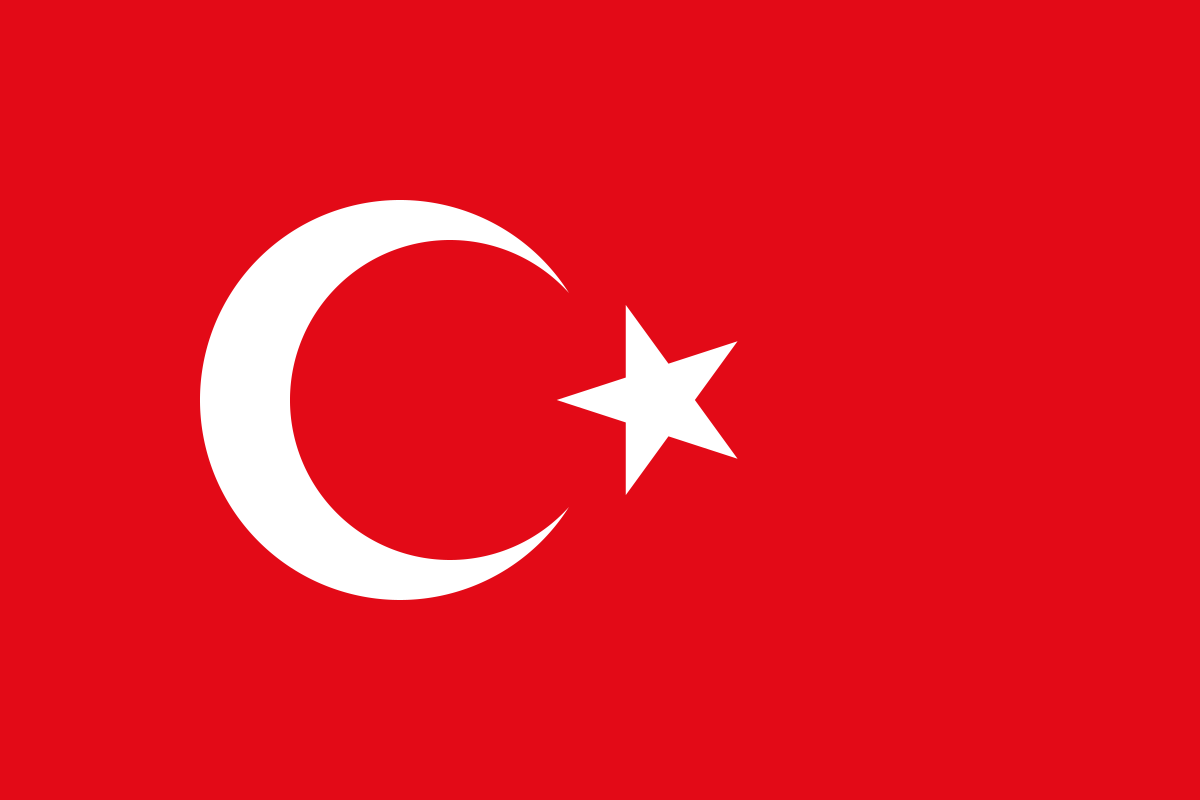 Turkey
-
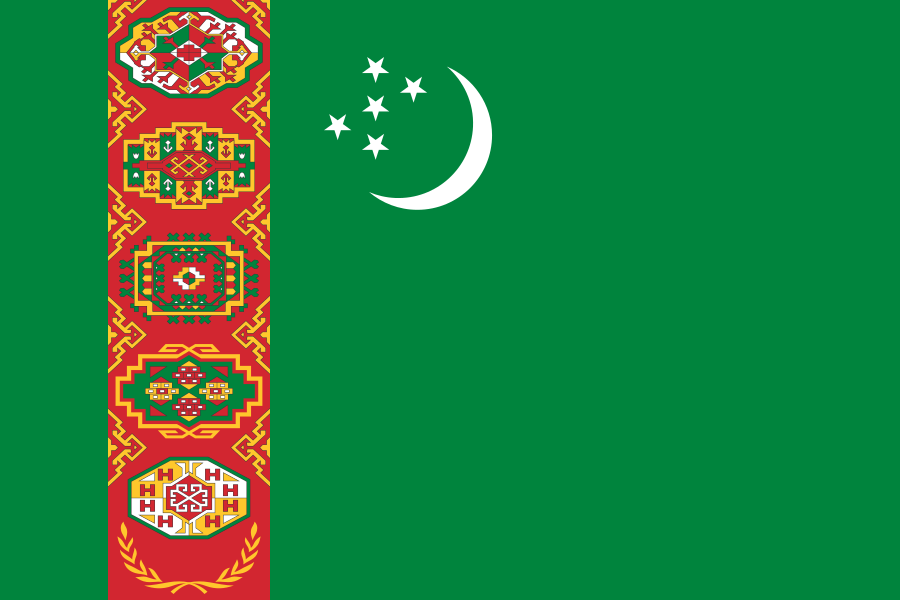 Turkmenistan
-
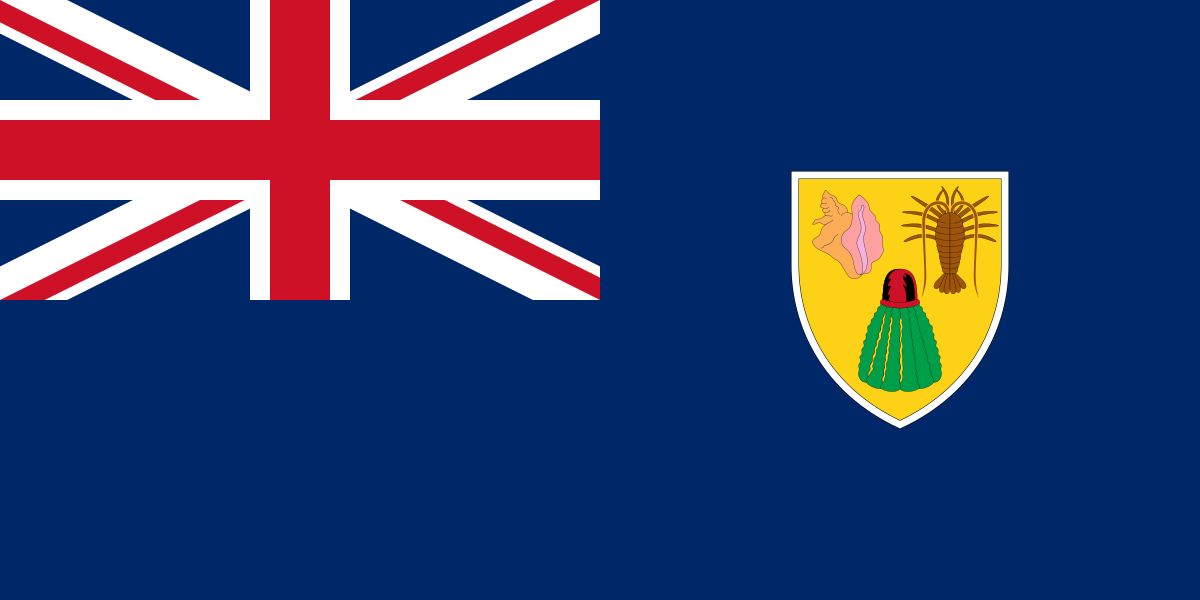 Turks and Caicos Islands
-
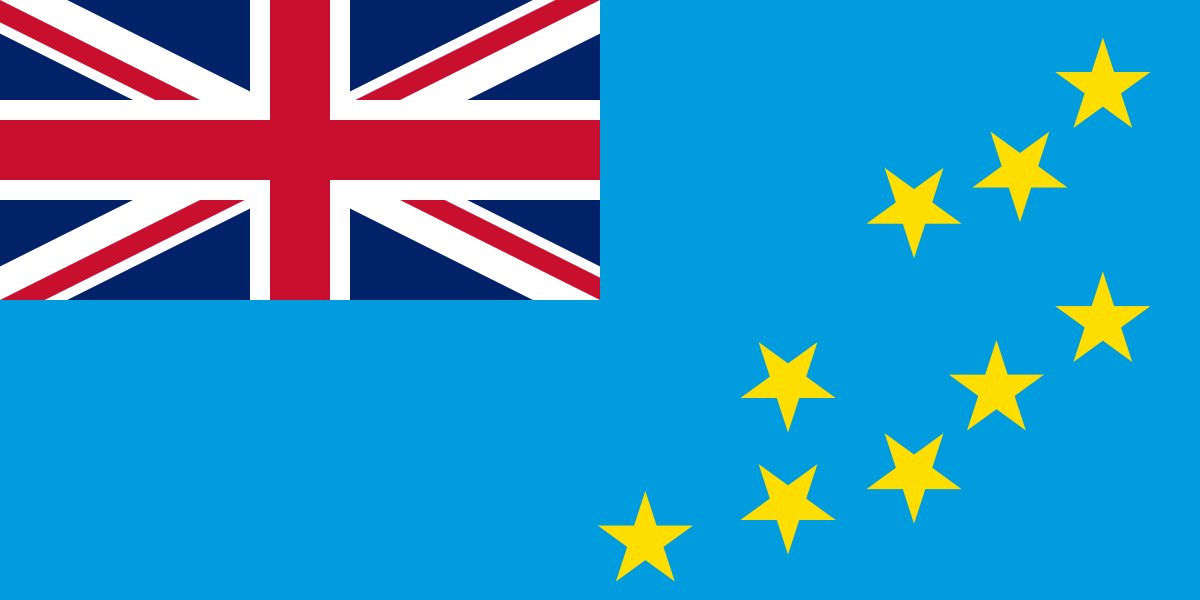 Tuvalu
-
 Uganda
-
 Ukraine
-
 United Arab Emirates
-
 United Kingdom
-
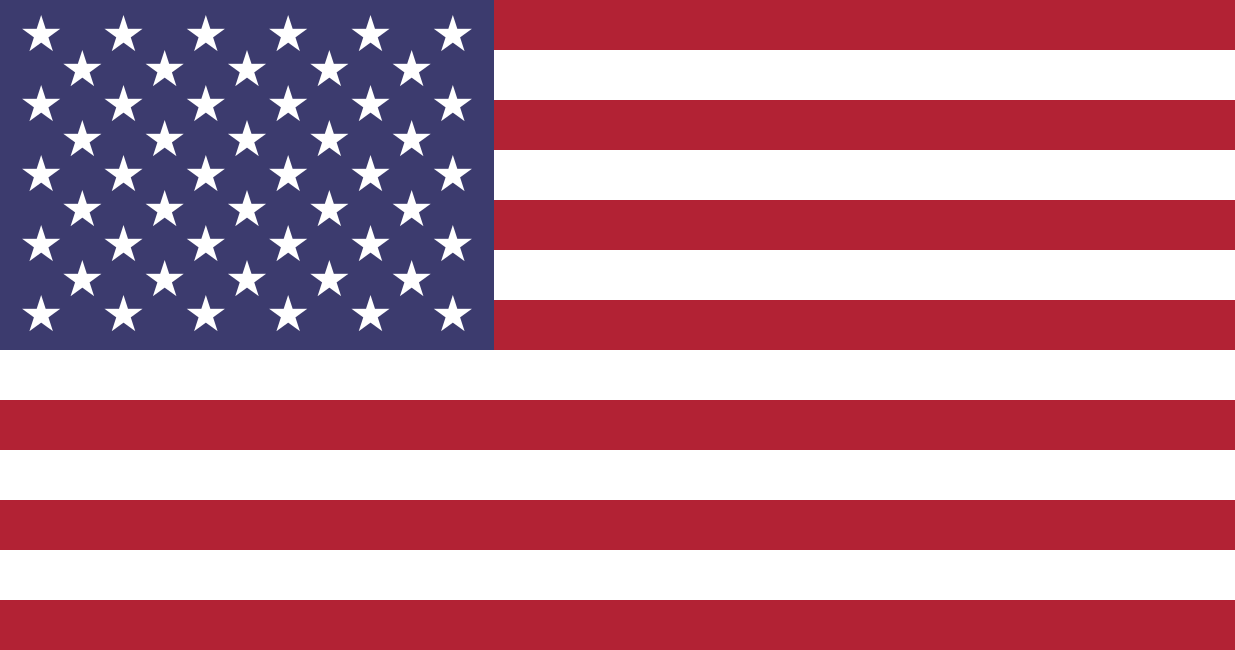 United States
-
United States Minor Outlying Islands
-
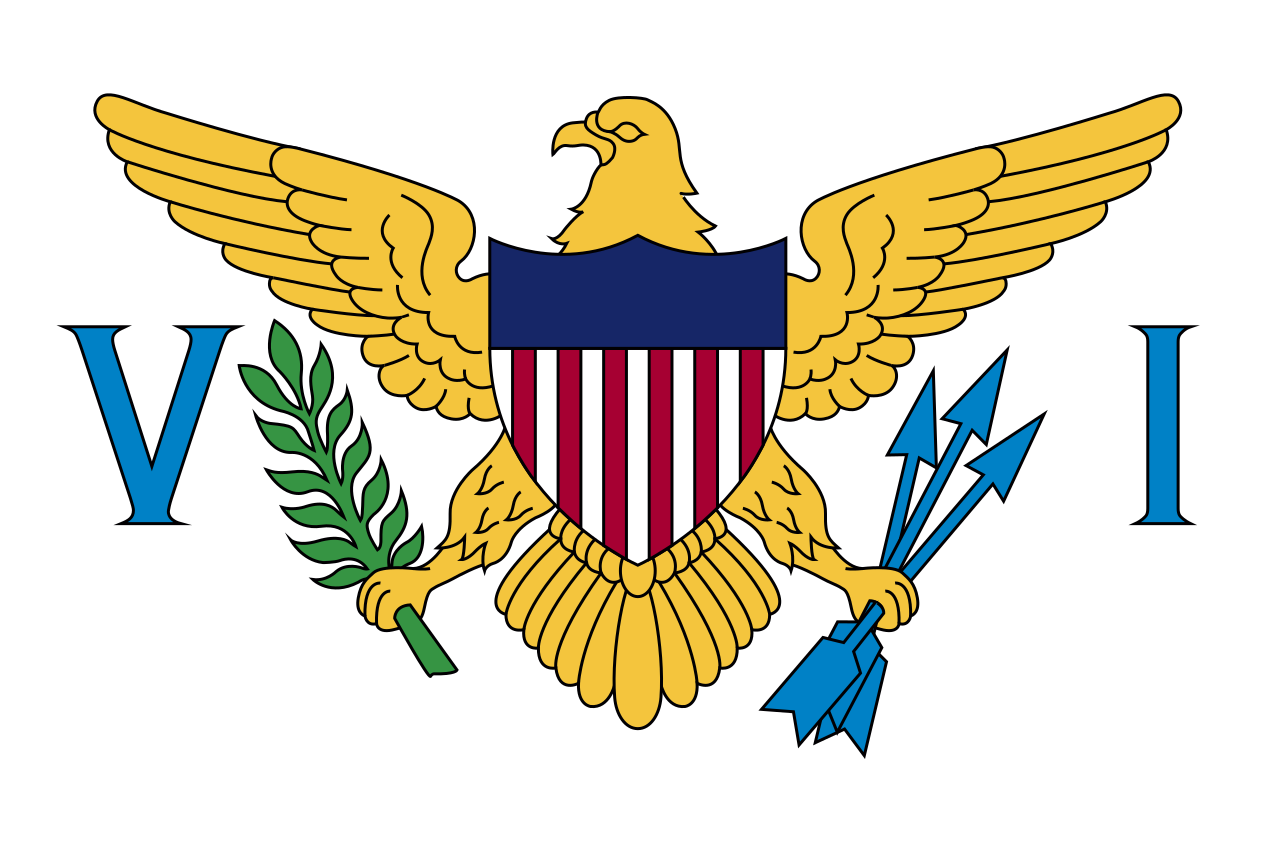 United States Virgin Islands
-
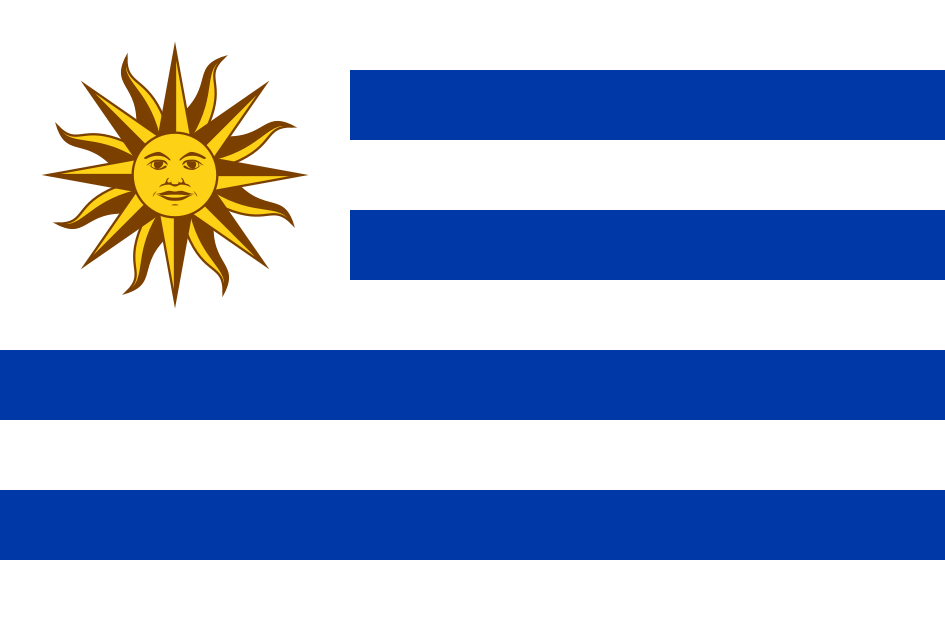 Uruguay
-
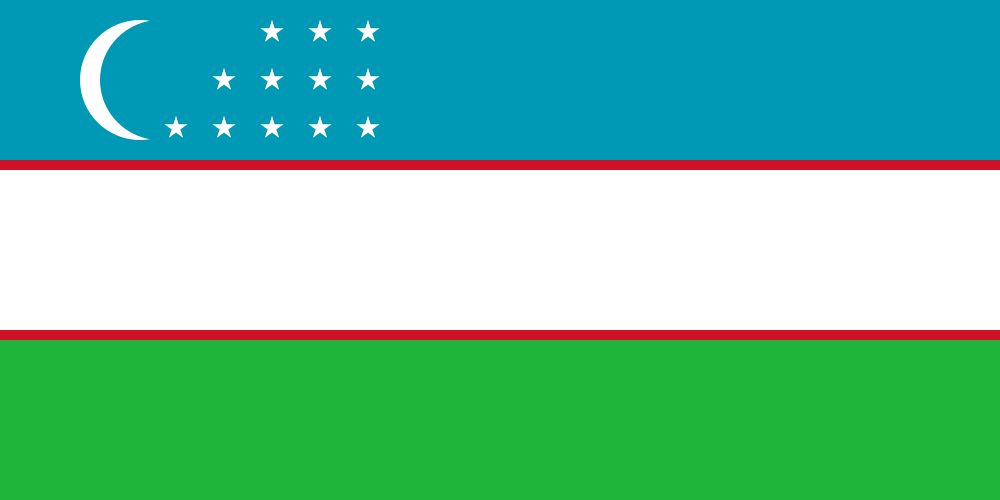 Uzbekistan
-
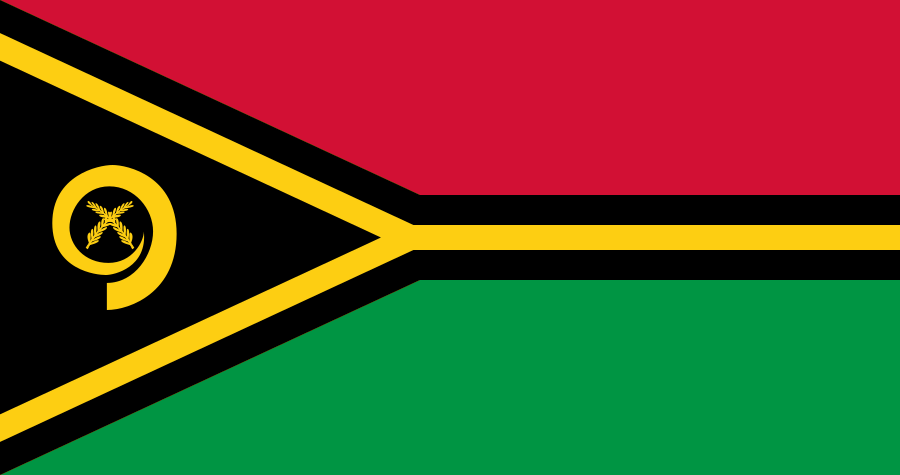 Vanuatu
-
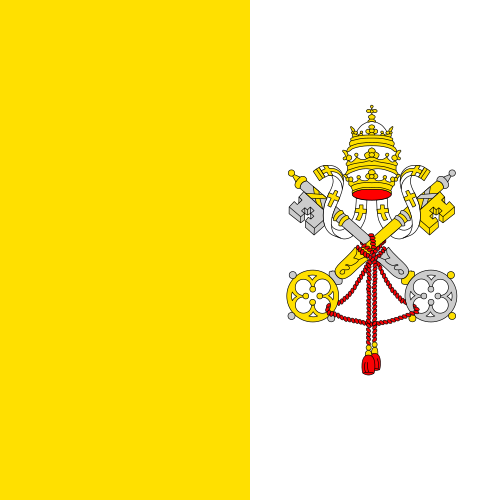 Vatican City
-
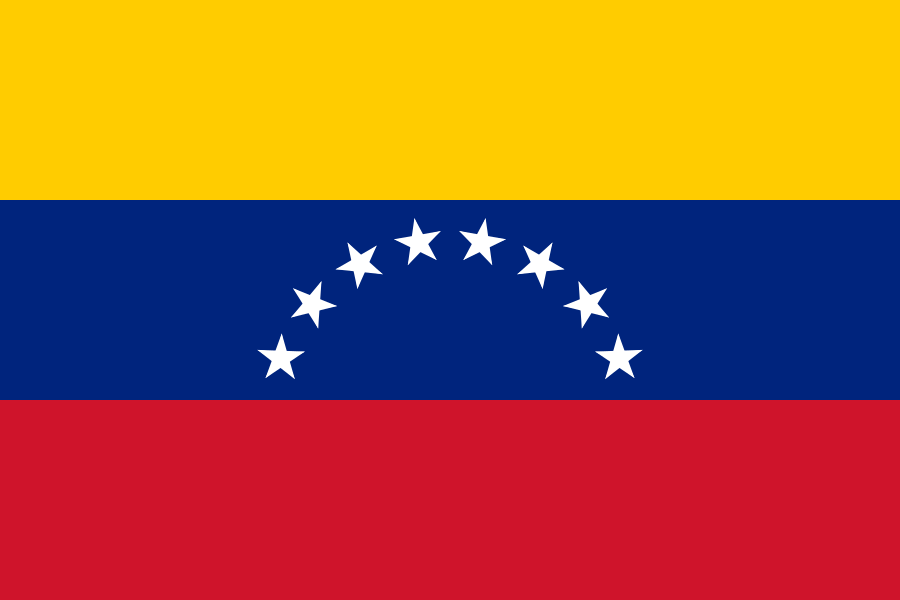 Venezuela
-
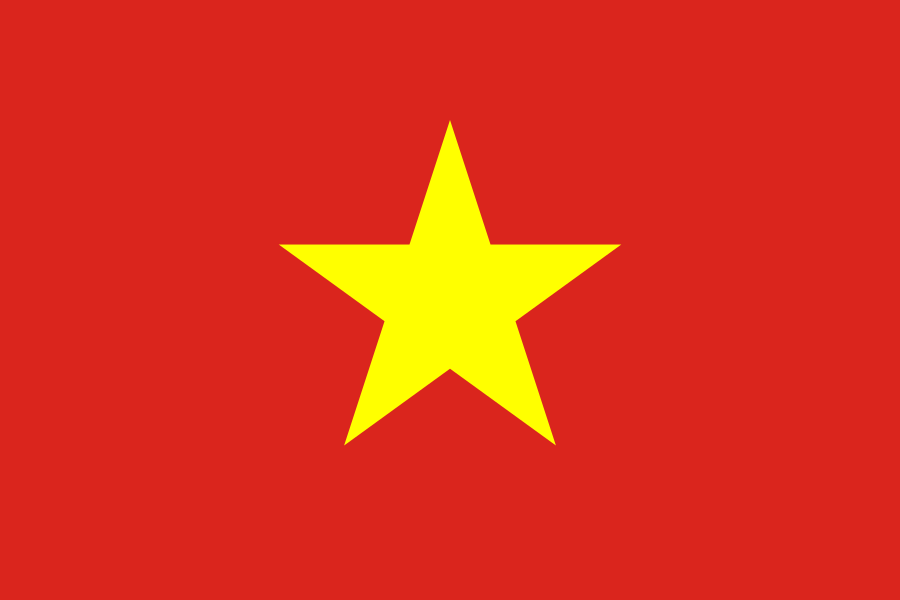 Vietnam
-
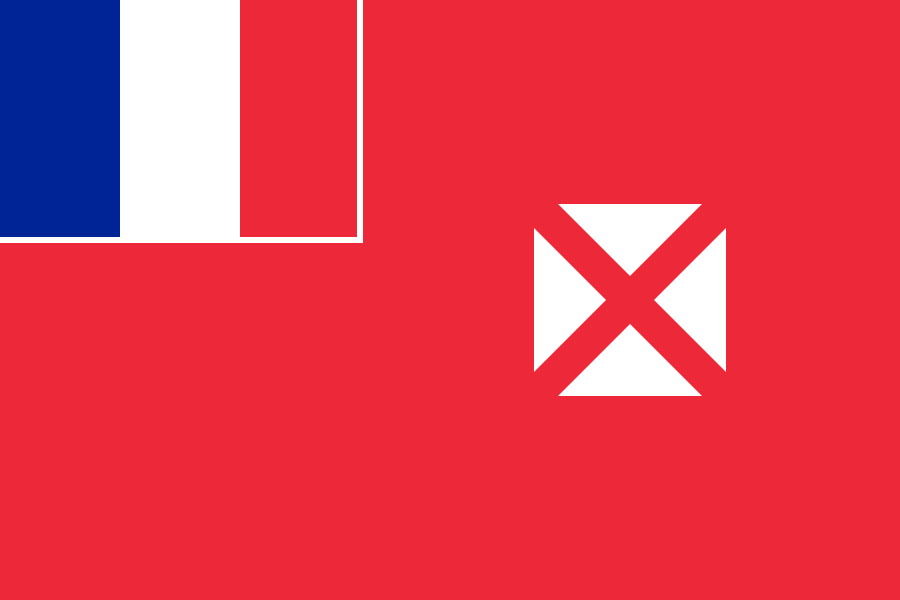 Wallis and Futuna
-
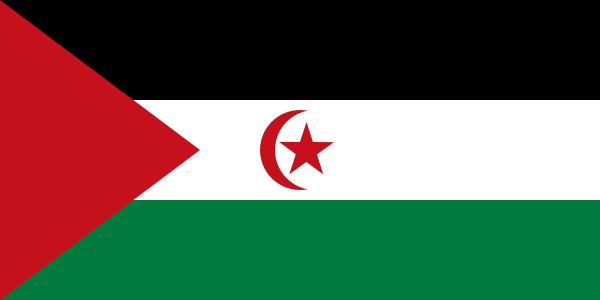 Western Sahara
-
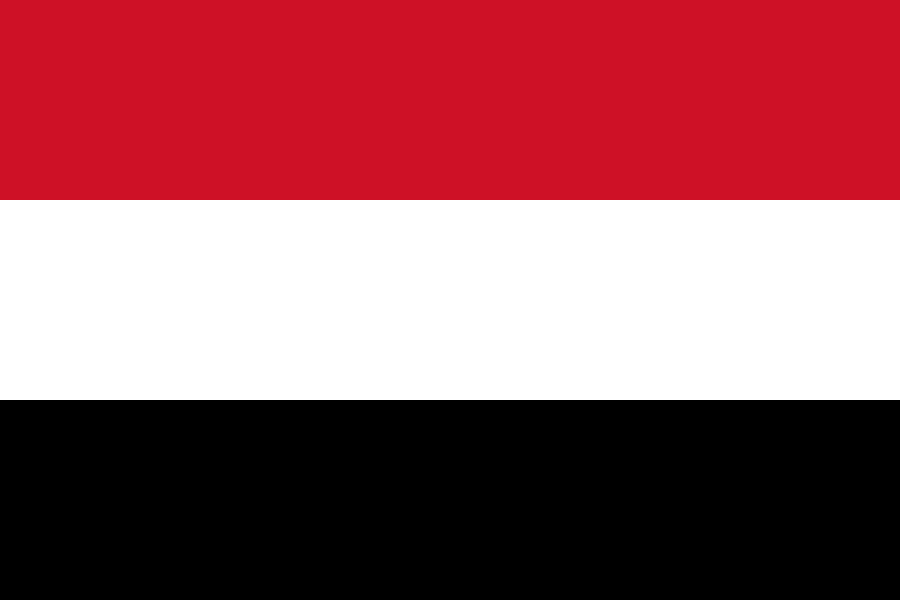 Yemen
Yemen
-
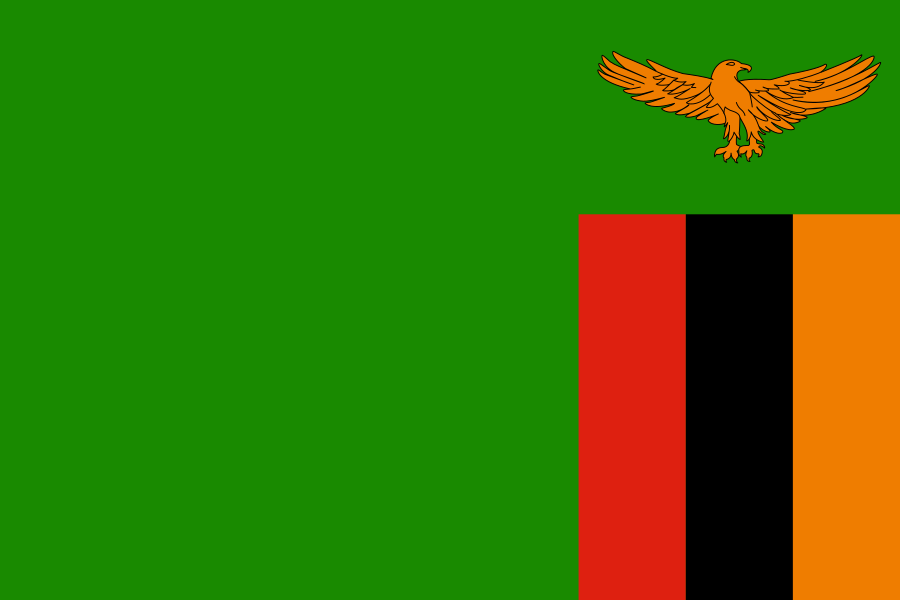 Zambia
-
 Zimbabwe
India .in
Meaning of the Flag
The national flag of India, colloquially called Tiraṅgā (the tricolour), is a horizontal rectangular tricolour flag, the colours being of India saffron, white and India green; with the Ashoka Chakra, a 24-spoke wheel, in navy blue at its centre. It was adopted in its present form during a meeting of the Constituent Assembly held on 22 July 1947, and it became the official flag of the Union of India on 15 August 1947. To address the question of how the star conveyed "Indianness", Queen Victoria created the Knight Commander of the Order of the Star of India to honour services to the empire by her Indian subjects. Around this time, nationalist opinion within the realm was leading to a representation through religious tradition. Gandhi later wrote that the delay was fortuitous since it allowed him to realise that other religions were not represented; he then added white to the banner colours, to represent all the other religions.
Meaning of Flag Colors
Blue, Green, White, Navy, Saffron
Flag History
-
1907
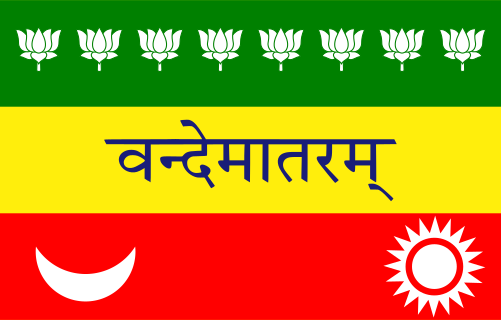 Berlin Committee / Madame Cama flag — hoisted by Bhikaiji Cama in Stuttgart, 1907. Green, gold, and red bands with seven stars of the saptarishi.
 -
1931
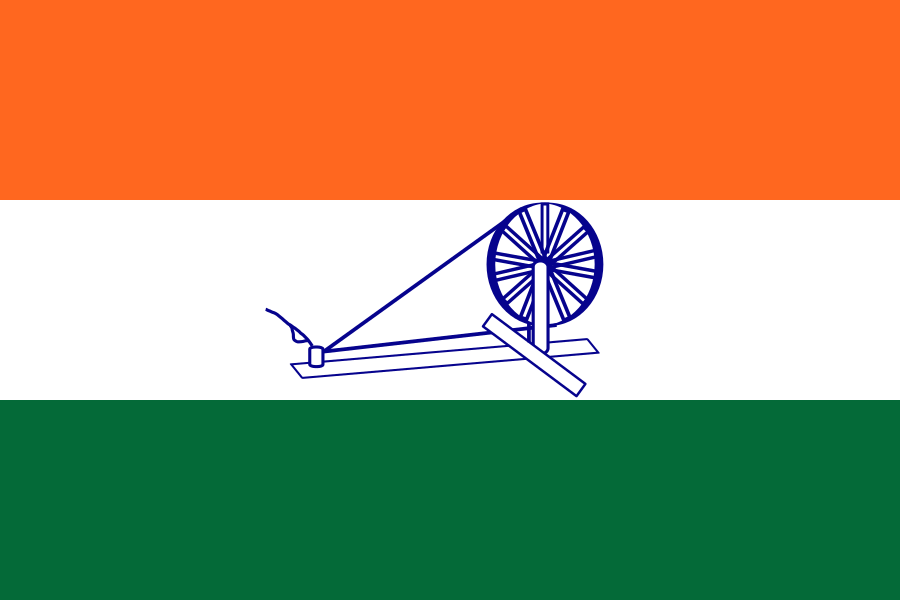 Indian National Congress official flag adopted in 1931: saffron, white, and green bands with the charkha at the centre — the immediate predecessor of the modern tricolour.
 -
1947–present
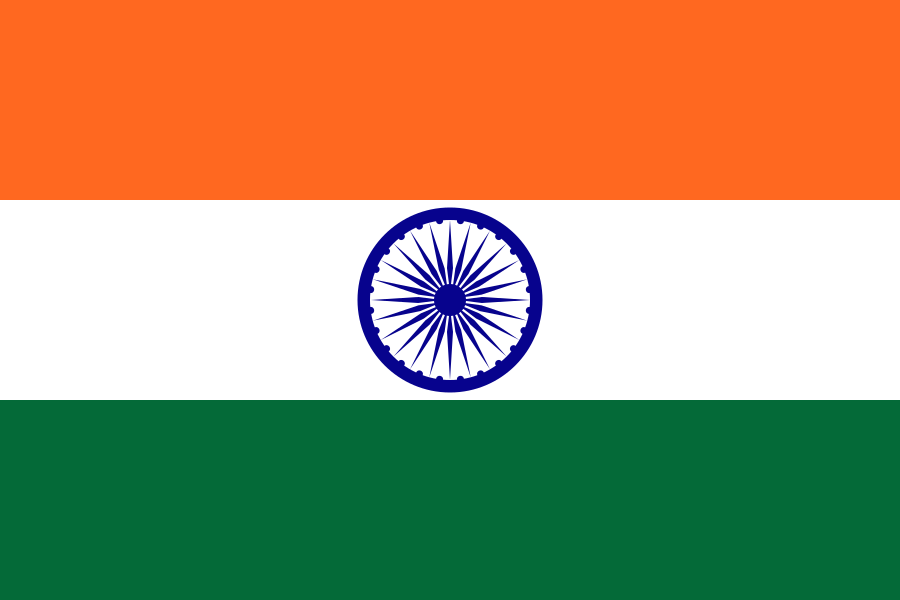 Tiranga, adopted 22 July 1947. The charkha was replaced with the navy-blue Ashoka Chakra of Sarnath (24 spokes) on the white band; saffron-white-green tricolour retained.