-
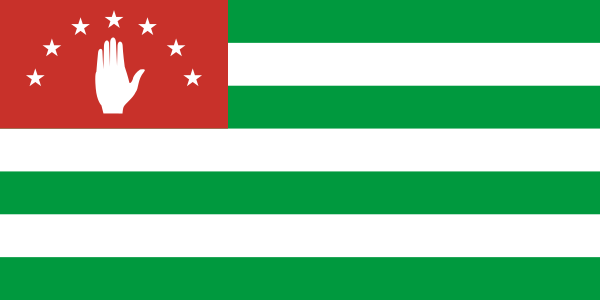 Abkhazia
-
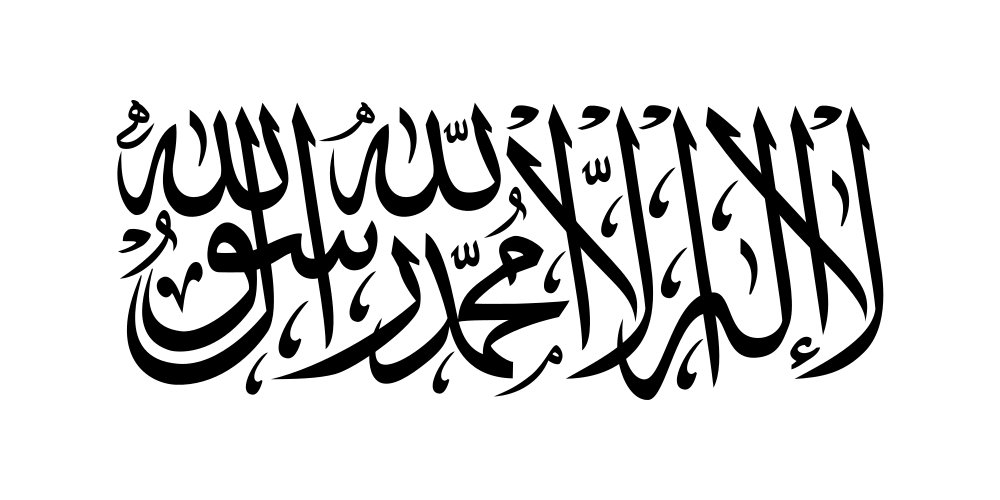 Afghanistan
-
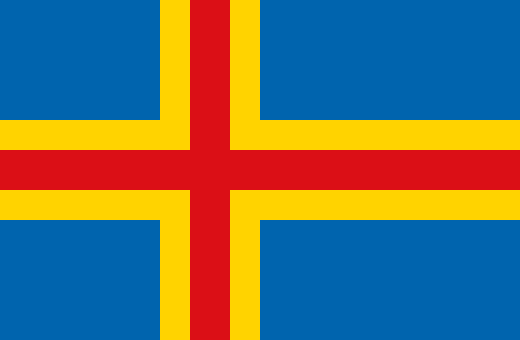 Åland Islands
-
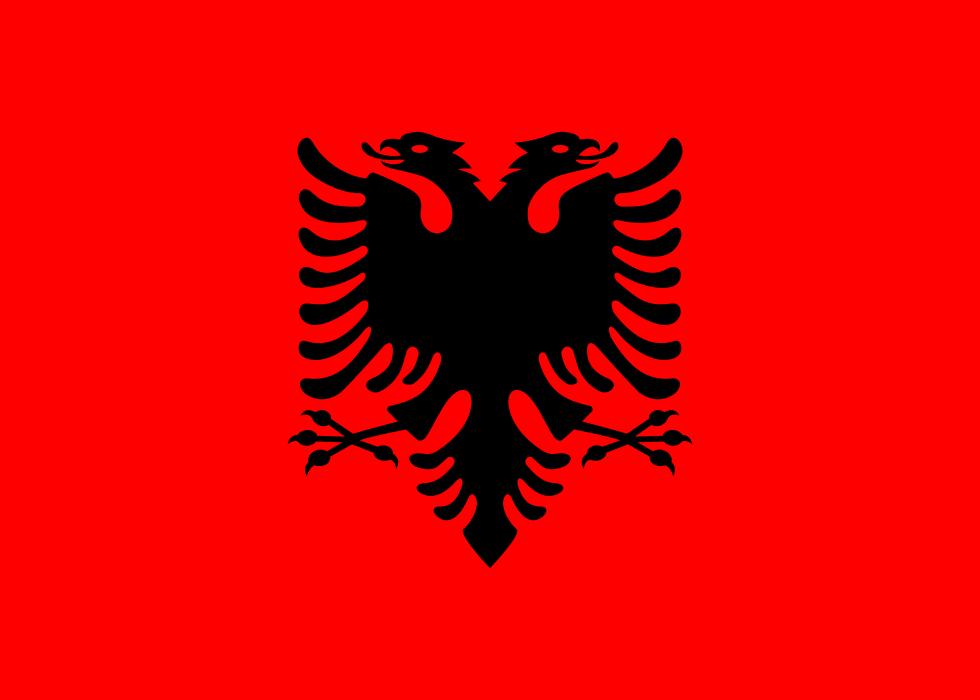 Albania
-
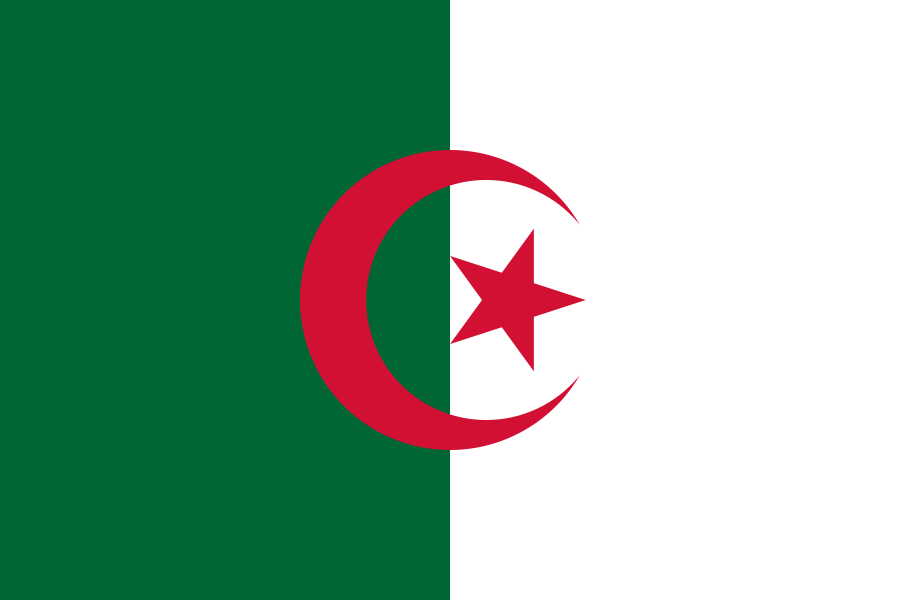 Algeria
-
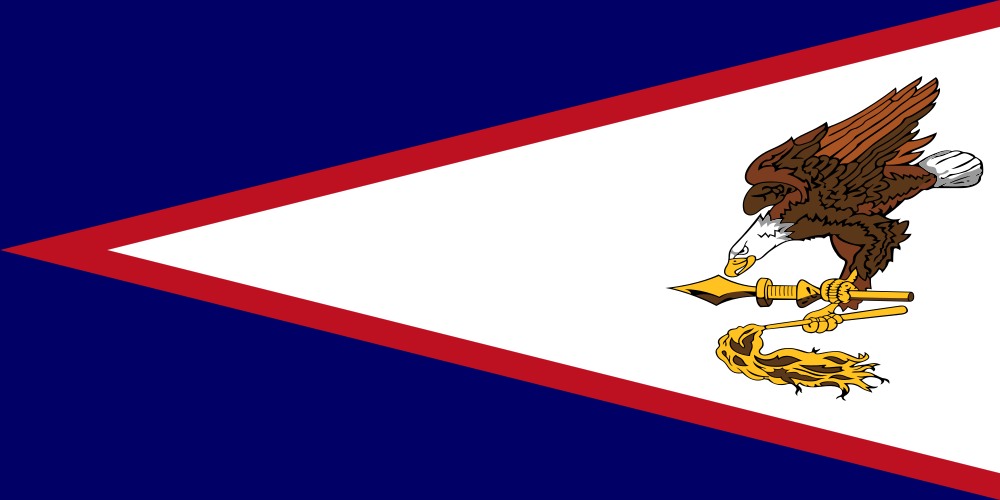 American Samoa
-
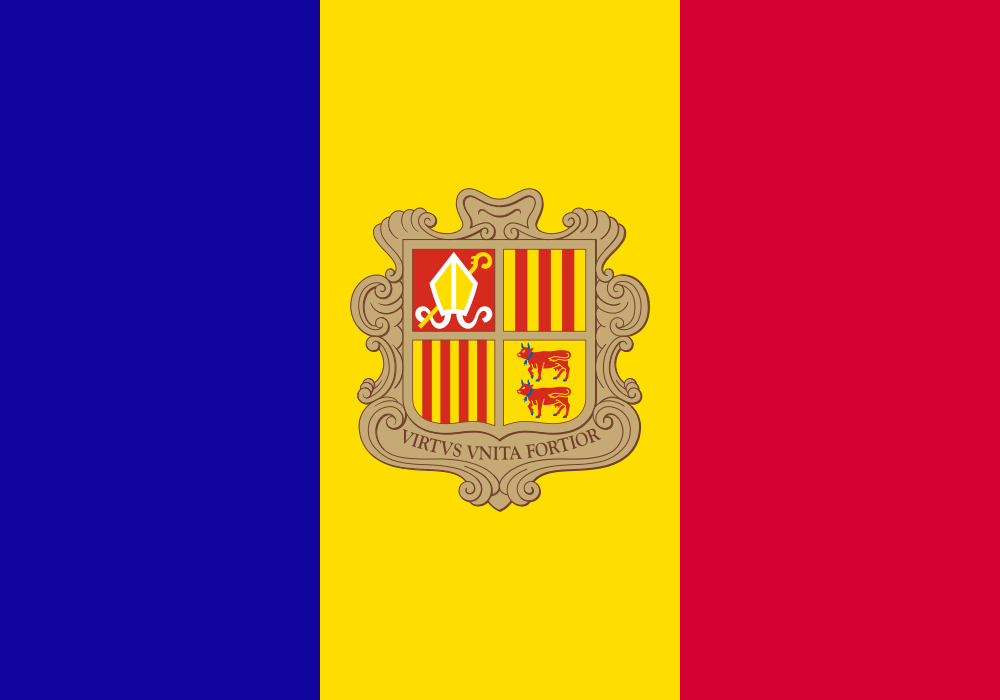 Andorra
-
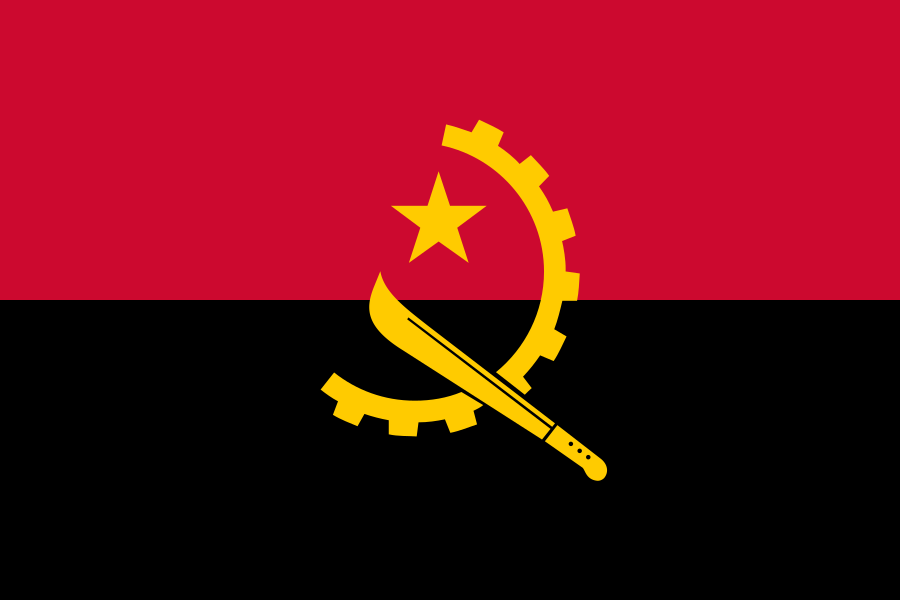 Angola
-
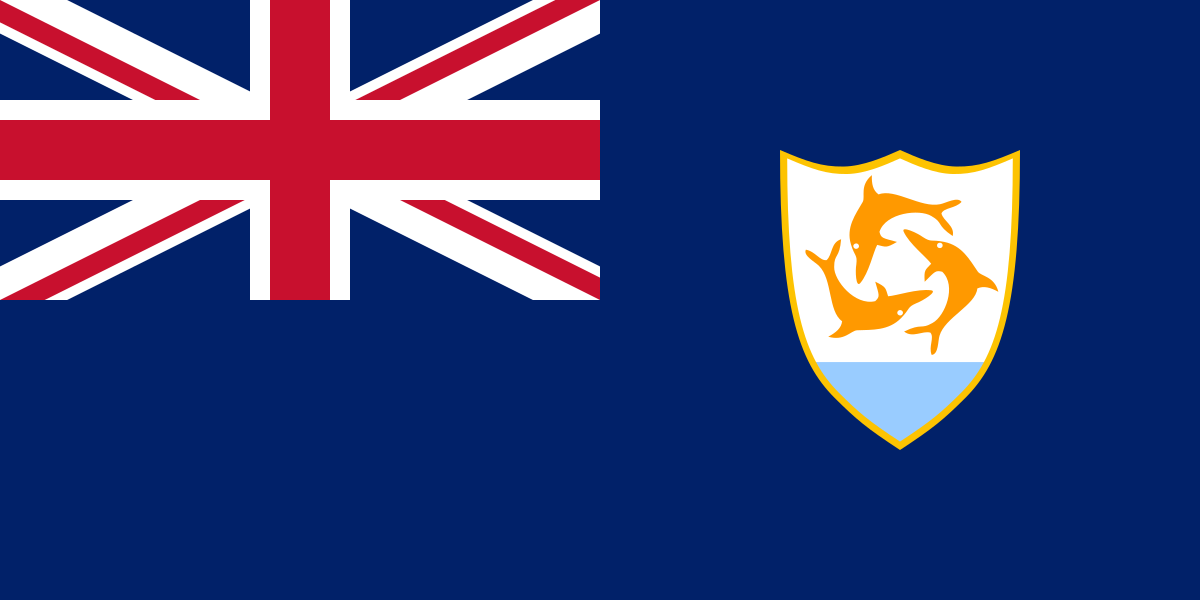 Anguilla
-
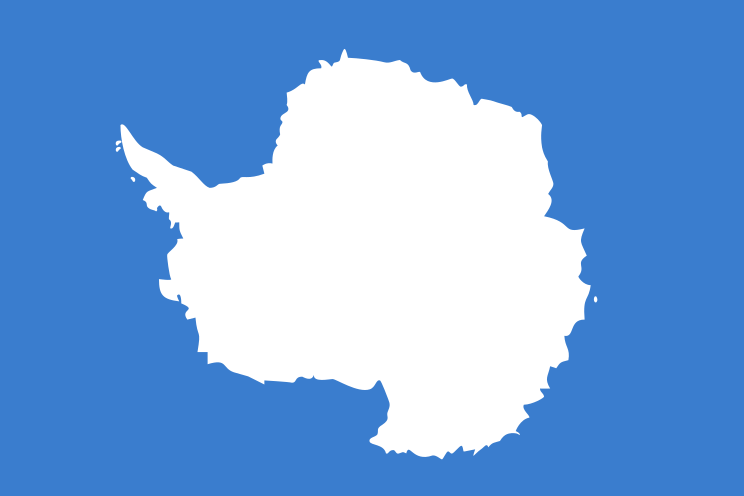 Antarctica
-
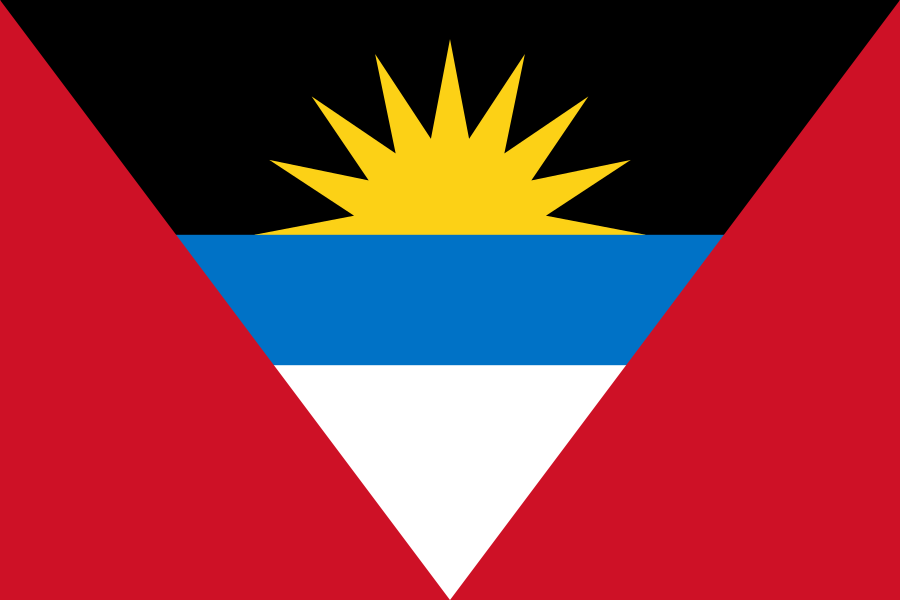 Antigua and Barbuda
-
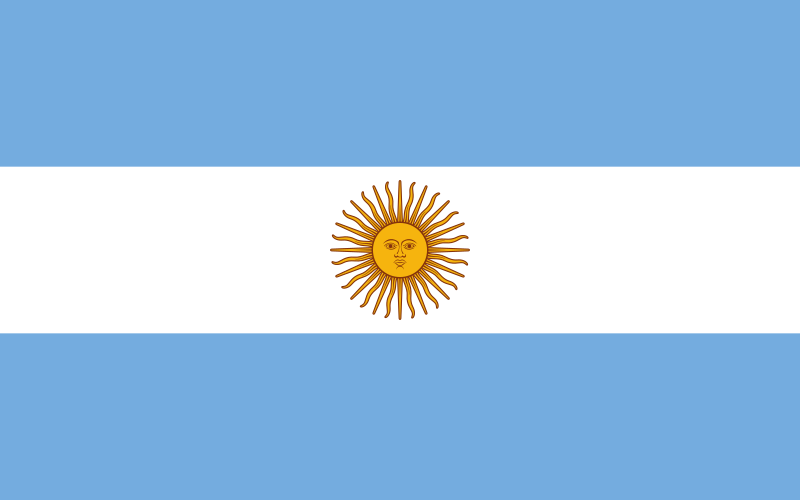 Argentina
-
 Armenia
-
 Artsakh
-
 Aruba
Aruba
-
 Australia
-
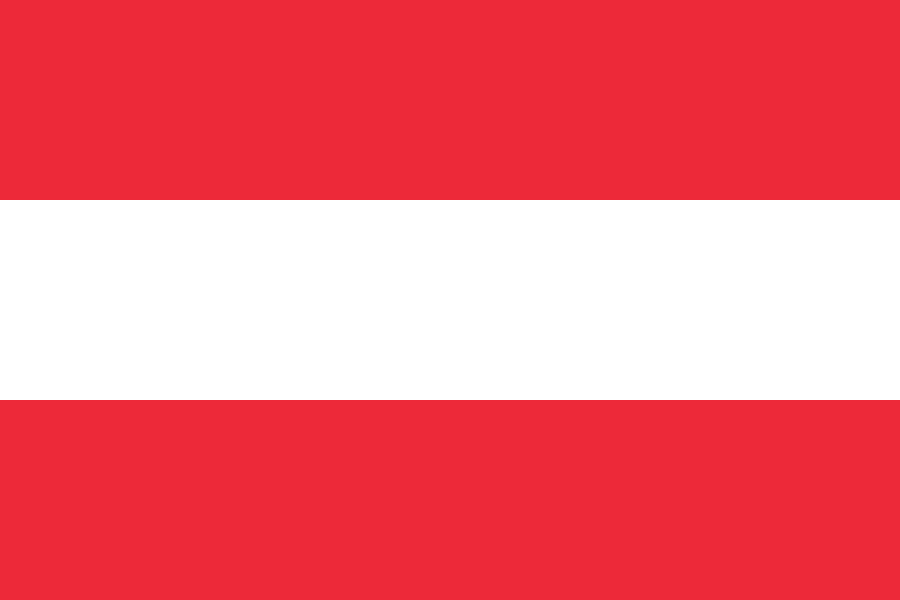 Austria
-
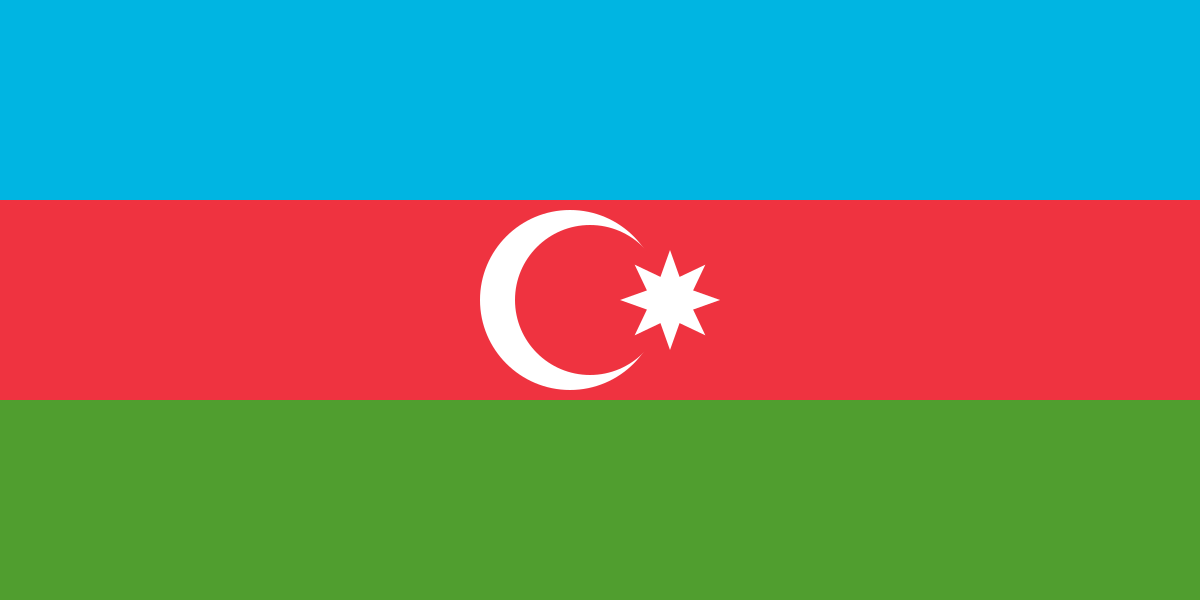 Azerbaijan
-
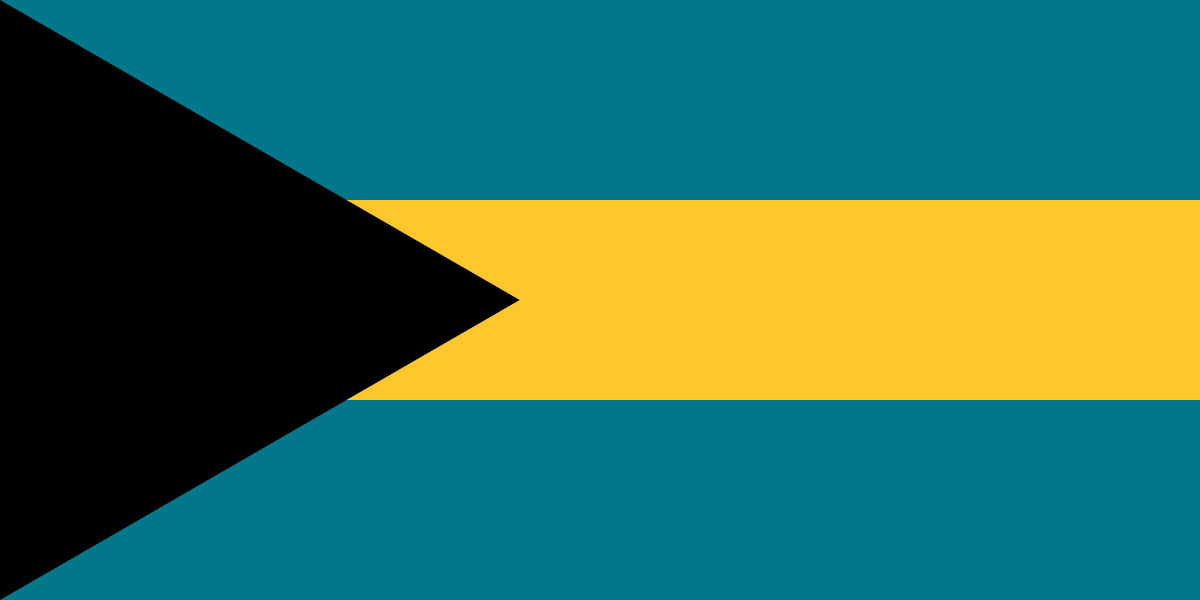 Bahamas
-
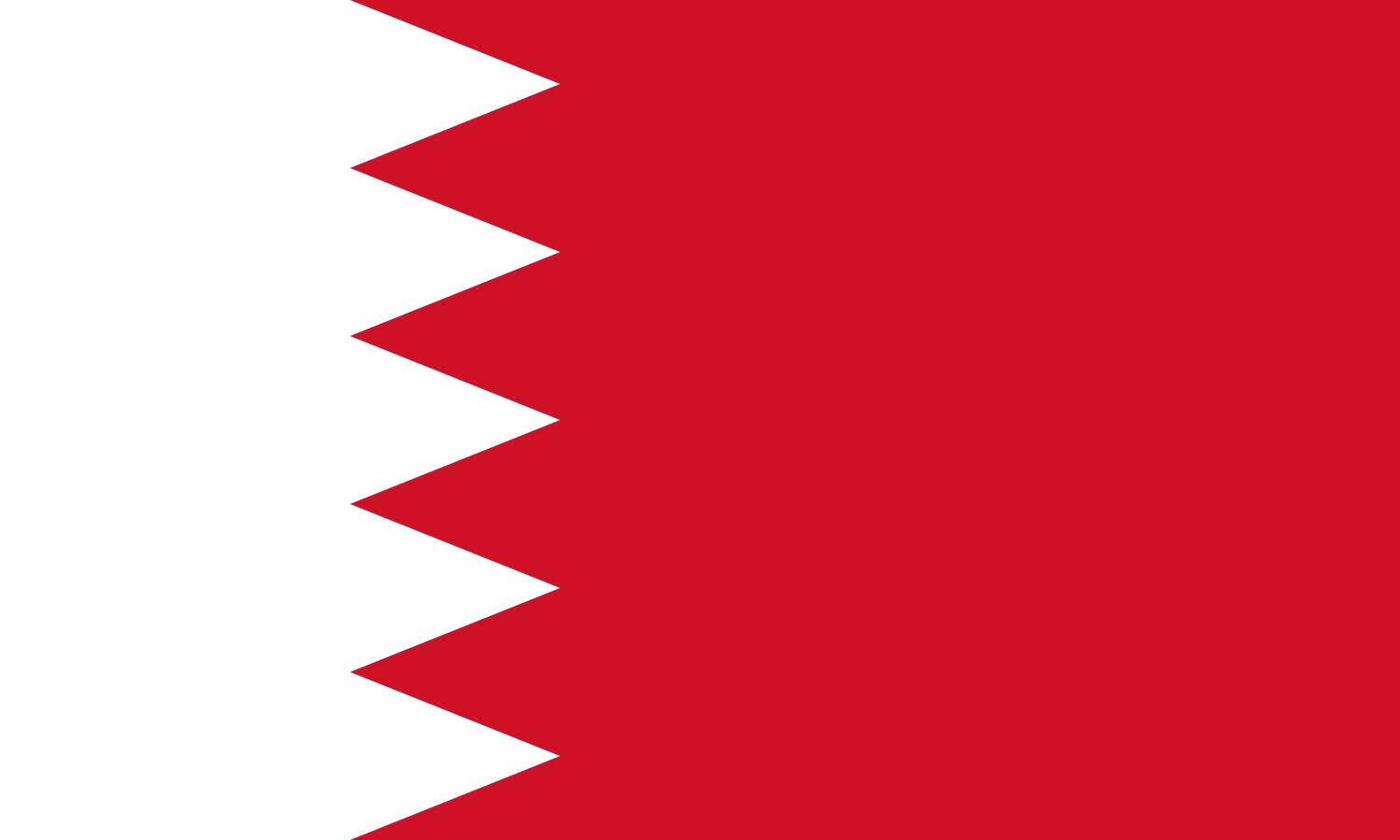 Bahrain
-
 Bangladesh
-
 Barbados
-
 Belarus
-
 Belgium
-
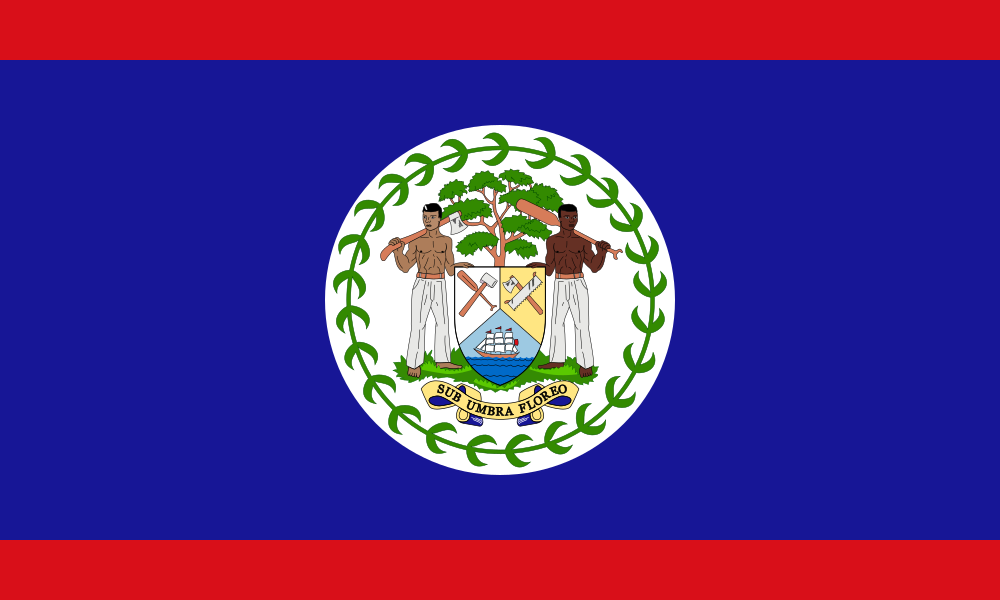 Belize
-
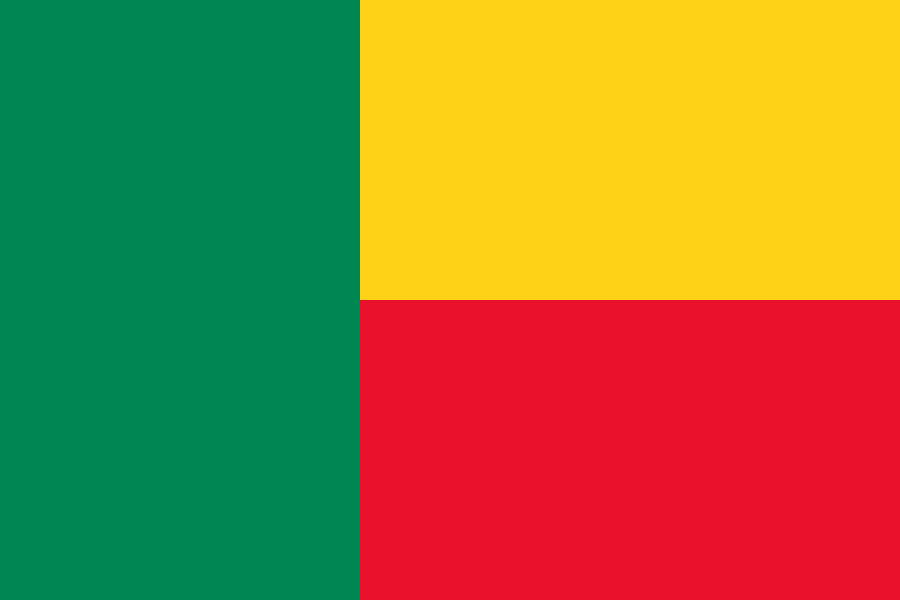 Benin
Benin
-
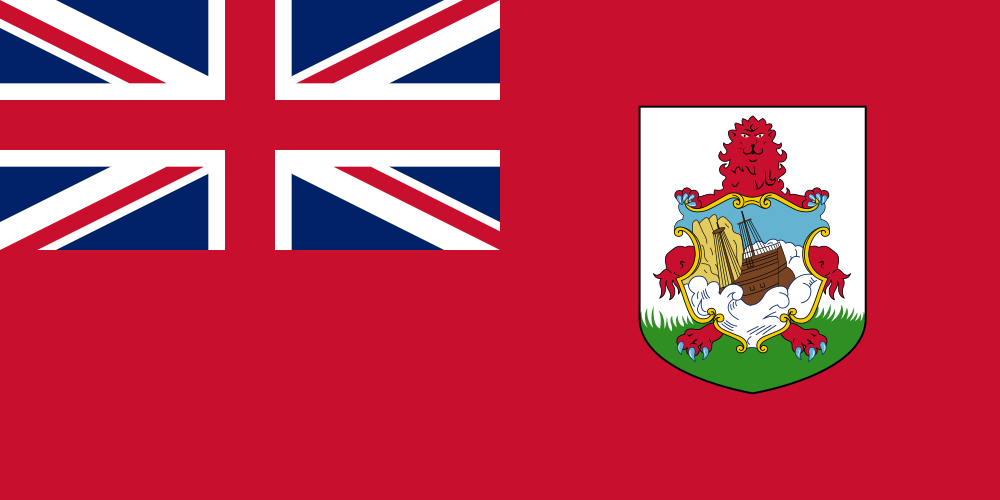 Bermuda
-
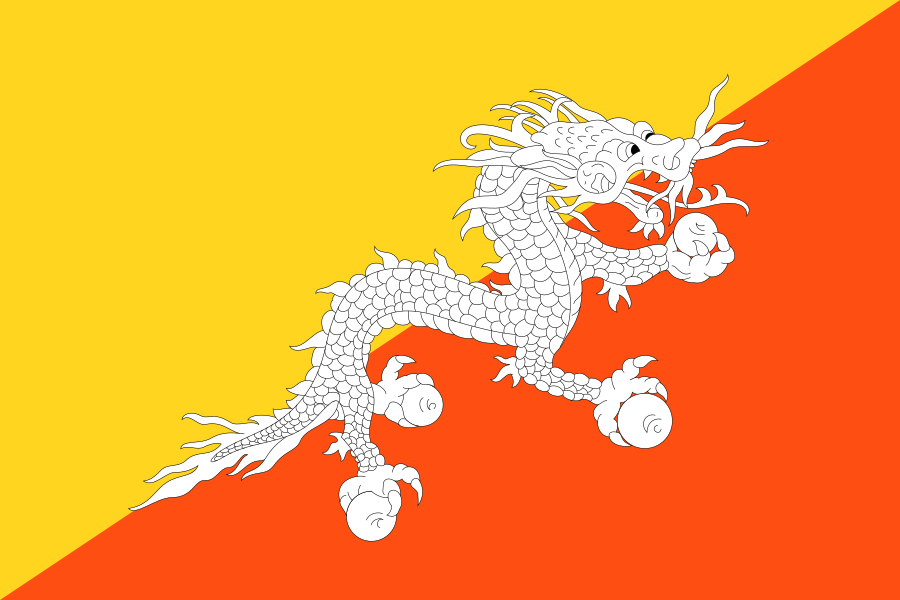 Bhutan
-
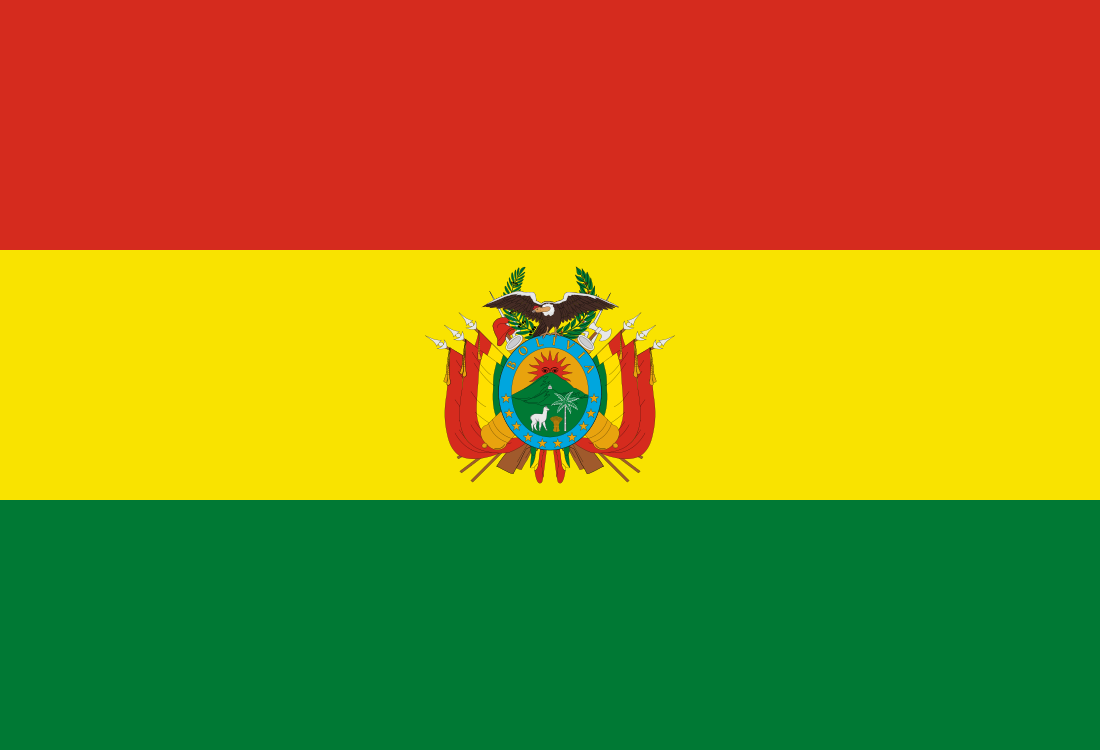 Bolivia
-
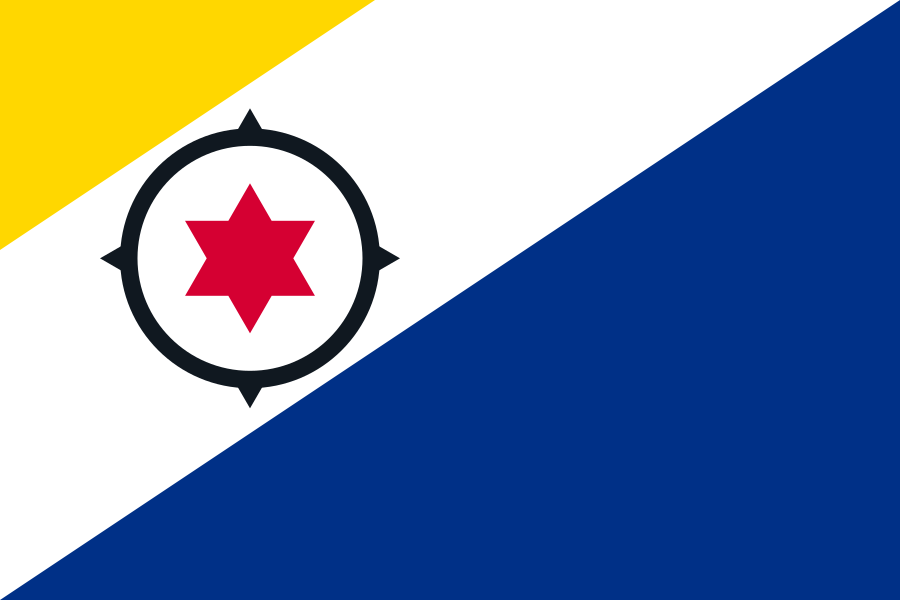 Bonaire
-
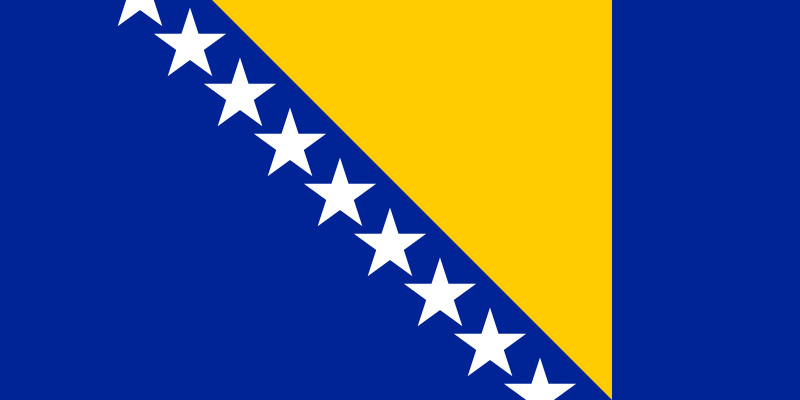 Bosnia and Herzegovina
-
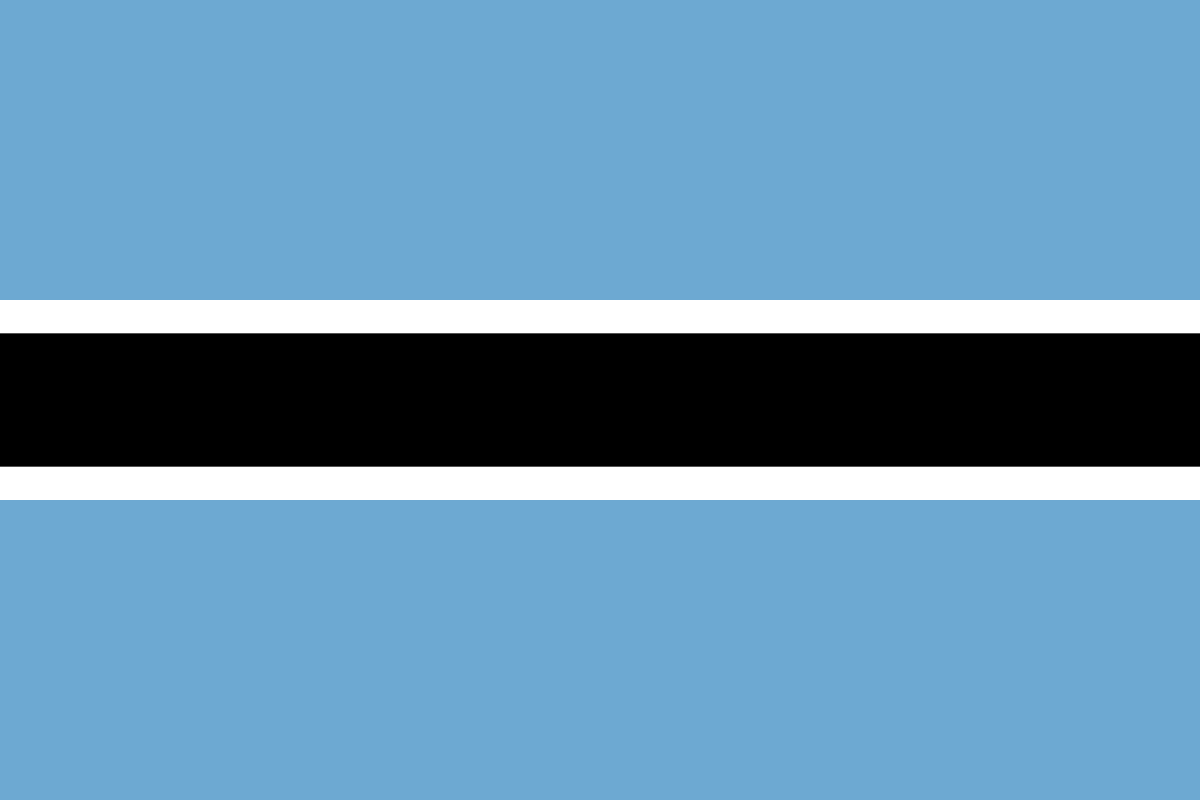 Botswana
-
 Bouvet Island
-
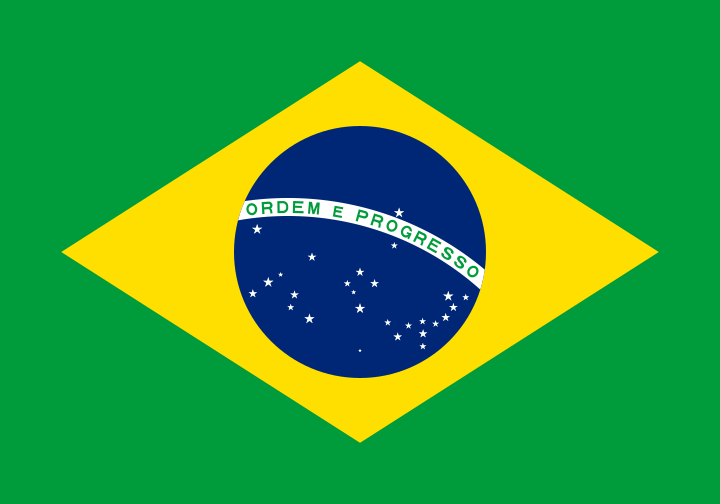 Brazil
-
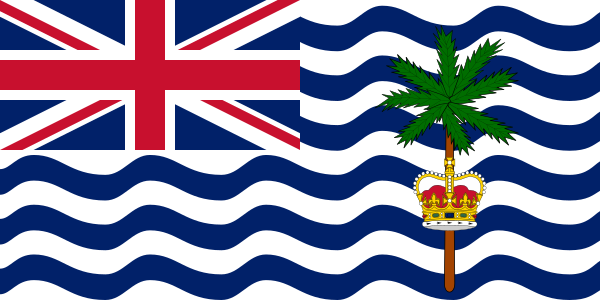 British Indian Ocean Territory
-
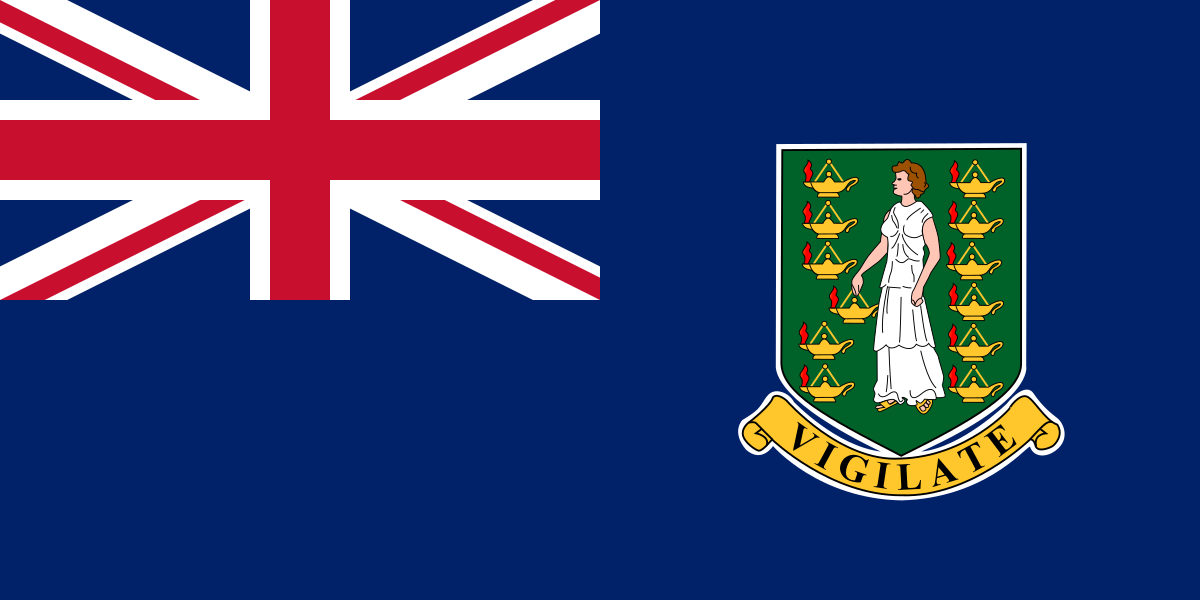 British Virgin Islands
-
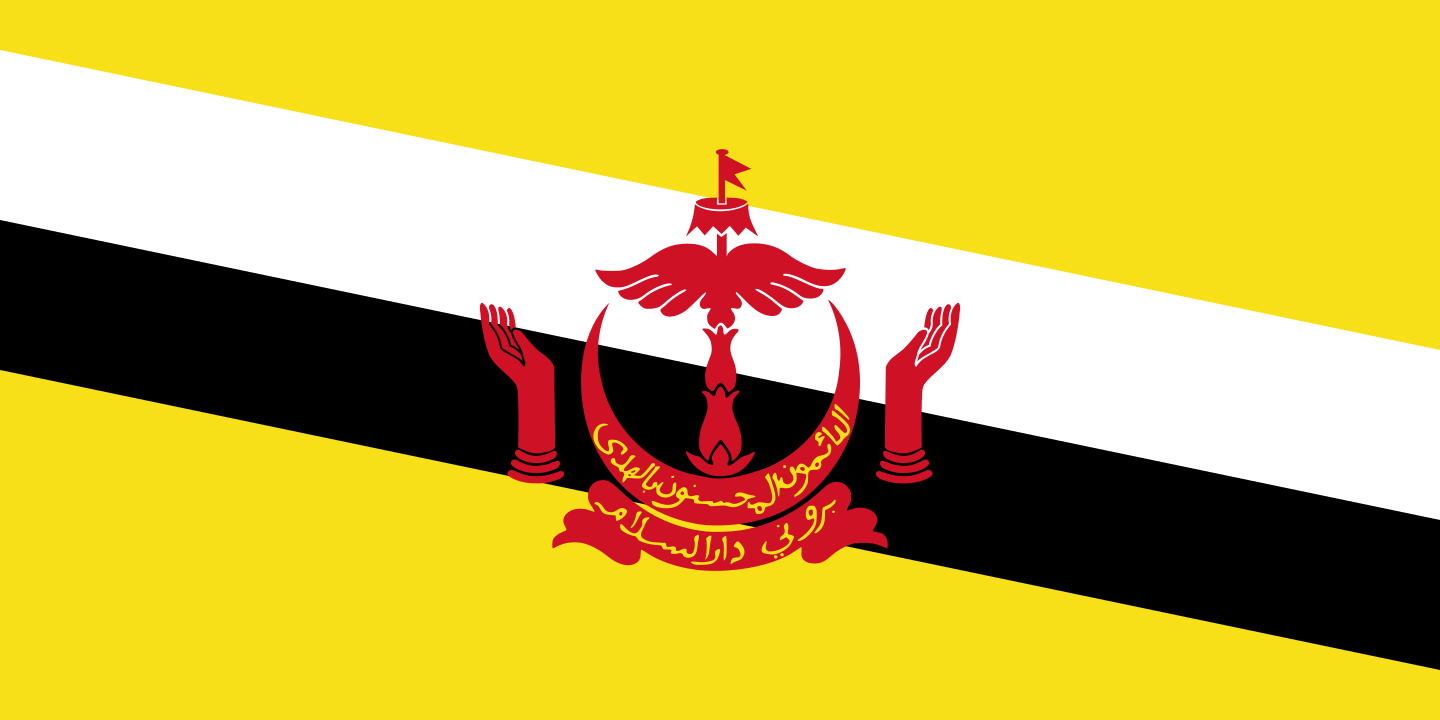 Brunei
-
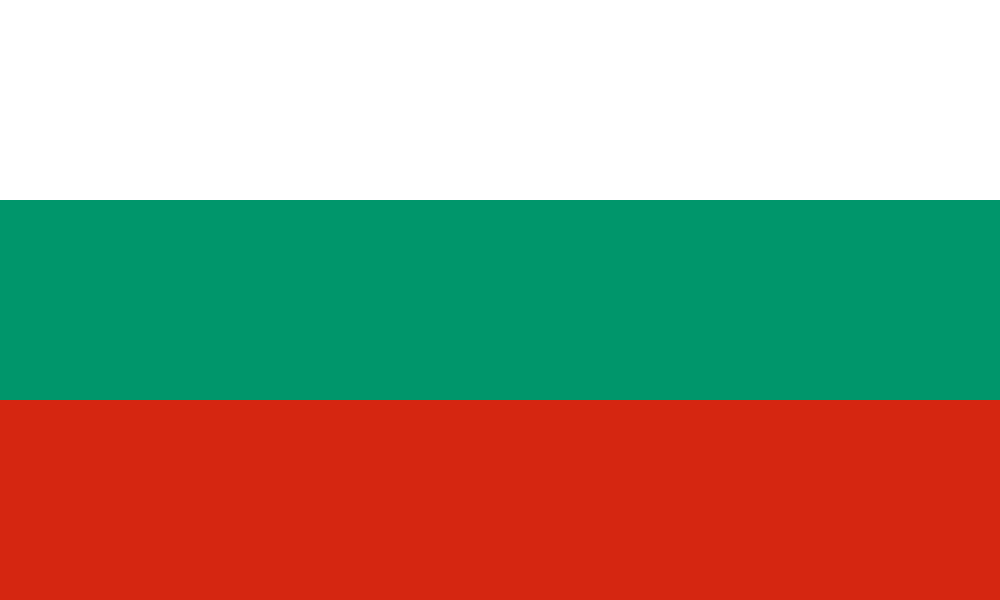 Bulgaria
-
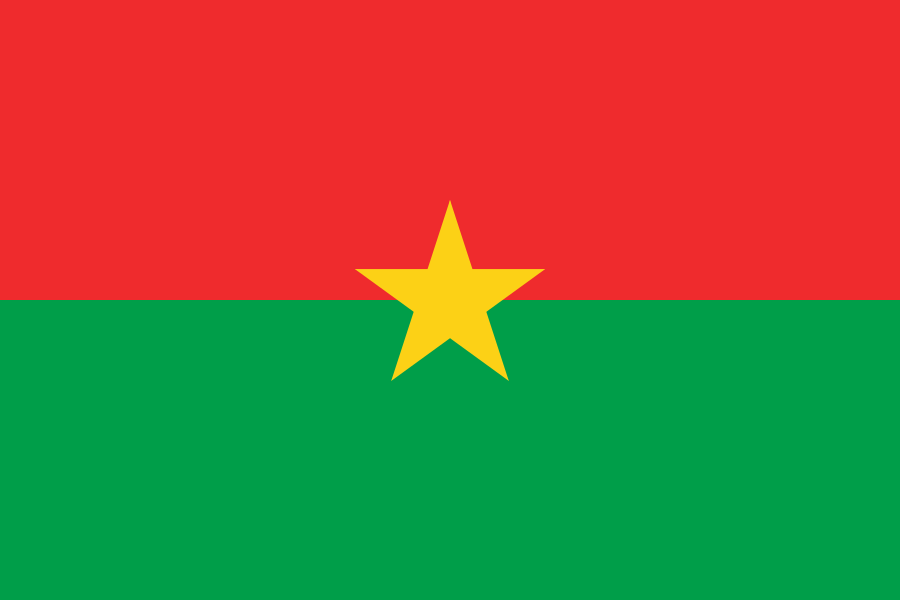 Burkina Faso
-
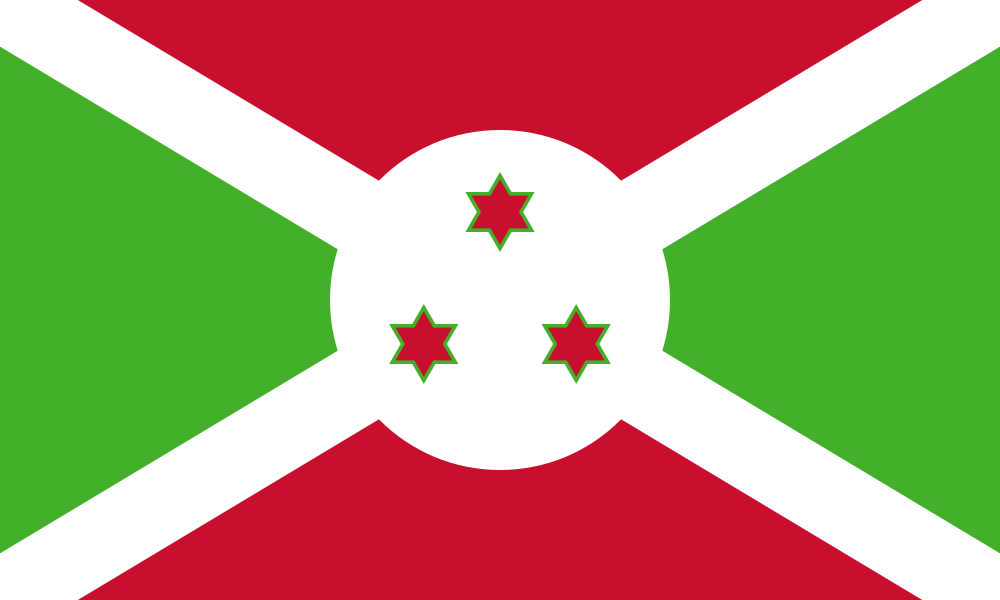 Burundi
-
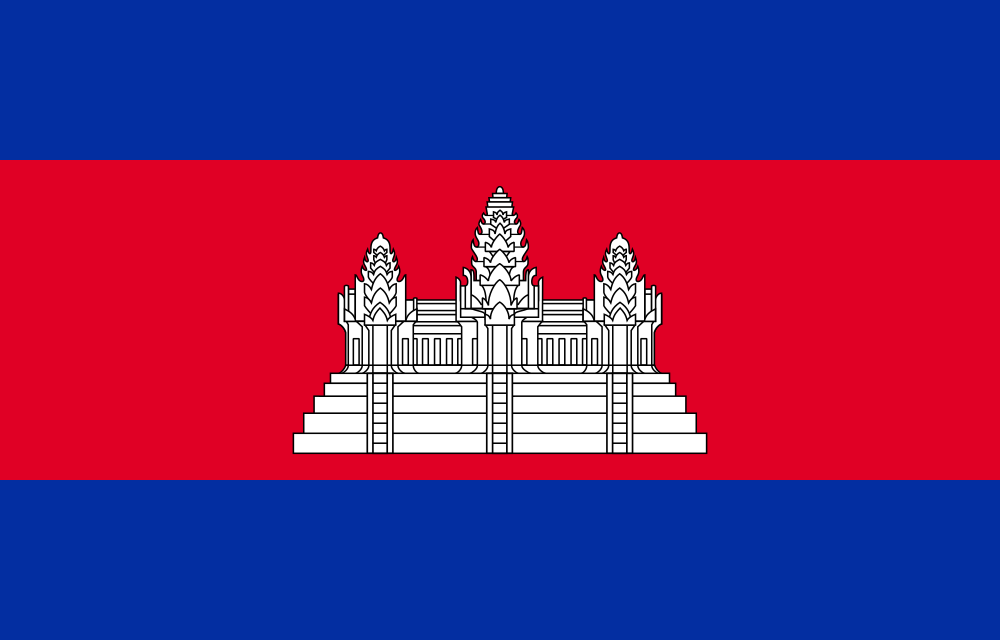 Cambodia
-
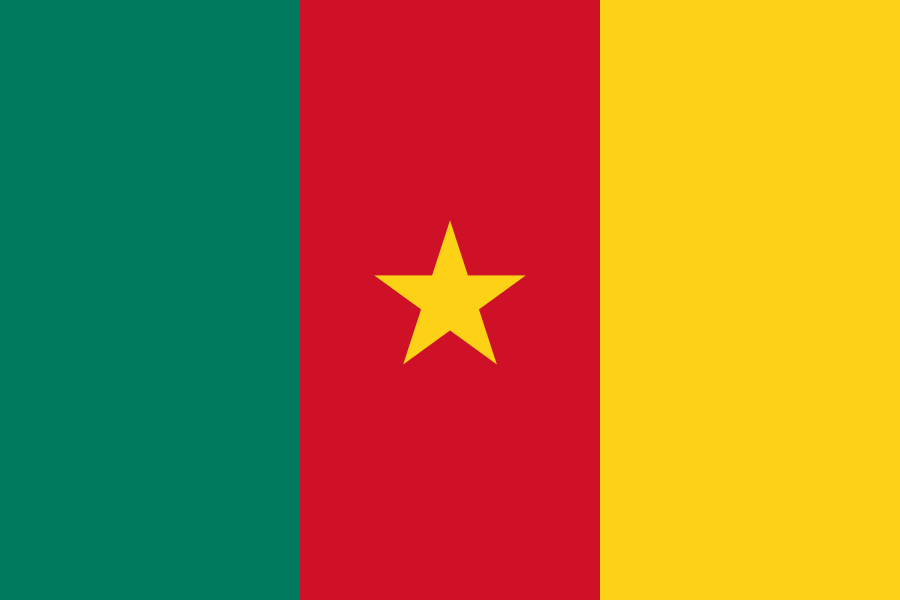 Cameroon
-
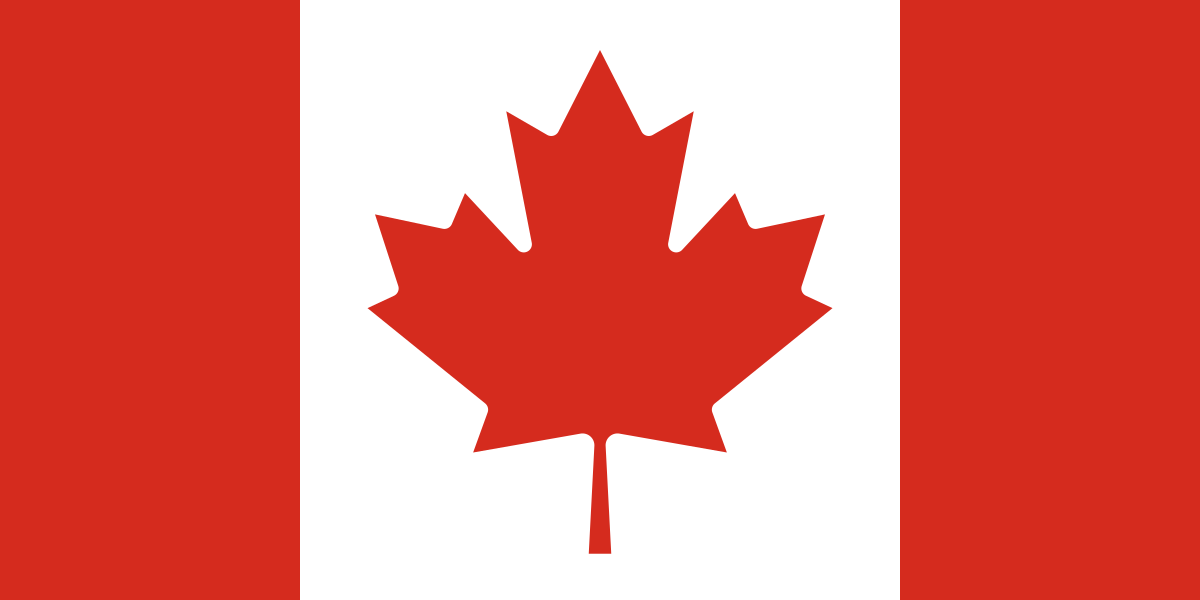 Canada
-
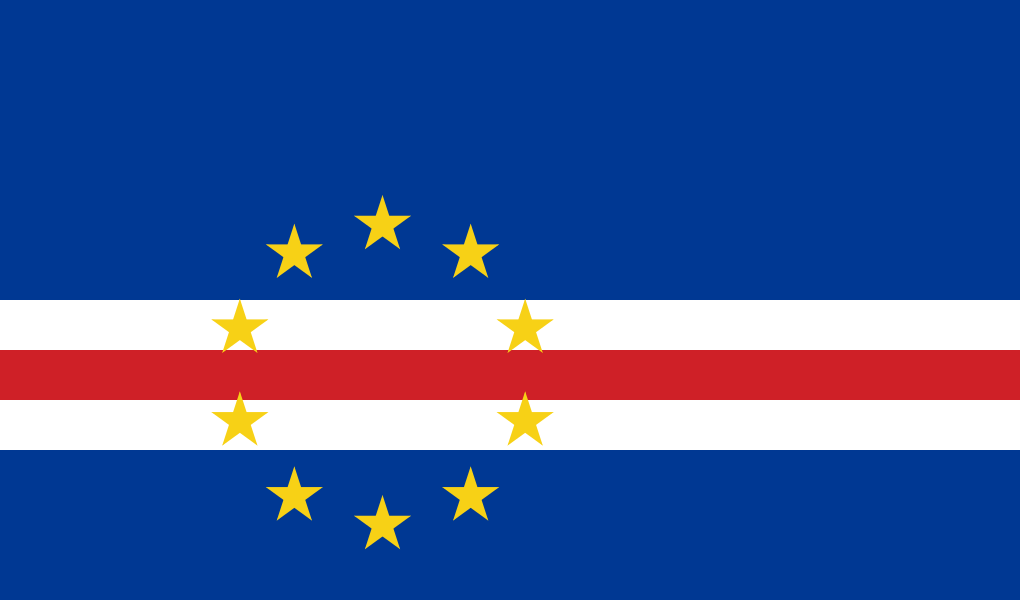 Cape Verde
-
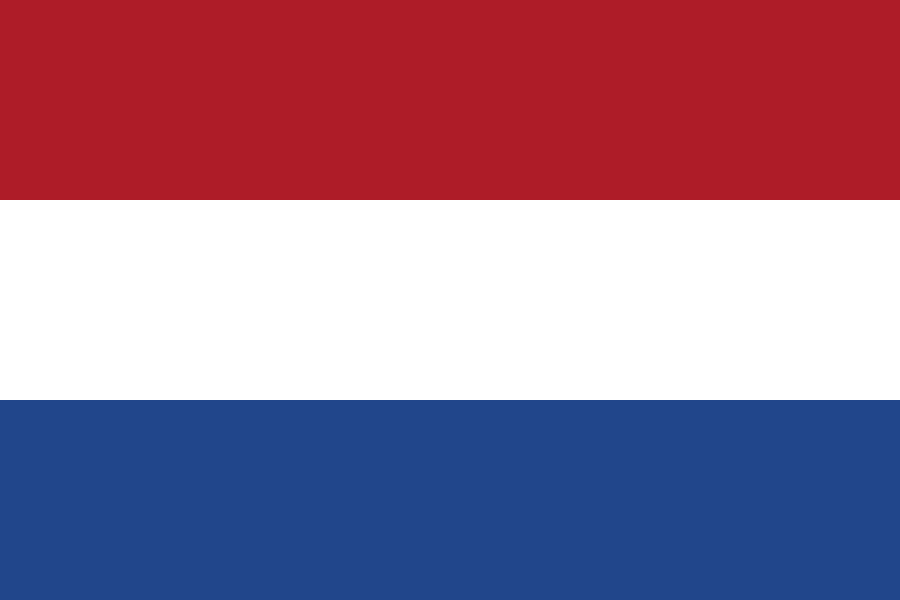 Caribbean Netherlands
-
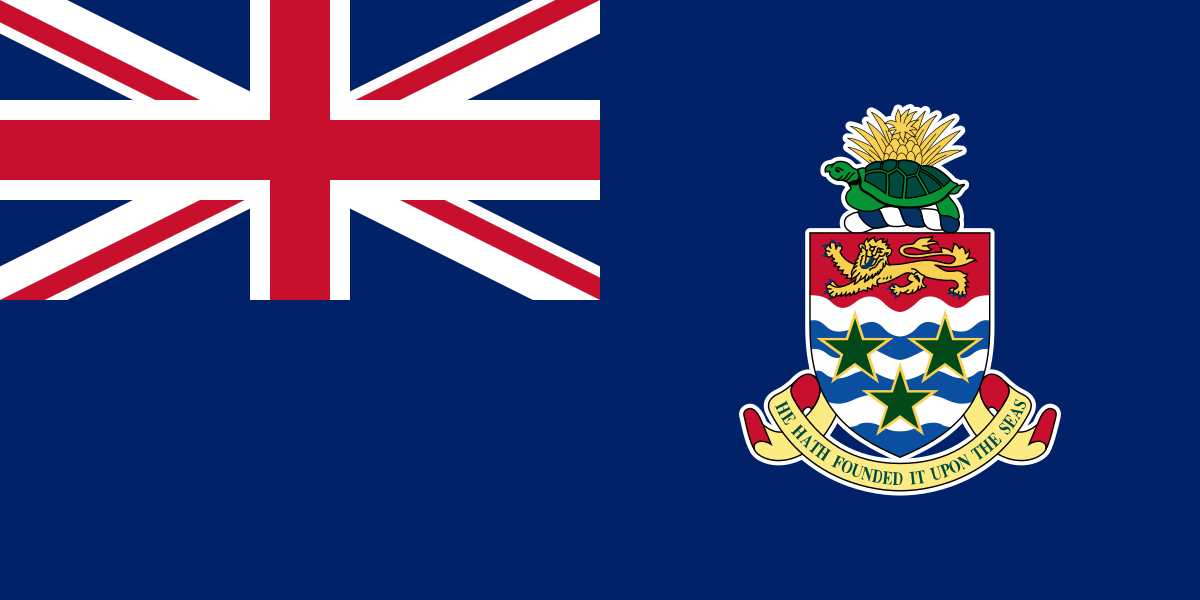 Cayman Islands
-
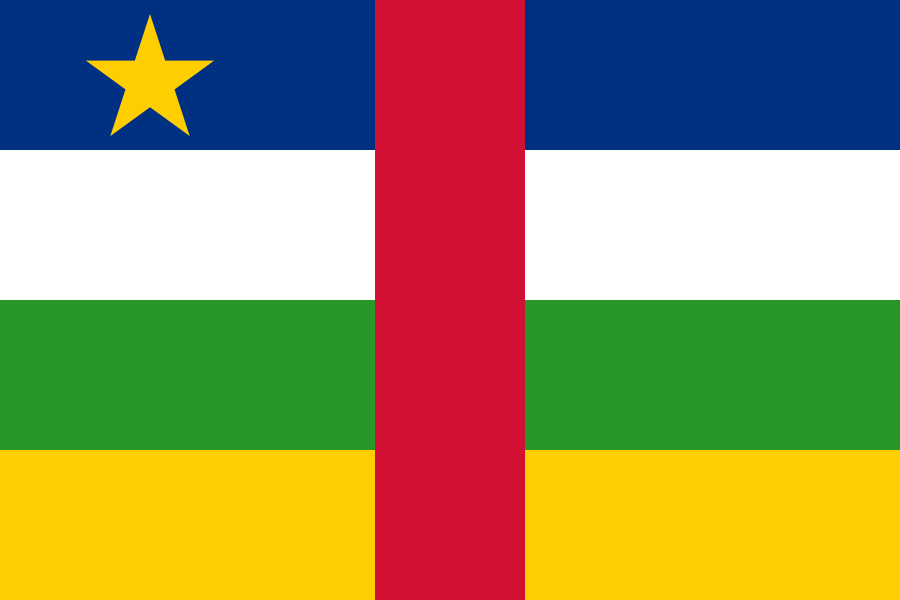 Central African Republic
-
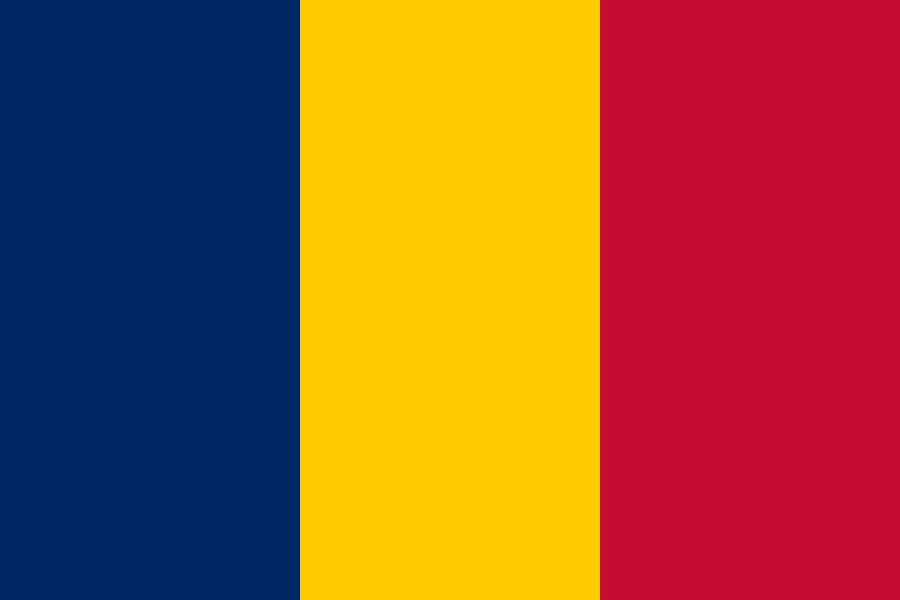 Chad
Chad
-
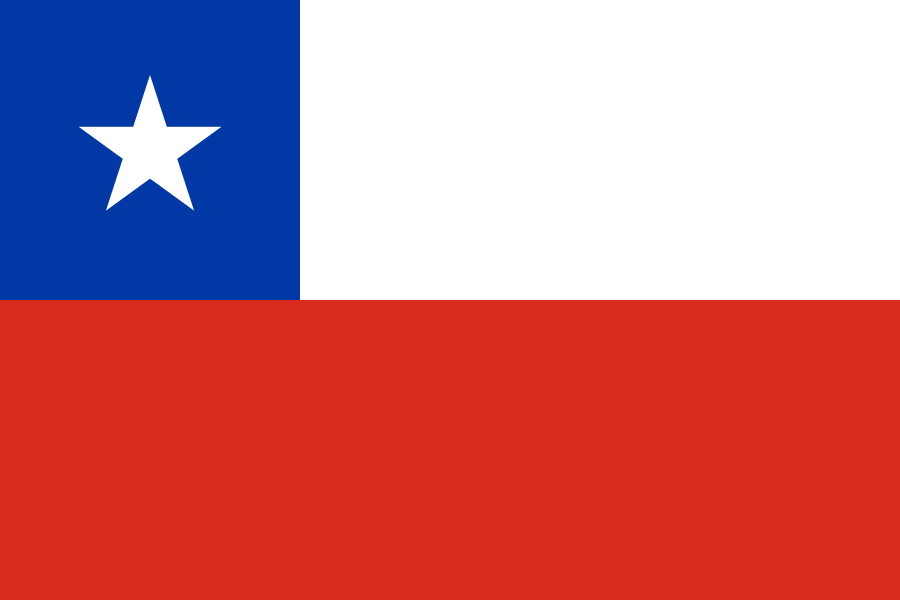 Chile
Chile
-
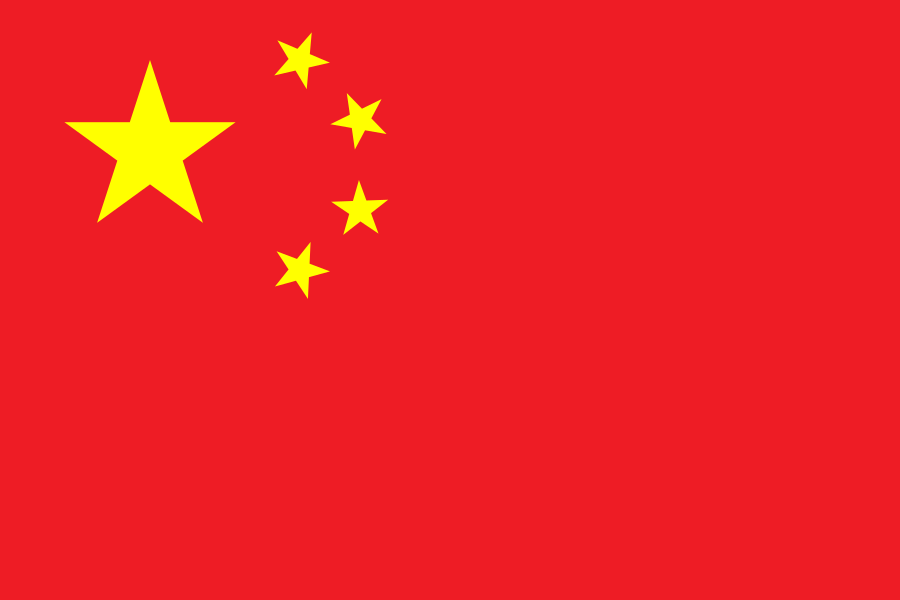 China
China
-
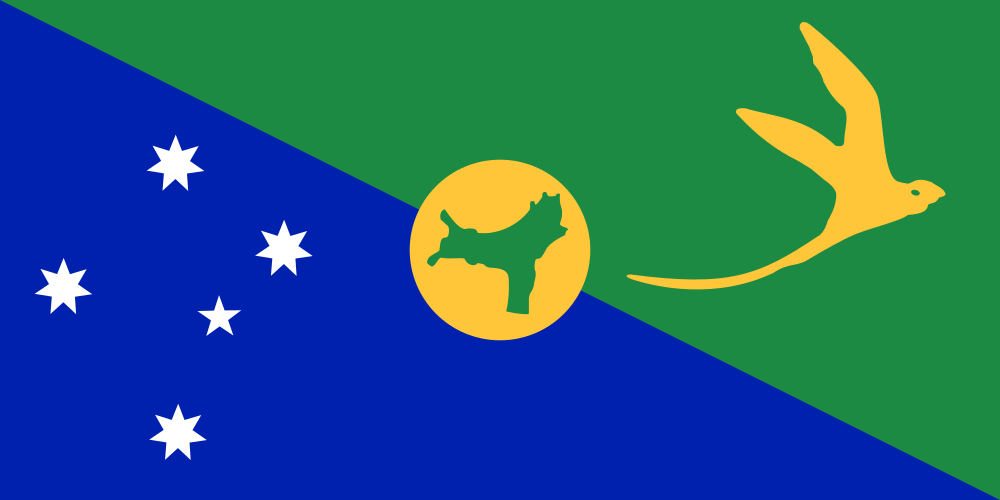 Christmas Island
-
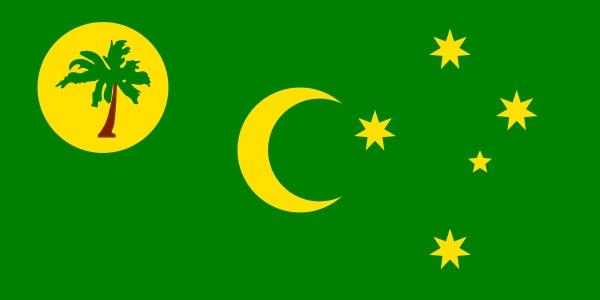 Cocos Islands
-
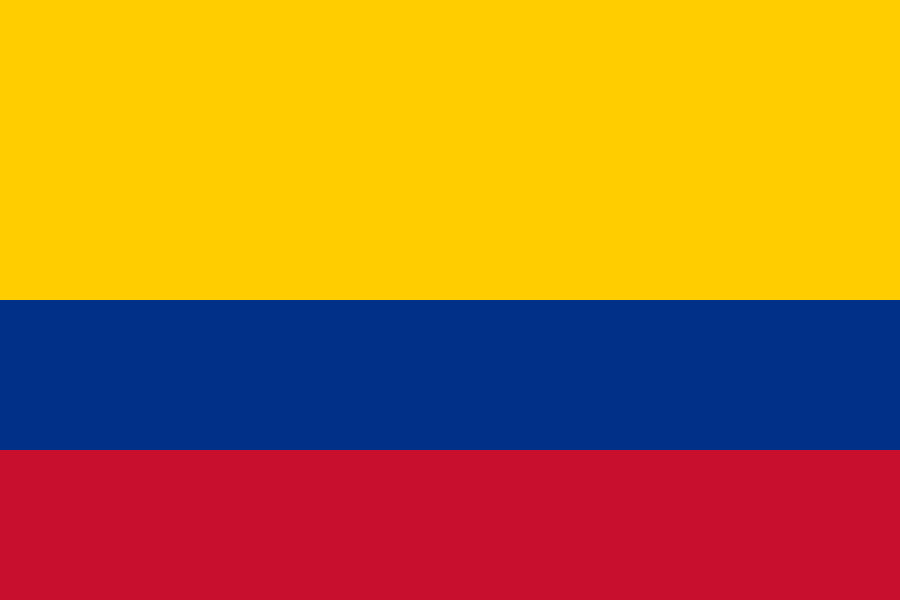 Colombia
-
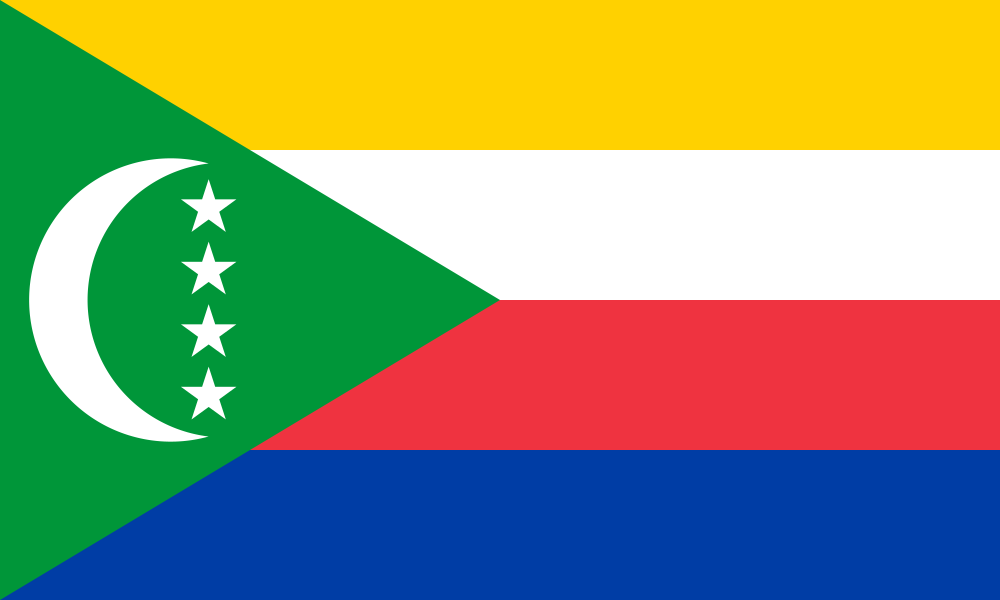 Comoros
-
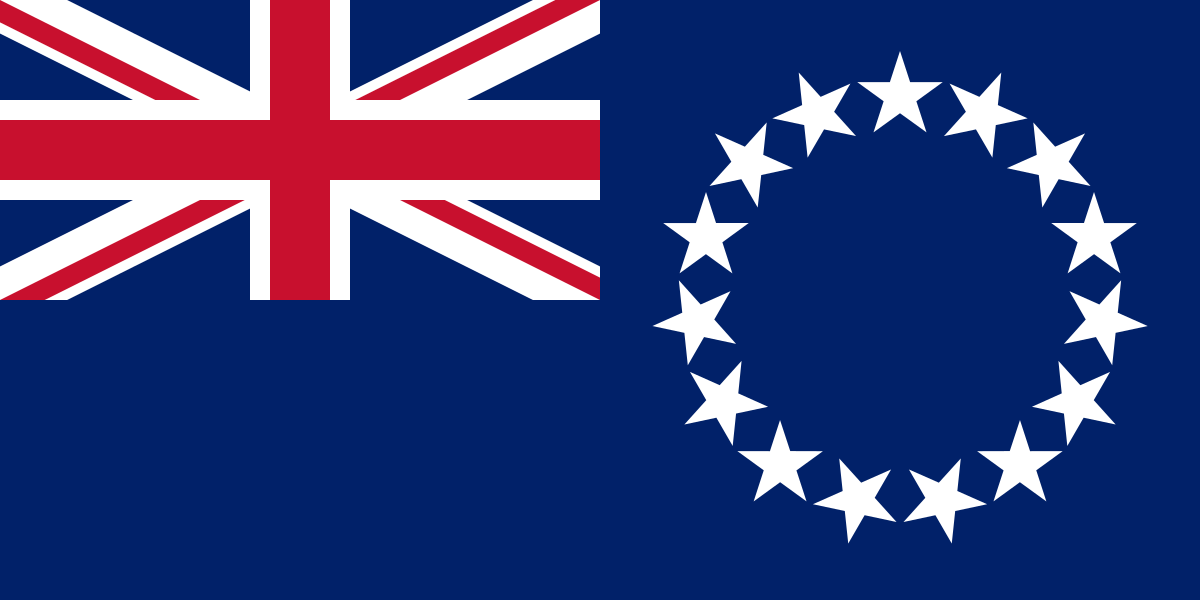 Cook Islands
-
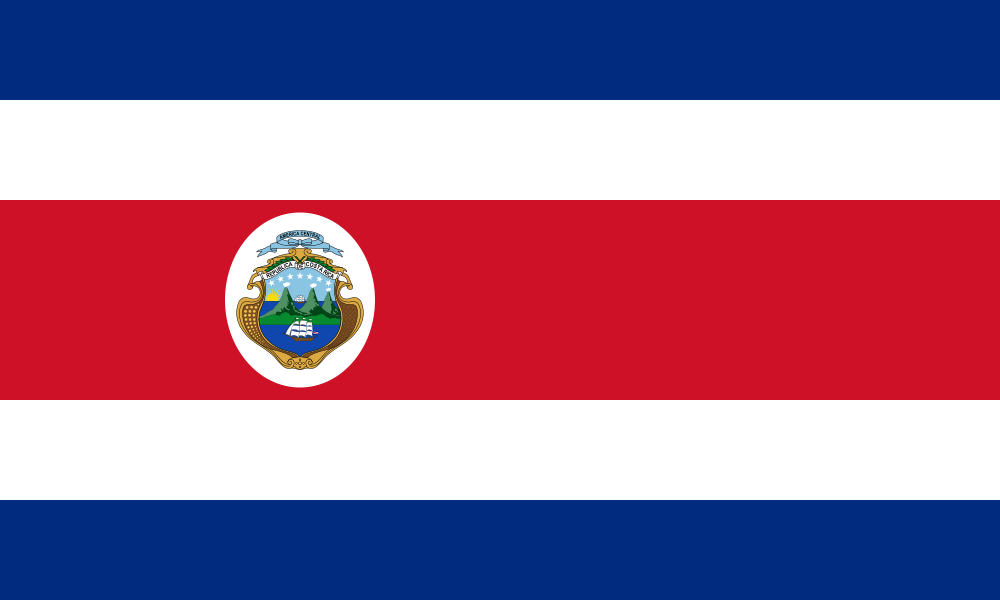 Costa Rica
-
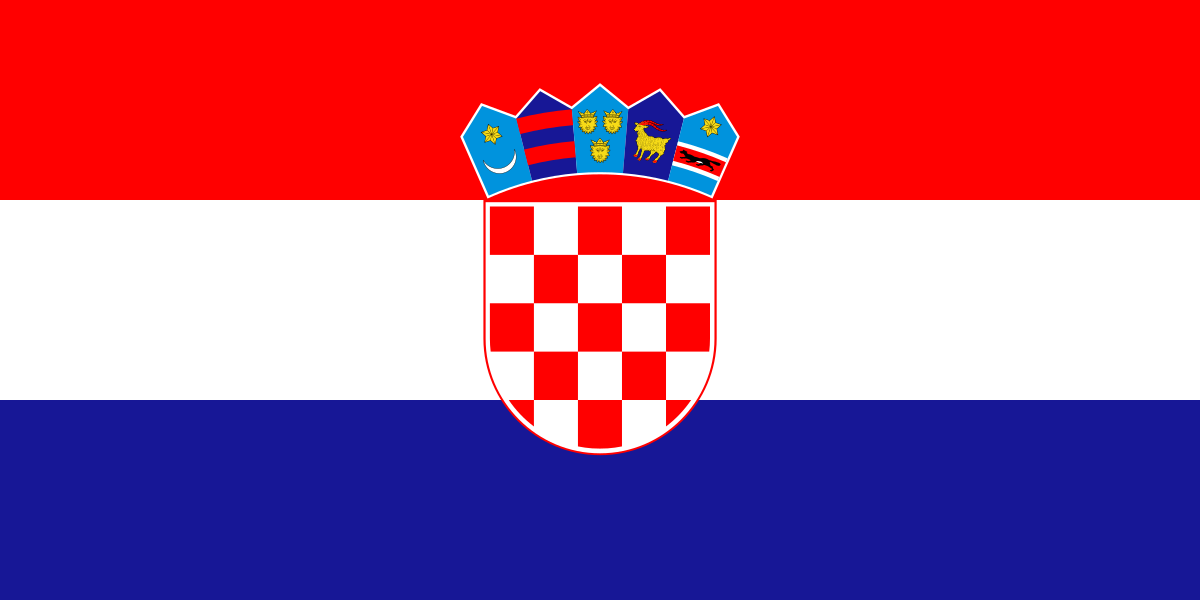 Croatia
-
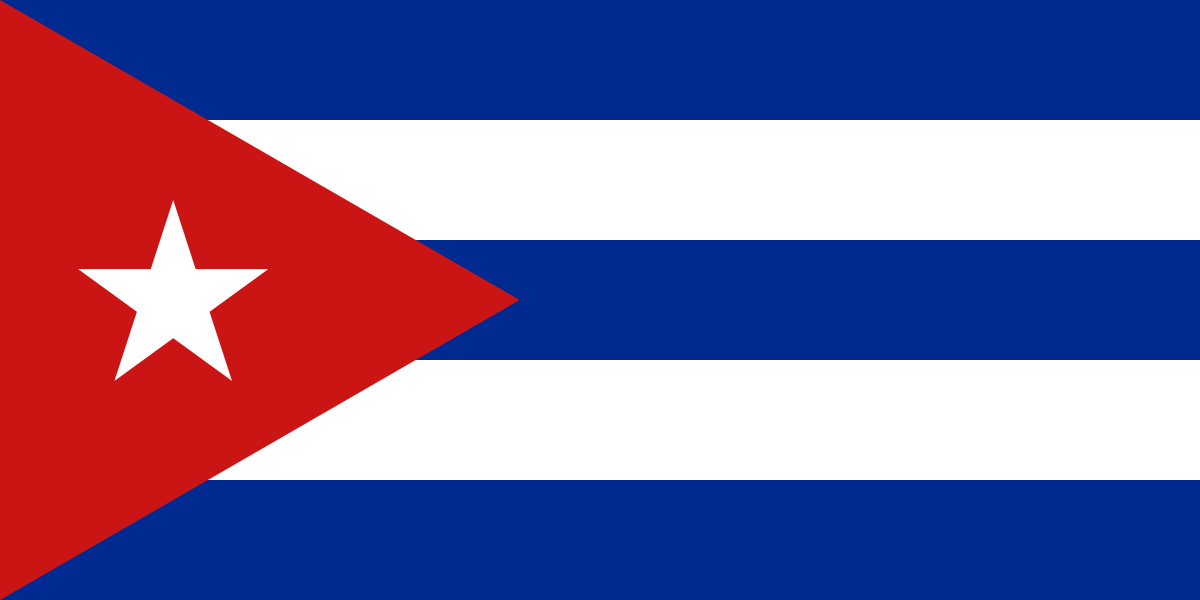 Cuba
Cuba
-
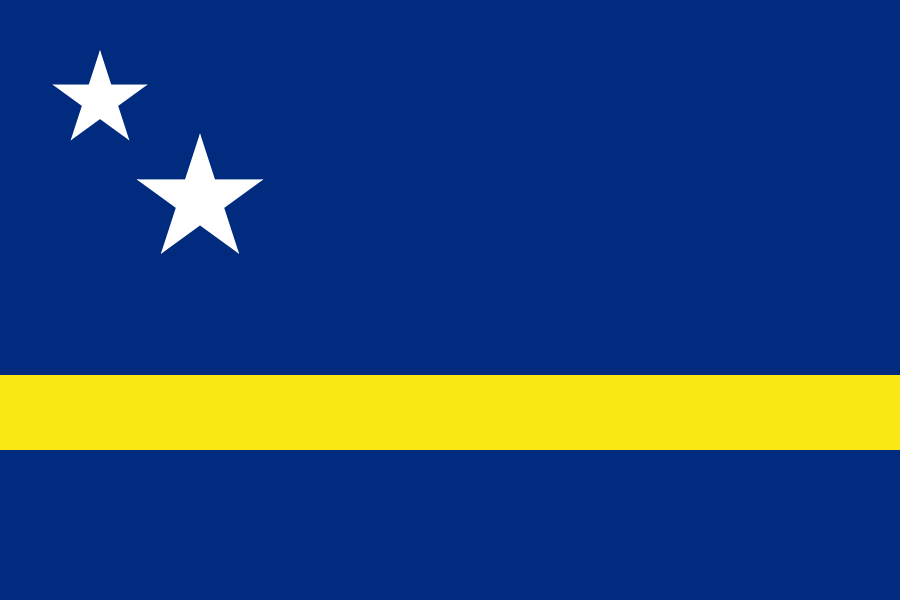 Curaçao
-
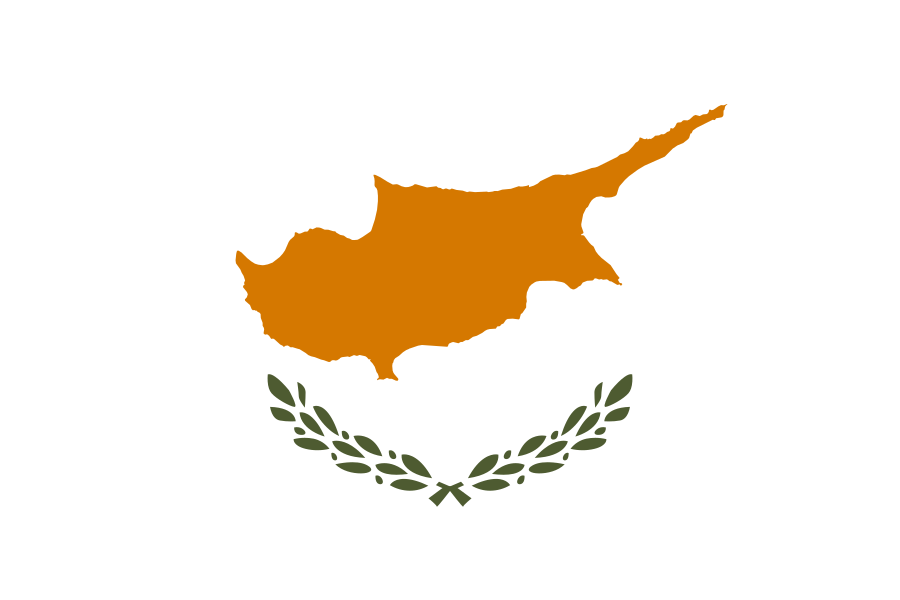 Cyprus
-
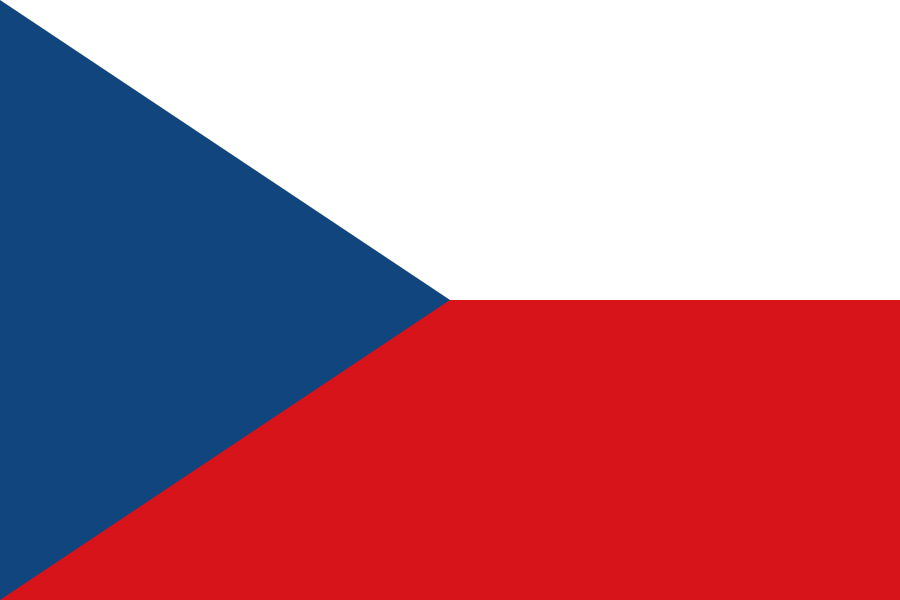 Czech Republic
-
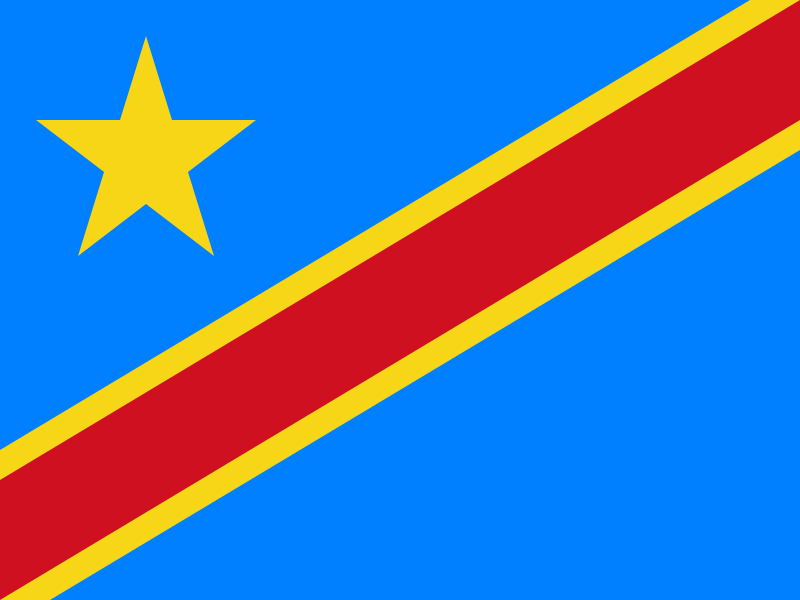 Democratic Republic of the Congo
-
 Denmark
-
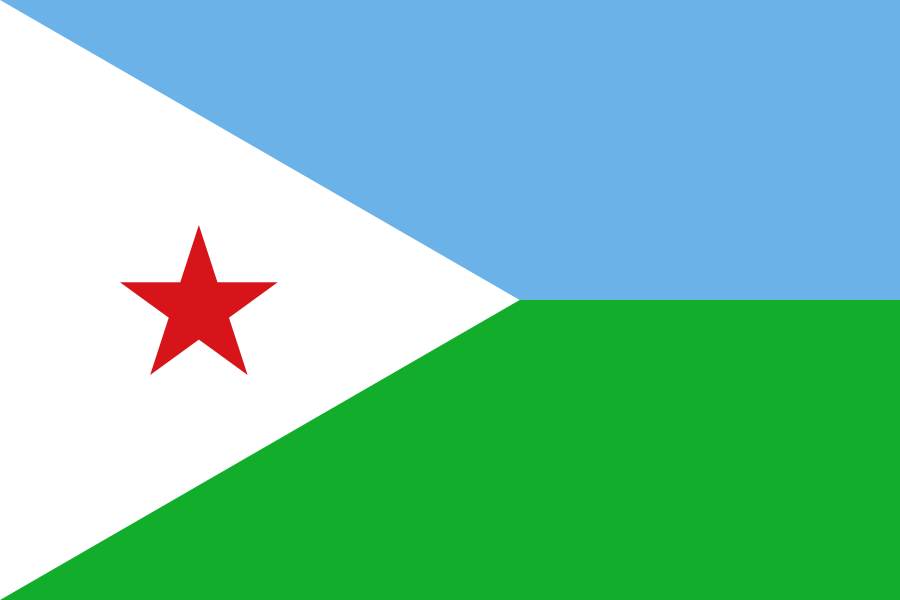 Djibouti
-
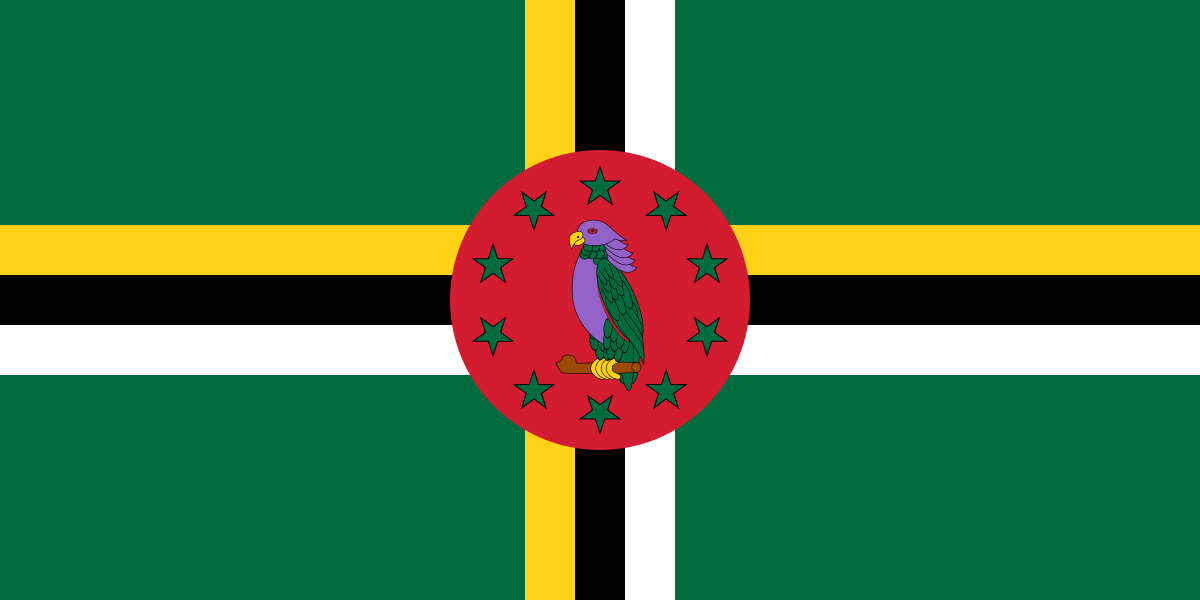 Dominica
-
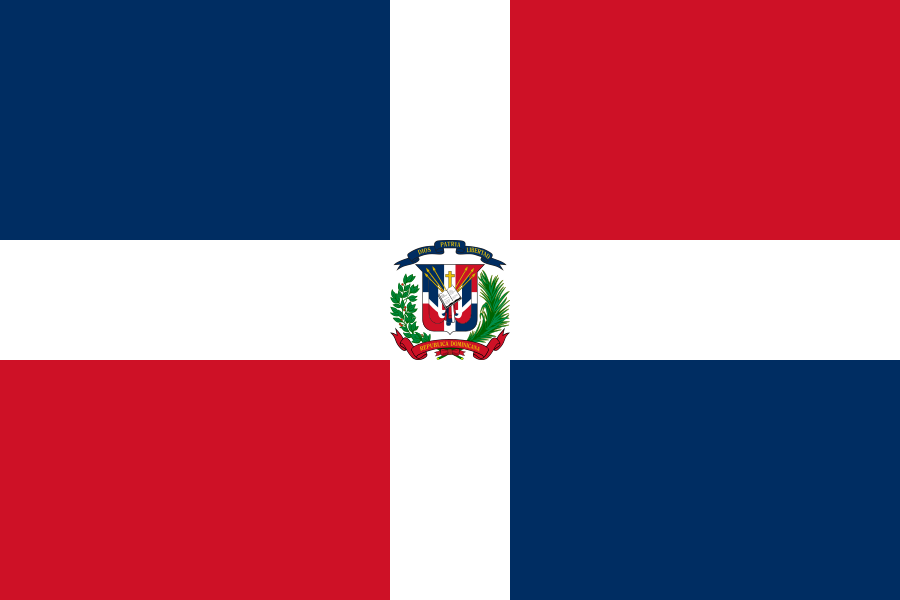 Dominican Republic
-
 Ecuador
-
 Egypt
Egypt
-
 El Salvador
-
 Equatorial Guinea
-
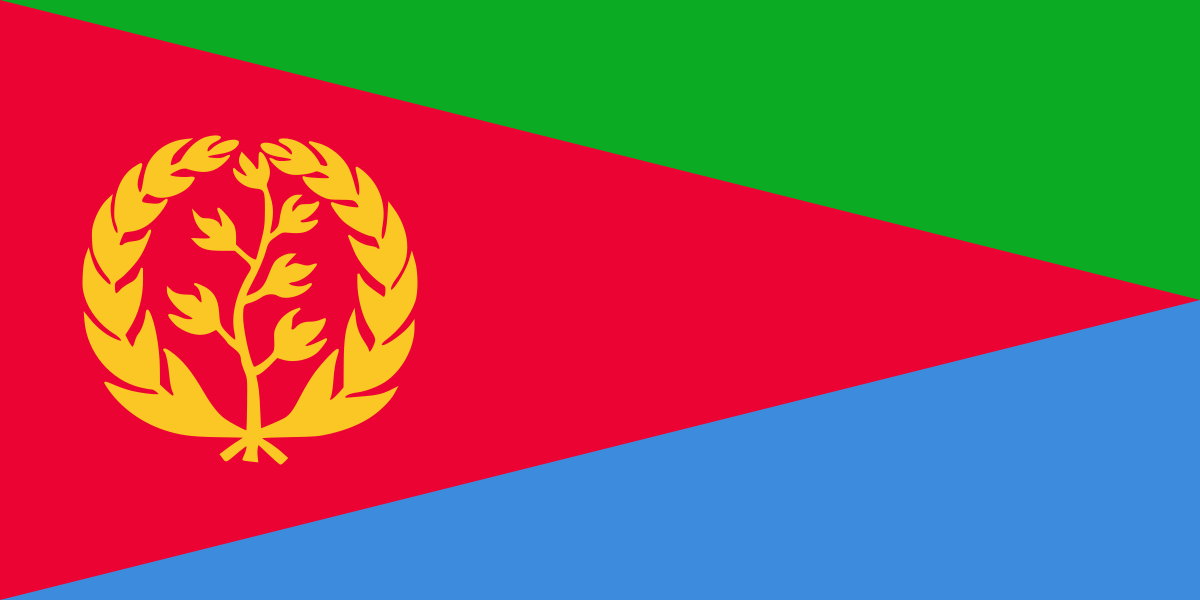 Eritrea
-
 Estonia
-
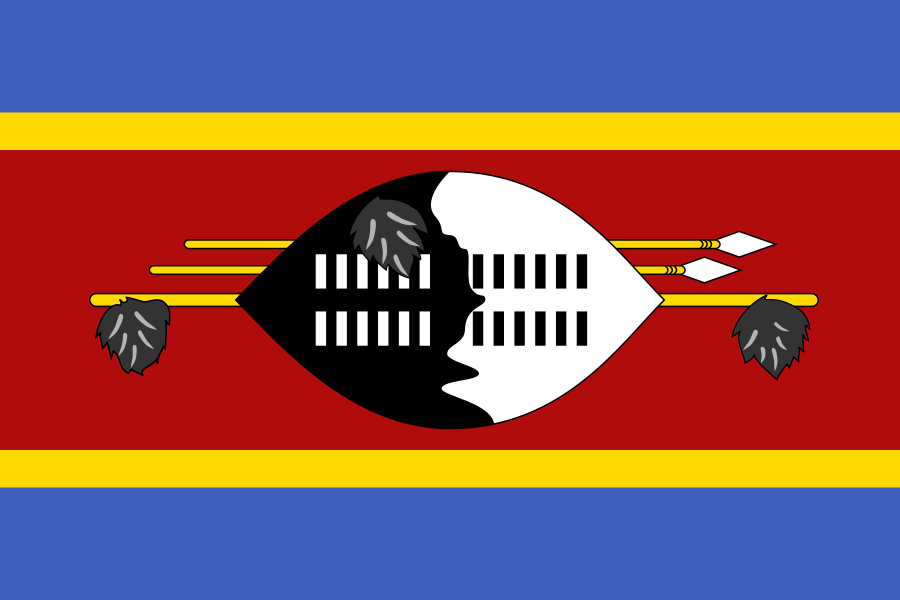 Eswatini
-
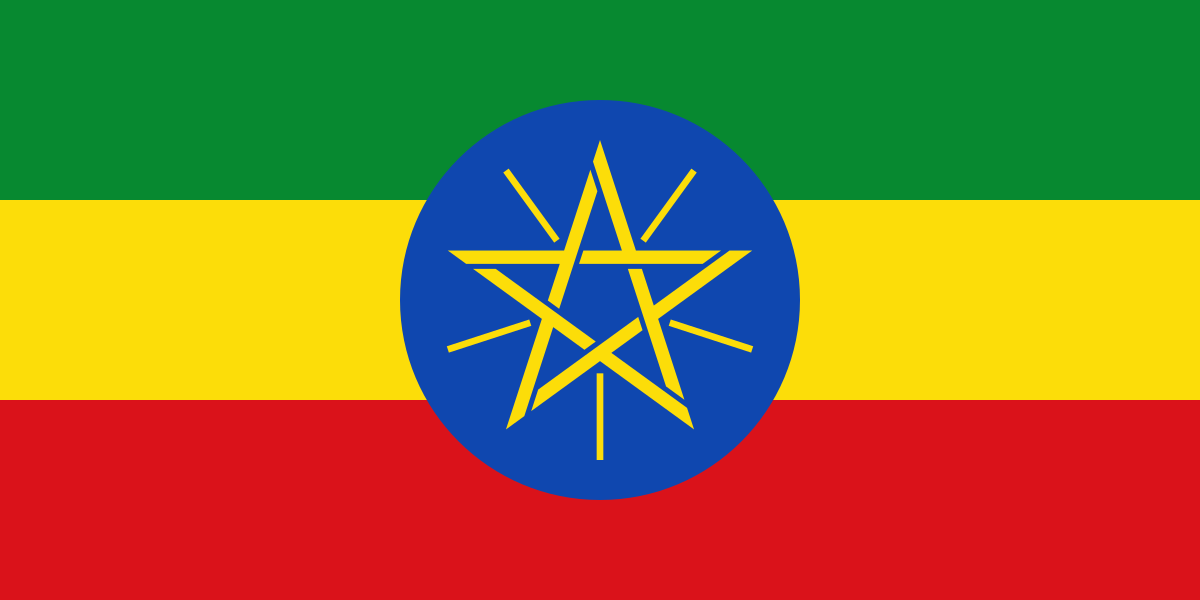 Ethiopia
-
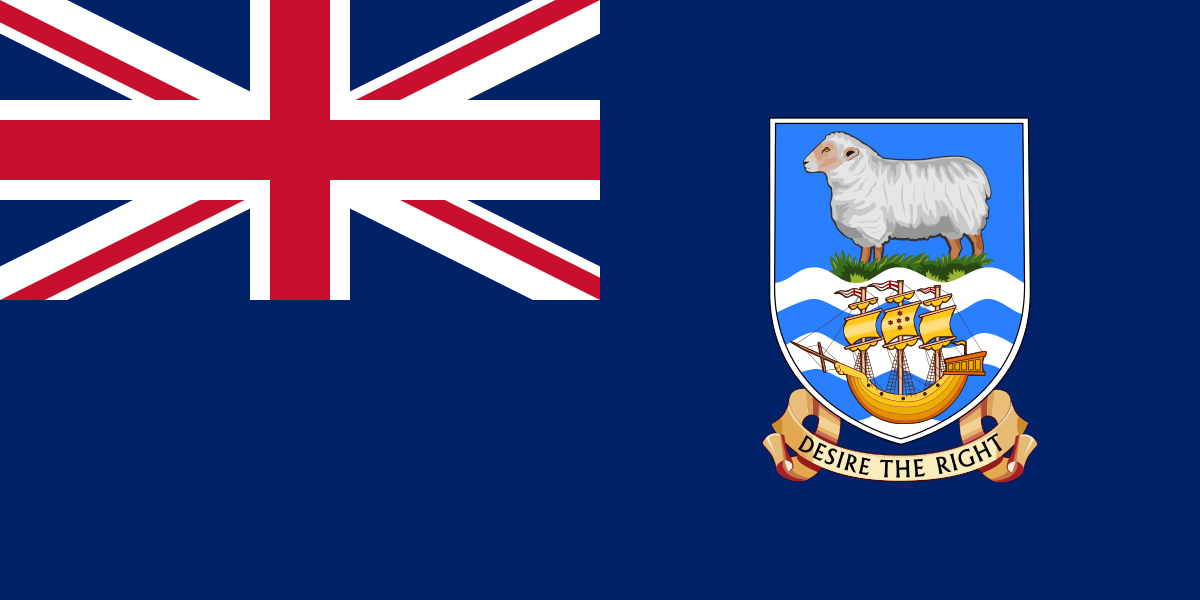 Falkland Islands
-
 Faroe Islands
-
 Fiji
Fiji
-
 Finland
-
 France
-
French Guiana
-
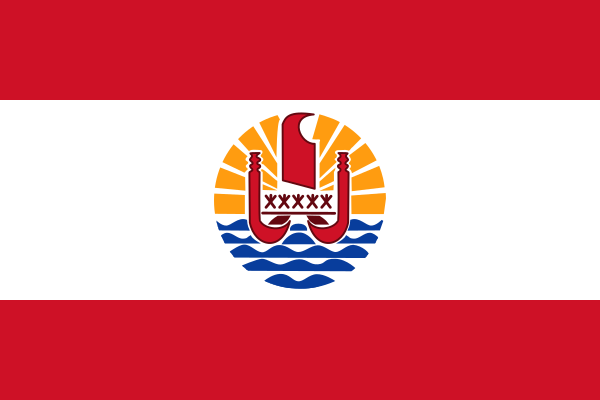 French Polynesia
-
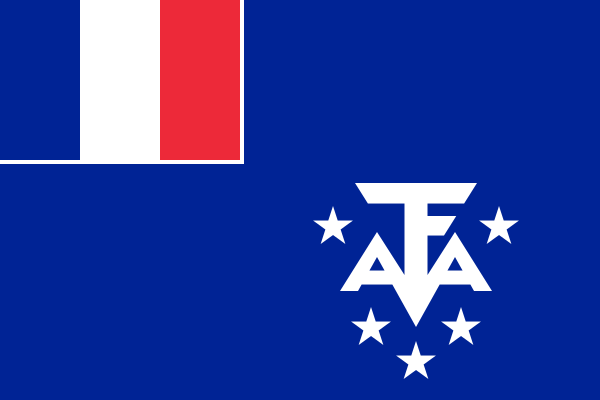 French Southern Territories
-
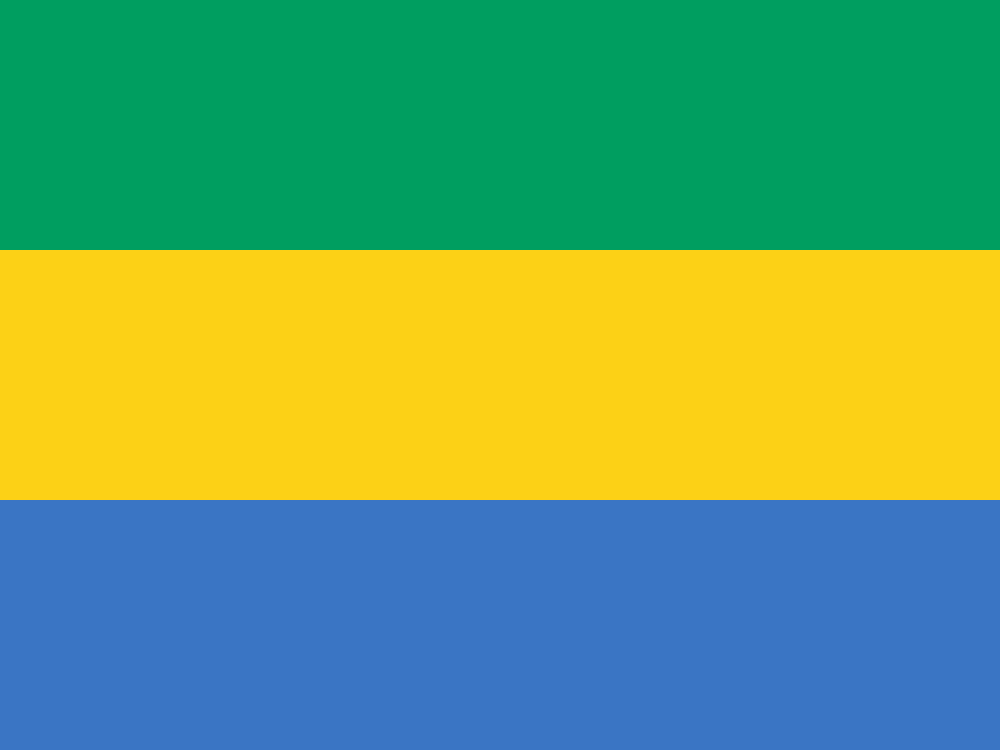 Gabon
Gabon
-
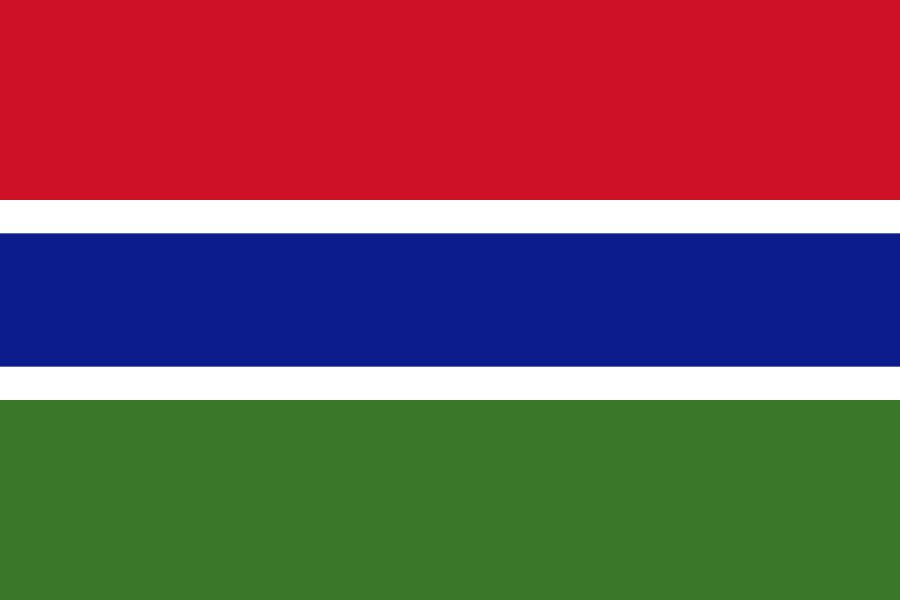 Gambia
-
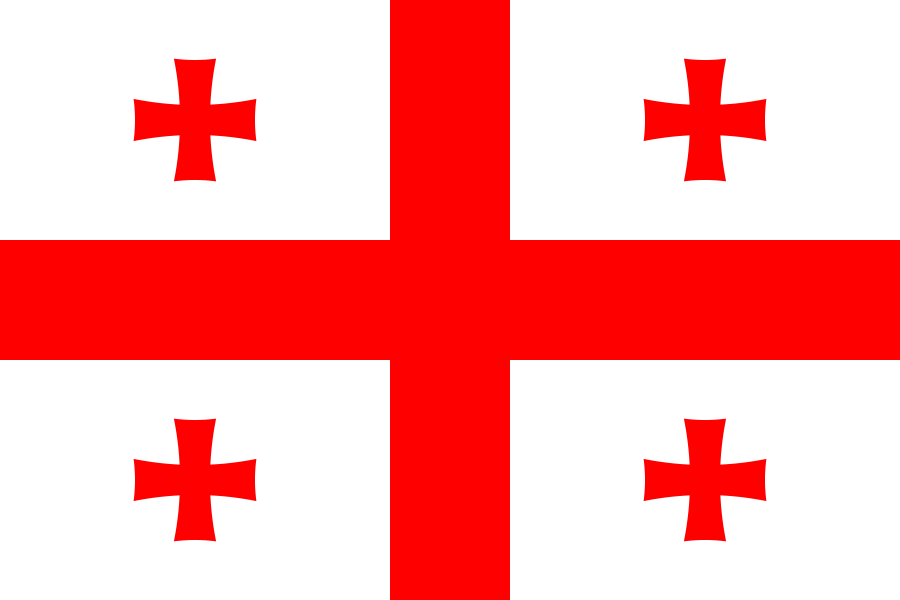 Georgia
-
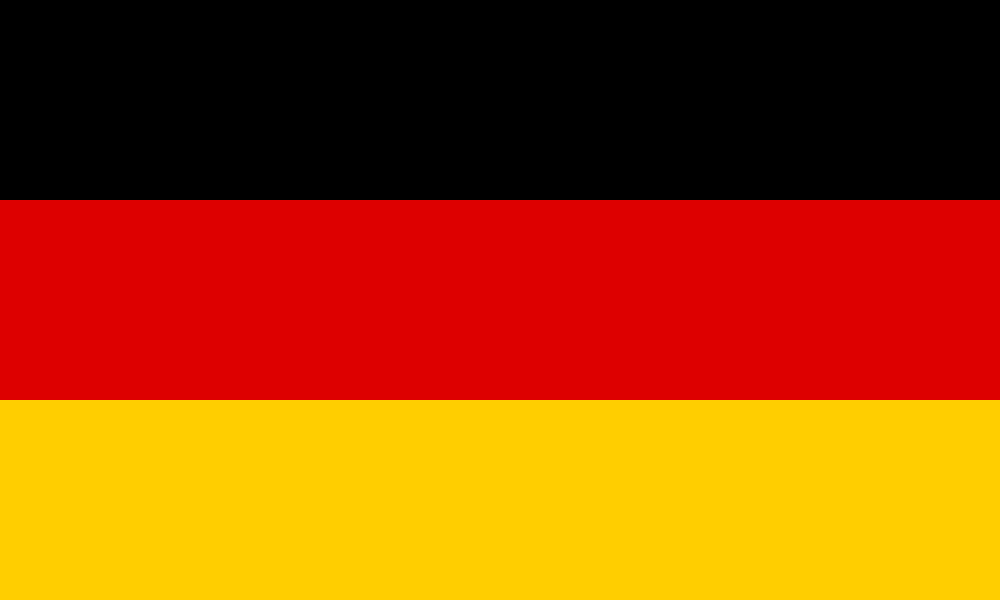 Germany
-
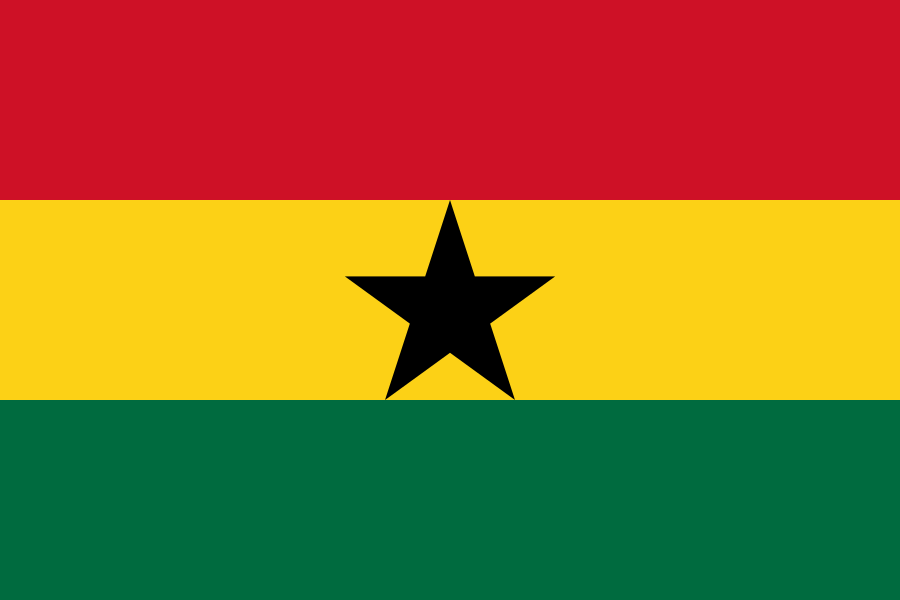 Ghana
Ghana
-
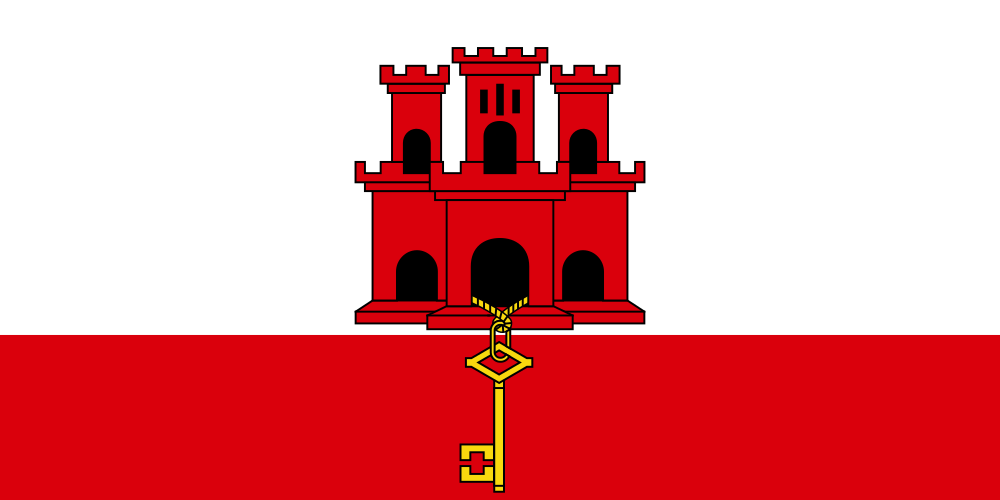 Gibraltar
-
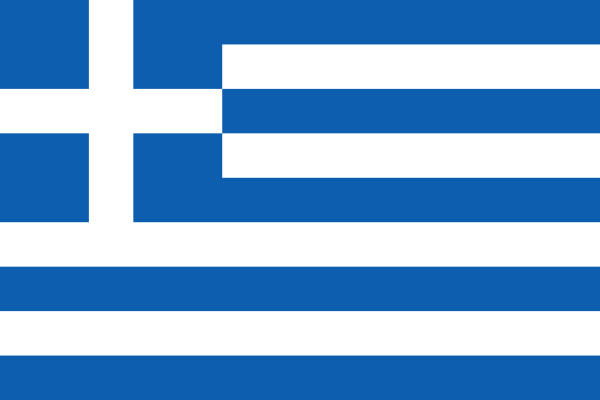 Greece
-
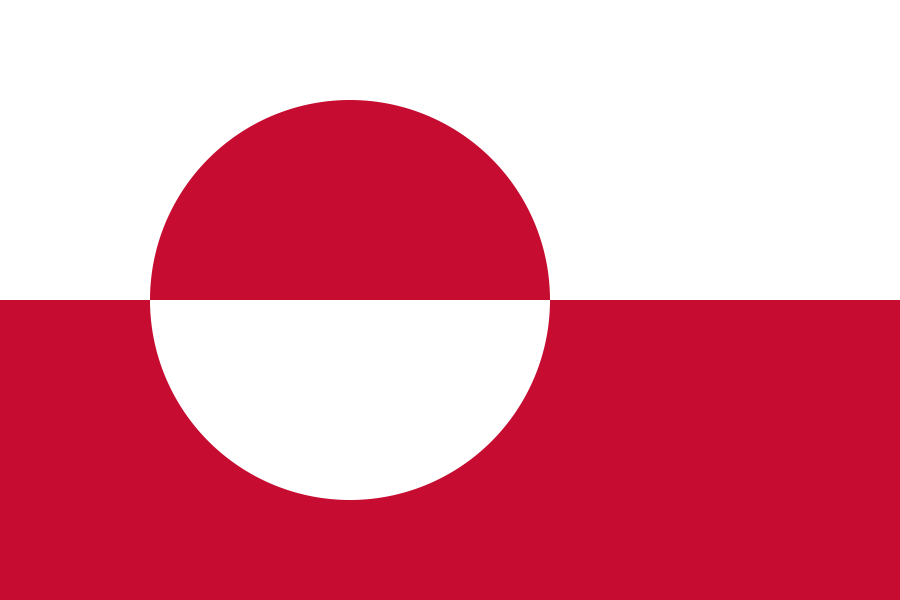 Greenland
-
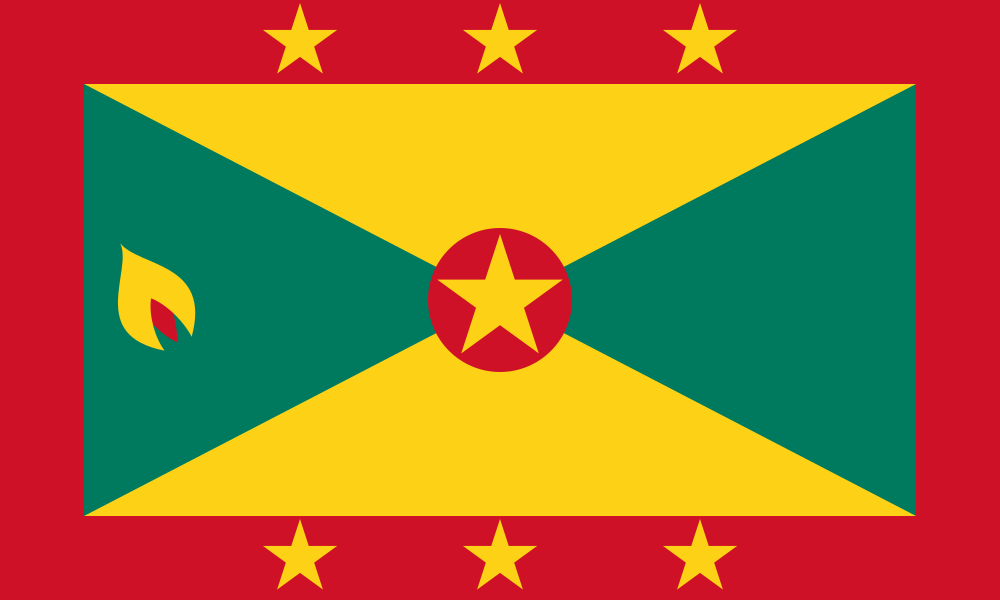 Grenada
-
Guadeloupe
-
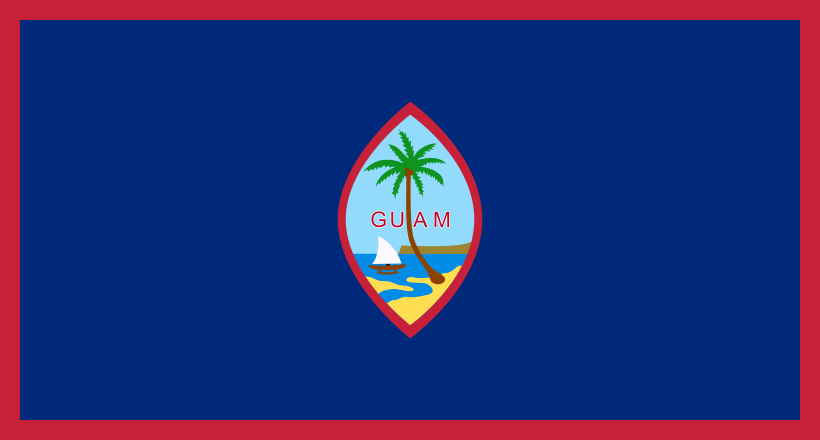 Guam
Guam
-
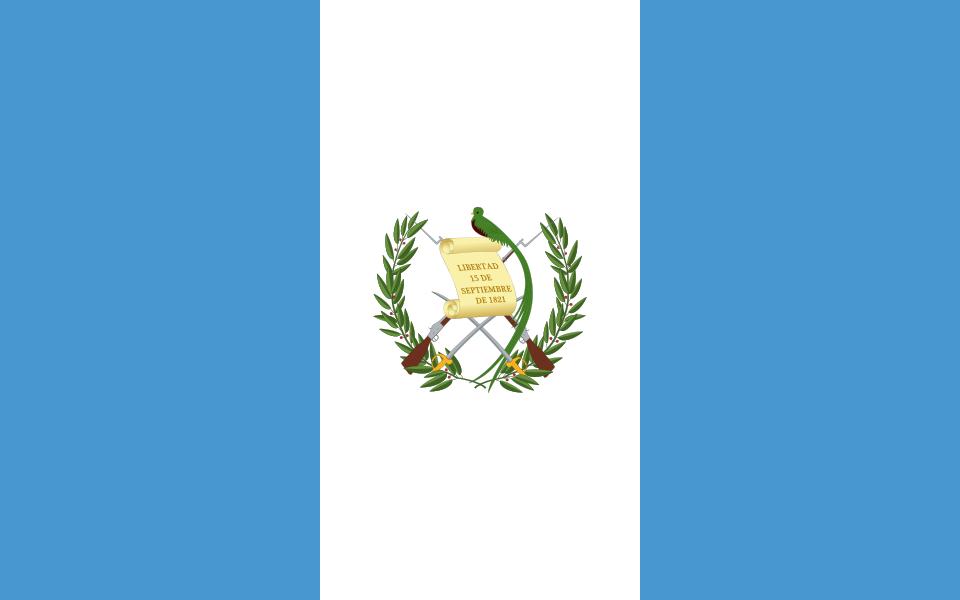 Guatemala
-
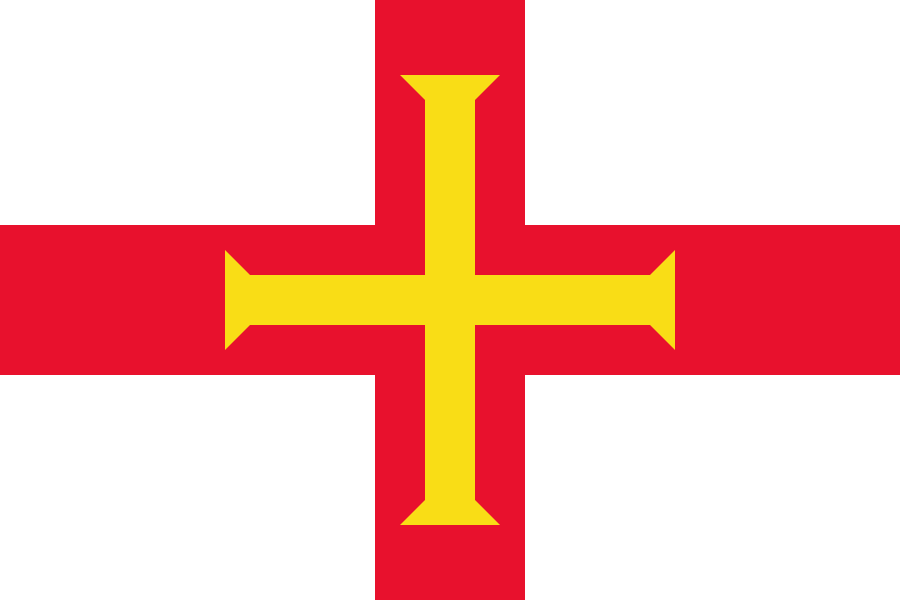 Guernsey
-
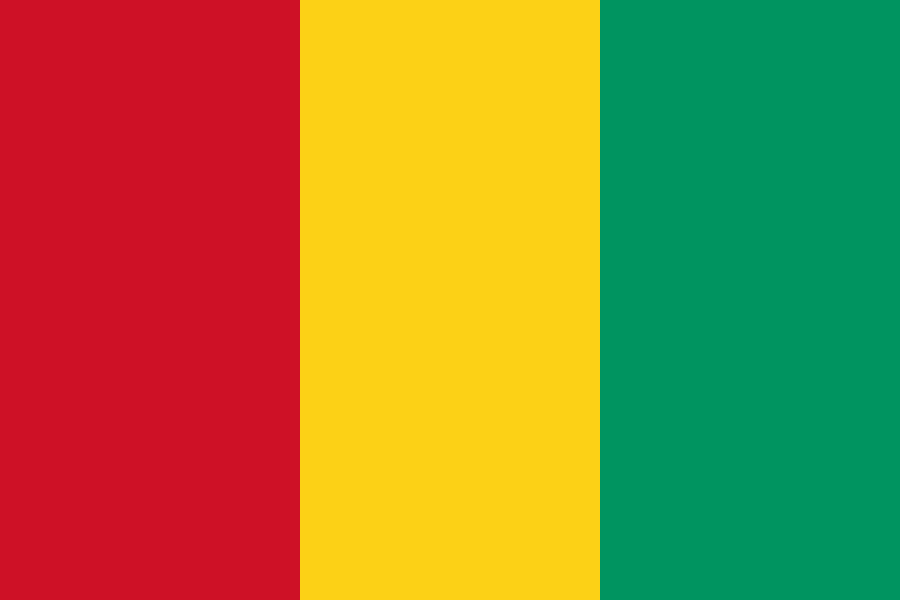 Guinea
-
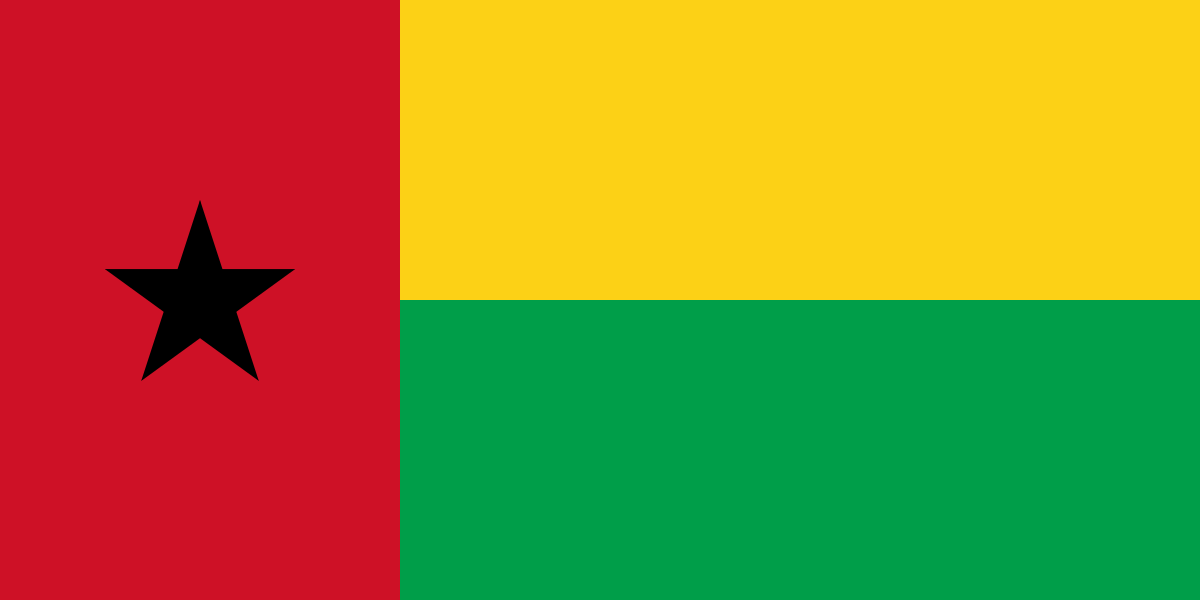 Guinea-Bissau
-
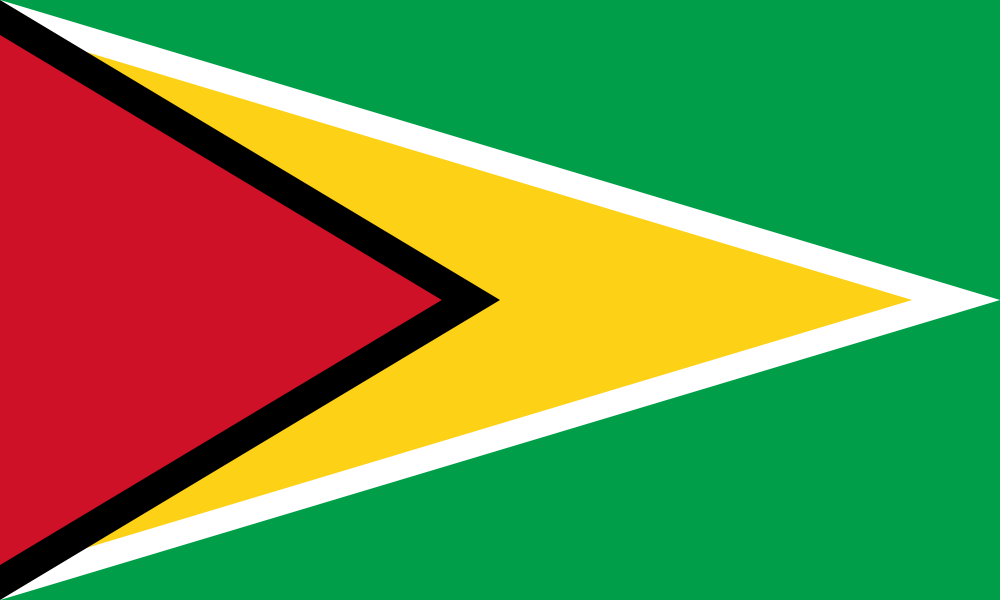 Guyana
-
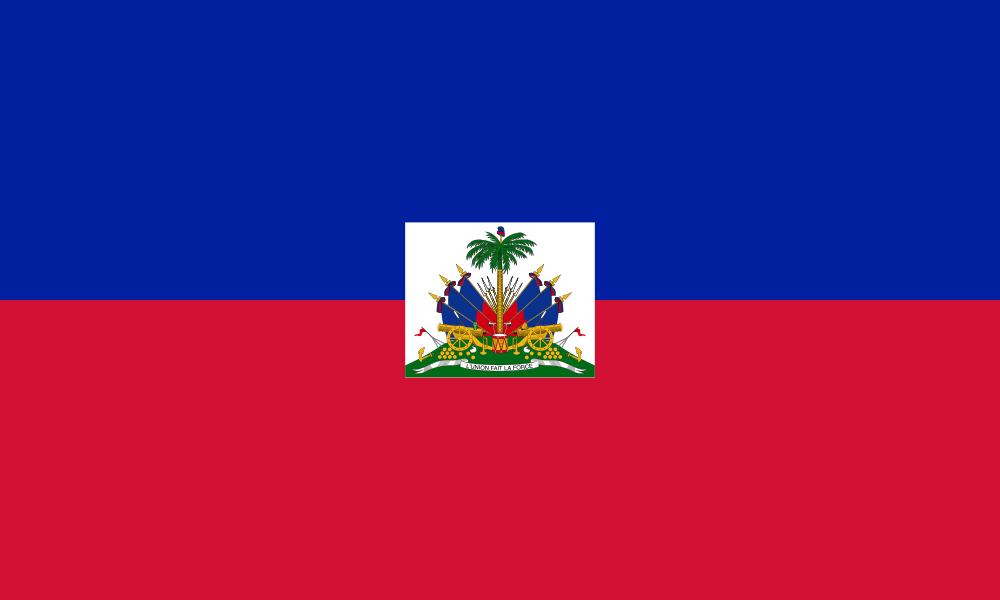 Haiti
Haiti
-
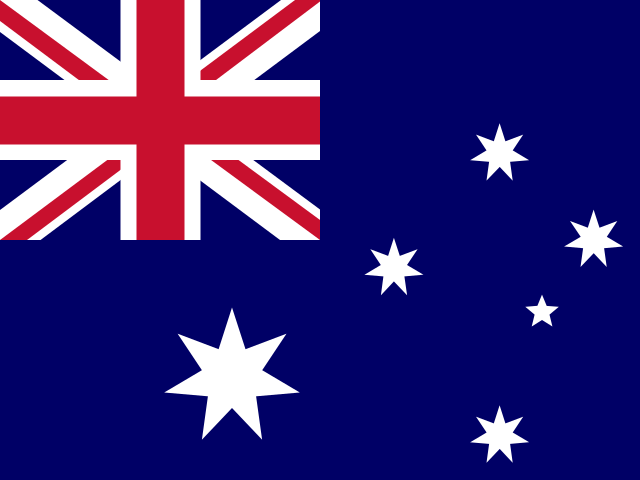 Heard and McDonald Islands
-
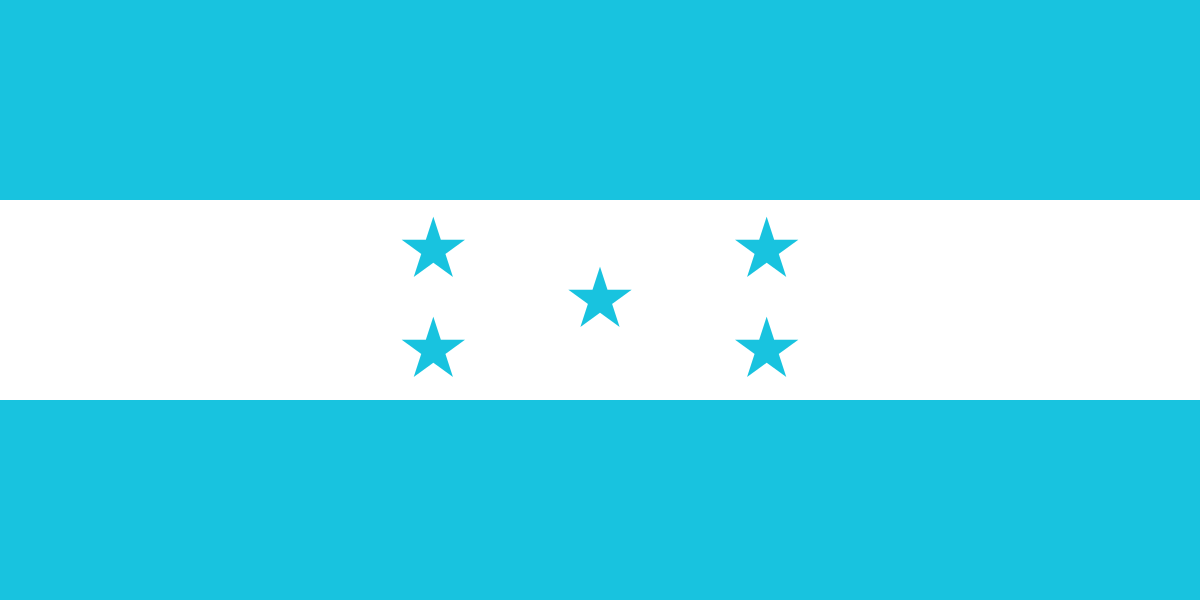 Honduras
-
 Hong Kong
-
 Hungary
-
 Iceland
-
 India
India
-
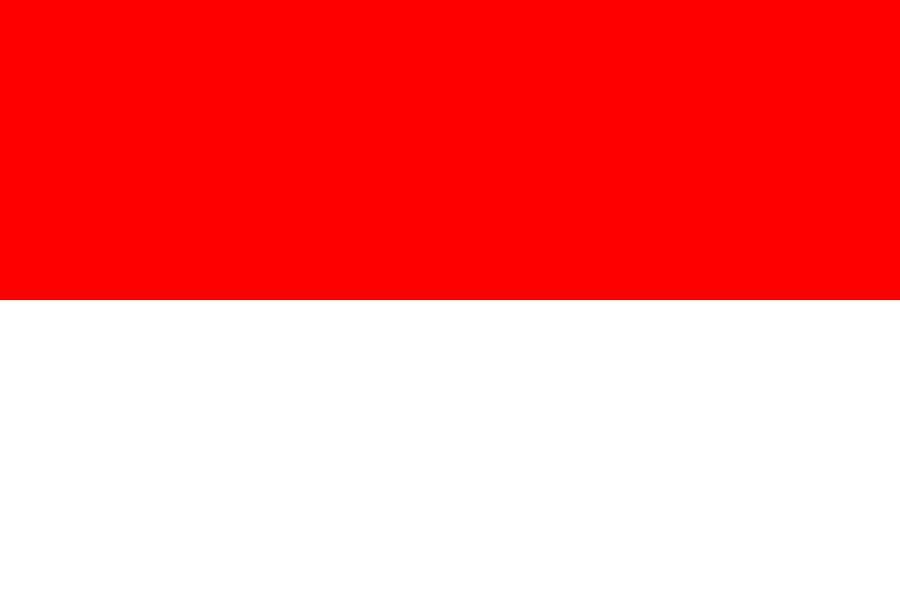 Indonesia
-
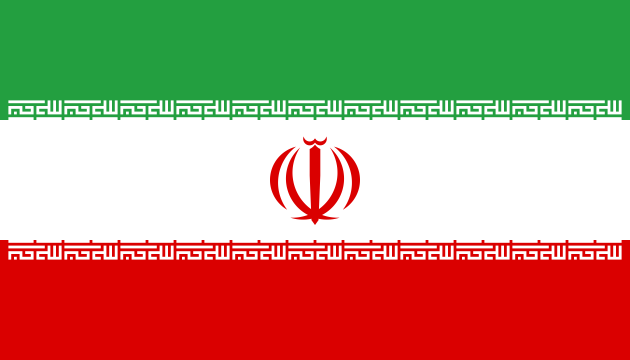 Iran
Iran
-
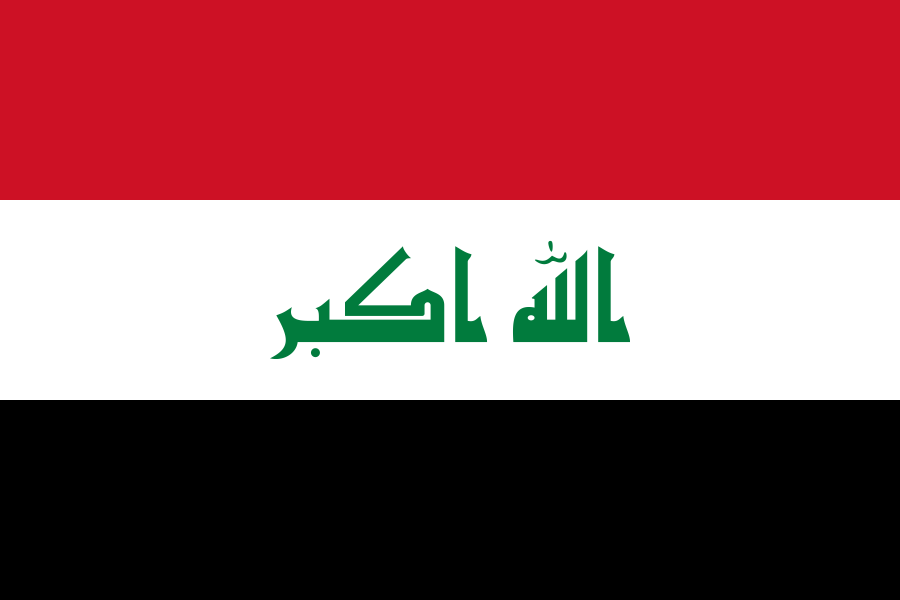 Iraq
Iraq
-
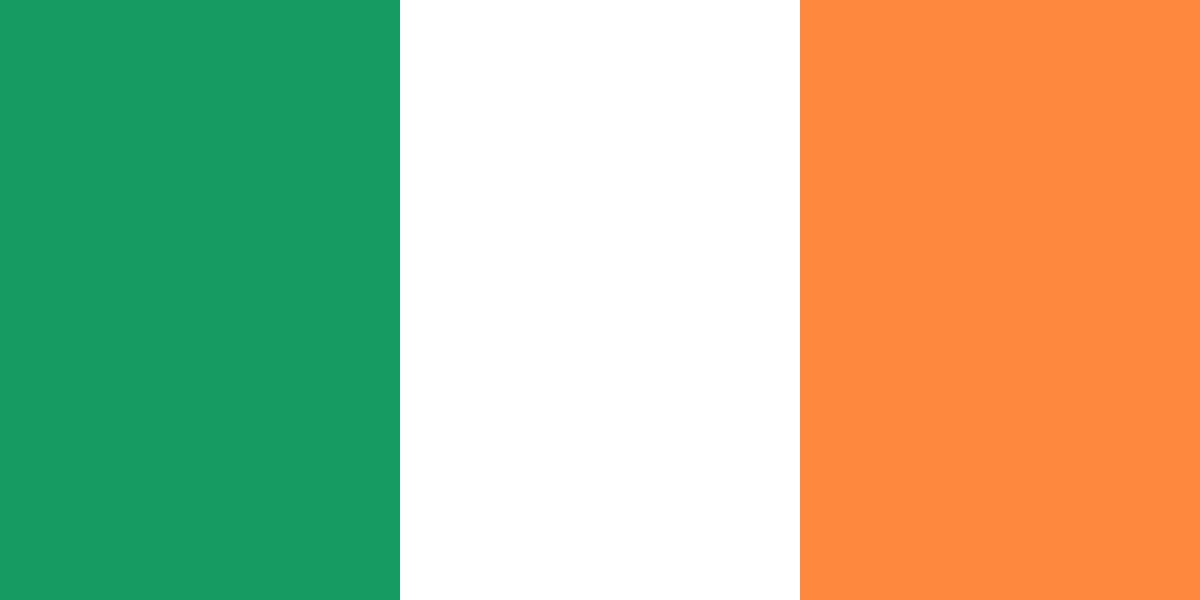 Ireland
-
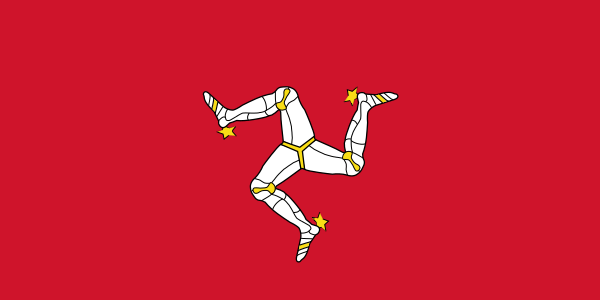 Isle of Man
-
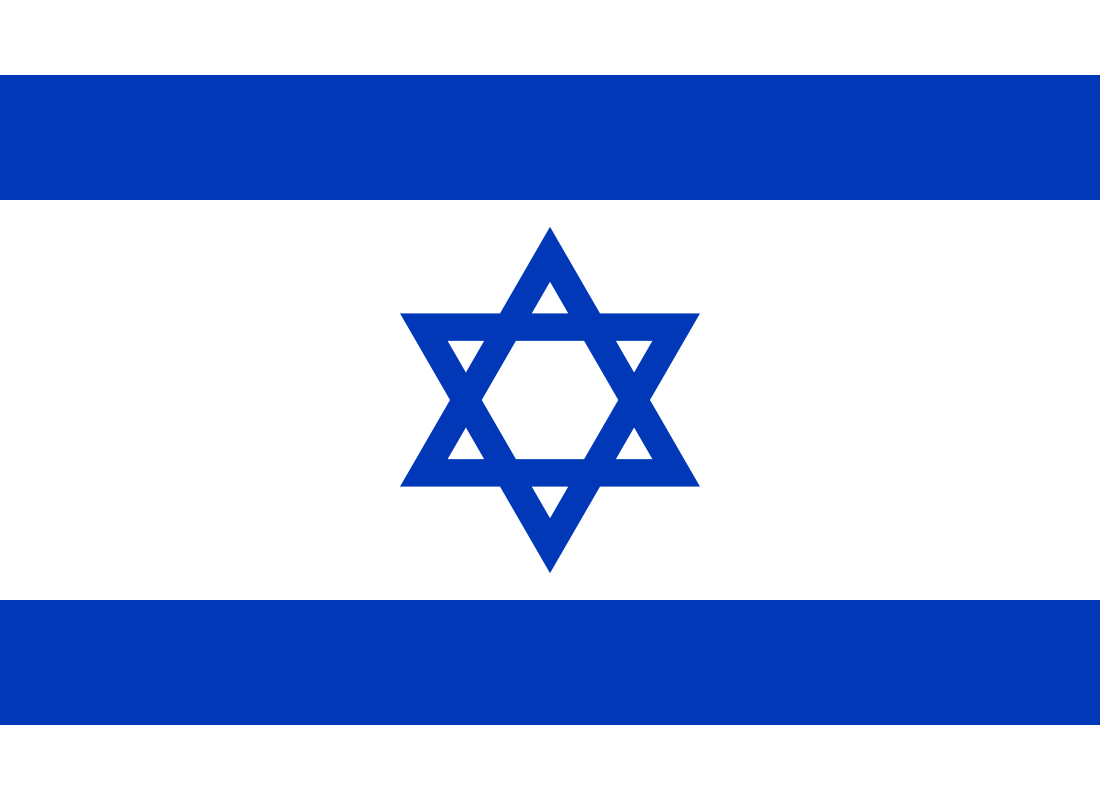 Israel
-
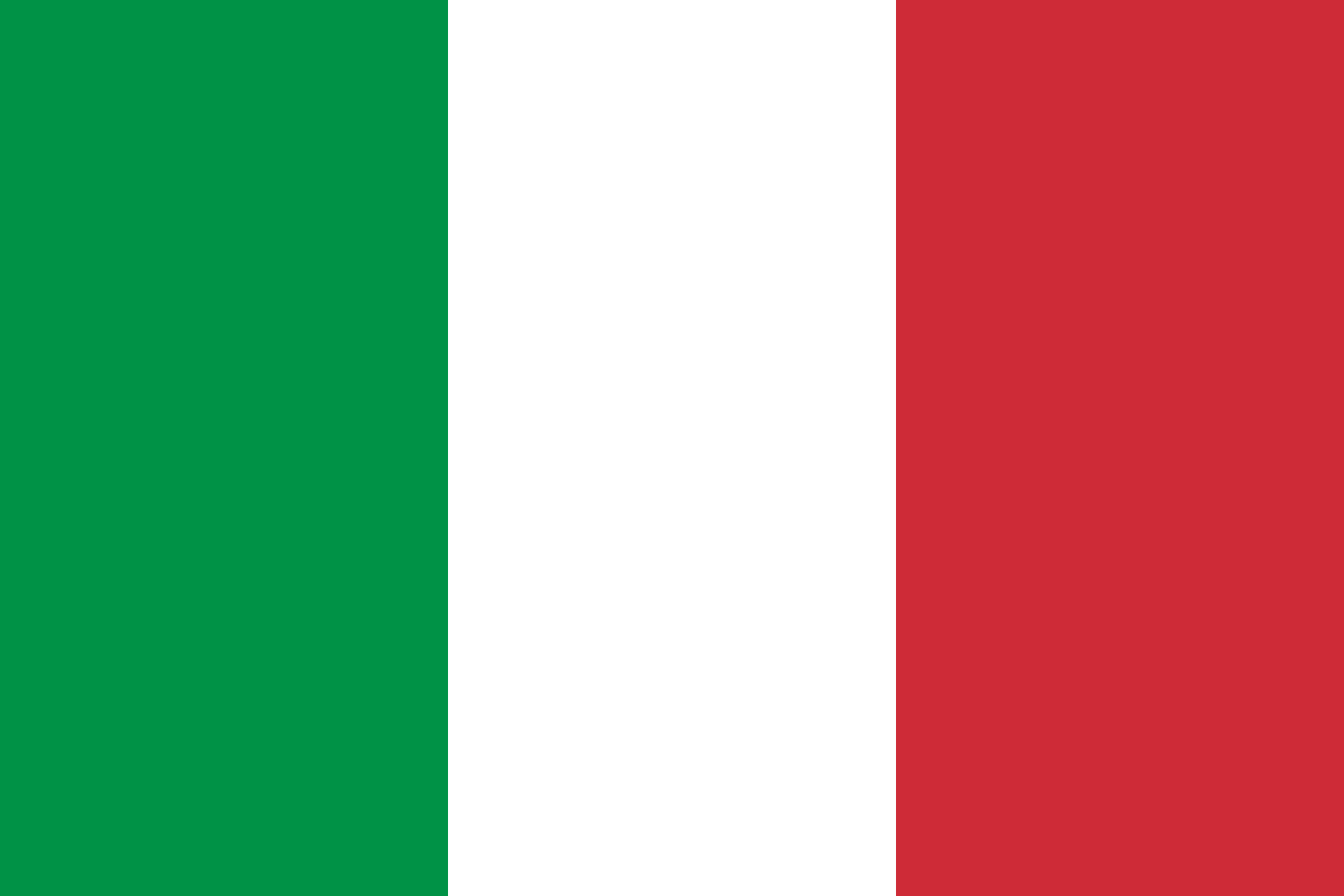 Italy
Italy
-
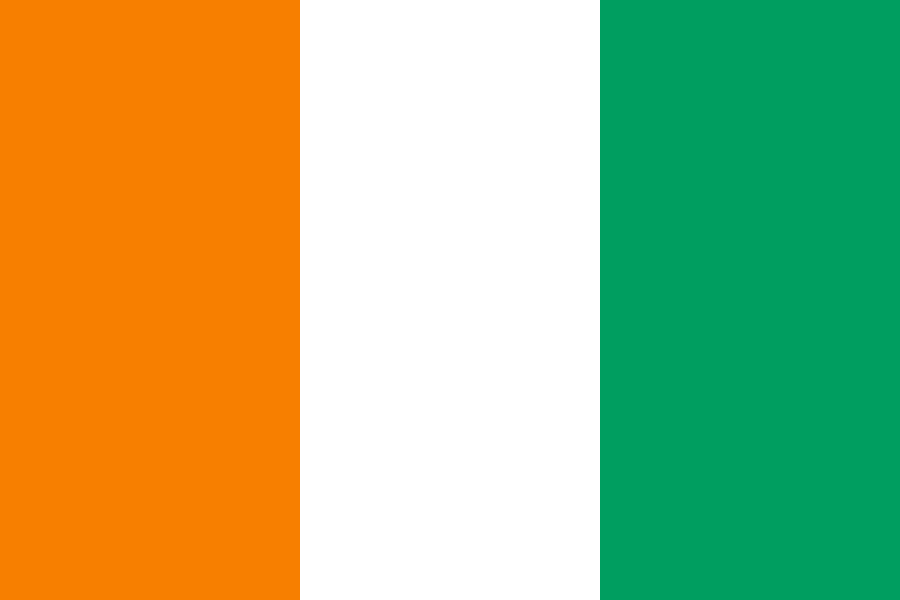 Ivory Coast
-
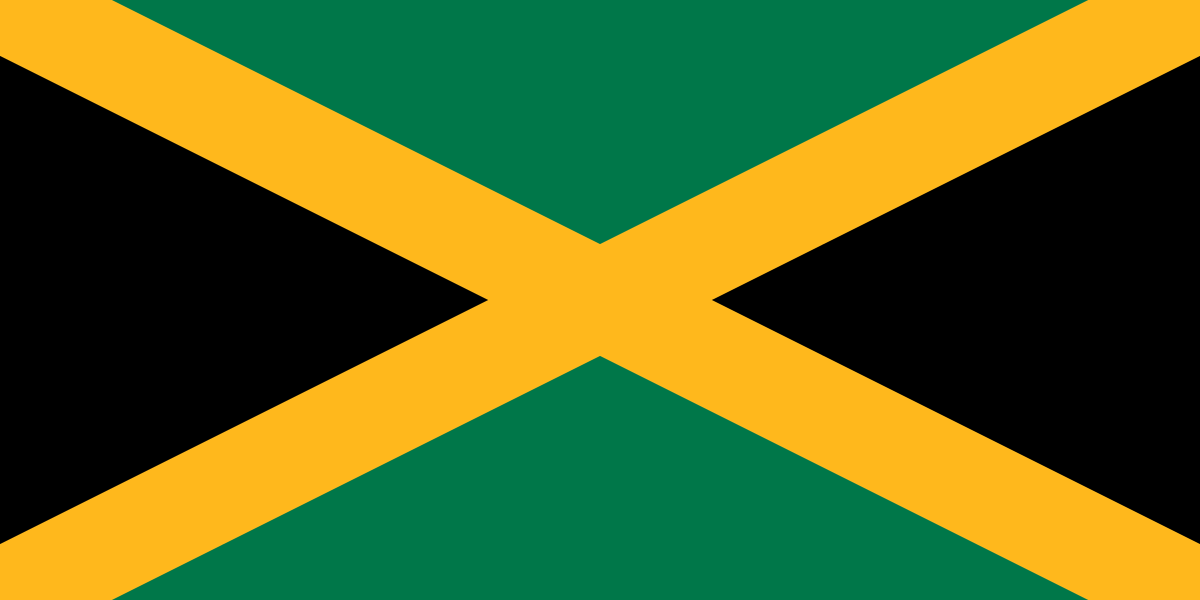 Jamaica
-
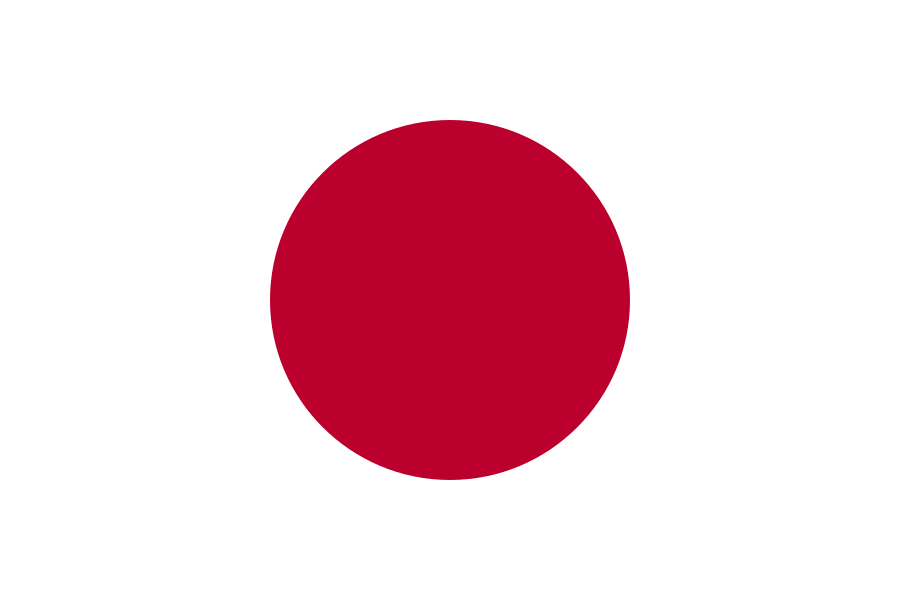 Japan
Japan
-
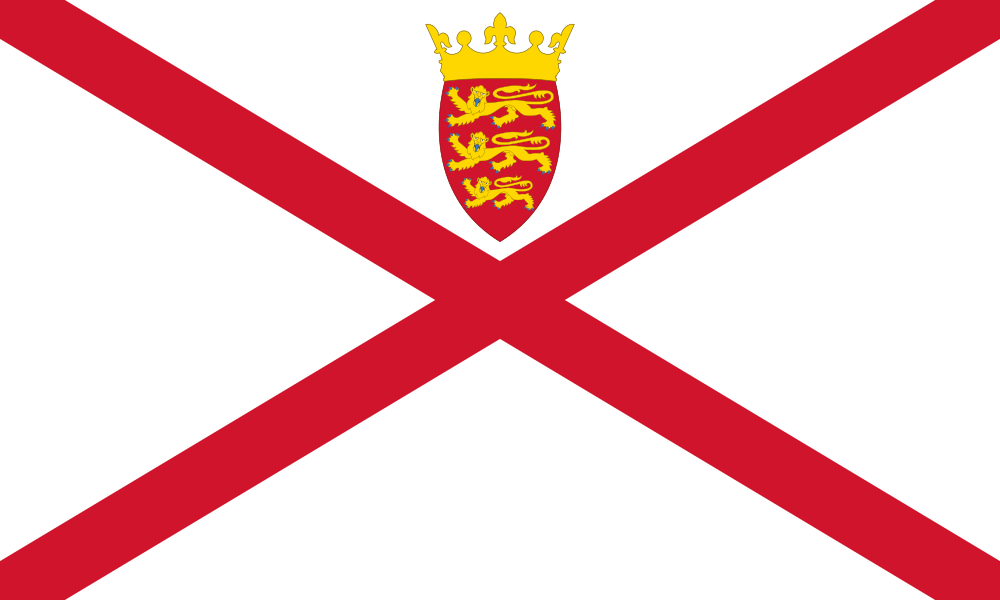 Jersey
-
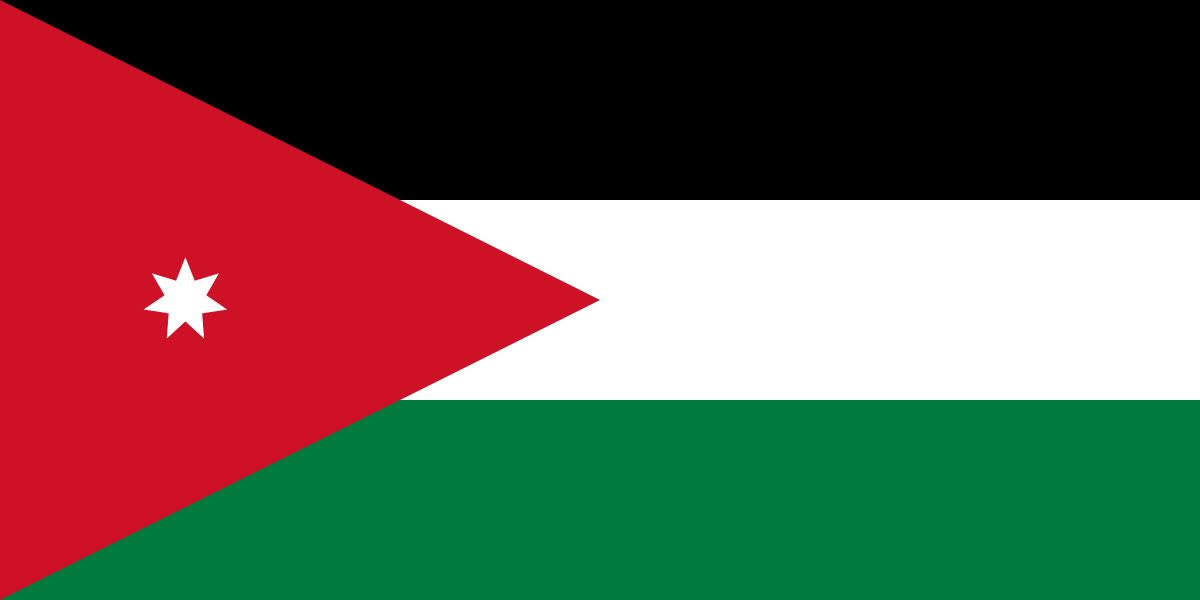 Jordan
-
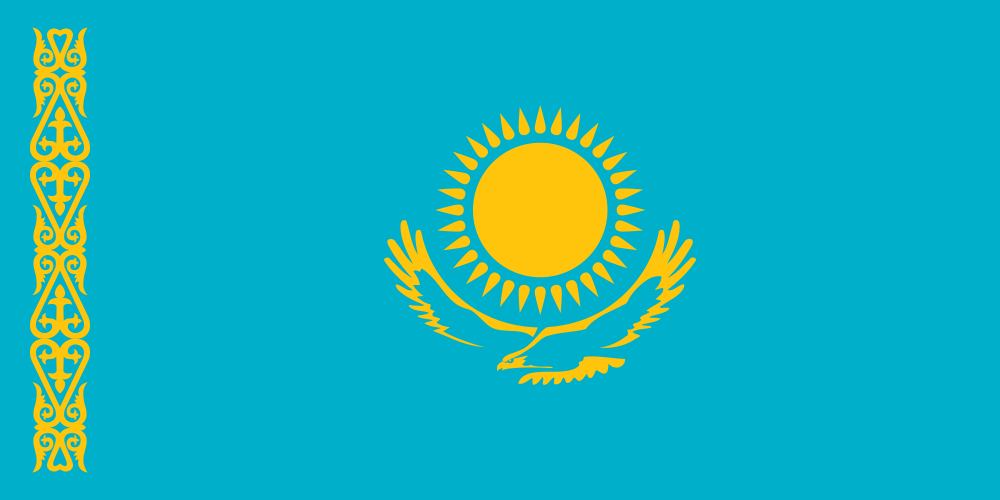 Kazakhstan
-
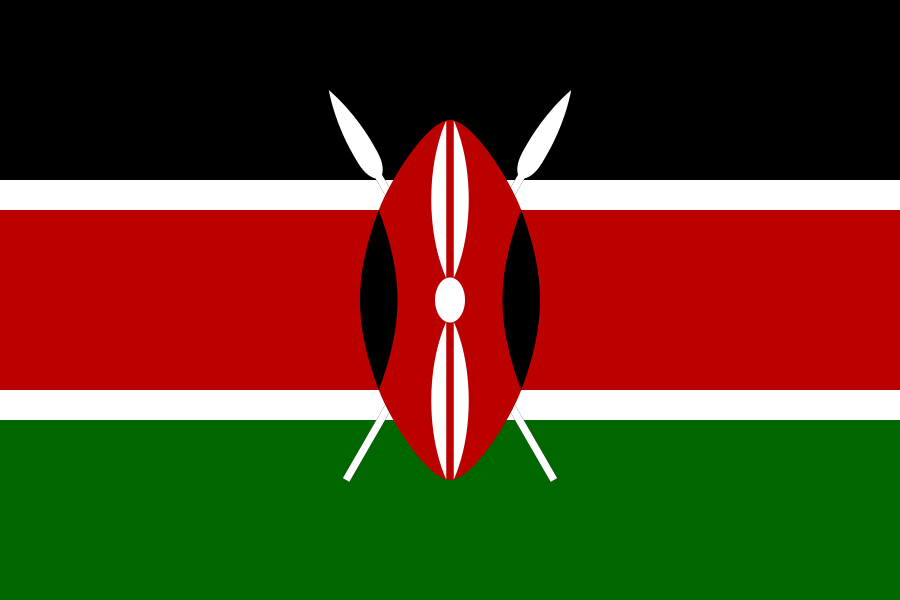 Kenya
Kenya
-
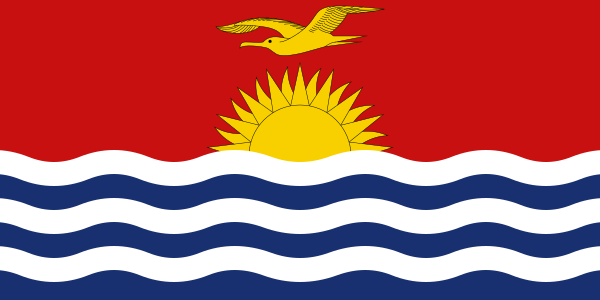 Kiribati
-
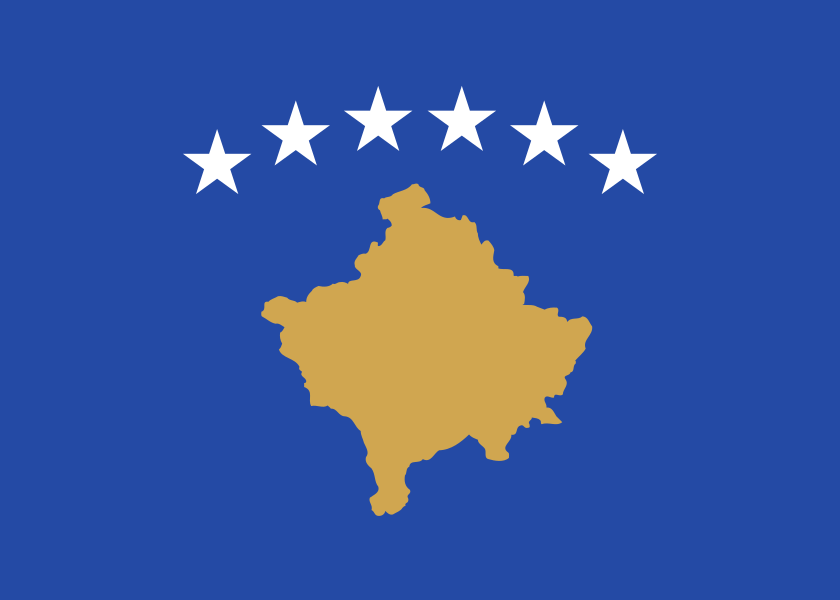 Kosovo
-
 Kuwait
-
 Kyrgyzstan
-
 Laos
Laos
-
 Latvia
-
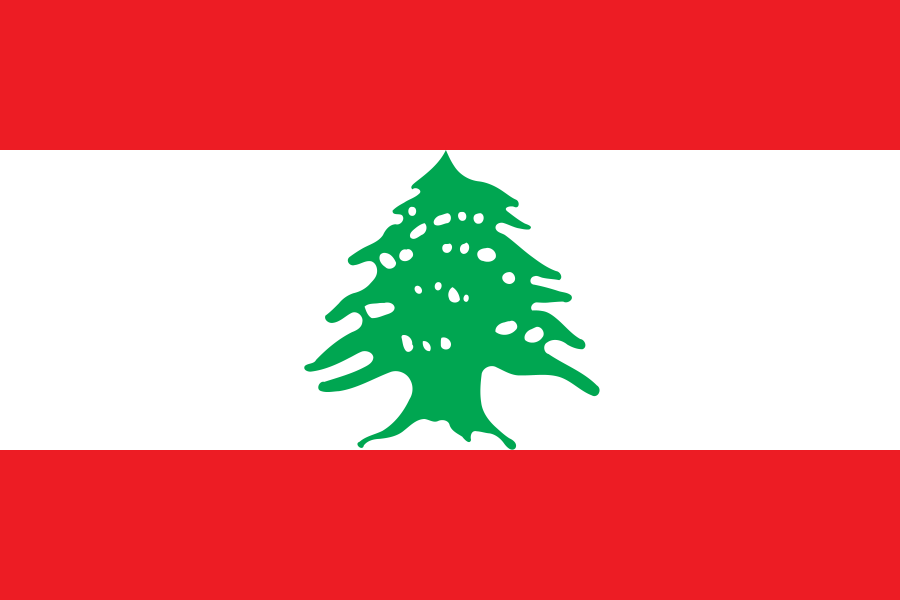 Lebanon
-
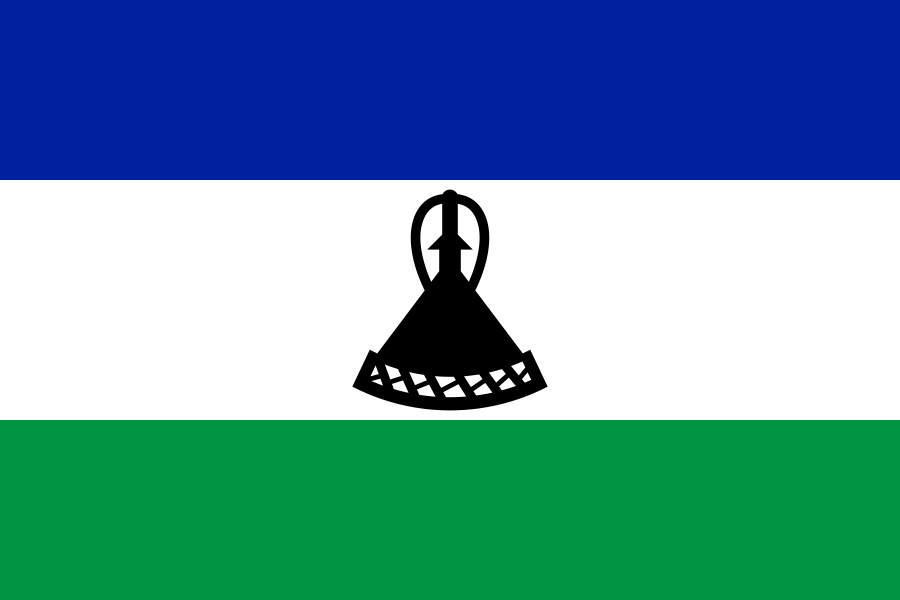 Lesotho
-
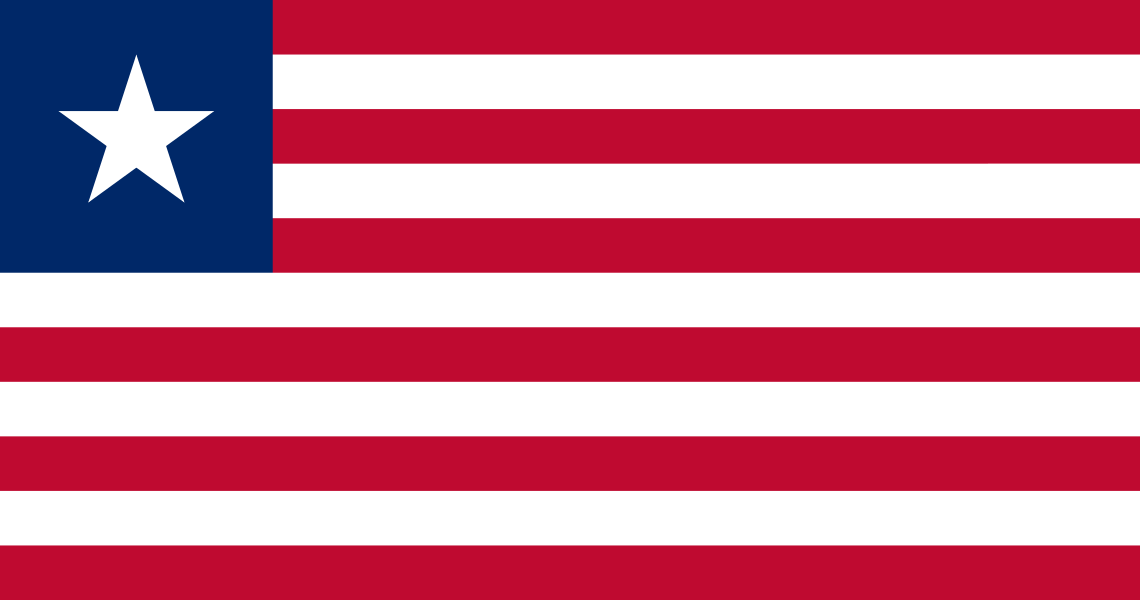 Liberia
-
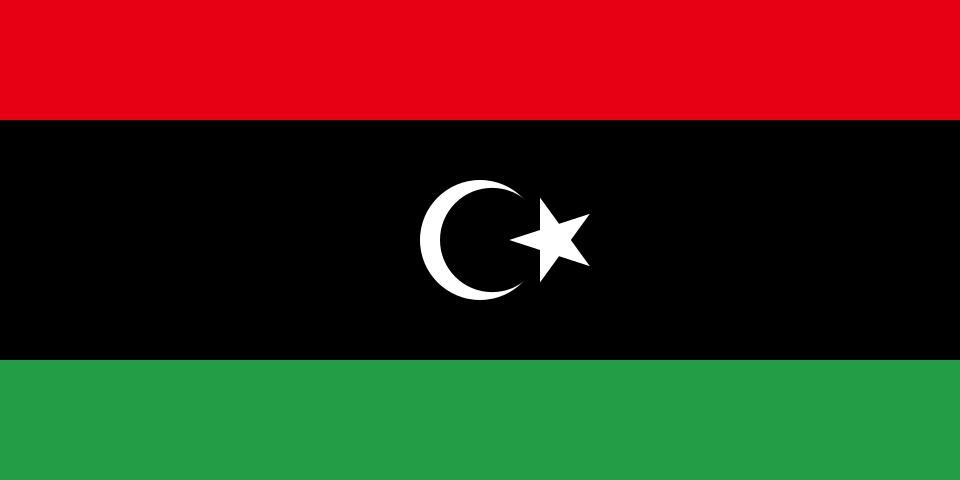 Libya
Libya
-
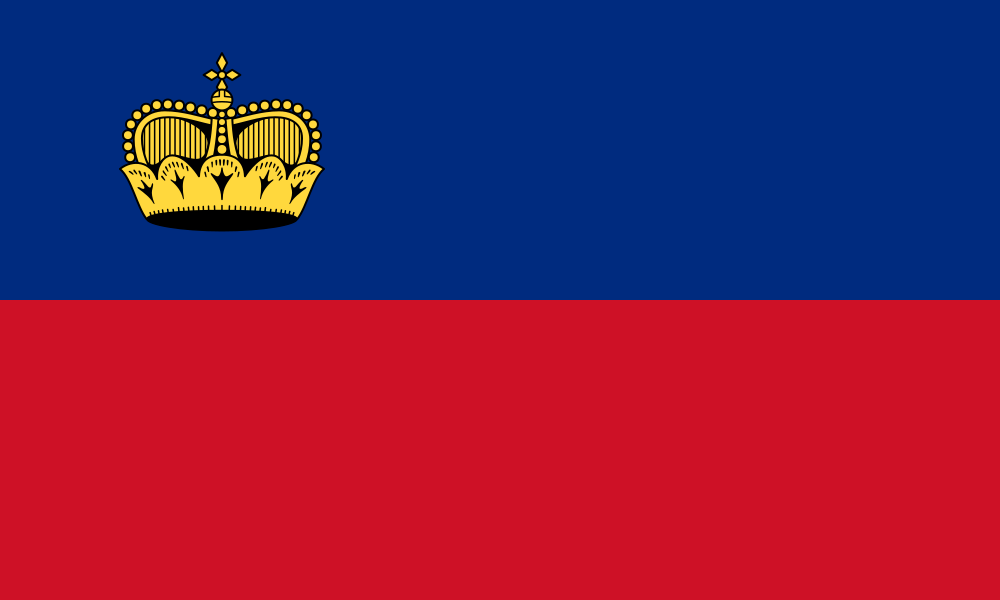 Liechtenstein
-
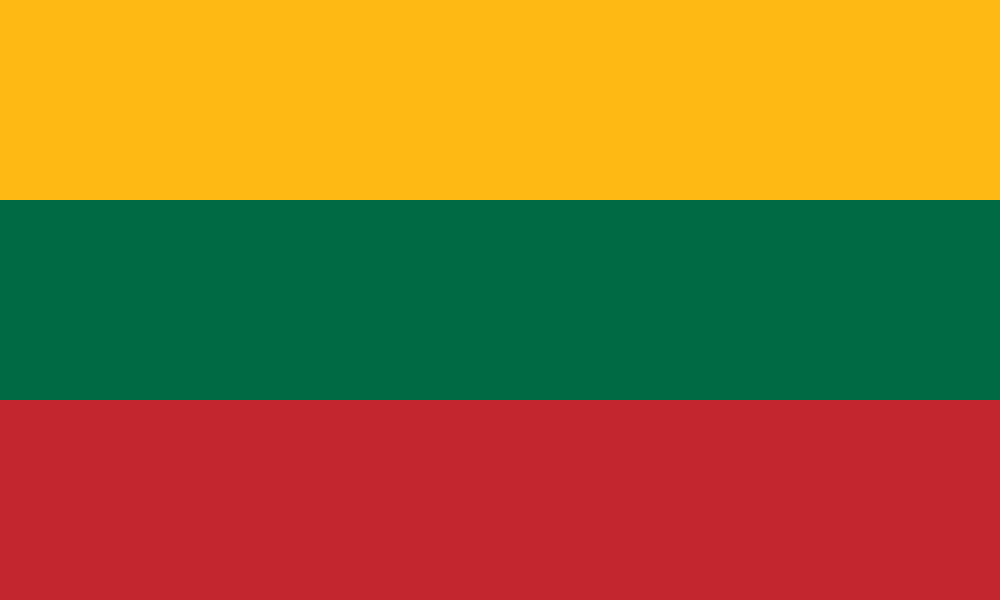 Lithuania
-
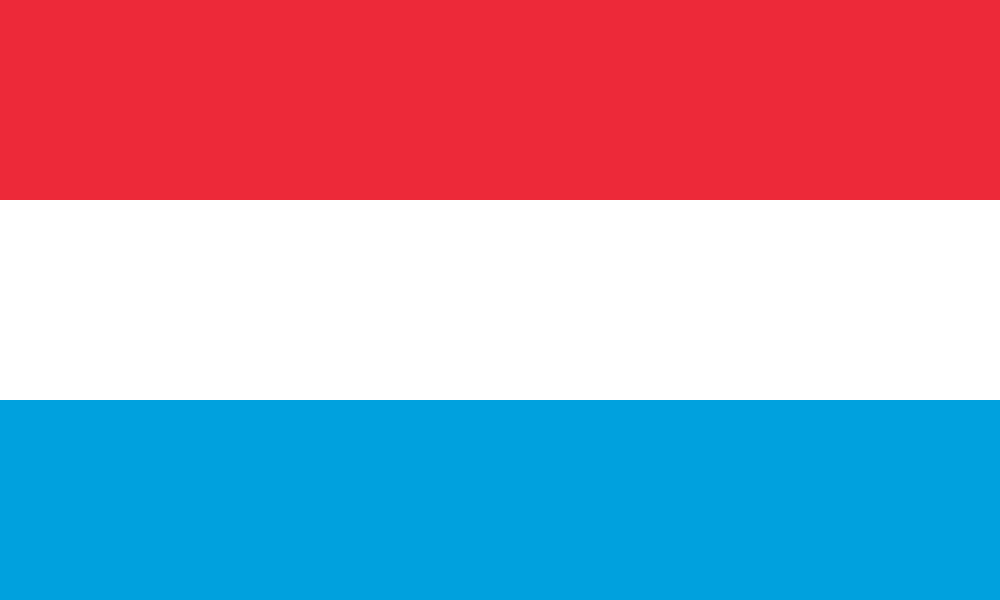 Luxembourg
-
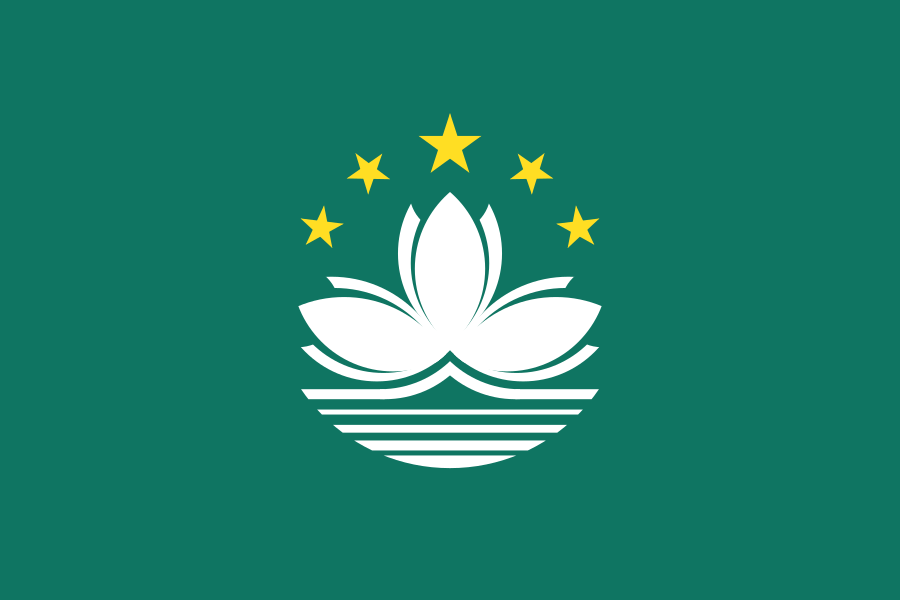 Macau
Macau
-
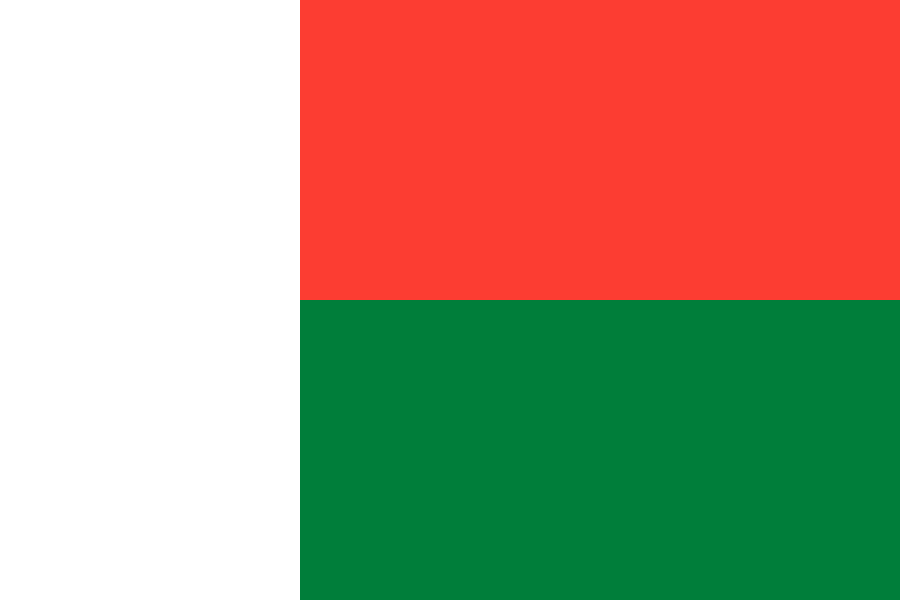 Madagascar
-
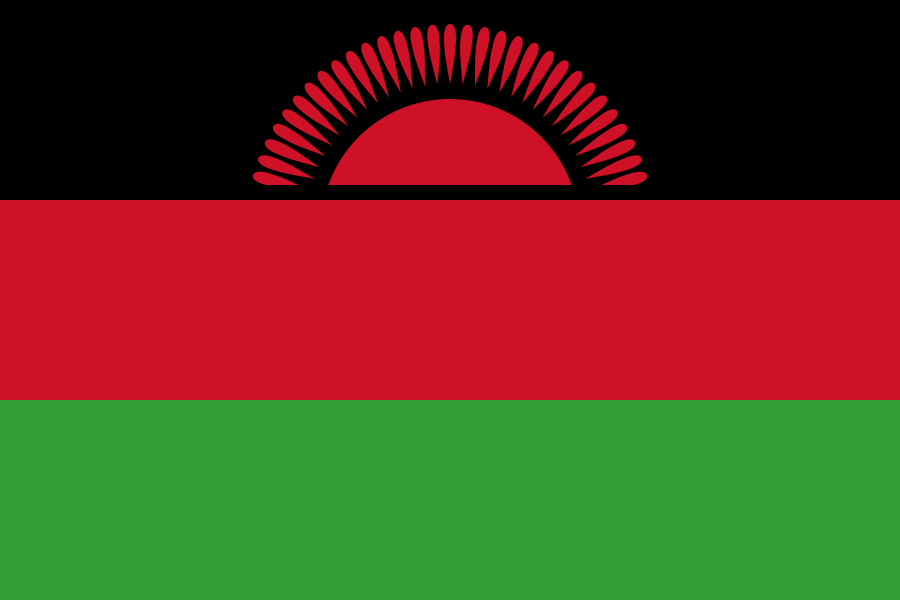 Malawi
-
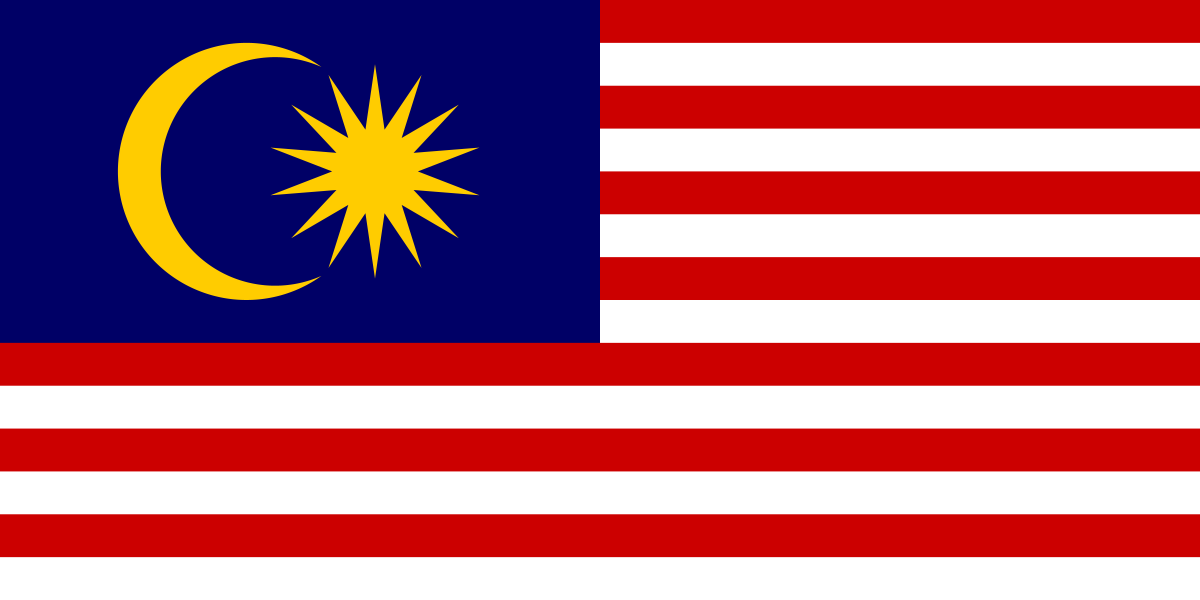 Malaysia
-
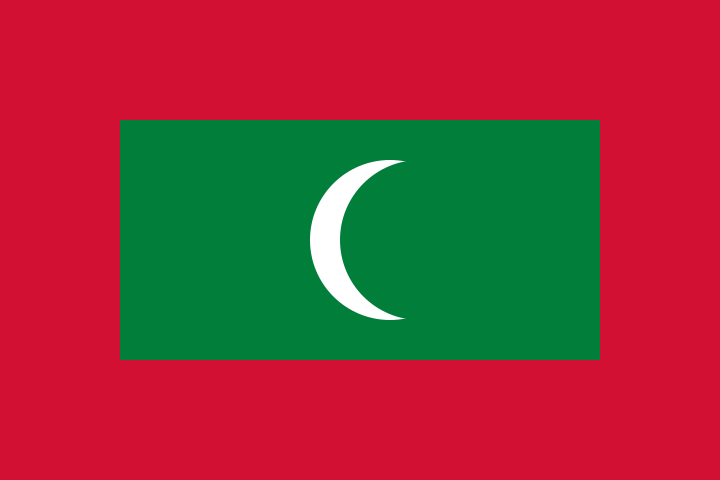 Maldives
-
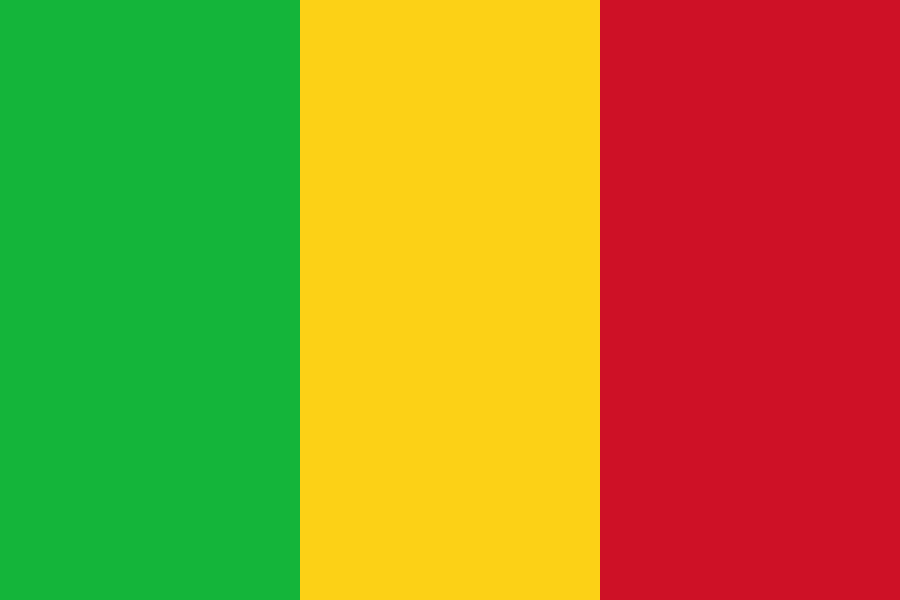 Mali
Mali
-
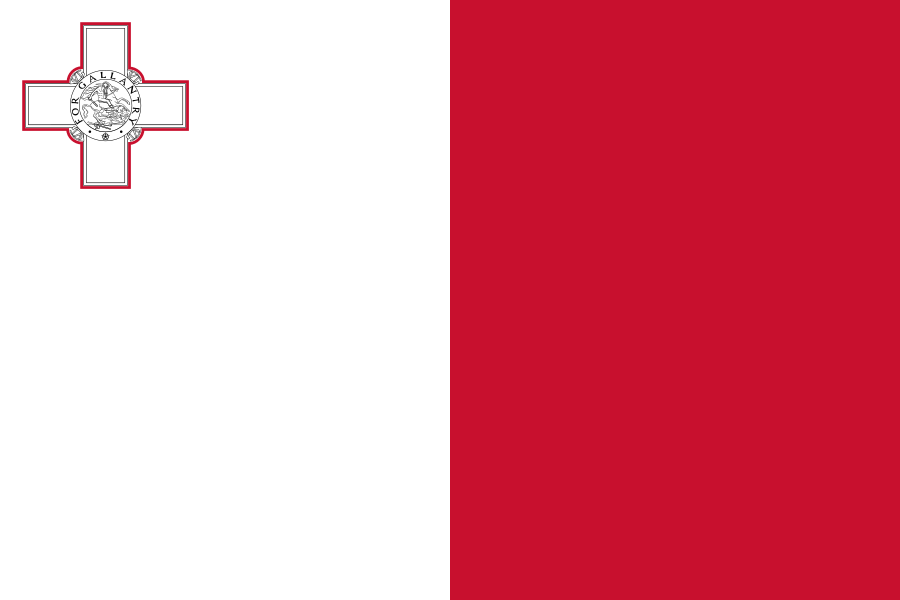 Malta
Malta
-
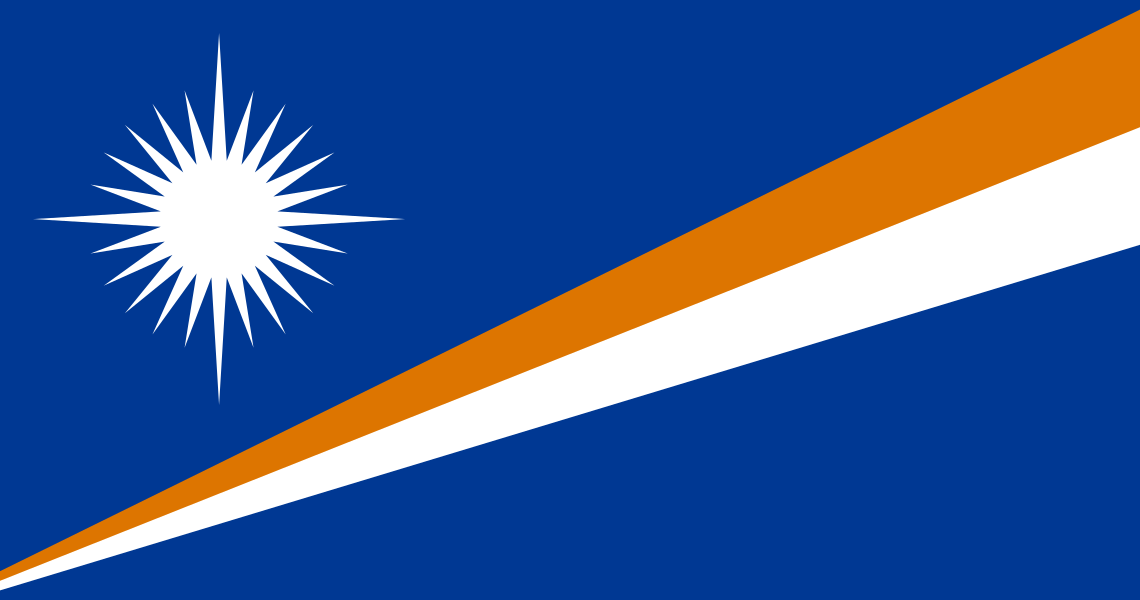 Marshall Islands
-
Martinique
-
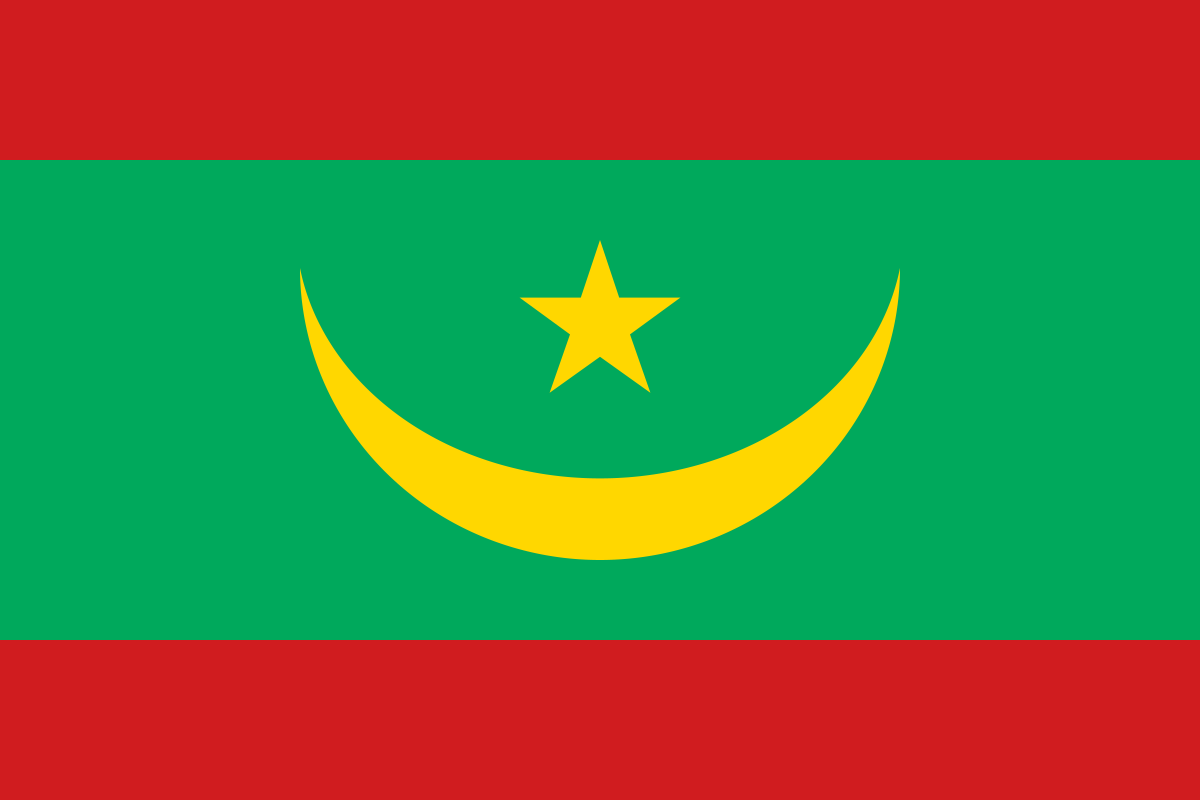 Mauritania
-
 Mauritius
-
Mayotte
-
 Mexico
-
 Micronesia
-
 Moldova
-
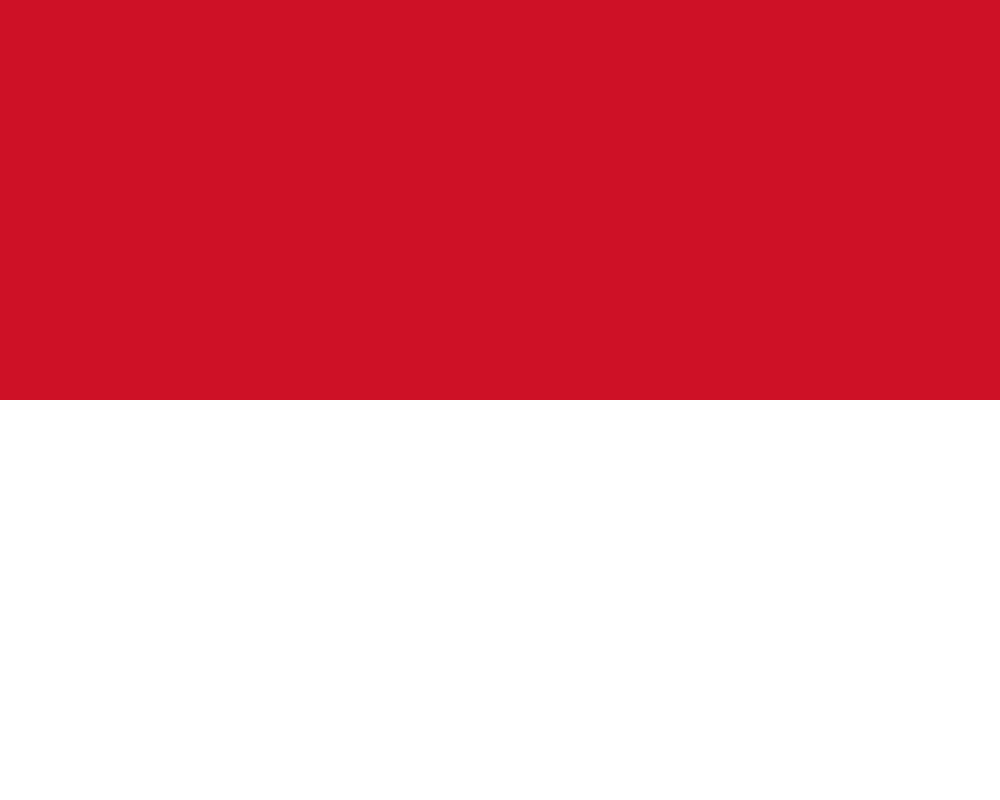 Monaco
-
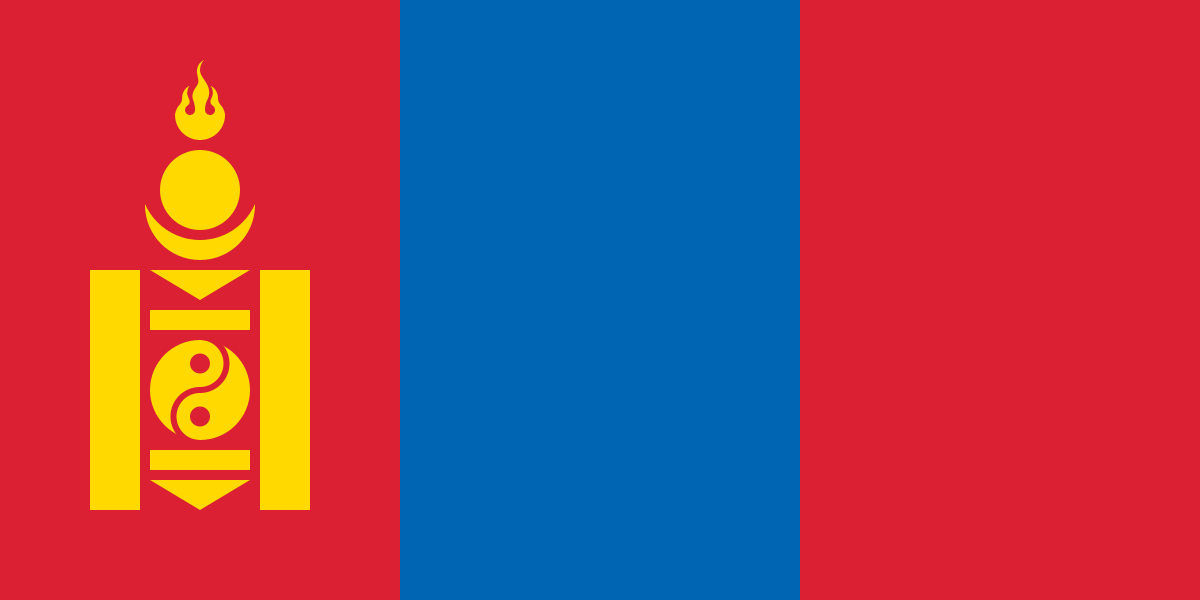 Mongolia
-
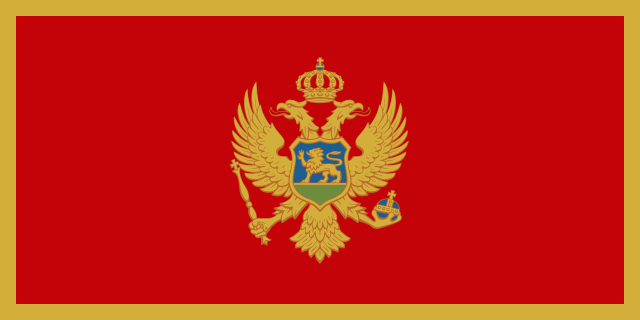 Montenegro
-
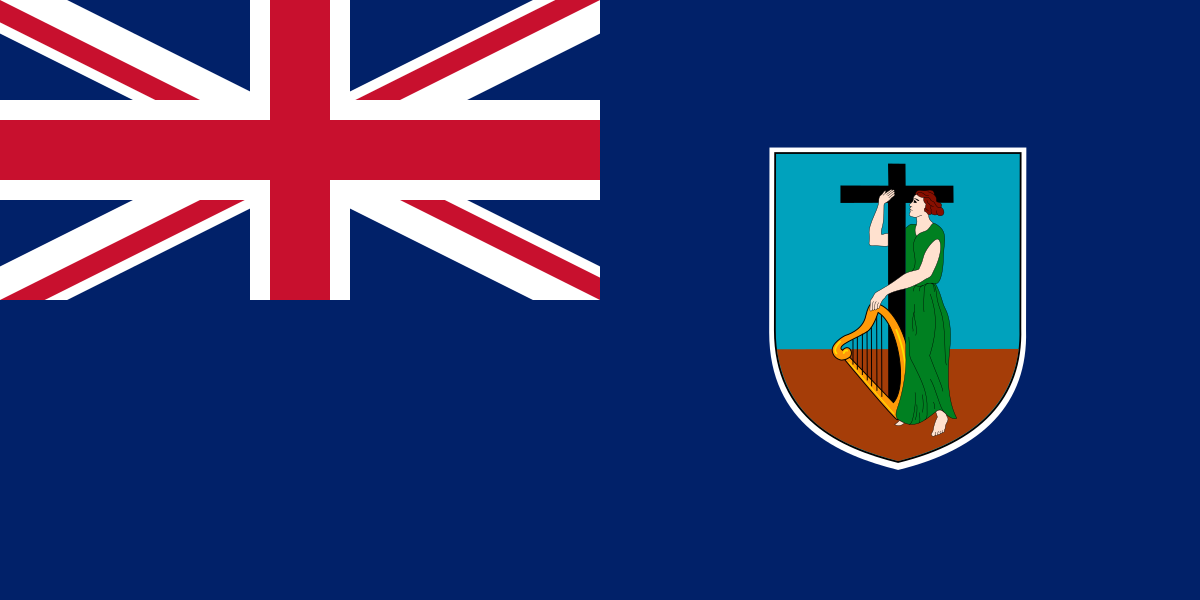 Montserrat
-
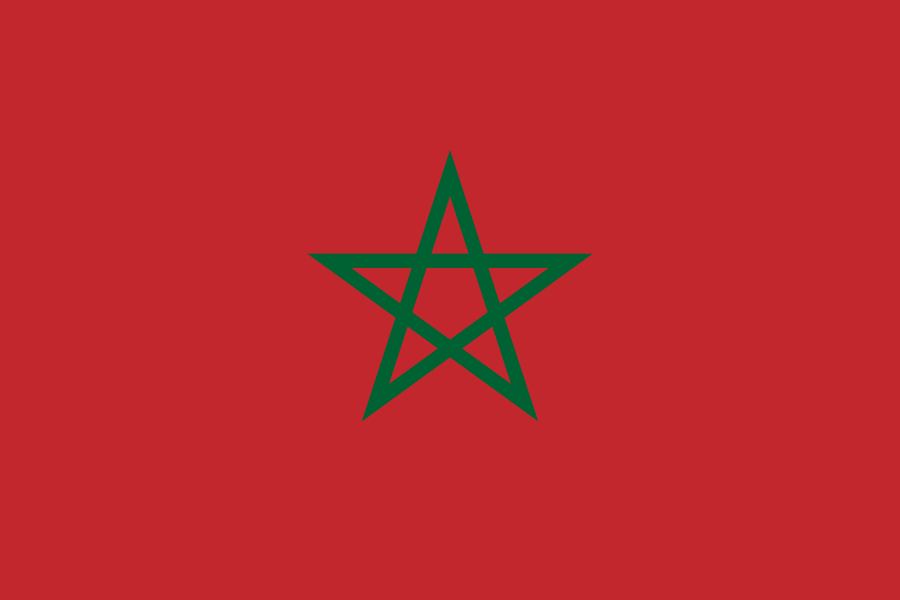 Morocco
-
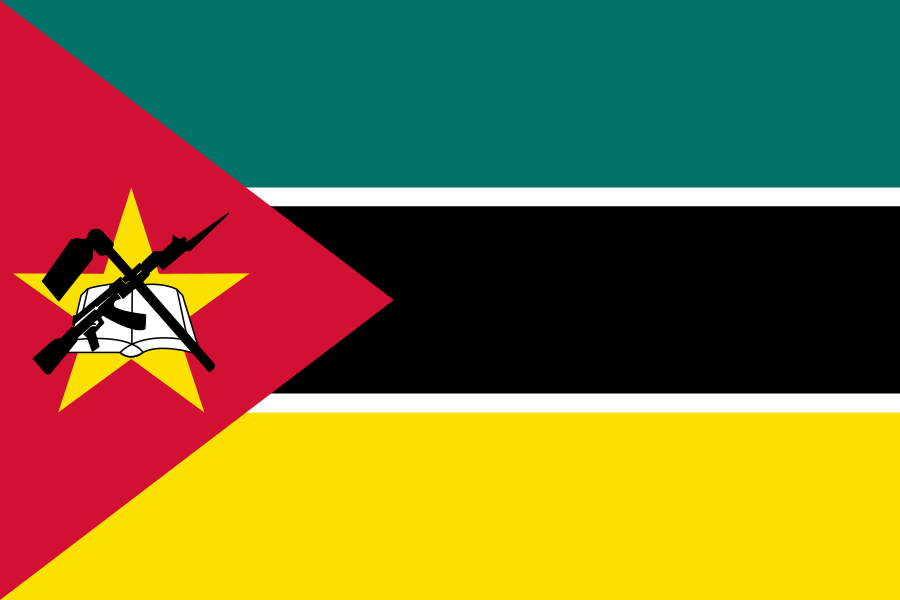 Mozambique
-
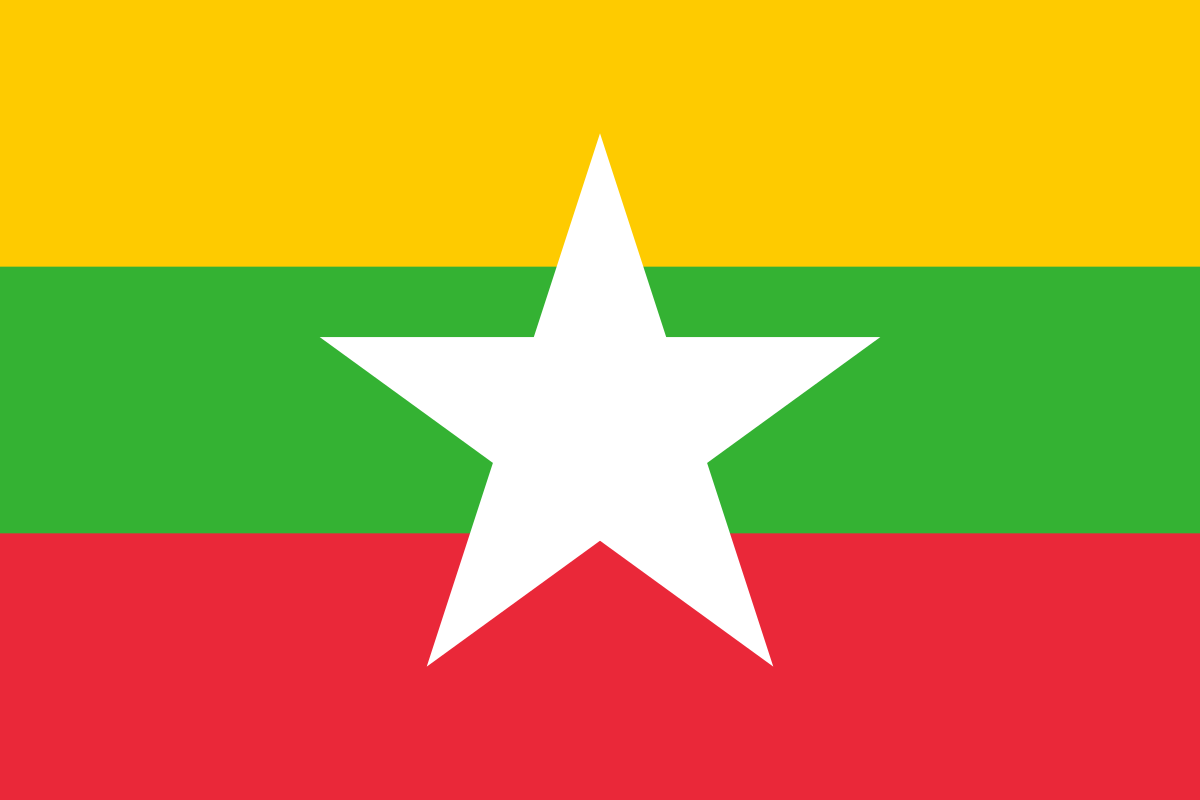 Myanmar
-
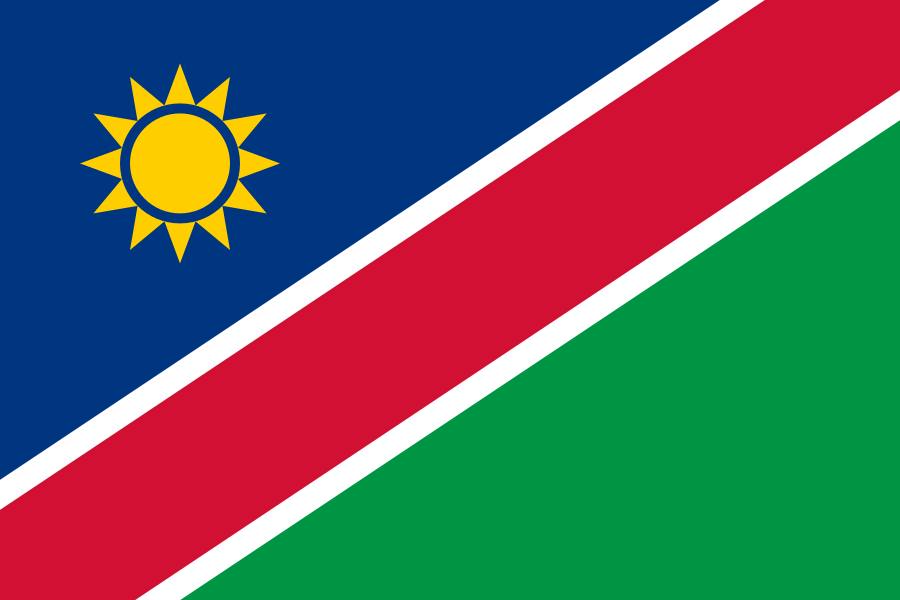 Namibia
-
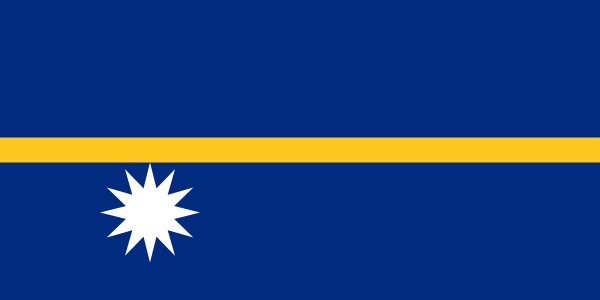 Nauru
Nauru
-
 Nepal
Nepal
-
Netherlands
-
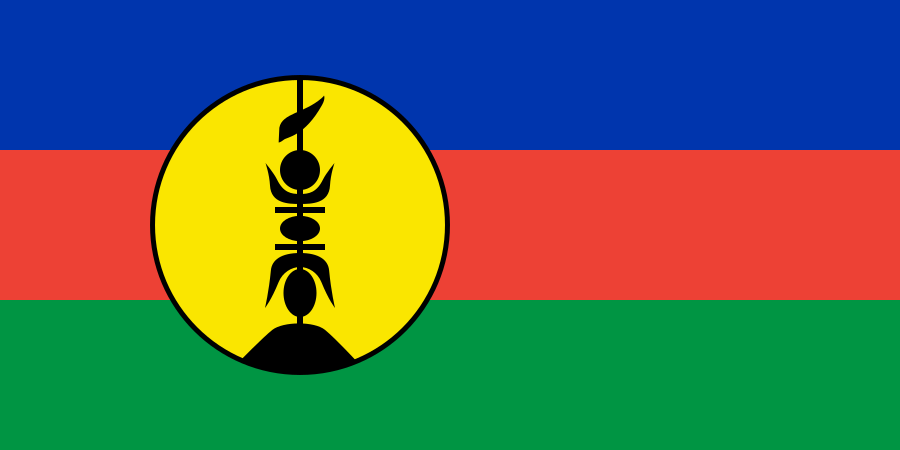 New Caledonia
-
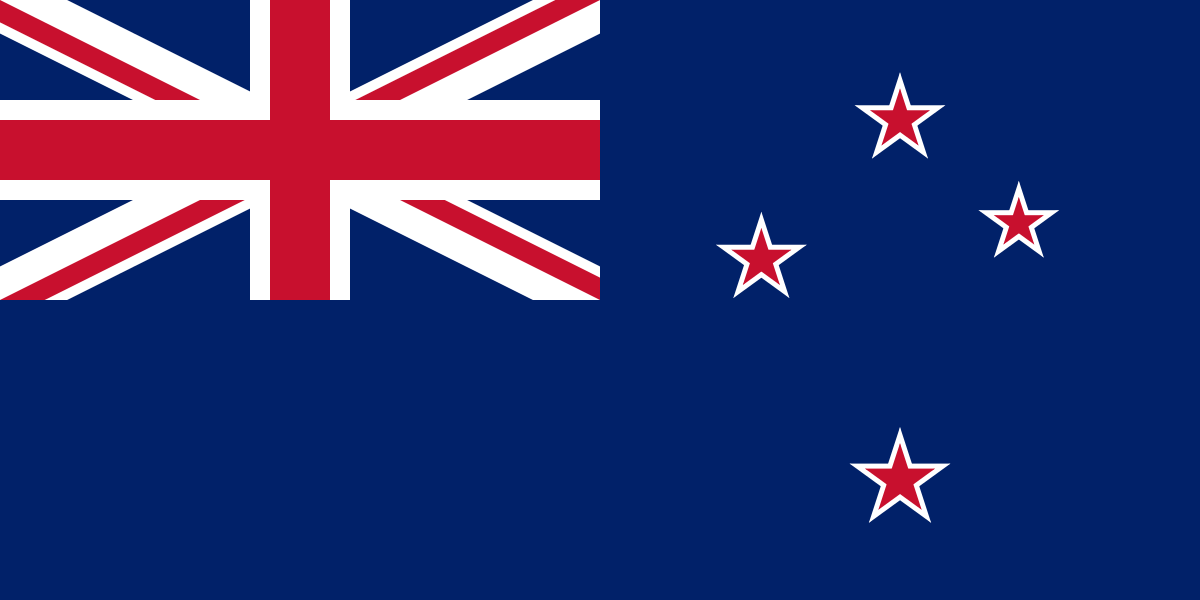 New Zealand
-
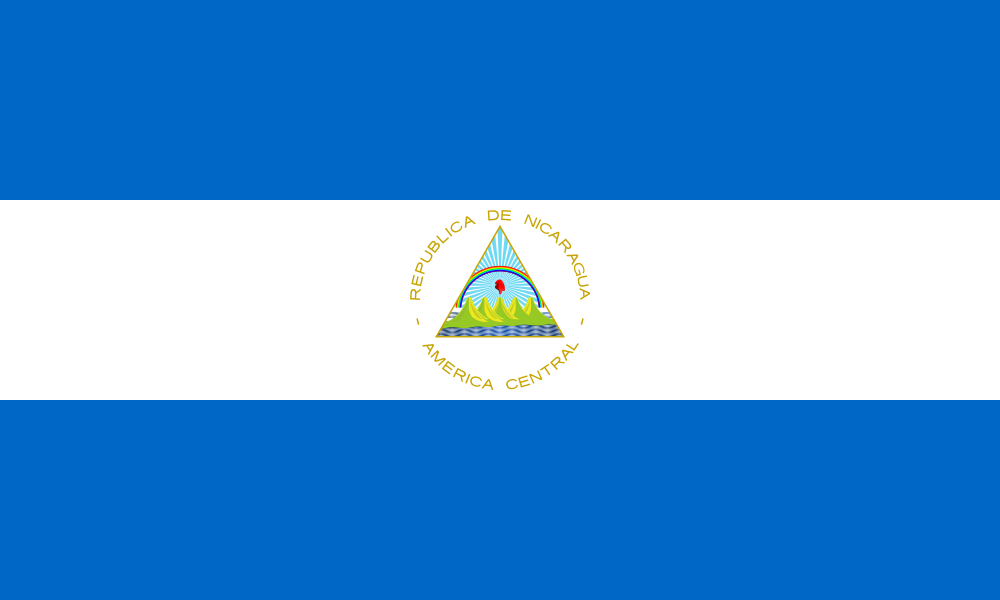 Nicaragua
-
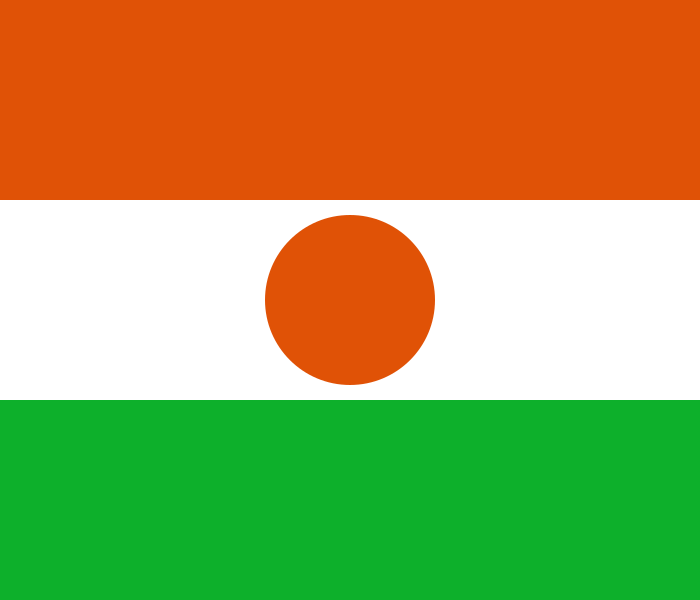 Niger
Niger
-
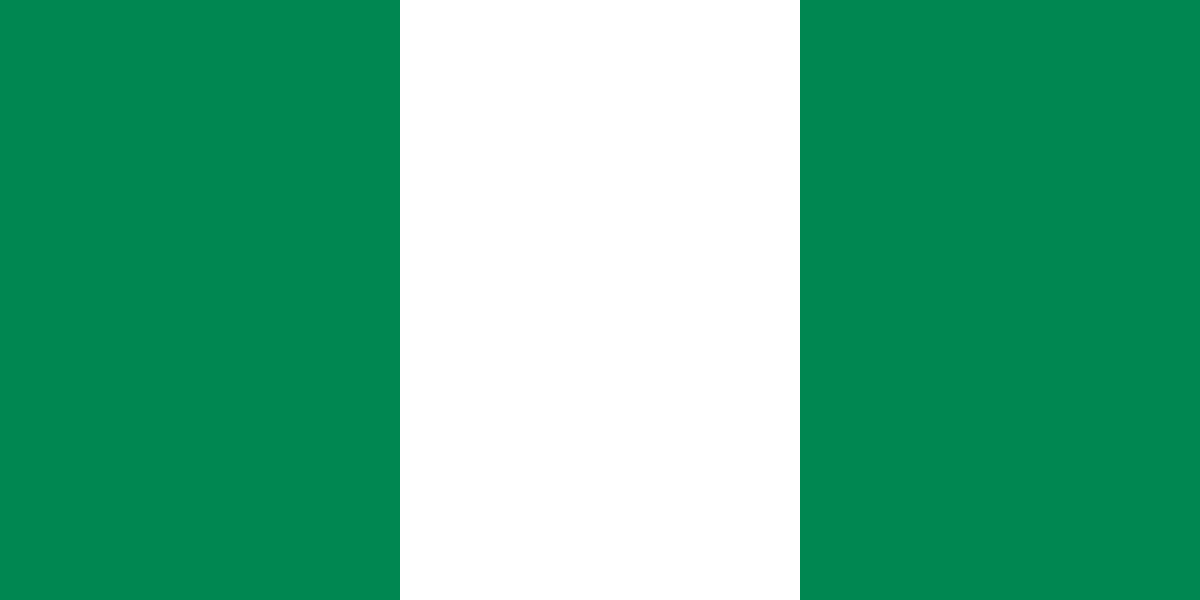 Nigeria
-
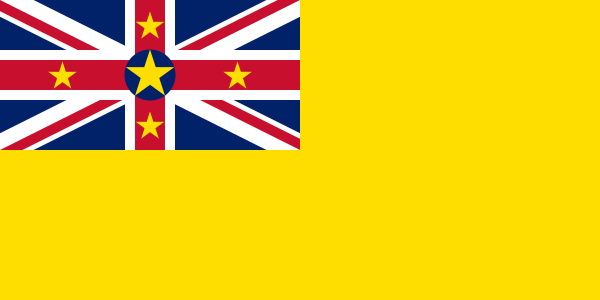 Niue
Niue
-
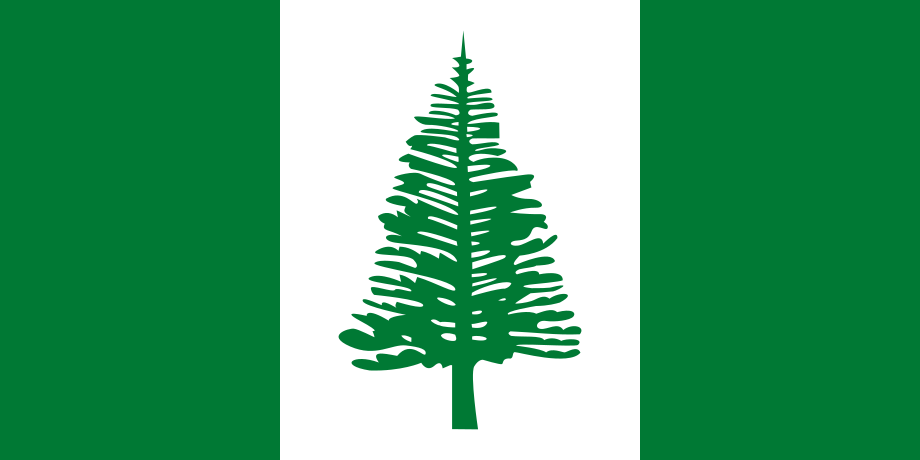 Norfolk Island
-
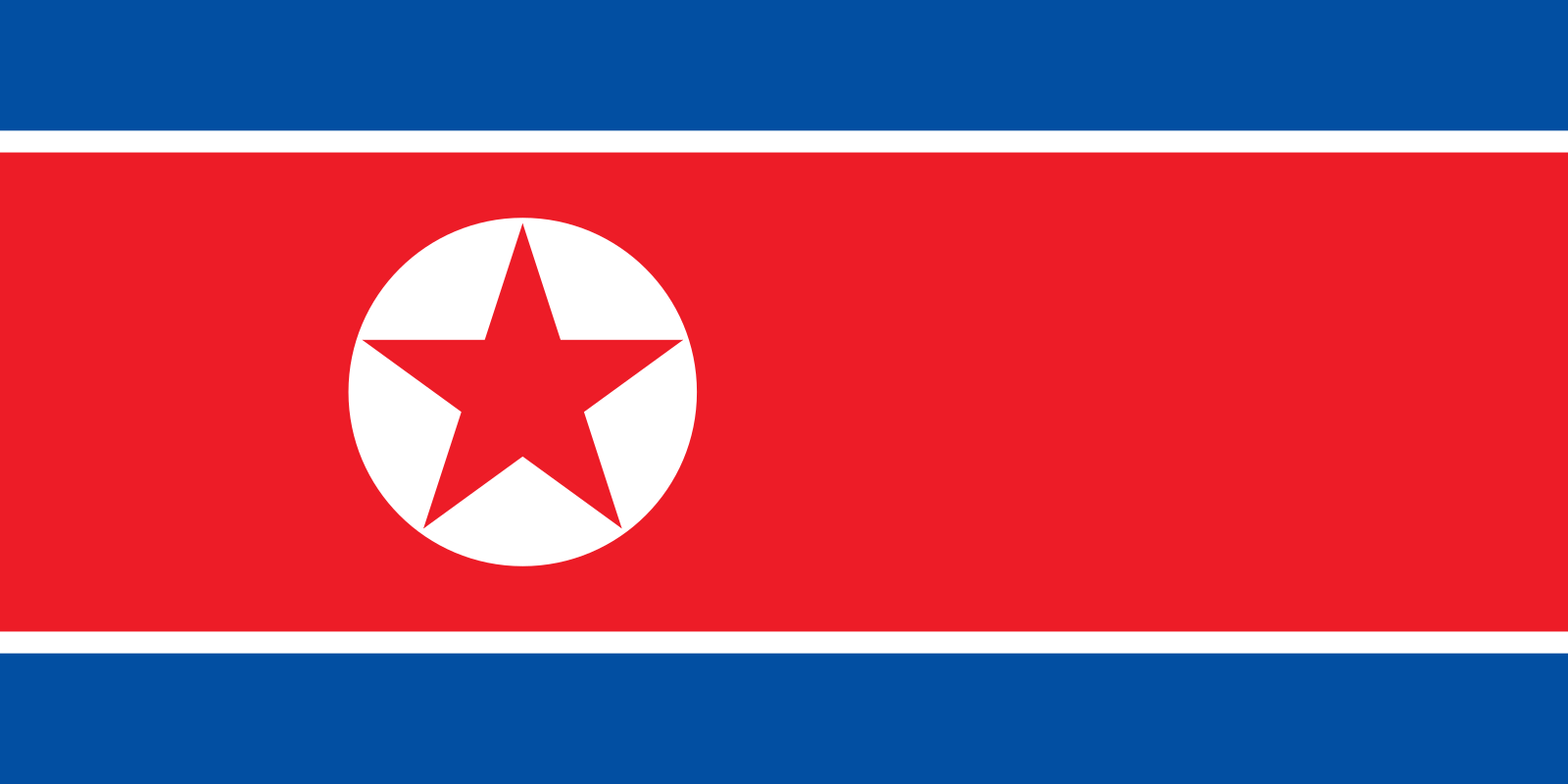 North Korea
-
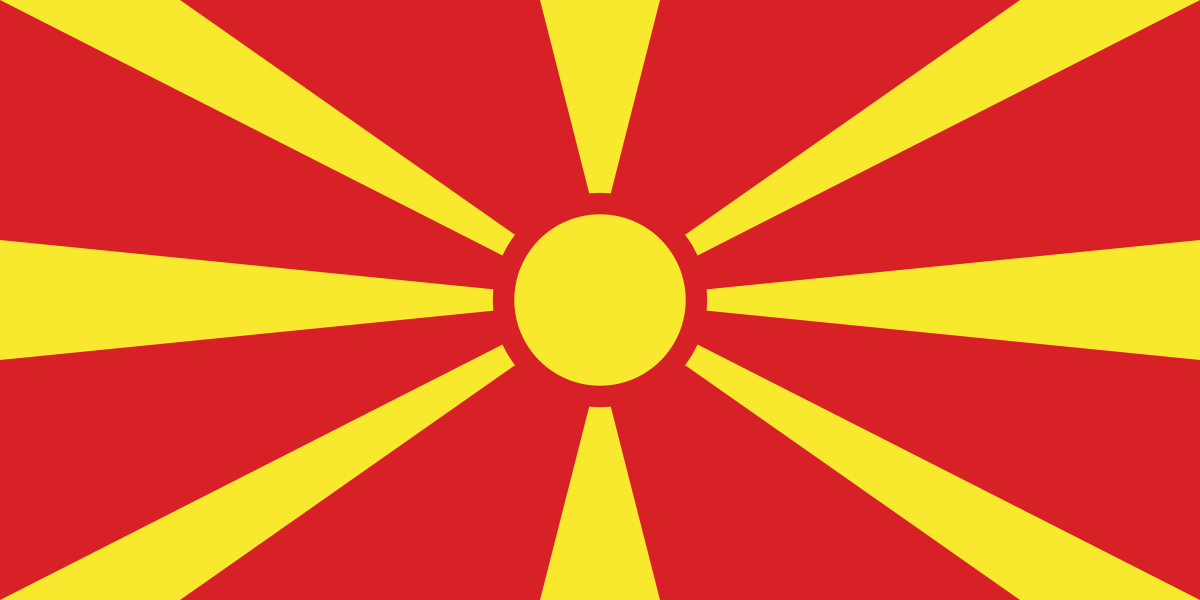 North Macedonia
-
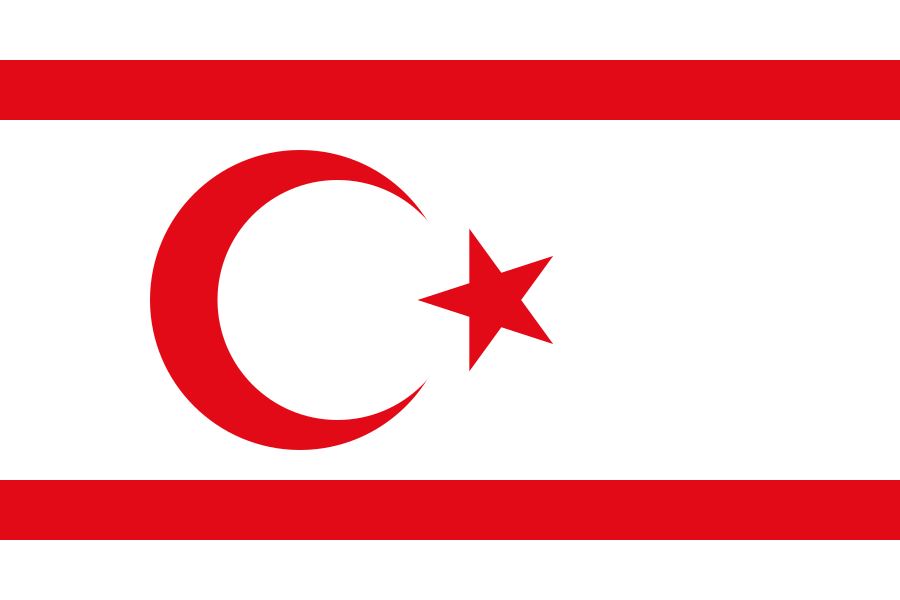 Northern Cyprus
-
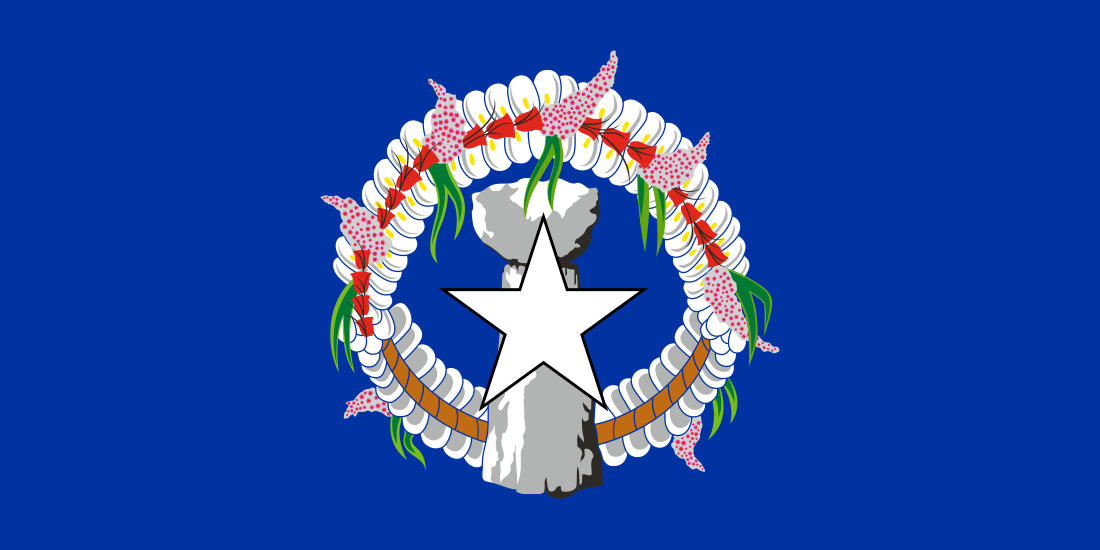 Northern Mariana Islands
-
 Norway
-
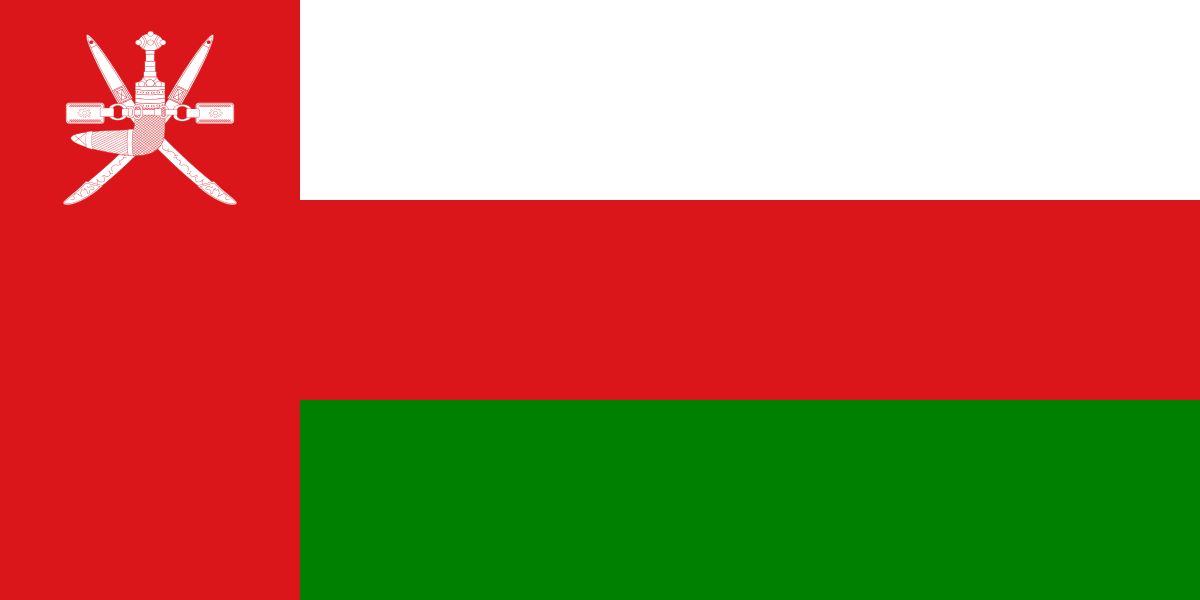 Oman
Oman
-
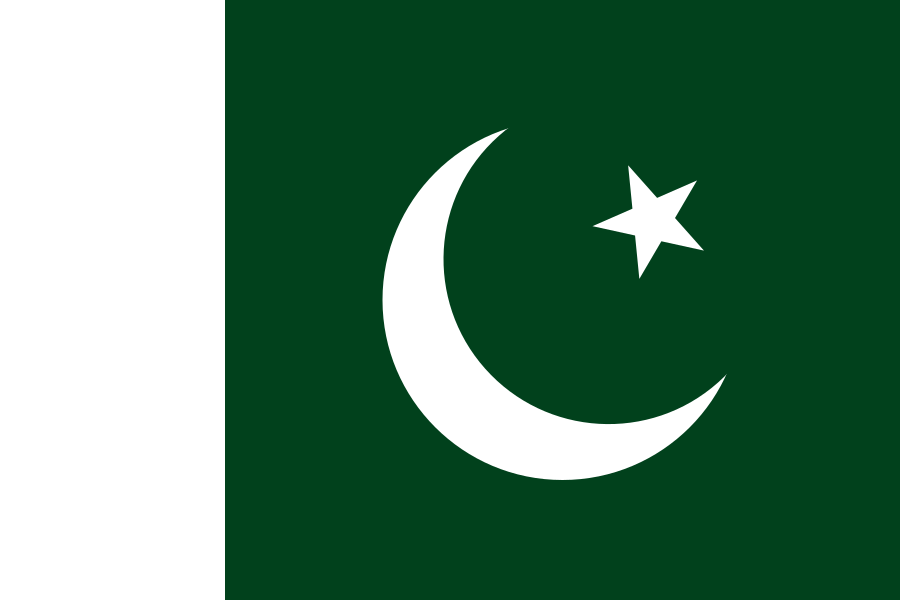 Pakistan
-
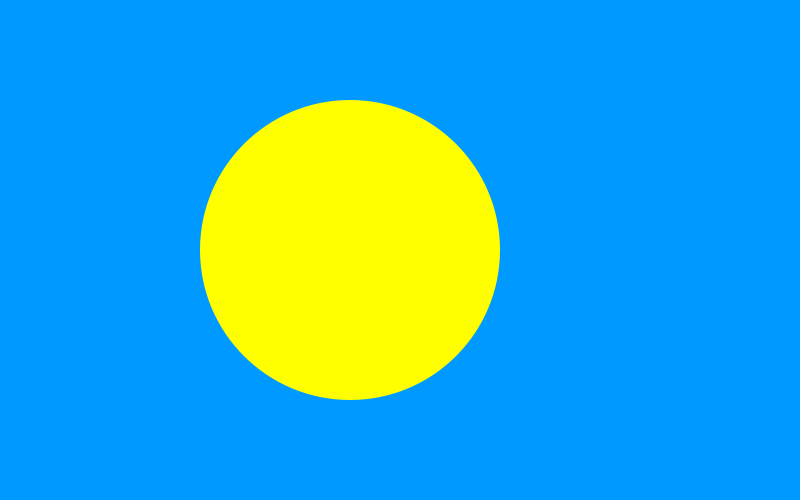 Palau
Palau
-
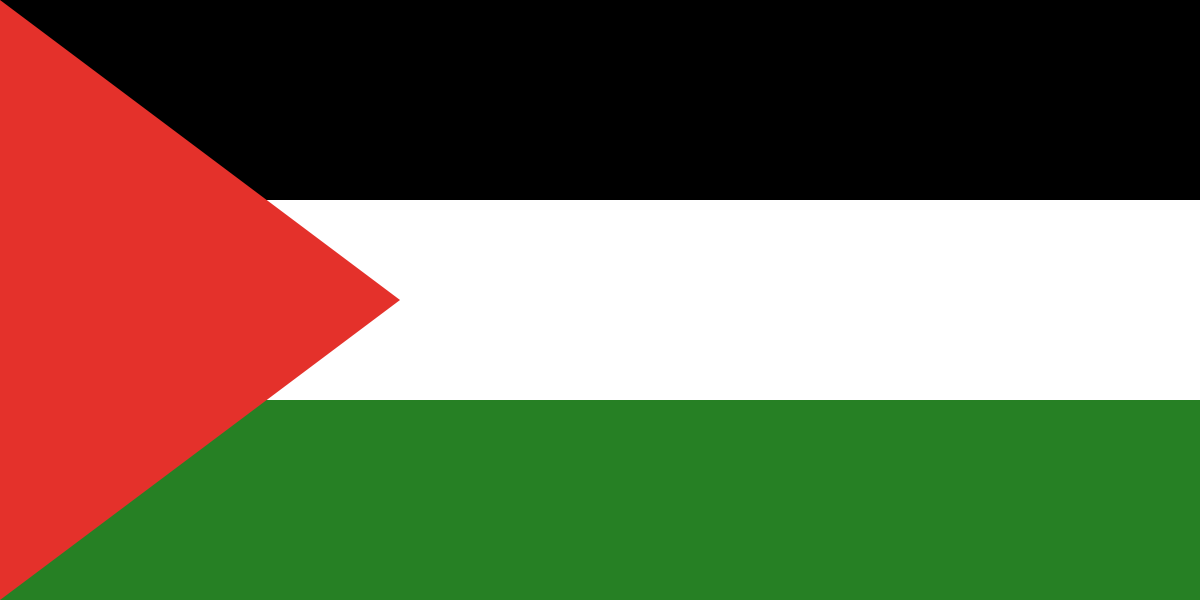 Palestine
-
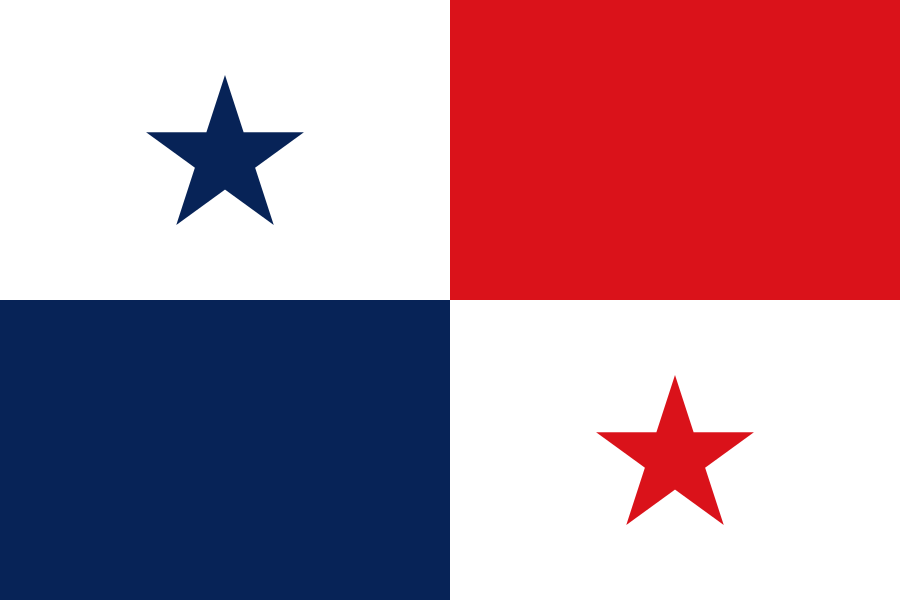 Panama
-
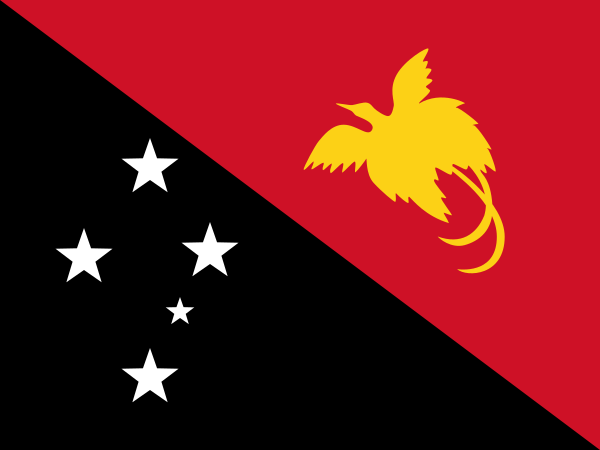 Papua New Guinea
-
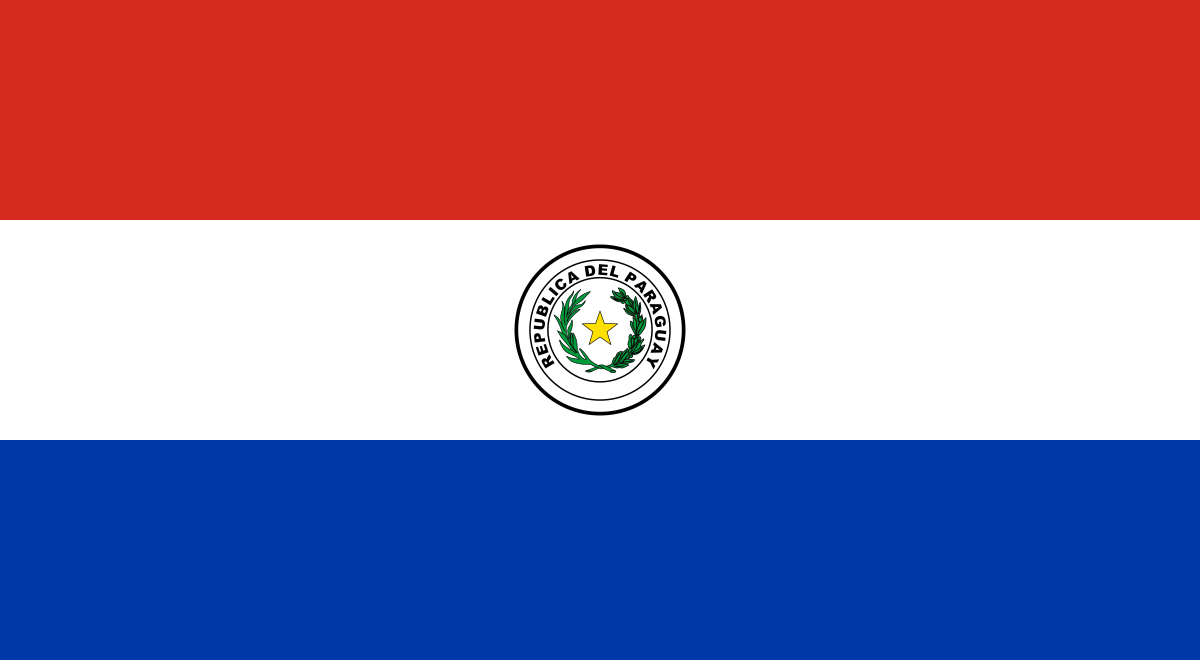 Paraguay
-
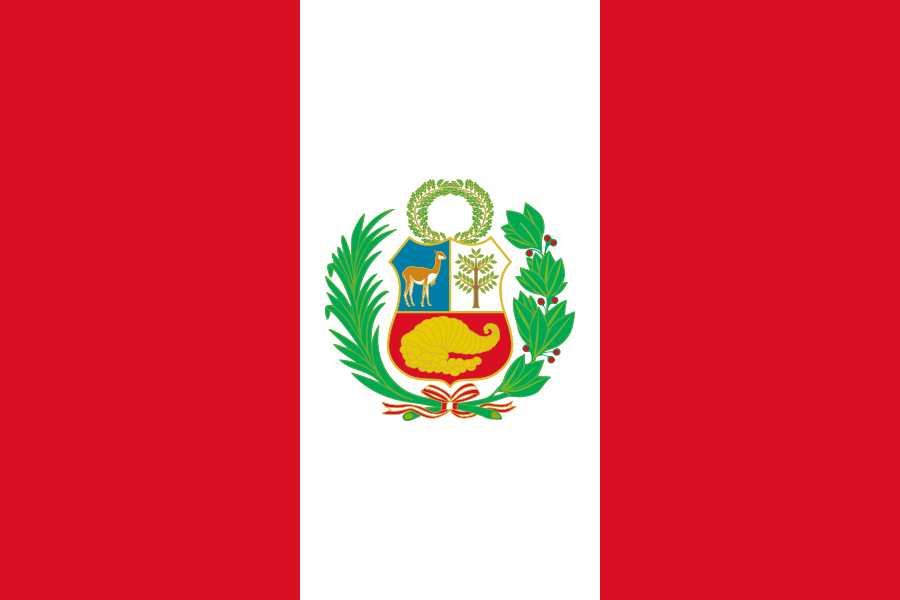 Peru
Peru
-
 Philippines
-
 Pitcairn Islands
-
 Poland
-
 Portugal
-
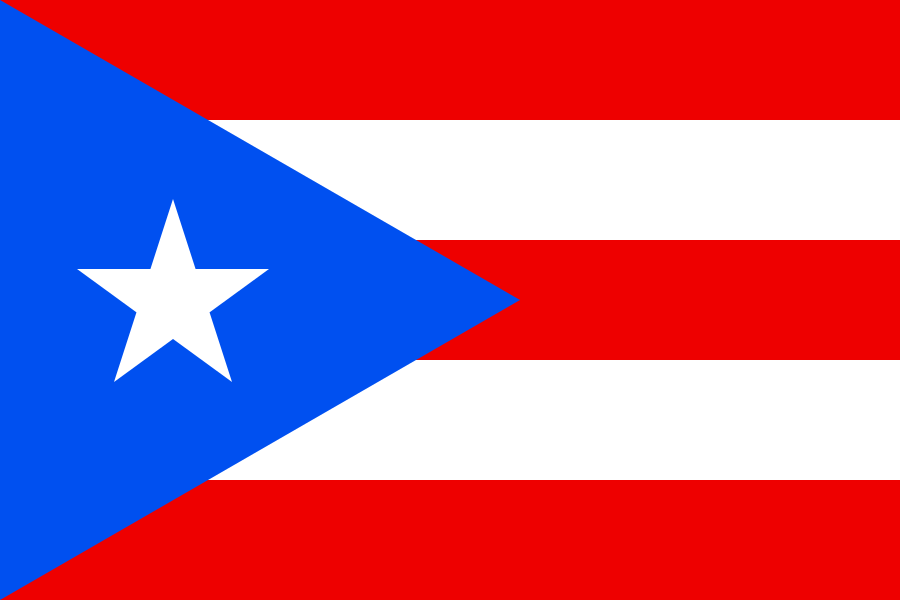 Puerto Rico
-
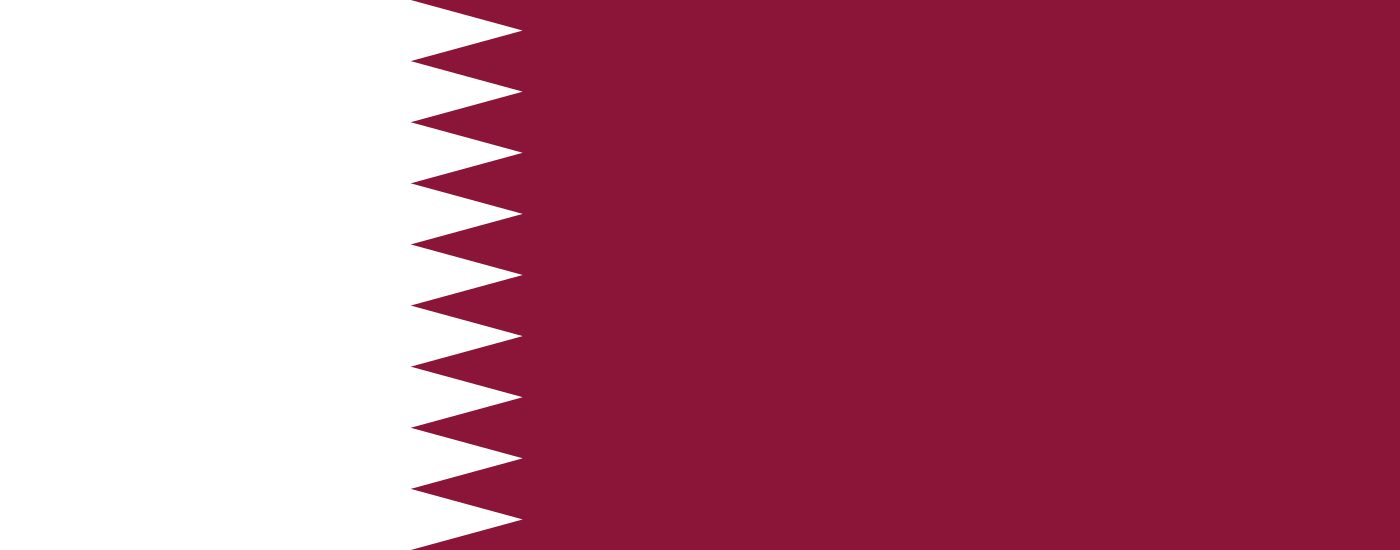 Qatar
Qatar
-
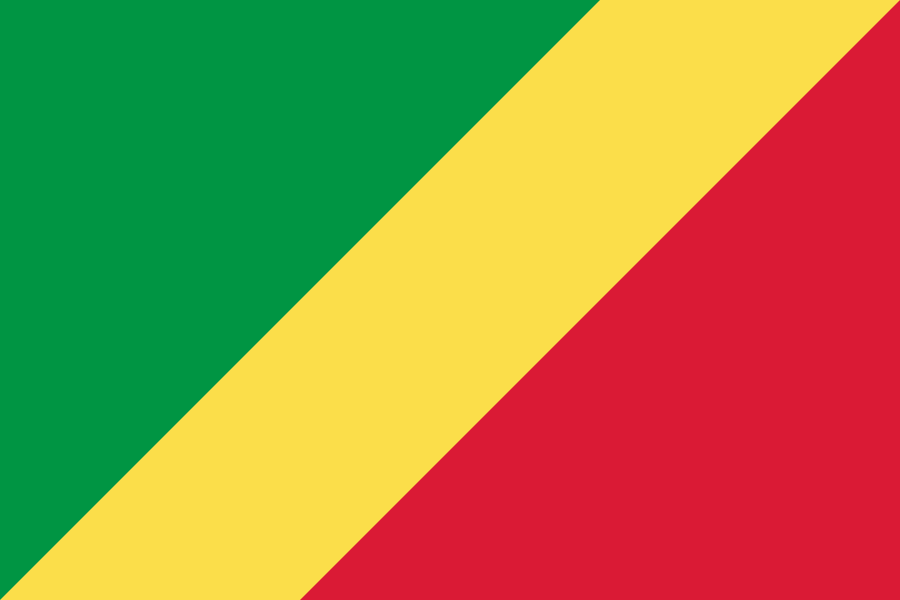 Republic of the Congo
-
Reunion
-
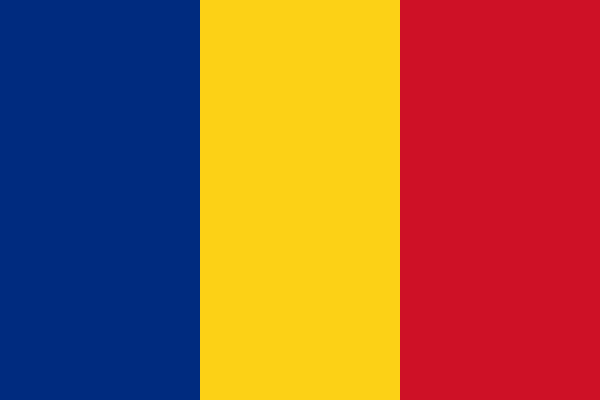 Romania
-
 Russia
-
 Rwanda
-
Saint Barthélemy
-
 Saint Helena And Dependencies
-
 Saint Kitts and Nevis
-
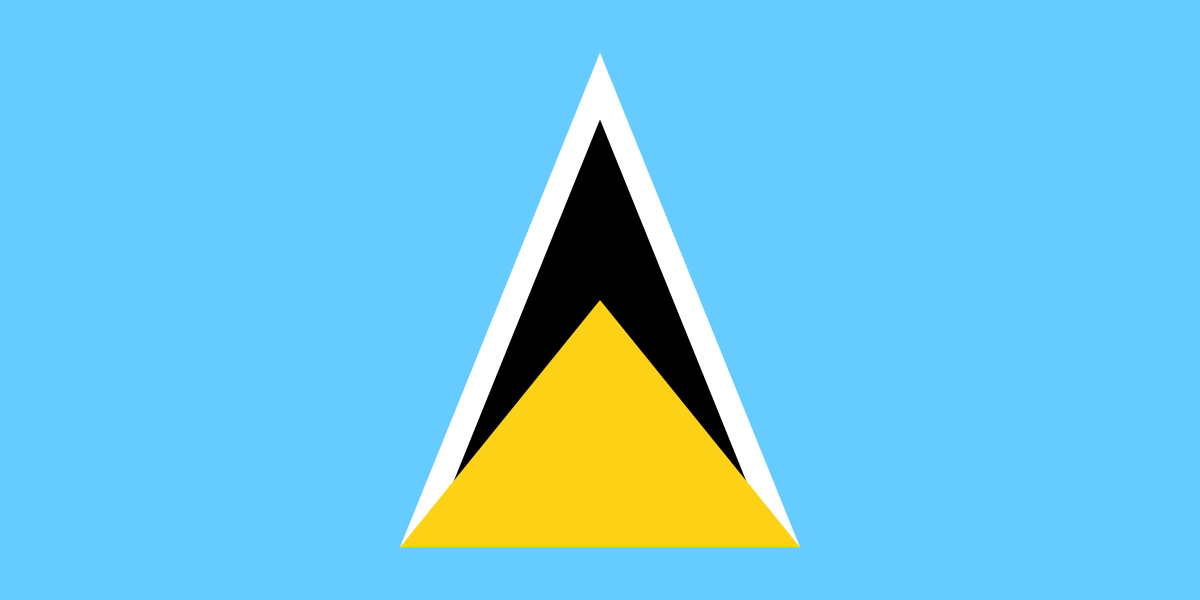 Saint Lucia
-
Saint Martin
-
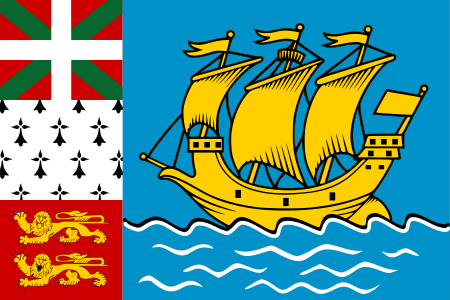 Saint Pierre and Miquelon
-
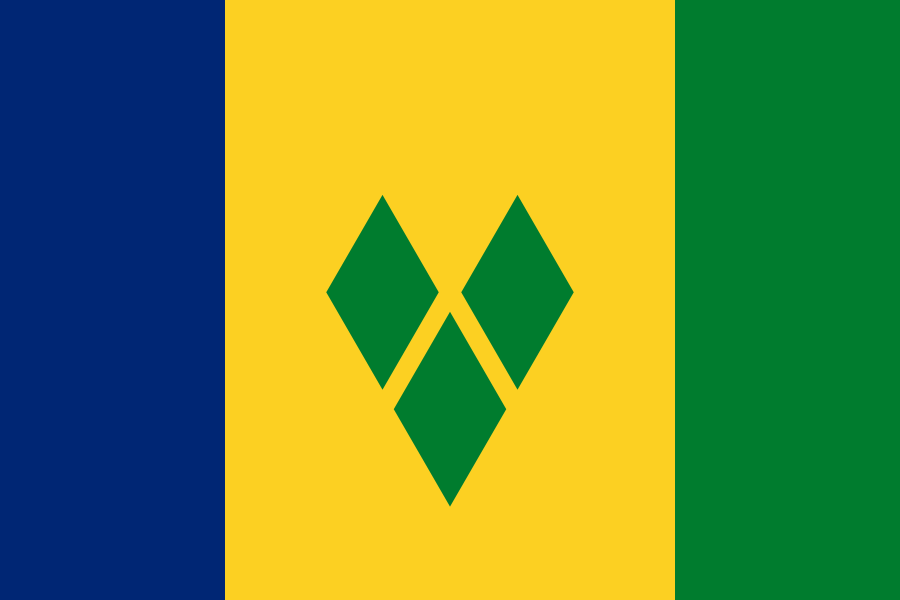 Saint Vincent and the Grenadines
-
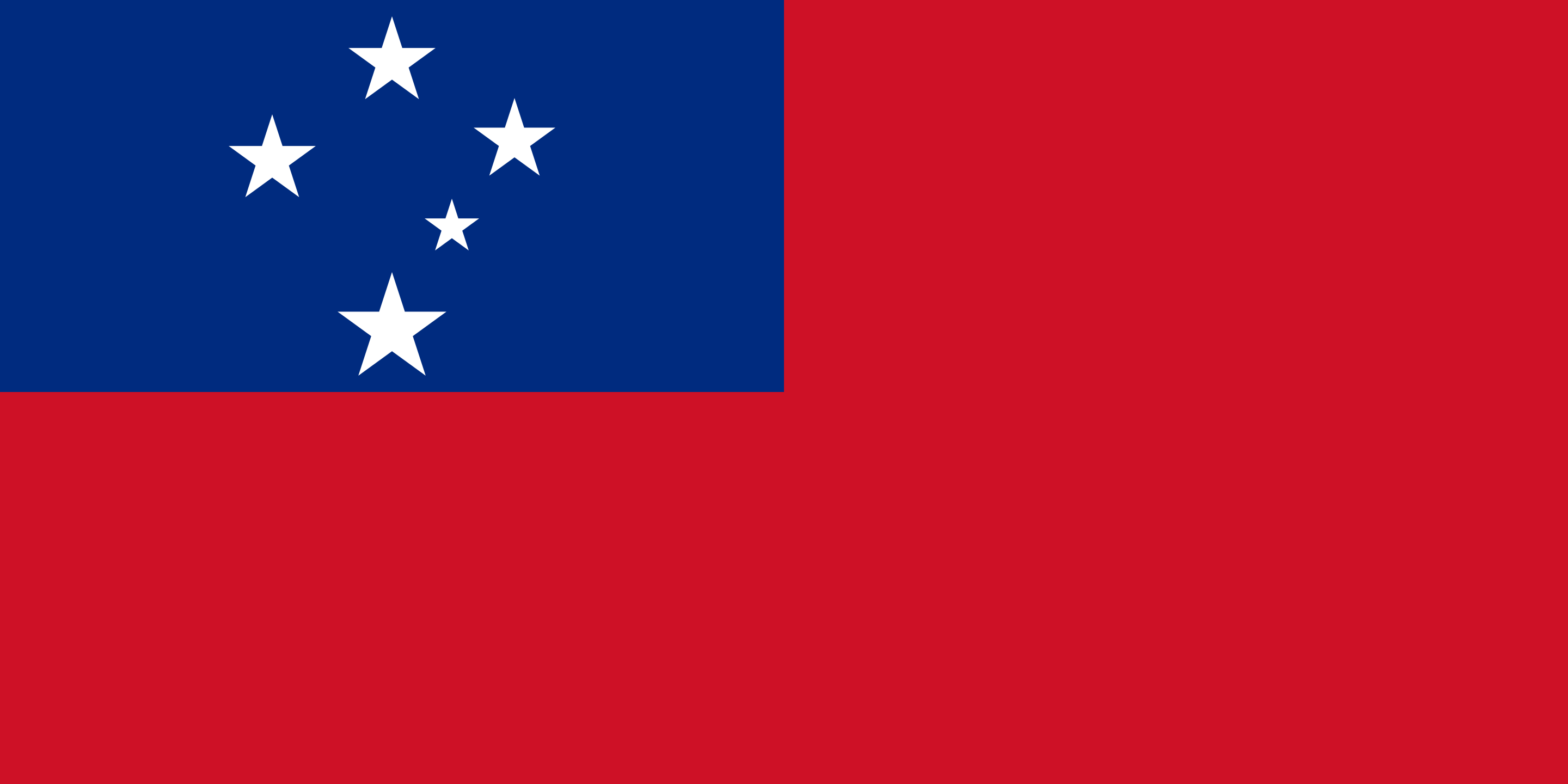 Samoa
Samoa
-
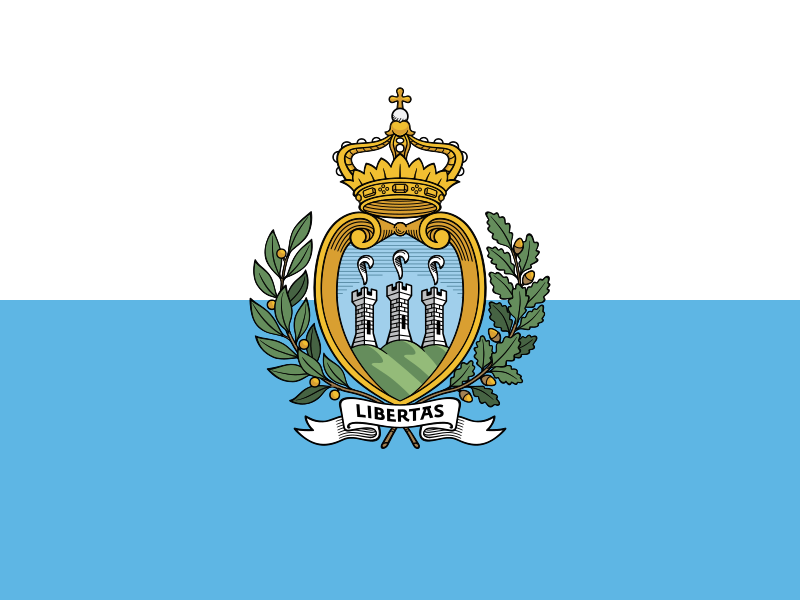 San Marino
-
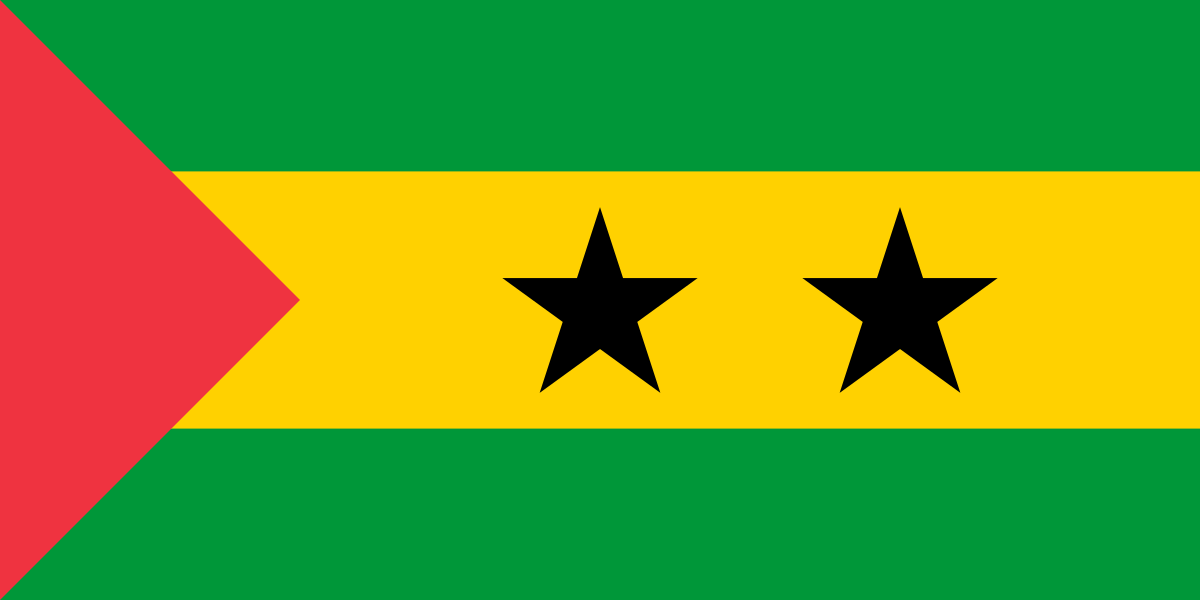 Sao Tome and Principe
-
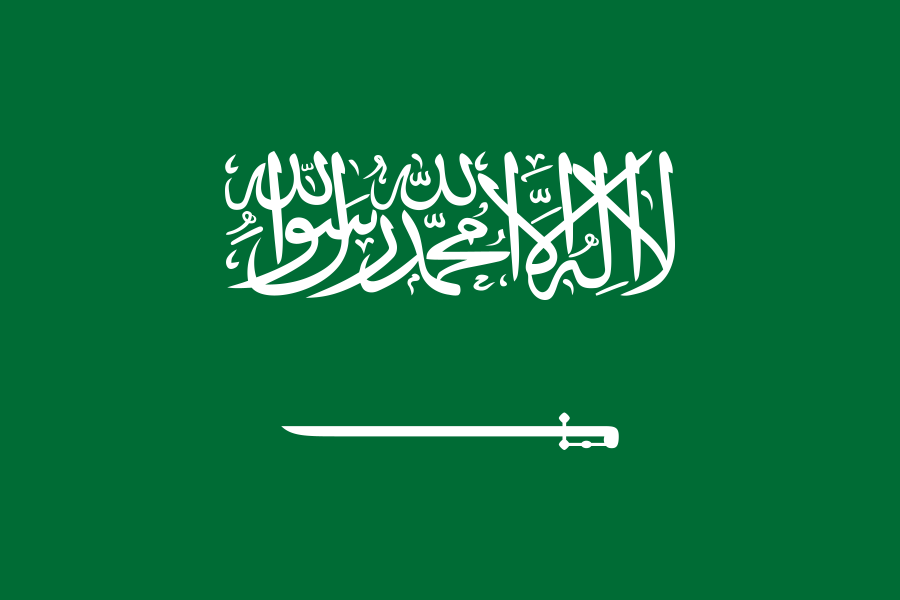 Saudi Arabia
-
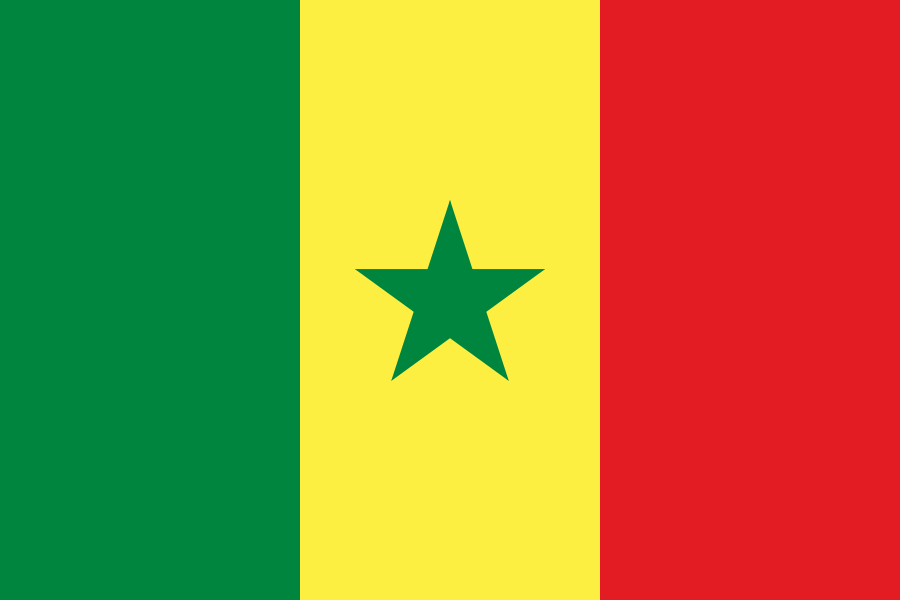 Senegal
-
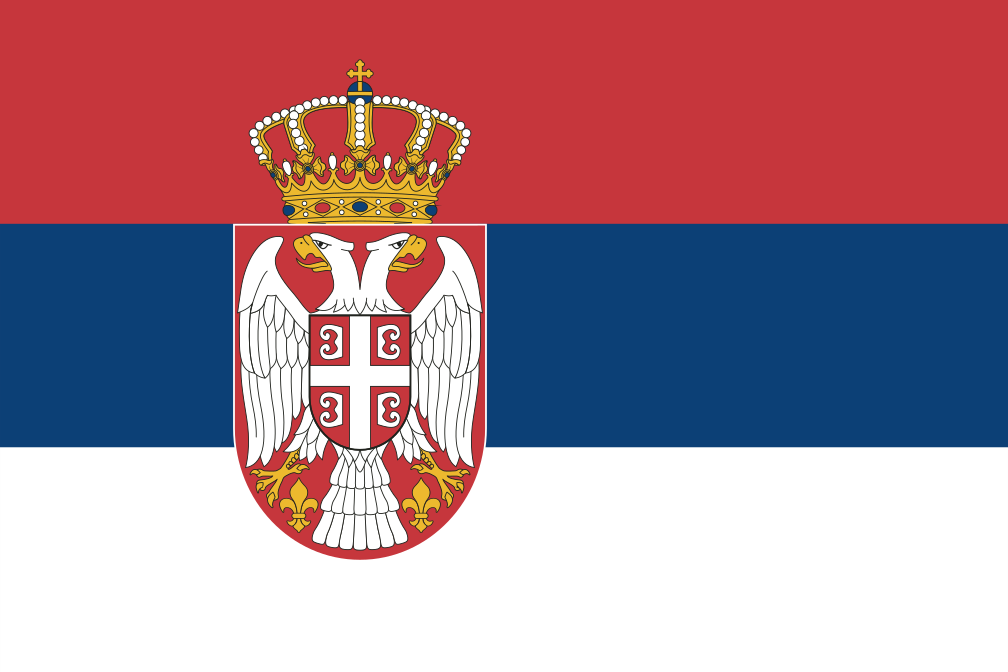 Serbia
-
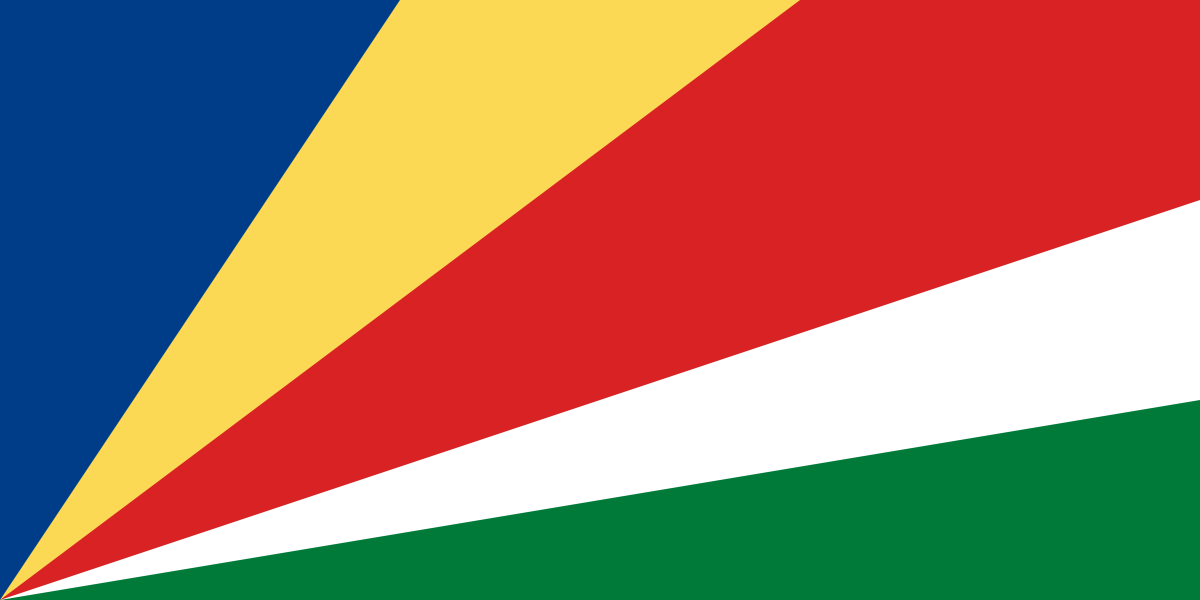 Seychelles
-
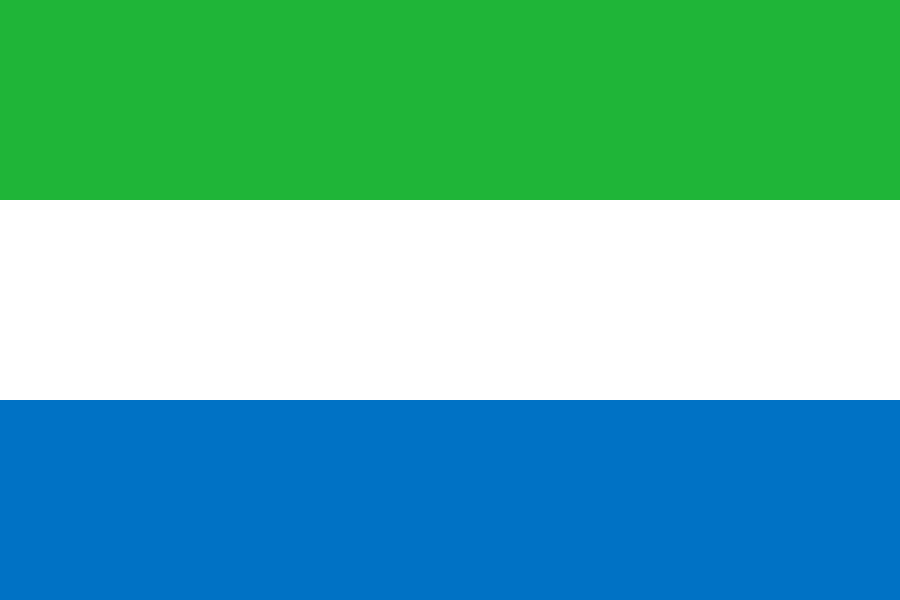 Sierra Leone
-
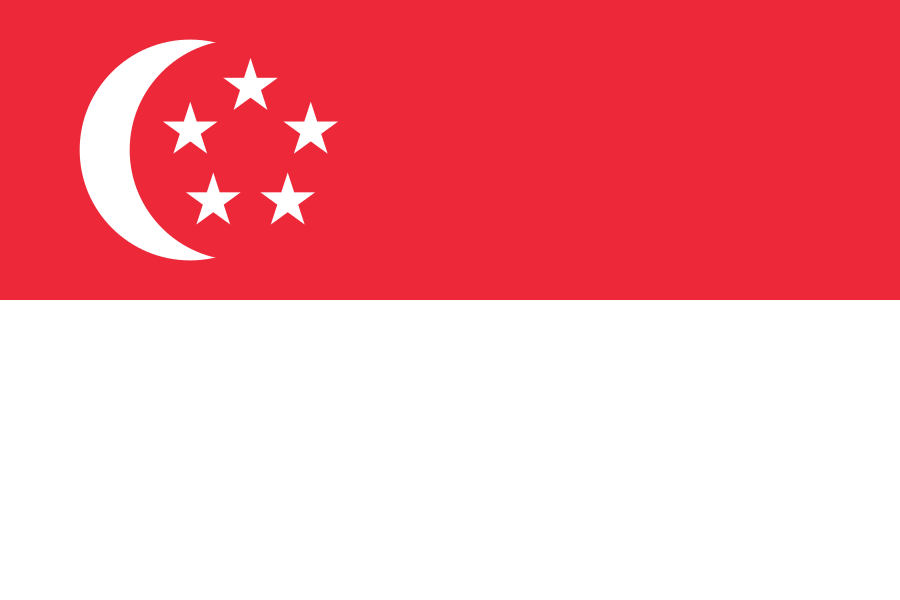 Singapore
-
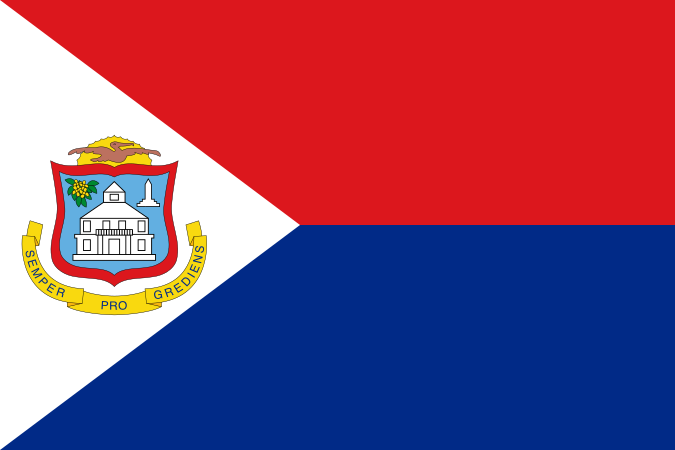 Sint Maarten
-
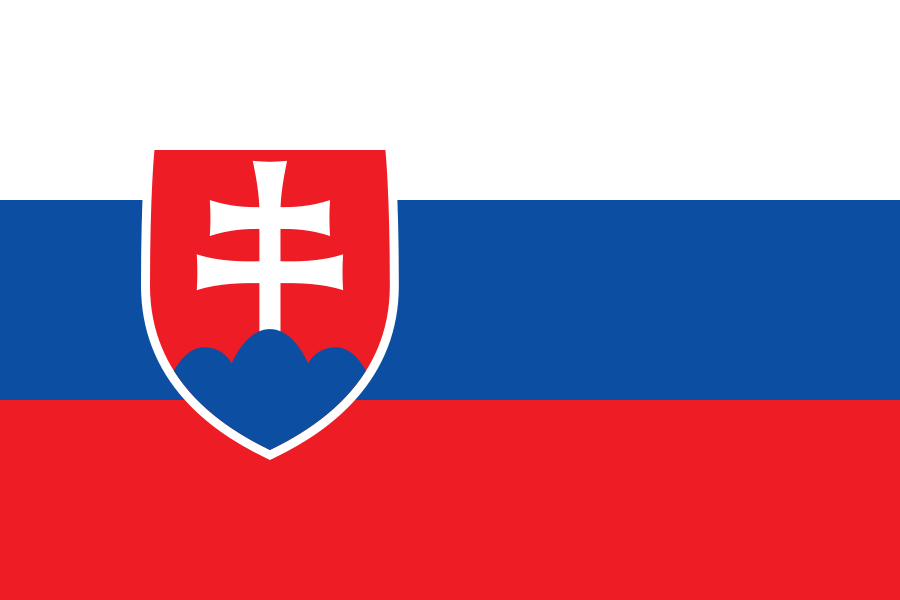 Slovakia
-
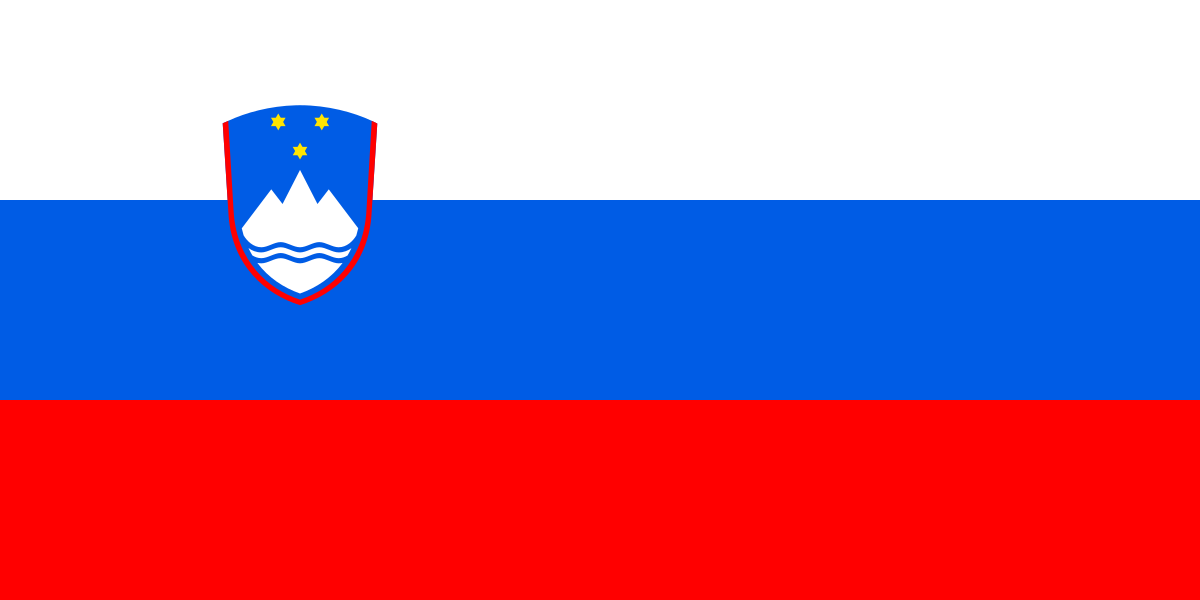 Slovenia
-
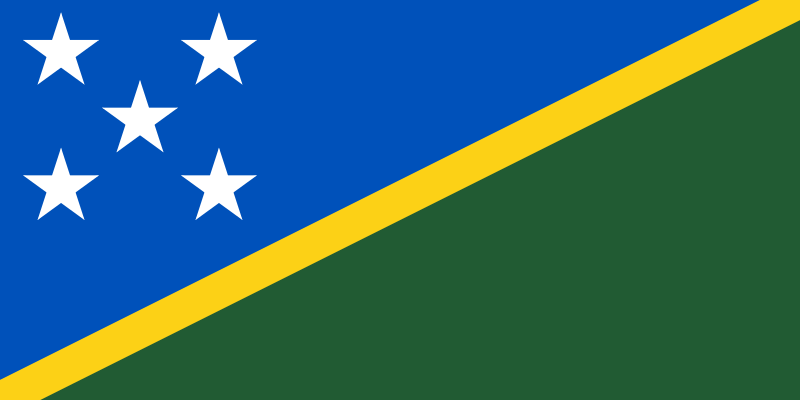 Solomon Islands
-
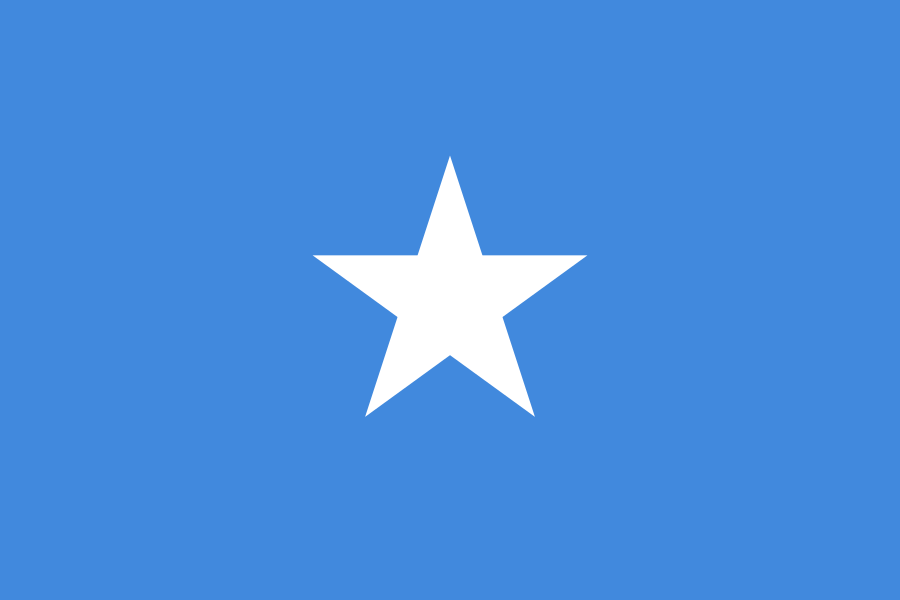 Somalia
-
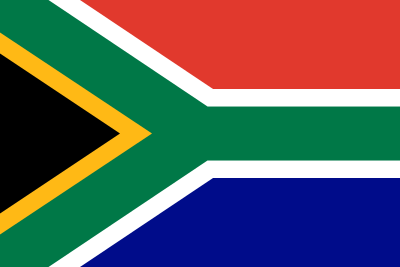 South Africa
-
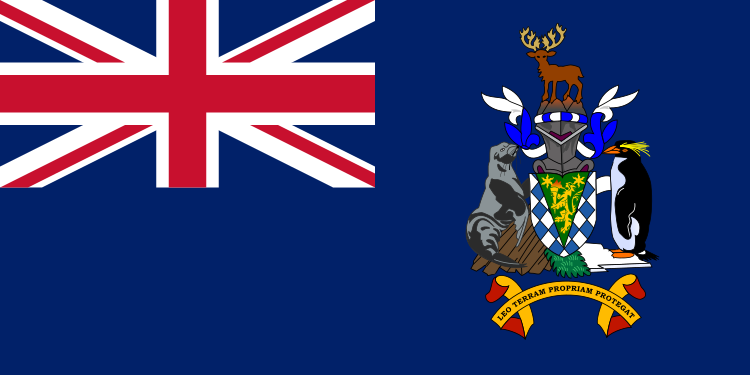 South Georgia and the Sandwich Islands
-
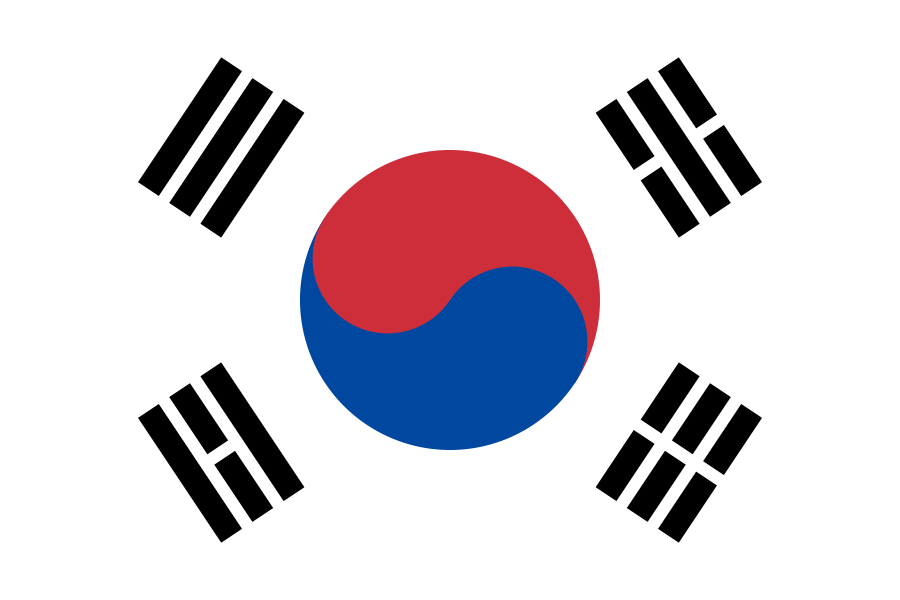 South Korea
-
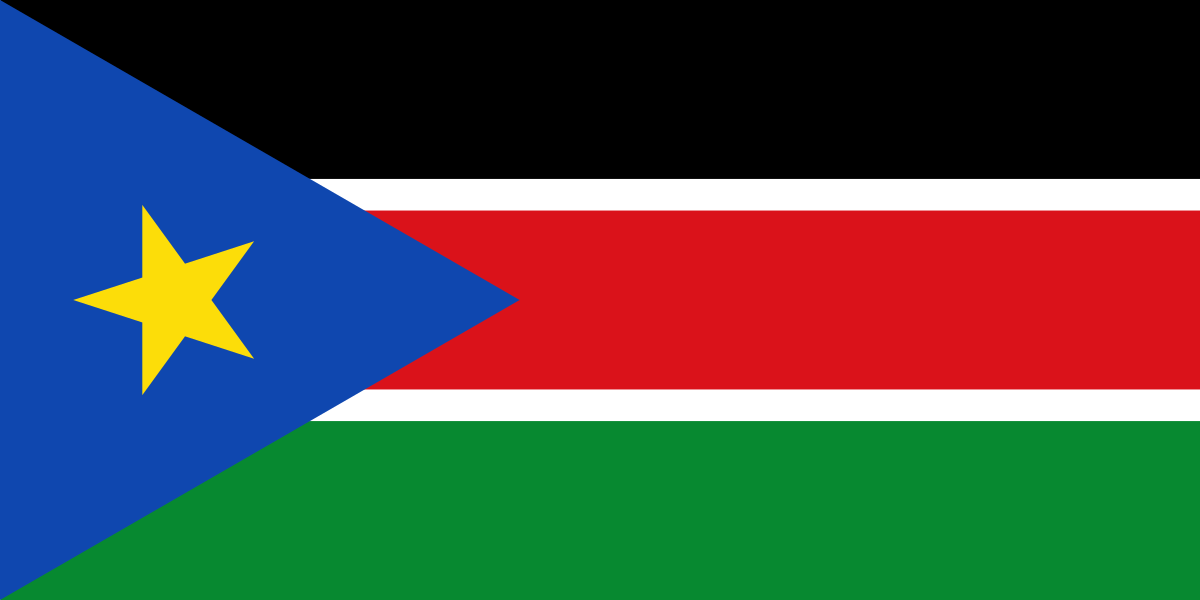 South Sudan
-
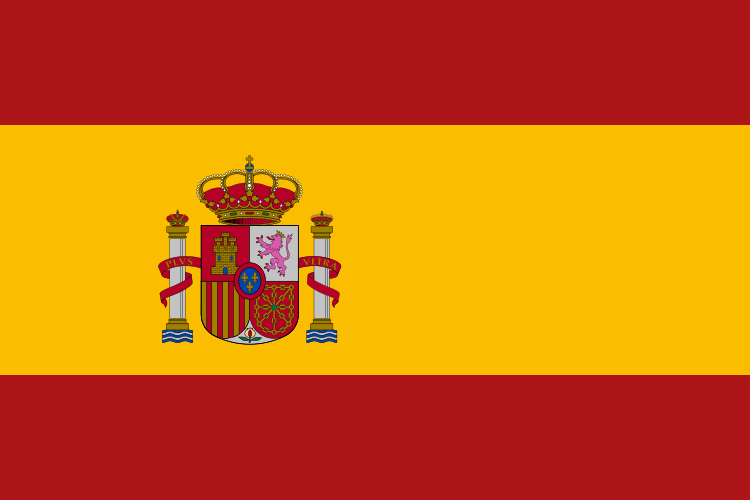 Spain
Spain
-
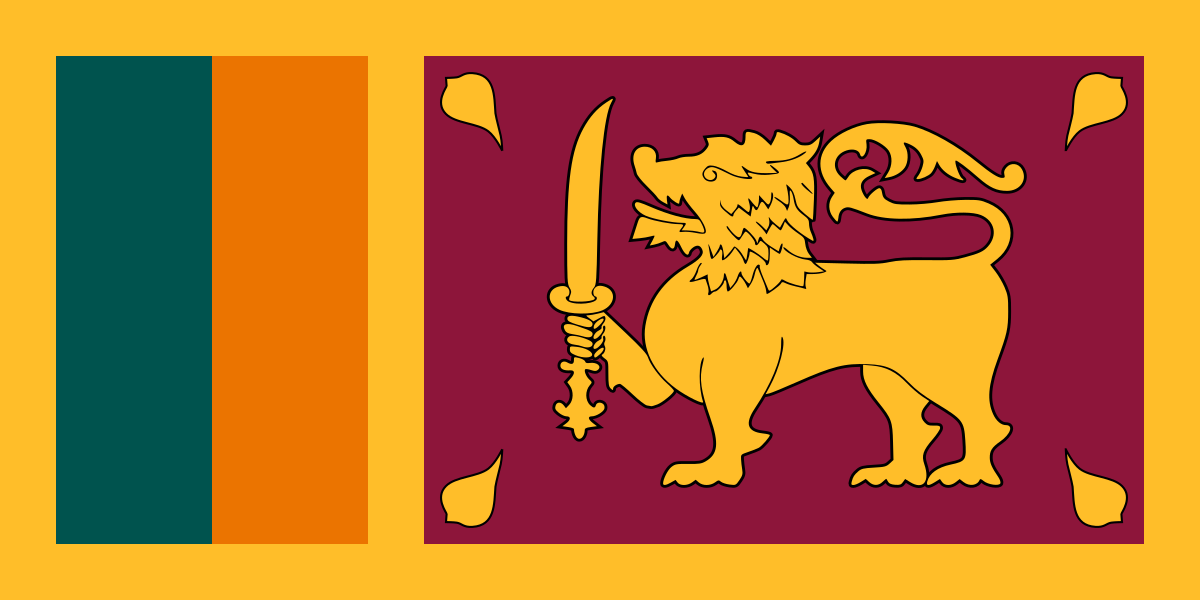 Sri Lanka
-
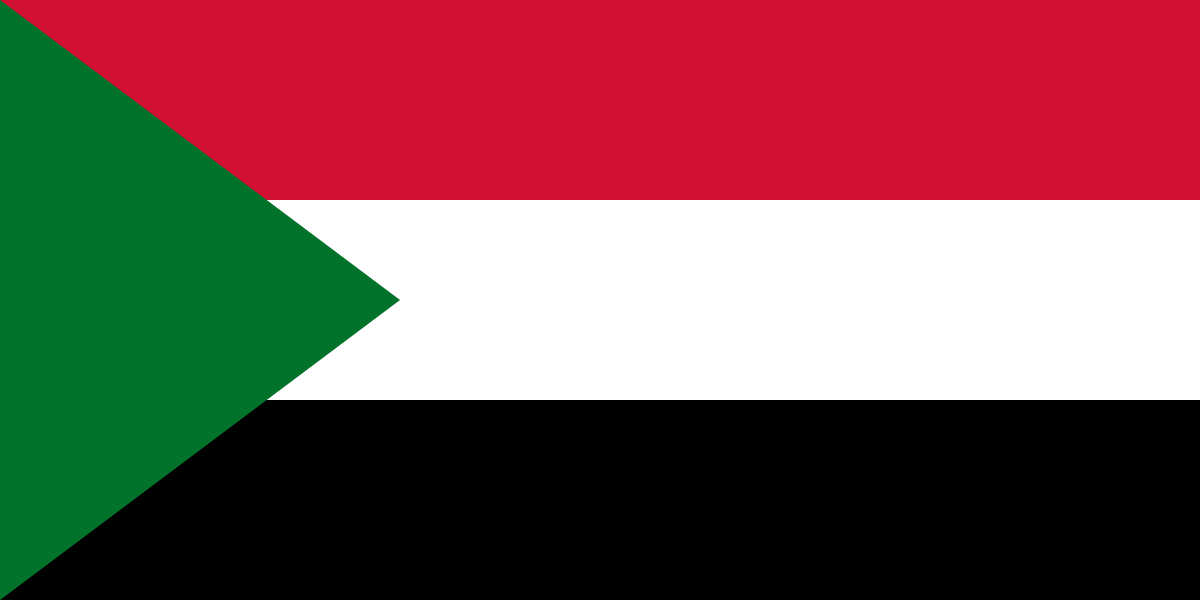 Sudan
Sudan
-
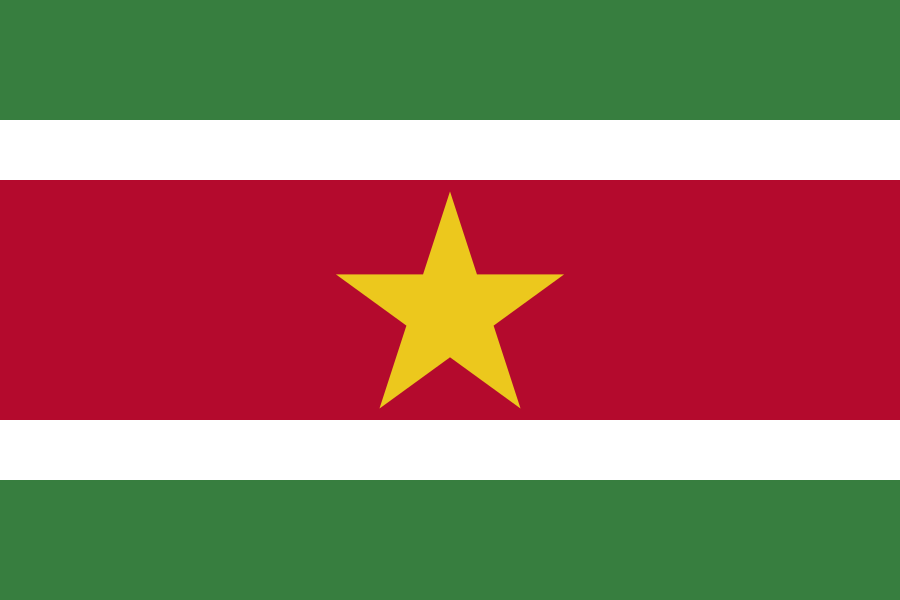 Suriname
-
Svalbard and Jan Mayen
-
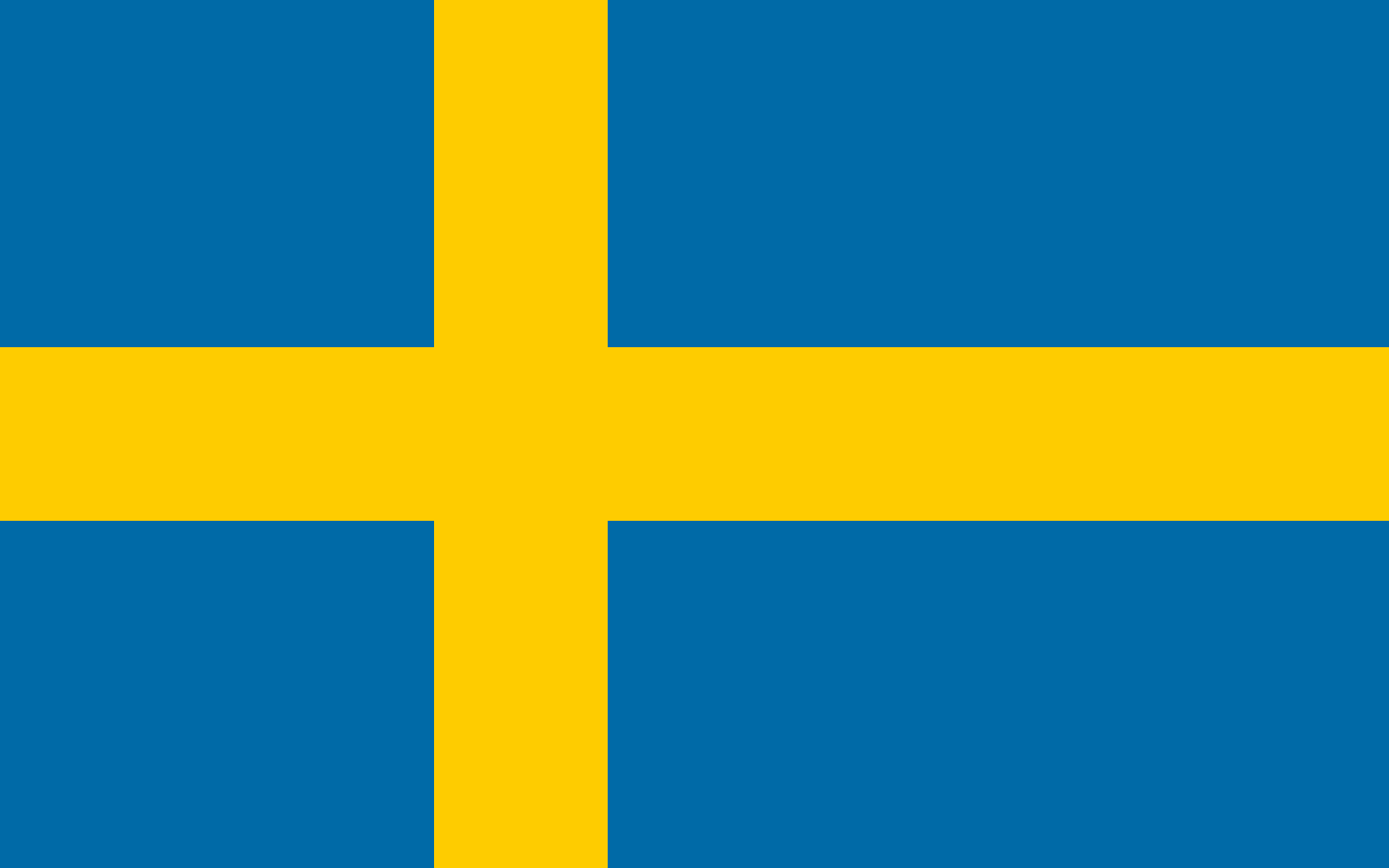 Sweden
-
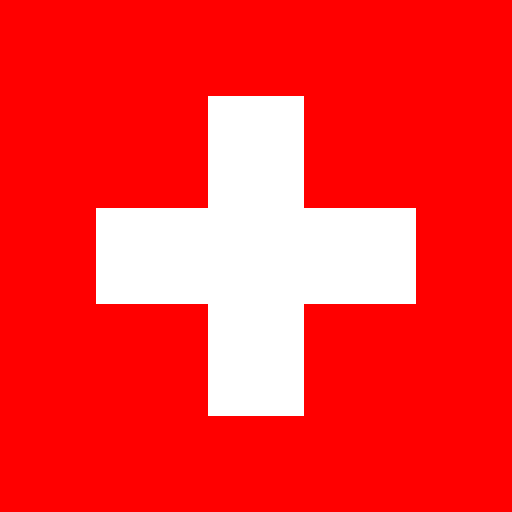 Switzerland
-
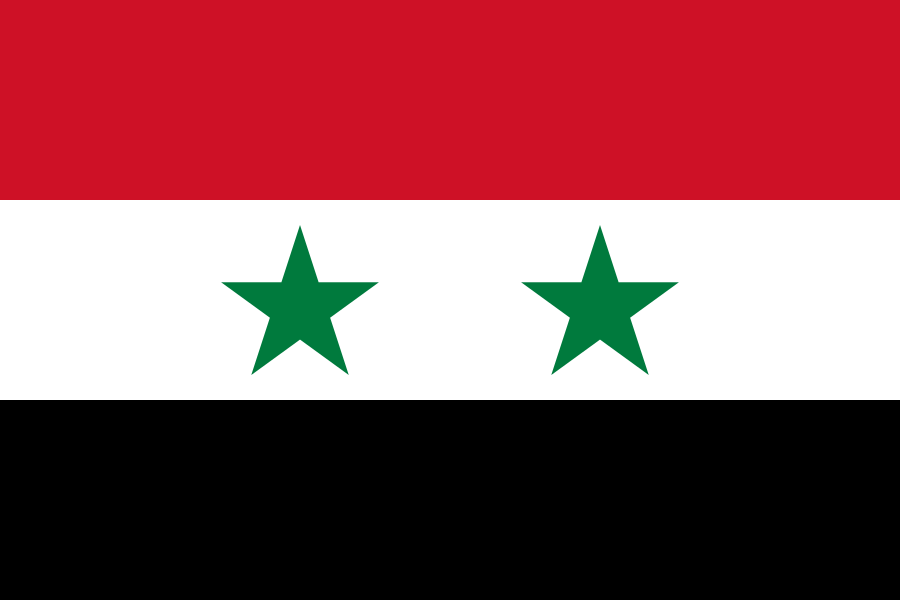 Syria
Syria
-
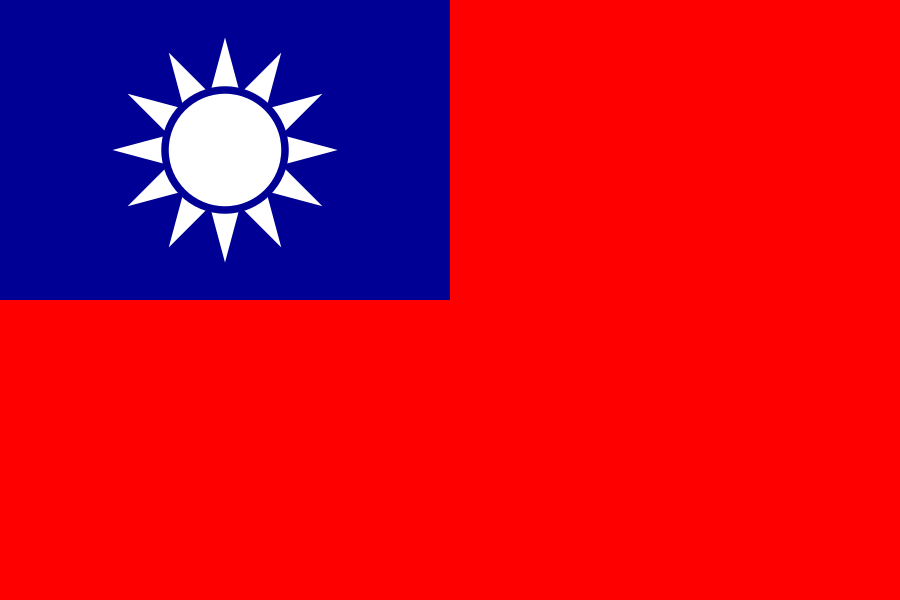 Taiwan
-
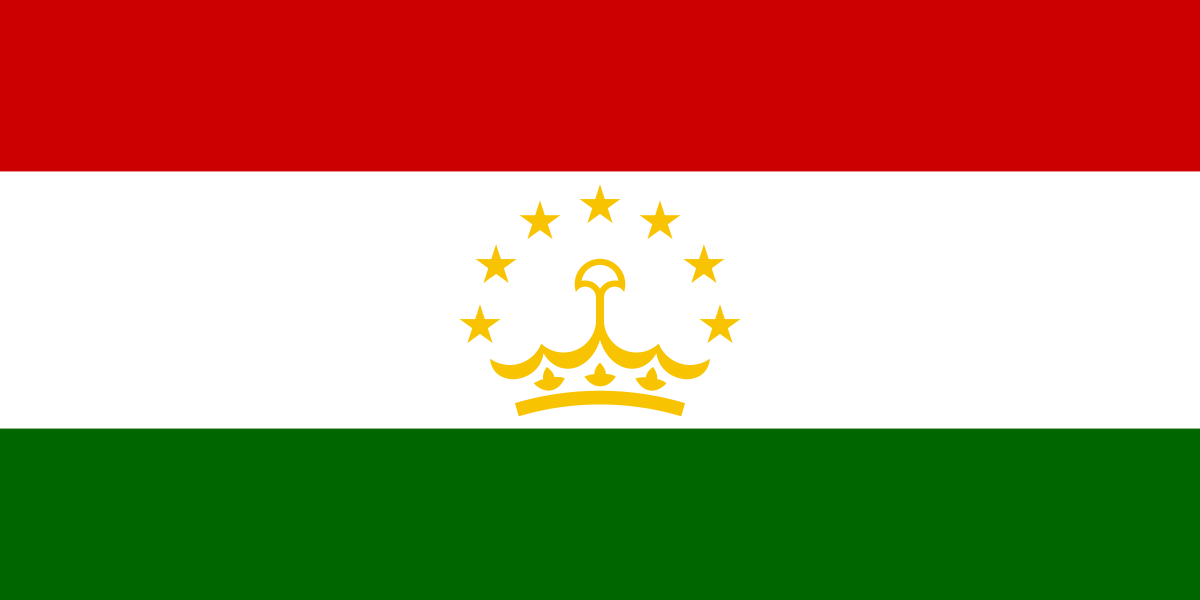 Tajikistan
-
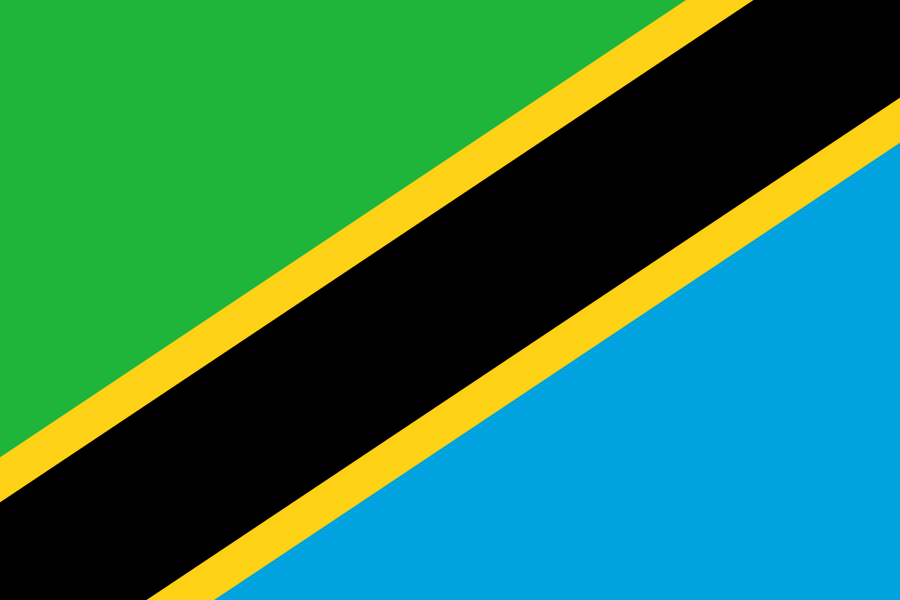 Tanzania
-
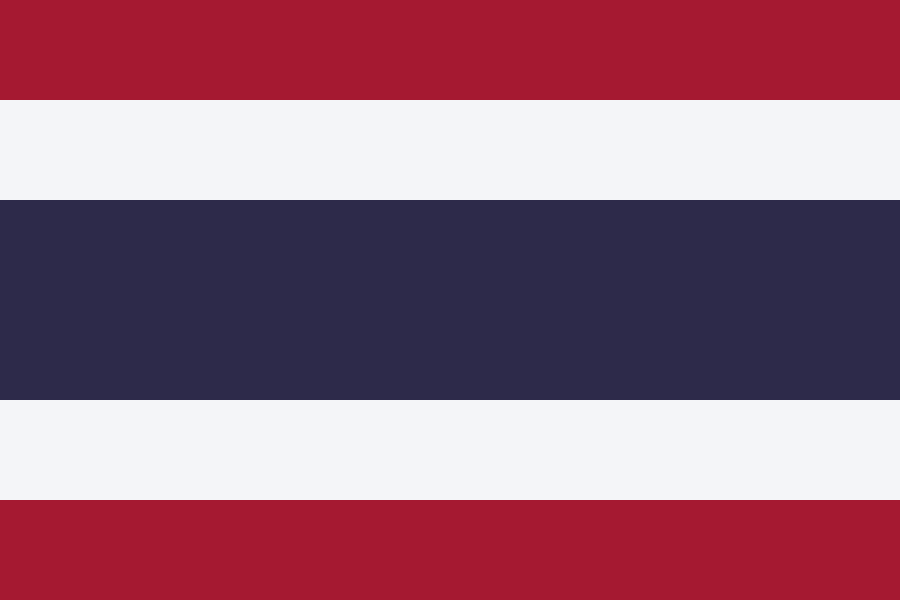 Thailand
-
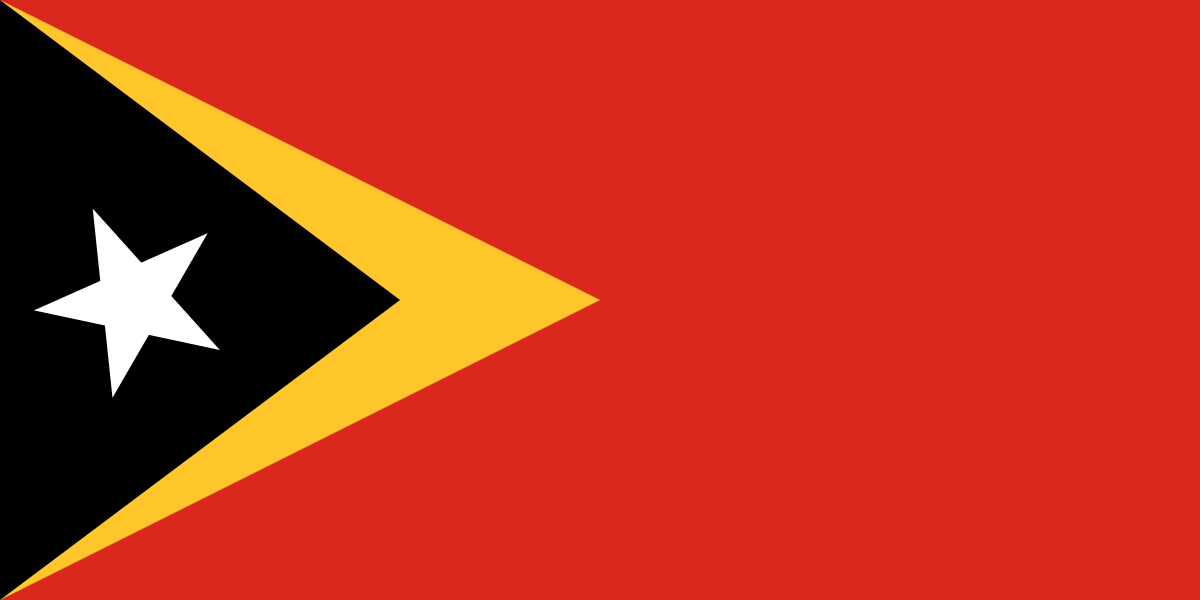 Timor-Leste
-
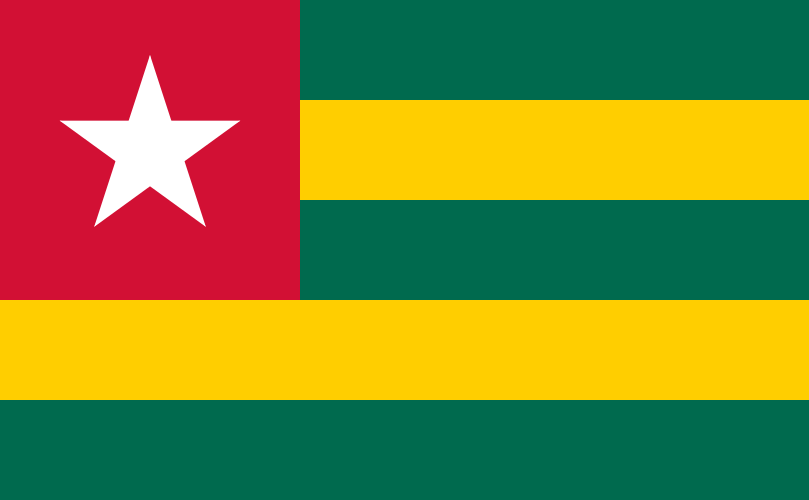 Togo
Togo
-
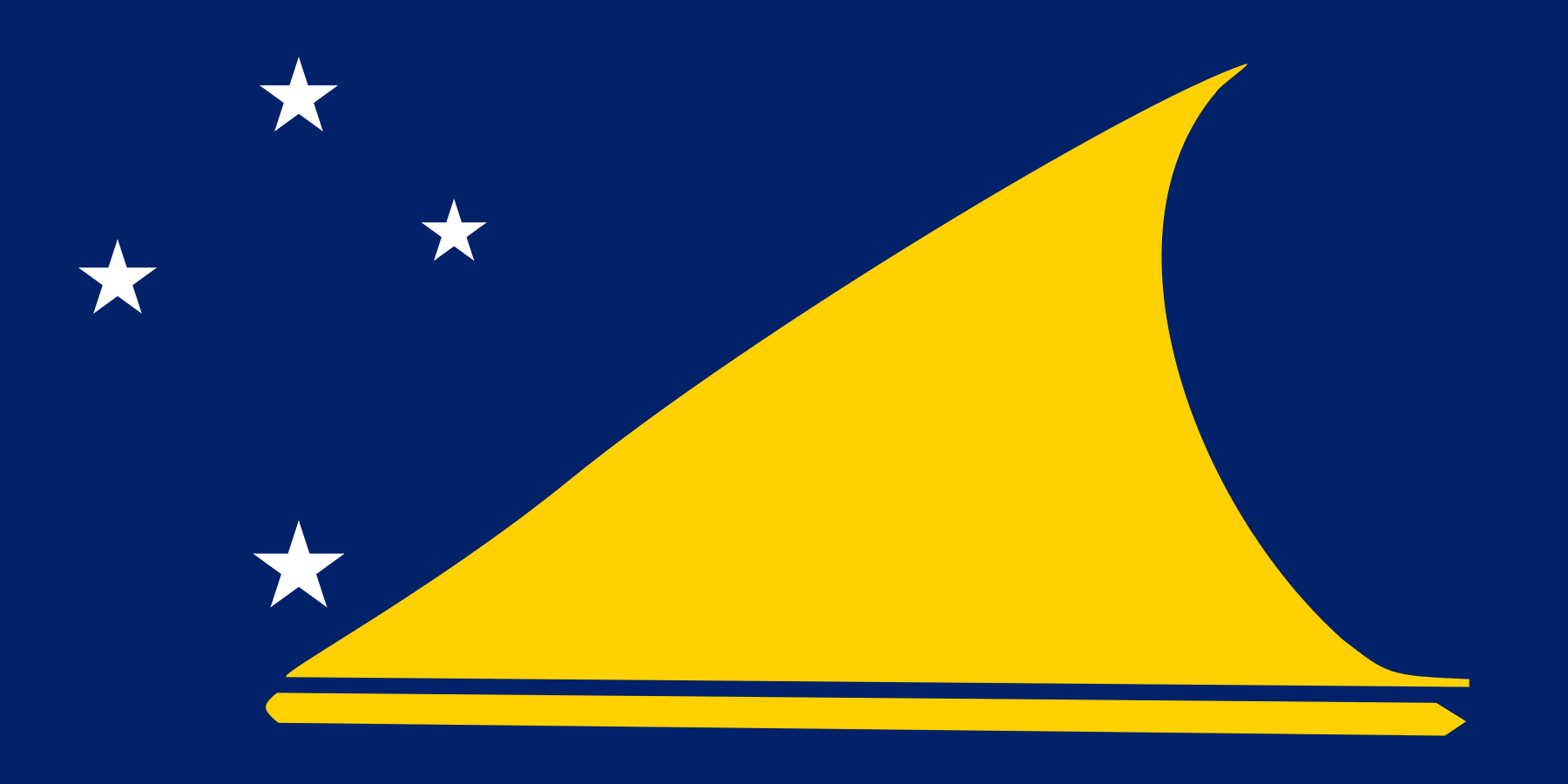 Tokelau
-
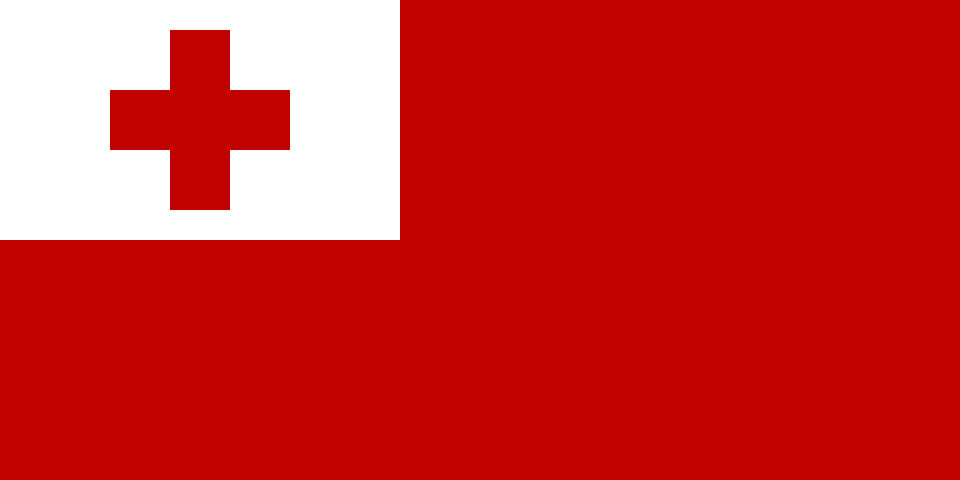 Tonga
Tonga
-
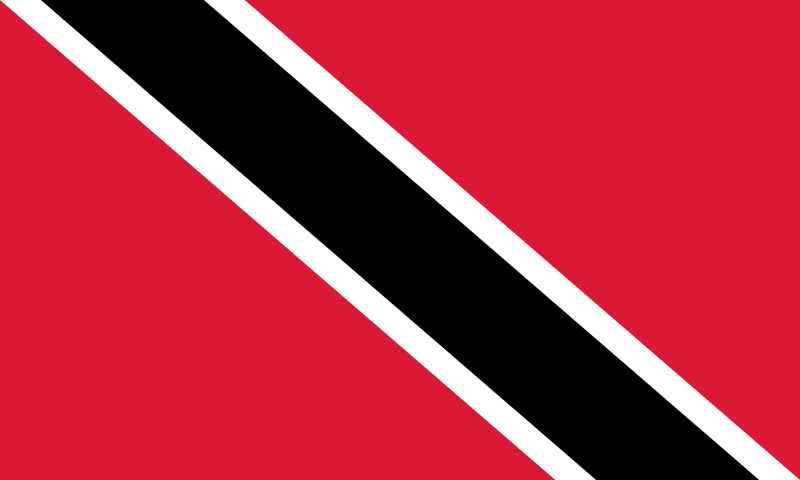 Trinidad and Tobago
-
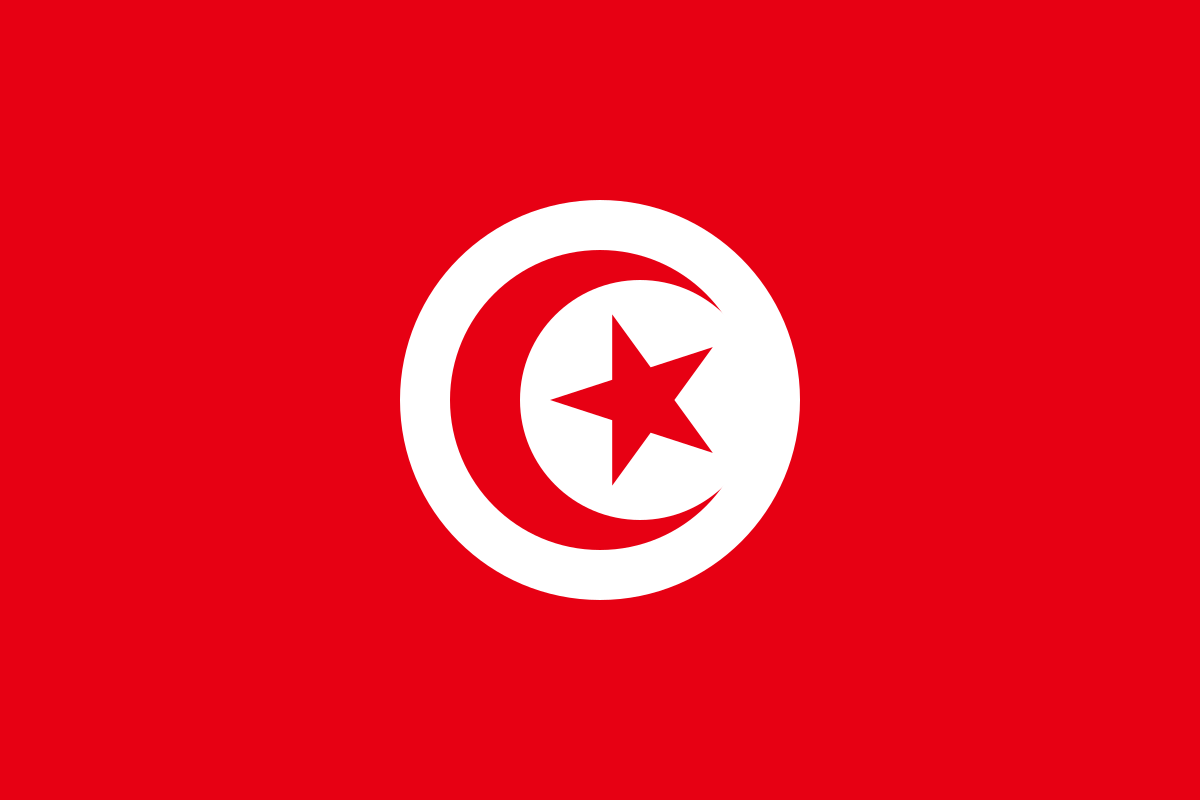 Tunisia
-
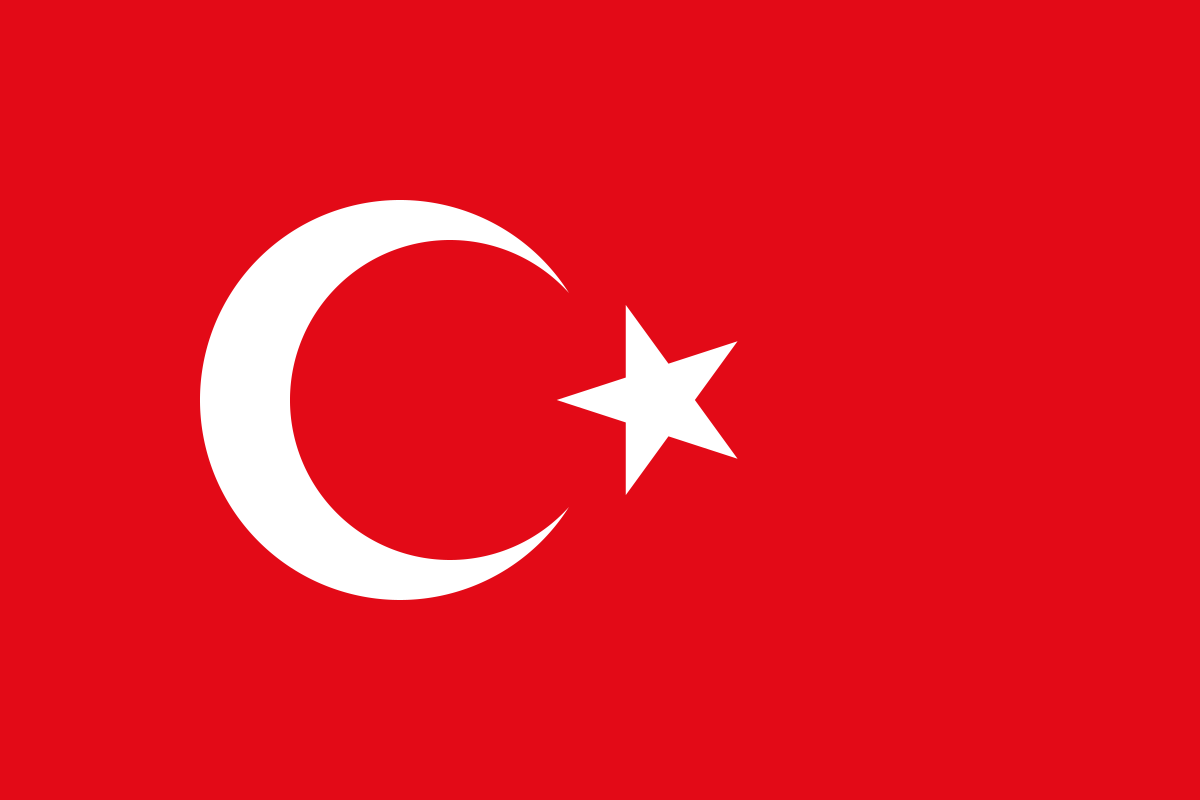 Turkey
-
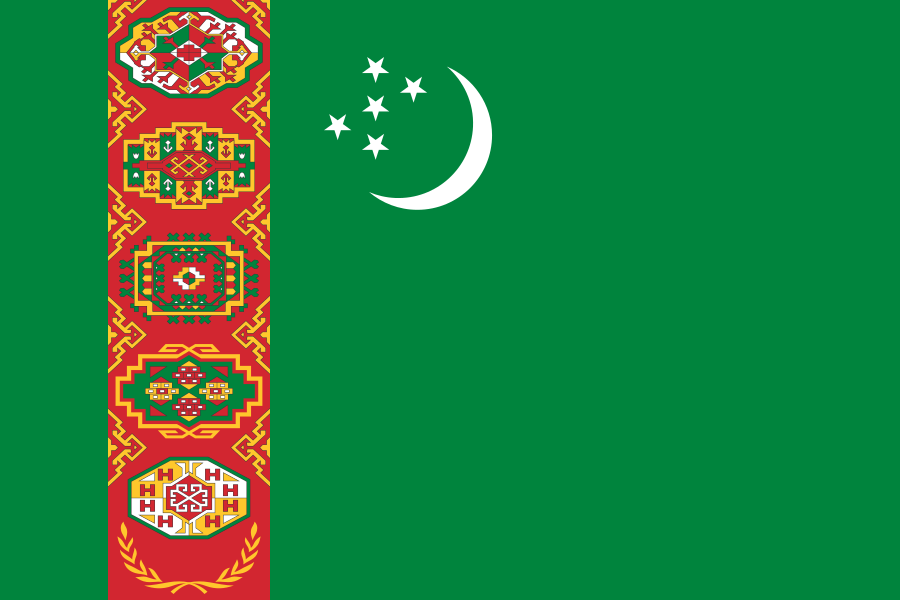 Turkmenistan
-
 Turks and Caicos Islands
-
 Tuvalu
-
 Uganda
-
 Ukraine
-
 United Arab Emirates
-
 United Kingdom
-
 United States
-
United States Minor Outlying Islands
-
 United States Virgin Islands
-
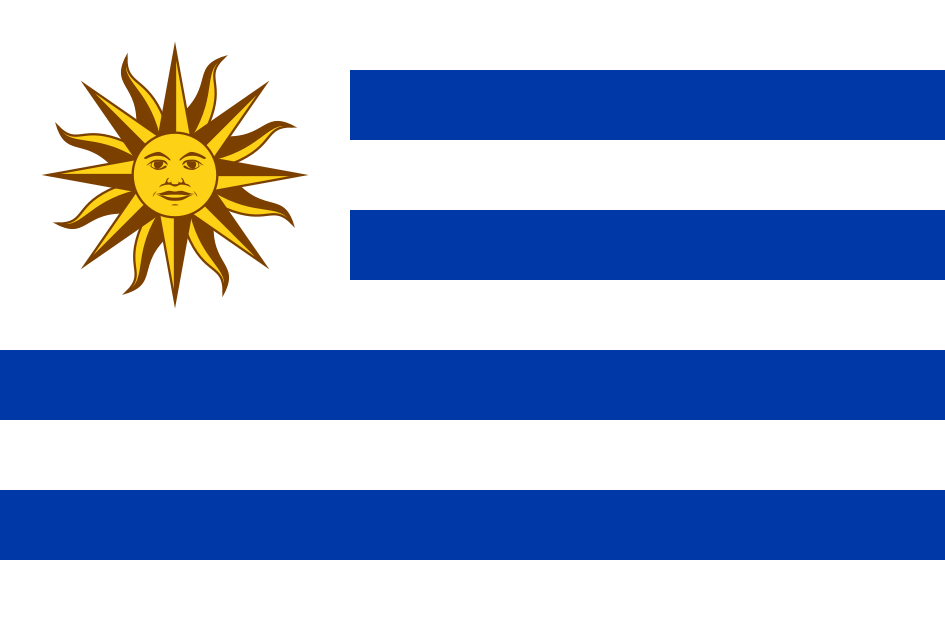 Uruguay
-
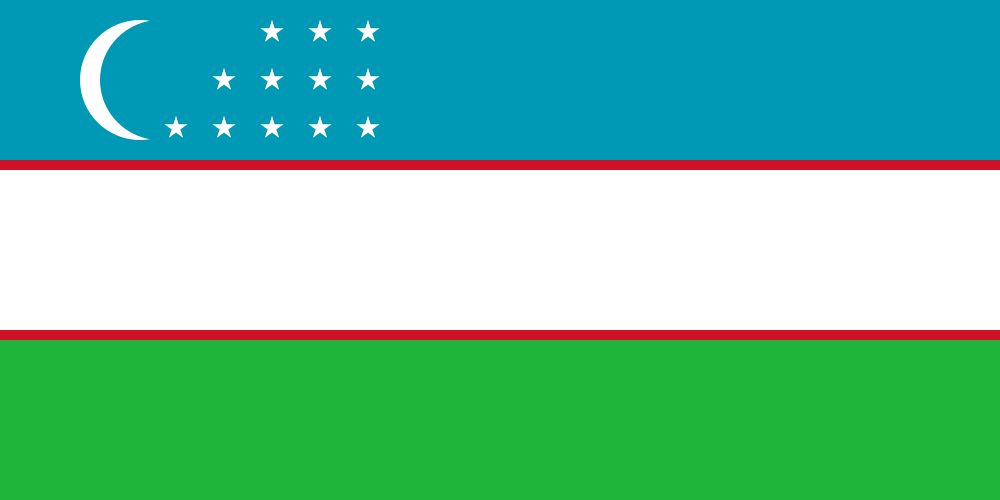 Uzbekistan
-
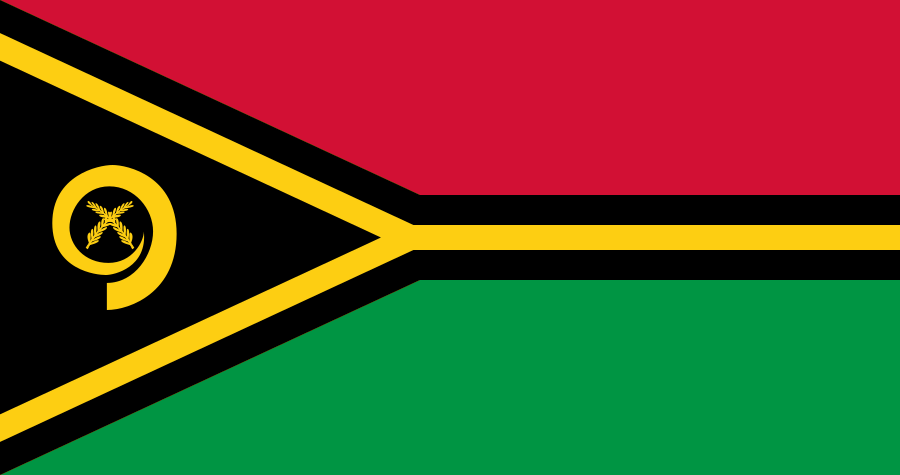 Vanuatu
-
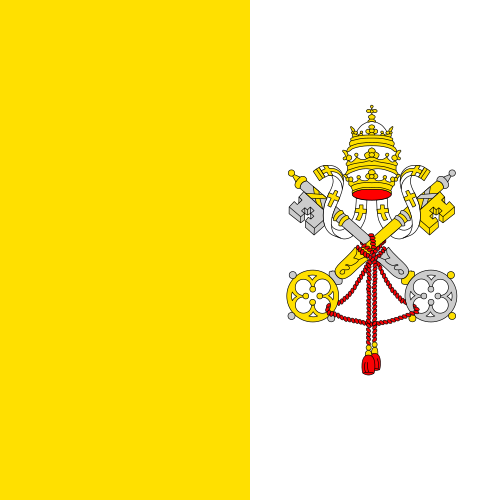 Vatican City
-
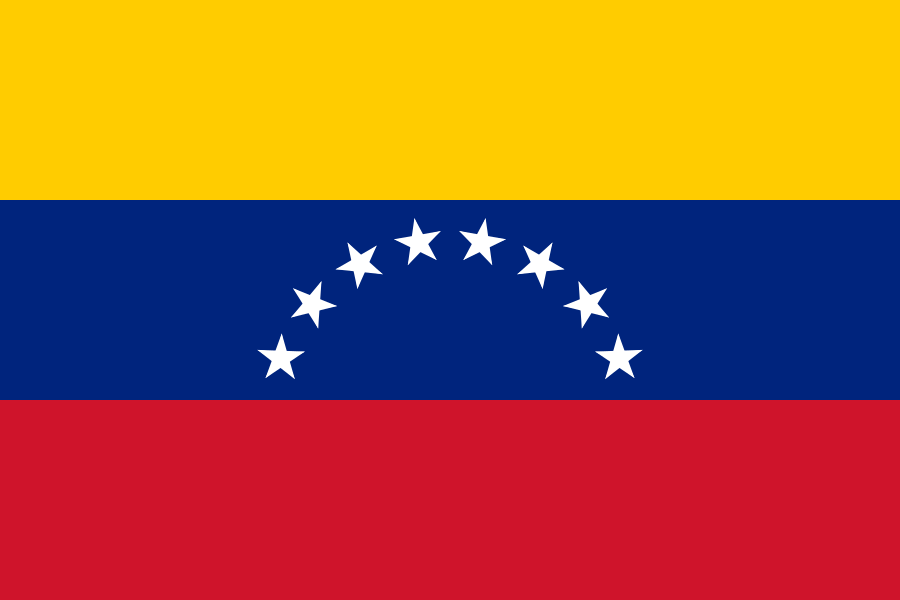 Venezuela
-
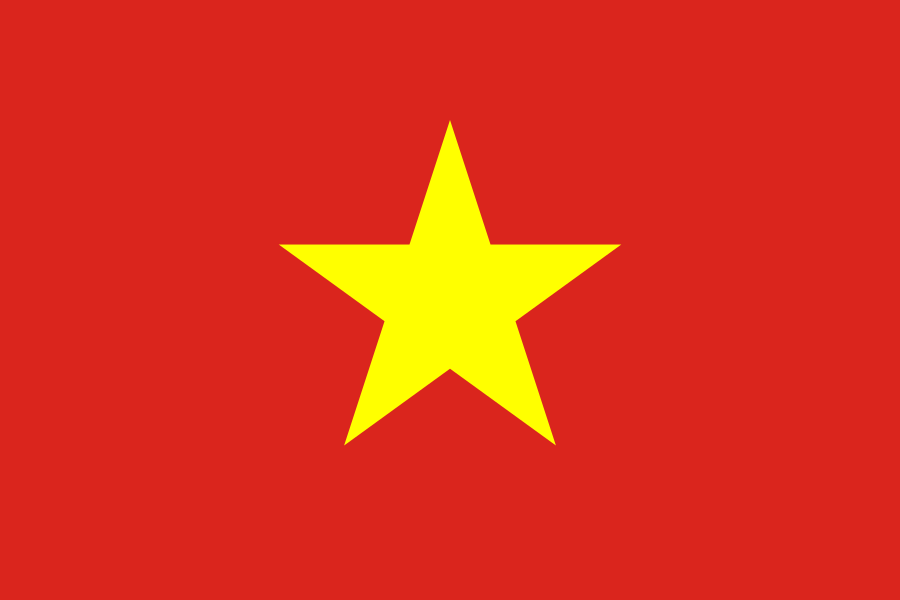 Vietnam
-
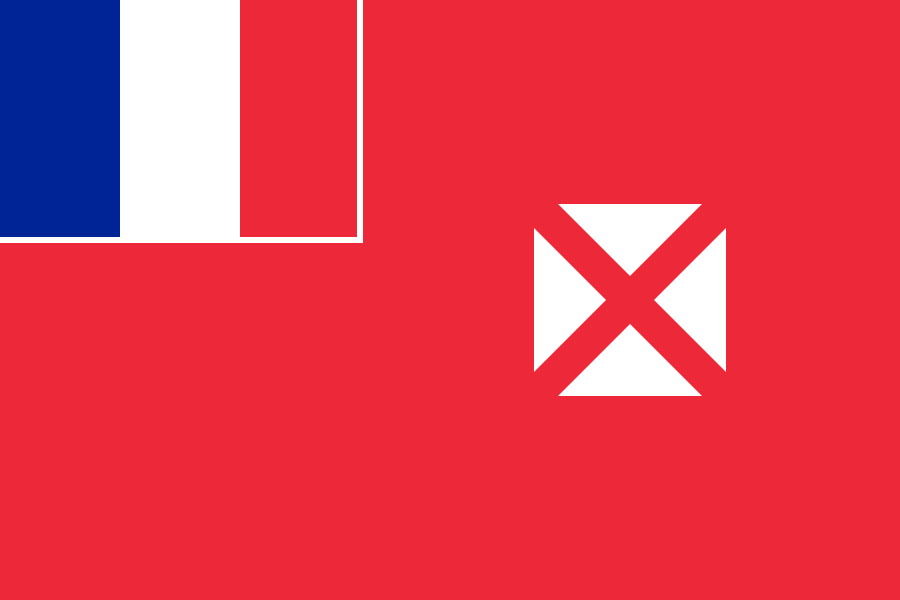 Wallis and Futuna
-
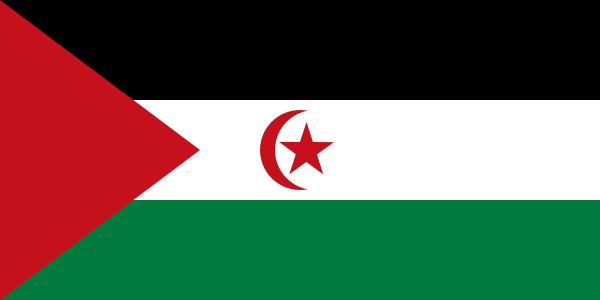 Western Sahara
-
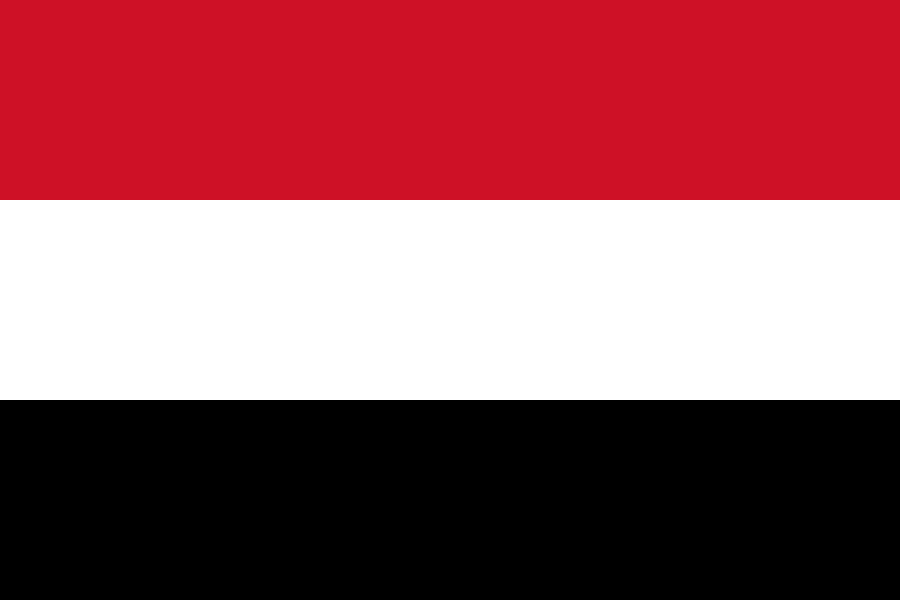 Yemen
Yemen
-
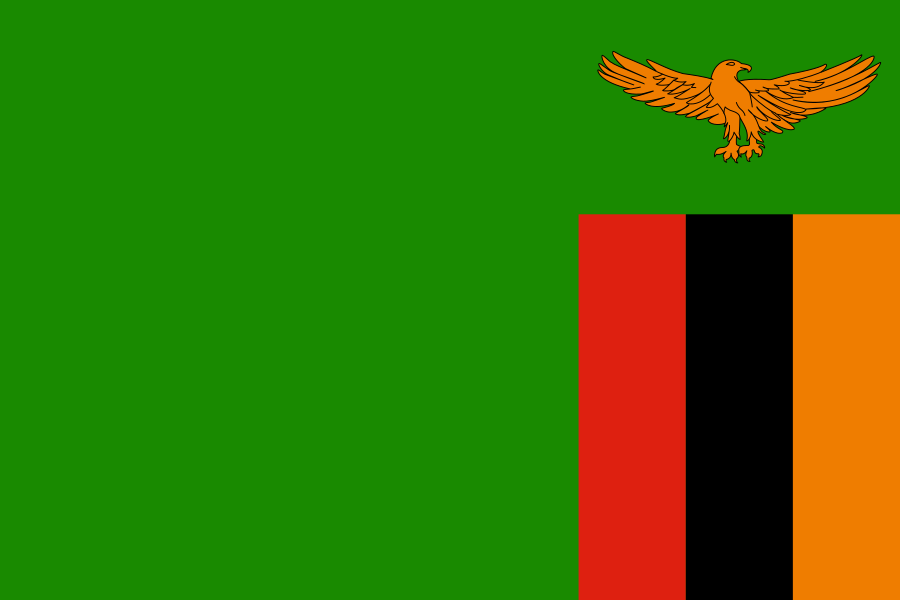 Zambia
-
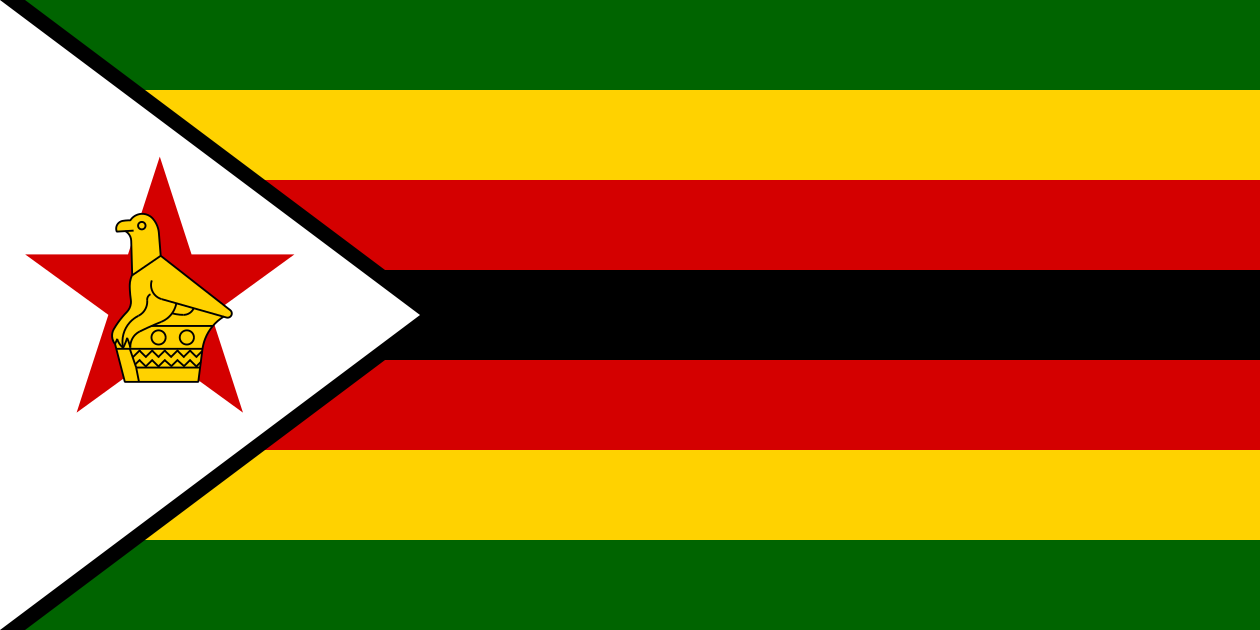 Zimbabwe
France .fr
Meaning of the Flag
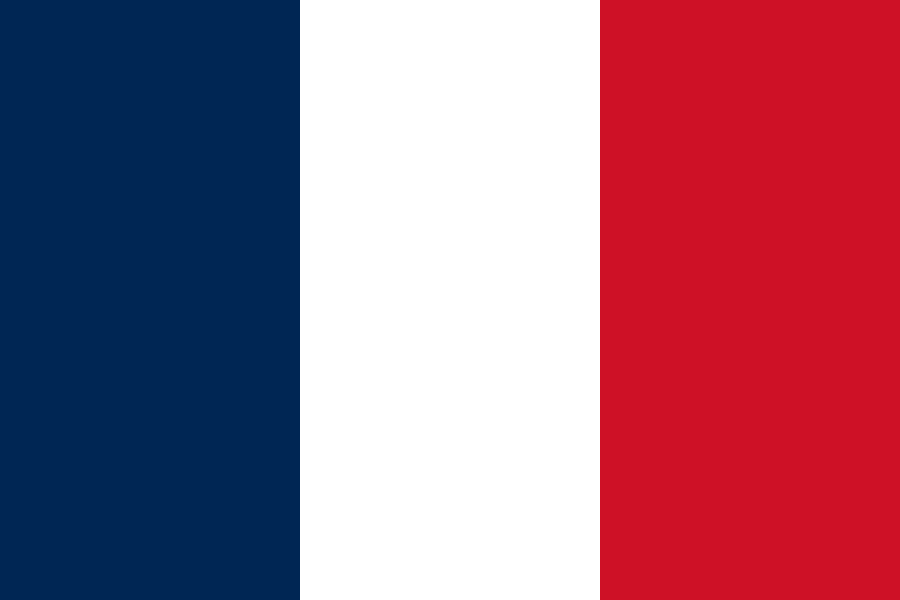
The national flag of France (French: Drapeau national de la France) is a tricolour featuring three vertical bands coloured blue (hoist side), white, and red. The design was adopted during the French Revolution and has remained the national flag since then, with only minor variations in shade and proportion. The colours of the French flag may also represent the three main estates of the Ancien Régime (the clergy: white, the nobility: red and the bourgeoisie: blue). The three colours are occasionally taken to represent the three elements of the revolutionary motto, liberté (freedom: blue), égalité (equality: white), fraternité (brotherhood: red); this symbolism was referenced in Krzysztof Kieślowski's three colours film trilogy, for example. In the aftermath of the November 2015 Paris attacks, many famous landmarks and stadiums around the world were illuminated in the flag colours to honour the victims.
Meaning of Flag Colors
Red, Blue, White
Flag History
-
1790–1794
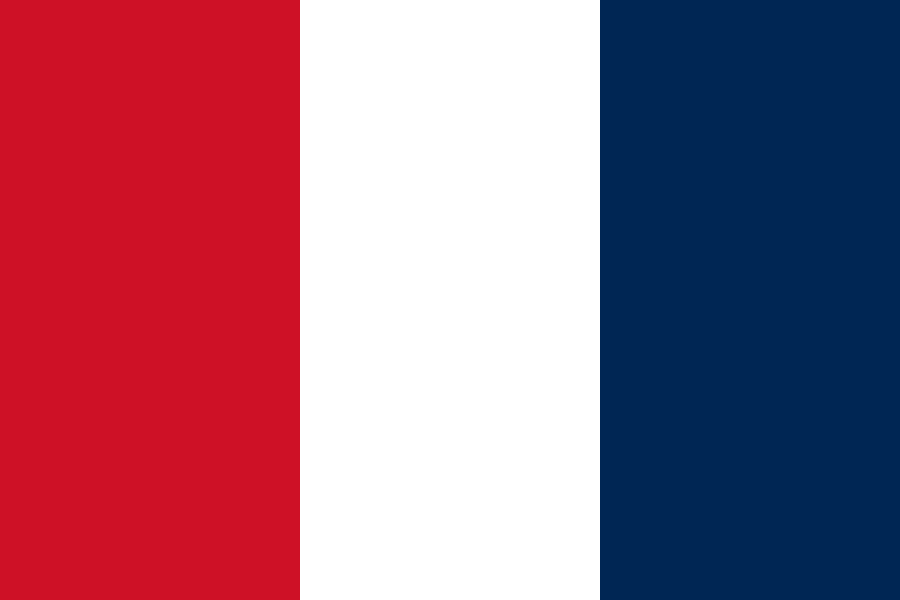 The colours and design of the cockade are the basis of the Tricolour flag, adopted in 1790, originally with the red nearest to the flagpole and the blue farthest from it.
 -
1814–1815
 Bourbon Restoration: the tricolour was abolished and the white standard of the House of Bourbon (often fleurs-de-lis) restored under Louis XVIII after Napoleon’s first abdication.
 -
1815
 “Hundred Days” — Napoleon returned from Elba and the tricolour was flown again for one summer, until the defeat at Waterloo.
 -
1815–1830
 Restored Bourbon kingdom under Louis XVIII and Charles X: the plain white field — symbol of the monarchy and the Catholic Church — replaced the tricolour, while royal arms were used as a personal standard.
 -
1830
 July Revolution — Louis-Philippe d’Orléans took the throne as “King of the French” and on 1 August 1830 the tricolour was definitively restored as the flag of France, never to be displaced again by a monarchy.
 -
1848
 Second Republic — the tricolour continued. During the February Revolution a brief proposal of a red flag was rejected; Lamartine famously argued that the tricolour had “gone round the world with the name, the glory and the liberty of the fatherland”.
 -
1852–1870
 Second Empire under Napoleon III — civilian tricolour with the imperial eagle added to military colours and the personal imperial standard.
 -
1870–1940
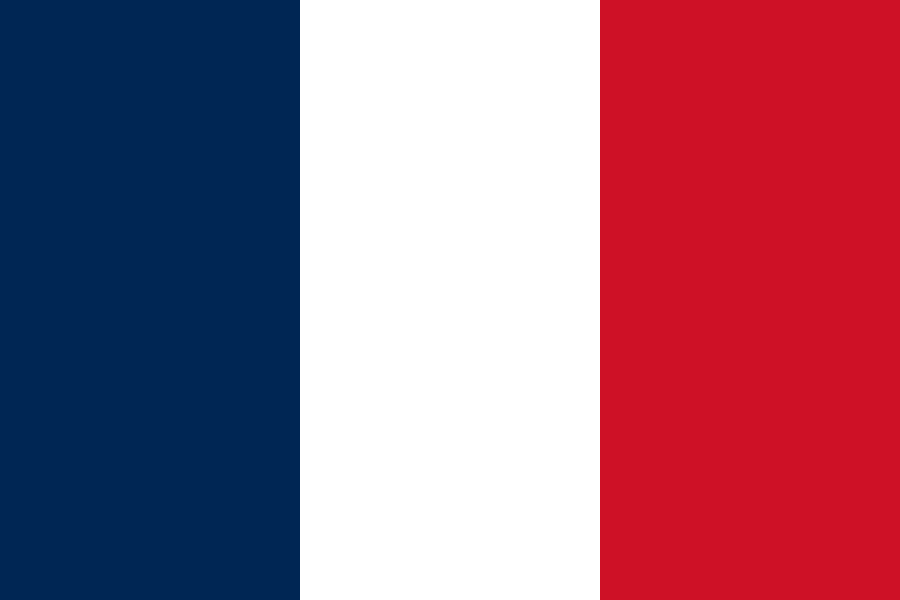 Third Republic — same tricolour, codified in law and confirmed as the only national flag. Flown through the Belle Époque and both World Wars by Free France abroad.
 -
1940–1944
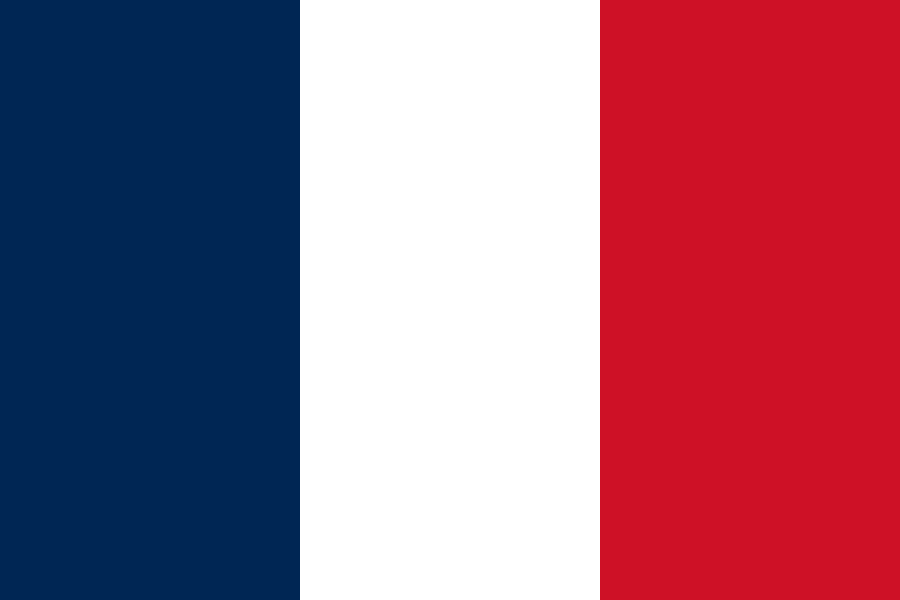 Vichy France used the unchanged tricolour as the civil flag; the régime’s personal emblem (a francisque) appeared only on Pétain’s standard. Free French forces under de Gaulle also flew the tricolour, often charged with the Cross of Lorraine.
 -
1944–present
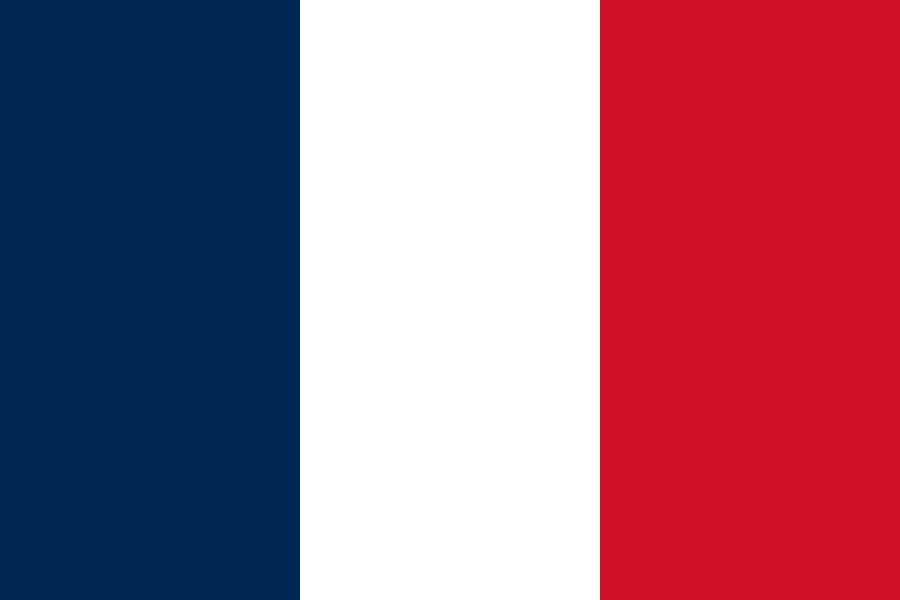 Liberation of France — the tricolour was hoisted over the Hôtel de Ville and the Arc de Triomphe in August 1944 and has been continuous ever since. Article 2 of the 1958 Constitution formally names it the national emblem.