-
 Abkhazia
-
 Afganistán
-
 Albania
-
 Alemania
-
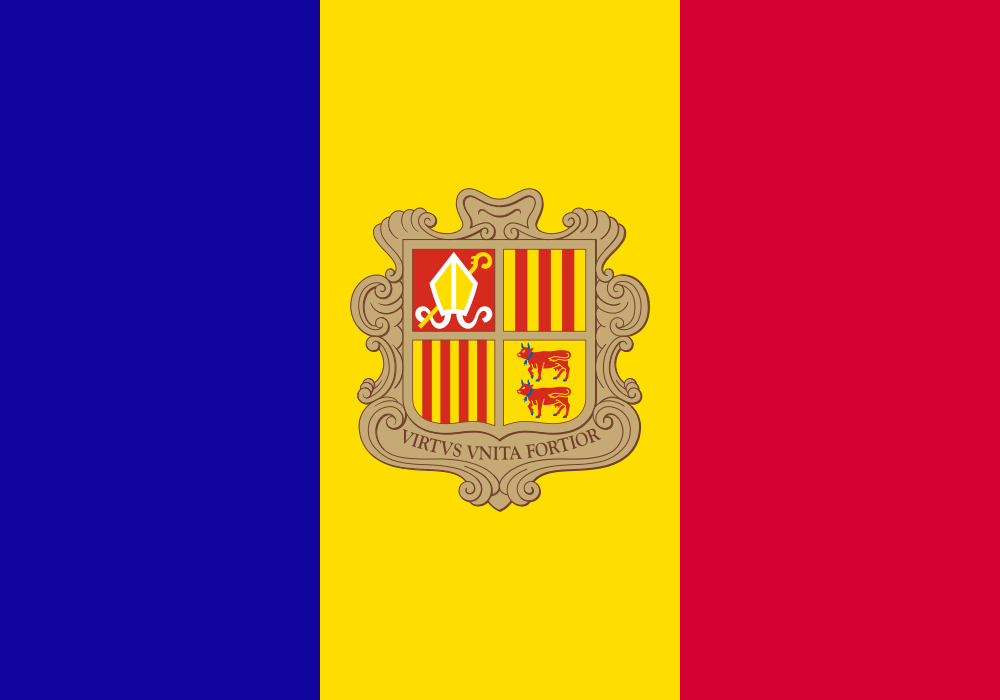 Andorra
-
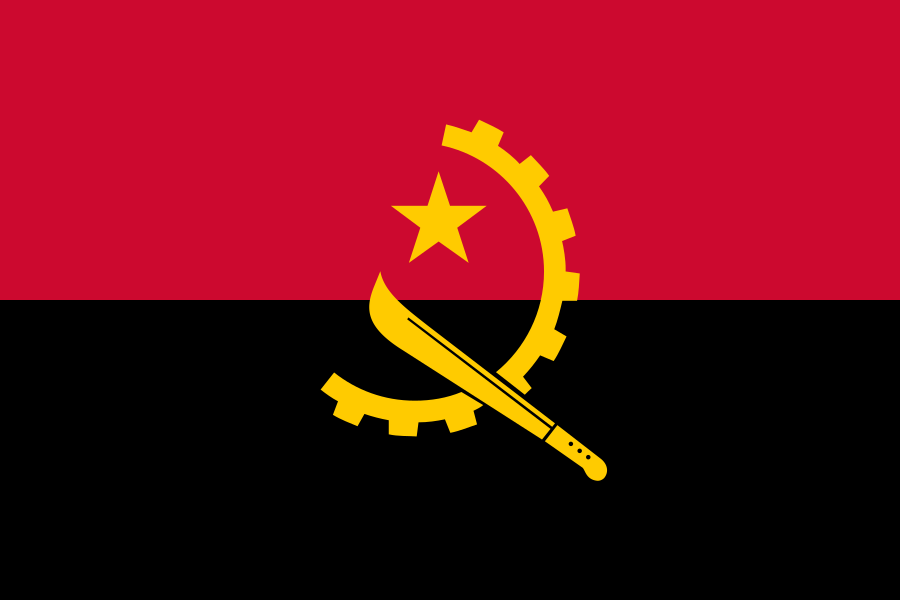 Angola
-
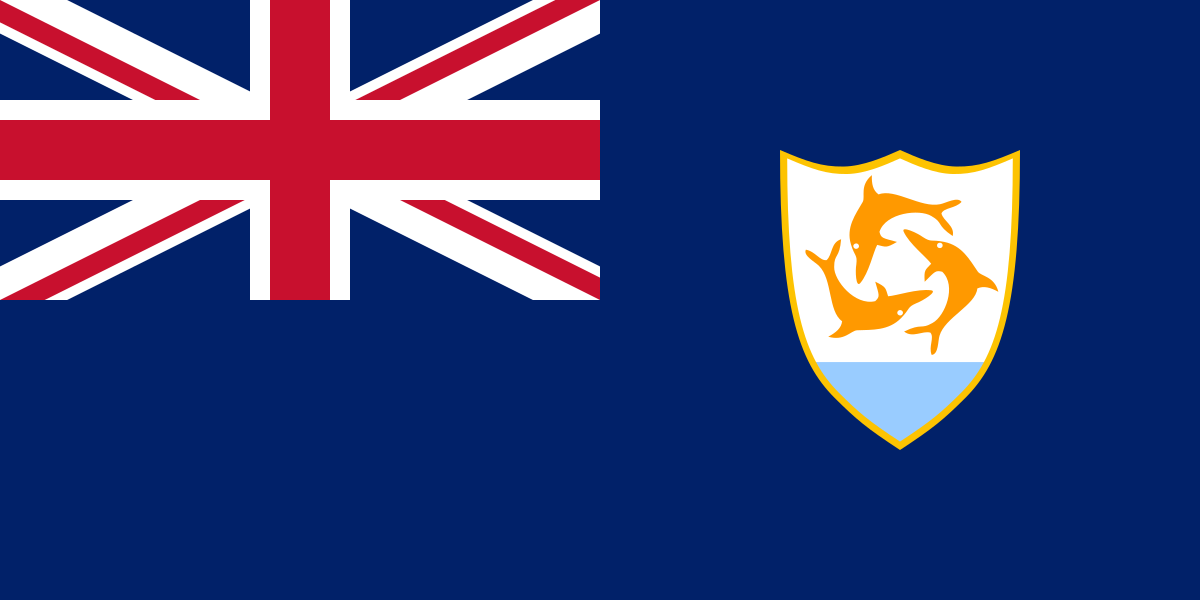 Anguila
-
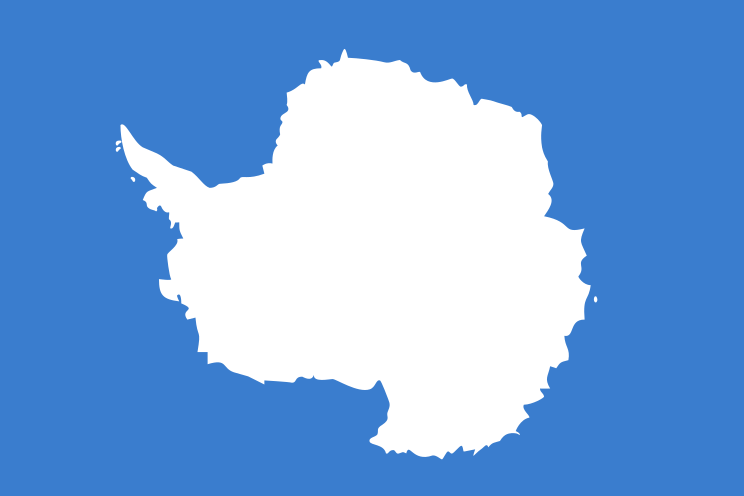 Antártida
-
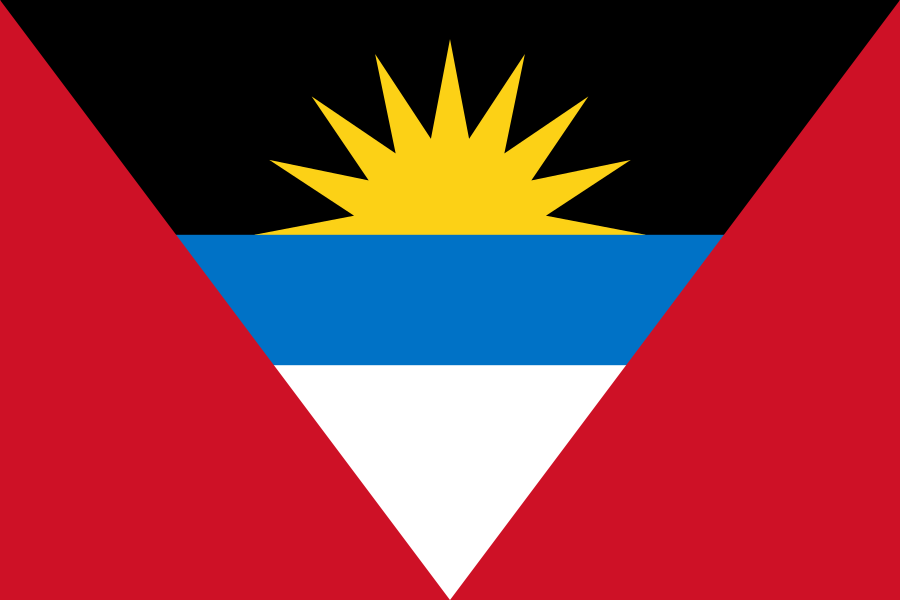 Antigua y Barbuda
-
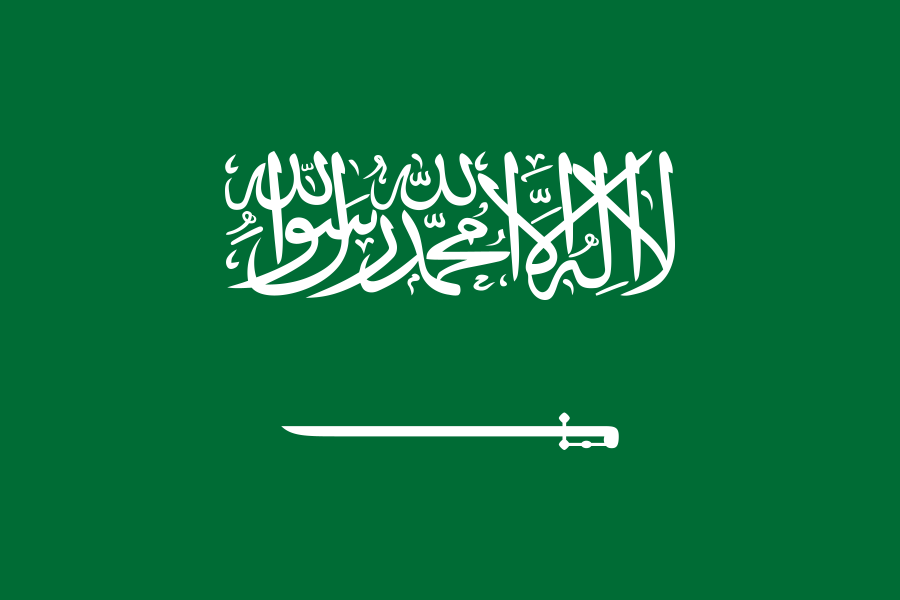 Arabia Saudita
-
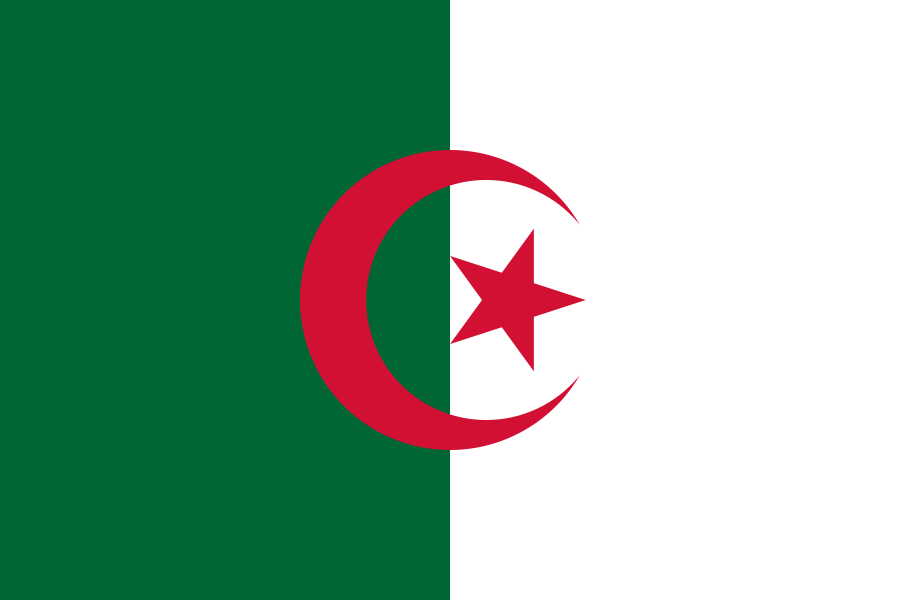 Argelia
-
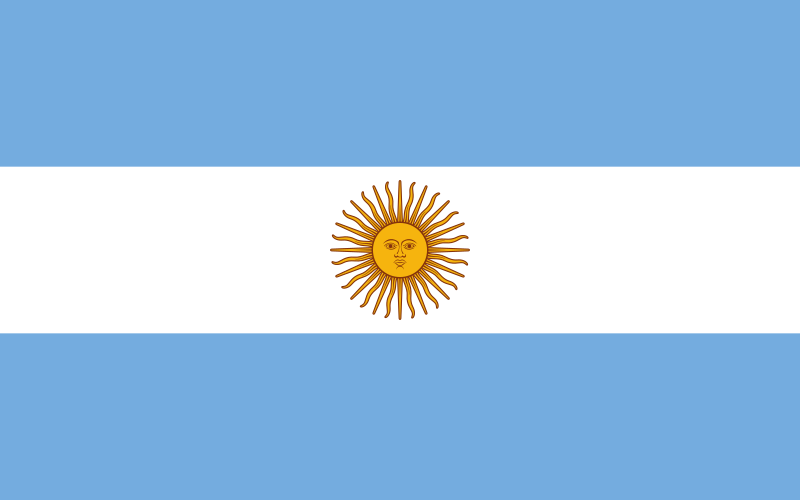 Argentina
-
 Armenia
-
 Artsakh
-
 Aruba
Aruba
-
 Australia
-
 Austria
-
 Azerbaiyán
-
 Bahamas
-
 Bangladés
-
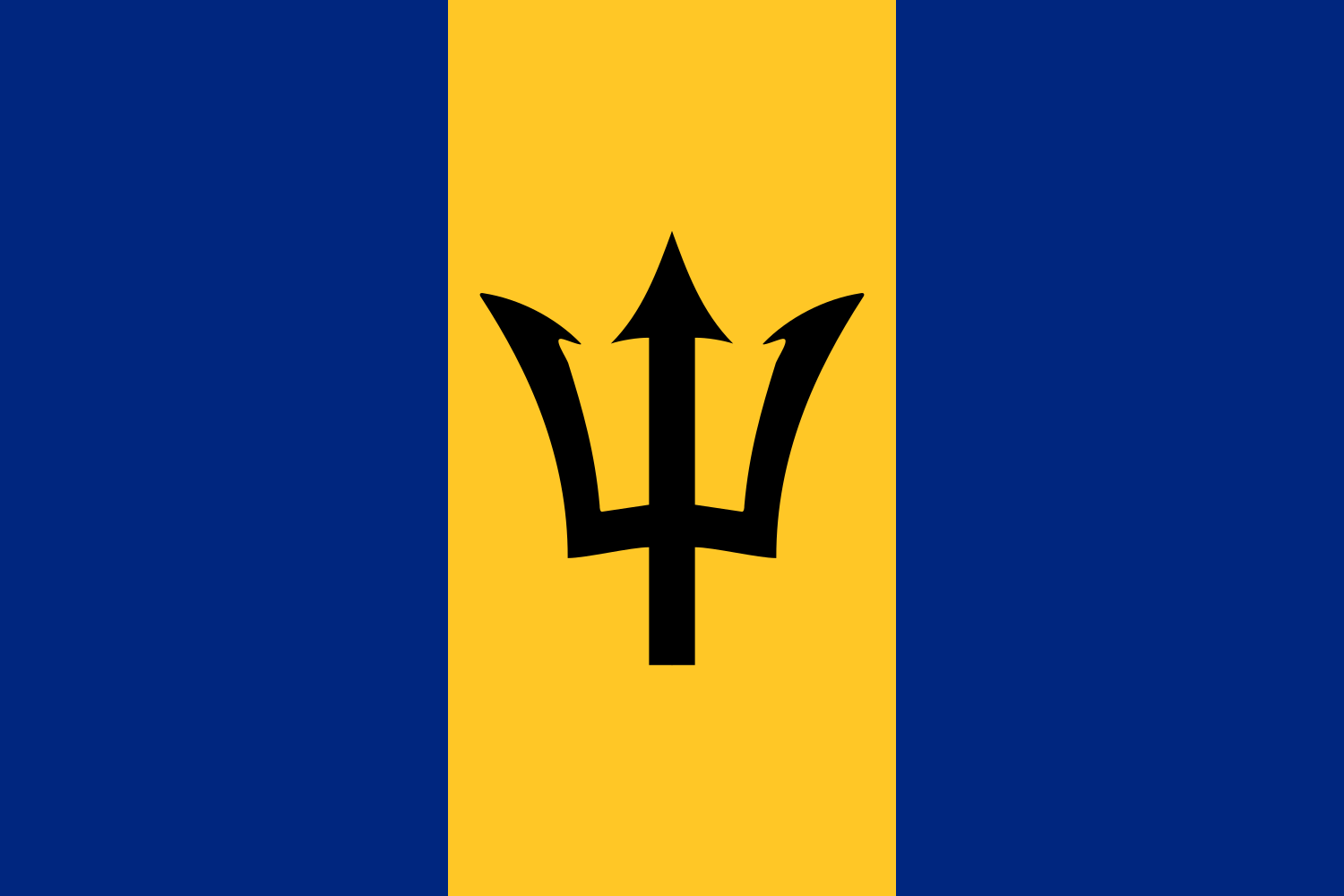 Barbados
-
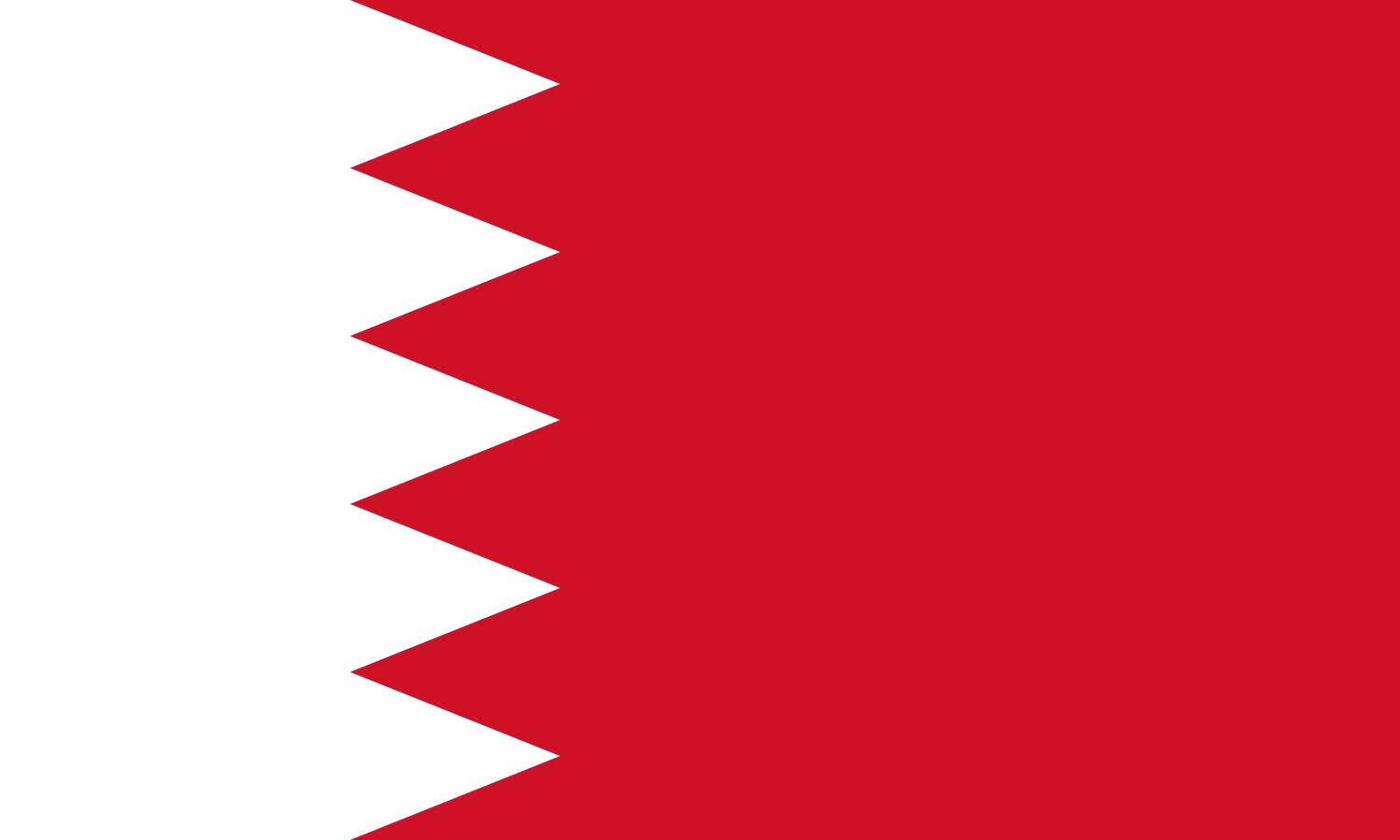 Baréin
-
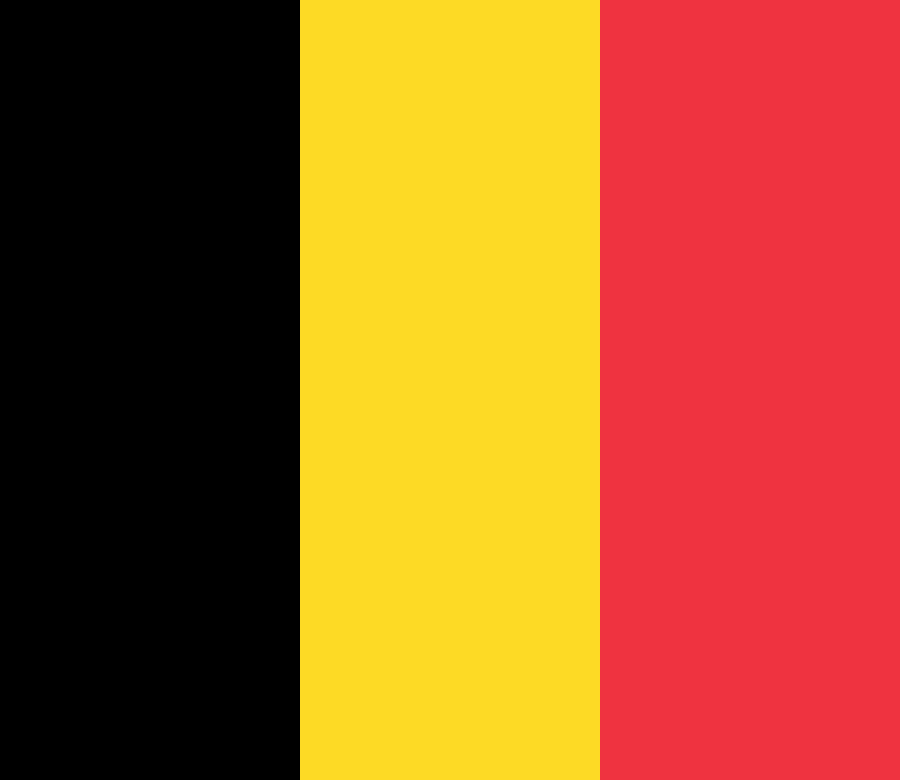 Bélgica
-
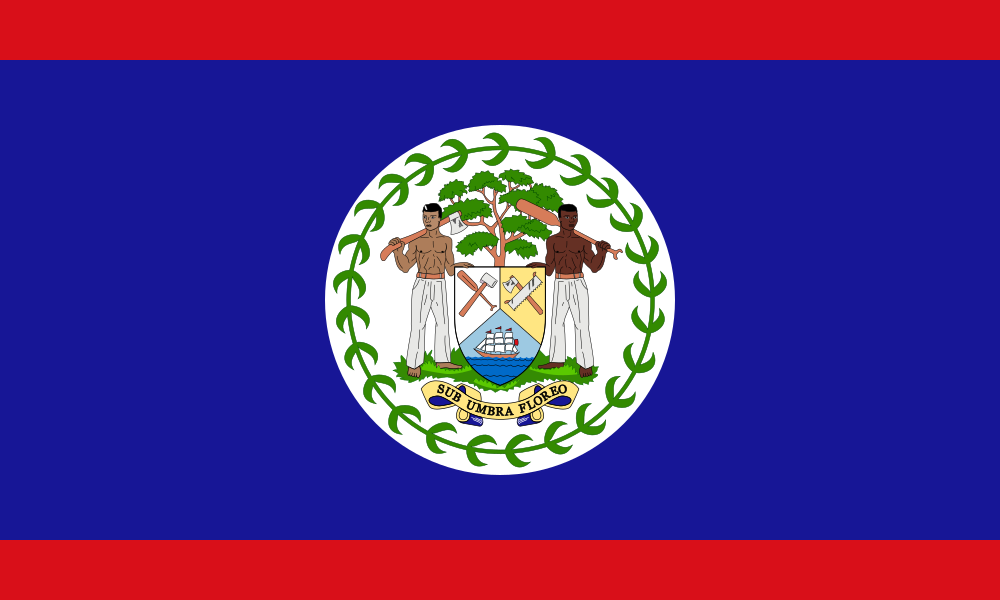 Belice
-
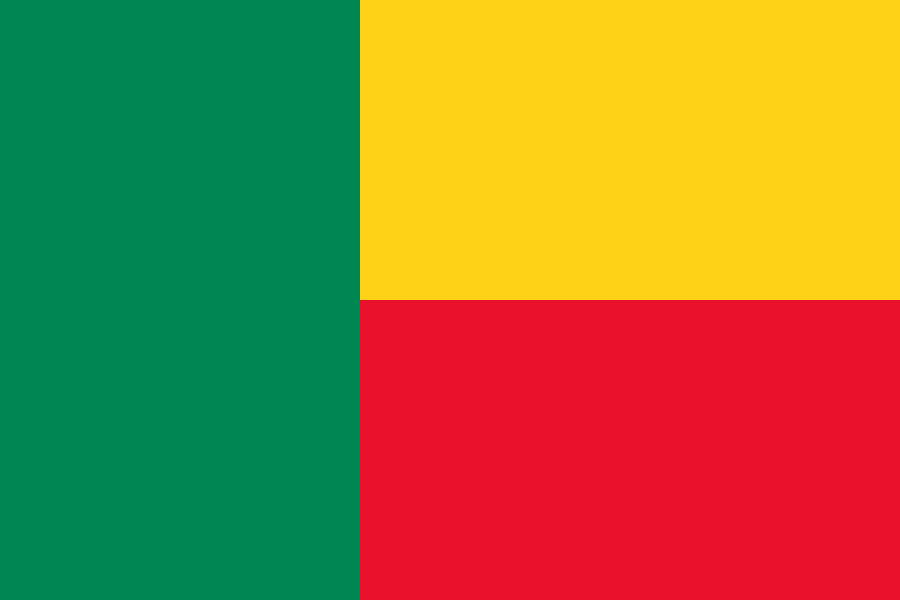 Benín
Benín
-
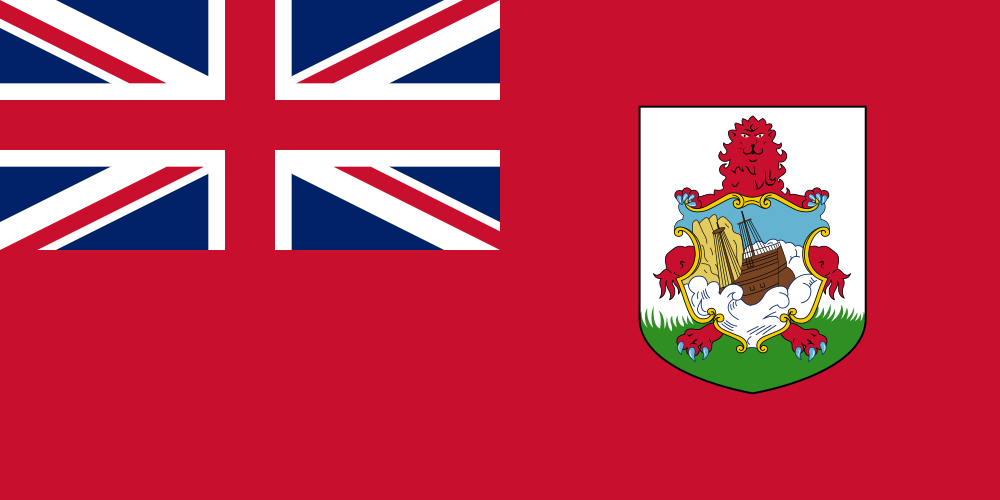 Bermudas
-
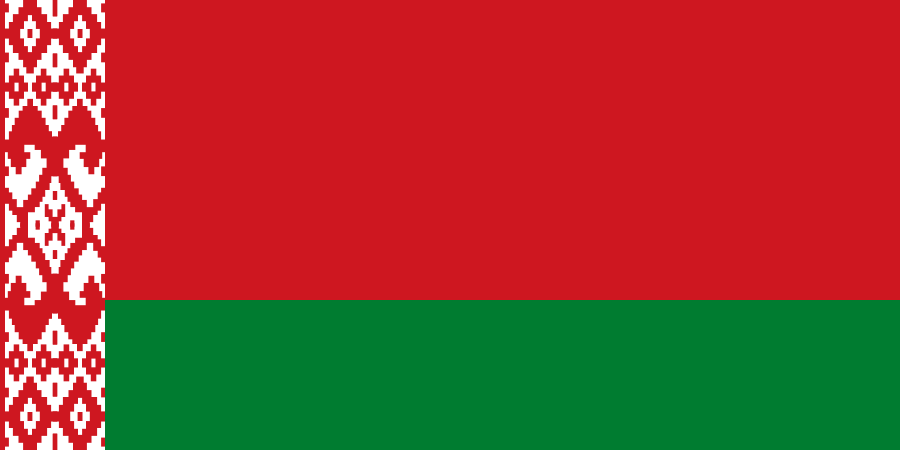 Bielorrusia
-
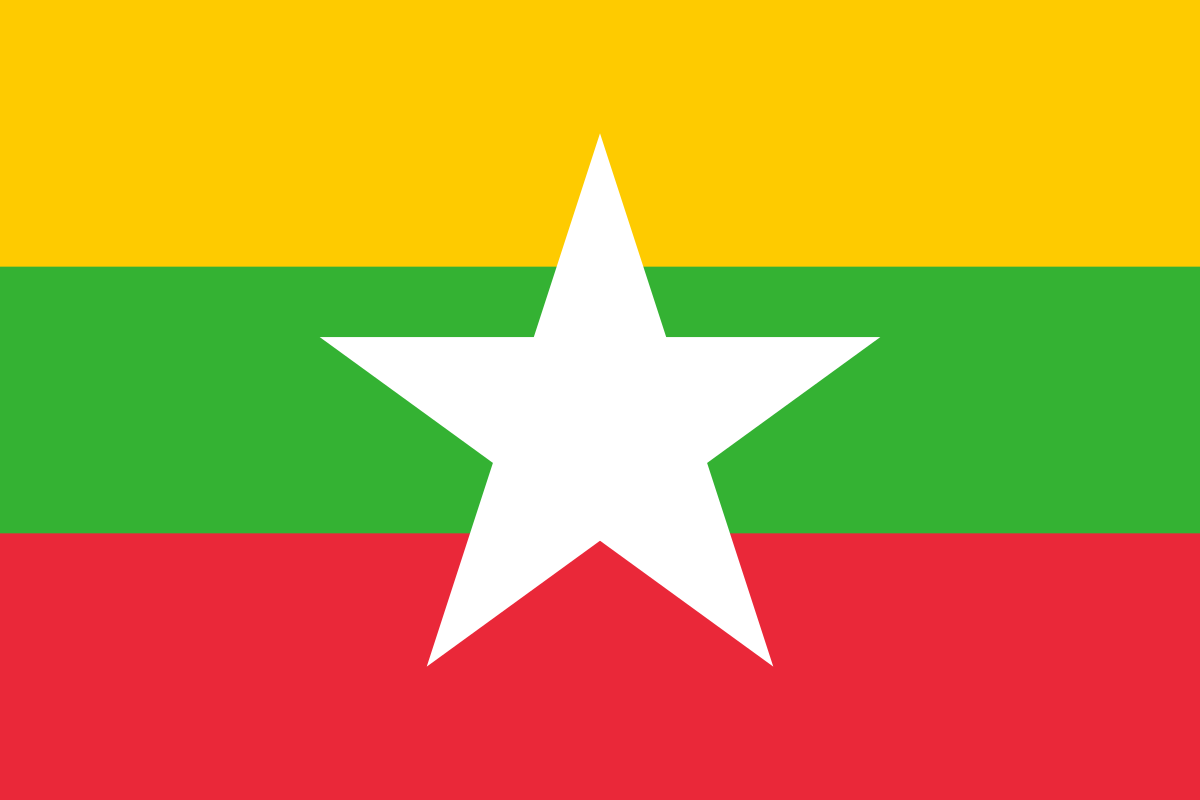 Birmania
-
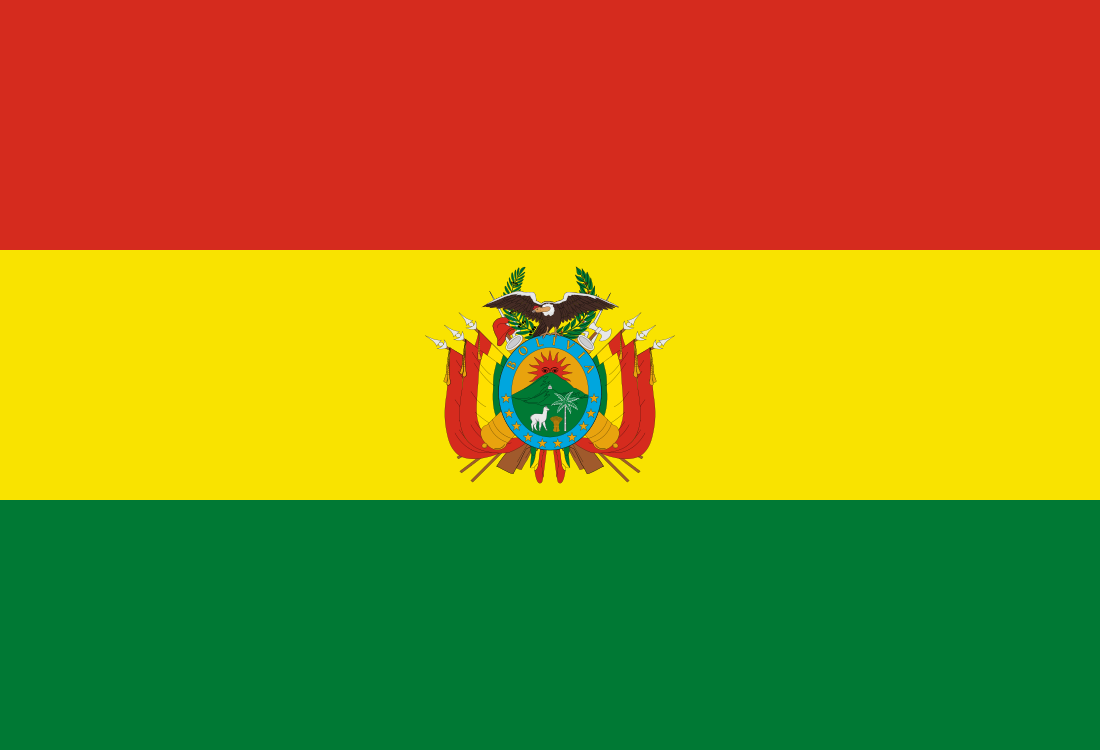 Bolívia
-
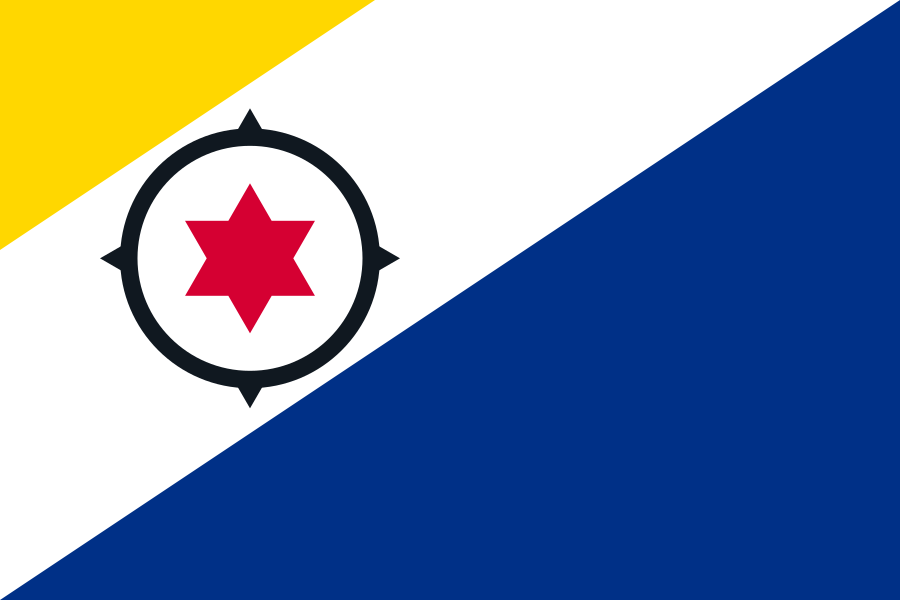 Bonaire
-
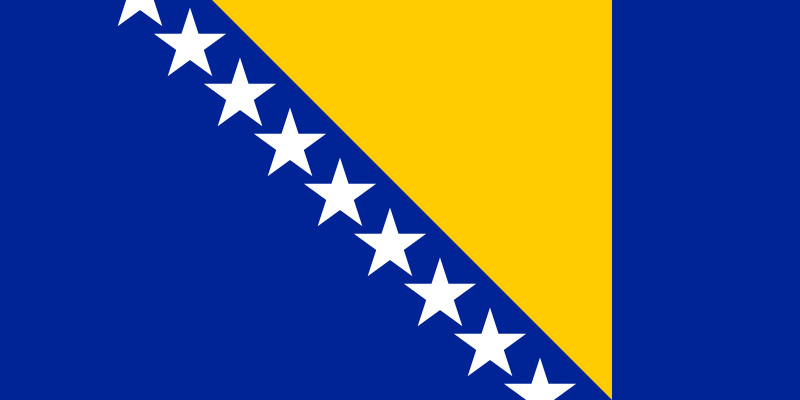 Bosnia y Herzegovina
-
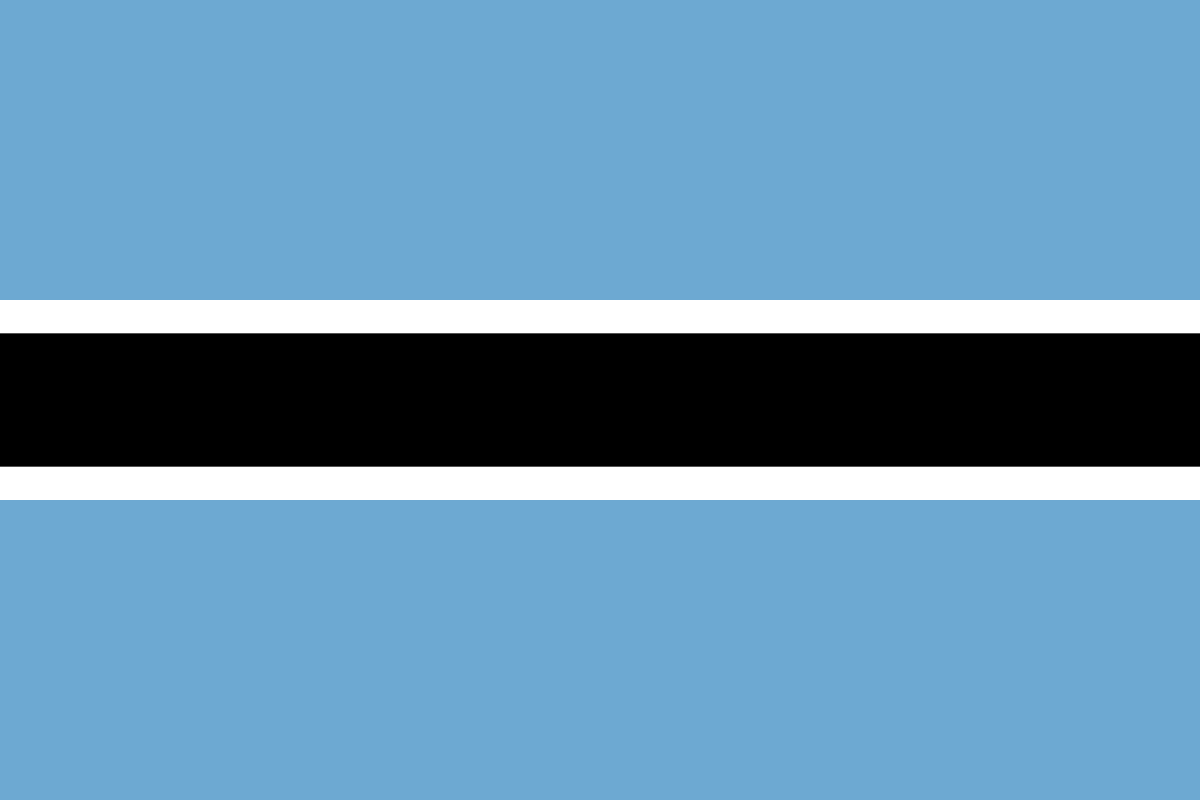 Botsuana
-
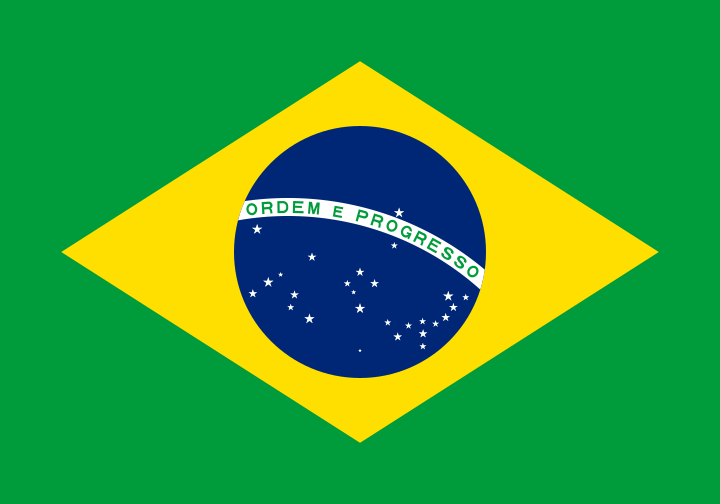 Brasil
-
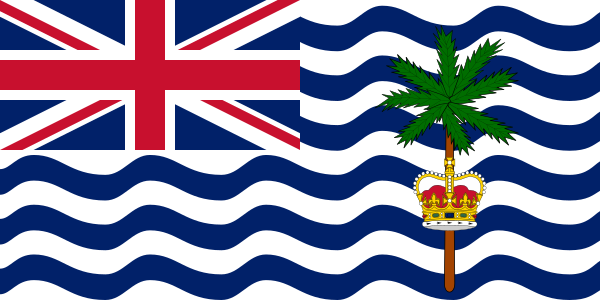 British Indian Ocean Territory
-
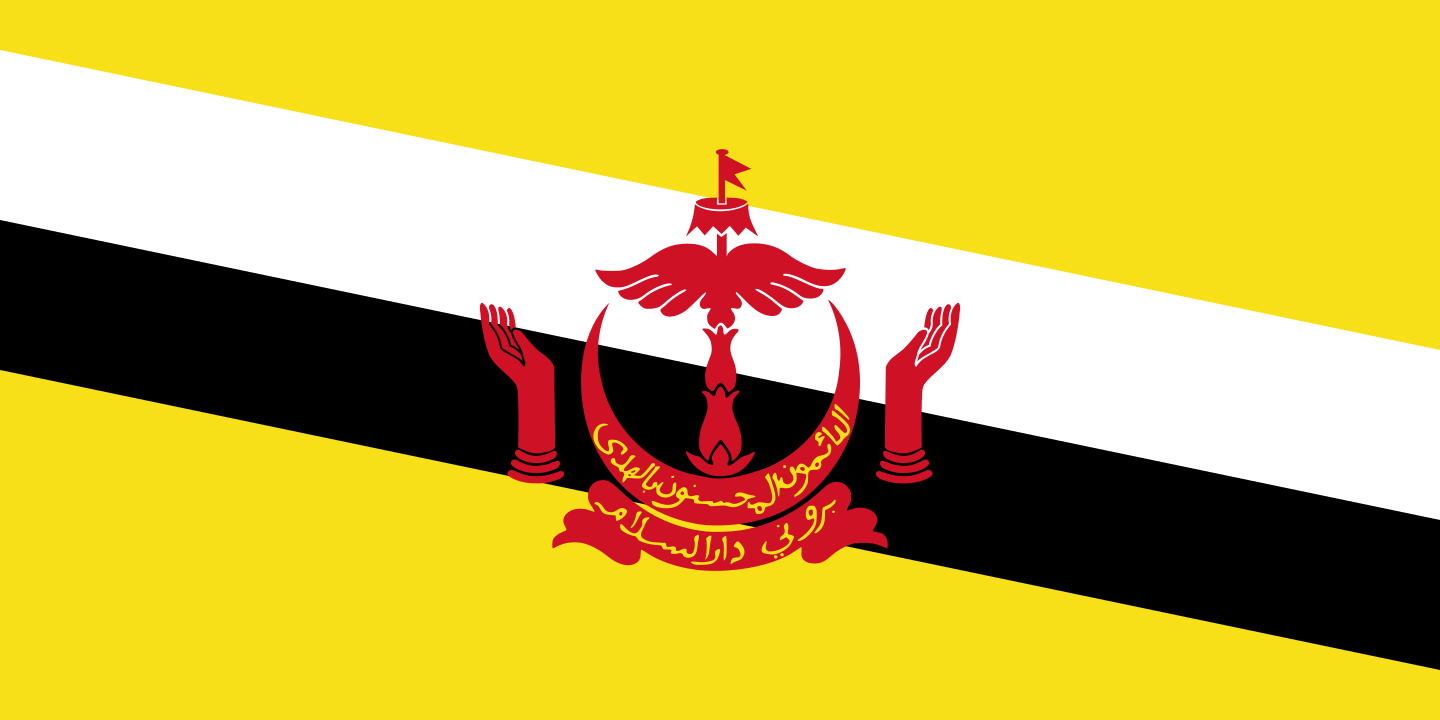 Brunéi
-
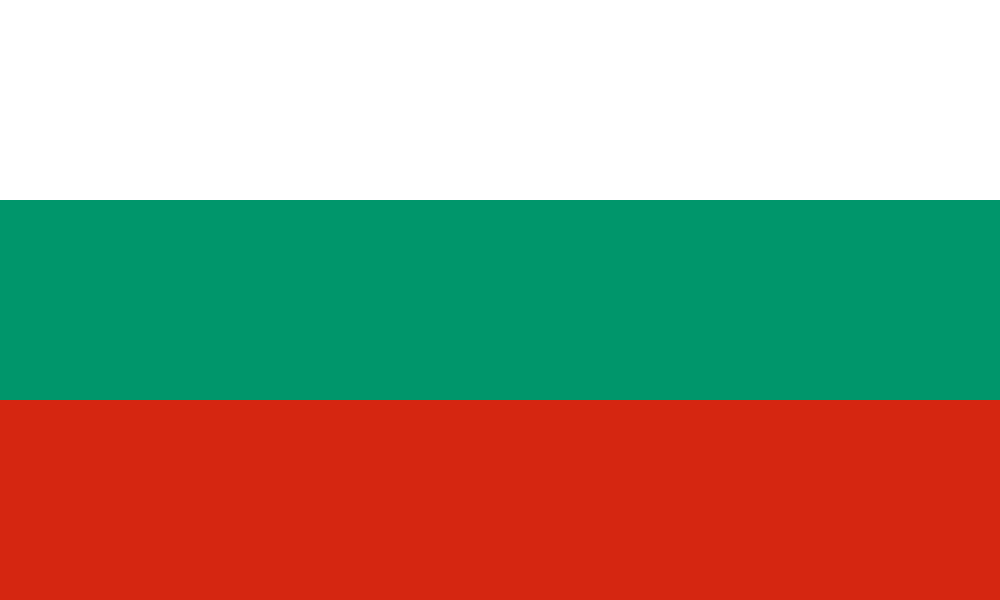 Bulgaria
-
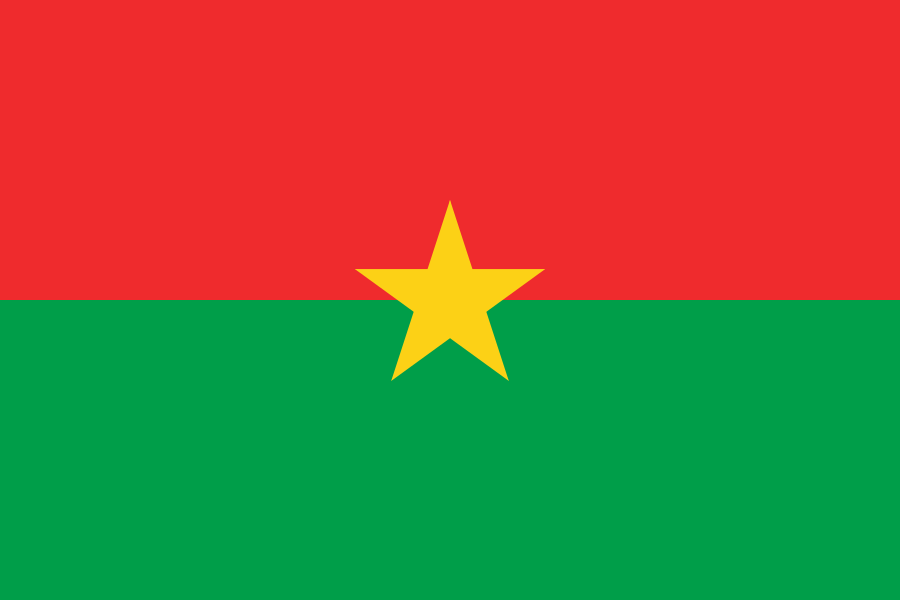 Burkina Faso
-
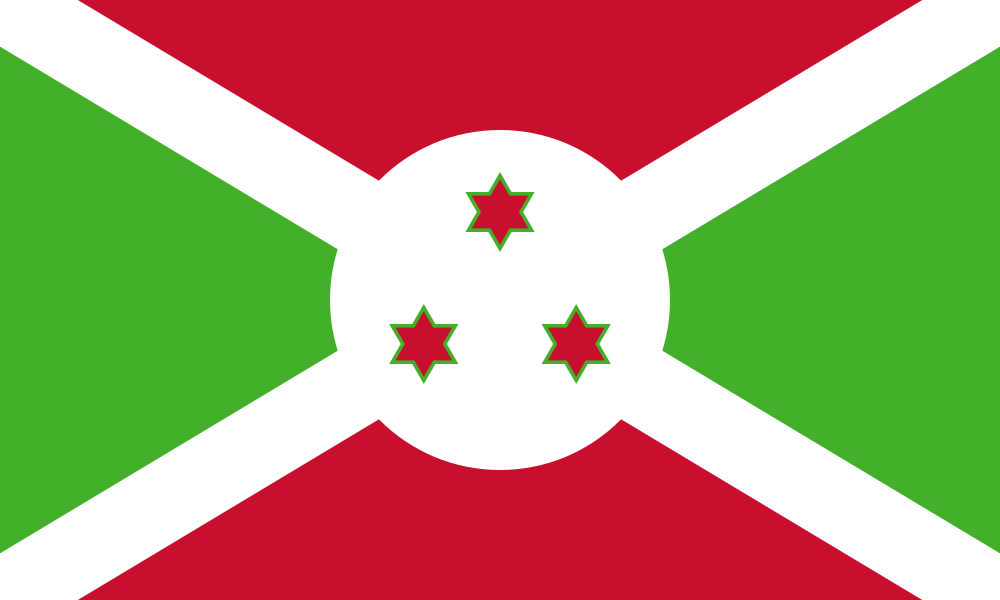 Burundi
-
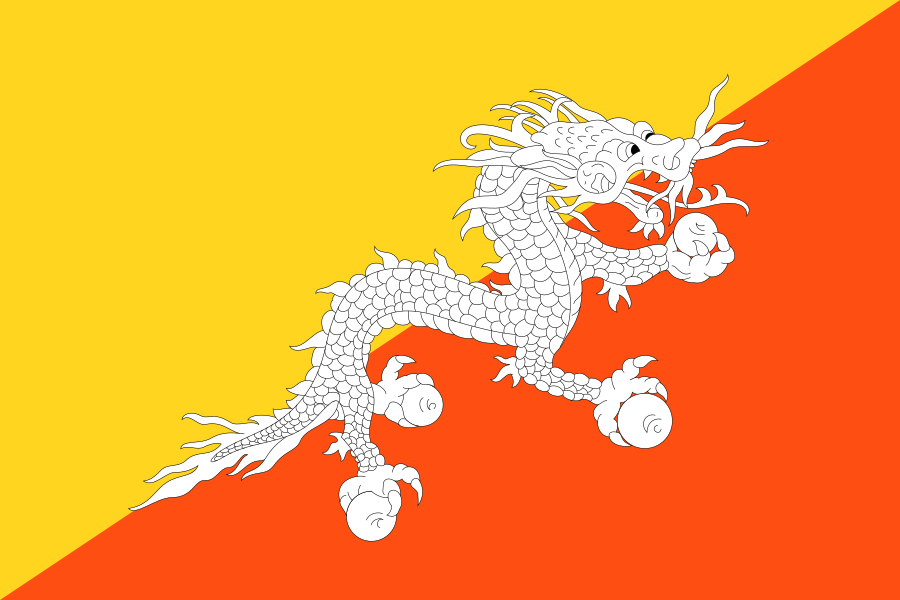 Bután
Bután
-
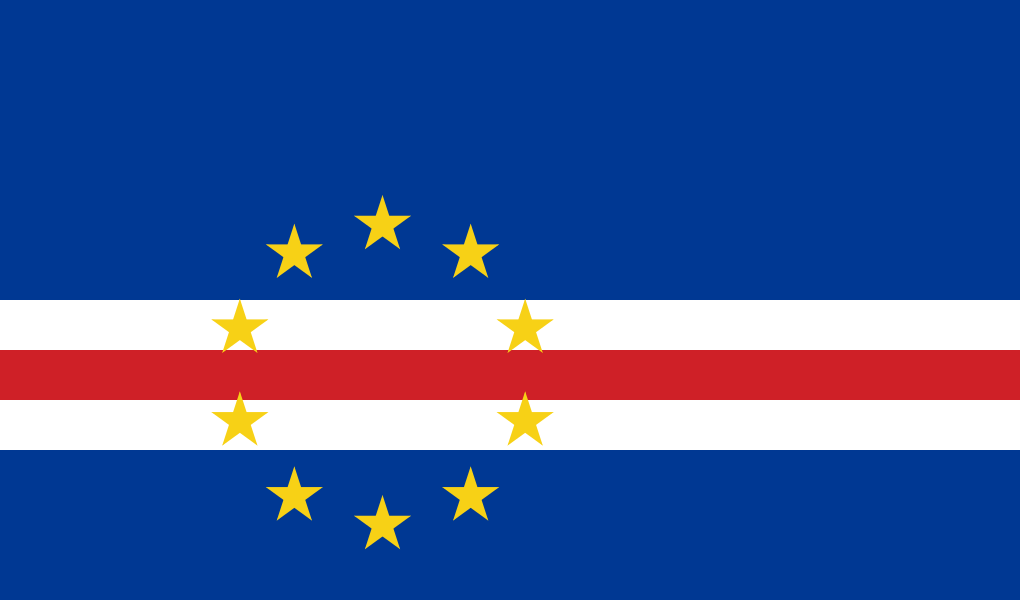 Cabo Verde
-
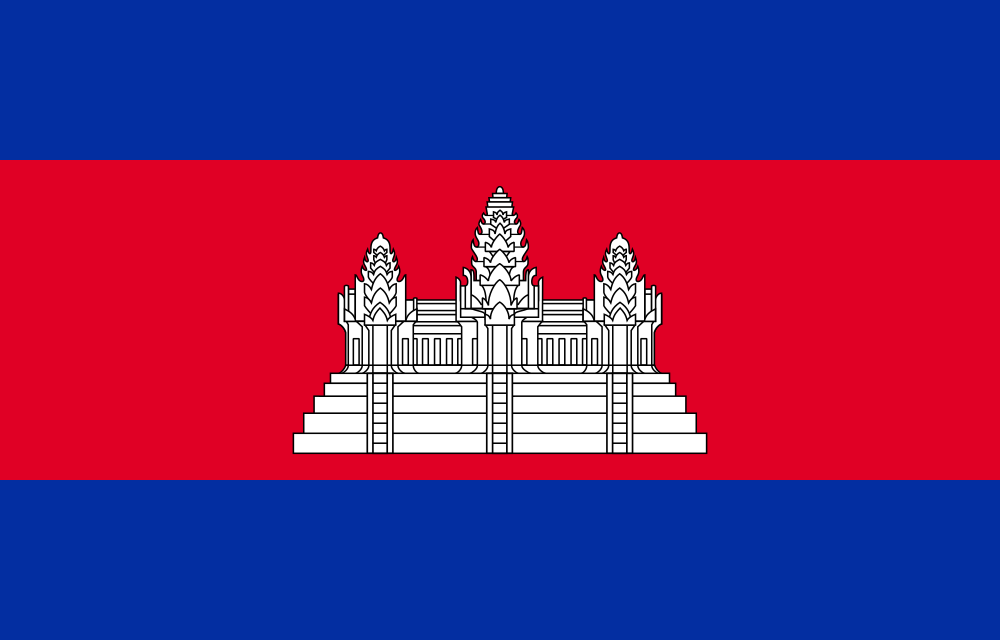 Camboya
-
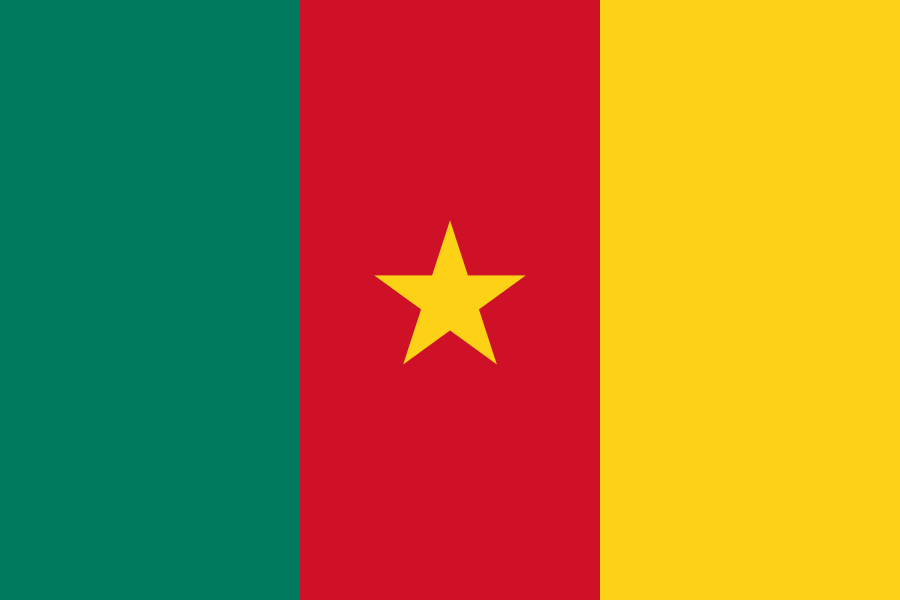 Camerún
-
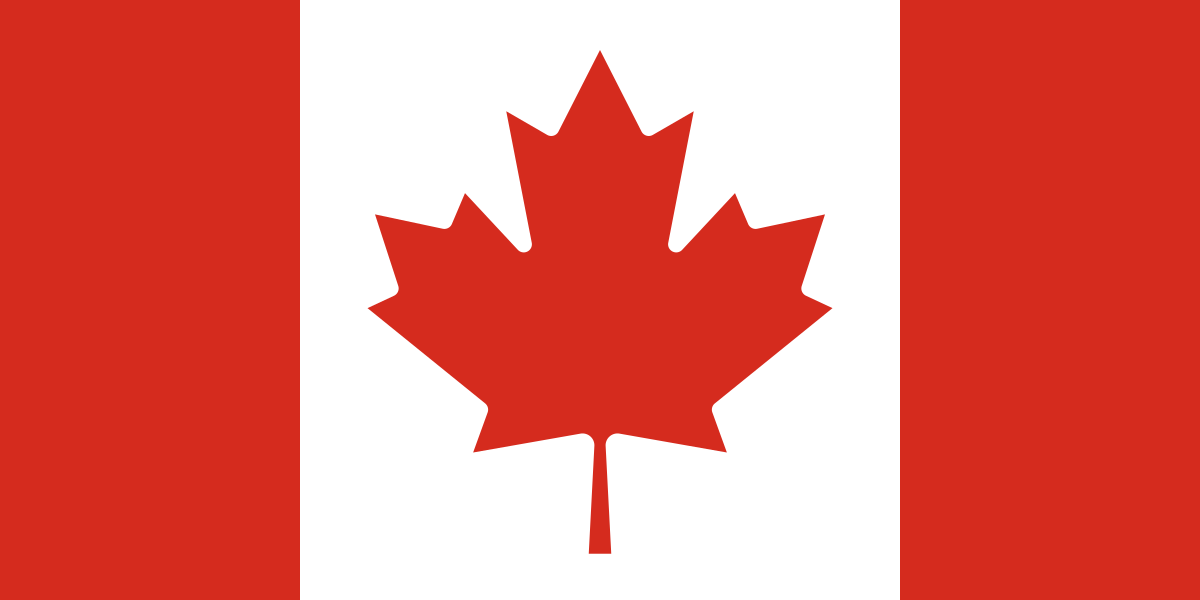 Canadá
-
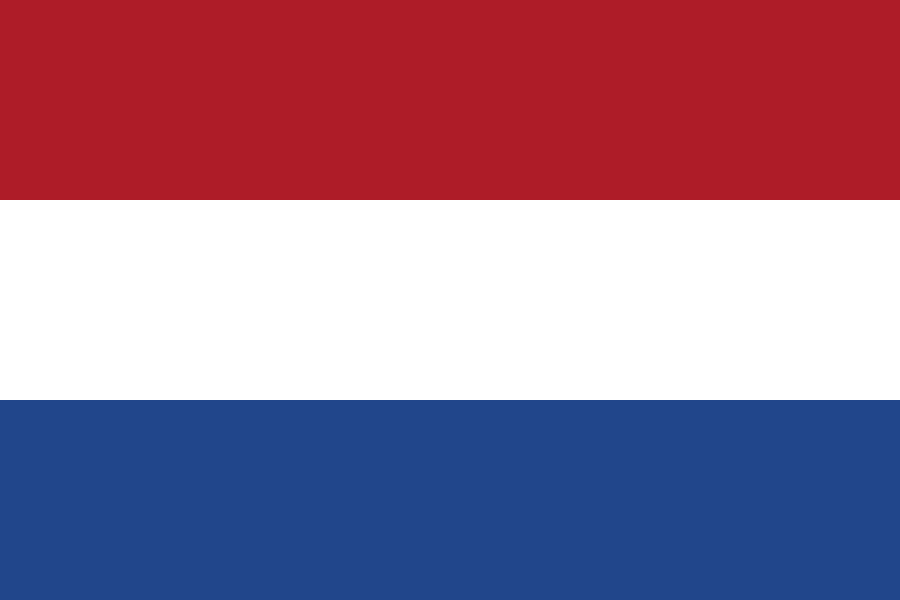 Caribe Neerlandés
-
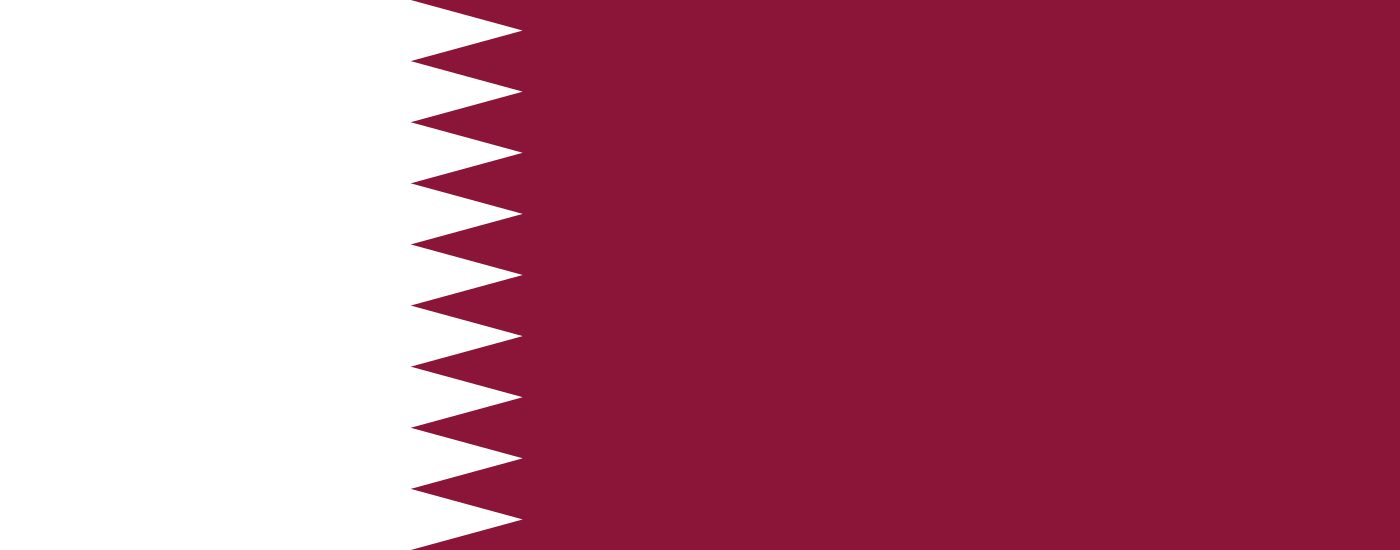 Catar
Catar
-
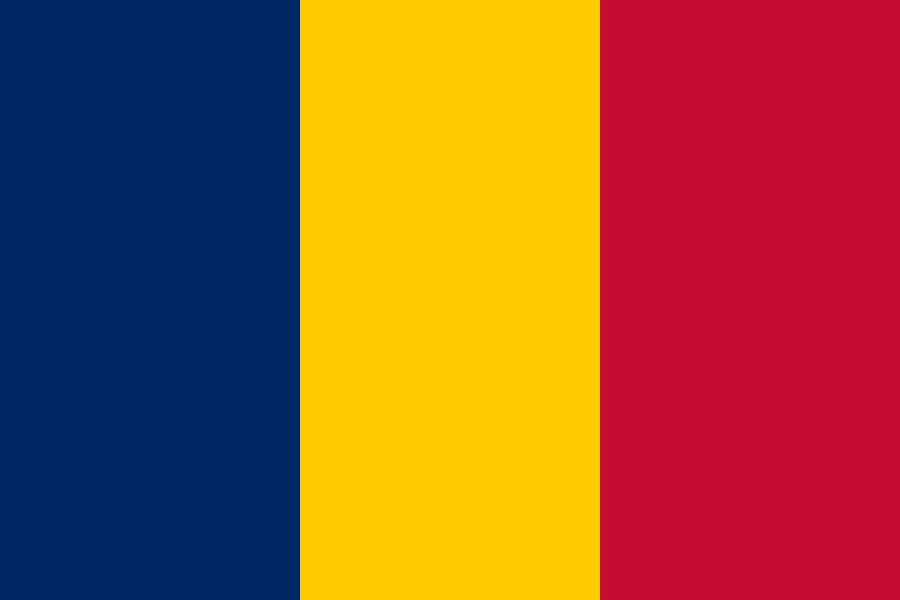 Chad
Chad
-
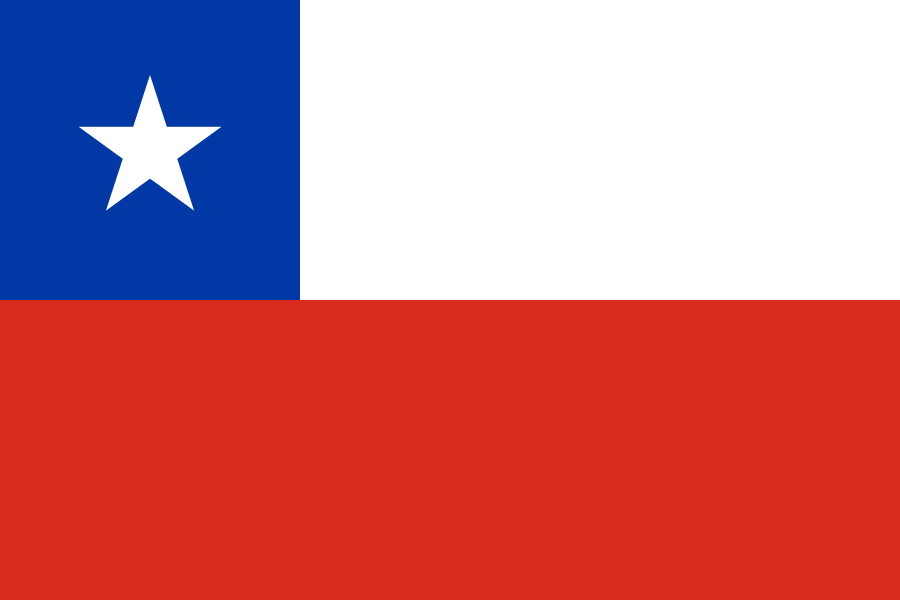 Chile
Chile
-
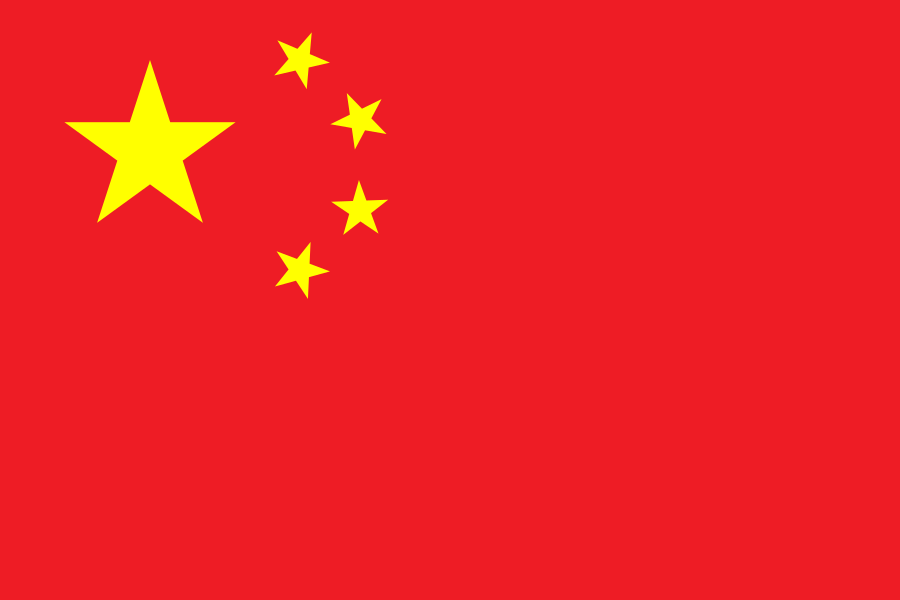 China
China
-
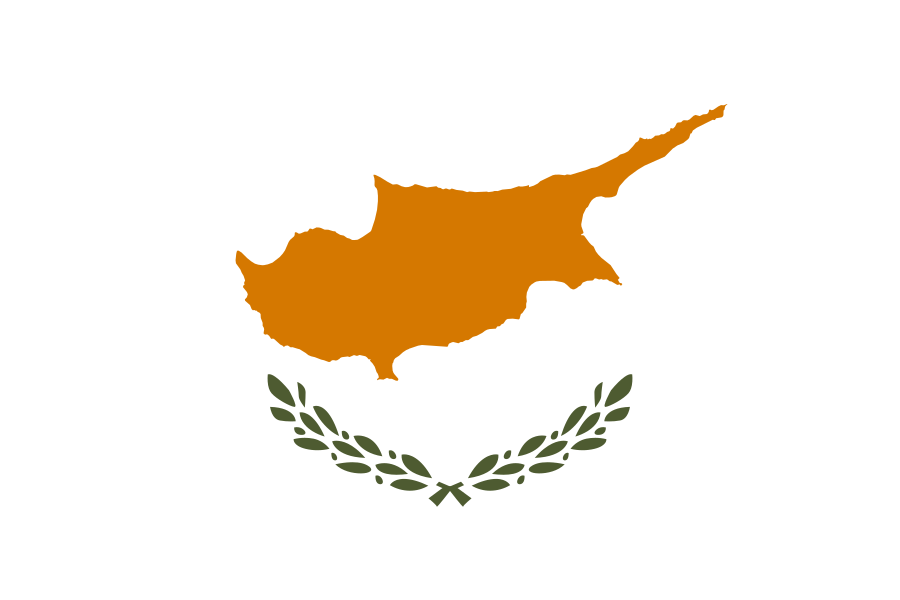 Chipre
-
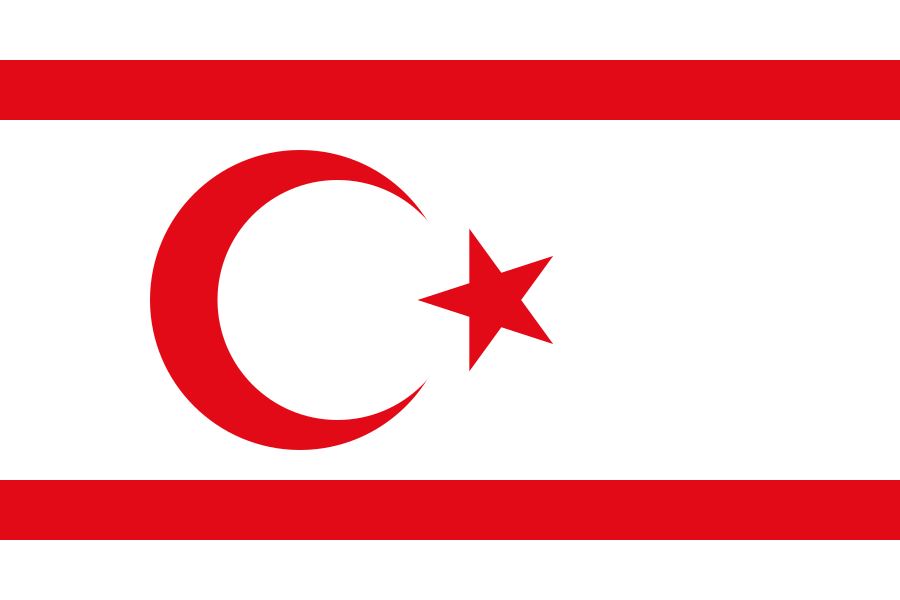 Chipre del Norte
-
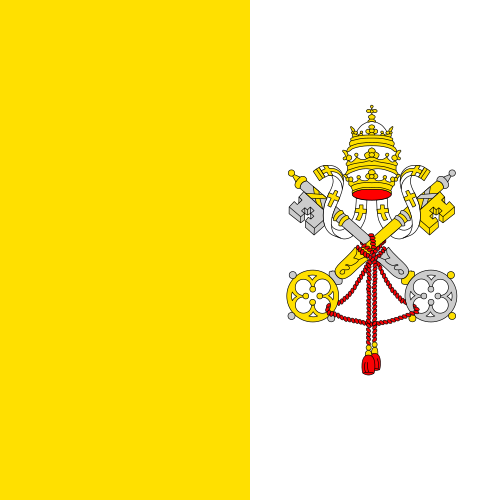 Ciudad del Vaticano
-
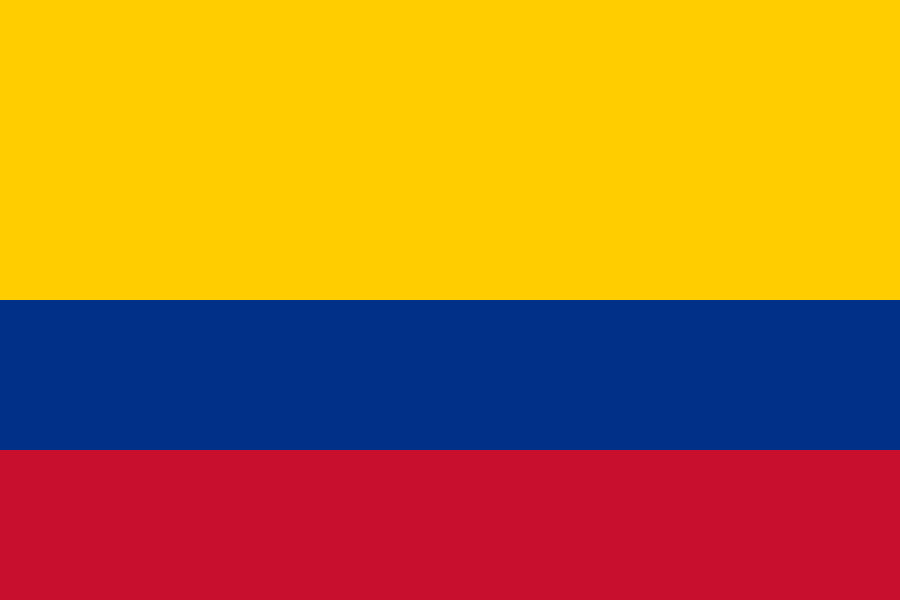 Colombia
-
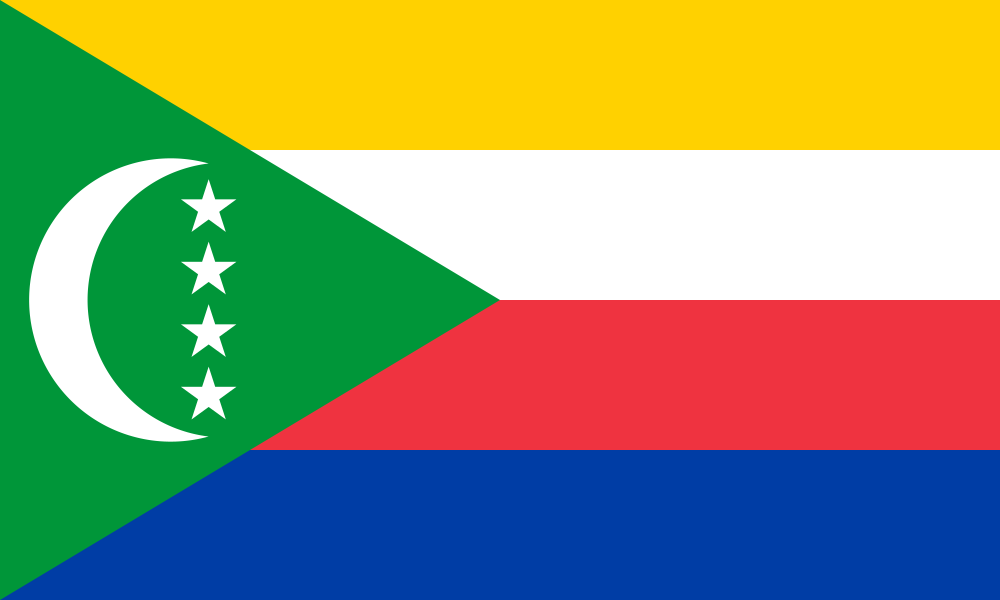 Comoras
-
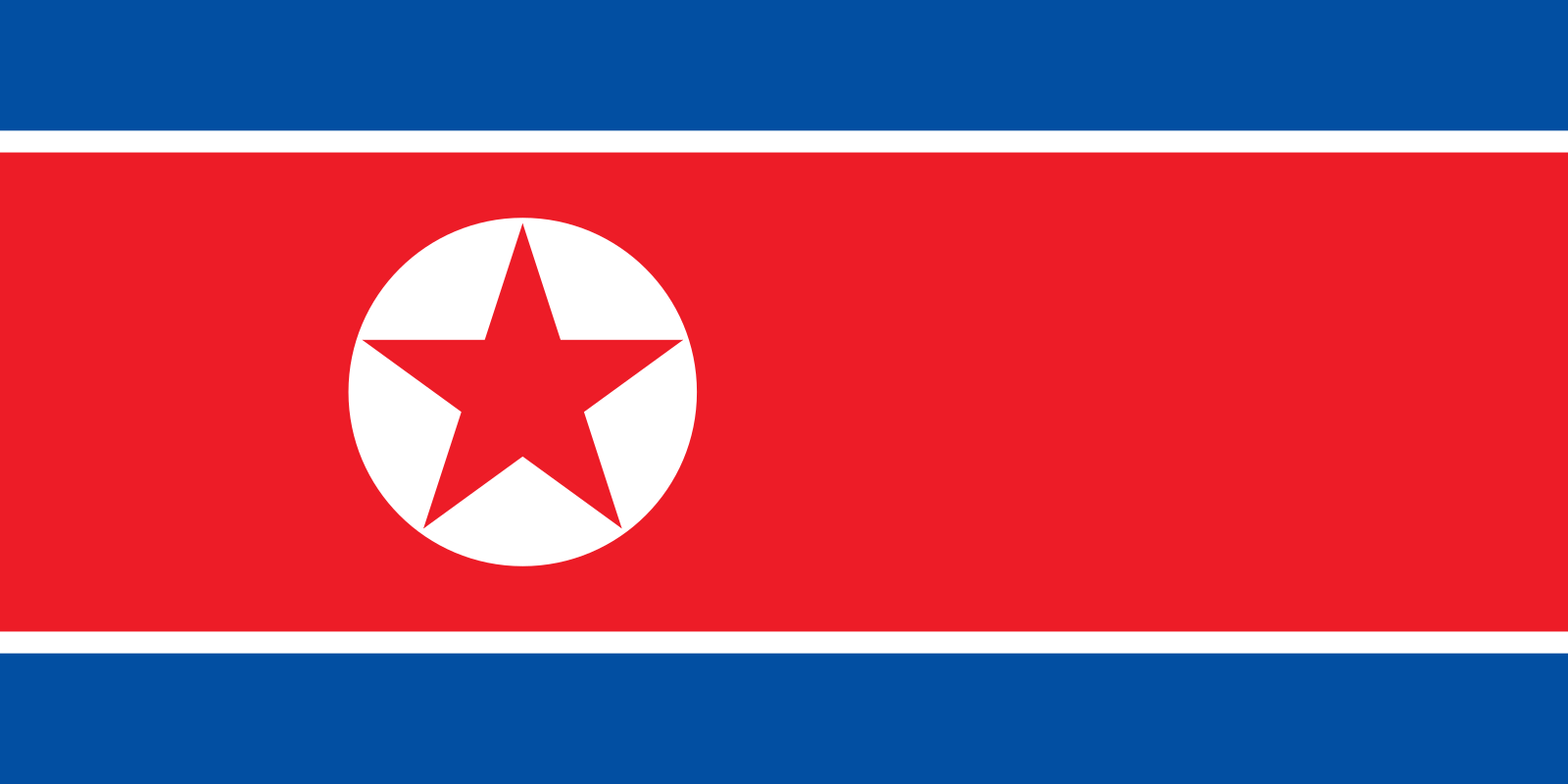 Corea del Norte
-
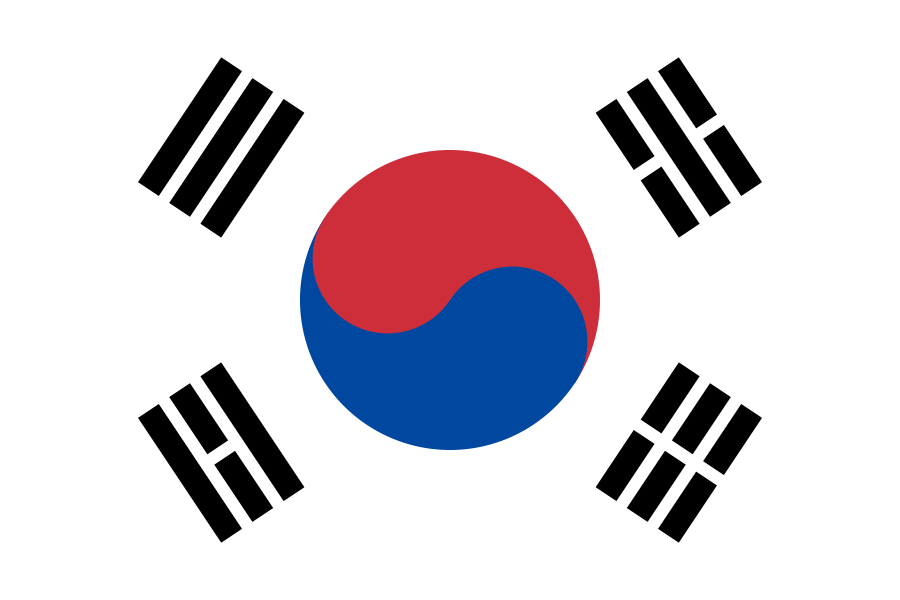 Corea del Sur
-
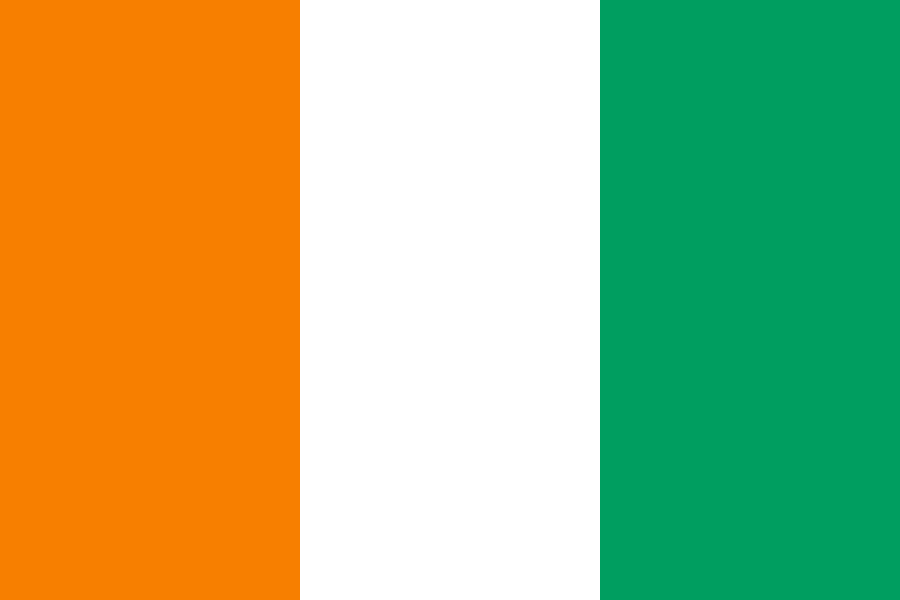 Costa de Marfil
-
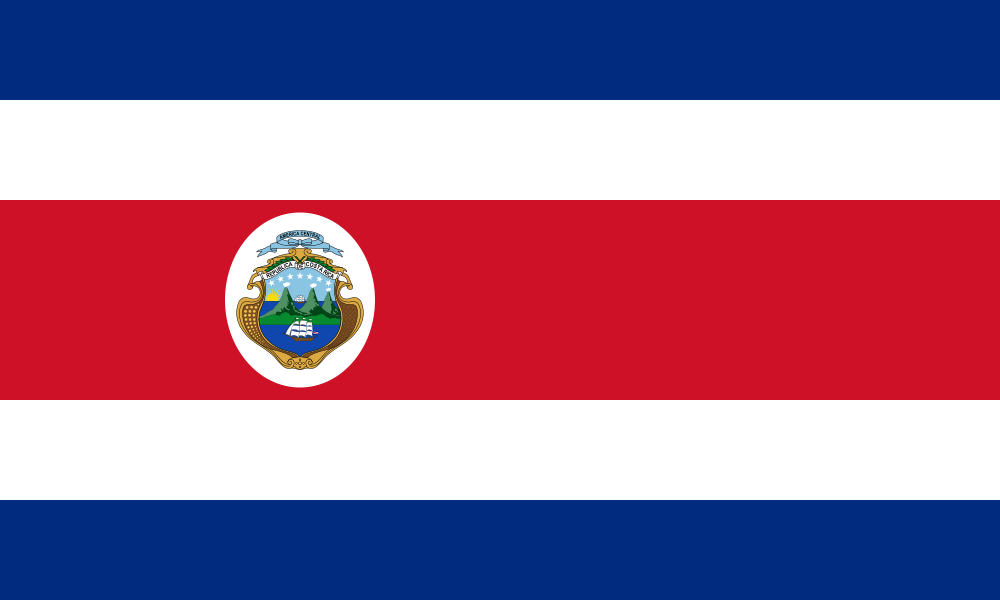 Costa Rica
-
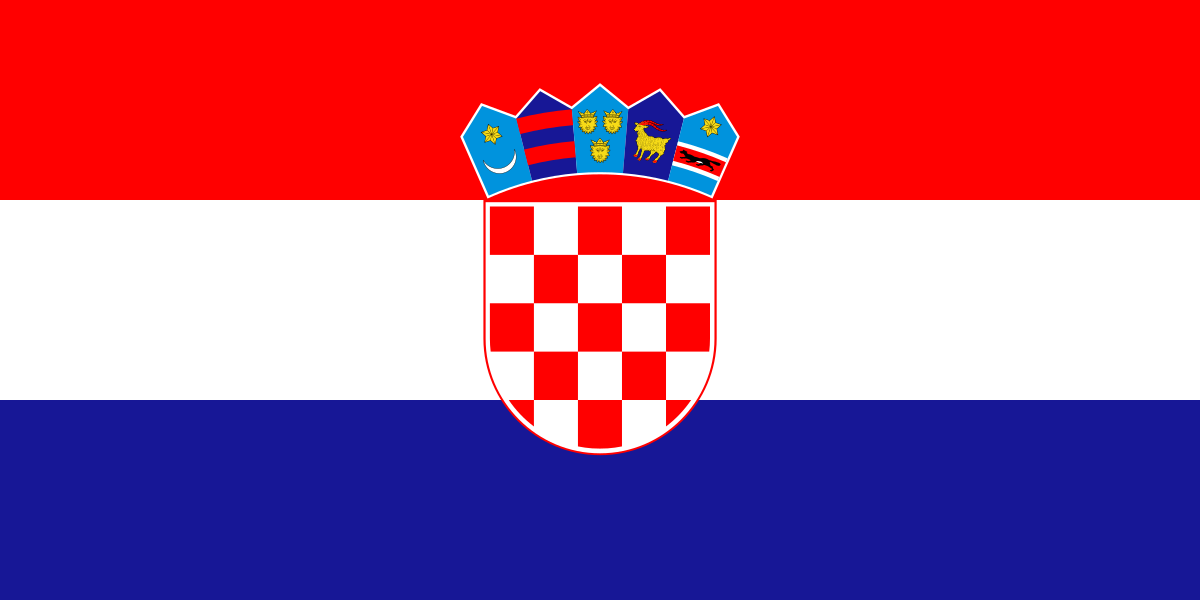 Croacia
-
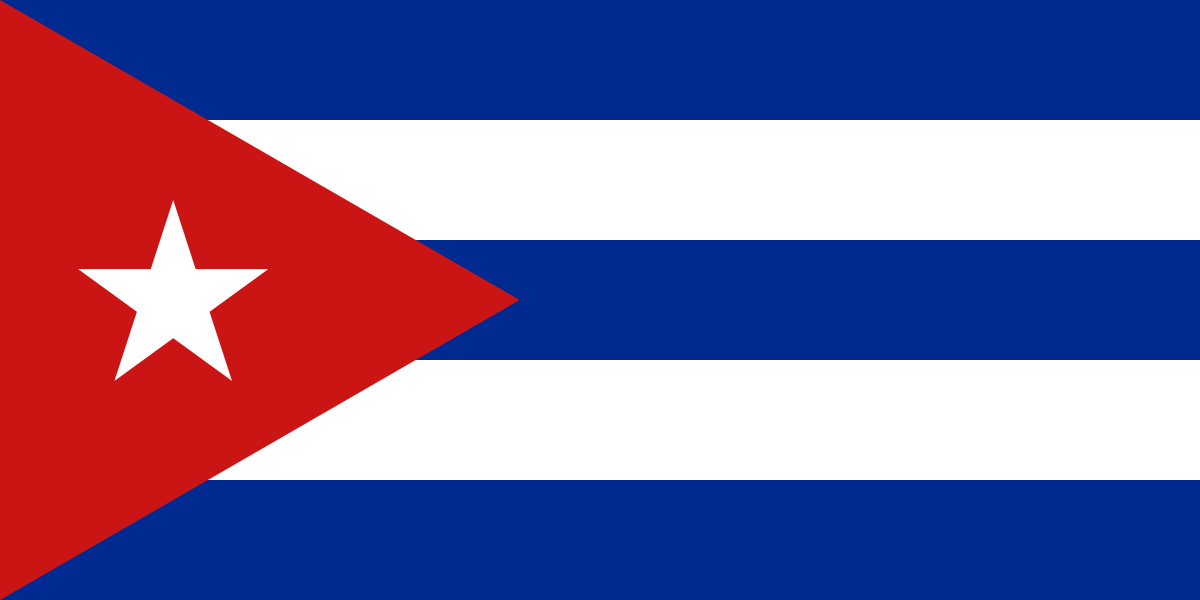 Cuba
Cuba
-
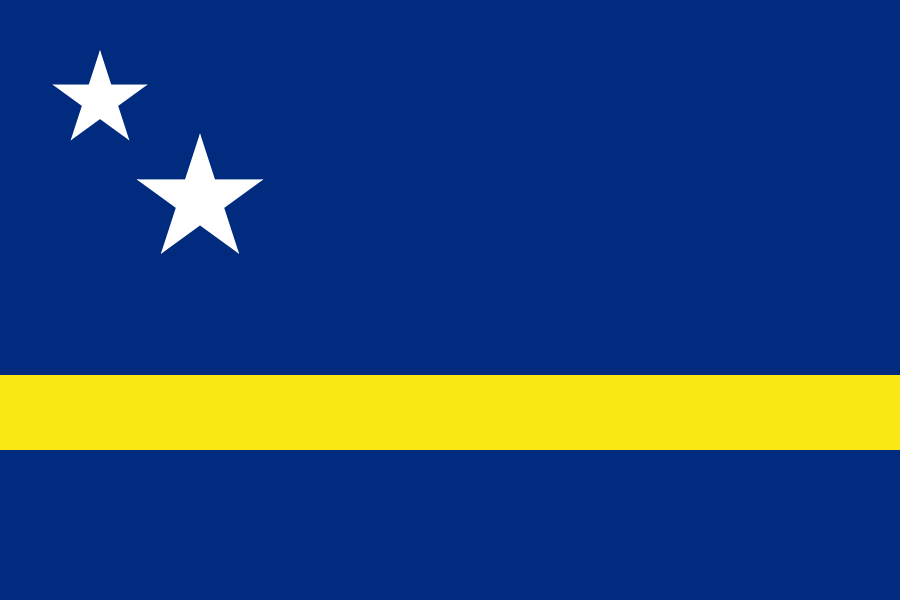 Curazao
-
 Dinamarca
-
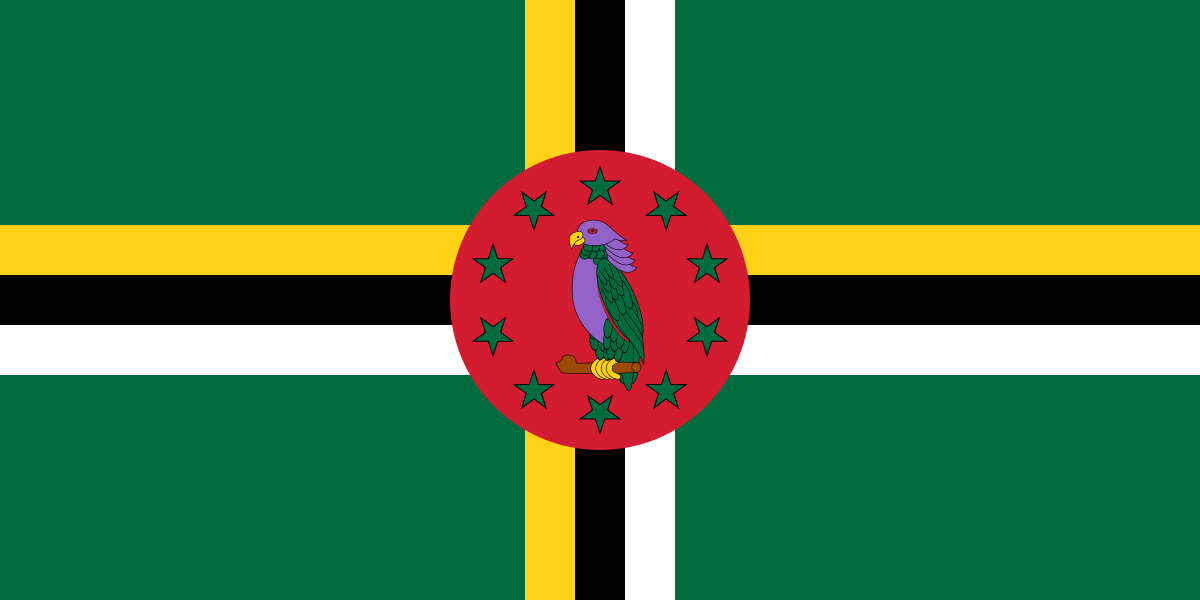 Dominica
-
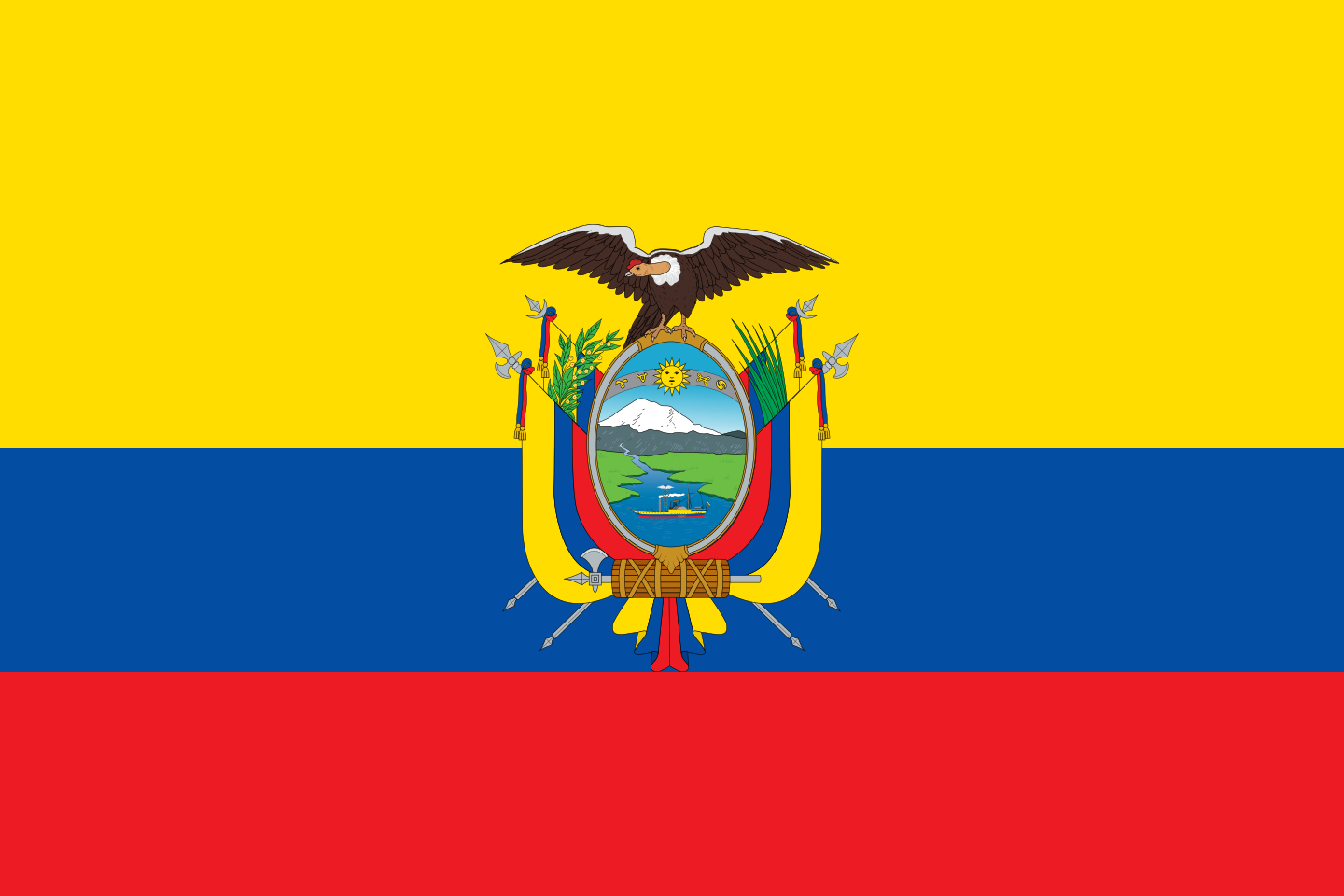 Ecuador
-
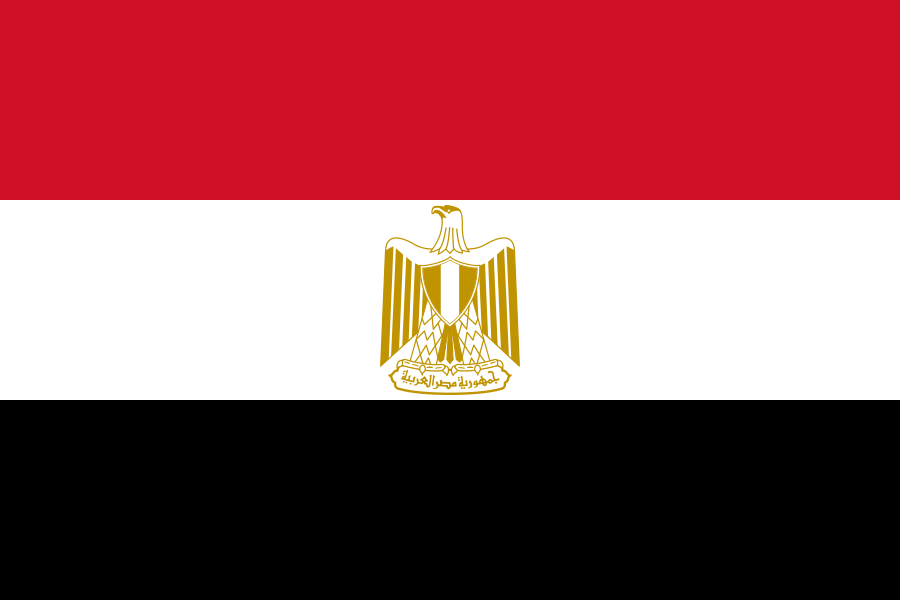 Egipto
-
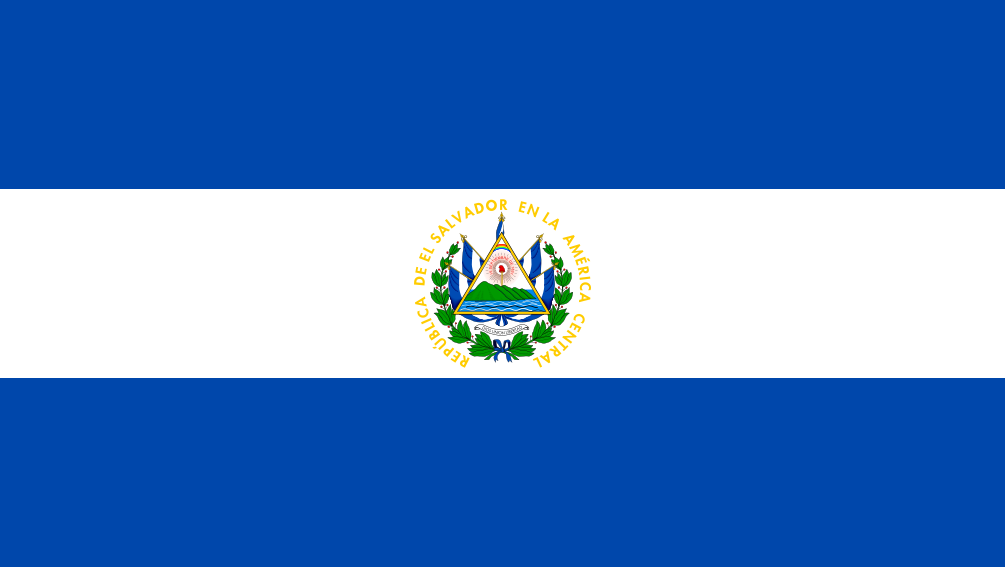 El Salvador
-
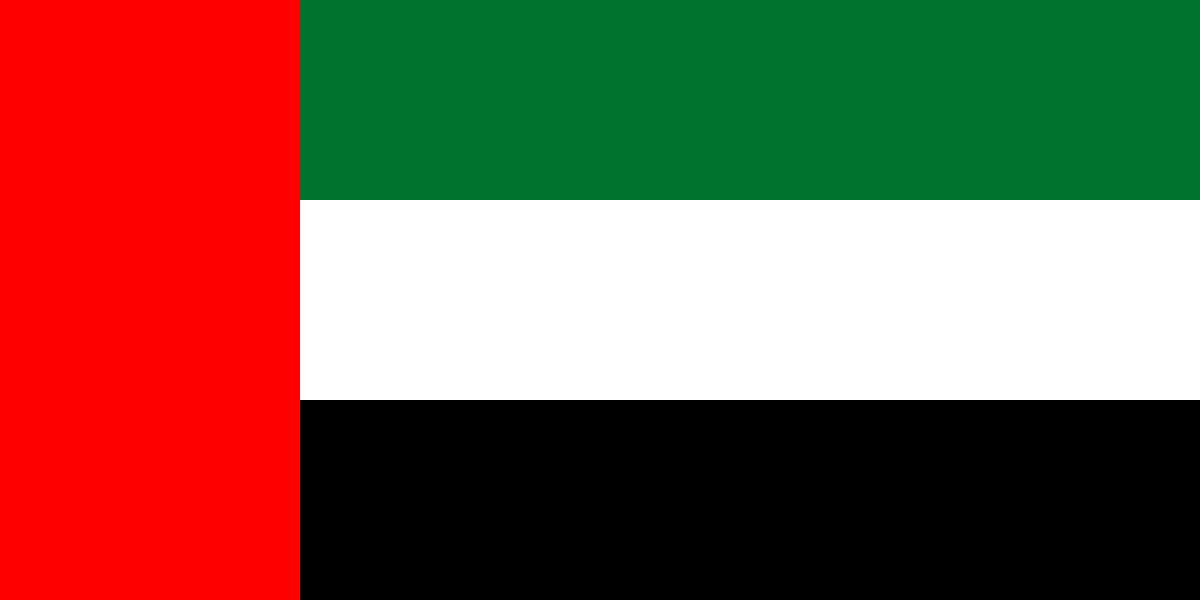 Emiratos Árabes Unidos
-
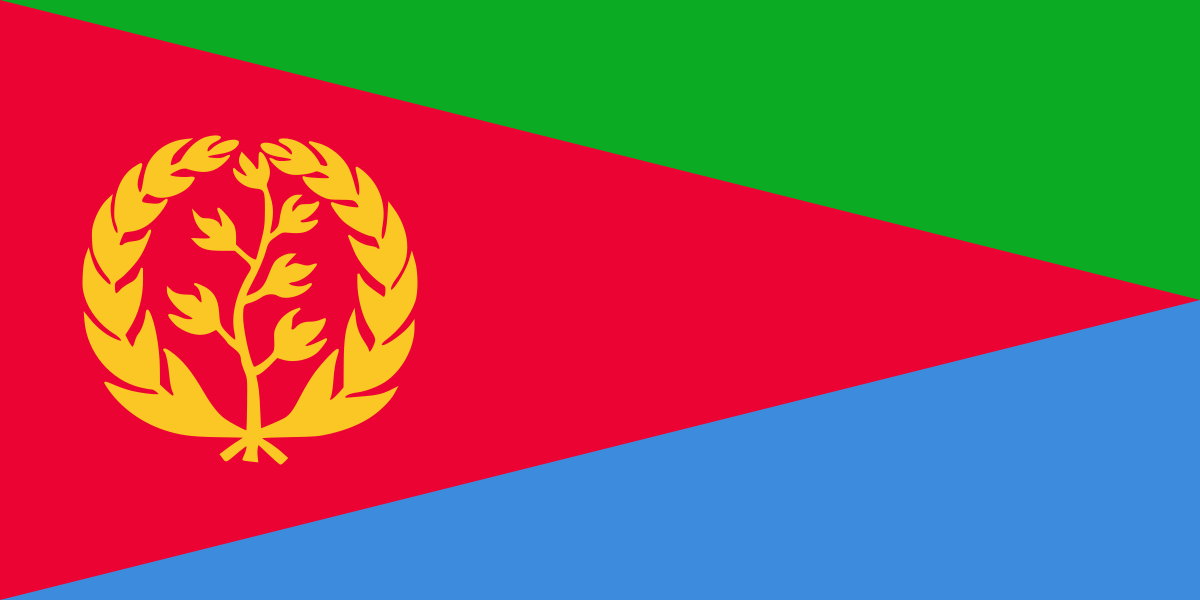 Eritrea
-
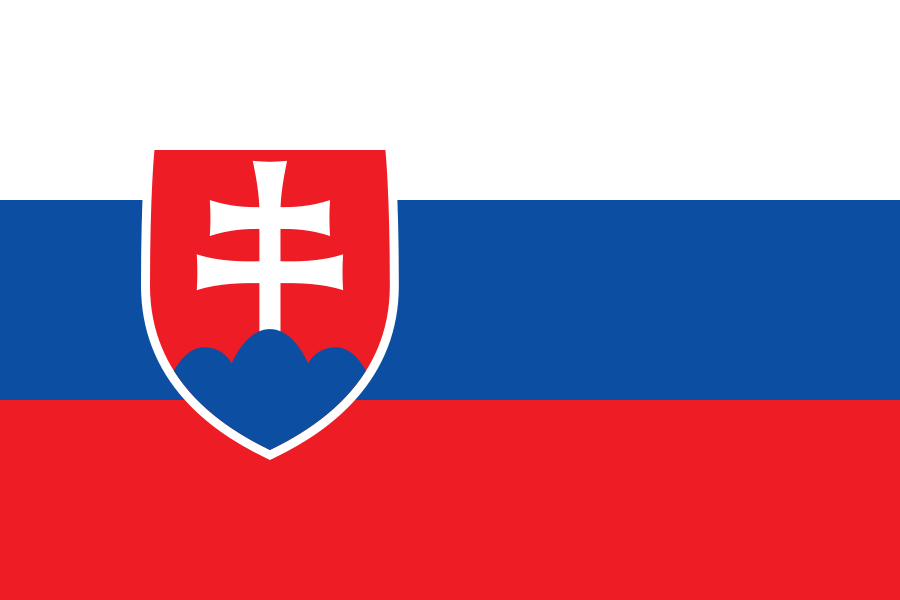 Eslovaquia
-
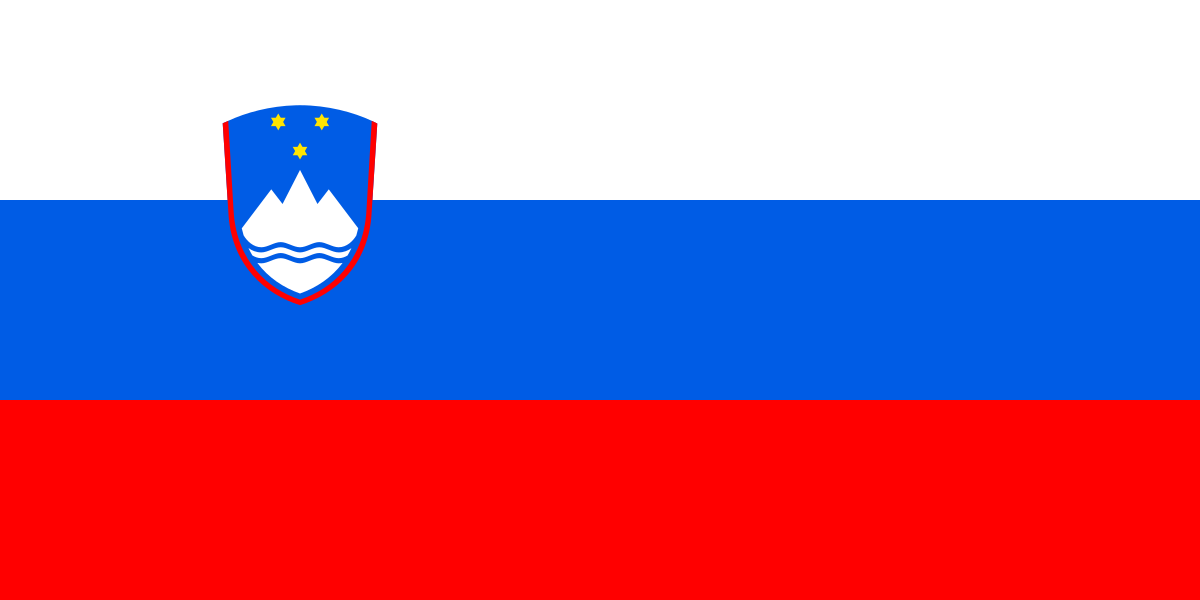 Eslovenia
-
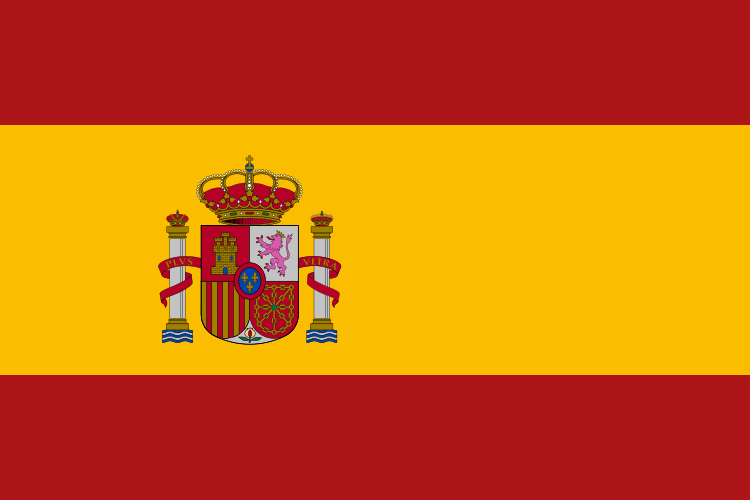 España
-
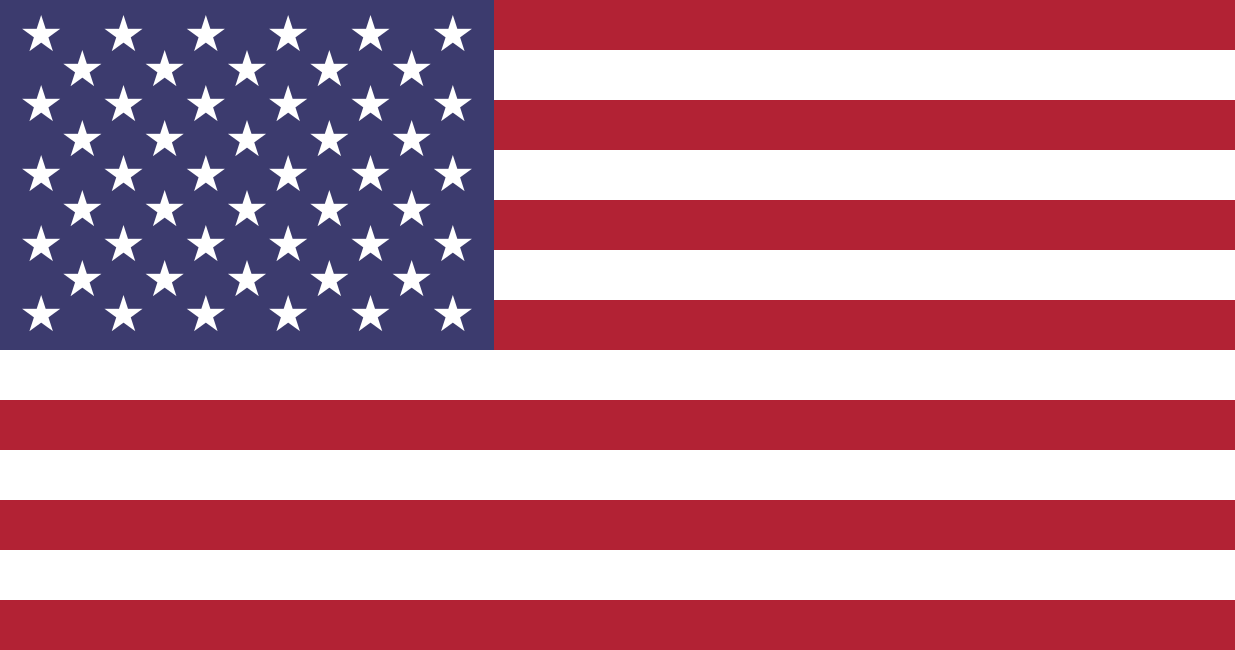 Estados Unidos
-
 Estonia
-
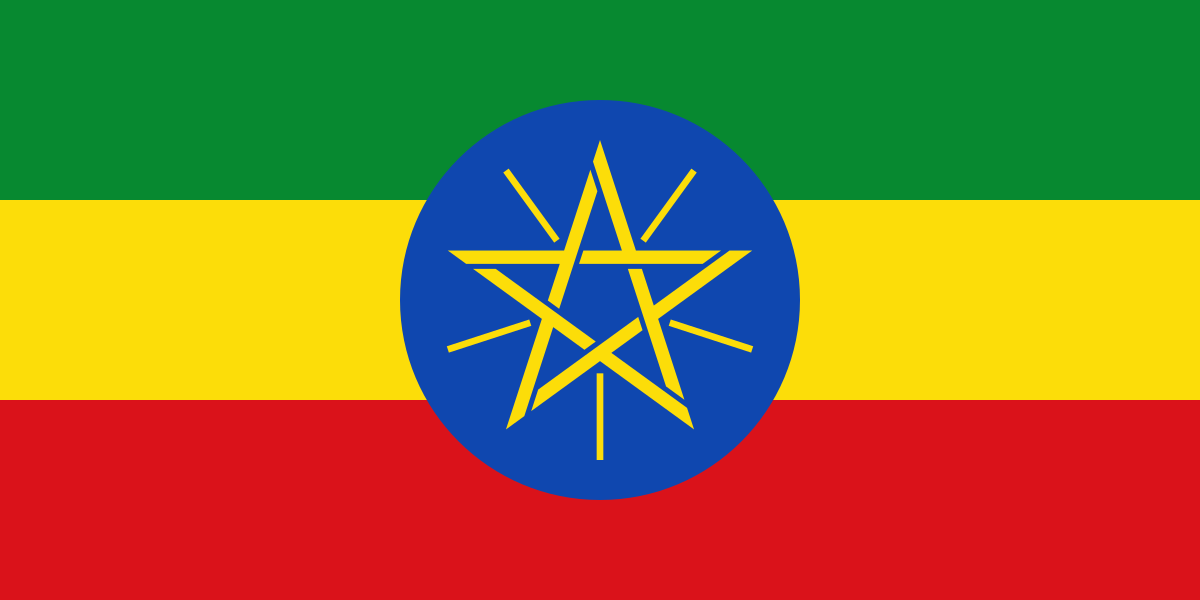 Etiopía
-
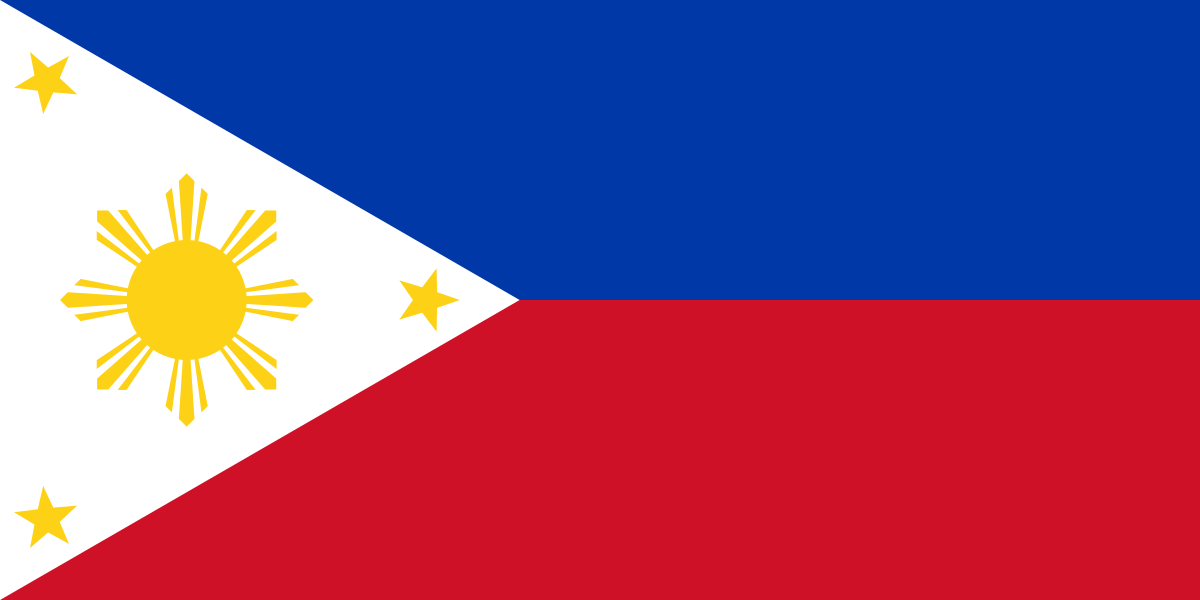 Filipinas
-
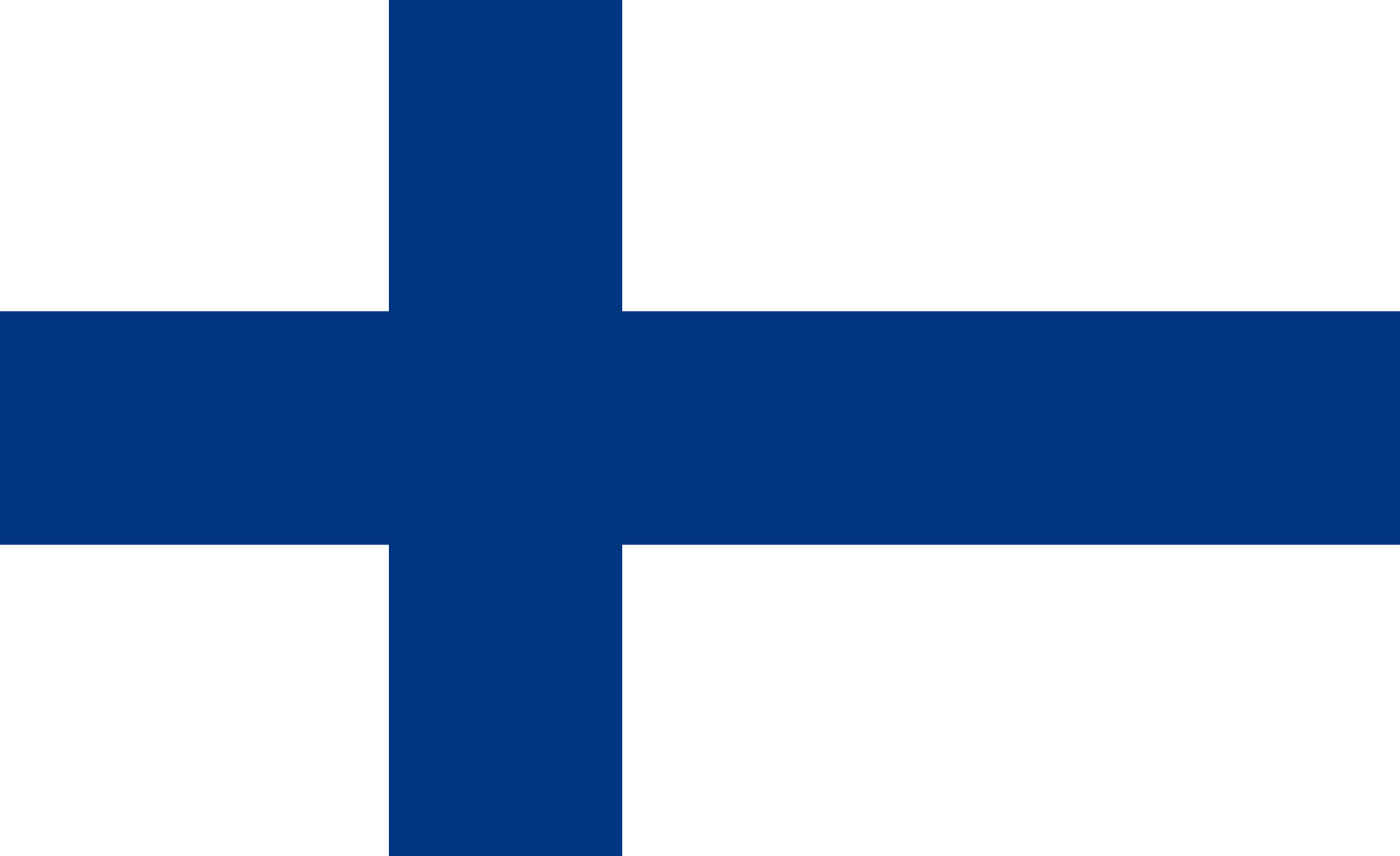 Finlandia
-
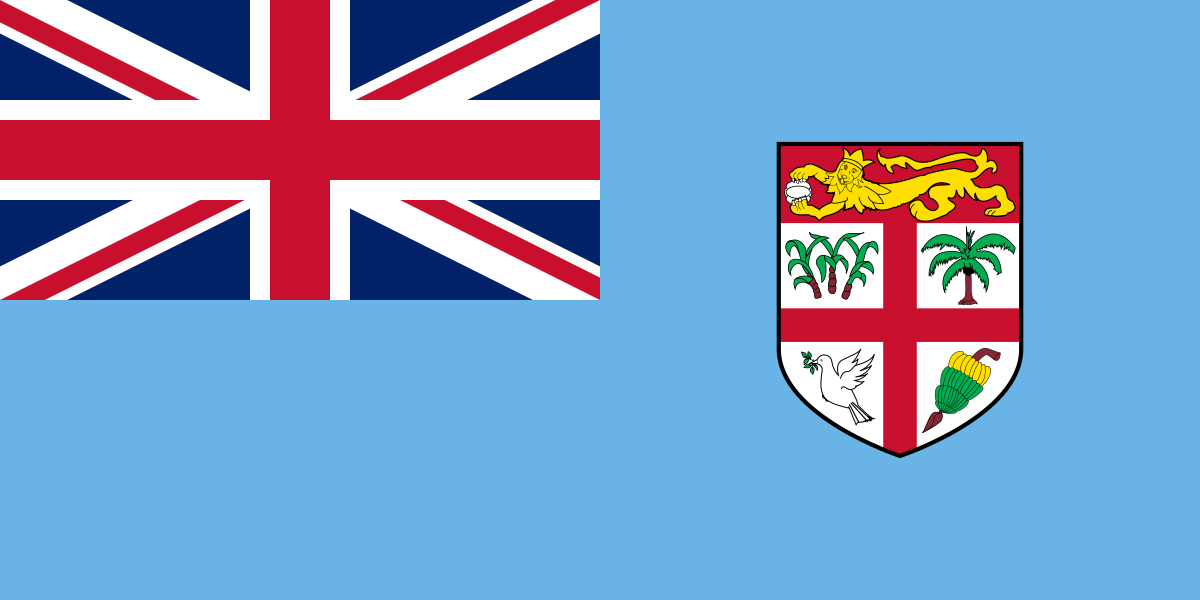 Fiyi
Fiyi
-
 Francia
-
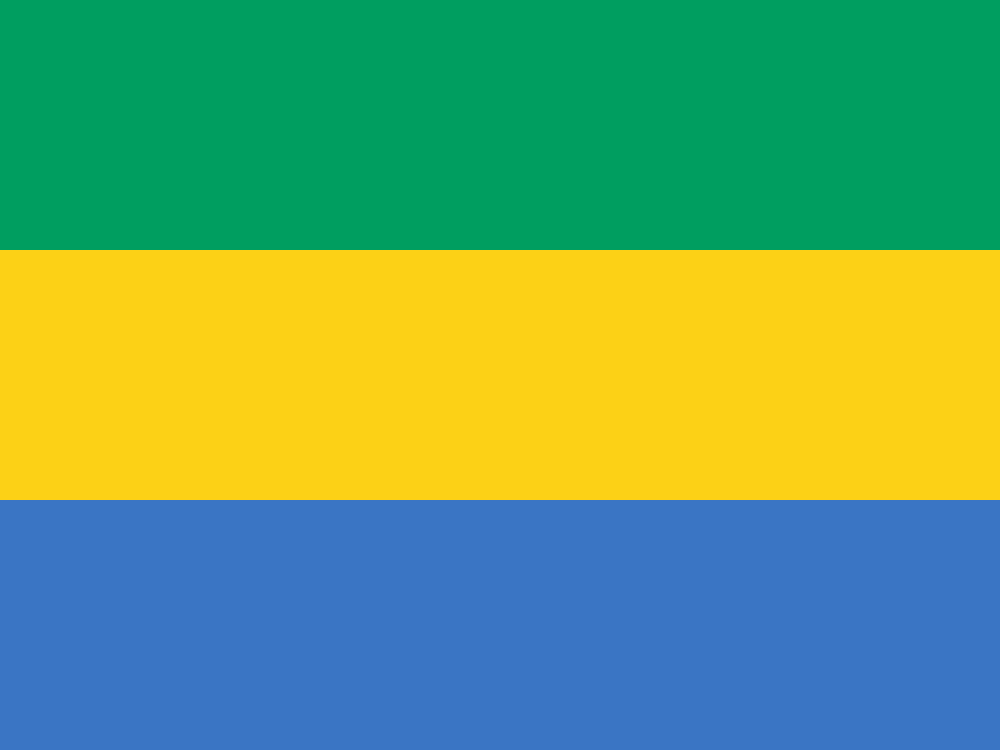 Gabón
Gabón
-
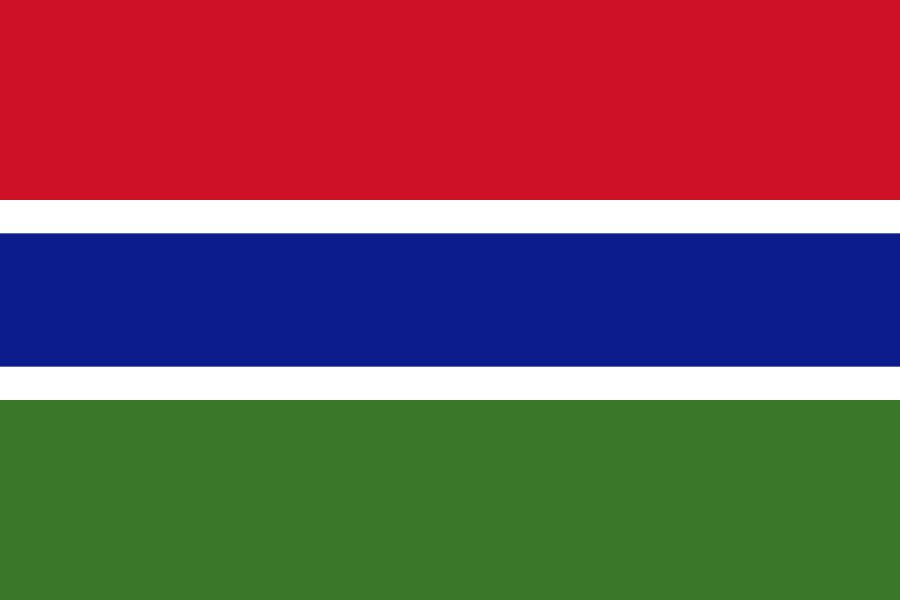 Gambia
-
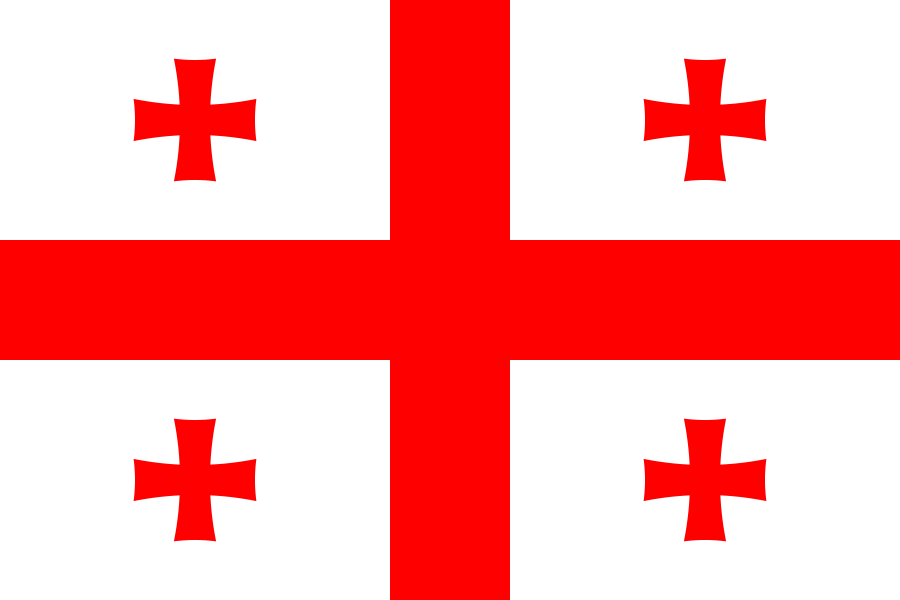 Georgia
-
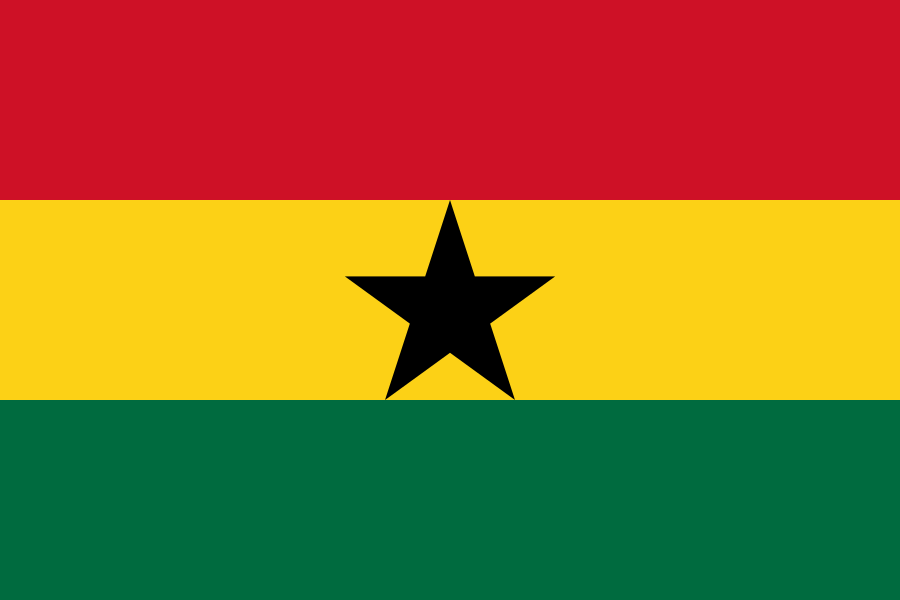 Ghana
Ghana
-
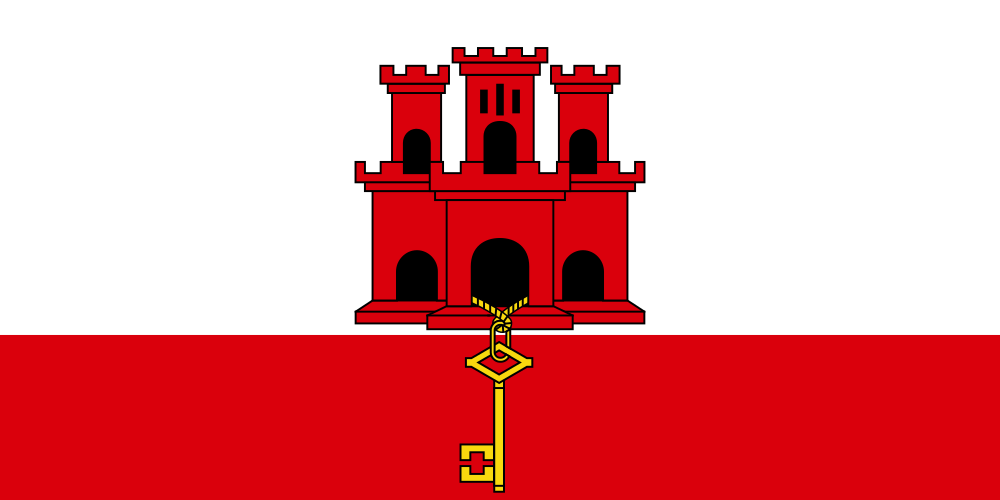 Gibraltar
-
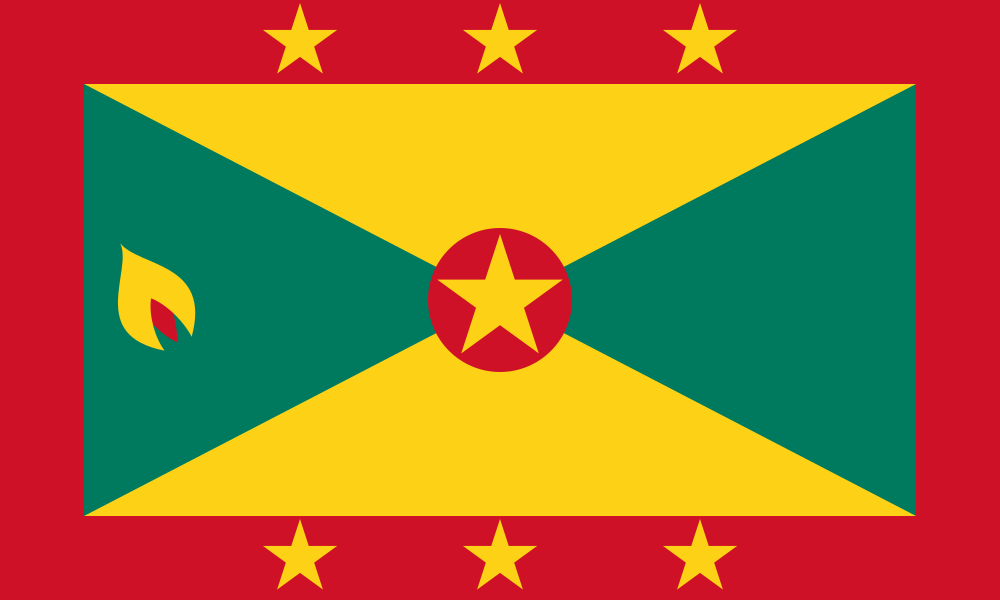 Granada
-
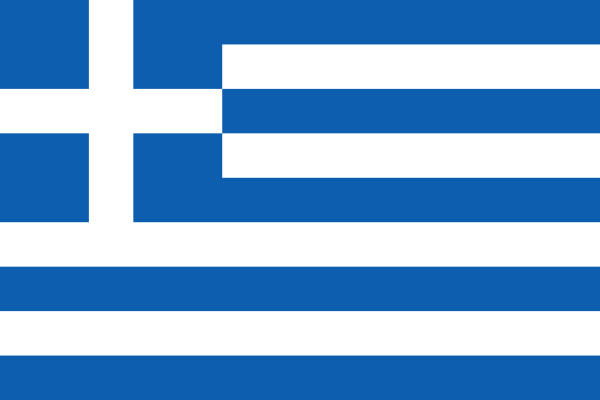 Grecia
-
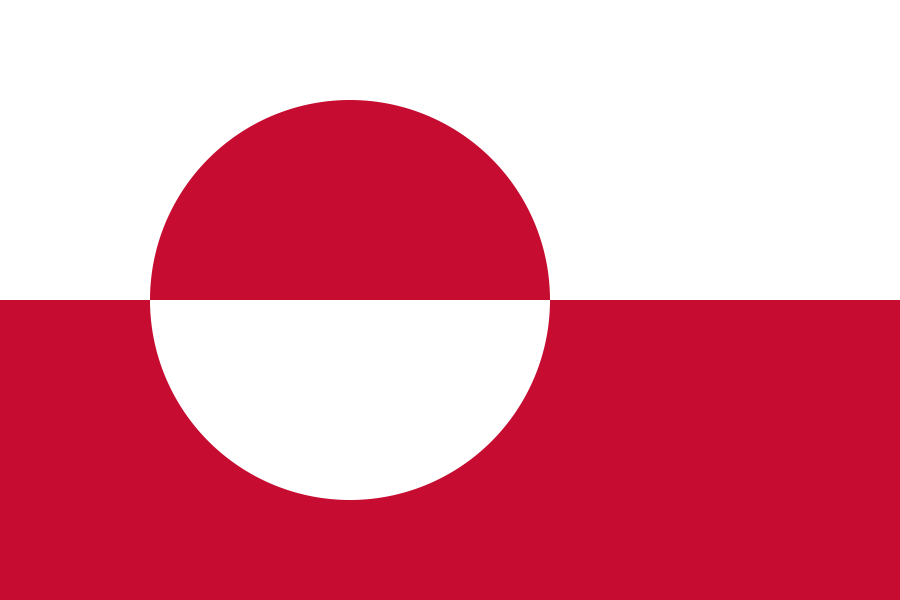 Groenlandia
-
Guadalupe
-
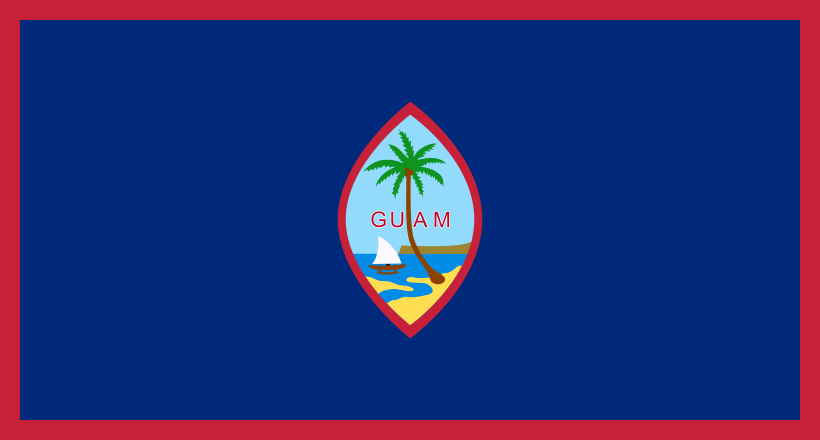 Guam
Guam
-
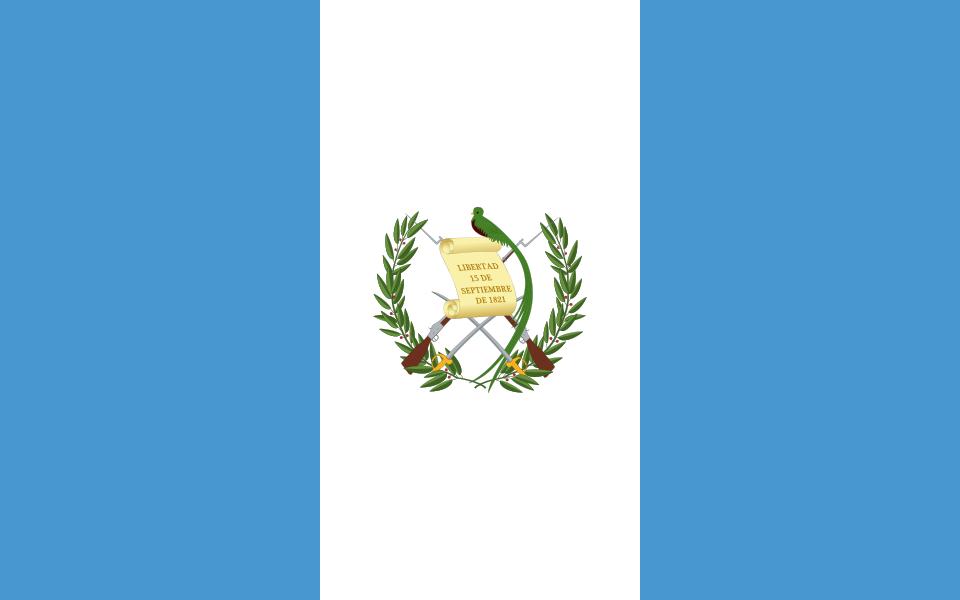 Guatemala
-
Guayana Francesa
-
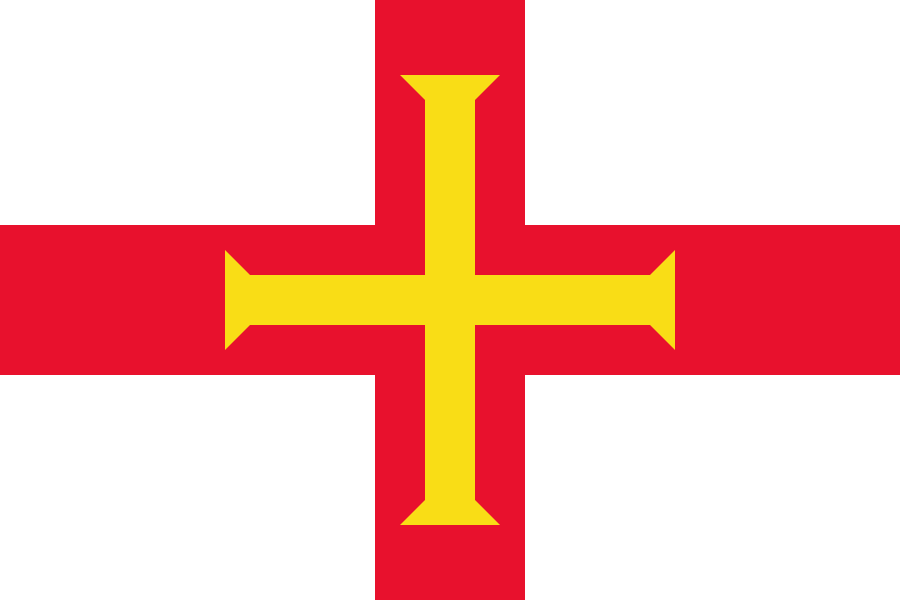 Guernsey
-
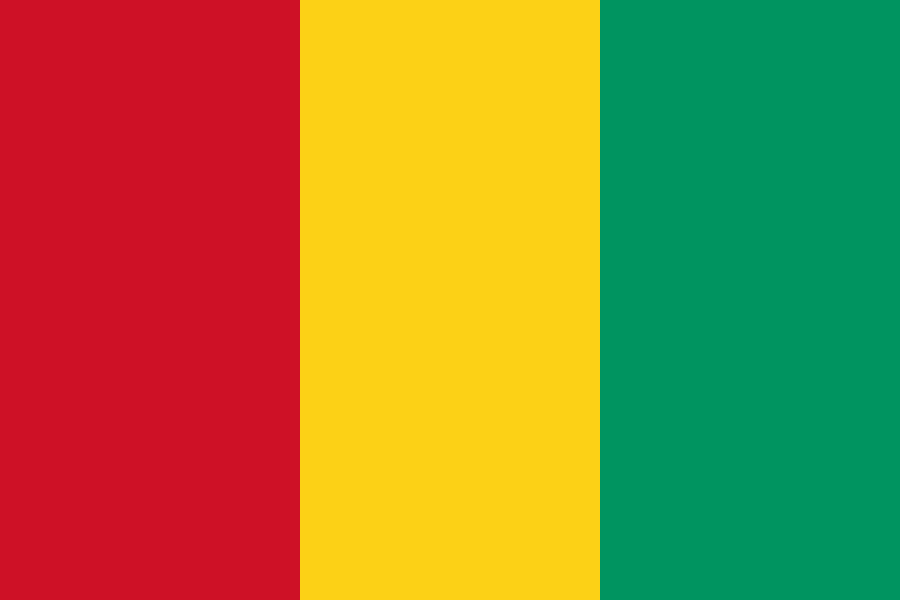 Guinea
-
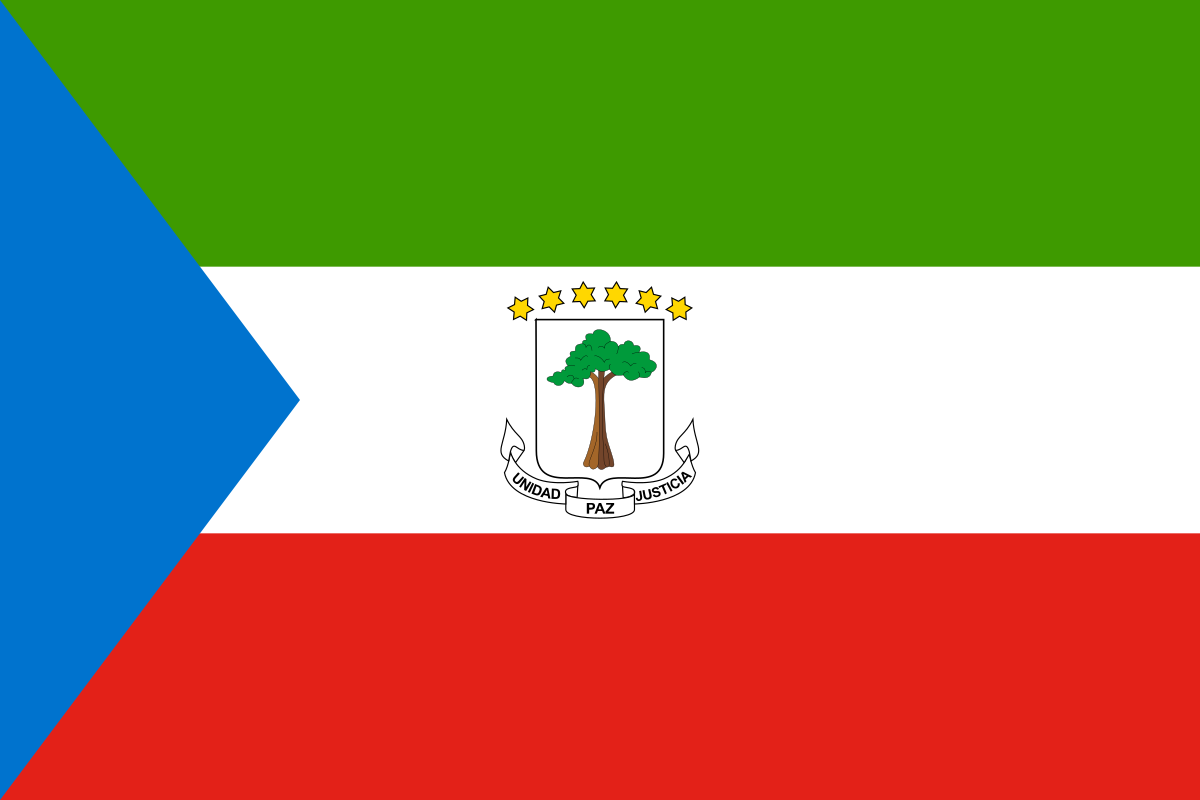 Guinea Ecuatorial
-
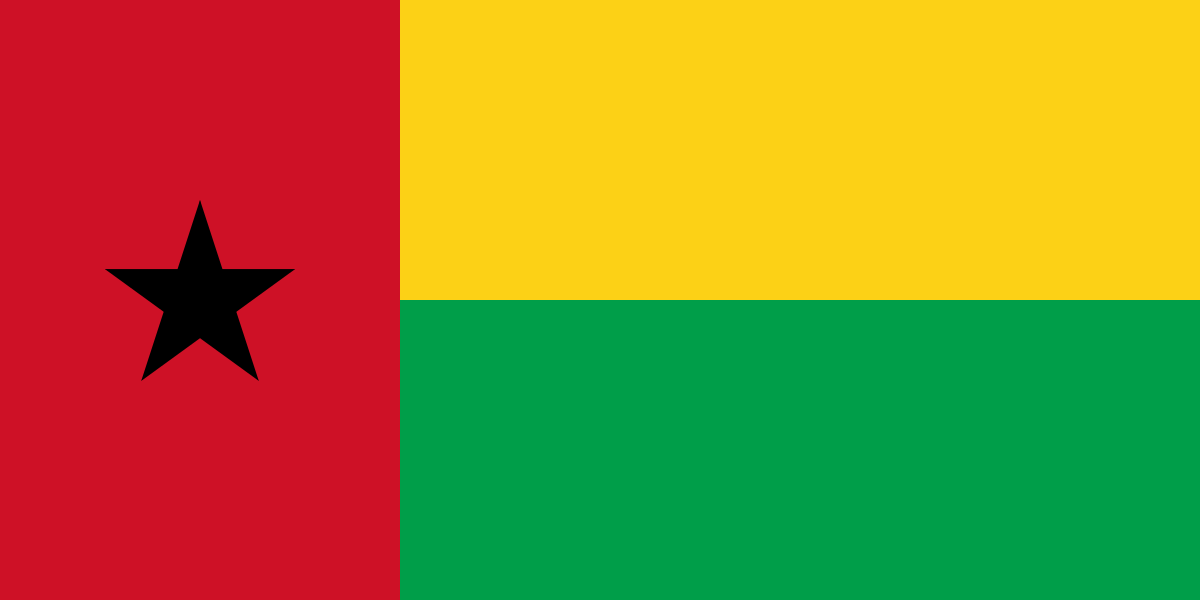 Guinea-Bisáu
-
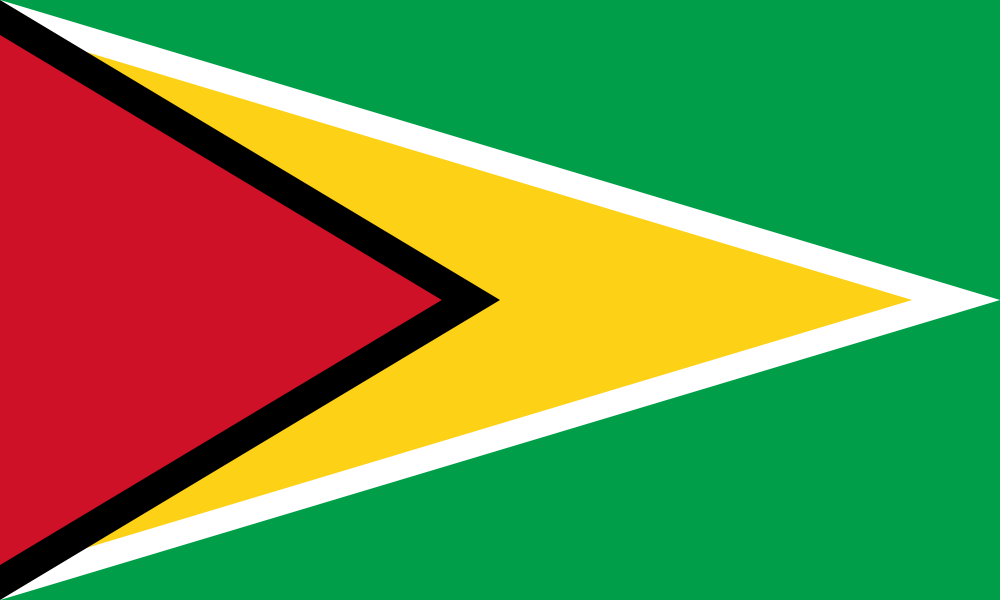 Guyana
-
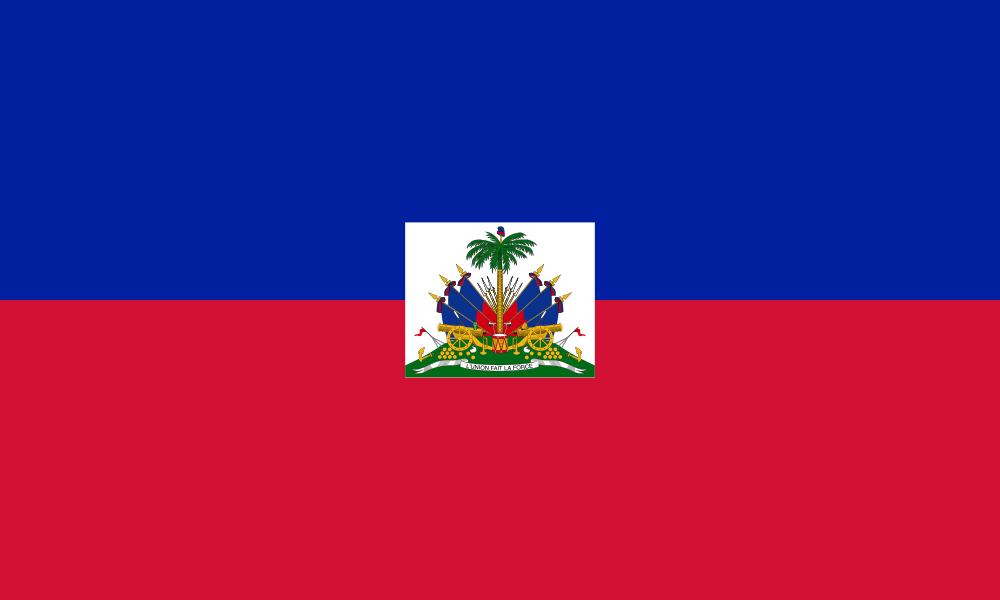 Haití
Haití
-
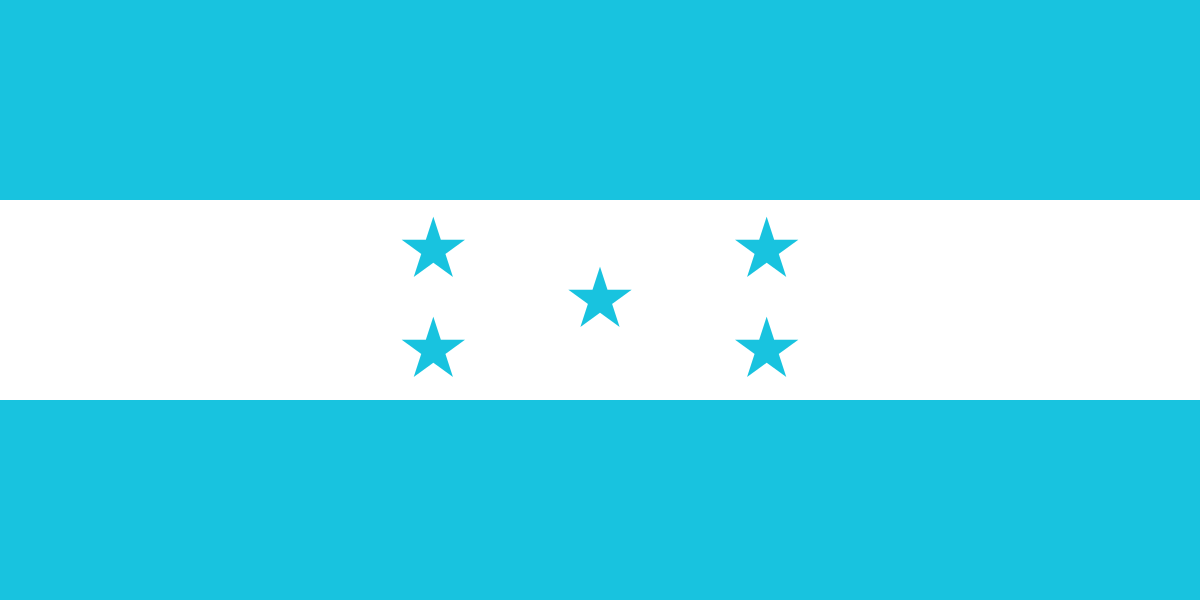 Honduras
-
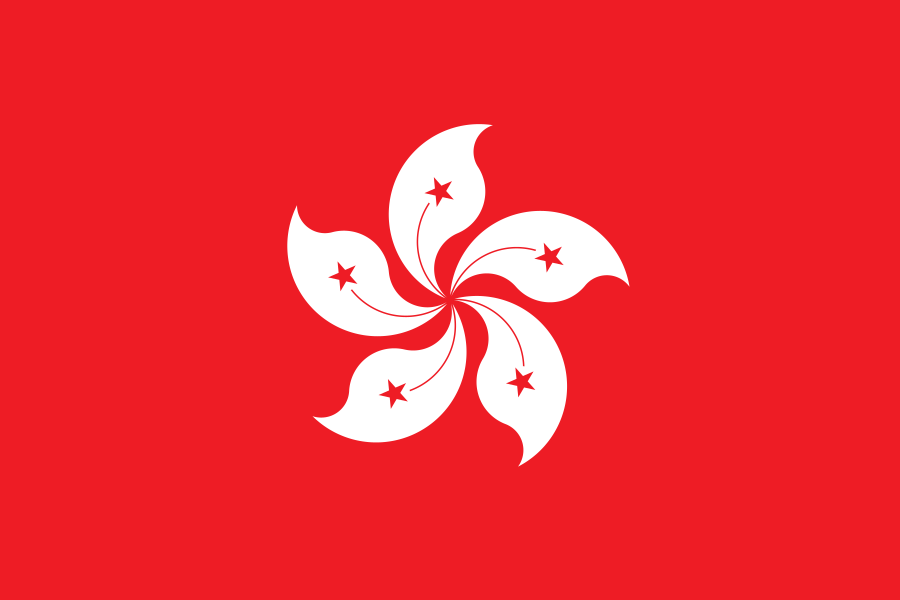 Hong Kong
-
 Hungría
-
 India
India
-
 Indonesia
-
 Inglaterra
-
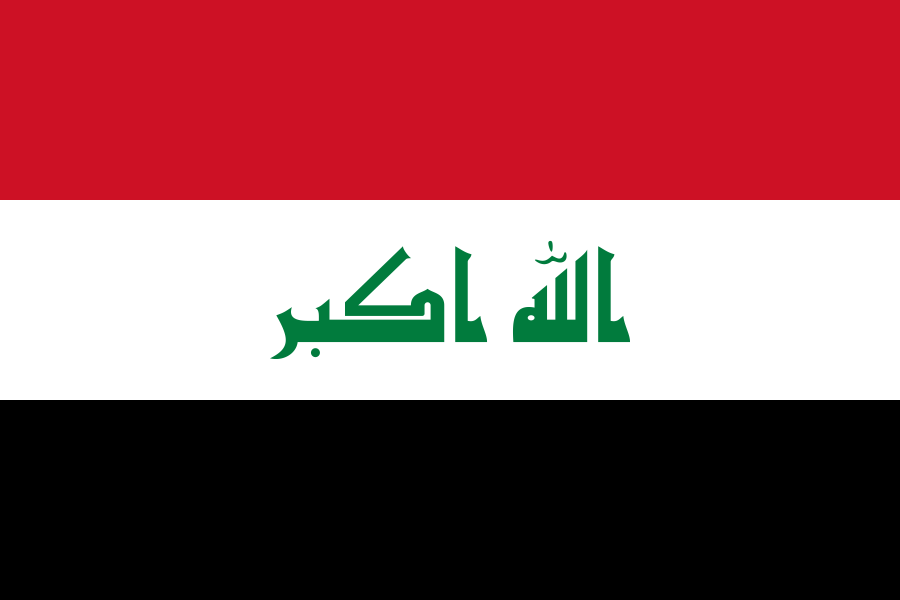 Irak
Irak
-
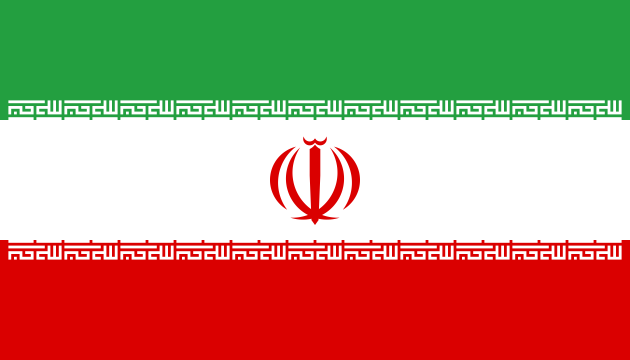 Irán
Irán
-
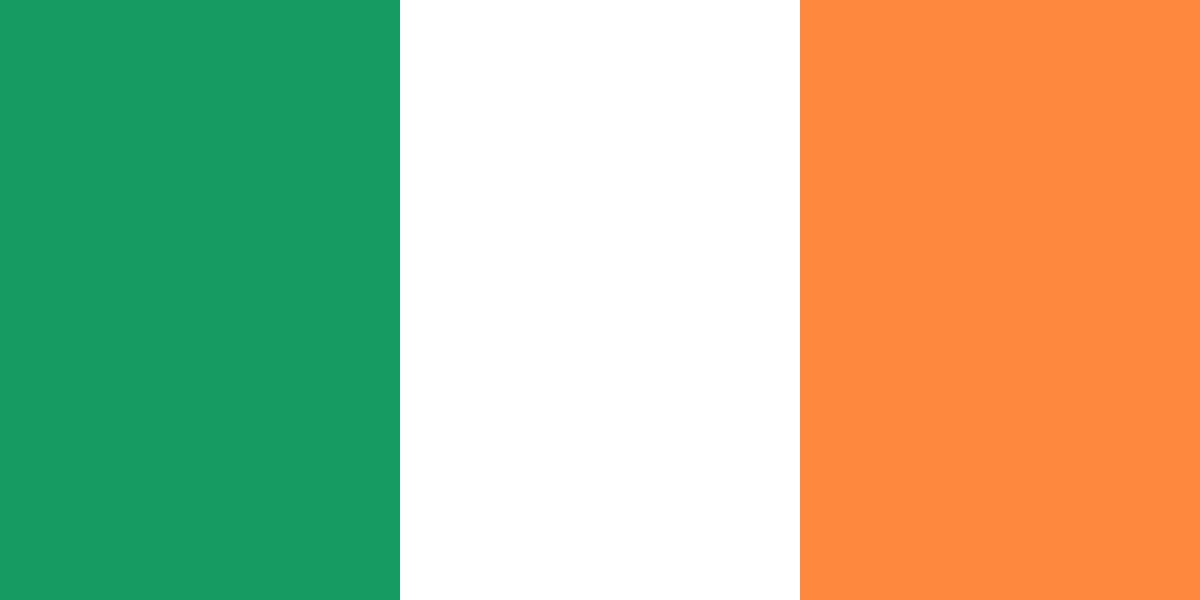 Irlanda
-
 Isla Bouvet
-
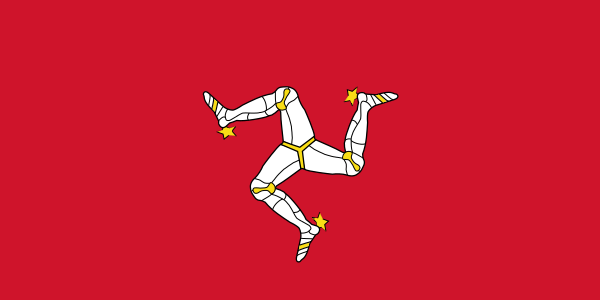 Isla de Man
-
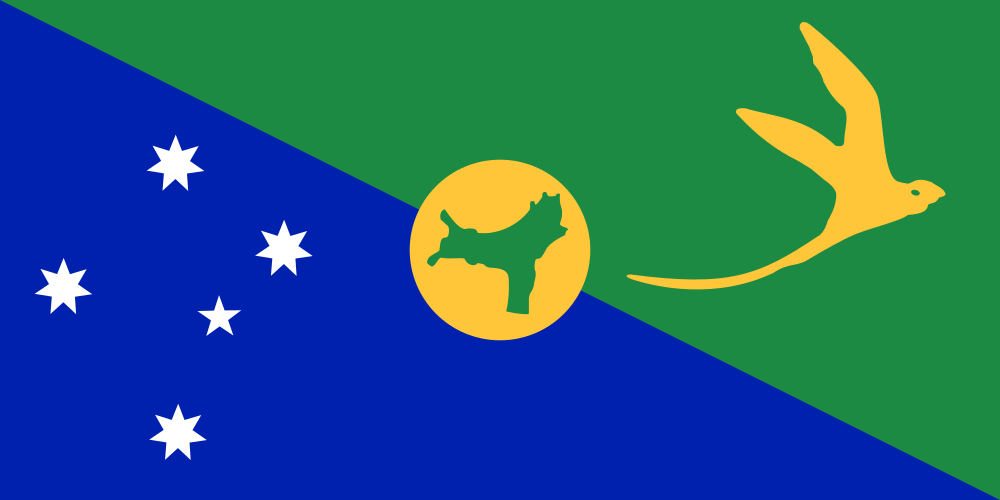 Isla de Navidad
-
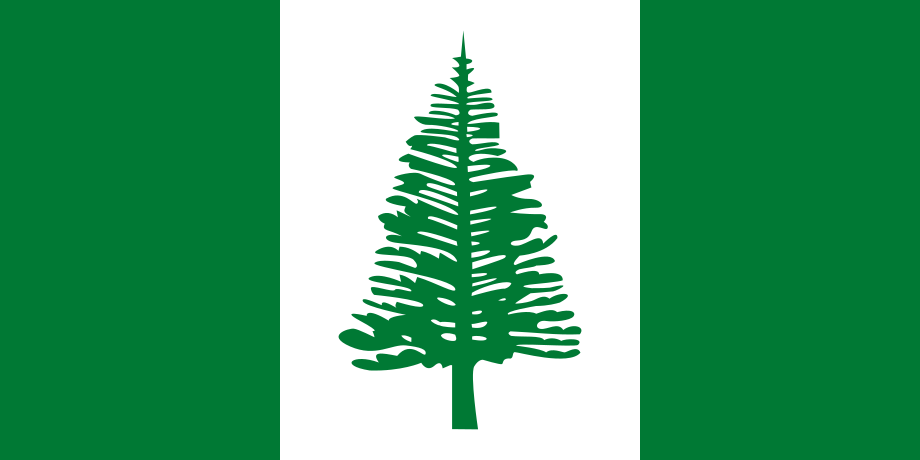 Isla Norfolk
-
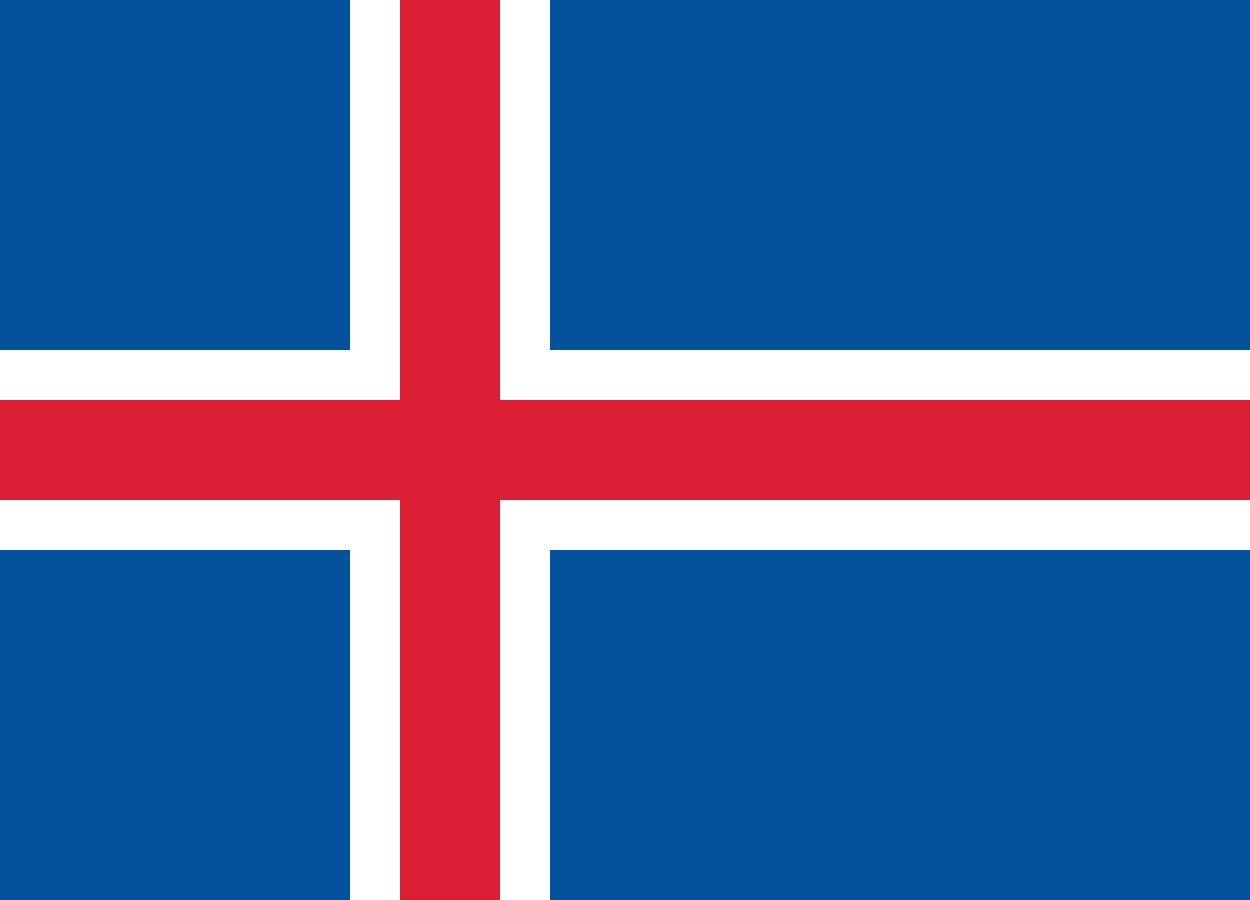 Islandia
-
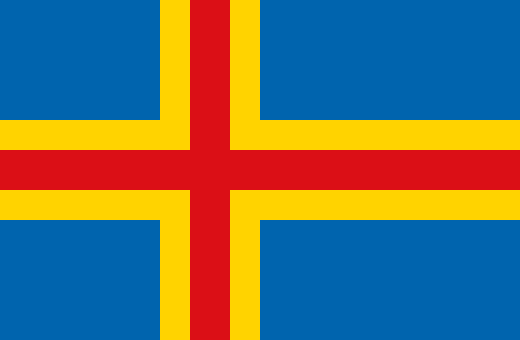 Islas Åland
-
 Islas Caimán
-
 Islas Cocos
-
 Islas Cook
-
 Islas Feroe
-
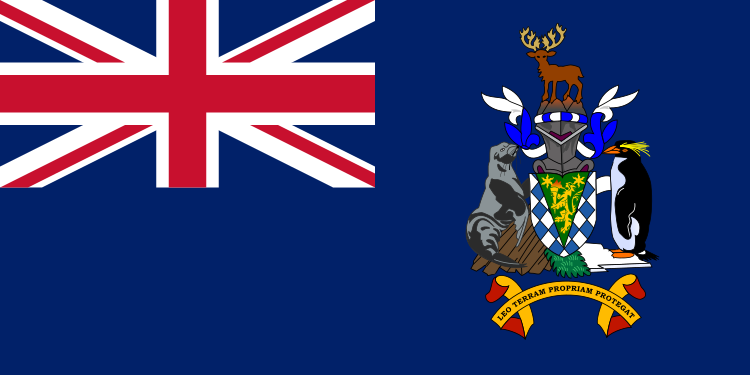 Islas Georgias del Sur y Sandwich del Sur
-
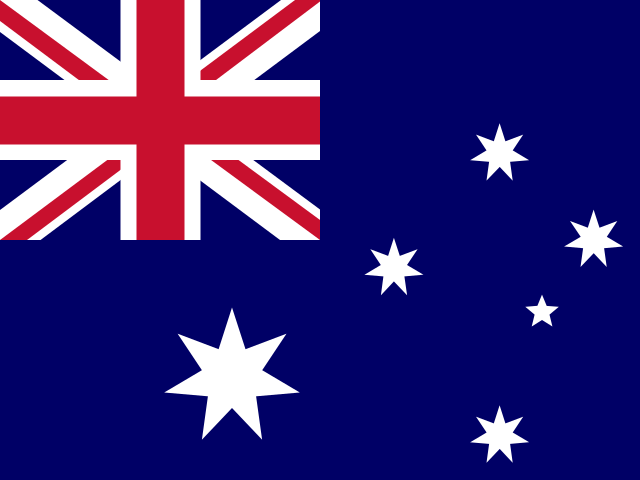 Islas Heard y McDonald
-
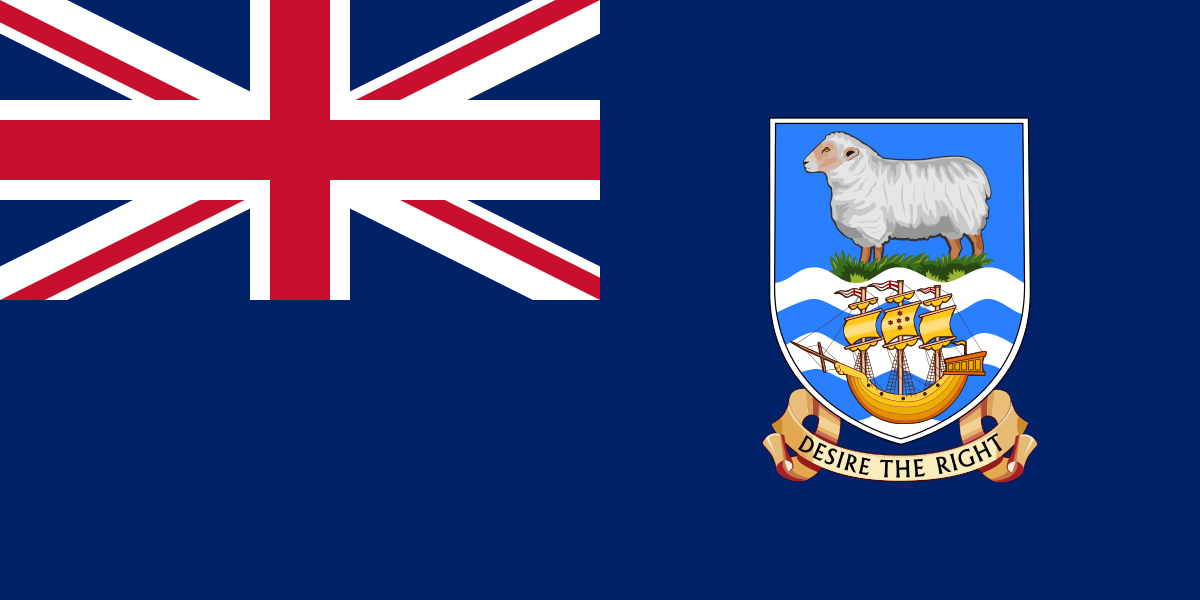 Islas Malvinas
-
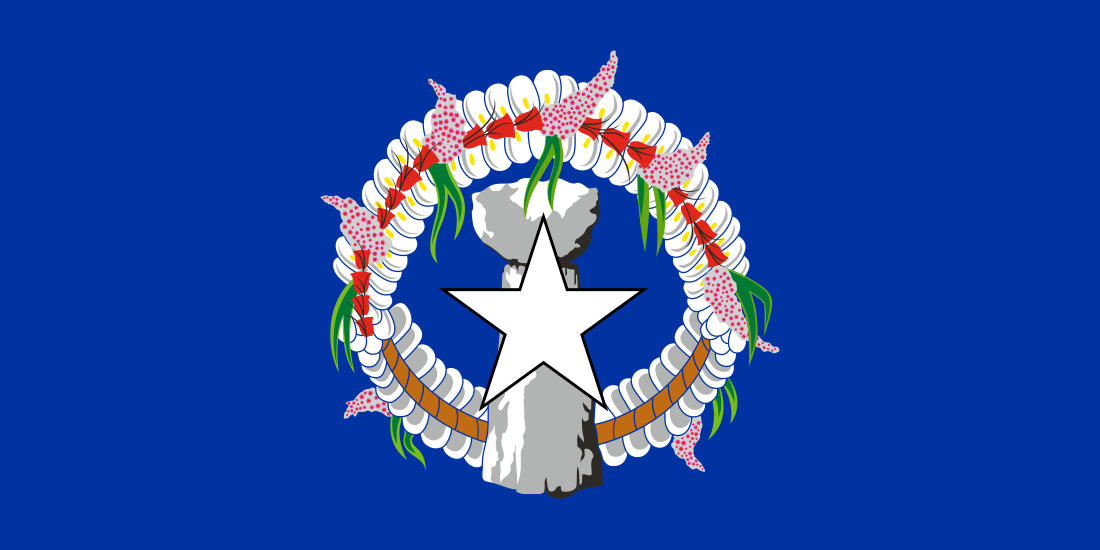 Islas Marianas del Norte
-
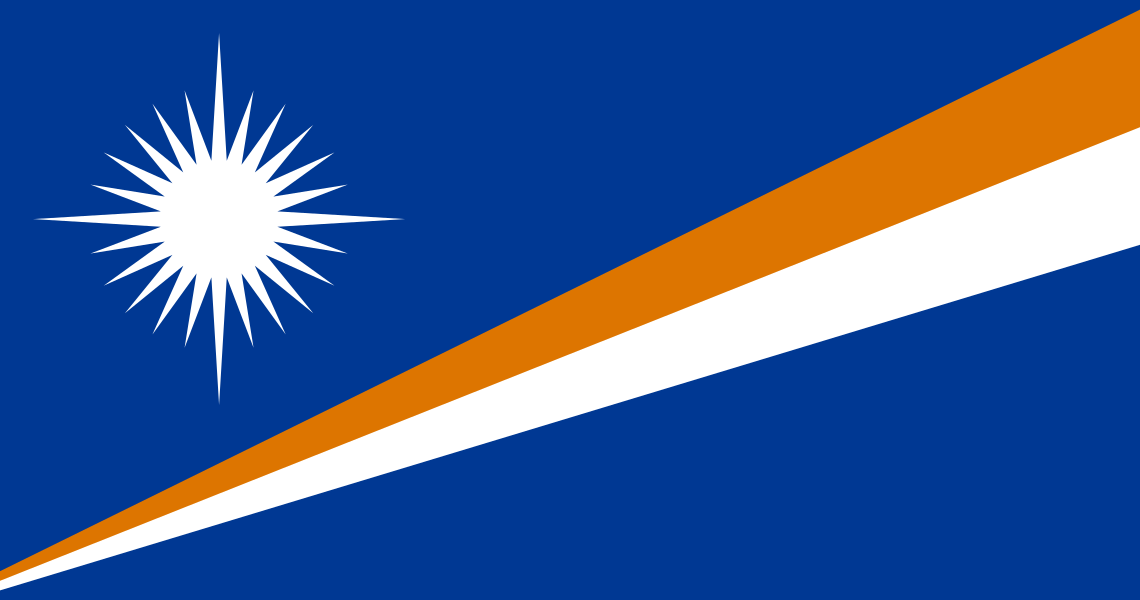 Islas Marshall
-
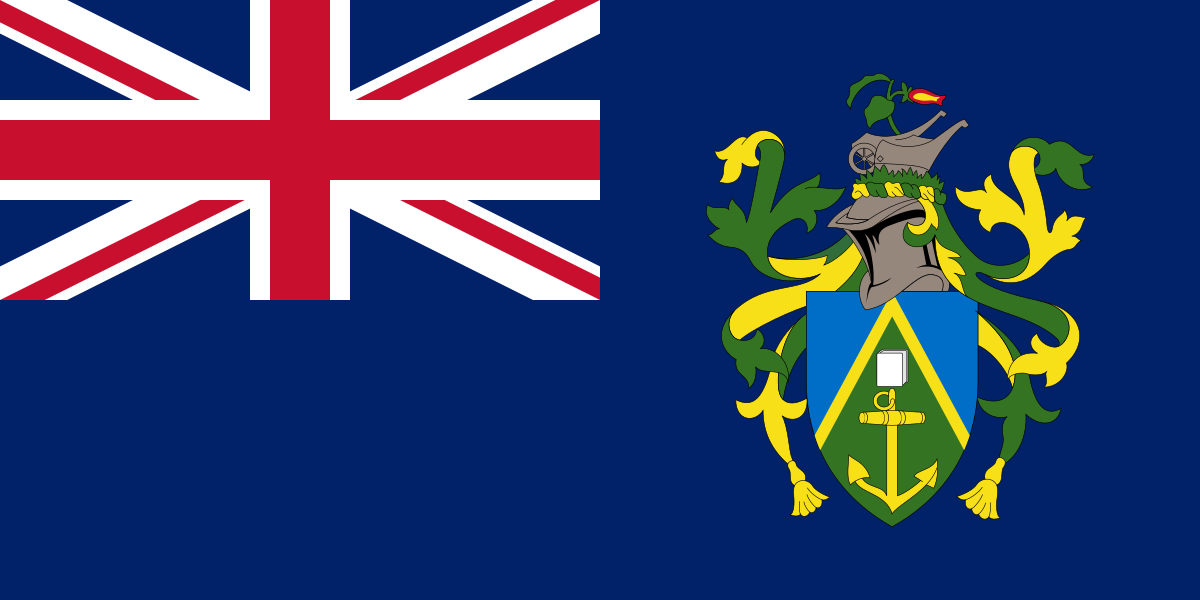 Islas Pitcairn
-
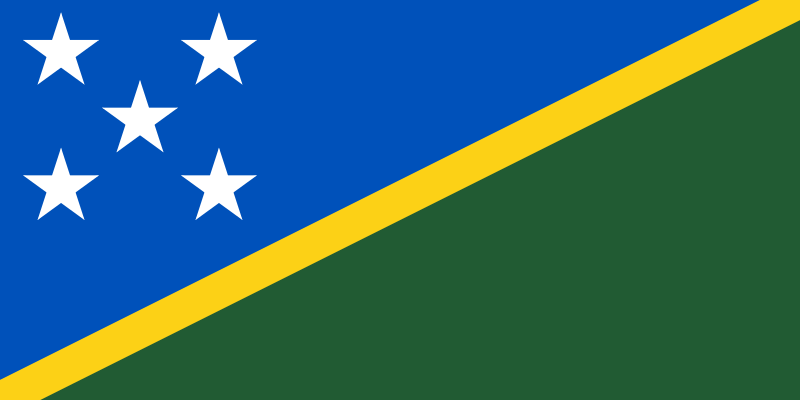 Islas Salomón
-
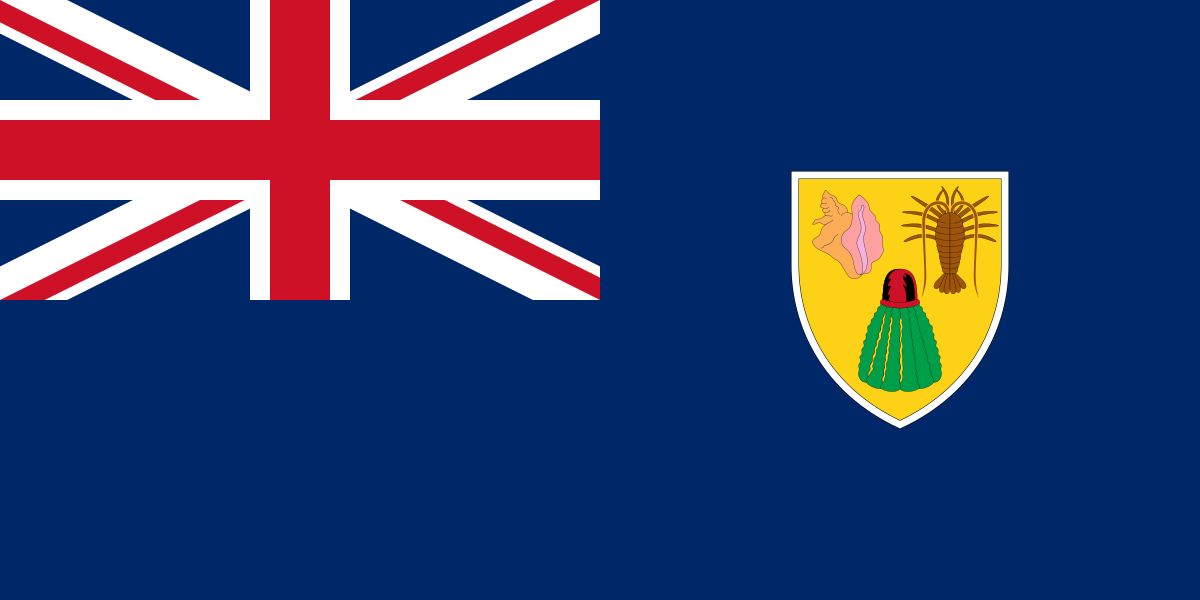 Islas Turcas y Caicos
-
Islas Ultramarinas Menores de los Estados Unidos
-
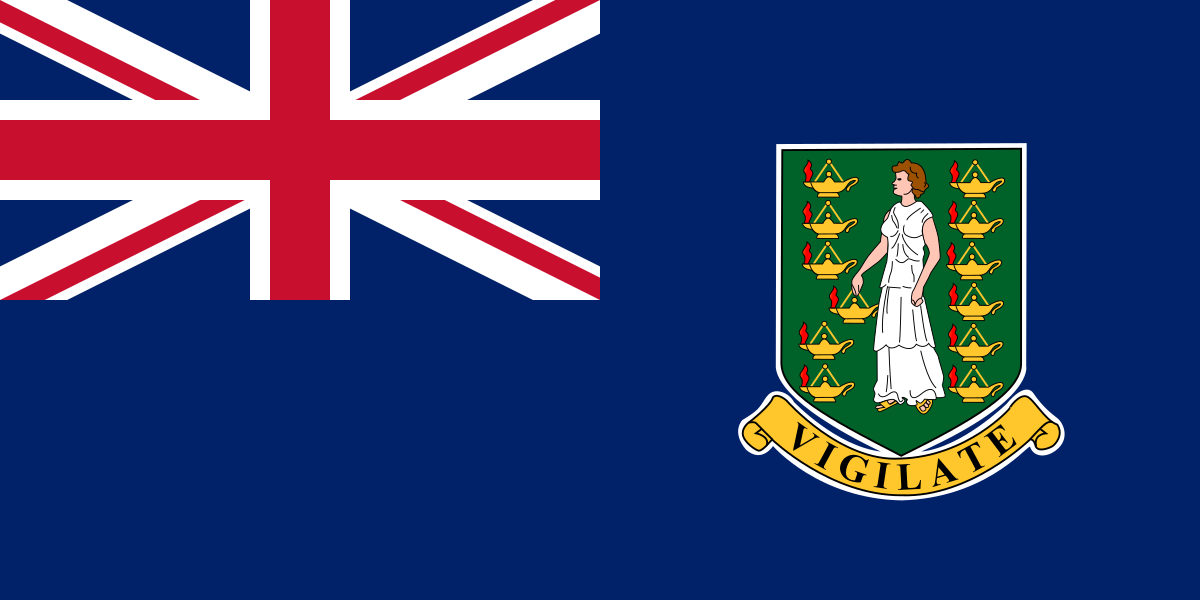 Islas Vírgenes Británicas
-
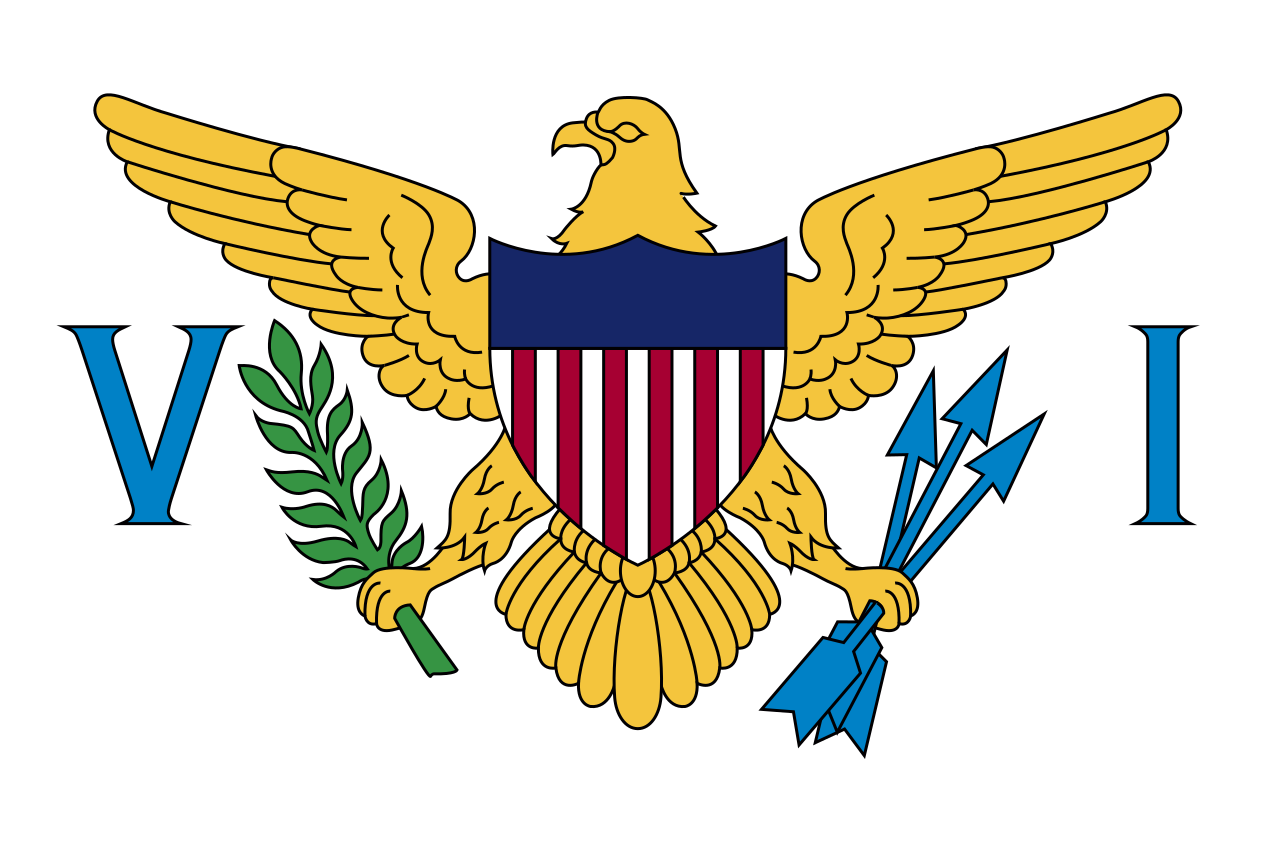 Islas Vírgenes de los Estados Unidos
-
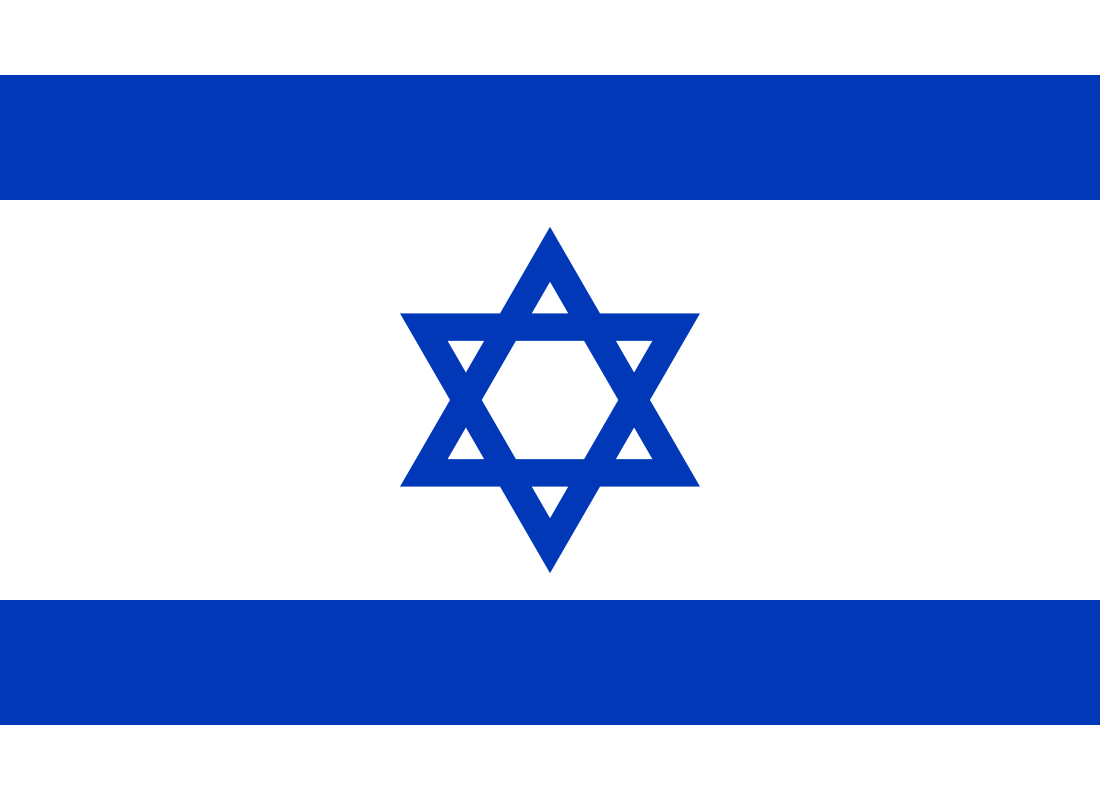 Israel
-
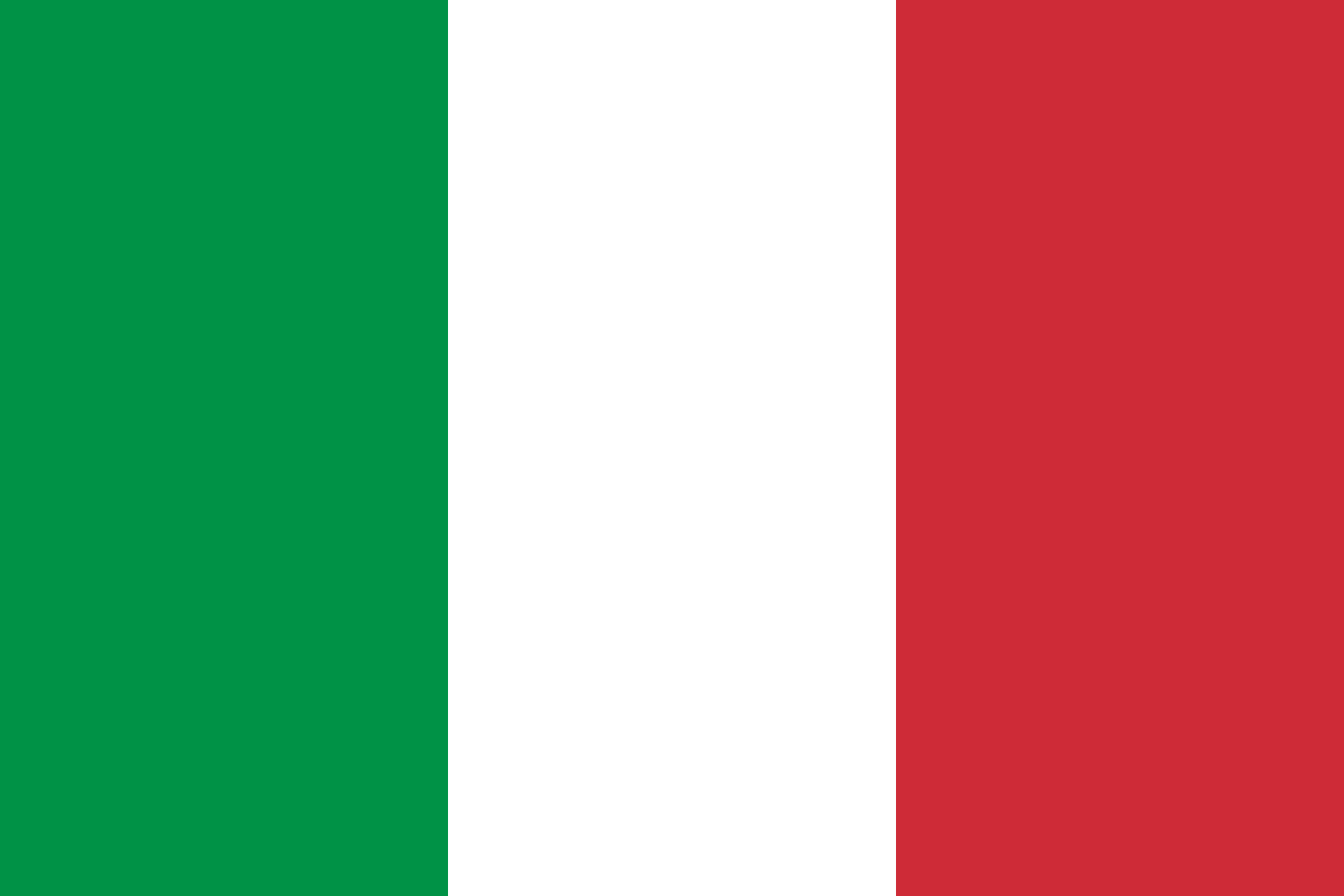 Italia
-
 Jamaica
-
 Japón
Japón
-
 Jersey
-
 Jordania
-
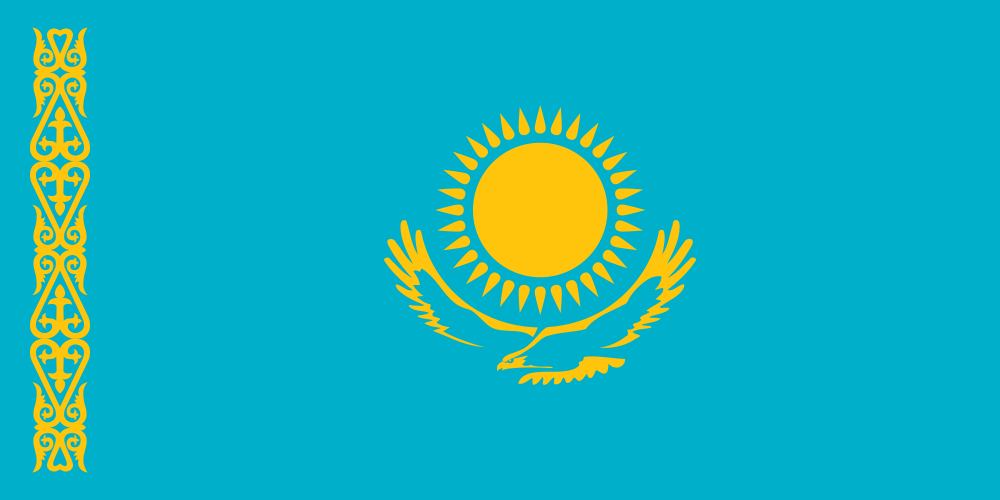 Kazajistán
-
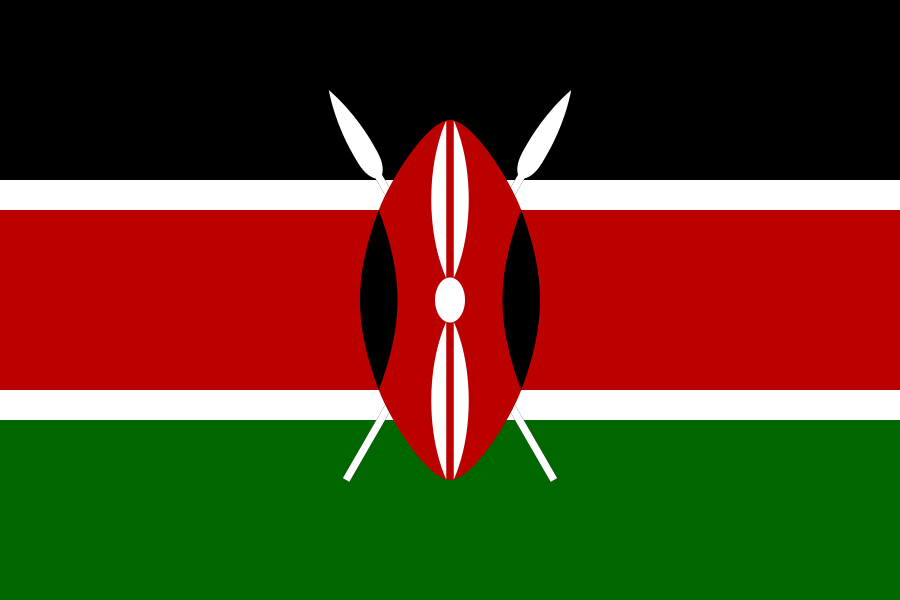 Kenia
Kenia
-
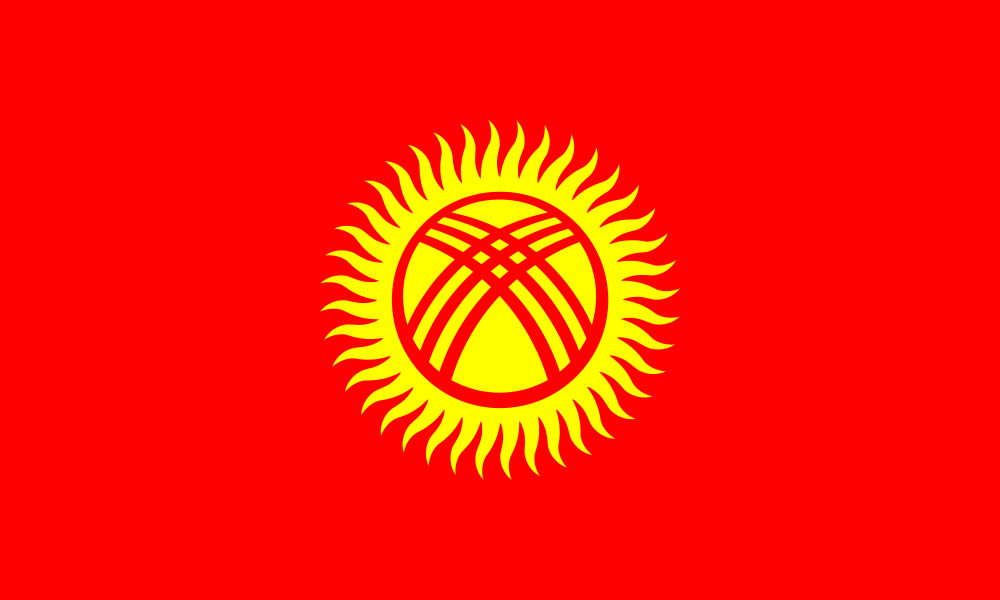 Kirguistán
-
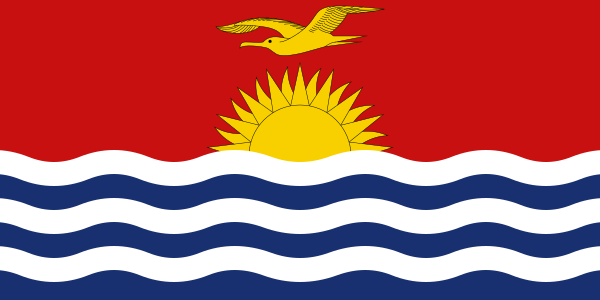 Kiribati
-
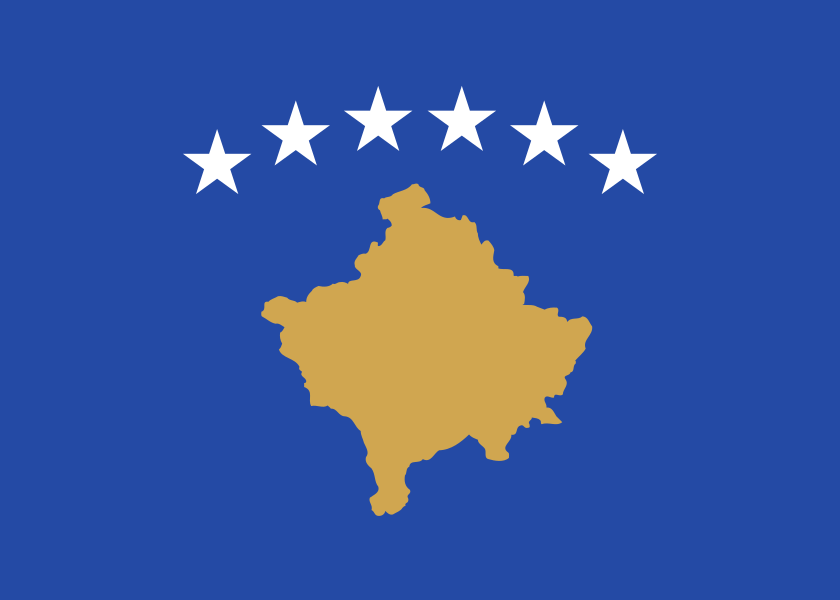 Kosovo
-
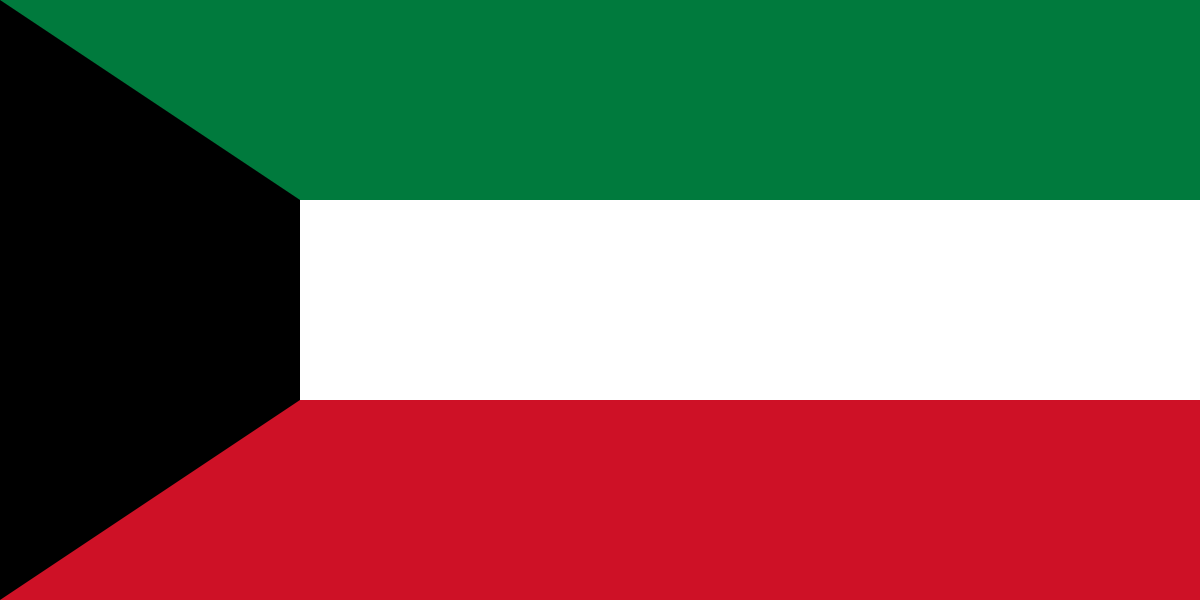 Kuwait
-
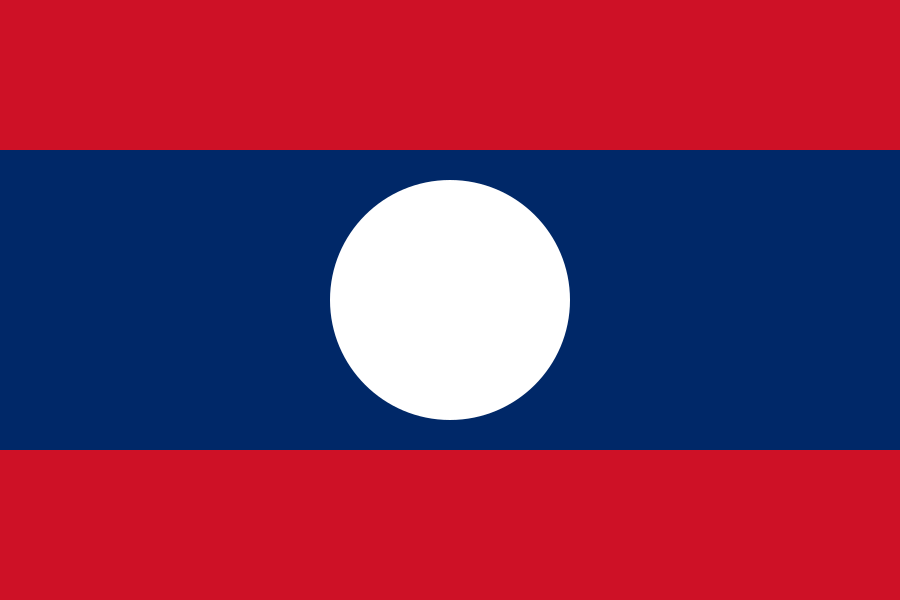 Laos
Laos
-
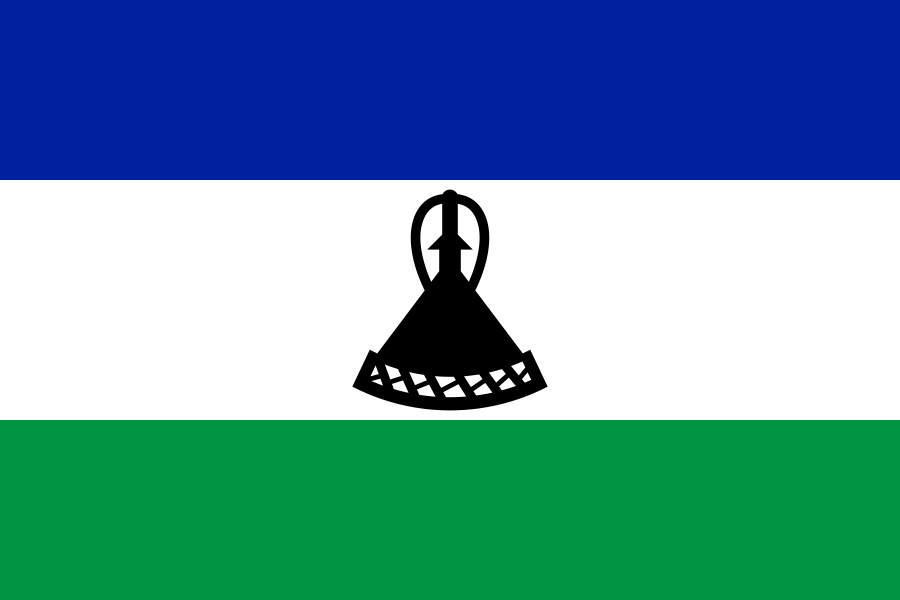 Lesoto
-
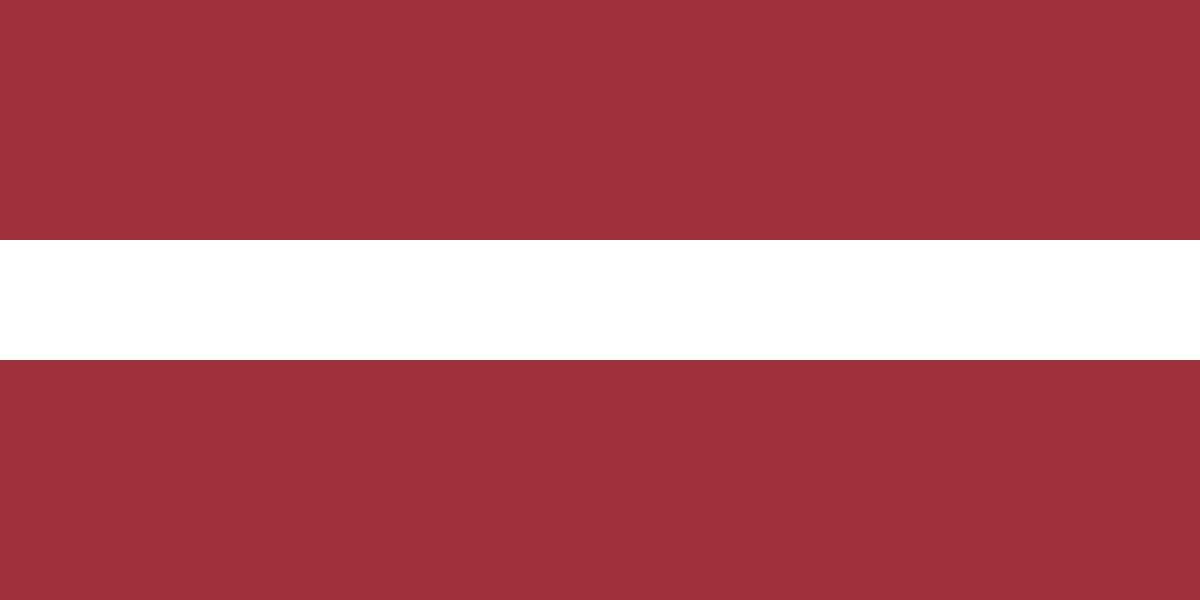 Letonia
-
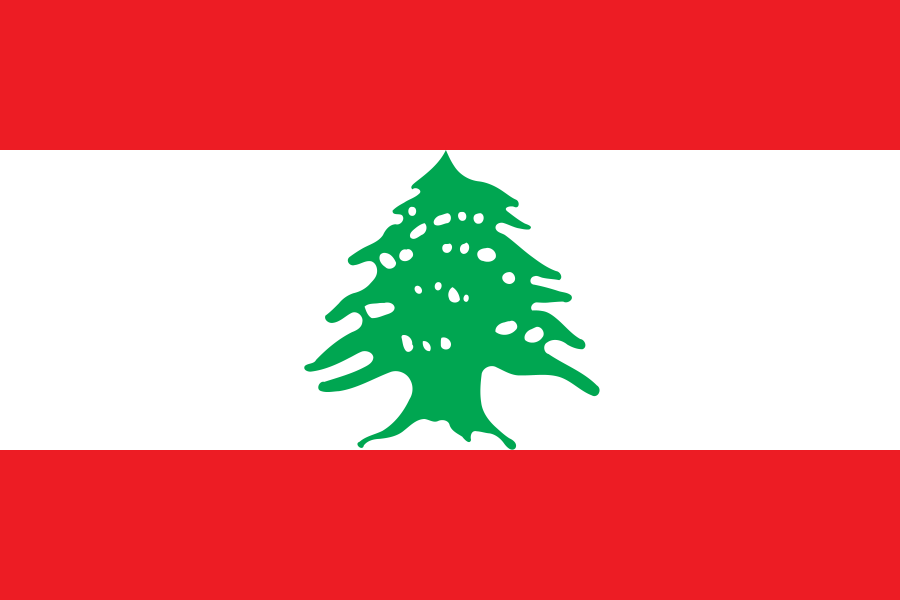 Líbano
-
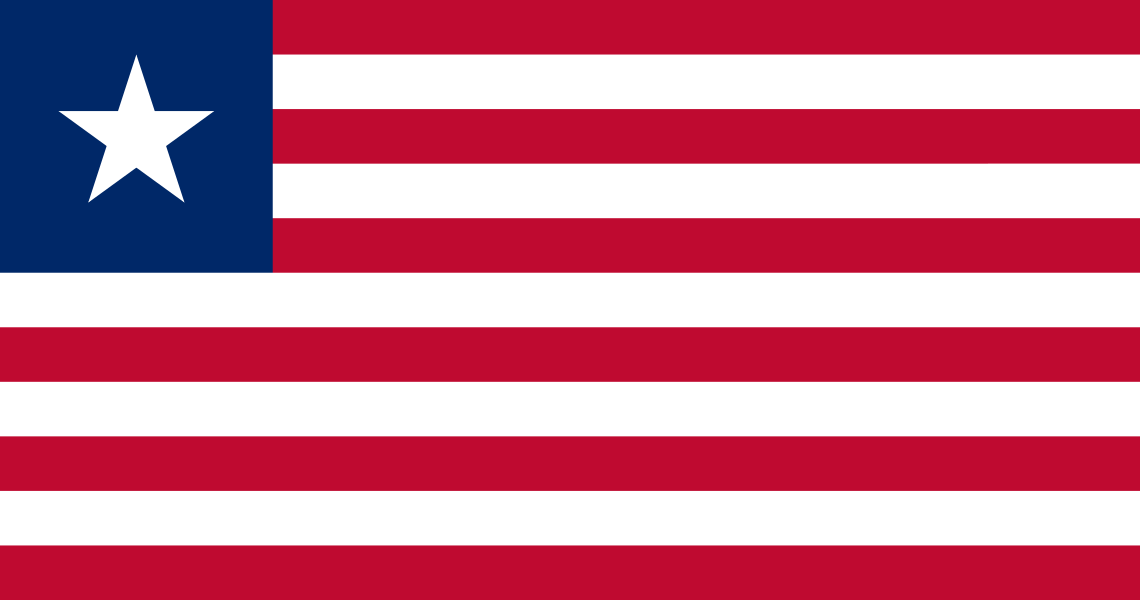 Liberia
-
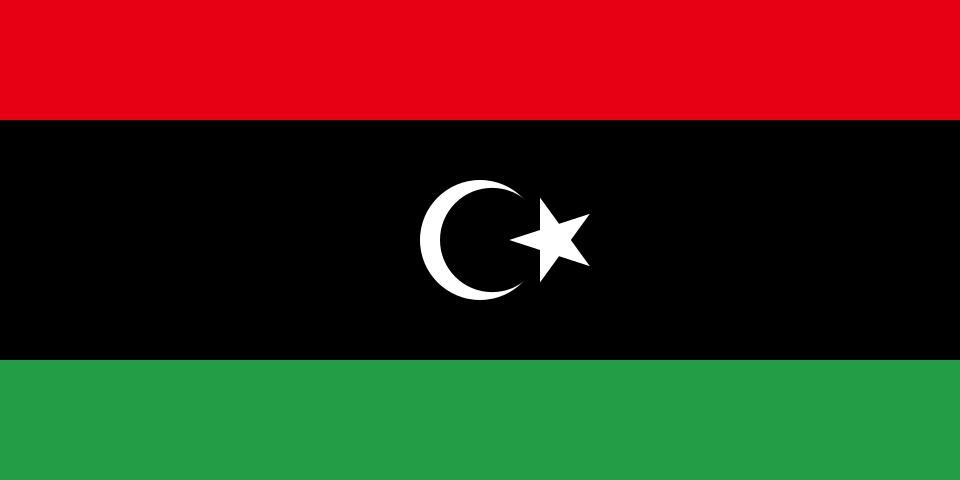 Libia
Libia
-
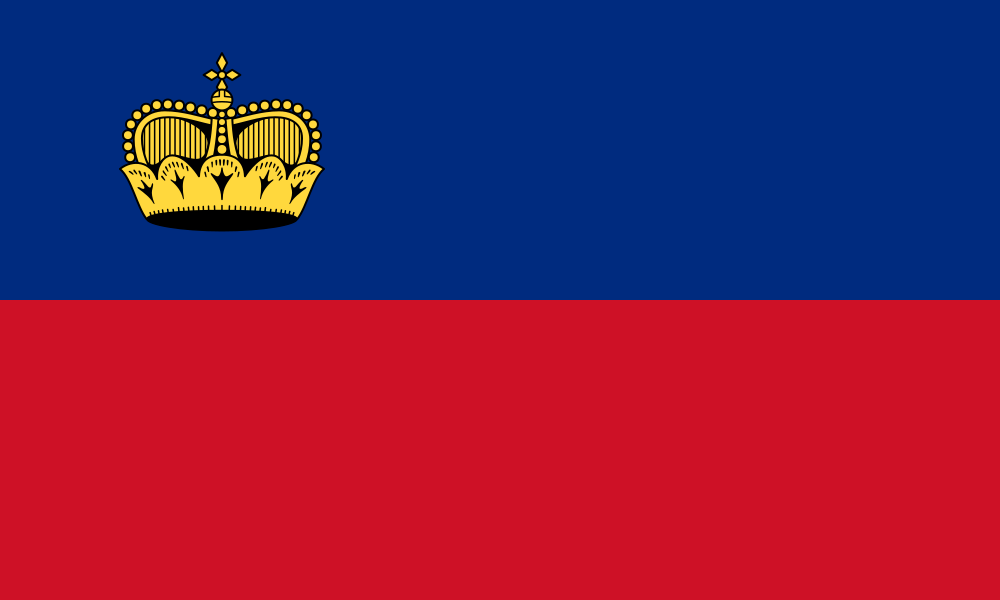 Liechtenstein
-
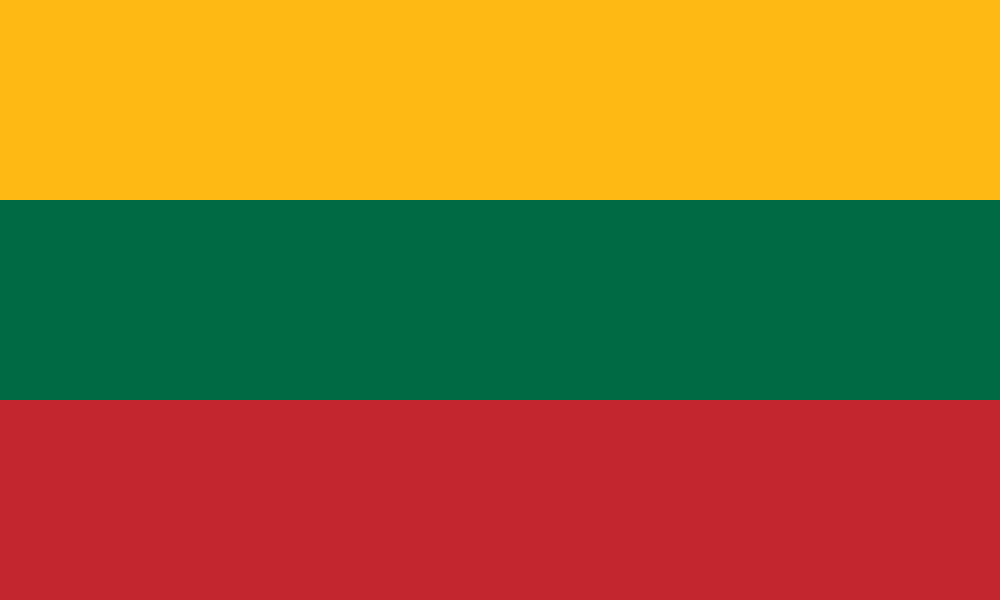 Lituania
-
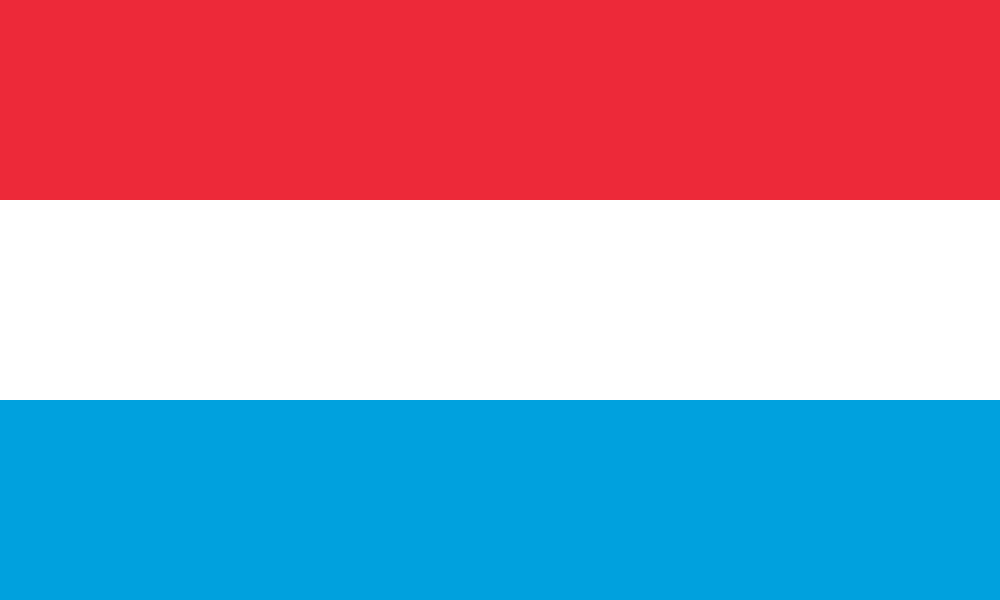 Luxemburgo
-
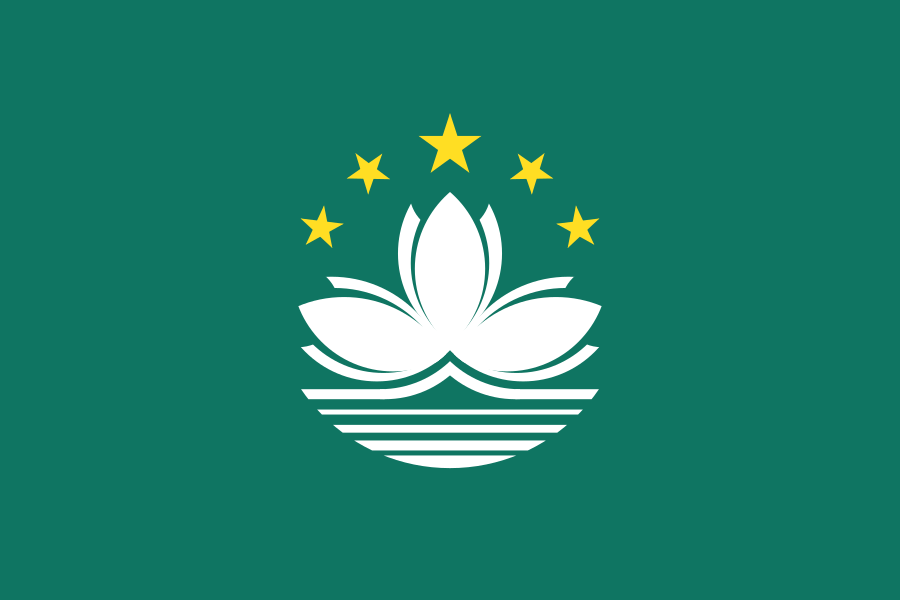 Macao
Macao
-
 Macedonia del Norte
-
 Madagascar
-
 Malasia
-
 Malaui
-
 Maldivas
-
 Malí
Malí
-
 Malta
Malta
-
 Marruecos
-
Martinica
-
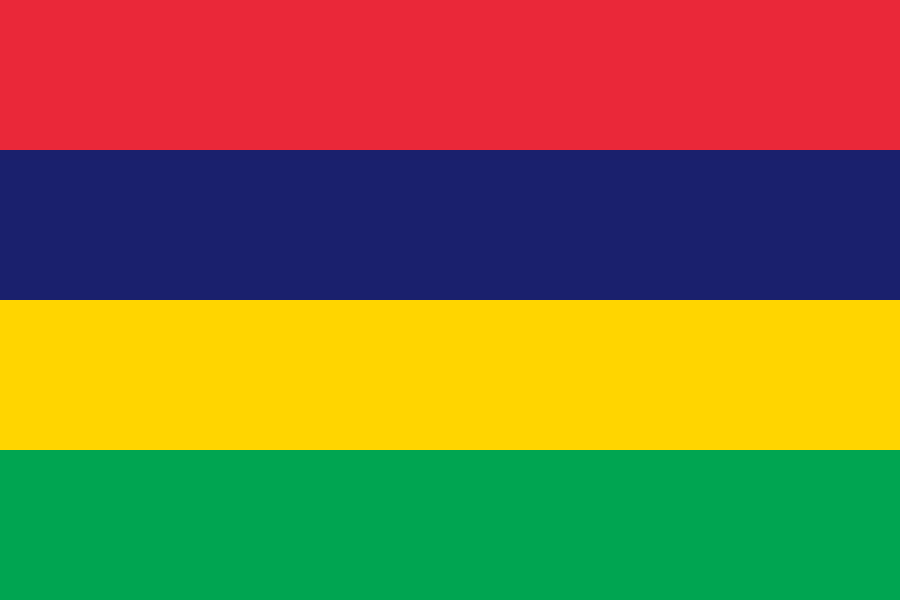 Mauricio
-
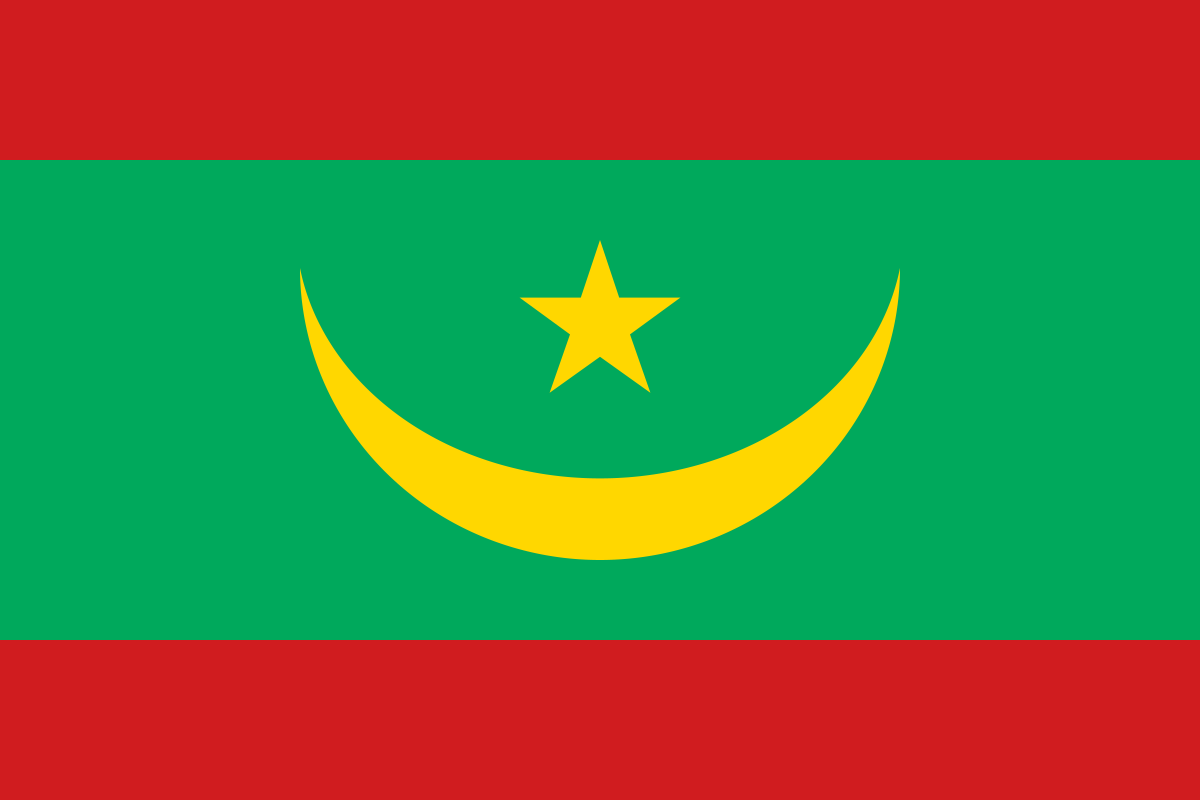 Mauritania
-
Mayotte
-
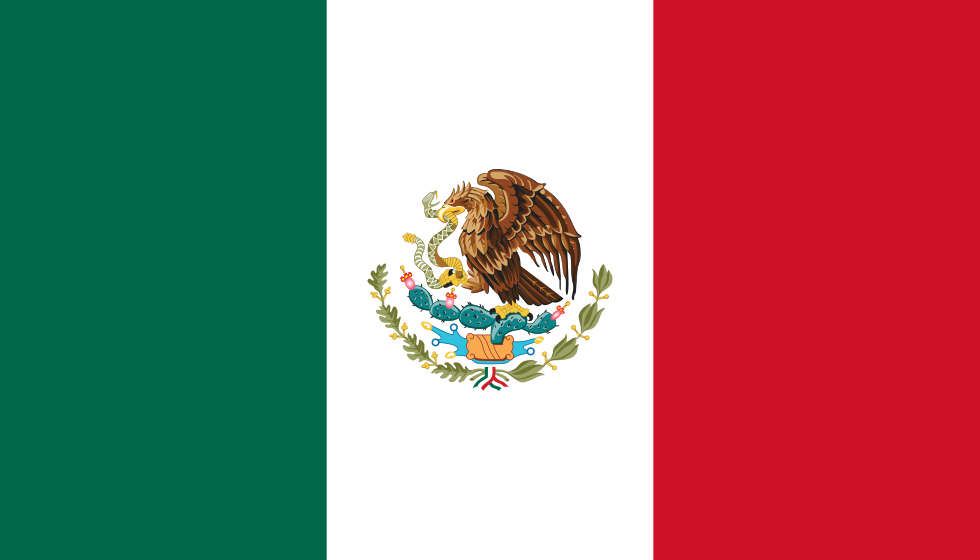 México
-
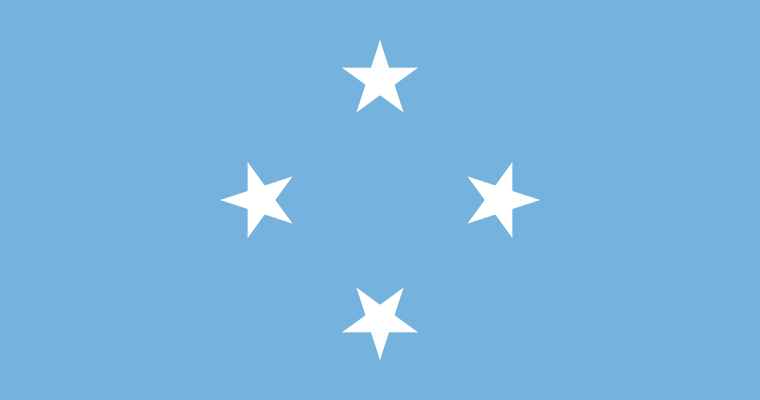 Micronesia
-
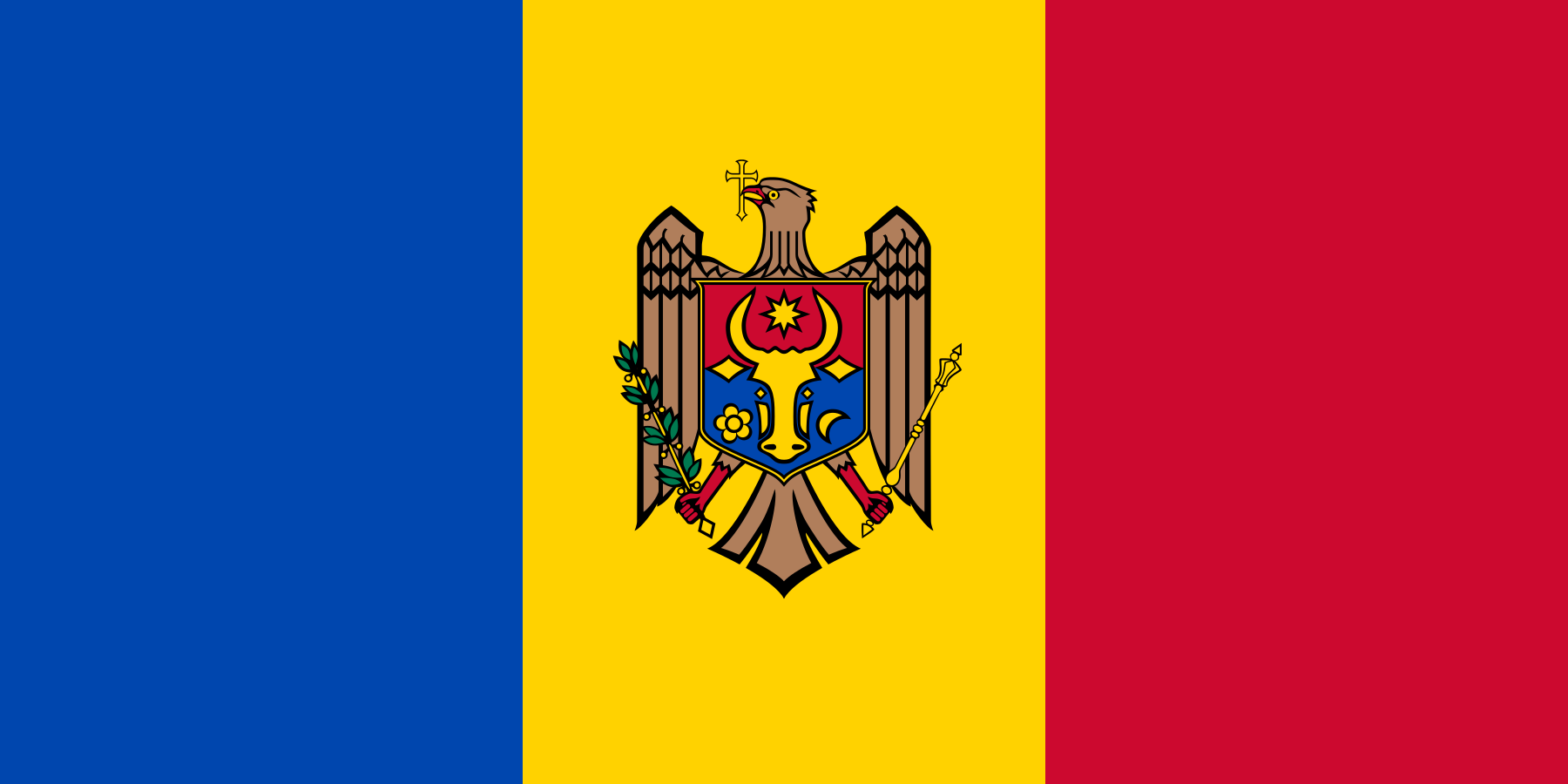 Moldavia
-
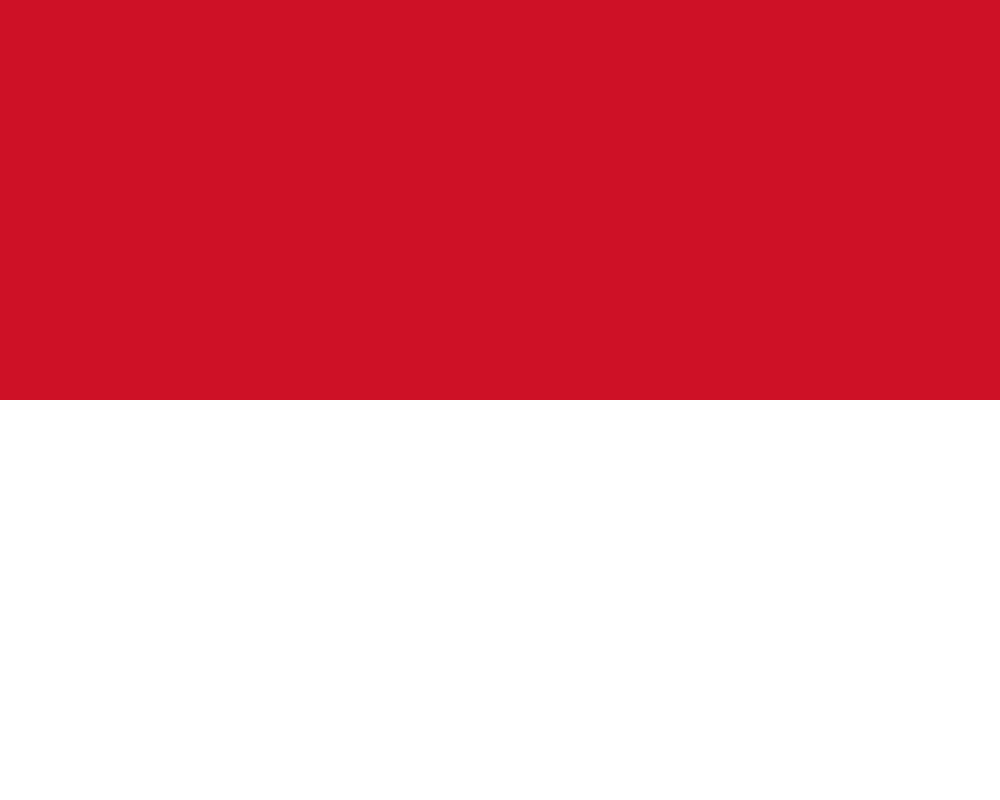 Mónaco
-
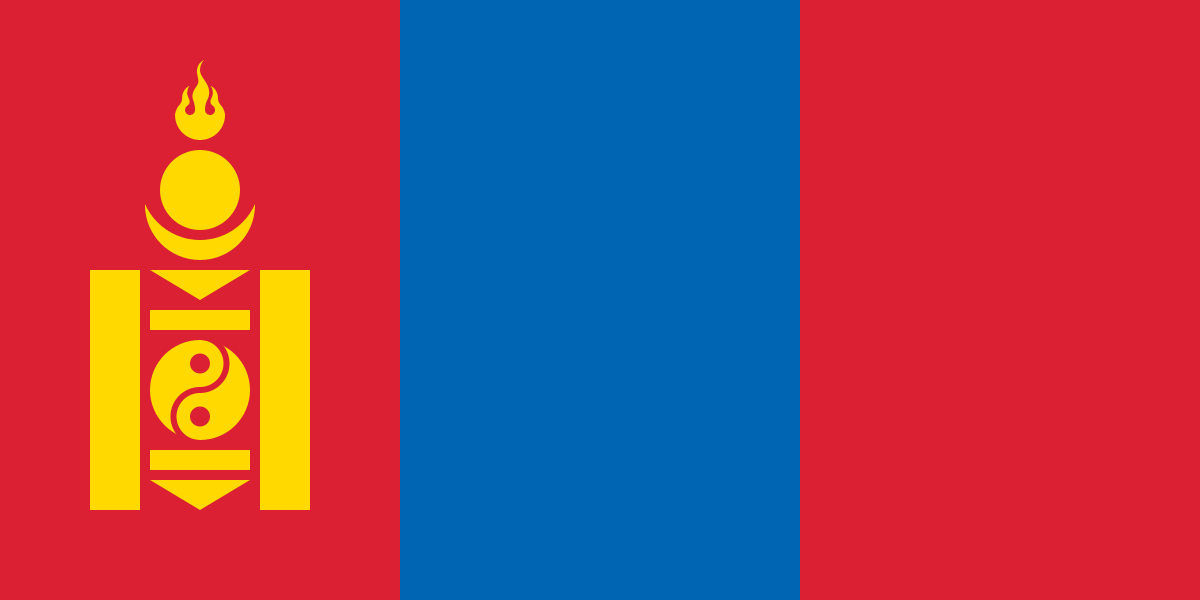 Mongolia
-
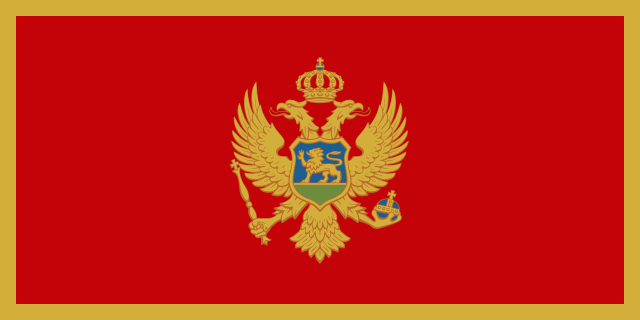 Montenegro
-
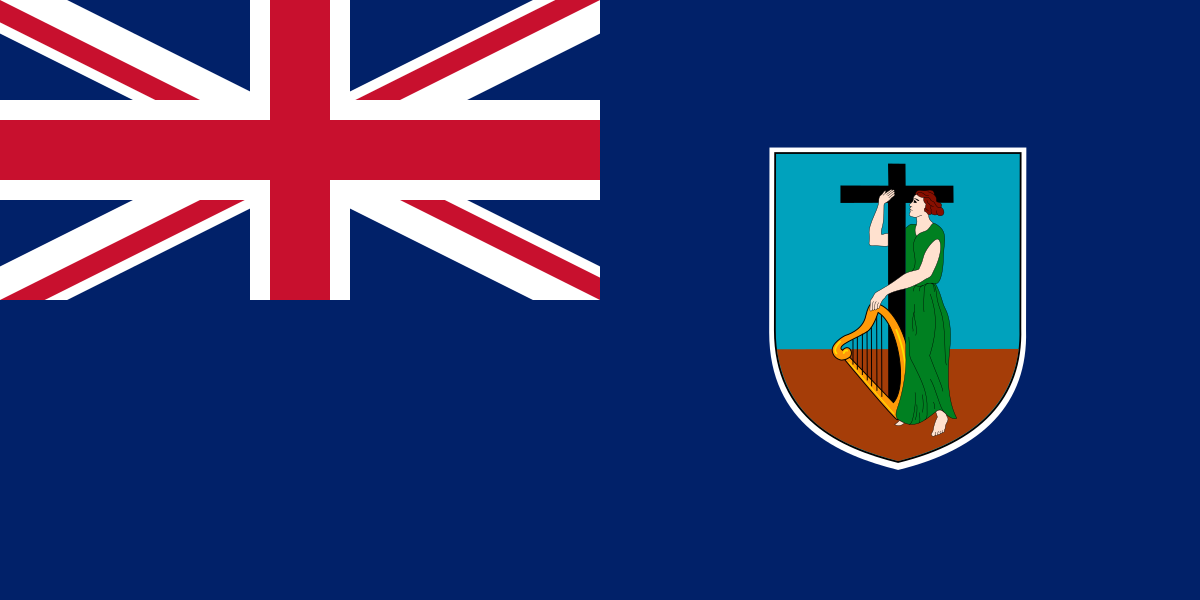 Montserrat
-
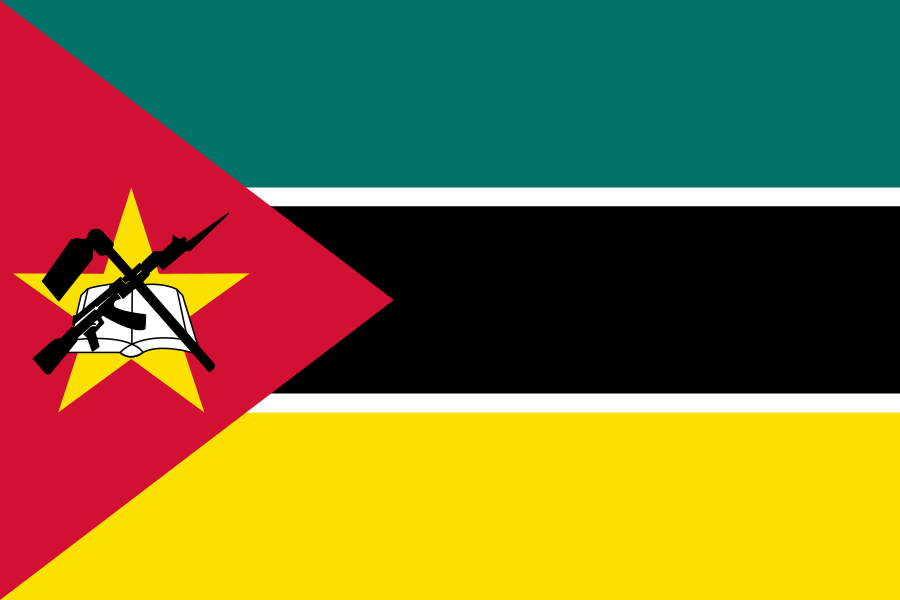 Mozambique
-
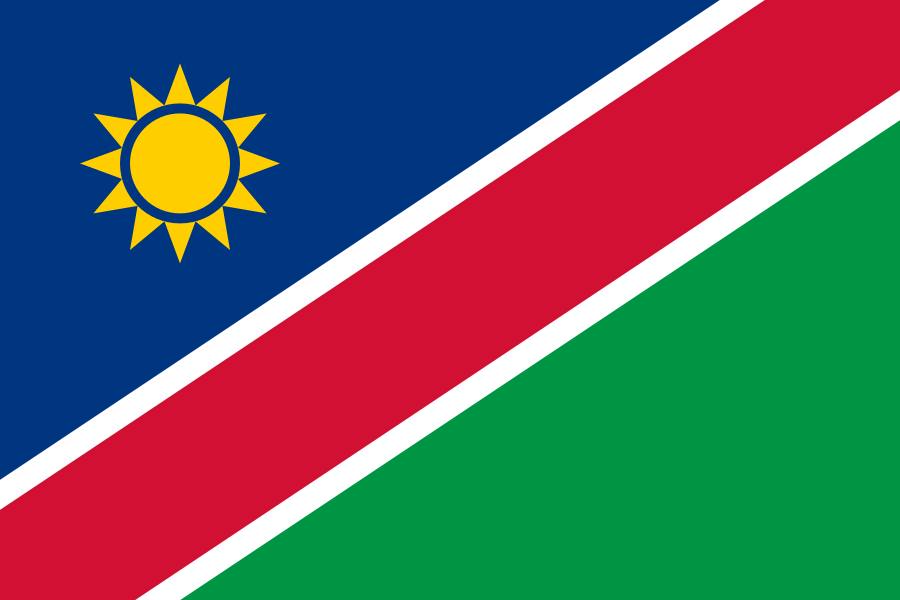 Namibia
-
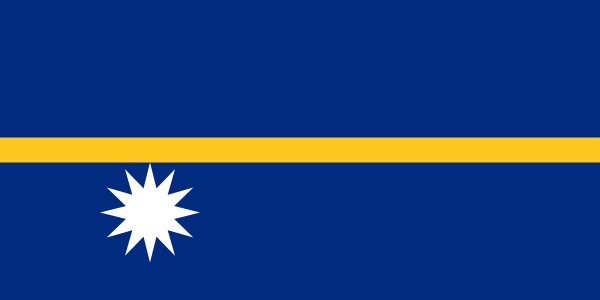 Nauru
Nauru
-
 Nepal
Nepal
-
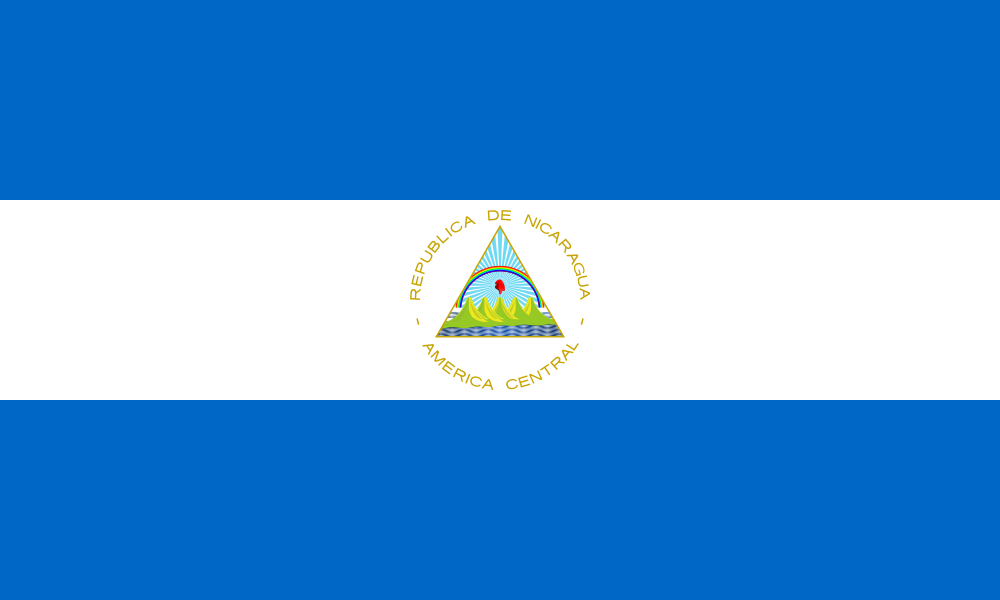 Nicaragua
-
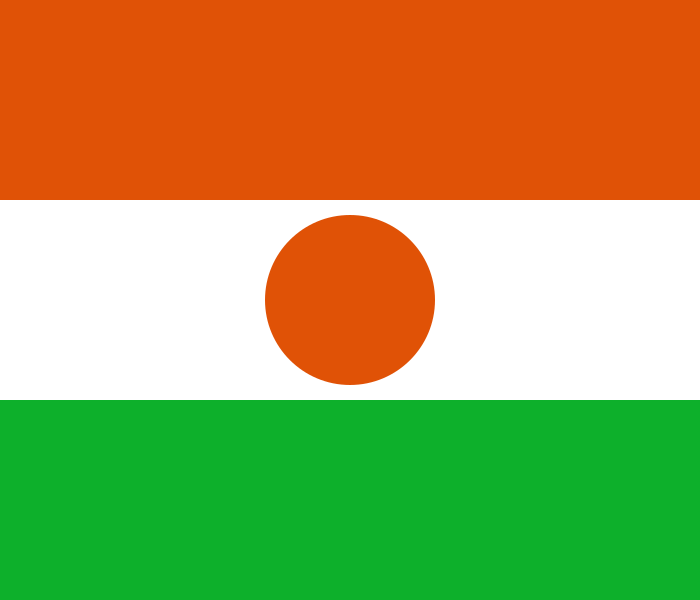 Níger
Níger
-
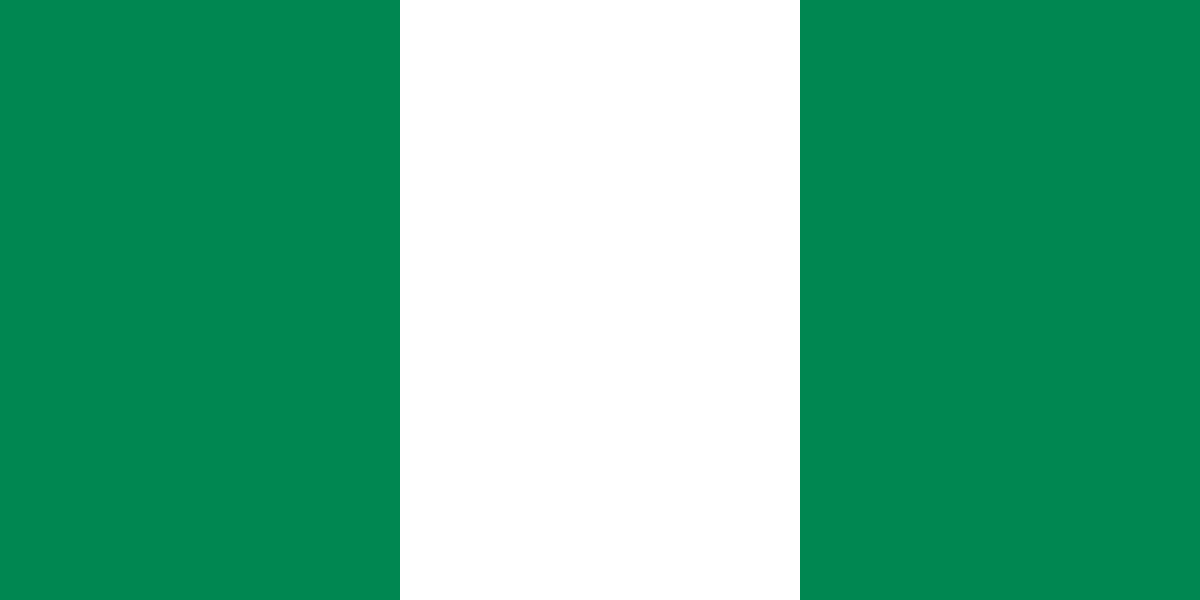 Nigeria
-
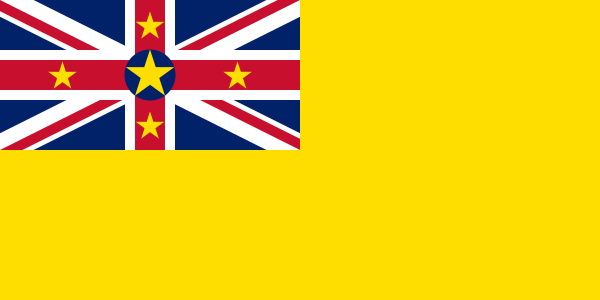 Niue
Niue
-
 Noruega
-
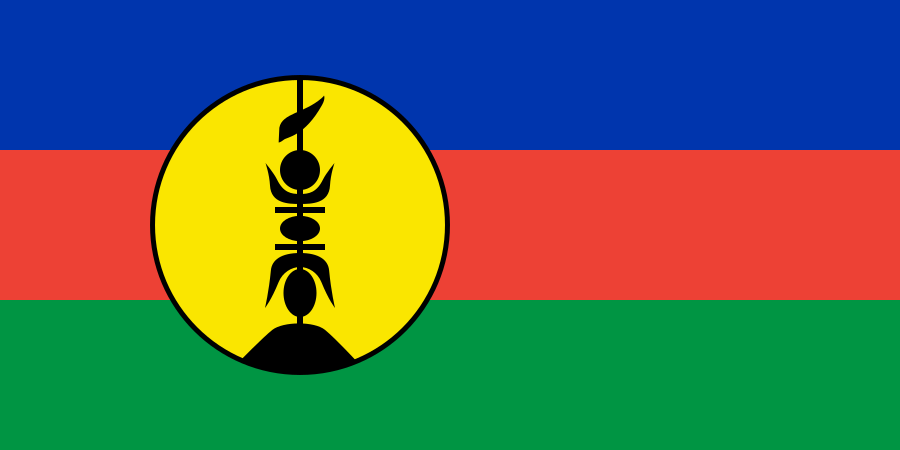 Nueva Caledonia
-
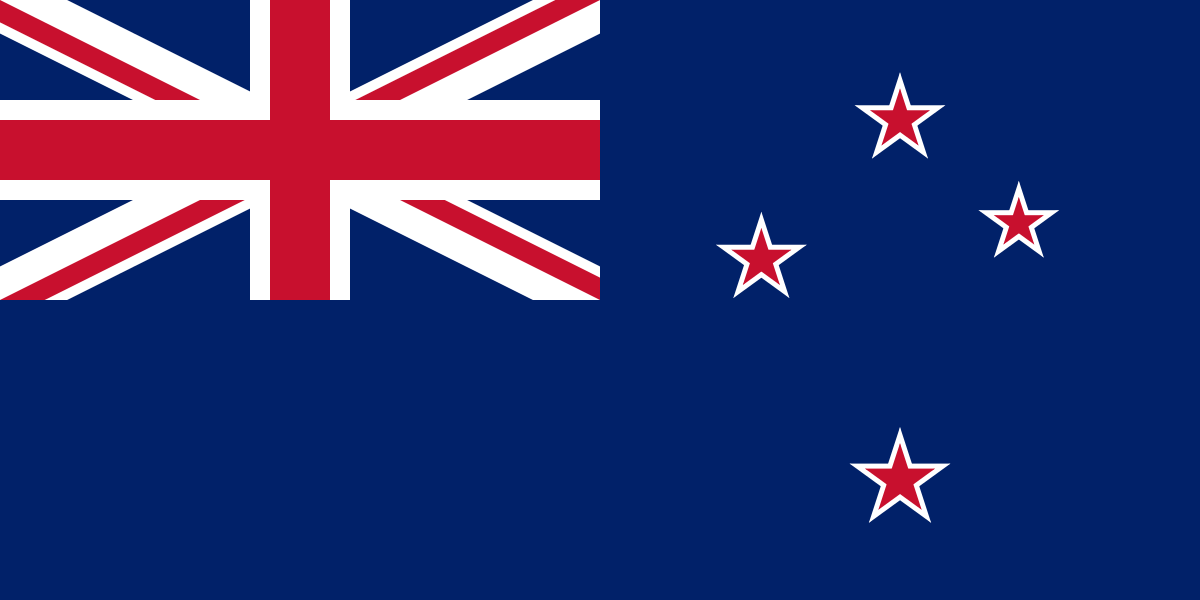 Nueva Zelanda
-
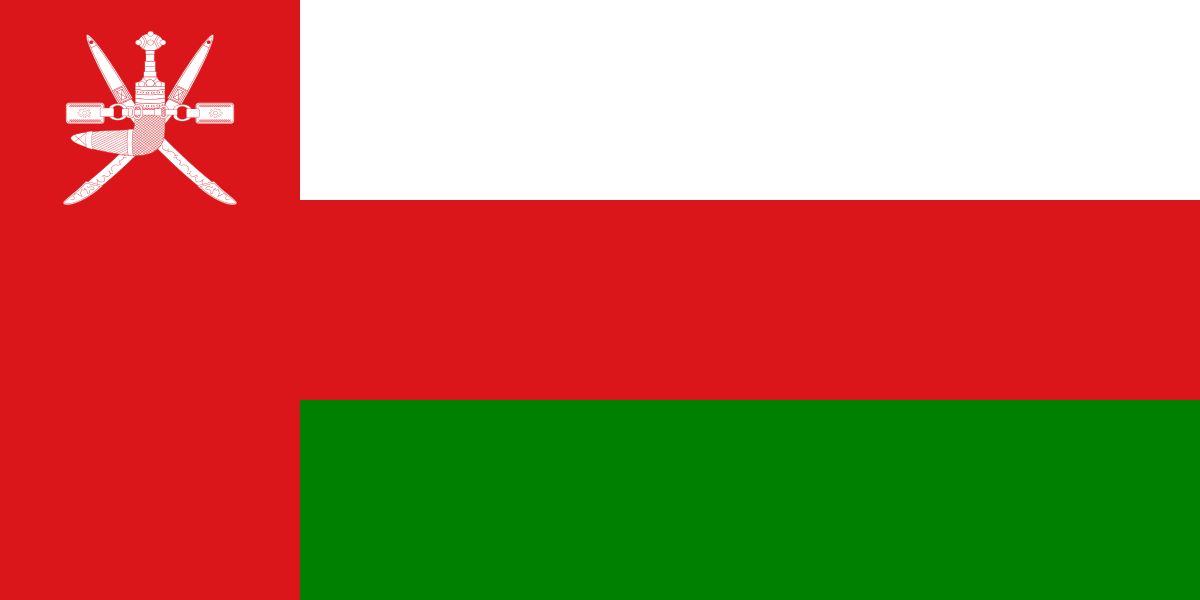 Omán
Omán
-
Países Bajos
-
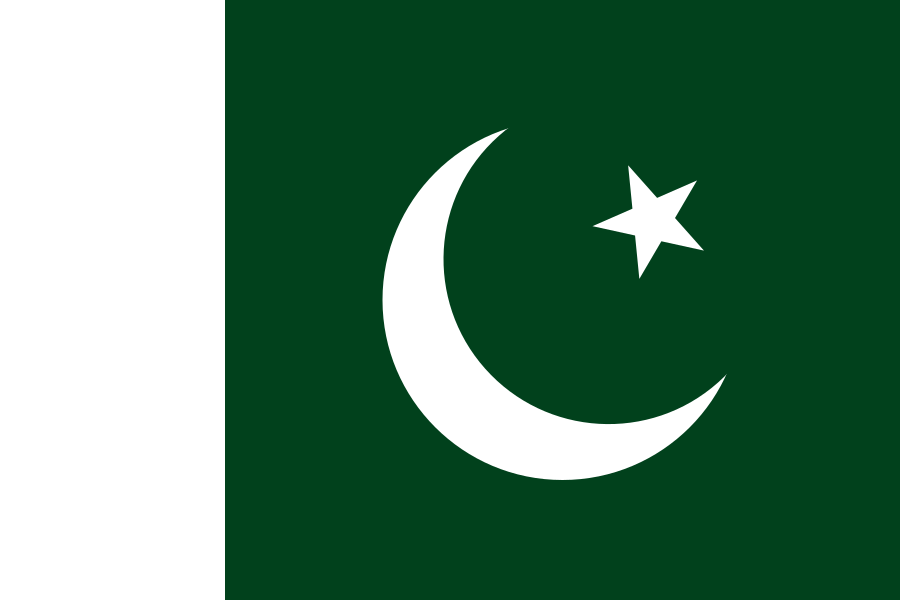 Pakistán
-
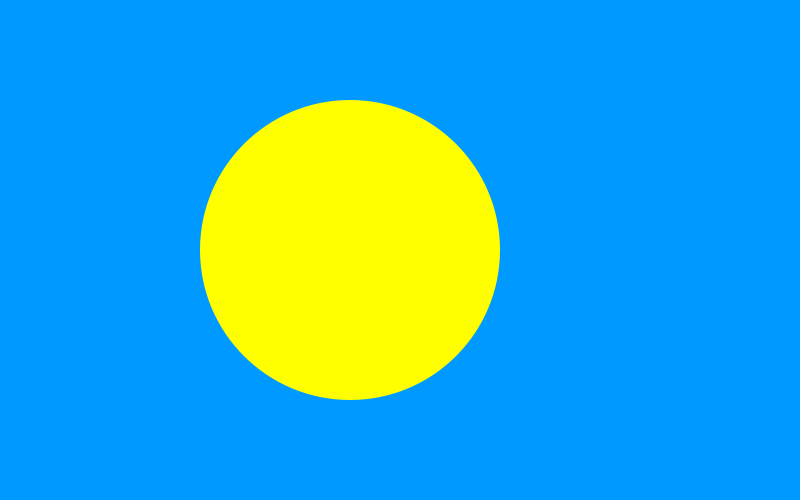 Palaos
-
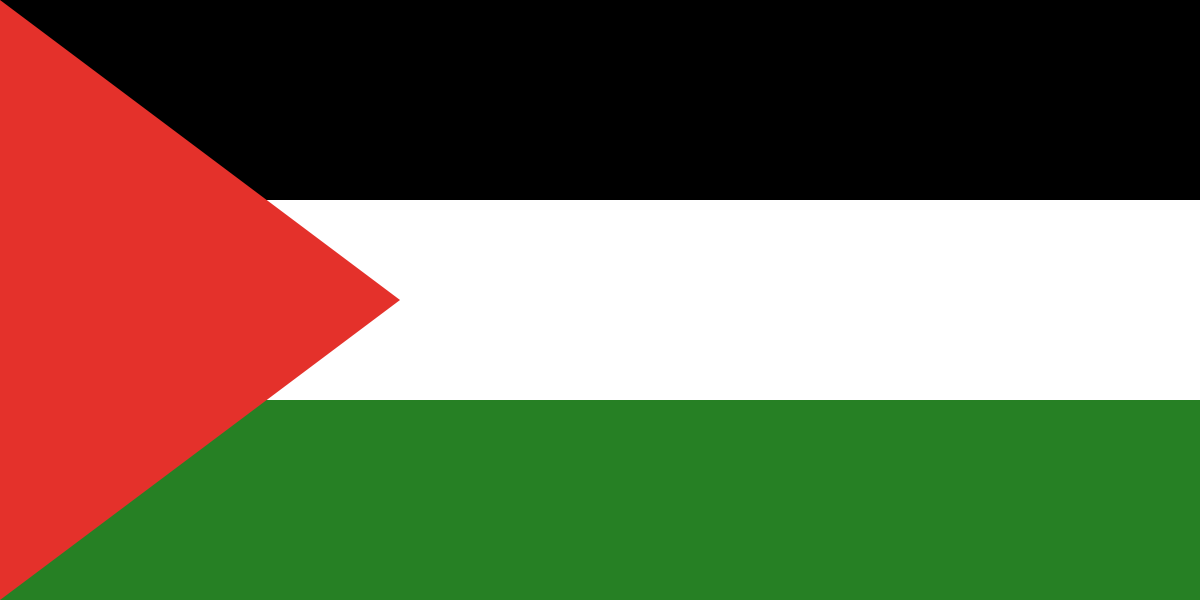 Palestina
-
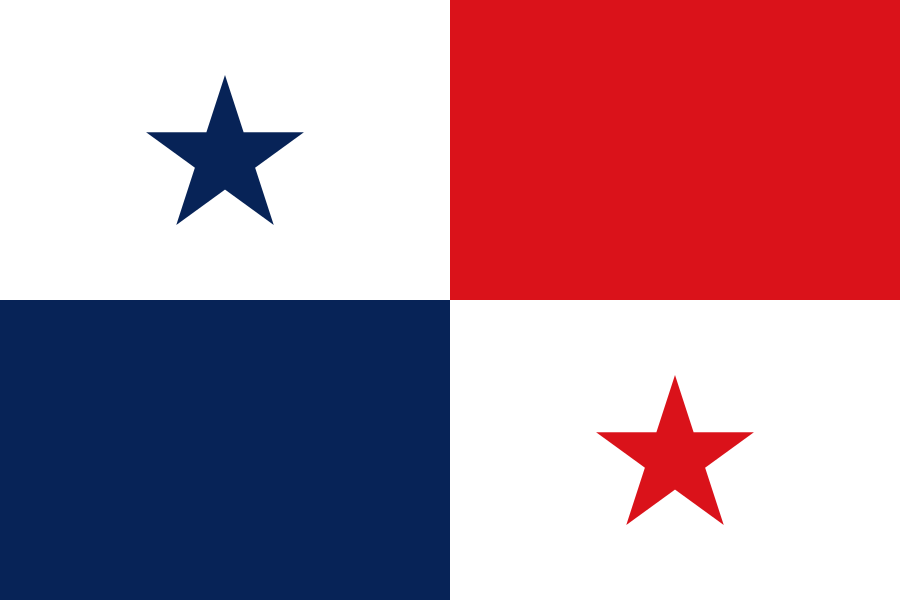 Panamá
-
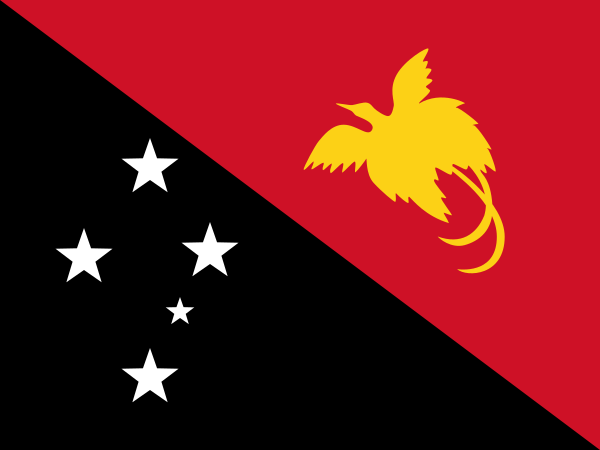 Papúa Nueva Guinea
-
 Paraguay
-
 Perú
Perú
-
 Polinesia Francesa
-
 Polonia
-
 Portugal
-
 Puerto Rico
-
 República Centroafricana
-
 República Checa
-
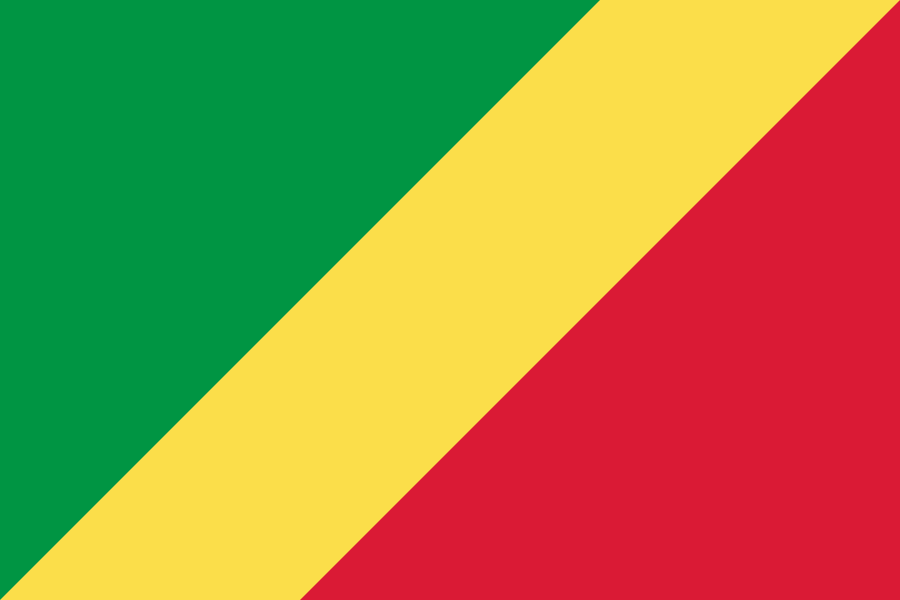 República del Congo
-
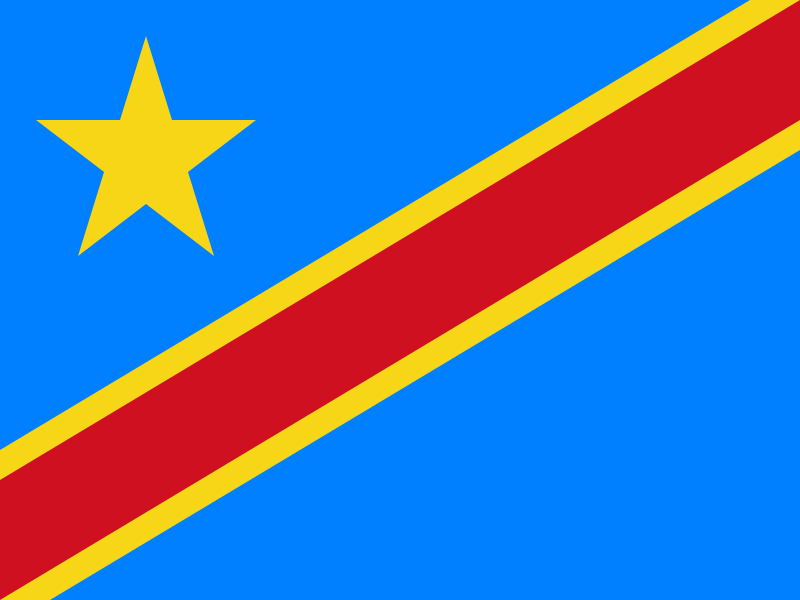 República Democrática del Congo
-
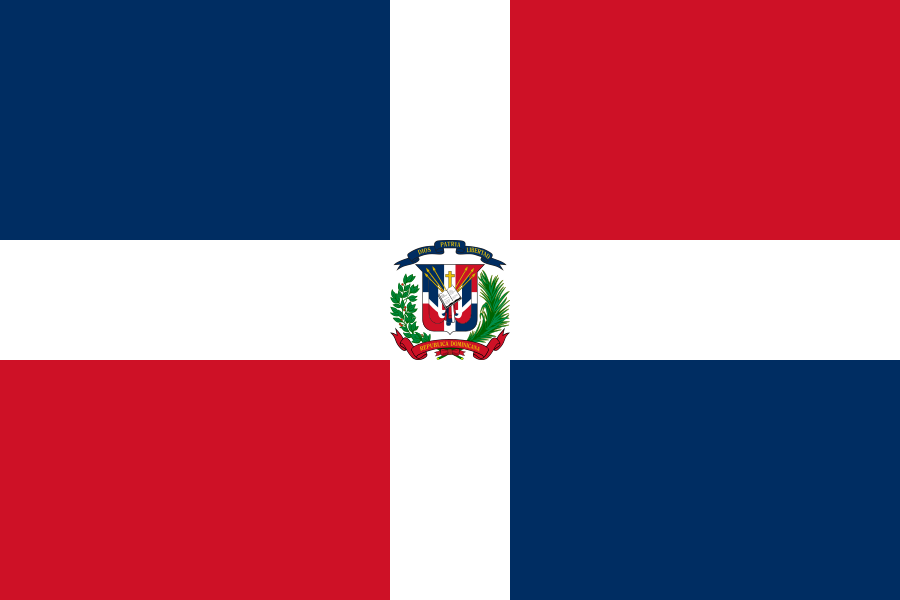 República Dominicana
-
Reunión
-
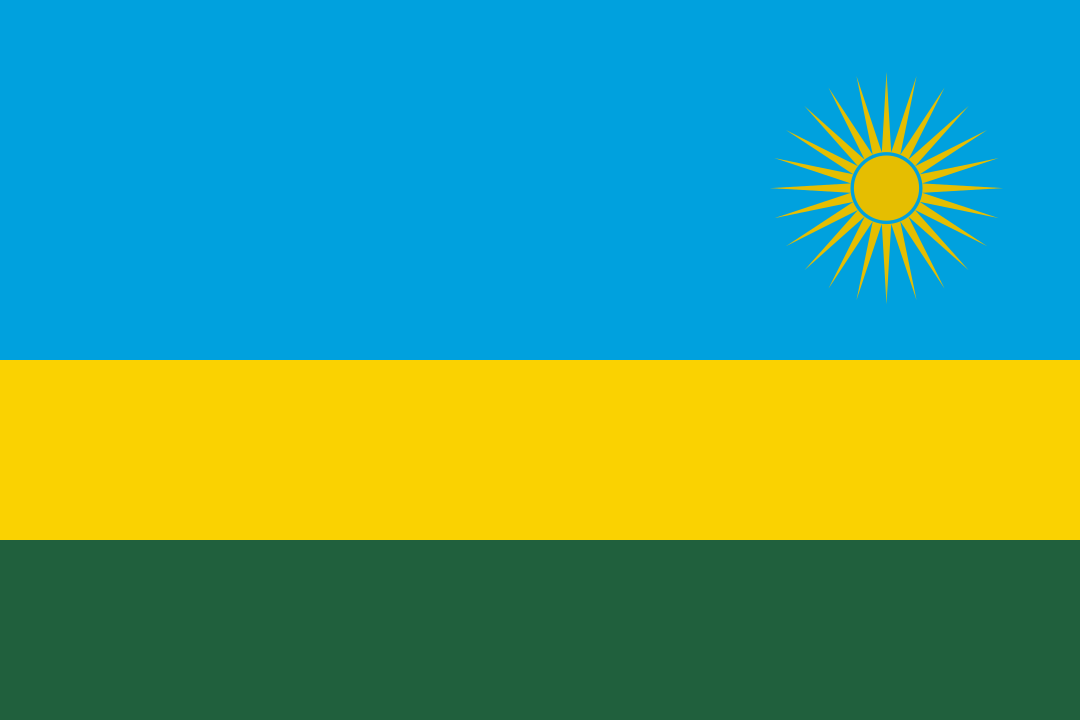 Ruanda
-
 Rumania
-
 Rusia
Rusia
-
 Sahara Occidental
-
Saint Barthélemy
-
 Samoa
Samoa
-
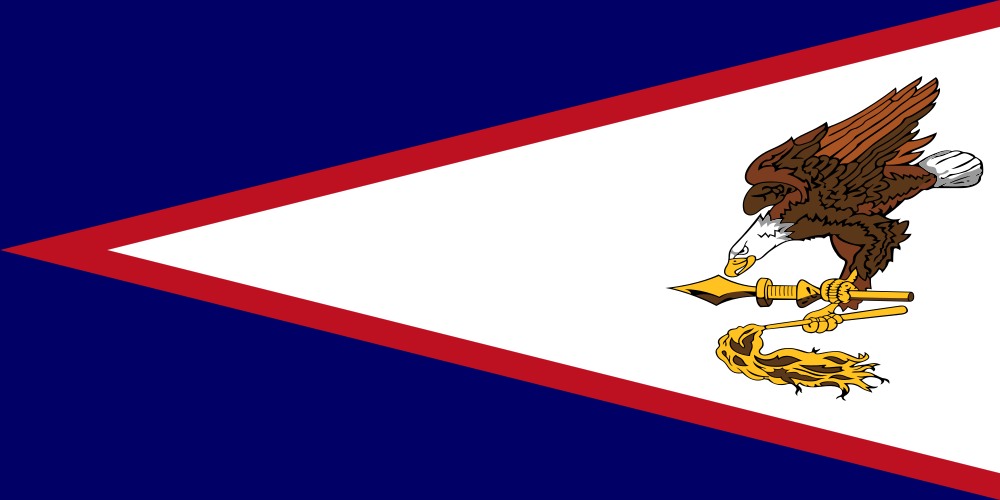 Samoa Americana
-
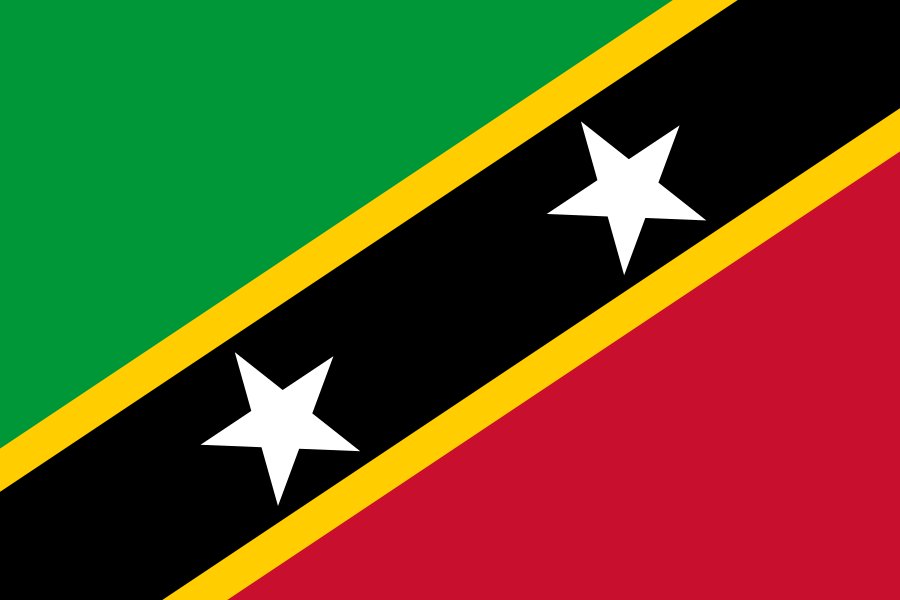 San Cristóbal y Nieves
-
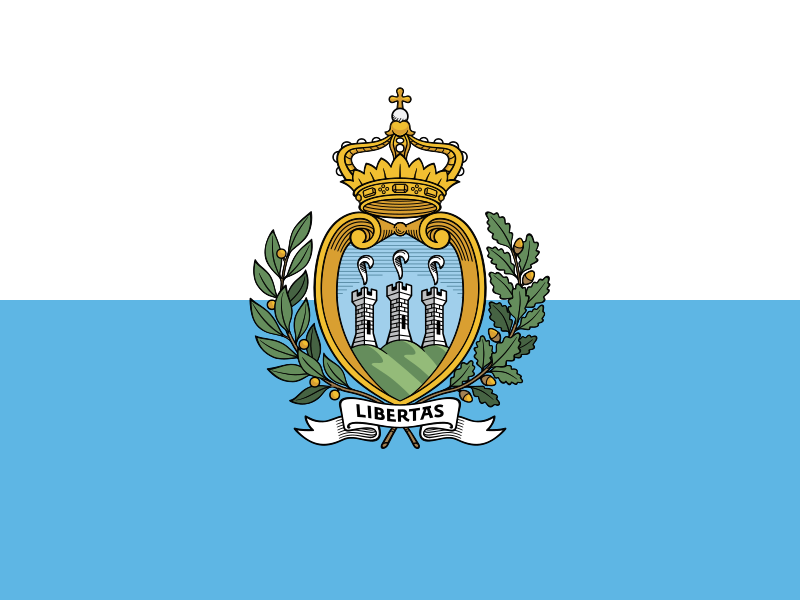 San Marino
-
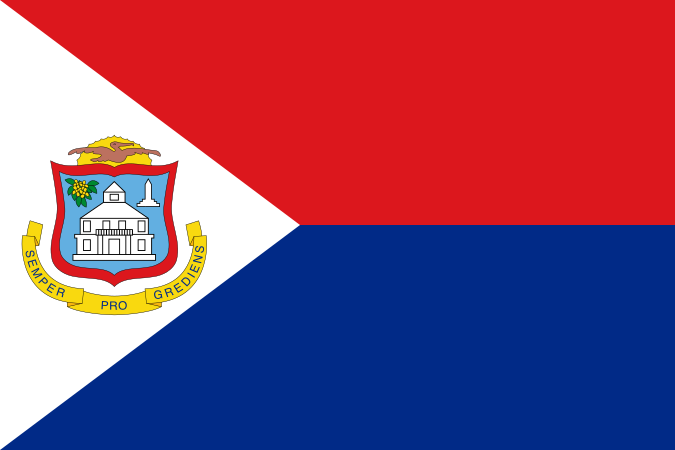 San Martín
-
San Martin
-
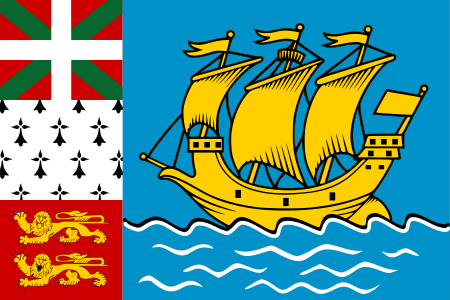 San Pedro y MIquelón
-
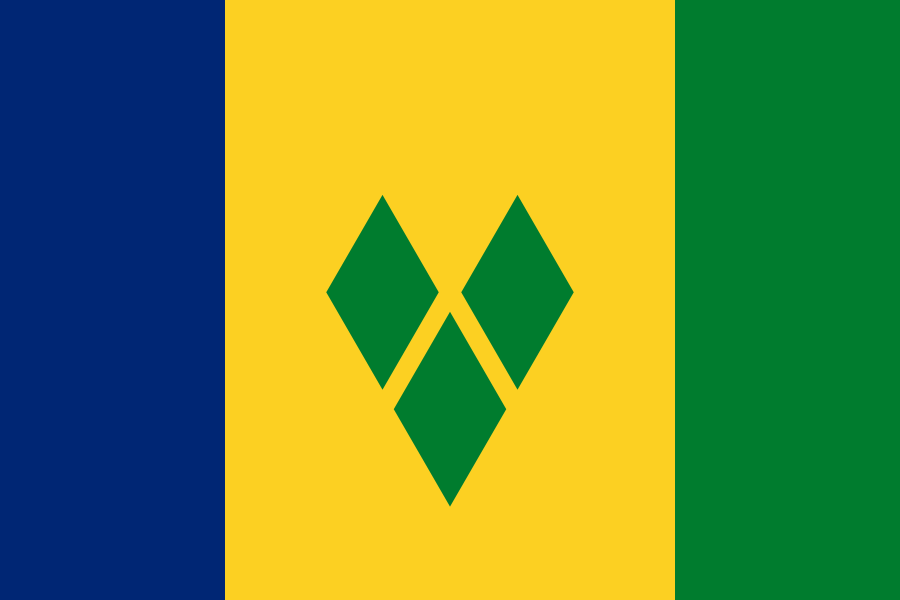 San Vicente y las Granadinas
-
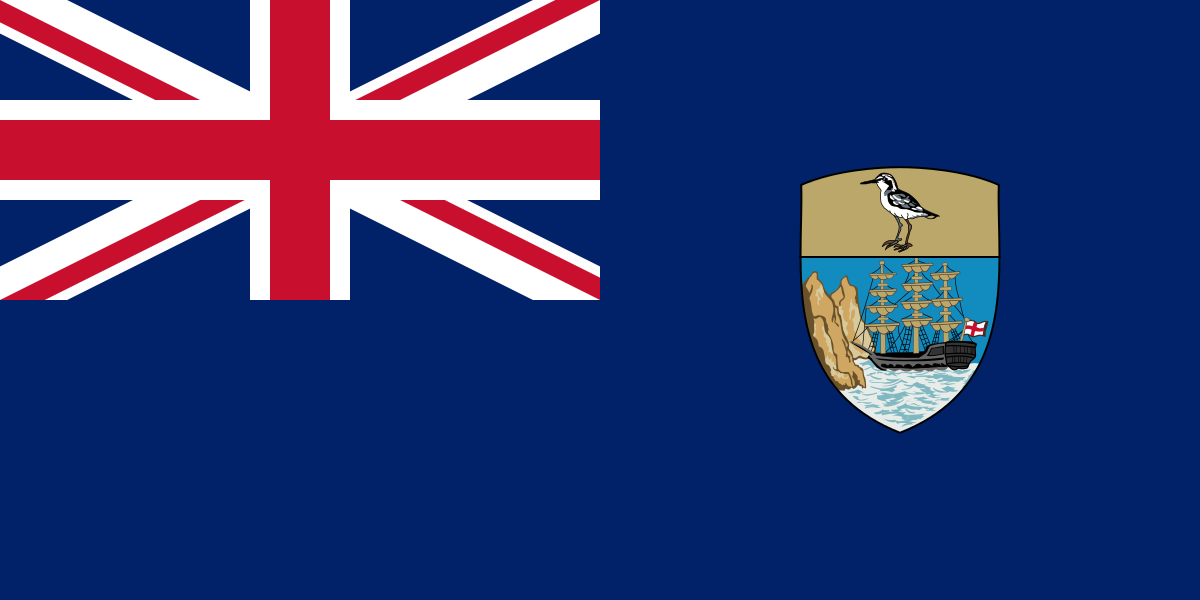 Santa Elena
-
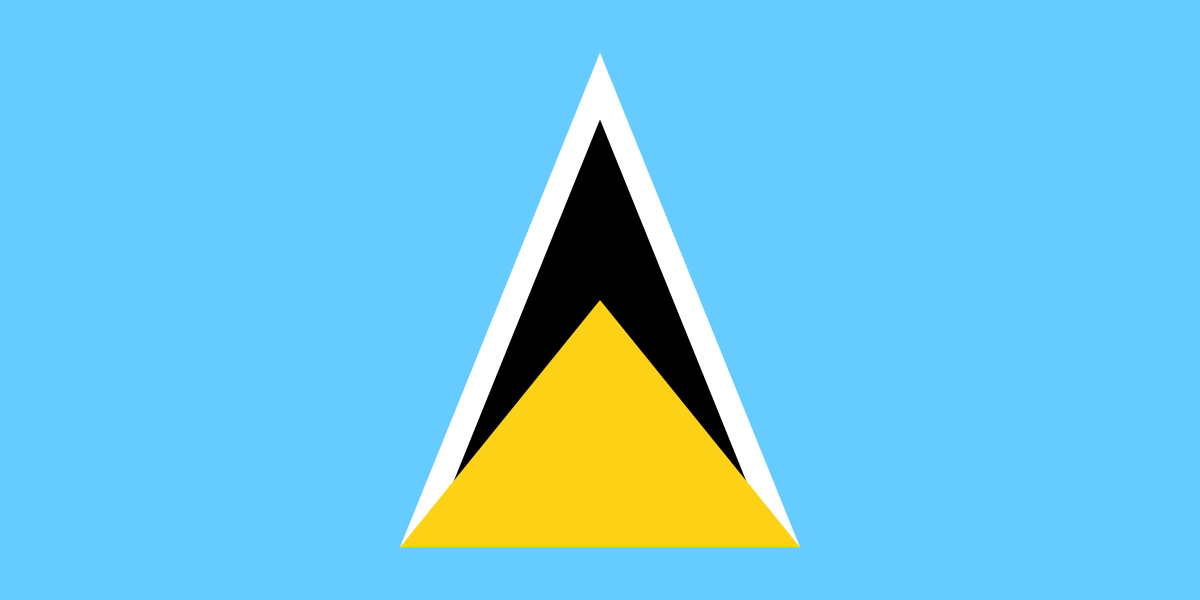 Santa Lucía
-
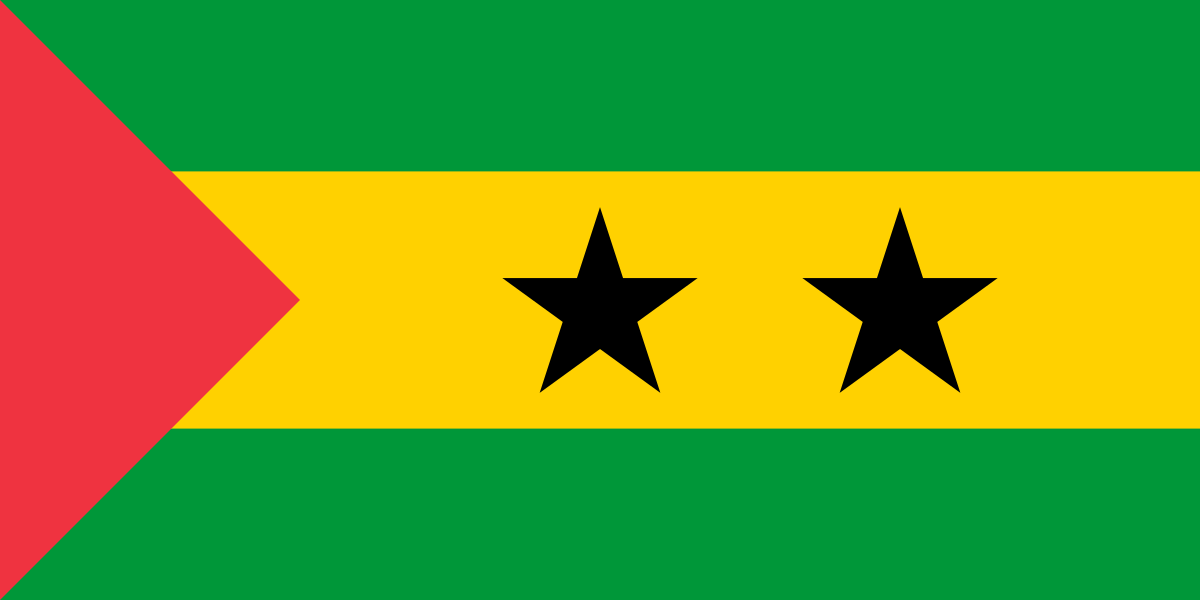 Santo Tomé y Príncipe
-
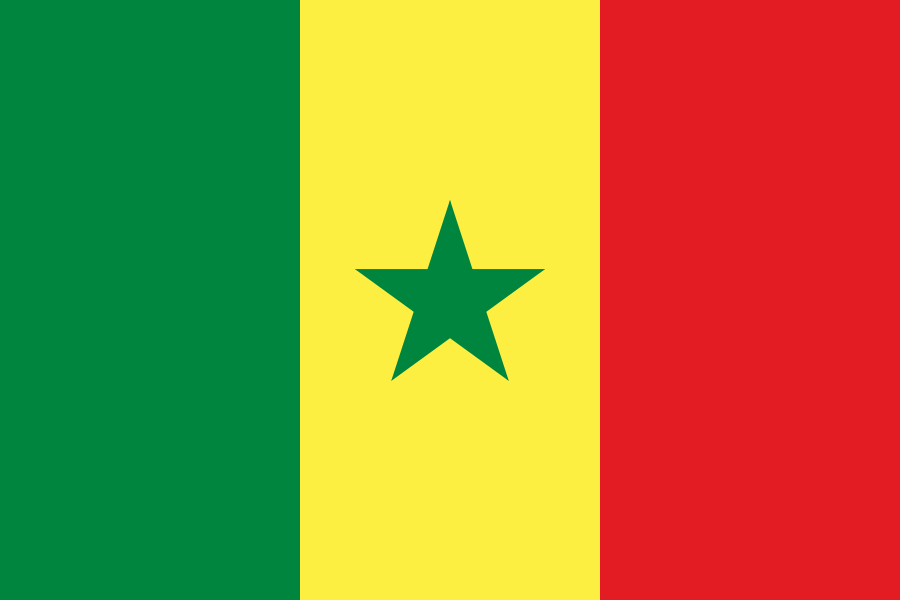 Senegal
-
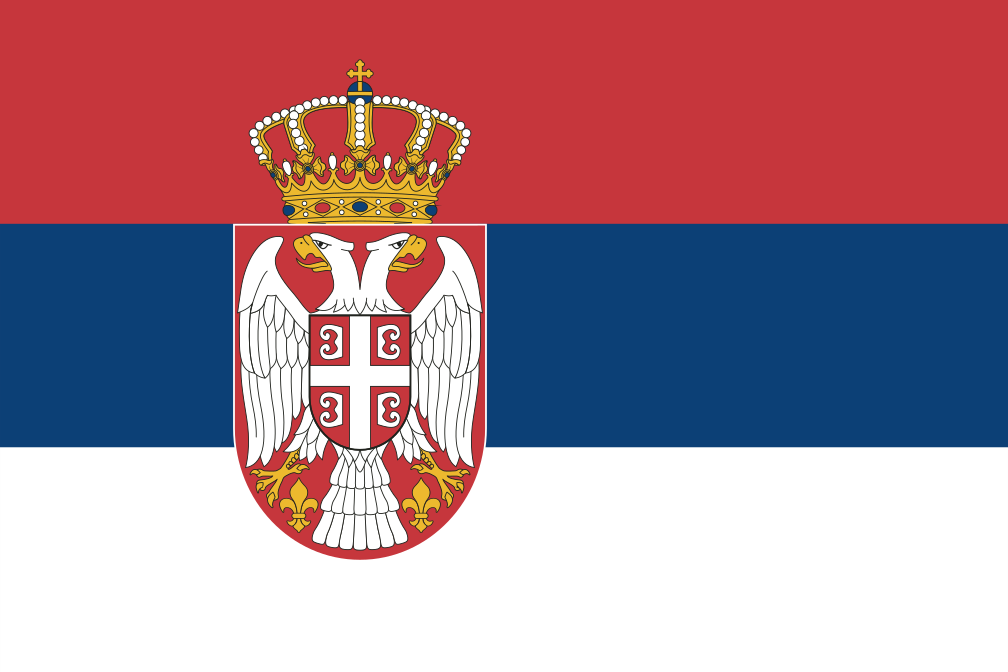 Serbia
-
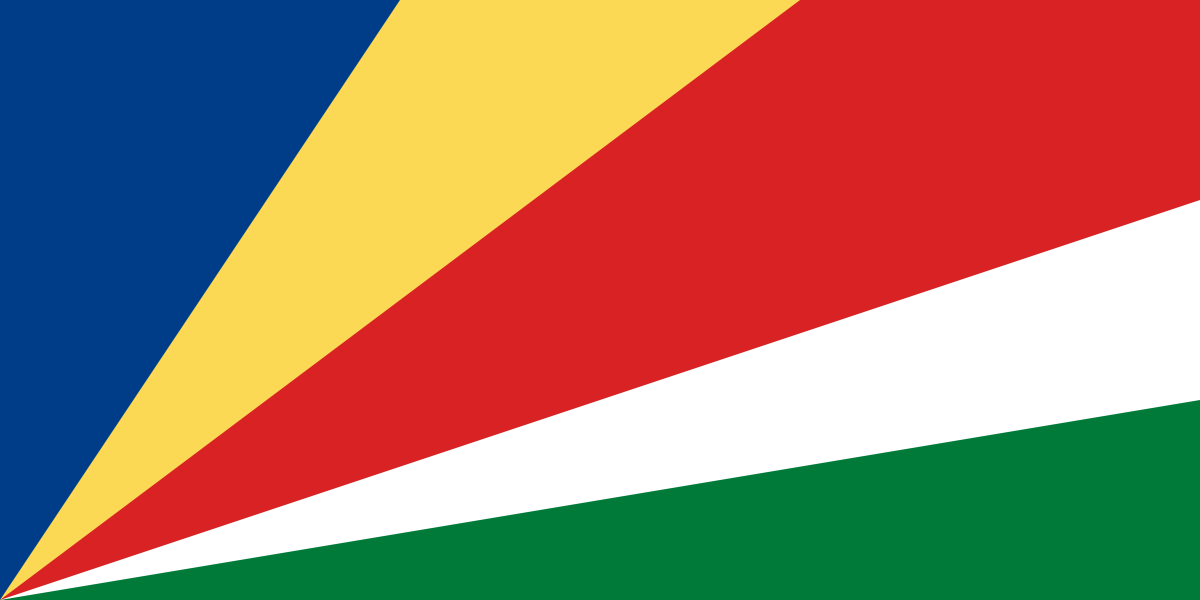 Seychelles
-
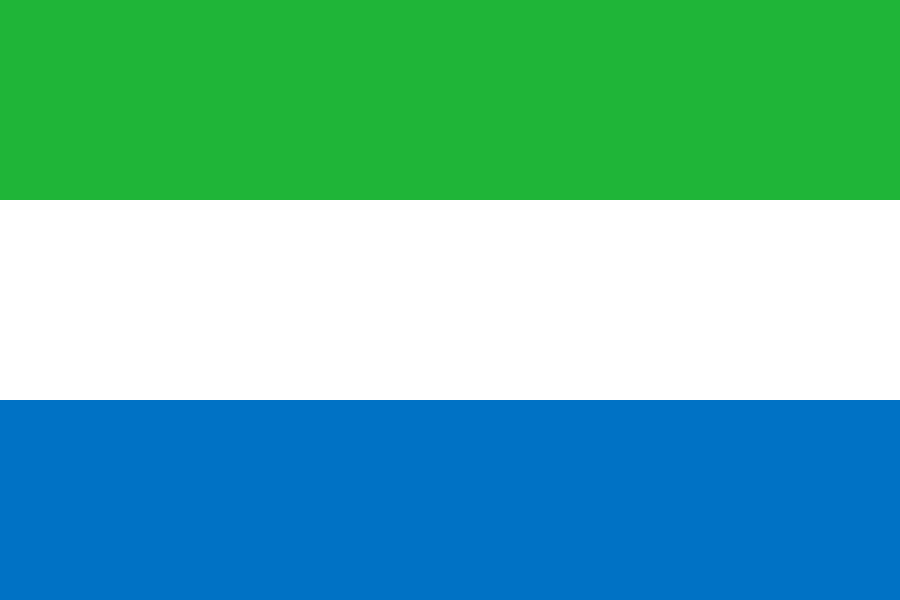 Sierra Leona
-
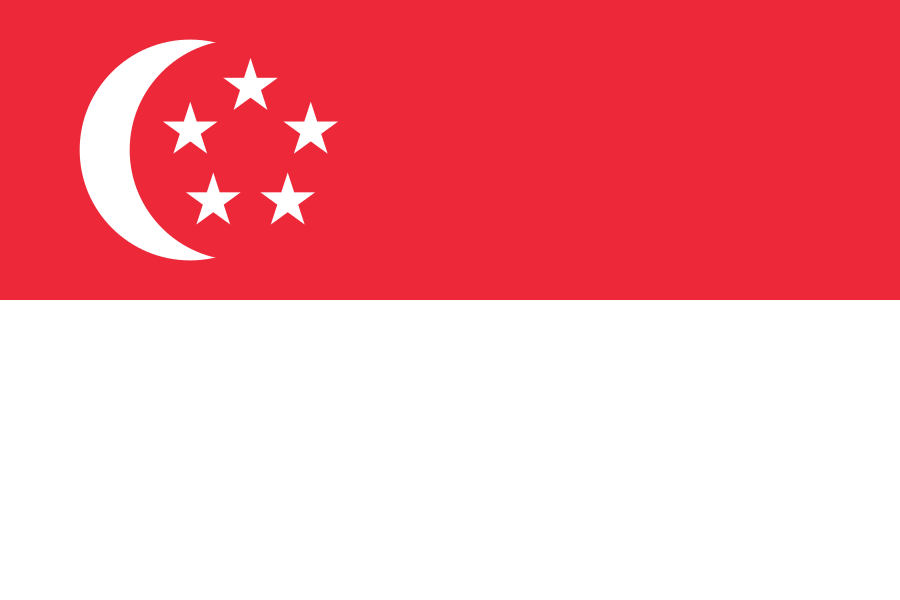 Singapur
-
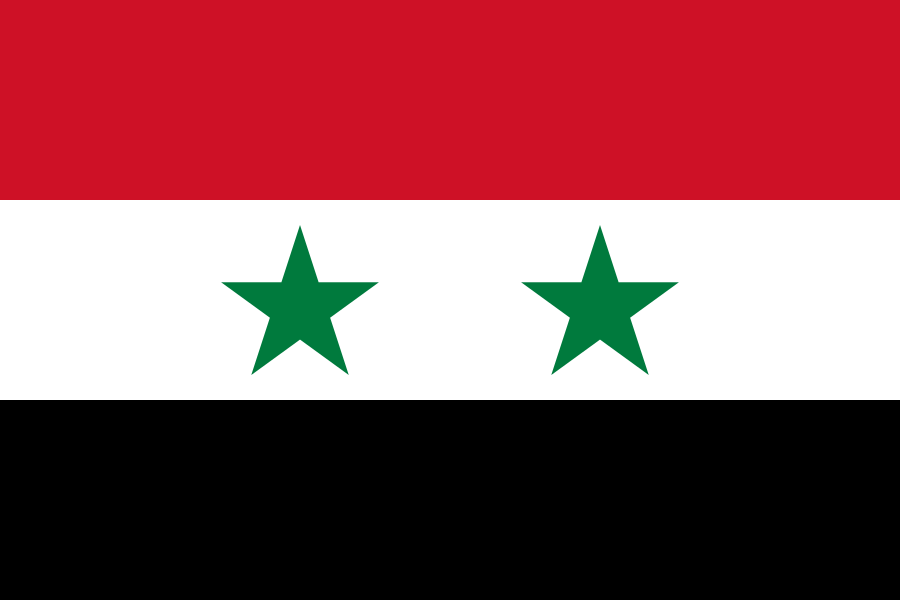 Siria
Siria
-
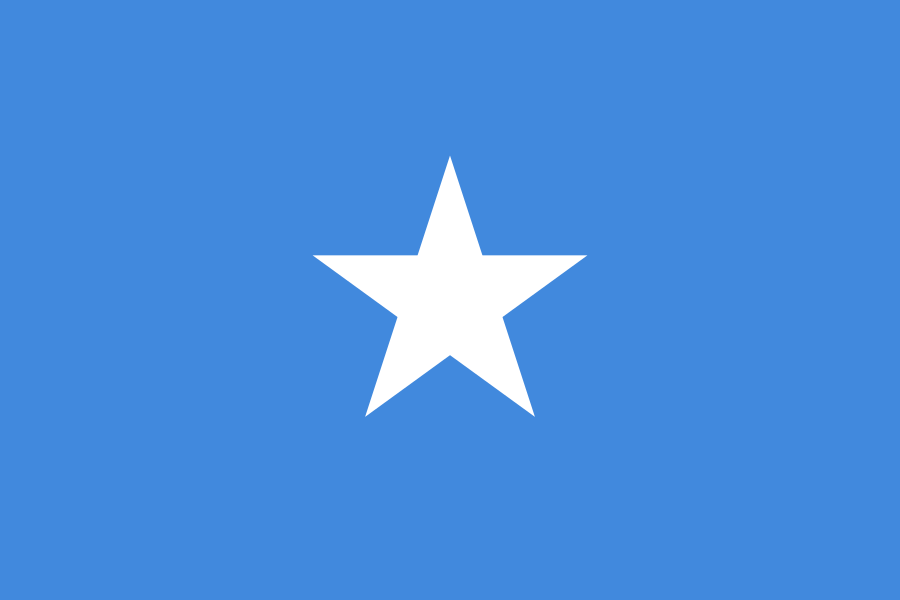 Somalia
-
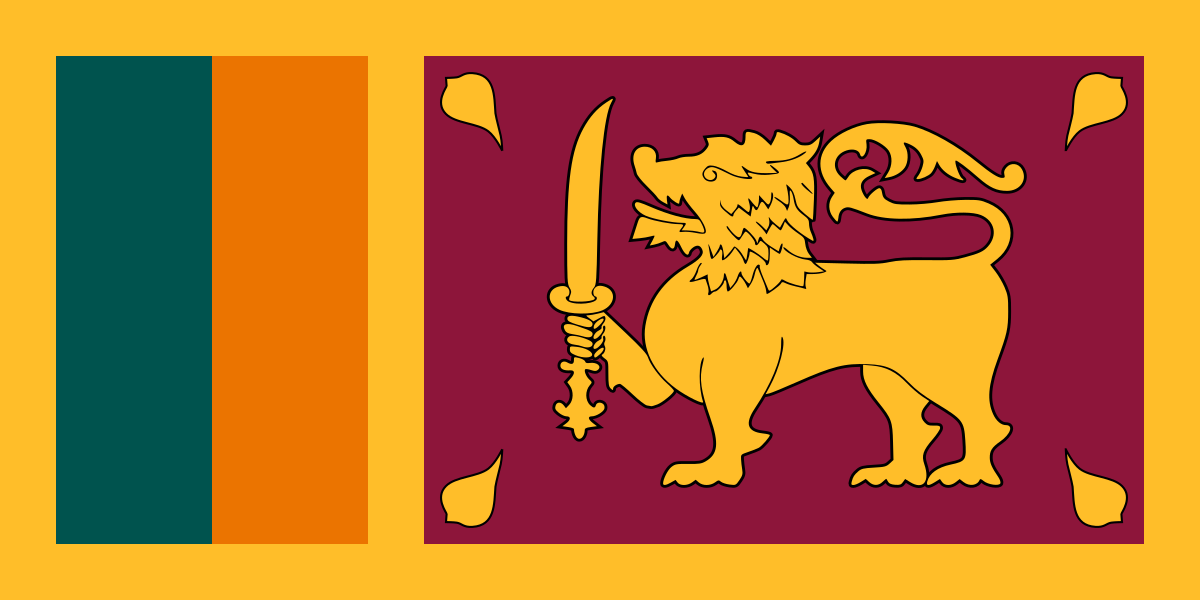 Sri Lanka
-
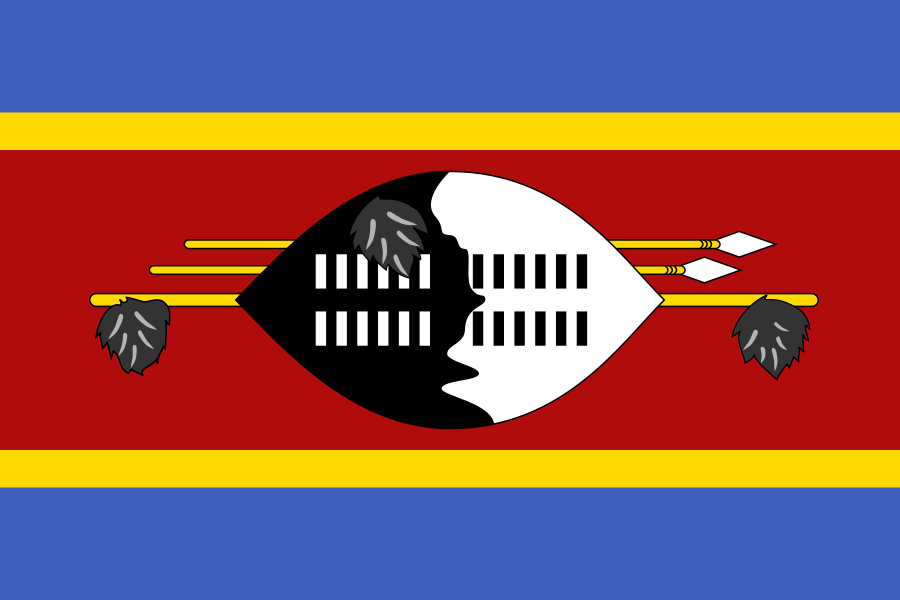 Suazilandia
-
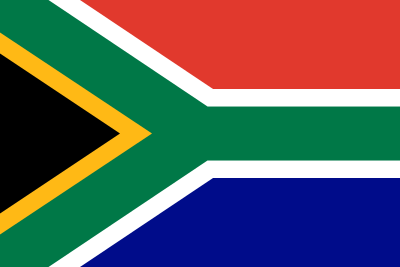 Sudáfrica
-
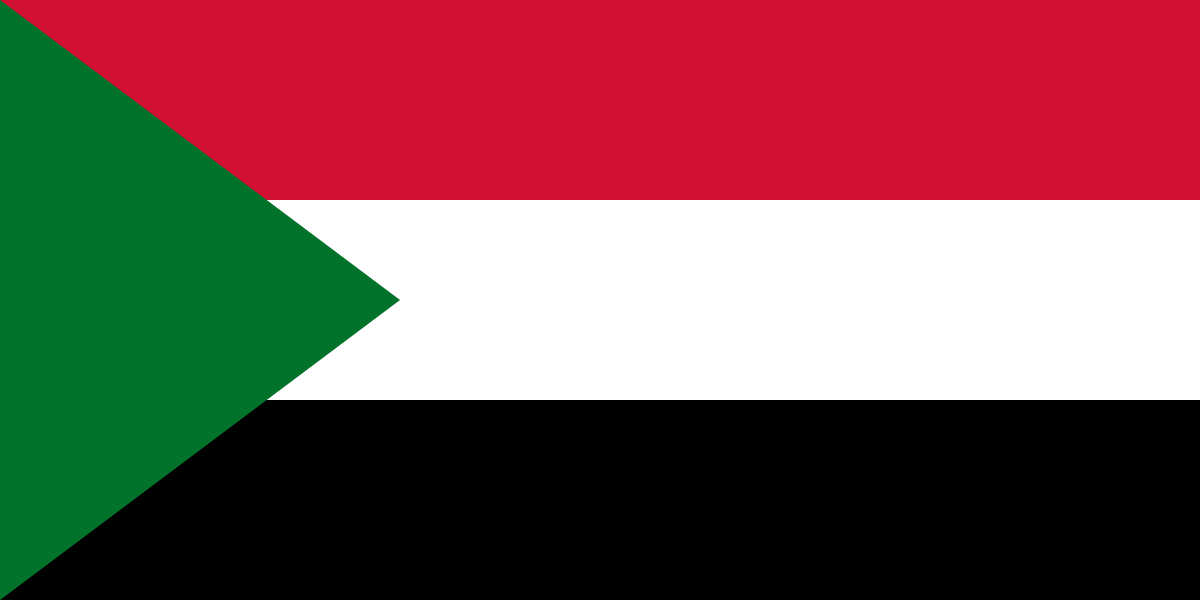 Sudán
Sudán
-
 Sudán del Sur
-
 Suecia
-
 Suiza
Suiza
-
 Surinam
-
Svalbard y Jan Mayen
-
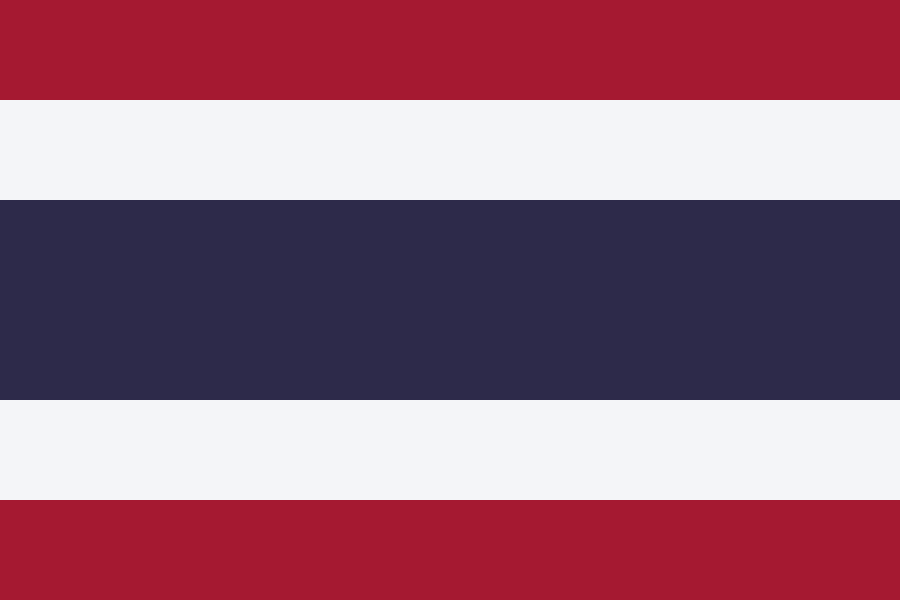 Tailandia
-
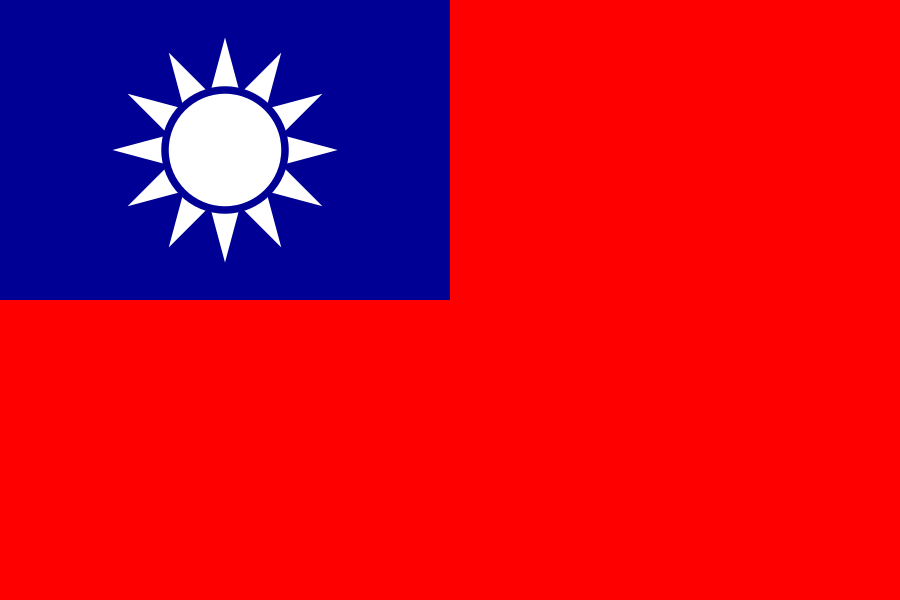 Taiwán
-
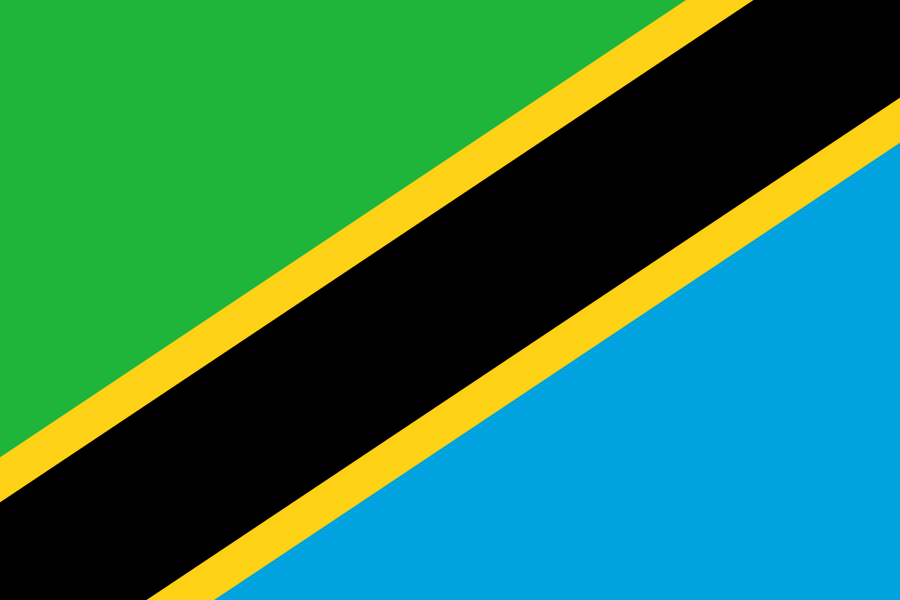 Tanzania
-
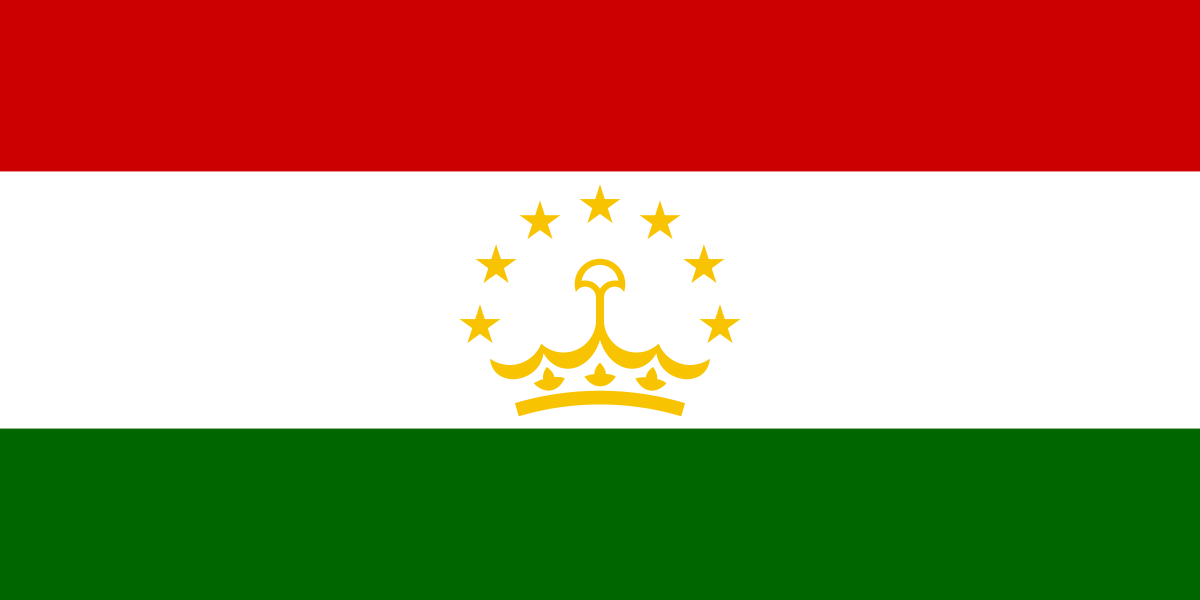 Tayikistán
-
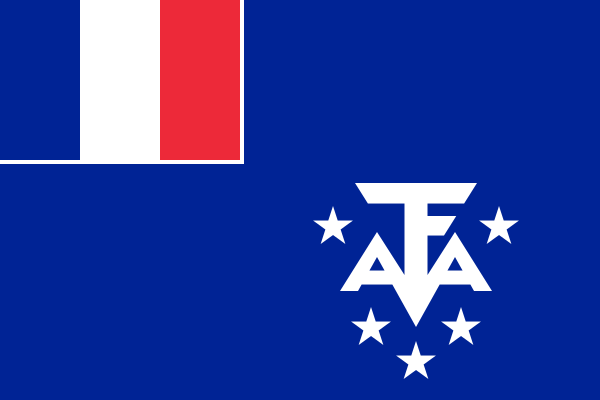 Tierras Australes y Antárticas Francesas
-
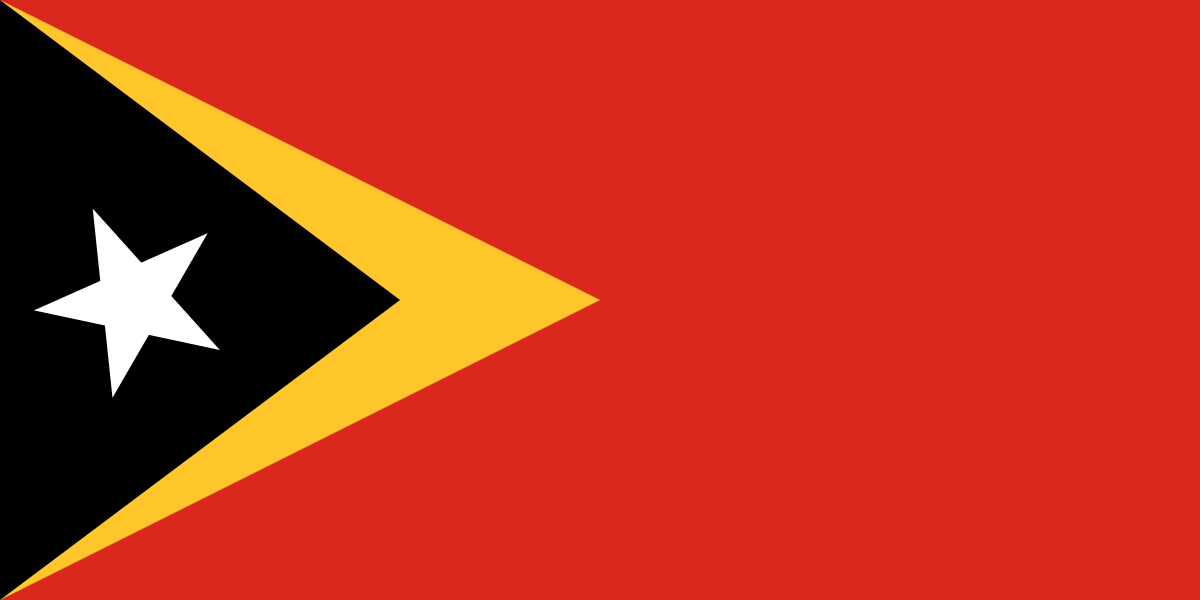 Timor Oriental
-
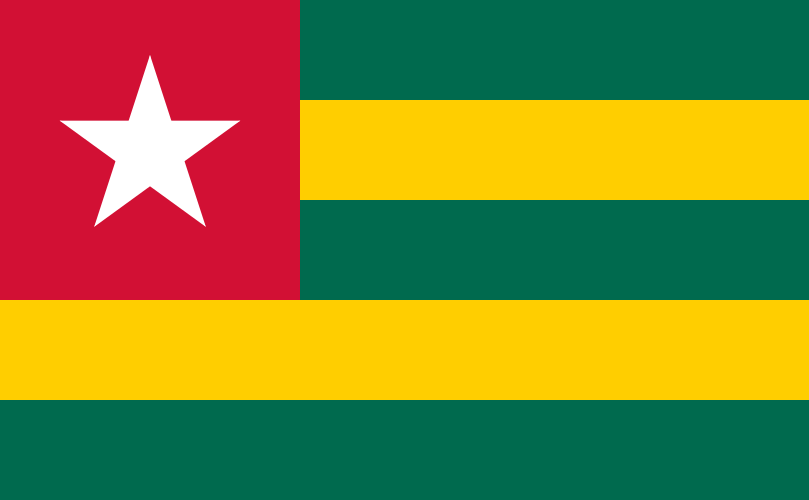 Togo
Togo
-
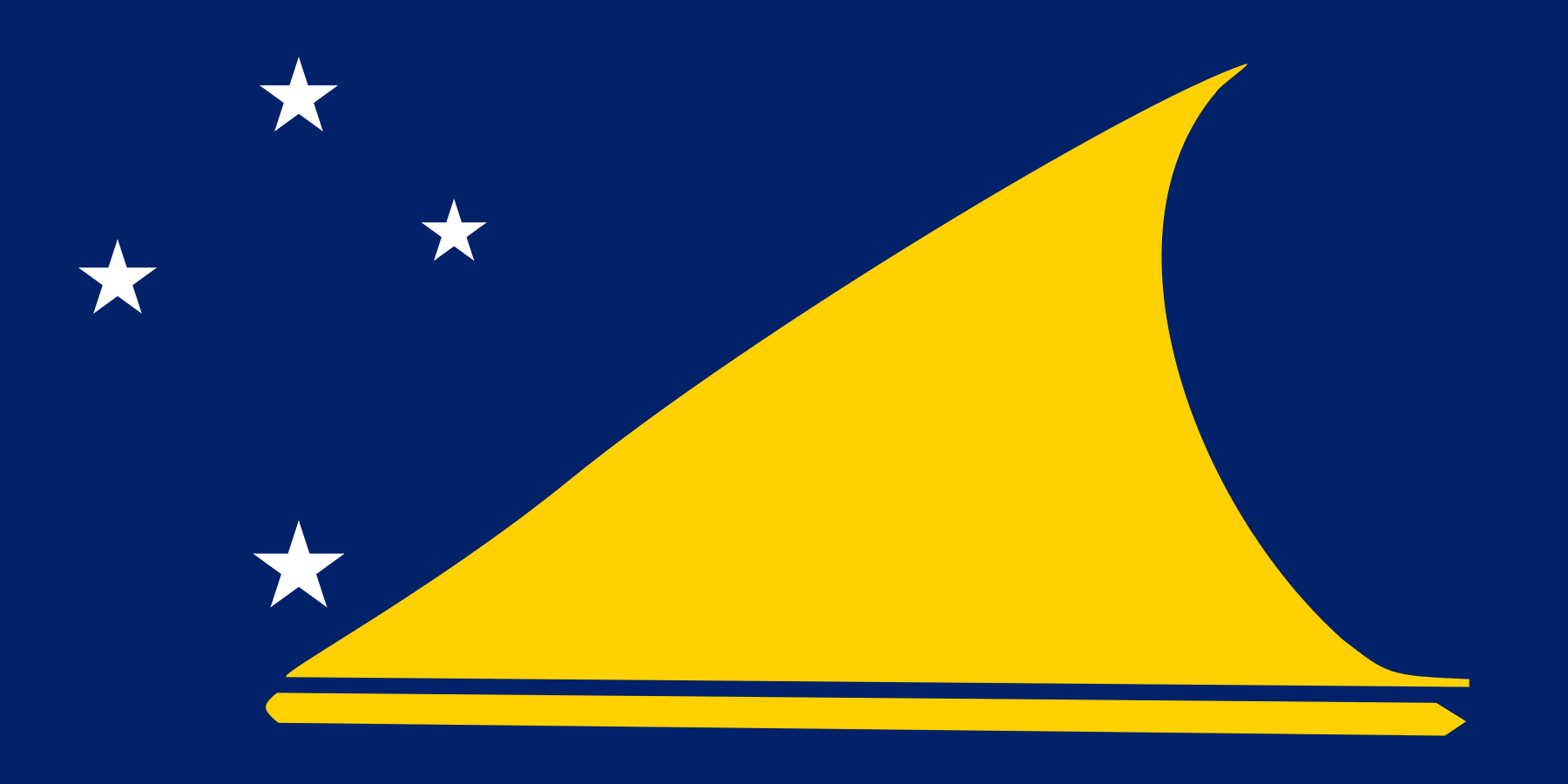 Tokelau
-
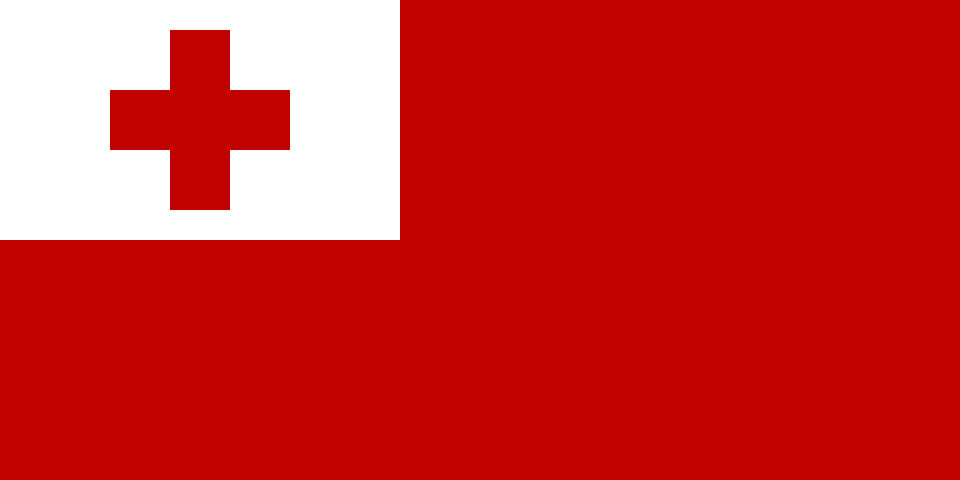 Tonga
Tonga
-
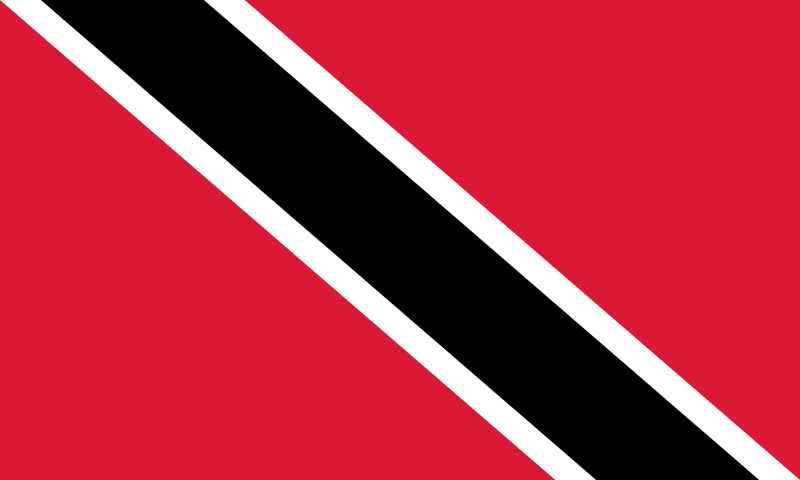 Trinidad y Tobago
-
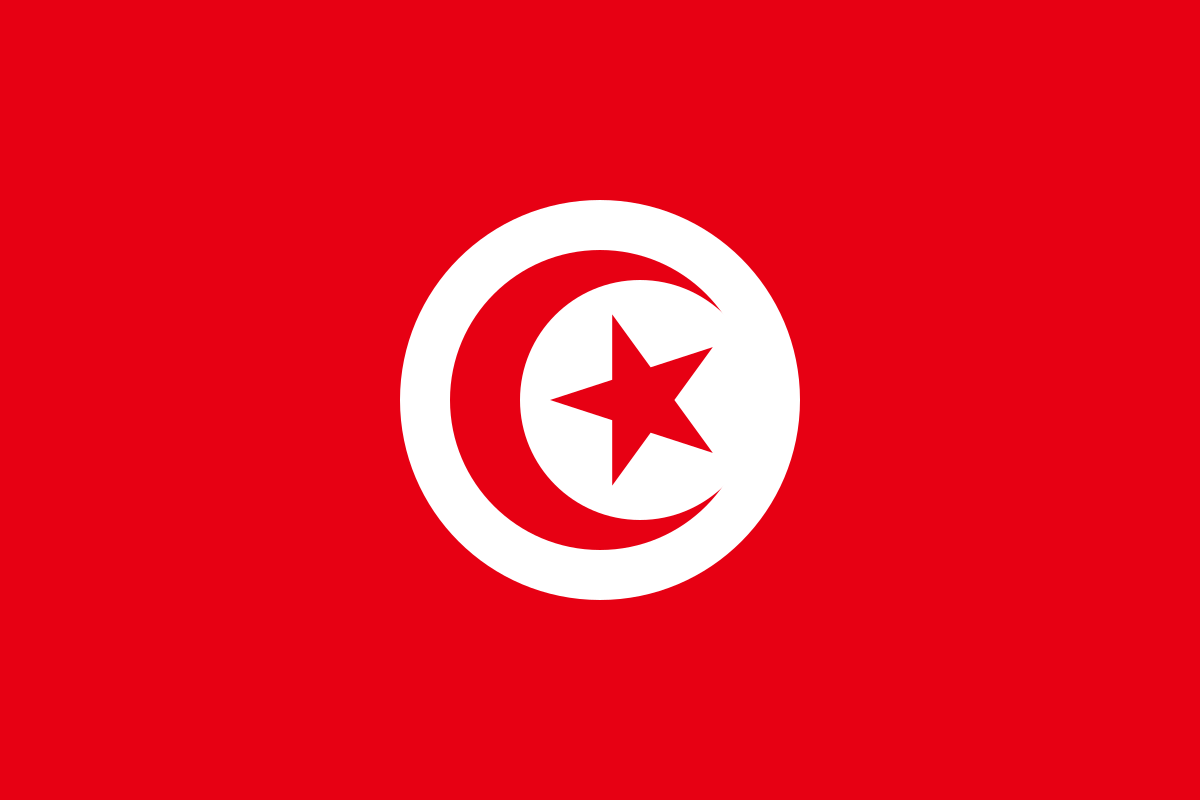 Túnez
Túnez
-
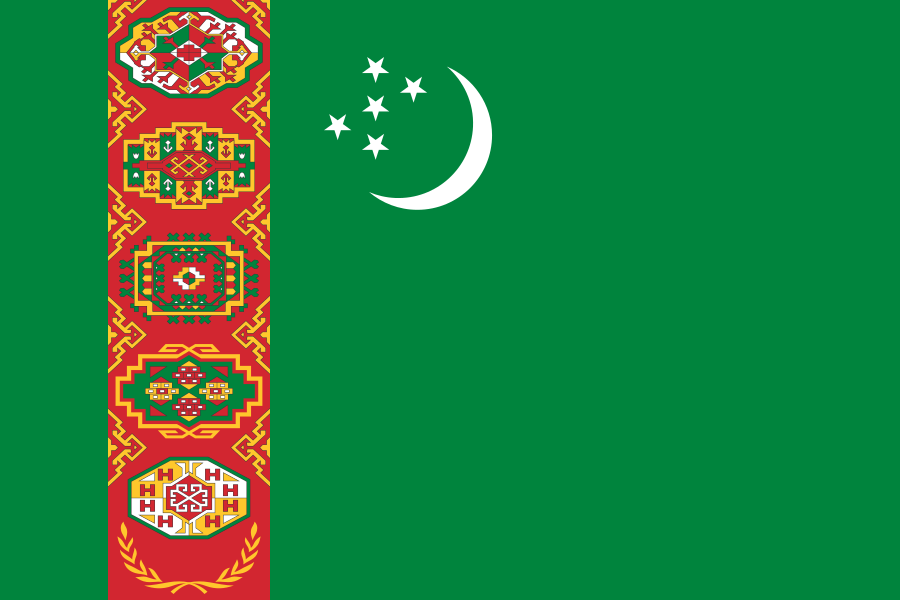 Turkmenistán
-
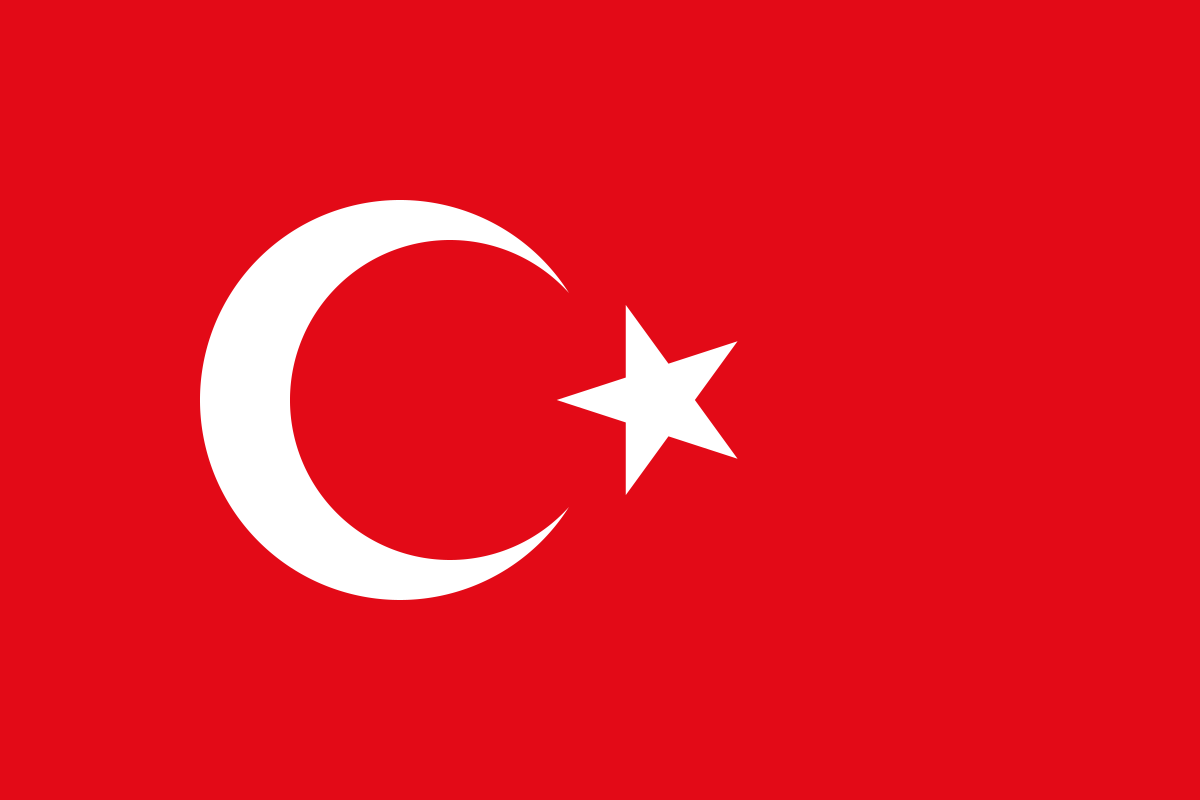 Turquía
-
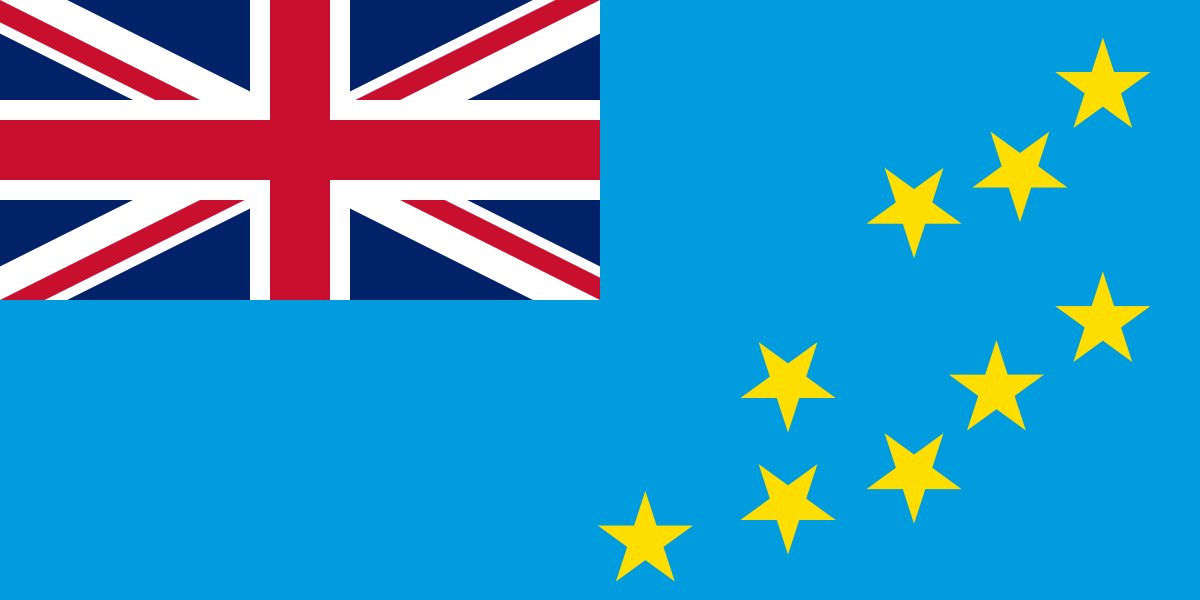 Tuvalu
-
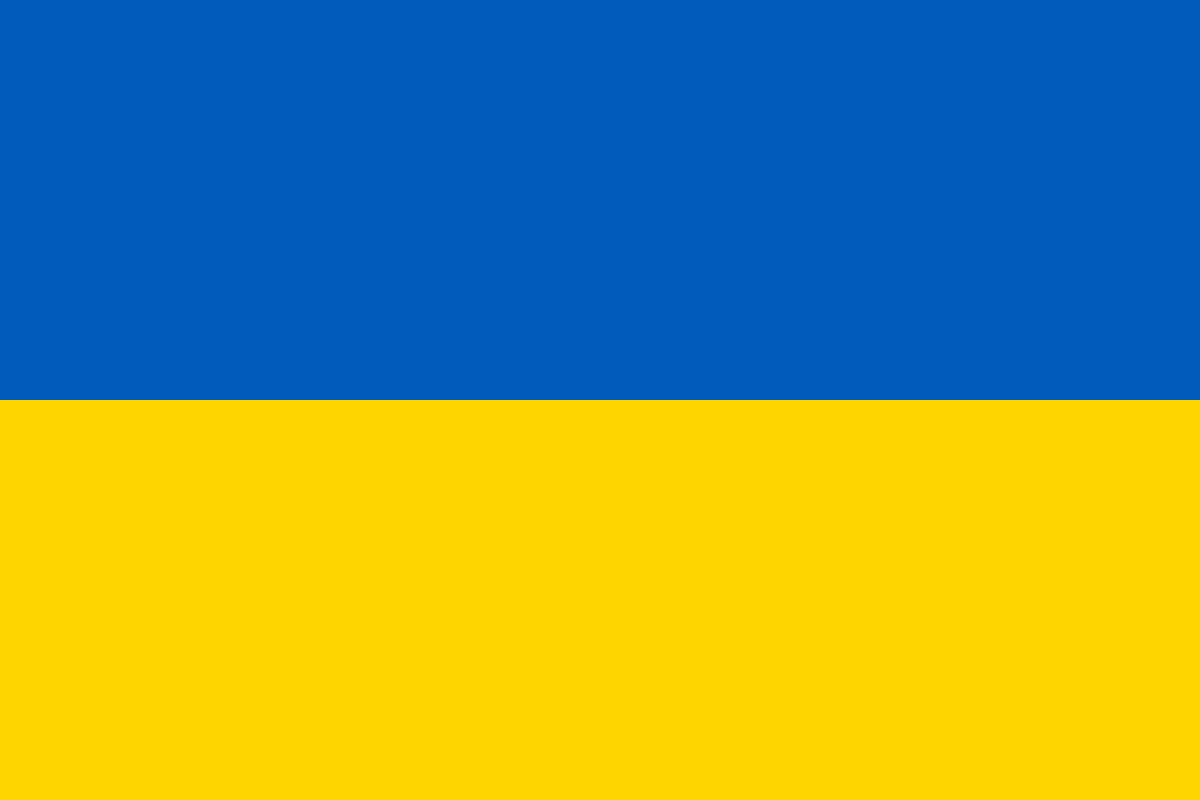 Ucrania
-
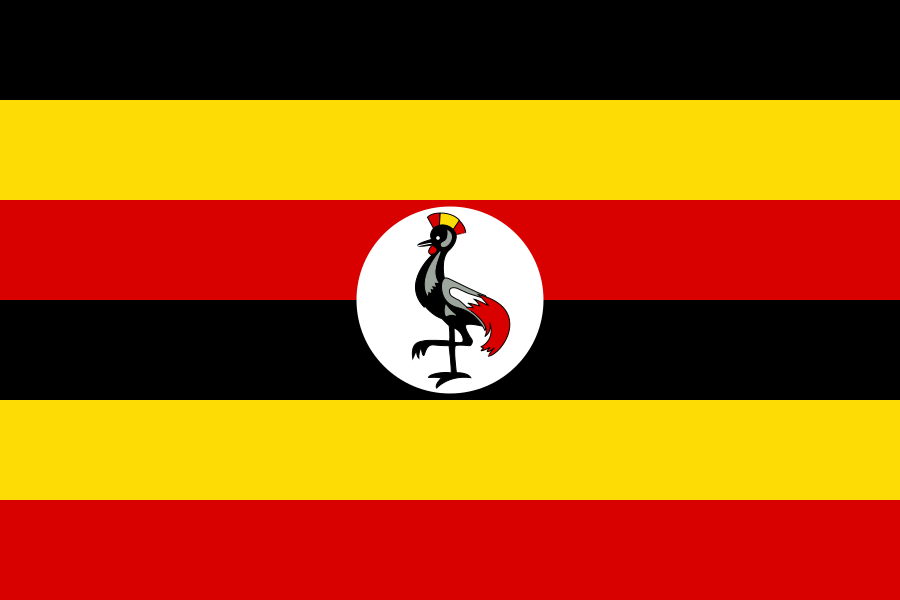 Uganda
-
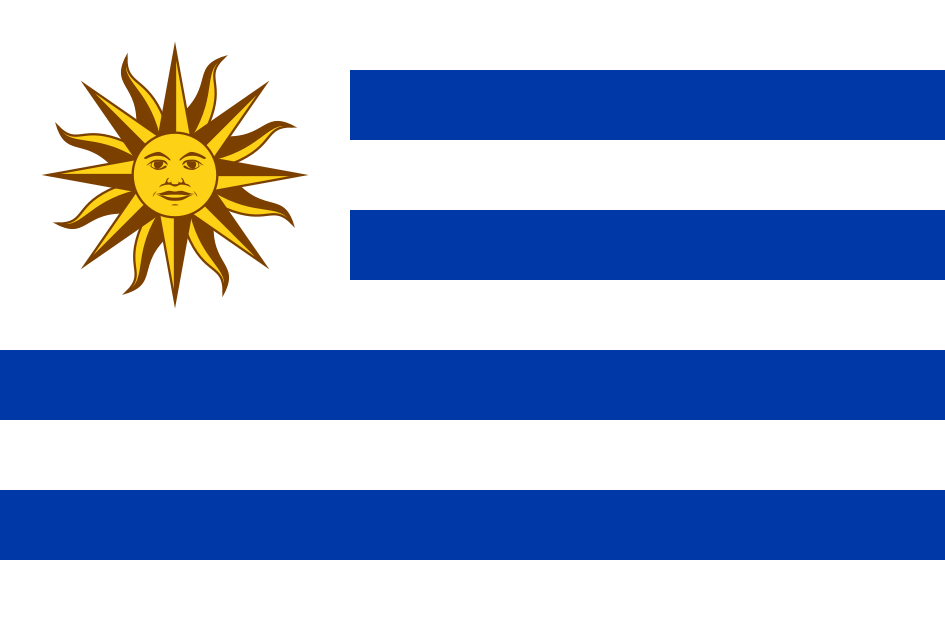 Uruguay
-
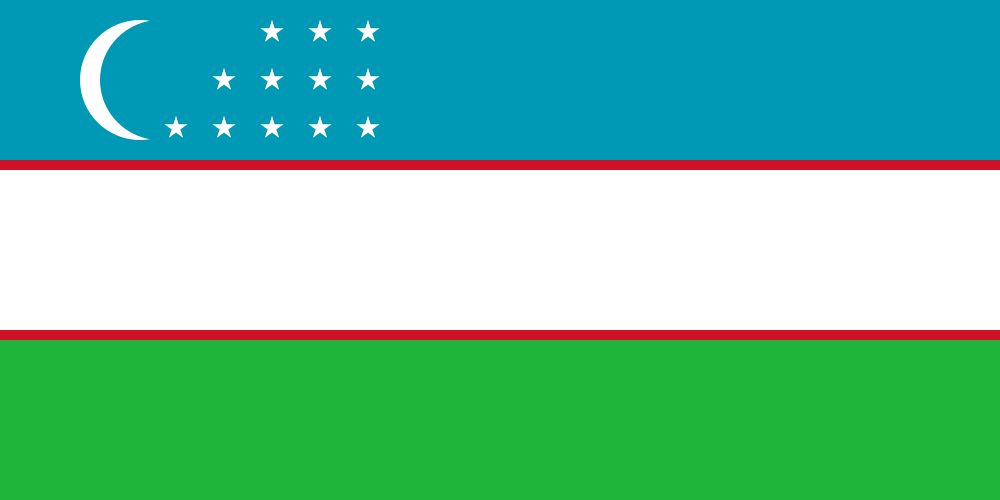 Uzbekistán
-
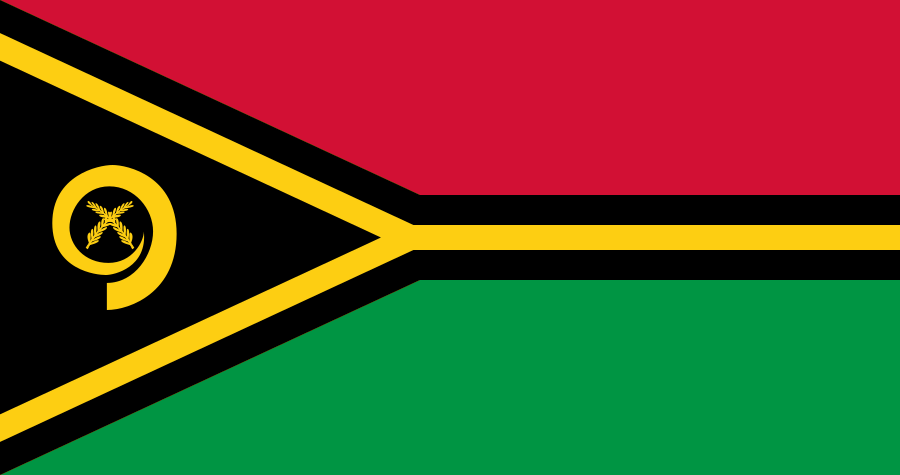 Vanuatu
-
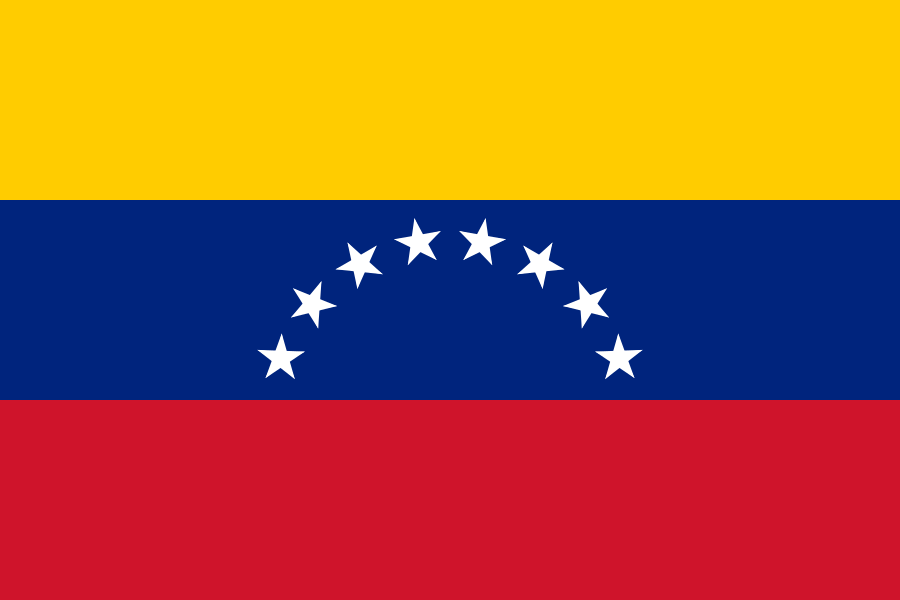 Venezuela
-
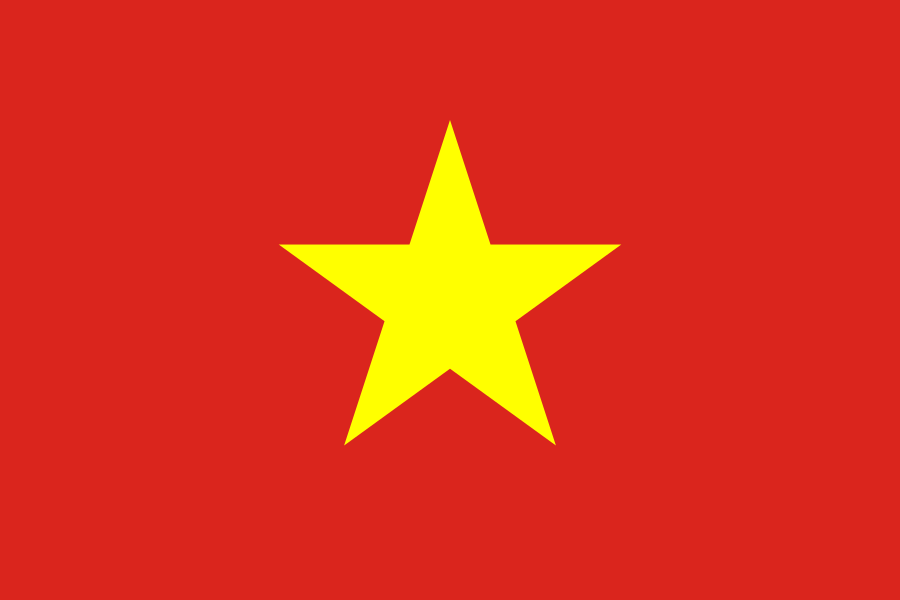 Vietnam
-
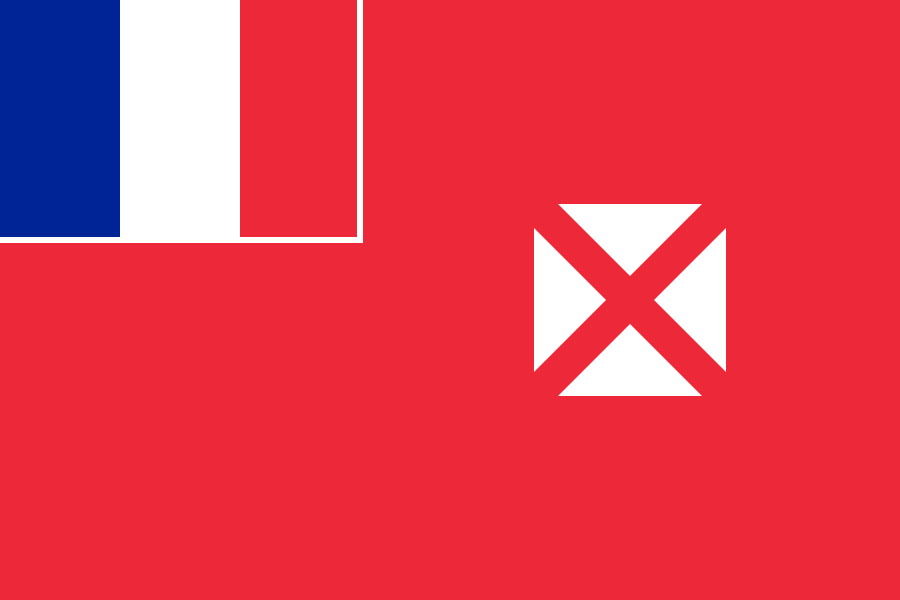 Wallis y Futuna
-
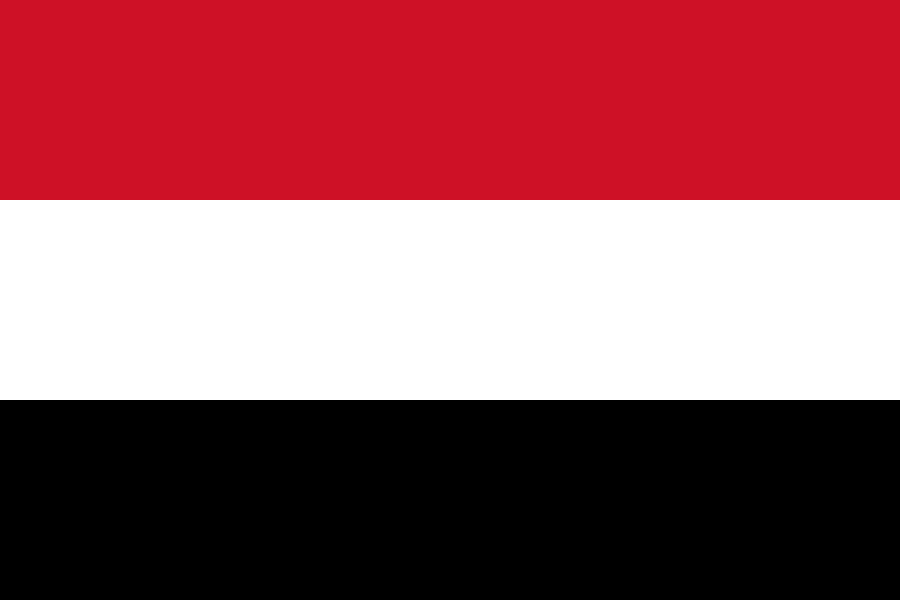 Yemen
Yemen
-
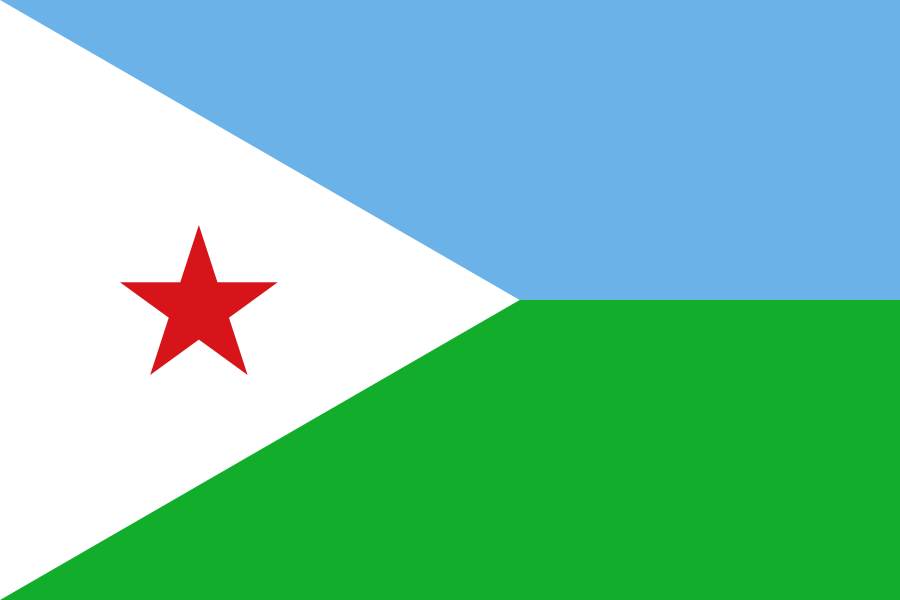 Yibuti
-
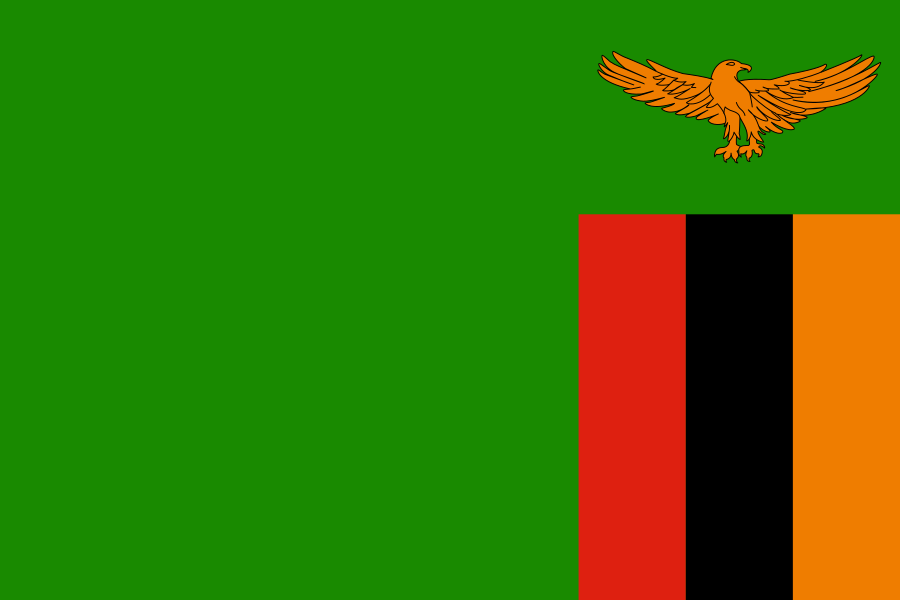 Zambia
-
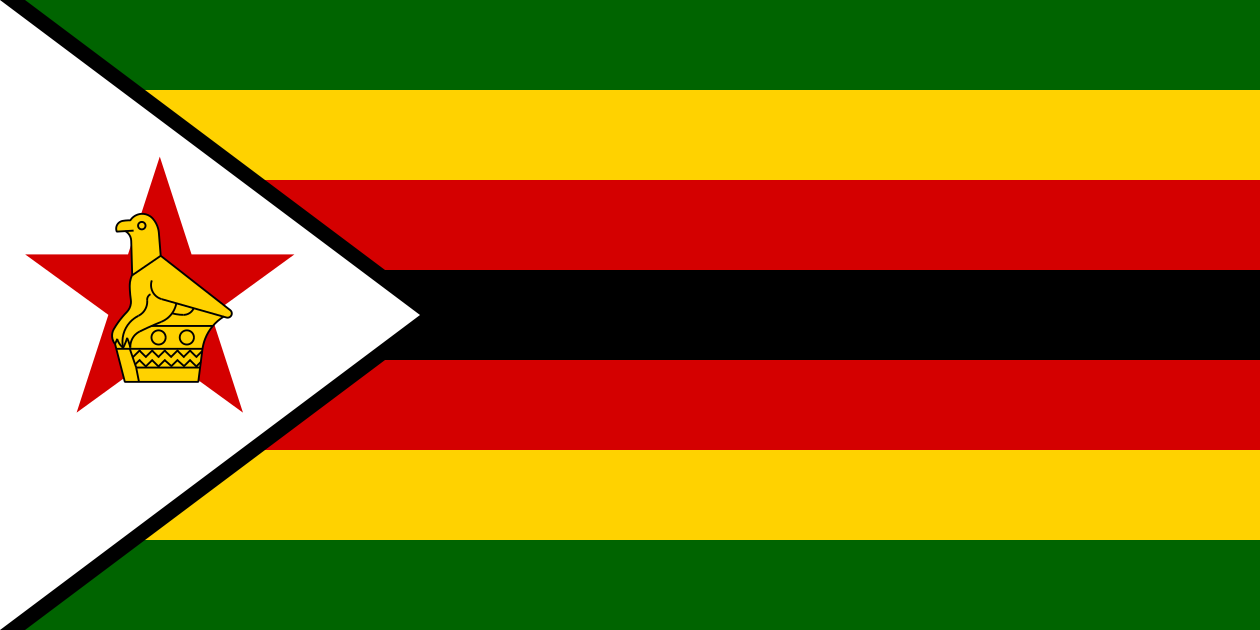 Zimbabue
India .in
Significado de la Bandera
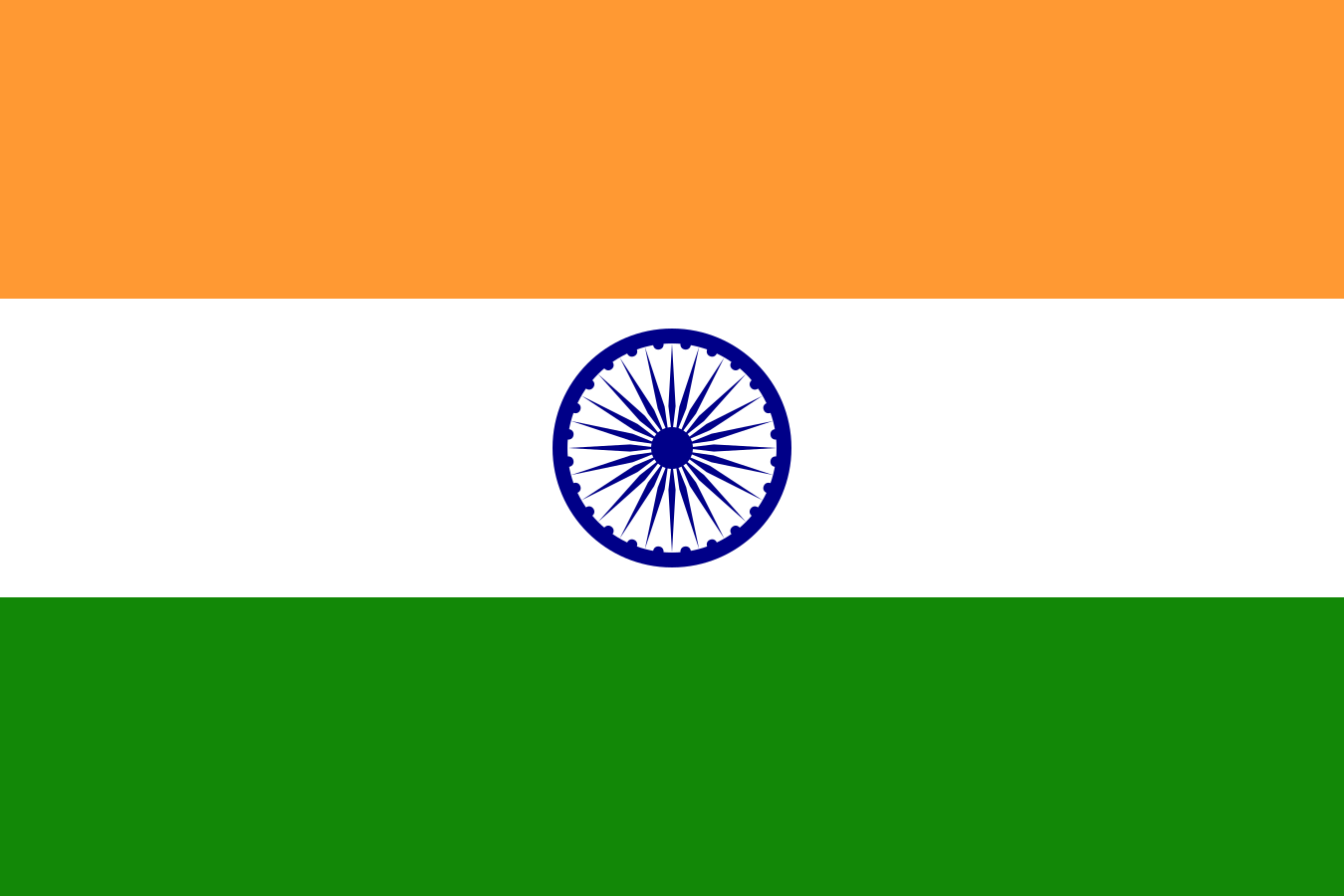
The national flag of India, colloquially called Tiraṅgā (the tricolour), is a horizontal rectangular tricolour flag, the colours being of India saffron, white and India green; with the Ashoka Chakra, a 24-spoke wheel, in navy blue at its centre. It was adopted in its present form during a meeting of the Constituent Assembly held on 22 July 1947, and it became the official flag of the Union of India on 15 August 1947. To address the question of how the star conveyed "Indianness", Queen Victoria created the Knight Commander of the Order of the Star of India to honour services to the empire by her Indian subjects. Around this time, nationalist opinion within the realm was leading to a representation through religious tradition. Gandhi later wrote that the delay was fortuitous since it allowed him to realise that other religions were not represented; he then added white to the banner colours, to represent all the other religions.
Historia de la Bandera
-
1907
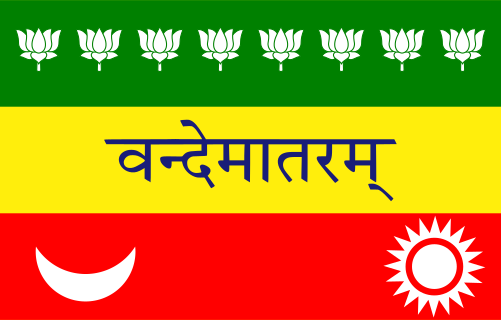 Berlin Committee / Madame Cama flag — hoisted by Bhikaiji Cama in Stuttgart, 1907. Green, gold, and red bands with seven stars of the saptarishi.
 -
1931
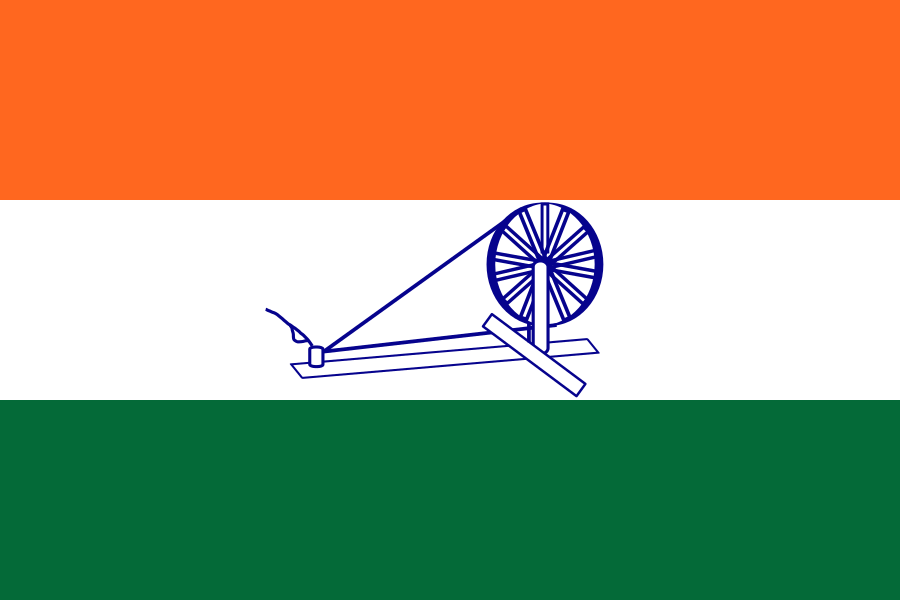 Indian National Congress official flag adopted in 1931: saffron, white, and green bands with the charkha at the centre — the immediate predecessor of the modern tricolour.
 -
1947–present
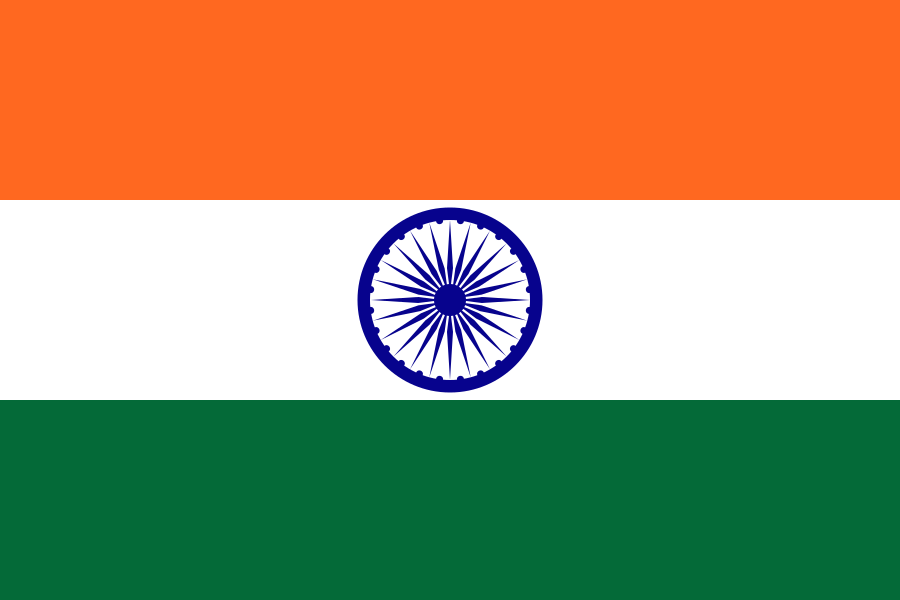 Tiranga, adopted 22 July 1947. The charkha was replaced with the navy-blue Ashoka Chakra of Sarnath (24 spokes) on the white band; saffron-white-green tricolour retained.