-
 Abkhazia
-
 Afghanistan
-
 Åland Islands
-
 Albania
-
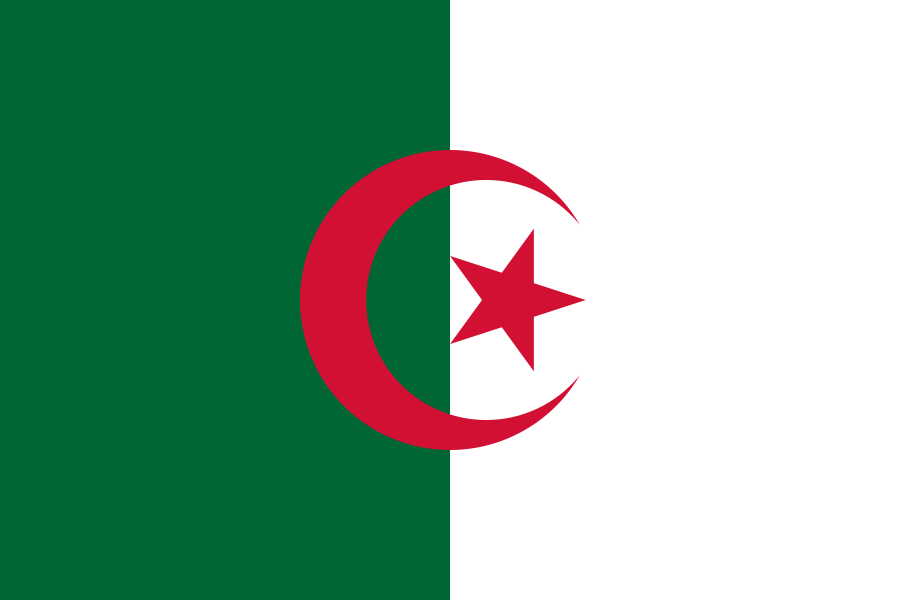 Algeria
-
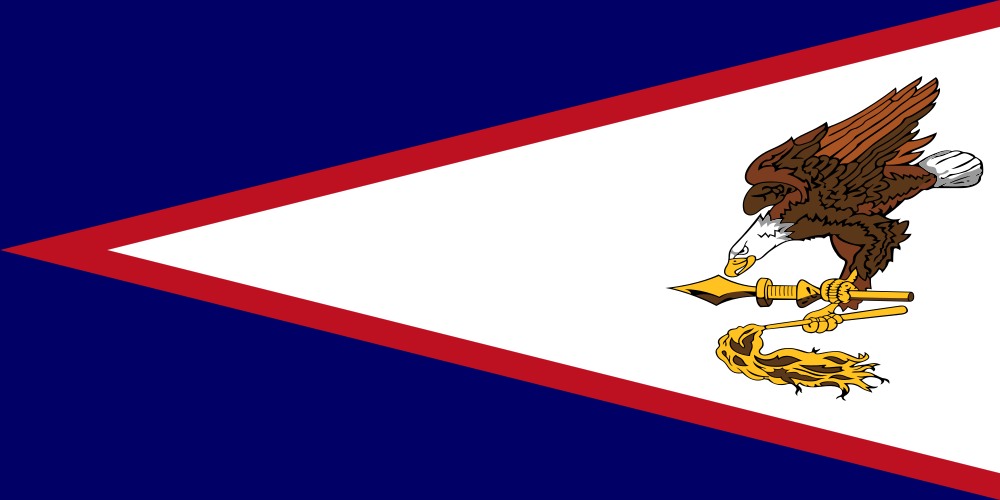 American Samoa
-
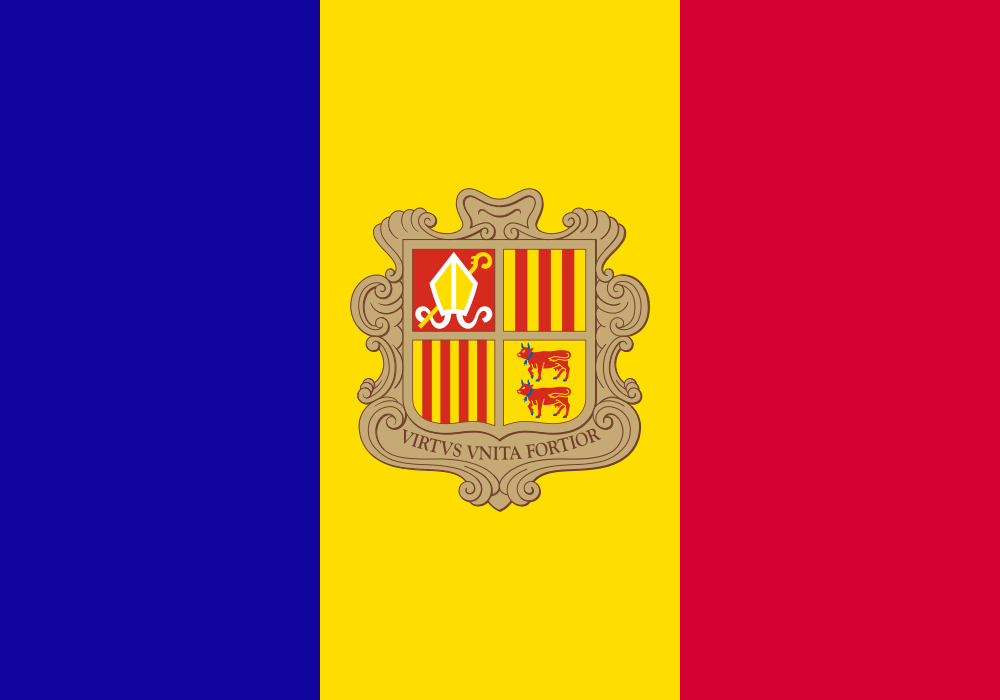 Andorra
-
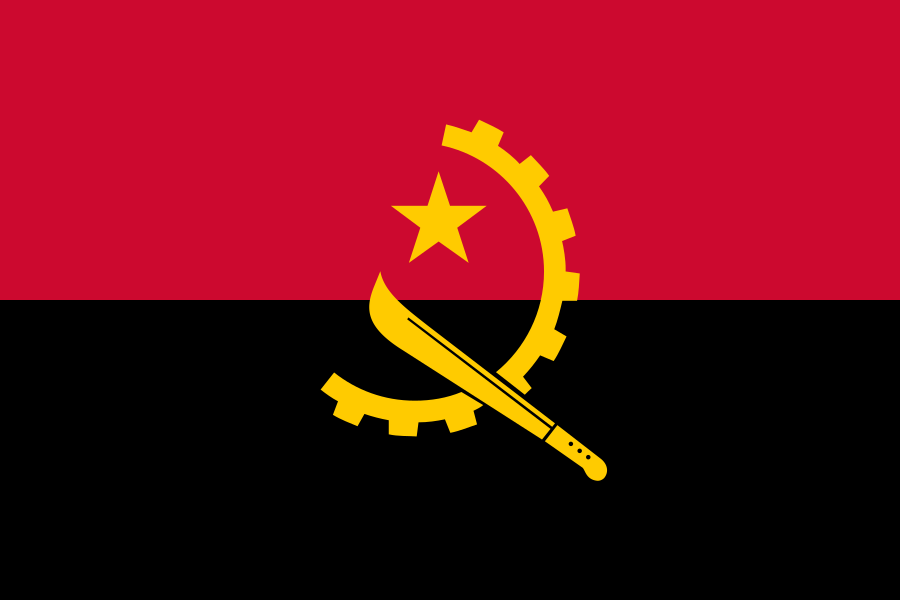 Angola
-
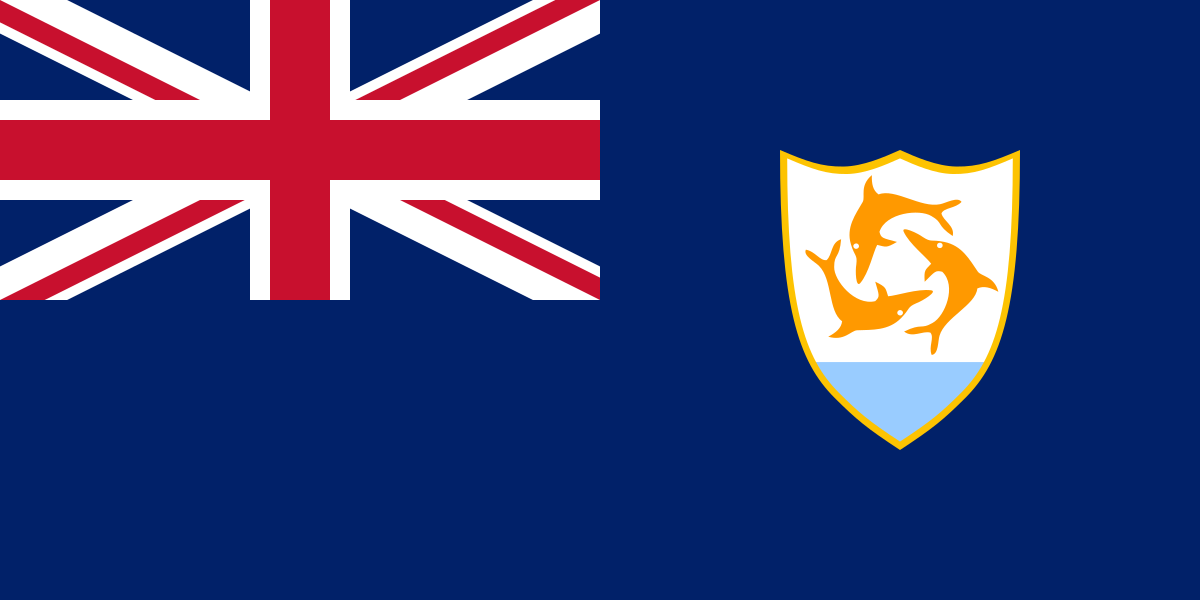 Anguilla
-
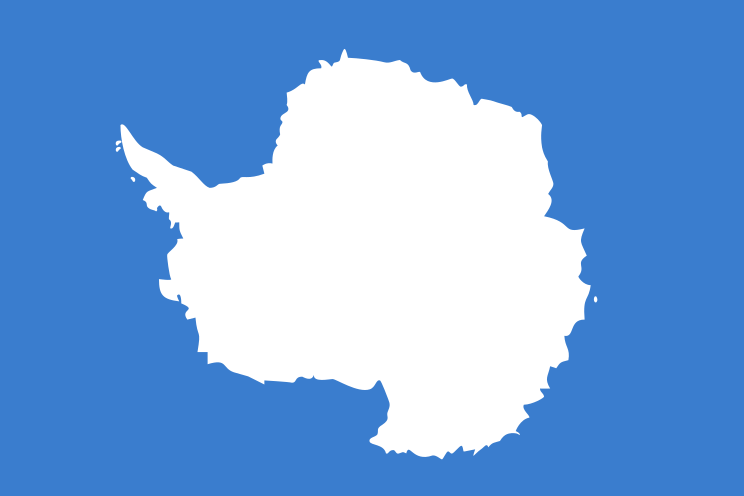 Antarctica
-
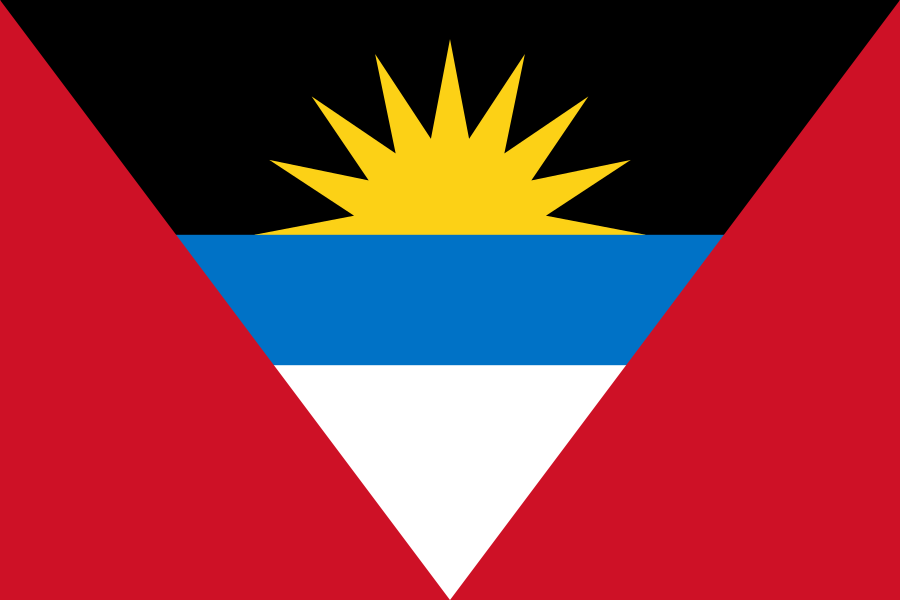 Antigua and Barbuda
-
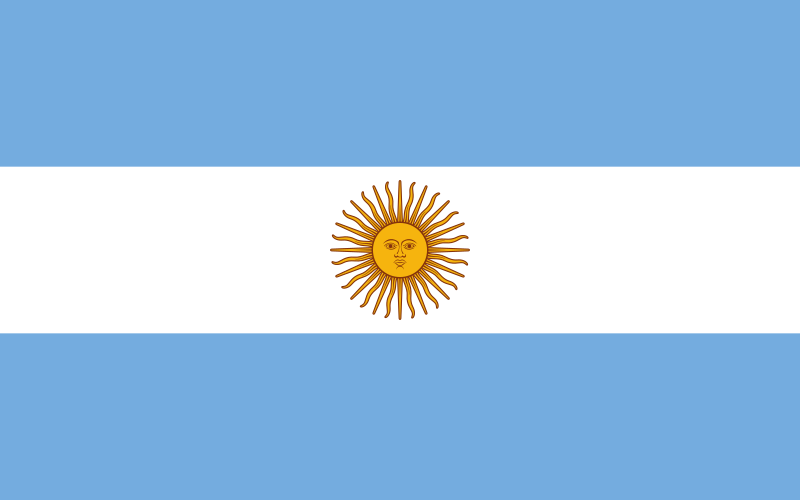 Argentina
-
 Armenia
-
 Artsakh
-
 Aruba
Aruba
-
 Australia
-
 Austria
-
 Azerbaijan
-
 Bahamas
-
 Bahrain
-
 Bangladesh
-
 Barbados
-
 Belarus
-
 Belgium
-
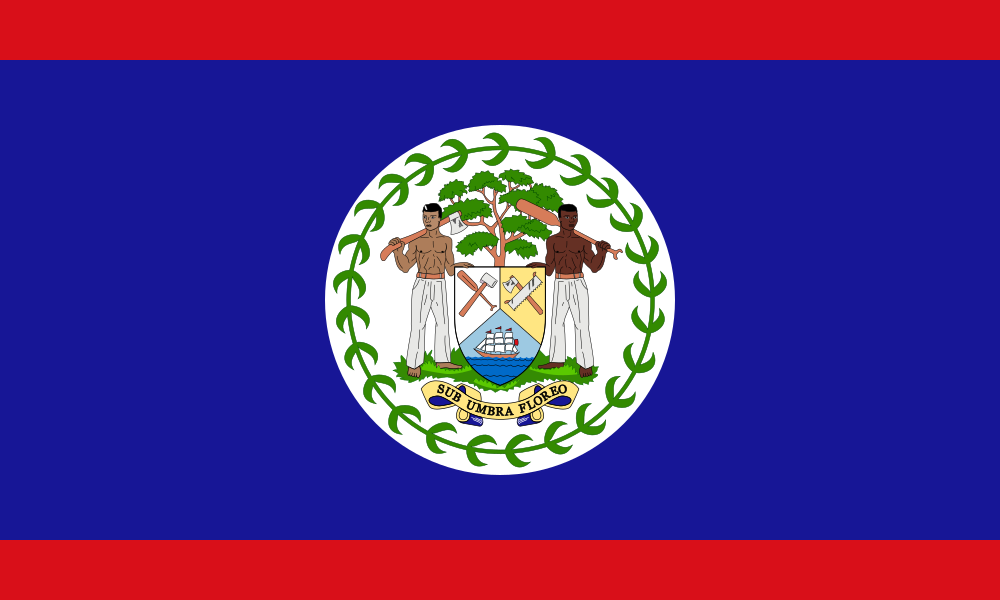 Belize
-
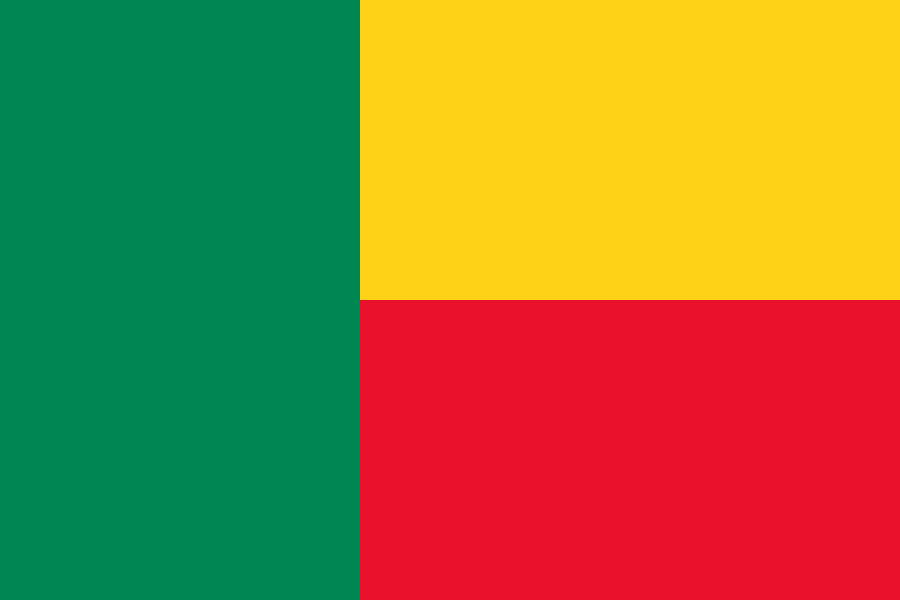 Benin
Benin
-
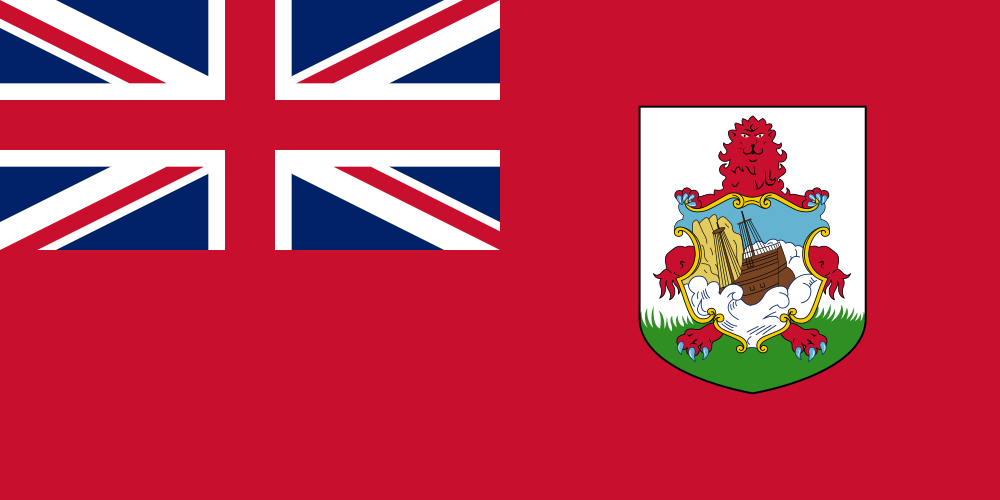 Bermuda
-
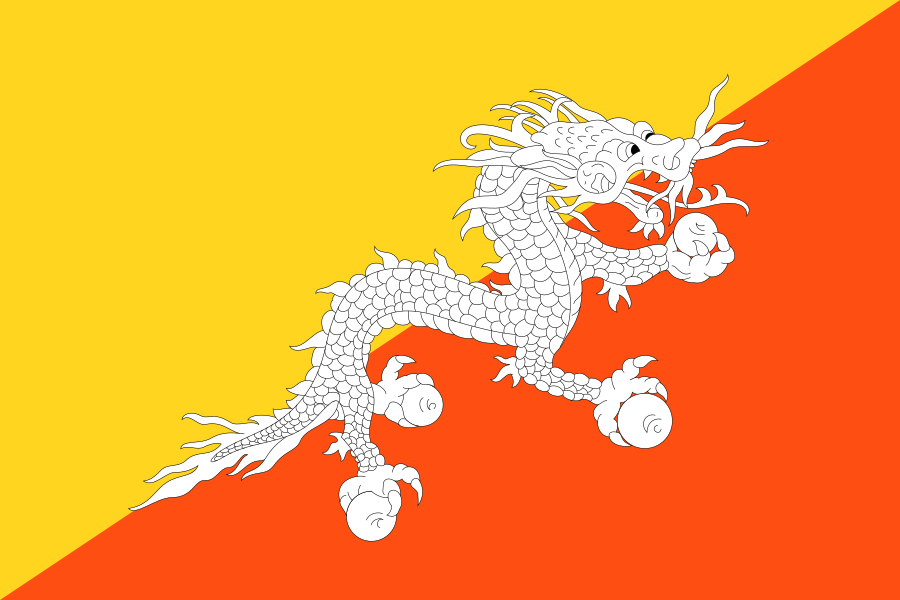 Bhutan
-
 Bolivia
-
 Bonaire
-
 Bosnia and Herzegovina
-
 Botswana
-
 Bouvet Island
-
 Brazil
-
 British Indian Ocean Territory
-
 British Virgin Islands
-
 Brunei
-
 Bulgaria
-
 Burkina Faso
-
 Burundi
-
 Cambodia
-
 Cameroon
-
 Canada
-
 Cape Verde
-
 Caribbean Netherlands
-
 Cayman Islands
-
 Central African Republic
-
 Chad
Chad
-
 Chile
Chile
-
 China
China
-
 Christmas Island
-
 Cocos Islands
-
 Colombia
-
 Comoros
-
 Cook Islands
-
 Costa Rica
-
 Croatia
-
 Cuba
Cuba
-
 Curaçao
-
 Cyprus
-
 Czech Republic
-
 Democratic Republic of the Congo
-
 Denmark
-
 Djibouti
-
 Dominica
-
 Dominican Republic
-
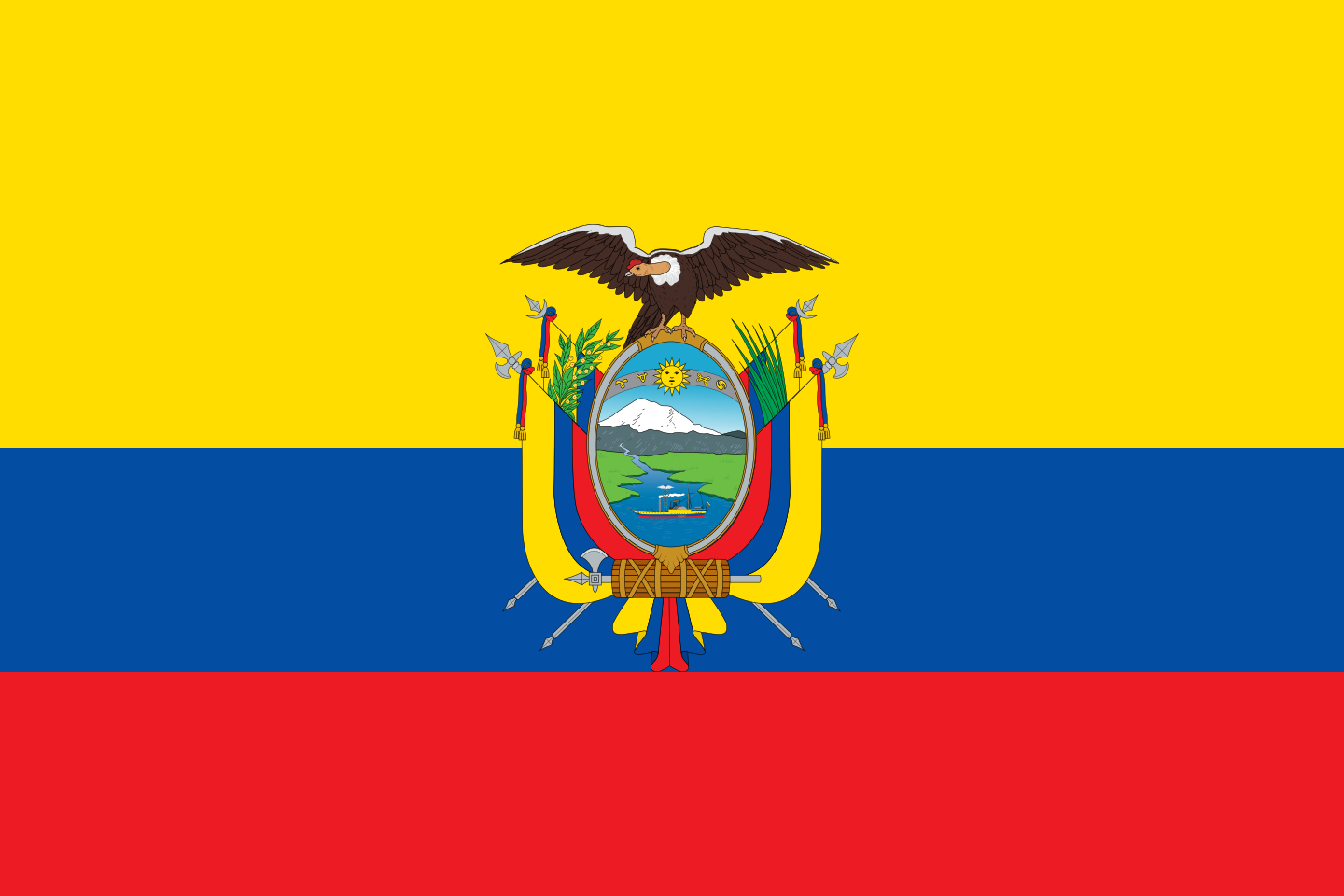 Ecuador
-
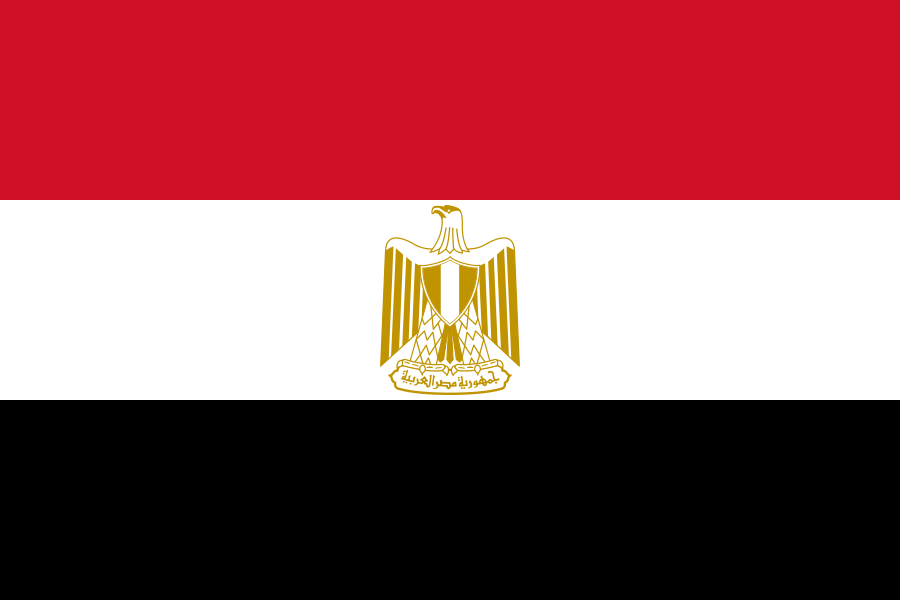 Egypt
Egypt
-
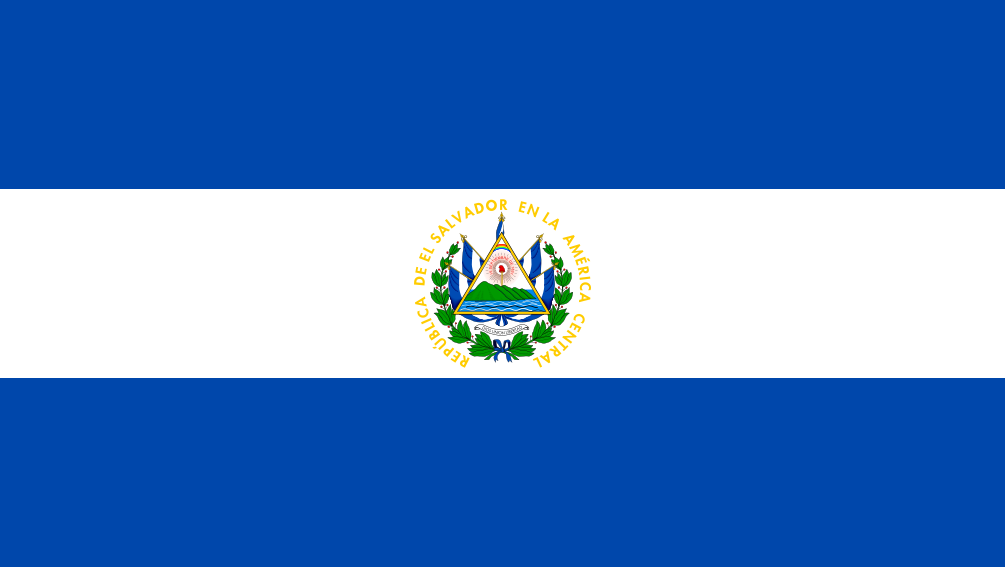 El Salvador
-
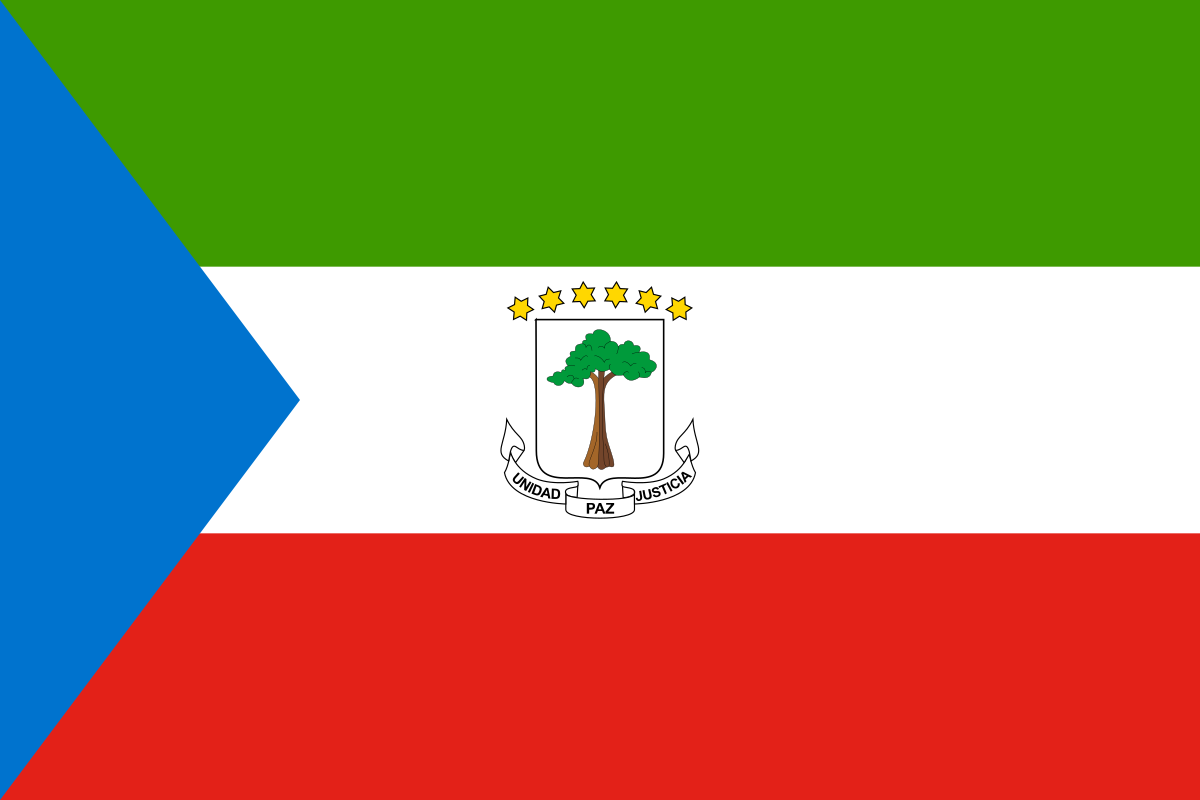 Equatorial Guinea
-
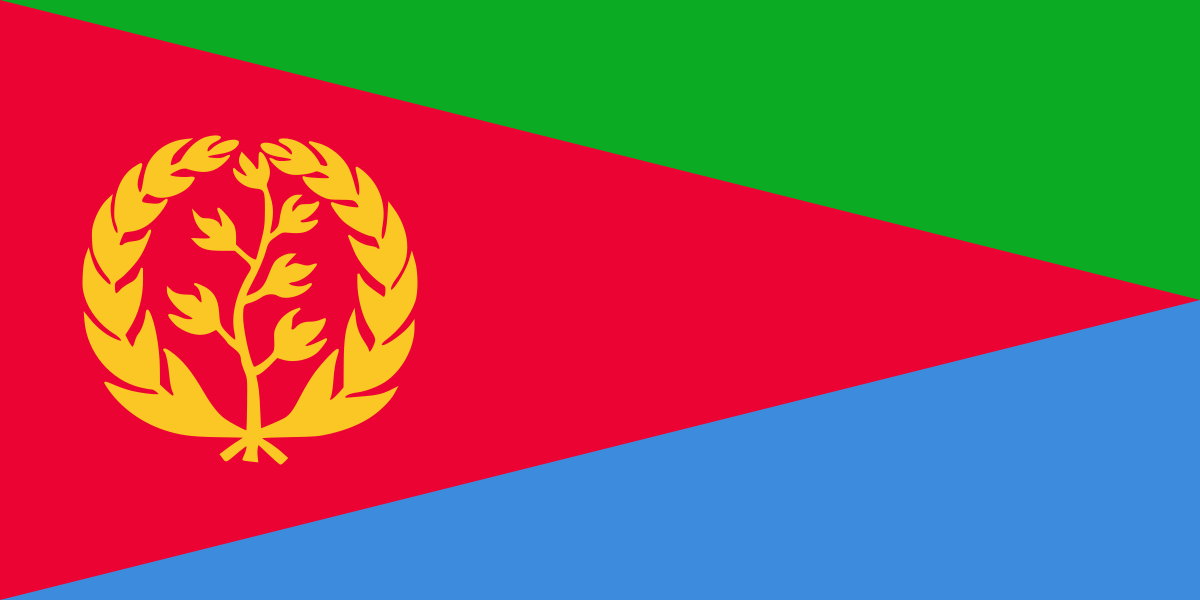 Eritrea
-
 Estonia
-
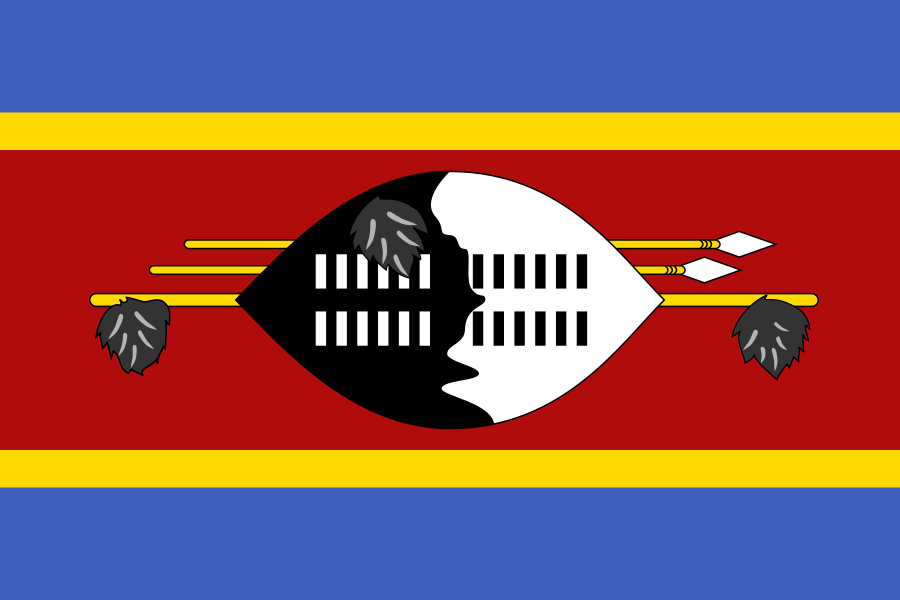 Eswatini
-
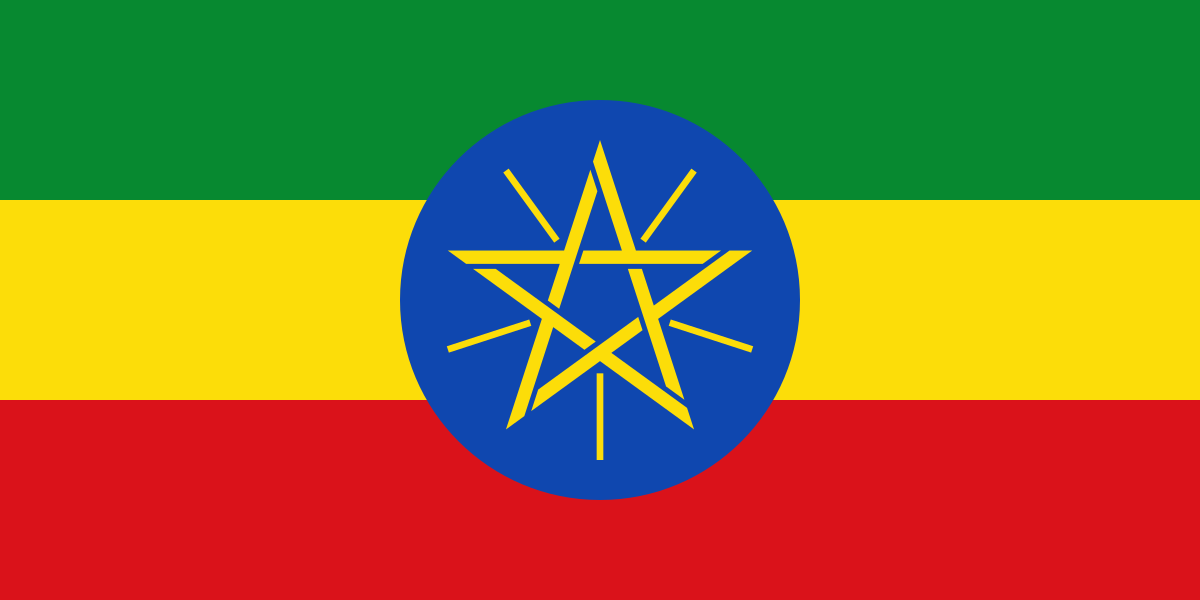 Ethiopia
-
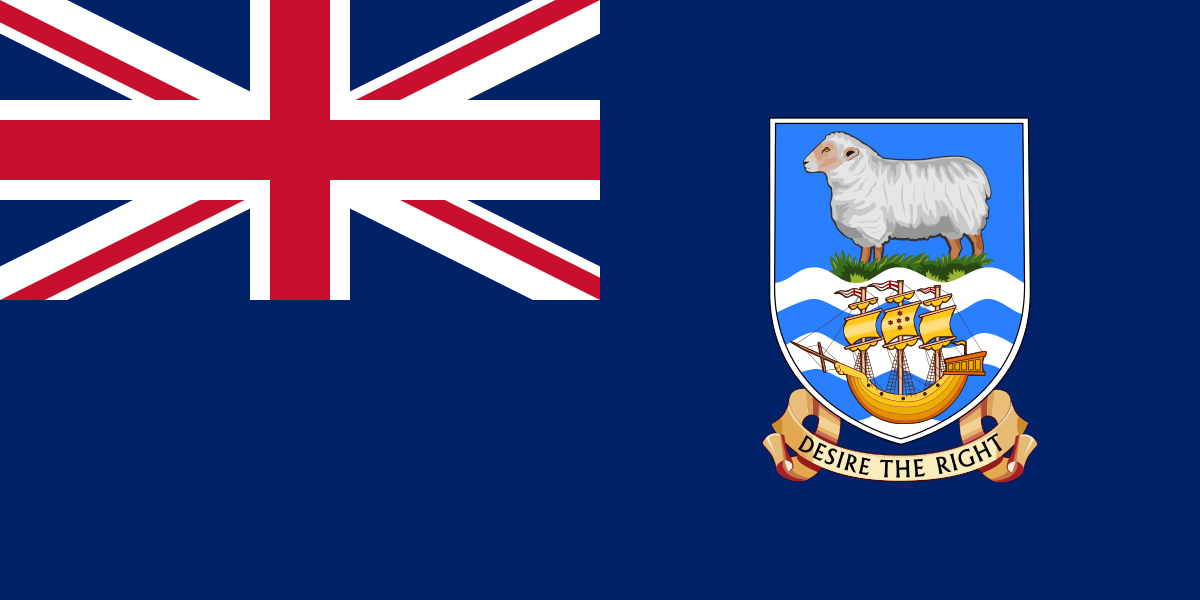 Falkland Islands
-
 Faroe Islands
-
 Fiji
Fiji
-
 Finland
-
 France
-
French Guiana
-
 French Polynesia
-
 French Southern Territories
-
 Gabon
Gabon
-
 Gambia
-
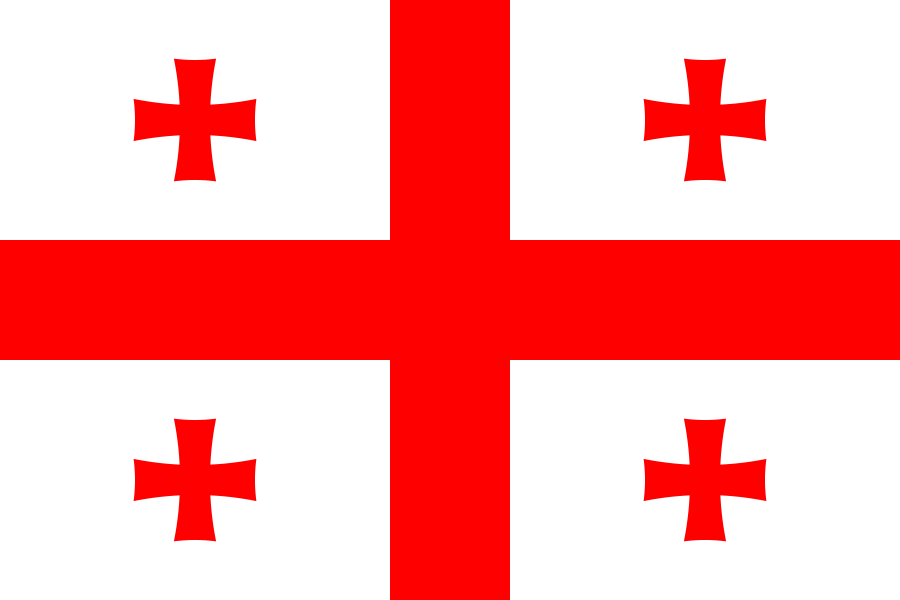 Georgia
-
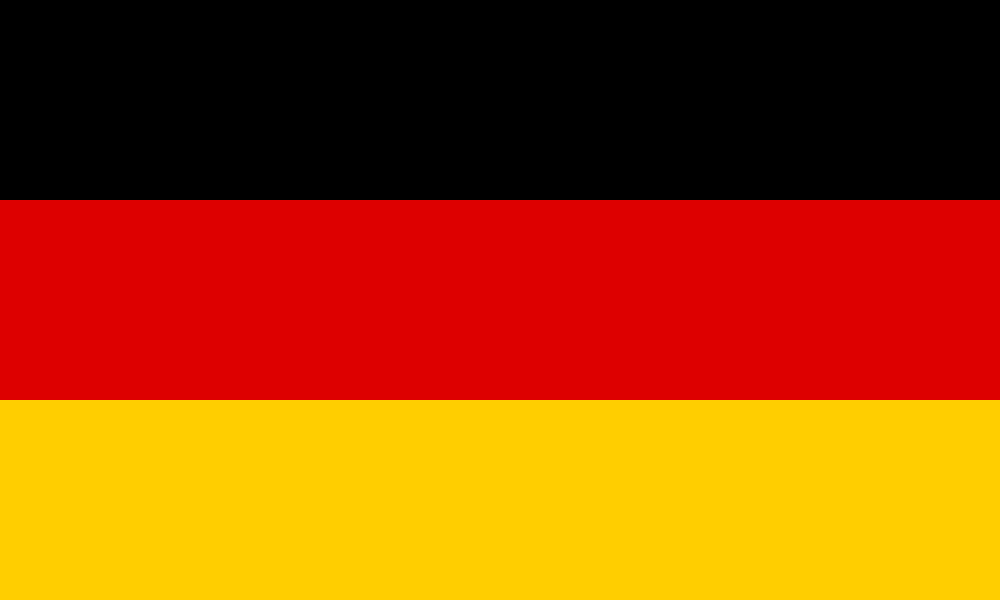 Germany
-
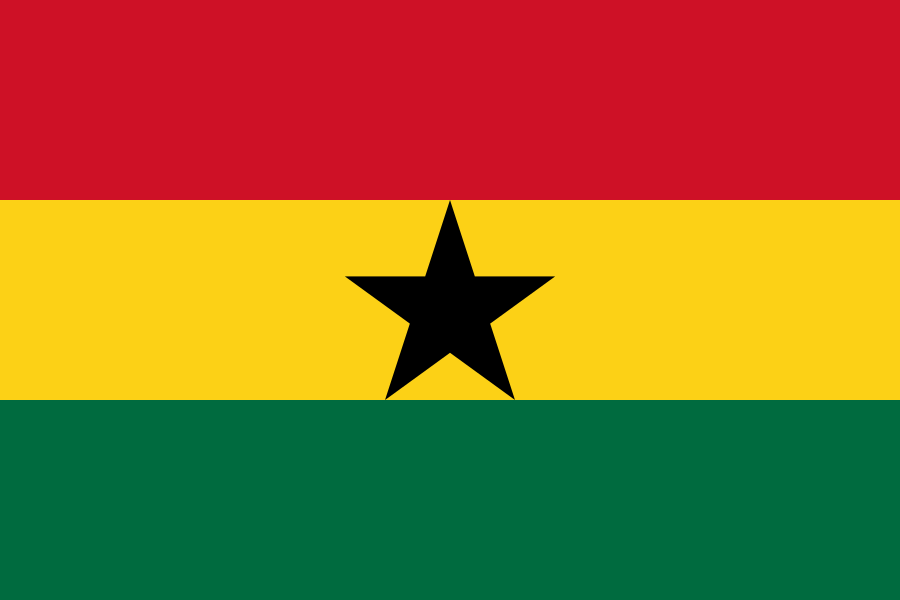 Ghana
Ghana
-
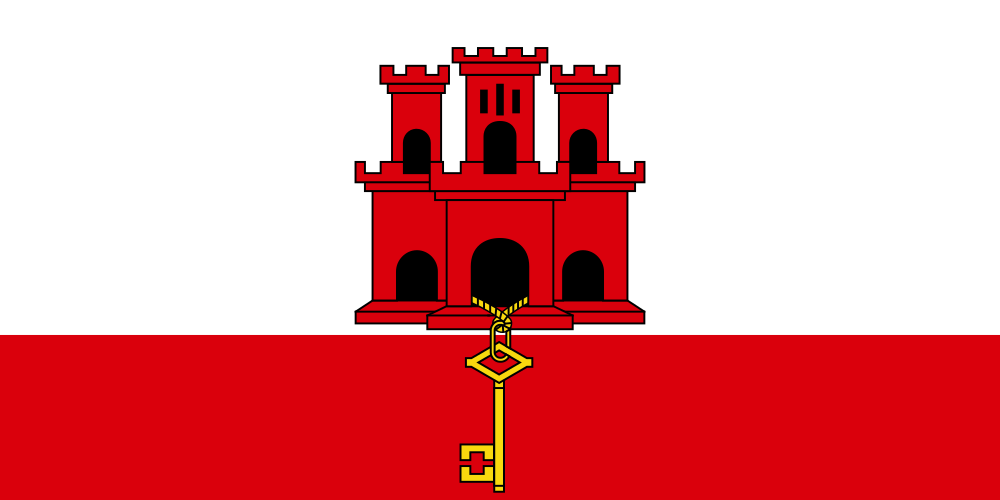 Gibraltar
-
 Greece
-
 Greenland
-
 Grenada
-
Guadeloupe
-
 Guam
Guam
-
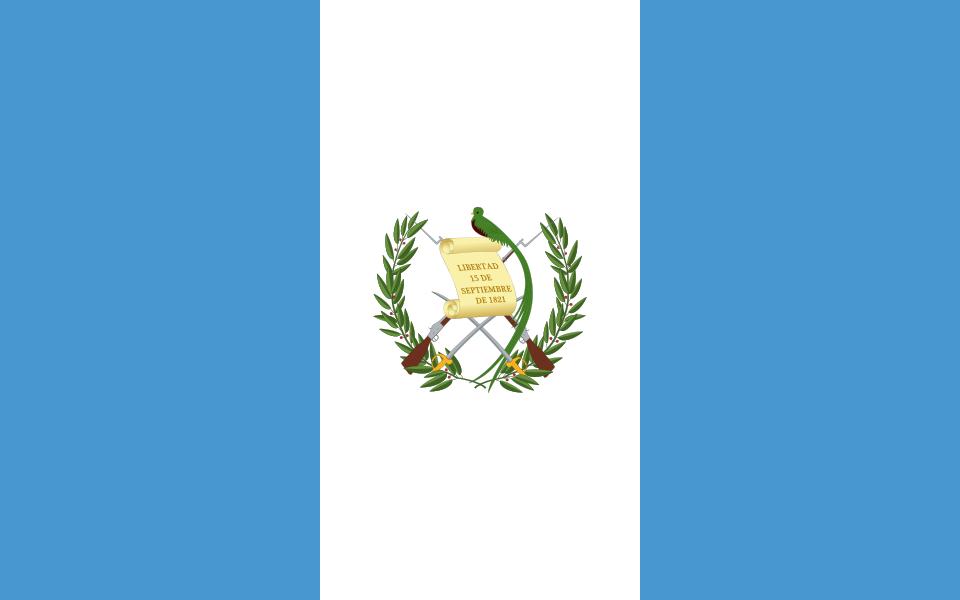 Guatemala
-
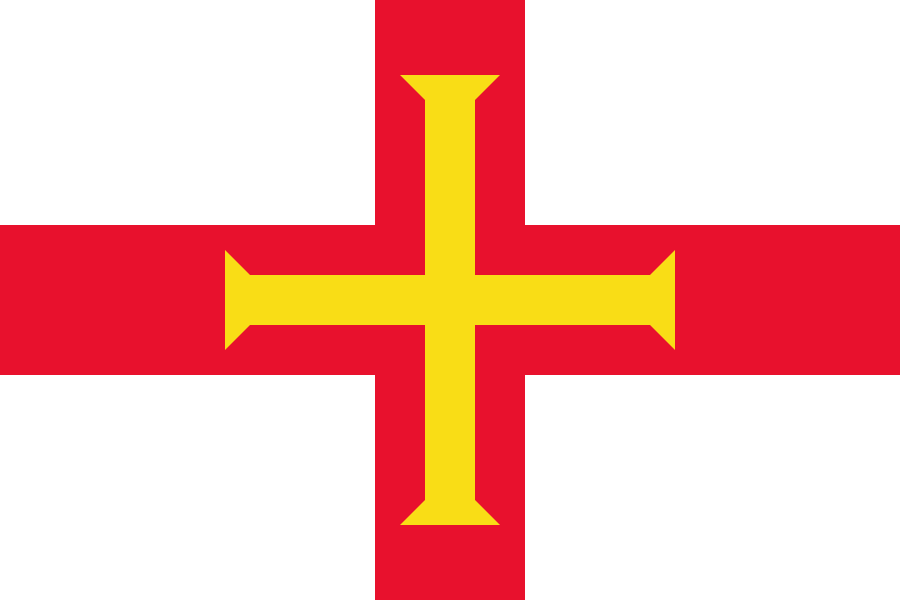 Guernsey
-
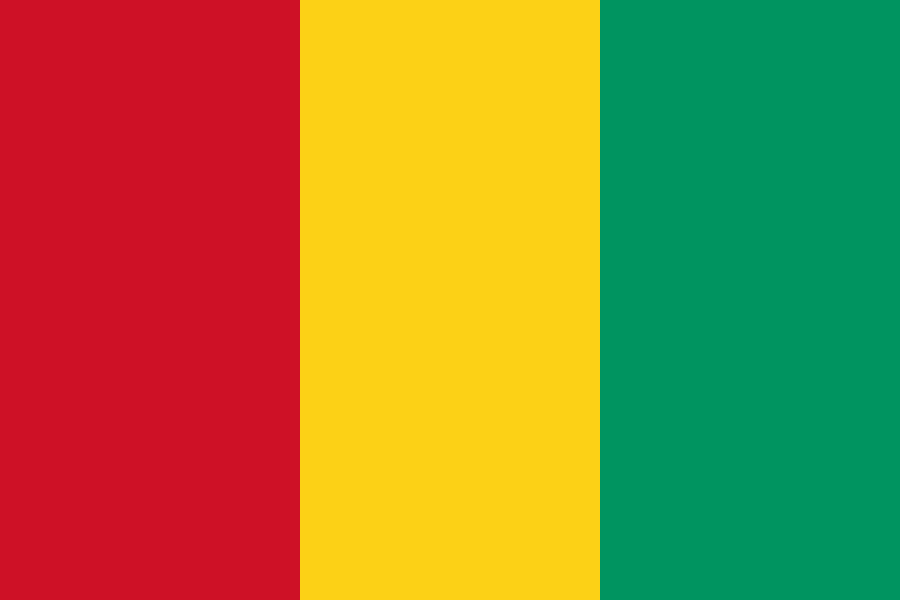 Guinea
-
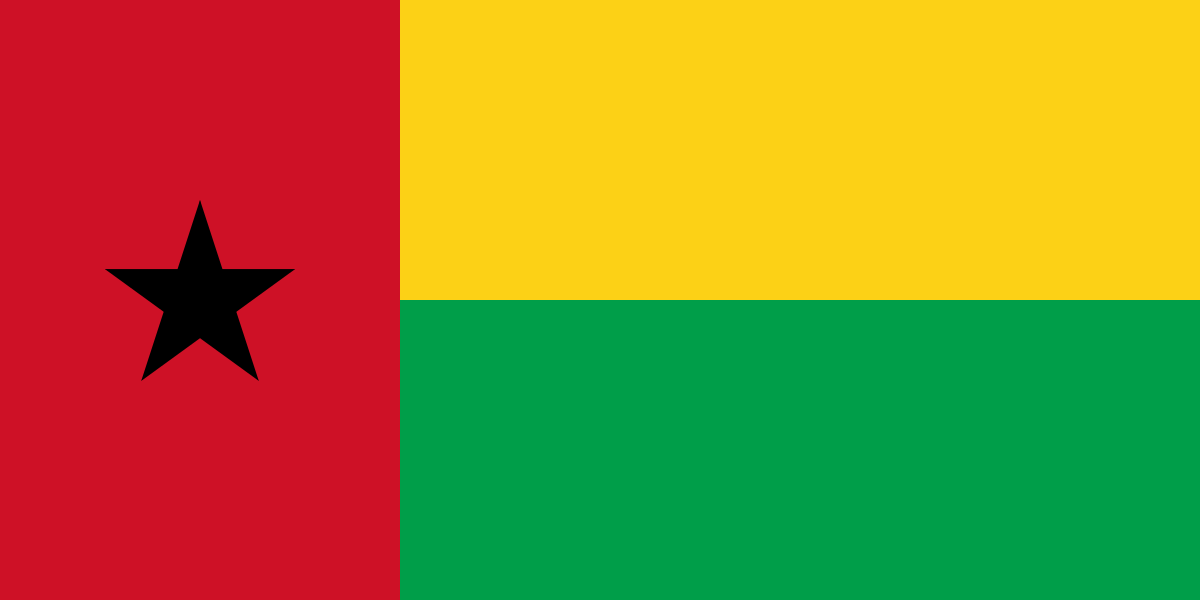 Guinea-Bissau
-
 Guyana
-
 Haiti
Haiti
-
 Heard and McDonald Islands
-
 Honduras
-
 Hong Kong
-
 Hungary
-
 Iceland
-
 India
India
-
 Indonesia
-
 Iran
Iran
-
 Iraq
Iraq
-
 Ireland
-
 Isle of Man
-
 Israel
-
 Italy
Italy
-
 Ivory Coast
-
 Jamaica
-
 Japan
Japan
-
 Jersey
-
 Jordan
-
 Kazakhstan
-
 Kenya
Kenya
-
 Kiribati
-
 Kosovo
-
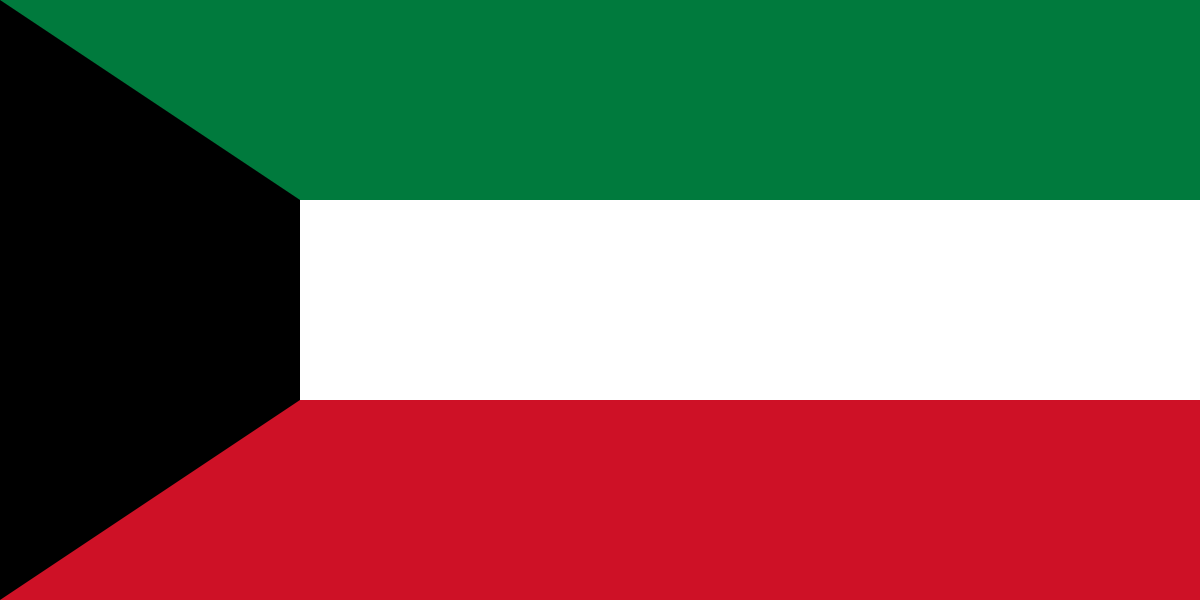 Kuwait
-
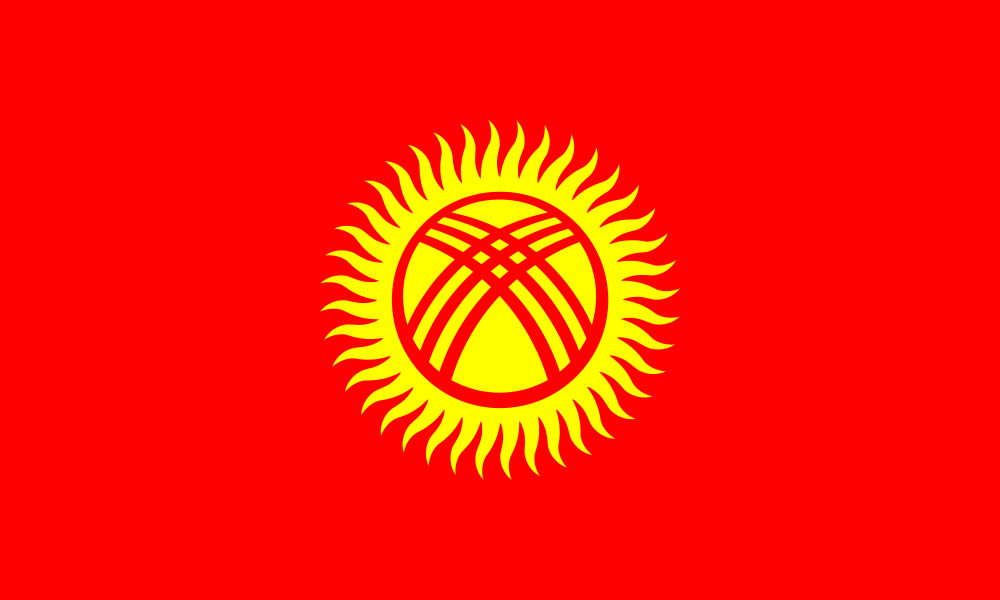 Kyrgyzstan
-
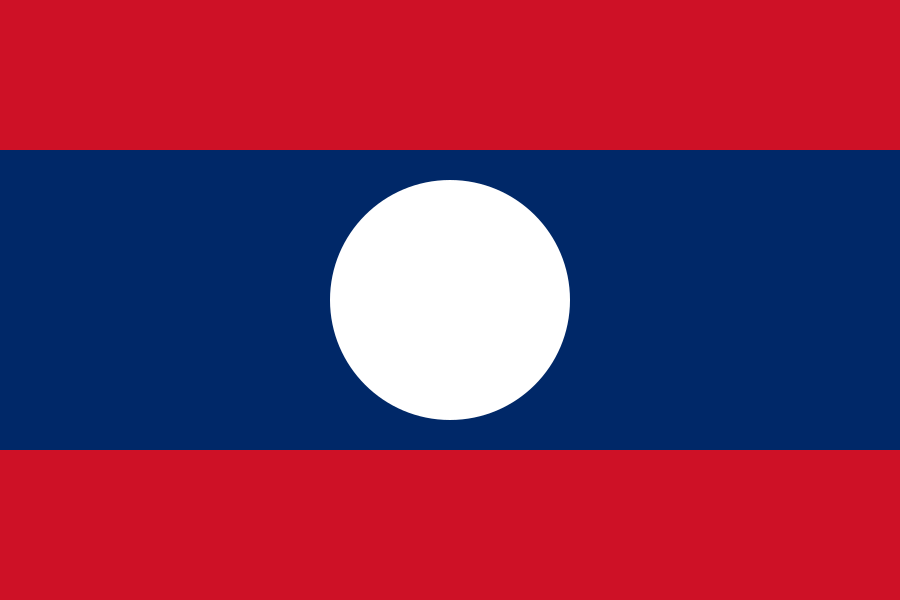 Laos
Laos
-
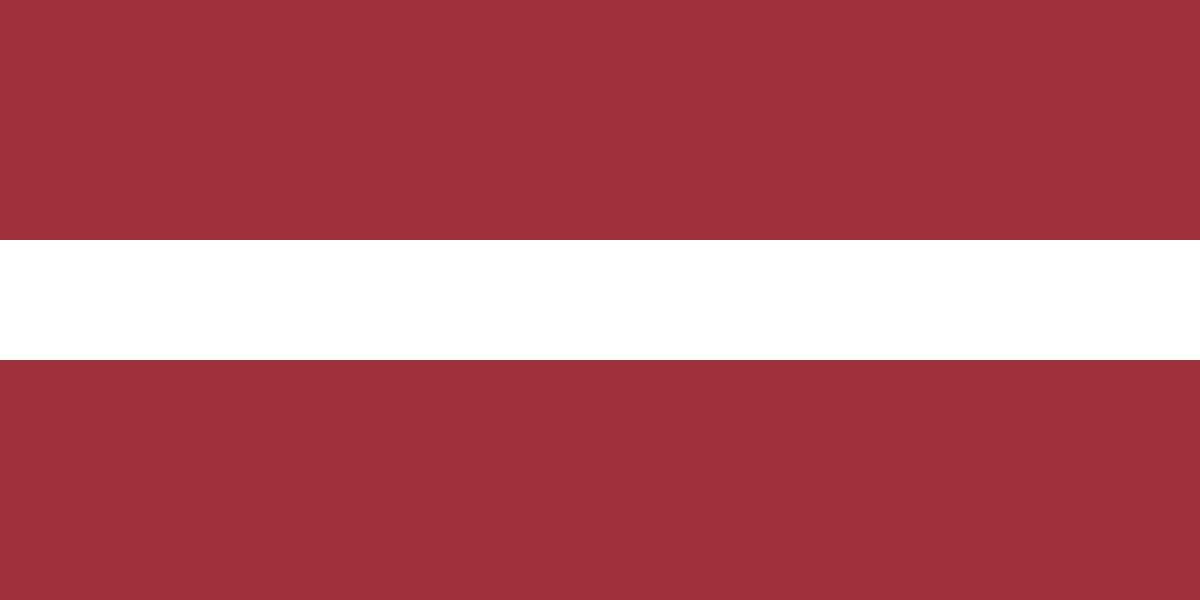 Latvia
-
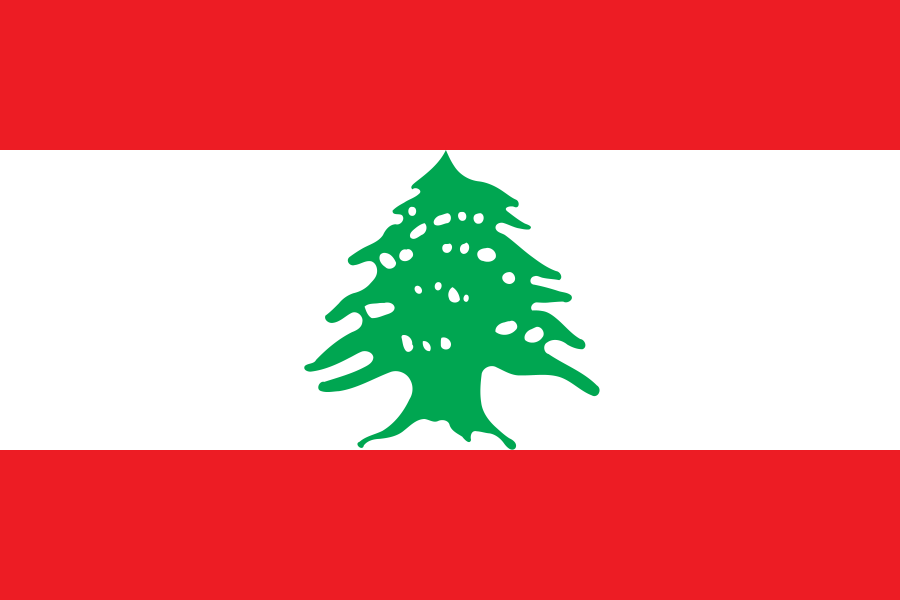 Lebanon
-
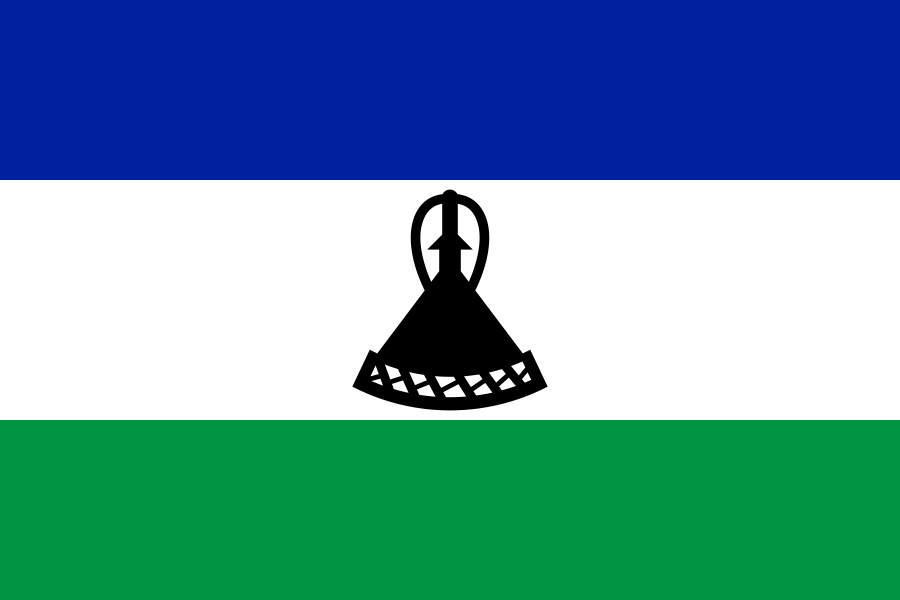 Lesotho
-
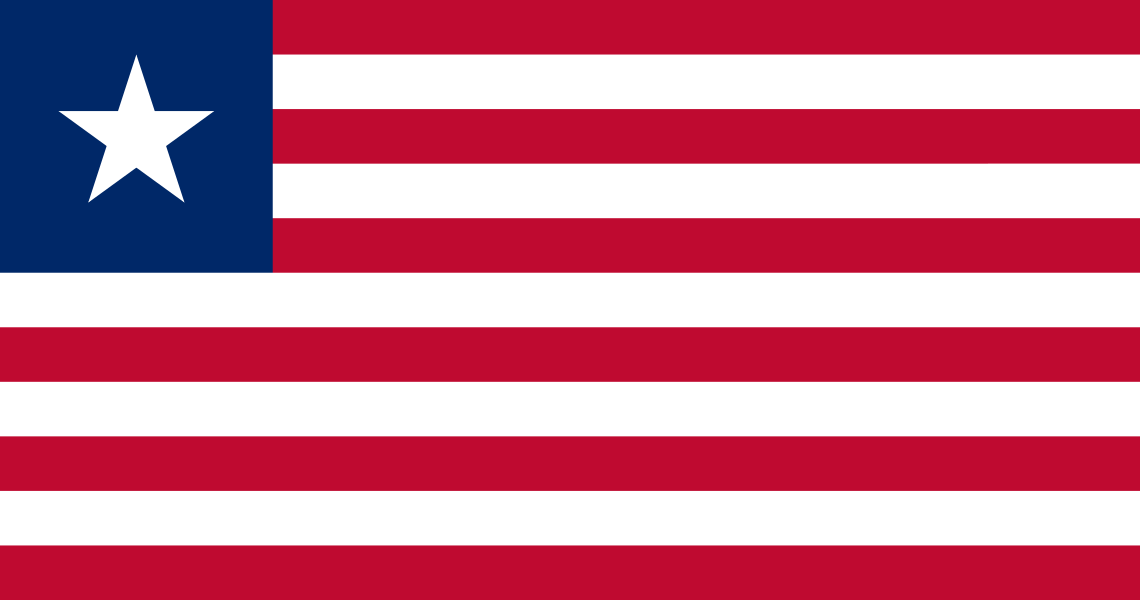 Liberia
-
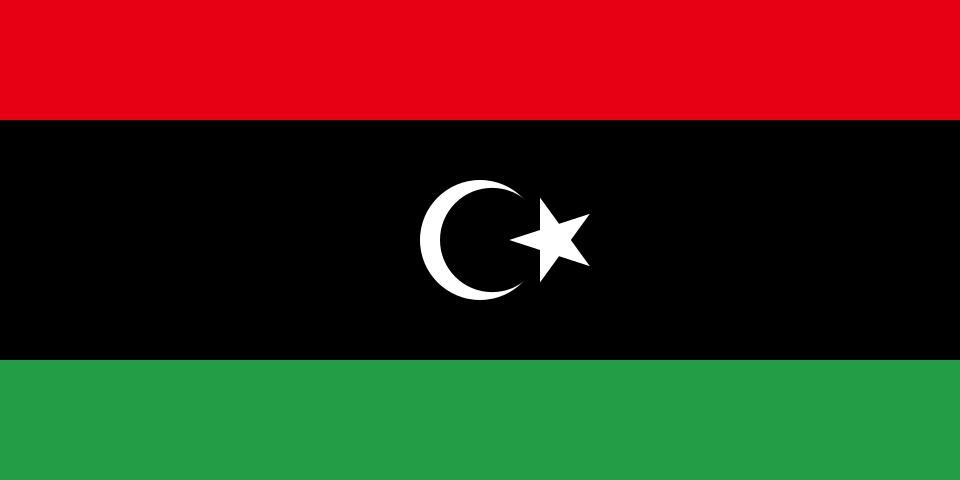 Libya
Libya
-
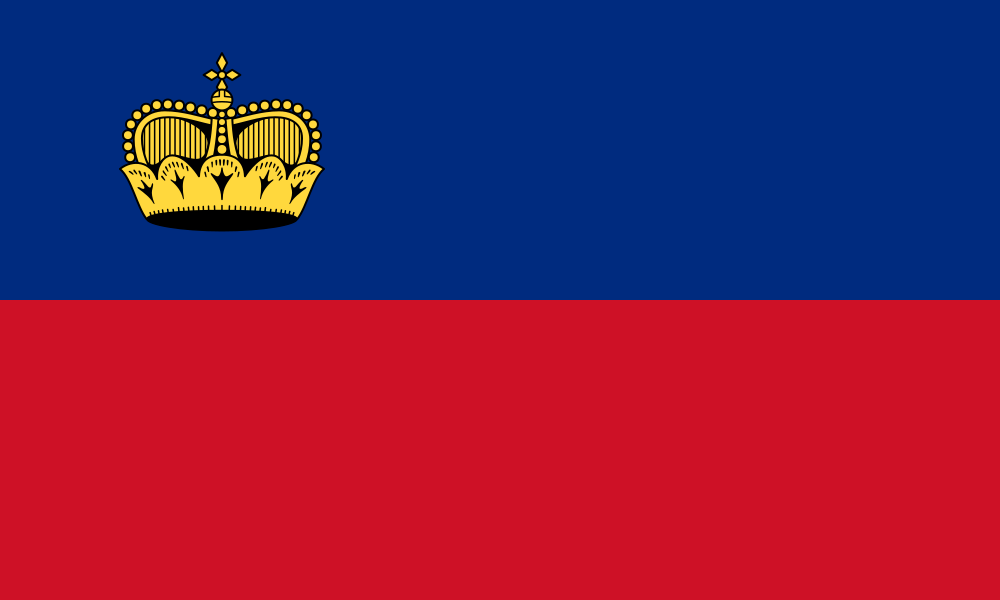 Liechtenstein
-
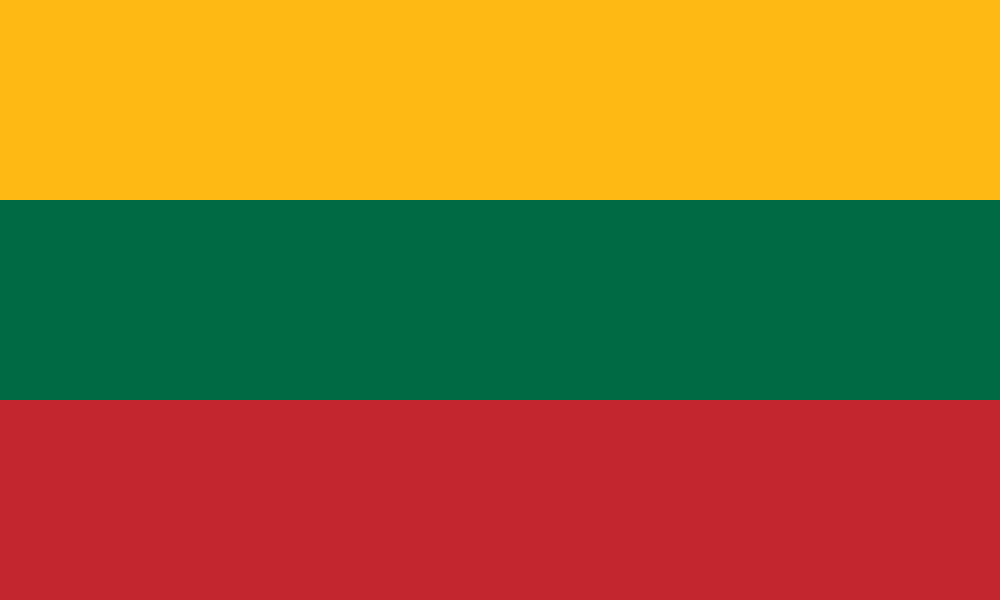 Lithuania
-
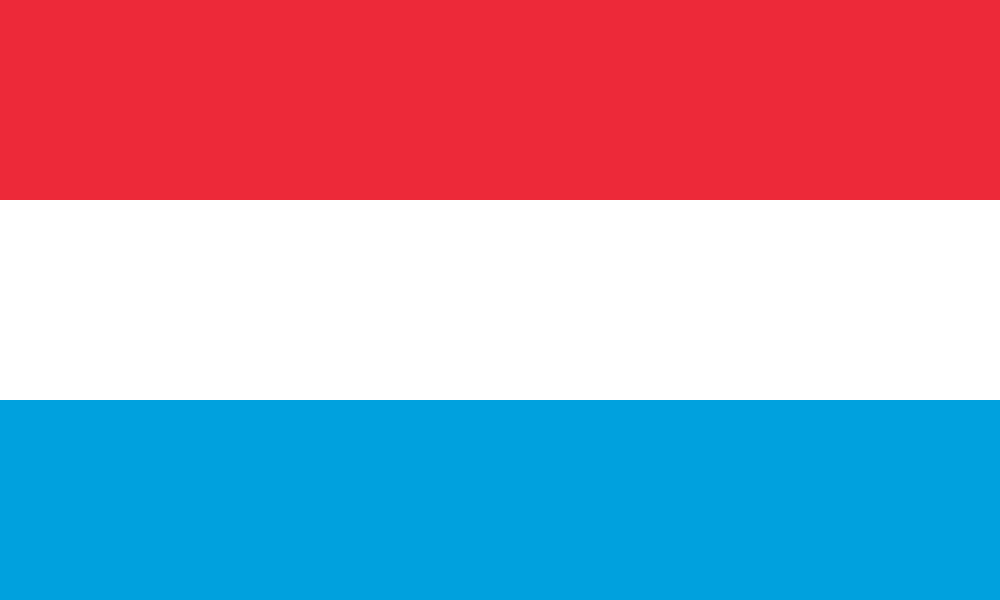 Luxembourg
-
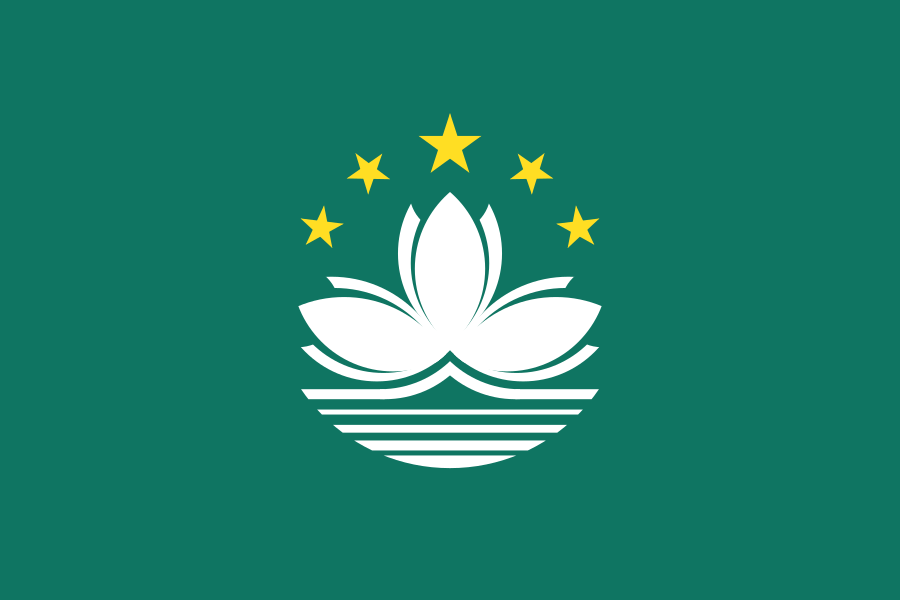 Macau
Macau
-
 Madagascar
-
 Malawi
-
 Malaysia
-
 Maldives
-
 Mali
Mali
-
 Malta
Malta
-
 Marshall Islands
-
Martinique
-
 Mauritania
-
 Mauritius
-
Mayotte
-
 Mexico
-
 Micronesia
-
 Moldova
-
 Monaco
-
 Mongolia
-
 Montenegro
-
 Montserrat
-
 Morocco
-
 Mozambique
-
 Myanmar
-
 Namibia
-
 Nauru
Nauru
-
 Nepal
Nepal
-
Netherlands
-
 New Caledonia
-
 New Zealand
-
 Nicaragua
-
 Niger
Niger
-
 Nigeria
-
 Niue
Niue
-
 Norfolk Island
-
 North Korea
-
 North Macedonia
-
 Northern Cyprus
-
 Northern Mariana Islands
-
 Norway
-
 Oman
Oman
-
 Pakistan
-
 Palau
Palau
-
 Palestine
-
 Panama
-
 Papua New Guinea
-
 Paraguay
-
 Peru
Peru
-
 Philippines
-
 Pitcairn Islands
-
 Poland
-
 Portugal
-
 Puerto Rico
-
 Qatar
Qatar
-
 Republic of the Congo
-
Reunion
-
 Romania
-
 Russia
-
 Rwanda
-
Saint Barthélemy
-
 Saint Helena And Dependencies
-
 Saint Kitts and Nevis
-
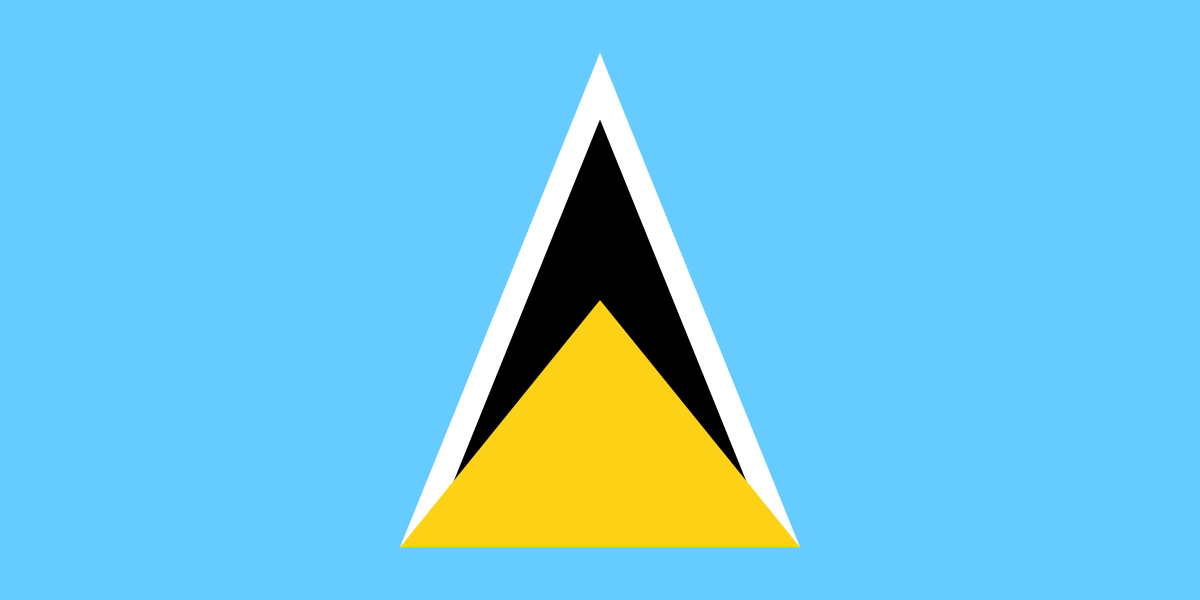 Saint Lucia
-
Saint Martin
-
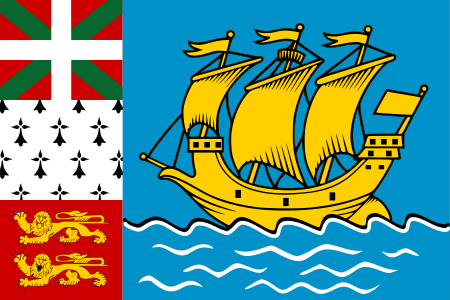 Saint Pierre and Miquelon
-
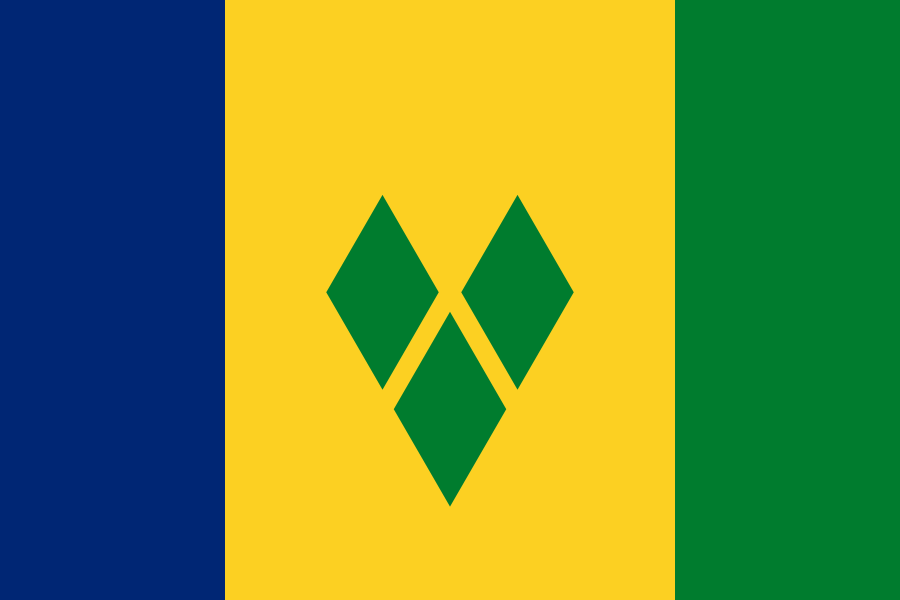 Saint Vincent and the Grenadines
-
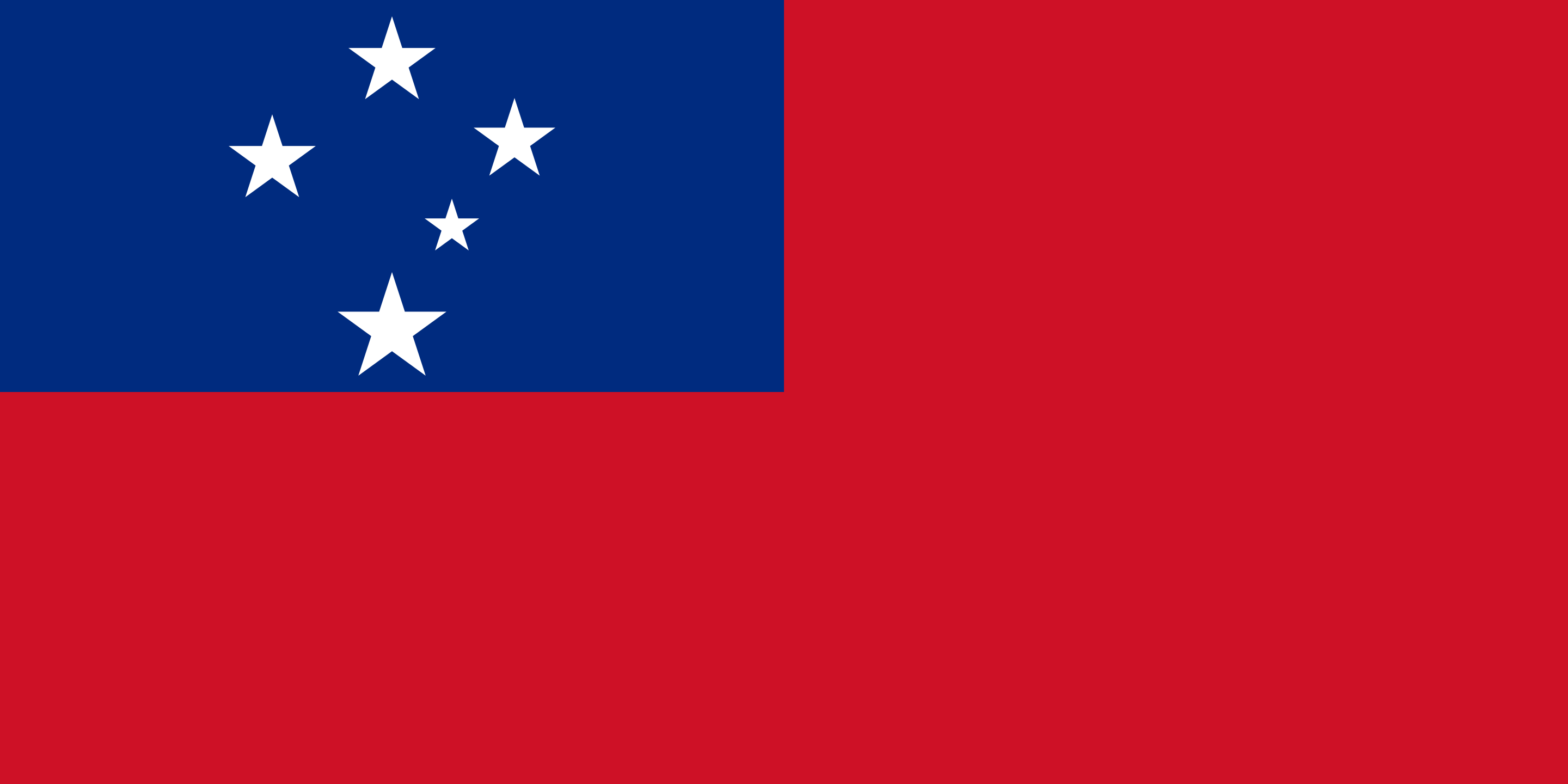 Samoa
Samoa
-
 San Marino
-
 Sao Tome and Principe
-
 Saudi Arabia
-
 Senegal
-
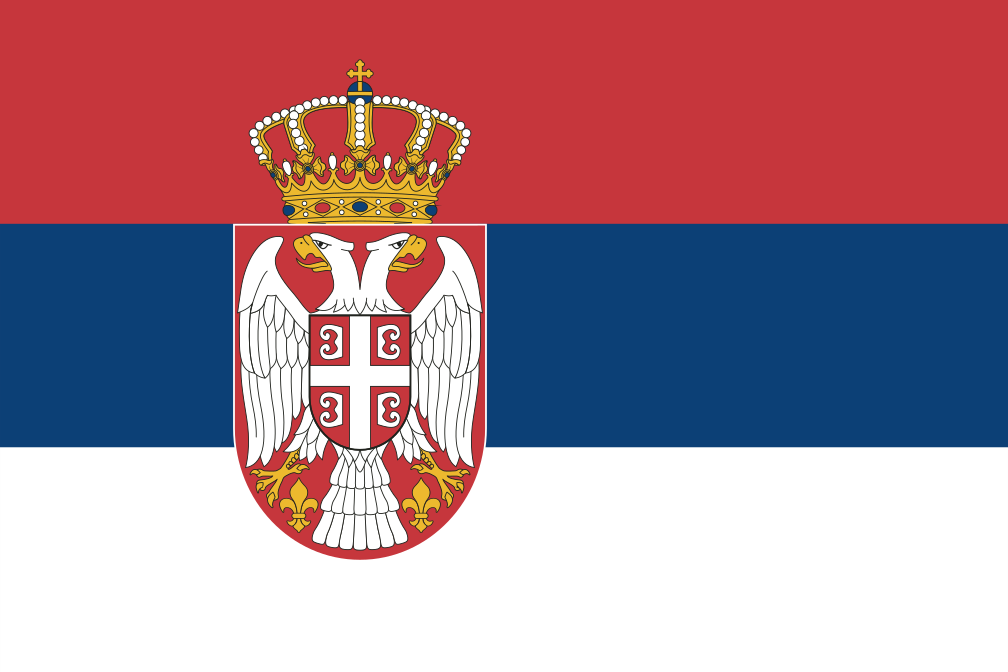 Serbia
-
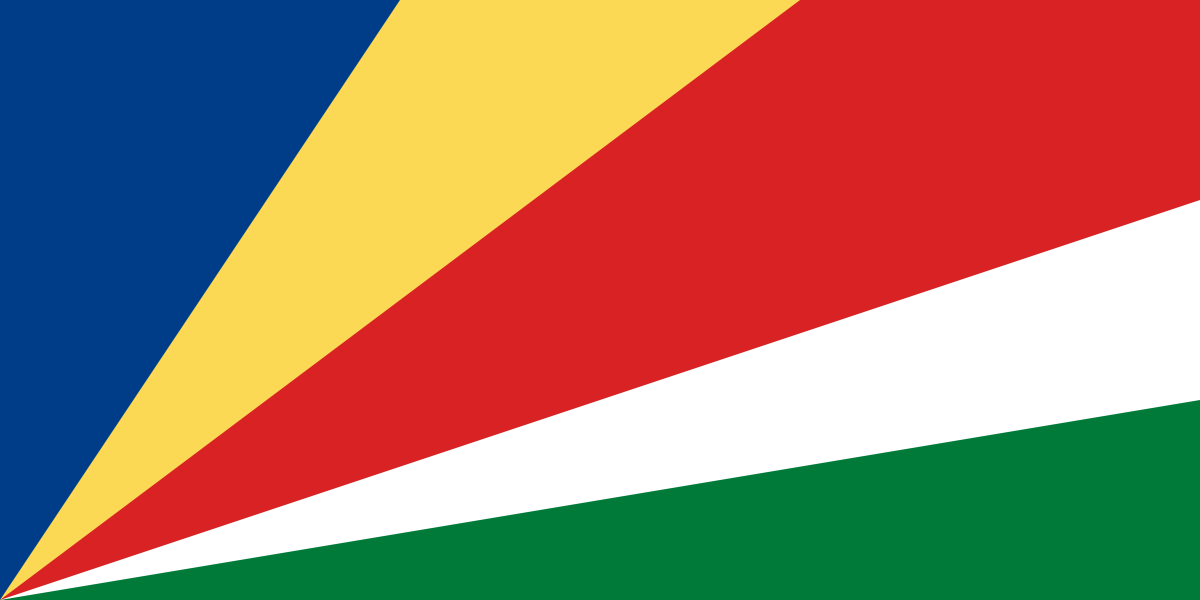 Seychelles
-
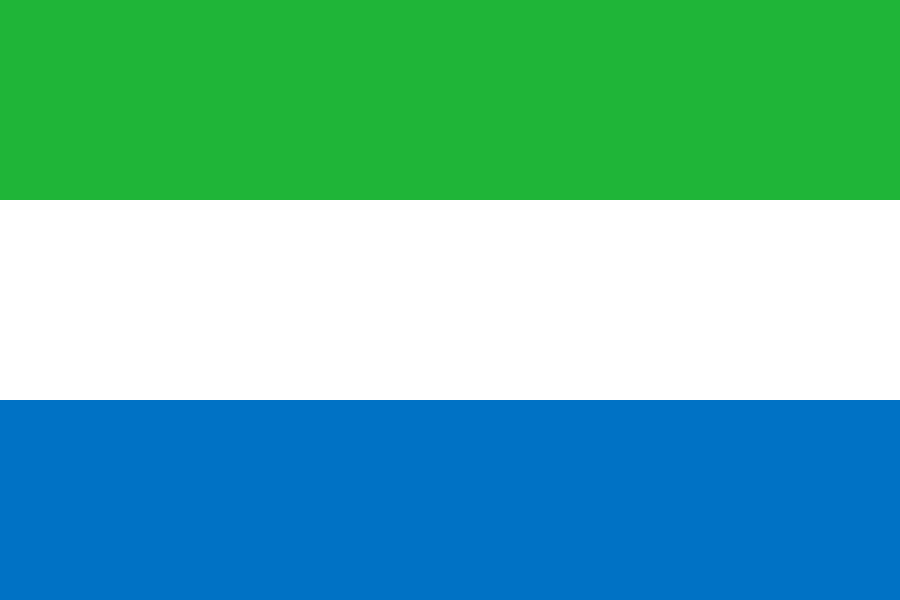 Sierra Leone
-
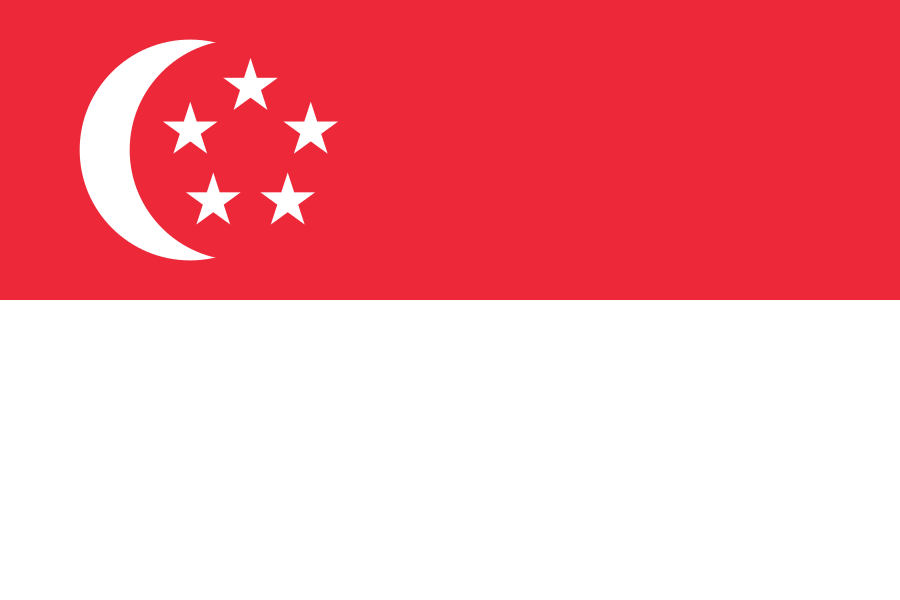 Singapore
-
 Sint Maarten
-
 Slovakia
-
 Slovenia
-
 Solomon Islands
-
 Somalia
-
 South Africa
-
 South Georgia and the Sandwich Islands
-
 South Korea
-
 South Sudan
-
 Spain
Spain
-
 Sri Lanka
-
 Sudan
Sudan
-
 Suriname
-
Svalbard and Jan Mayen
-
 Sweden
-
 Switzerland
-
 Syria
Syria
-
 Taiwan
-
 Tajikistan
-
 Tanzania
-
 Thailand
-
 Timor-Leste
-
 Togo
Togo
-
 Tokelau
-
 Tonga
Tonga
-
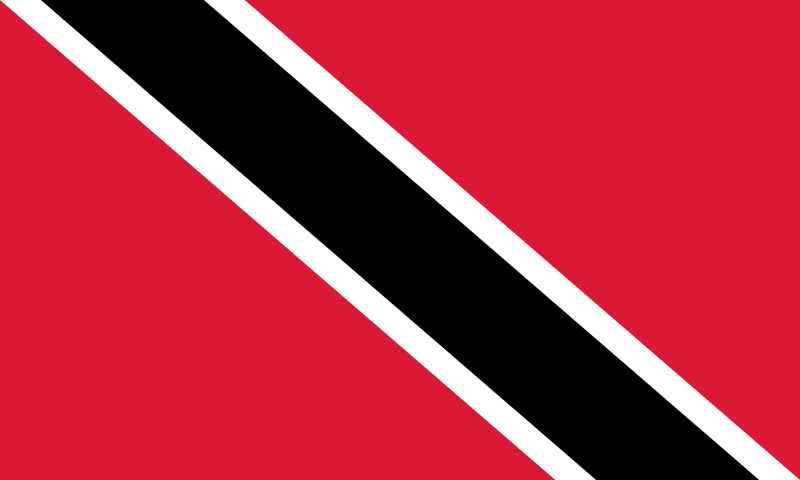 Trinidad and Tobago
-
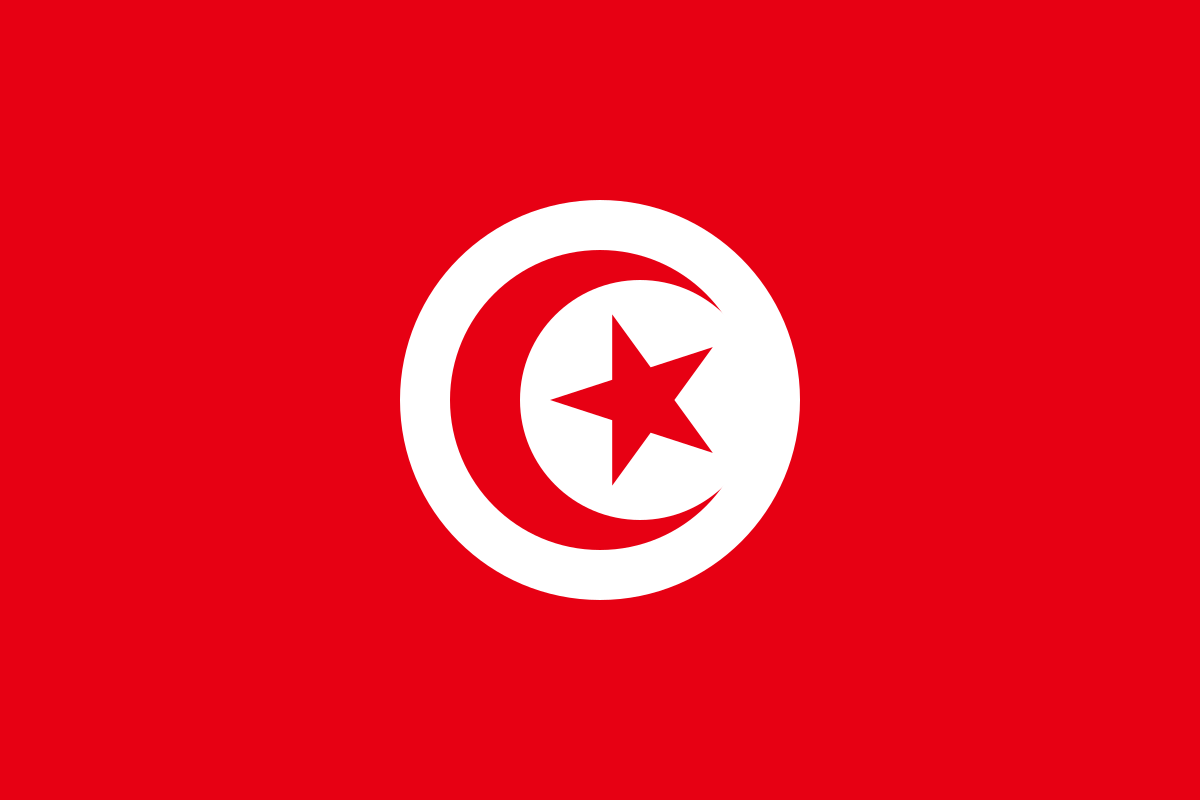 Tunisia
-
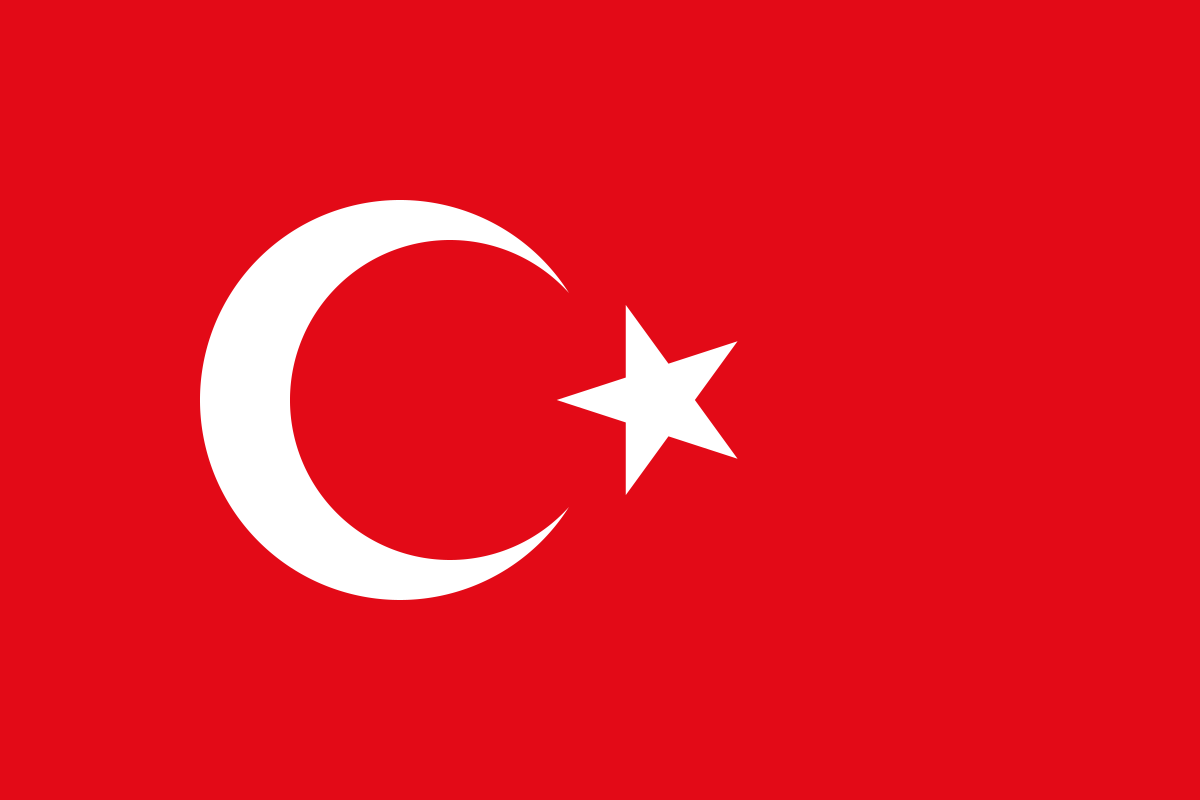 Turkey
-
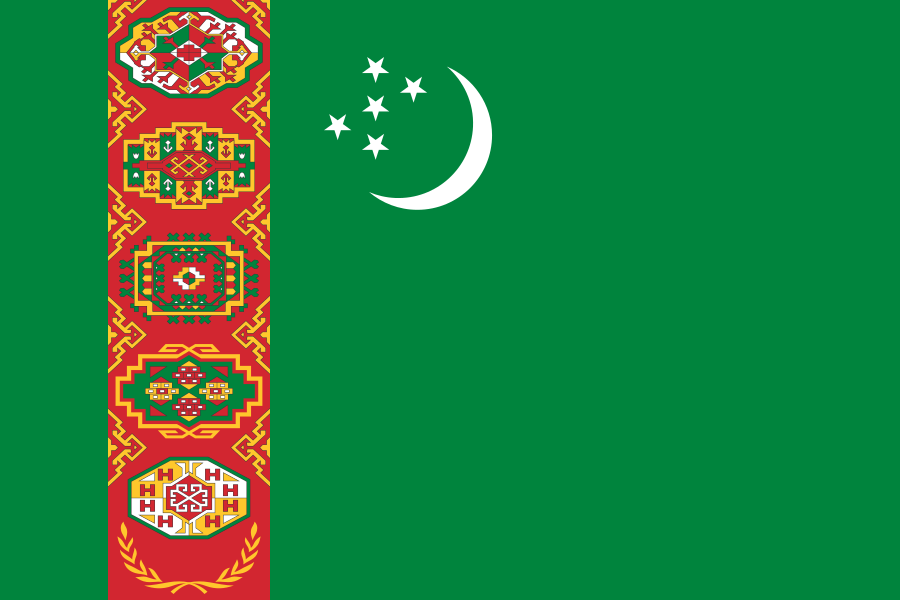 Turkmenistan
-
 Turks and Caicos Islands
-
 Tuvalu
-
 Uganda
-
 Ukraine
-
 United Arab Emirates
-
 United Kingdom
-
 United States
-
United States Minor Outlying Islands
-
 United States Virgin Islands
-
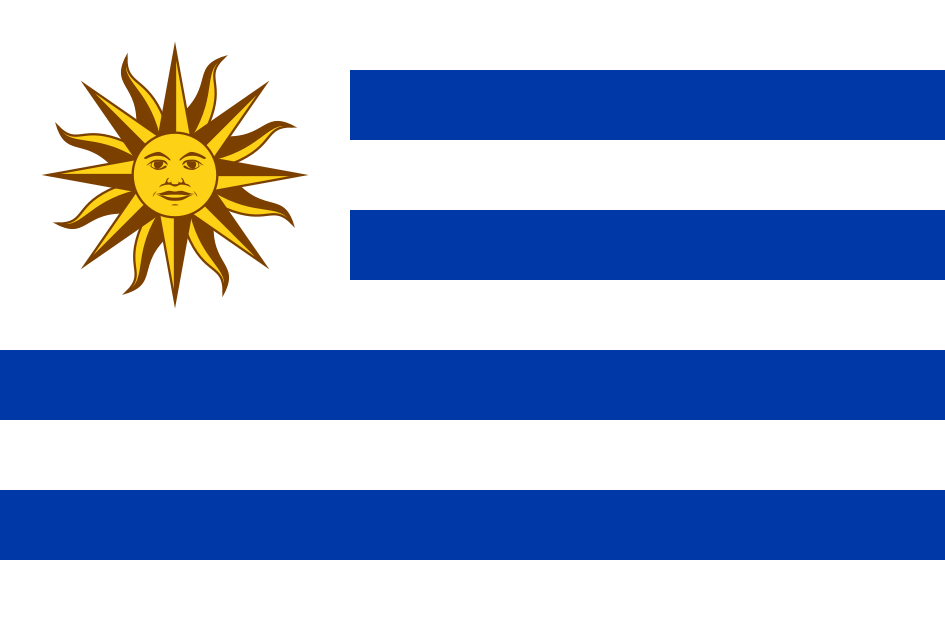 Uruguay
-
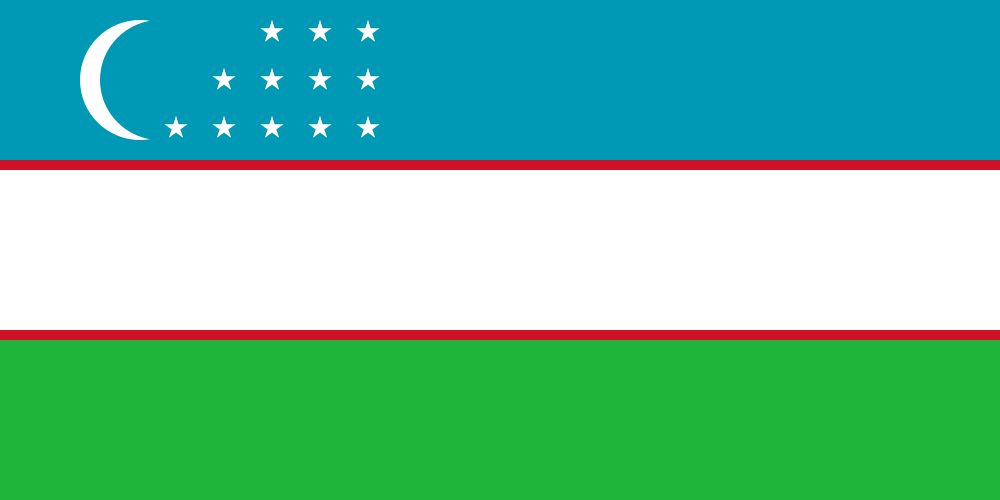 Uzbekistan
-
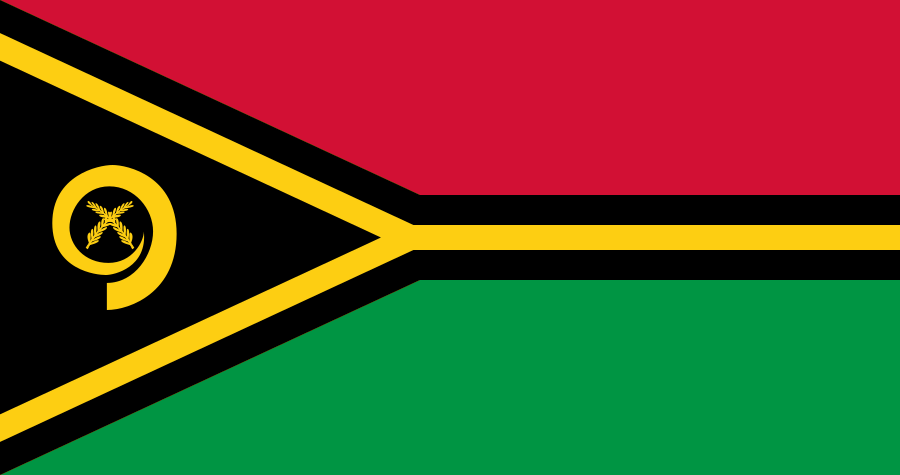 Vanuatu
-
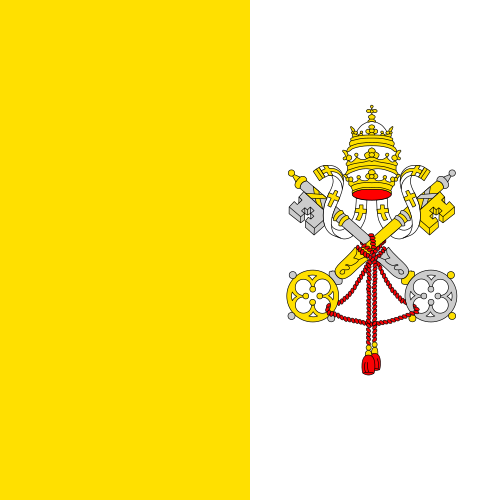 Vatican City
-
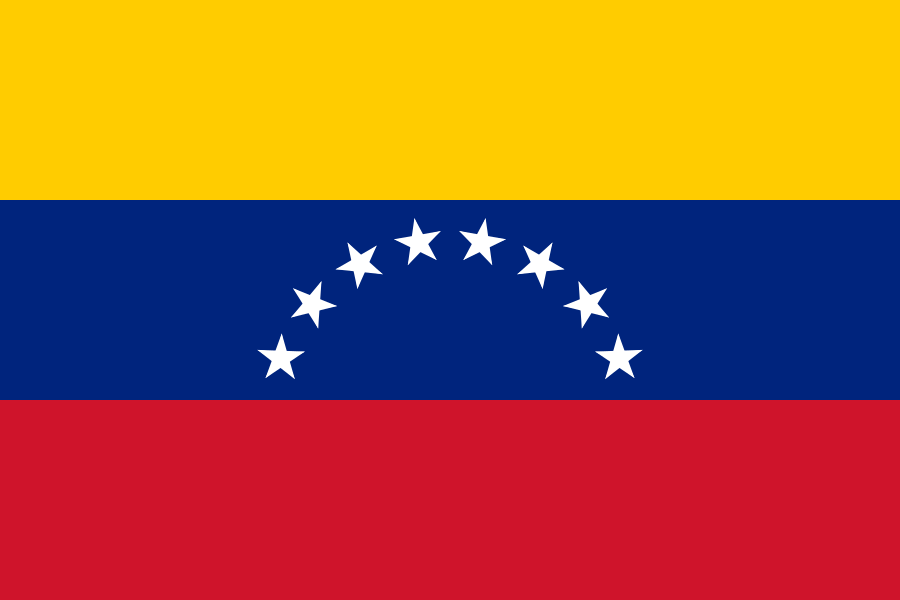 Venezuela
-
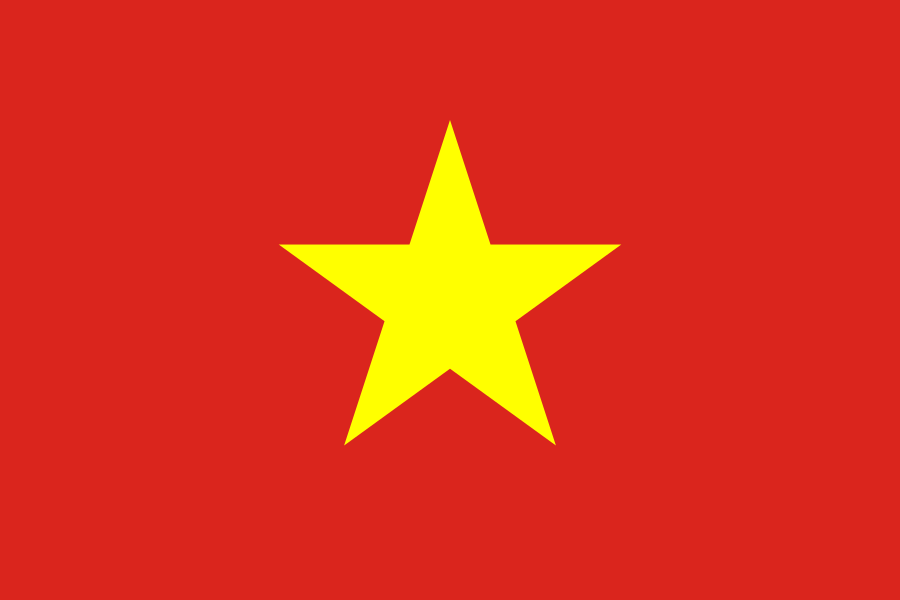 Vietnam
-
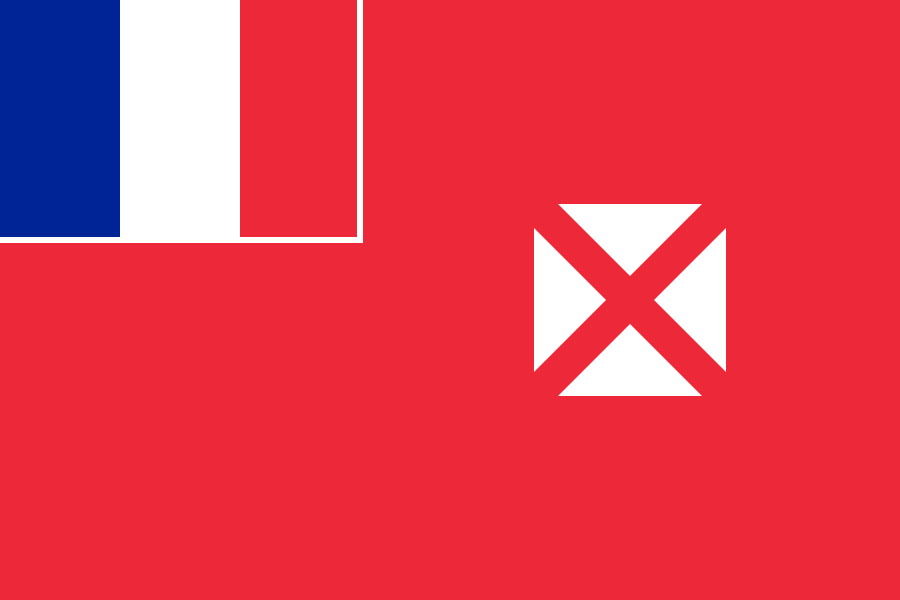 Wallis and Futuna
-
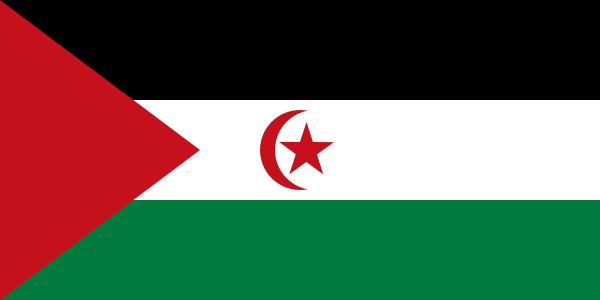 Western Sahara
-
 Yemen
Yemen
-
 Zambia
-
 Zimbabwe
Argentina .ar
Meaning of the Flag
The national flag of the Argentine Republic, often referred to as the Argentine flag (Spanish: bandera argentina), is a triband, composed of three equally wide horizontal bands coloured baby blue and white. There are multiple interpretations on the reasons for those colors. The creation of a new flag with those colors would have been then a way to denote autonomy, while keeping the relations with the captive king alive. Local tradition has it that the first flag was sewn by María Catalina Echevarría de Vidal and raised by Cosme Maciel, a civilian sailor. Soldiers of the Fatherland, we have heretofore had the glory of wearing the national cockade; there (pointing to the Independence battery), on the Independence Battery, where our Government has recently had the honor of bestowing it upon, shall our weapons enlarge their glory.
Meaning of Flag Colors
Blue, Yellow, White
Flag History
-
1785The last formally used Spanish flag was a red and yellow one, established by King Charles III in 1785 and used mainly for naval and military purposes.
-
1812
 When the United Provinces of the Río de la Plata became independent in the May Revolution of 1810, they continued to use Spanish flag.
 -
1818
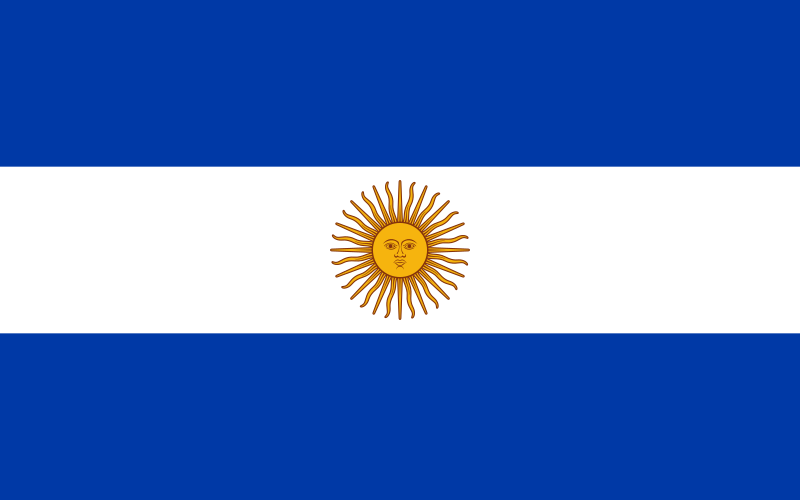 The Spanish flag was finally abandoned after the formal declaration of independence on 9 July 1816, being replaced by the blue and white flags created in 1812 by General Manuel Belgrano.
 -
1840
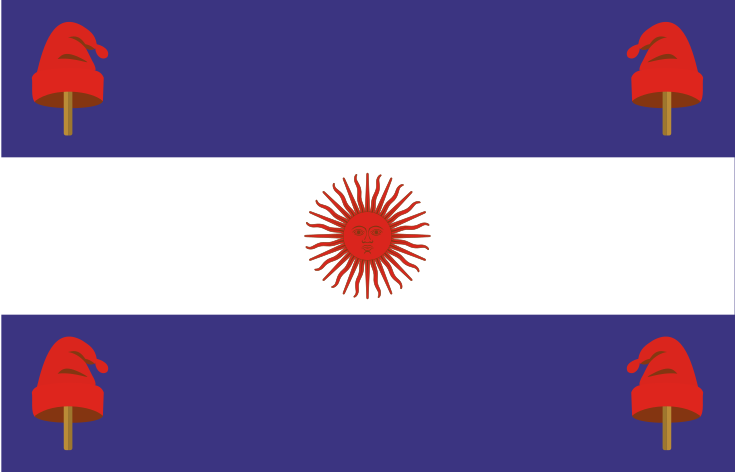 By the late 1840s, especially in the northern provinces, where dissatisfaction with Rosas was growing but still respecting his dominance, flags bearing the slogan “¡Libertad, Constitución o Muerte!” (“Liberty, Constitution, or Death!”) appeared.
 -
1812–present
Current national flag, in use since 1812.
Argentina’s flag dates back to the Argentine War of Independence. It was during this time that Manuel Belgrano, who was the leader of the revolution, saw that royalists and patriots were using Spain’s colors of yellow and red. It was at this time that he decided to create the Cockade of Argentina, which was approved in 1812. Just days later, he created a flag using the same colors. This flag was first flown on February 27 of 1812. This flag used the same colors as the modern flag but did not have the Sun of May emblem.
Although the cockade was approved by the First Triumvirate, the flag was not. The Second Triumvirate did not designate the flag as a national flag, but it did approve it for use as a war flag. It wasn’t until 1816 when the Congress of Tucuman declared the flag as the national flag. Two years later, the Sun of May was added.
Fun Facts
Flag Day in Argentina is held on June 20. This was sanctioned by President Roberto Ortiz in 1938.
Common belief is that the white and blue colors are used to represent the sky and the clouds. However, some historians attribute the colors to the House of Bourbon.
The Sun of May is a replica of an engraving found on the first Argentine coin.
The Argentine flag has served as inspiration for other flags, including the flag of the United Provinces of Central America and the flag of Peru.
There are three anthems written for the Argentine flag.