-
 Abkhazia
-
 Afghanistan
-
 Åland Islands
-
 Albania
-
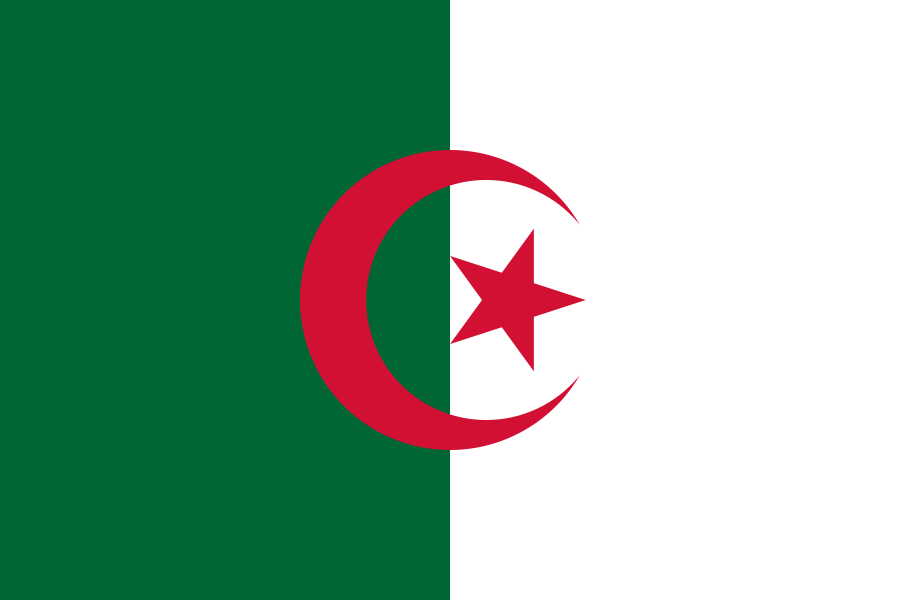 Algeria
-
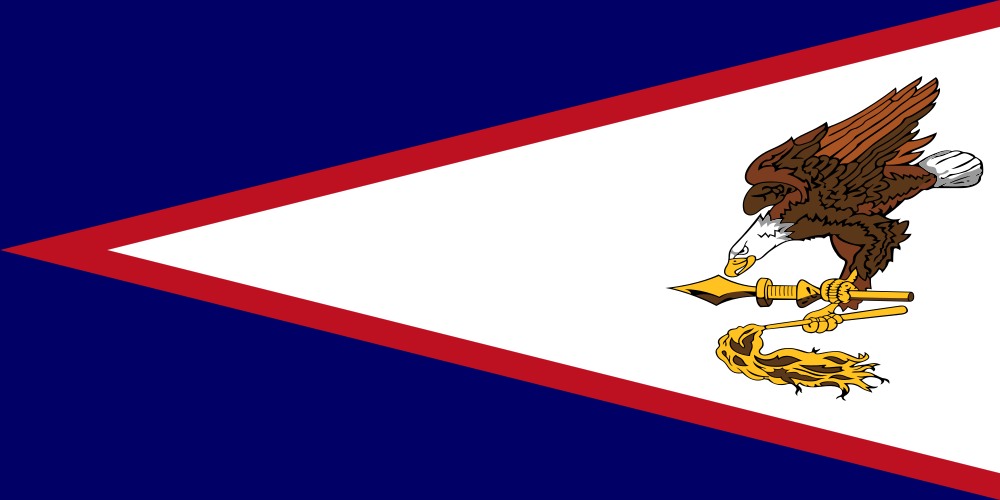 American Samoa
-
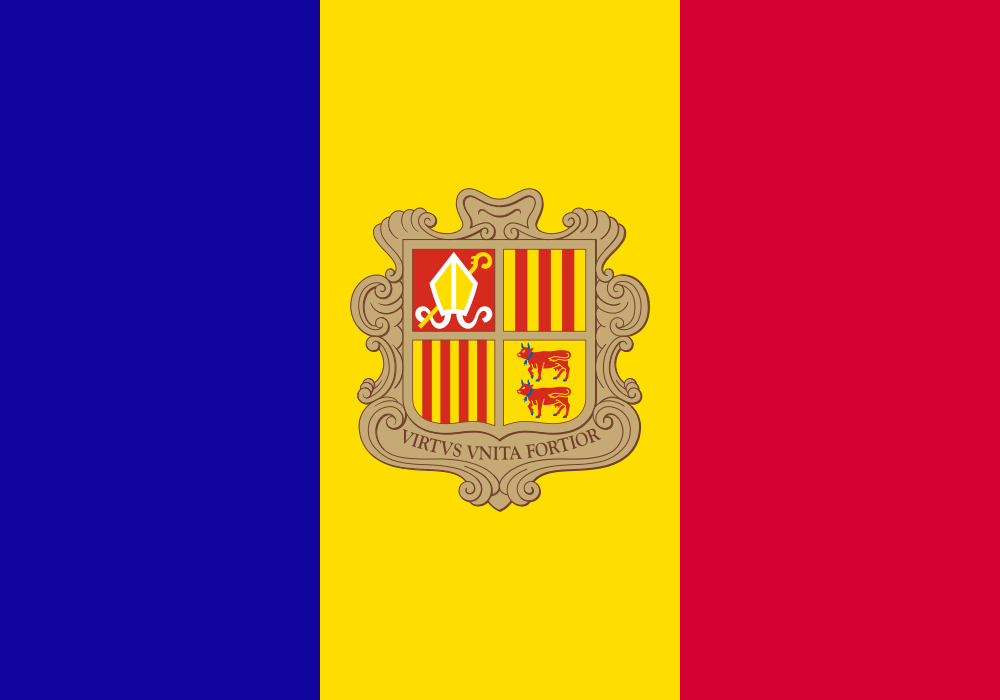 Andorra
-
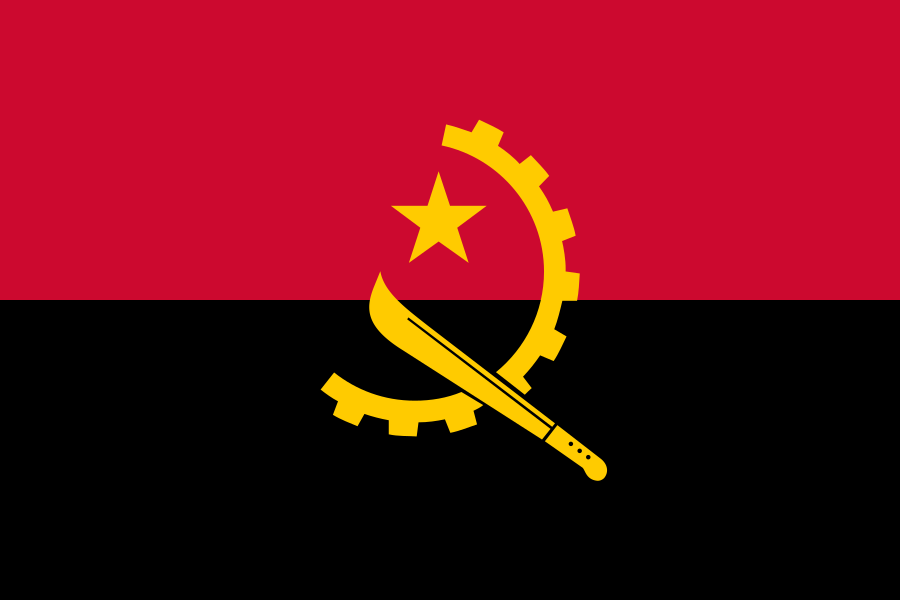 Angola
-
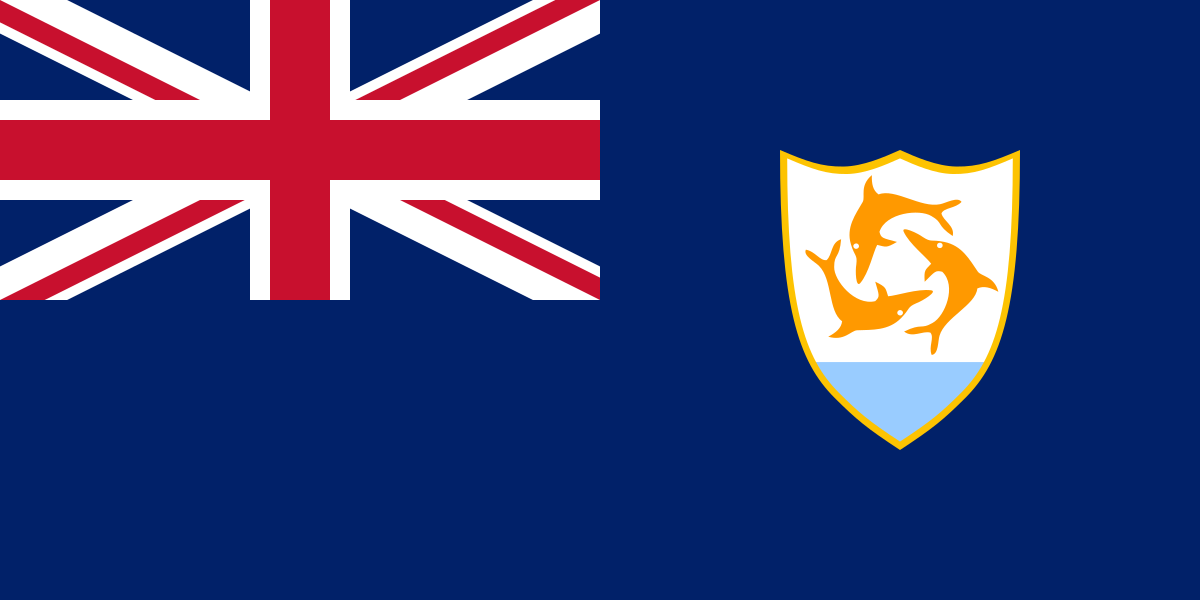 Anguilla
-
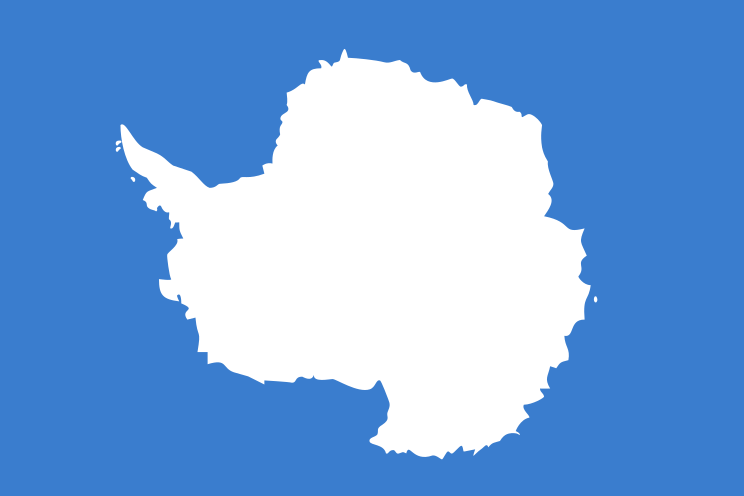 Antarctica
-
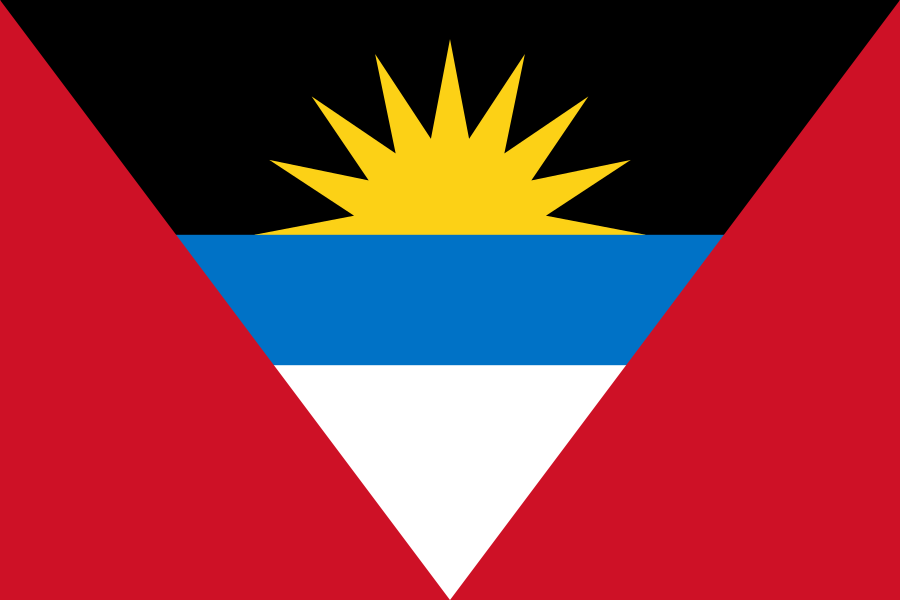 Antigua and Barbuda
-
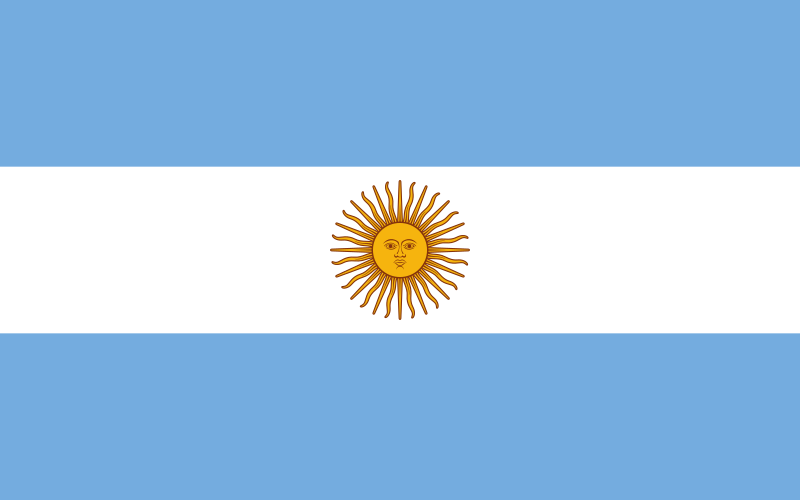 Argentina
-
 Armenia
-
 Artsakh
-
 Aruba
Aruba
-
 Australia
-
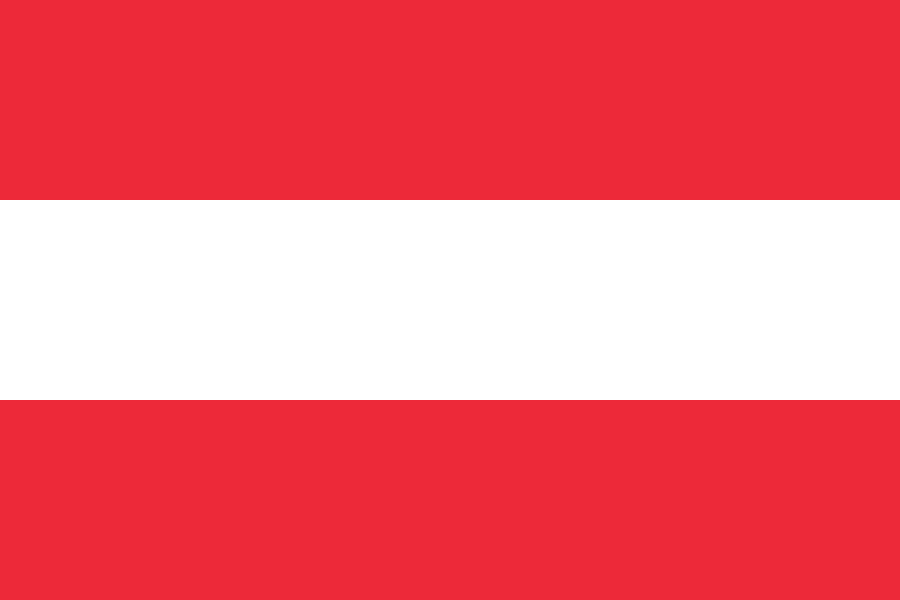 Austria
-
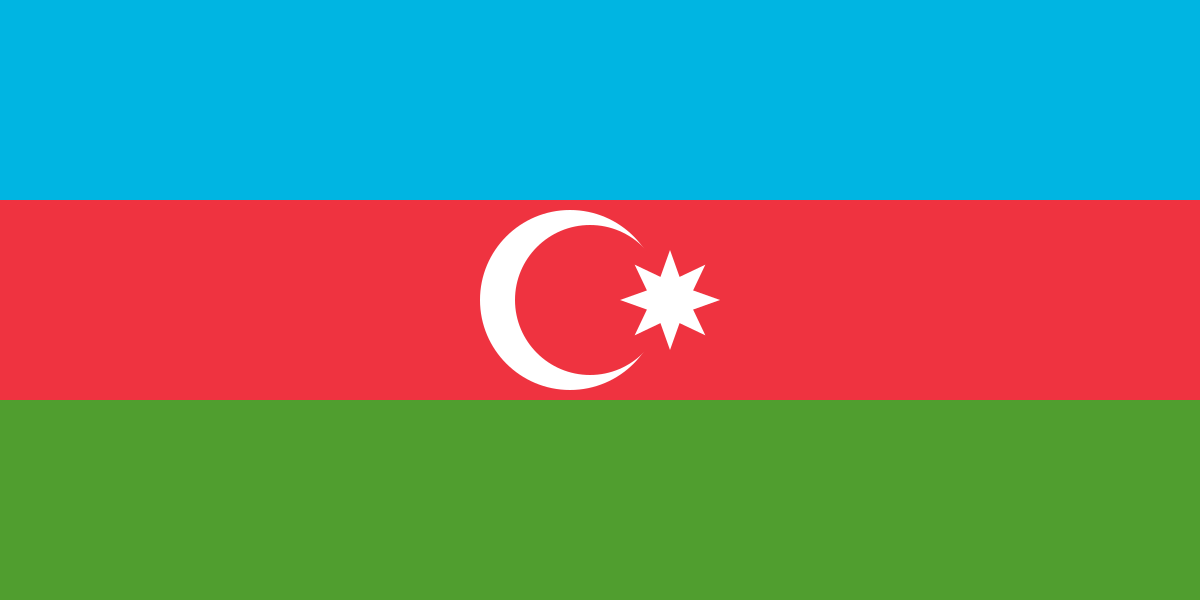 Azerbaijan
-
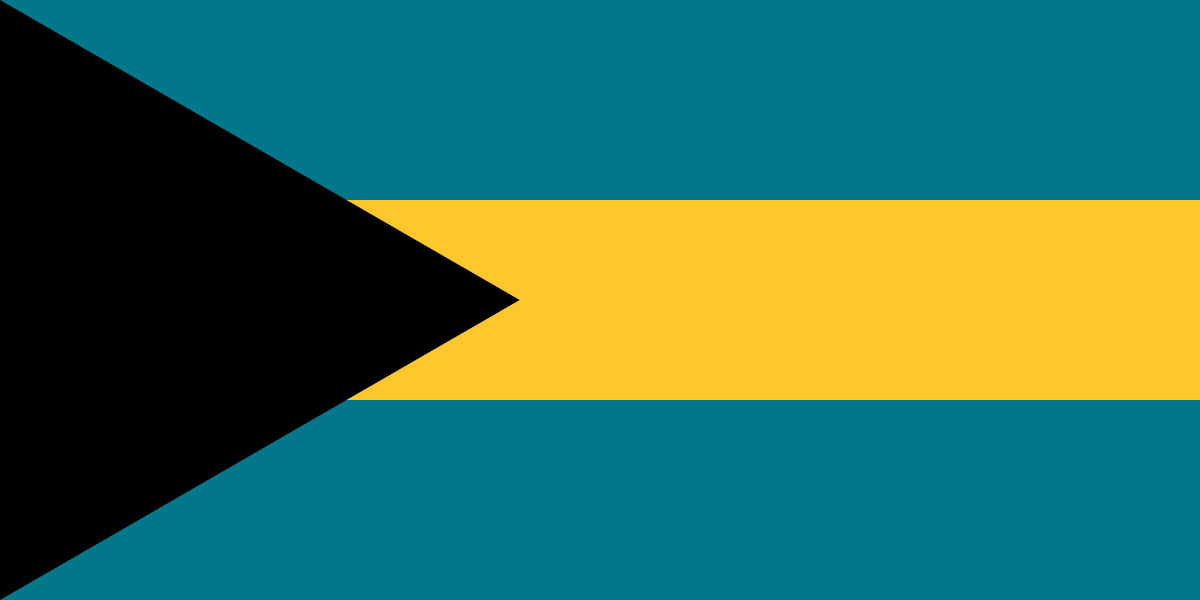 Bahamas
-
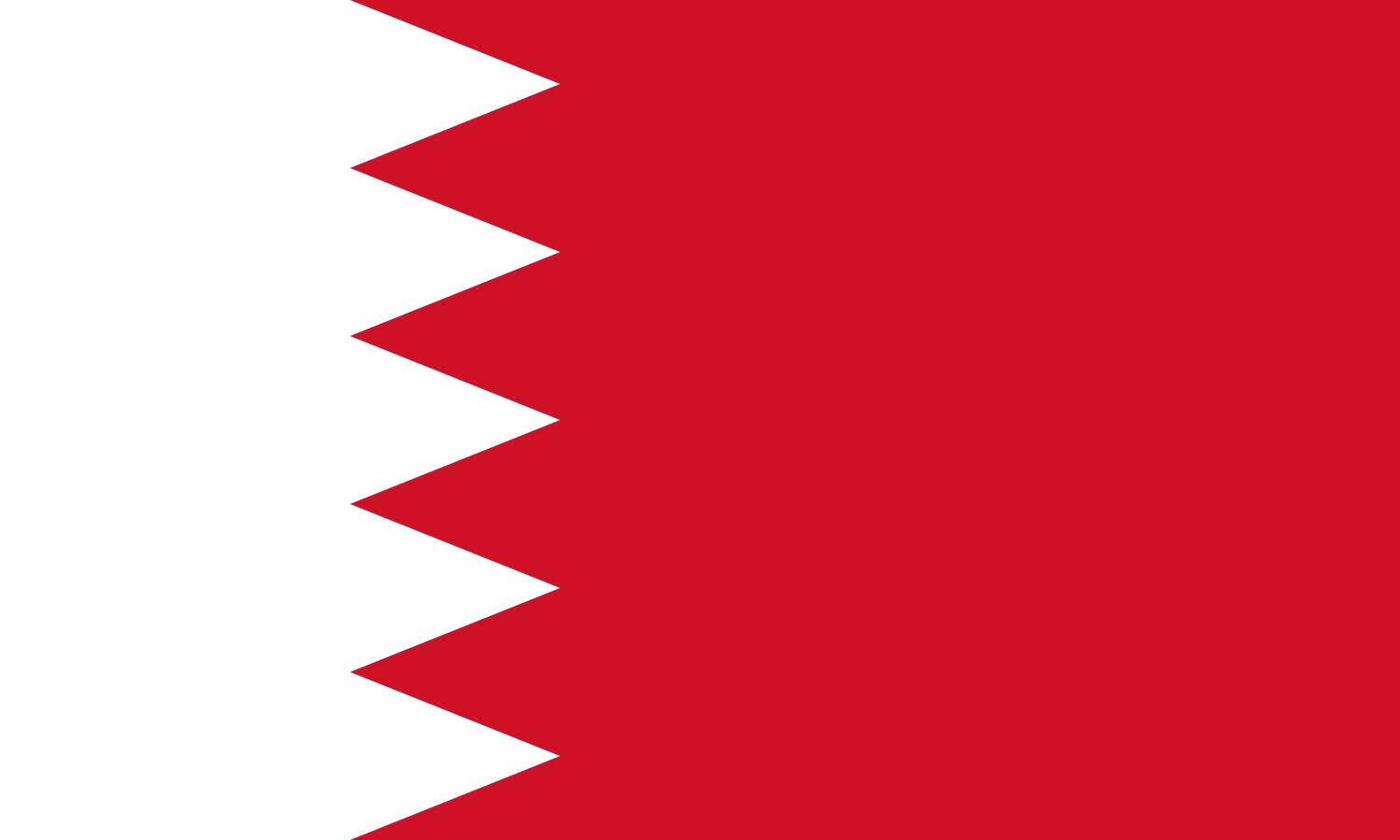 Bahrain
-
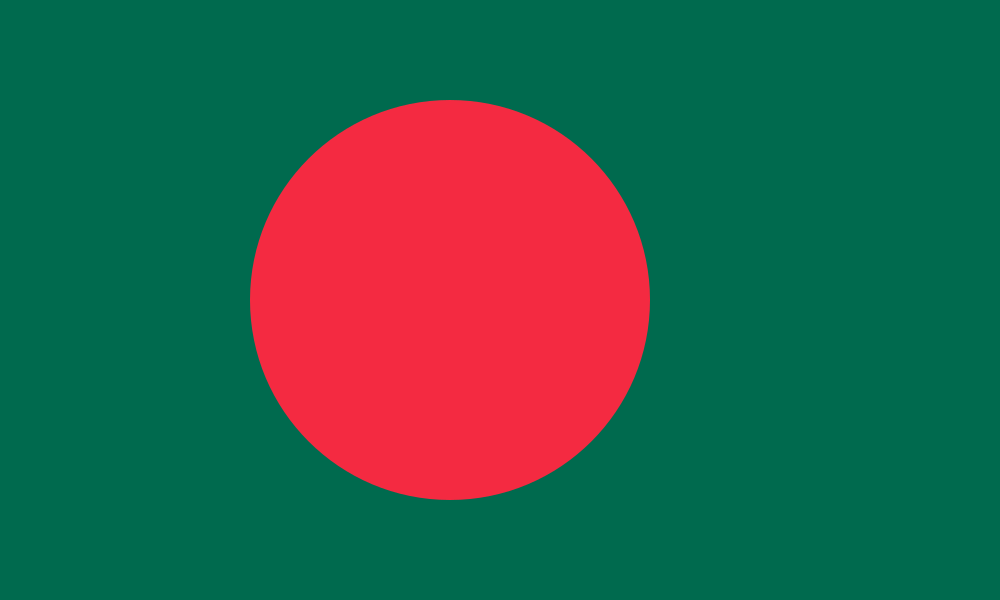 Bangladesh
-
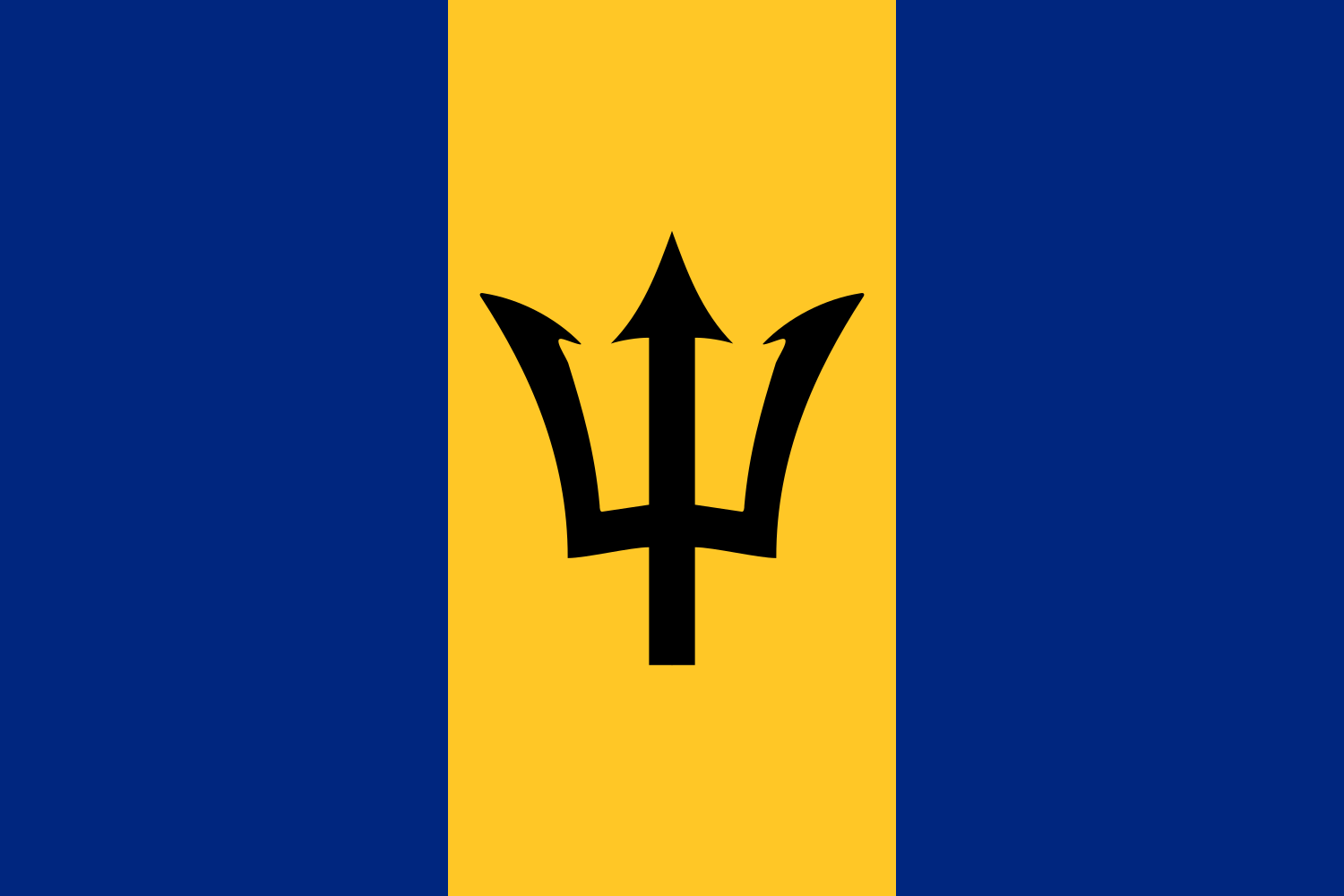 Barbados
-
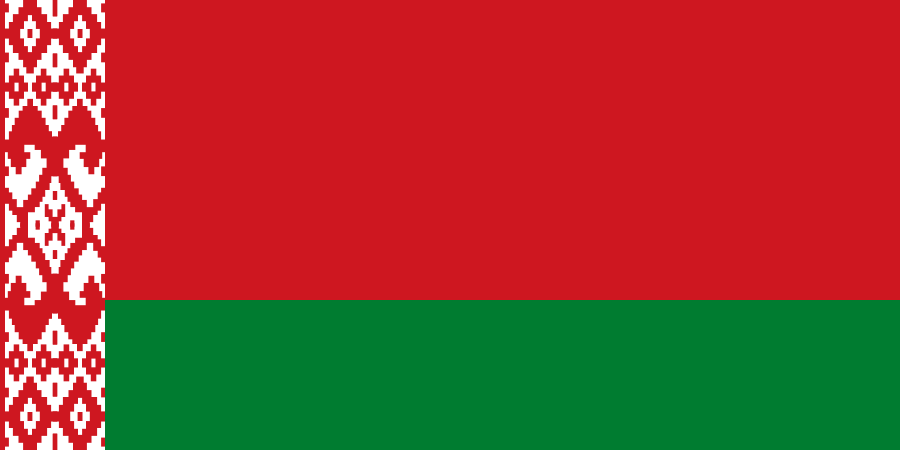 Belarus
-
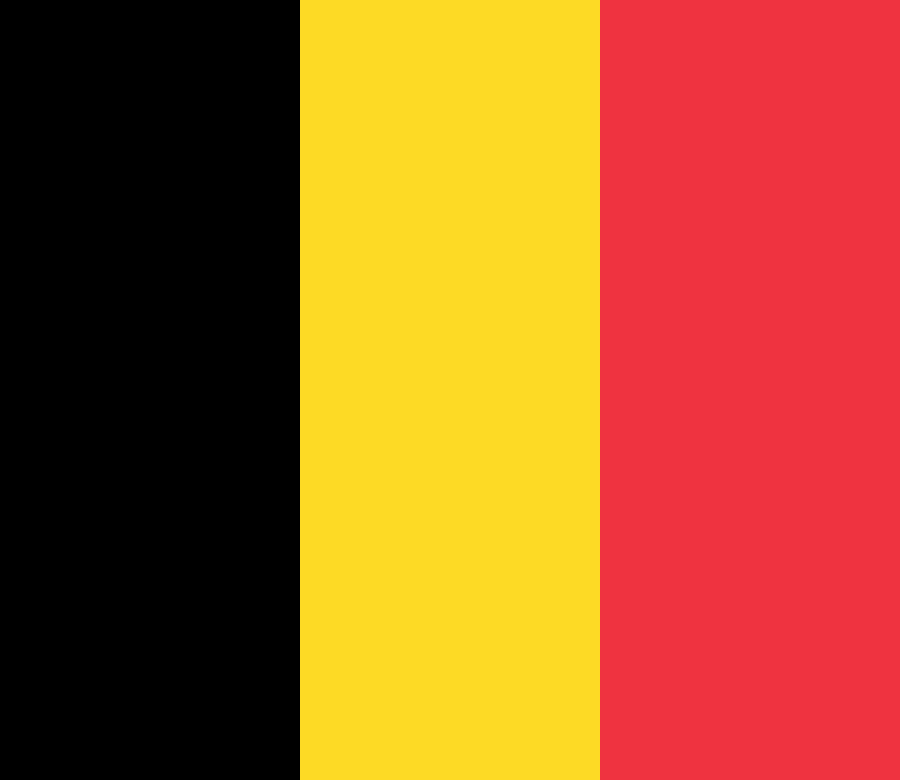 Belgium
-
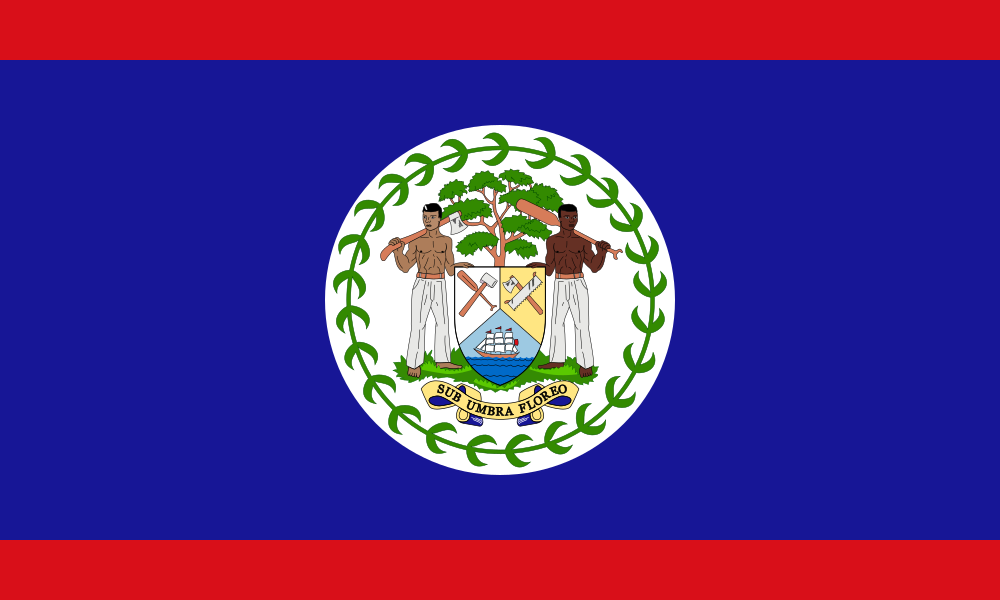 Belize
-
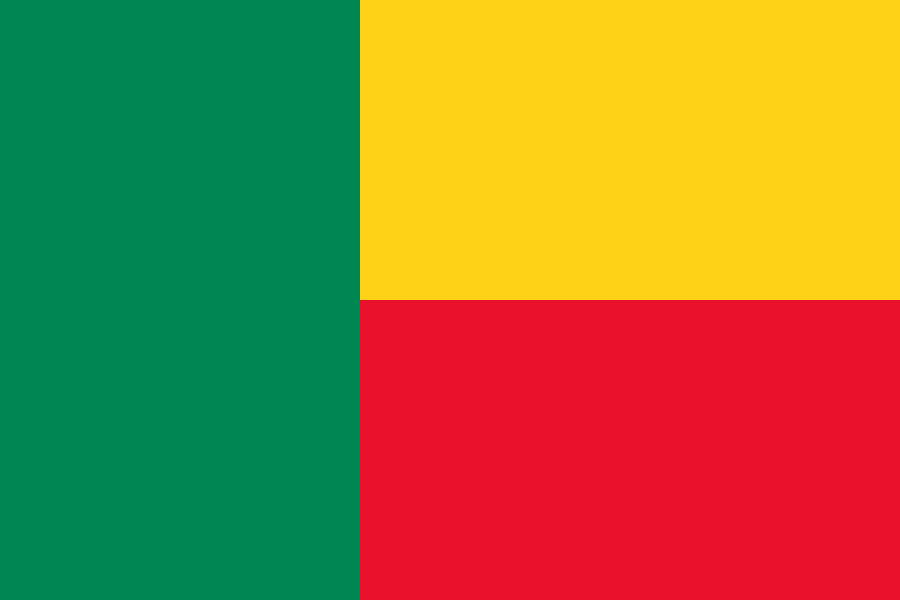 Benin
Benin
-
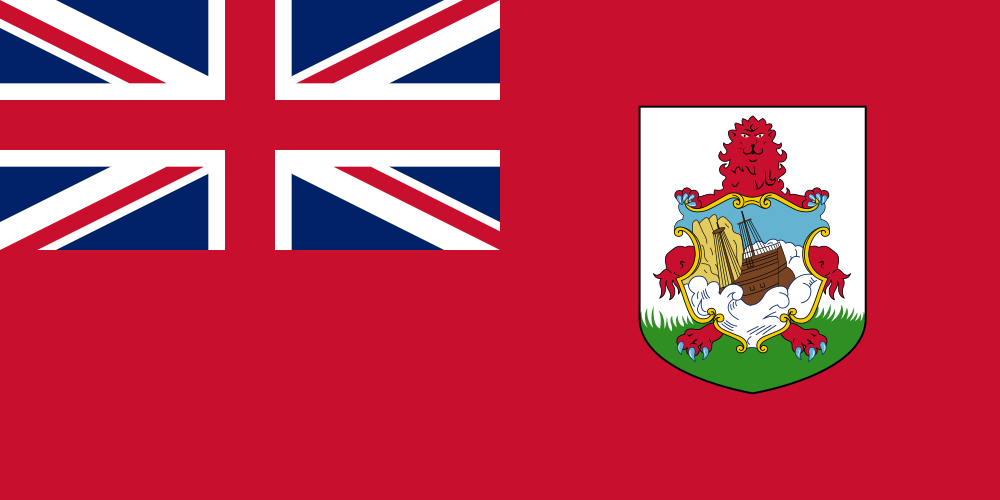 Bermuda
-
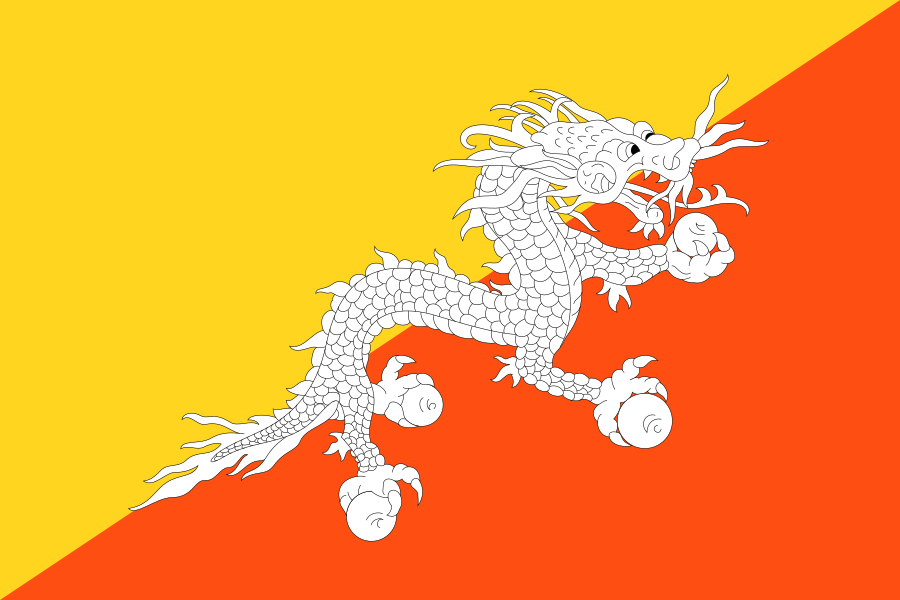 Bhutan
-
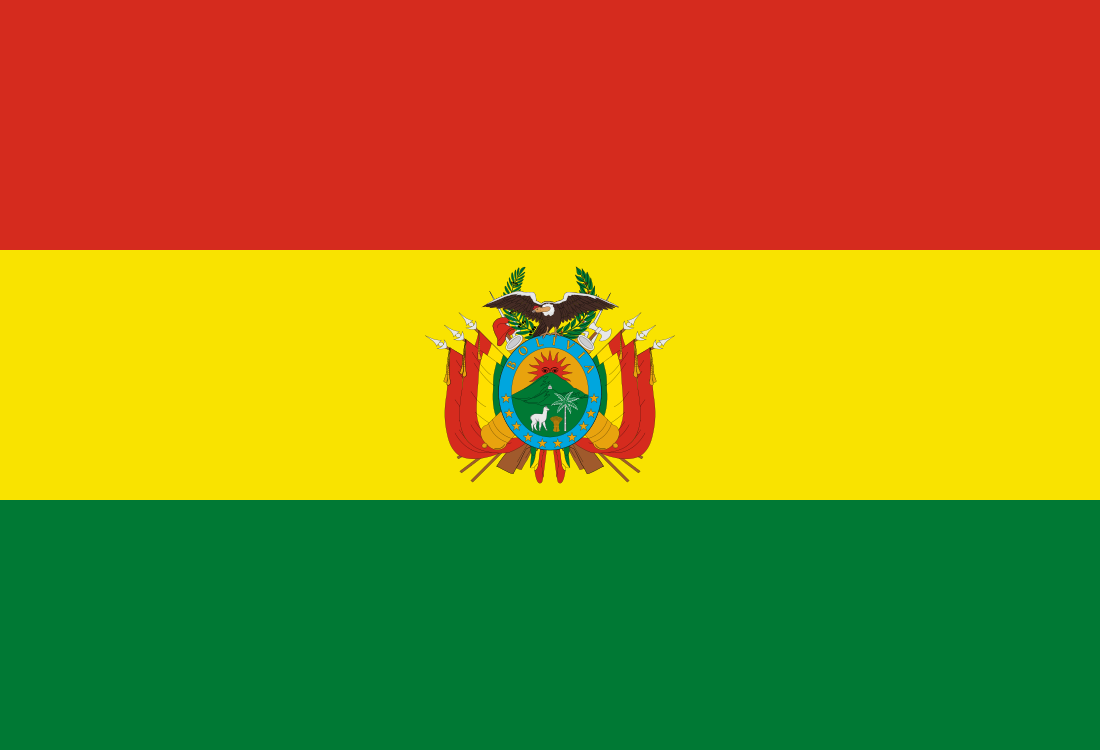 Bolivia
-
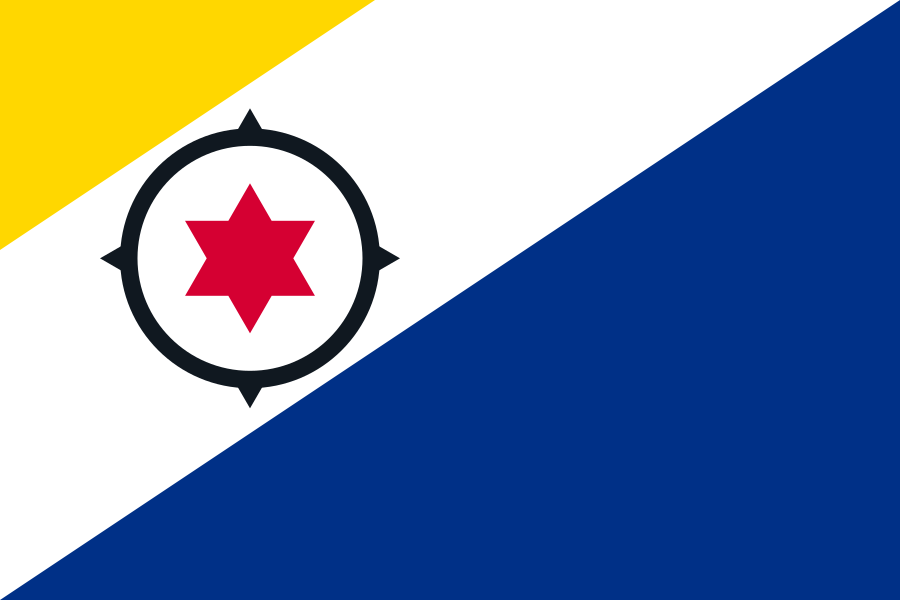 Bonaire
-
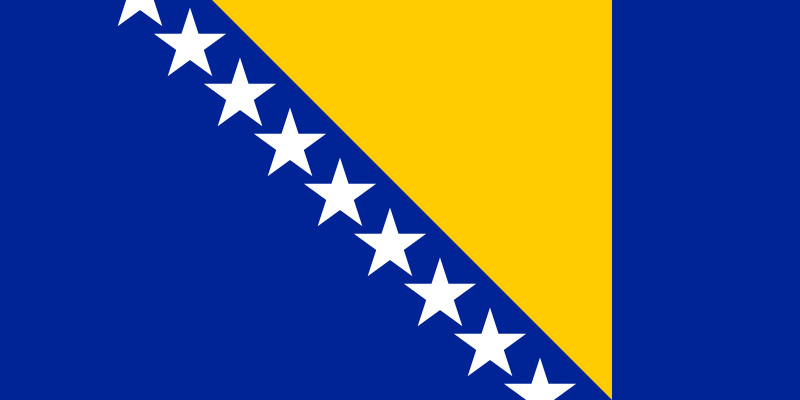 Bosnia and Herzegovina
-
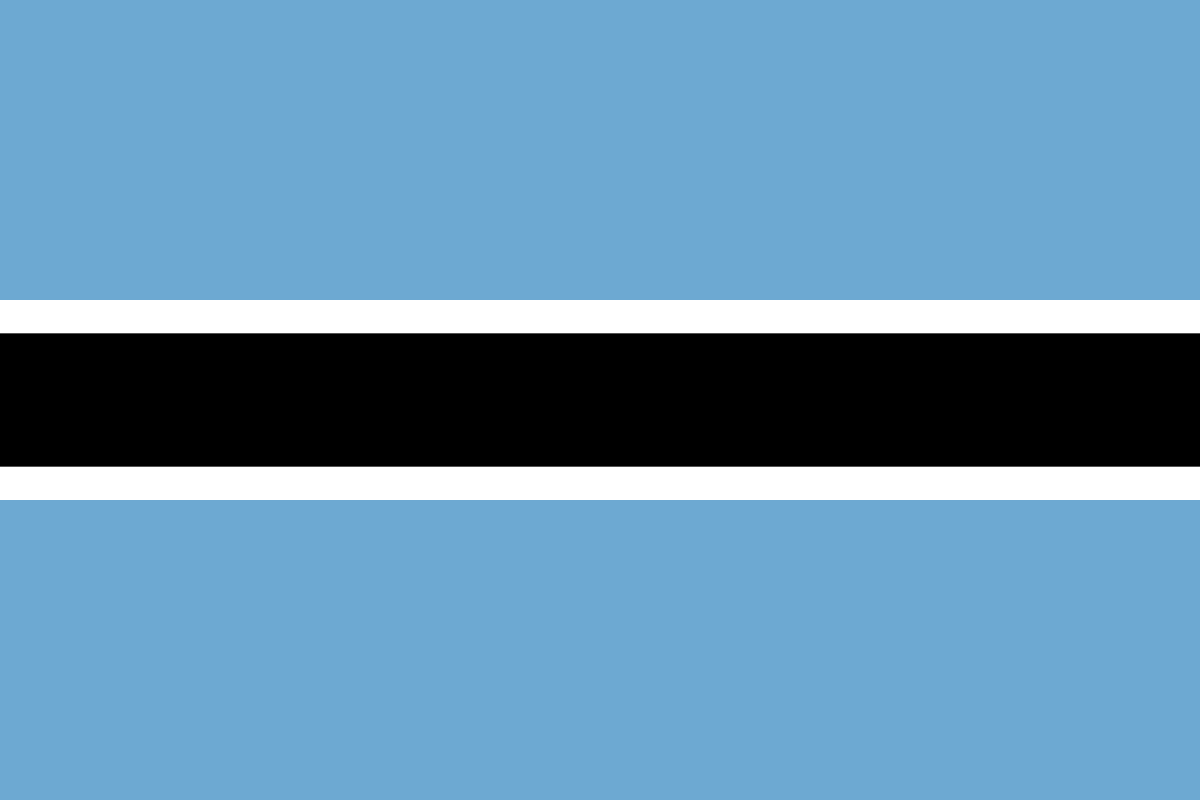 Botswana
-
 Bouvet Island
-
 Brazil
-
 British Indian Ocean Territory
-
 British Virgin Islands
-
 Brunei
-
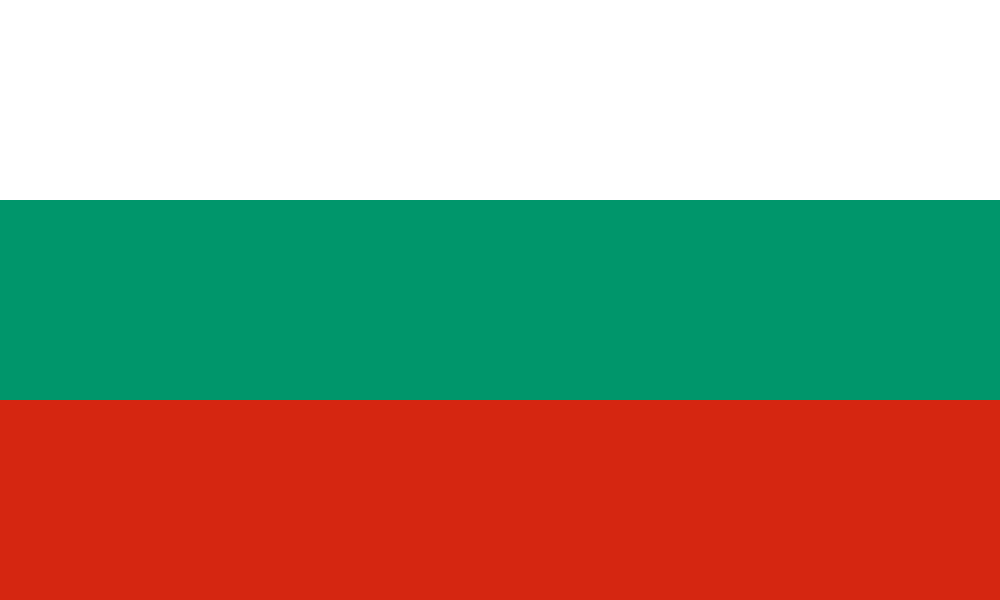 Bulgaria
-
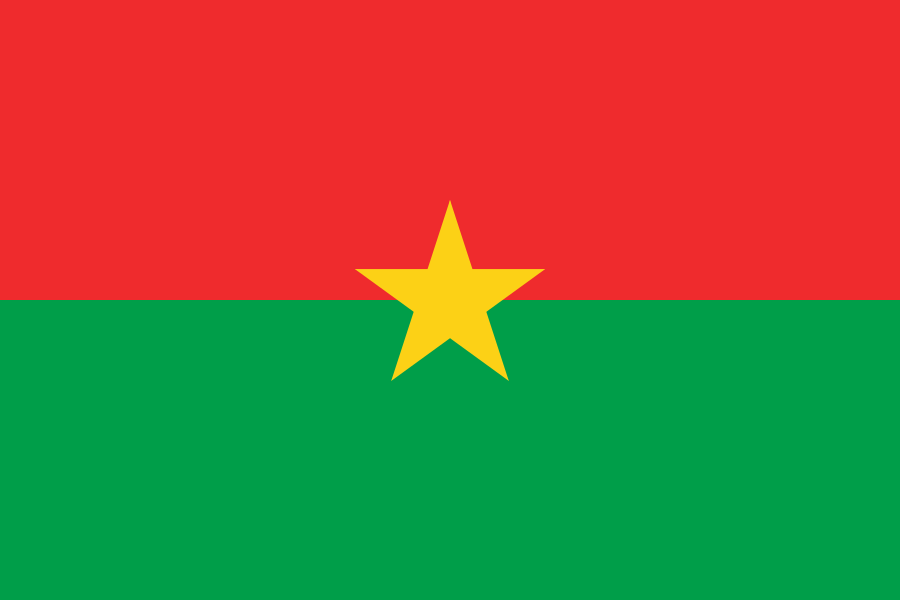 Burkina Faso
-
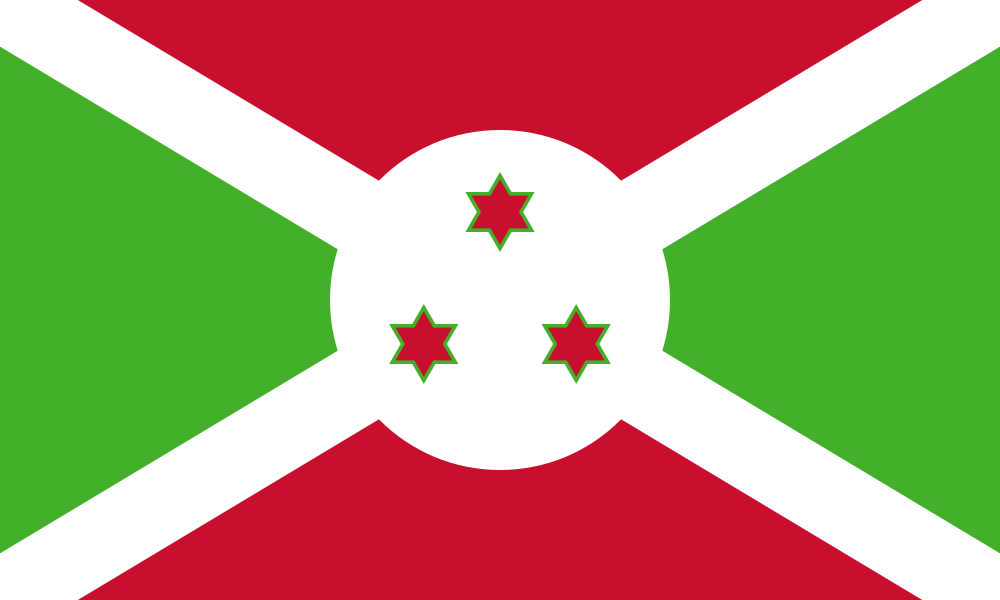 Burundi
-
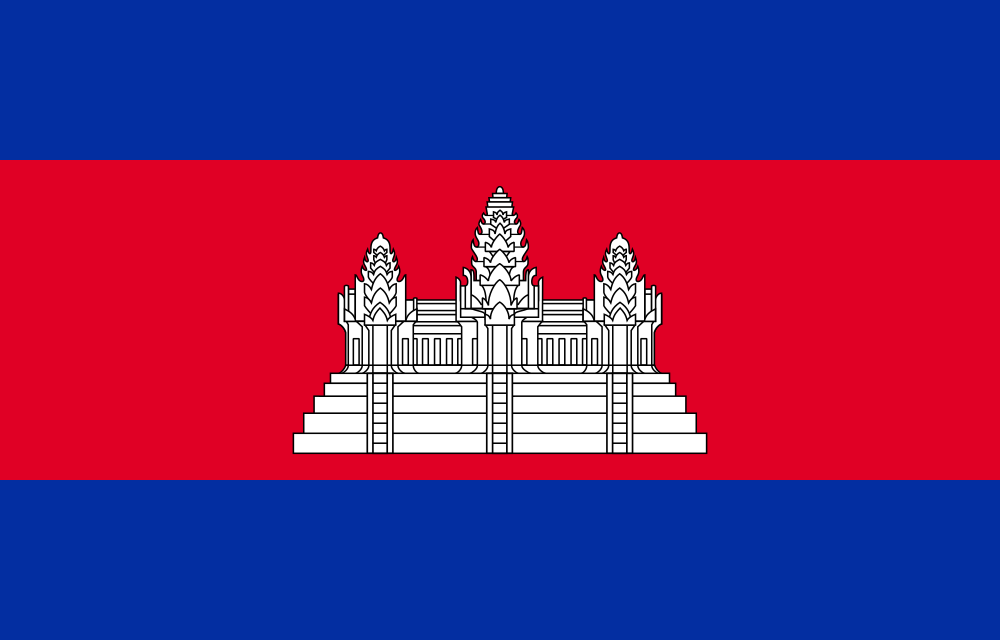 Cambodia
-
 Cameroon
-
 Canada
-
 Cape Verde
-
 Caribbean Netherlands
-
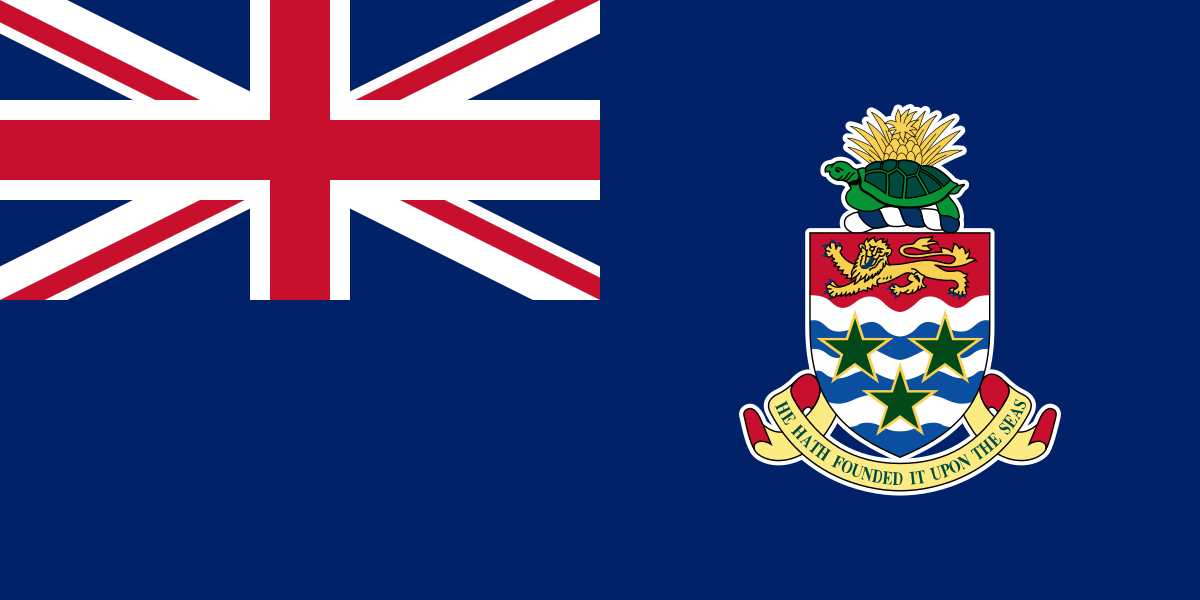 Cayman Islands
-
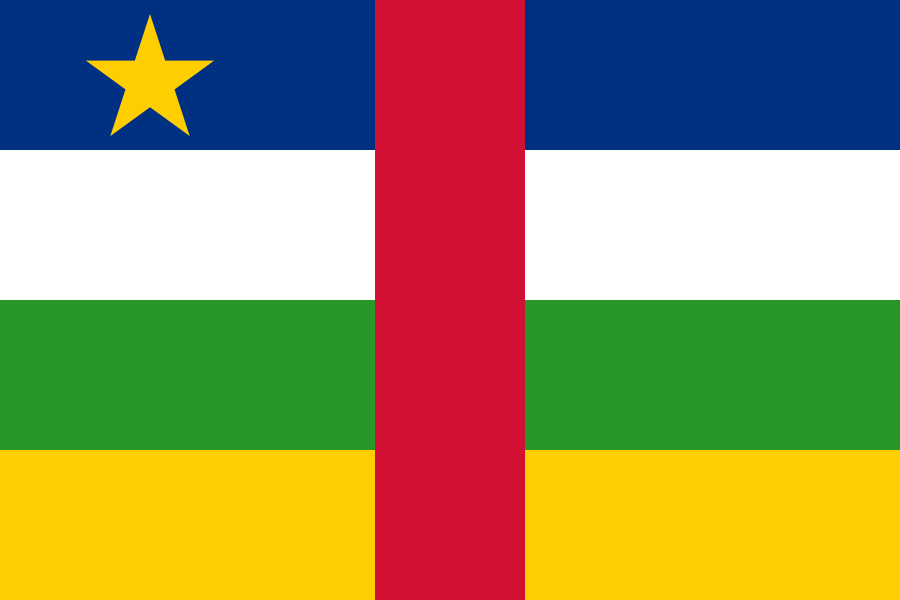 Central African Republic
-
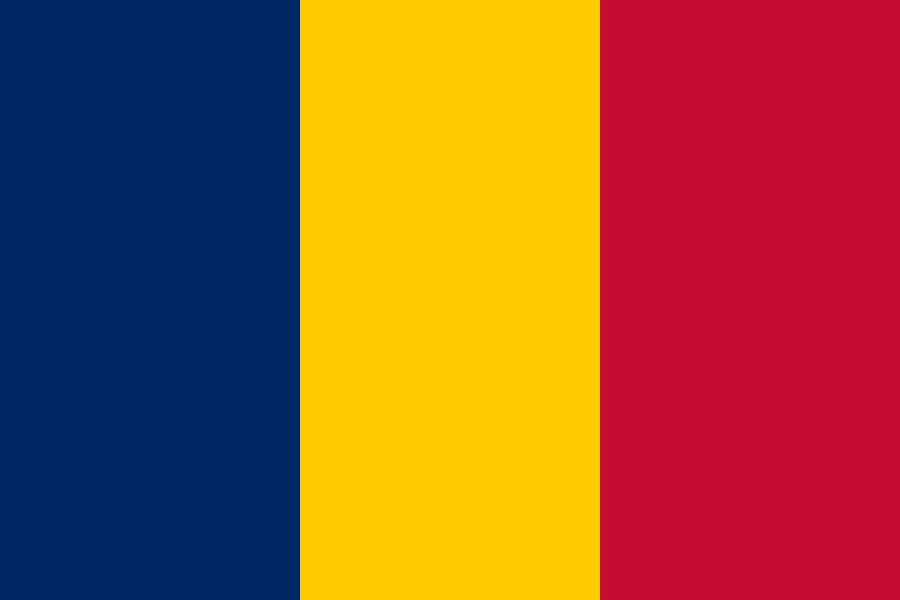 Chad
Chad
-
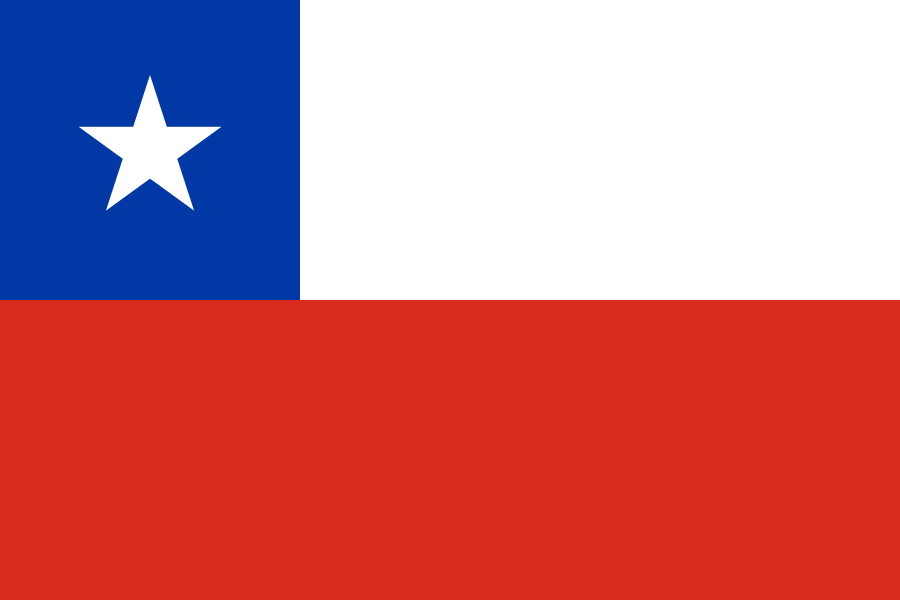 Chile
Chile
-
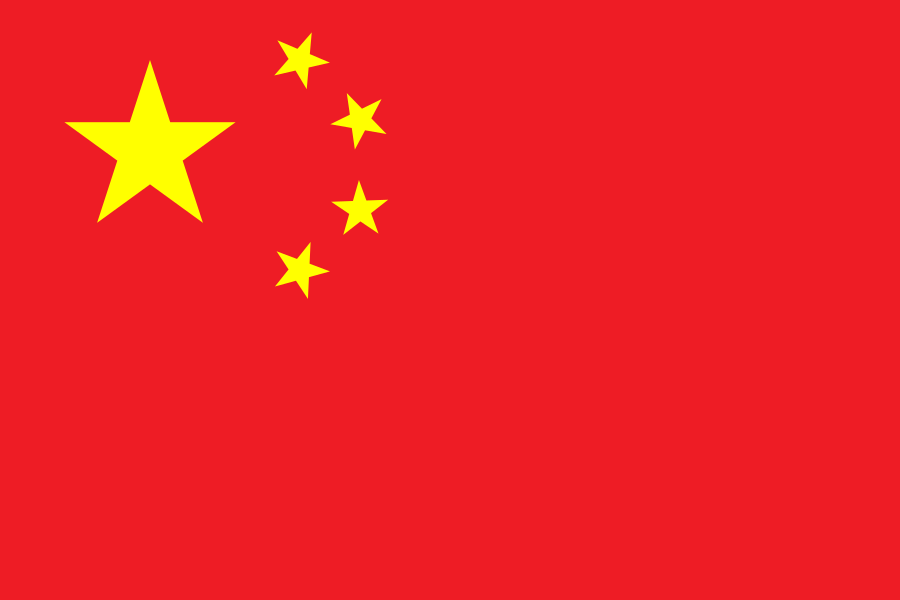 China
China
-
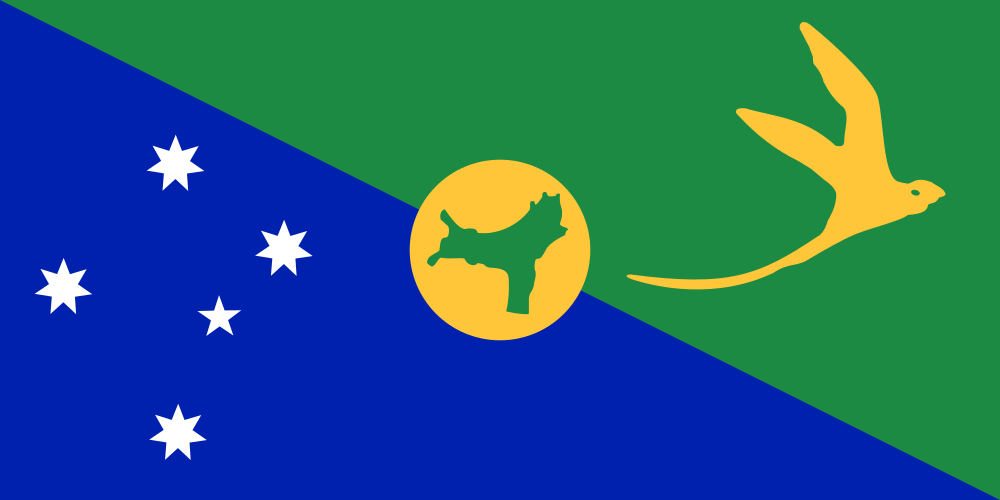 Christmas Island
-
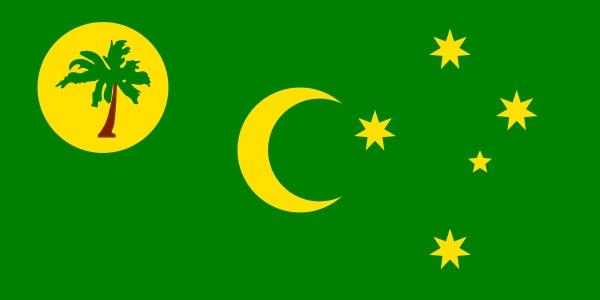 Cocos Islands
-
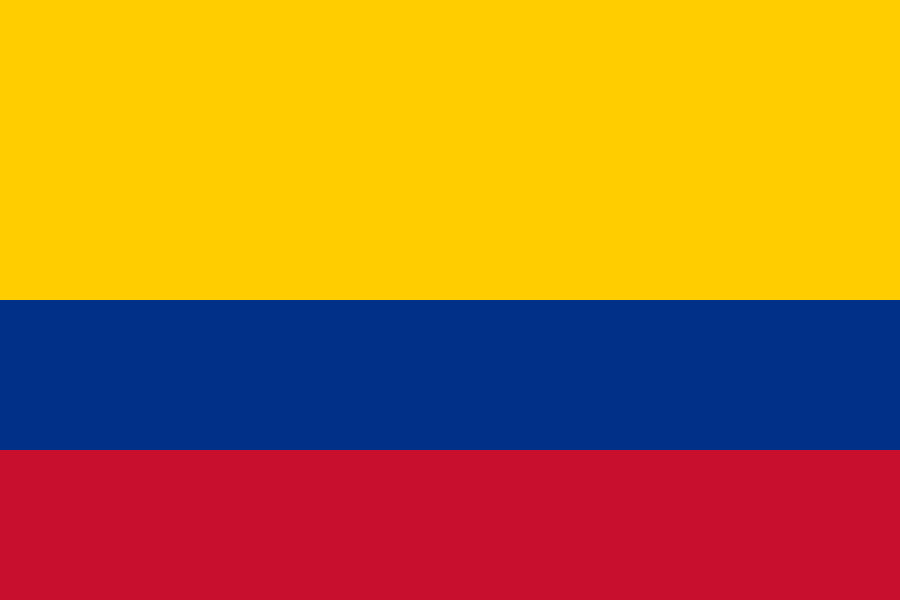 Colombia
-
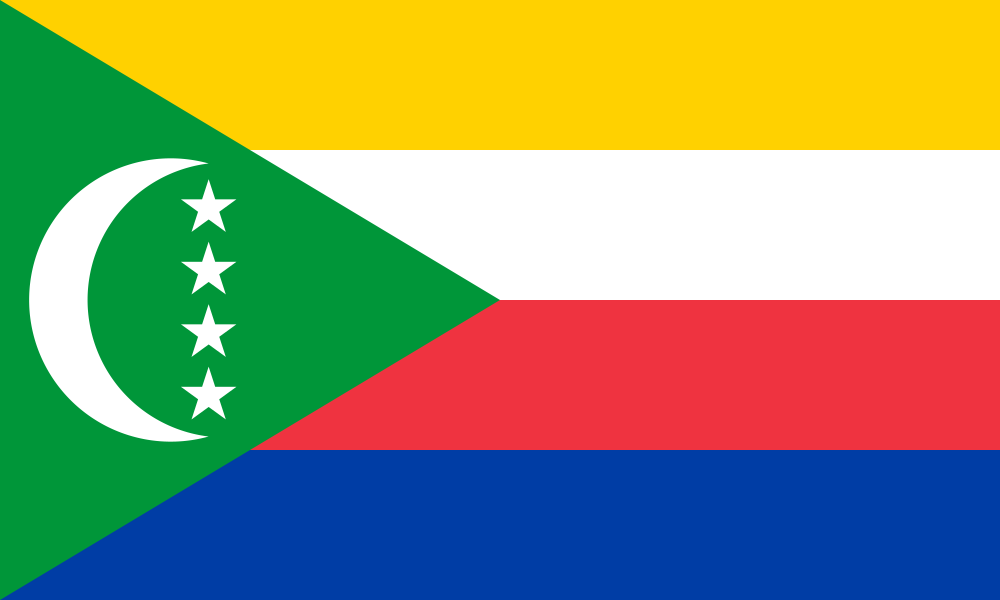 Comoros
-
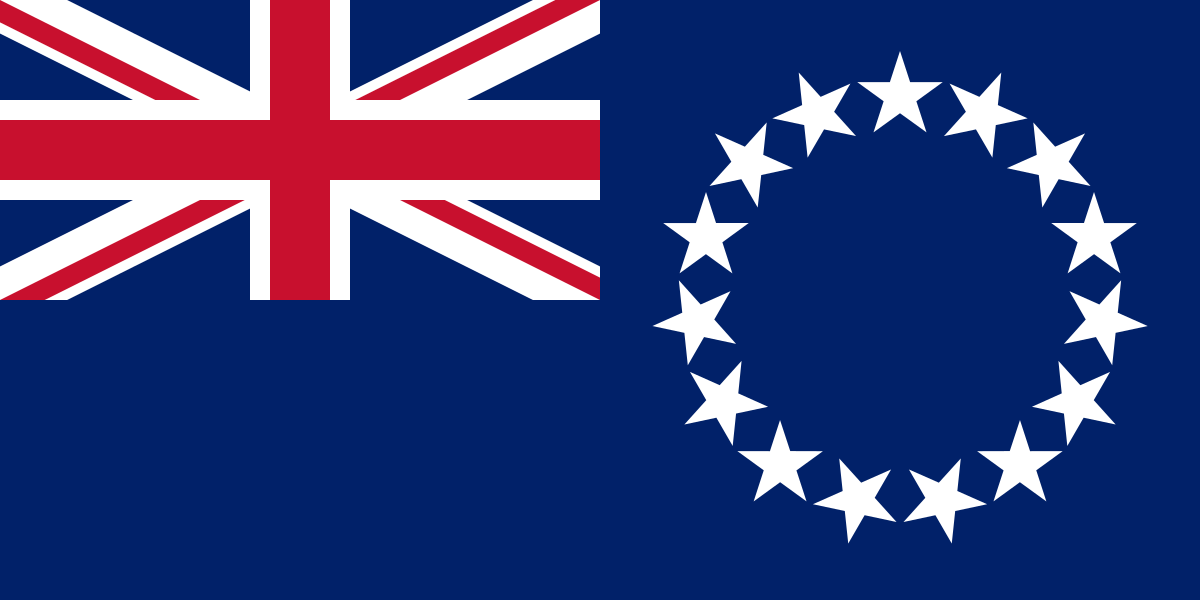 Cook Islands
-
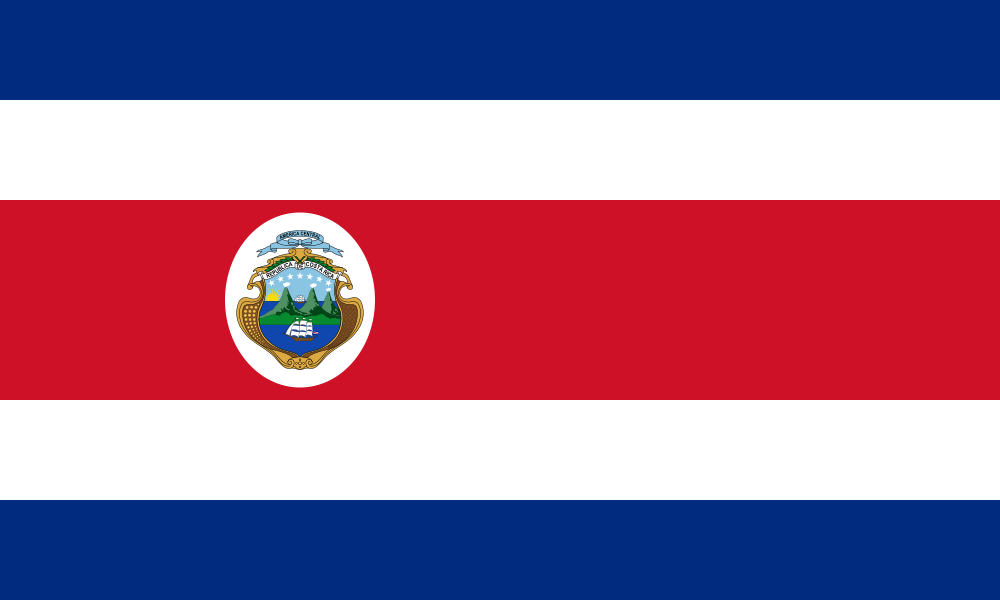 Costa Rica
-
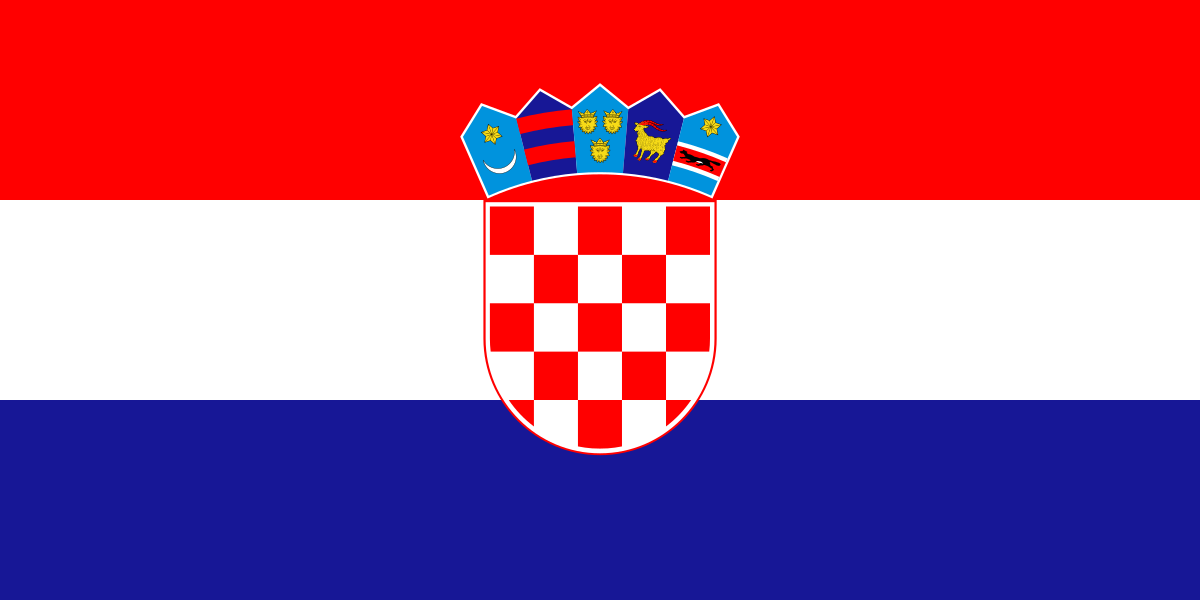 Croatia
-
 Cuba
Cuba
-
 Curaçao
-
 Cyprus
-
 Czech Republic
-
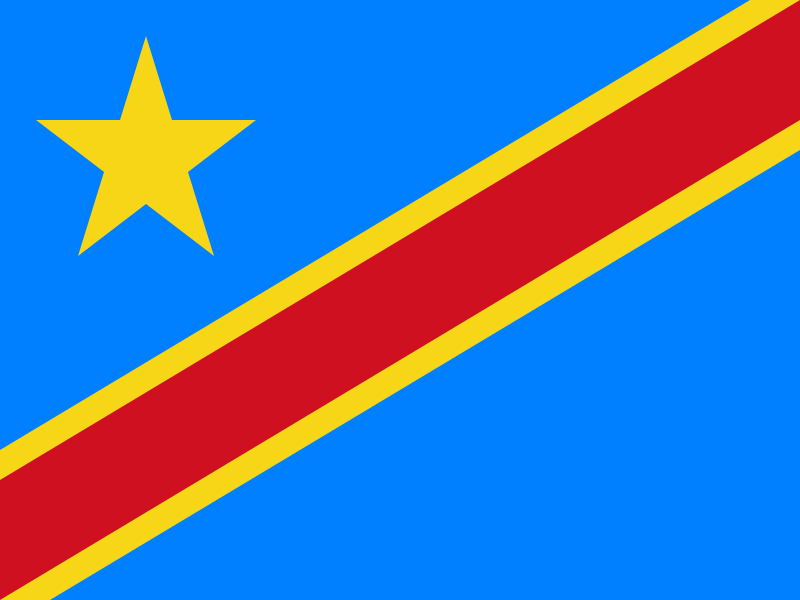 Democratic Republic of the Congo
-
 Denmark
-
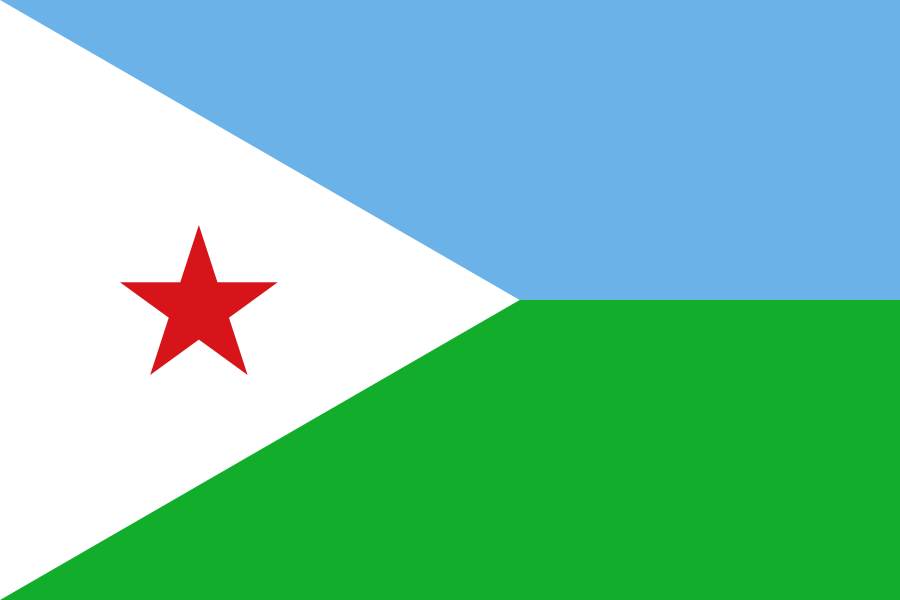 Djibouti
-
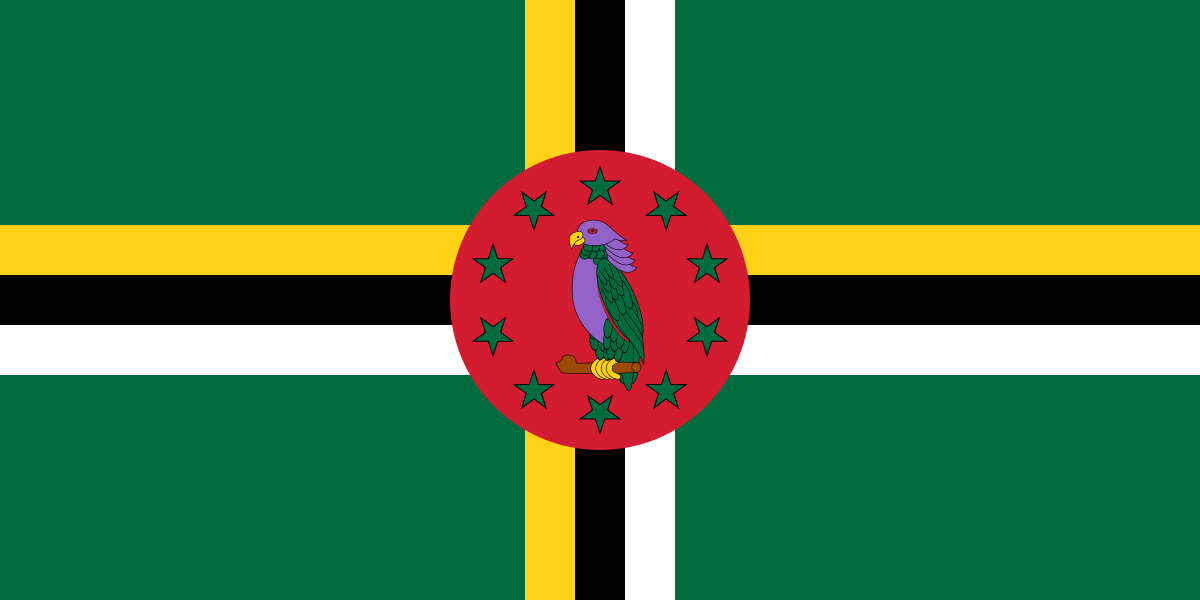 Dominica
-
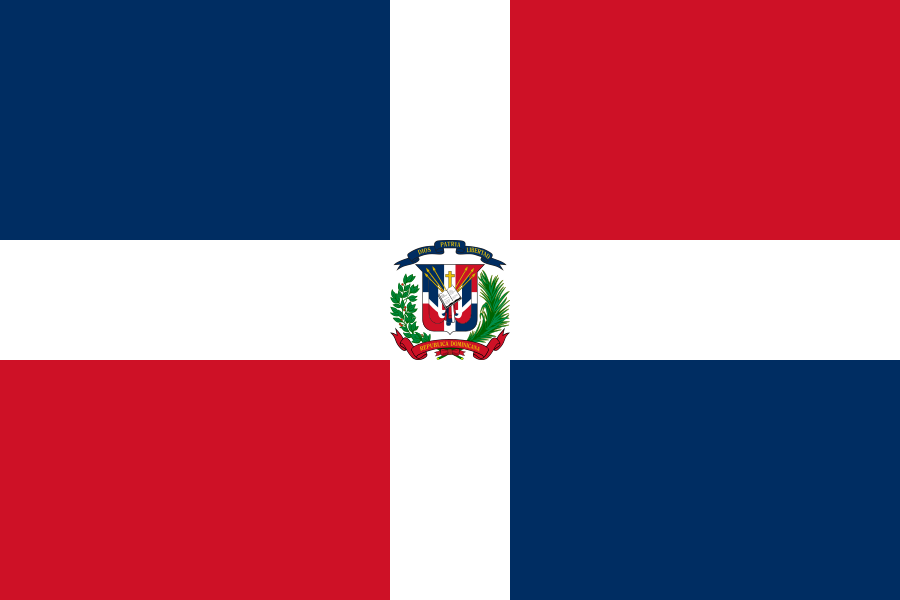 Dominican Republic
-
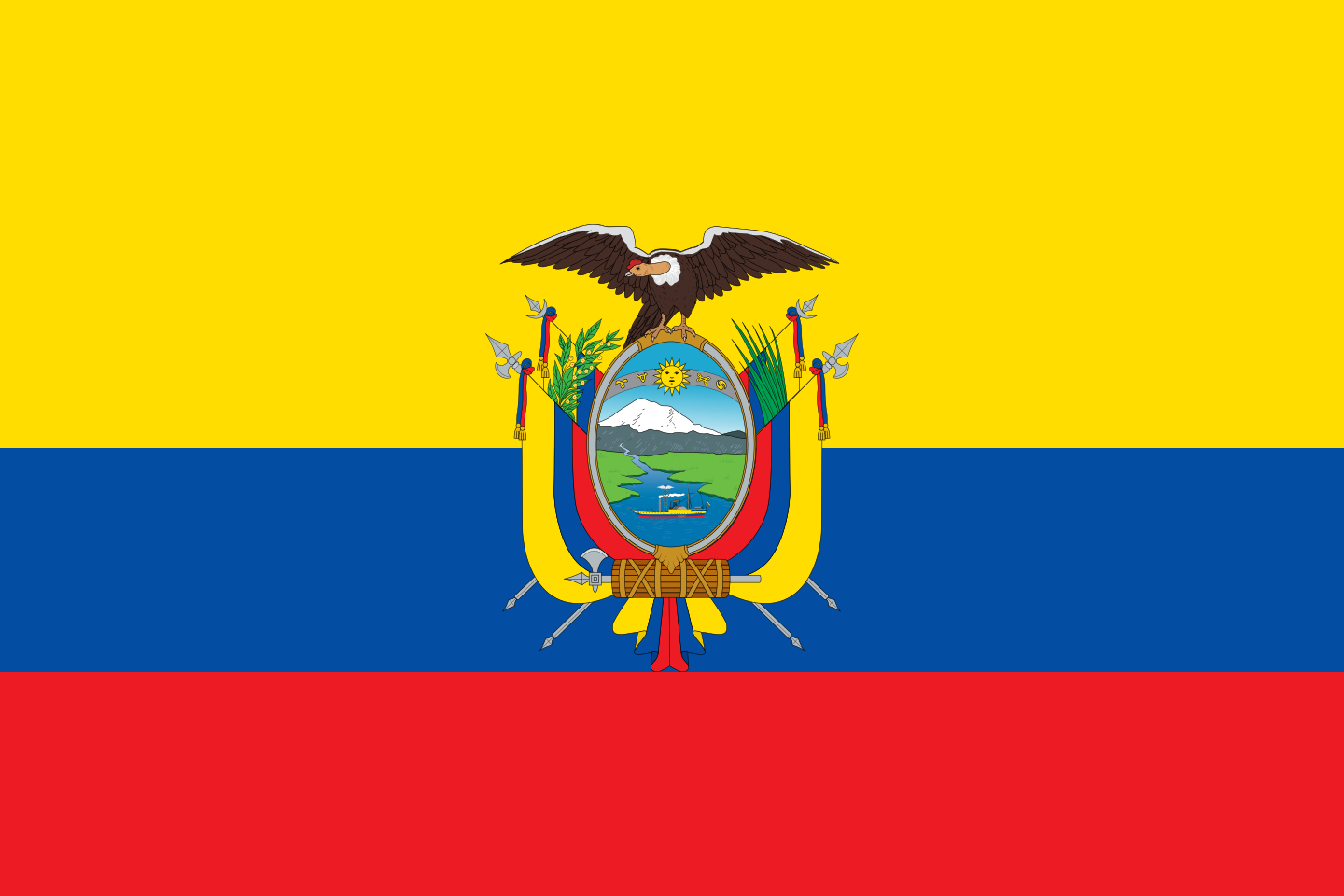 Ecuador
-
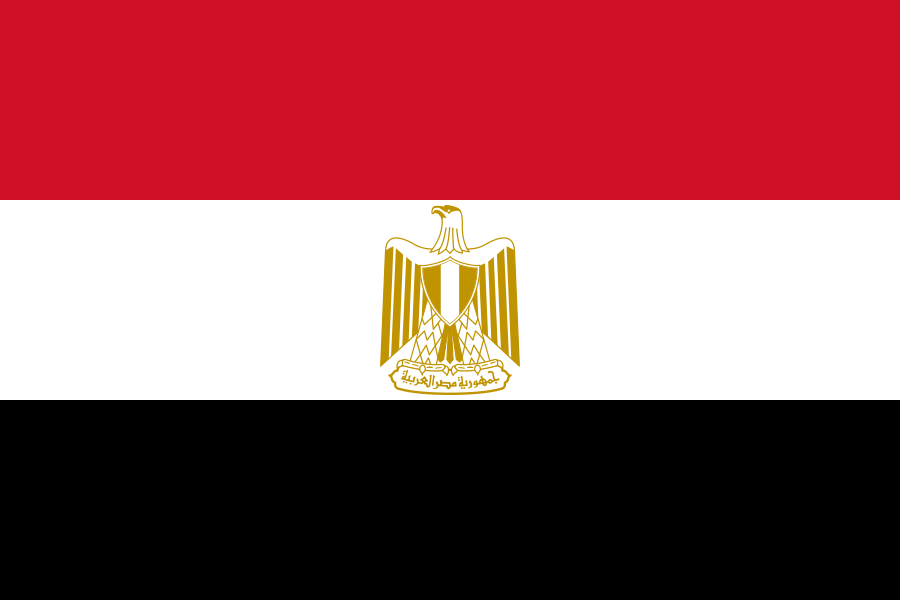 Egypt
Egypt
-
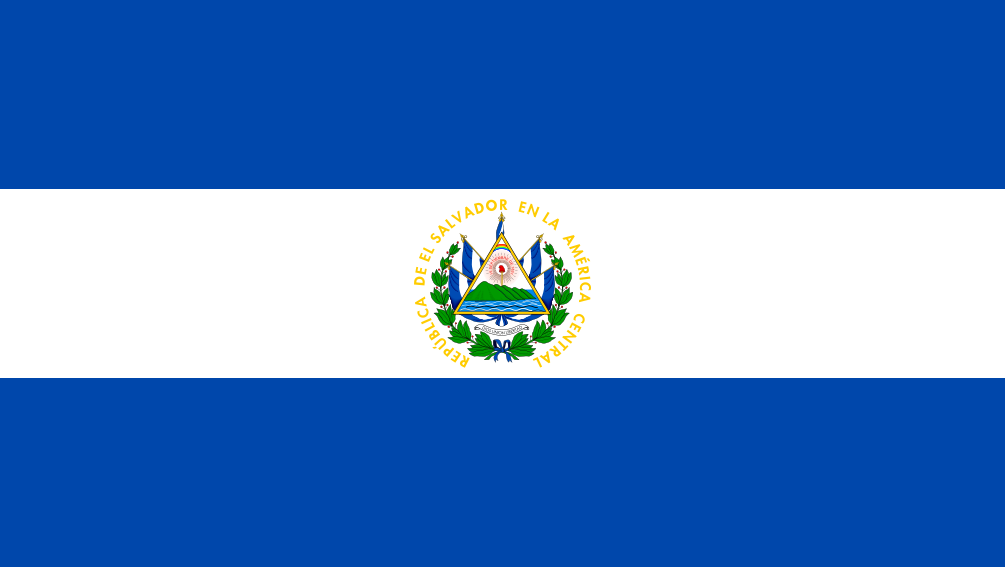 El Salvador
-
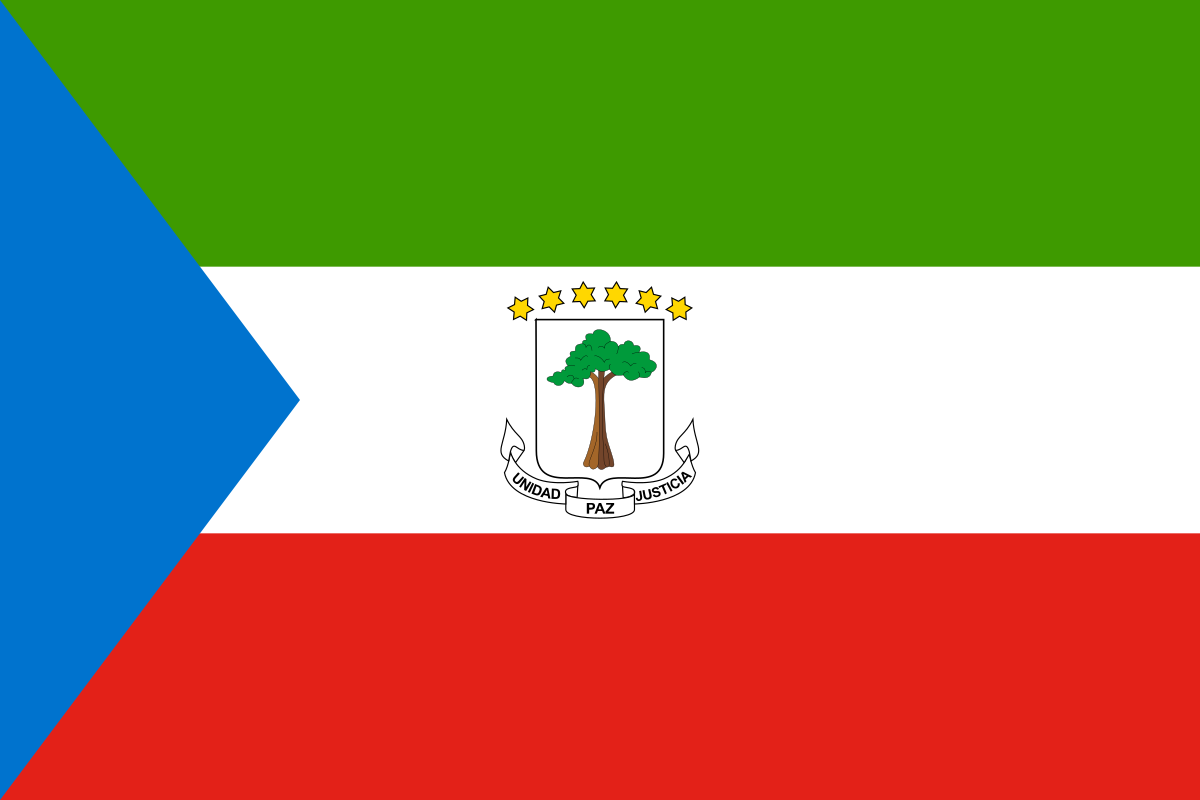 Equatorial Guinea
-
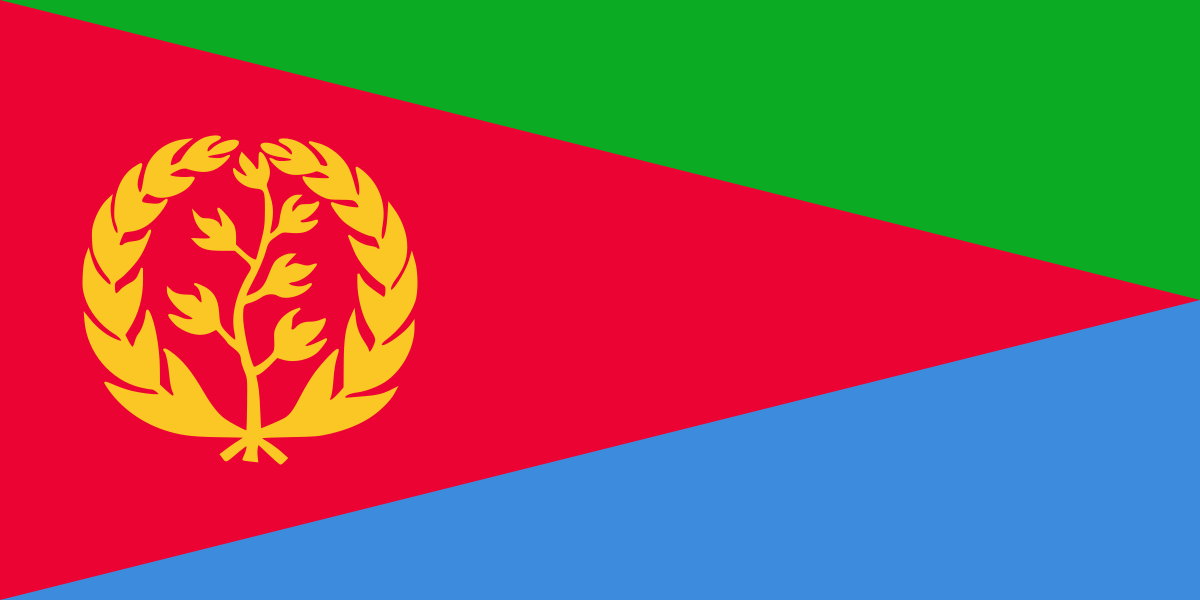 Eritrea
-
 Estonia
-
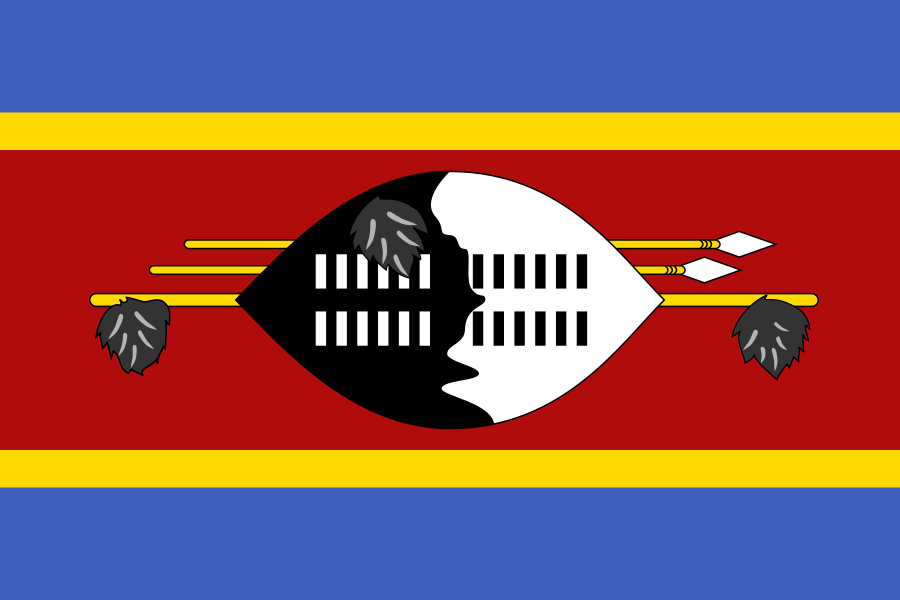 Eswatini
-
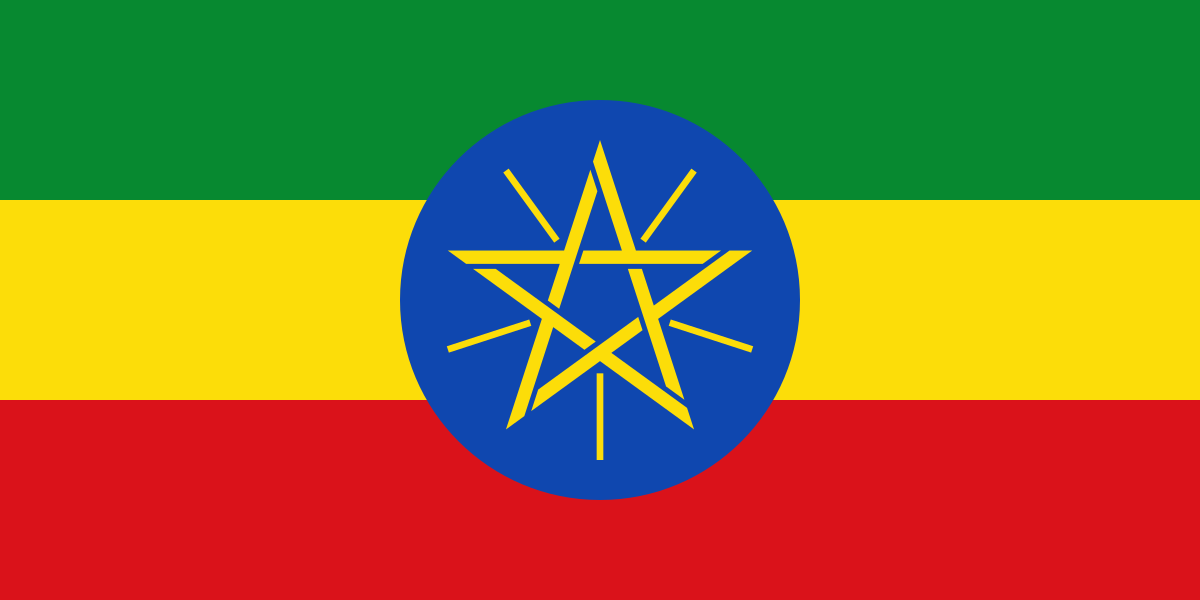 Ethiopia
-
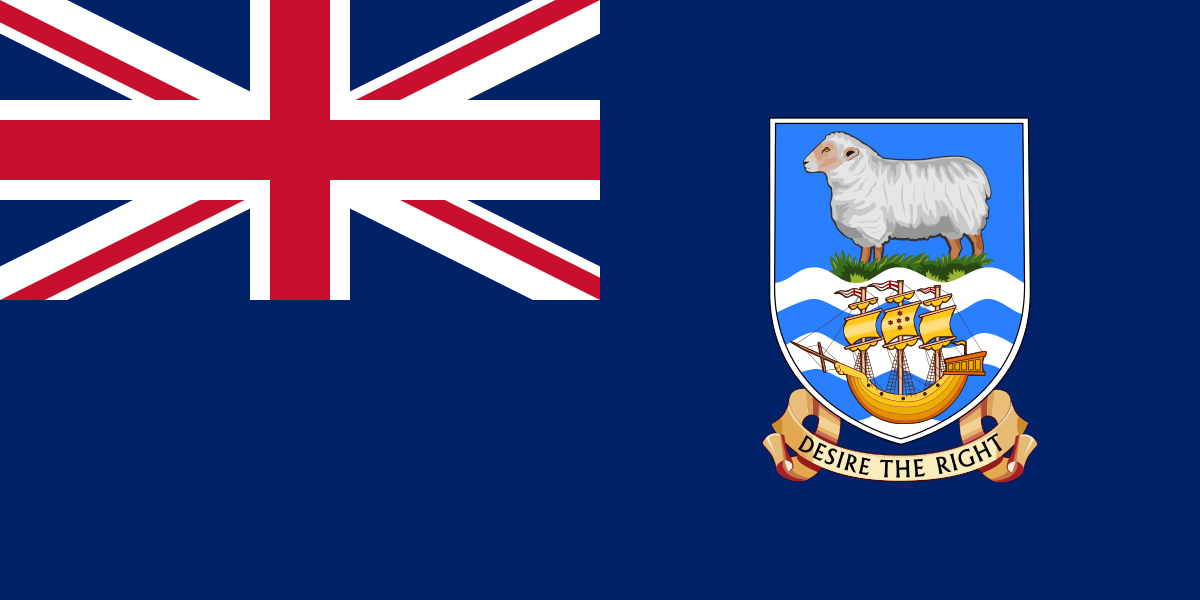 Falkland Islands
-
 Faroe Islands
-
 Fiji
Fiji
-
 Finland
-
 France
-
French Guiana
-
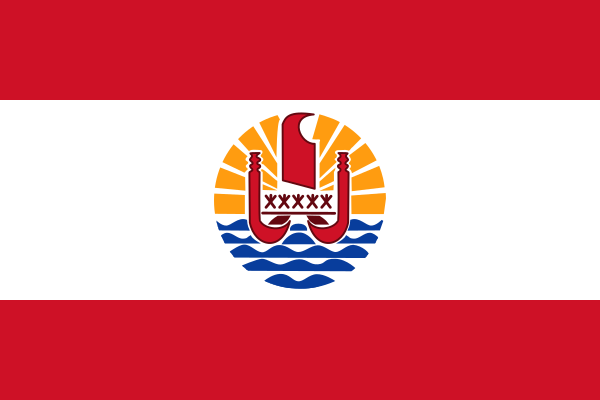 French Polynesia
-
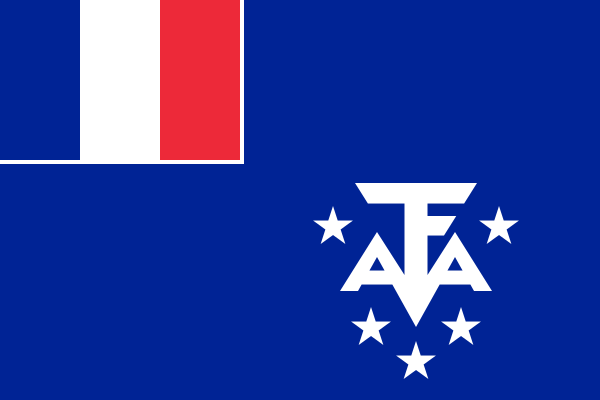 French Southern Territories
-
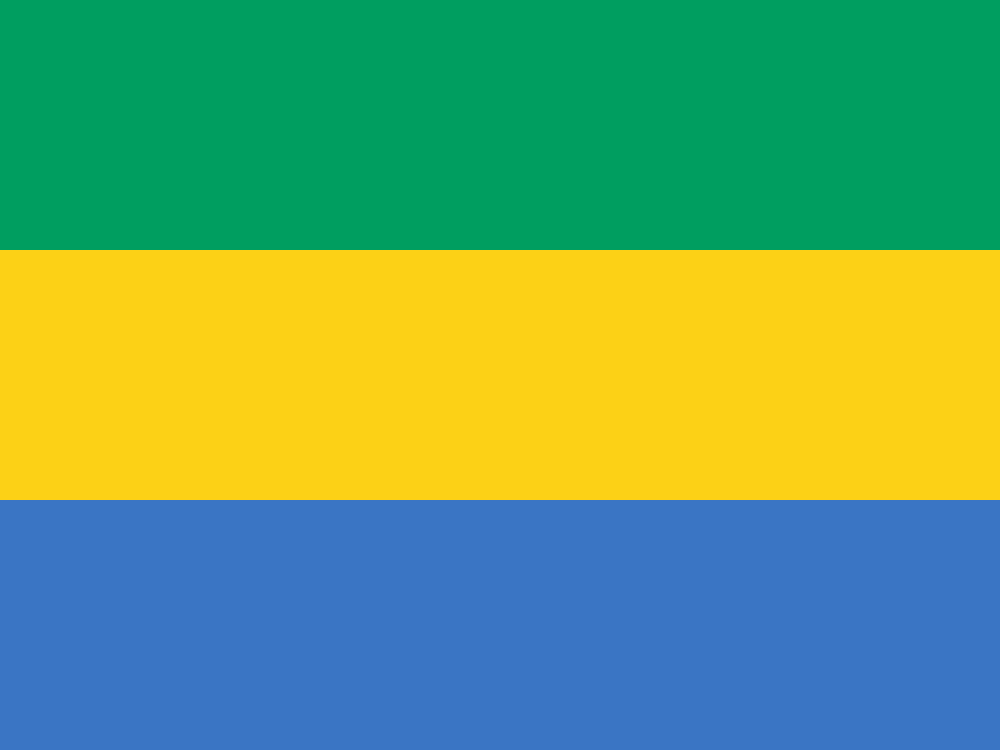 Gabon
Gabon
-
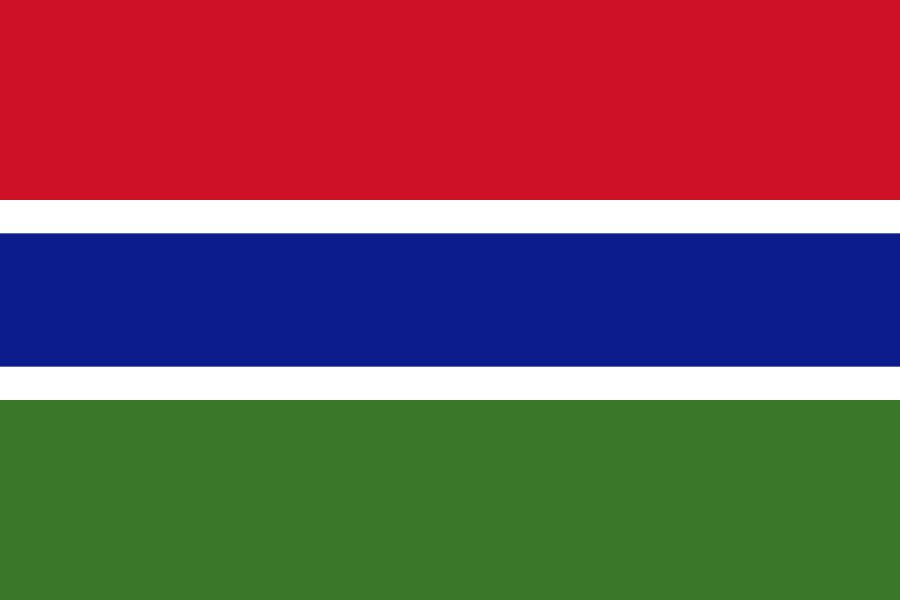 Gambia
-
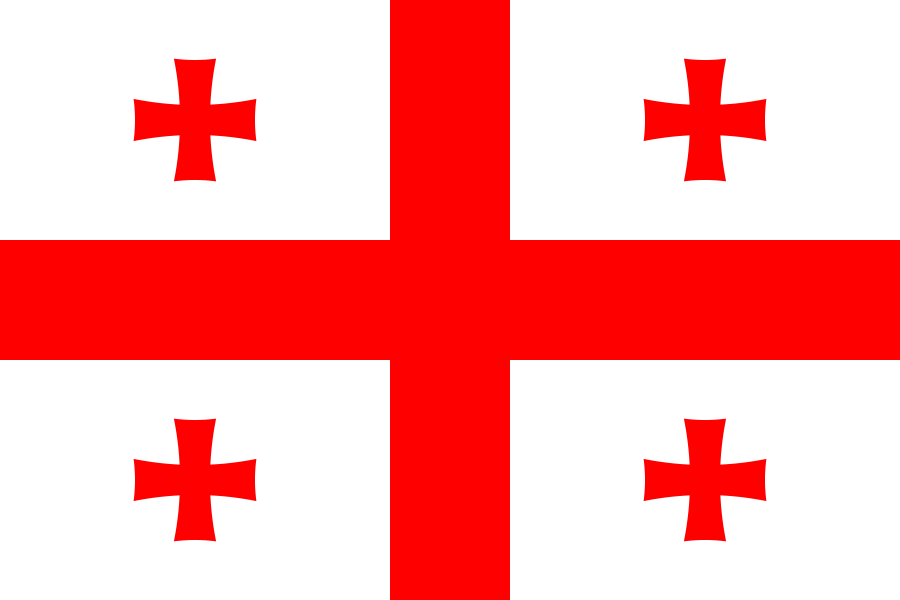 Georgia
-
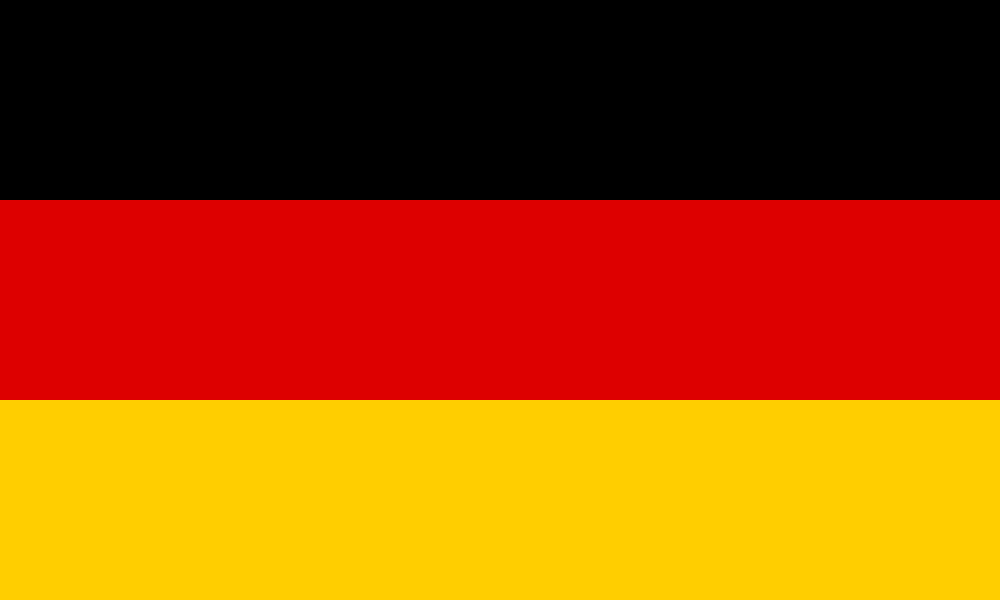 Germany
-
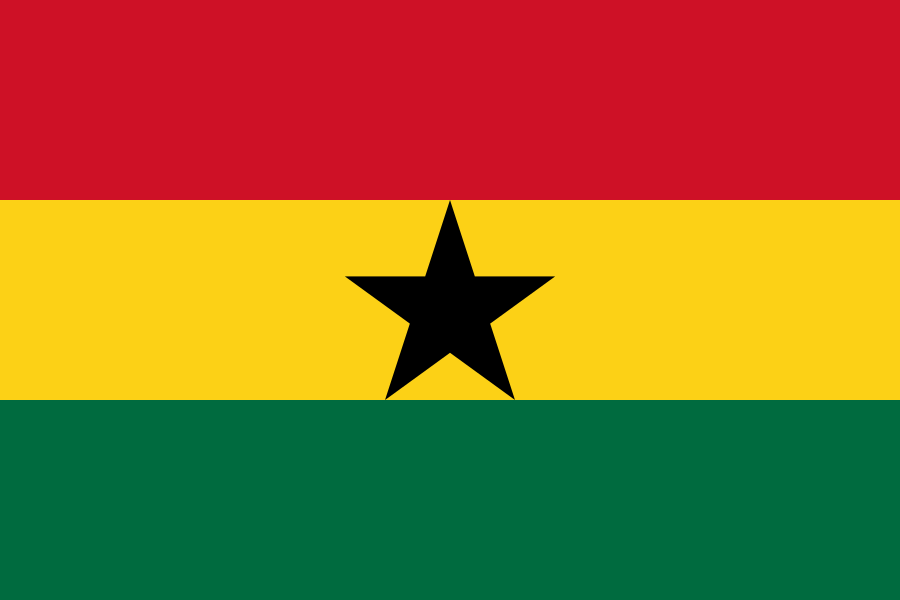 Ghana
Ghana
-
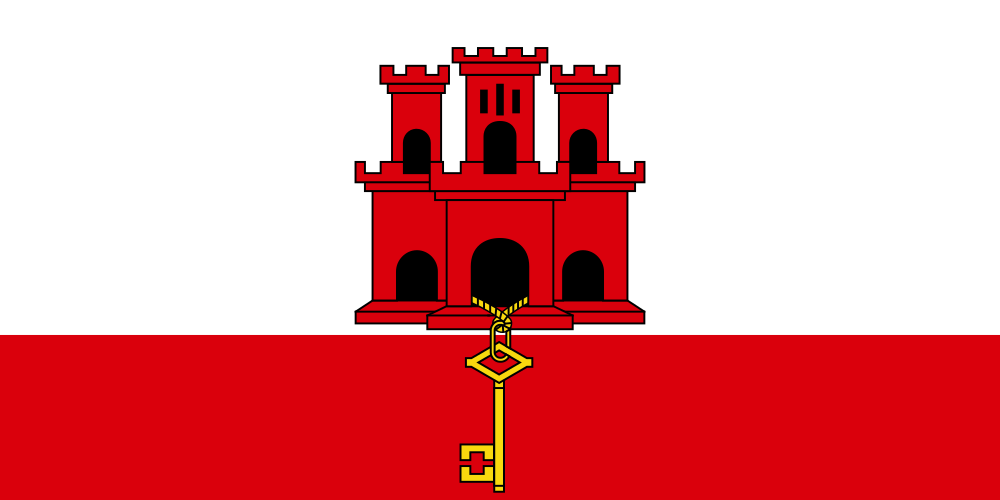 Gibraltar
-
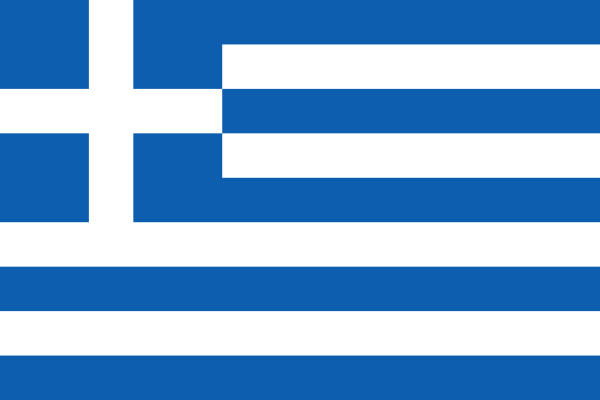 Greece
-
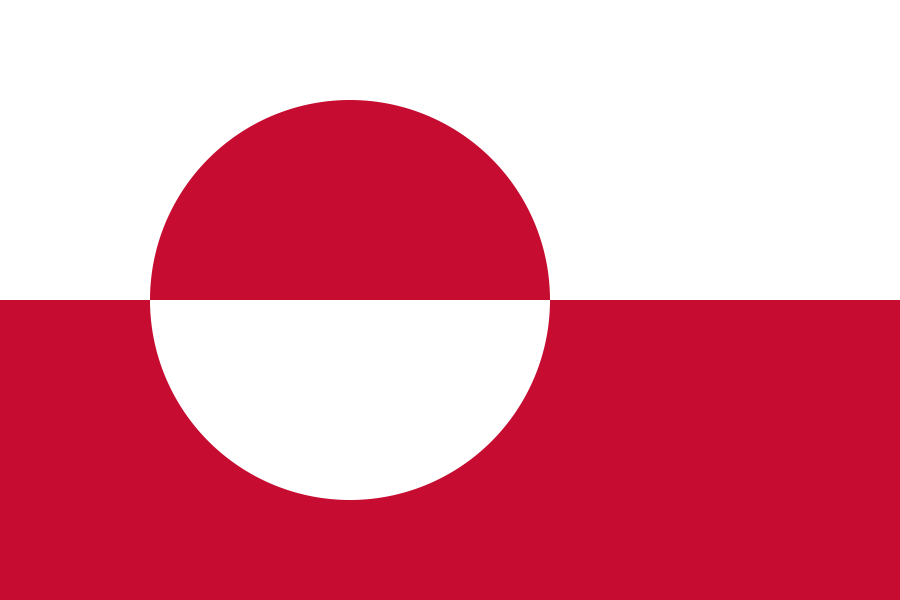 Greenland
-
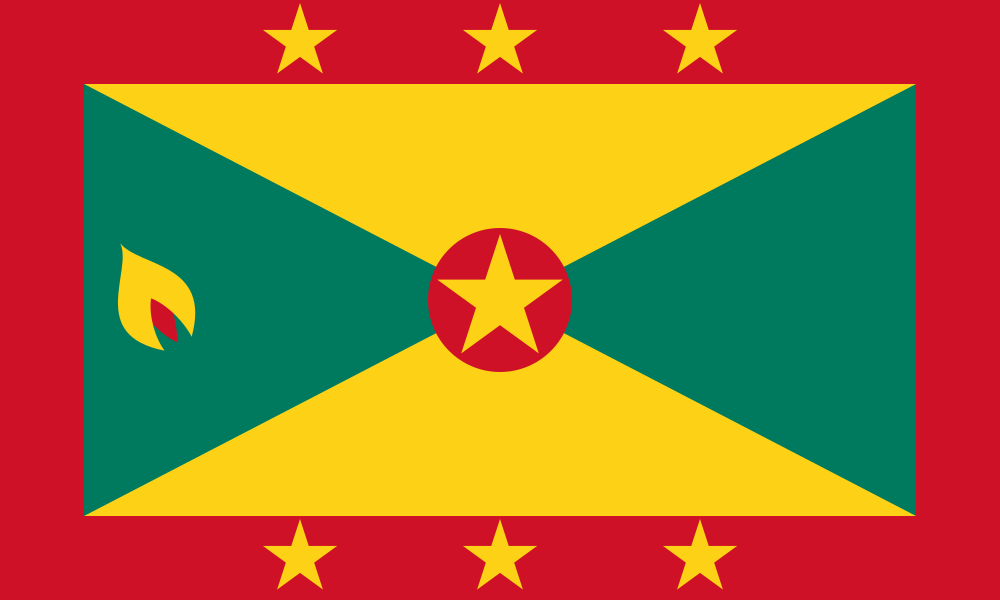 Grenada
-
Guadeloupe
-
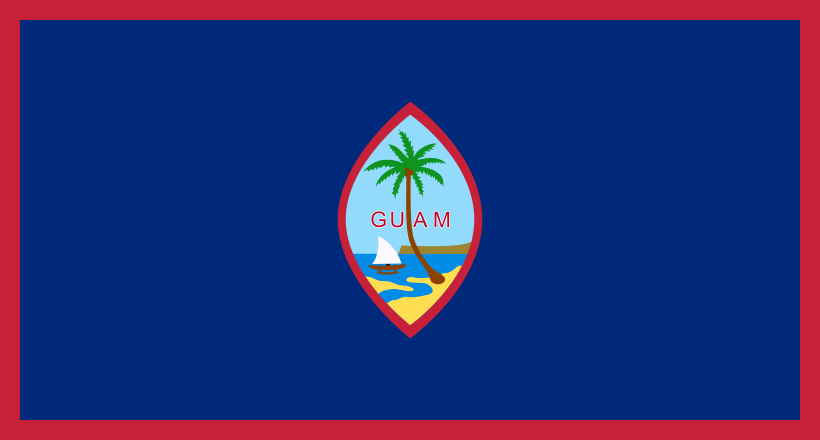 Guam
Guam
-
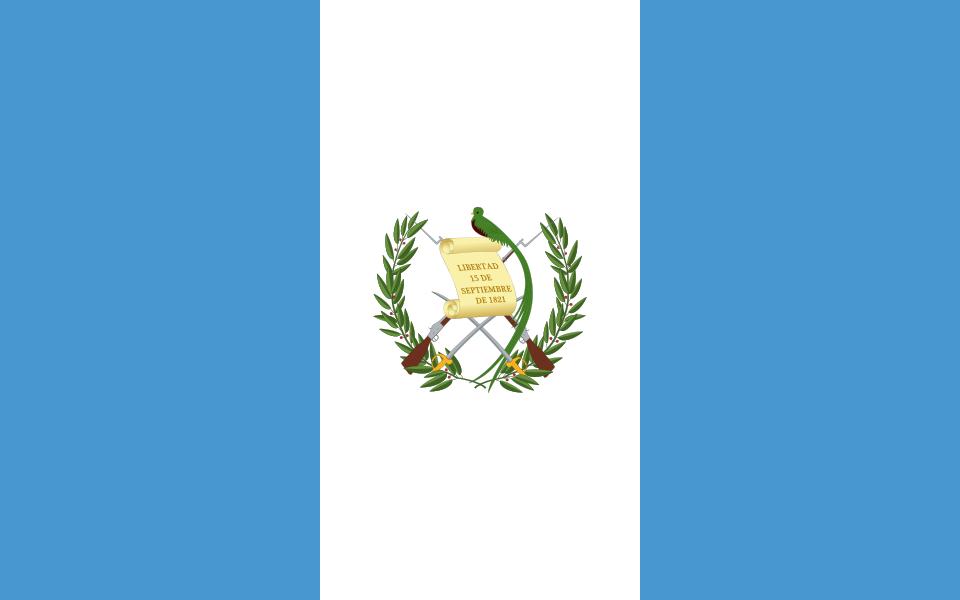 Guatemala
-
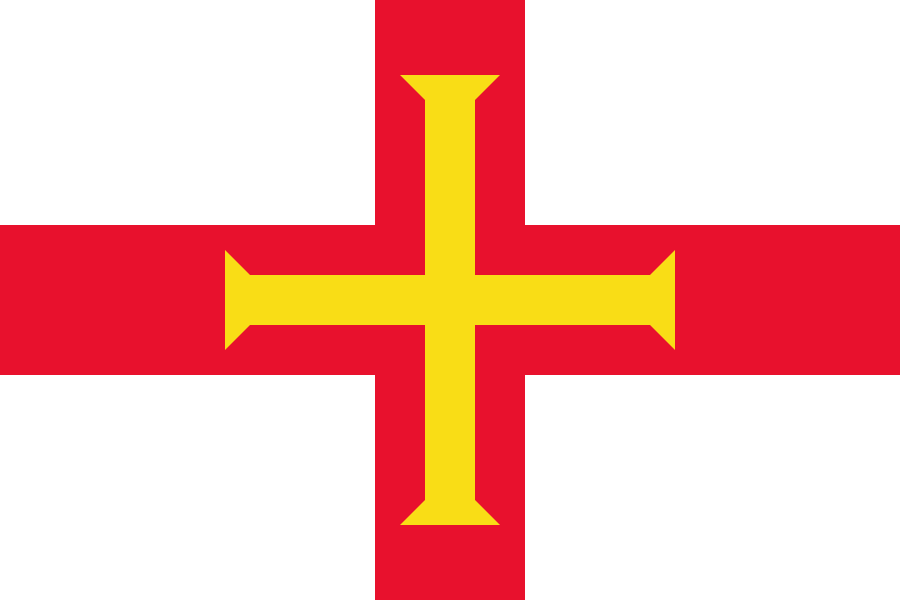 Guernsey
-
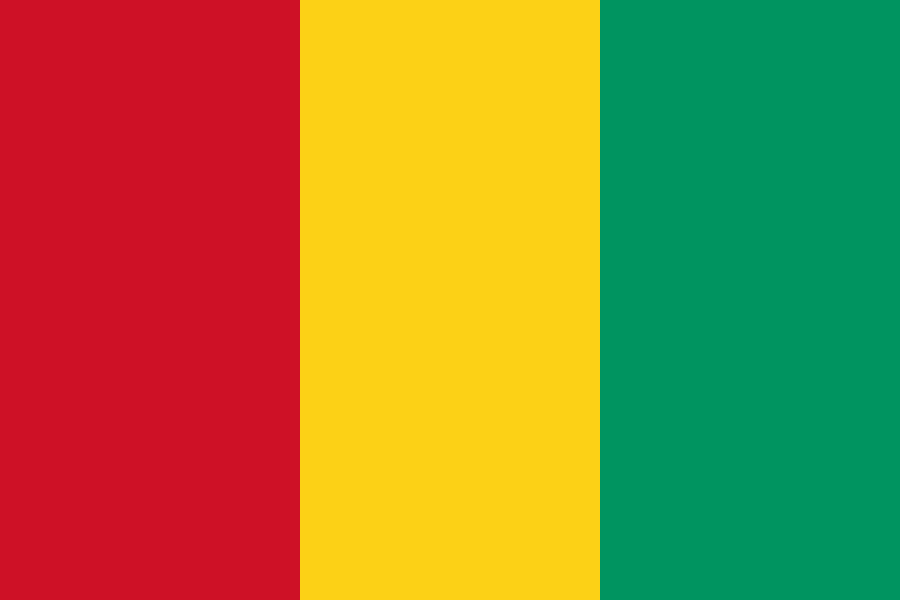 Guinea
-
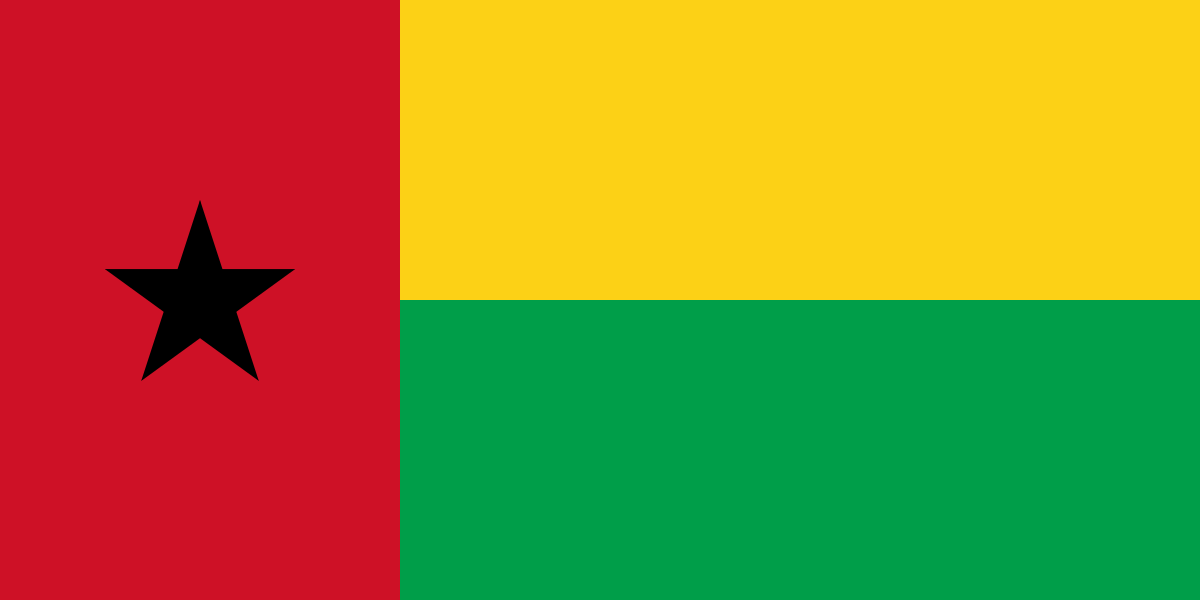 Guinea-Bissau
-
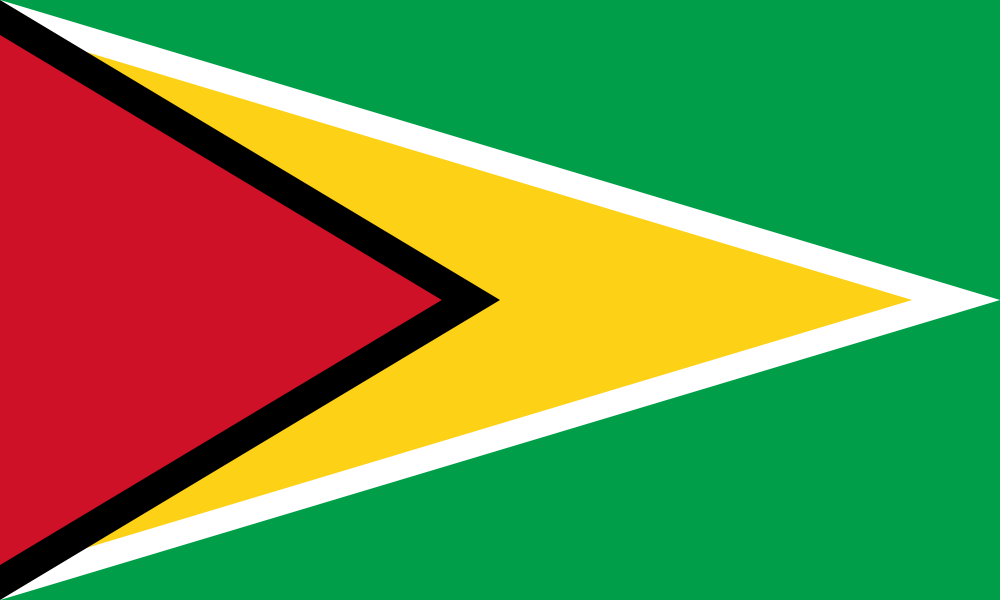 Guyana
-
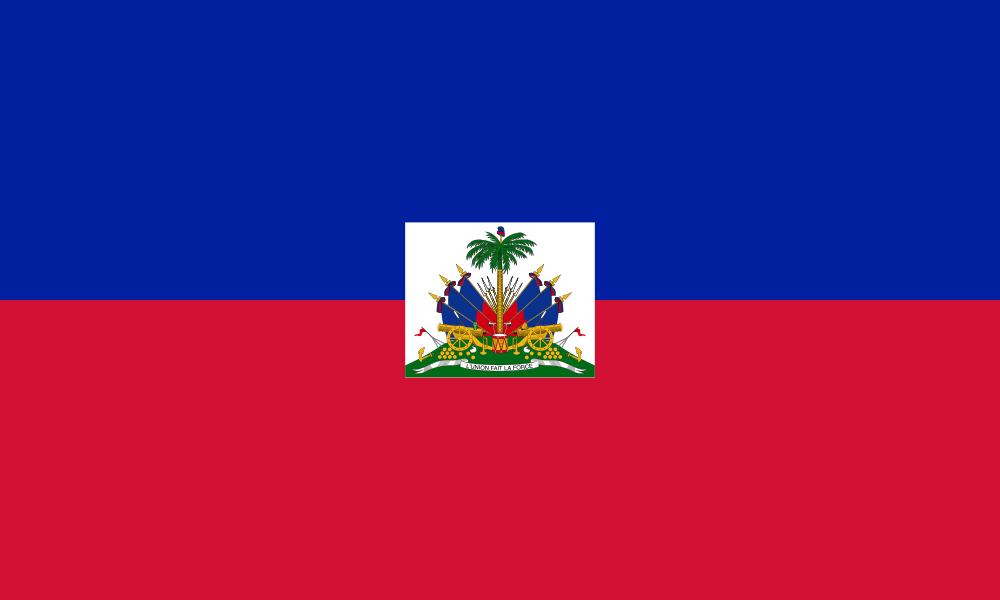 Haiti
Haiti
-
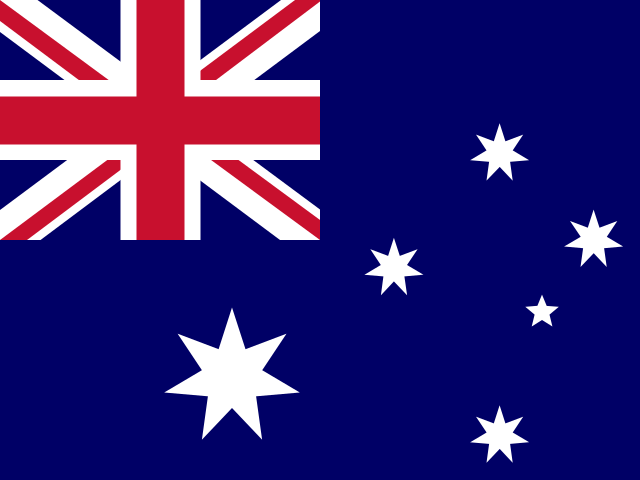 Heard and McDonald Islands
-
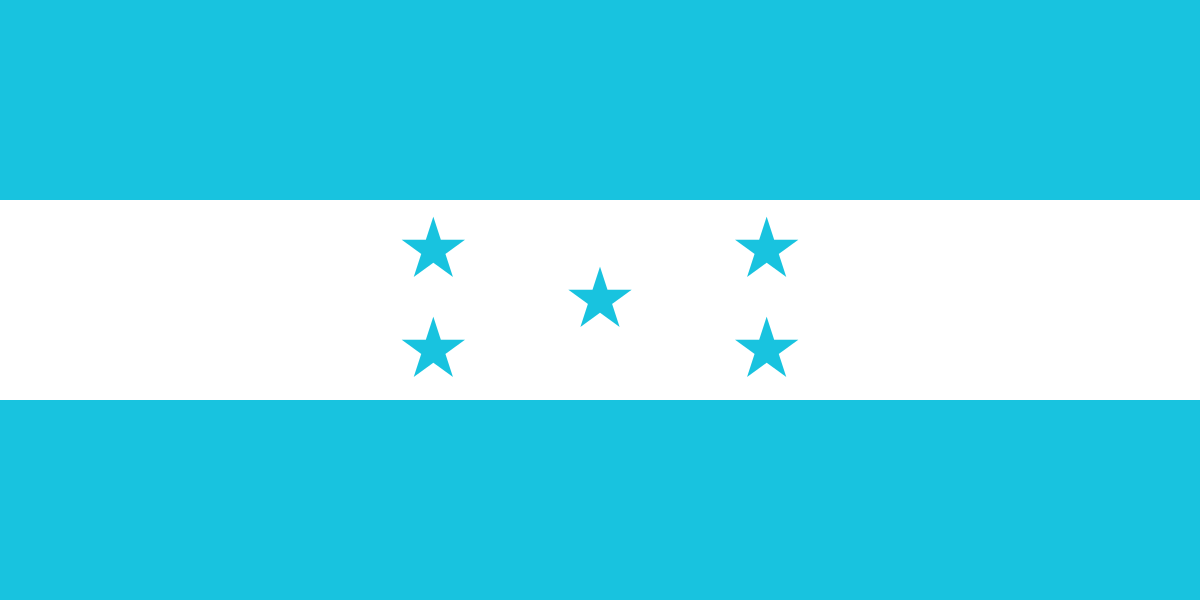 Honduras
-
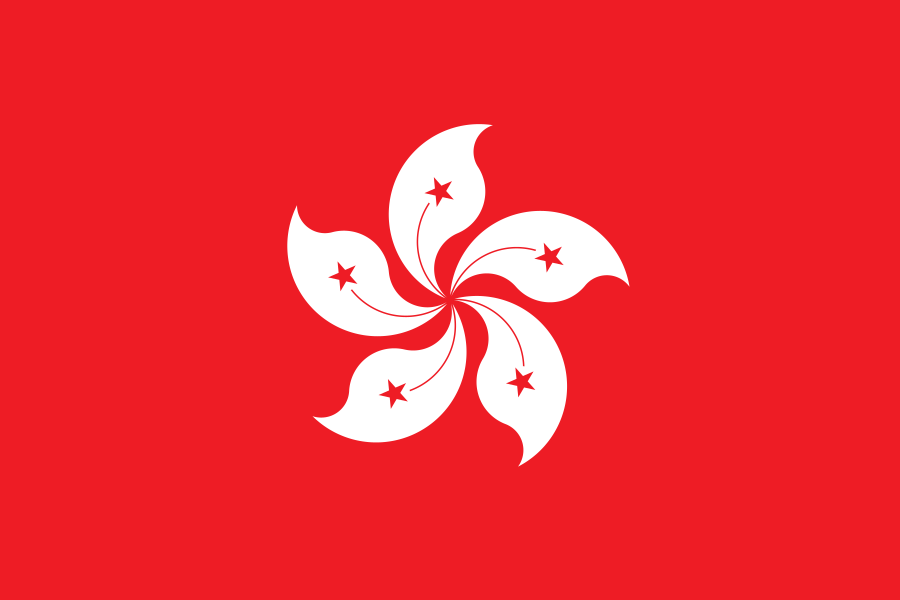 Hong Kong
-
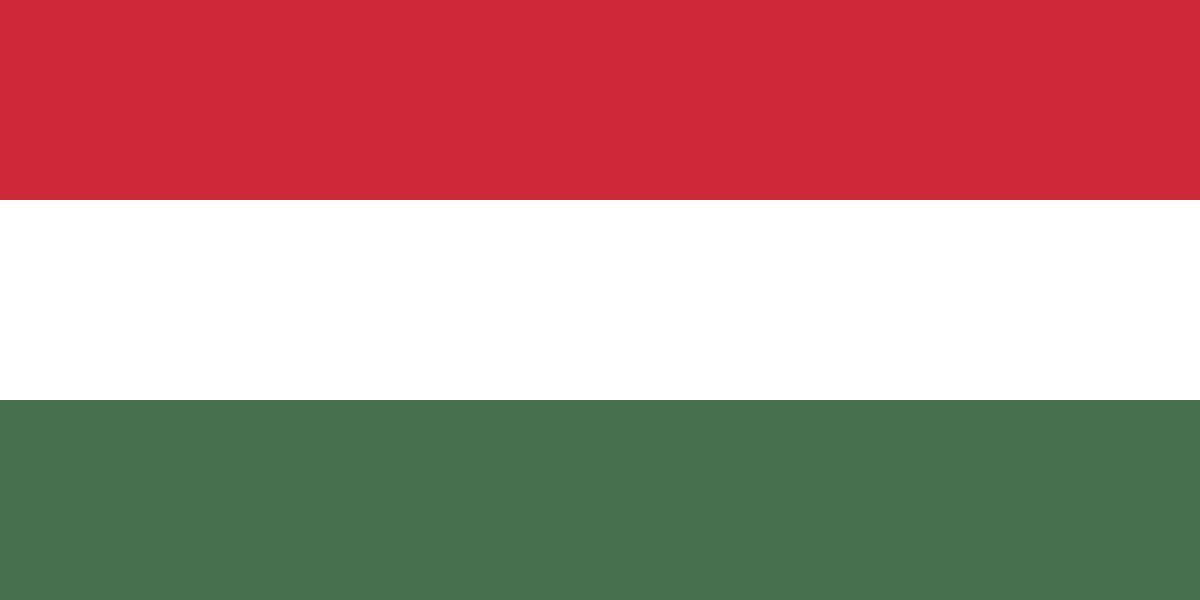 Hungary
-
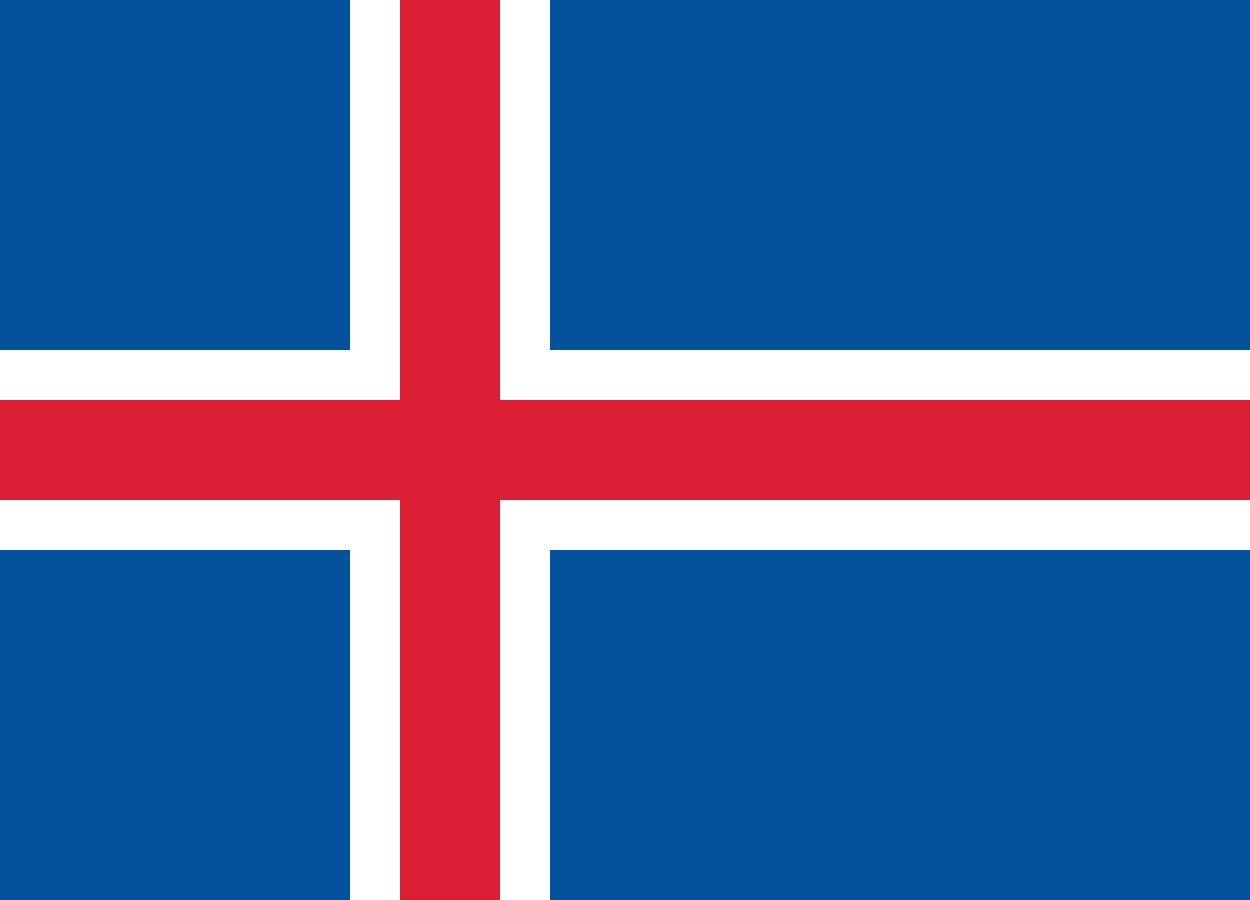 Iceland
-
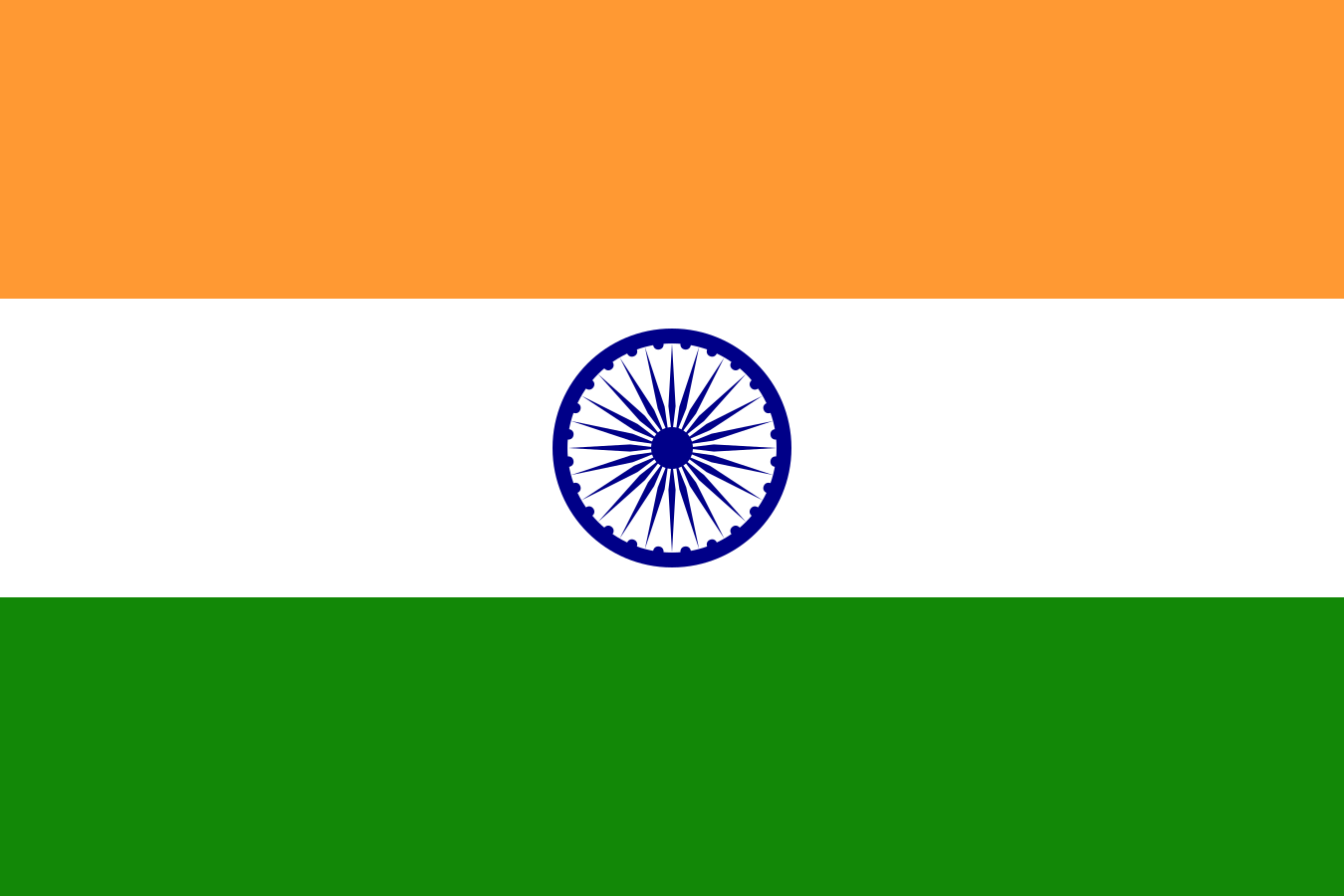 India
India
-
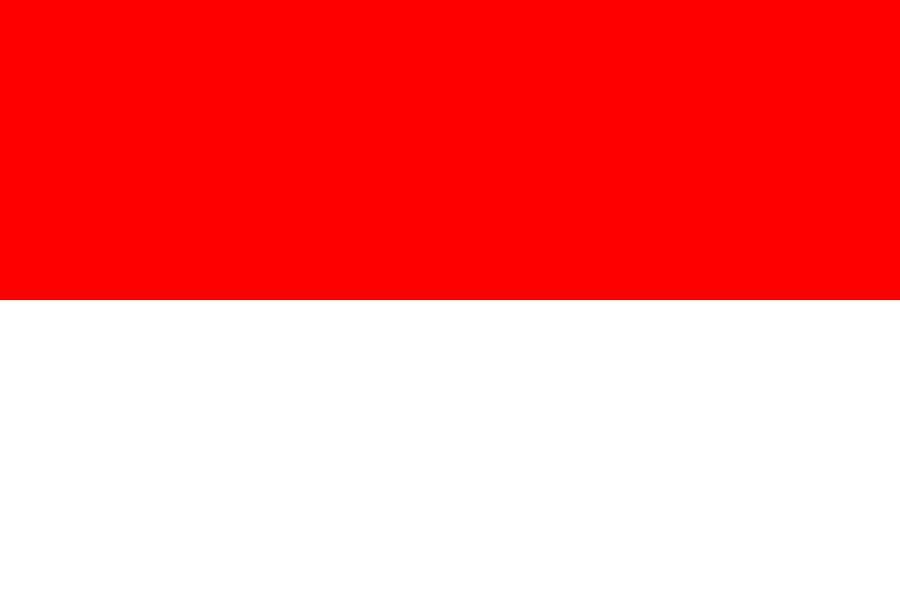 Indonesia
-
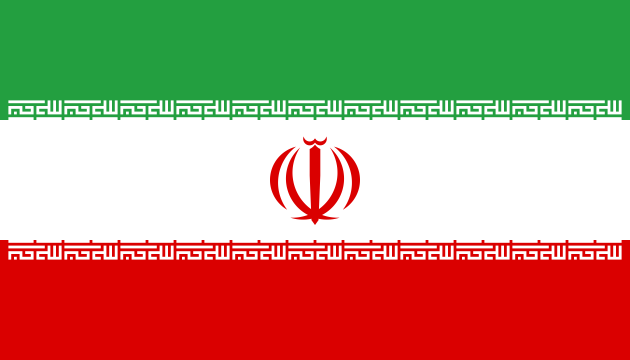 Iran
Iran
-
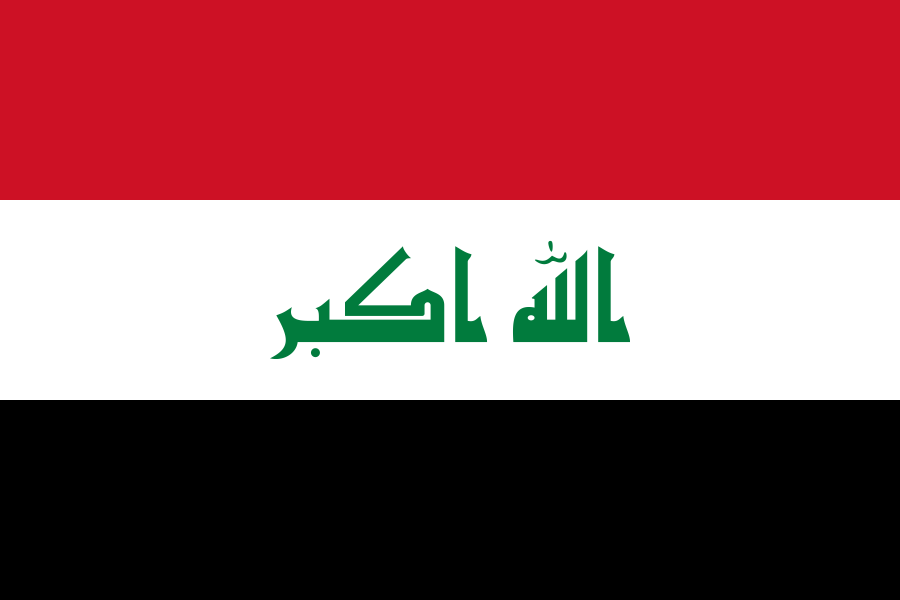 Iraq
Iraq
-
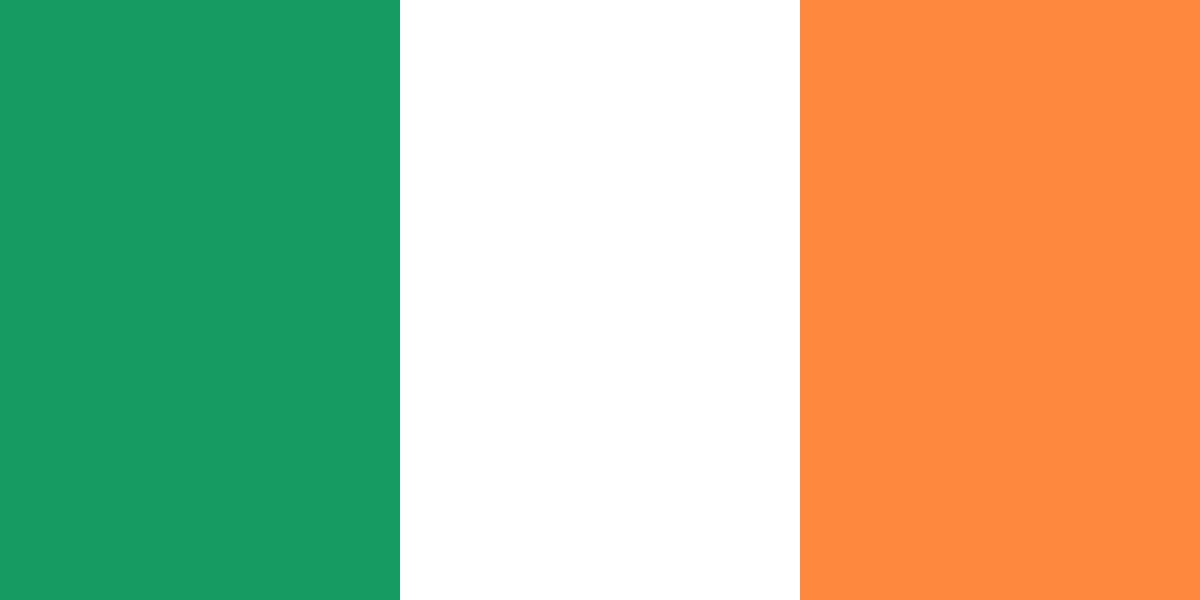 Ireland
-
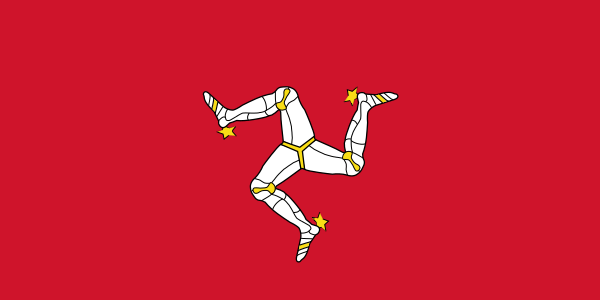 Isle of Man
-
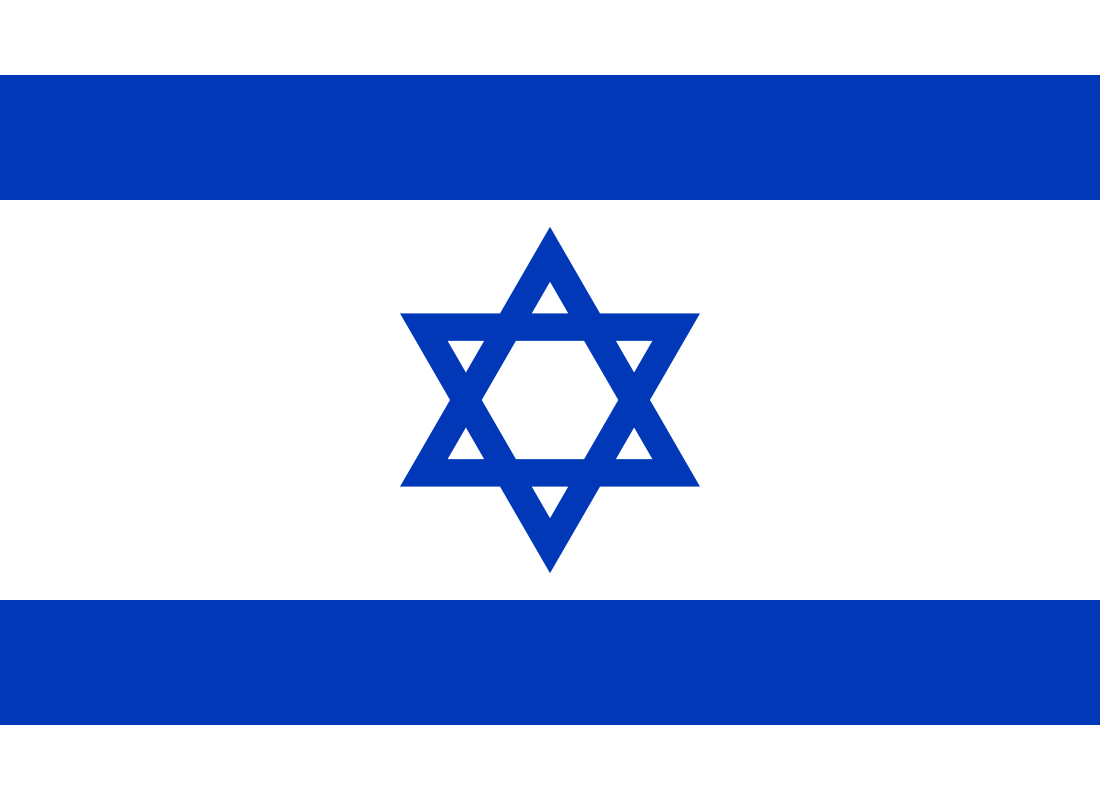 Israel
-
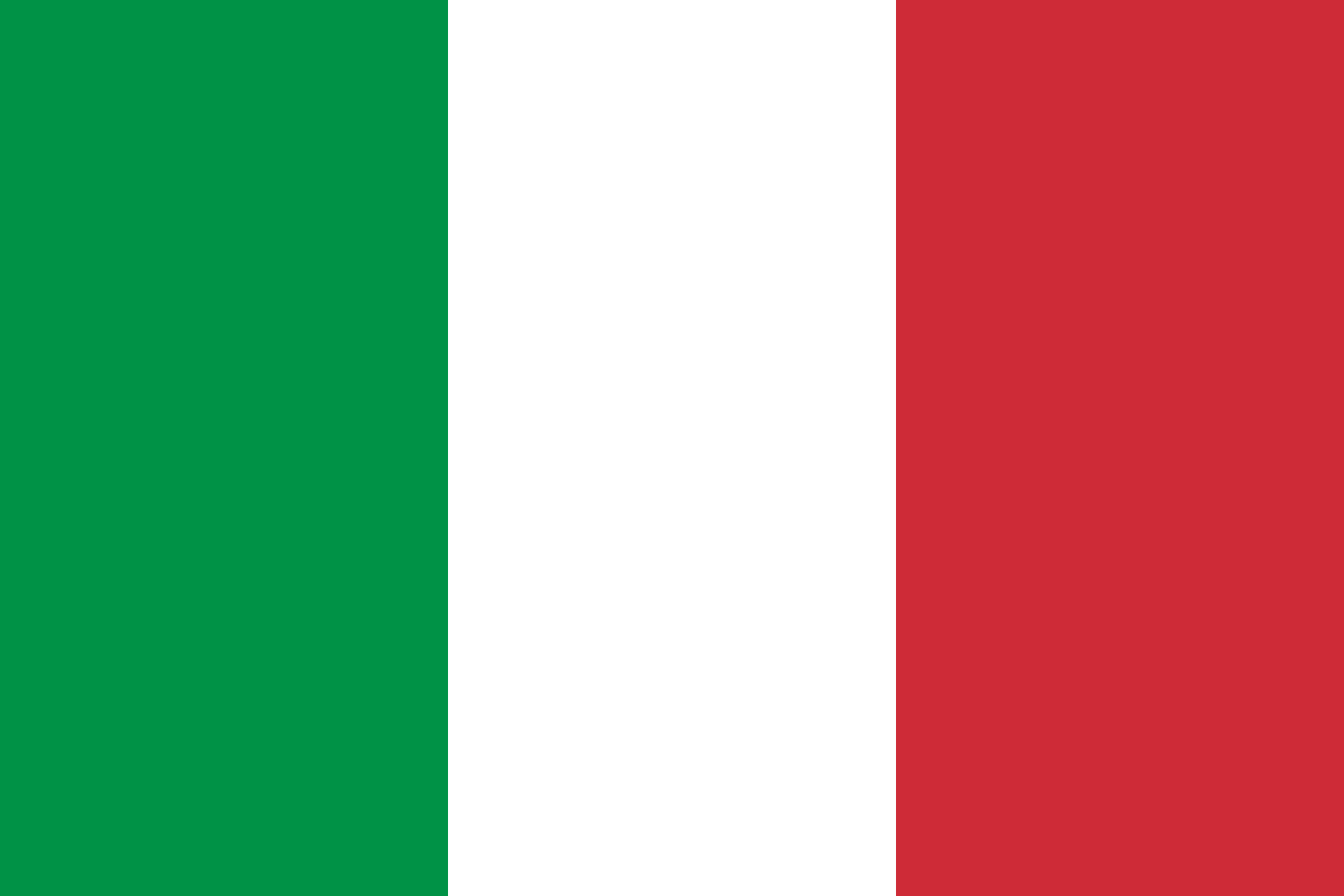 Italy
Italy
-
 Ivory Coast
-
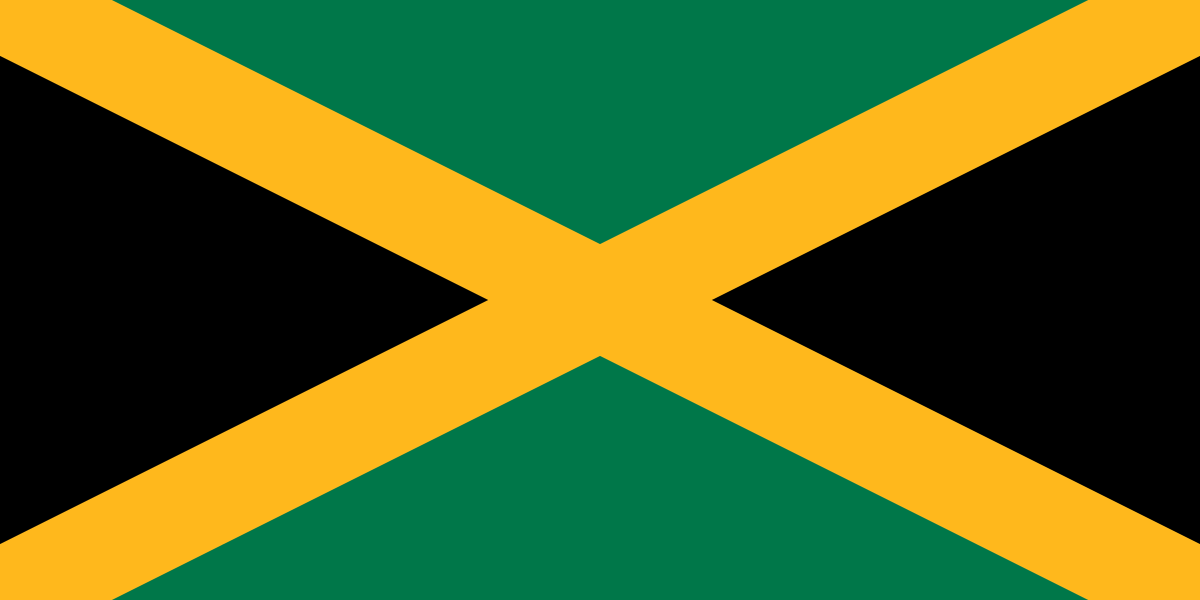 Jamaica
-
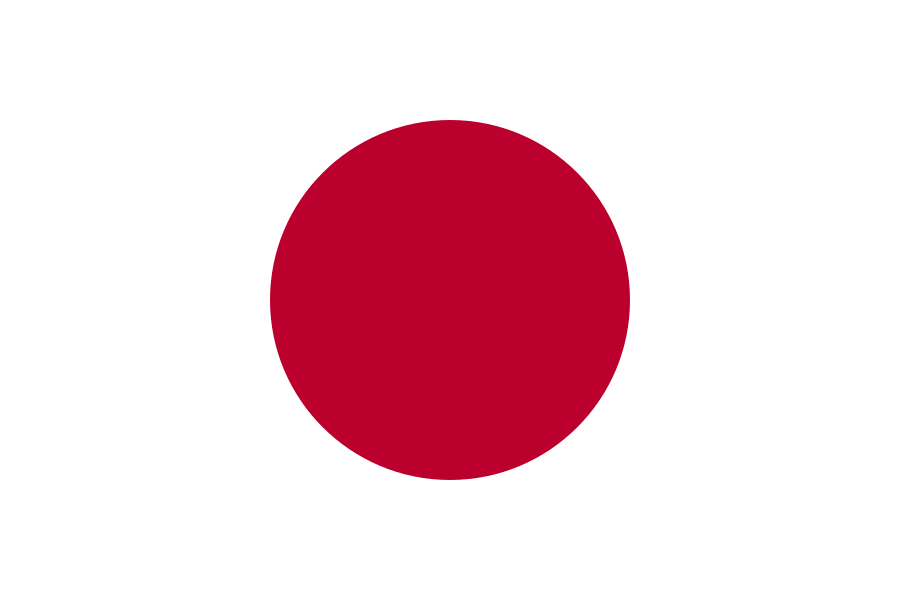 Japan
Japan
-
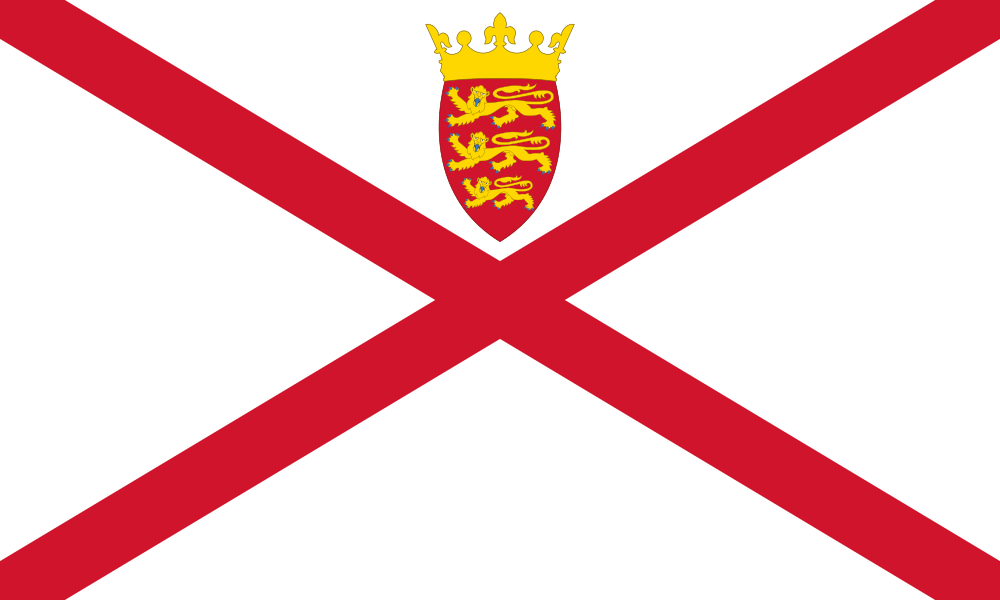 Jersey
-
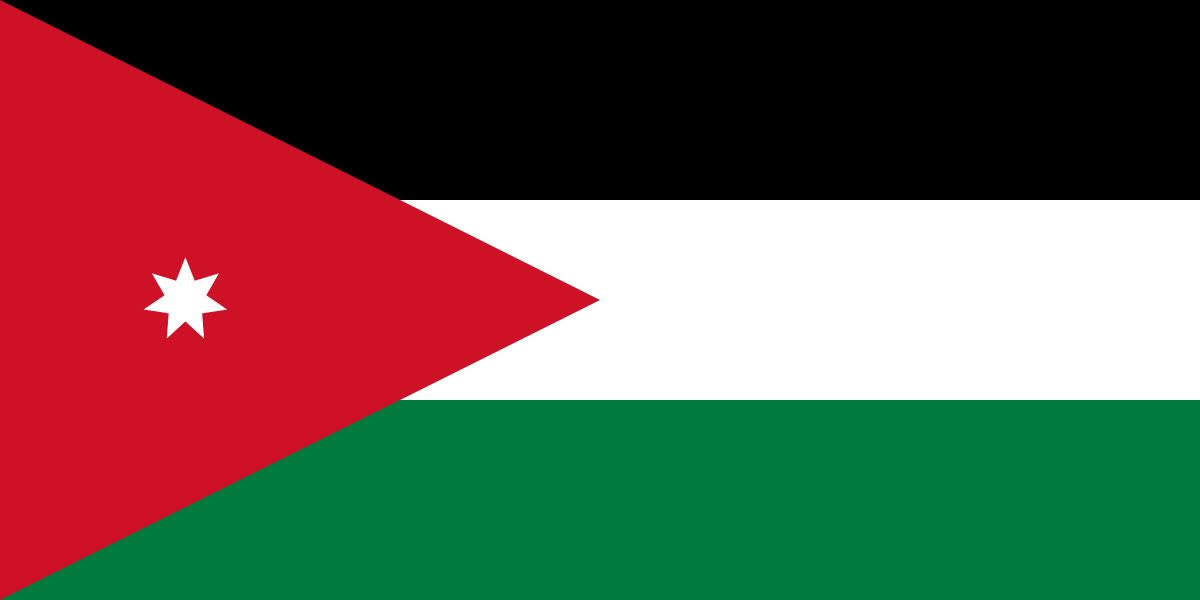 Jordan
-
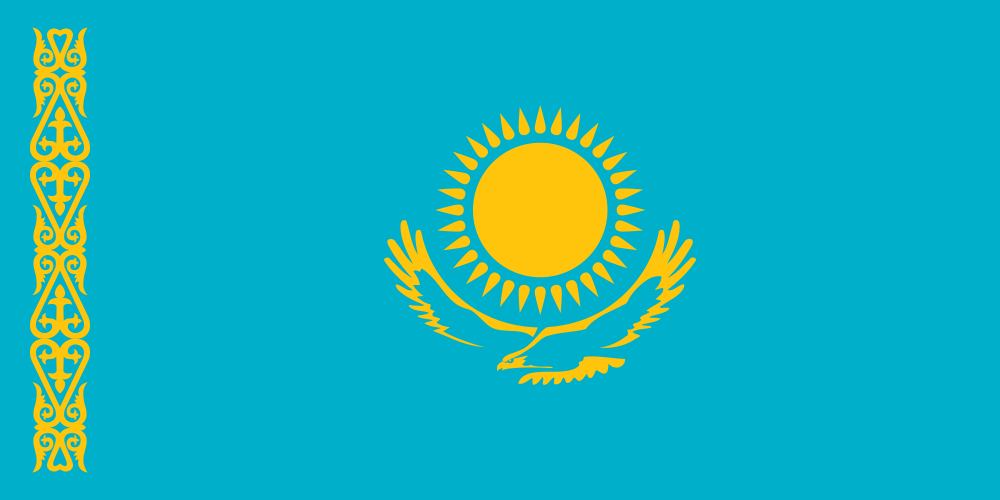 Kazakhstan
-
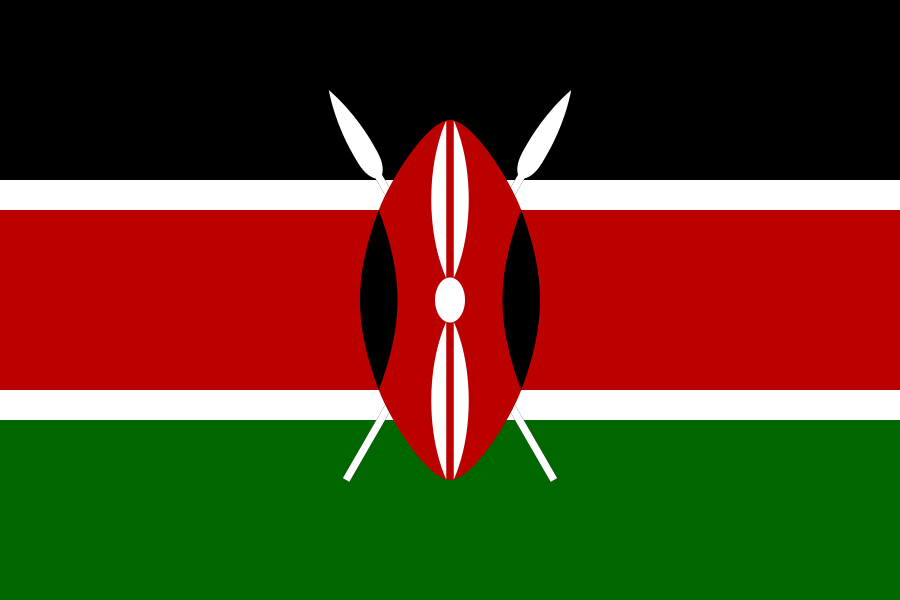 Kenya
Kenya
-
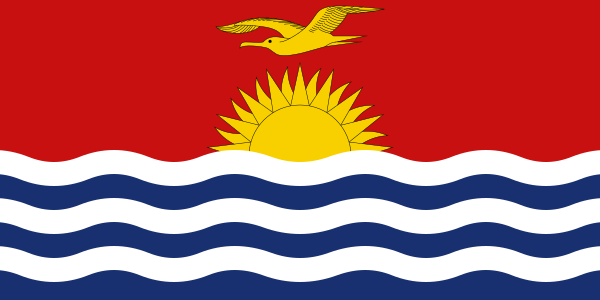 Kiribati
-
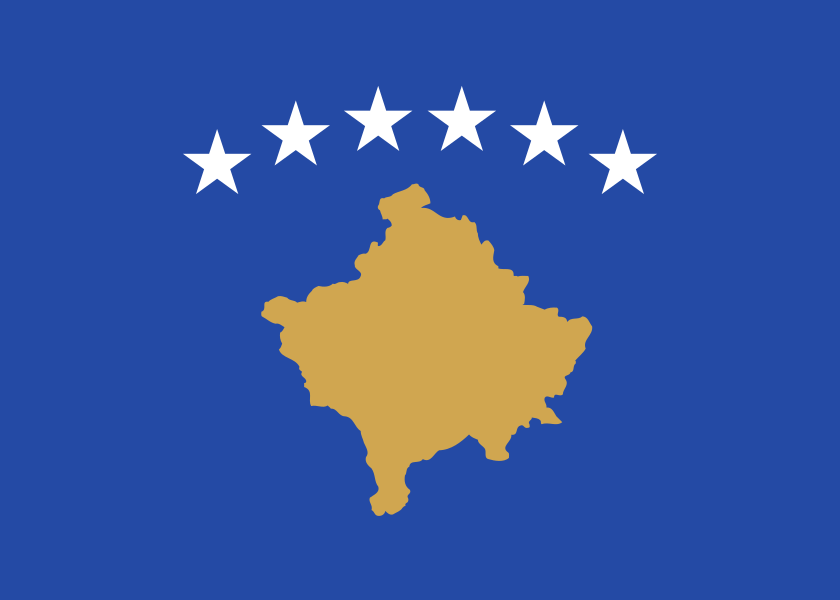 Kosovo
-
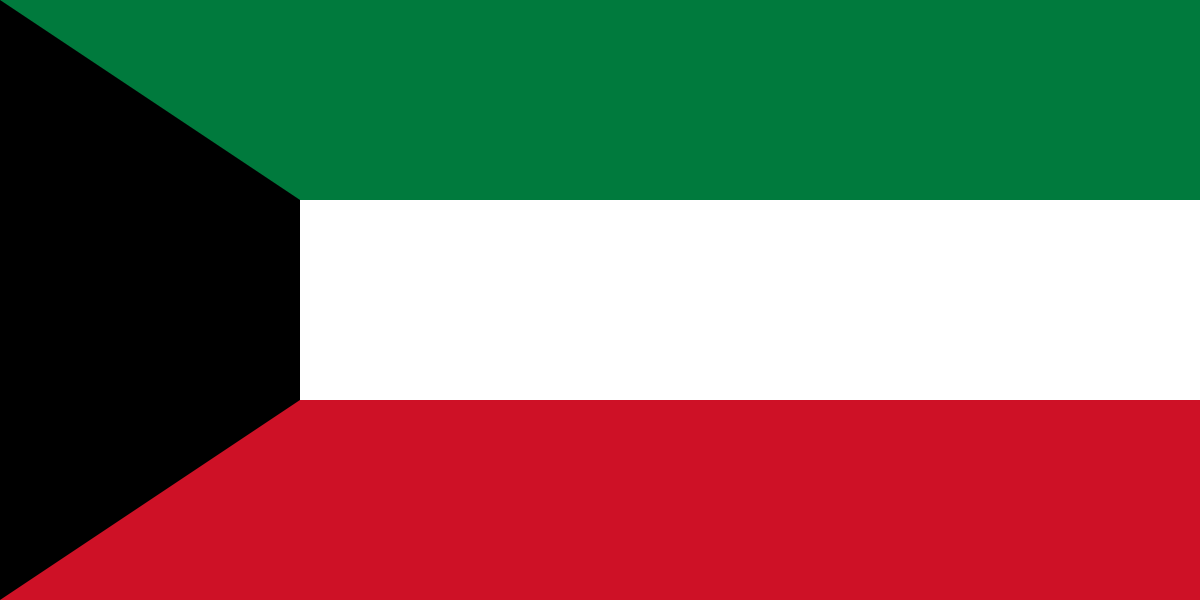 Kuwait
-
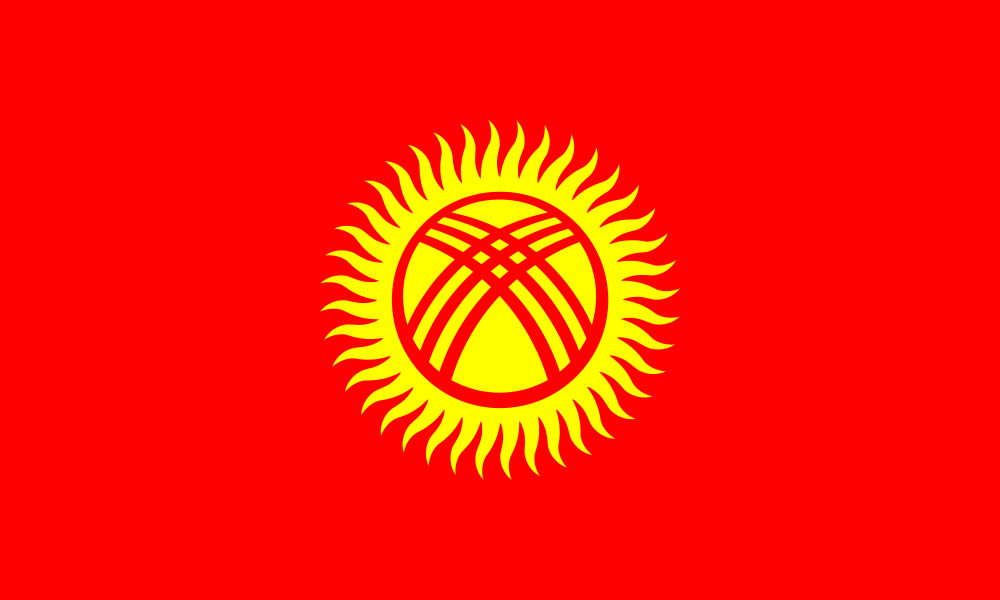 Kyrgyzstan
-
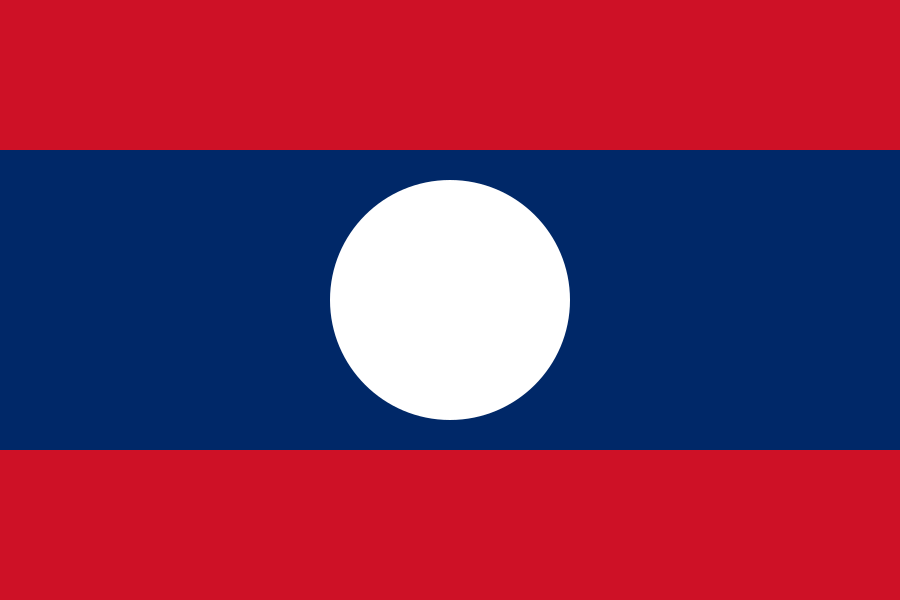 Laos
Laos
-
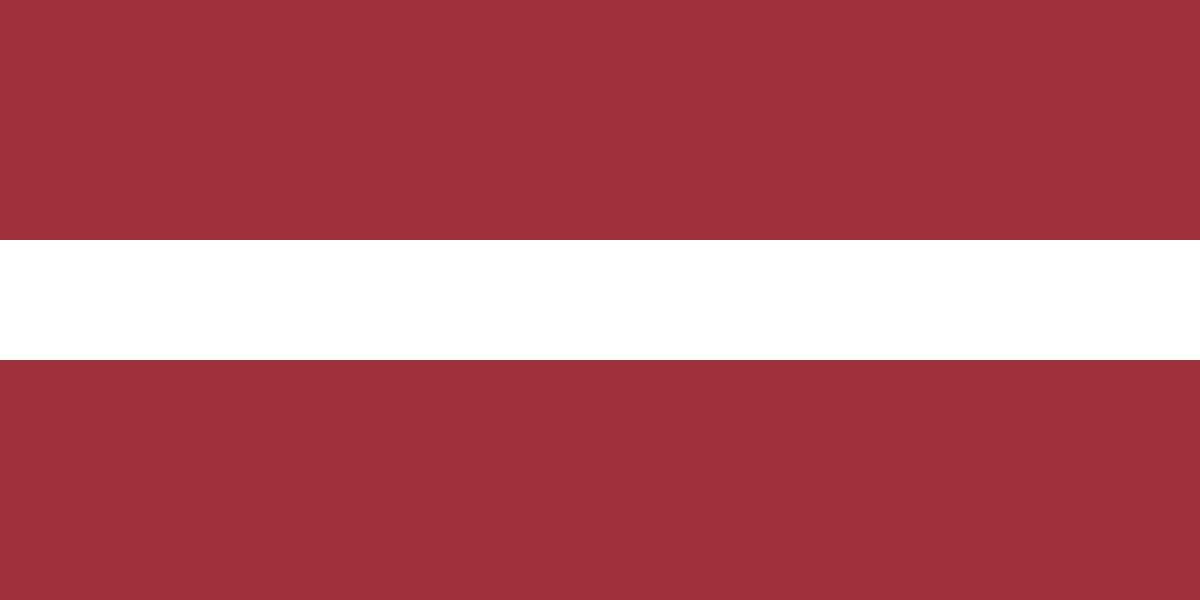 Latvia
-
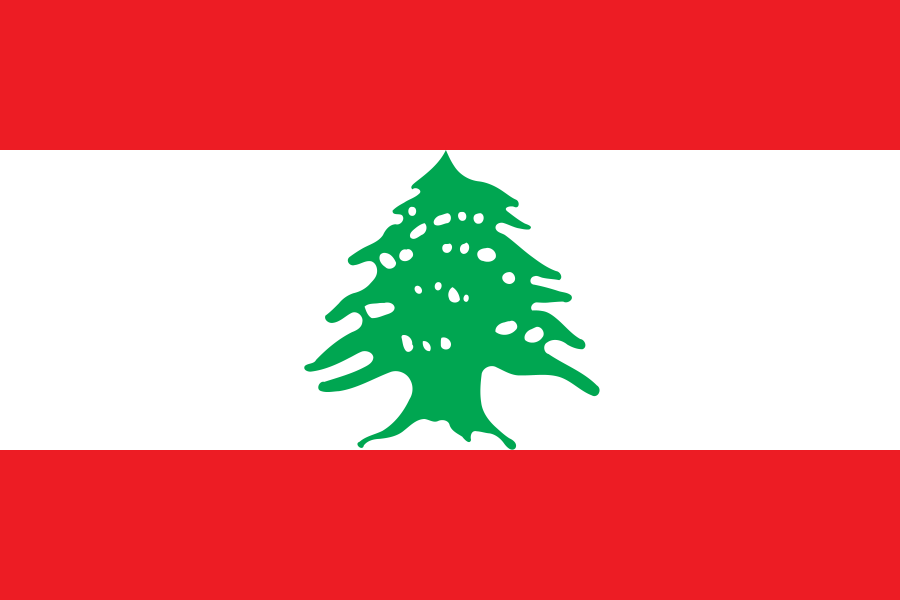 Lebanon
-
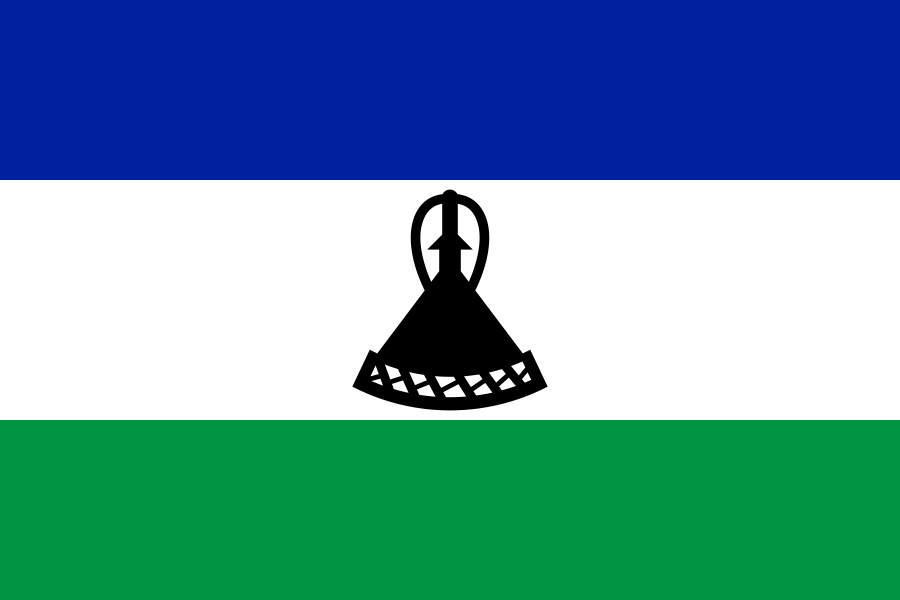 Lesotho
-
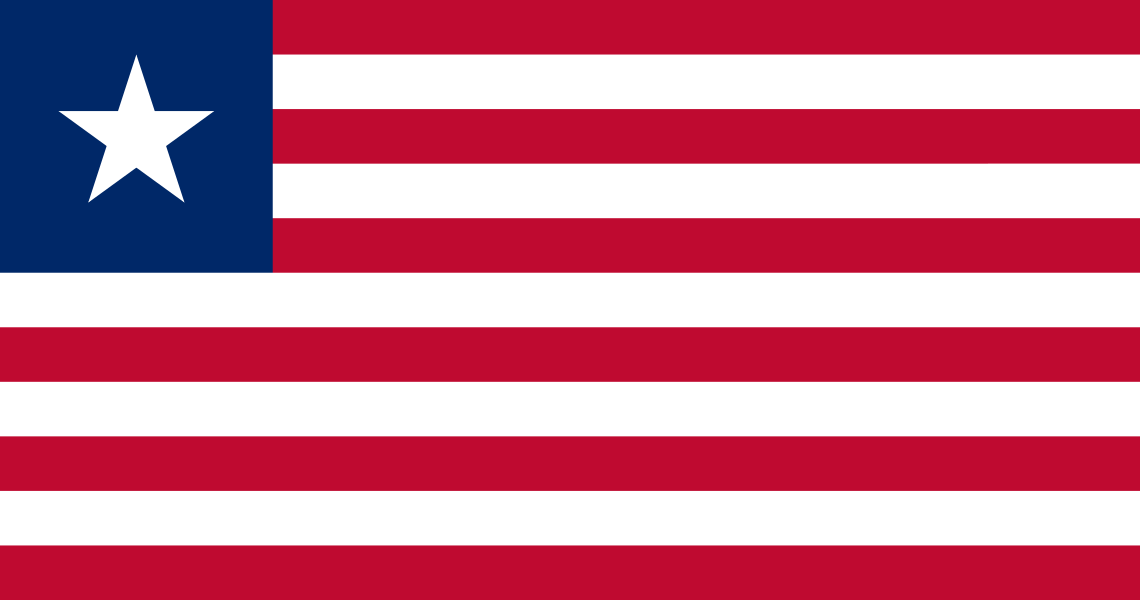 Liberia
-
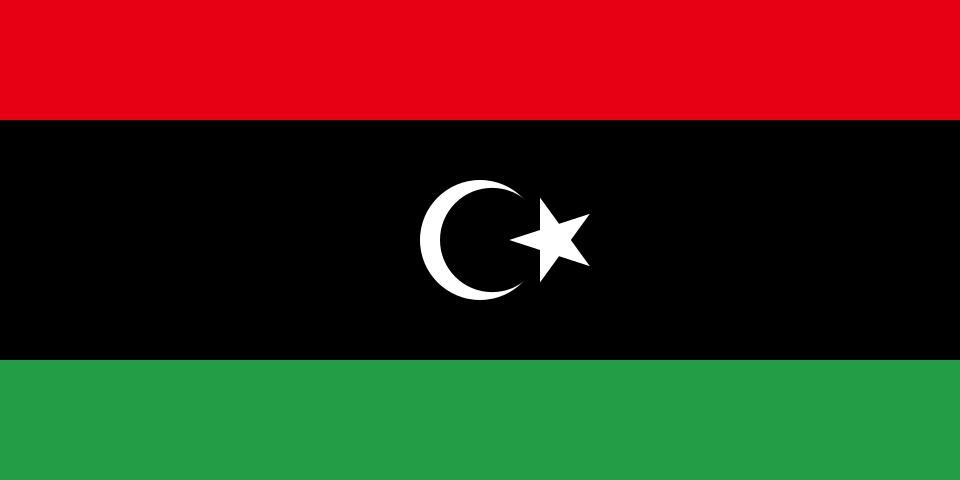 Libya
Libya
-
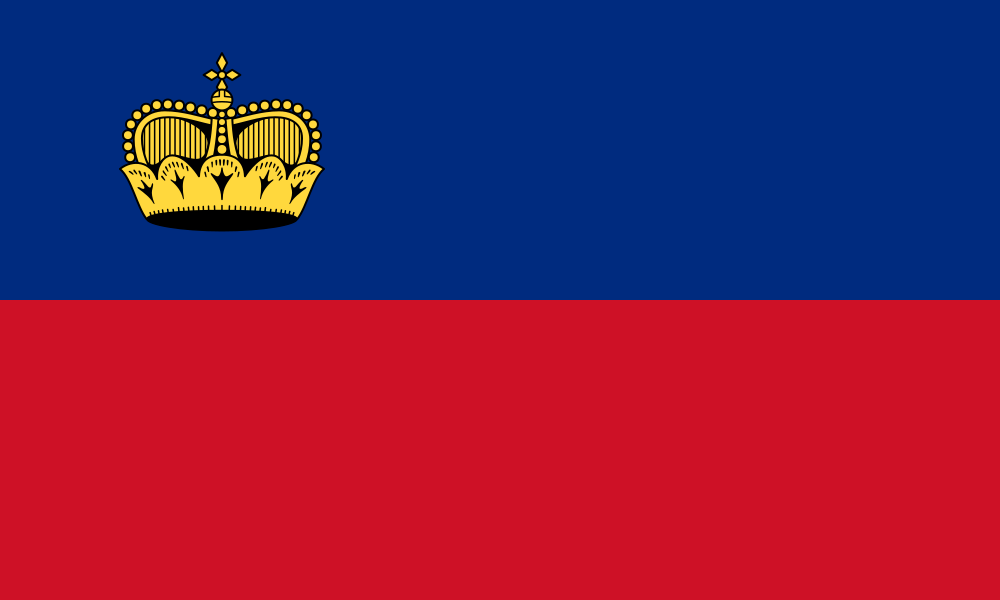 Liechtenstein
-
 Lithuania
-
 Luxembourg
-
 Macau
Macau
-
 Madagascar
-
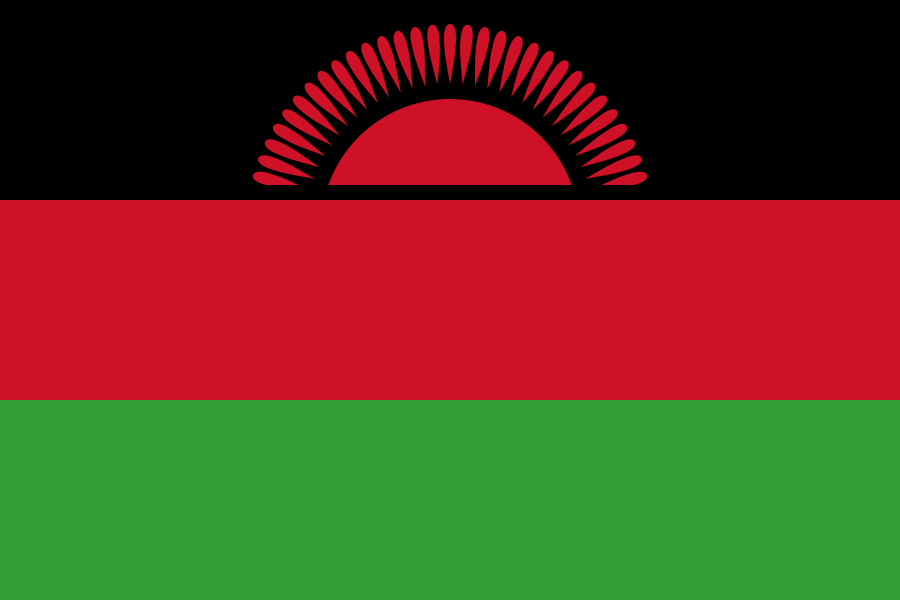 Malawi
-
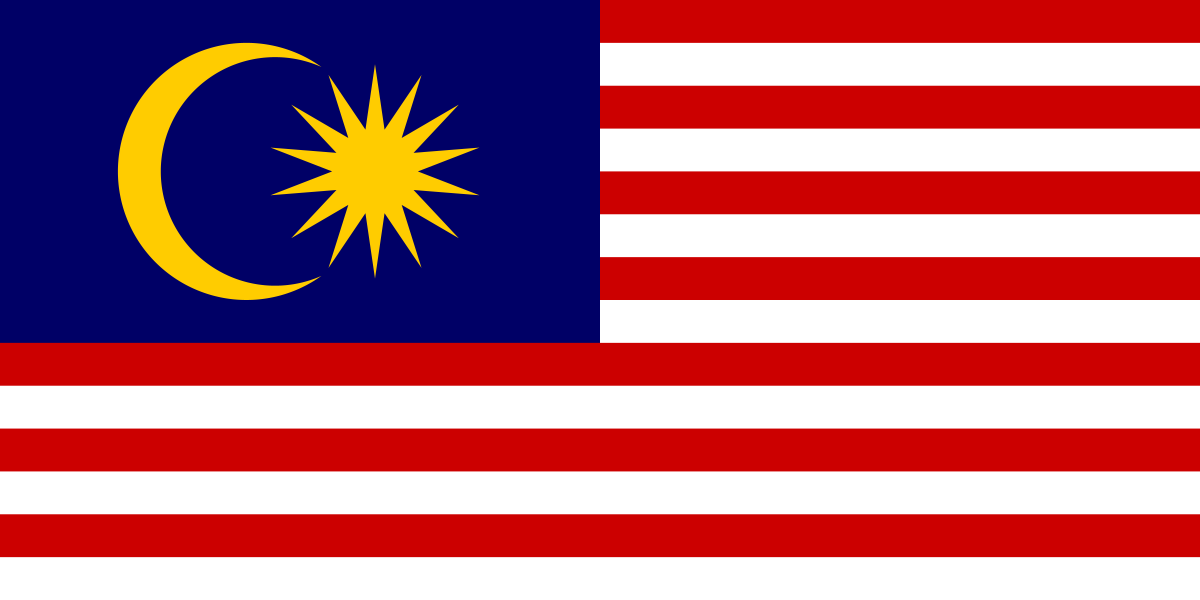 Malaysia
-
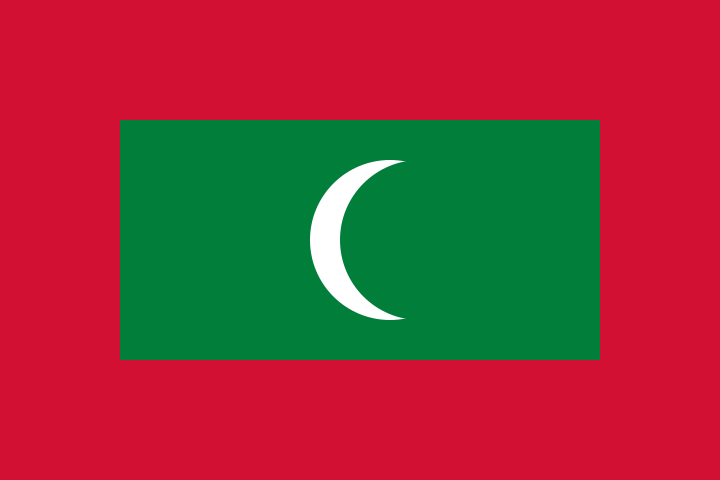 Maldives
-
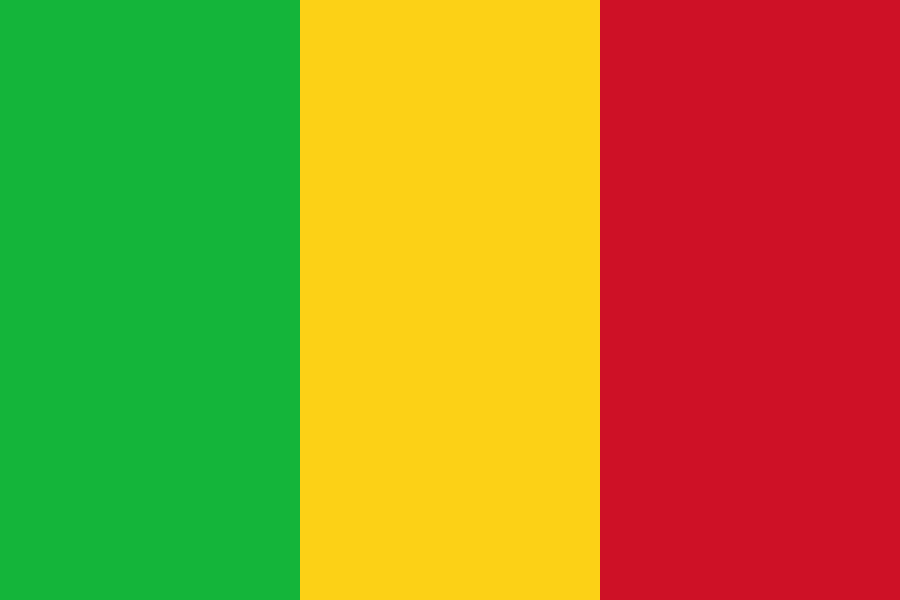 Mali
Mali
-
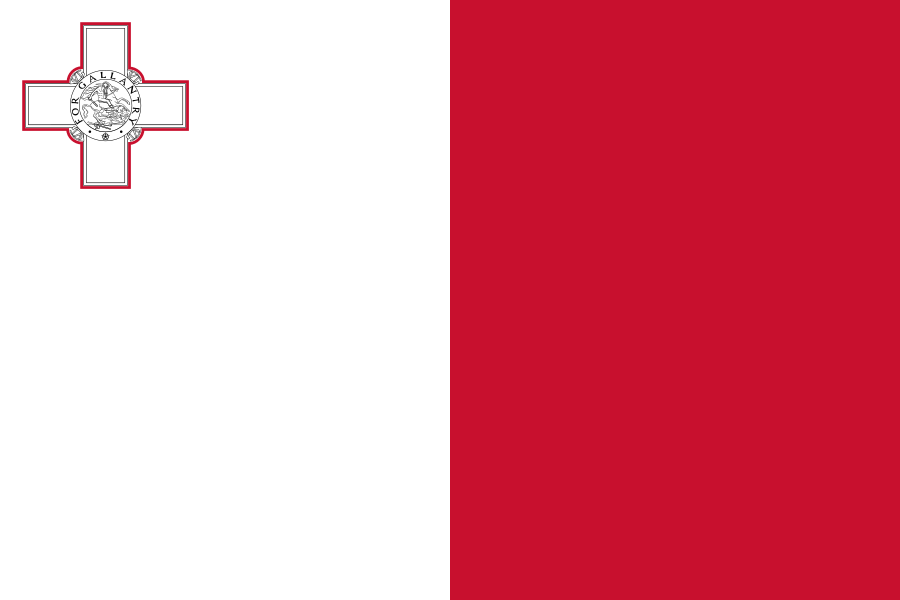 Malta
Malta
-
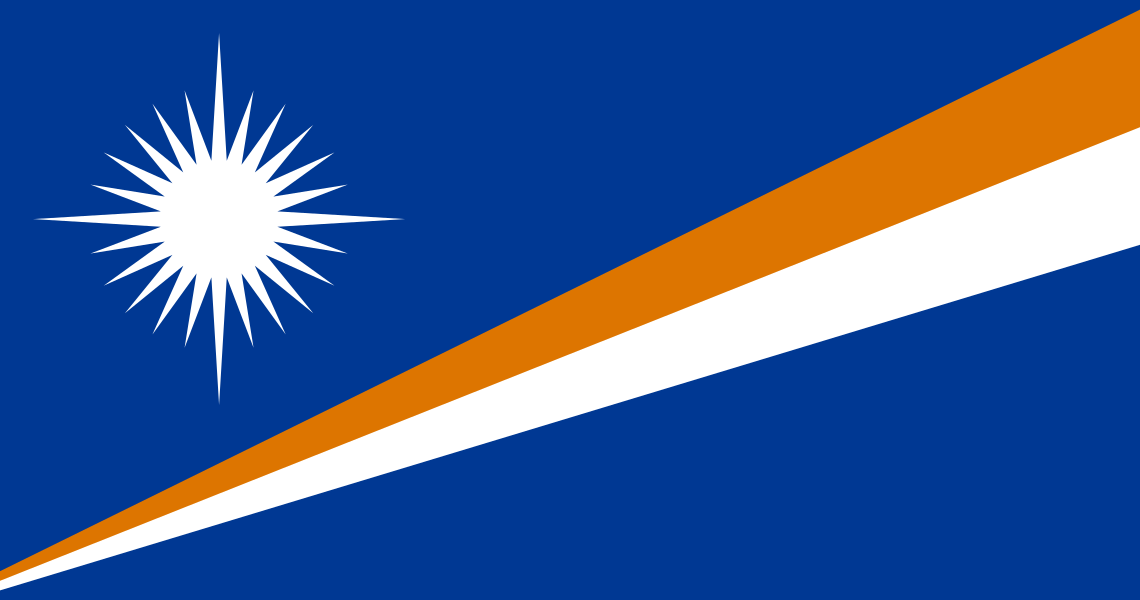 Marshall Islands
-
Martinique
-
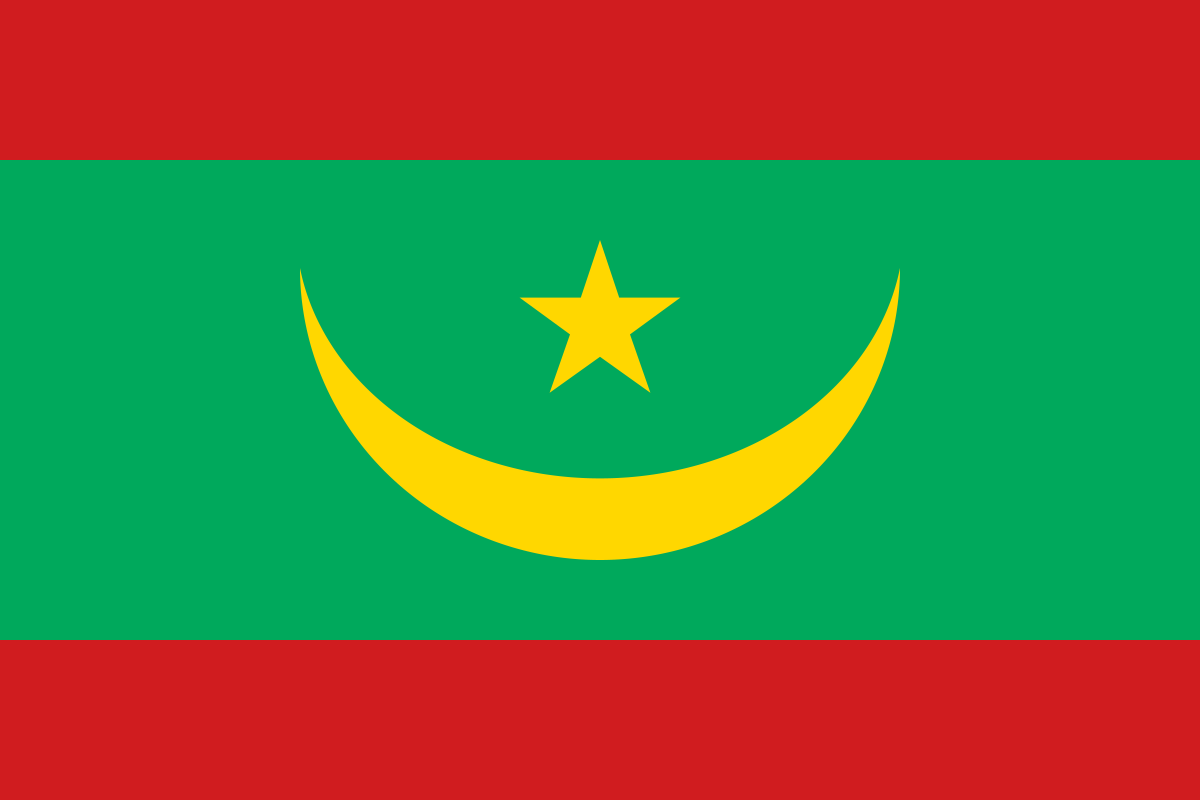 Mauritania
-
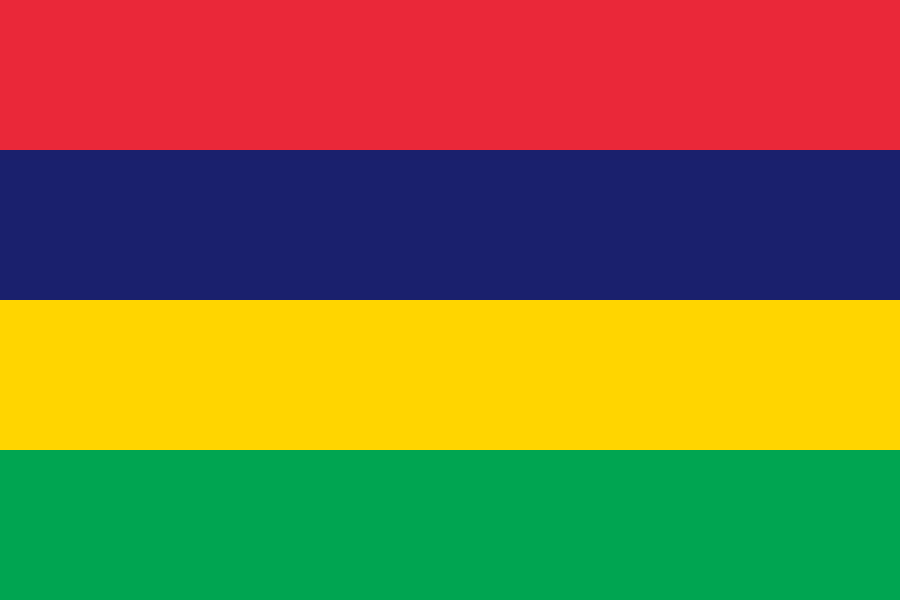 Mauritius
-
Mayotte
-
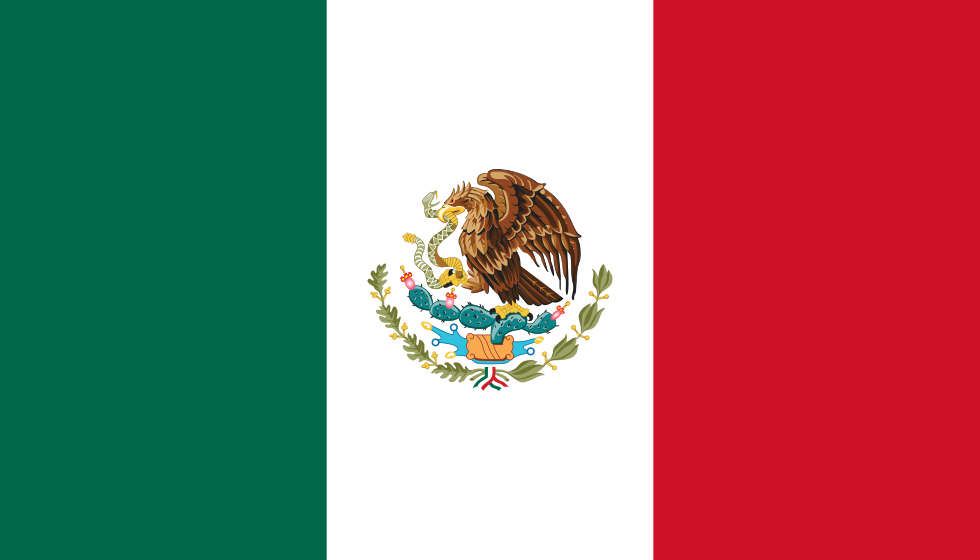 Mexico
-
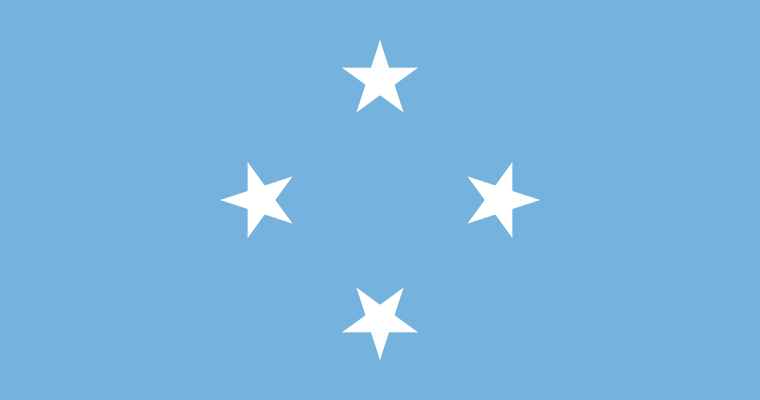 Micronesia
-
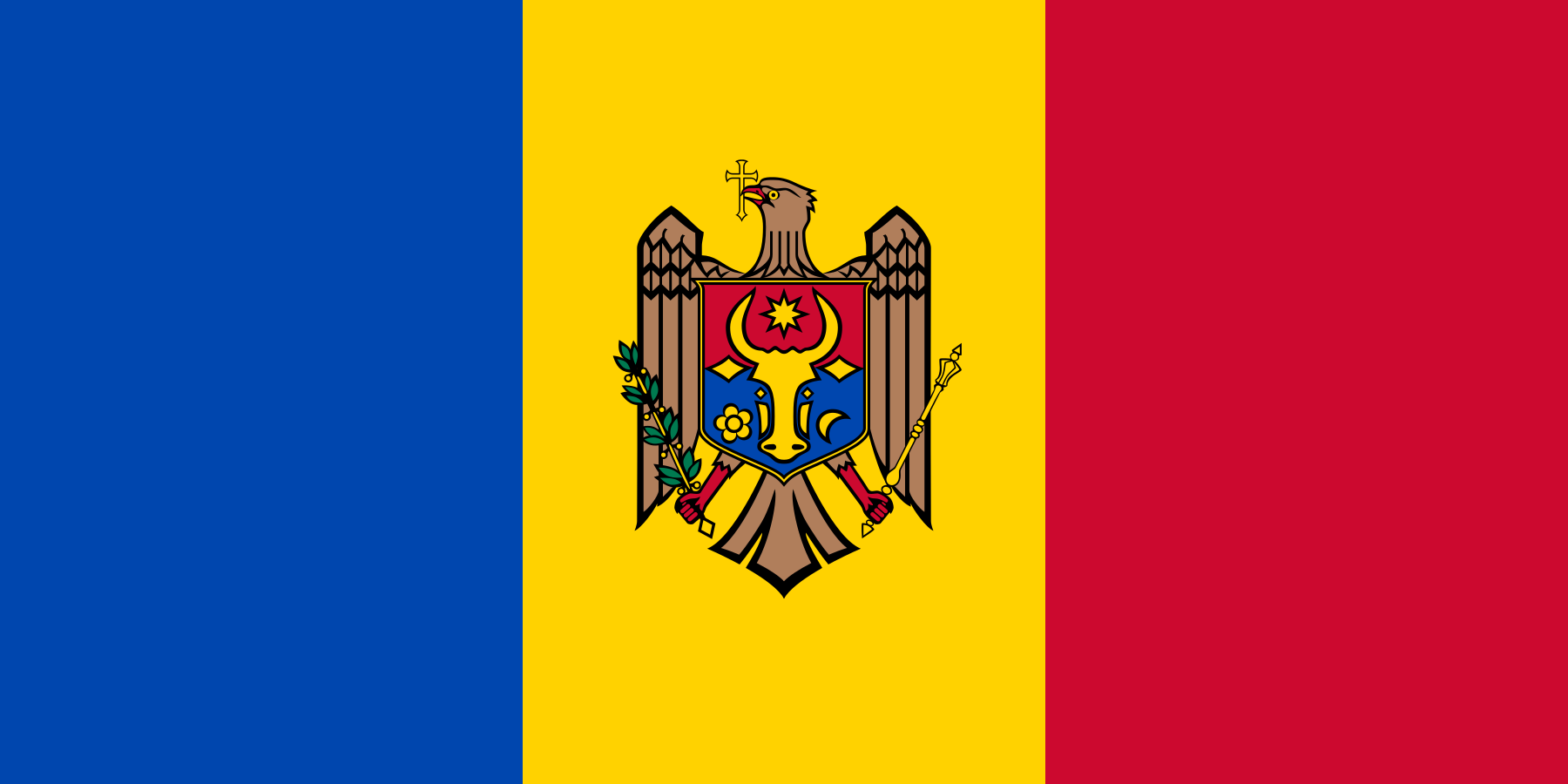 Moldova
-
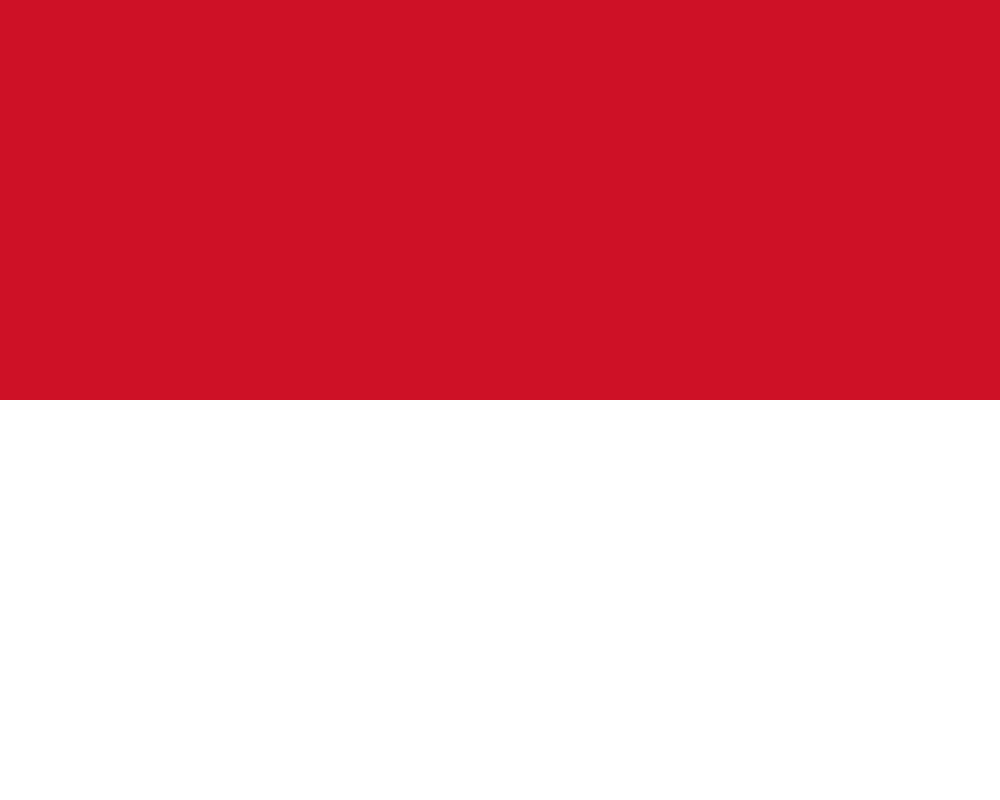 Monaco
-
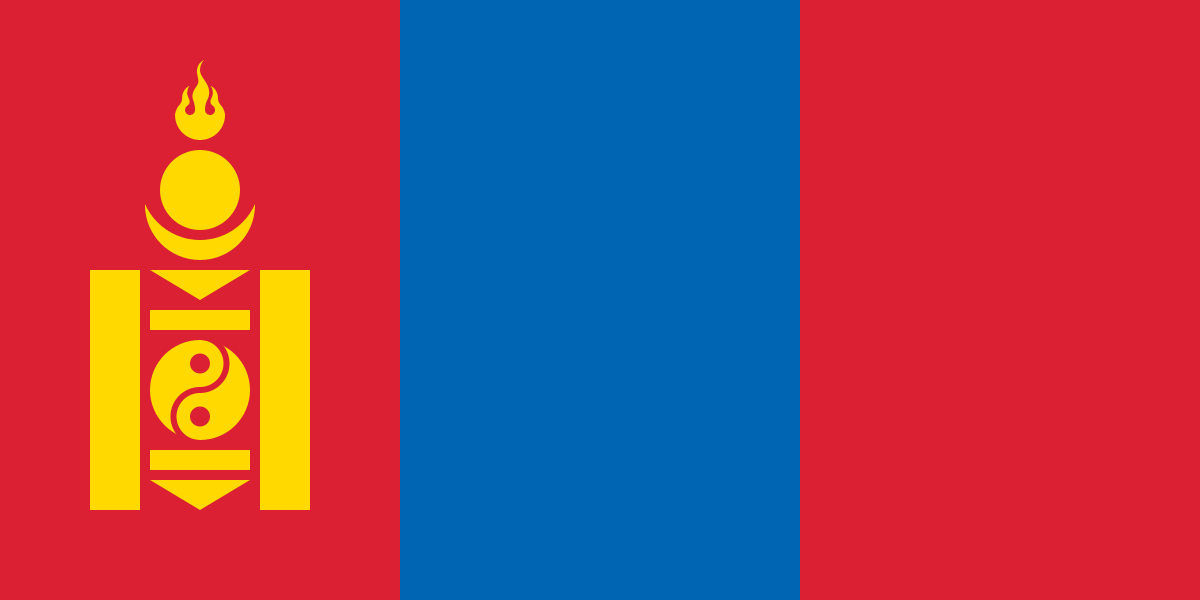 Mongolia
-
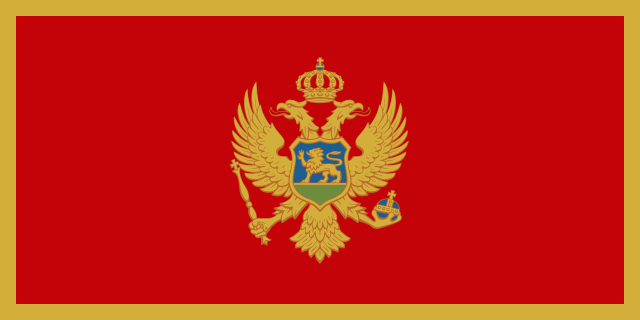 Montenegro
-
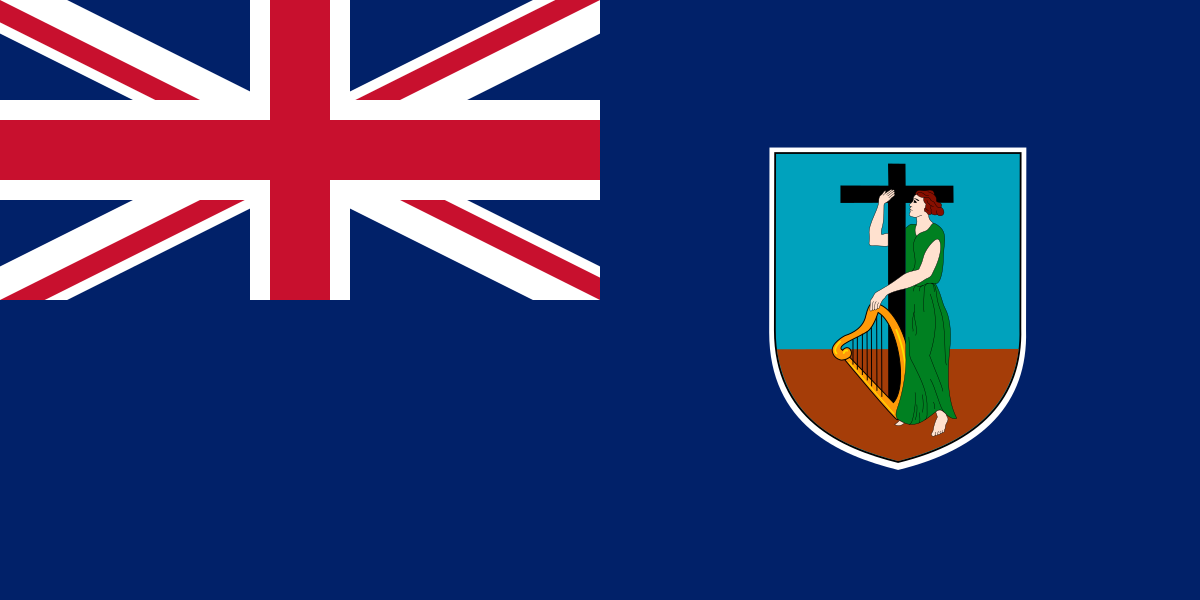 Montserrat
-
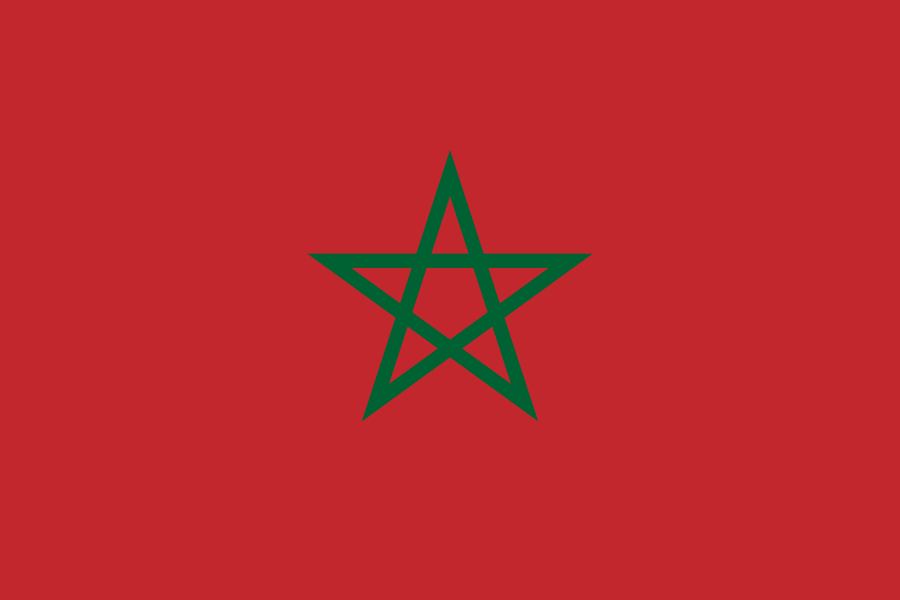 Morocco
-
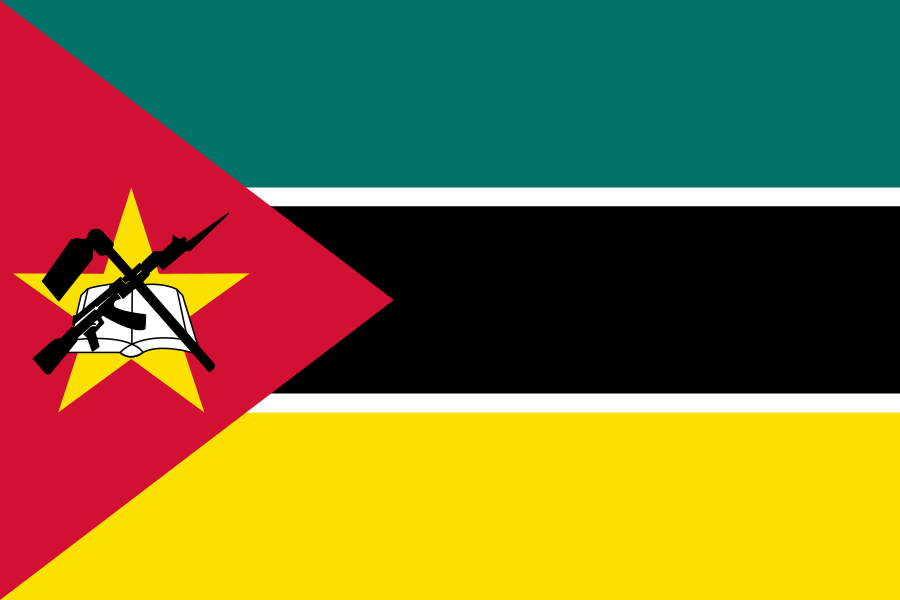 Mozambique
-
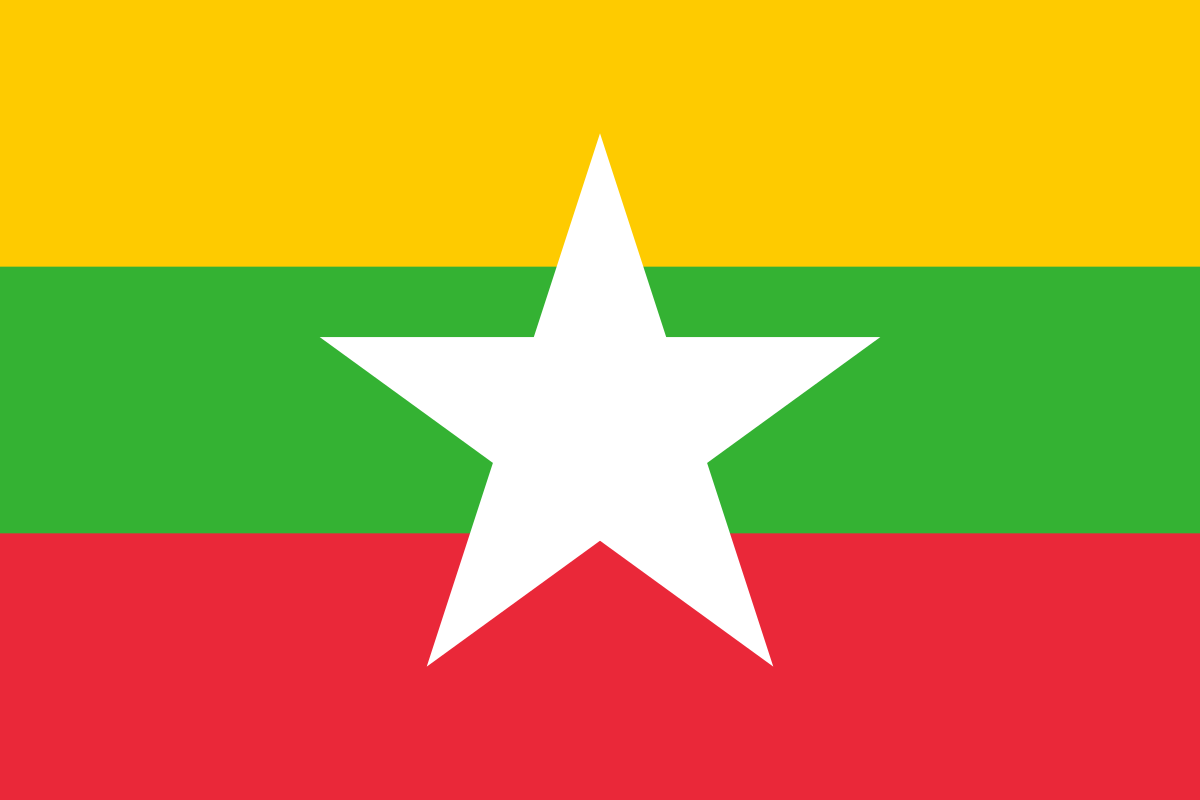 Myanmar
-
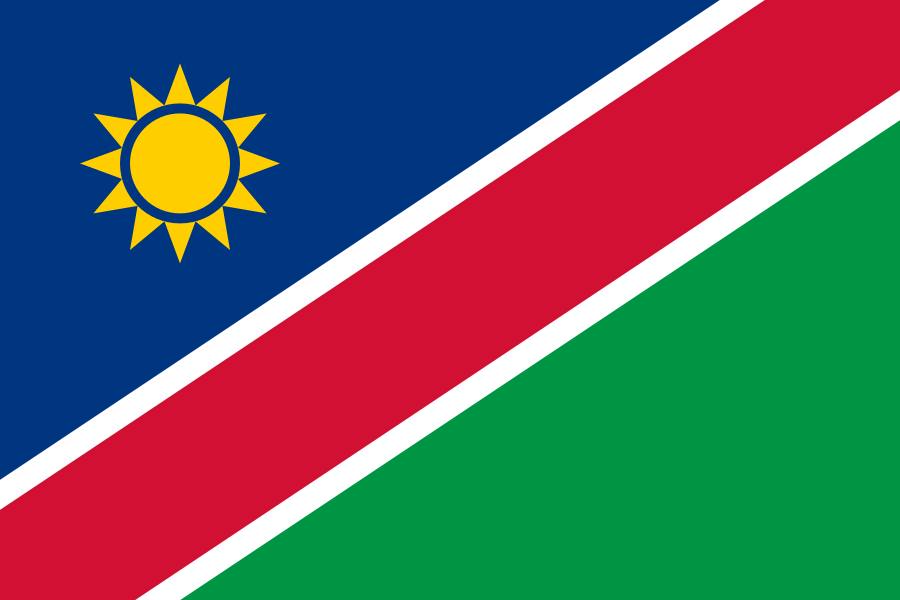 Namibia
-
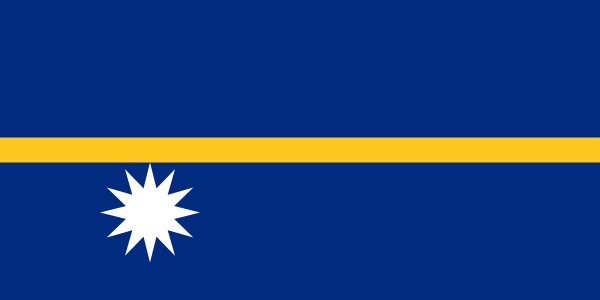 Nauru
Nauru
-
 Nepal
Nepal
-
Netherlands
-
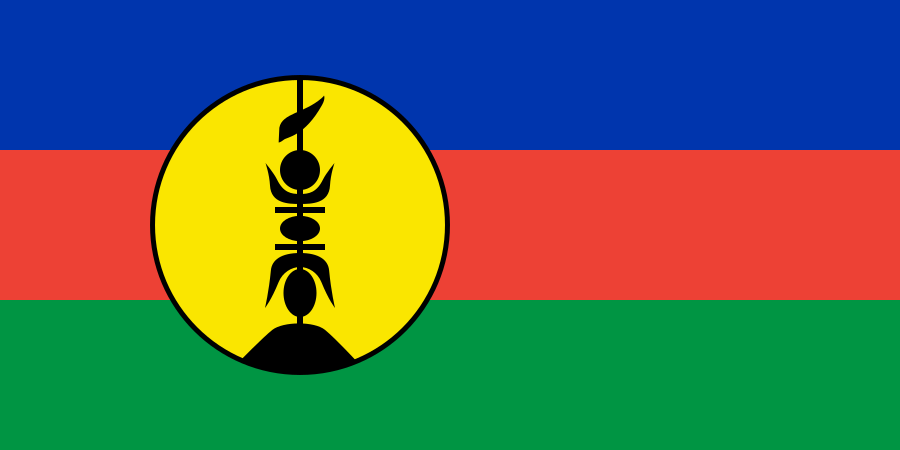 New Caledonia
-
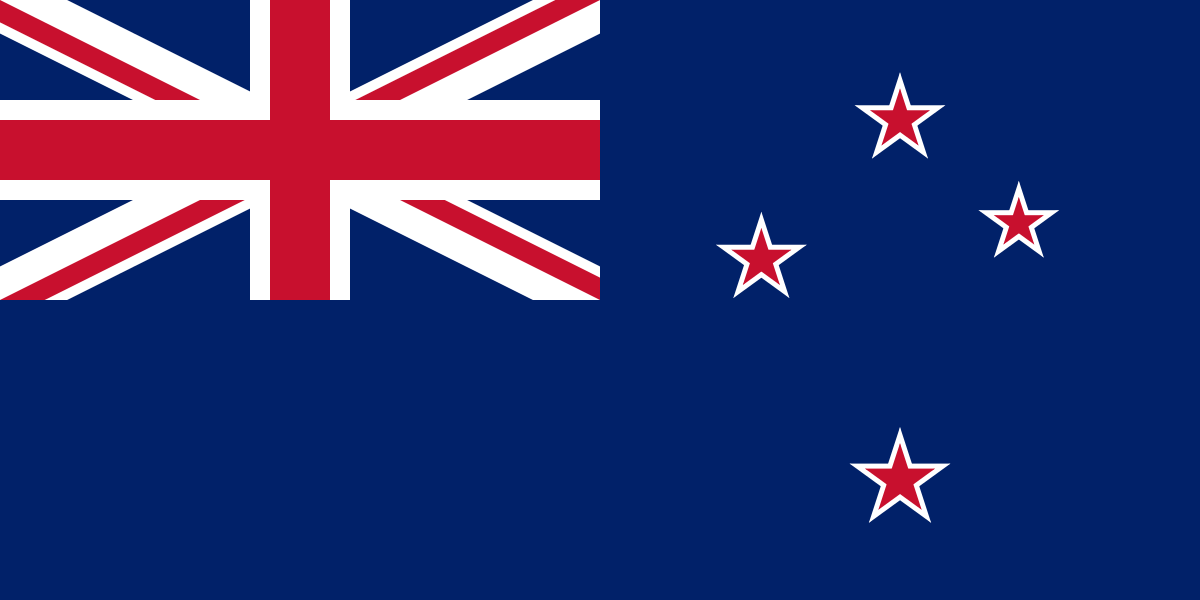 New Zealand
-
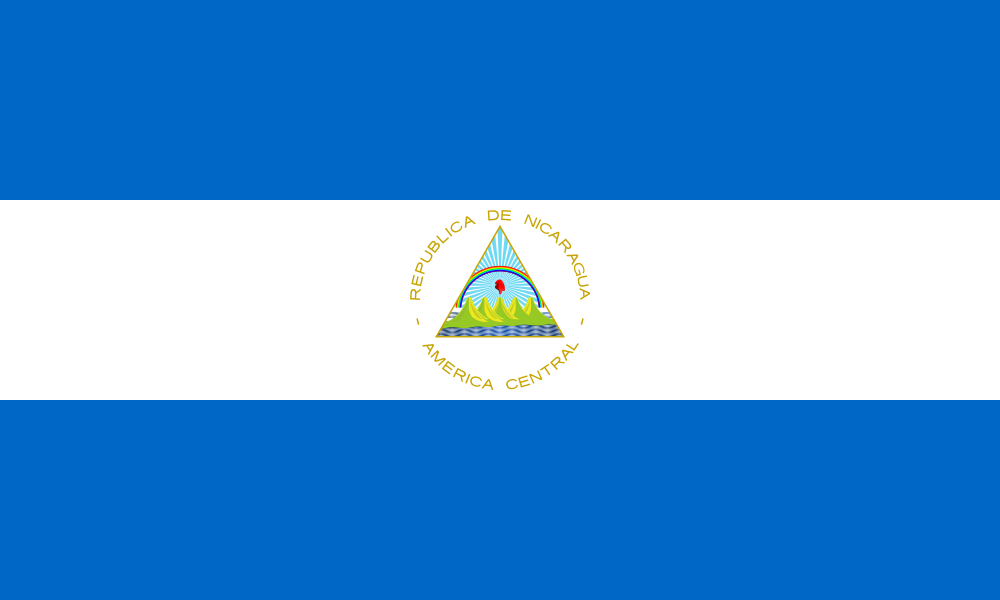 Nicaragua
-
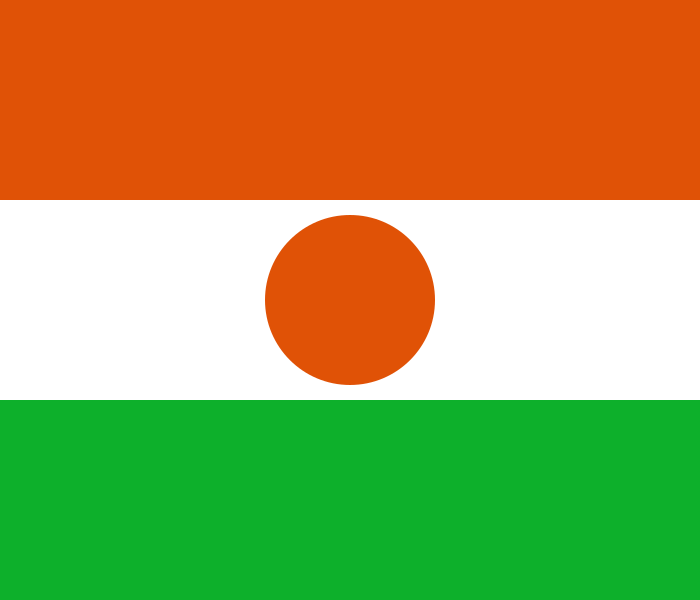 Niger
Niger
-
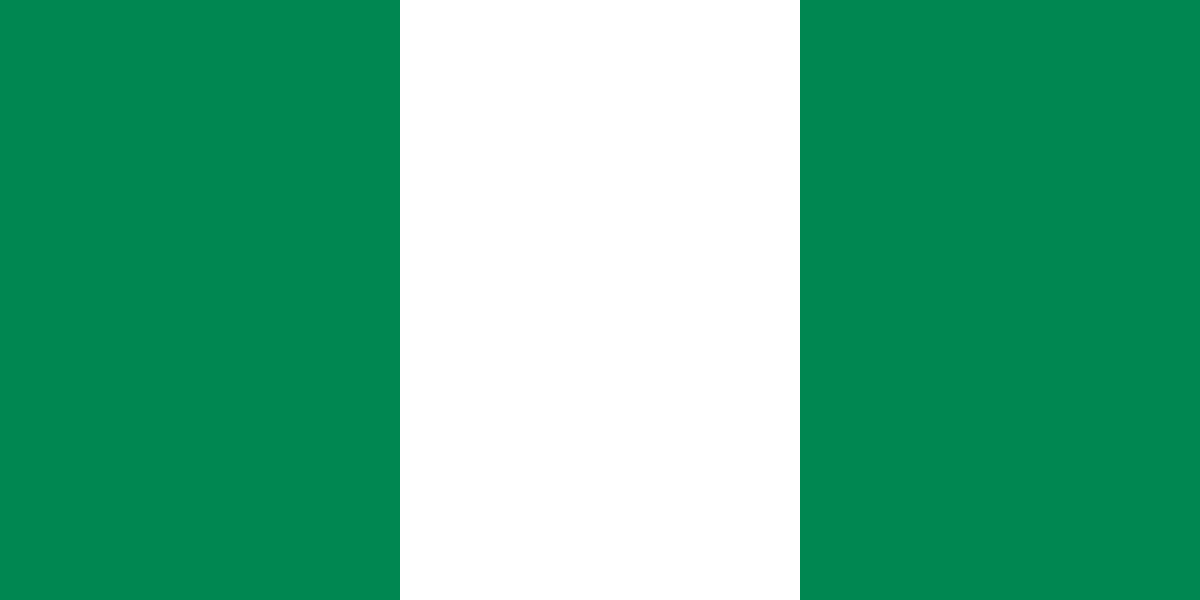 Nigeria
-
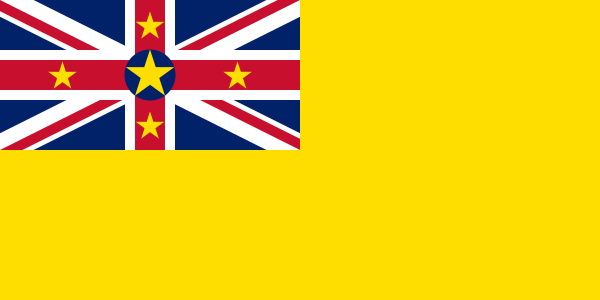 Niue
Niue
-
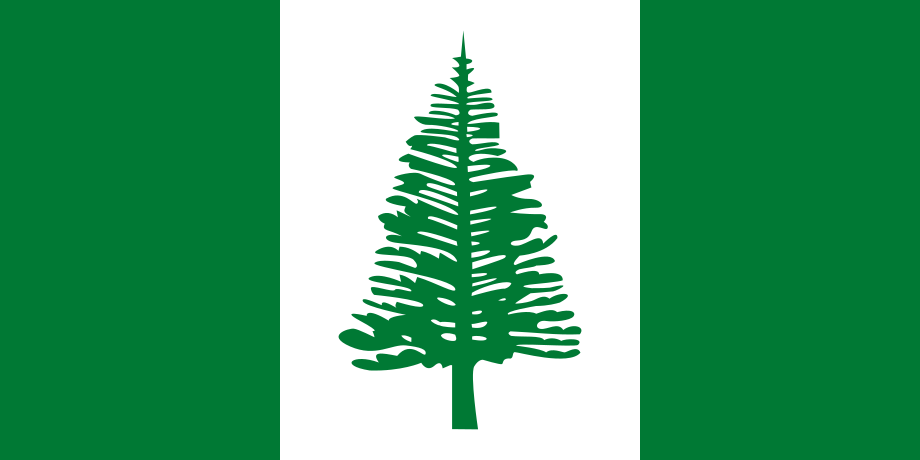 Norfolk Island
-
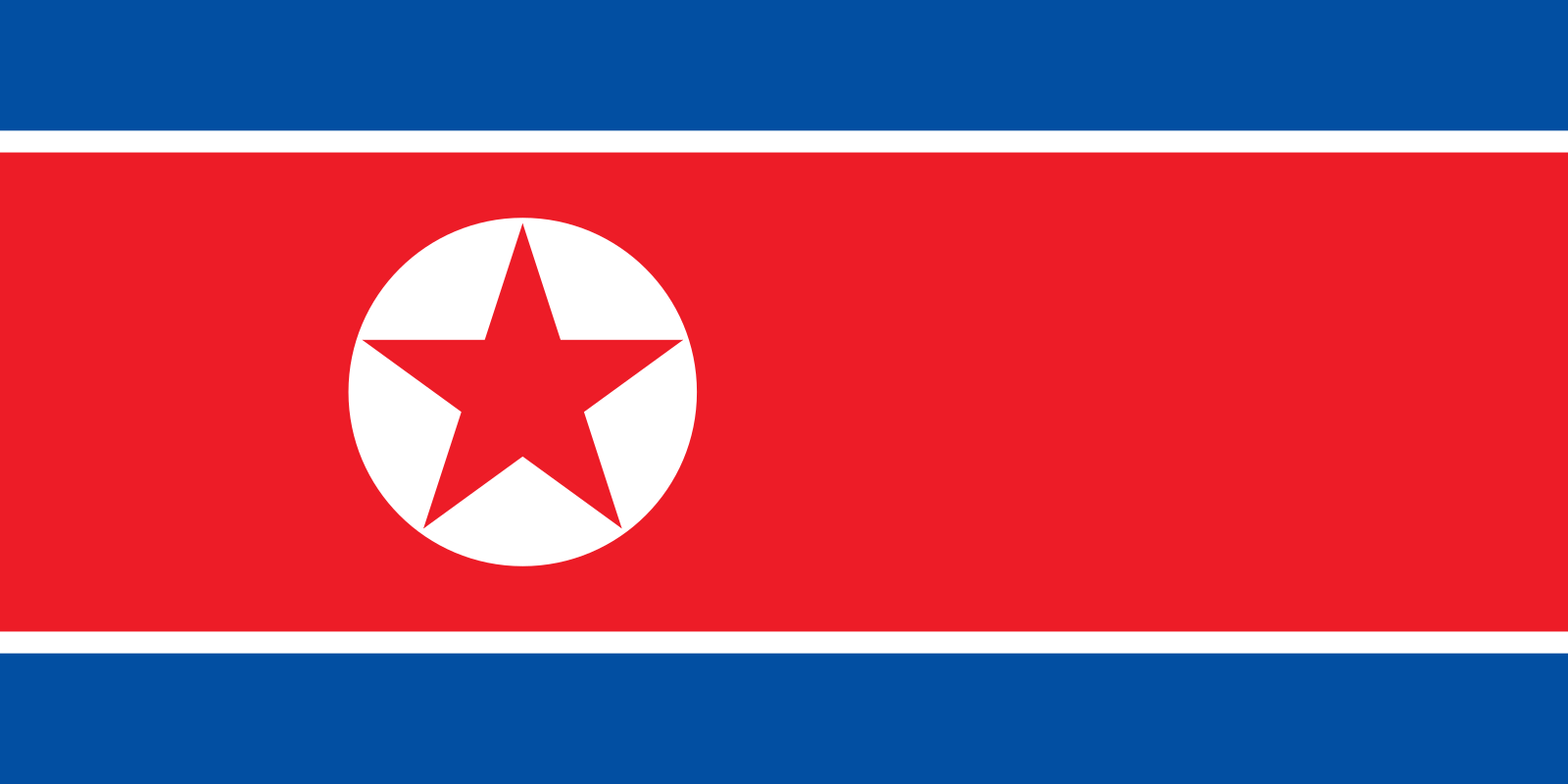 North Korea
-
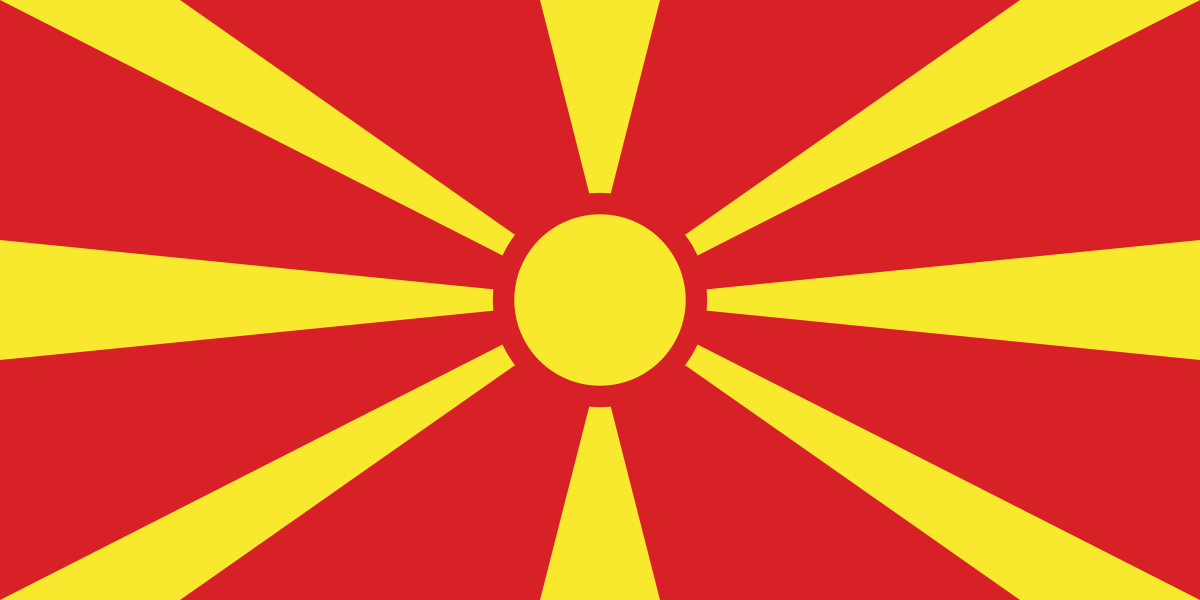 North Macedonia
-
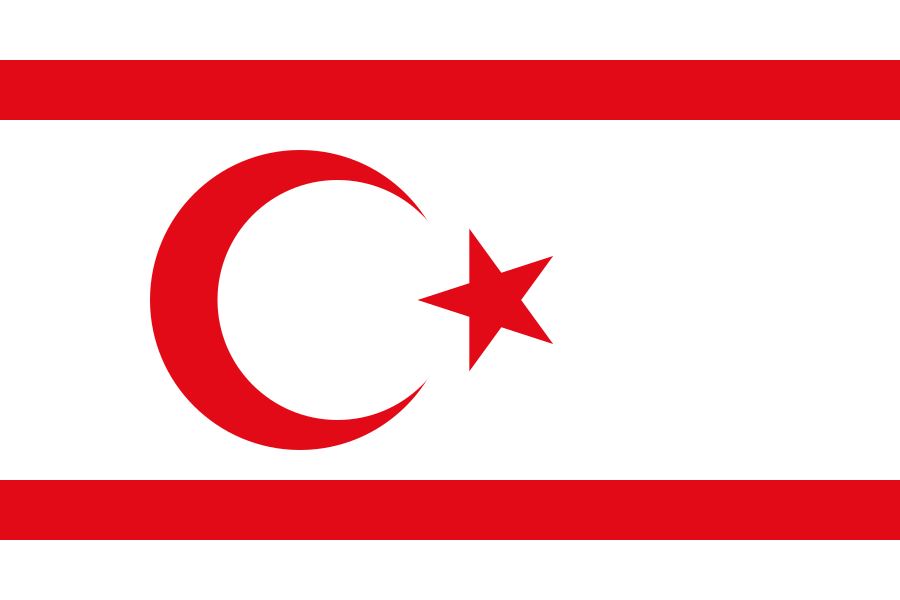 Northern Cyprus
-
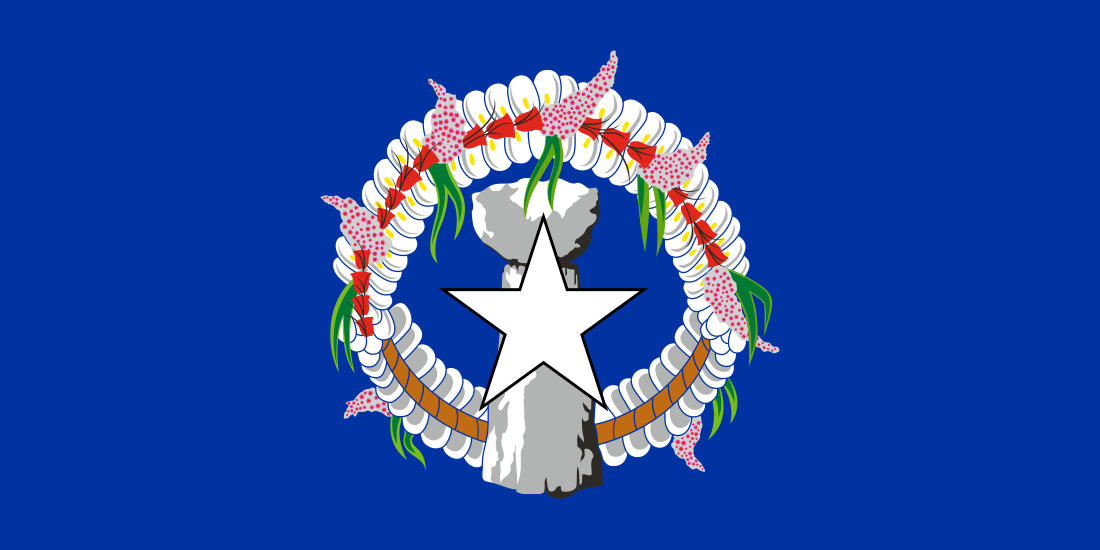 Northern Mariana Islands
-
 Norway
-
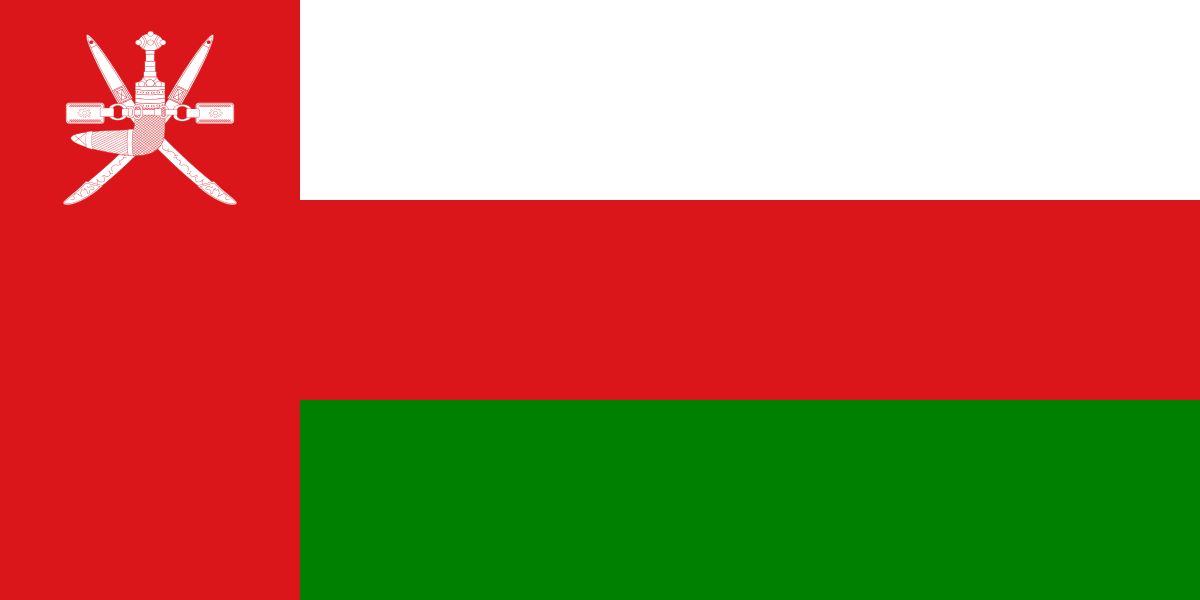 Oman
Oman
-
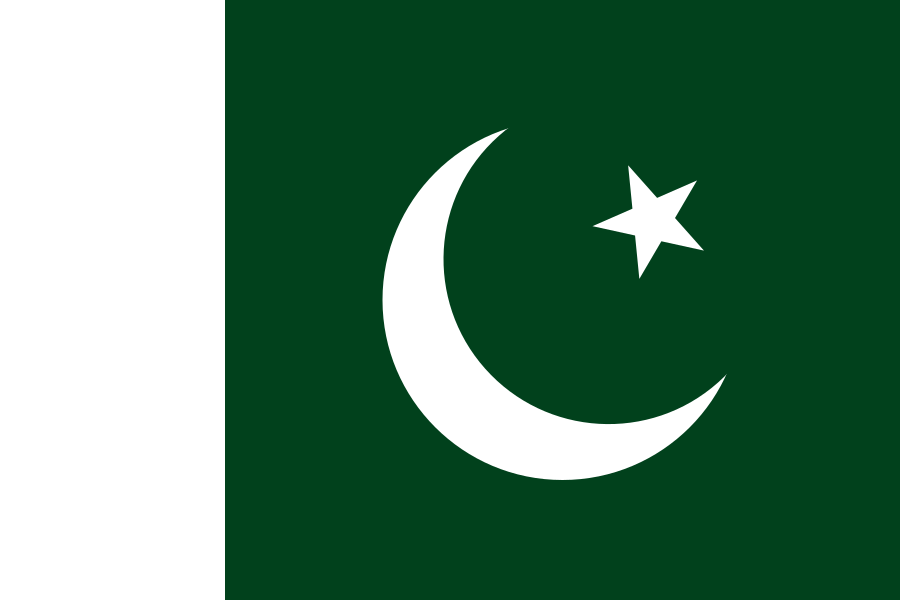 Pakistan
-
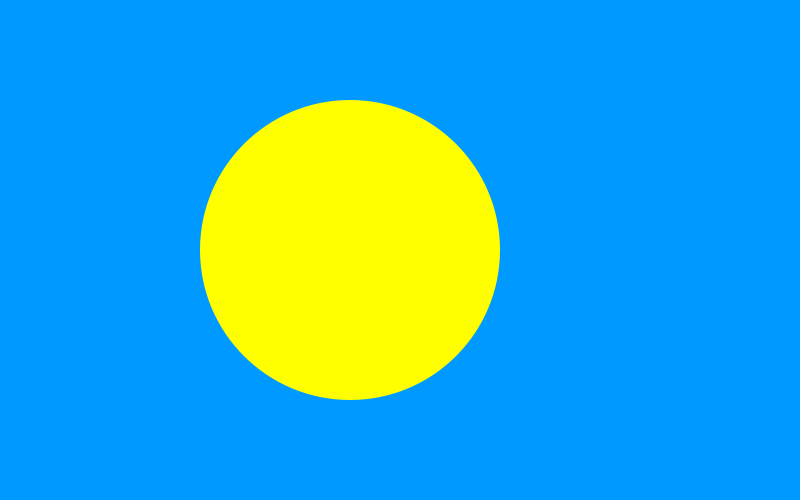 Palau
Palau
-
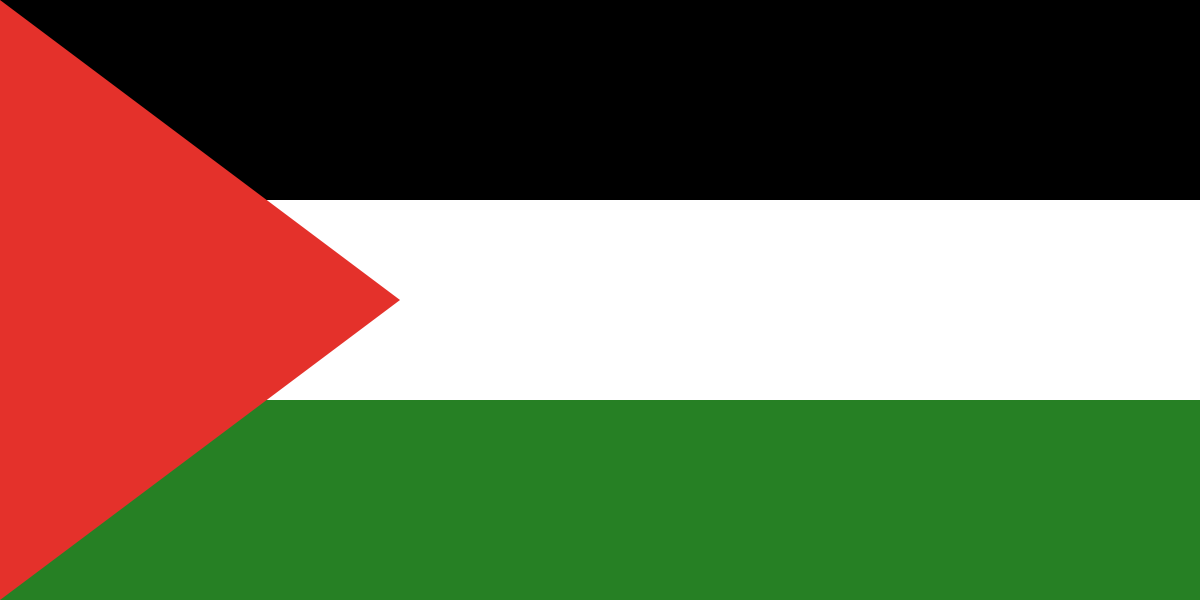 Palestine
-
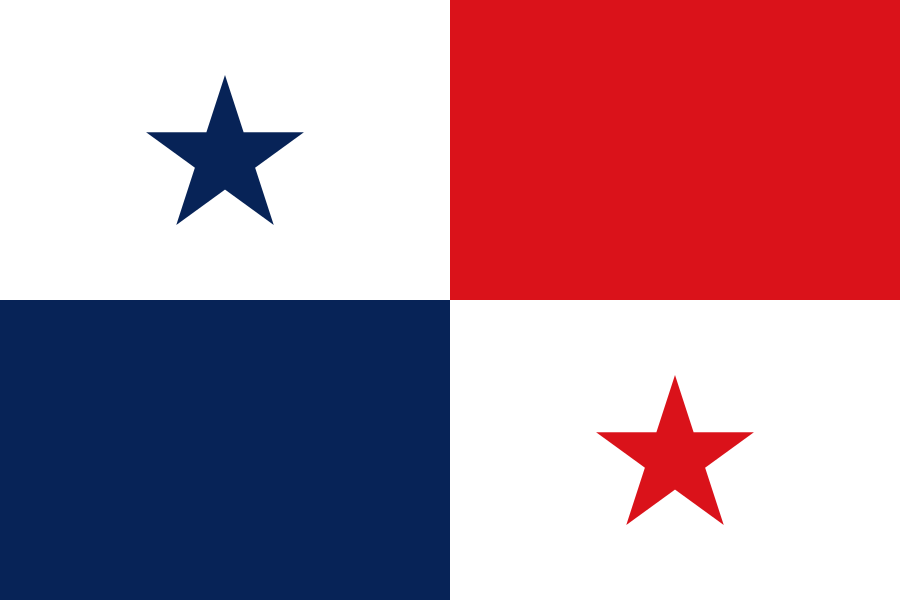 Panama
-
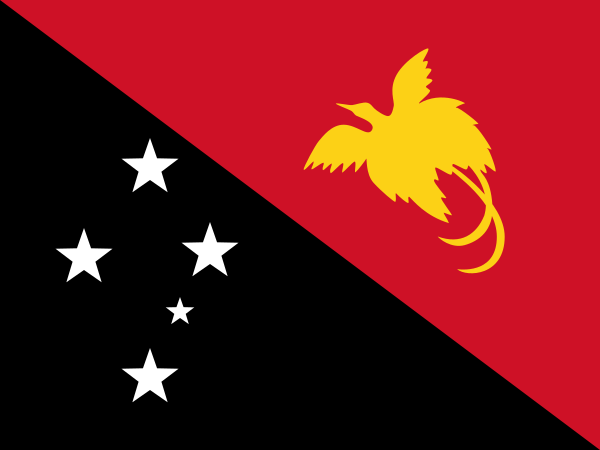 Papua New Guinea
-
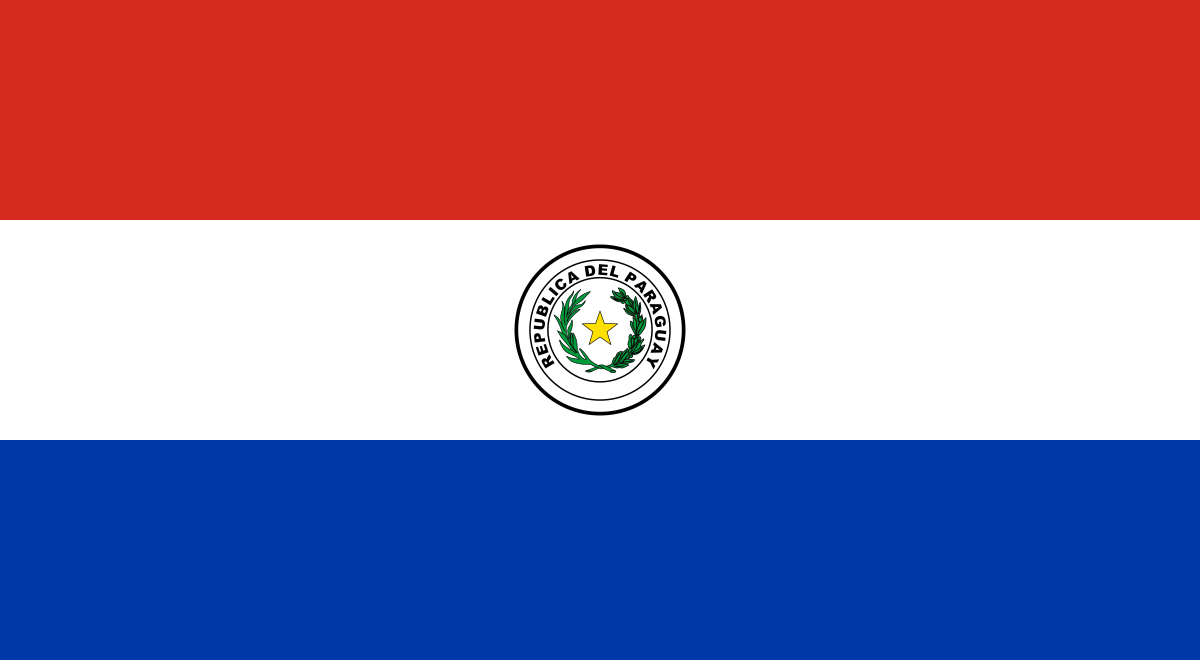 Paraguay
-
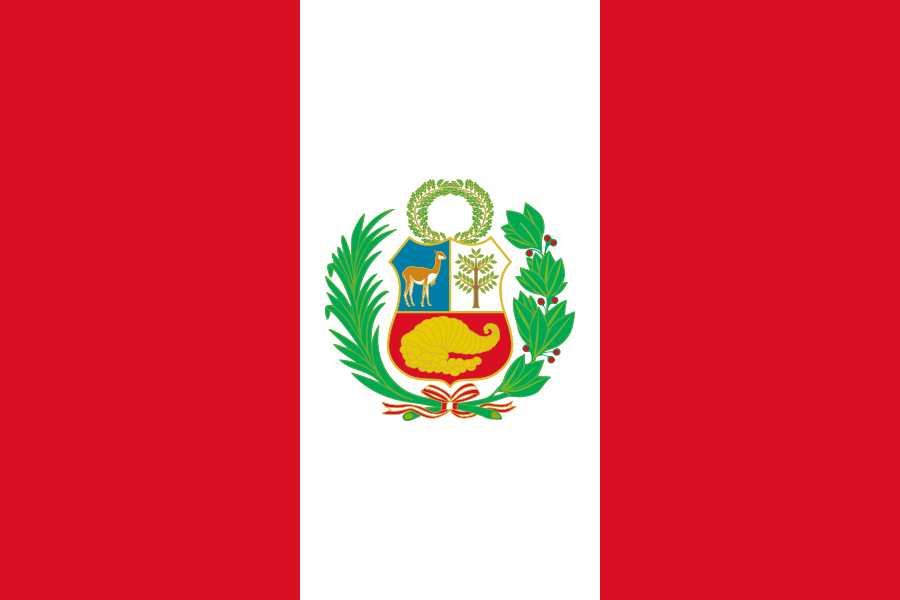 Peru
Peru
-
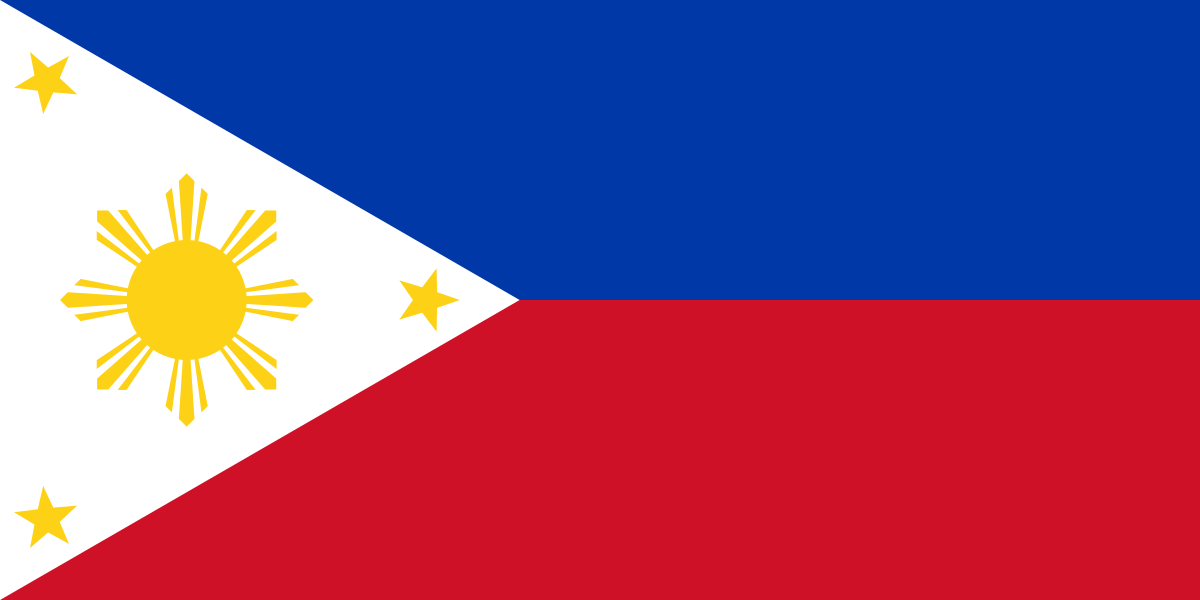 Philippines
-
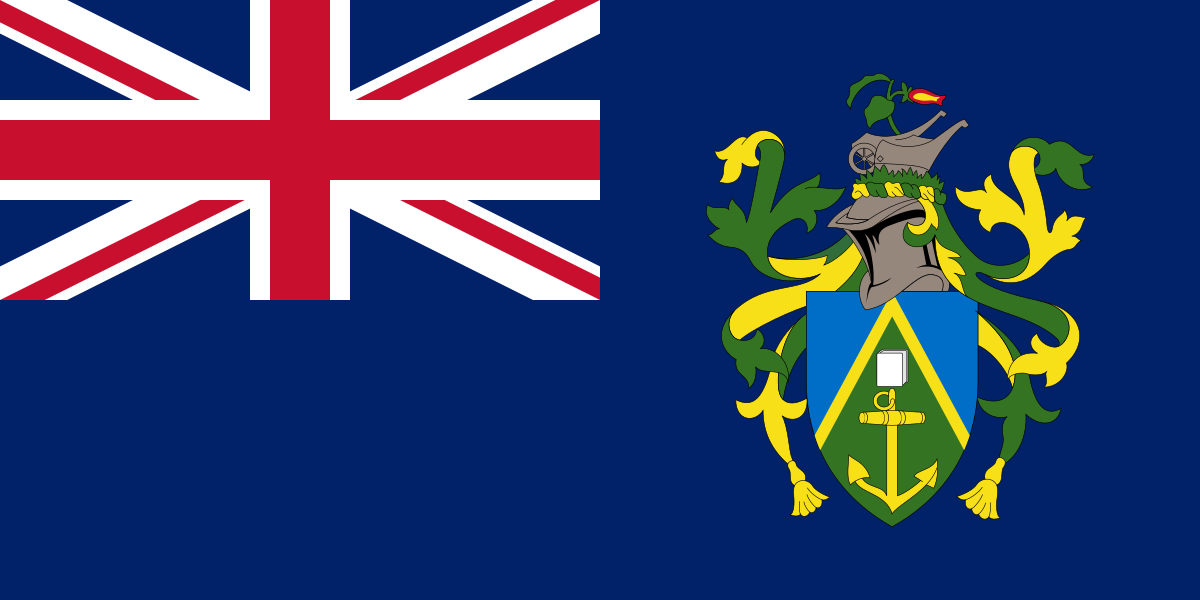 Pitcairn Islands
-
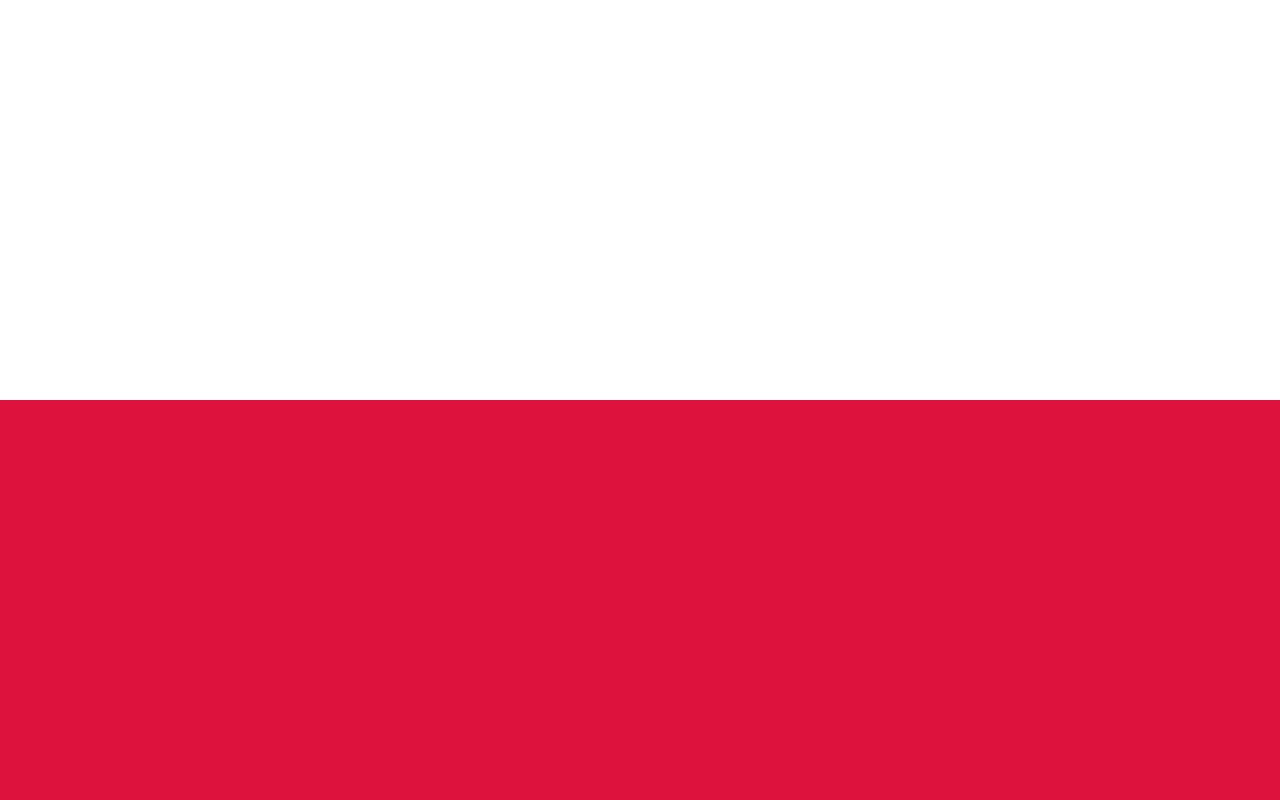 Poland
-
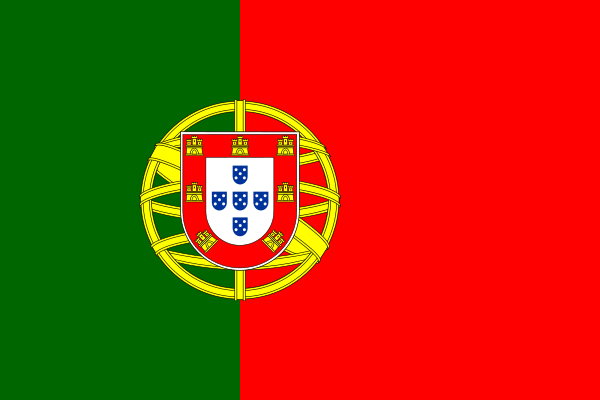 Portugal
-
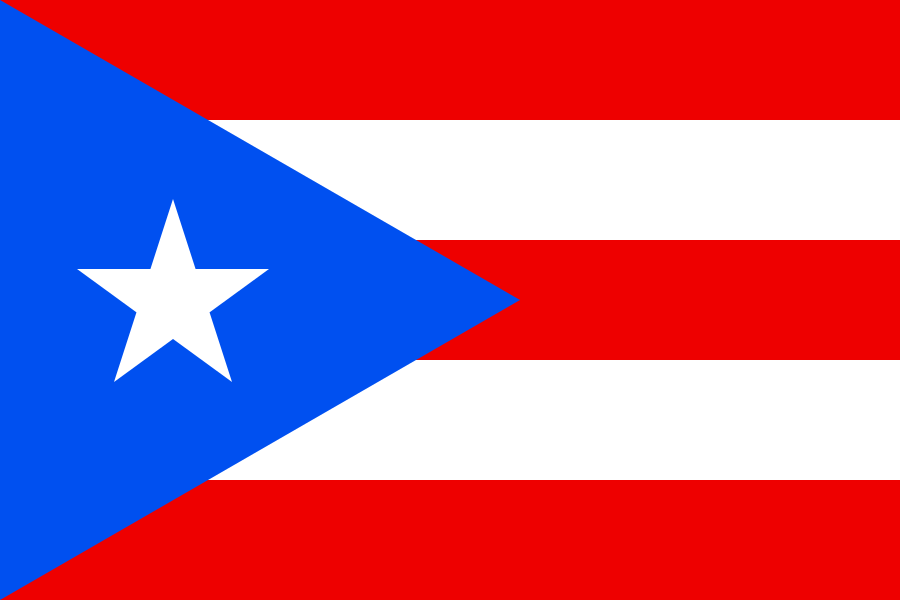 Puerto Rico
-
 Qatar
Qatar
-
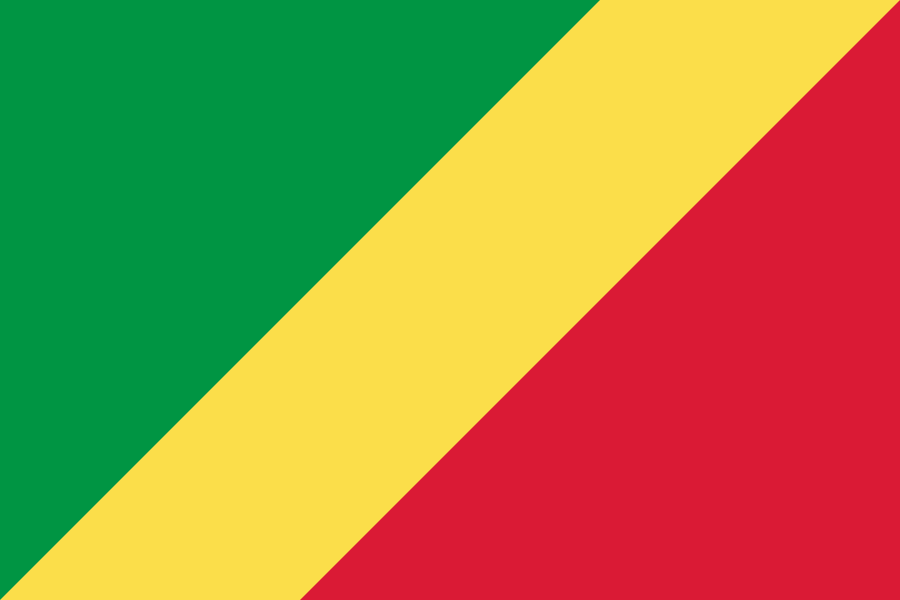 Republic of the Congo
-
Reunion
-
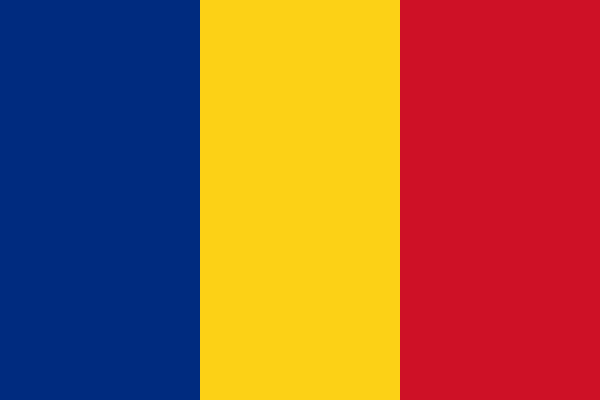 Romania
-
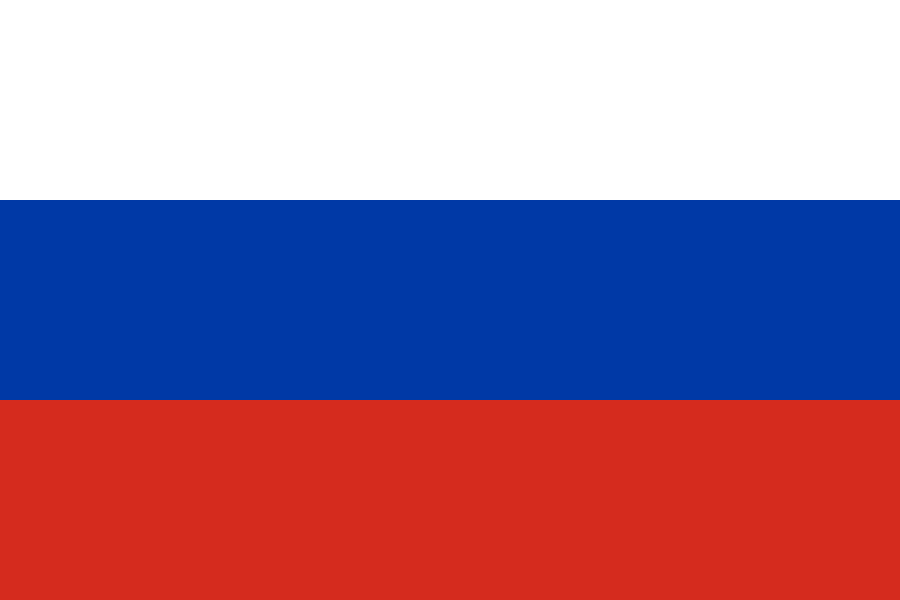 Russia
-
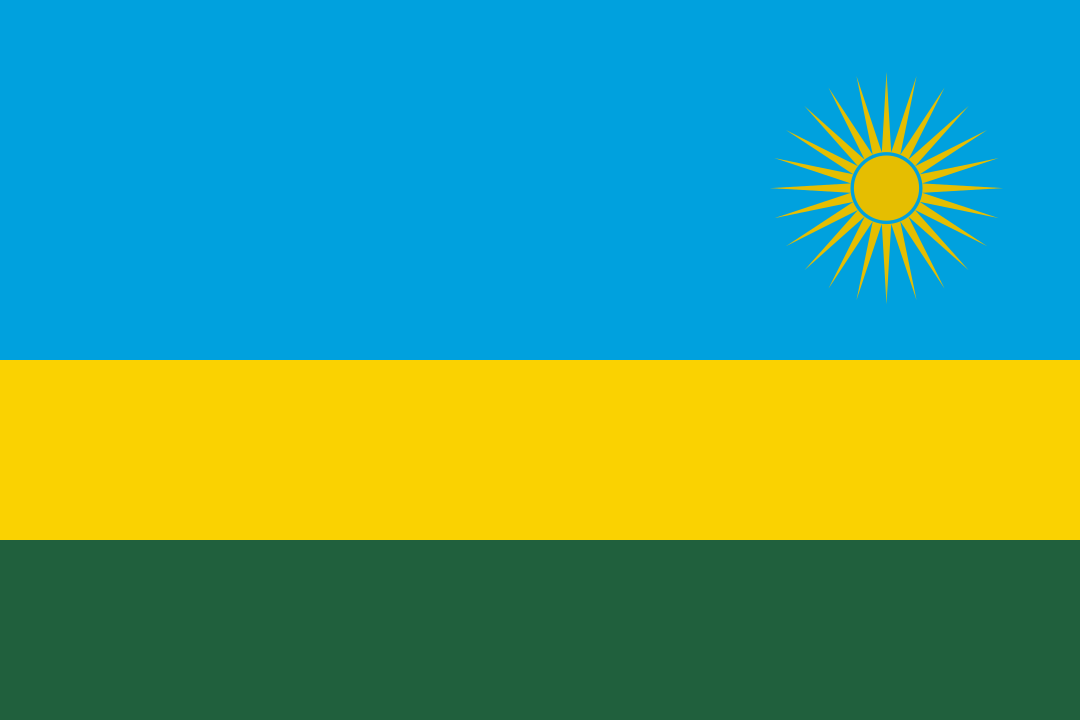 Rwanda
-
Saint Barthélemy
-
 Saint Helena And Dependencies
-
 Saint Kitts and Nevis
-
 Saint Lucia
-
Saint Martin
-
 Saint Pierre and Miquelon
-
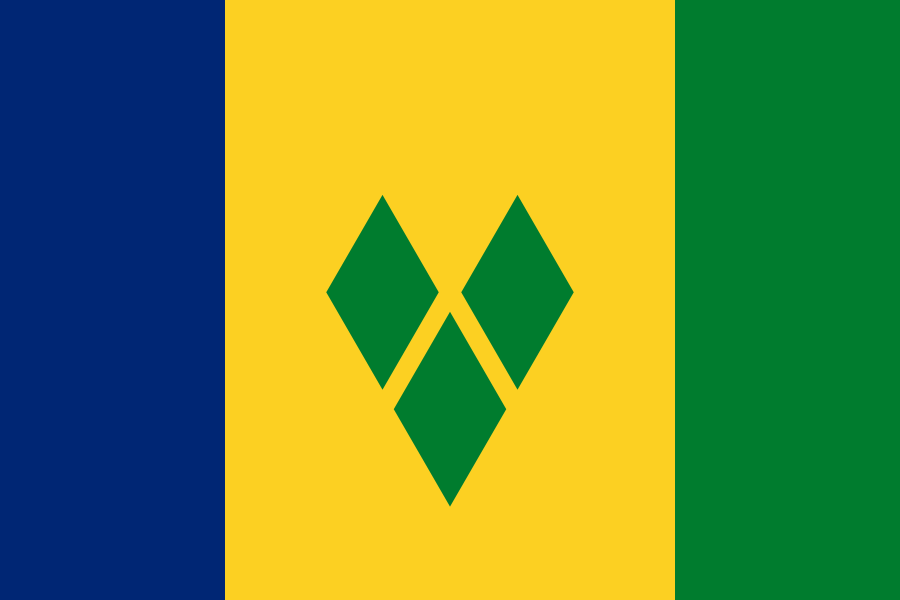 Saint Vincent and the Grenadines
-
 Samoa
Samoa
-
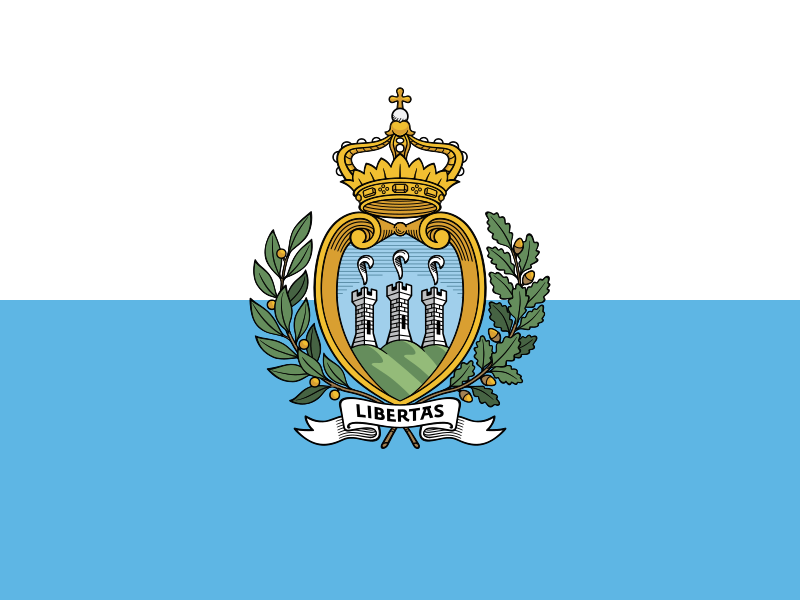 San Marino
-
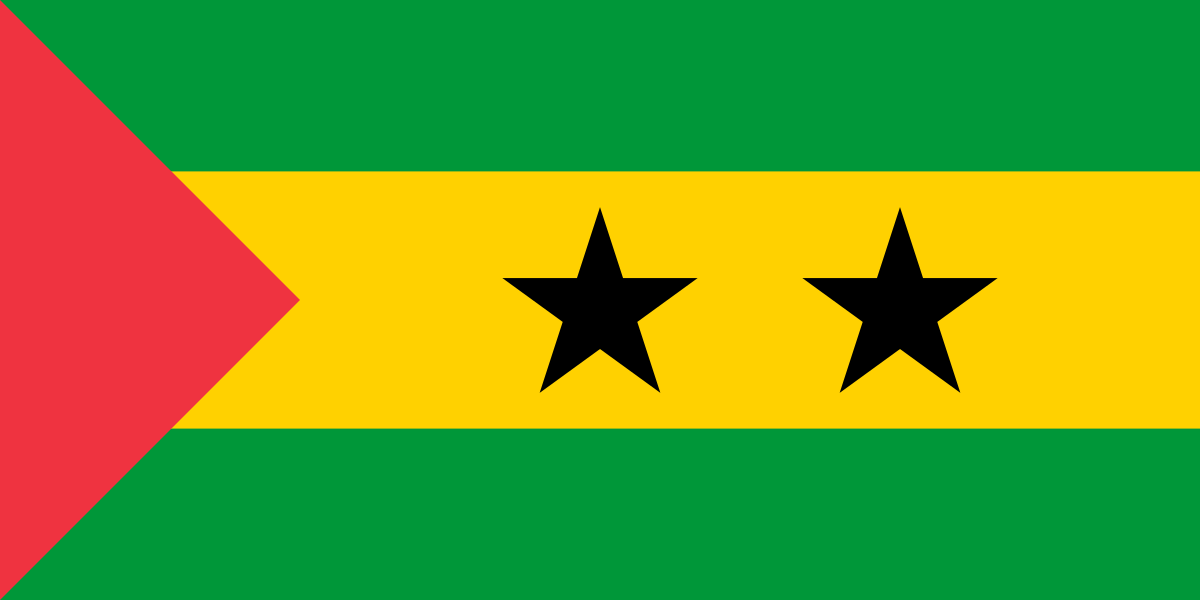 Sao Tome and Principe
-
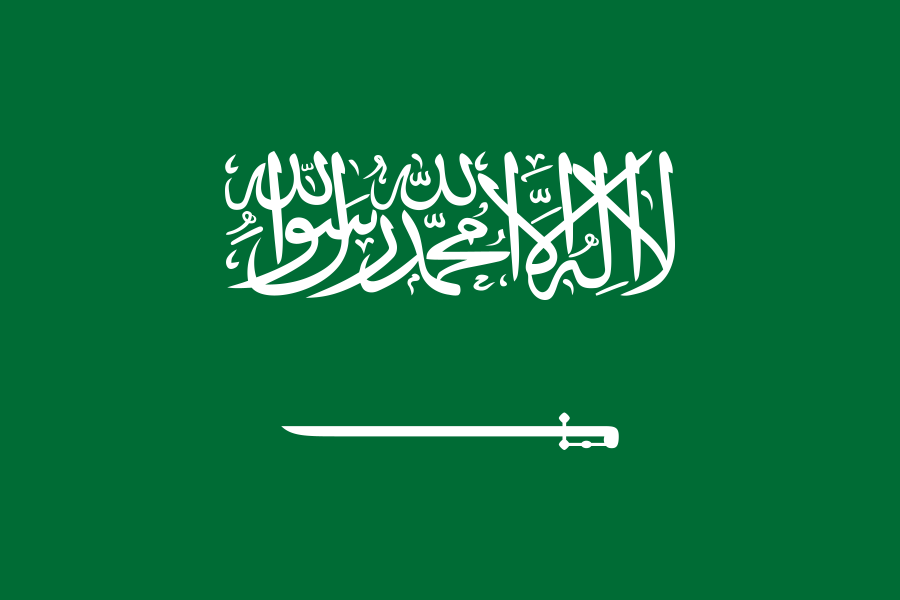 Saudi Arabia
-
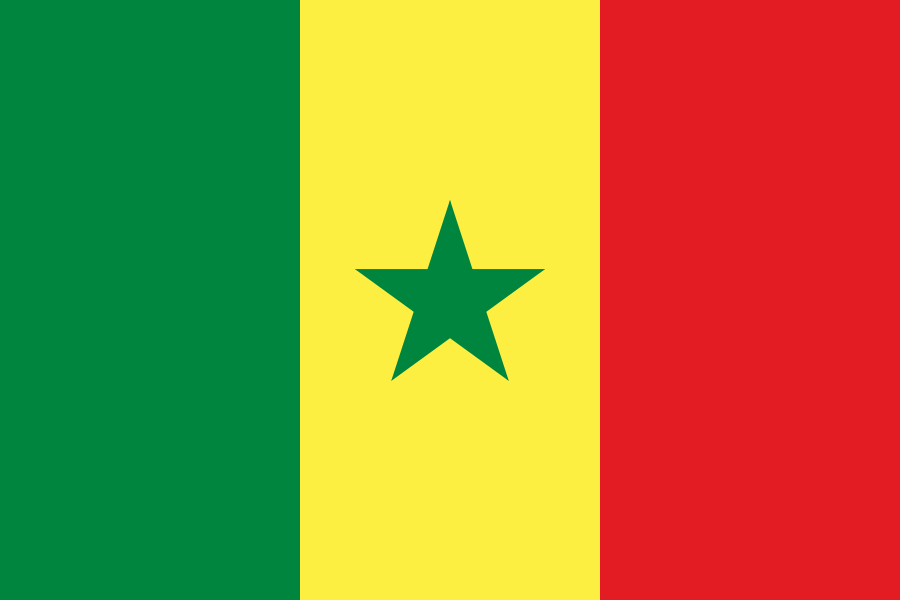 Senegal
-
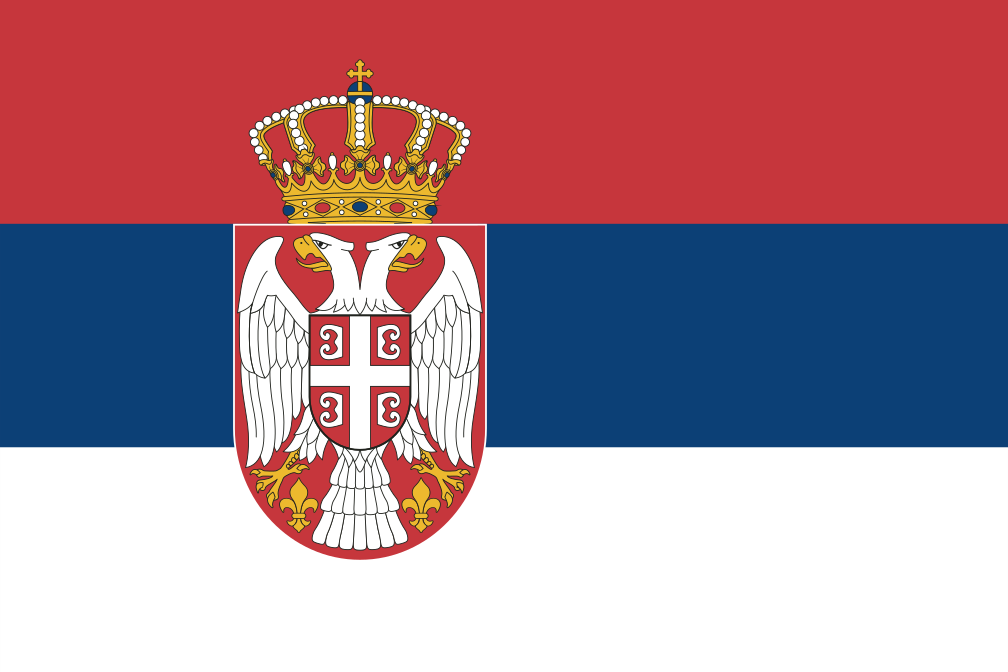 Serbia
-
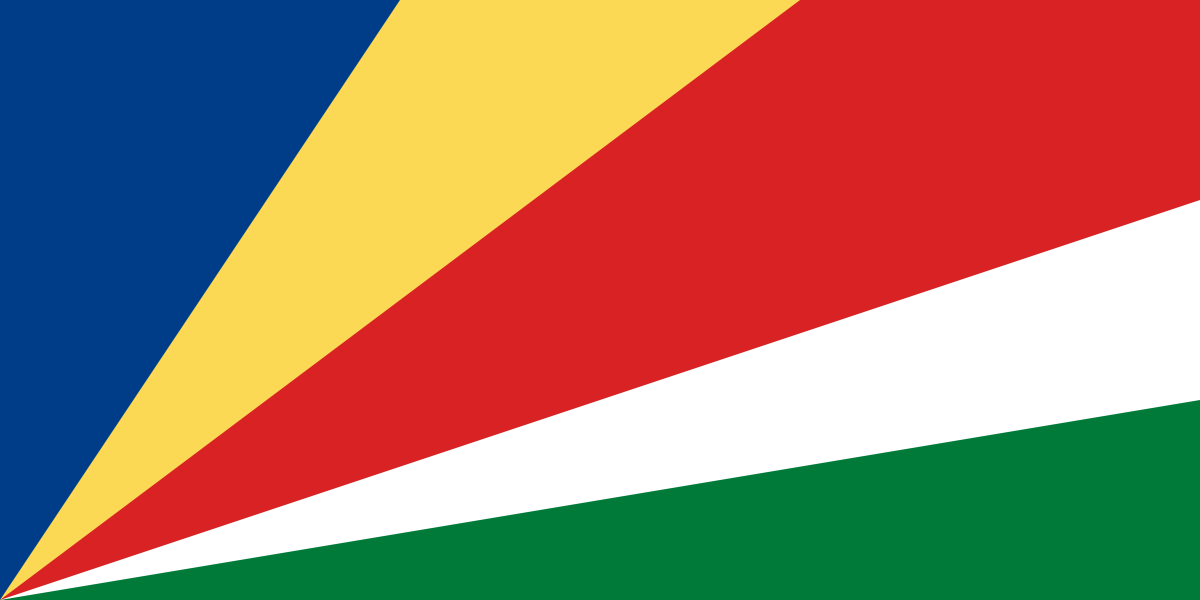 Seychelles
-
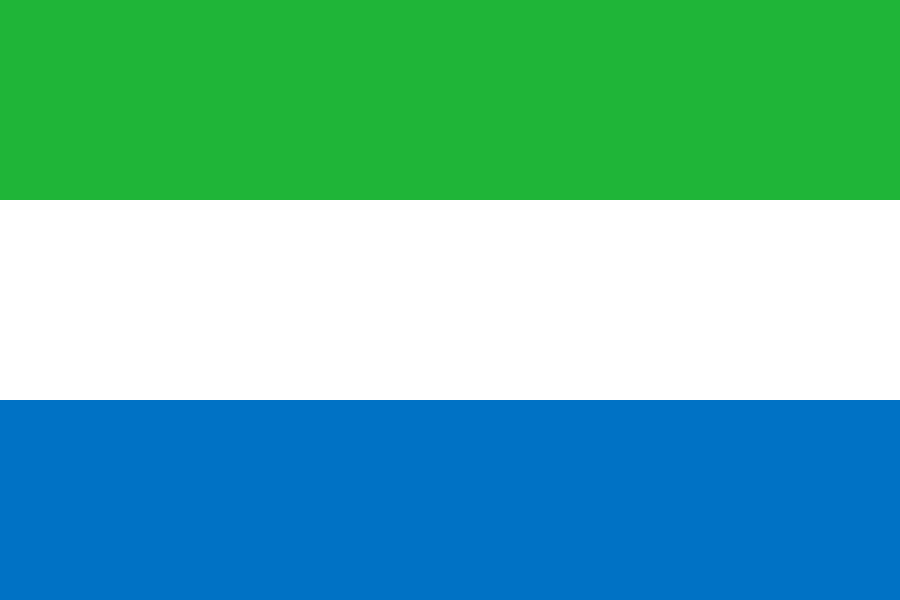 Sierra Leone
-
 Singapore
-
 Sint Maarten
-
 Slovakia
-
 Slovenia
-
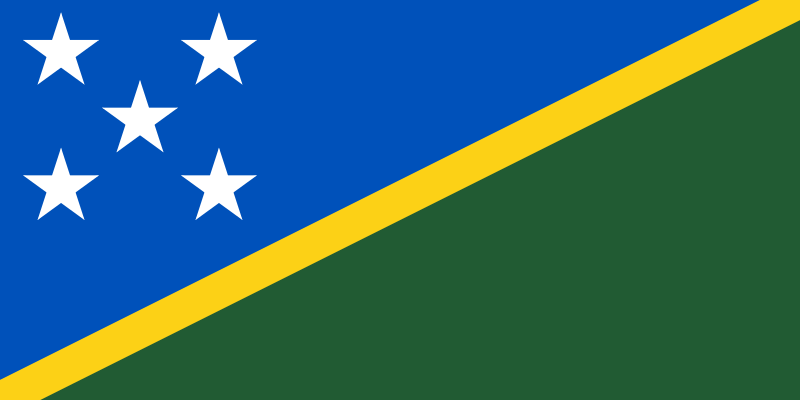 Solomon Islands
-
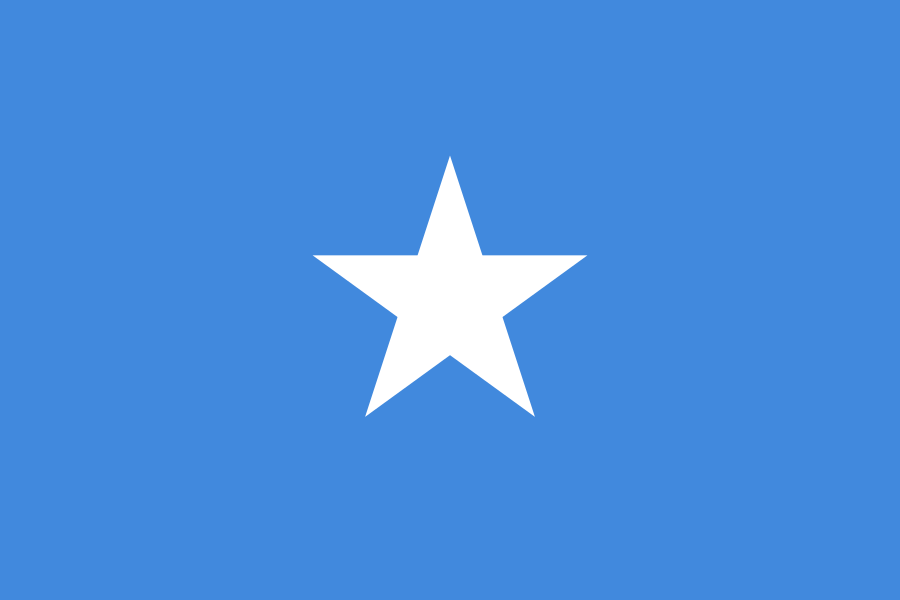 Somalia
-
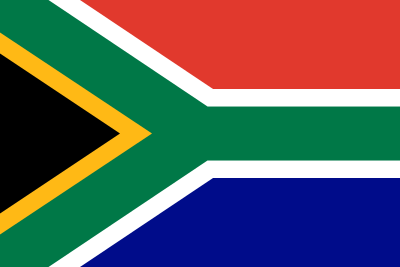 South Africa
-
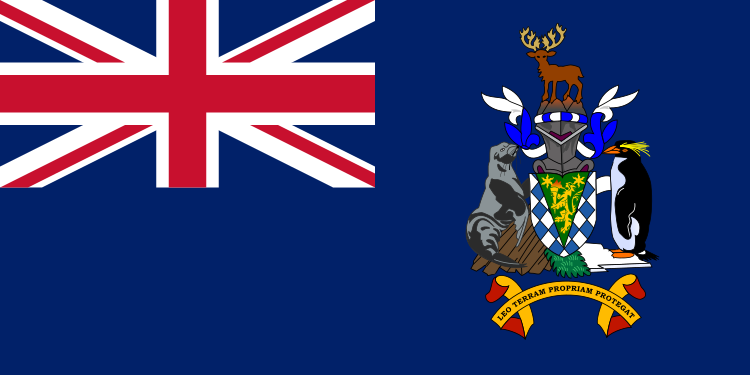 South Georgia and the Sandwich Islands
-
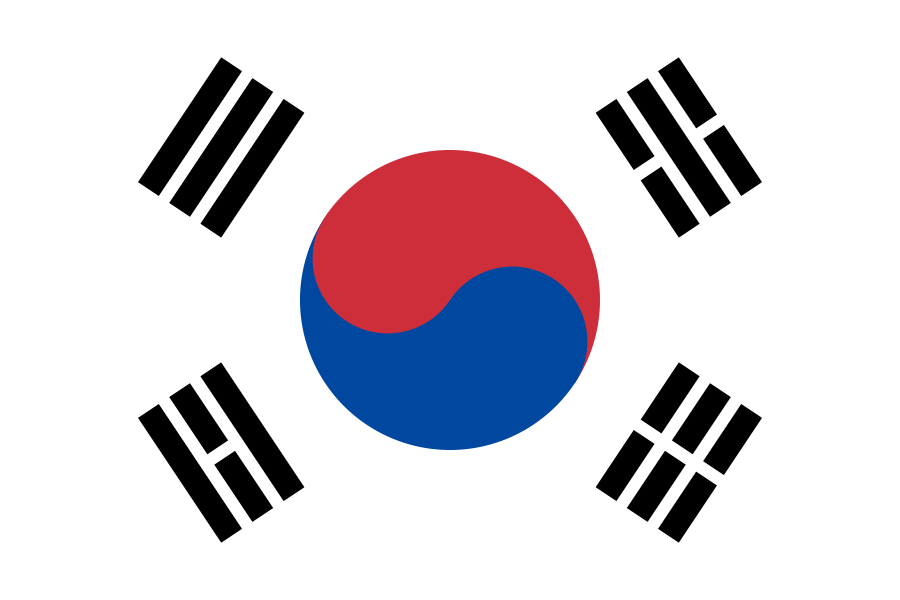 South Korea
-
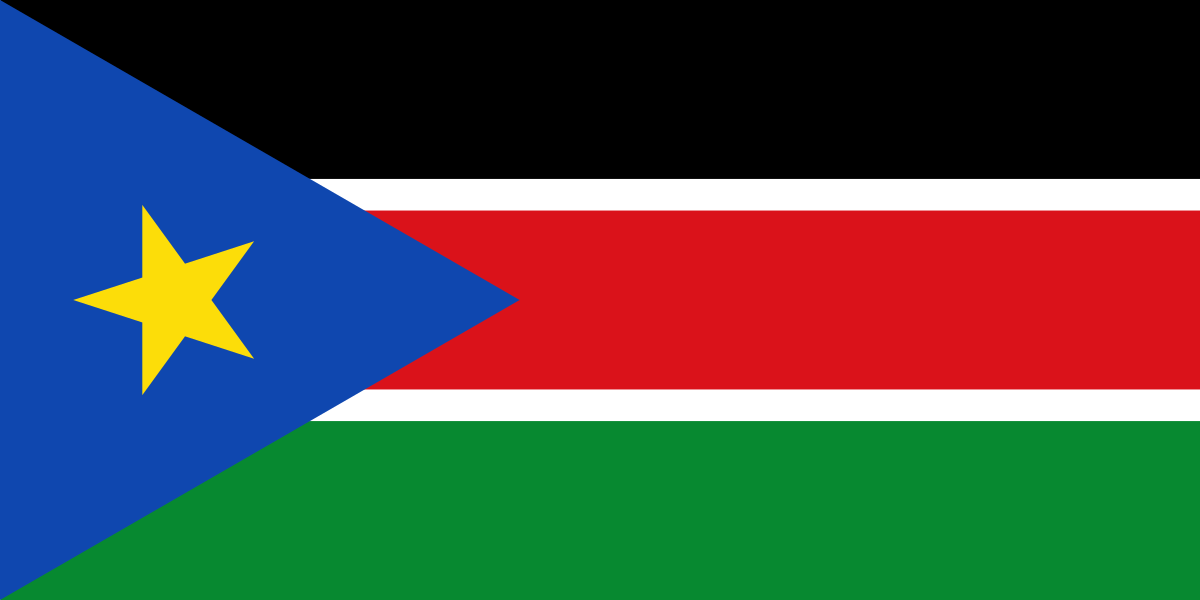 South Sudan
-
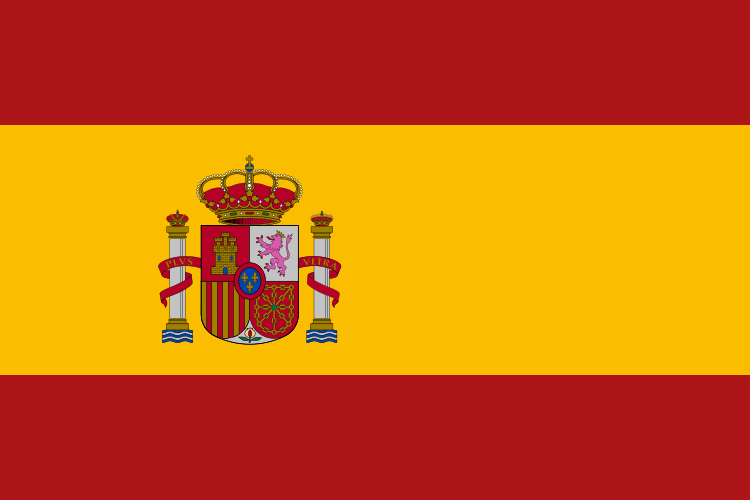 Spain
Spain
-
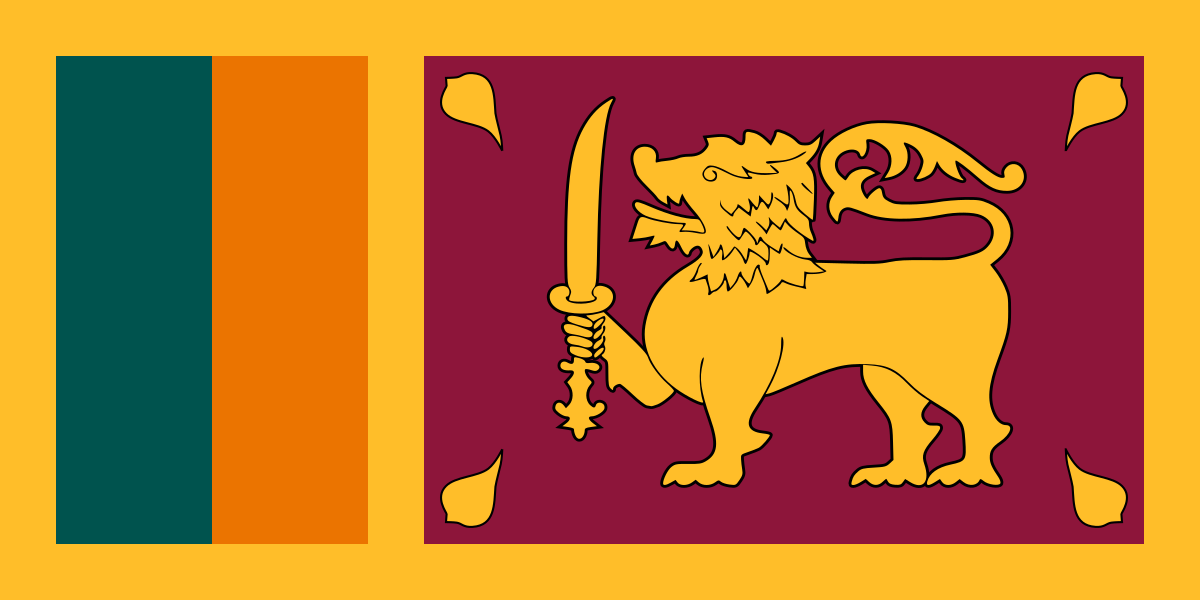 Sri Lanka
-
 Sudan
Sudan
-
 Suriname
-
Svalbard and Jan Mayen
-
 Sweden
-
 Switzerland
-
 Syria
Syria
-
 Taiwan
-
 Tajikistan
-
 Tanzania
-
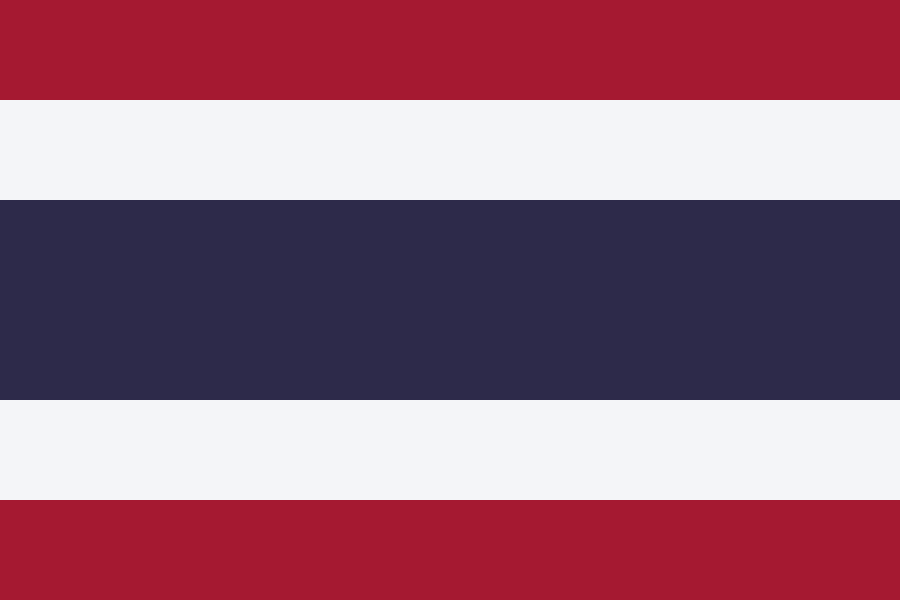 Thailand
-
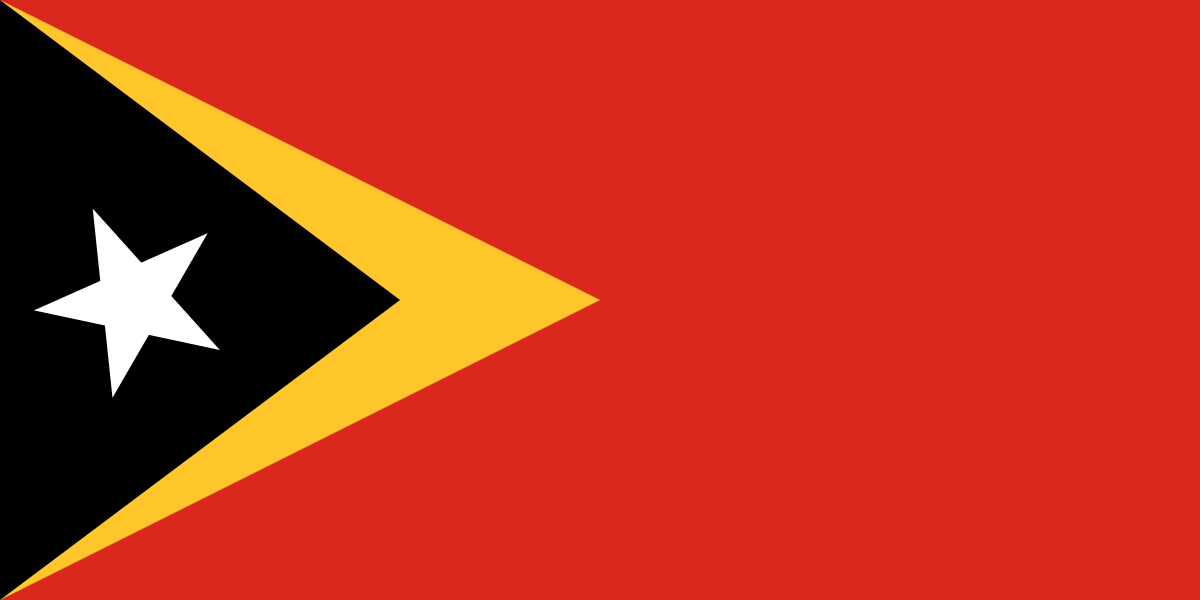 Timor-Leste
-
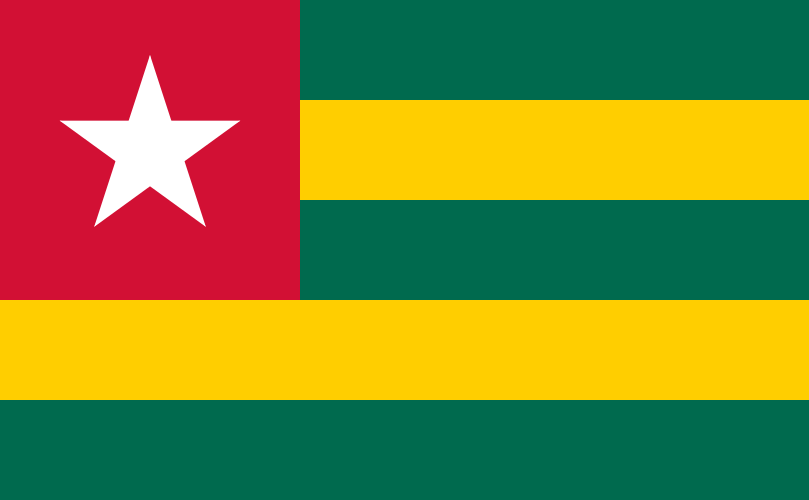 Togo
Togo
-
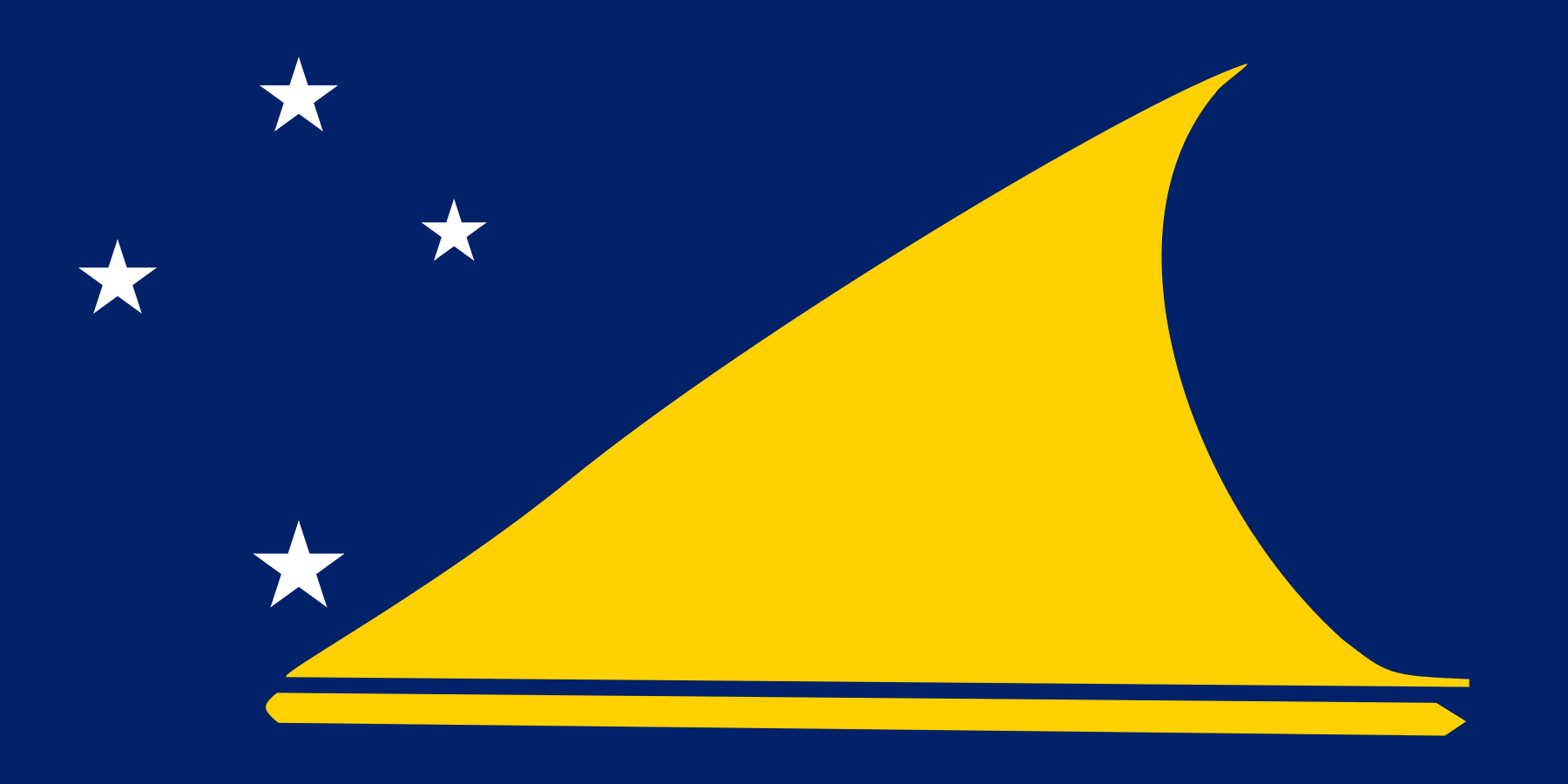 Tokelau
-
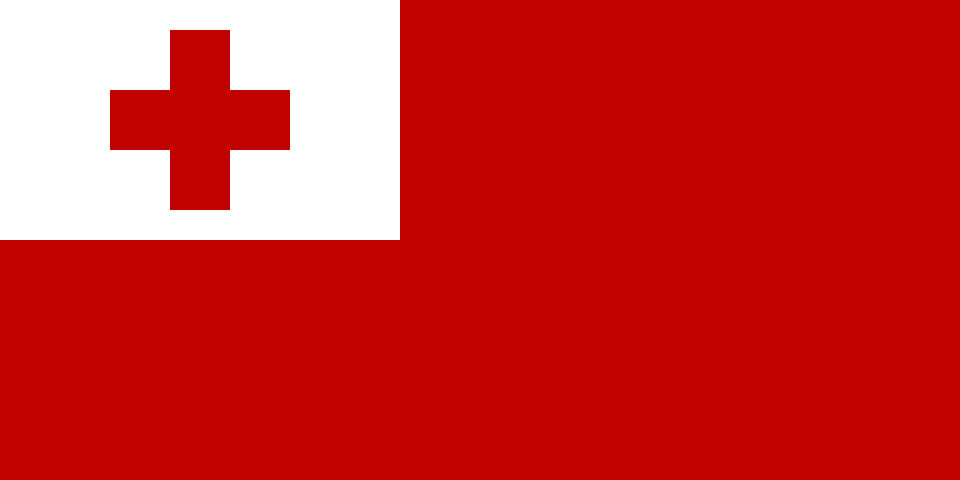 Tonga
Tonga
-
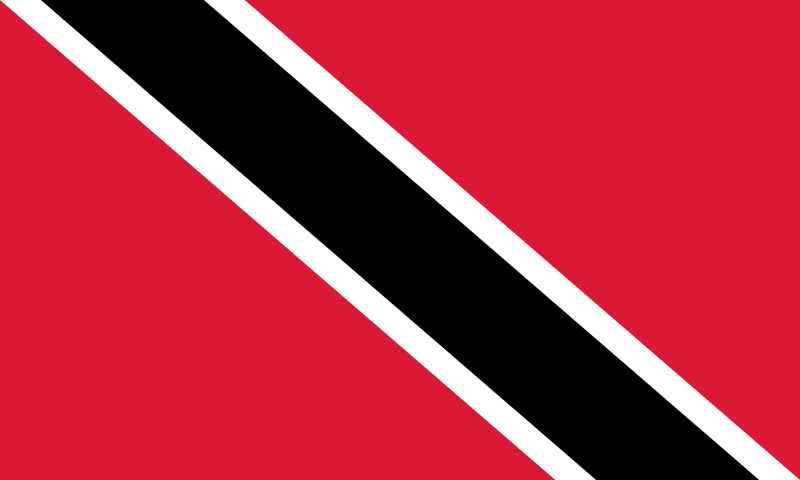 Trinidad and Tobago
-
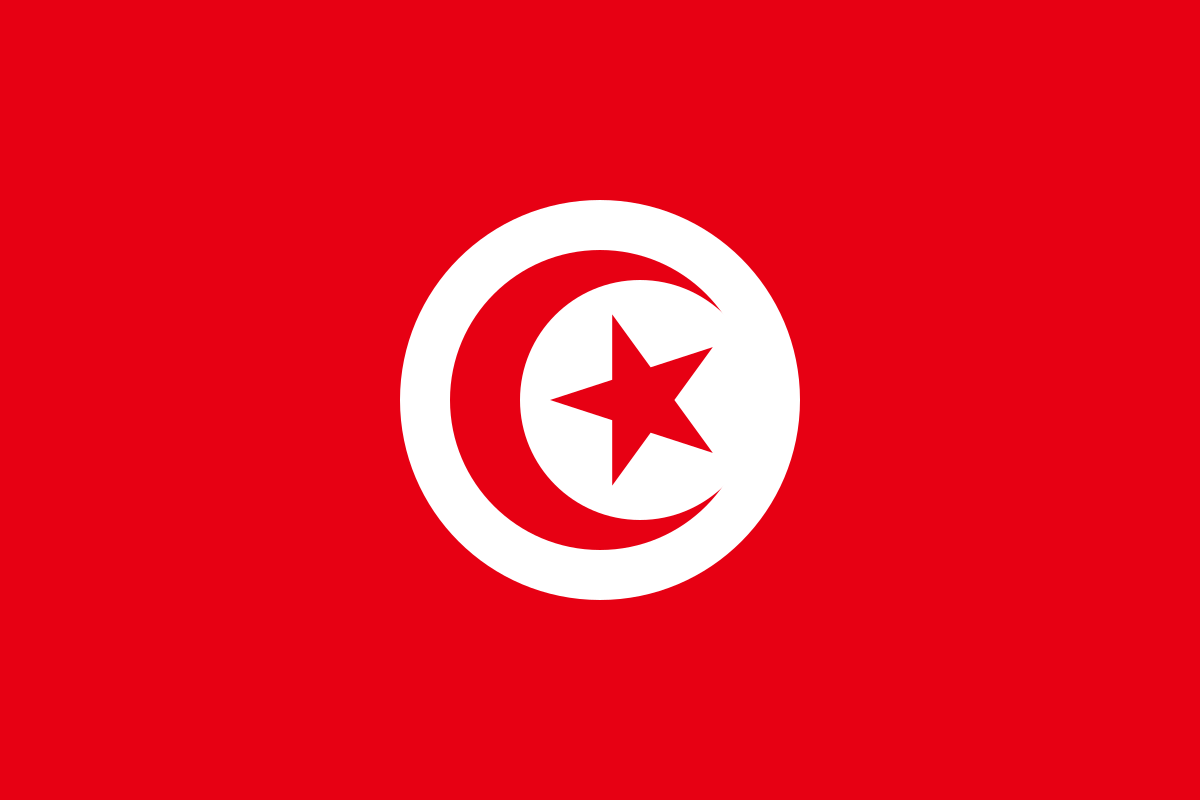 Tunisia
-
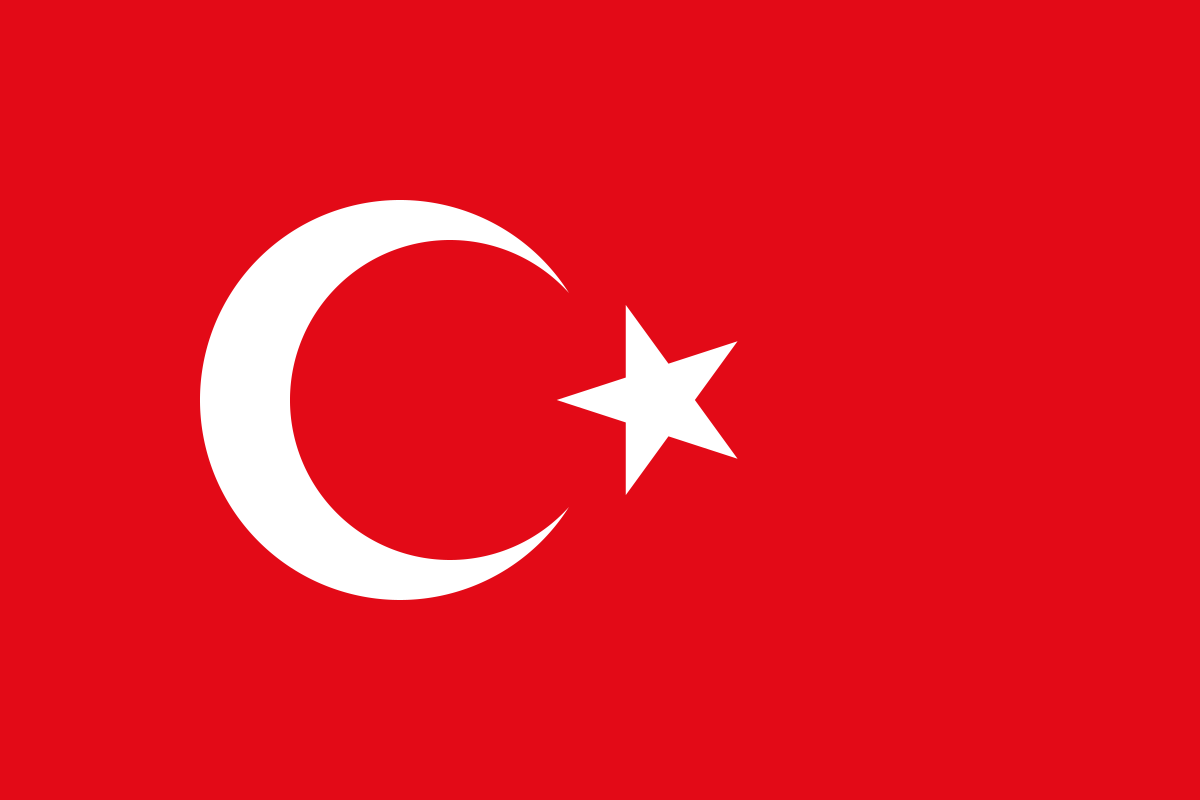 Turkey
-
 Turkmenistan
-
 Turks and Caicos Islands
-
 Tuvalu
-
 Uganda
-
 Ukraine
-
 United Arab Emirates
-
 United Kingdom
-
 United States
-
United States Minor Outlying Islands
-
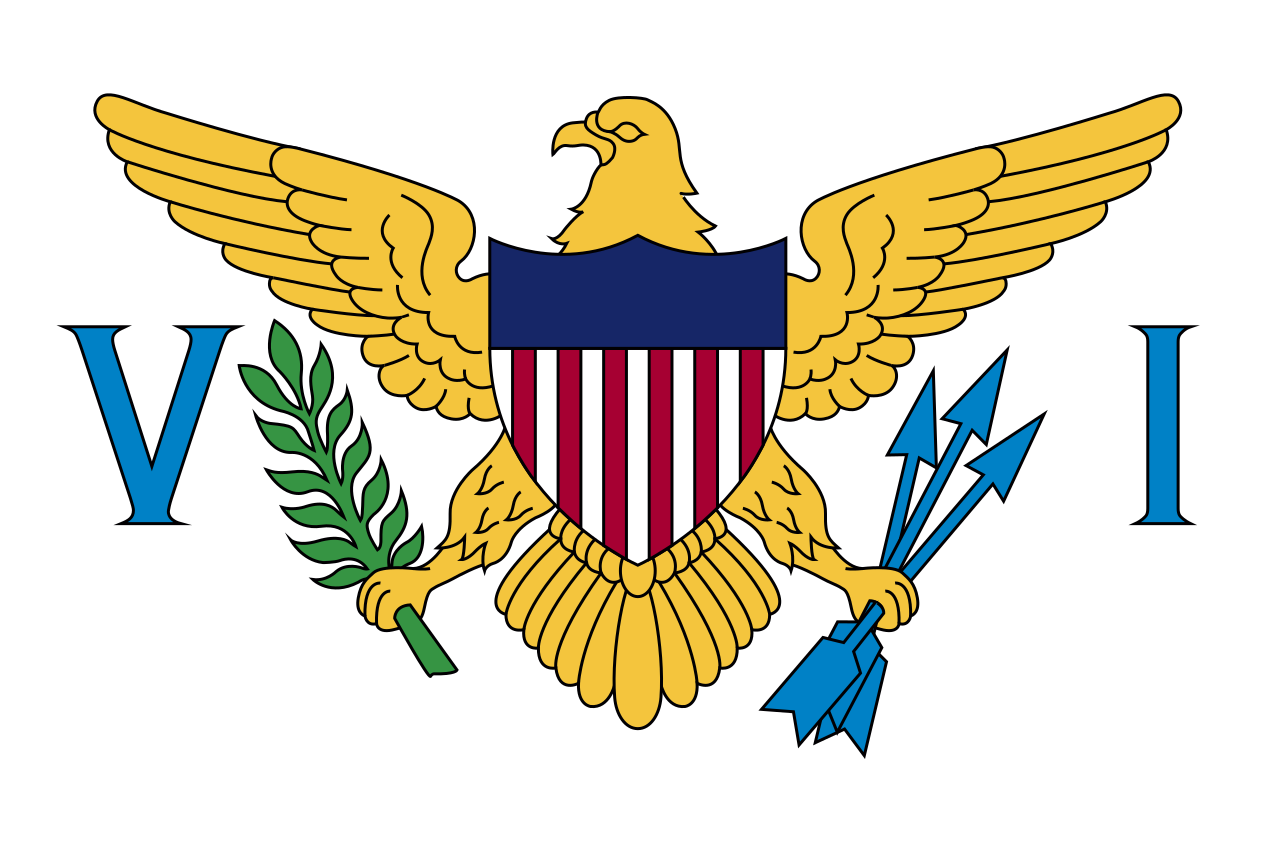 United States Virgin Islands
-
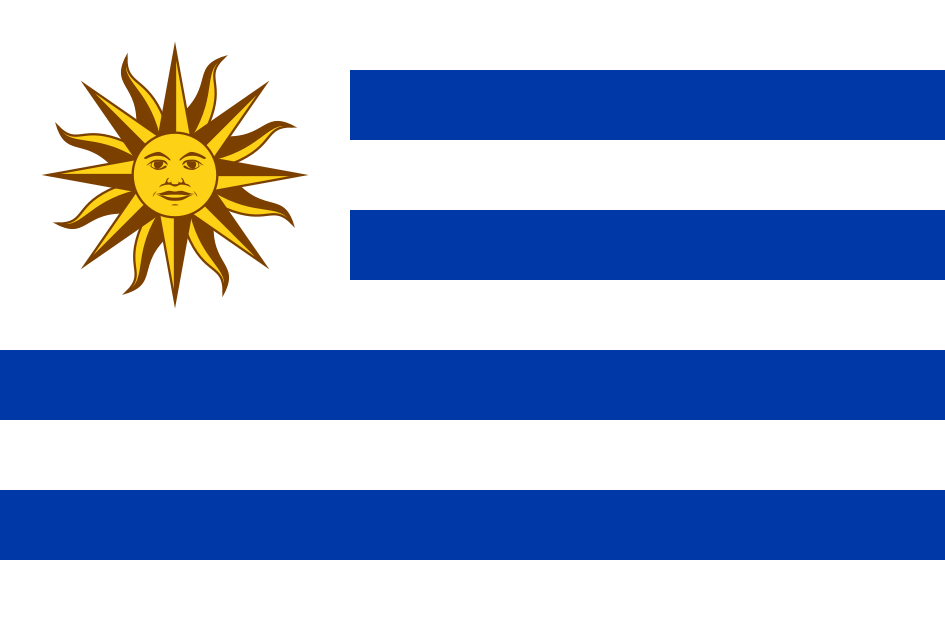 Uruguay
-
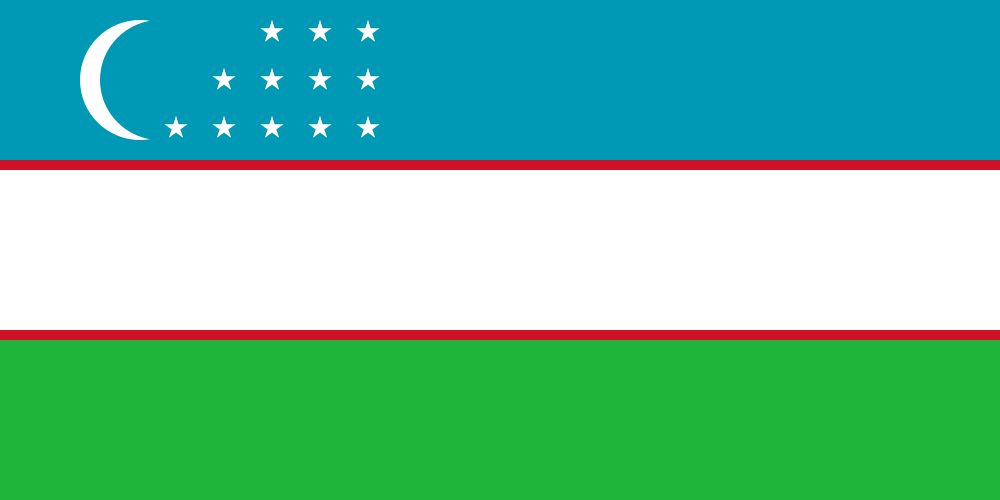 Uzbekistan
-
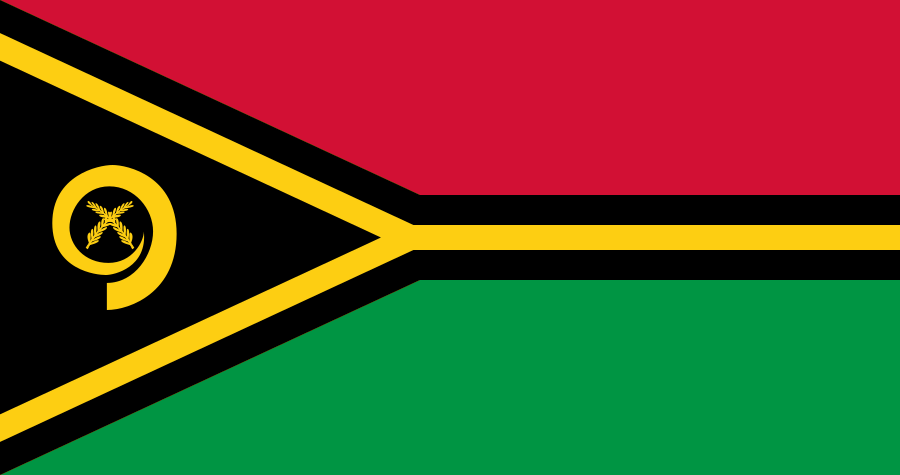 Vanuatu
-
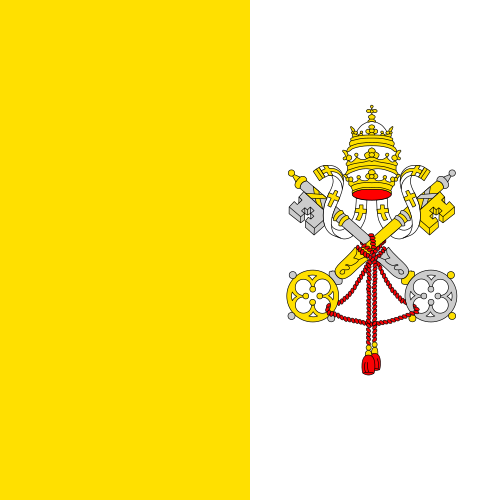 Vatican City
-
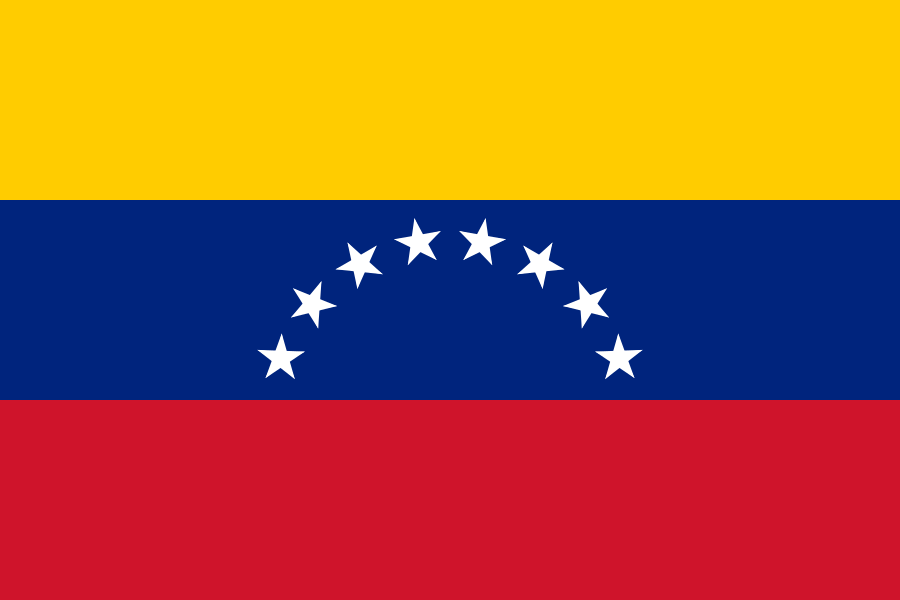 Venezuela
-
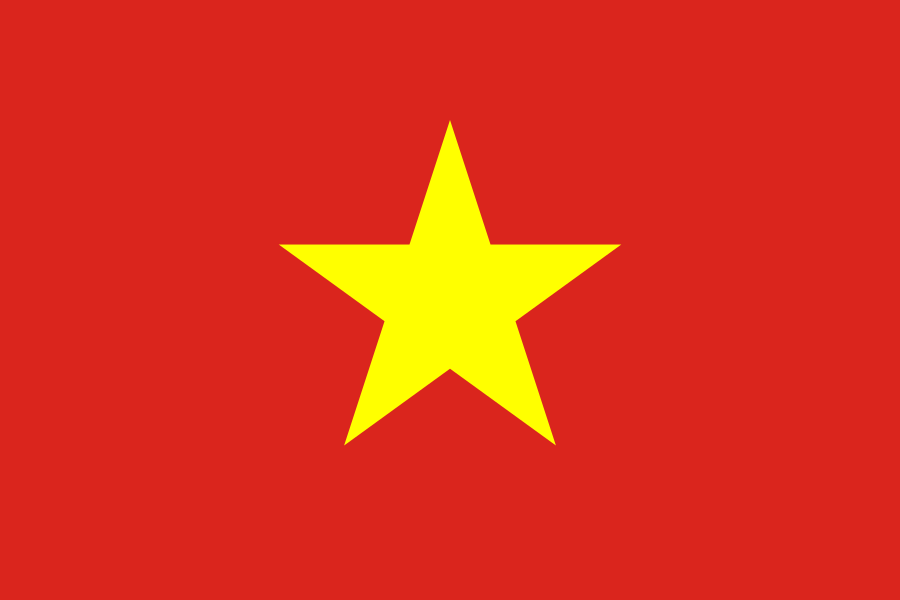 Vietnam
-
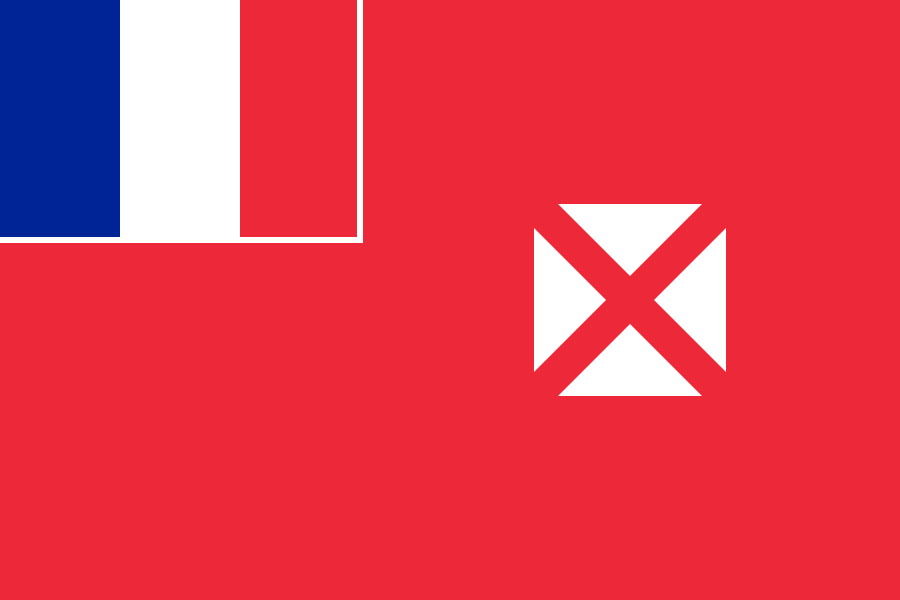 Wallis and Futuna
-
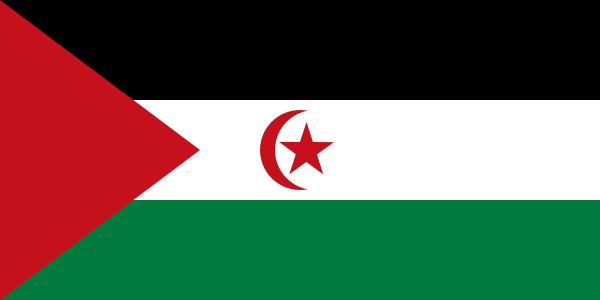 Western Sahara
-
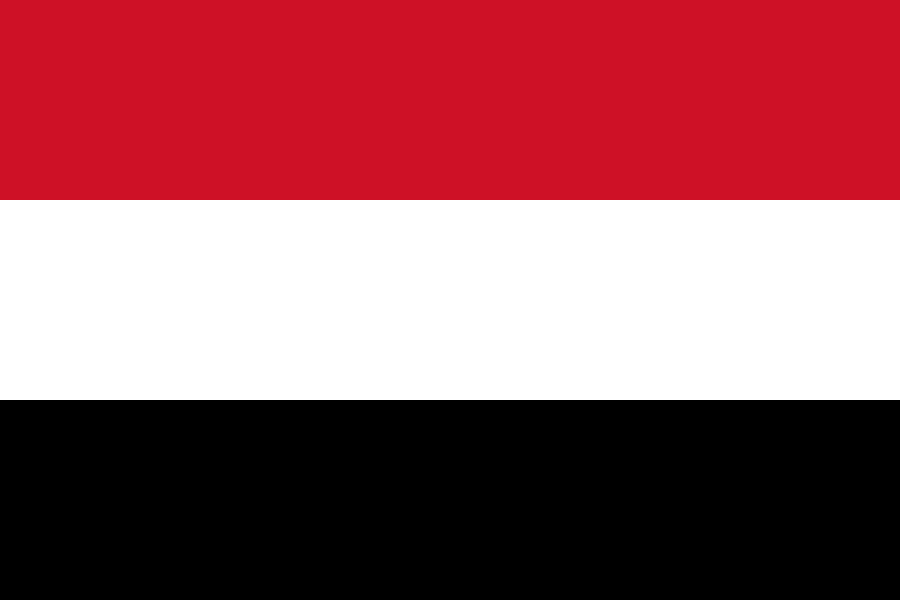 Yemen
Yemen
-
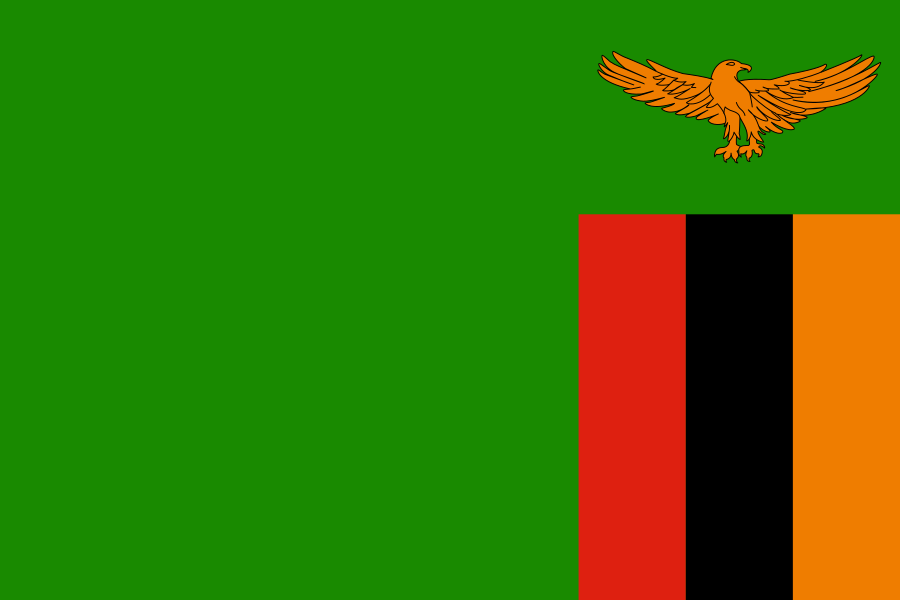 Zambia
-
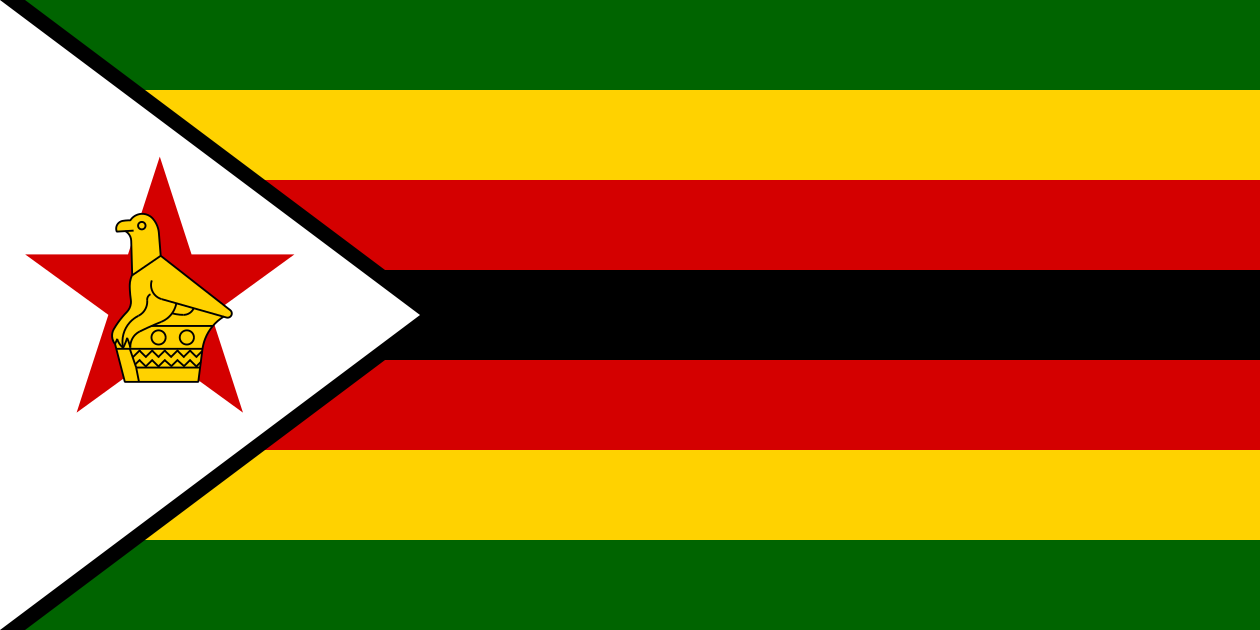 Zimbabwe
Brazil .br
Meaning of the Flag
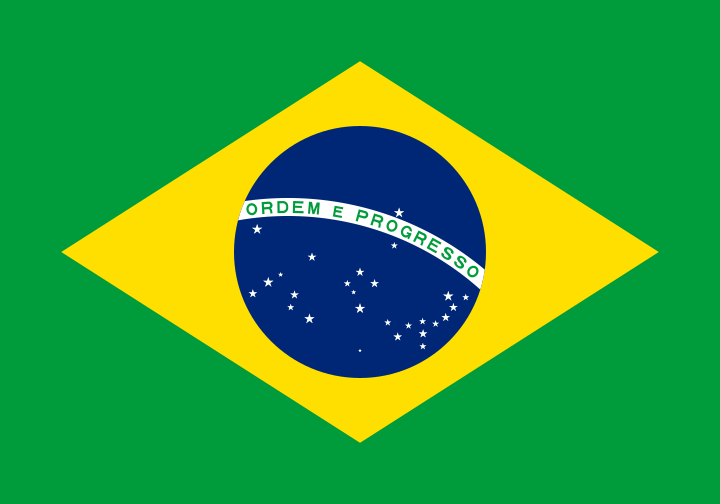
The national flag of Brazil is a blue disc depicting a starry sky (which includes the Southern Cross) spanned by a curved band inscribed with the national motto Ordem e Progresso (Brazilian Portuguese pronunciation: [ˈɔʁdẽj i pɾoˈɡɾɛsu]) ('Order and Progress'), within a yellow rhombus on a green field. It was officially adopted on 19 November 1889, four days after the Proclamation of the Republic, to replace the flag of the Empire of Brazil. The motto Ordem e Progresso is derived from Auguste Comte's motto of positivism: "L'amour pour principe et l'ordre pour base; le progrès pour but" ("Love as a principle and order as the basis; progress as the goal"). == History == === Colonial Brazil (1500–1815) === The Portuguese territories in the Americas, corresponding roughly to what is now Brazil, never had their own official flag, since Portuguese tradition encouraged hoisting the flag of the Kingdom of Portugal in all territories of the Portuguese Crown. === Republic of Brazil (1889–present) === Upon the proclamation of the Republic, one of the civilian leaders of the movement, the jurist Ruy Barbosa, proposed a design for the nation's new flag strongly inspired by the flag of the United States.
Meaning of Flag Colors
Blue, Green, Yellow
Flag History
-
1500–1815The Portuguese territories in the Americas, corresponding roughly to what is now Brazil, never had their own official flag, since Portuguese tradition encouraged hoisting the flag of the Kingdom of Portugal in all territories of the Portuguese Crown.
-
1853–1889
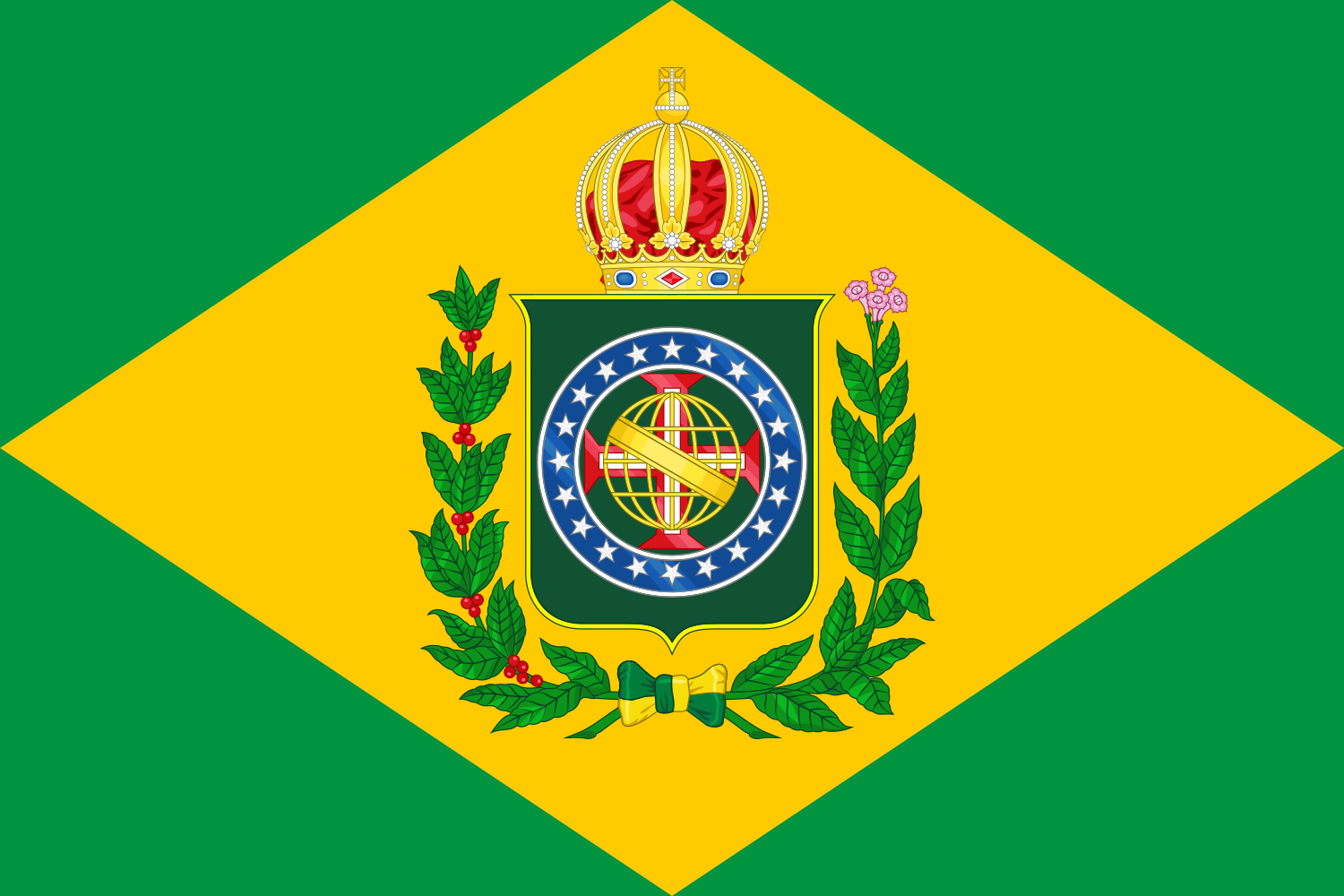 Flag in use 1853–1889.
 -
1889–1960
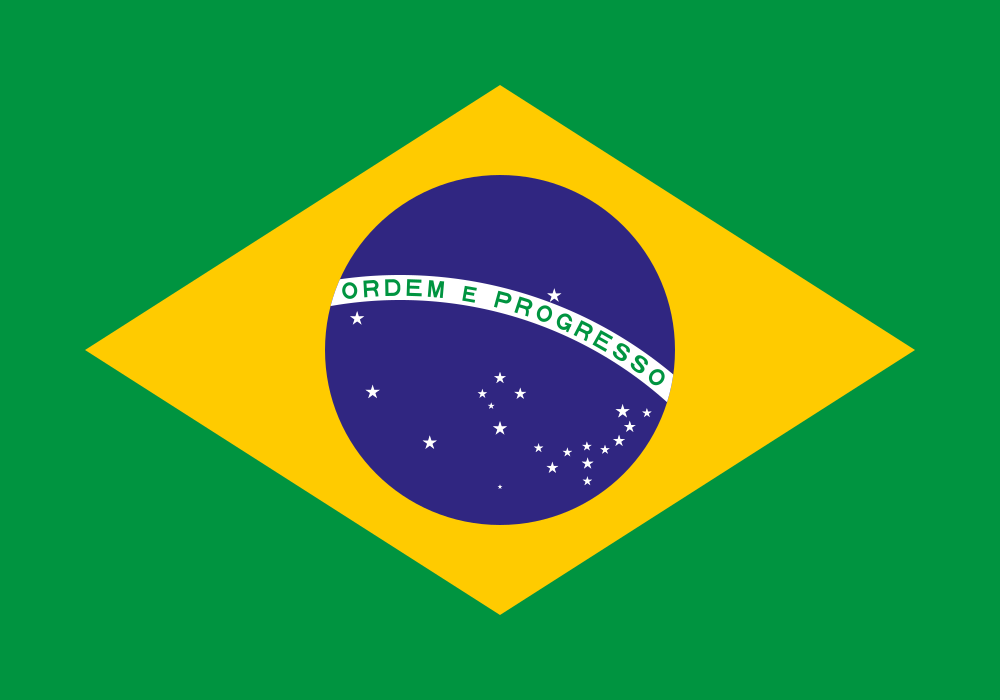 It was officially adopted on 19 November 1889, four days after the Proclamation of the Republic, to replace the flag of the Empire of Brazil.
 -
1960–1968
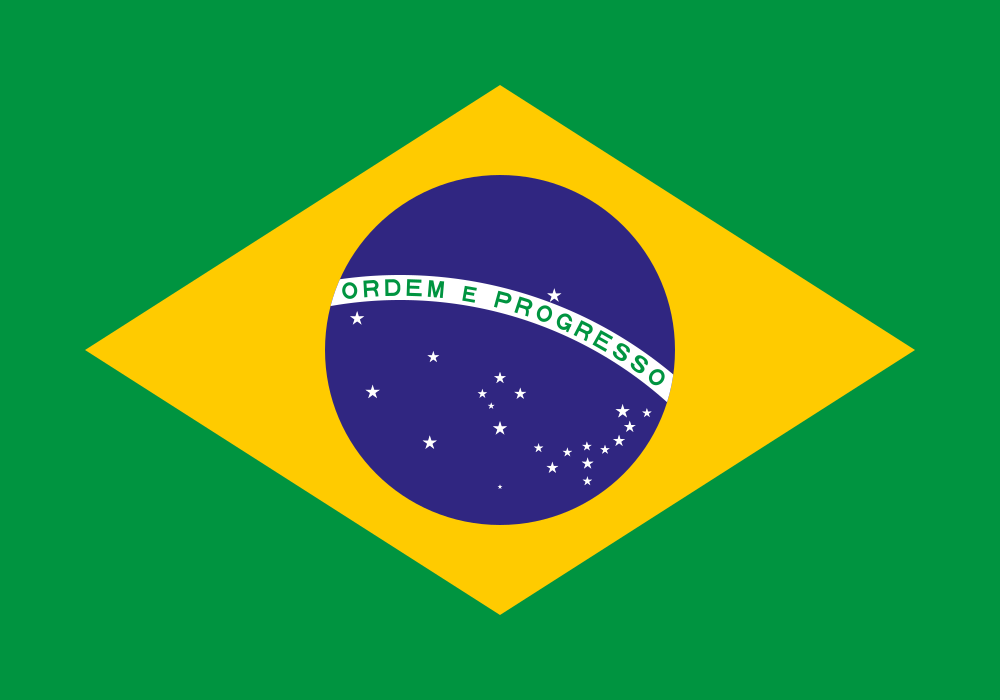 The flag has been modified on three occasions to add additional stars intended to reflect newly created states: 1960 (22 stars), 1968 (23 stars) and 1992 (27 stars).
 -
1889–present
Current national flag, in use since 1889.