-
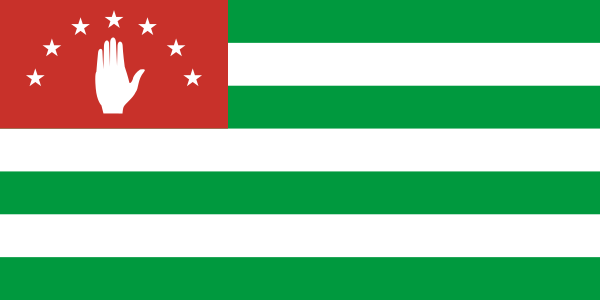 Abkhazia
-
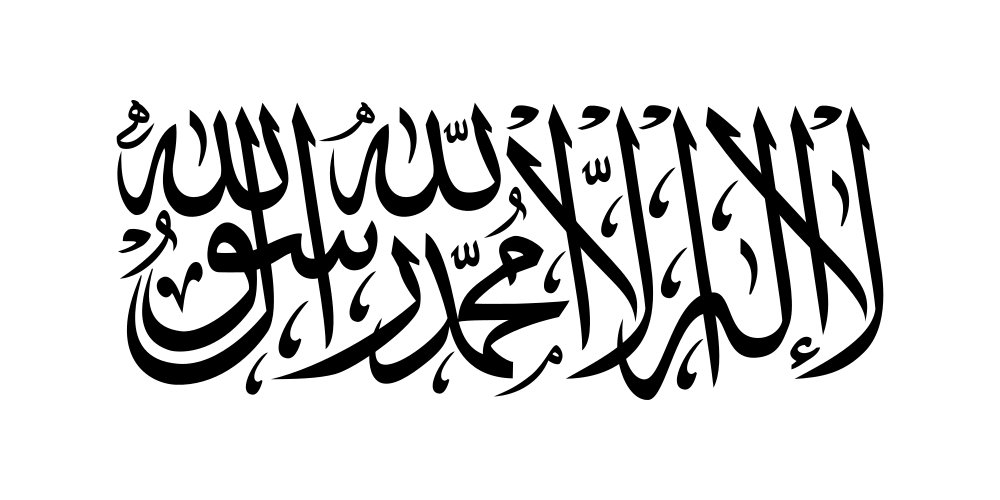 Afghanistan
-
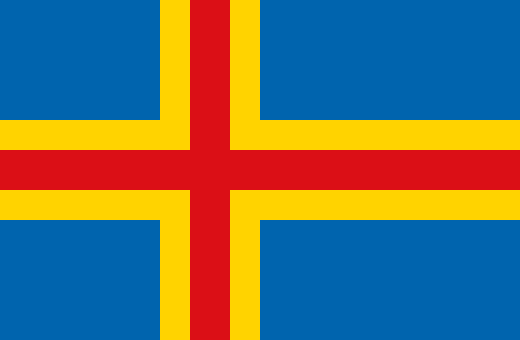 Åland Islands
-
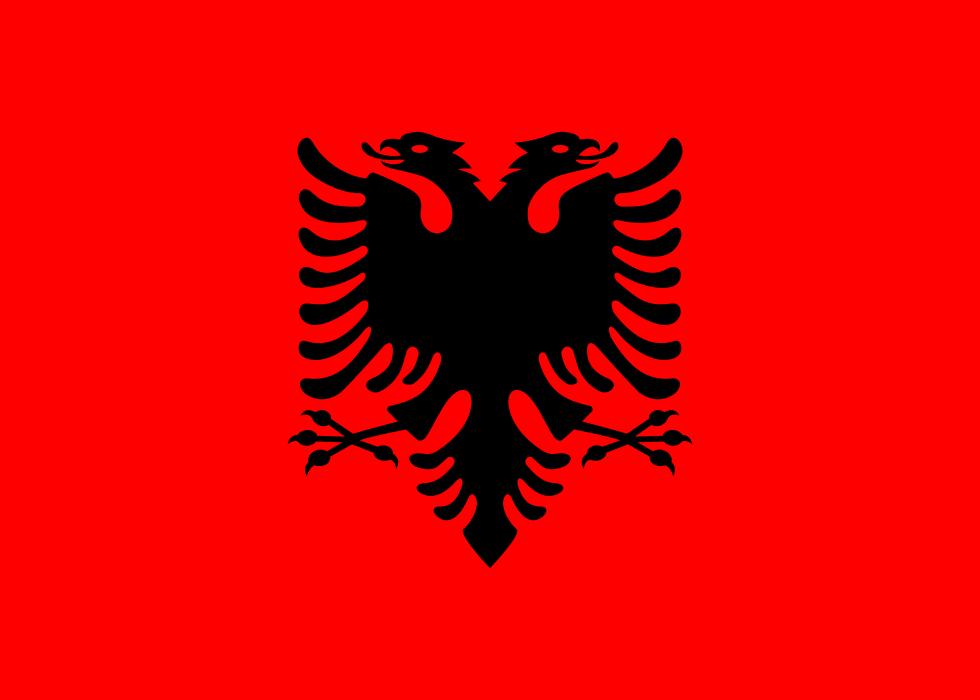 Albania
-
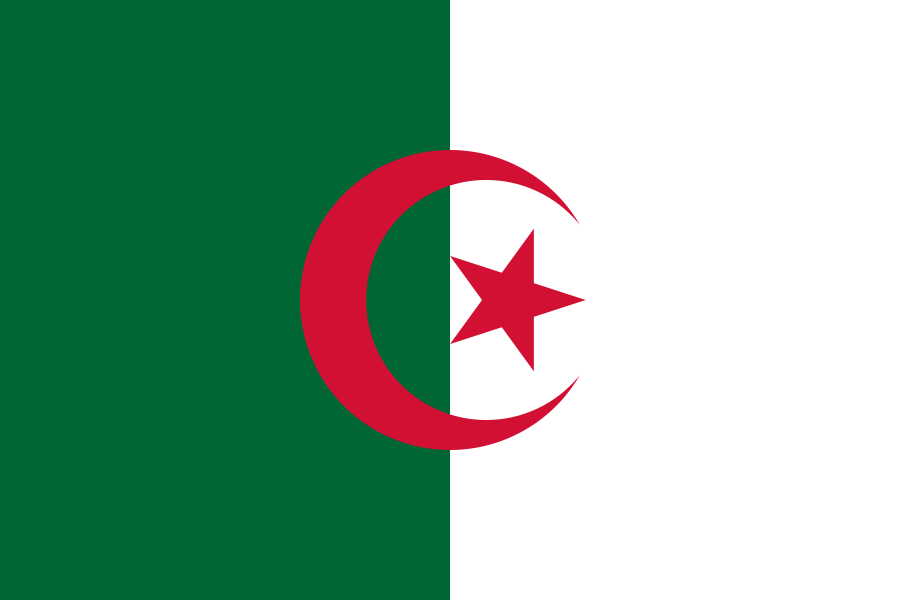 Algeria
-
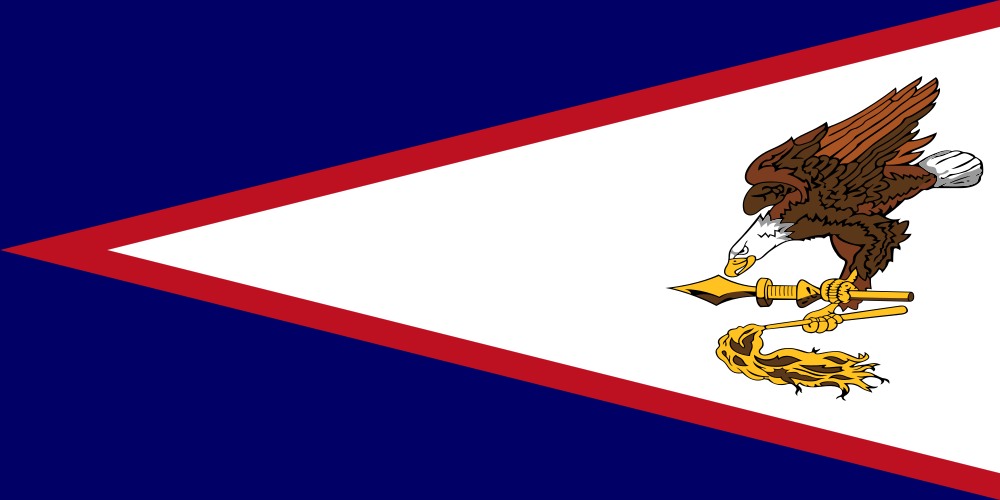 American Samoa
-
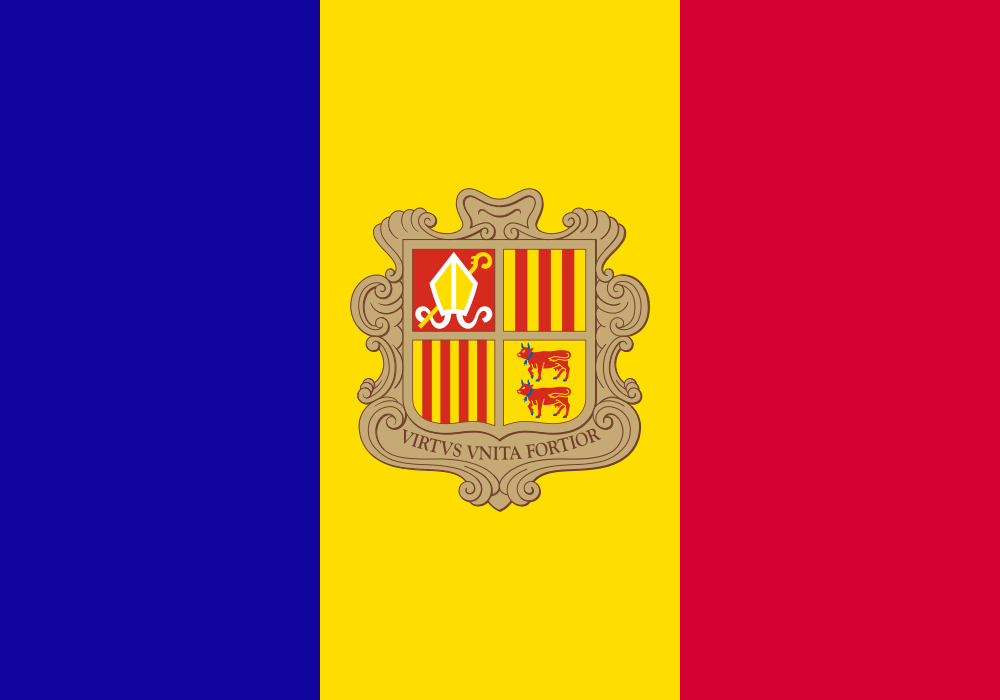 Andorra
-
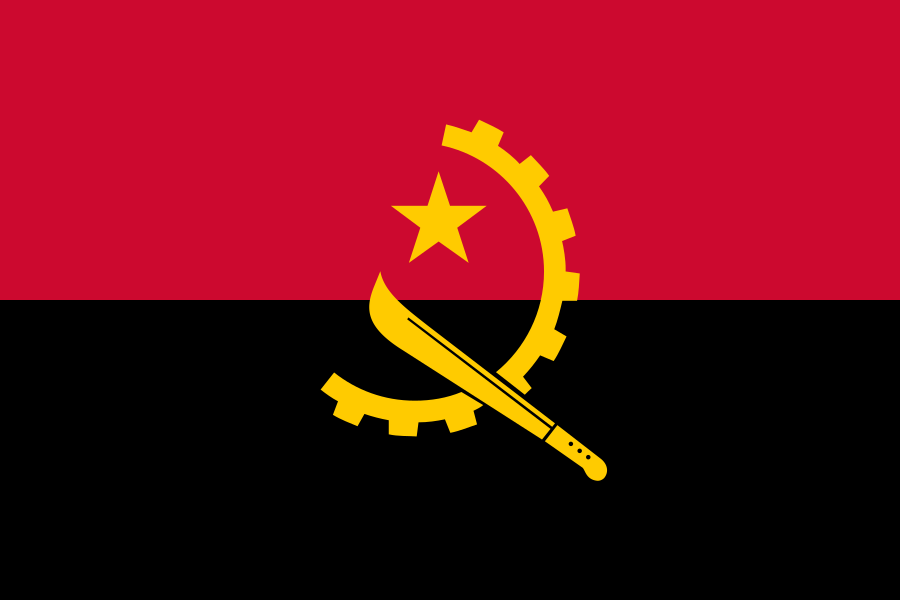 Angola
-
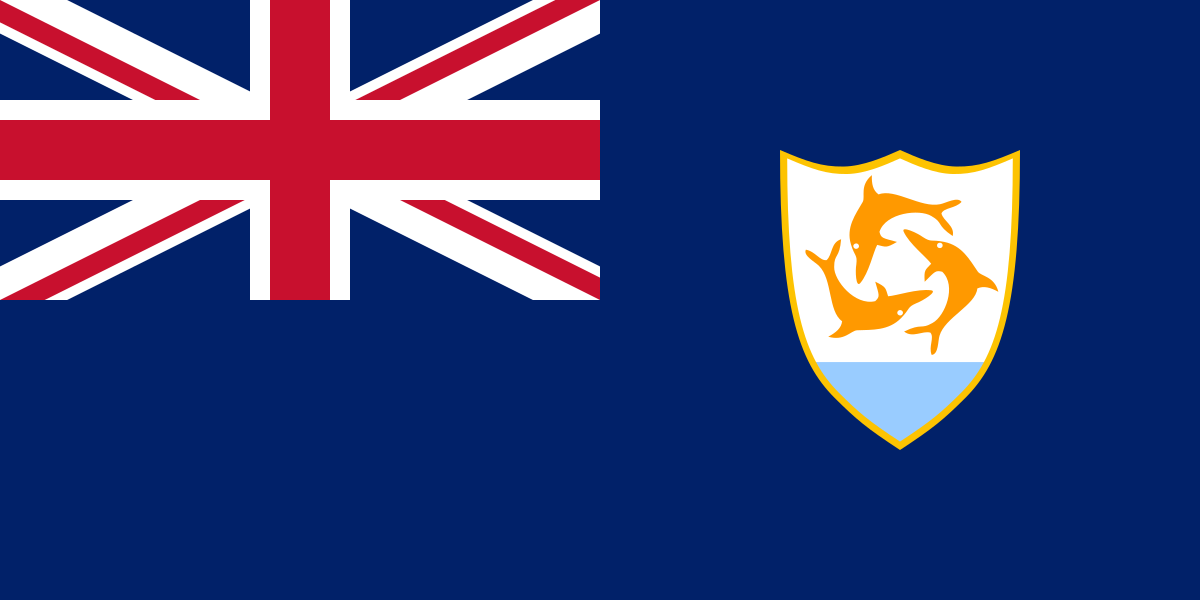 Anguilla
-
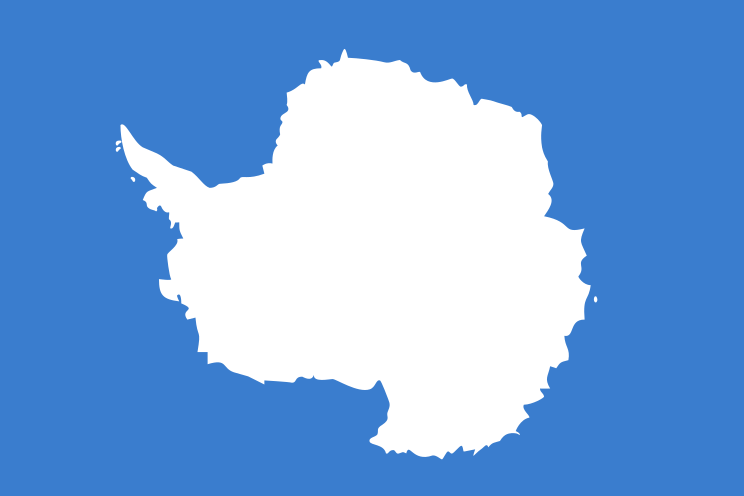 Antarctica
-
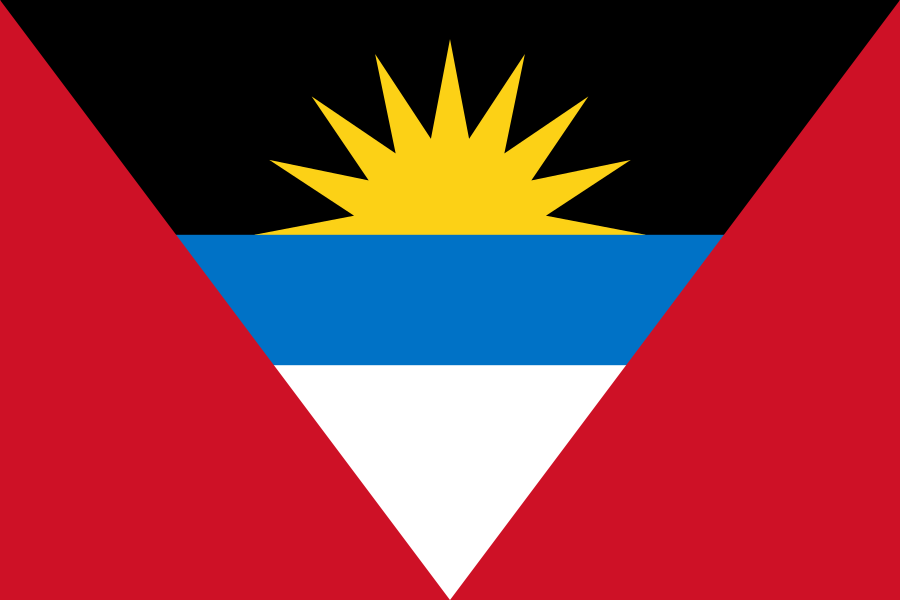 Antigua and Barbuda
-
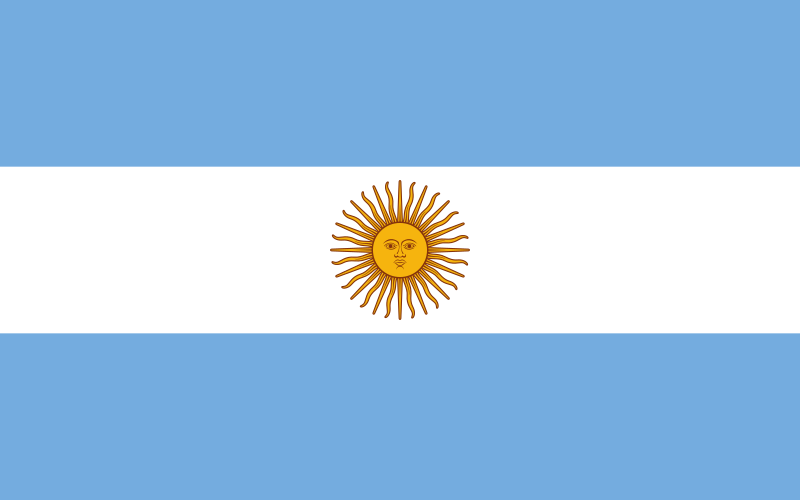 Argentina
-
 Armenia
-
 Artsakh
-
 Aruba
Aruba
-
 Australia
-
 Austria
-
 Azerbaijan
-
 Bahamas
-
 Bahrain
-
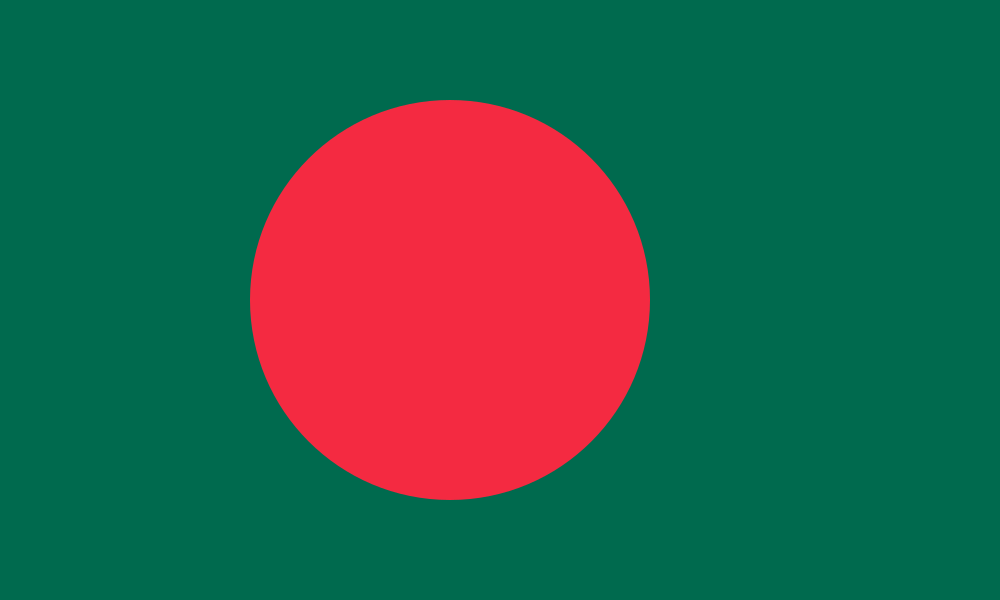 Bangladesh
-
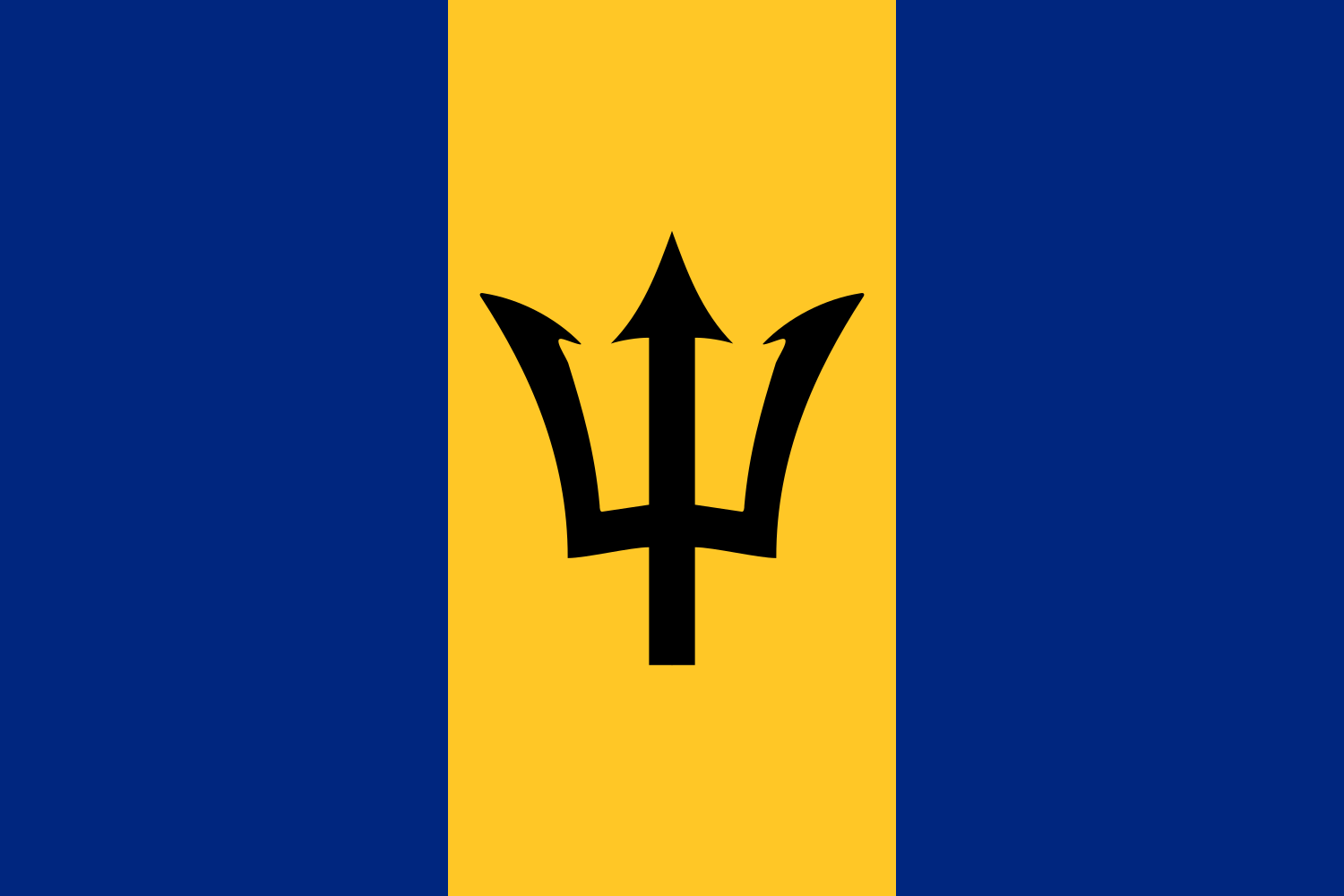 Barbados
-
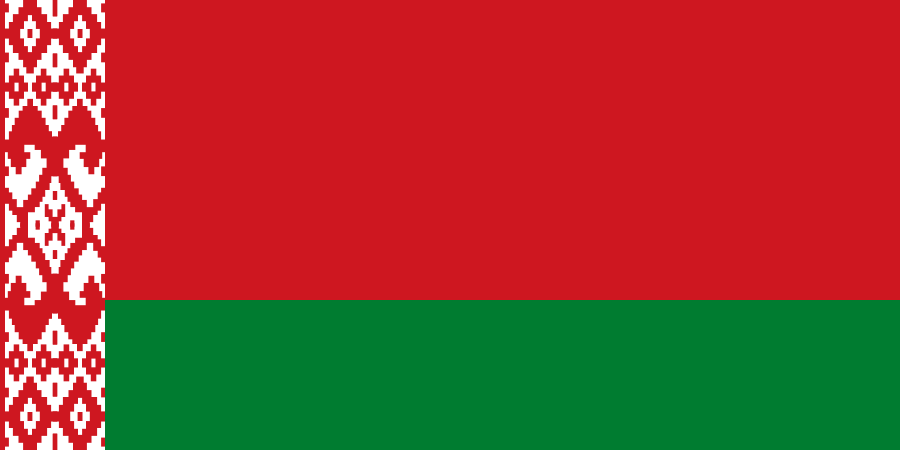 Belarus
-
 Belgium
-
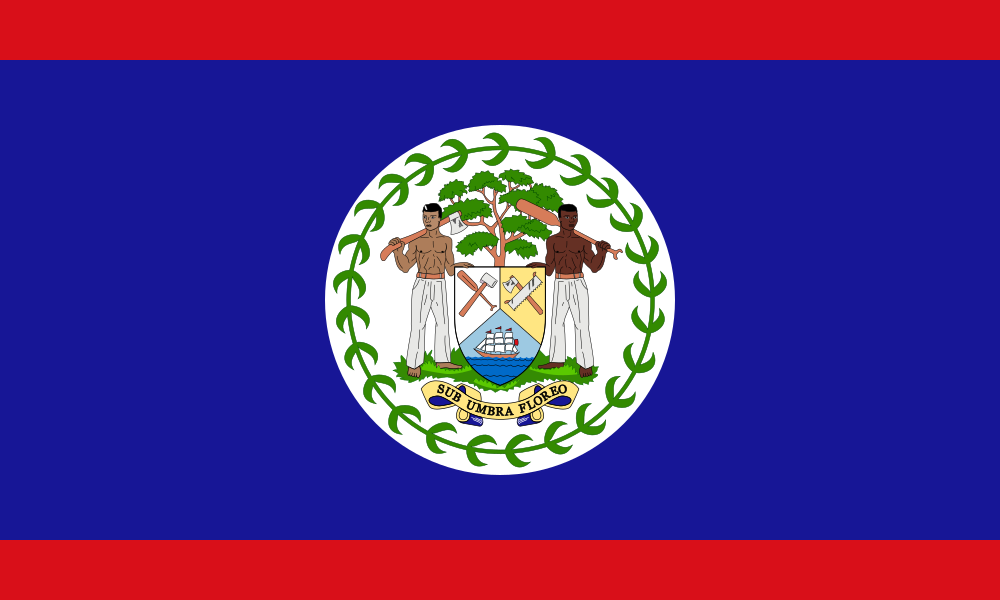 Belize
-
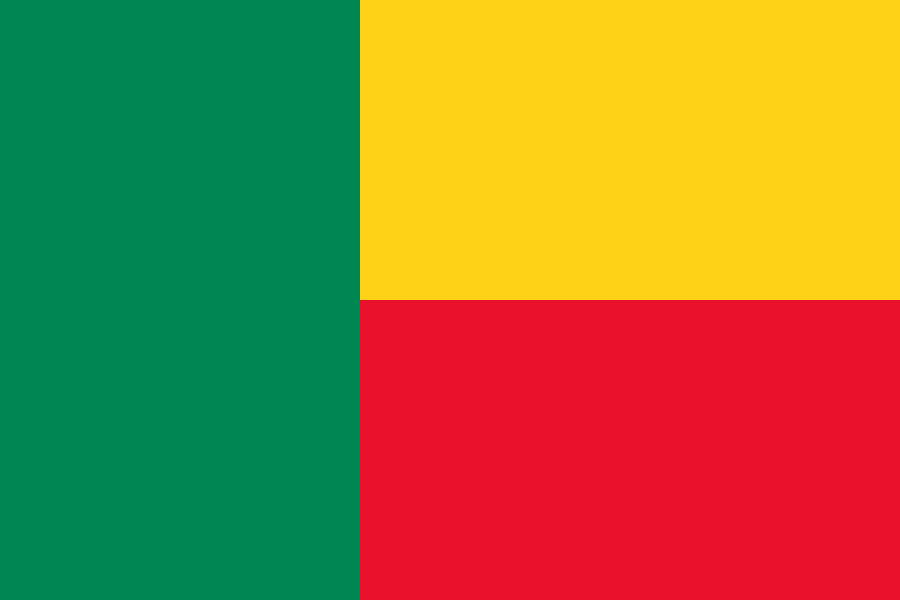 Benin
Benin
-
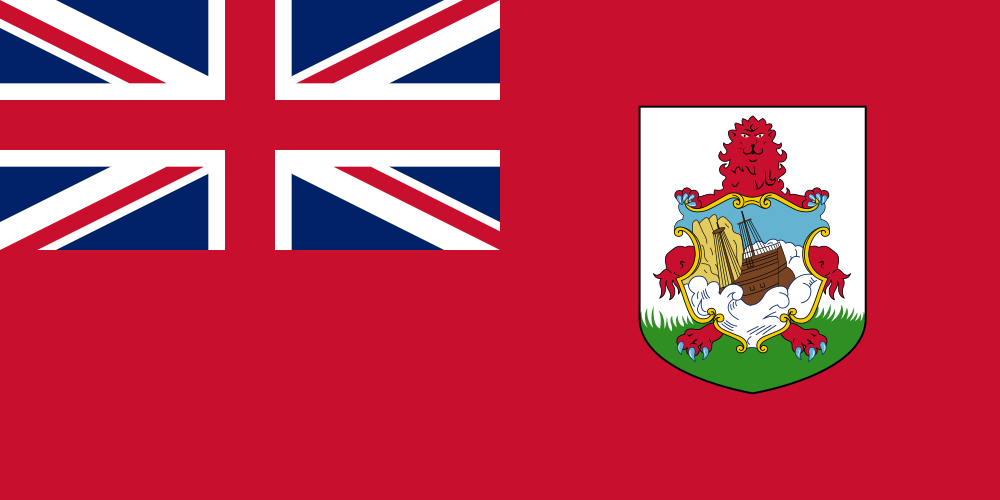 Bermuda
-
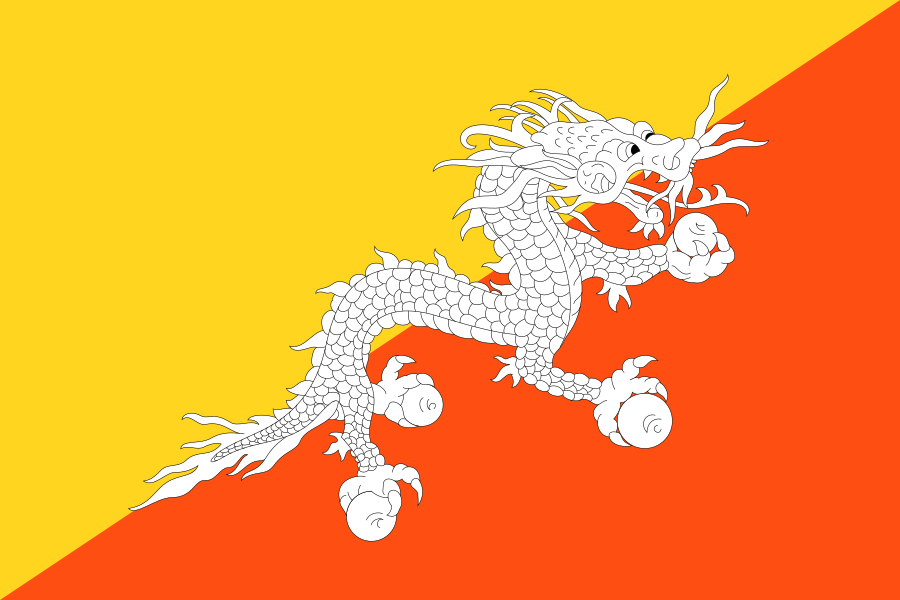 Bhutan
-
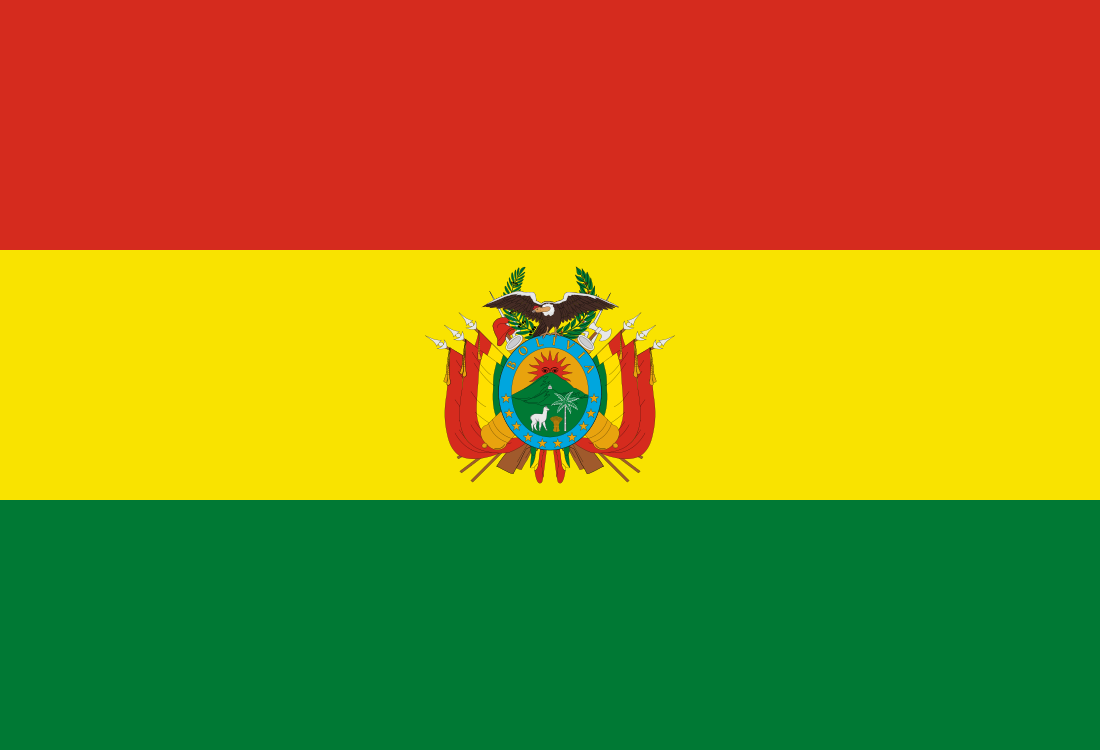 Bolivia
-
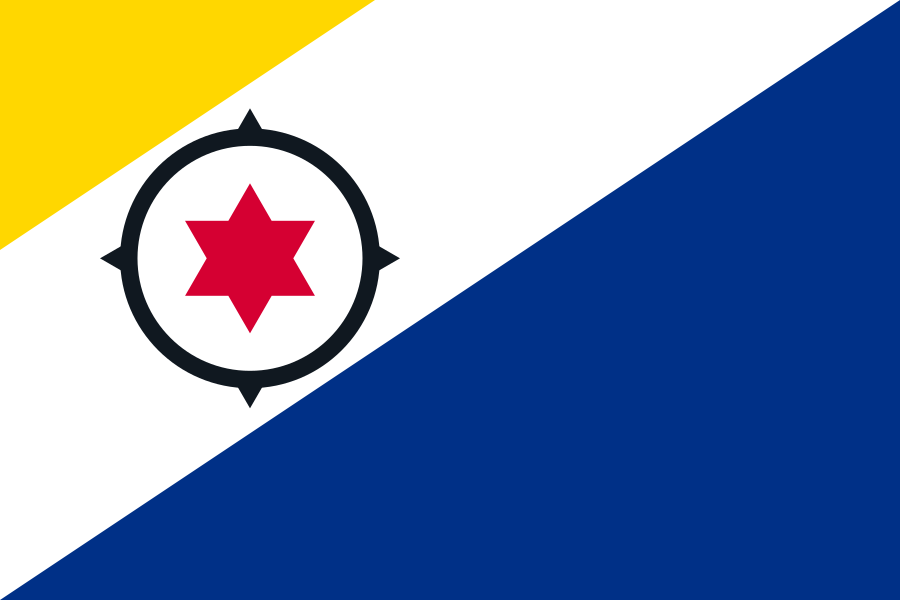 Bonaire
-
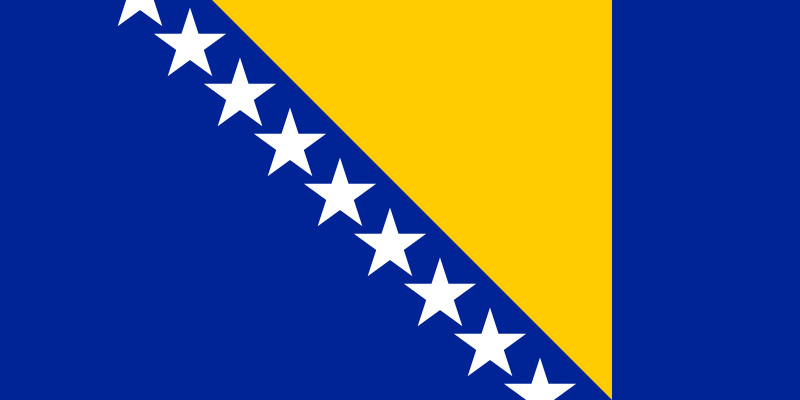 Bosnia and Herzegovina
-
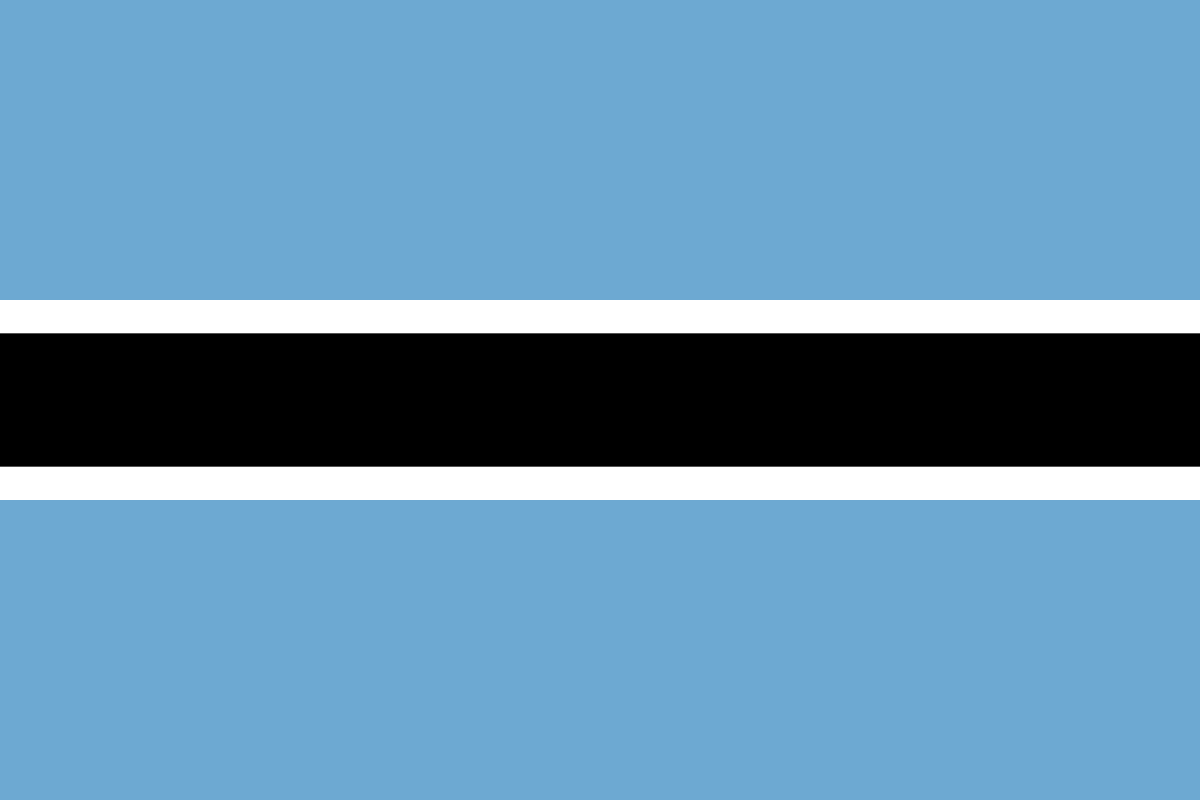 Botswana
-
 Bouvet Island
-
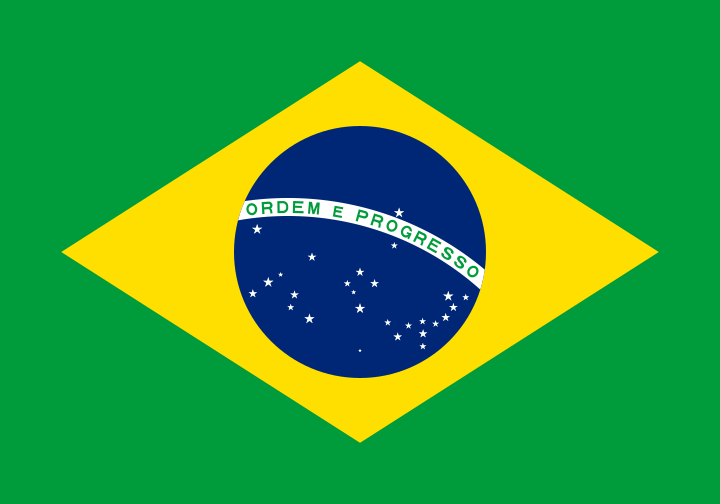 Brazil
-
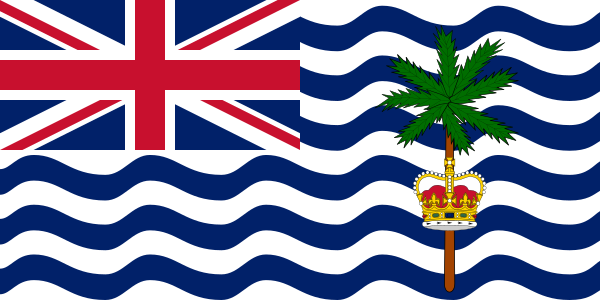 British Indian Ocean Territory
-
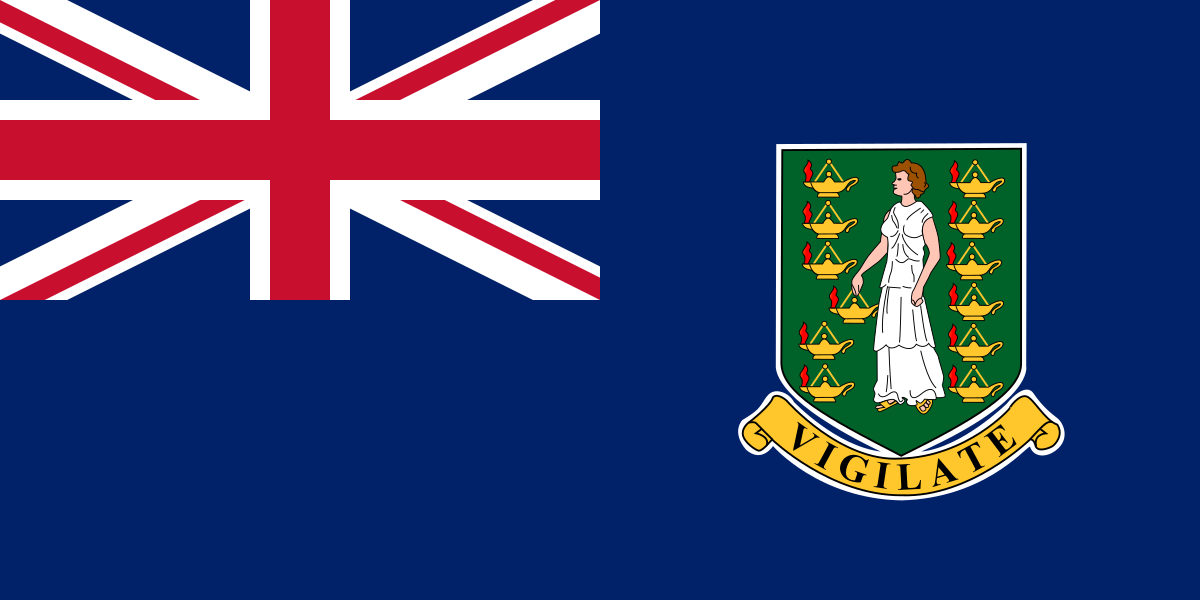 British Virgin Islands
-
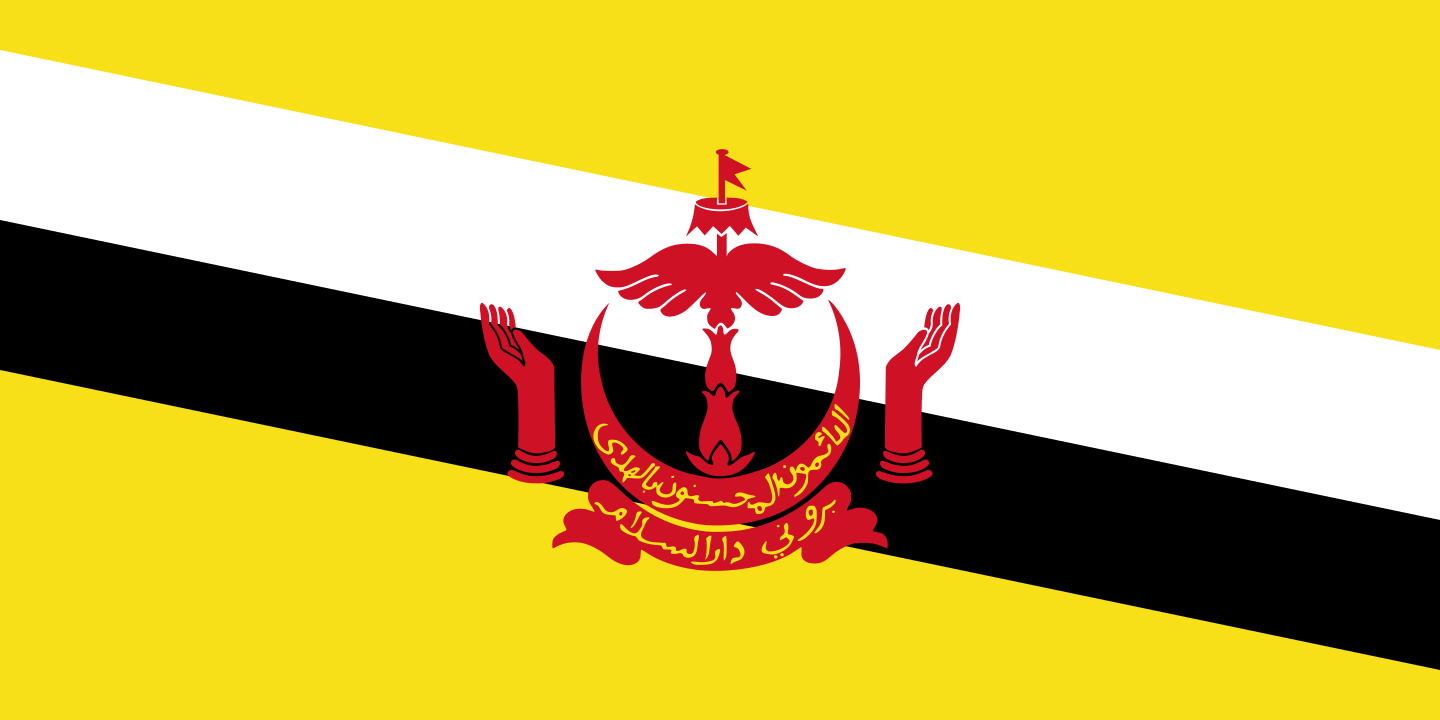 Brunei
-
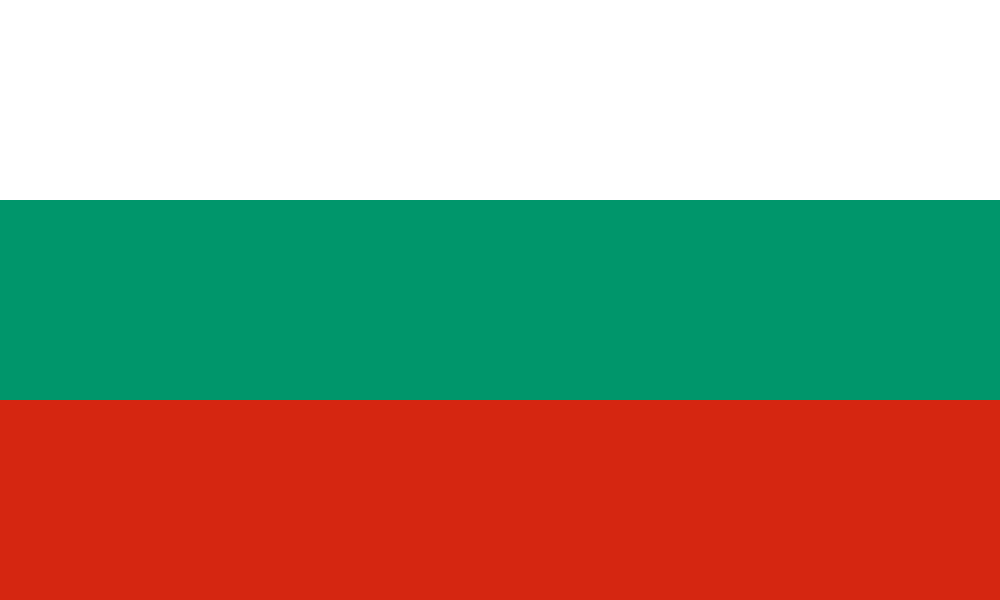 Bulgaria
-
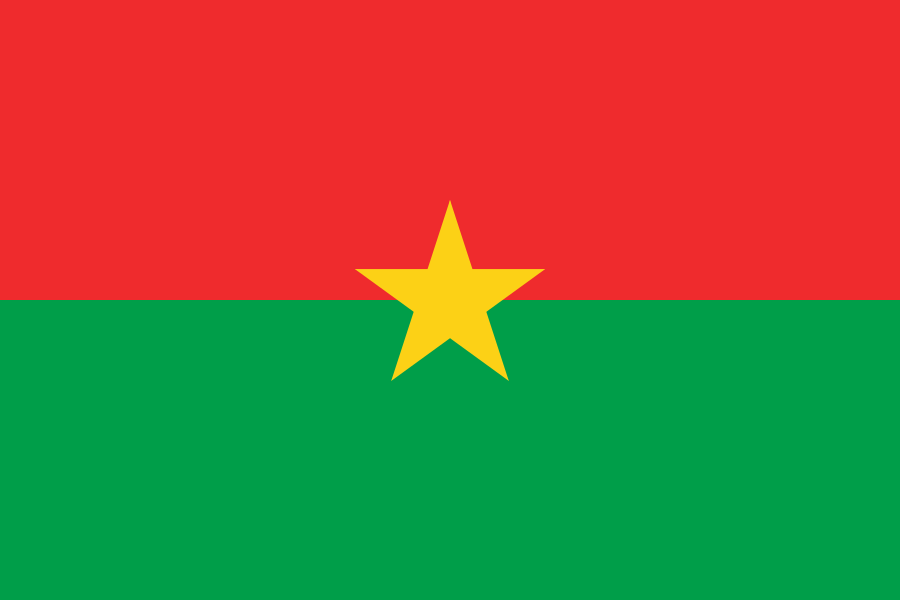 Burkina Faso
-
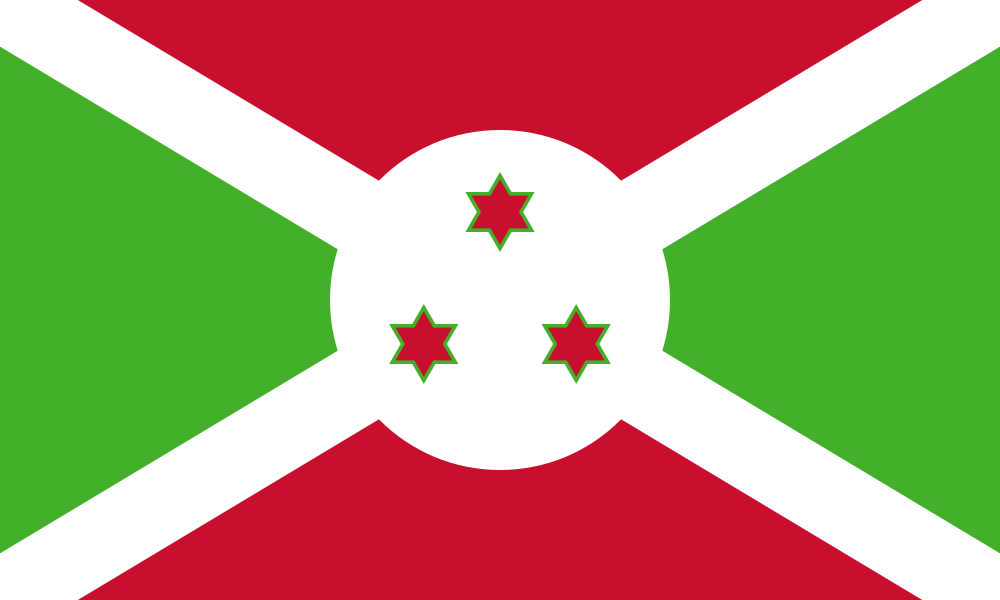 Burundi
-
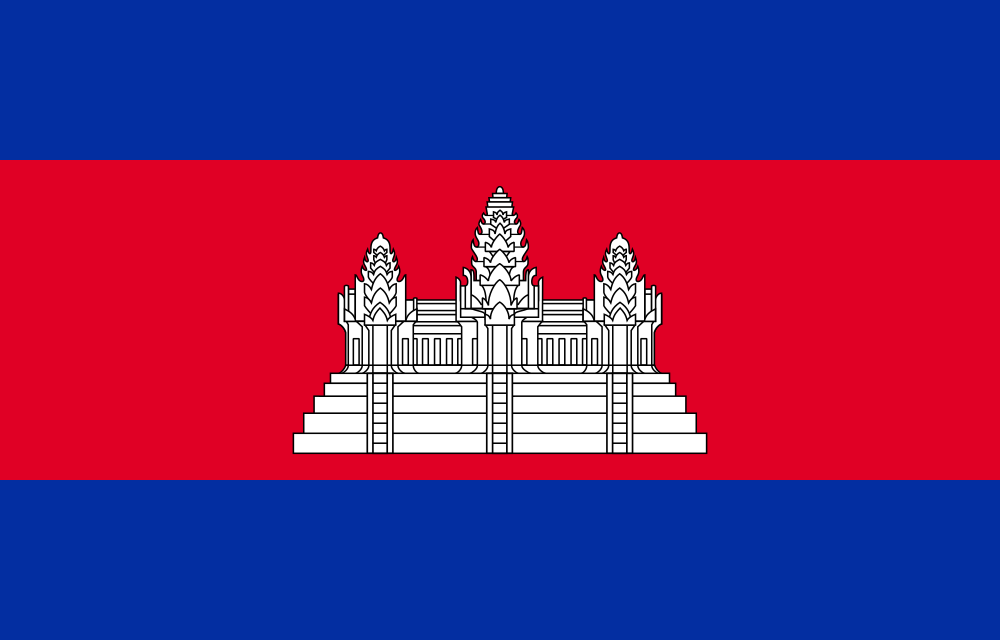 Cambodia
-
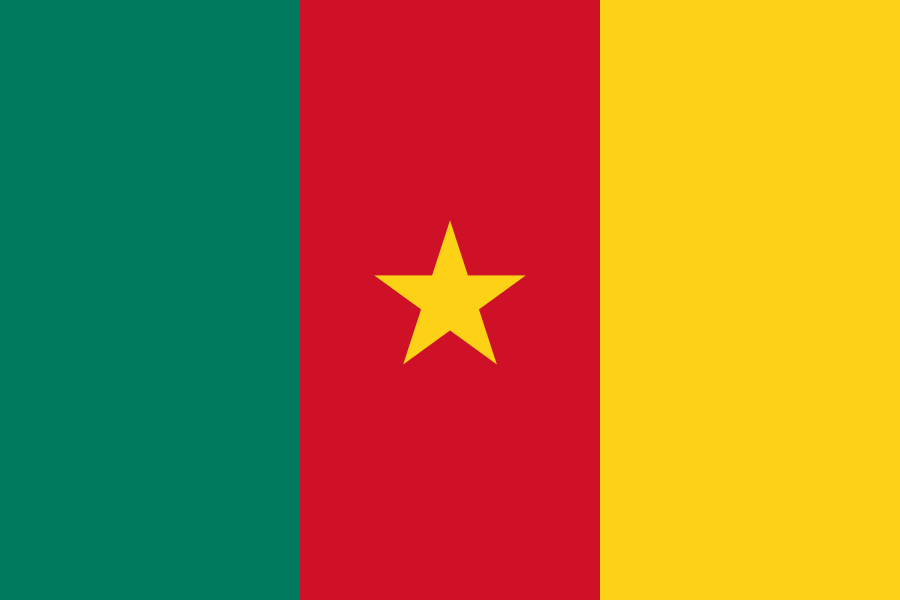 Cameroon
-
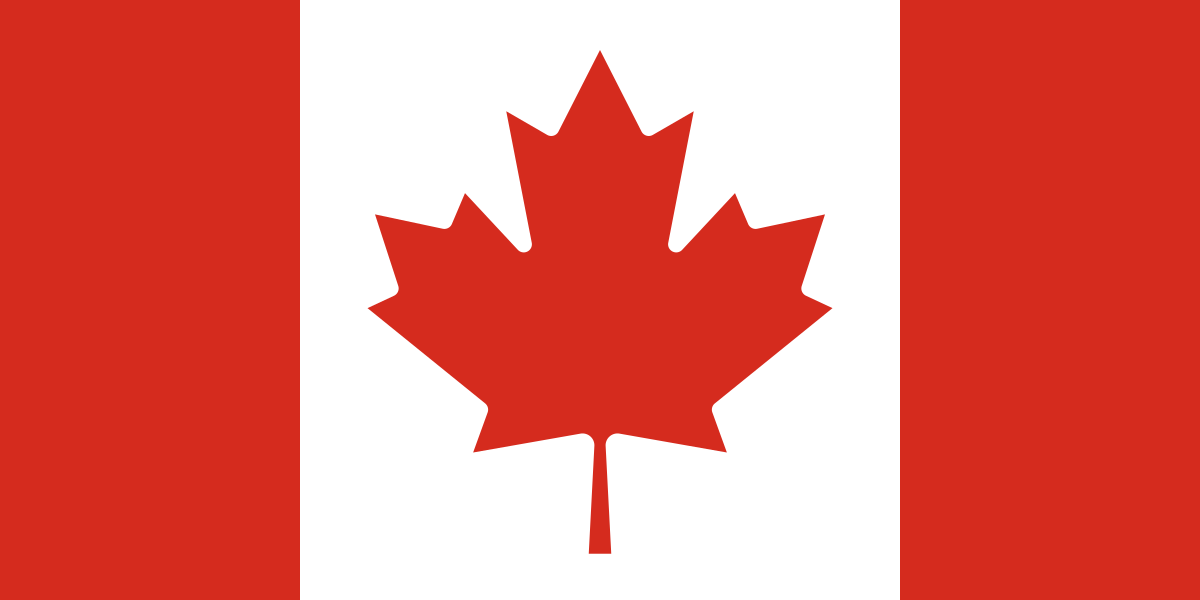 Canada
-
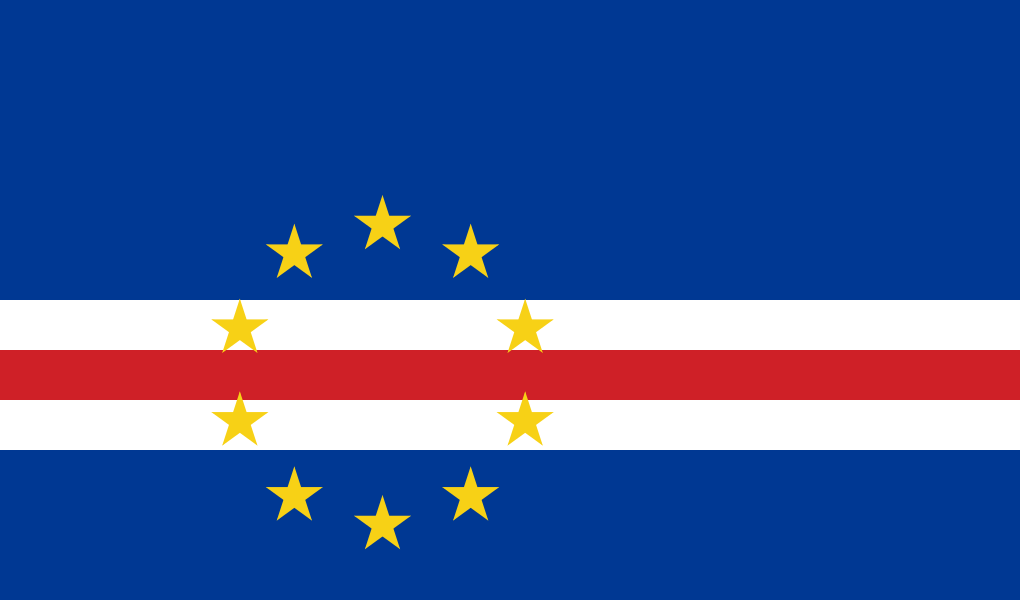 Cape Verde
-
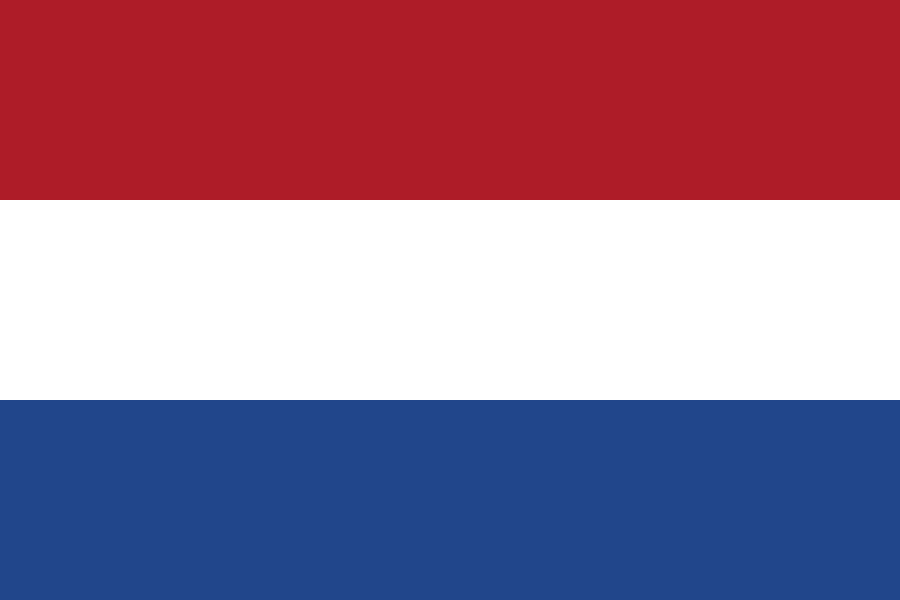 Caribbean Netherlands
-
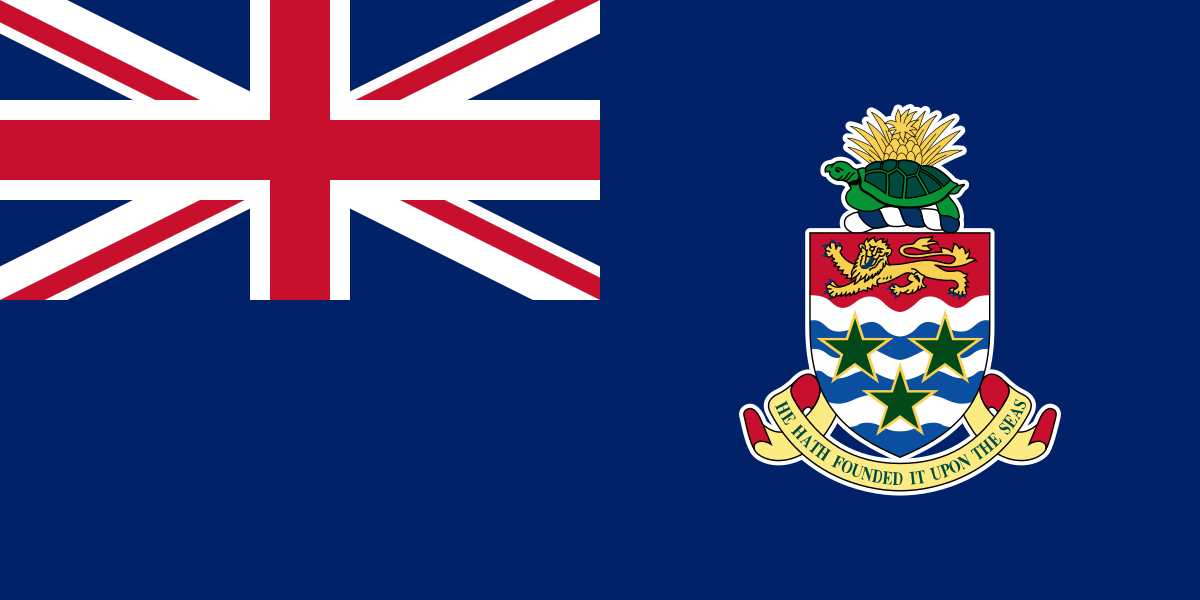 Cayman Islands
-
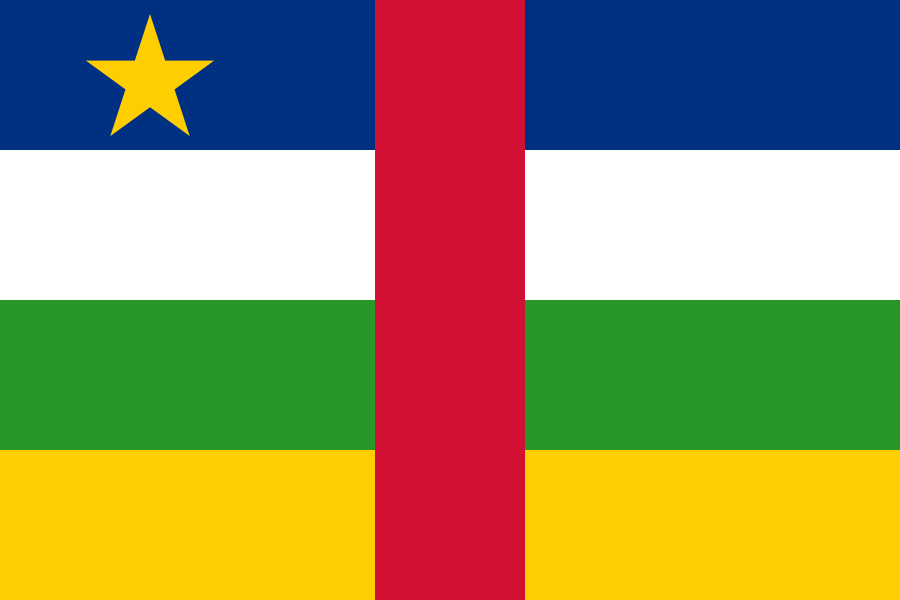 Central African Republic
-
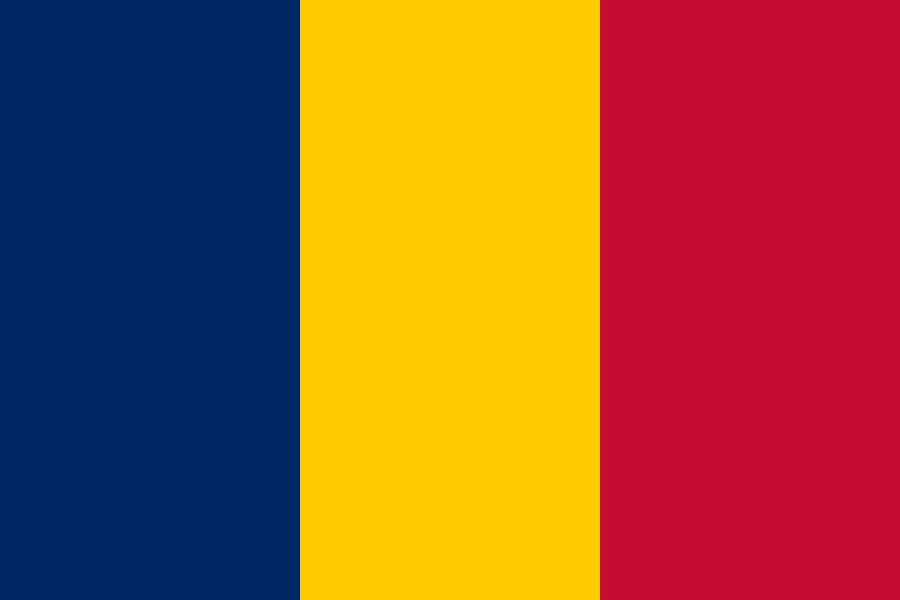 Chad
Chad
-
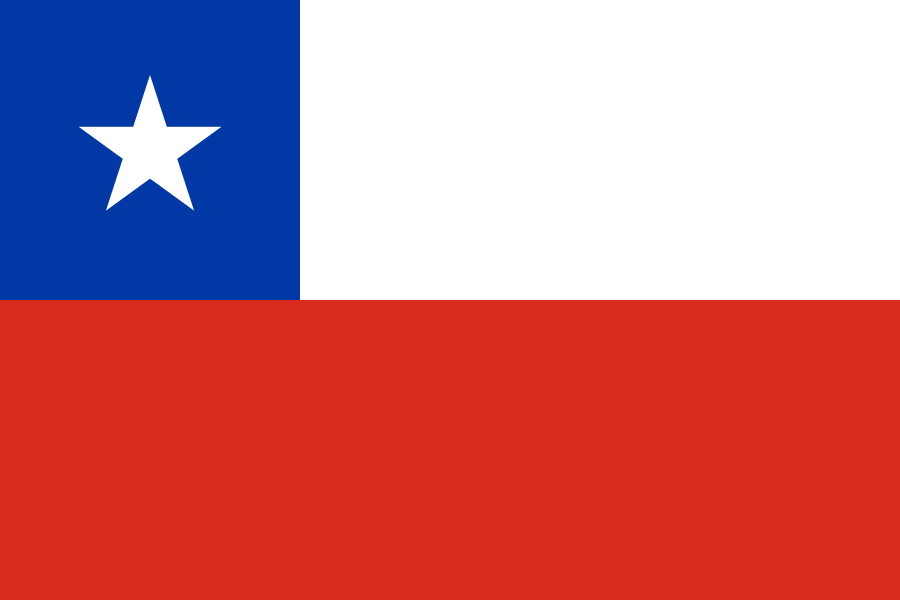 Chile
Chile
-
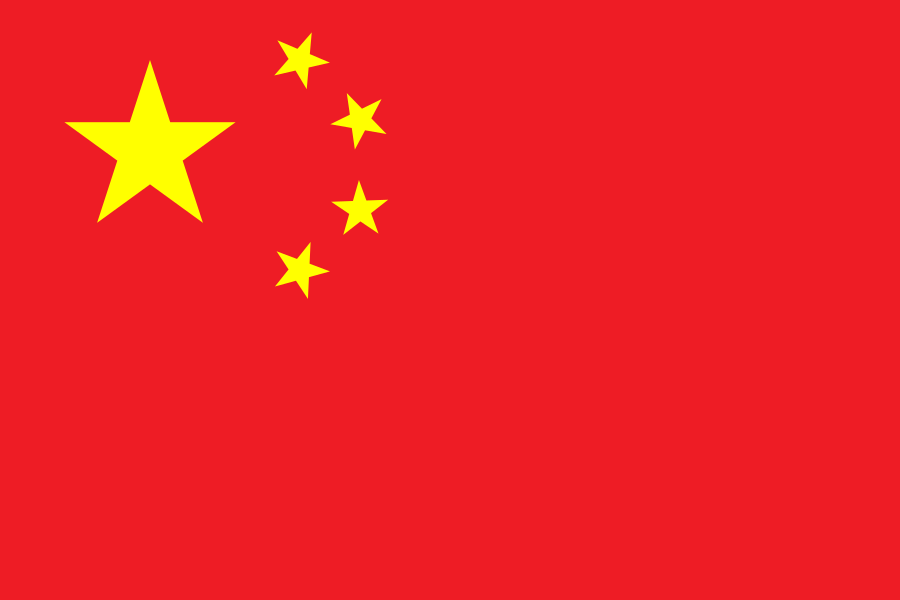 China
China
-
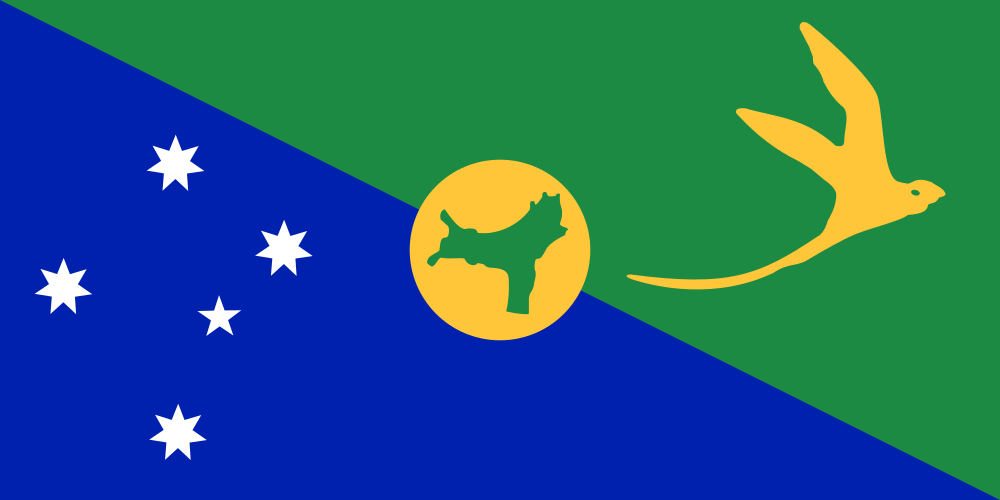 Christmas Island
-
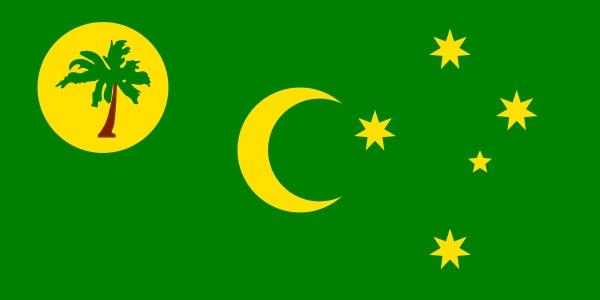 Cocos Islands
-
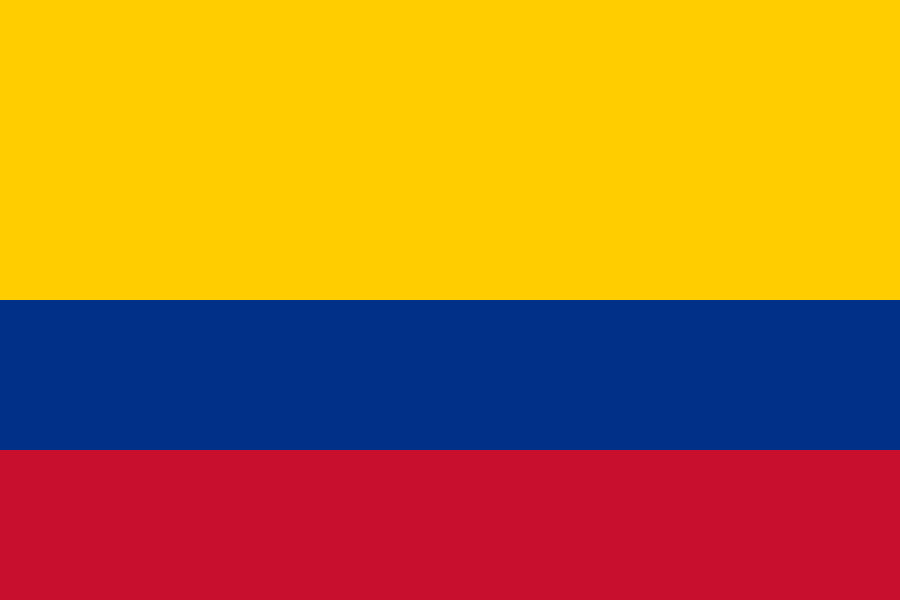 Colombia
-
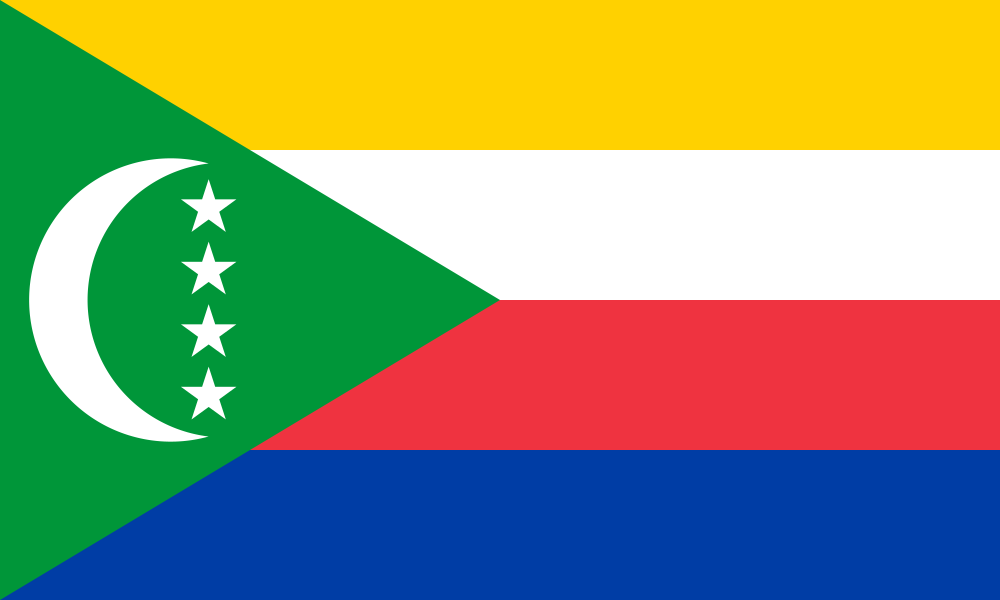 Comoros
-
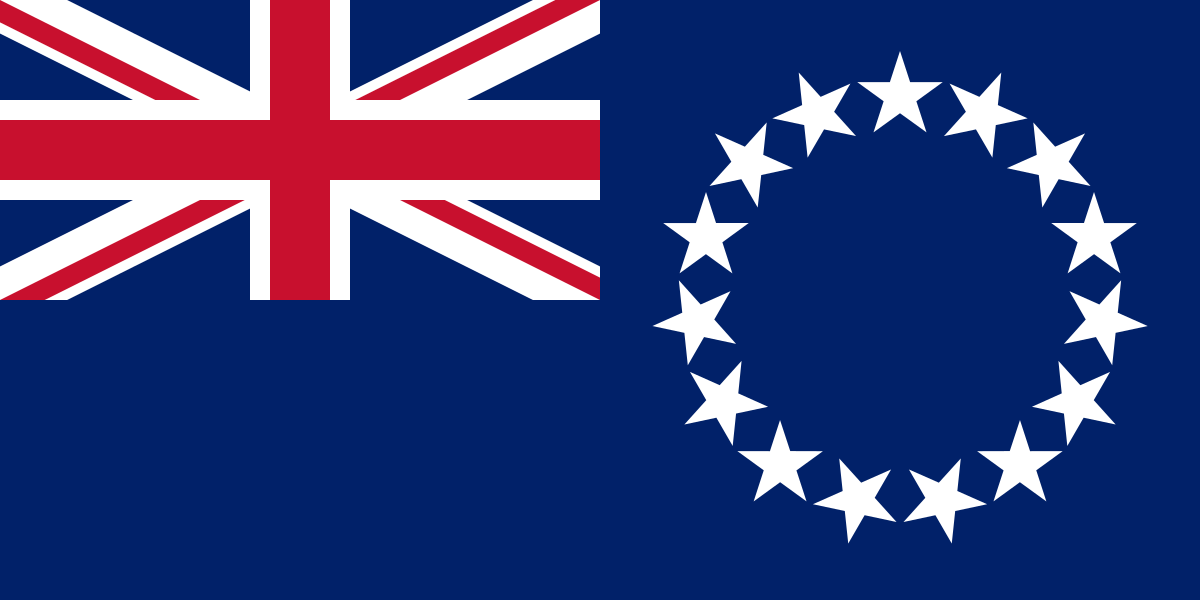 Cook Islands
-
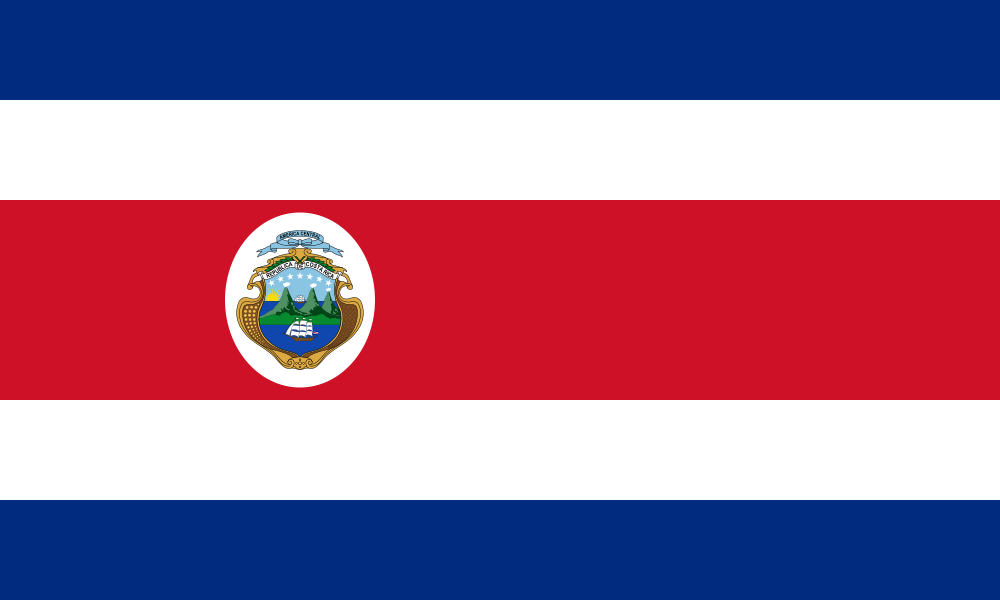 Costa Rica
-
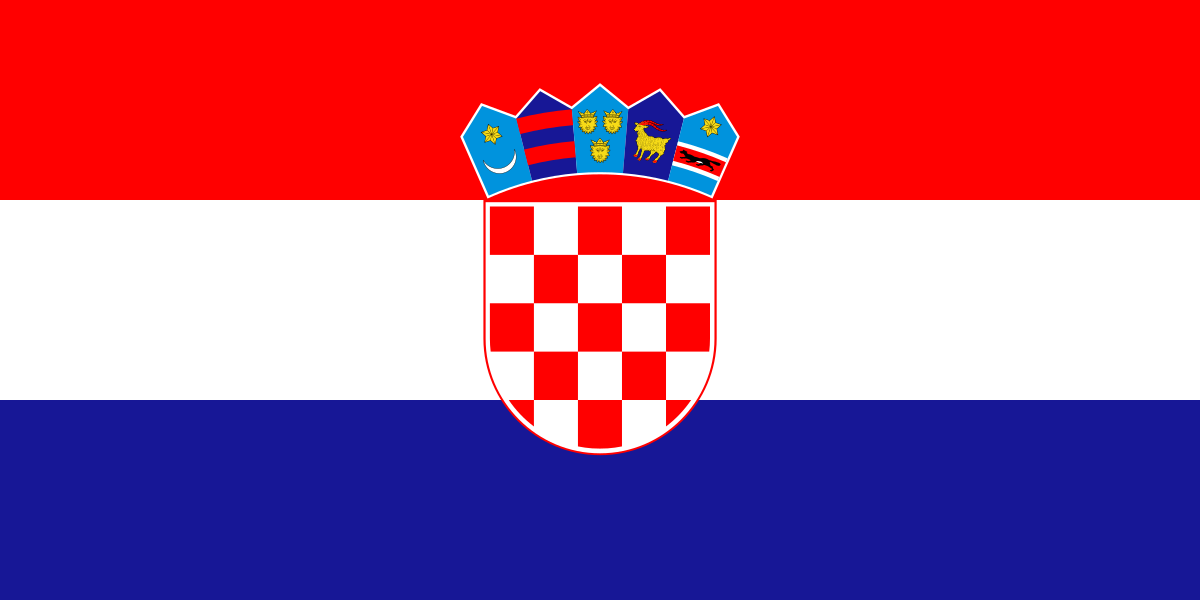 Croatia
-
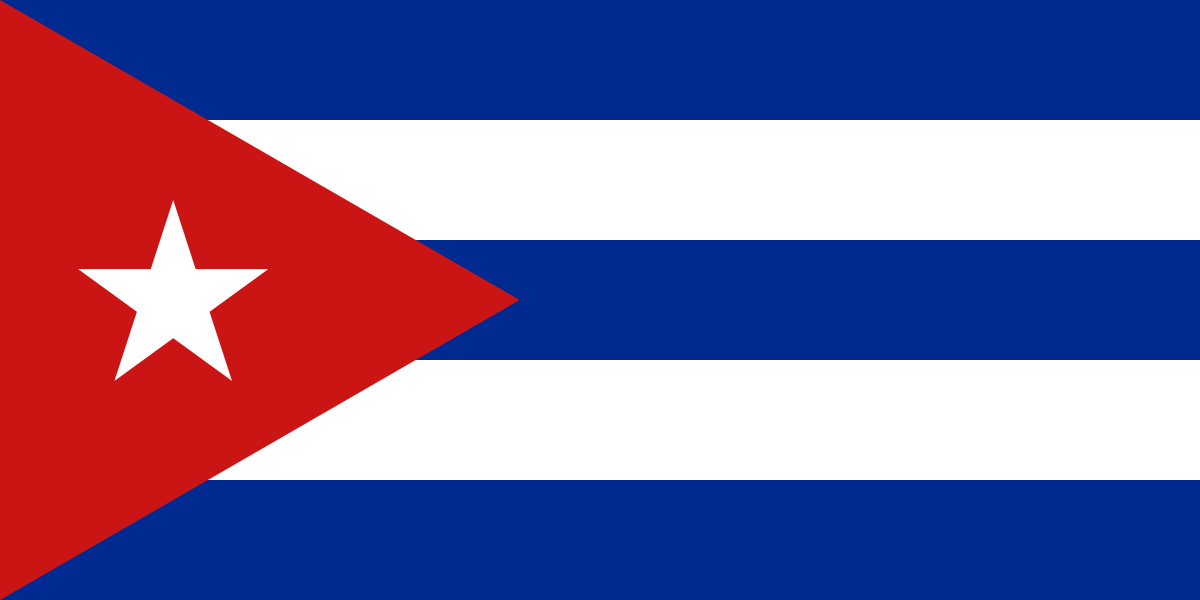 Cuba
Cuba
-
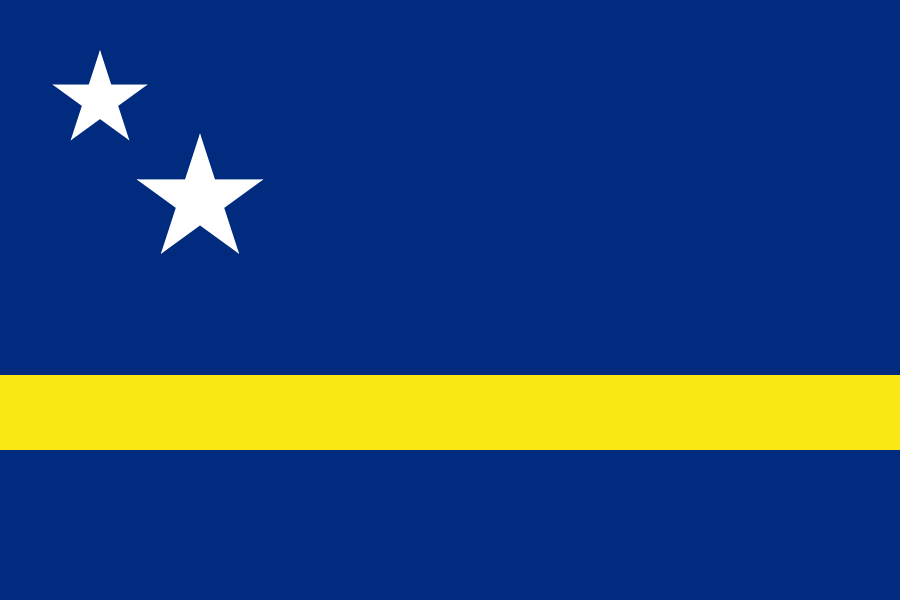 Curaçao
-
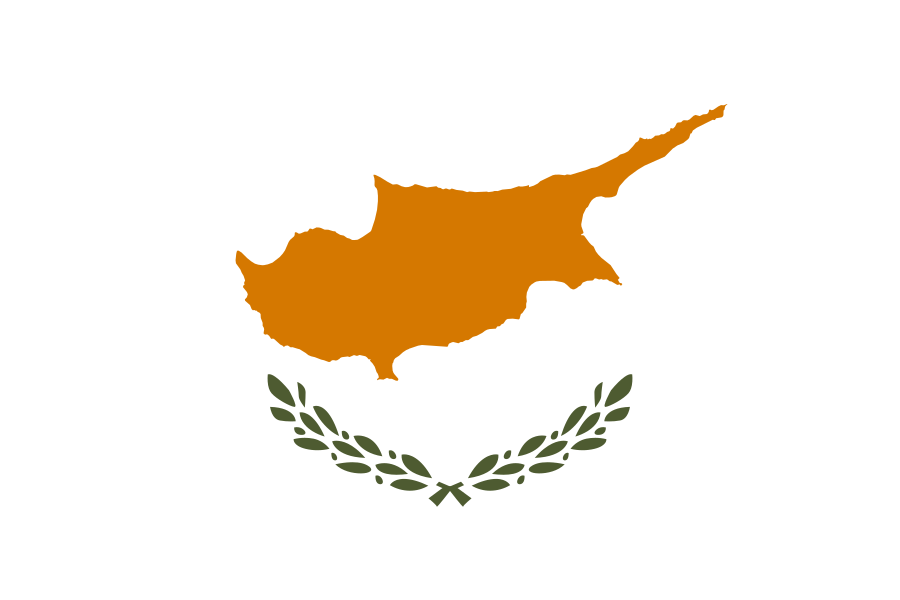 Cyprus
-
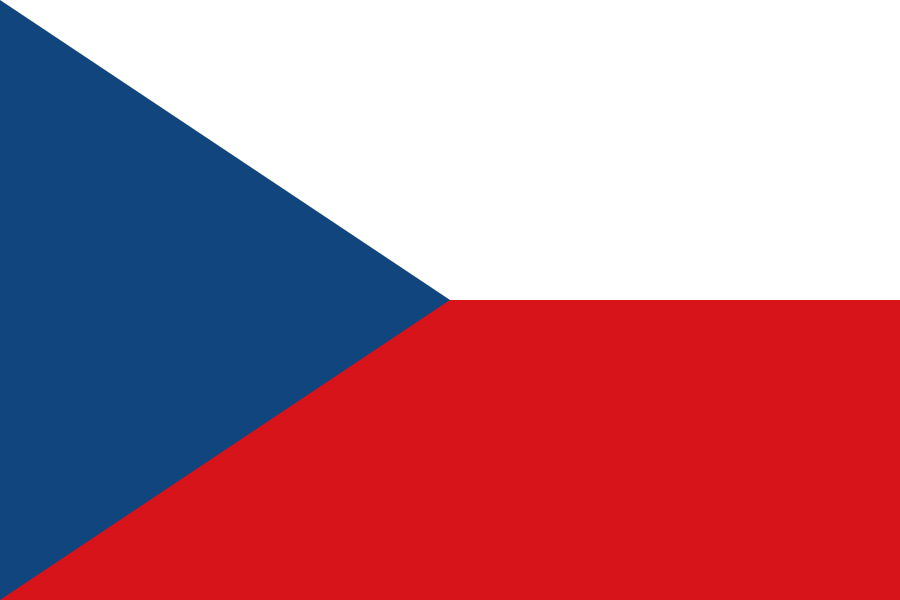 Czech Republic
-
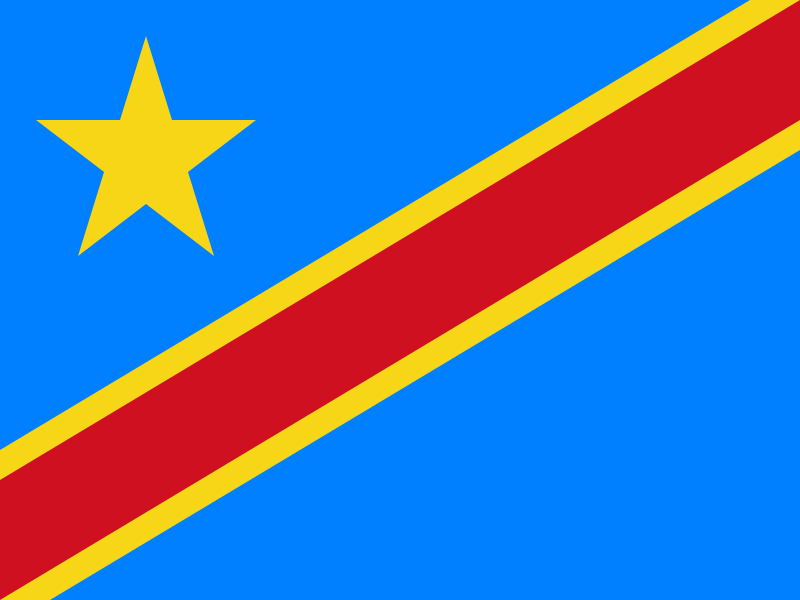 Democratic Republic of the Congo
-
 Denmark
-
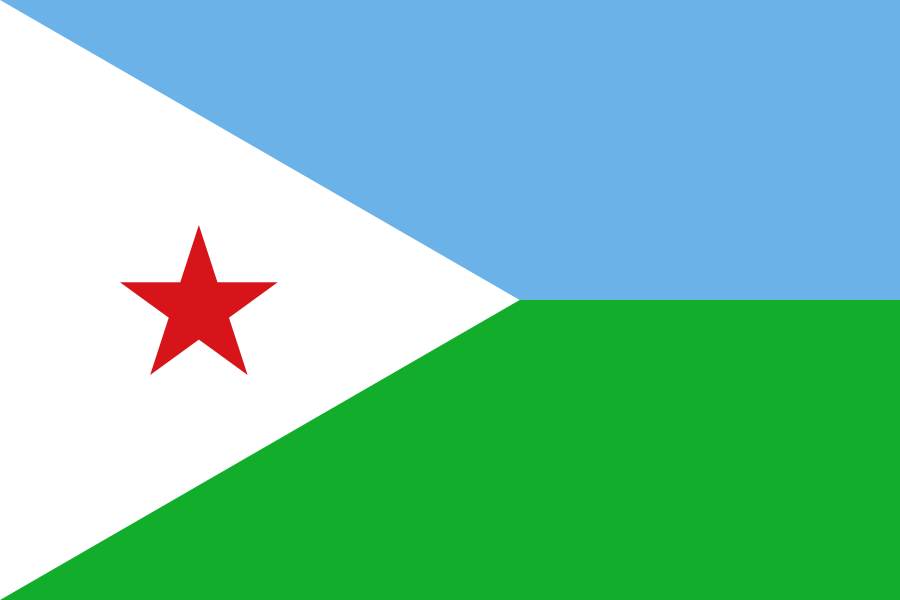 Djibouti
-
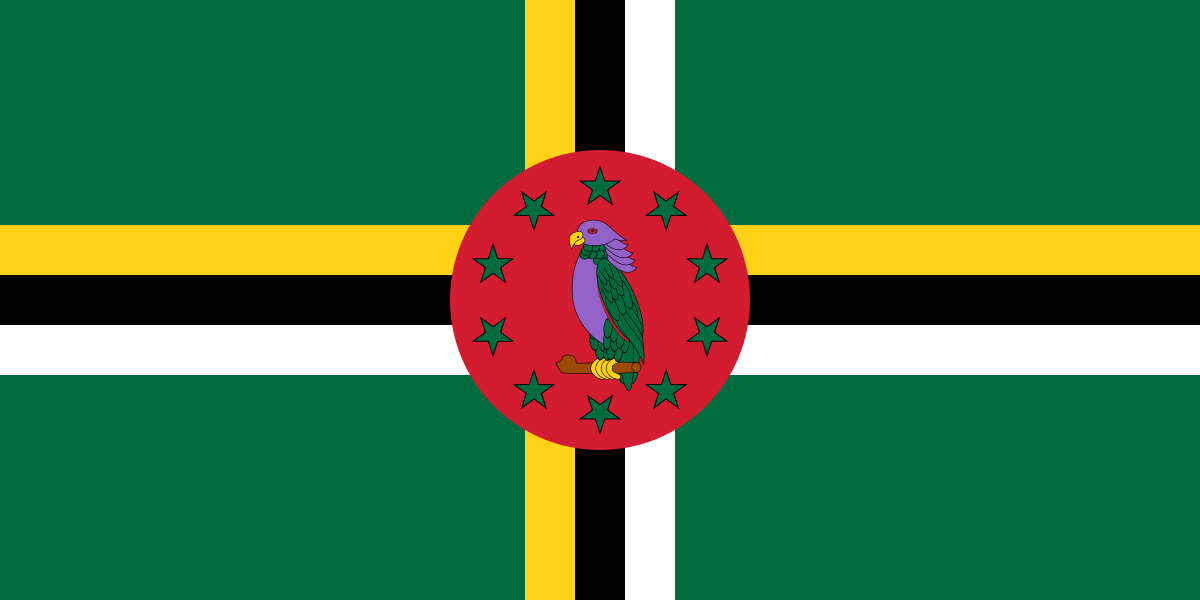 Dominica
-
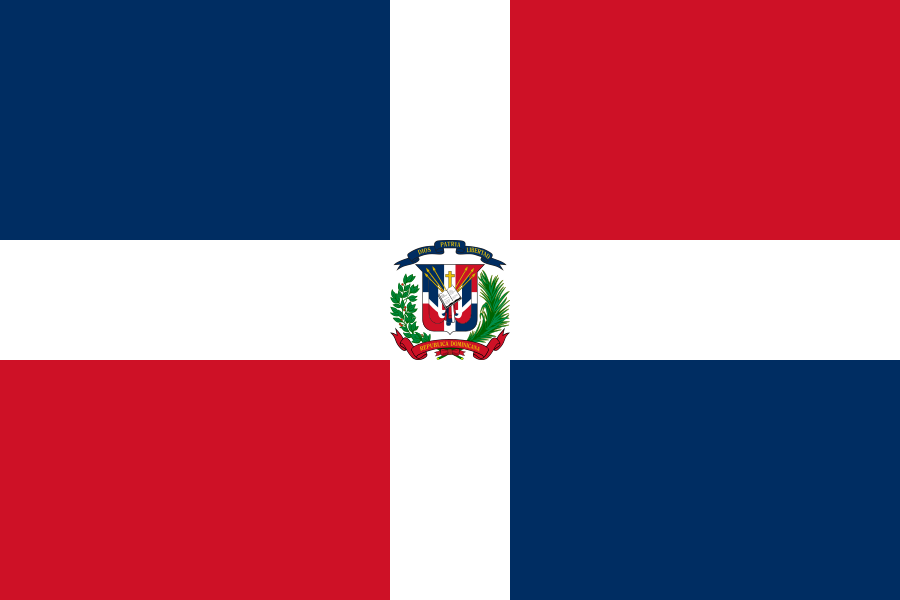 Dominican Republic
-
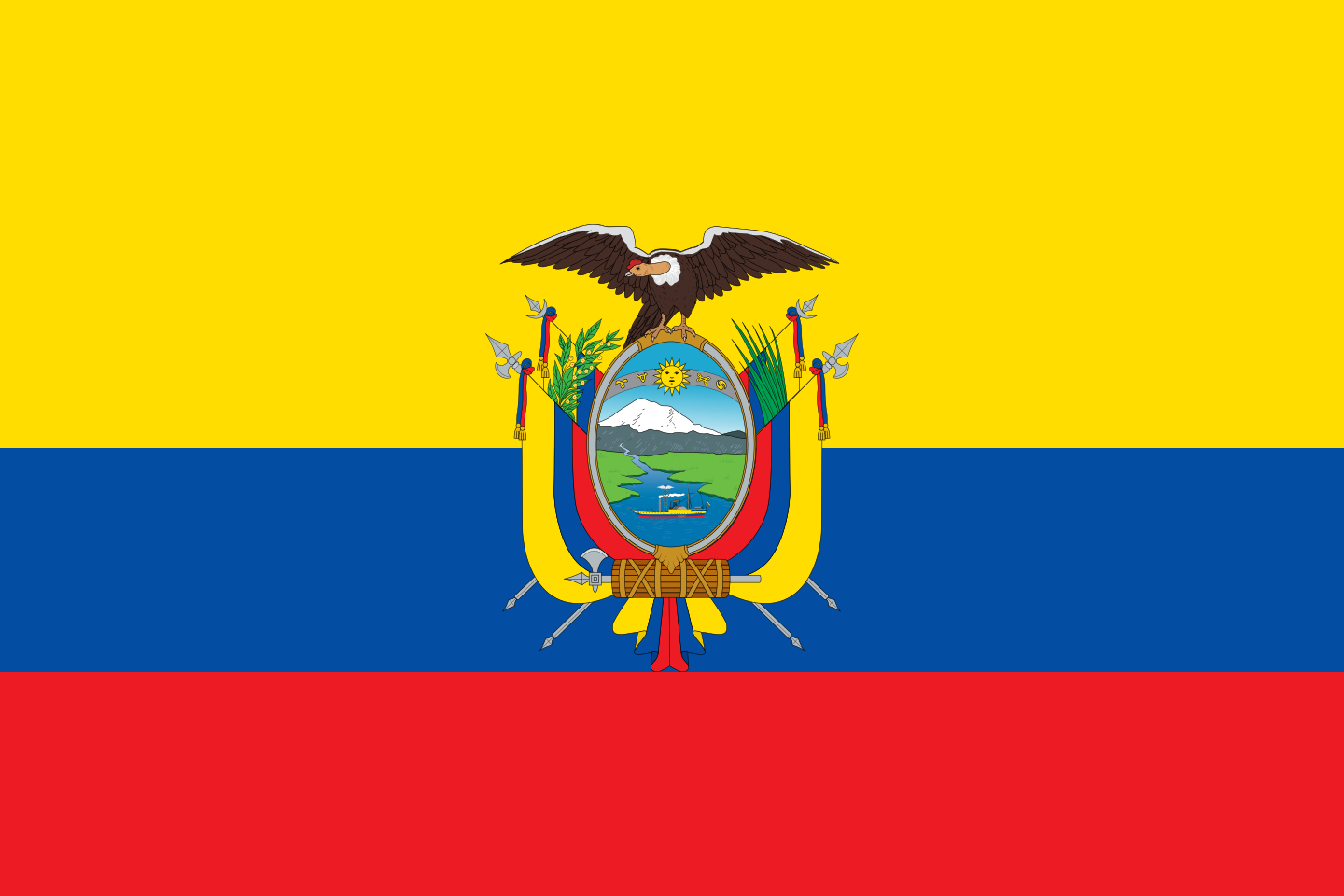 Ecuador
-
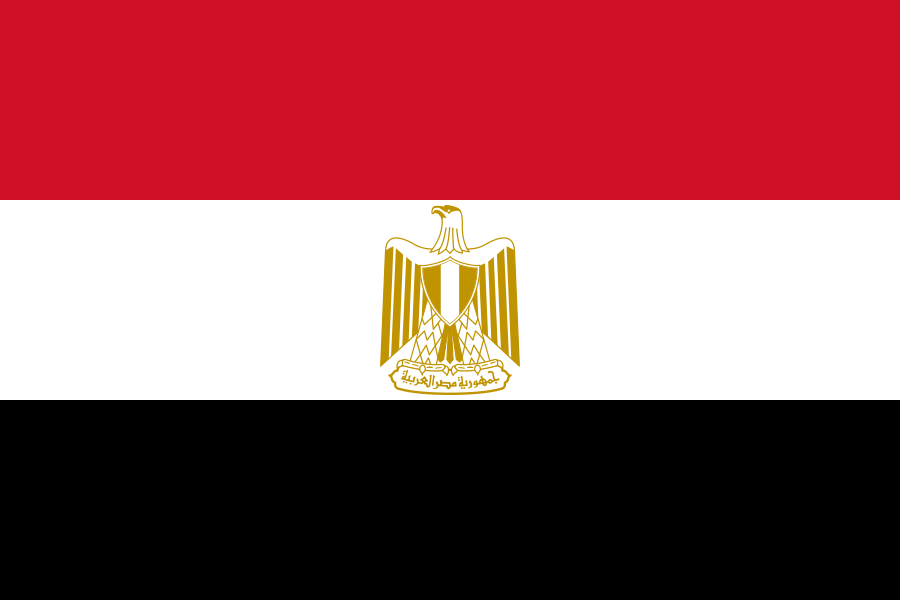 Egypt
Egypt
-
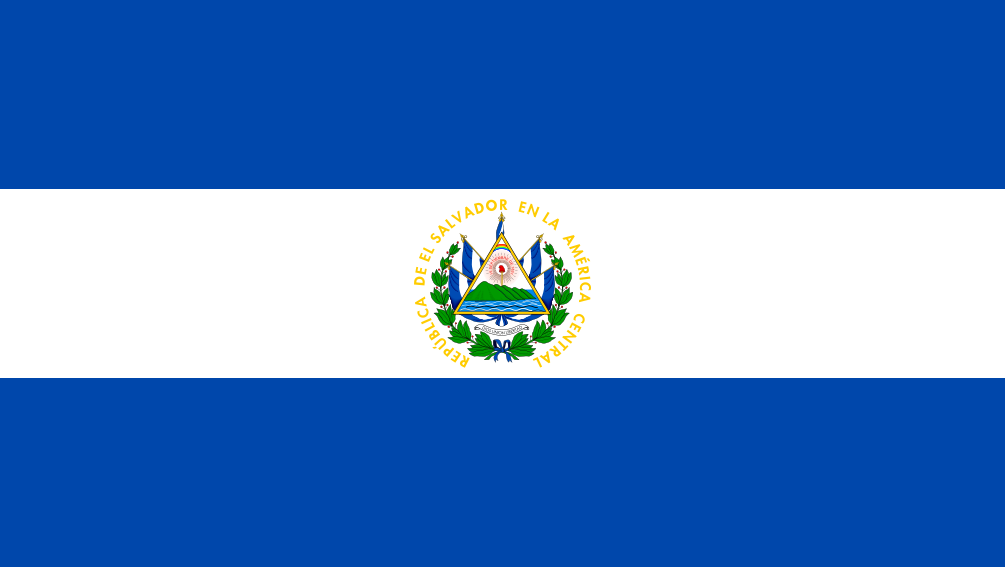 El Salvador
-
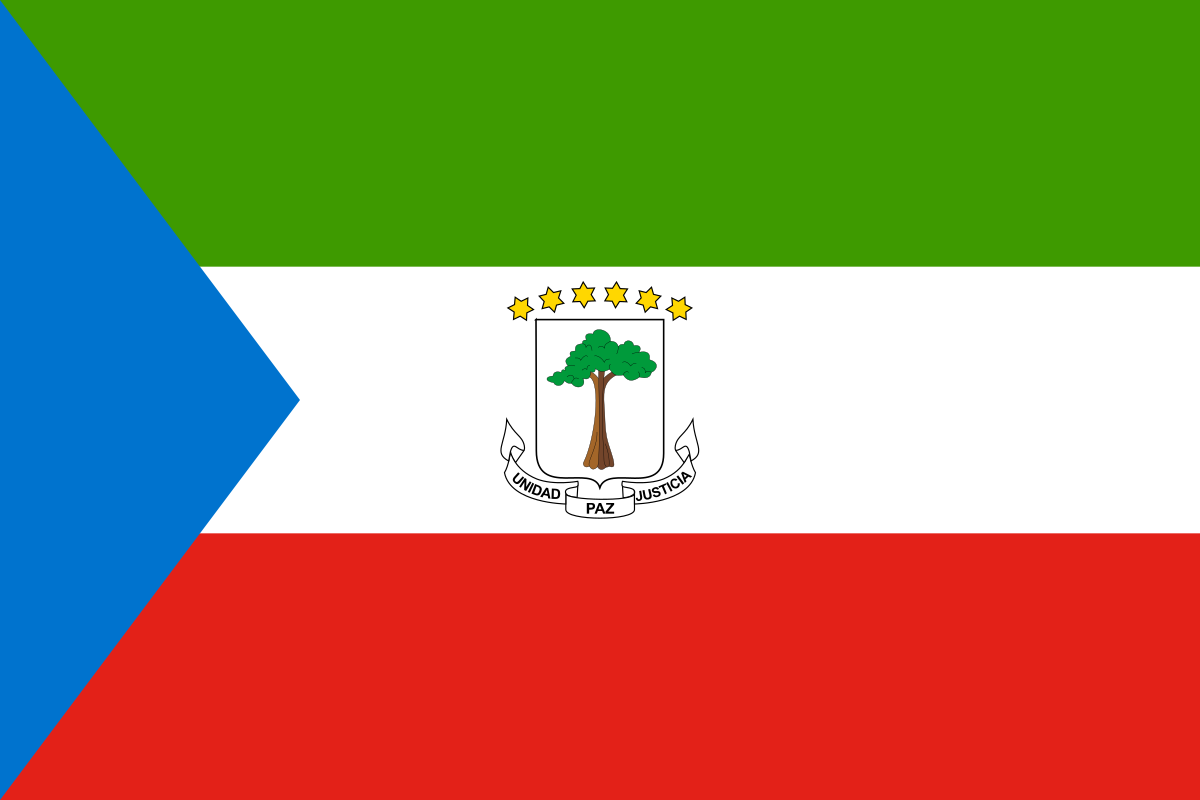 Equatorial Guinea
-
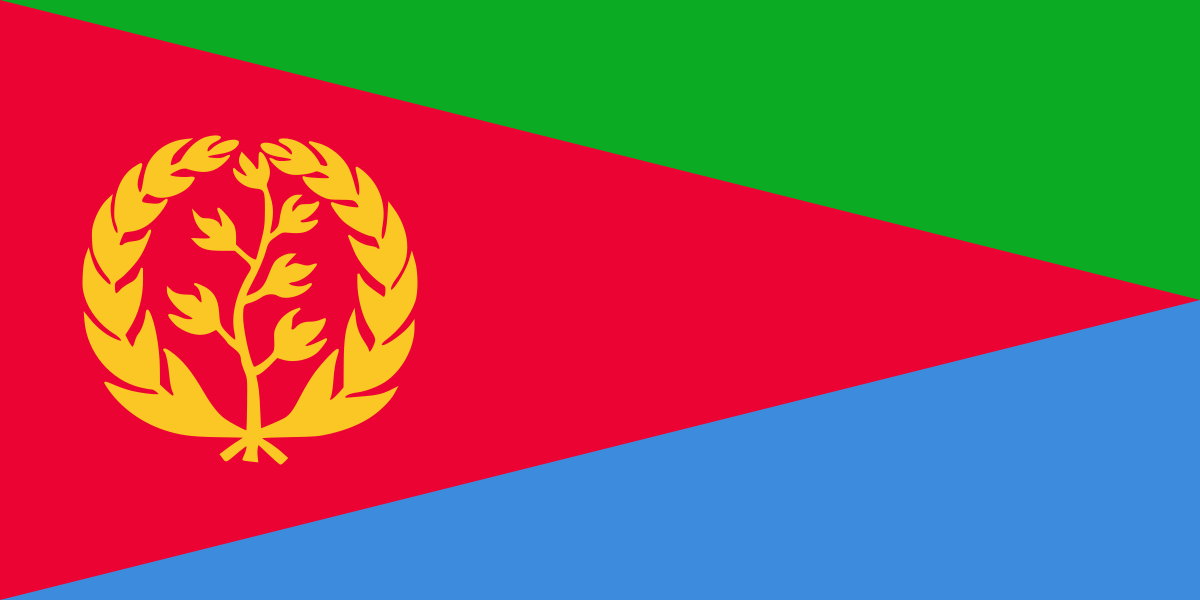 Eritrea
-
 Estonia
-
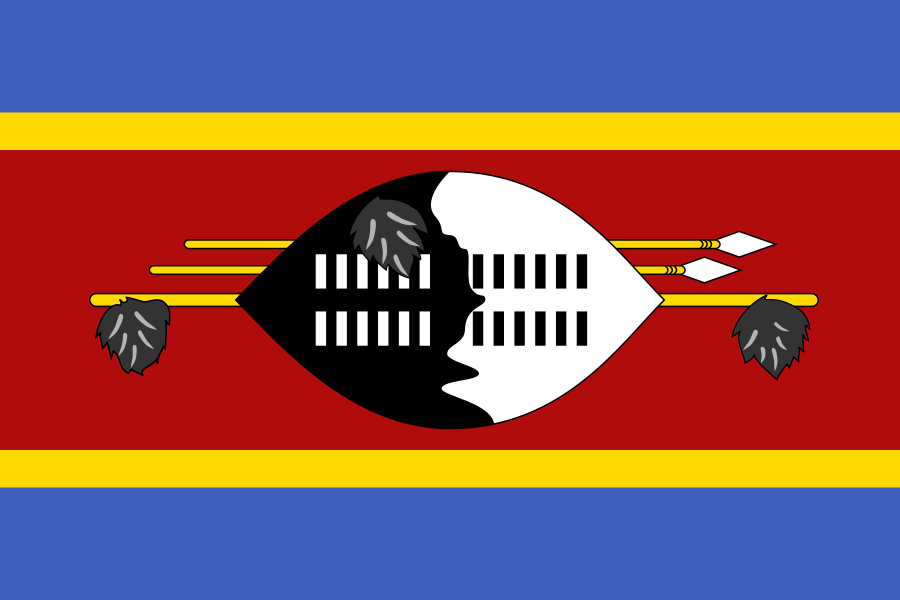 Eswatini
-
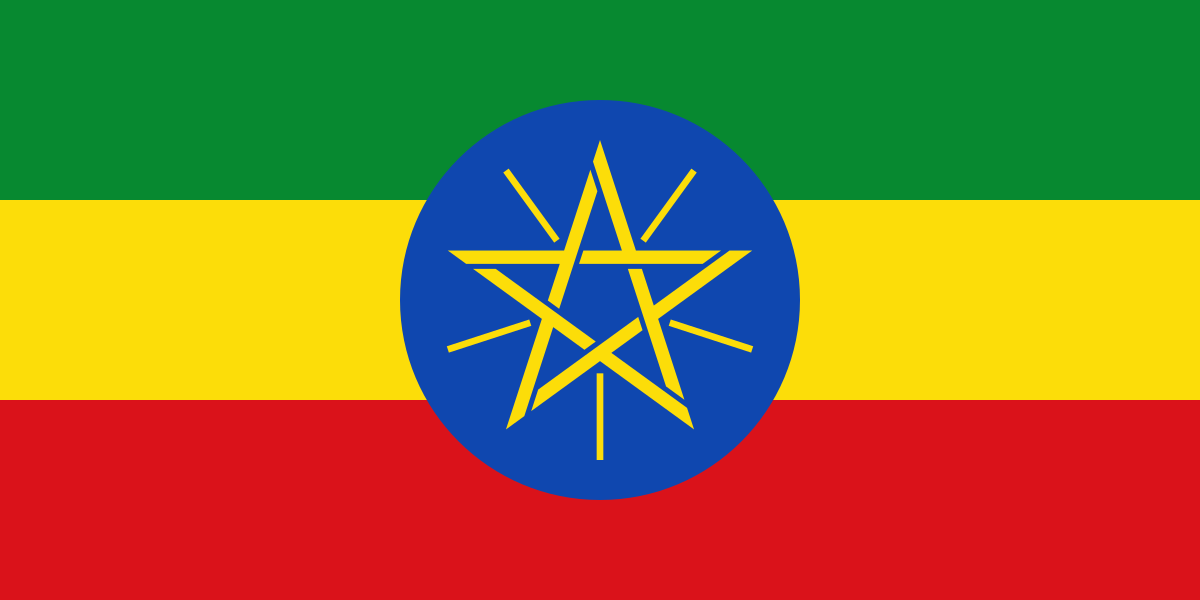 Ethiopia
-
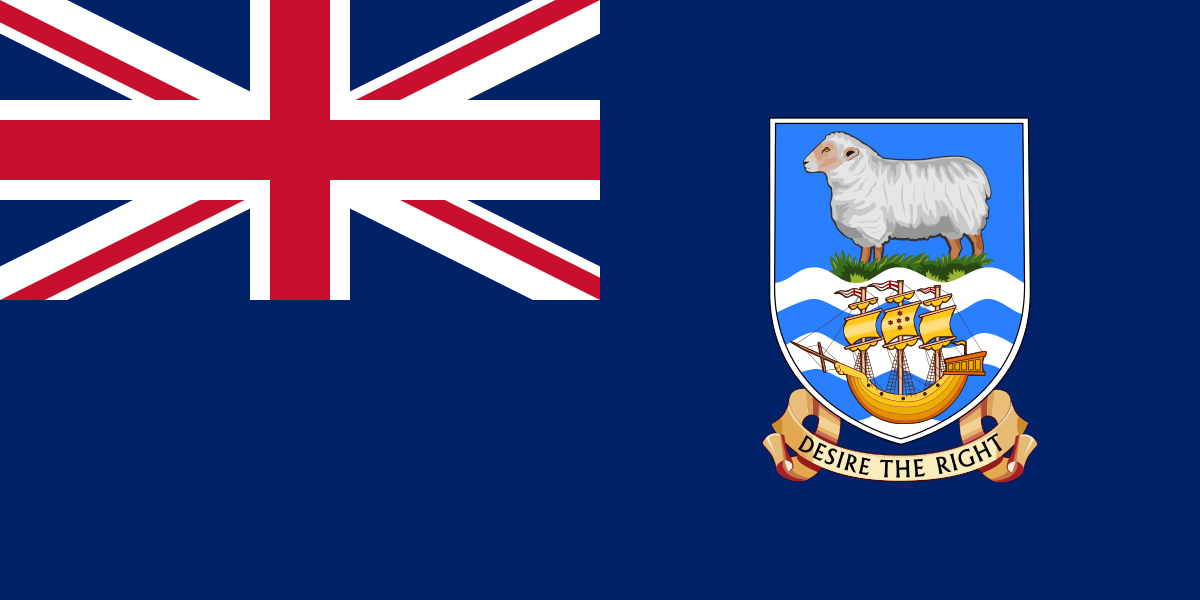 Falkland Islands
-
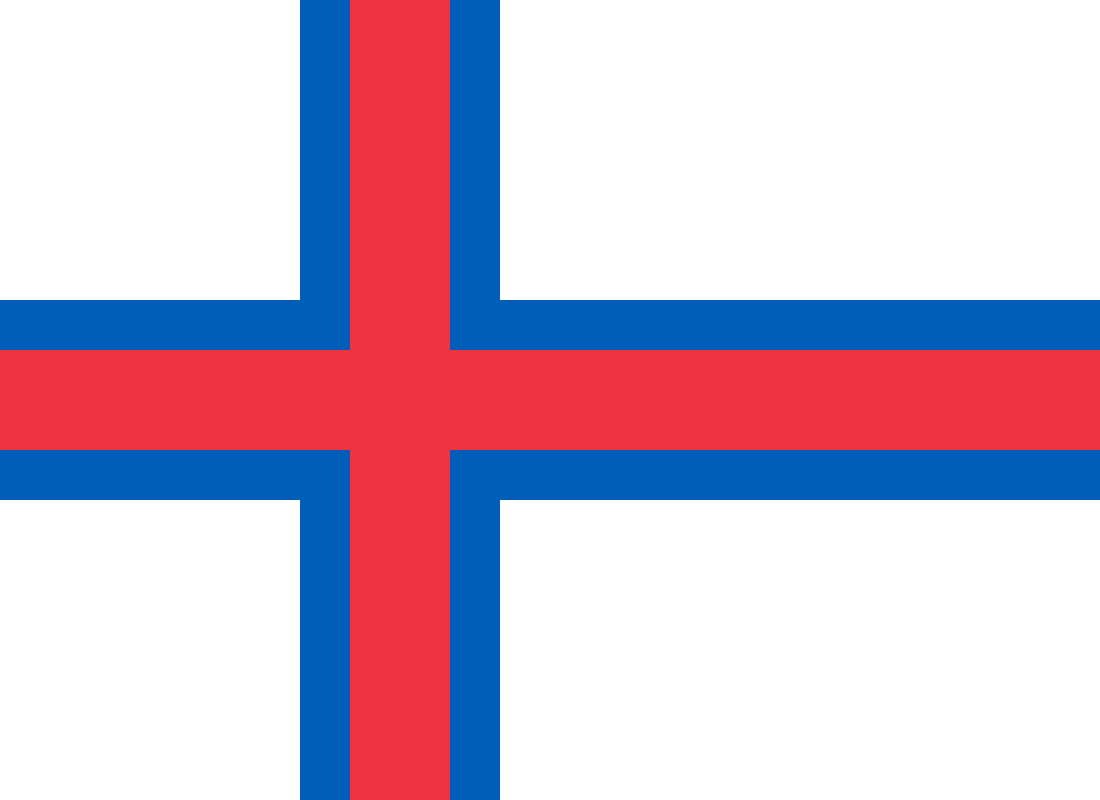 Faroe Islands
-
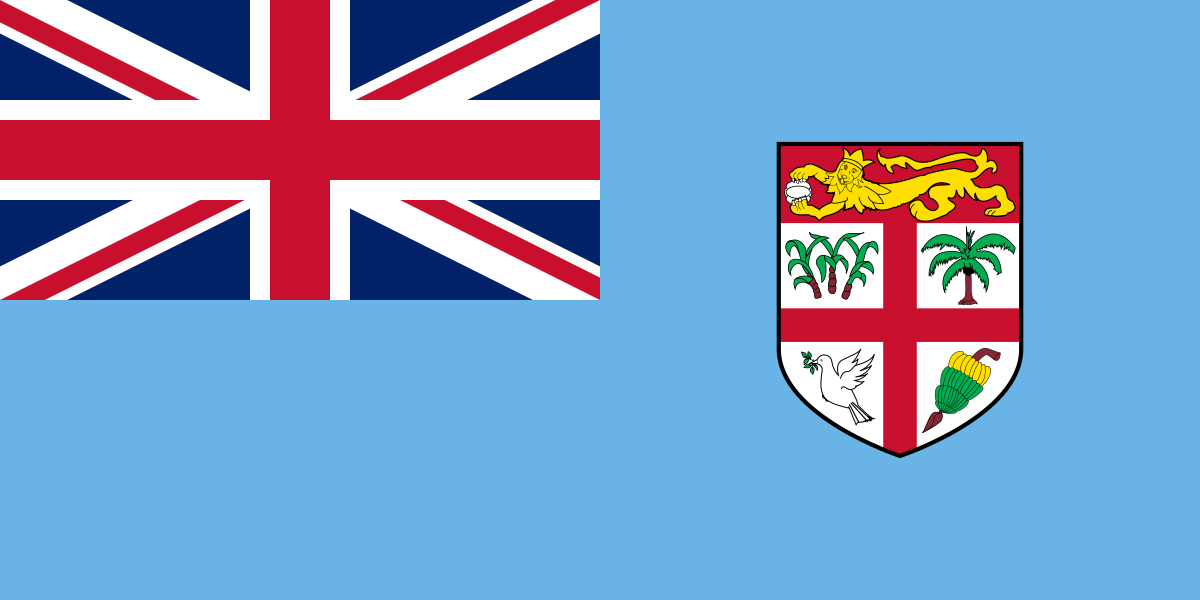 Fiji
Fiji
-
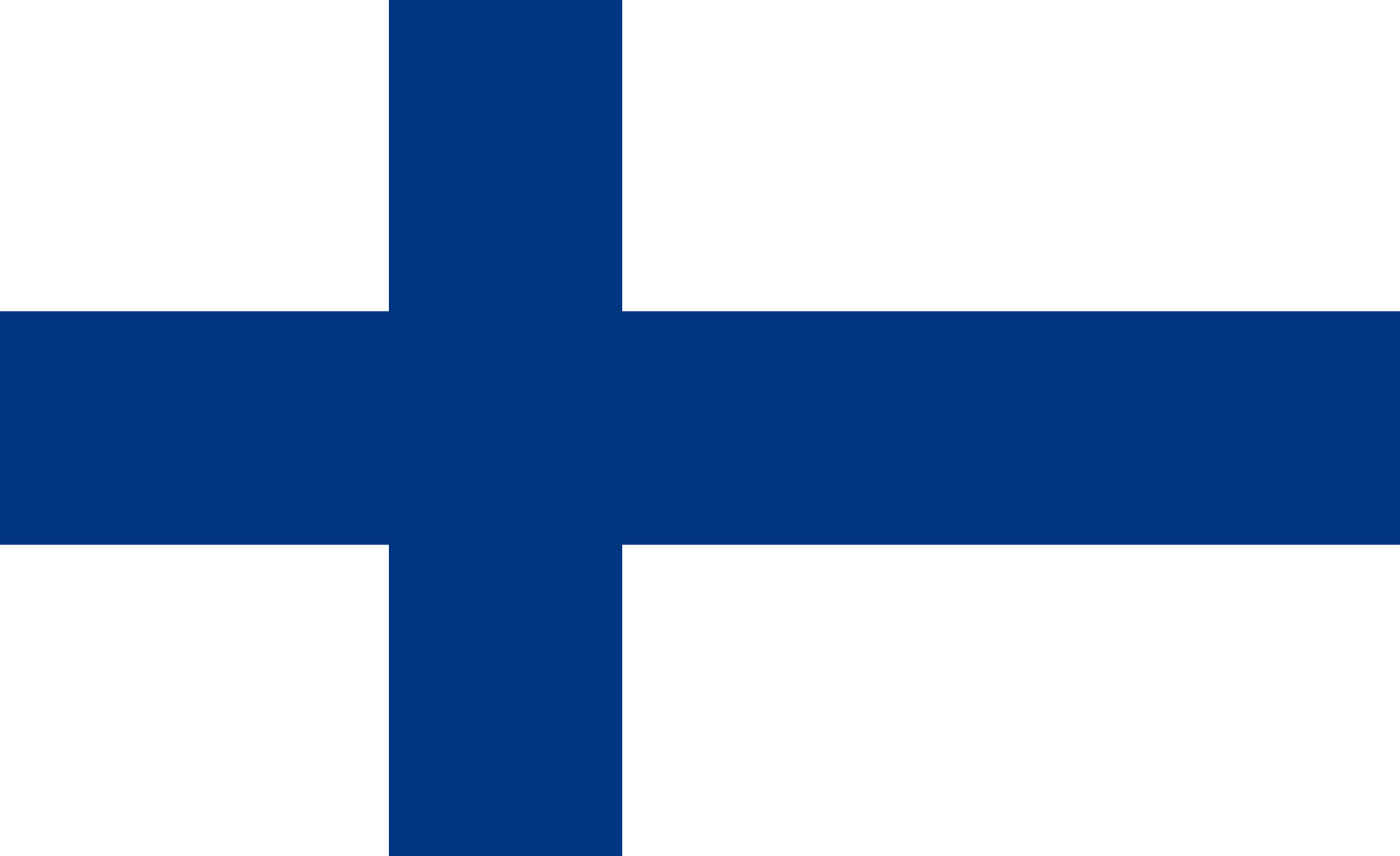 Finland
-
 France
-
French Guiana
-
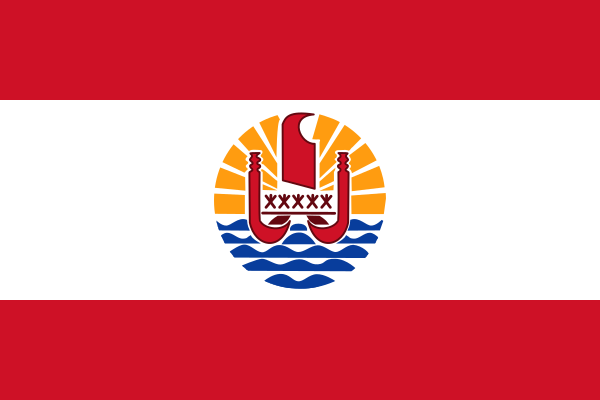 French Polynesia
-
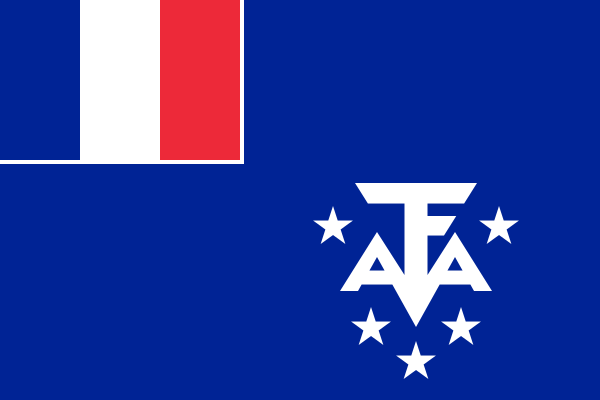 French Southern Territories
-
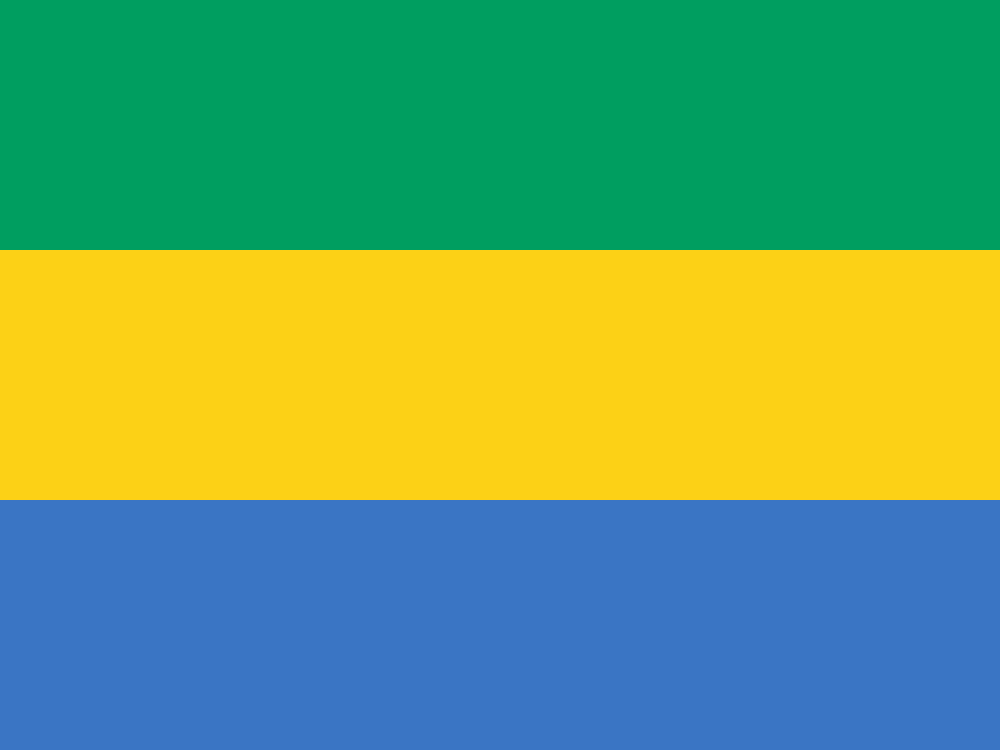 Gabon
Gabon
-
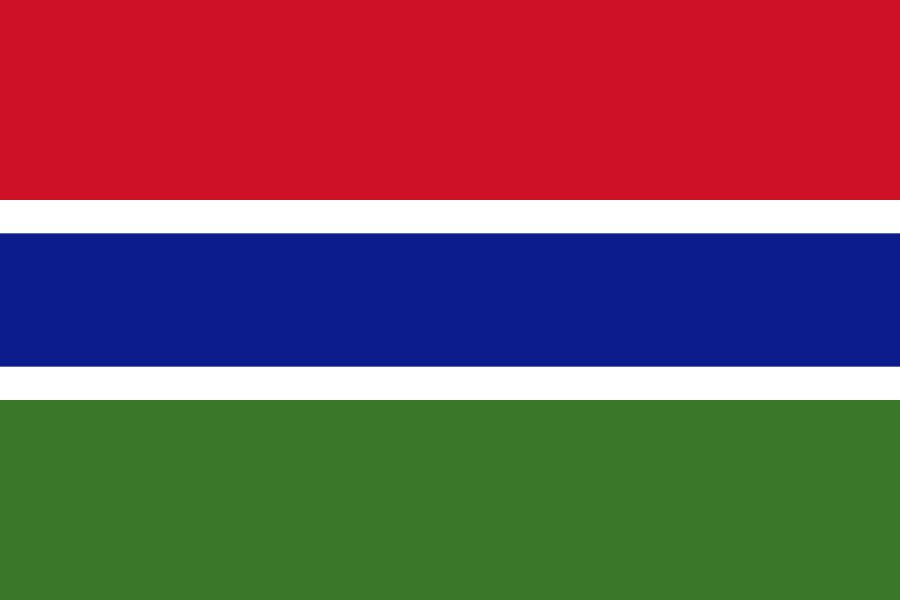 Gambia
-
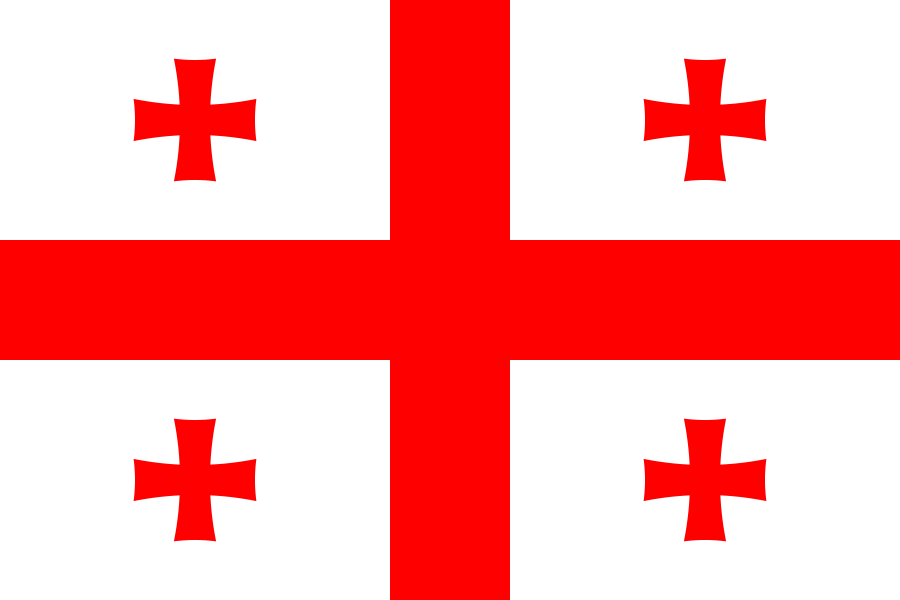 Georgia
-
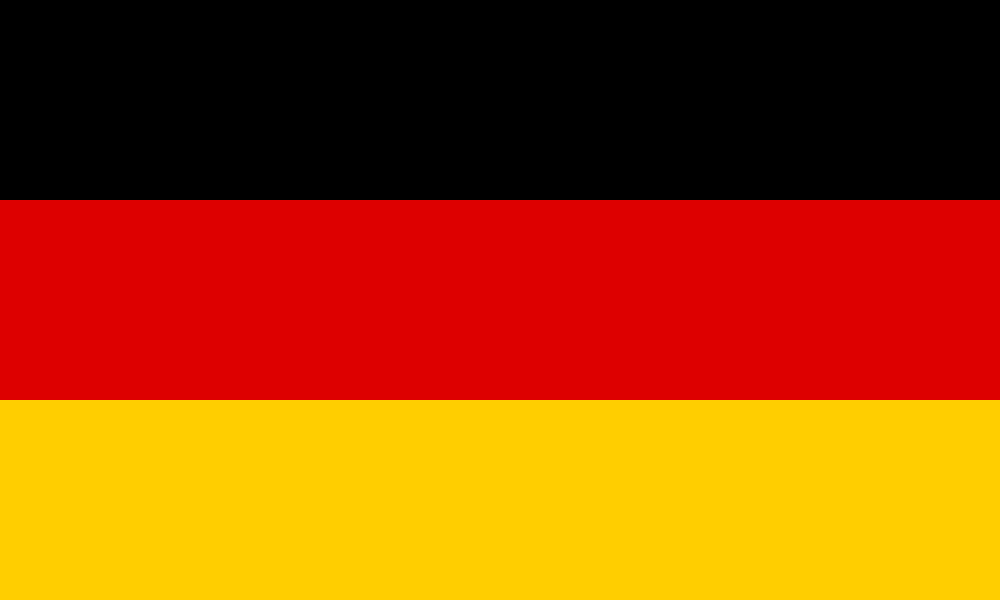 Germany
-
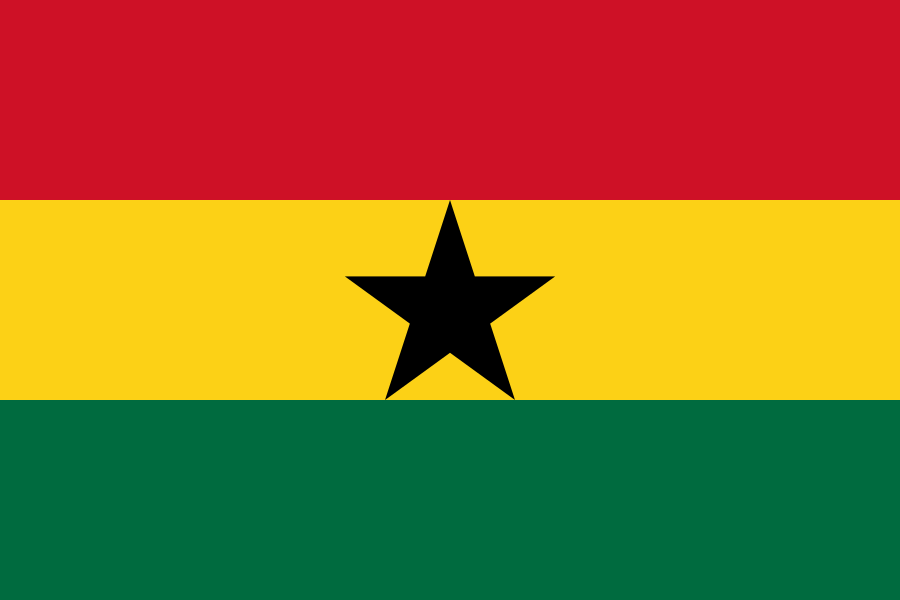 Ghana
Ghana
-
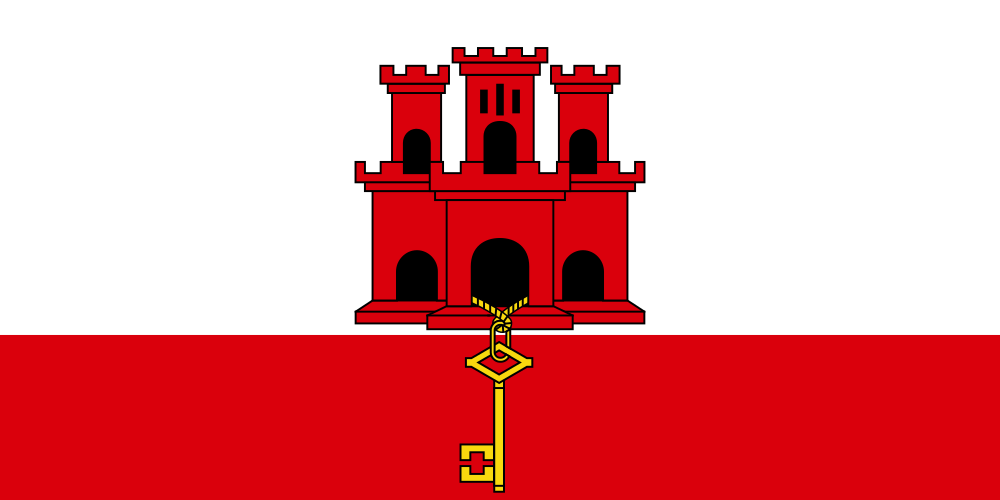 Gibraltar
-
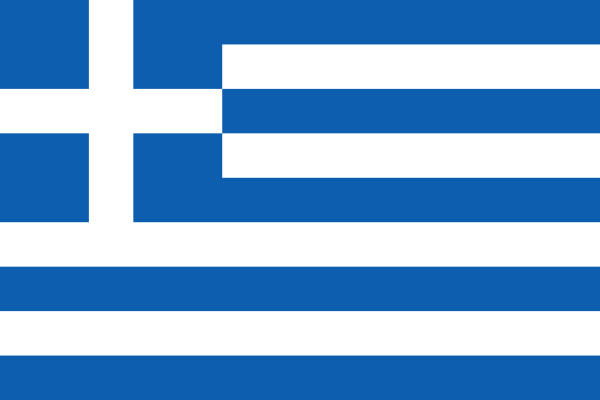 Greece
-
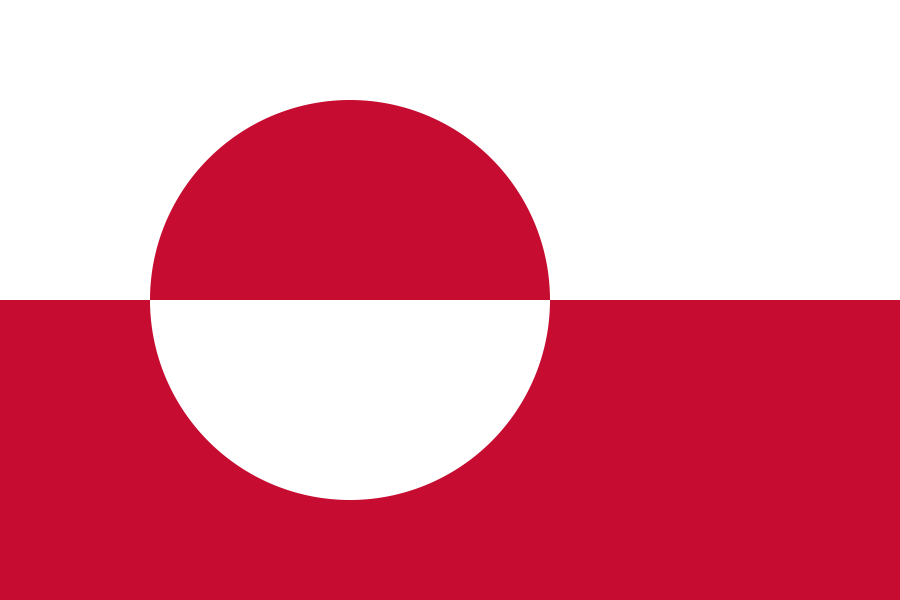 Greenland
-
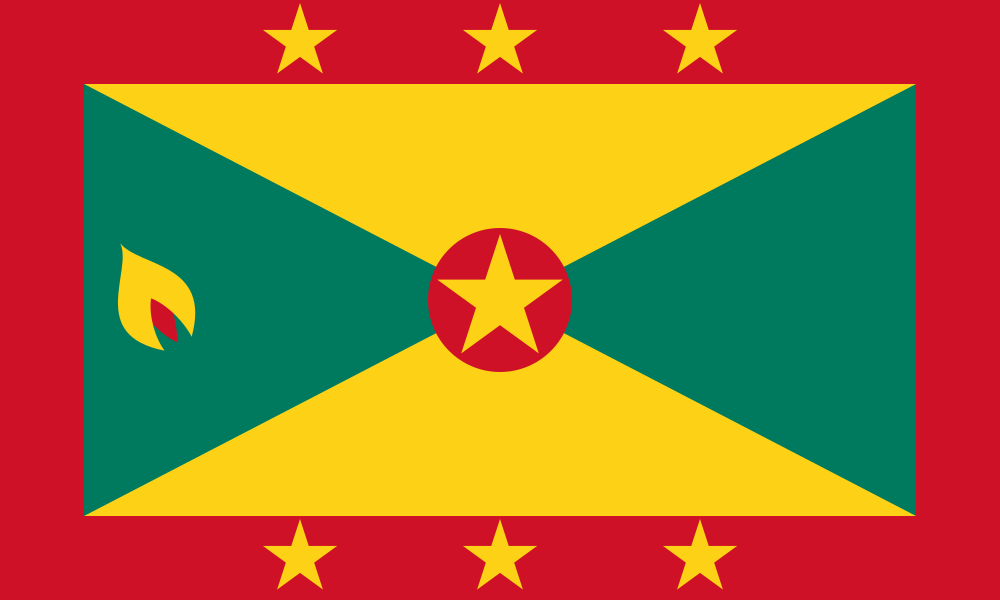 Grenada
-
Guadeloupe
-
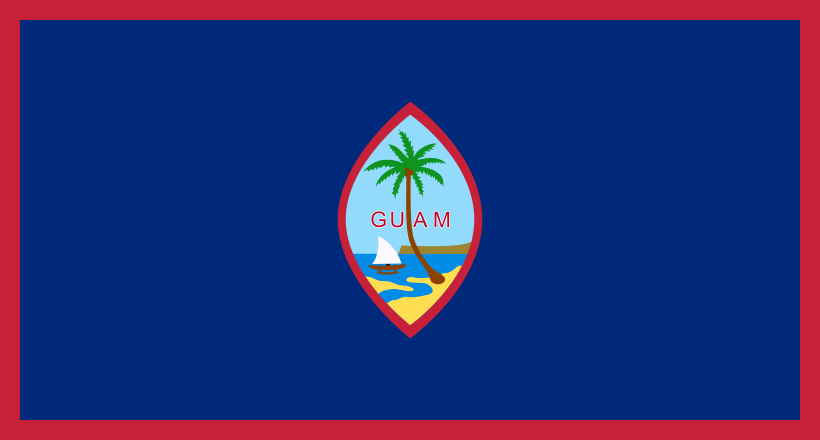 Guam
Guam
-
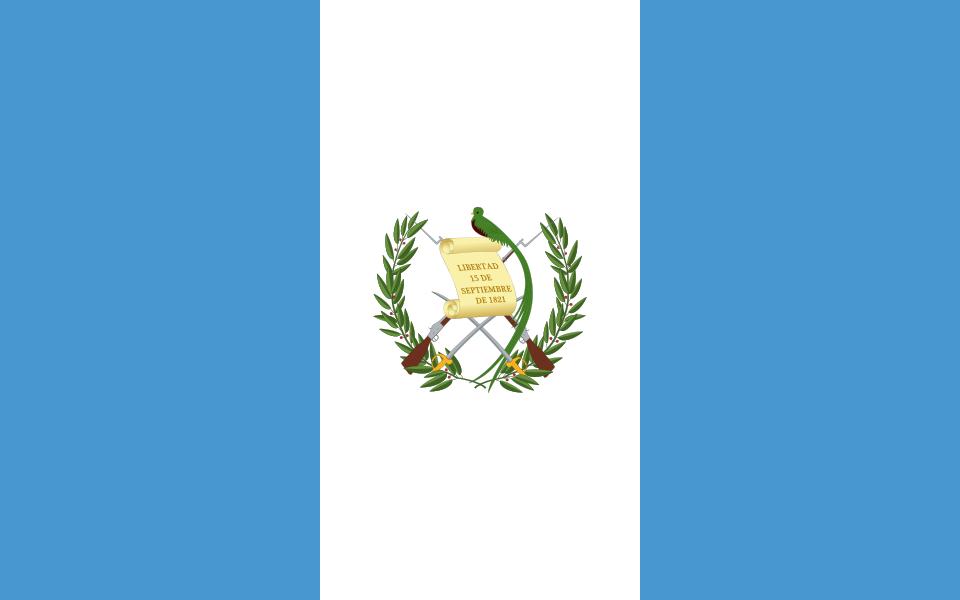 Guatemala
-
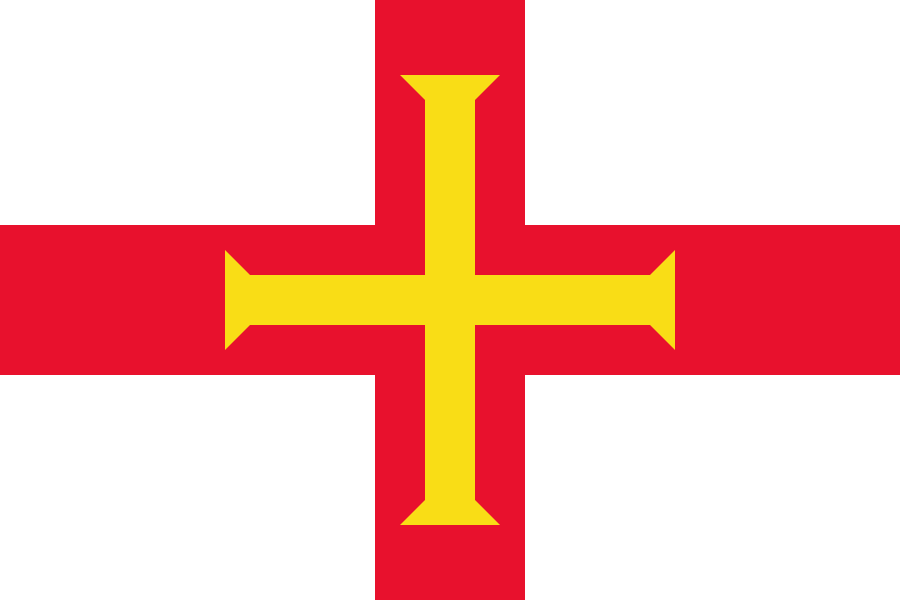 Guernsey
-
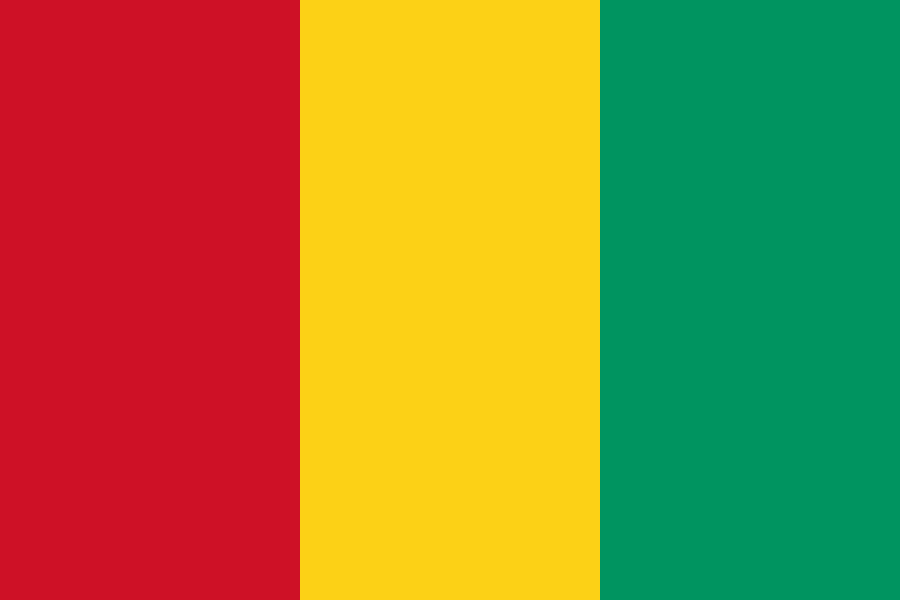 Guinea
-
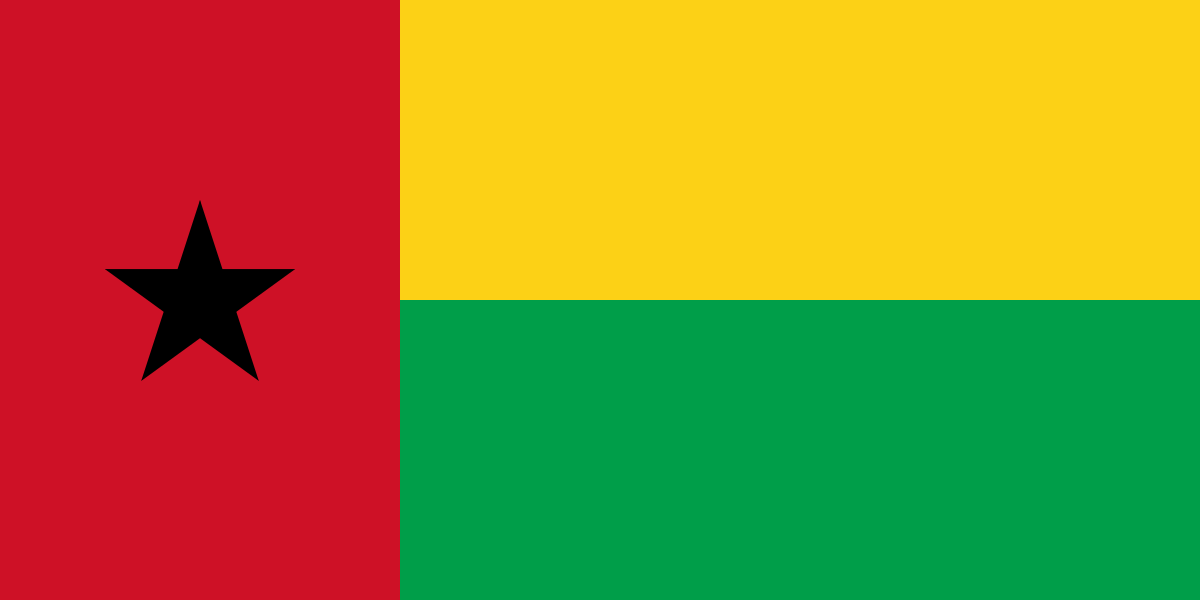 Guinea-Bissau
-
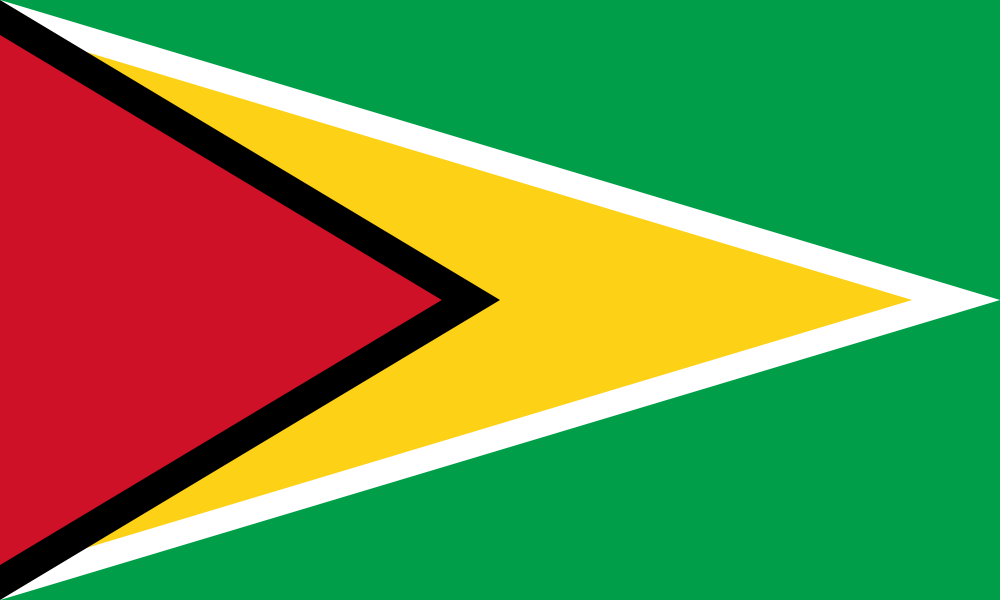 Guyana
-
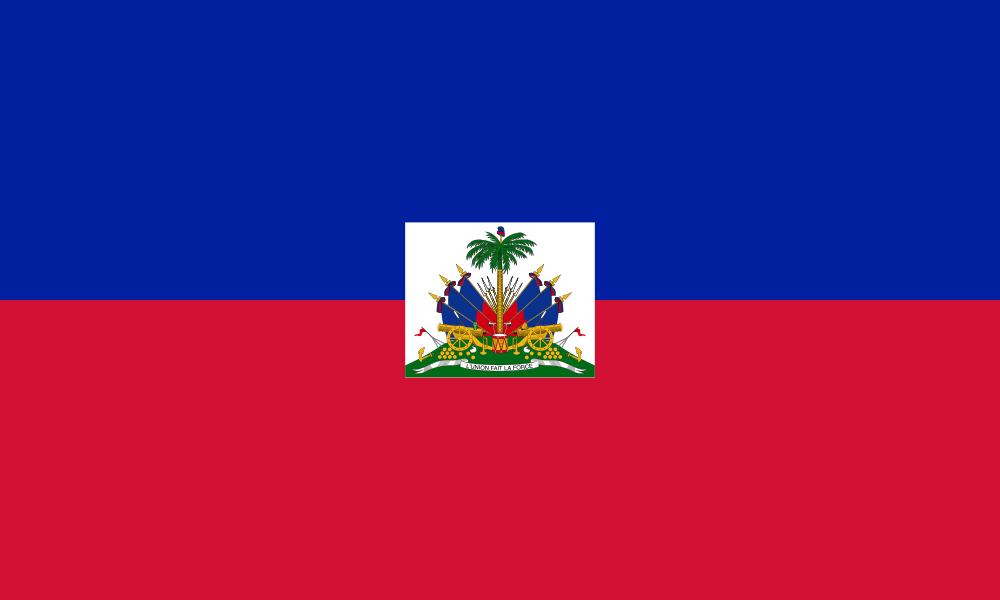 Haiti
Haiti
-
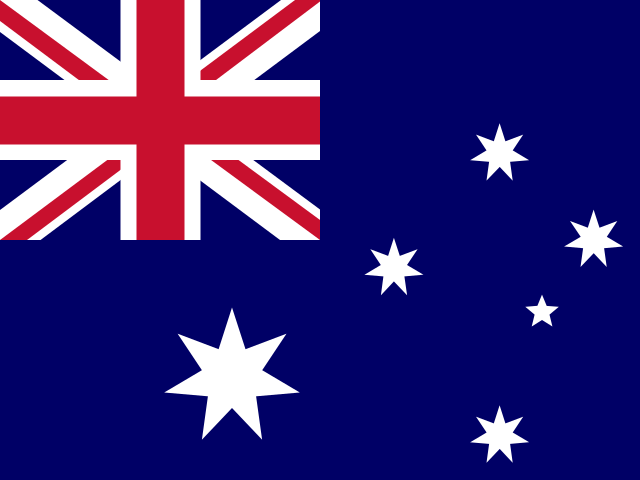 Heard and McDonald Islands
-
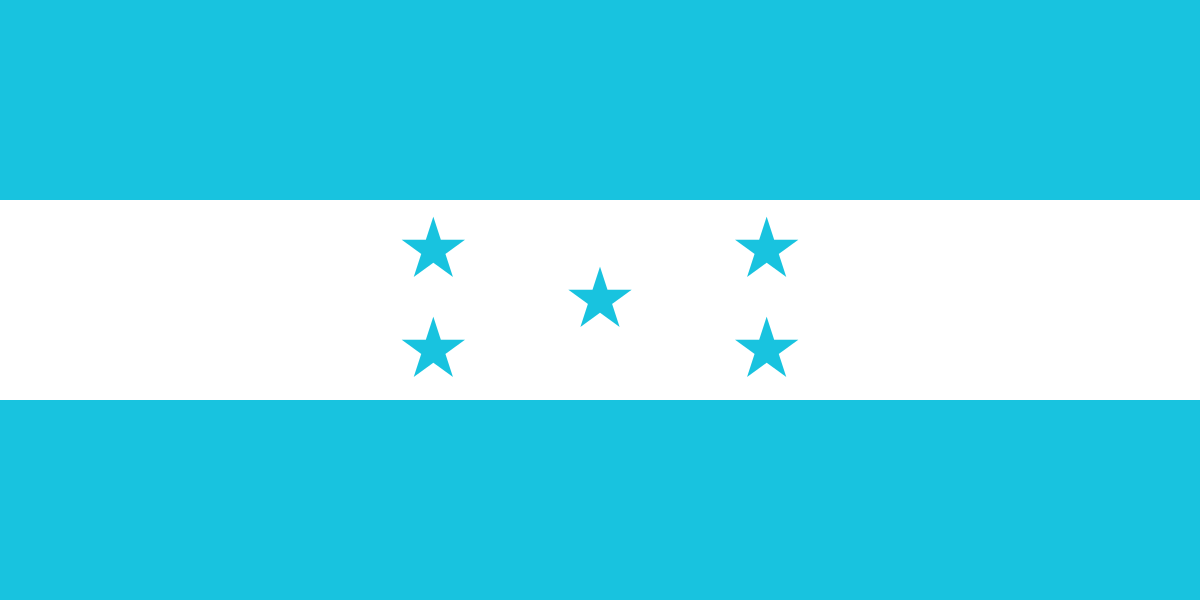 Honduras
-
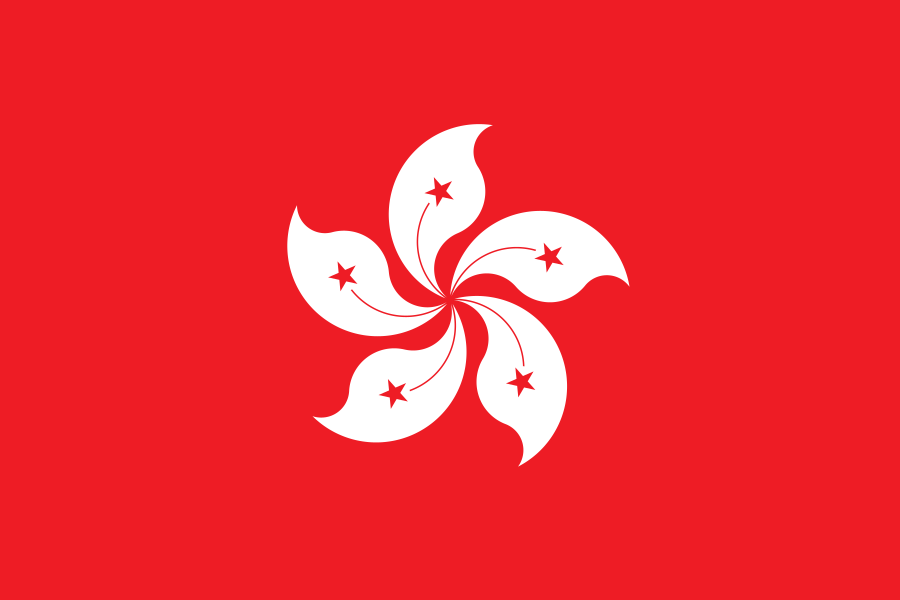 Hong Kong
-
 Hungary
-
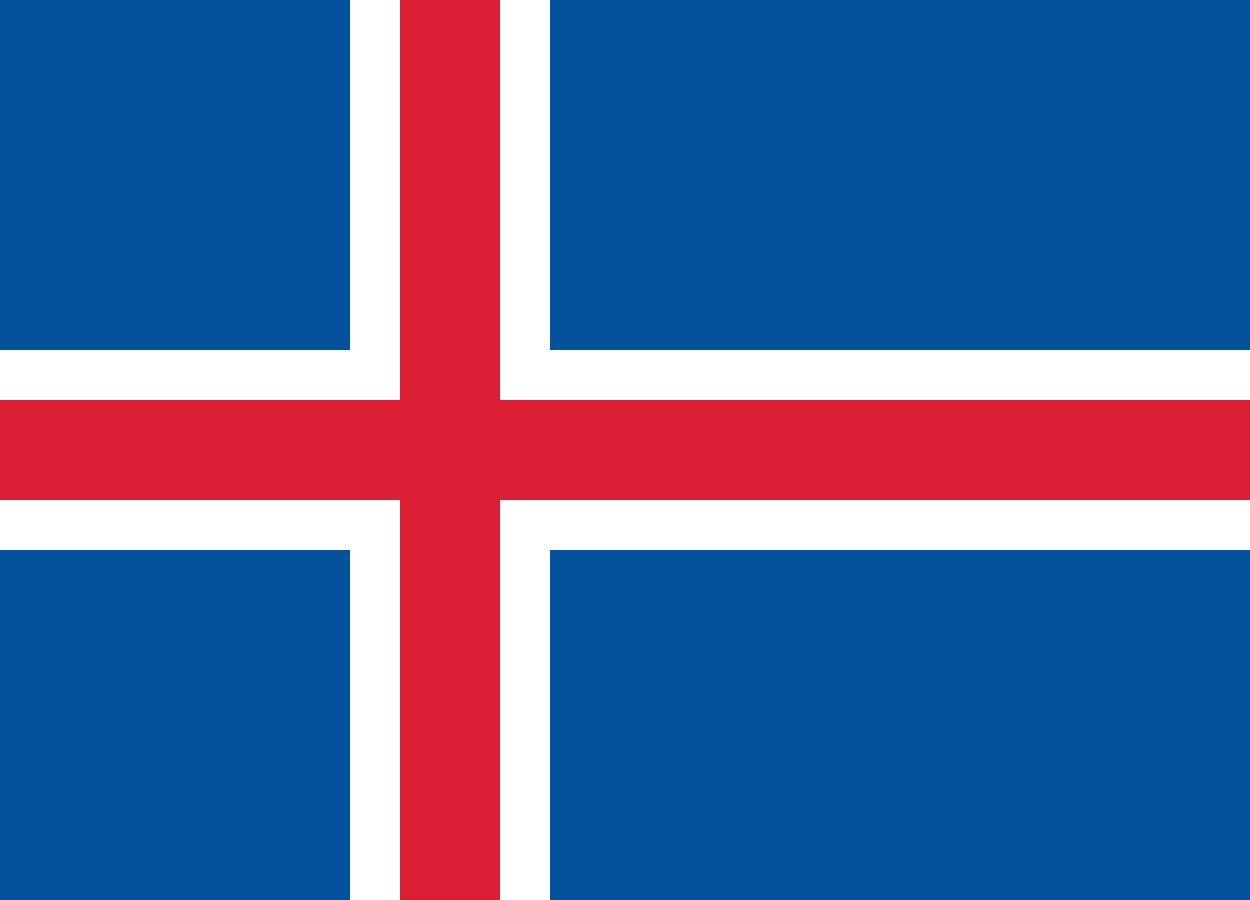 Iceland
-
 India
India
-
 Indonesia
-
 Iran
Iran
-
 Iraq
Iraq
-
 Ireland
-
 Isle of Man
-
 Israel
-
 Italy
Italy
-
 Ivory Coast
-
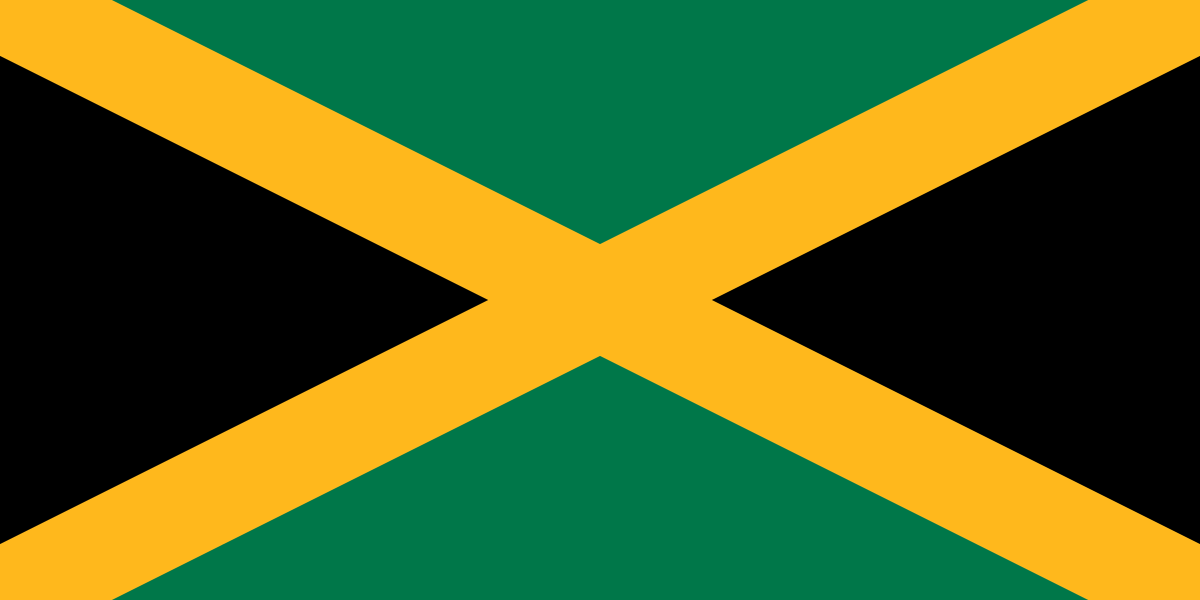 Jamaica
-
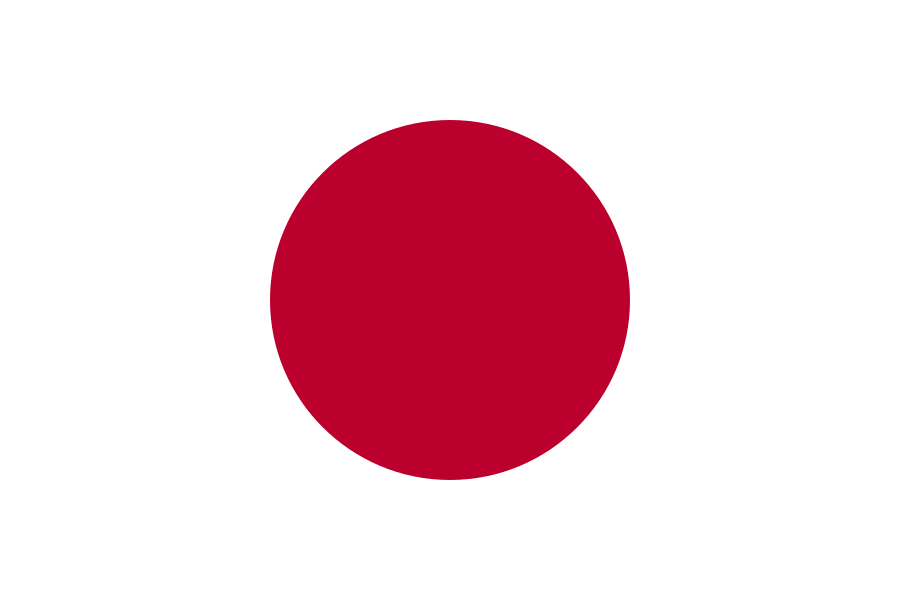 Japan
Japan
-
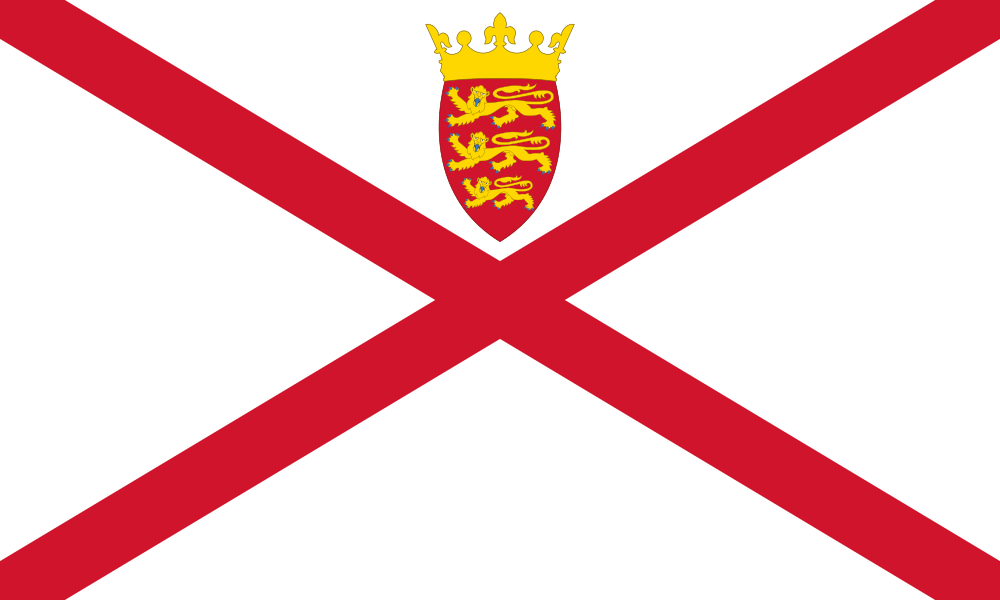 Jersey
-
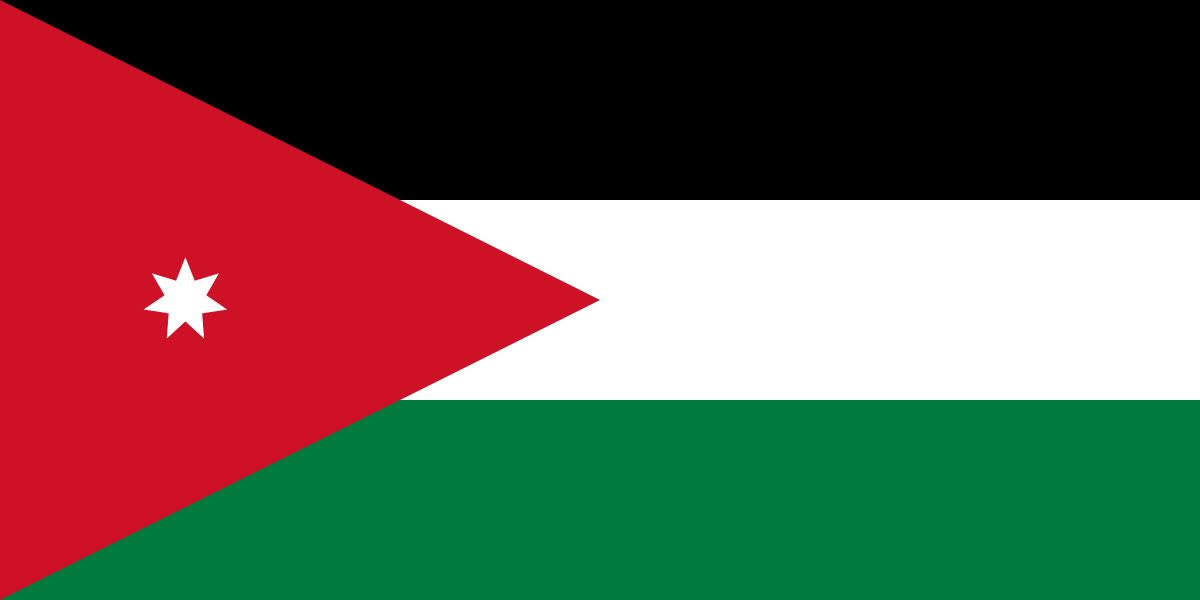 Jordan
-
 Kazakhstan
-
 Kenya
Kenya
-
 Kiribati
-
 Kosovo
-
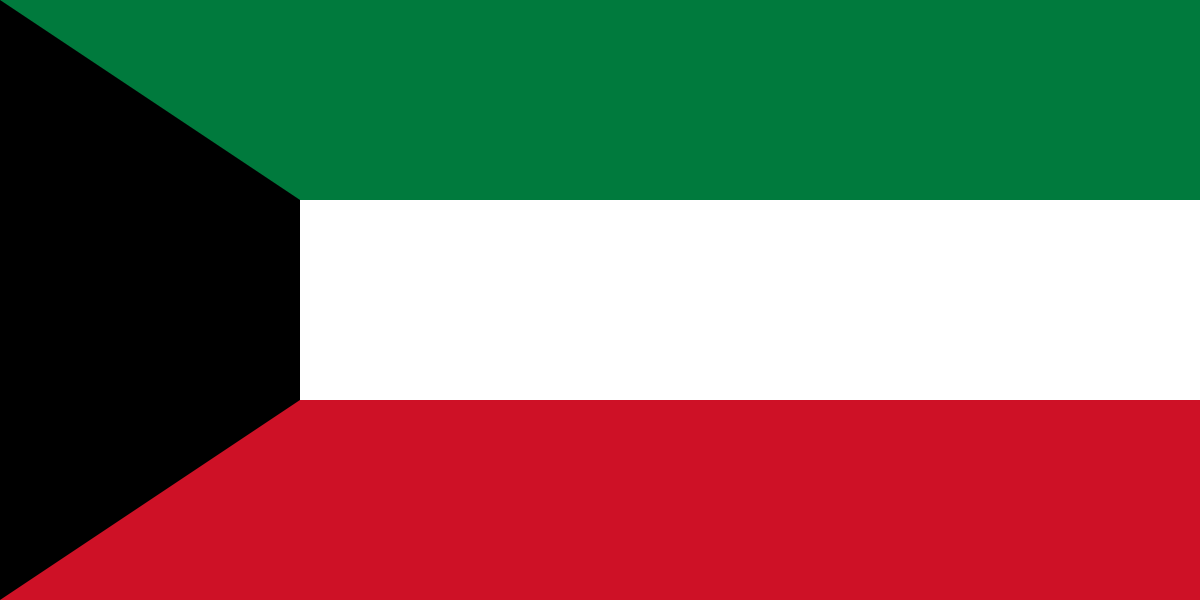 Kuwait
-
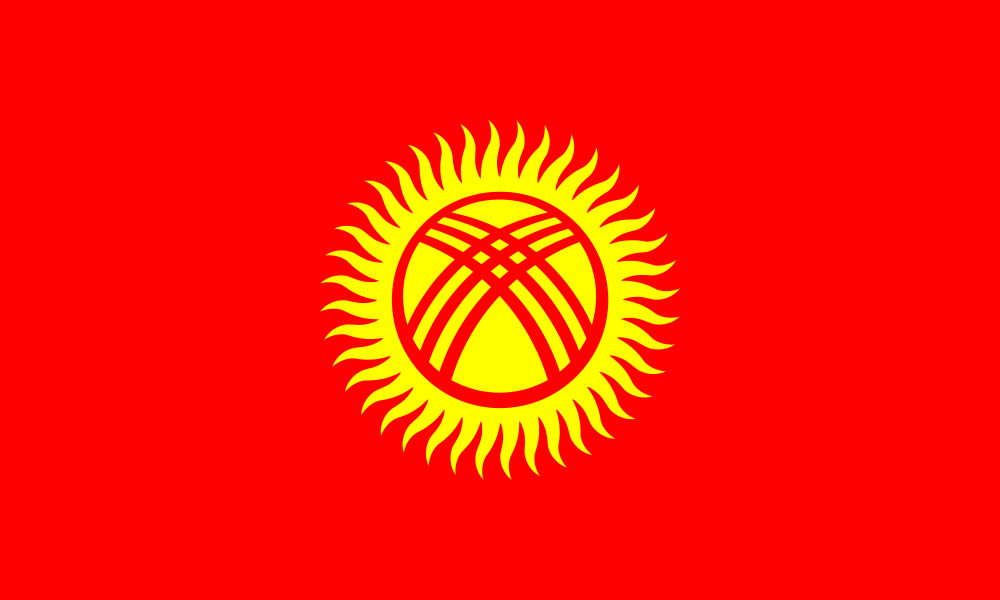 Kyrgyzstan
-
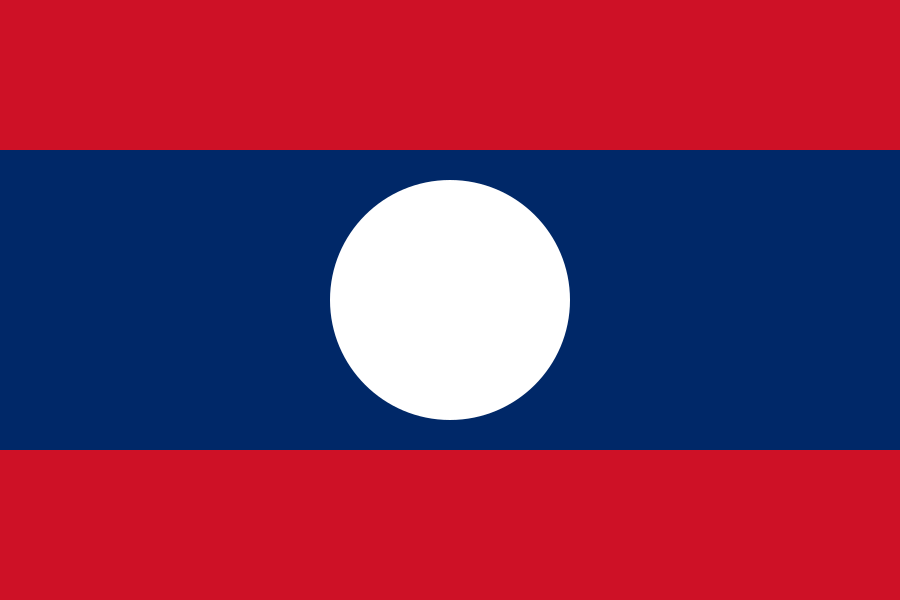 Laos
Laos
-
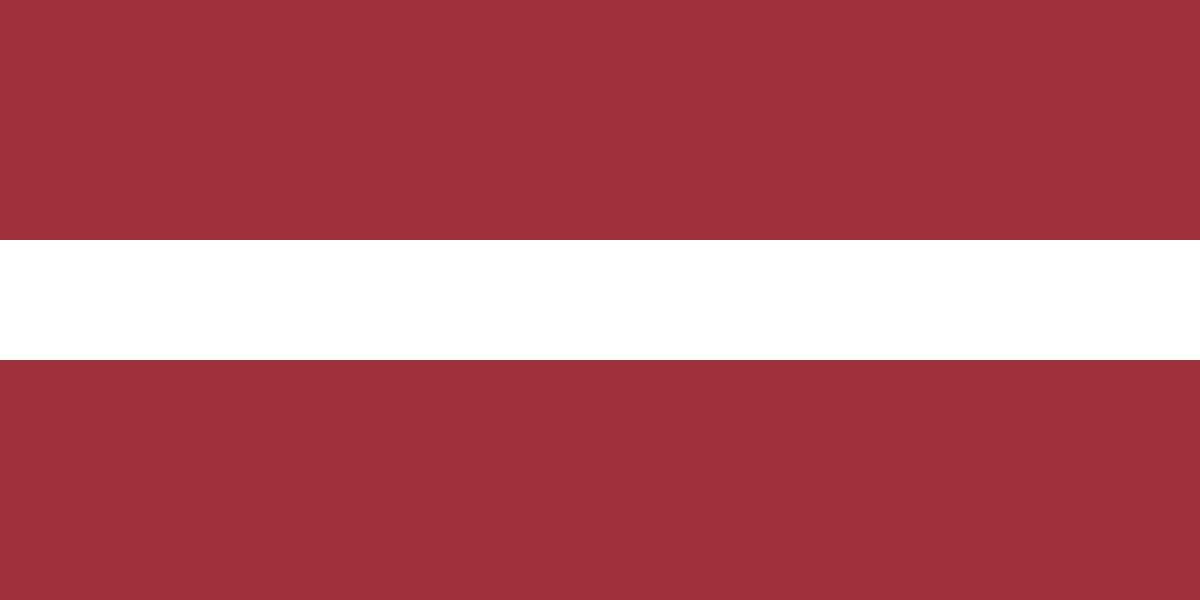 Latvia
-
 Lebanon
-
 Lesotho
-
 Liberia
-
 Libya
Libya
-
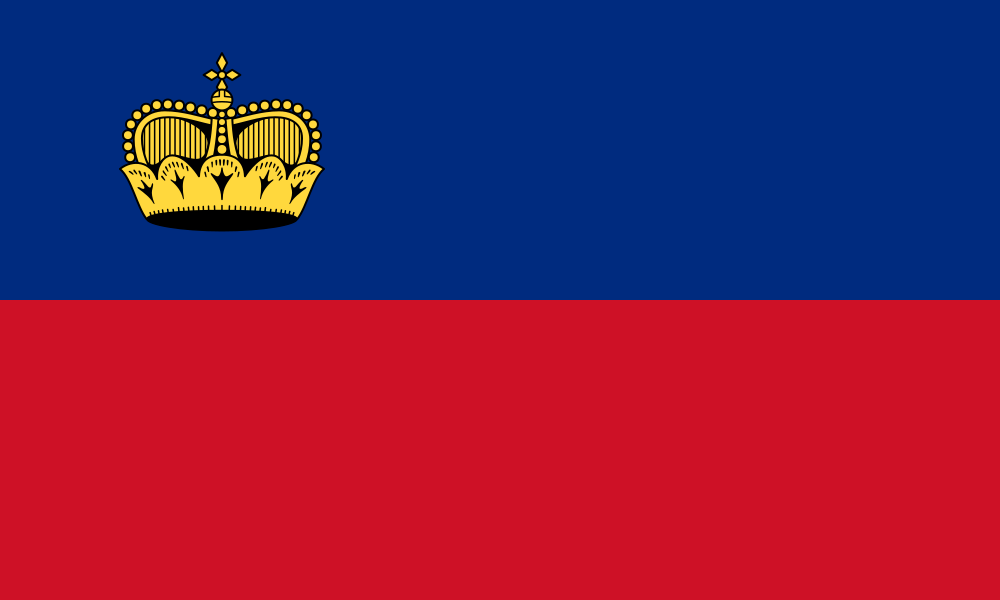 Liechtenstein
-
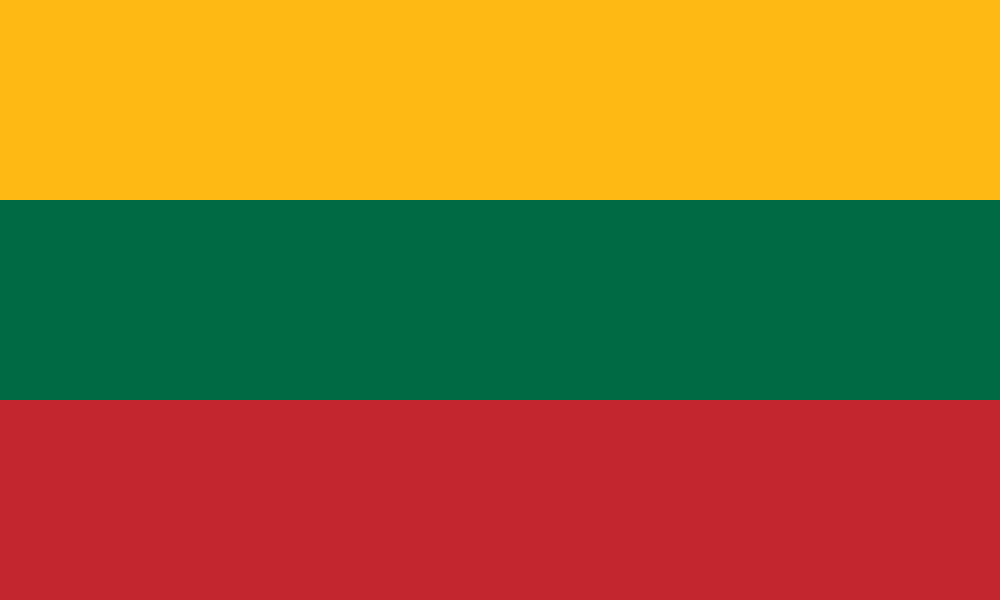 Lithuania
-
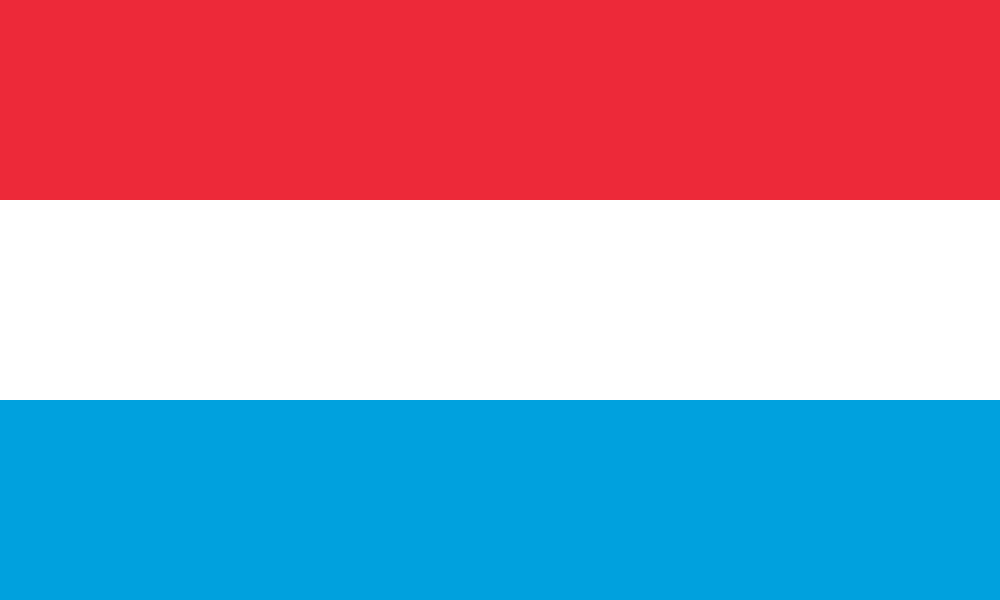 Luxembourg
-
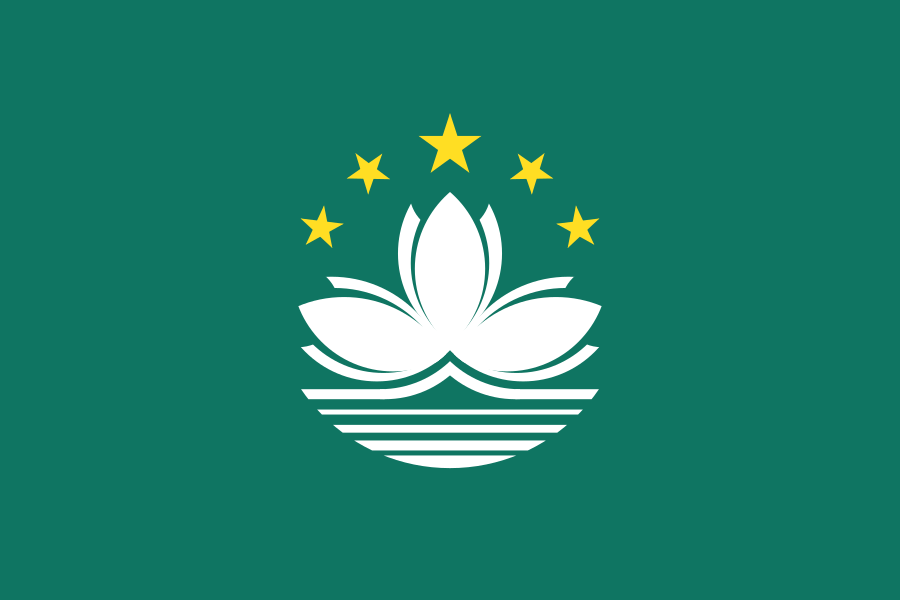 Macau
Macau
-
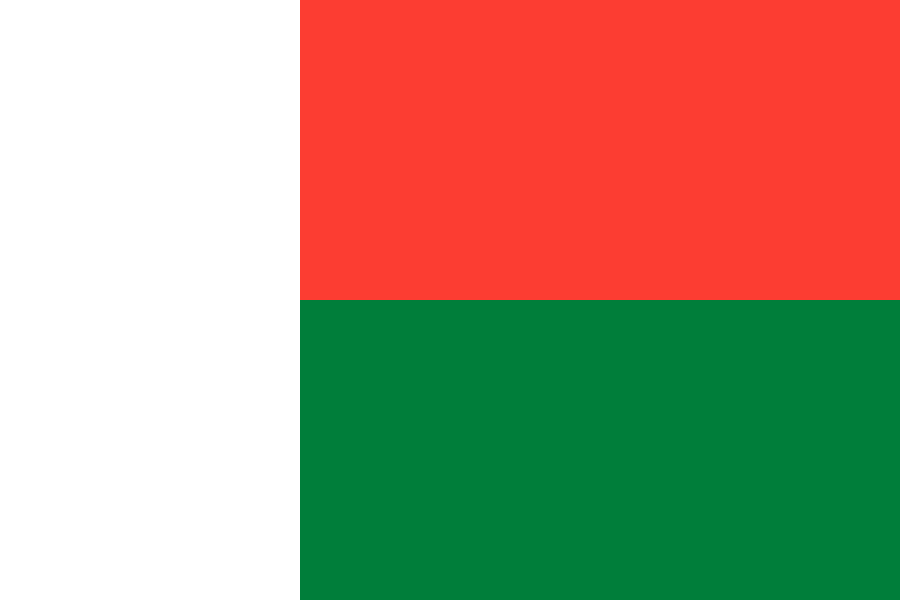 Madagascar
-
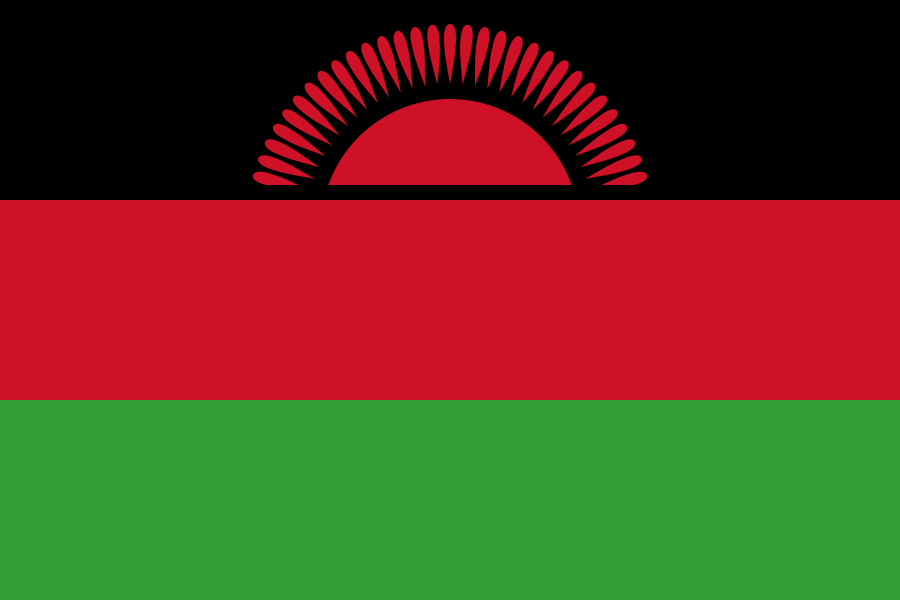 Malawi
-
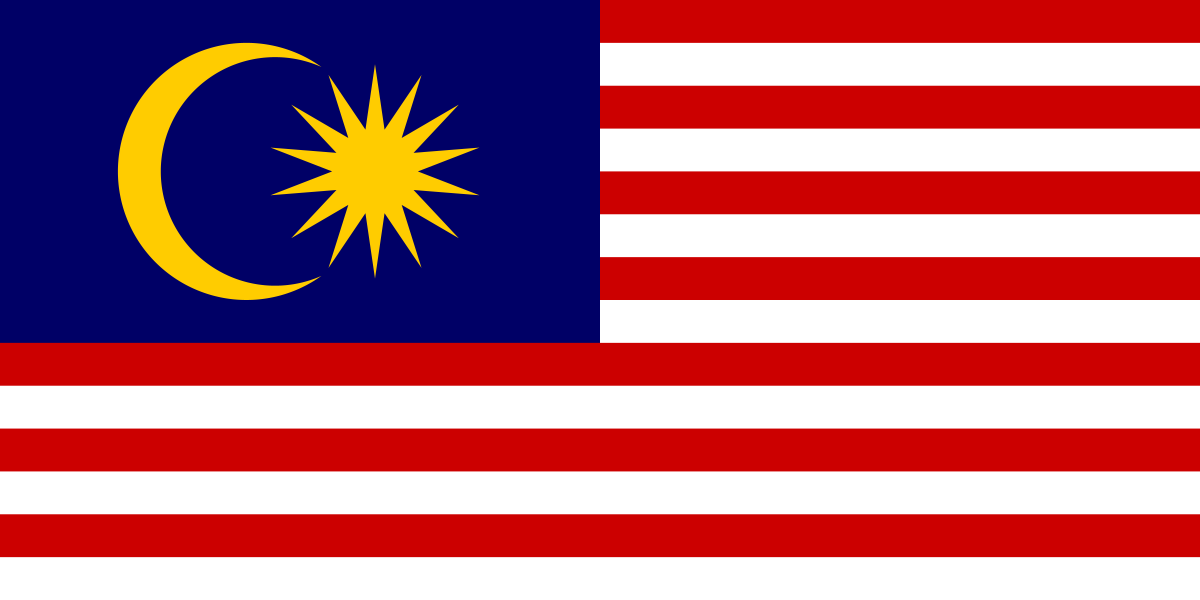 Malaysia
-
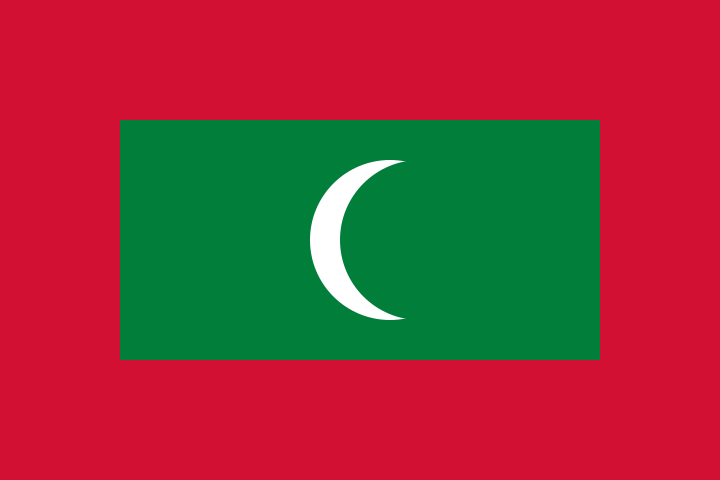 Maldives
-
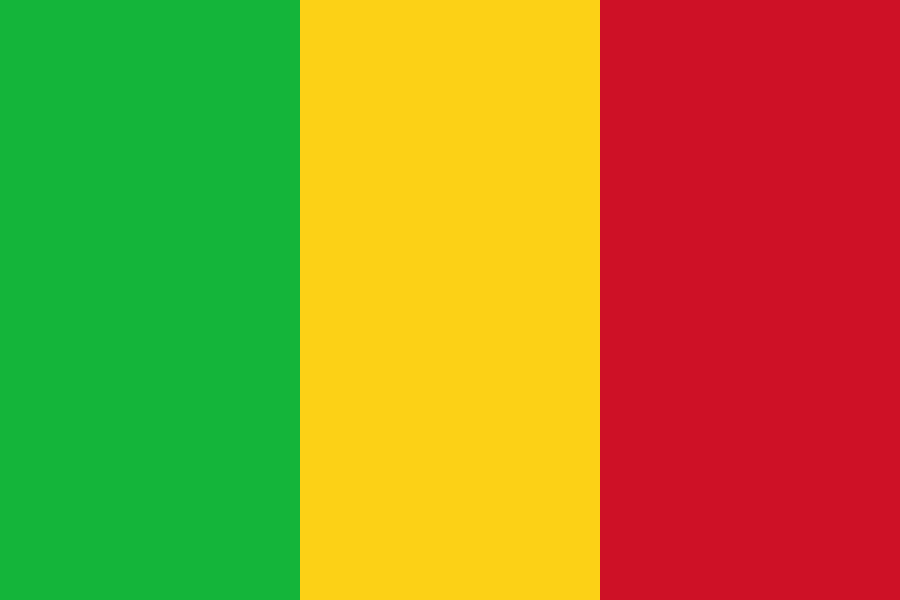 Mali
Mali
-
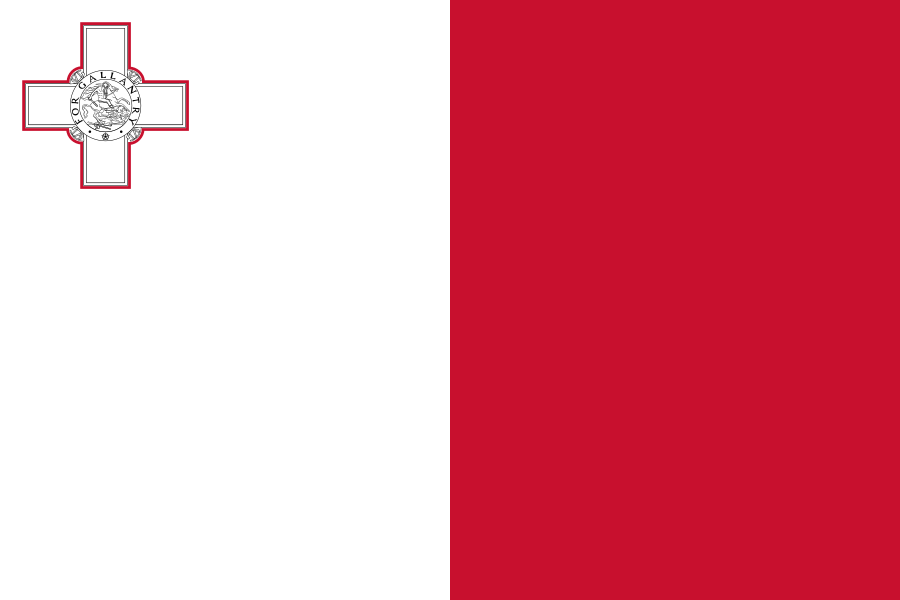 Malta
Malta
-
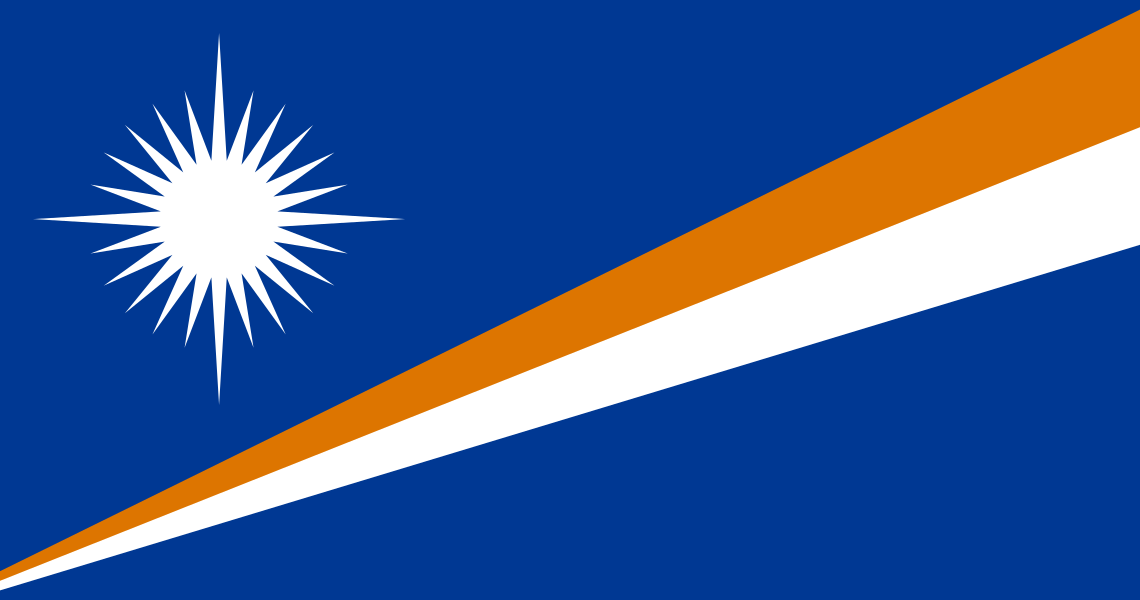 Marshall Islands
-
Martinique
-
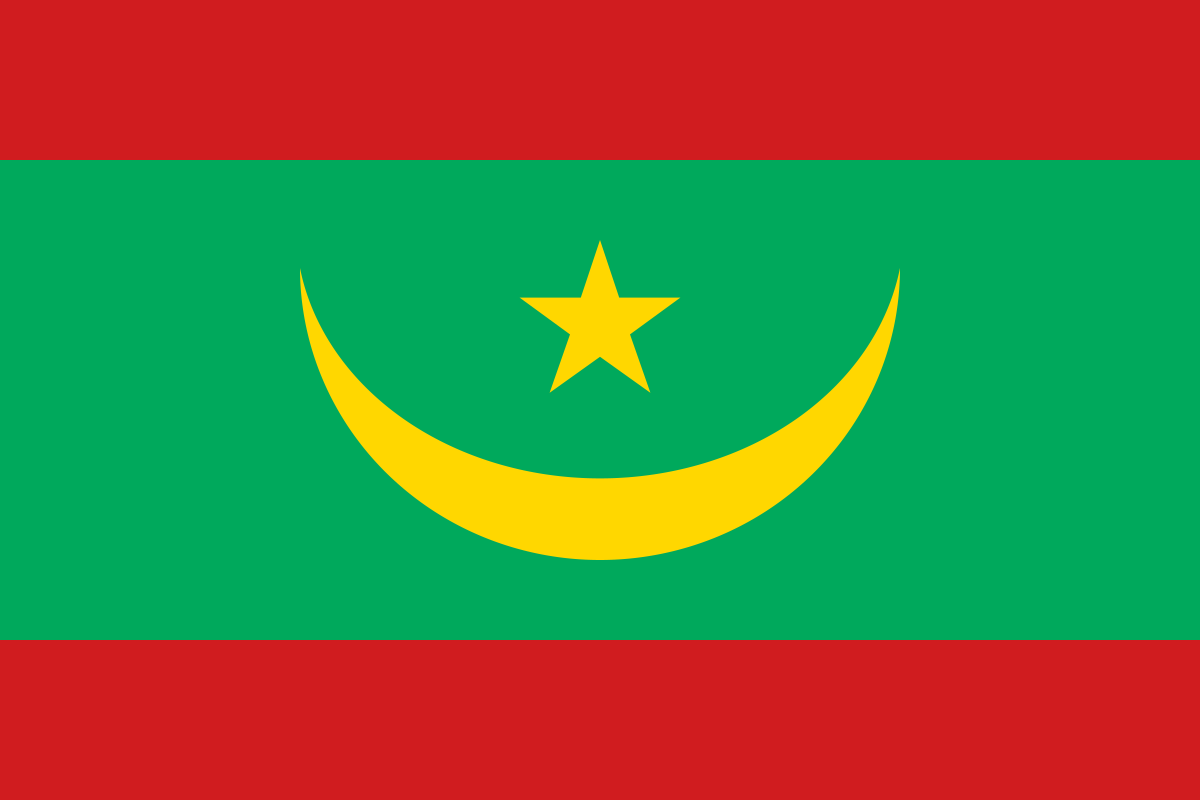 Mauritania
-
 Mauritius
-
Mayotte
-
 Mexico
-
 Micronesia
-
 Moldova
-
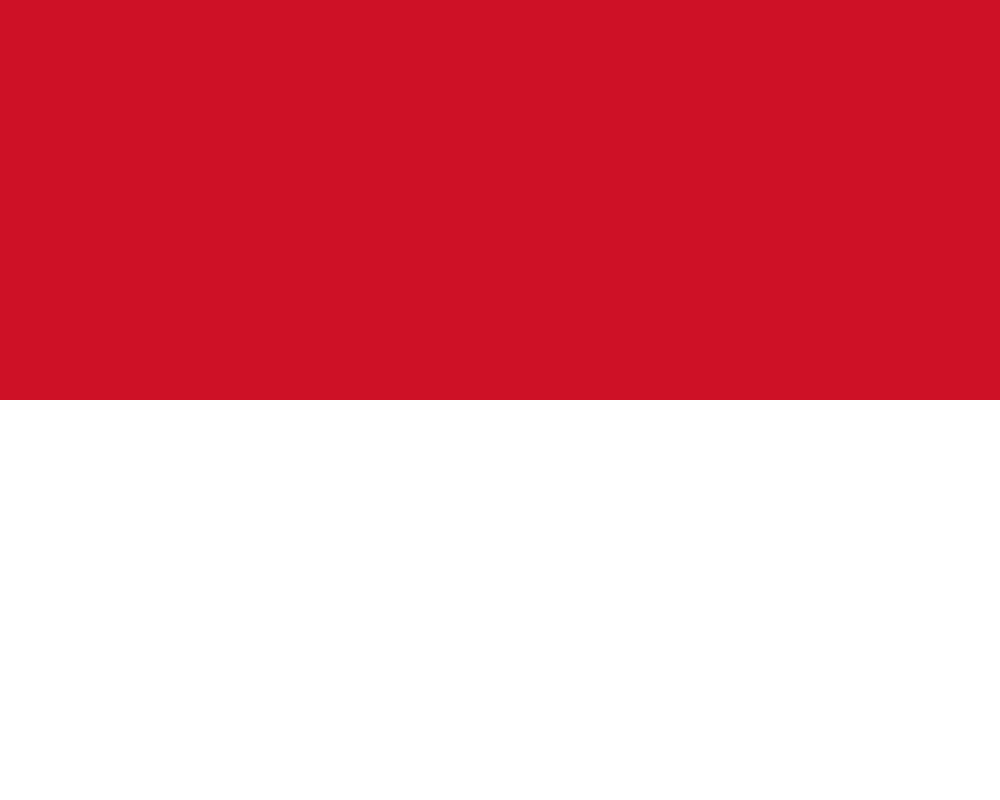 Monaco
-
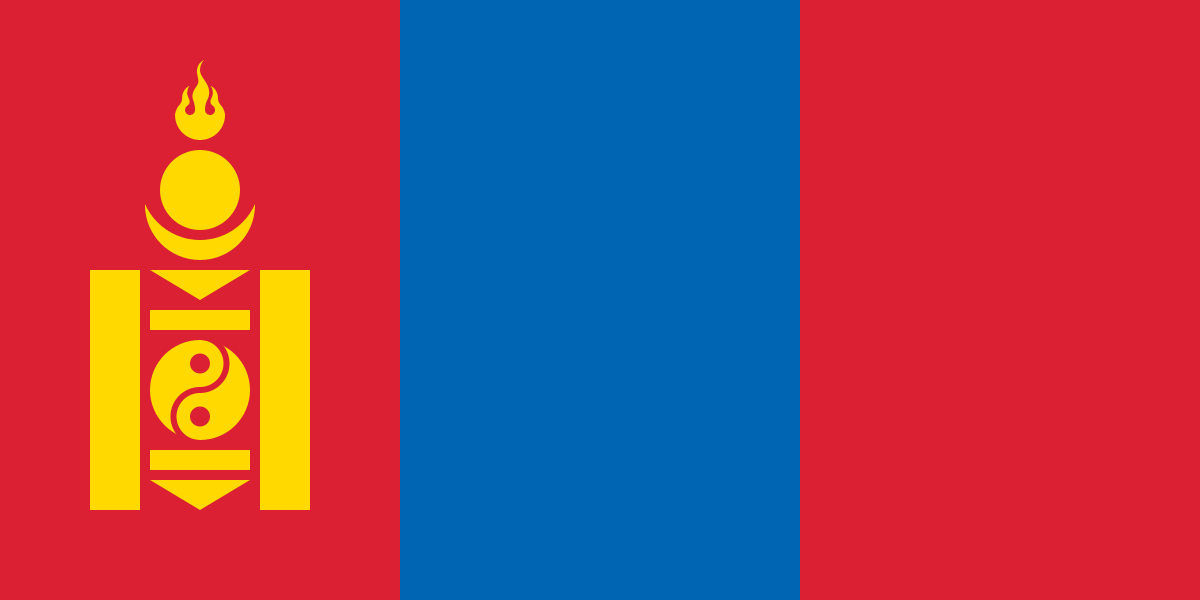 Mongolia
-
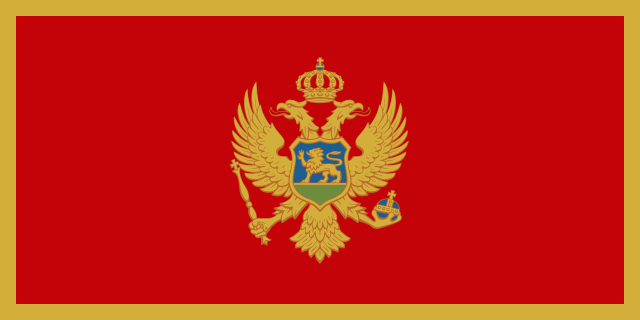 Montenegro
-
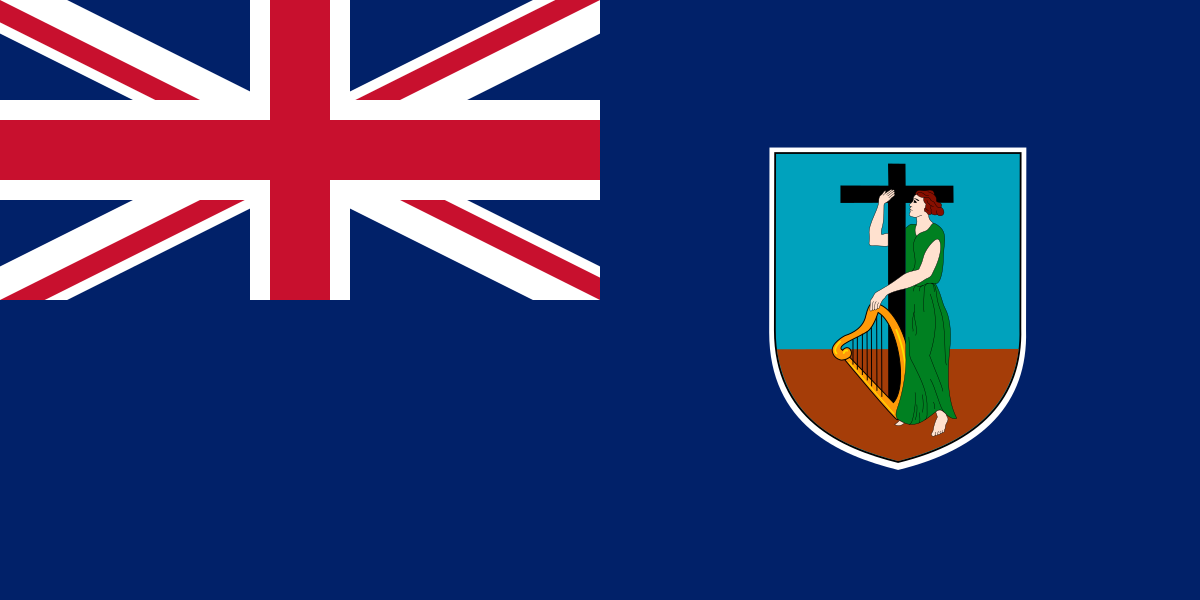 Montserrat
-
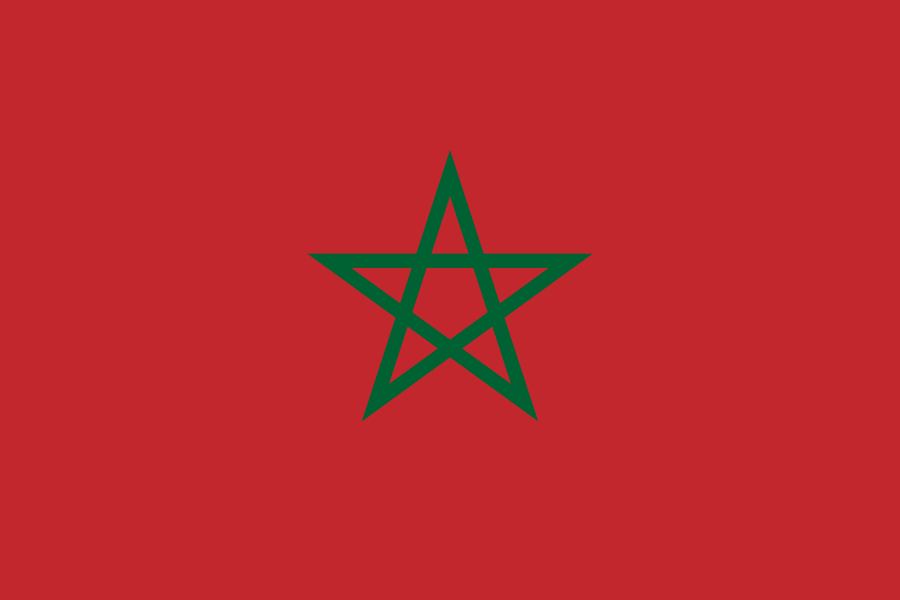 Morocco
-
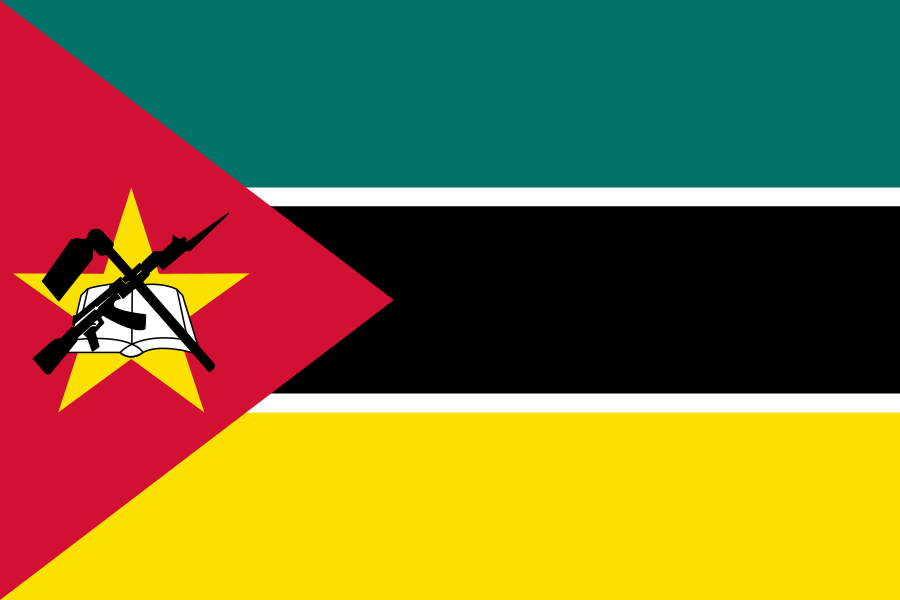 Mozambique
-
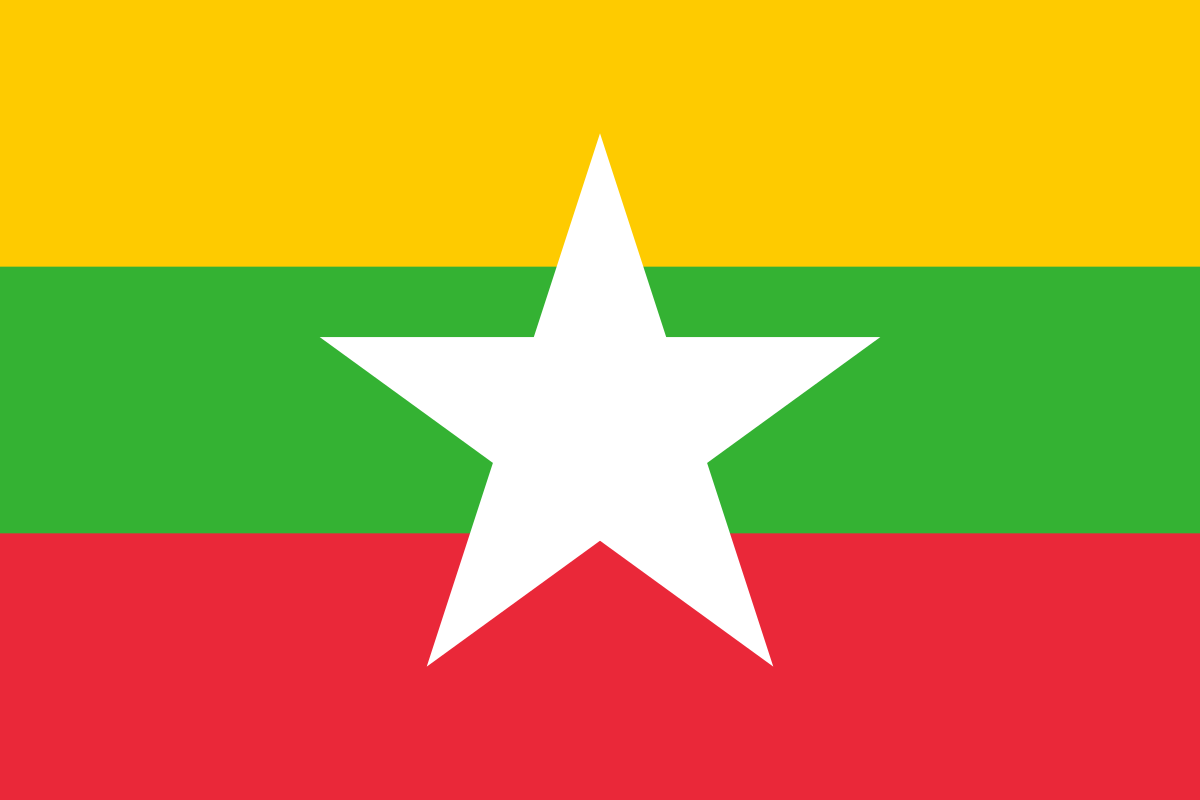 Myanmar
-
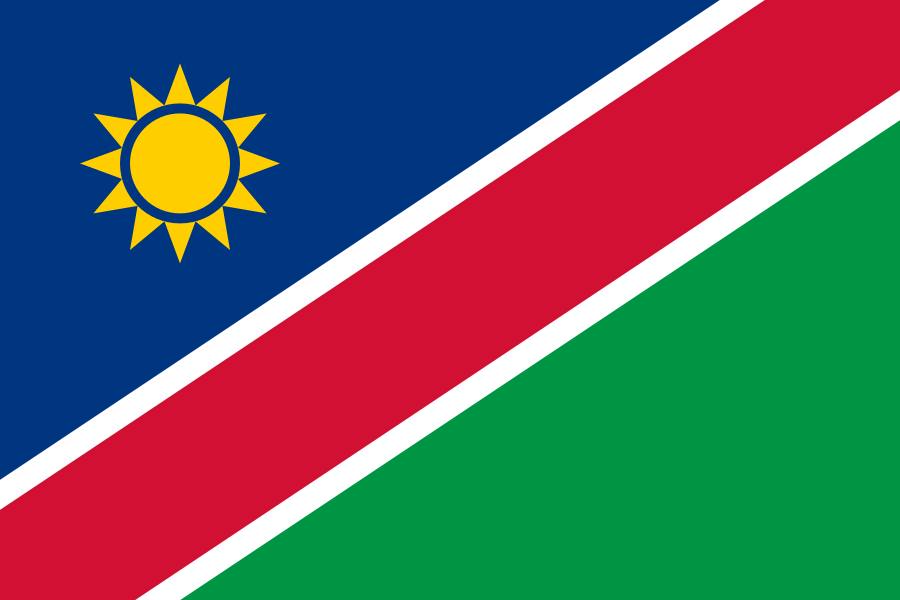 Namibia
-
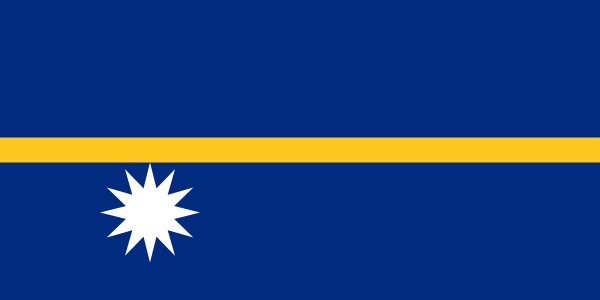 Nauru
Nauru
-
 Nepal
Nepal
-
Netherlands
-
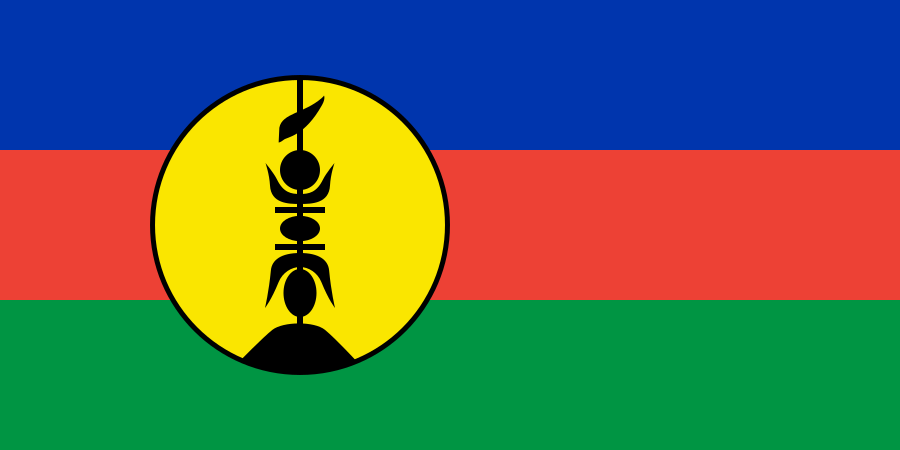 New Caledonia
-
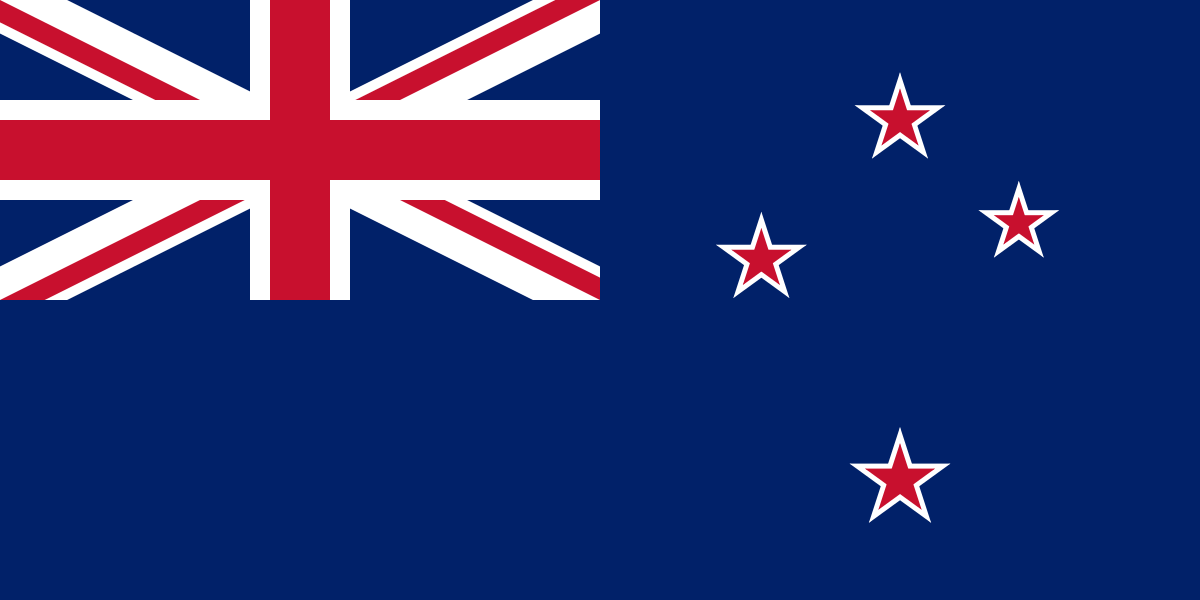 New Zealand
-
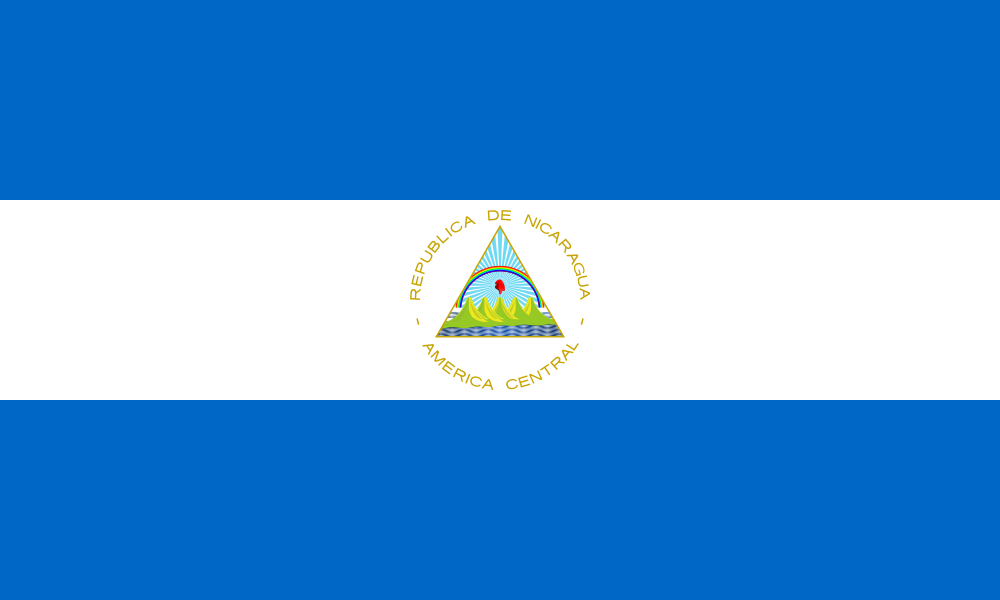 Nicaragua
-
 Niger
Niger
-
 Nigeria
-
 Niue
Niue
-
 Norfolk Island
-
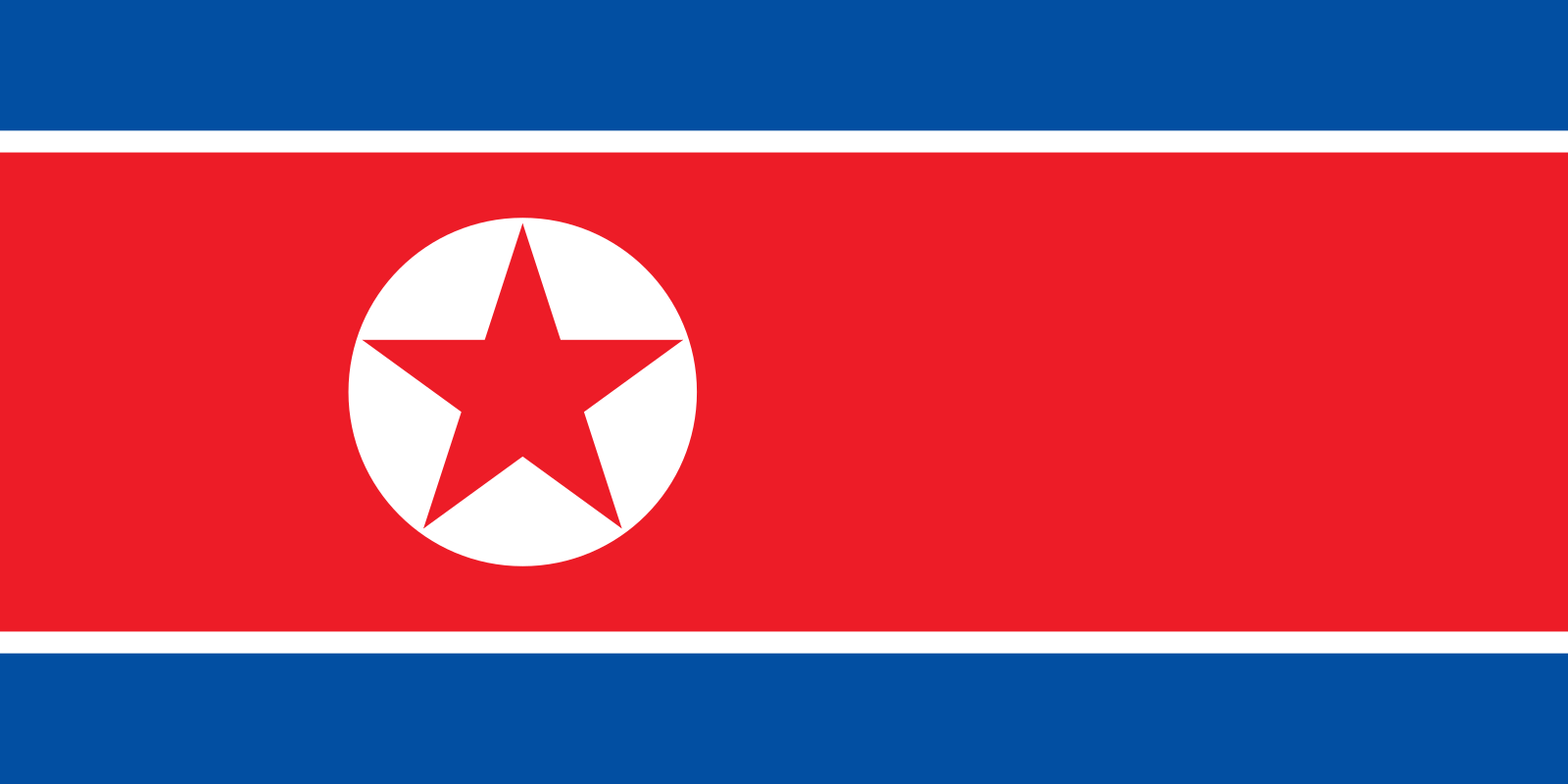 North Korea
-
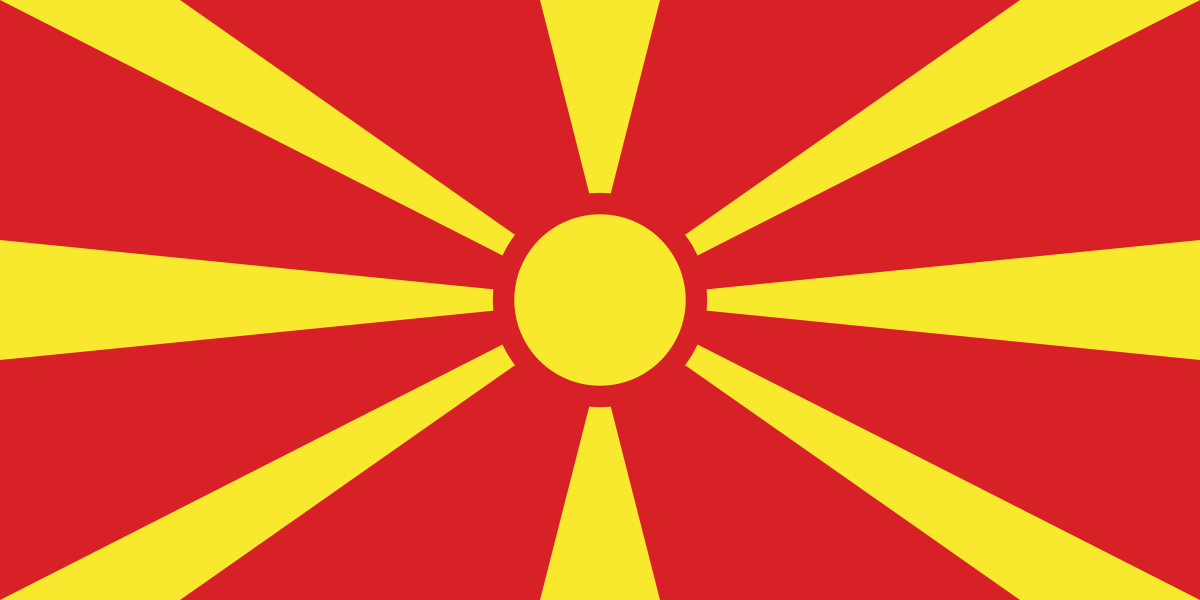 North Macedonia
-
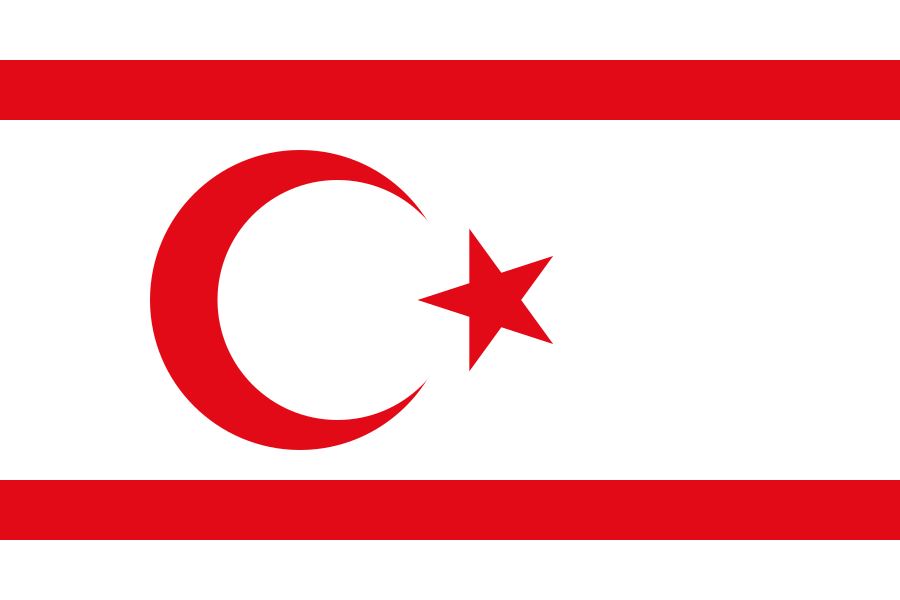 Northern Cyprus
-
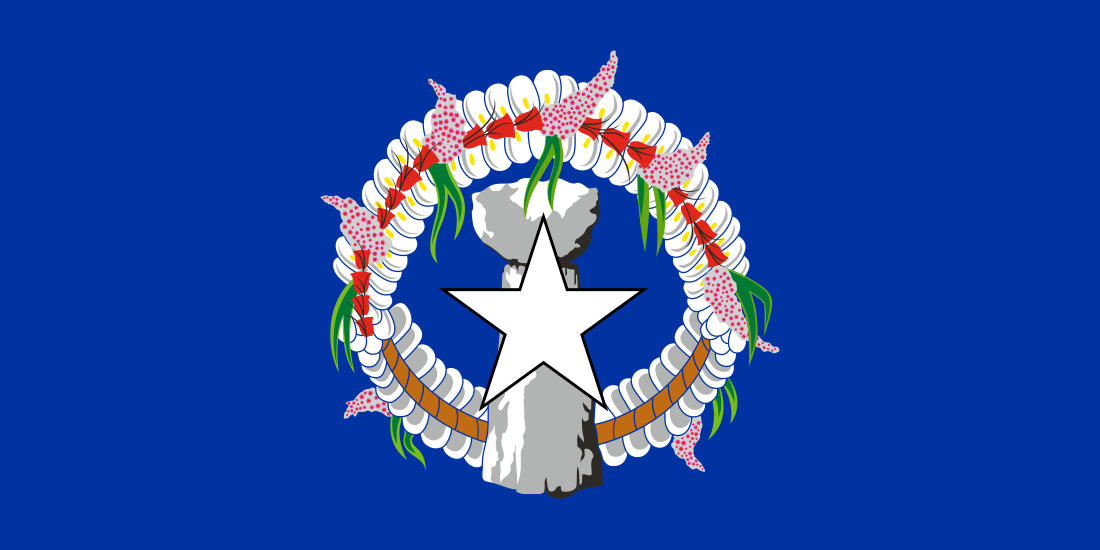 Northern Mariana Islands
-
 Norway
-
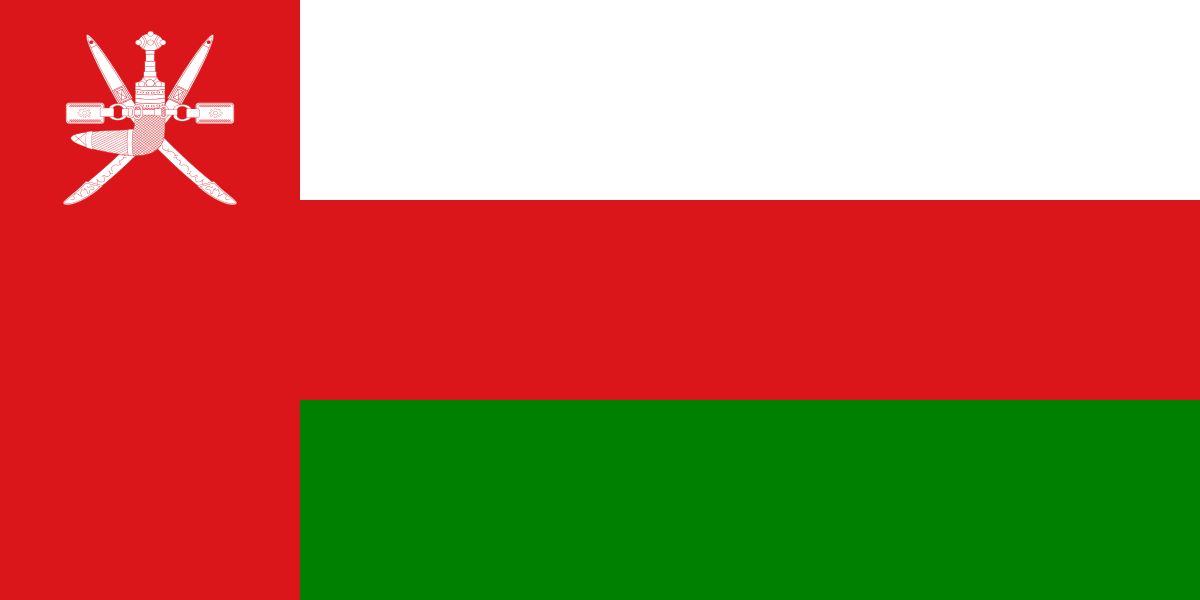 Oman
Oman
-
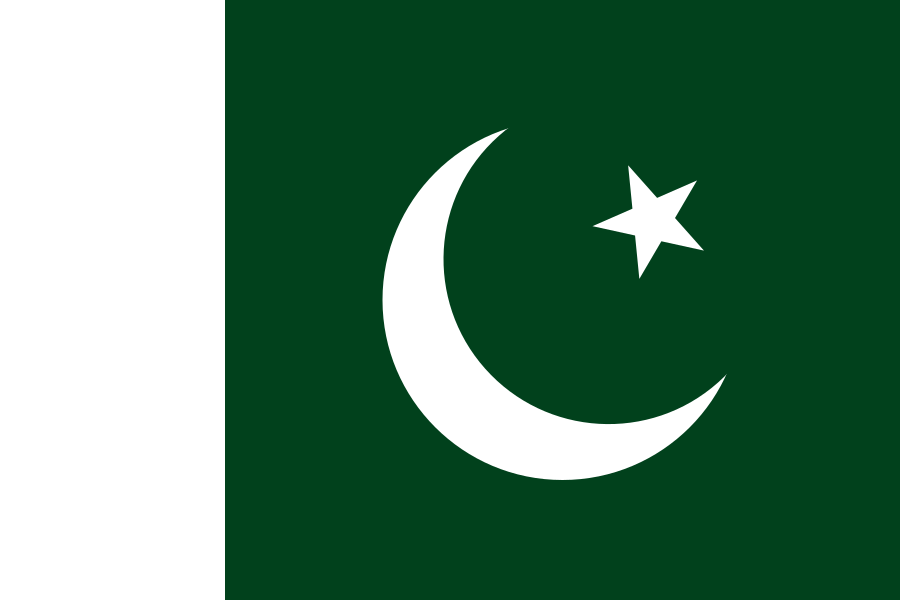 Pakistan
-
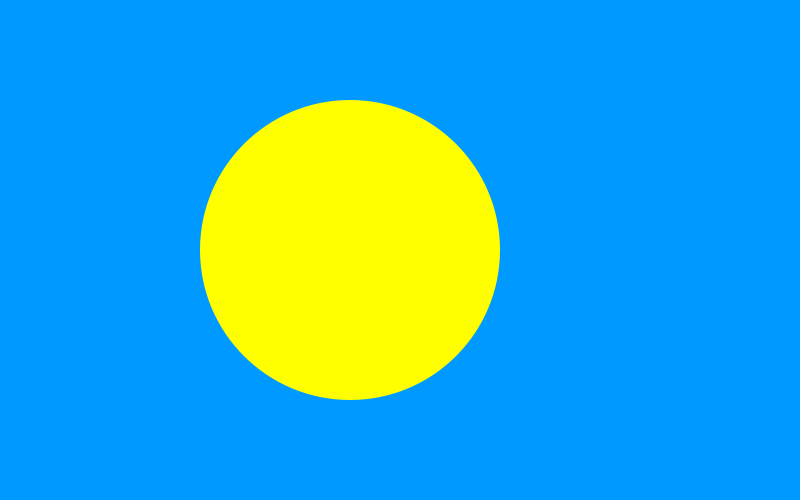 Palau
Palau
-
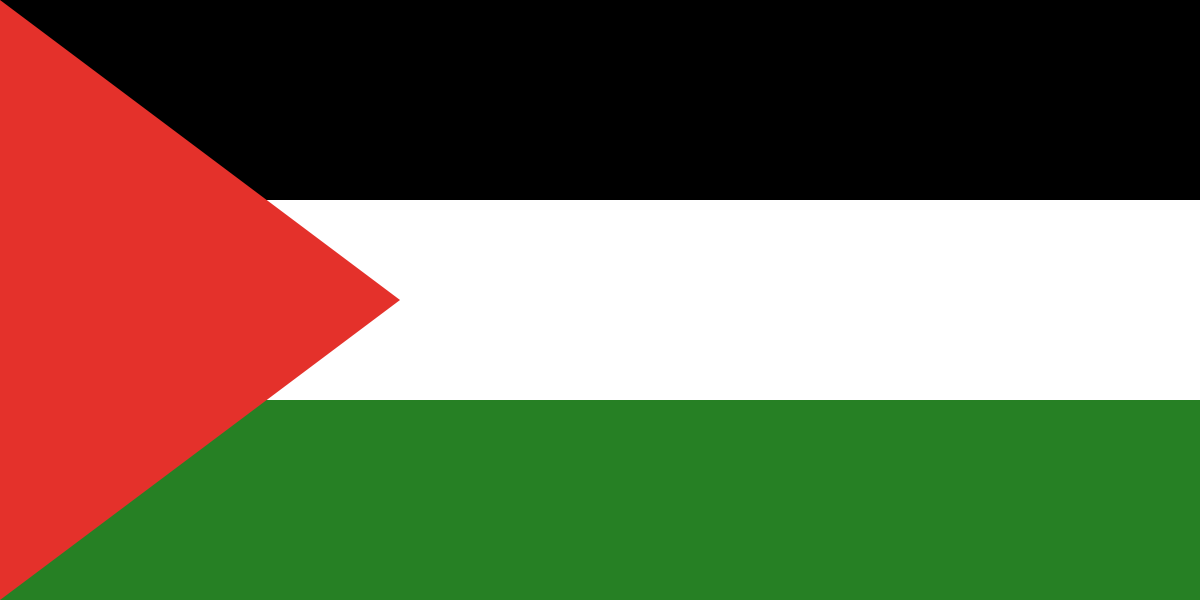 Palestine
-
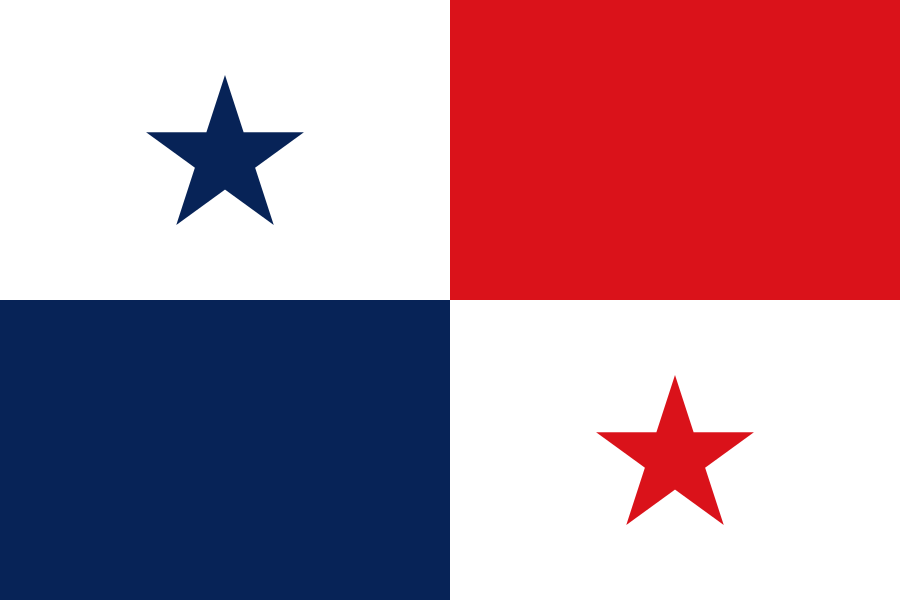 Panama
-
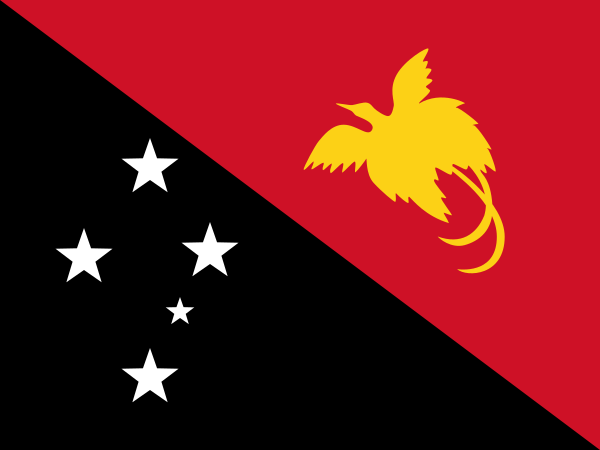 Papua New Guinea
-
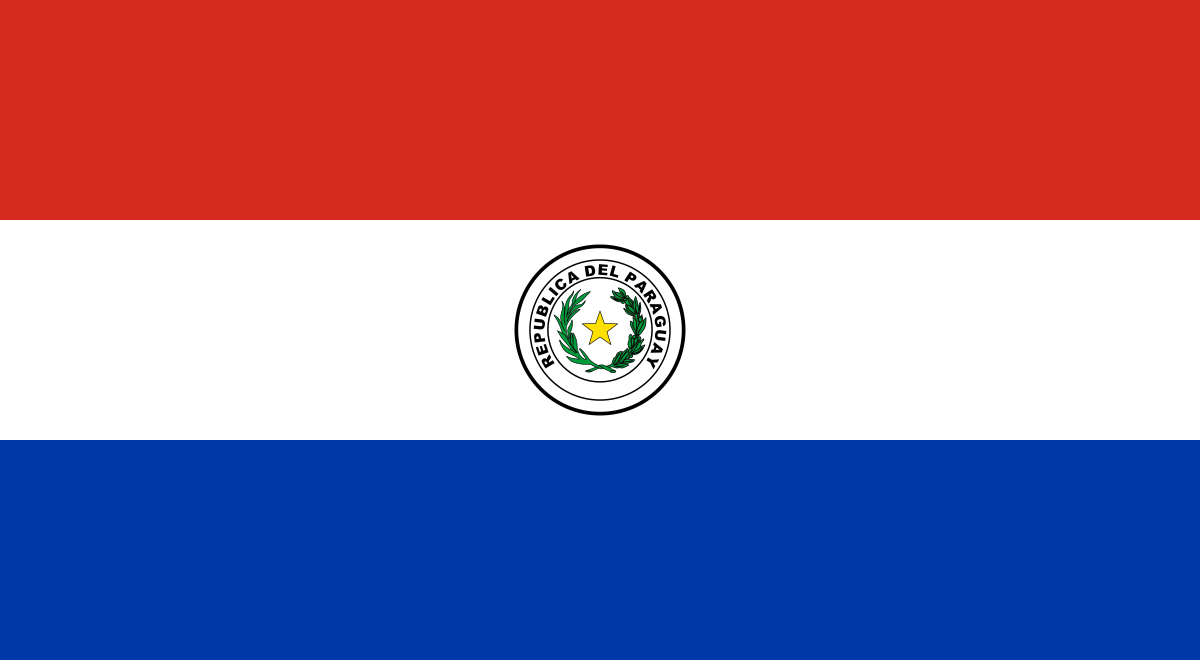 Paraguay
-
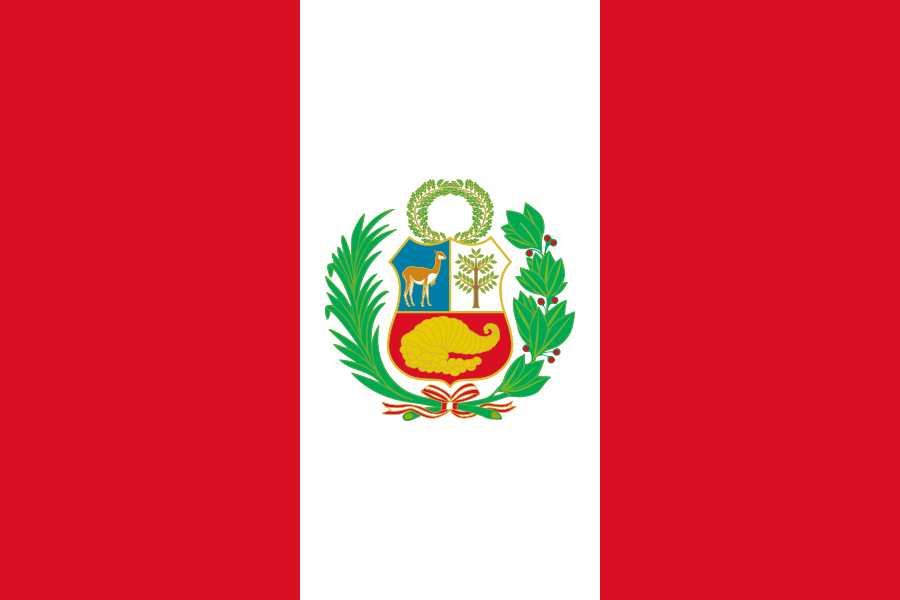 Peru
Peru
-
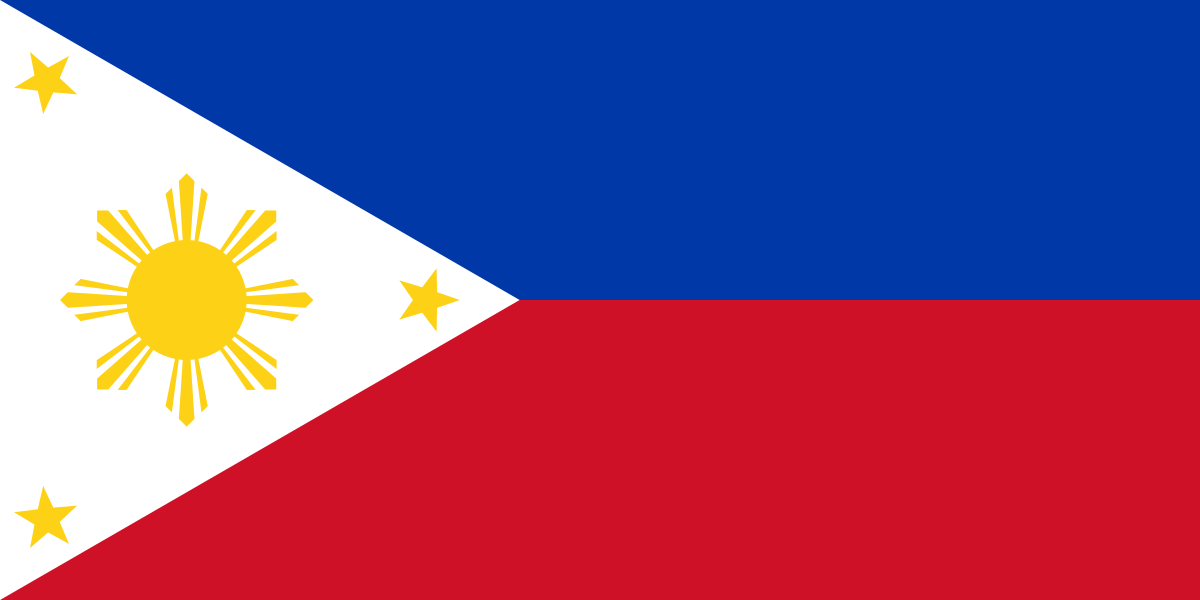 Philippines
-
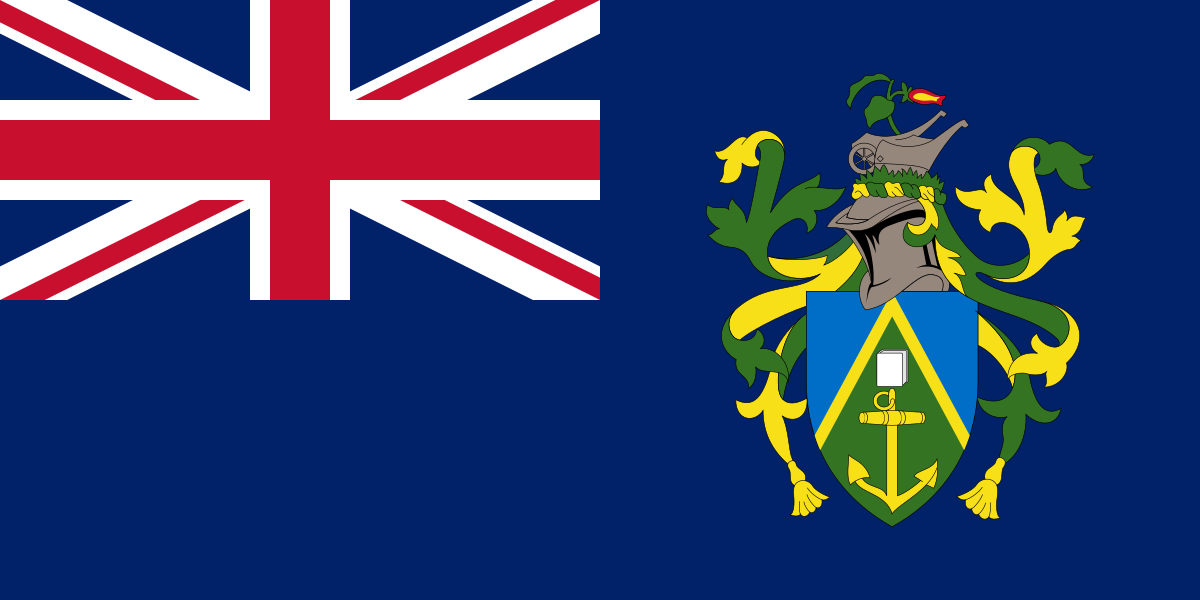 Pitcairn Islands
-
 Poland
-
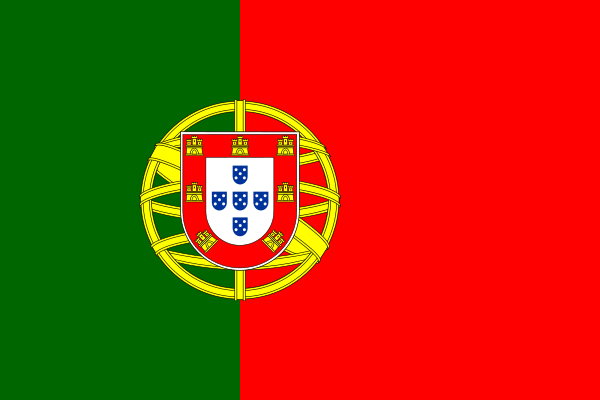 Portugal
-
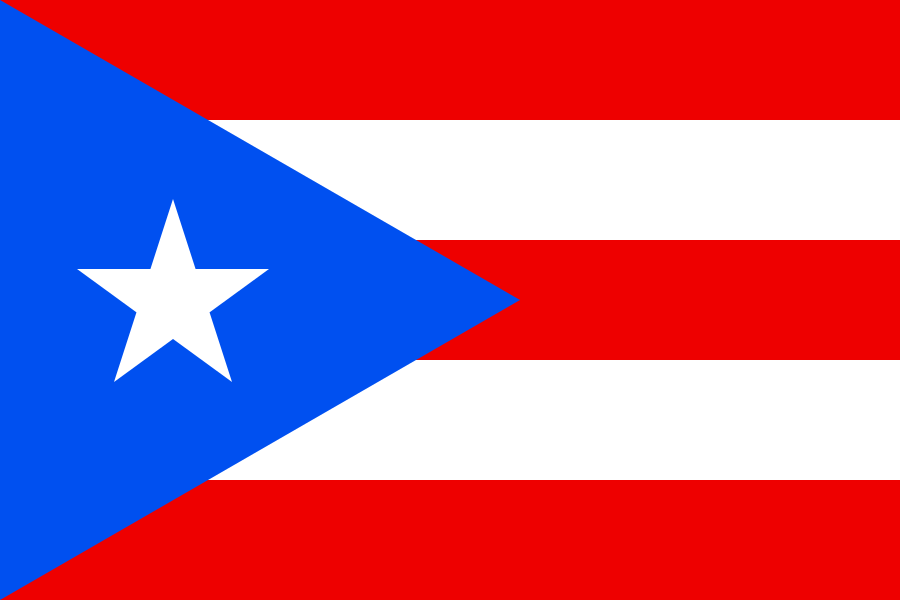 Puerto Rico
-
 Qatar
Qatar
-
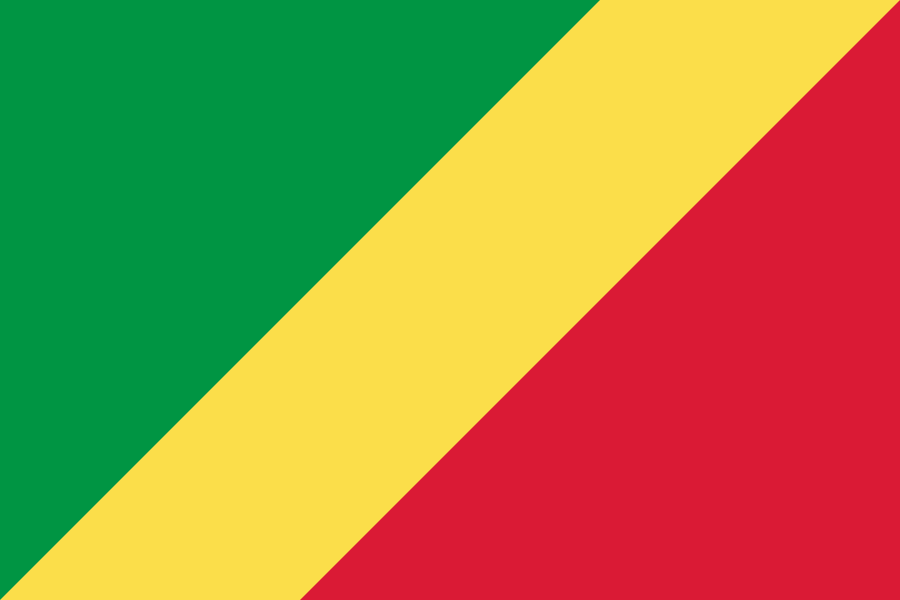 Republic of the Congo
-
Reunion
-
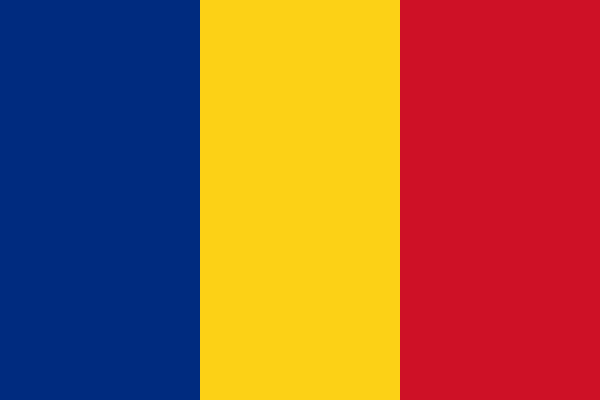 Romania
-
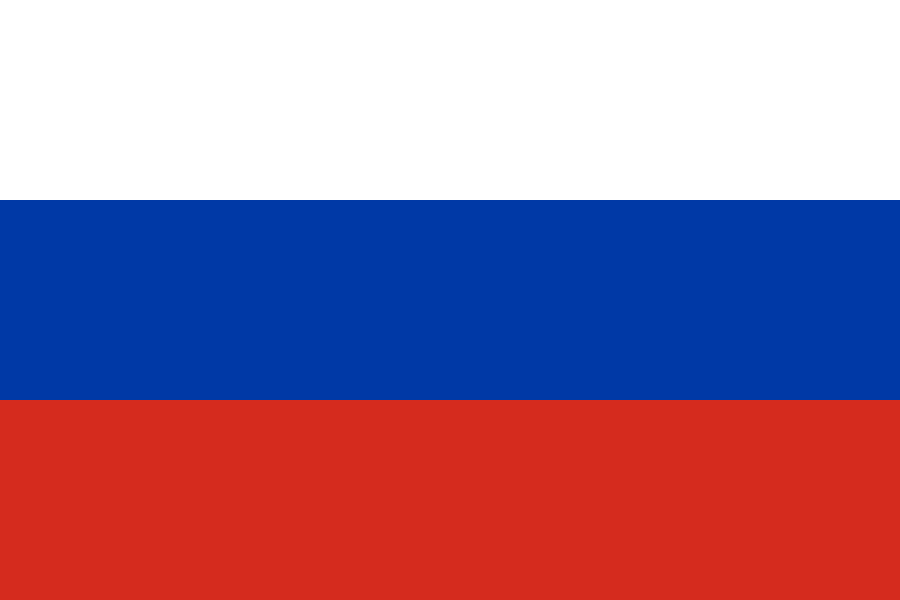 Russia
-
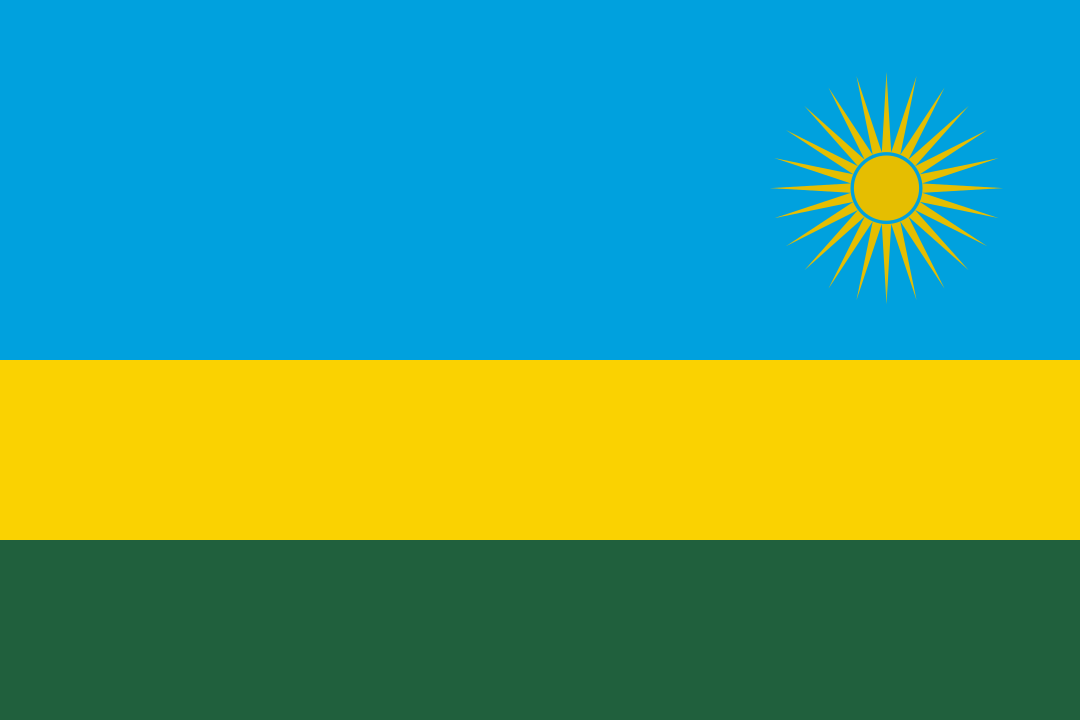 Rwanda
-
Saint Barthélemy
-
 Saint Helena And Dependencies
-
 Saint Kitts and Nevis
-
 Saint Lucia
-
Saint Martin
-
 Saint Pierre and Miquelon
-
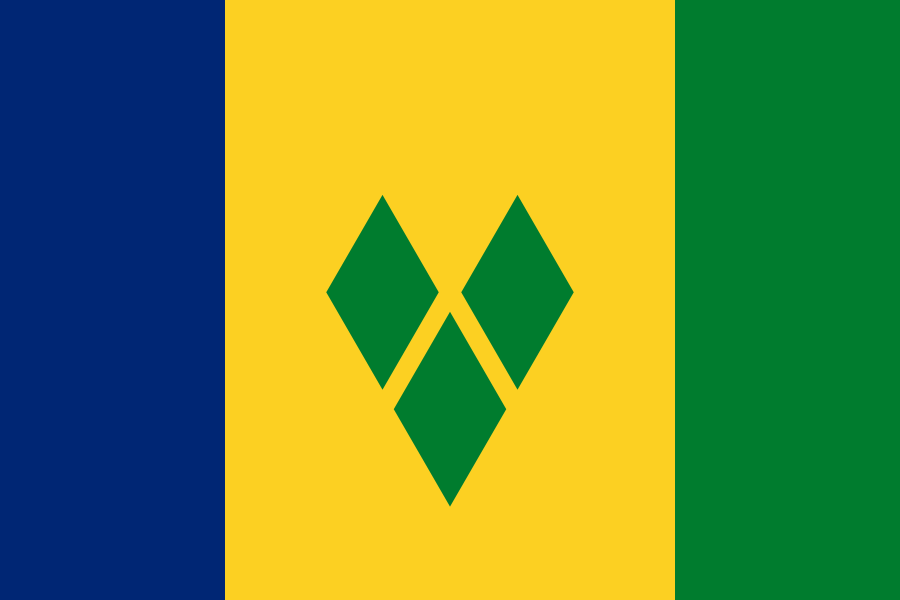 Saint Vincent and the Grenadines
-
 Samoa
Samoa
-
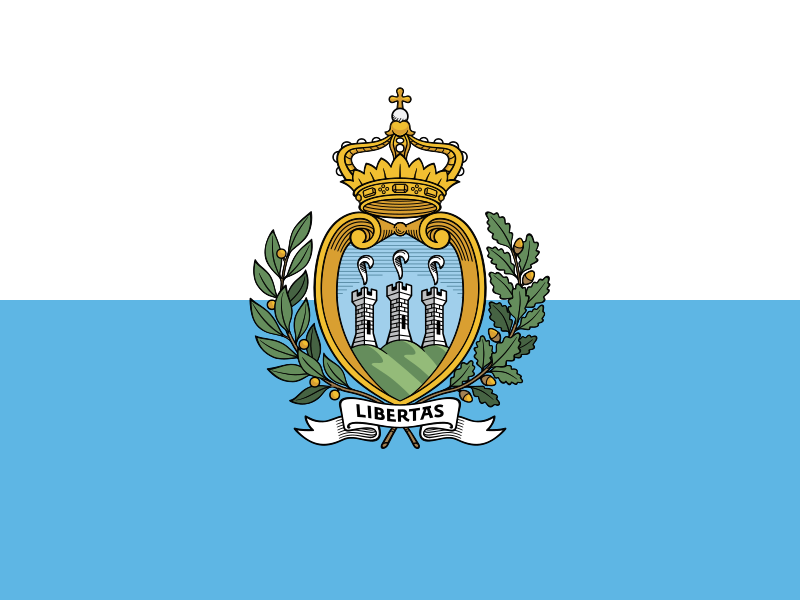 San Marino
-
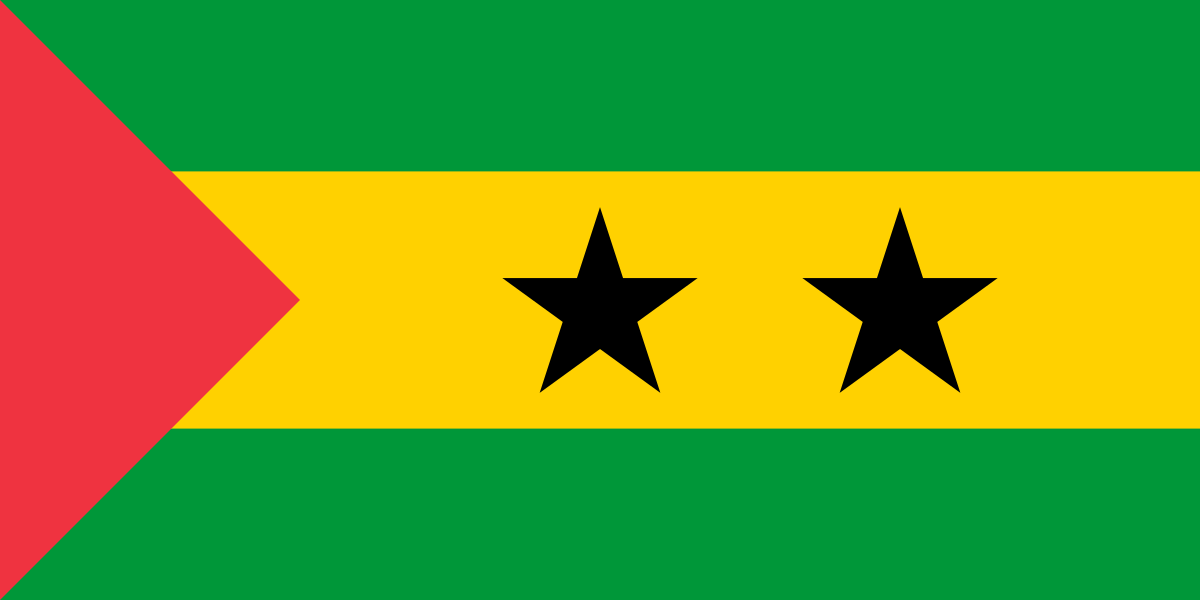 Sao Tome and Principe
-
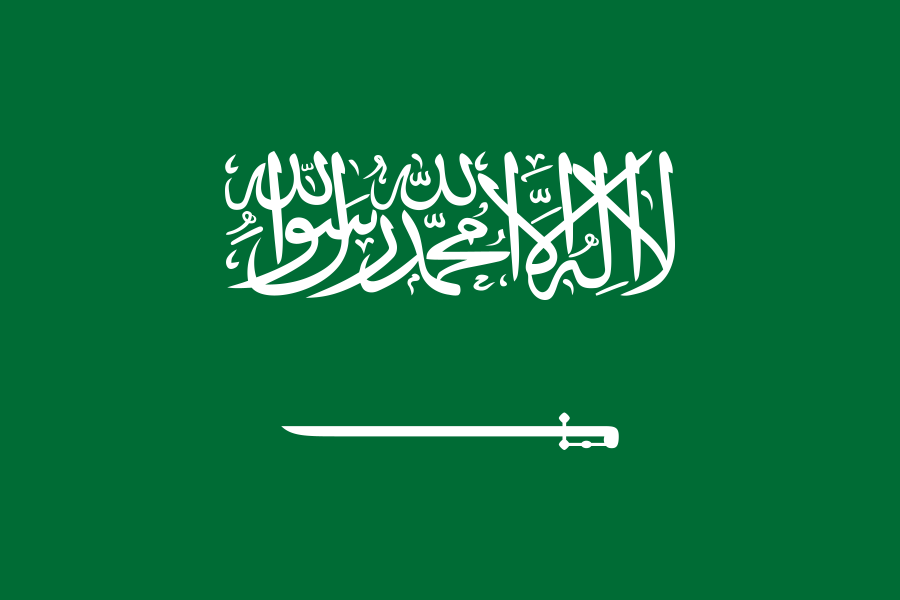 Saudi Arabia
-
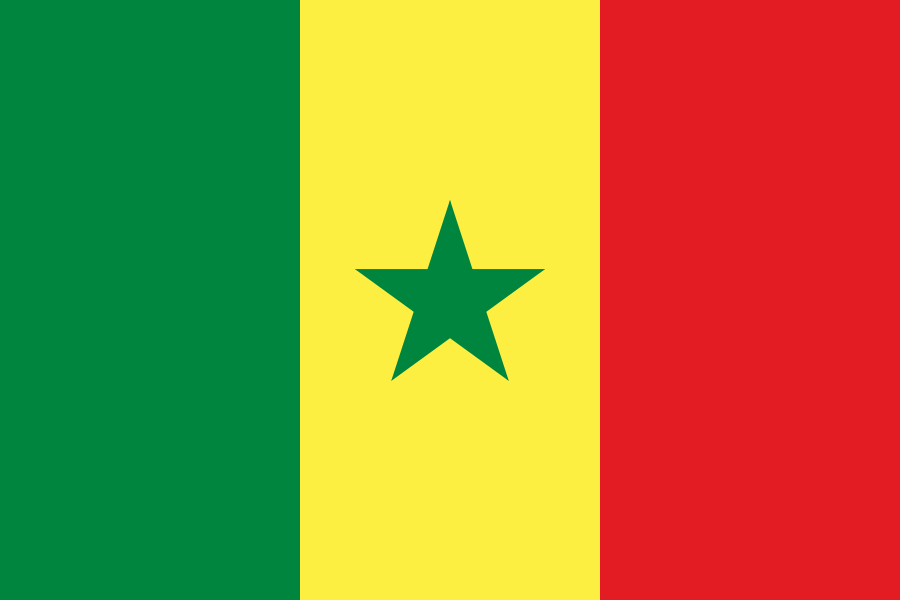 Senegal
-
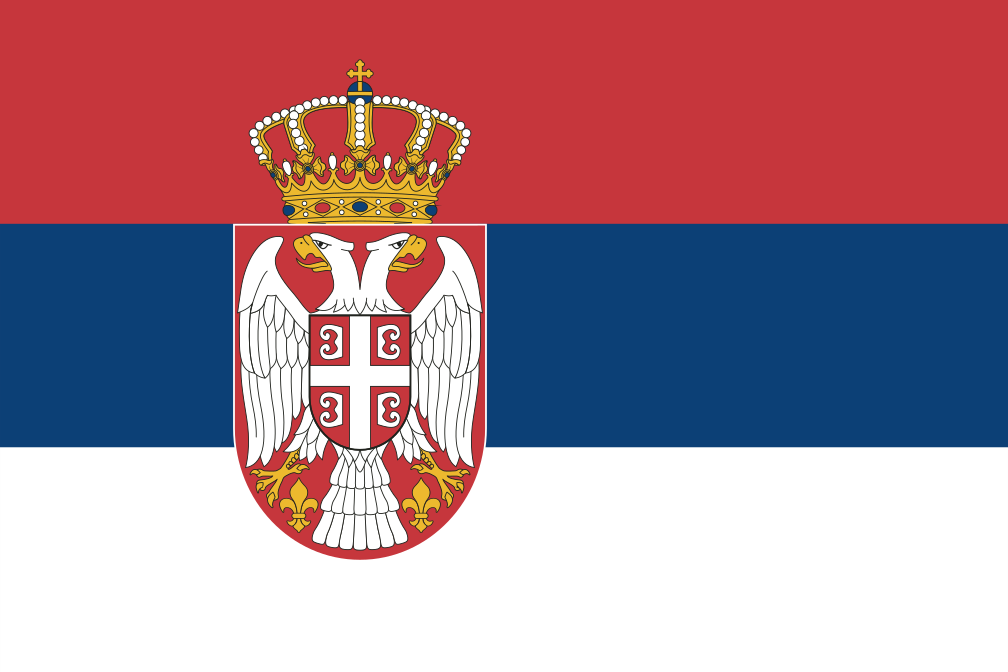 Serbia
-
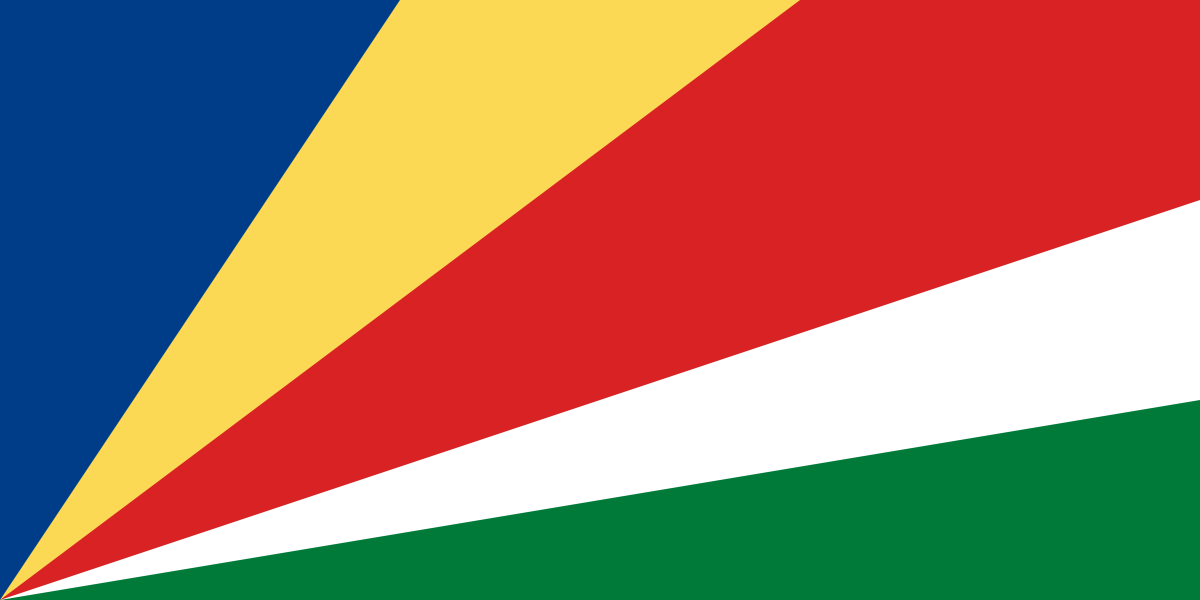 Seychelles
-
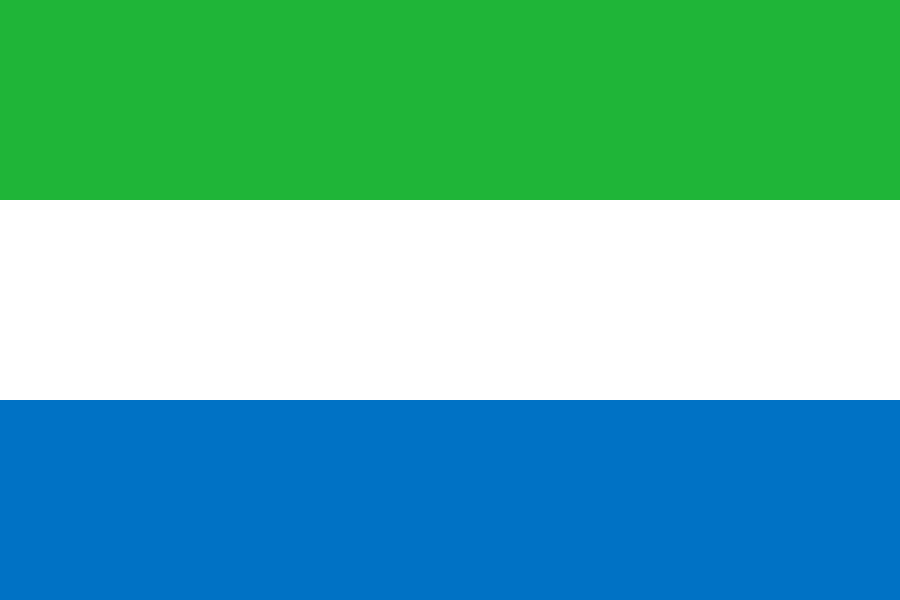 Sierra Leone
-
 Singapore
-
 Sint Maarten
-
 Slovakia
-
 Slovenia
-
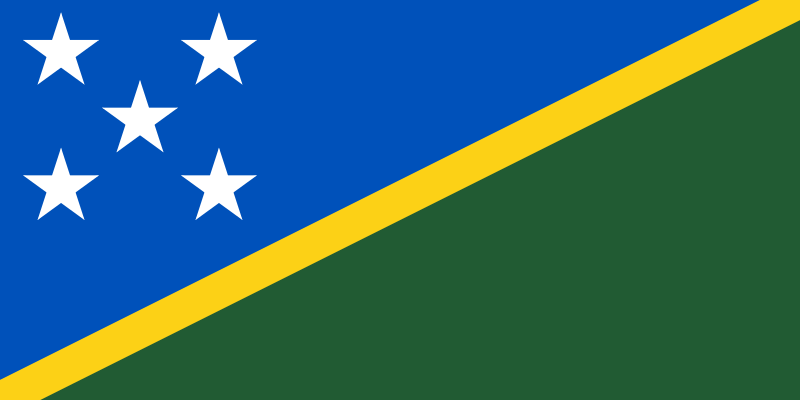 Solomon Islands
-
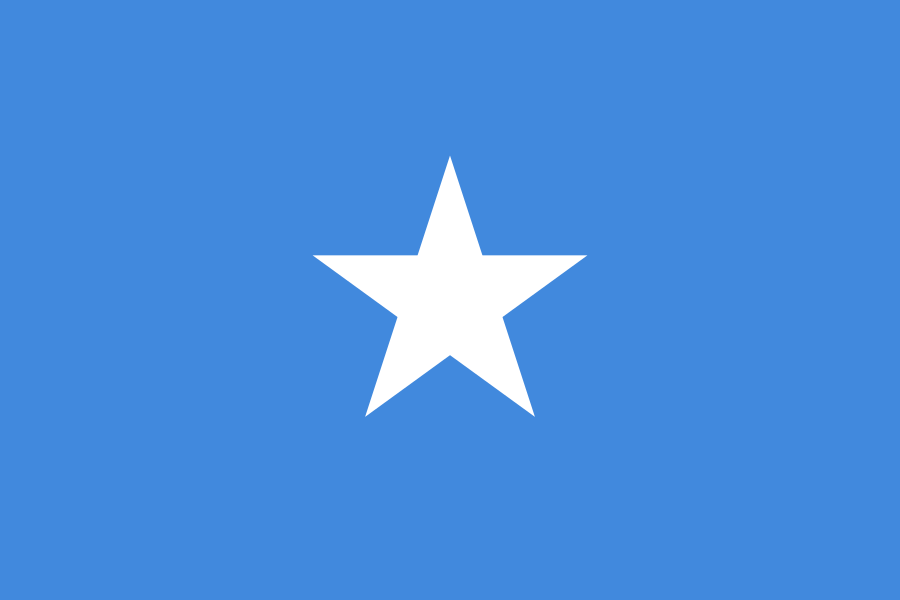 Somalia
-
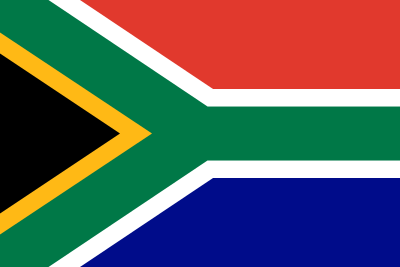 South Africa
-
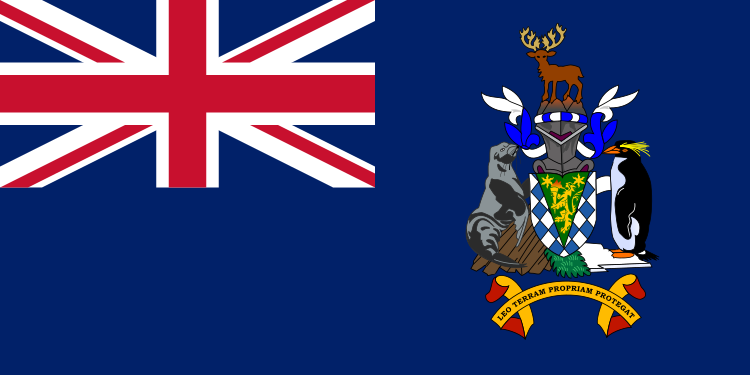 South Georgia and the Sandwich Islands
-
 South Korea
-
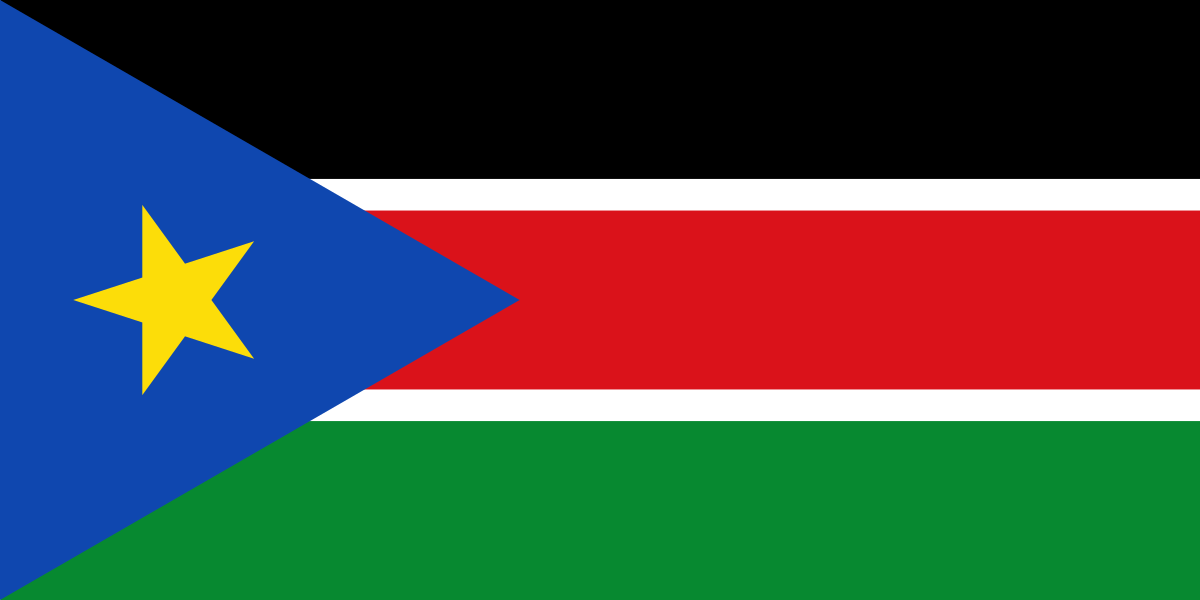 South Sudan
-
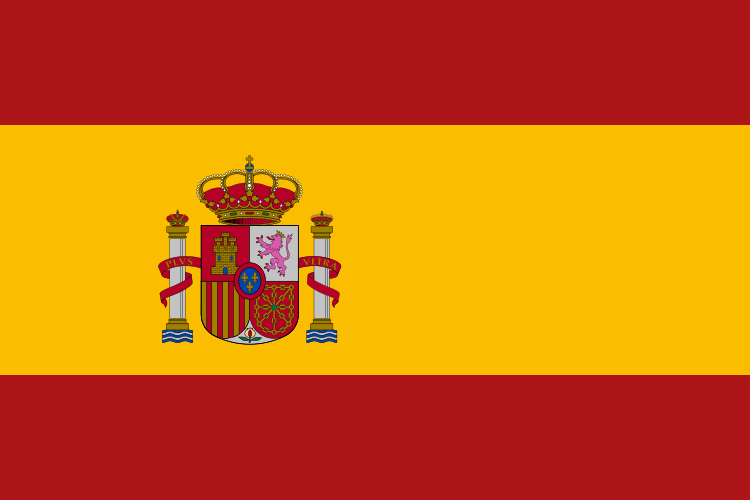 Spain
Spain
-
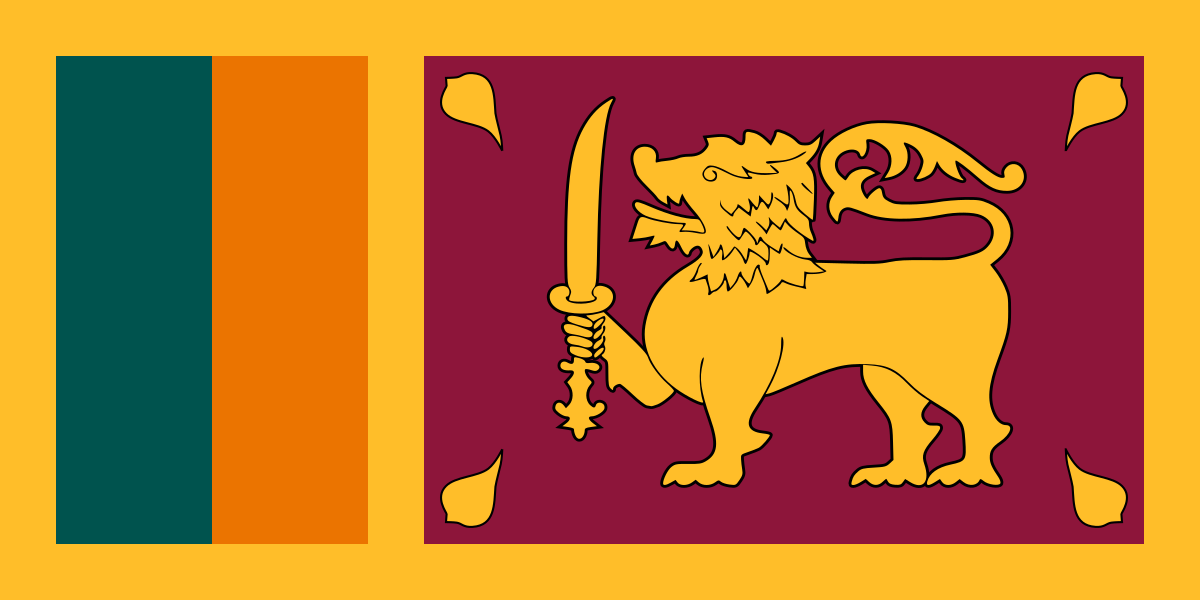 Sri Lanka
-
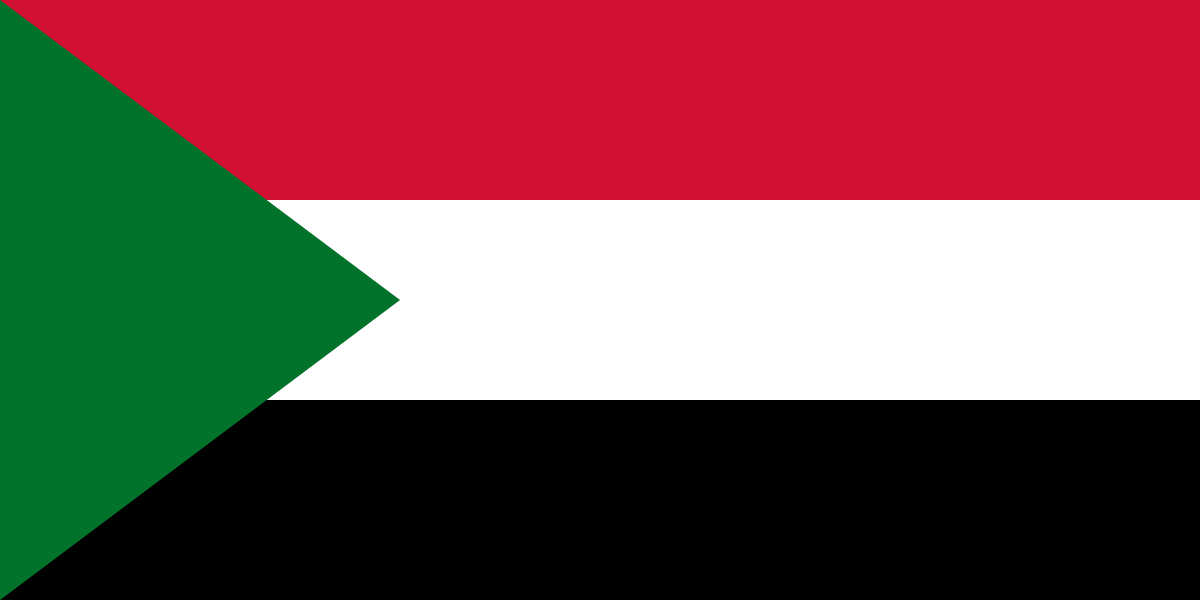 Sudan
Sudan
-
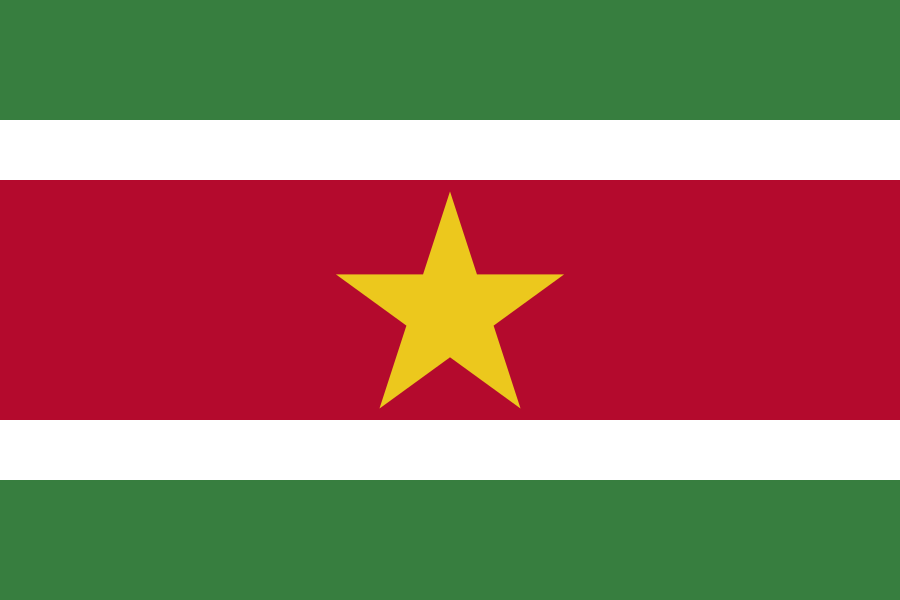 Suriname
-
Svalbard and Jan Mayen
-
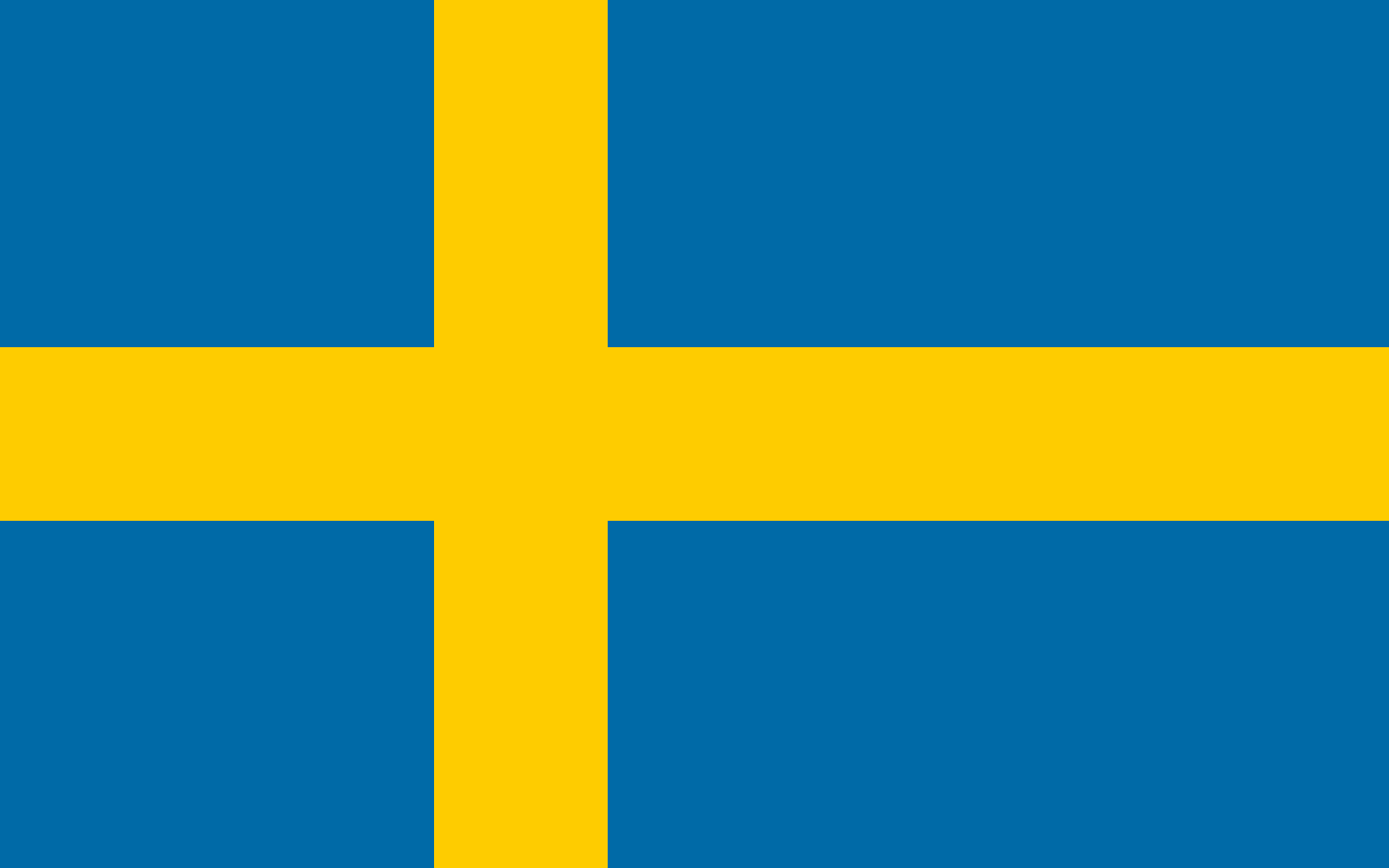 Sweden
-
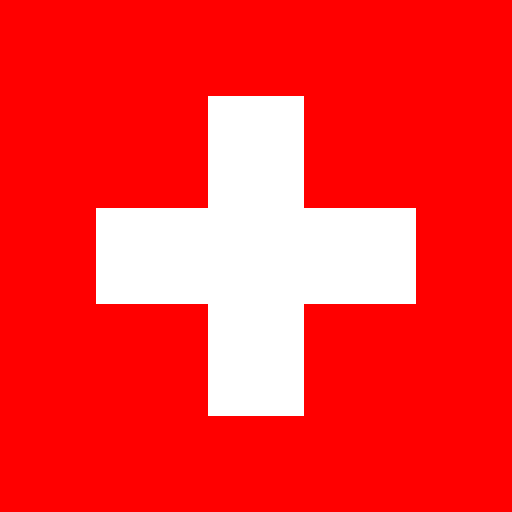 Switzerland
-
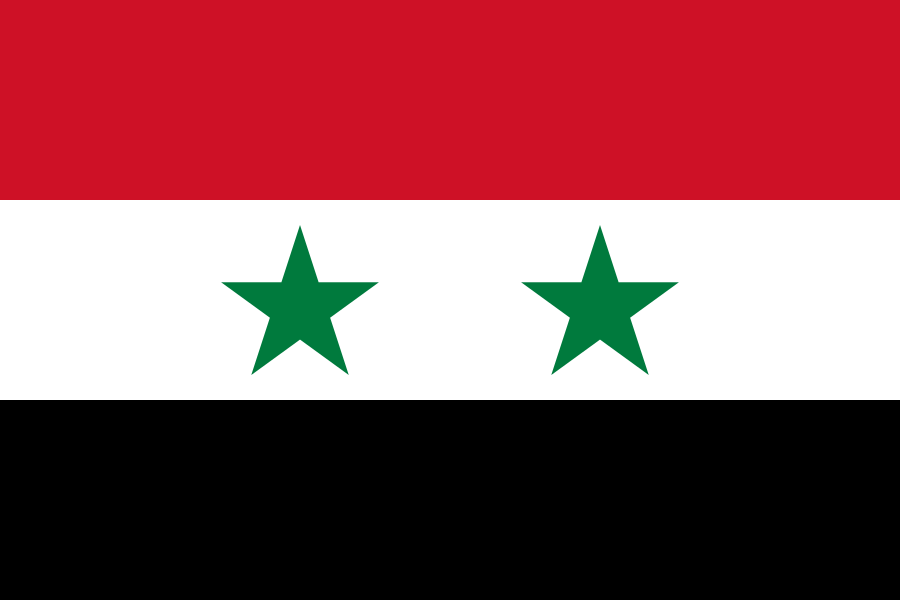 Syria
Syria
-
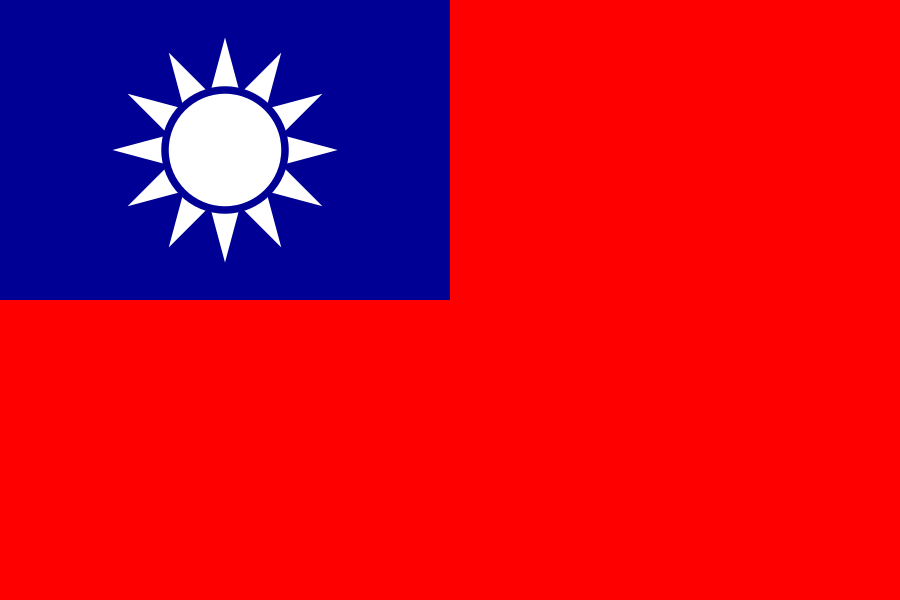 Taiwan
-
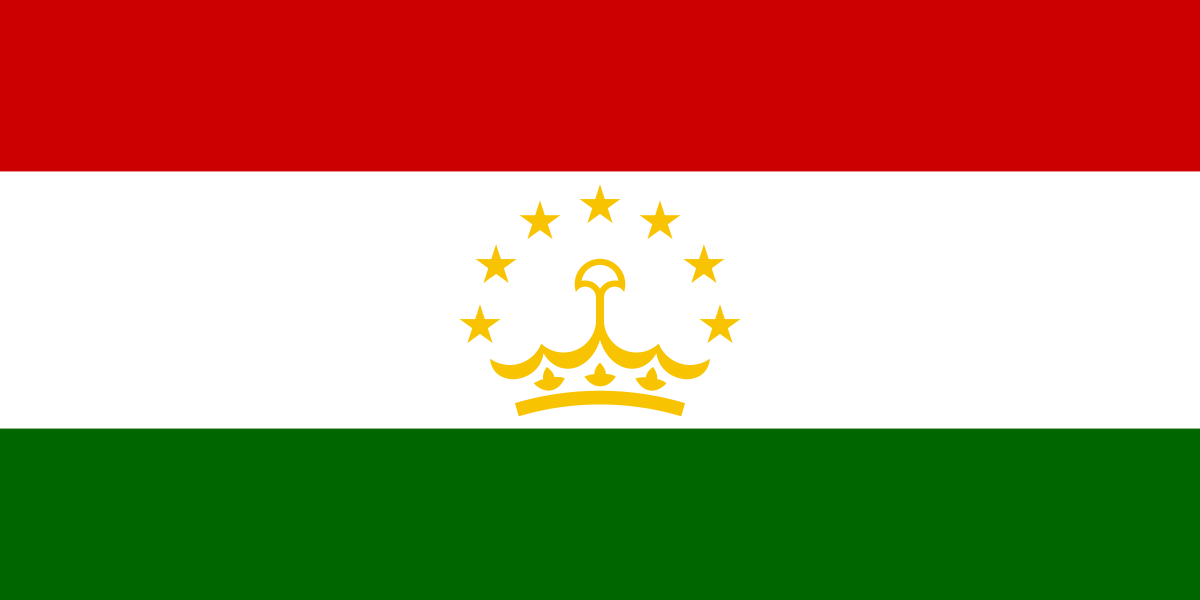 Tajikistan
-
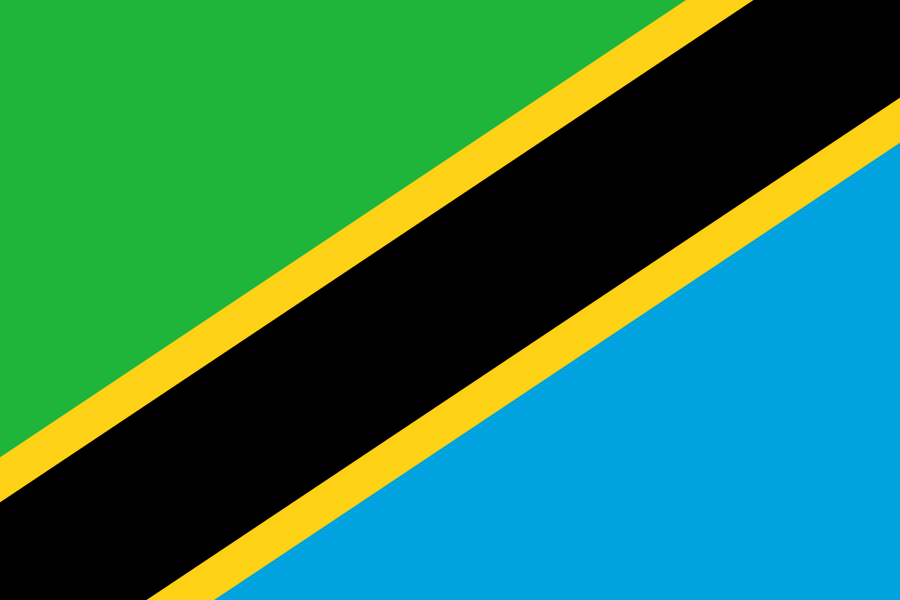 Tanzania
-
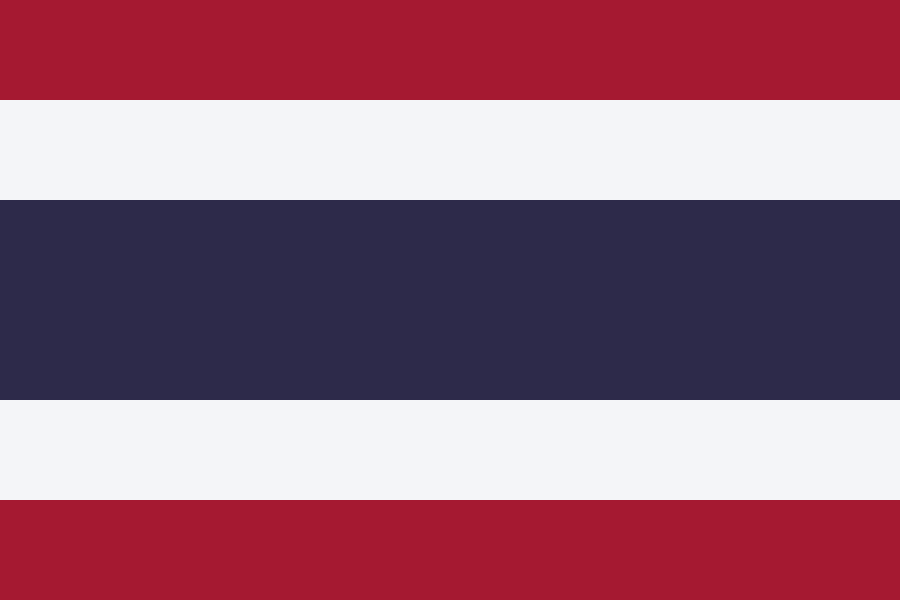 Thailand
-
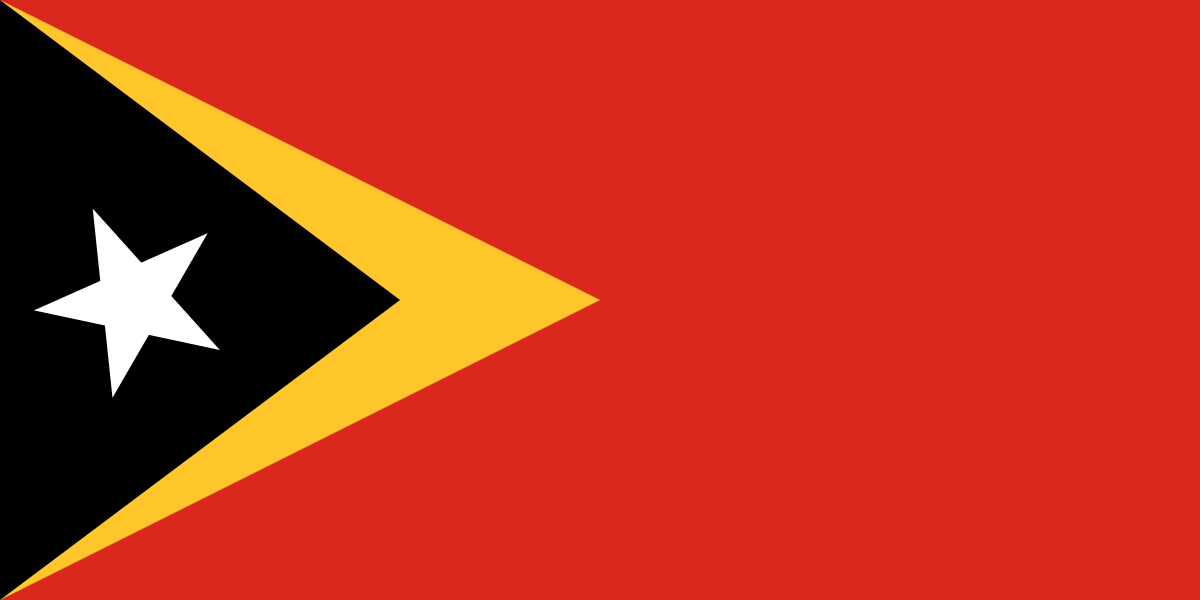 Timor-Leste
-
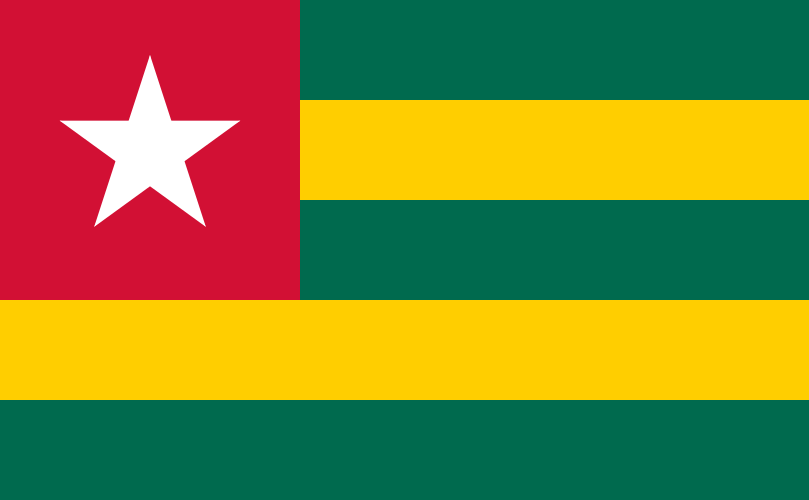 Togo
Togo
-
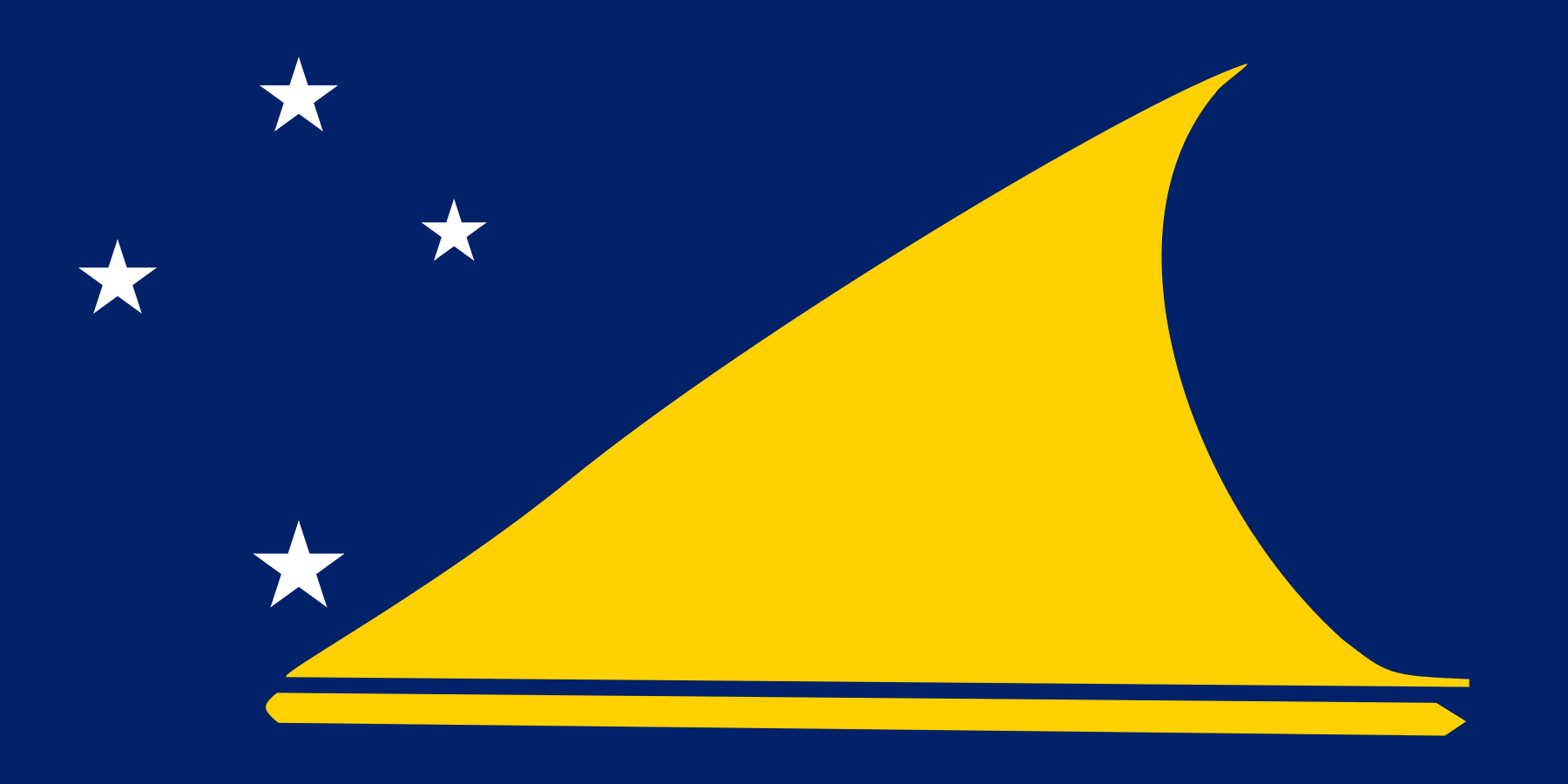 Tokelau
-
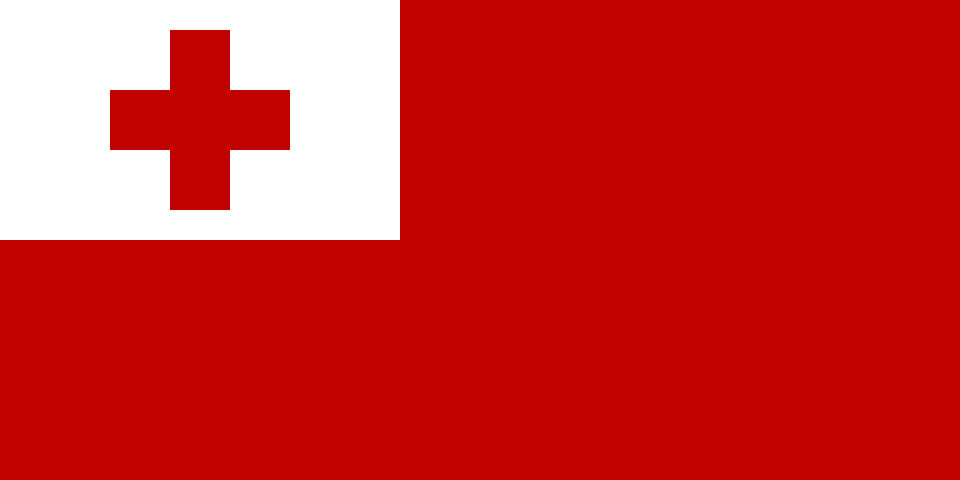 Tonga
Tonga
-
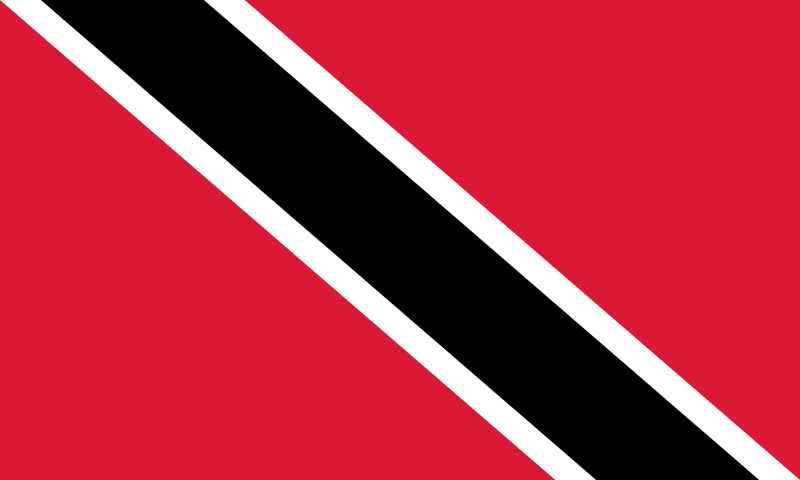 Trinidad and Tobago
-
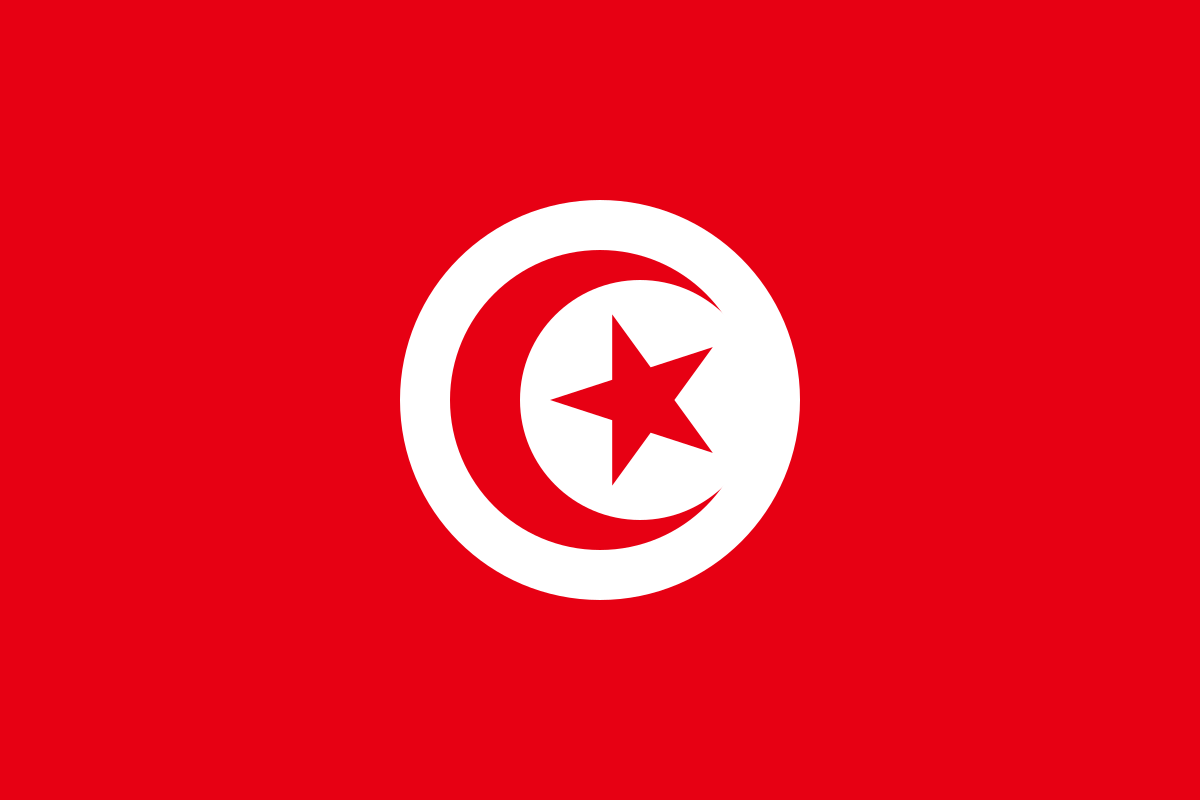 Tunisia
-
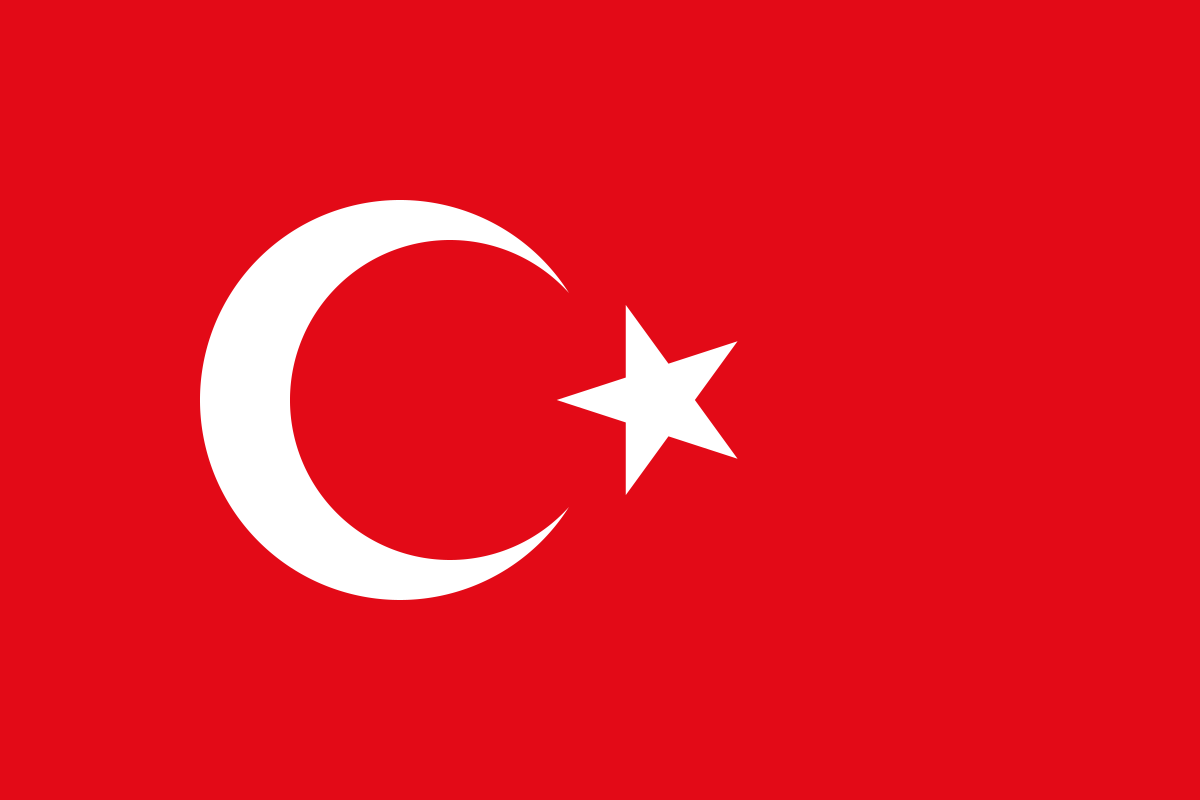 Turkey
-
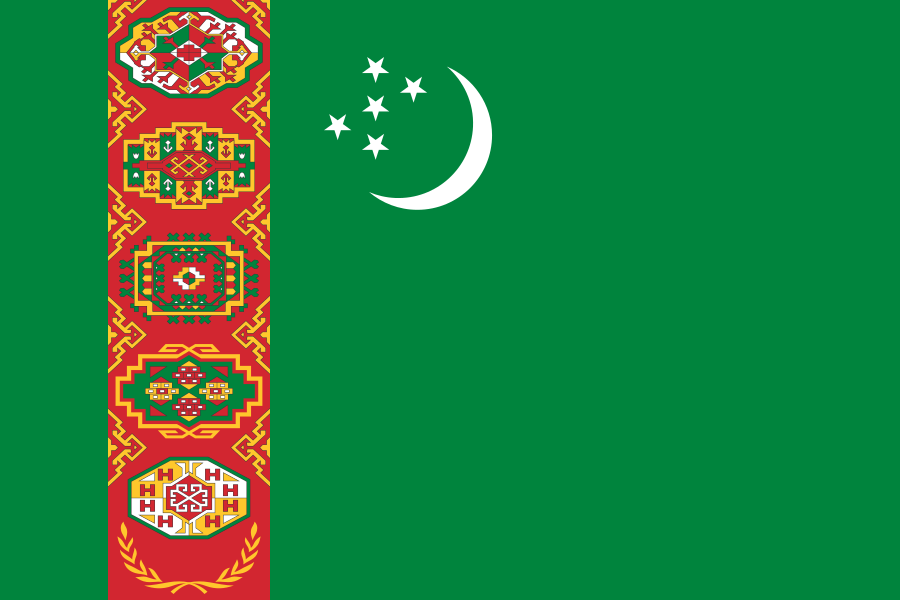 Turkmenistan
-
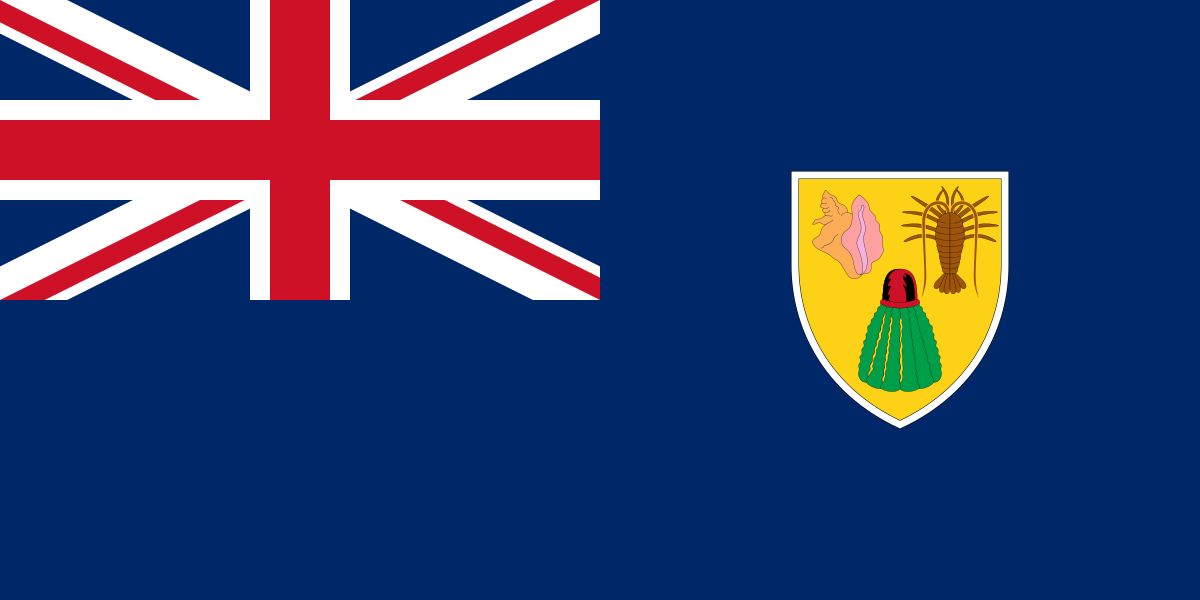 Turks and Caicos Islands
-
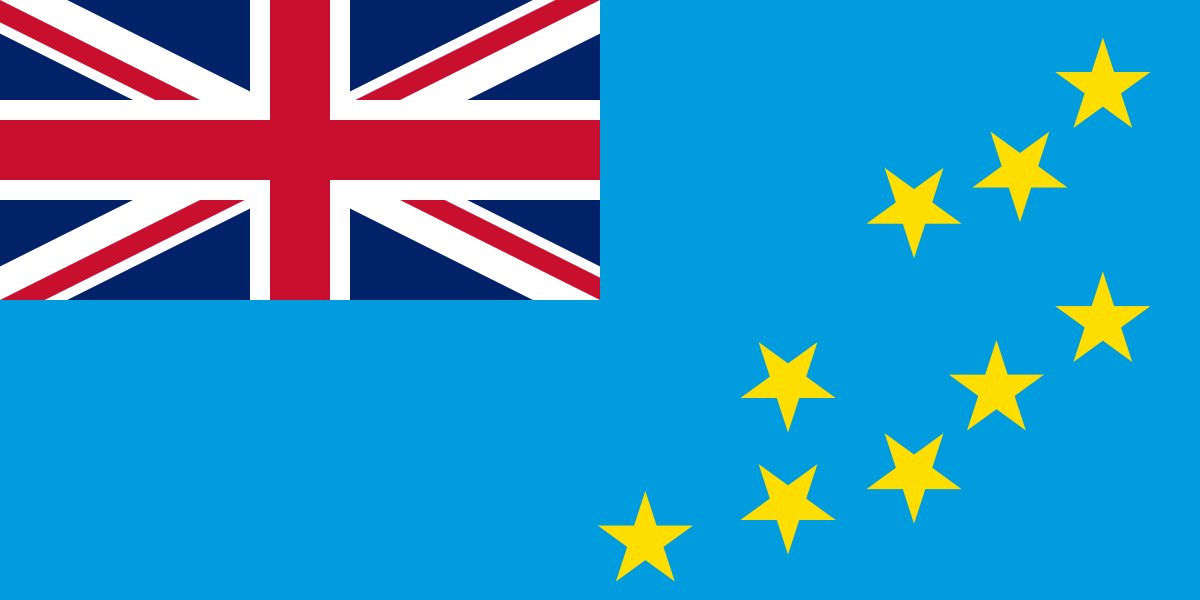 Tuvalu
-
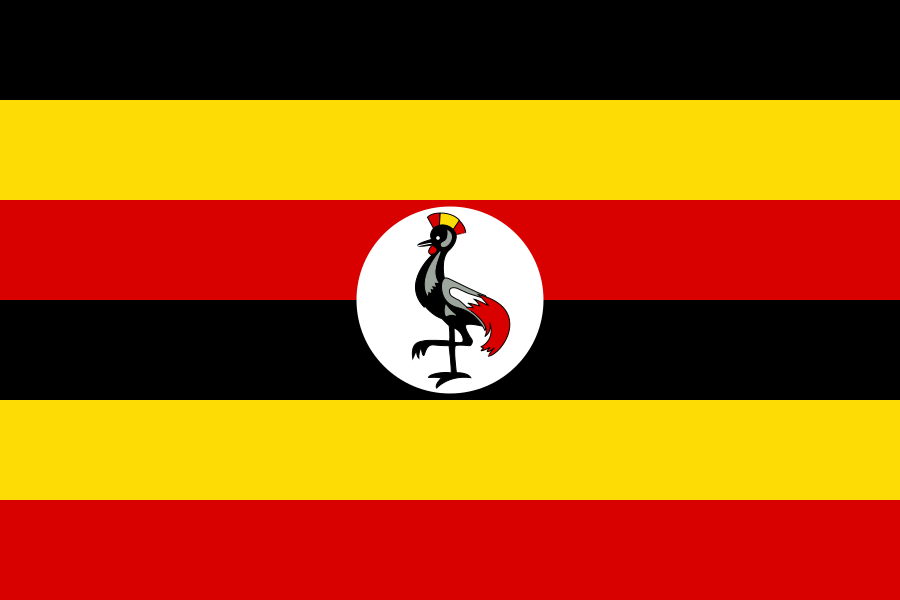 Uganda
-
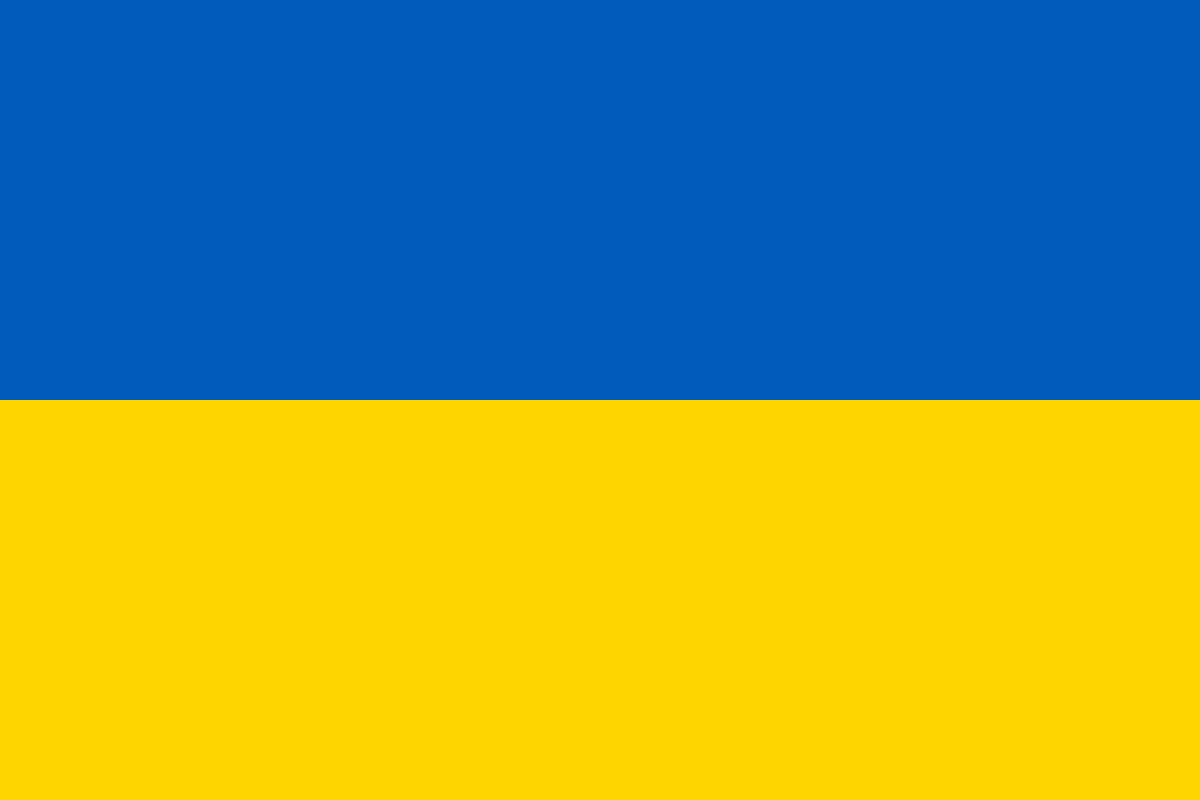 Ukraine
-
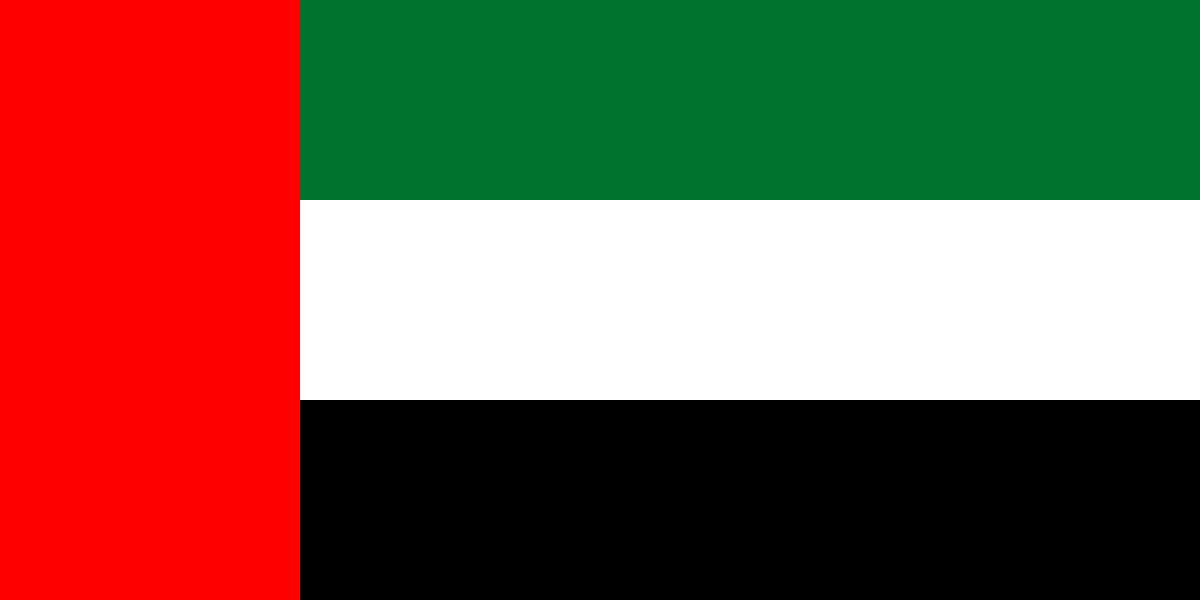 United Arab Emirates
-
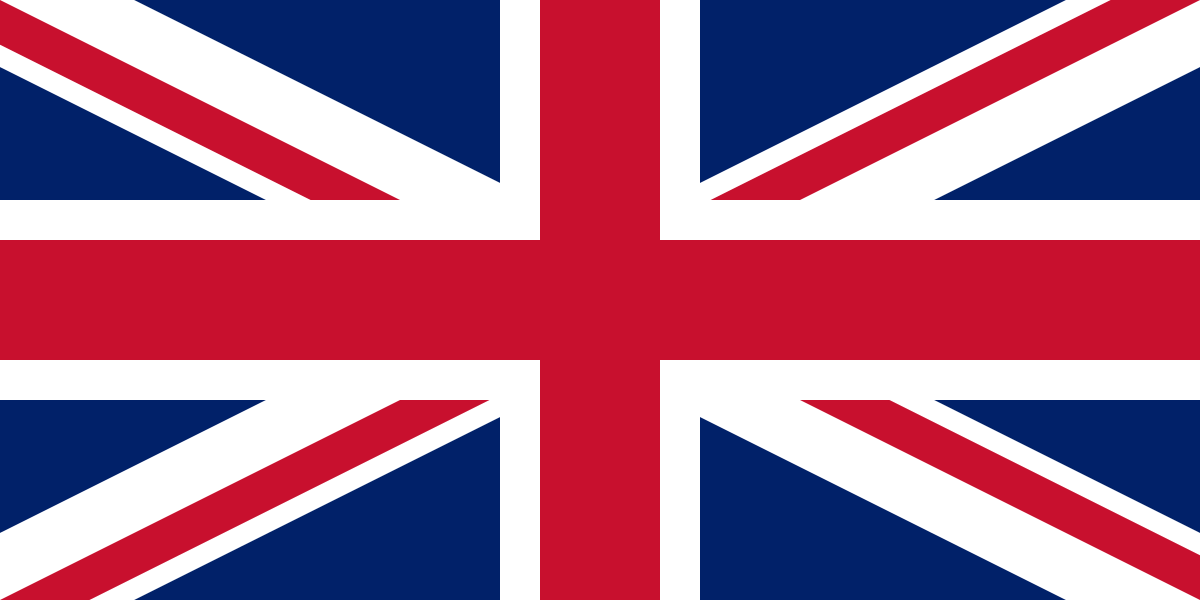 United Kingdom
-
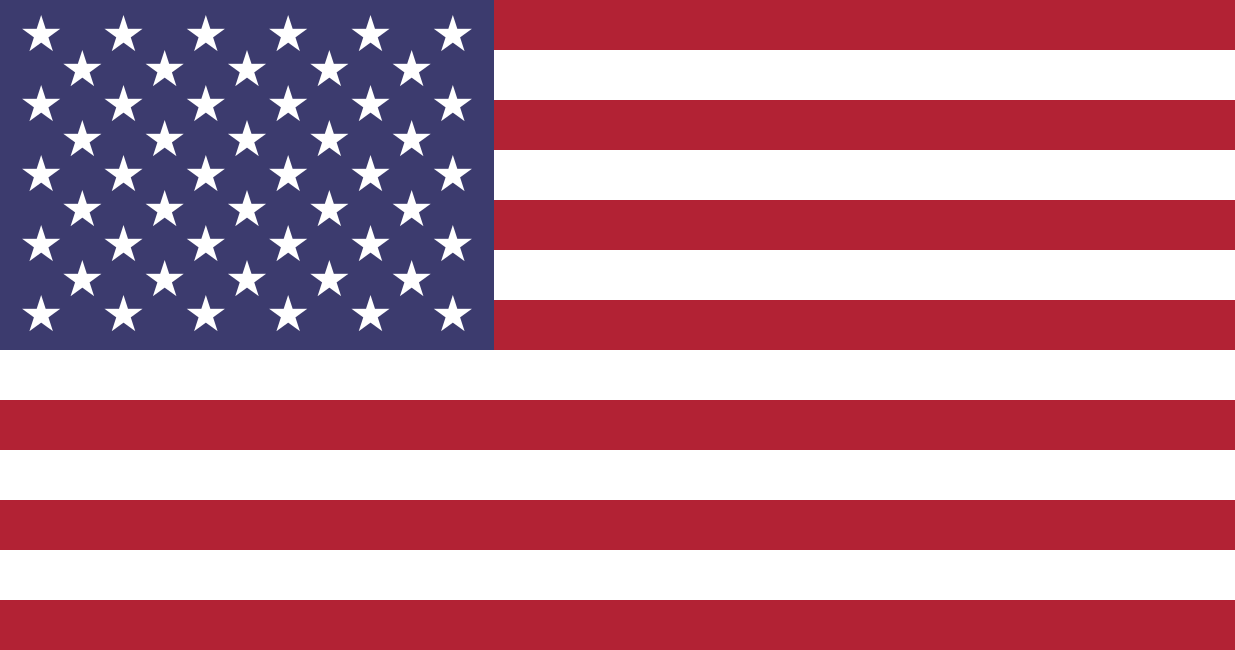 United States
-
United States Minor Outlying Islands
-
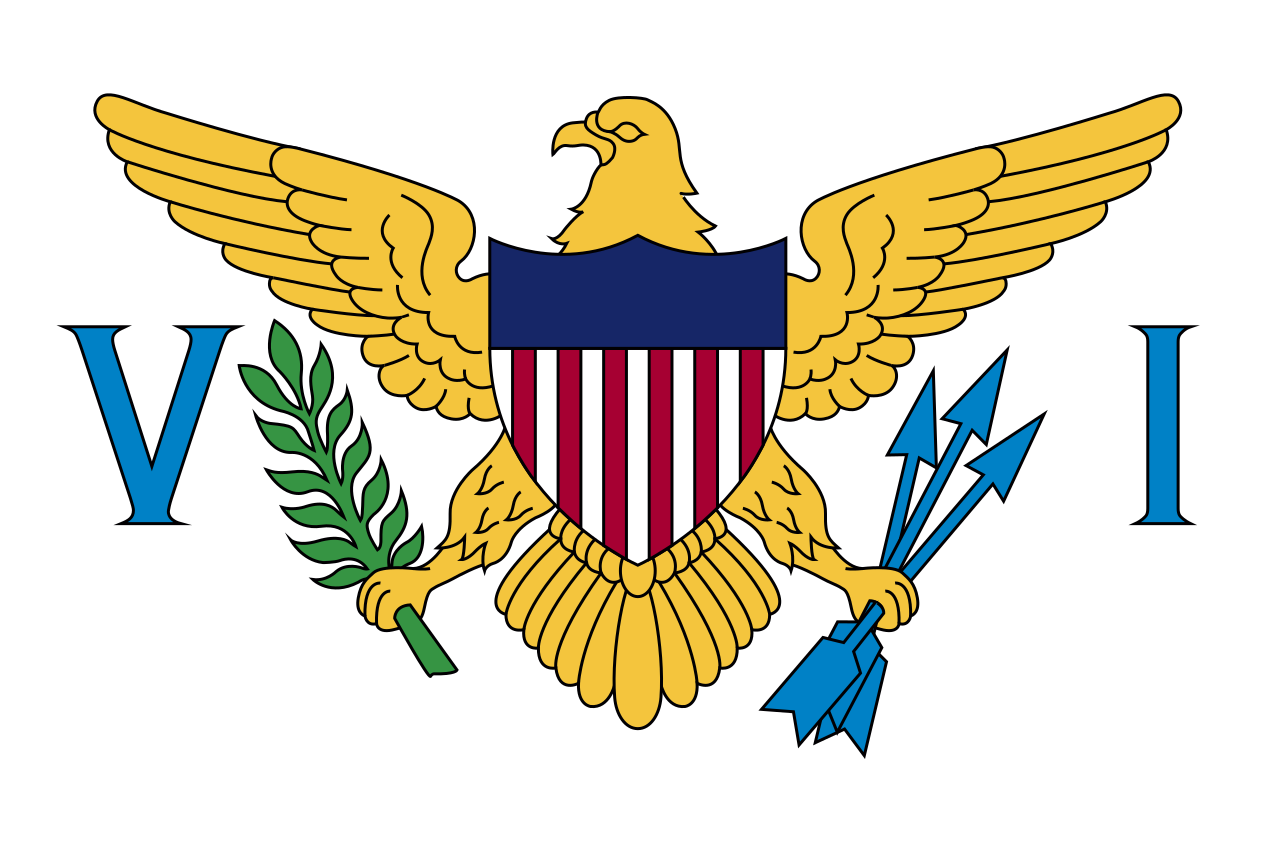 United States Virgin Islands
-
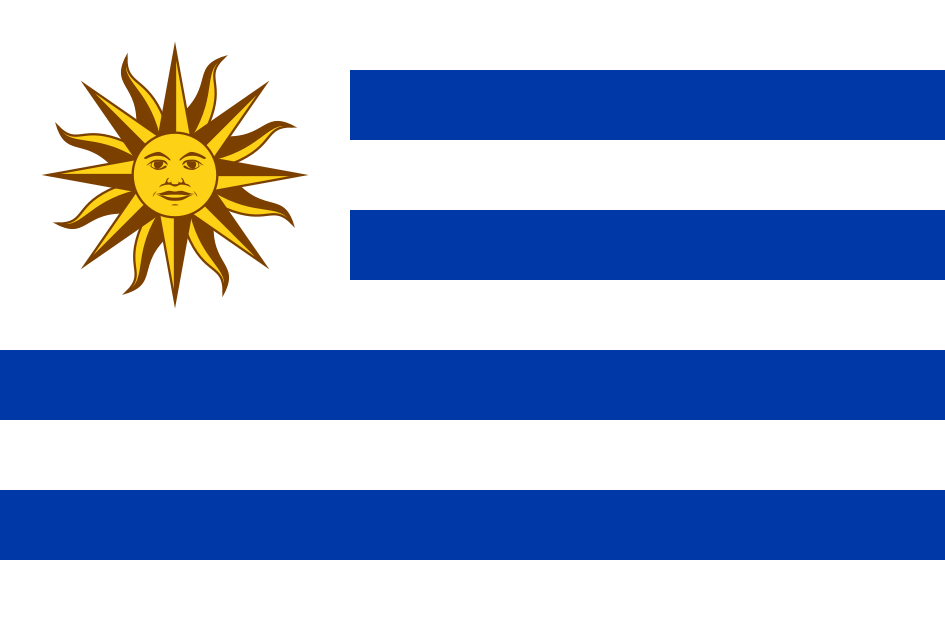 Uruguay
-
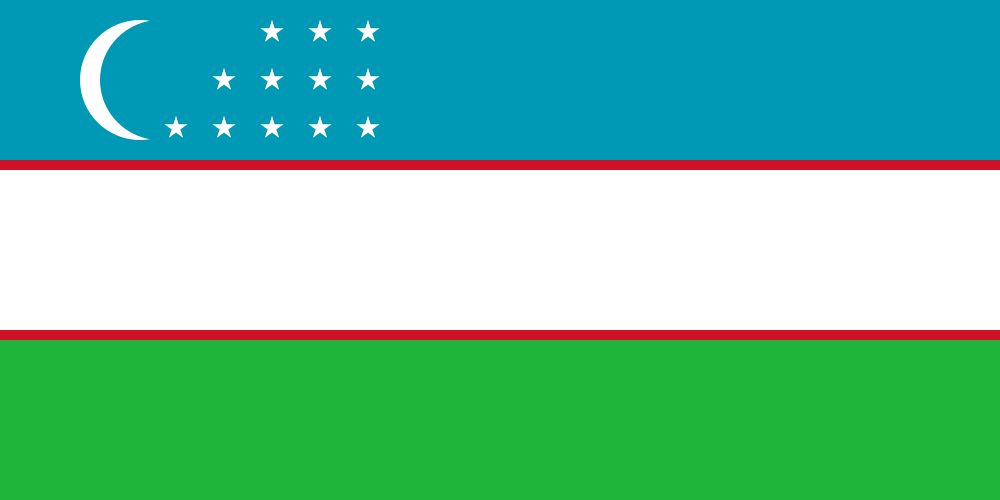 Uzbekistan
-
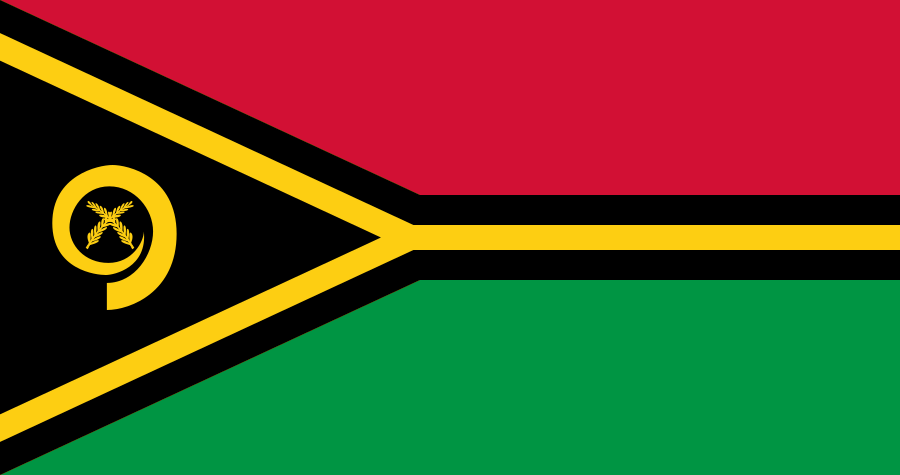 Vanuatu
-
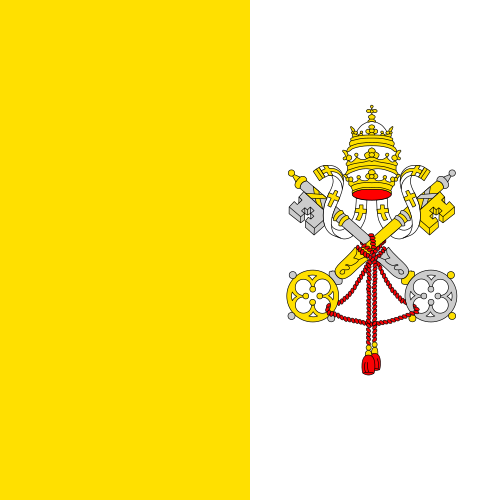 Vatican City
-
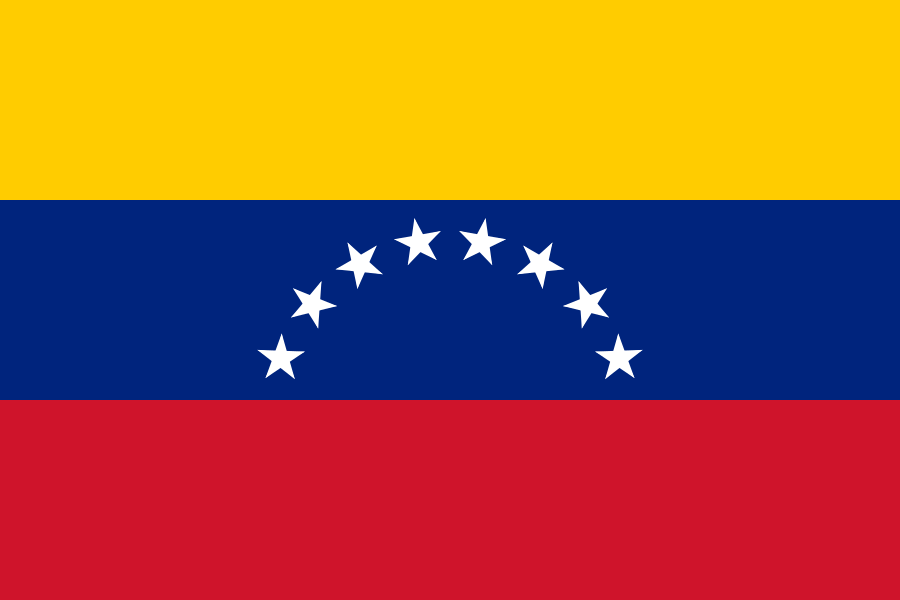 Venezuela
-
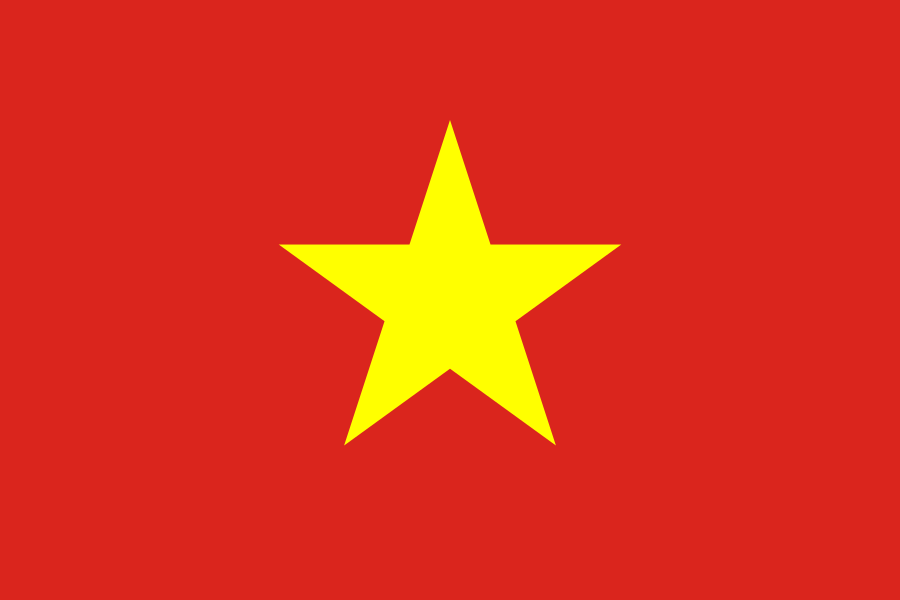 Vietnam
-
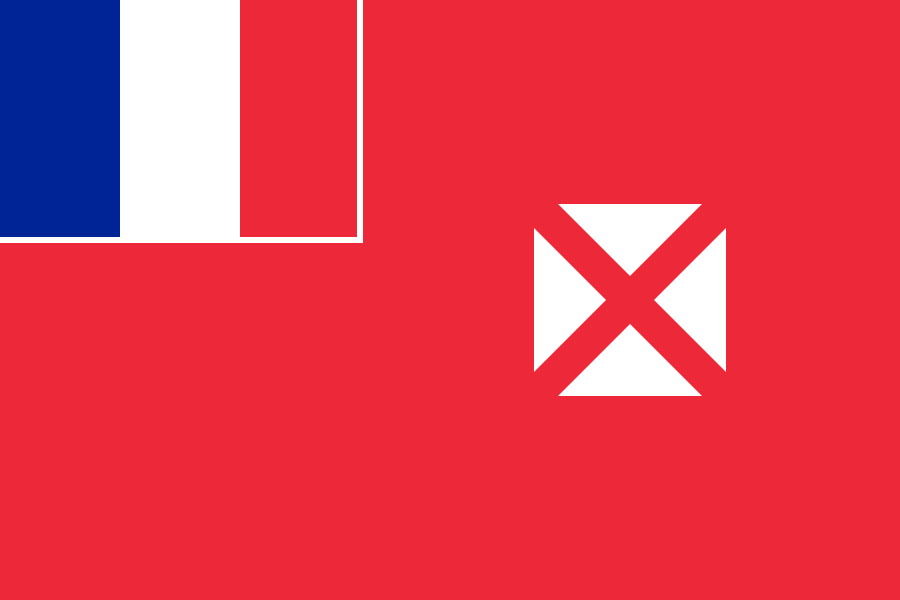 Wallis and Futuna
-
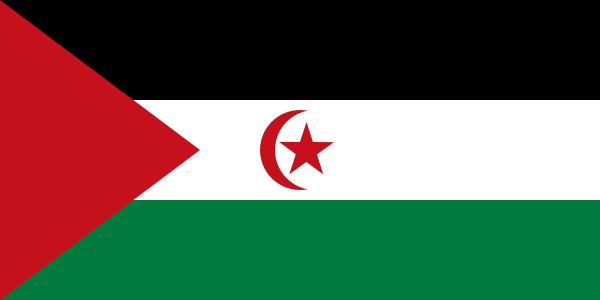 Western Sahara
-
 Yemen
Yemen
-
 Zambia
-
 Zimbabwe
Australia .au
Meaning of the Flag
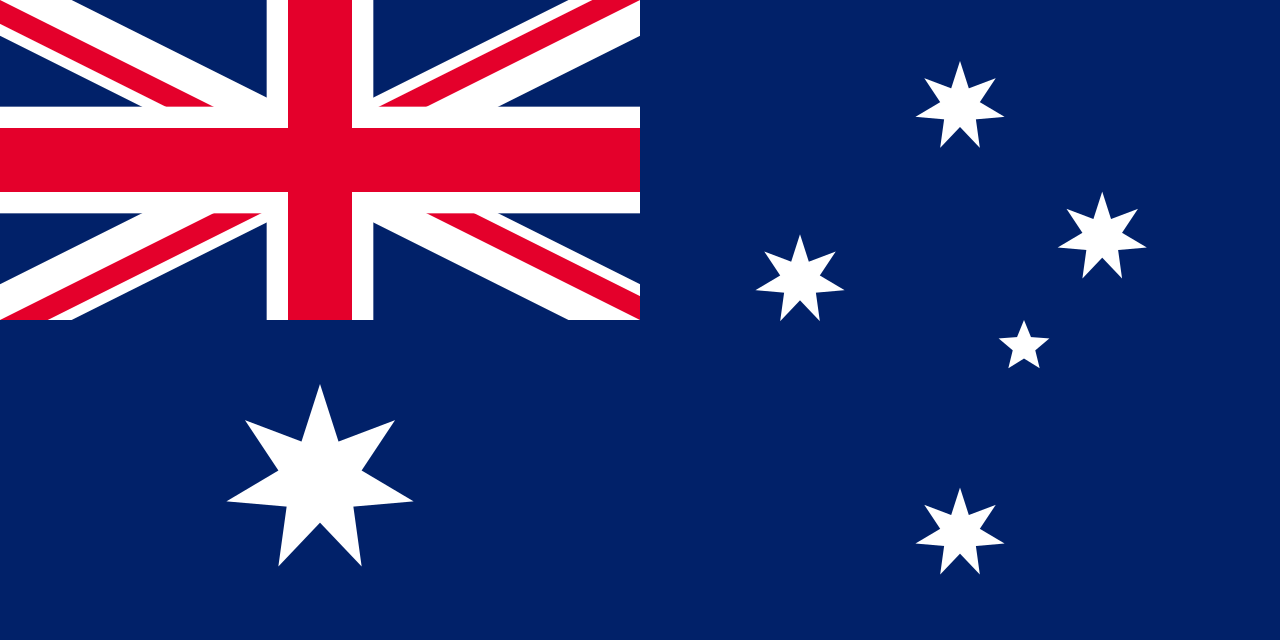
The national flag of Australia is based on the British Blue Ensign—a blue field with the Union Jack in the upper hoist quarter—featuring a large white seven-pointed star (the Commonwealth Star) and a representation of the Southern Cross constellation, made up of five white stars (one small five-pointed star and four larger seven-pointed stars). Australia also has a number of other official flags representing its states and territories, indigenous peoples and government bodies. It is one of the most distinctive constellations visible in the Southern Hemisphere, and has been used to represent Australia since the early days of British settlement. The flag was last altered in 1908 to its current form when a seventh point was added to the Commonwealth Star; this seventh point has come to represent all territories and any future states of Australia.
Meaning of Flag Colors
Blue, White
Flag History
-
1770The Union Jack, as the flag of the British Empire, was first hoisted on Australian soil when Lieutenant James Cook landed at Botany Bay, on 29 April 1770.
-
1801
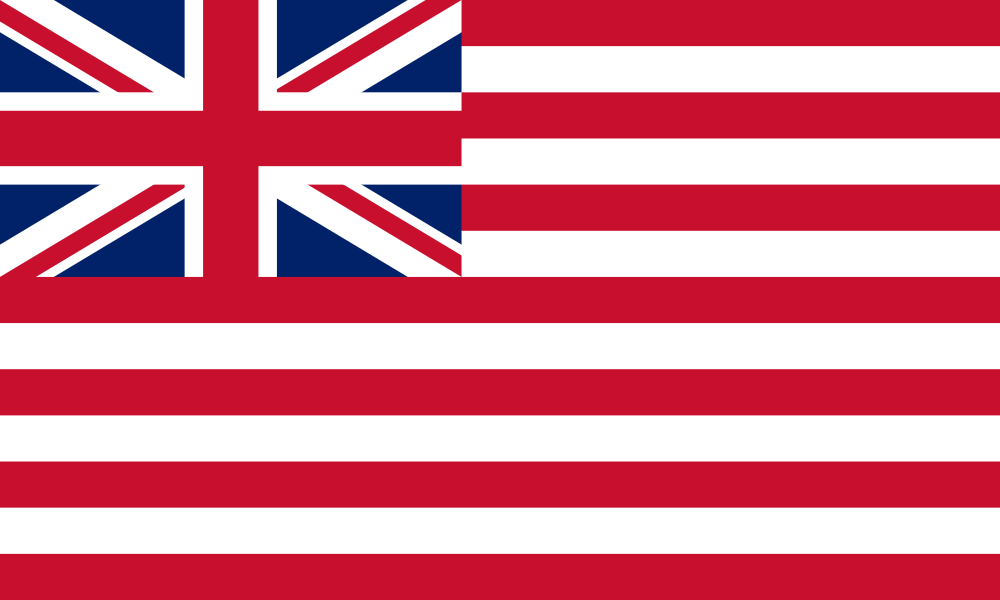 It was incorporated after the Acts of Union 1801 between Great Britain and Ireland, hence featuring on the Australian flag.
 -
1903–1908
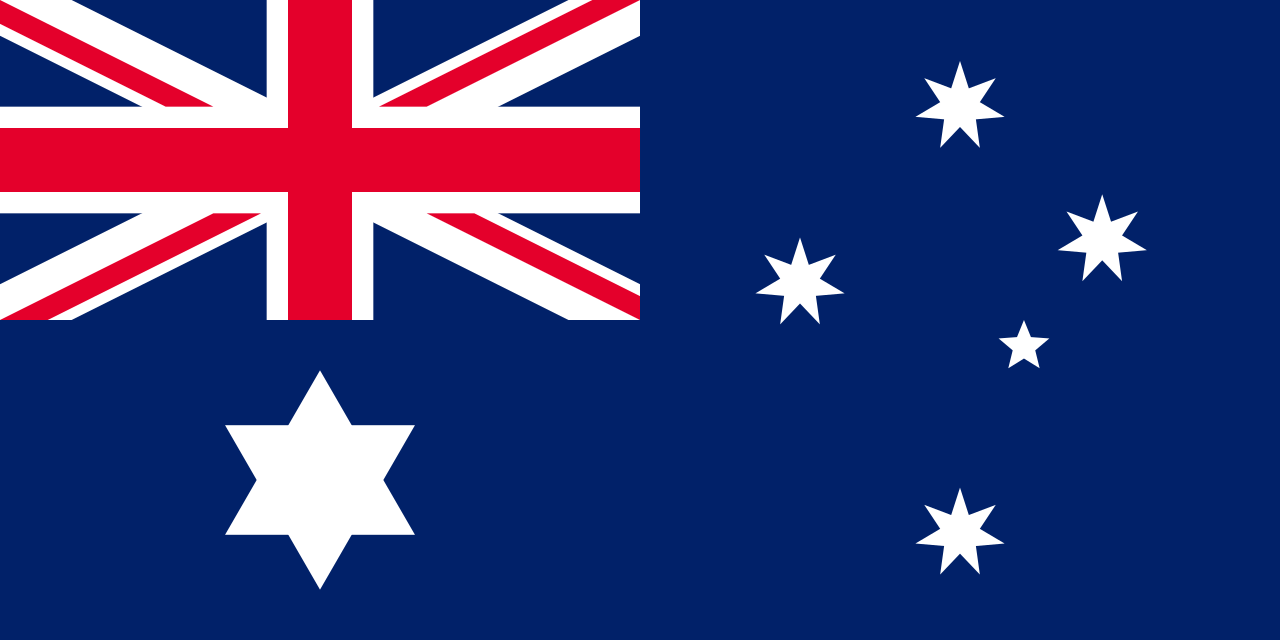 As Federation approached, thoughts turned to an official federal flag.
 -
1954–present
Current national flag, in use since 1954.
During the 19th century, Australia was under the rule of the British, and the Union Flag was used beginning in 1770. It was also during the 19th century when flag movements were created and unofficial flags went into use. The most common of these flags was the Federation Flag used in 1831, which was designed by Captain John Nicholson.
It was in during the 20th century when the seriousness of having a national flag set in. In 1900, a content was held to find a new design for the national flag. The requirements of the contest were that the Union Flag and the Southern Cross had to be used in the design. Another contest was held and over 32,000 entries were received. The two contests were merged and the designs were judged based on seven criteria, including loyalty, history and cost to manufacture. Five entries that were almost identical in design were chosen, and the winners split the prize money, which today would amount to about $25,000. The national flag flew for the first time in 1901. The flag was later revised in 1908 to change the Commonwealth Star from six points to seven. Since 1908, the flag has remained unchanged.
Fun Facts
The Flags Act outlines the exact specifications for the design of the Australian flag. The Flags Act also features guidelines for flying the flag.
It is recommended to fly the flag only during daylight hours. If the flag is flown at night, it must be illuminated. It is also recommended to not fly two flags on the same flag pole.
Australia has an email service that provides citizens with information on when to fly the flag.
September 3 has been designated as Australia’s Flag Day.