-
 Abkhazia
-
 Afghanistan
-
 Åland Islands
-
 Albania
-
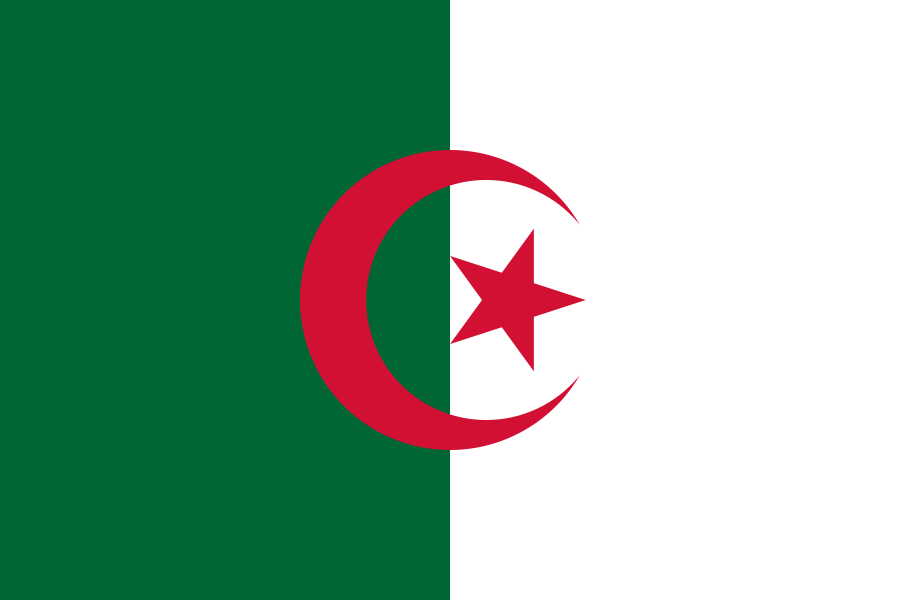 Algeria
-
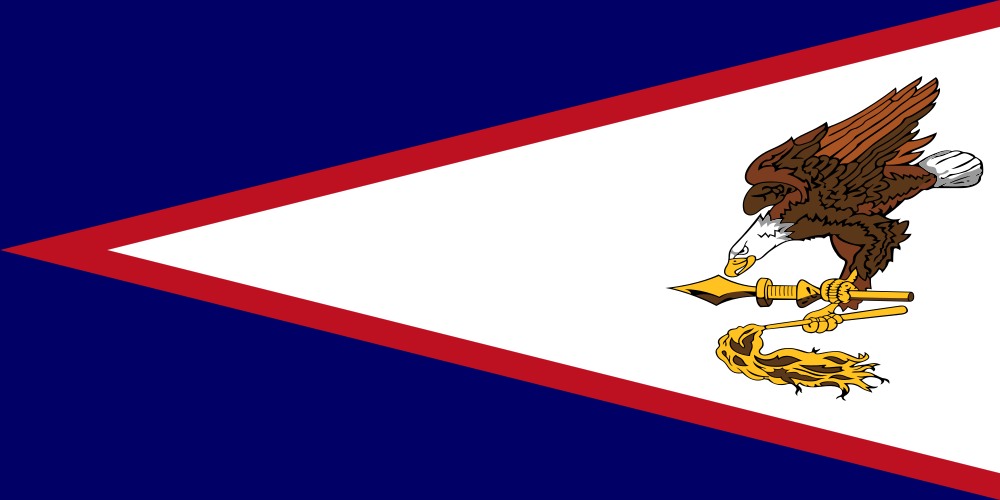 American Samoa
-
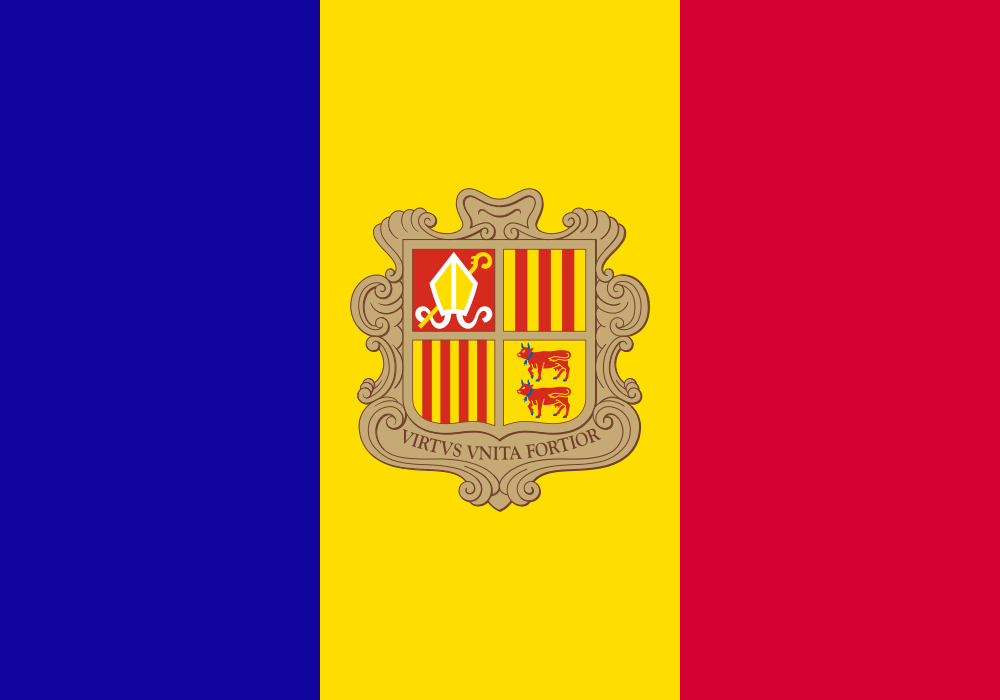 Andorra
-
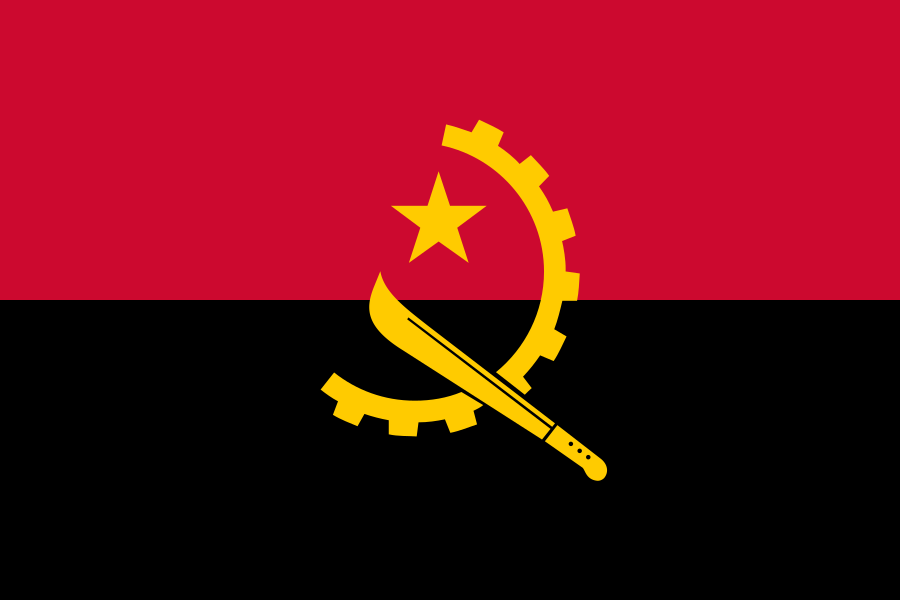 Angola
-
 Anguilla
-
 Antarctica
-
 Antigua and Barbuda
-
 Argentina
-
 Armenia
-
 Artsakh
-
 Aruba
Aruba
-
 Australia
-
 Austria
-
 Azerbaijan
-
 Bahamas
-
 Bahrain
-
 Bangladesh
-
 Barbados
-
 Belarus
-
 Belgium
-
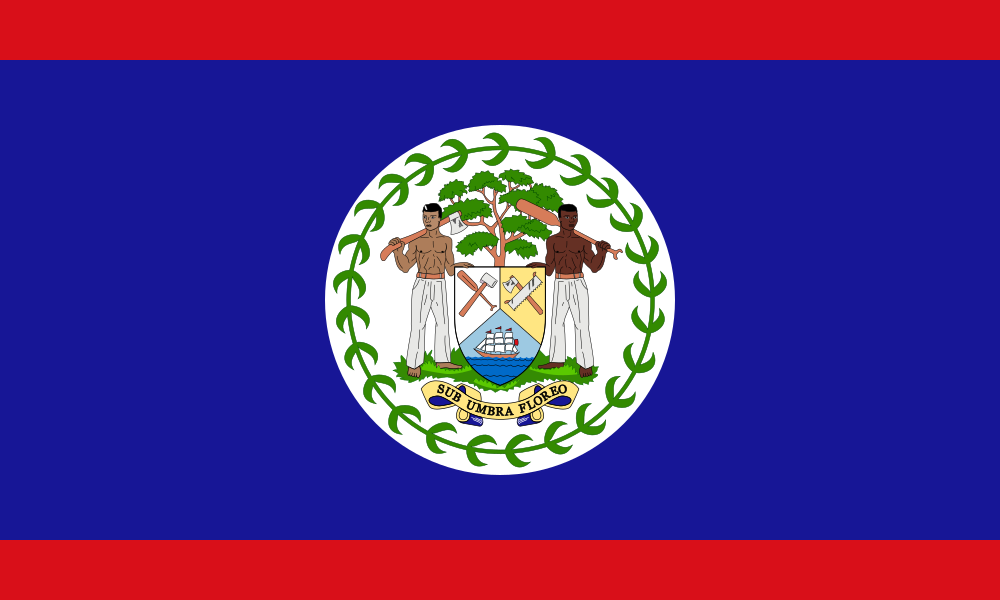 Belize
-
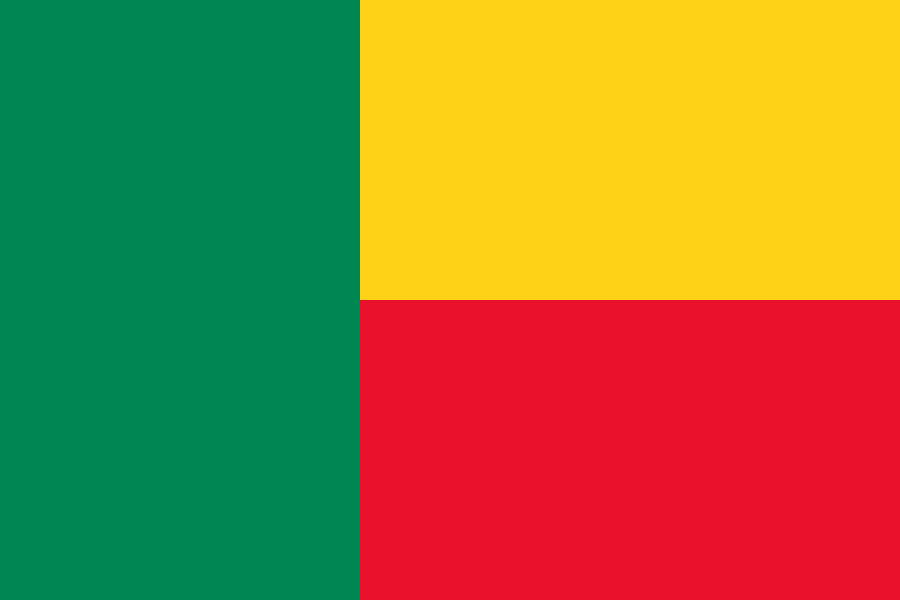 Benin
Benin
-
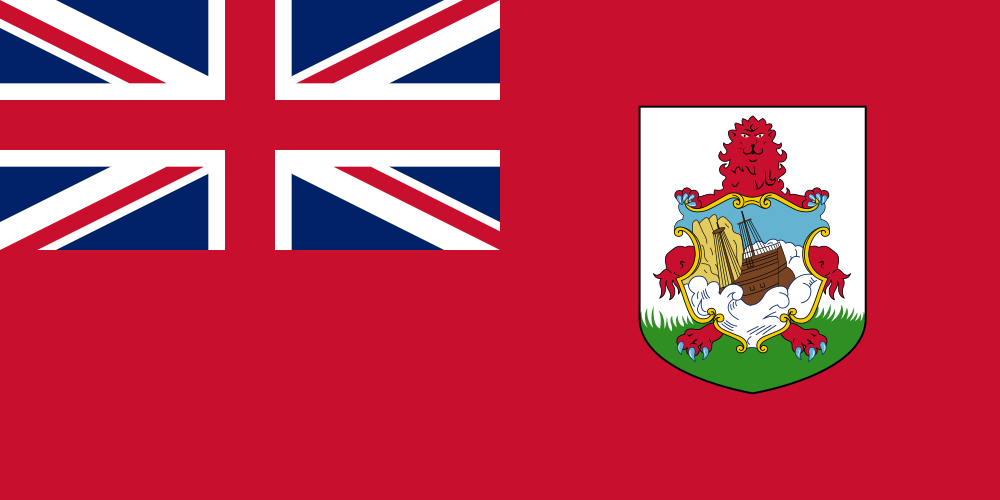 Bermuda
-
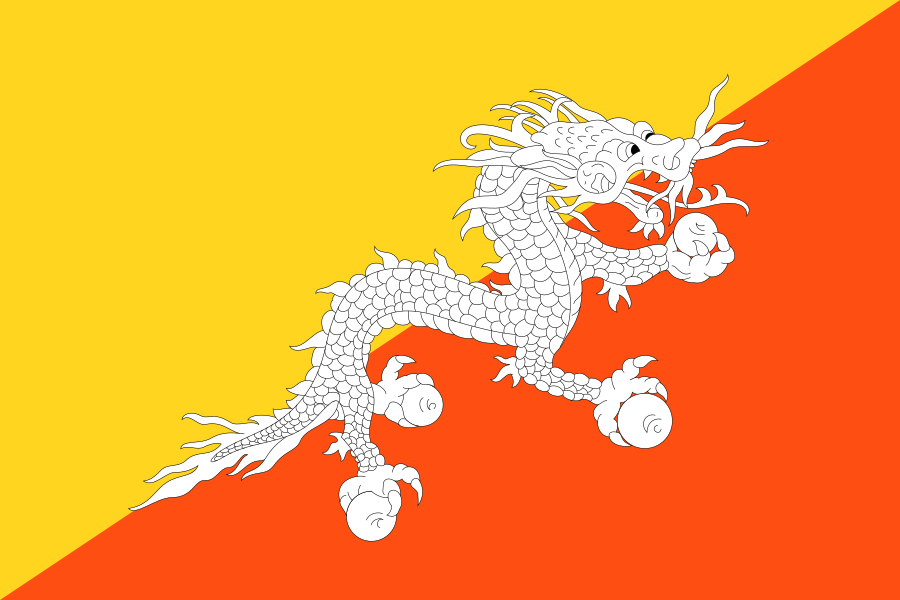 Bhutan
-
 Bolivia
-
 Bonaire
-
 Bosnia and Herzegovina
-
 Botswana
-
 Bouvet Island
-
 Brazil
-
 British Indian Ocean Territory
-
 British Virgin Islands
-
 Brunei
-
 Bulgaria
-
 Burkina Faso
-
 Burundi
-
 Cambodia
-
 Cameroon
-
 Canada
-
 Cape Verde
-
 Caribbean Netherlands
-
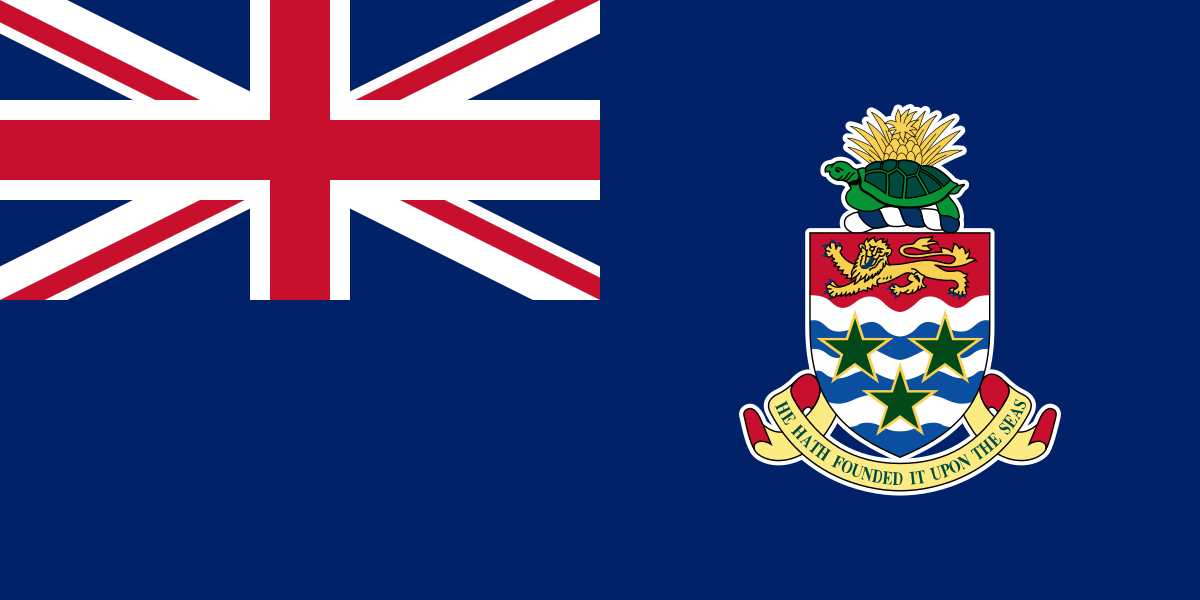 Cayman Islands
-
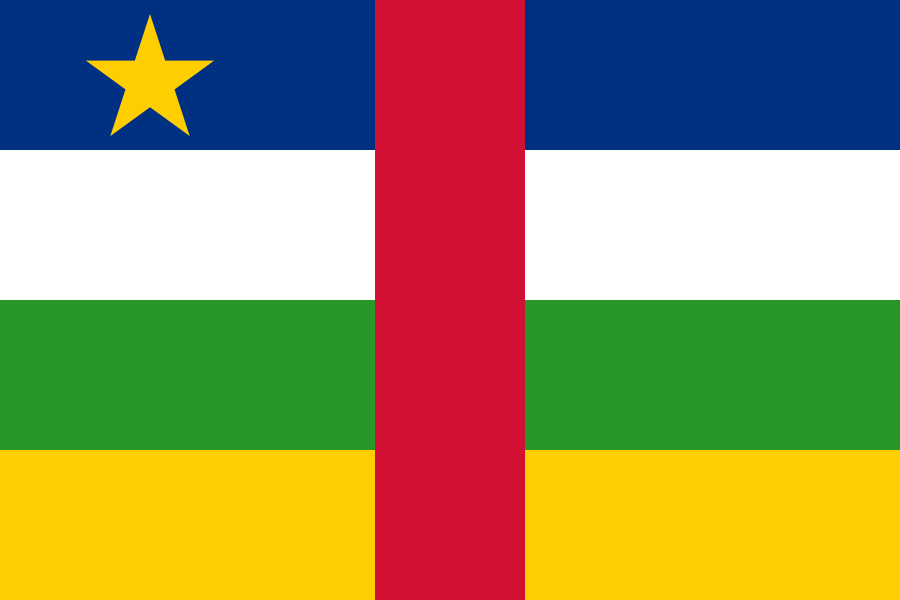 Central African Republic
-
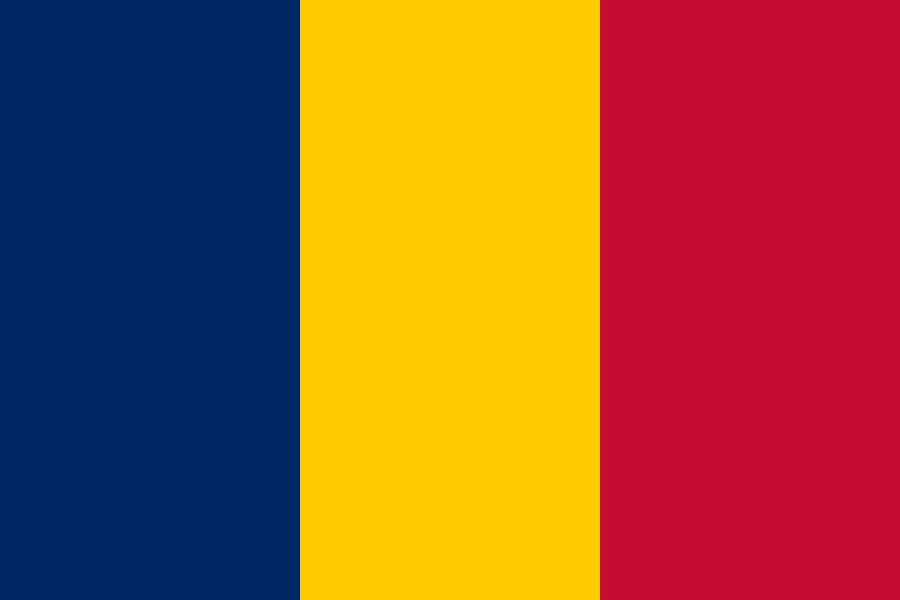 Chad
Chad
-
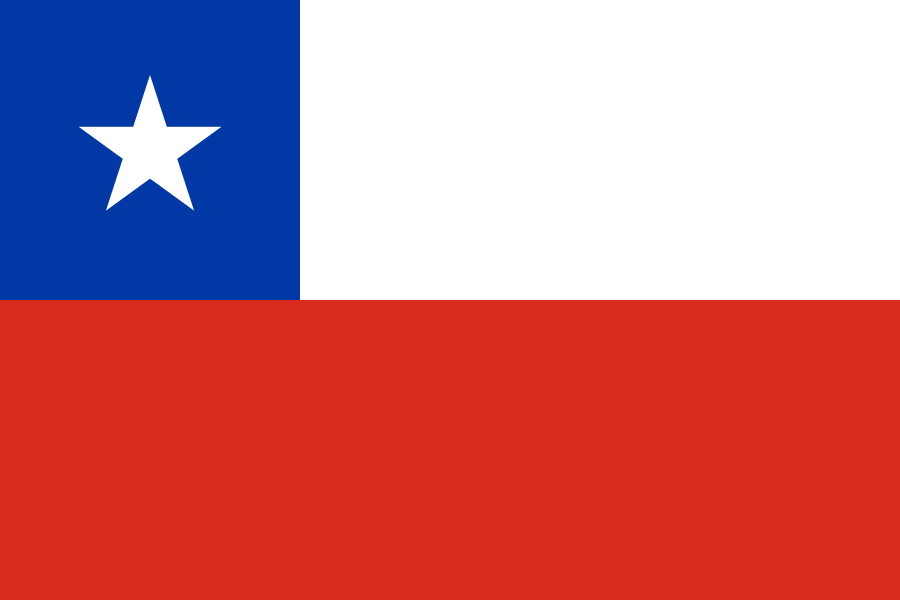 Chile
Chile
-
 China
China
-
 Christmas Island
-
 Cocos Islands
-
 Colombia
-
 Comoros
-
 Cook Islands
-
 Costa Rica
-
 Croatia
-
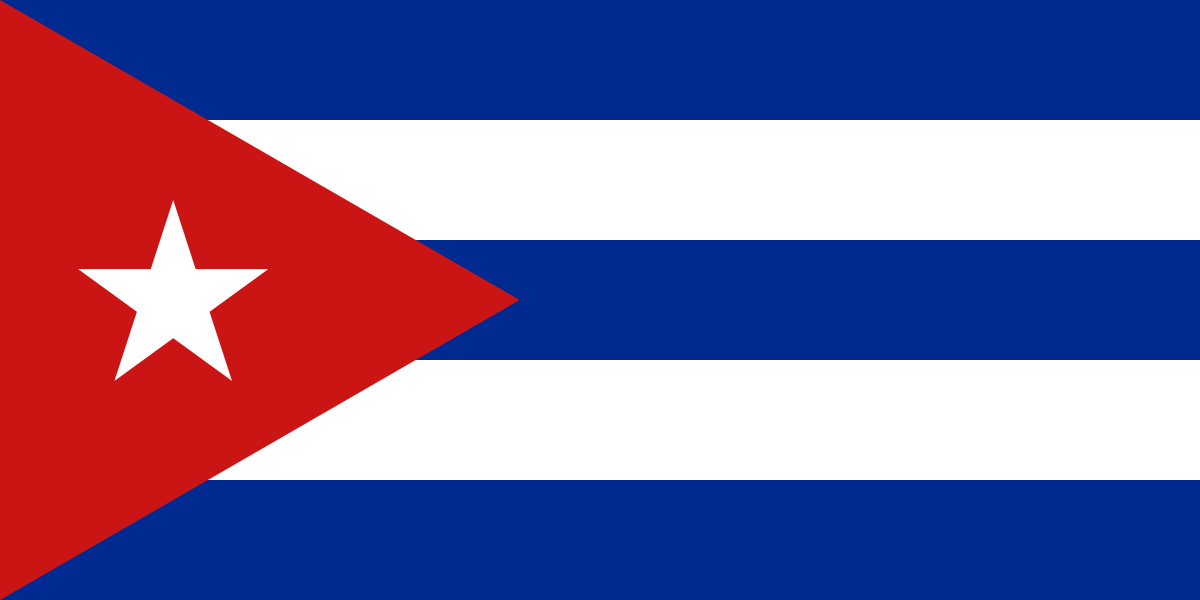 Cuba
Cuba
-
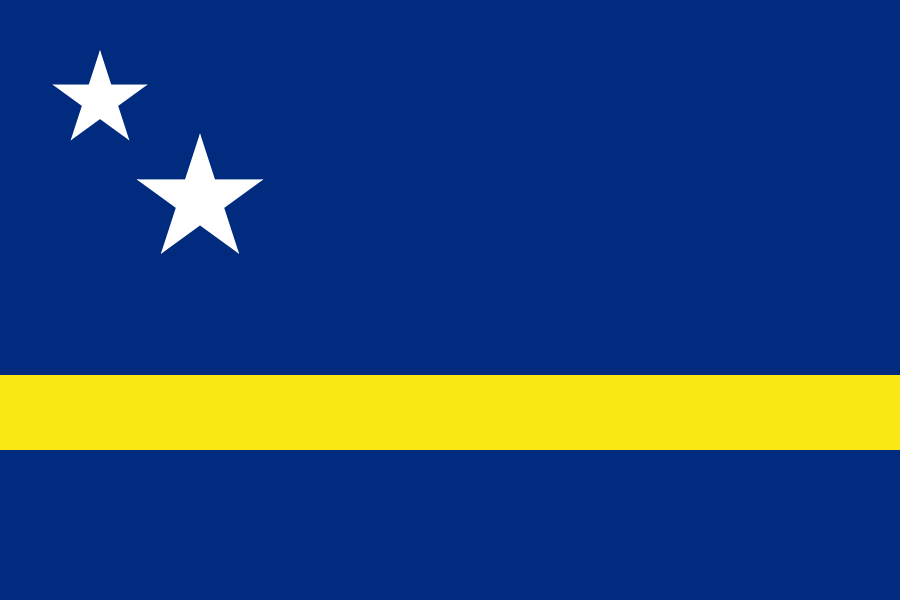 Curaçao
-
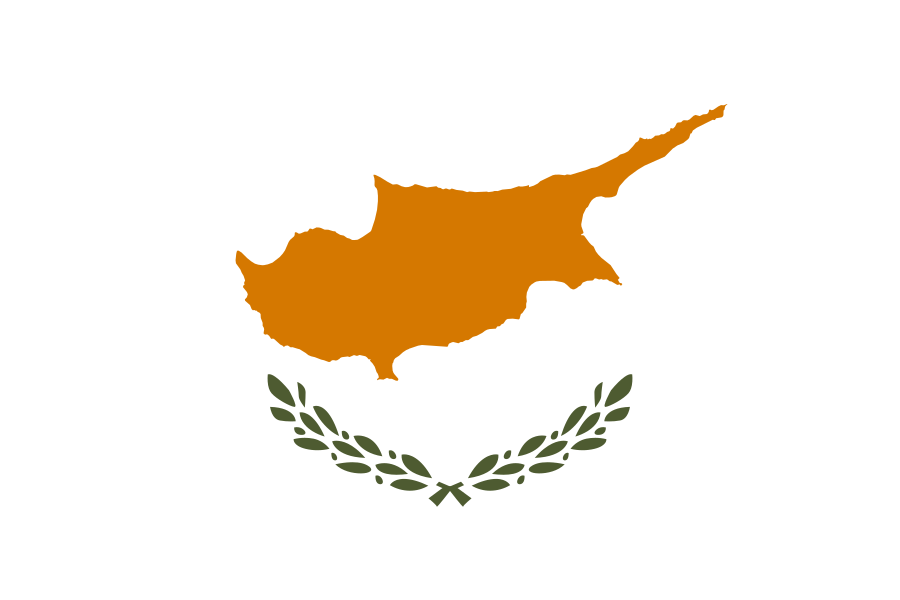 Cyprus
-
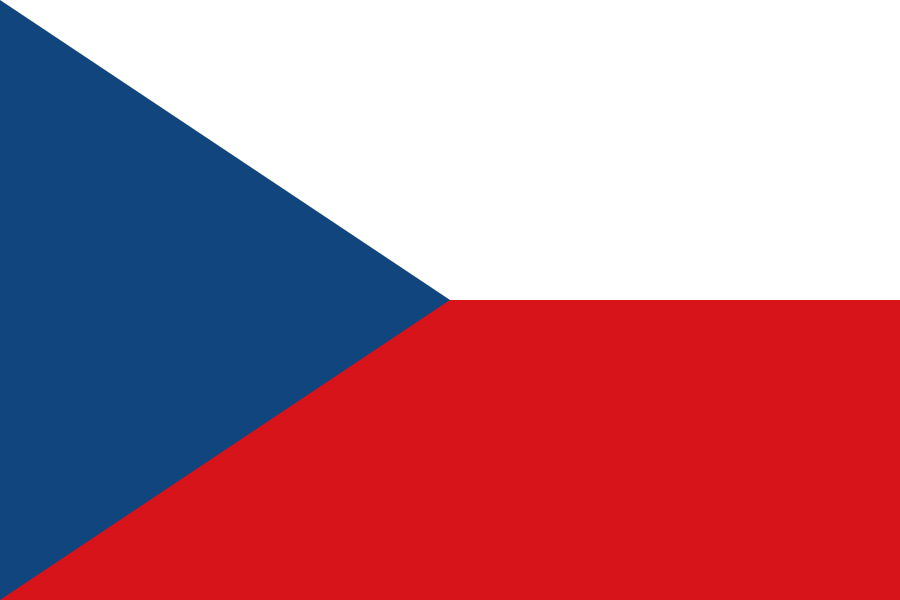 Czech Republic
-
 Democratic Republic of the Congo
-
 Denmark
-
 Djibouti
-
 Dominica
-
 Dominican Republic
-
 Ecuador
-
 Egypt
Egypt
-
 El Salvador
-
 Equatorial Guinea
-
 Eritrea
-
 Estonia
-
 Eswatini
-
 Ethiopia
-
 Falkland Islands
-
 Faroe Islands
-
 Fiji
Fiji
-
 Finland
-
 France
-
French Guiana
-
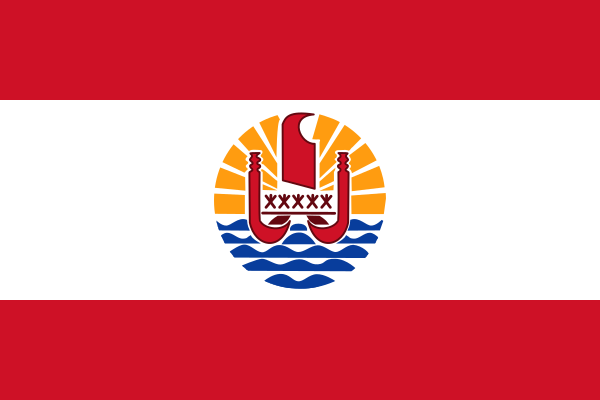 French Polynesia
-
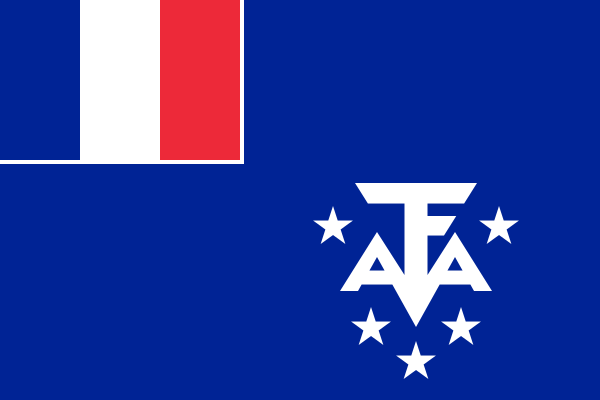 French Southern Territories
-
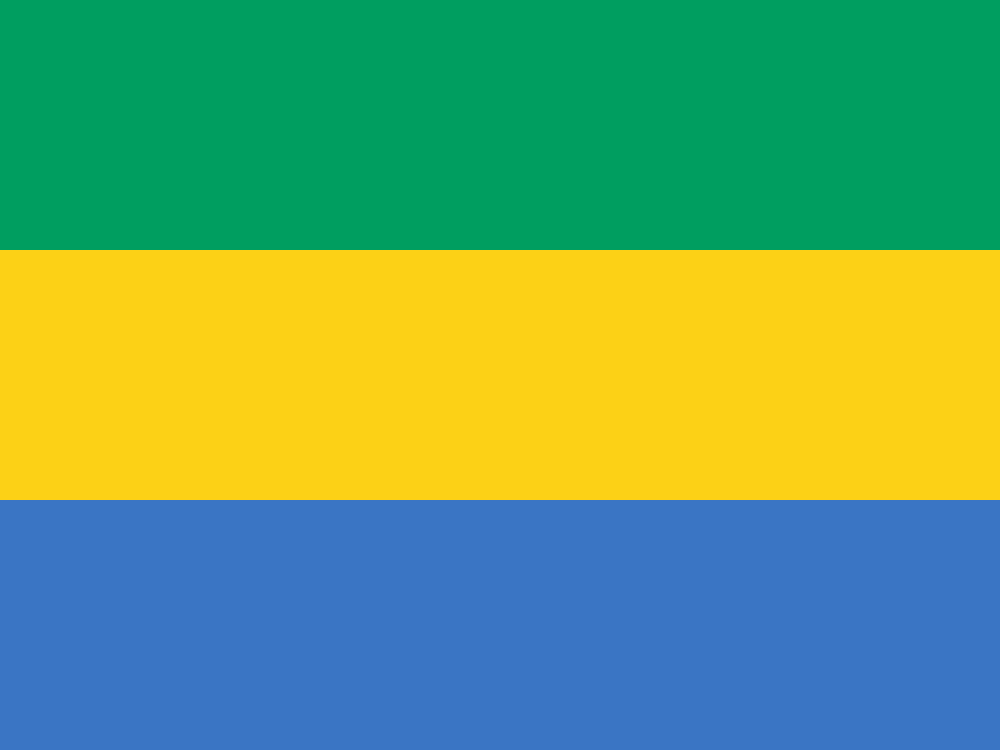 Gabon
Gabon
-
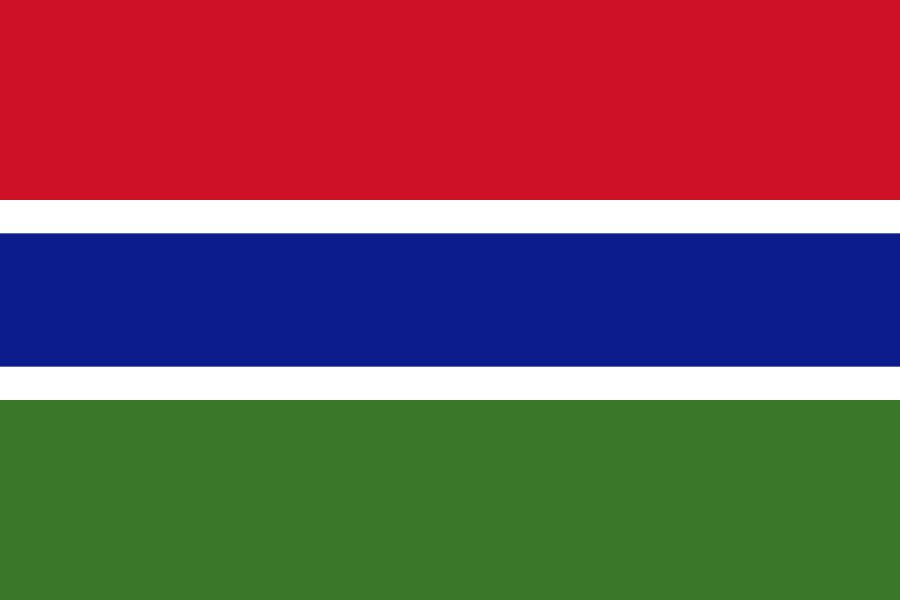 Gambia
-
 Georgia
-
 Germany
-
 Ghana
Ghana
-
 Gibraltar
-
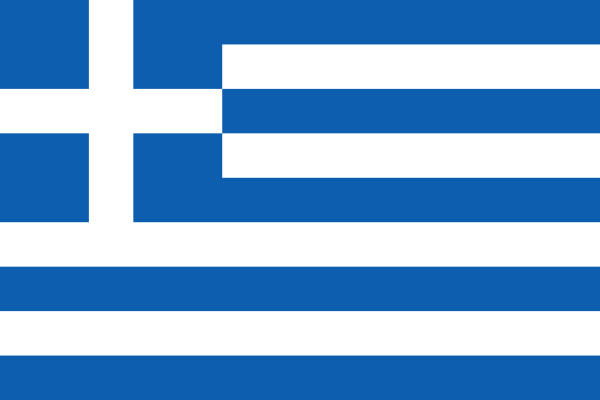 Greece
-
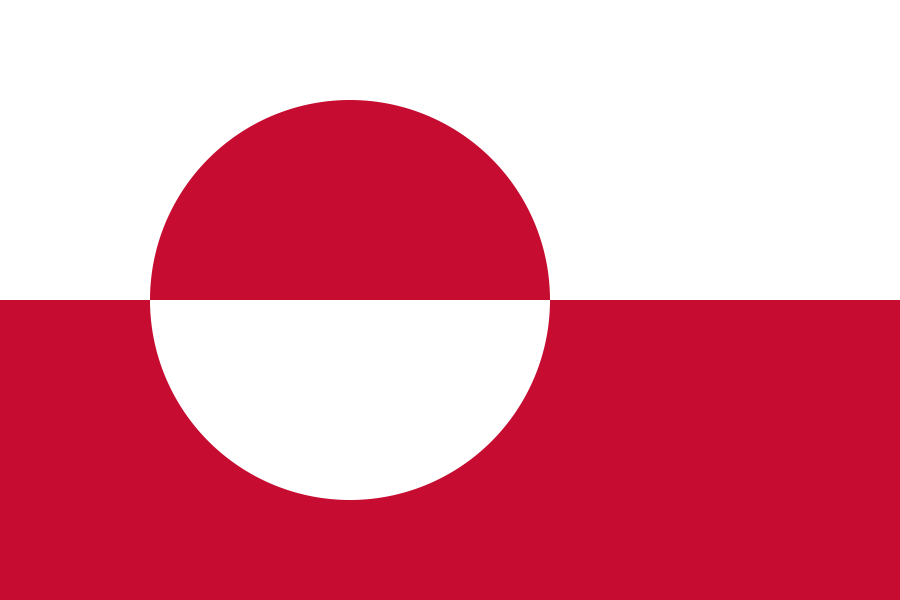 Greenland
-
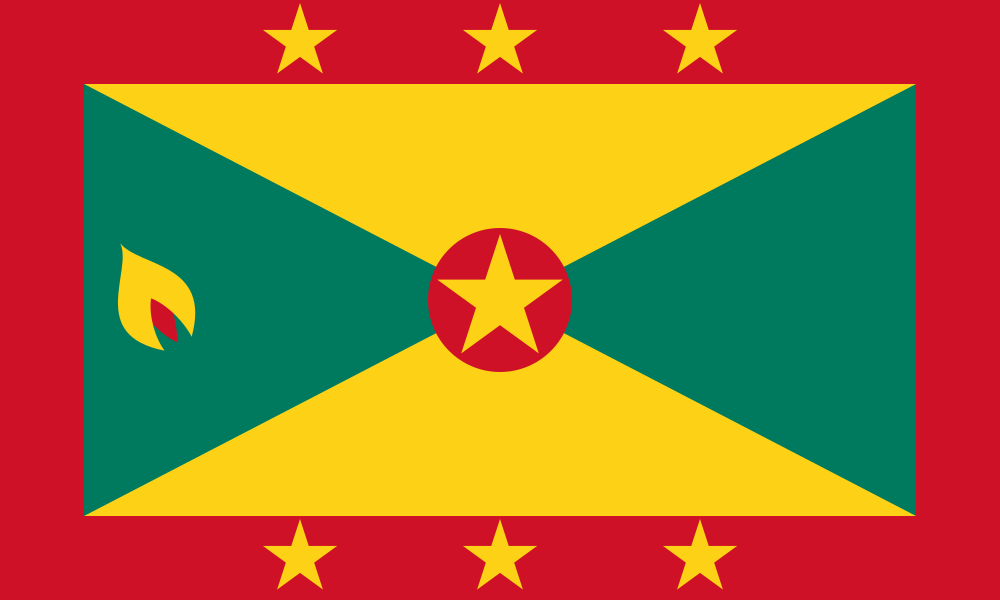 Grenada
-
Guadeloupe
-
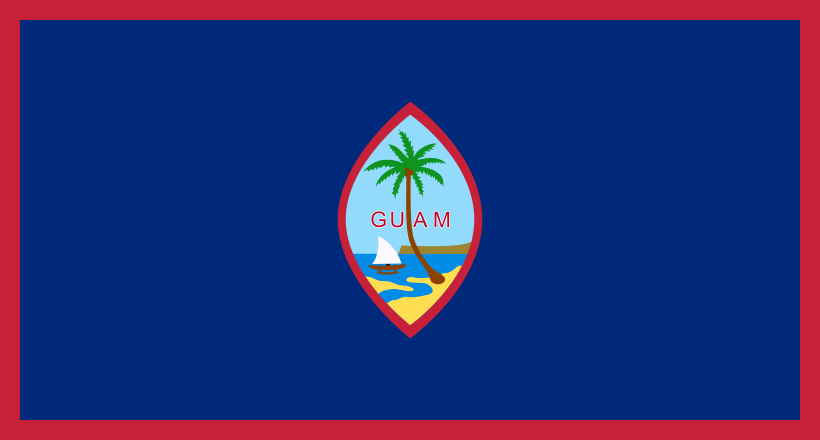 Guam
Guam
-
 Guatemala
-
 Guernsey
-
 Guinea
-
 Guinea-Bissau
-
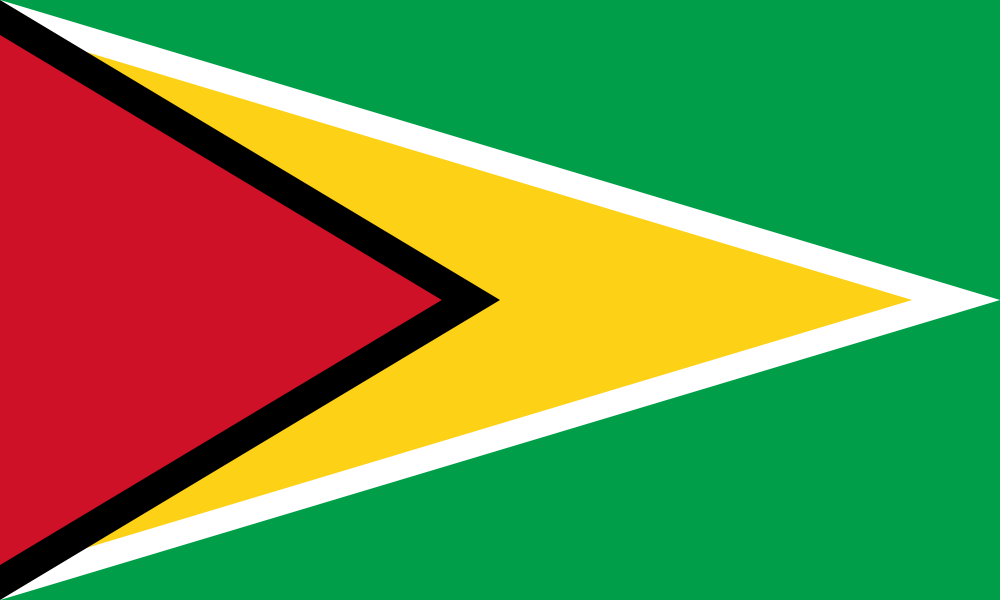 Guyana
-
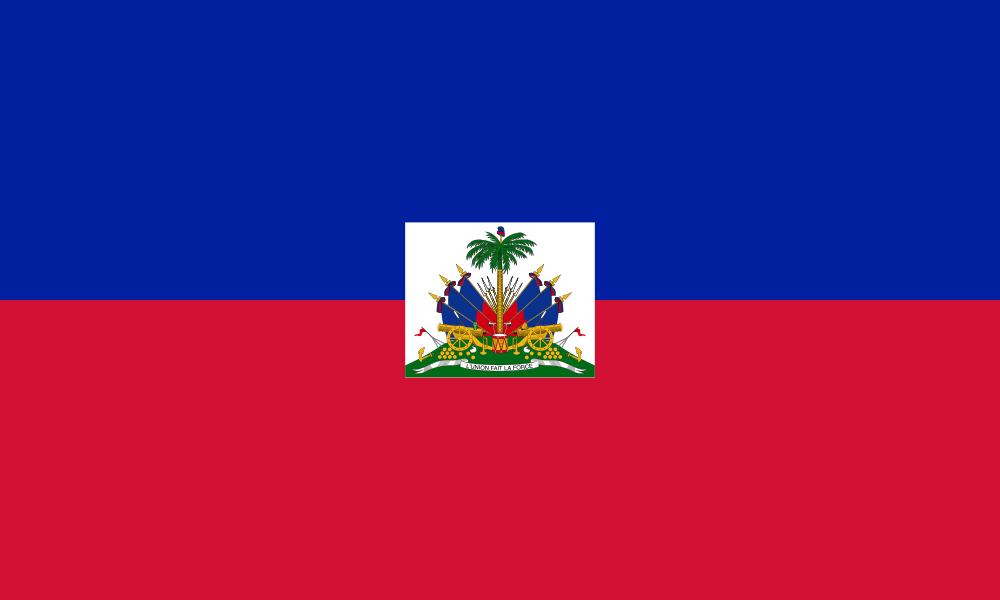 Haiti
Haiti
-
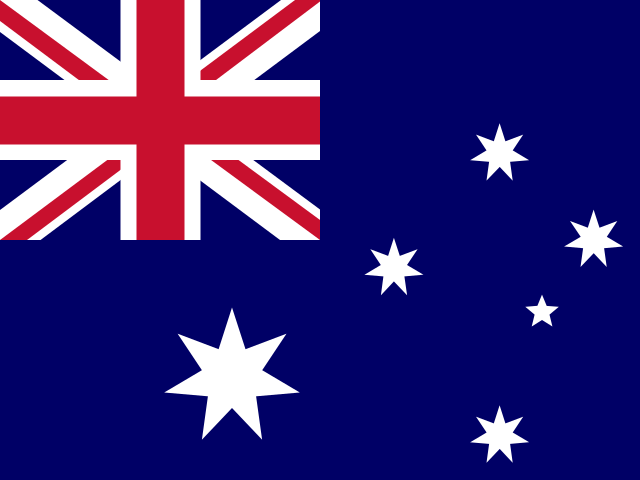 Heard and McDonald Islands
-
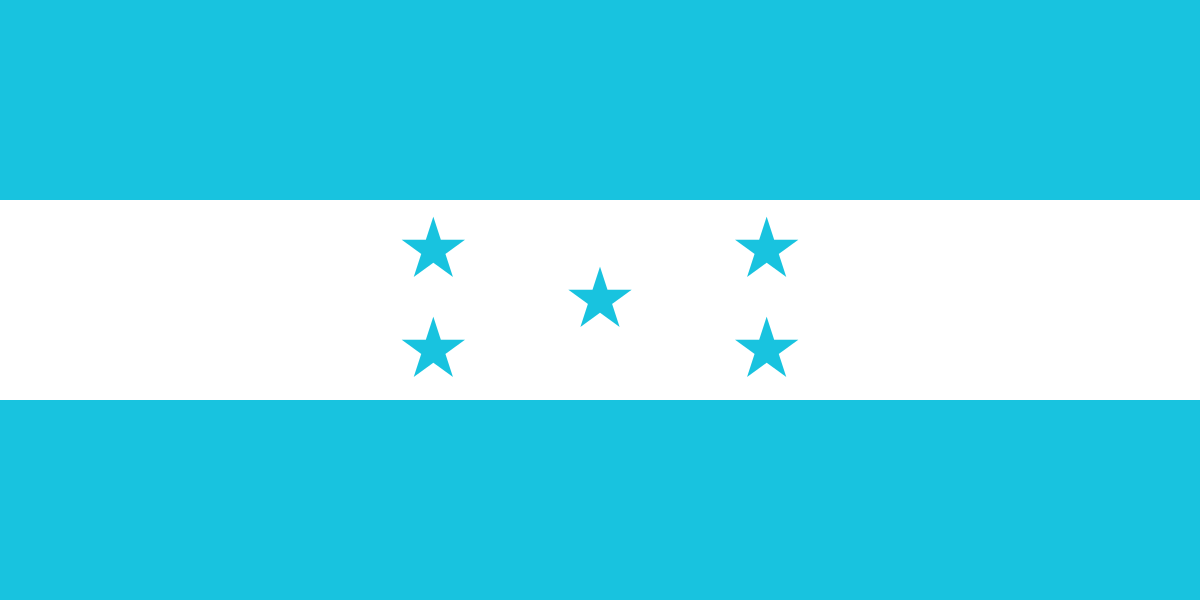 Honduras
-
 Hong Kong
-
 Hungary
-
 Iceland
-
 India
India
-
 Indonesia
-
 Iran
Iran
-
 Iraq
Iraq
-
 Ireland
-
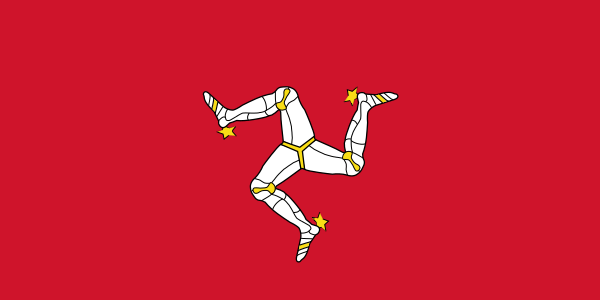 Isle of Man
-
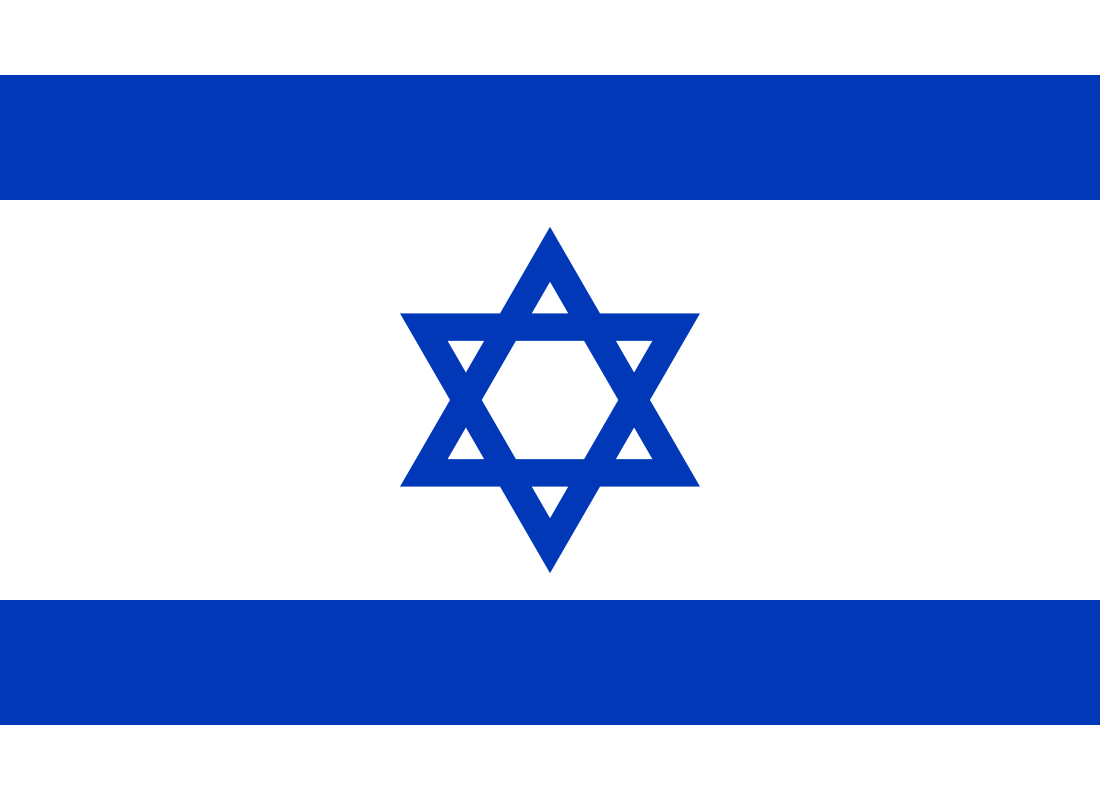 Israel
-
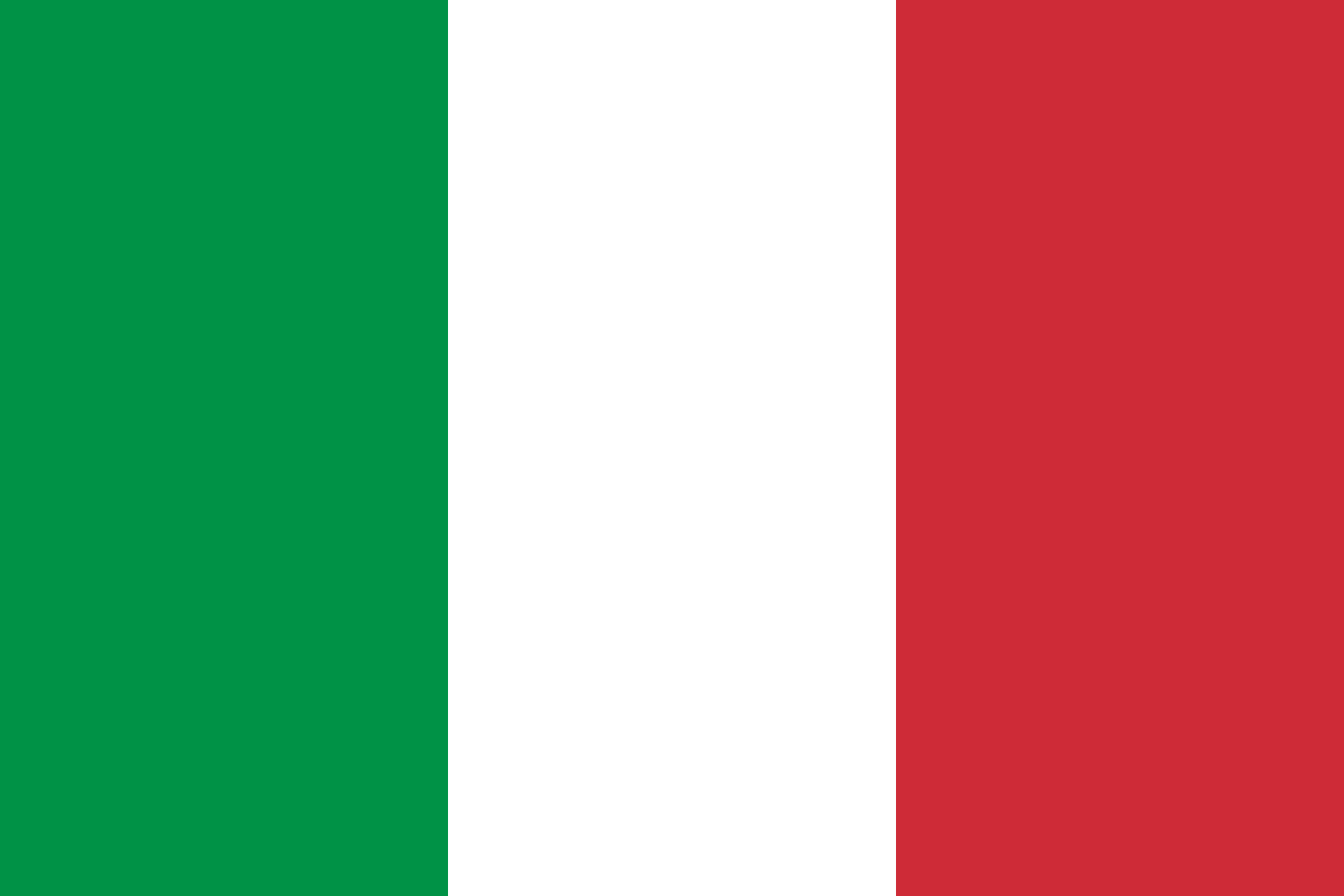 Italy
Italy
-
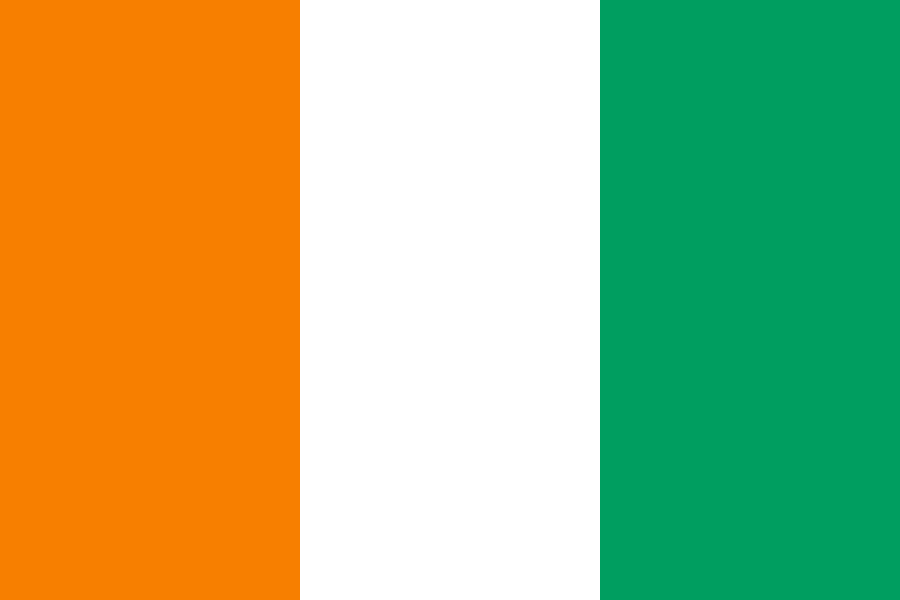 Ivory Coast
-
 Jamaica
-
 Japan
Japan
-
 Jersey
-
 Jordan
-
 Kazakhstan
-
 Kenya
Kenya
-
 Kiribati
-
 Kosovo
-
 Kuwait
-
 Kyrgyzstan
-
 Laos
Laos
-
 Latvia
-
 Lebanon
-
 Lesotho
-
 Liberia
-
 Libya
Libya
-
 Liechtenstein
-
 Lithuania
-
 Luxembourg
-
 Macau
Macau
-
 Madagascar
-
 Malawi
-
 Malaysia
-
 Maldives
-
 Mali
Mali
-
 Malta
Malta
-
 Marshall Islands
-
Martinique
-
 Mauritania
-
 Mauritius
-
Mayotte
-
 Mexico
-
 Micronesia
-
 Moldova
-
 Monaco
-
 Mongolia
-
 Montenegro
-
 Montserrat
-
 Morocco
-
 Mozambique
-
 Myanmar
-
 Namibia
-
 Nauru
Nauru
-
 Nepal
Nepal
-
Netherlands
-
 New Caledonia
-
 New Zealand
-
 Nicaragua
-
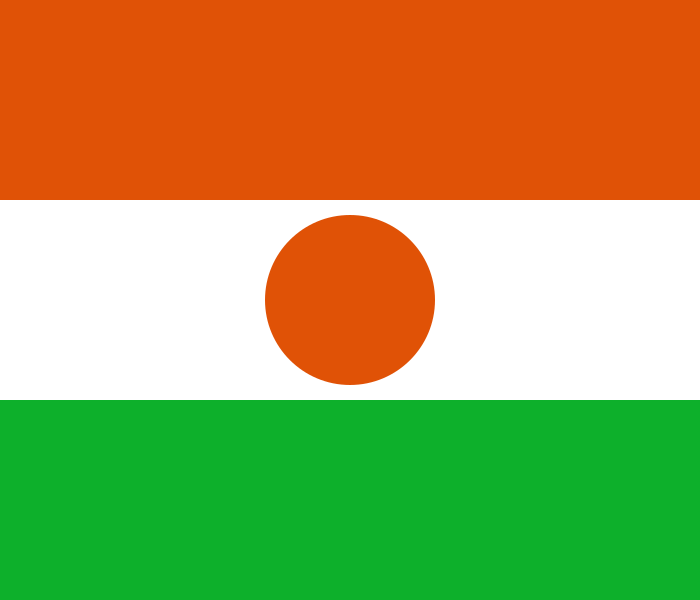 Niger
Niger
-
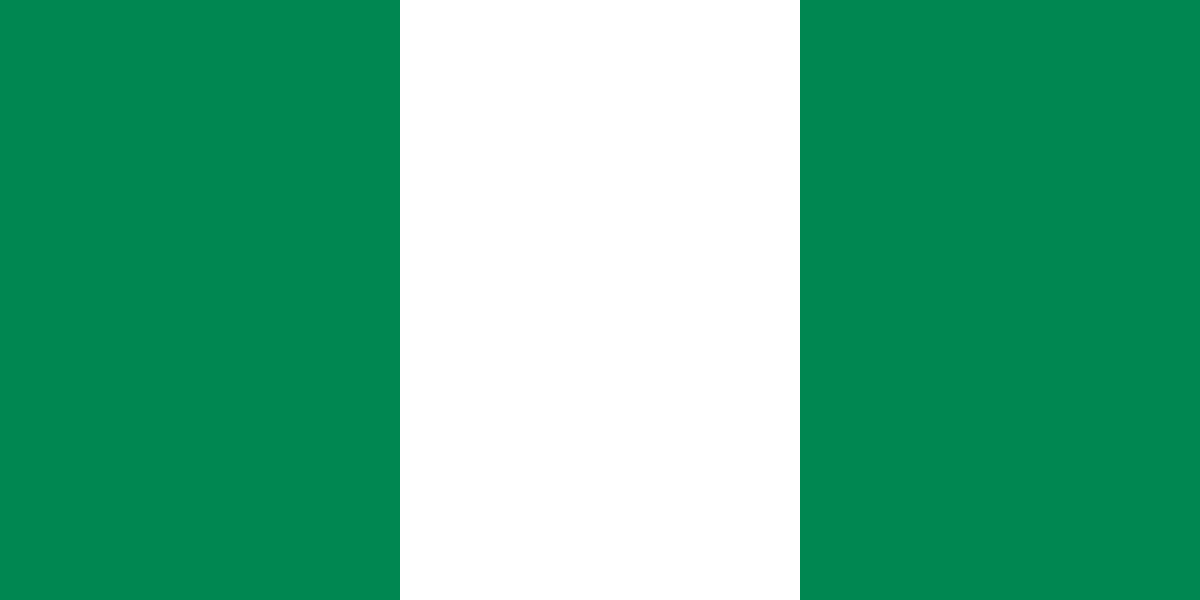 Nigeria
-
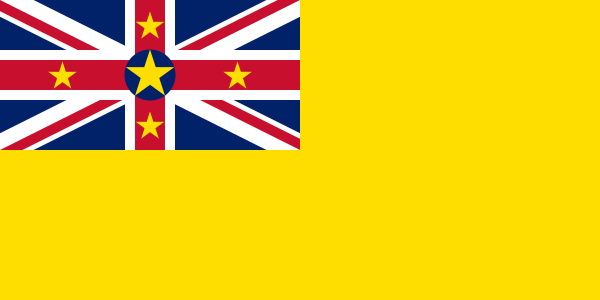 Niue
Niue
-
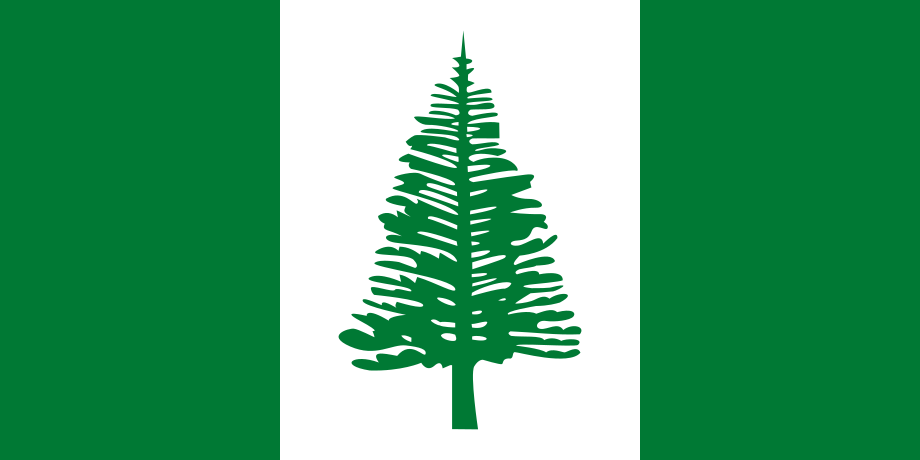 Norfolk Island
-
 North Korea
-
 North Macedonia
-
 Northern Cyprus
-
 Northern Mariana Islands
-
 Norway
-
 Oman
Oman
-
 Pakistan
-
 Palau
Palau
-
 Palestine
-
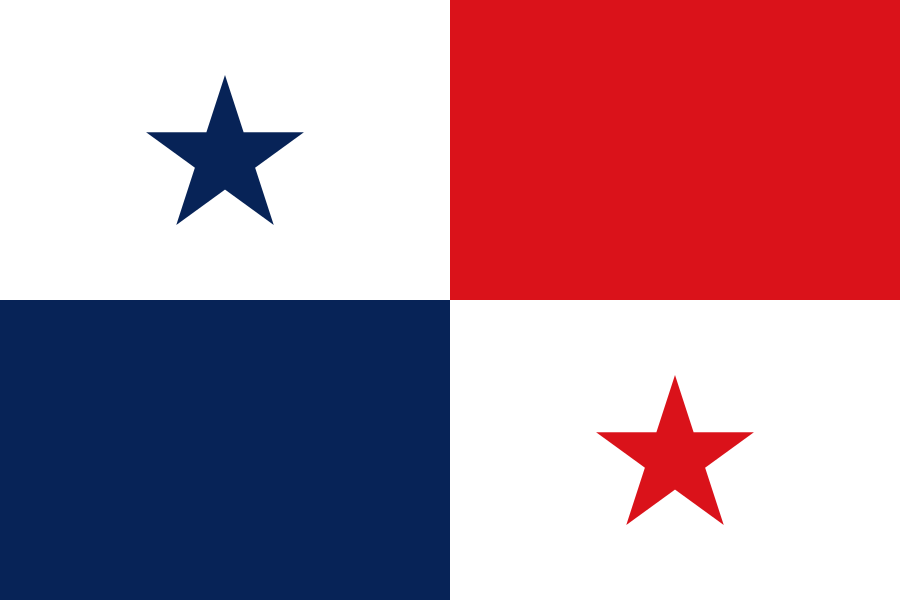 Panama
-
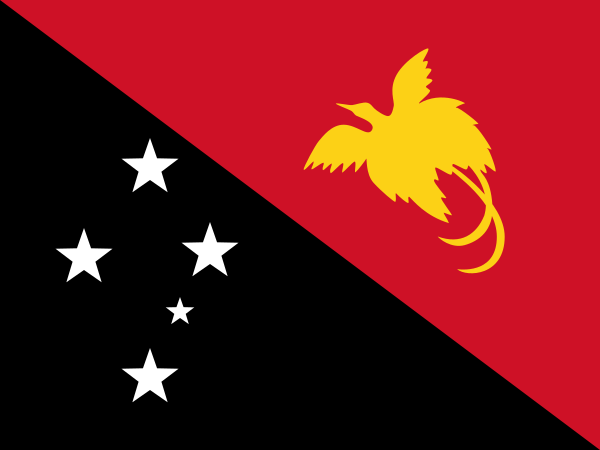 Papua New Guinea
-
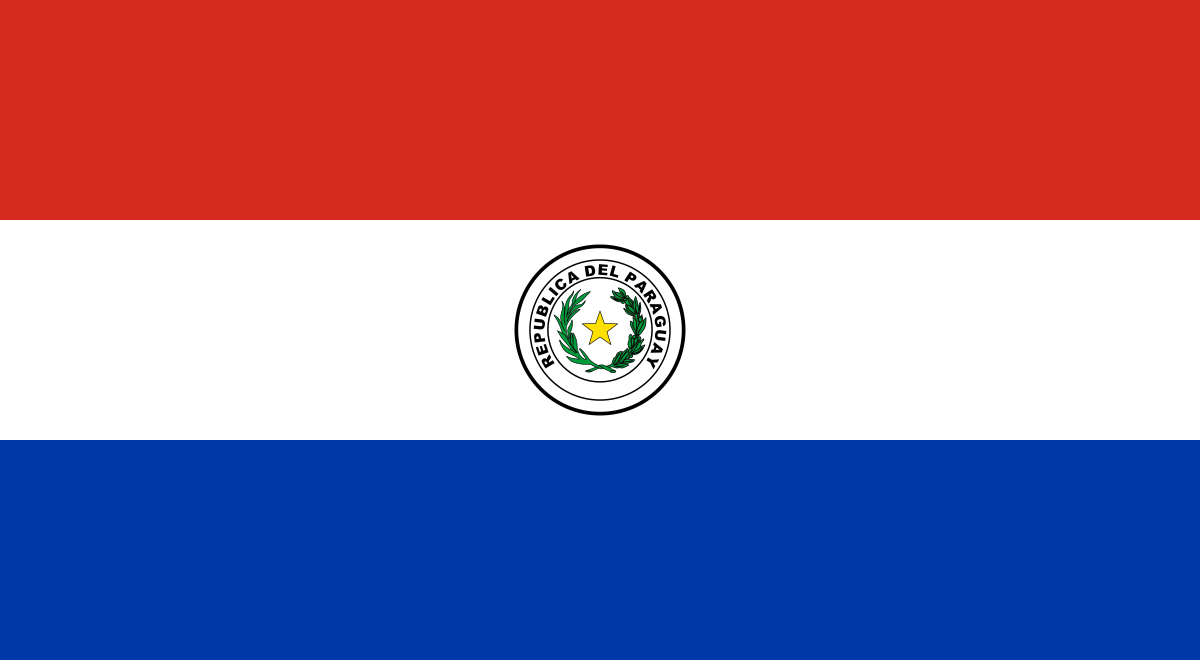 Paraguay
-
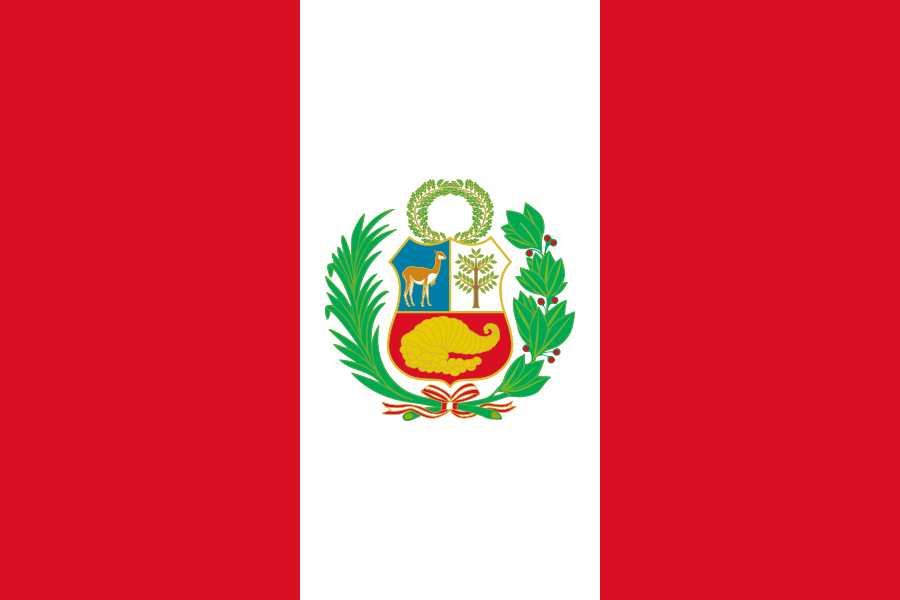 Peru
Peru
-
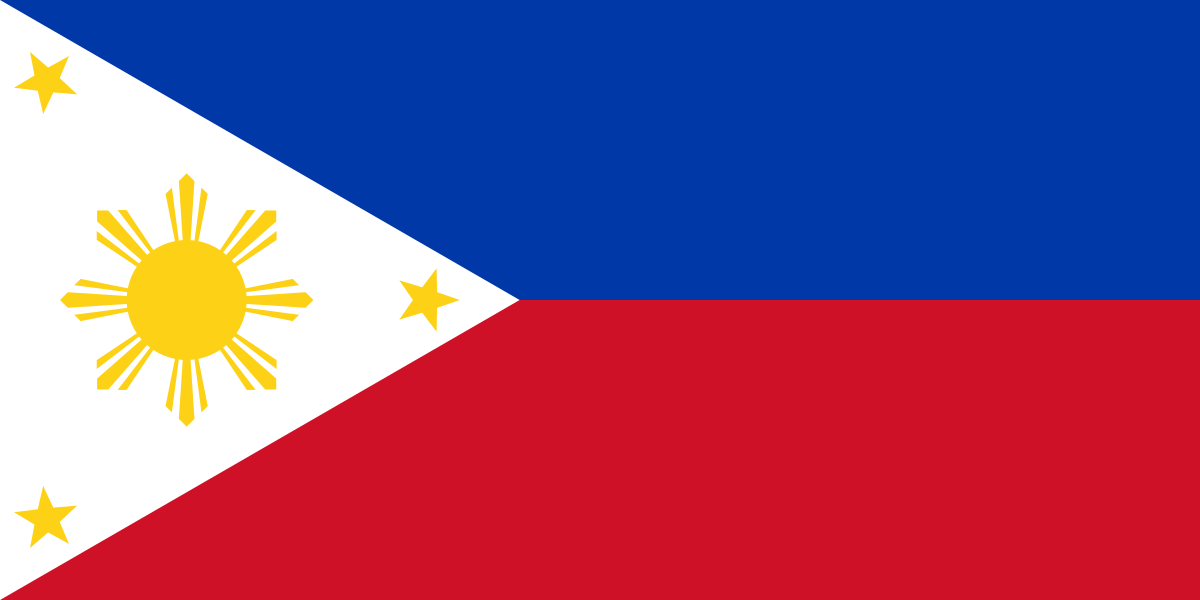 Philippines
-
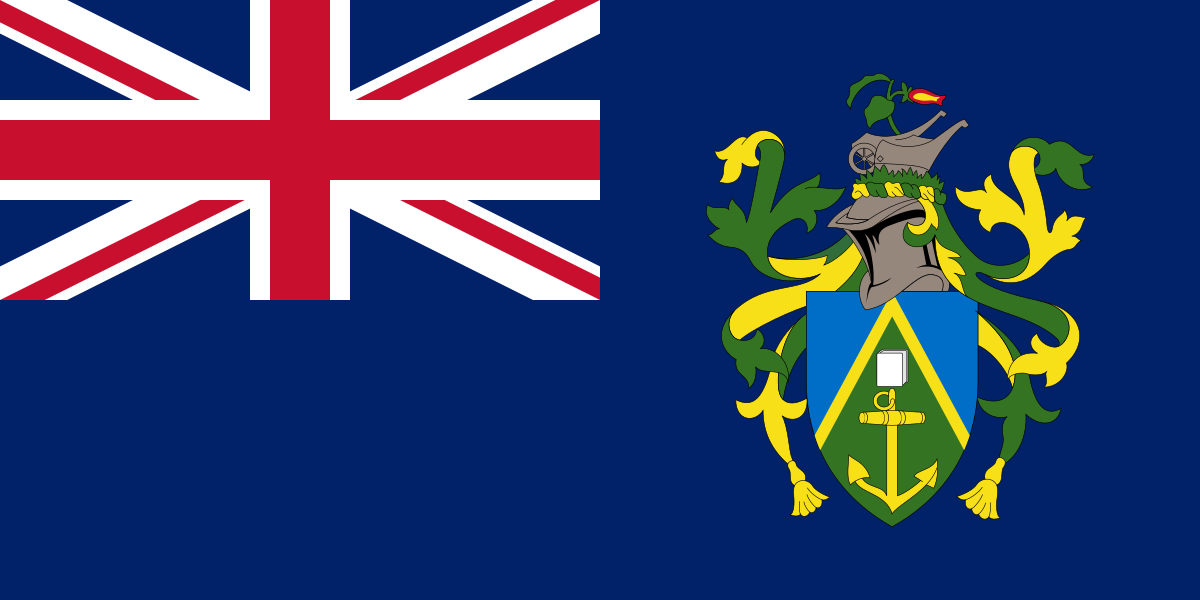 Pitcairn Islands
-
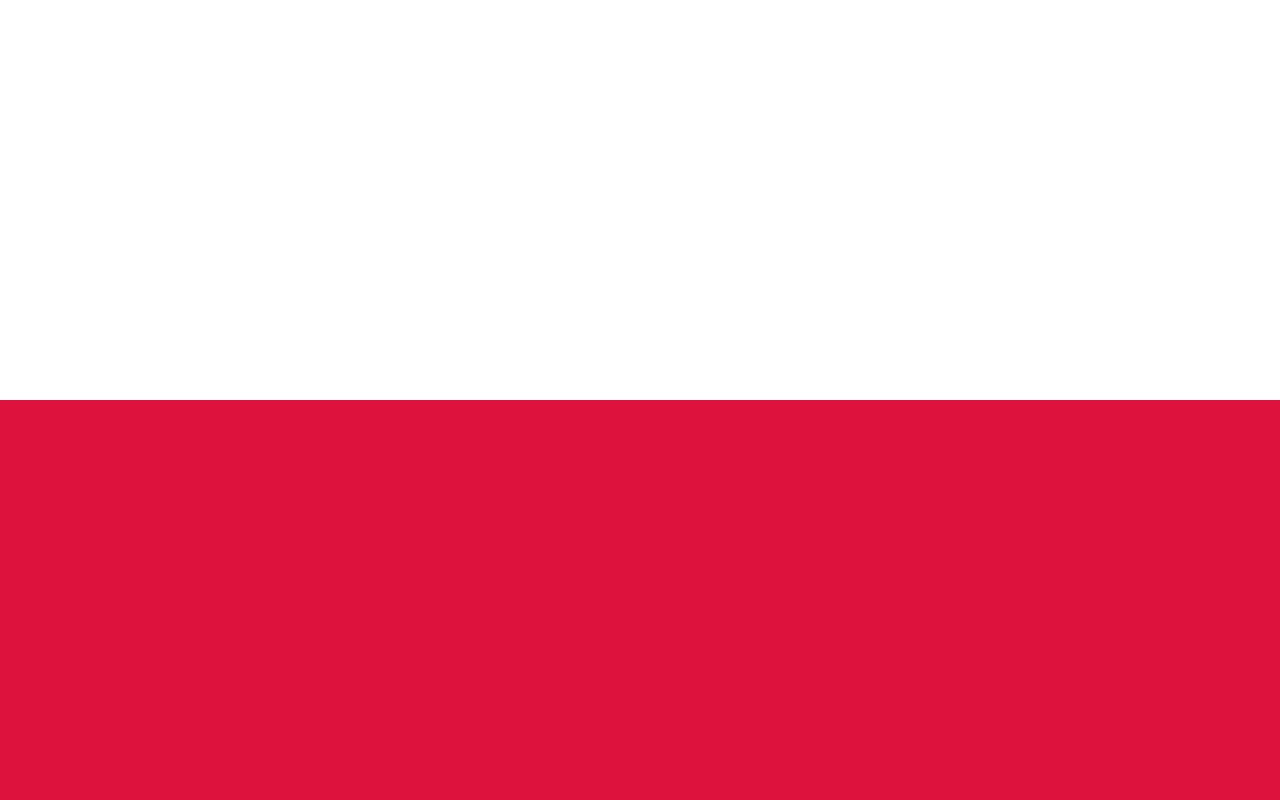 Poland
-
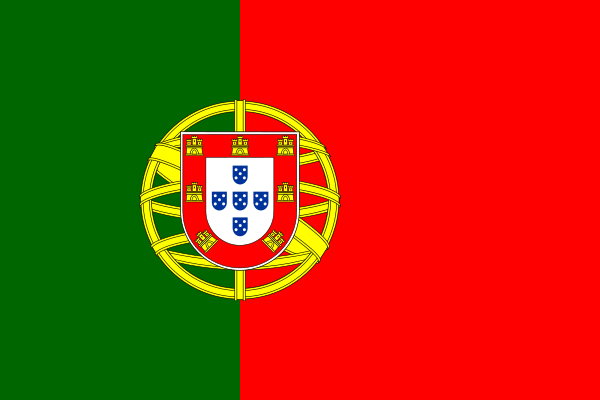 Portugal
-
 Puerto Rico
-
 Qatar
Qatar
-
 Republic of the Congo
-
Reunion
-
 Romania
-
 Russia
-
 Rwanda
-
Saint Barthélemy
-
 Saint Helena And Dependencies
-
 Saint Kitts and Nevis
-
 Saint Lucia
-
Saint Martin
-
 Saint Pierre and Miquelon
-
 Saint Vincent and the Grenadines
-
 Samoa
Samoa
-
 San Marino
-
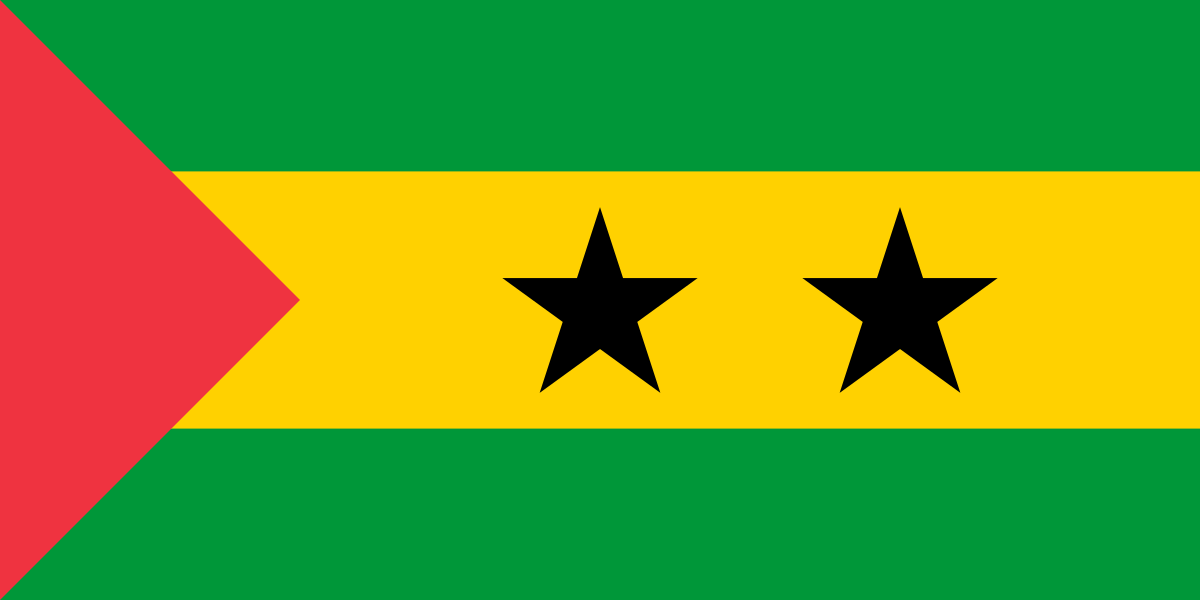 Sao Tome and Principe
-
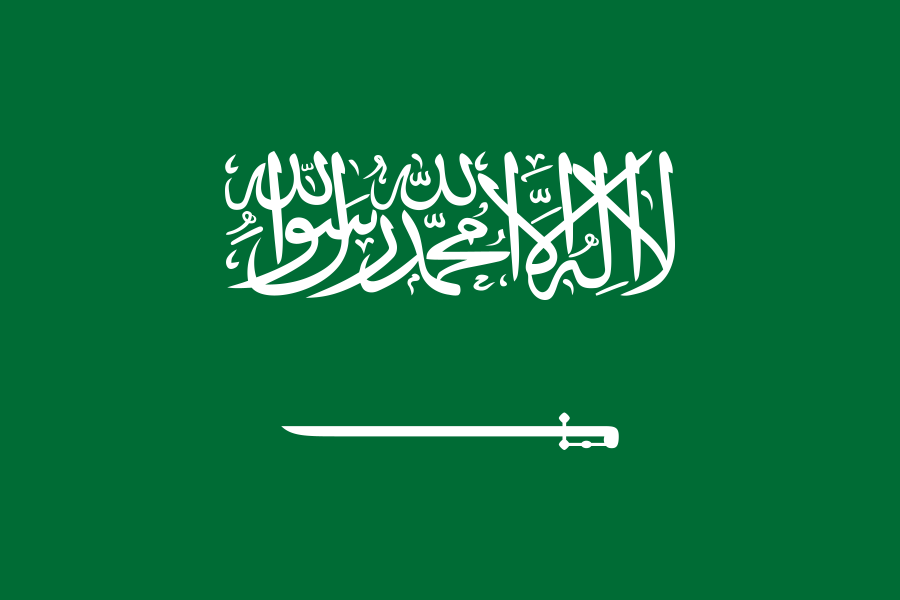 Saudi Arabia
-
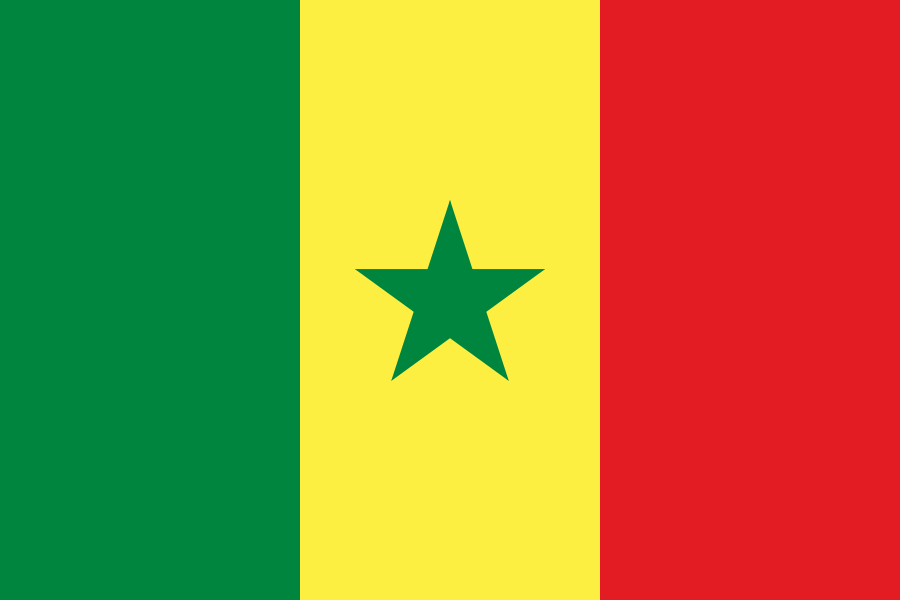 Senegal
-
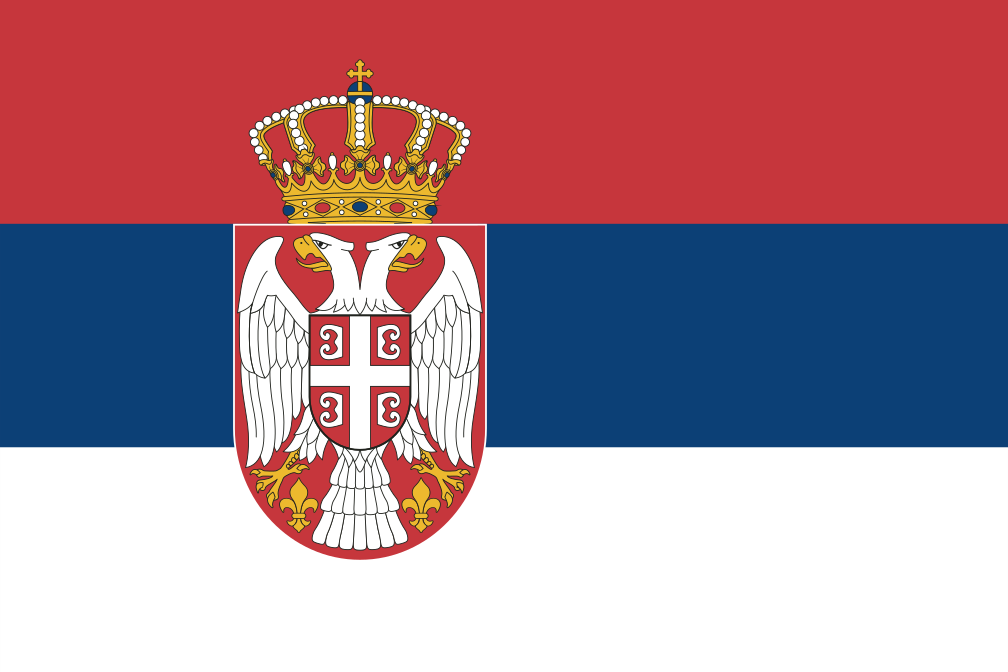 Serbia
-
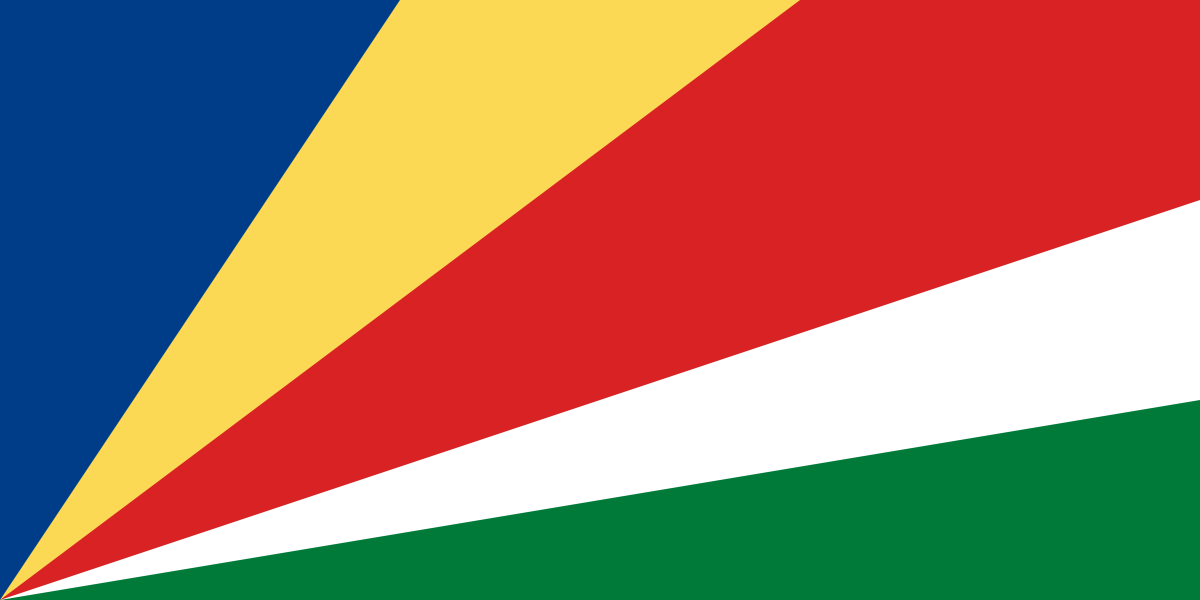 Seychelles
-
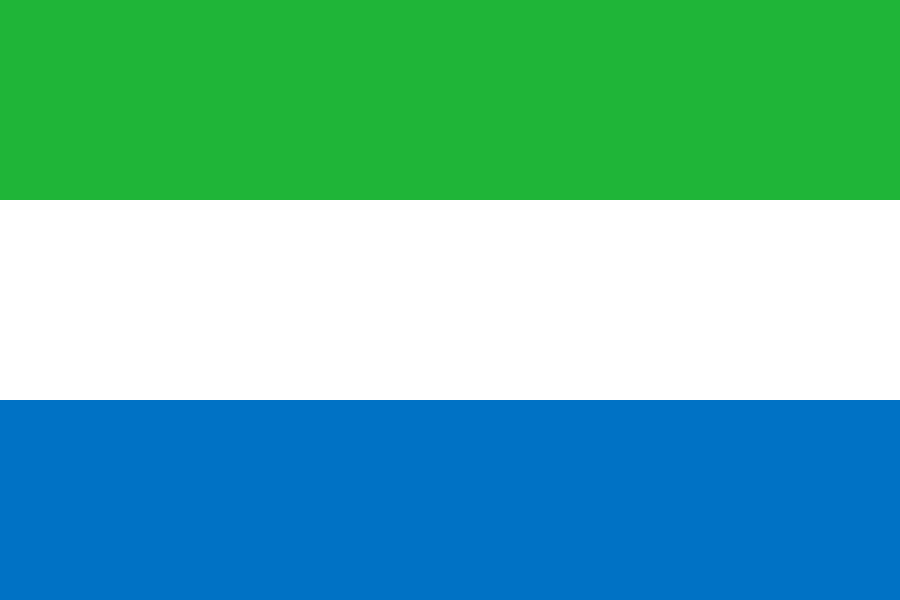 Sierra Leone
-
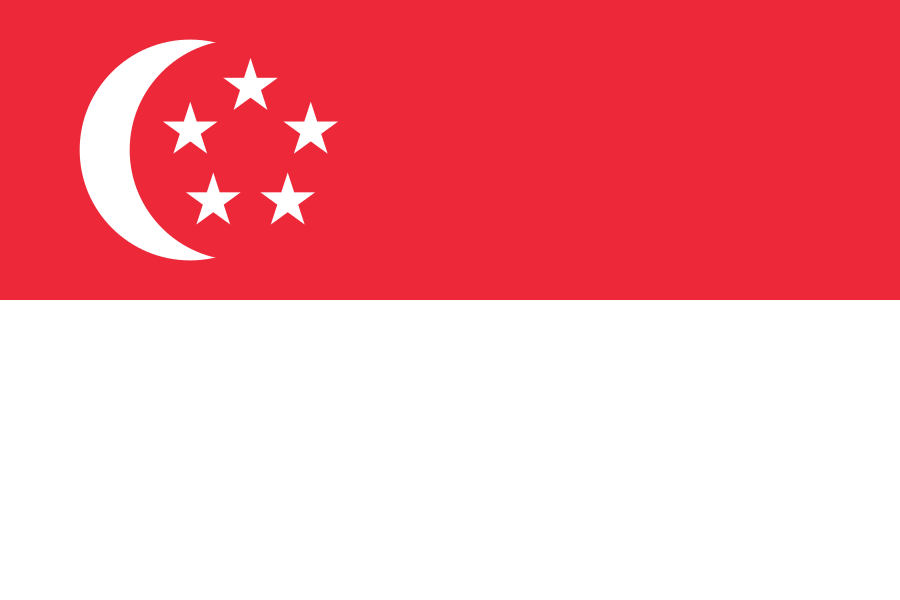 Singapore
-
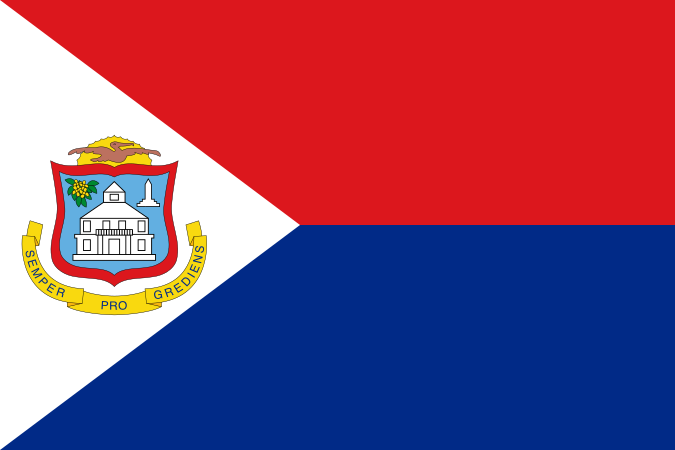 Sint Maarten
-
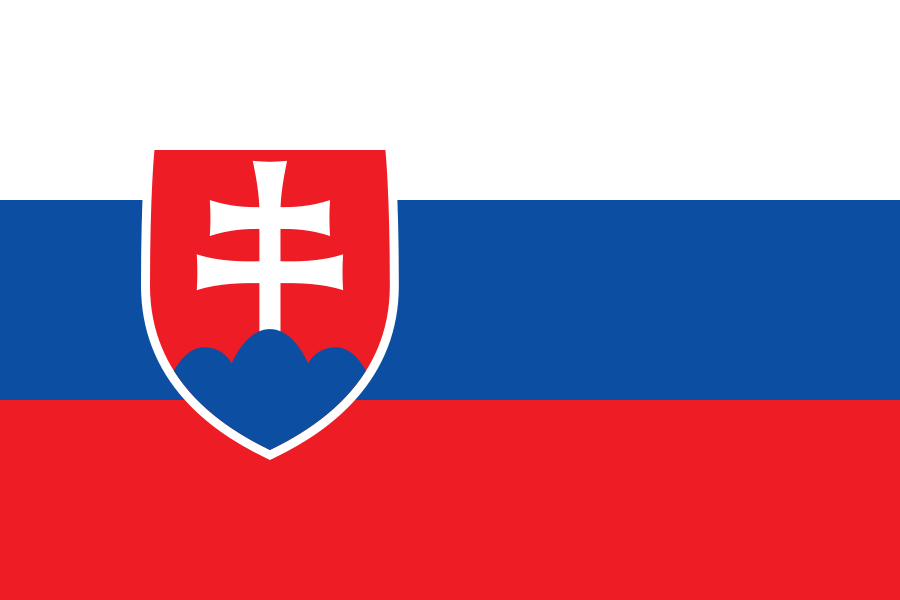 Slovakia
-
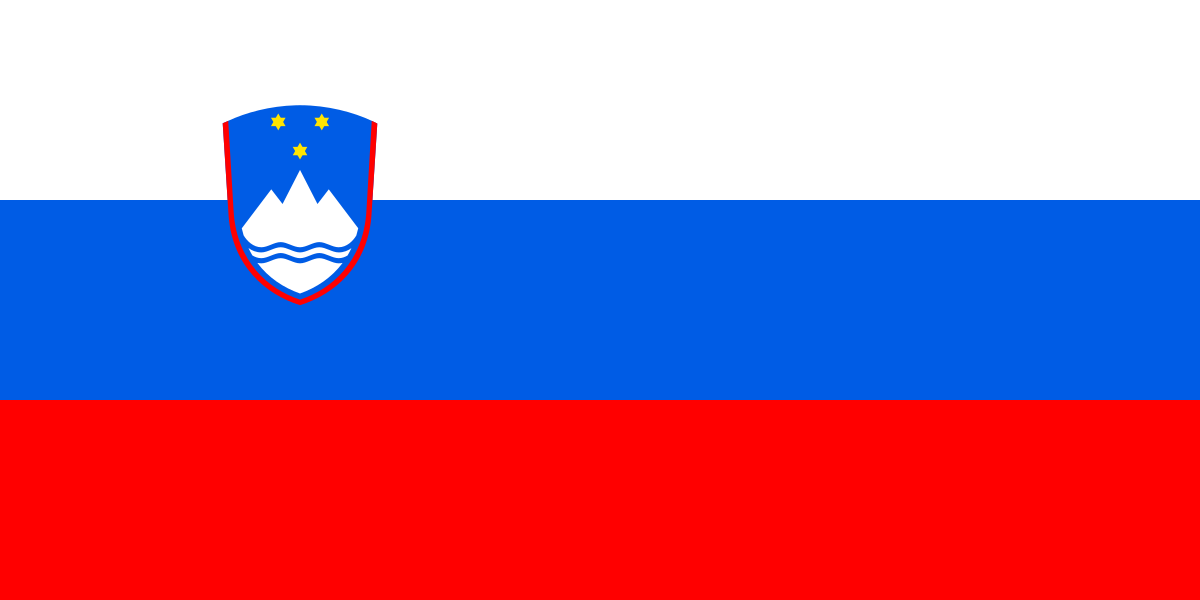 Slovenia
-
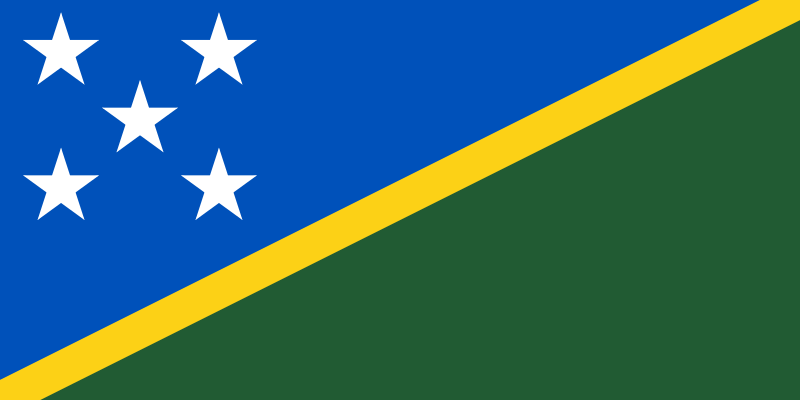 Solomon Islands
-
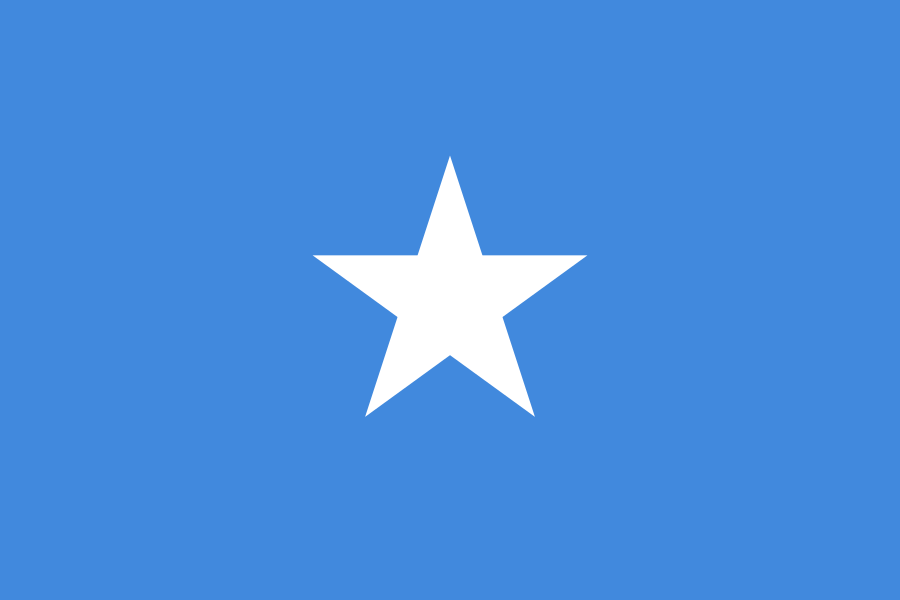 Somalia
-
 South Africa
-
 South Georgia and the Sandwich Islands
-
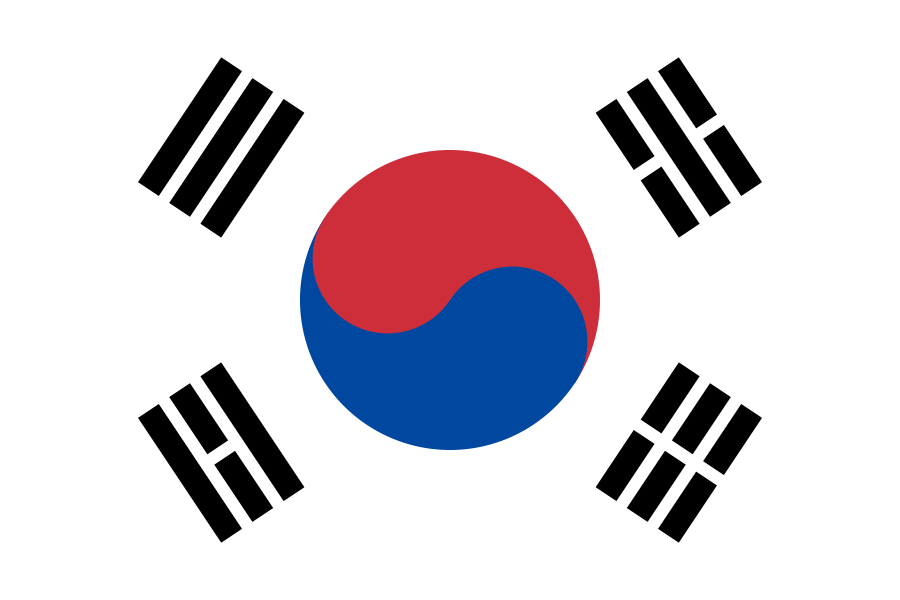 South Korea
-
 South Sudan
-
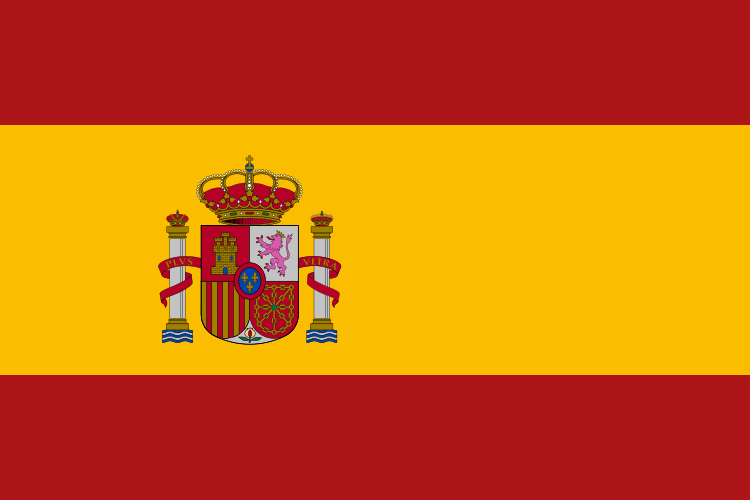 Spain
Spain
-
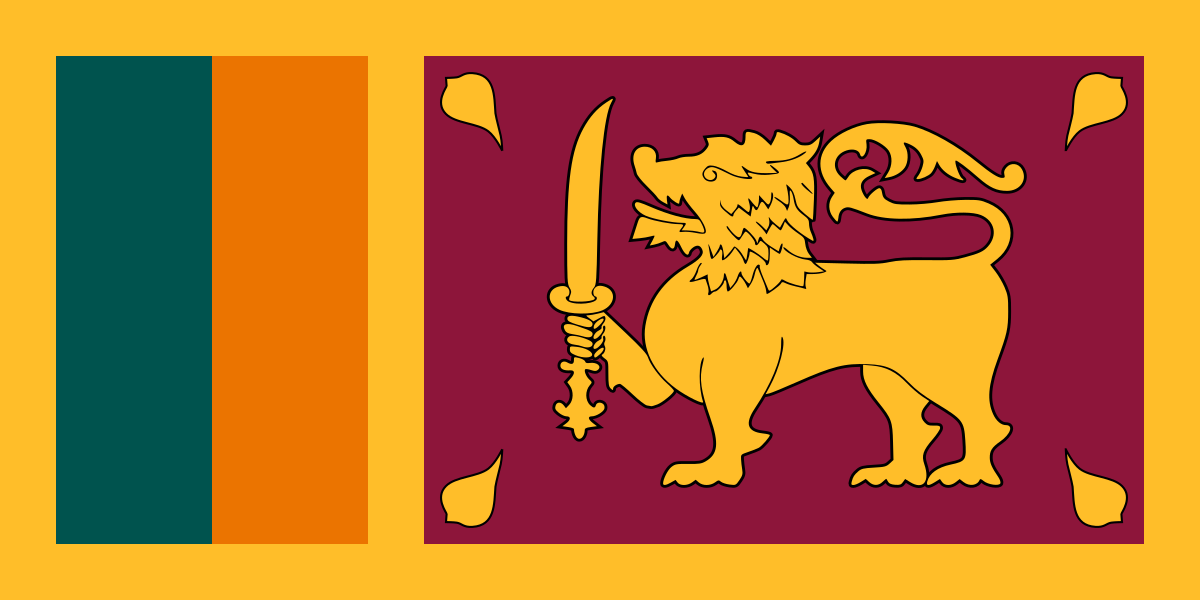 Sri Lanka
-
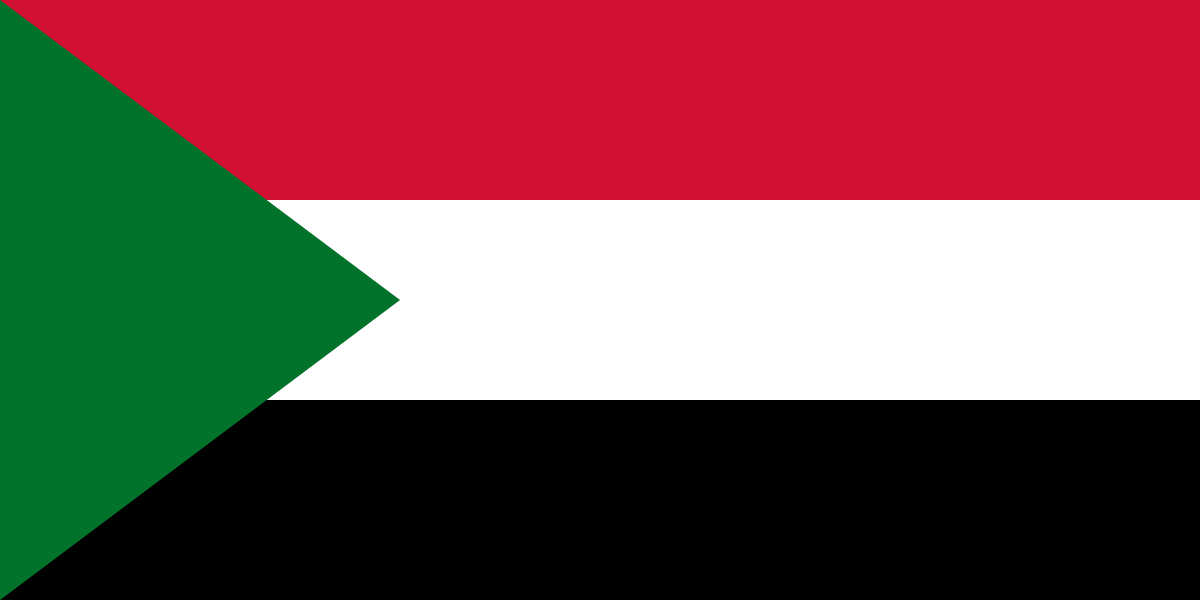 Sudan
Sudan
-
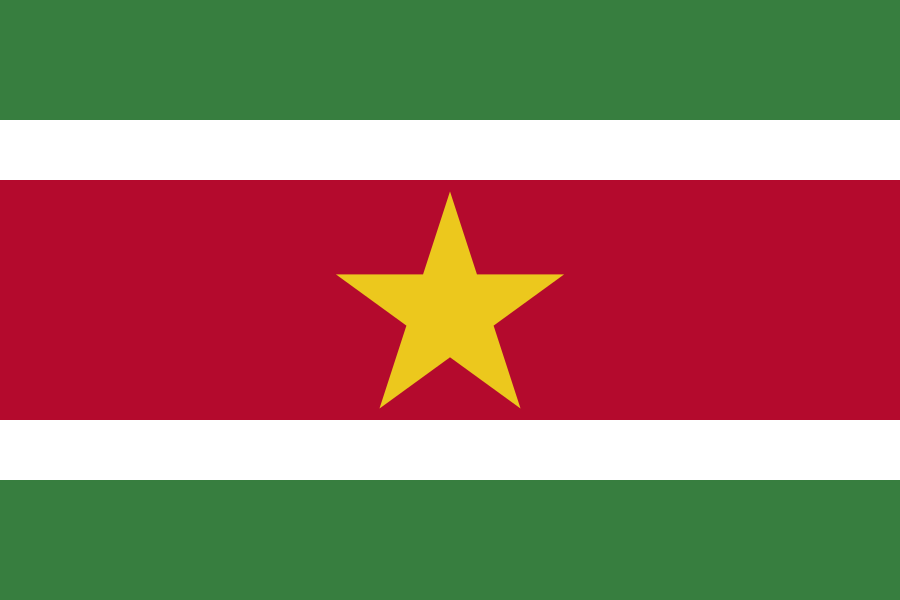 Suriname
-
Svalbard and Jan Mayen
-
 Sweden
-
 Switzerland
-
 Syria
Syria
-
 Taiwan
-
 Tajikistan
-
 Tanzania
-
 Thailand
-
 Timor-Leste
-
 Togo
Togo
-
 Tokelau
-
 Tonga
Tonga
-
 Trinidad and Tobago
-
 Tunisia
-
 Turkey
-
 Turkmenistan
-
 Turks and Caicos Islands
-
 Tuvalu
-
 Uganda
-
 Ukraine
-
 United Arab Emirates
-
 United Kingdom
-
 United States
-
United States Minor Outlying Islands
-
 United States Virgin Islands
-
 Uruguay
-
 Uzbekistan
-
 Vanuatu
-
 Vatican City
-
 Venezuela
-
 Vietnam
-
 Wallis and Futuna
-
 Western Sahara
-
 Yemen
Yemen
-
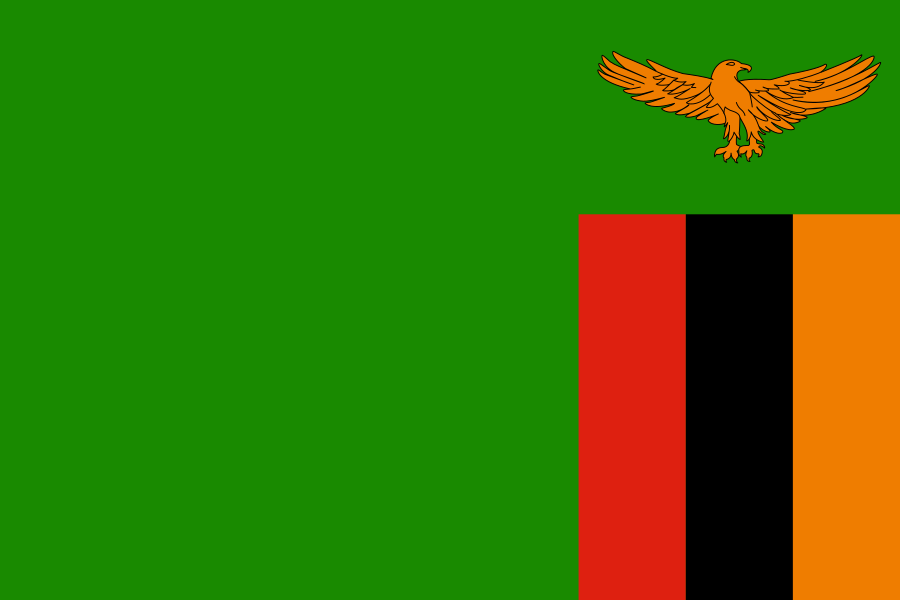 Zambia
-
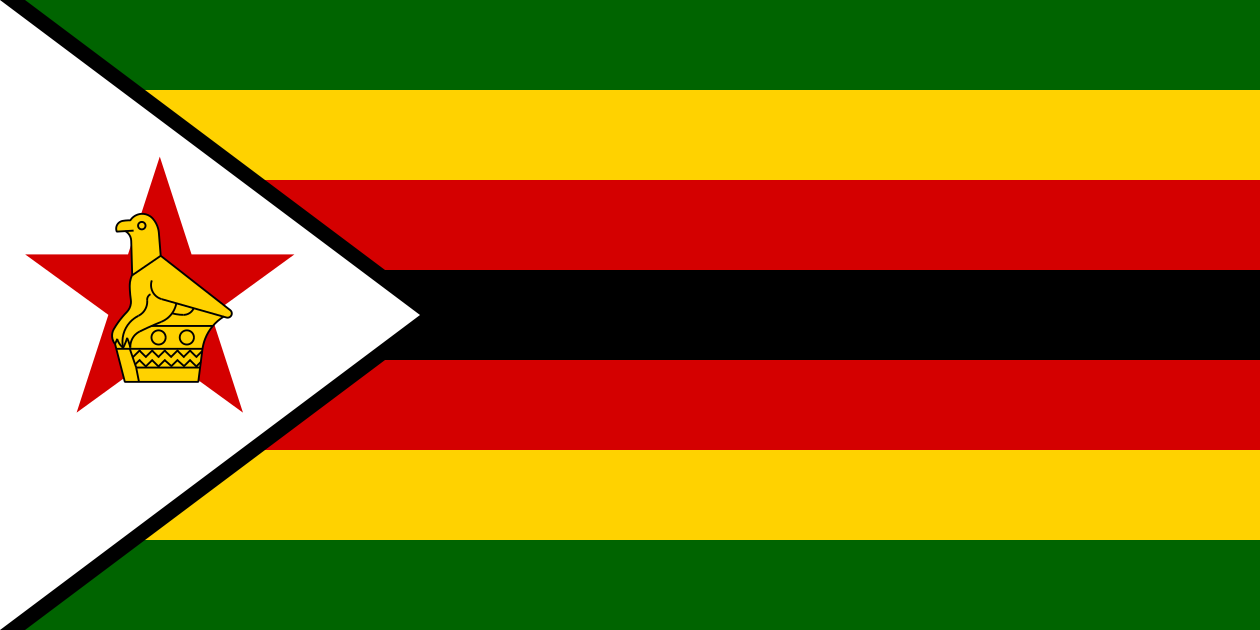 Zimbabwe
South Korea .kr
Meaning of the Flag
The national flag of the Republic of Korea (South Korea), also known as the Taegeukgi (Korean: 태극기; Hanja: 太極旗), consists of three components: a white rectangular background, a red and blue taegeuk in its center, accompanied by four black trigrams, one in each corner. The predecessors to the current Taegeukgi were used as the national flag of Korea by the Joseon dynasty, the Korean Empire, as well as the Korean government-in-exile during Japanese rule. emissary Robert Wilson Shufeldt suggested that Korea adopt a national flag to represent its sovereignty. Ma Jianzhong argued against Huang Zunxian's proposal that Korea adopt the flag of the Qing dynasty, and proposed a modified dragon flag. Derived from the Chinese I Ching and Taiji (philosophy), known in the west as the Yin and Yang, the blue half represents negative energy (Yin), and the red half represents the positive energy (Yang).
Meaning of Flag Colors
Red, Blue, White, Black
Flag History
-
1876In 1876, the absence of a national flag became an issue for Korea, at the time reigned over by the Joseon dynasty.
-
1945–1948
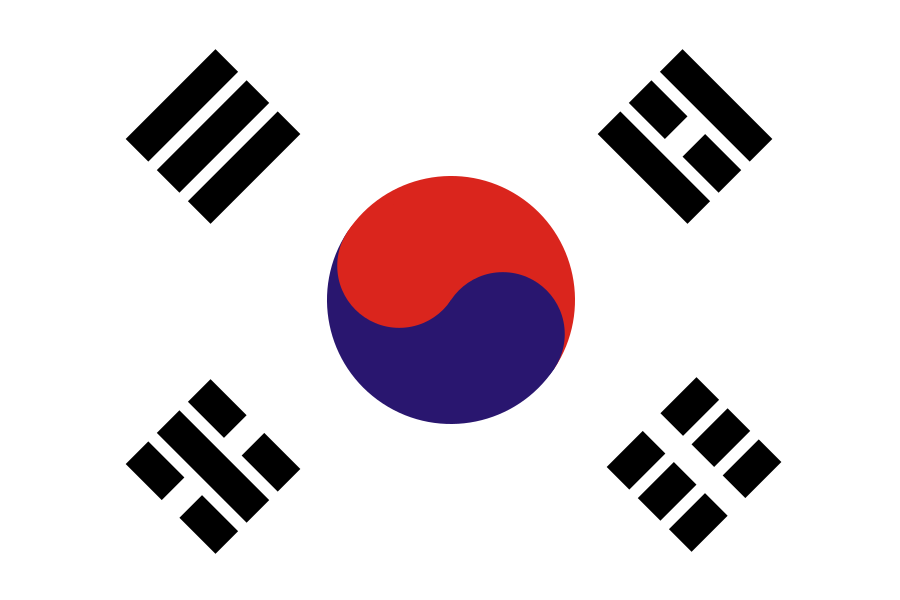 Following the restoration of Korean independence in 1945, the taegukgi design was again widely used.
 -
1948–1949
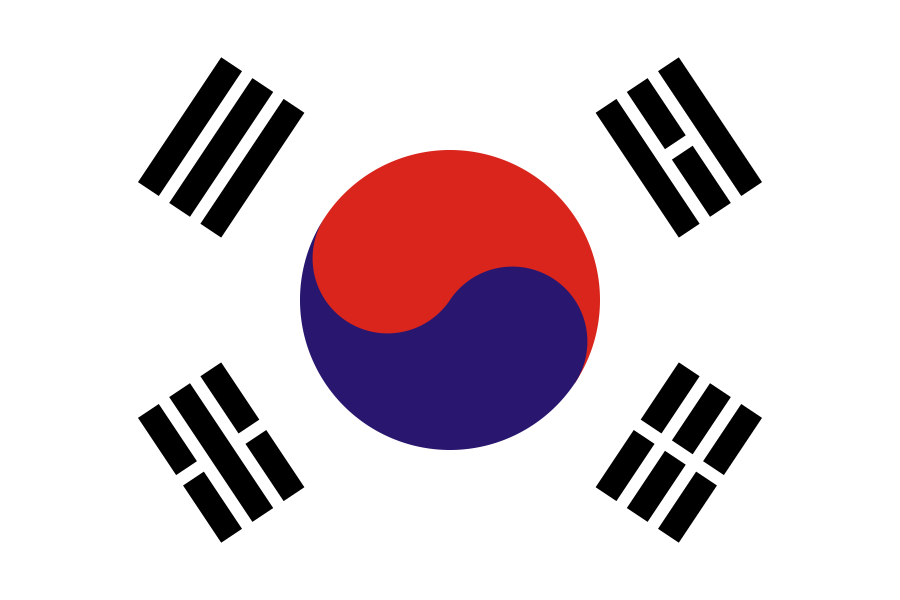 The United States Army Military Government in Korea started to use the taegukgi alongside the flag of the United States on 14 January 1946.
 -
1893
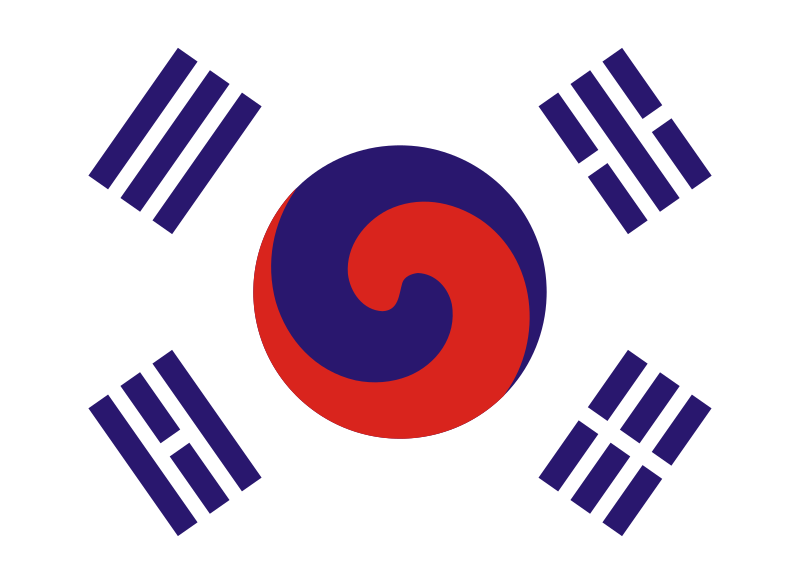 Flag in use 1893.
 -
Present
Current national flag.