-
 Abkhazia
-
 Afganistán
-
 Albania
-
 Alemania
-
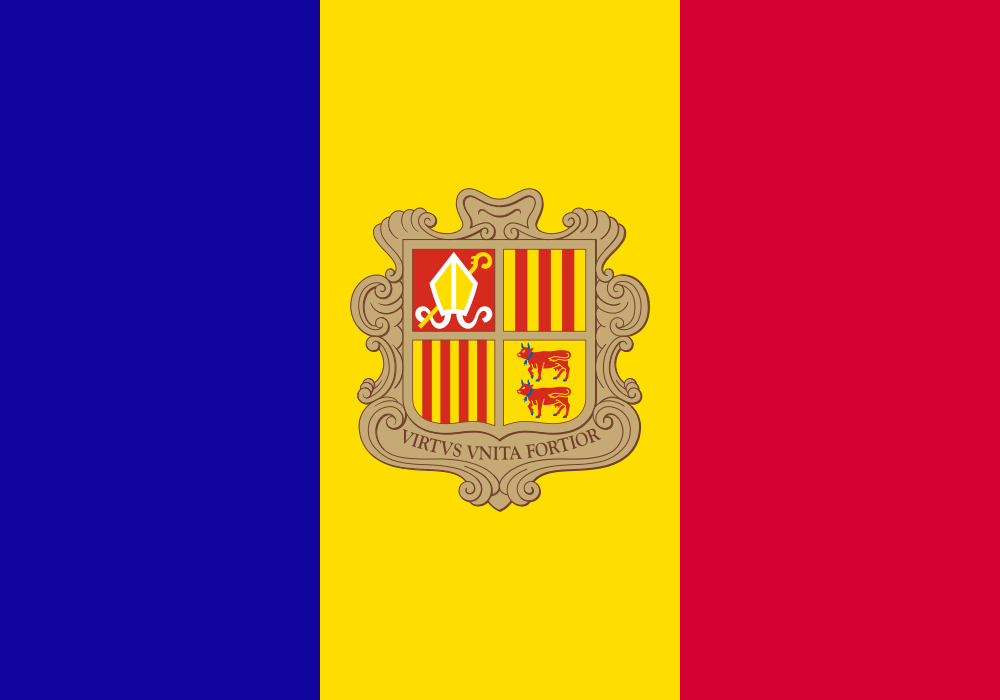 Andorra
-
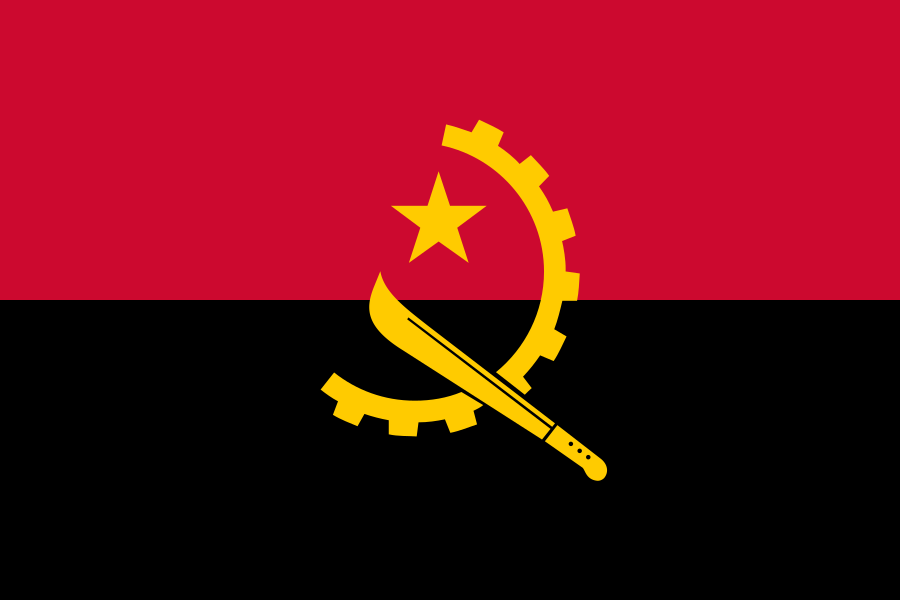 Angola
-
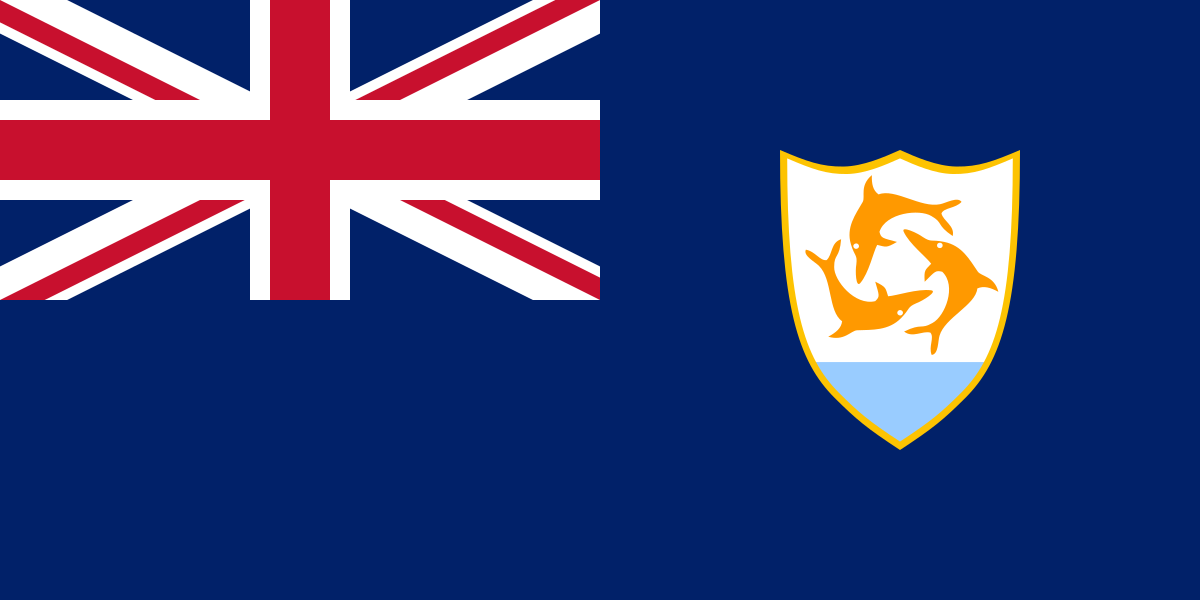 Anguila
-
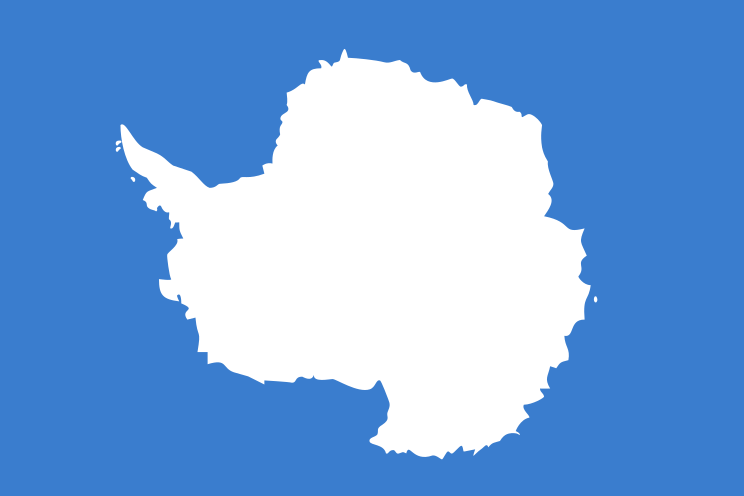 Antártida
-
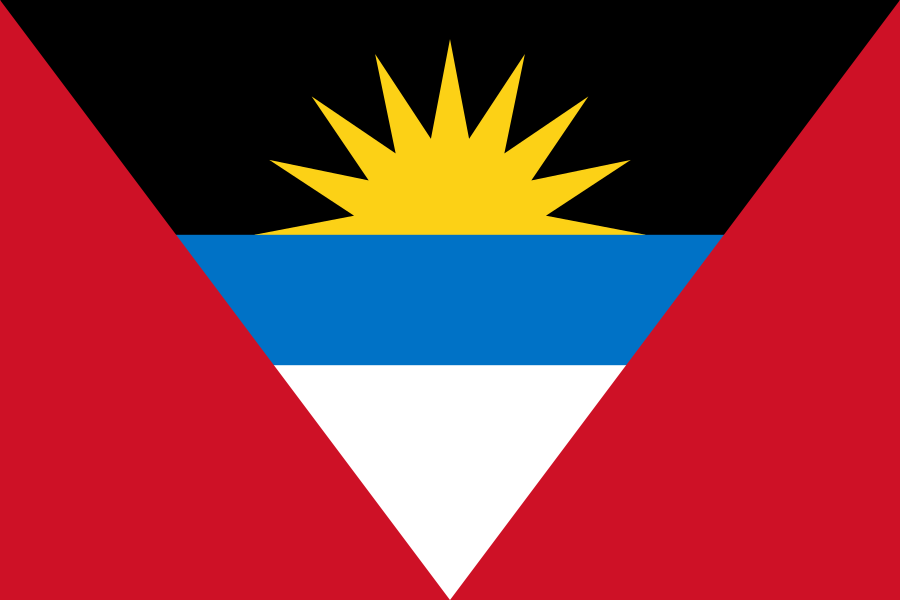 Antigua y Barbuda
-
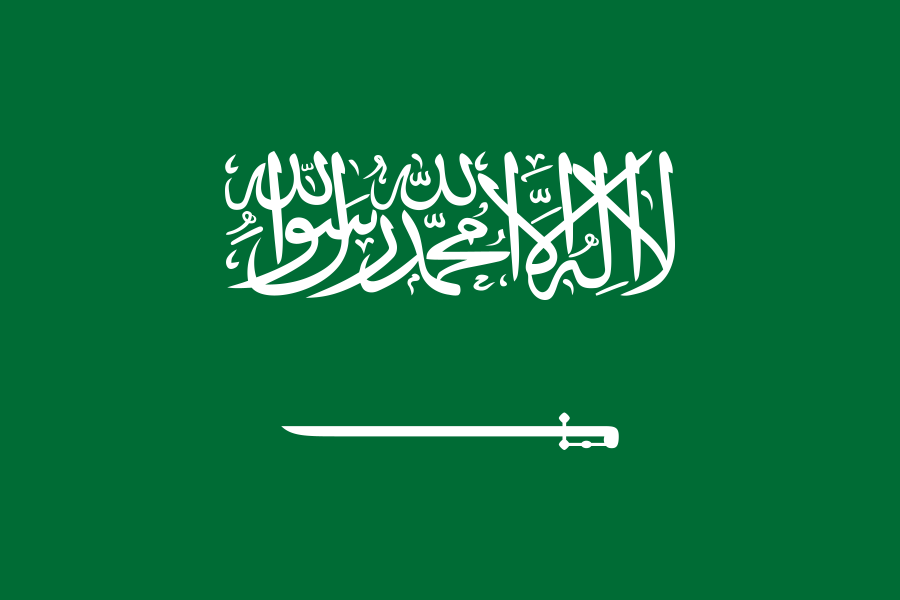 Arabia Saudita
-
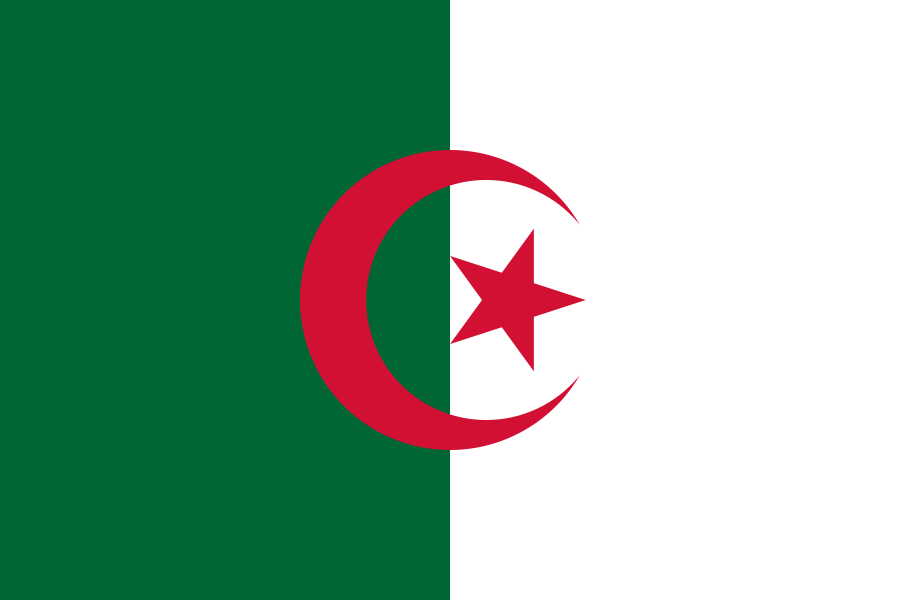 Argelia
-
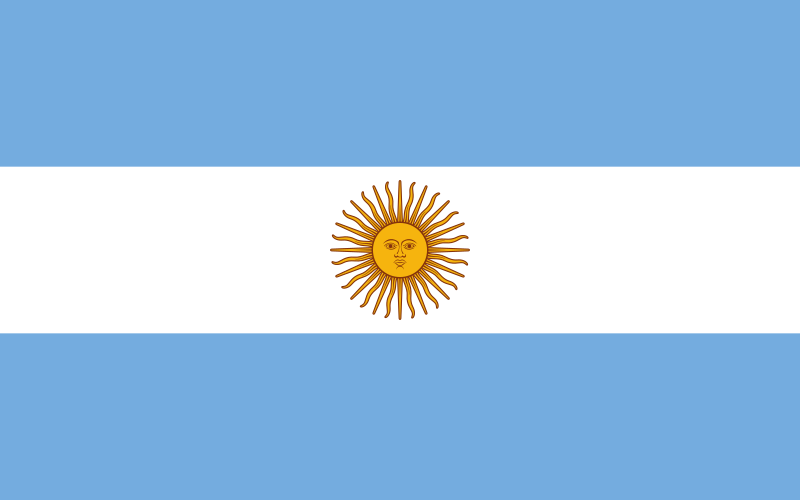 Argentina
-
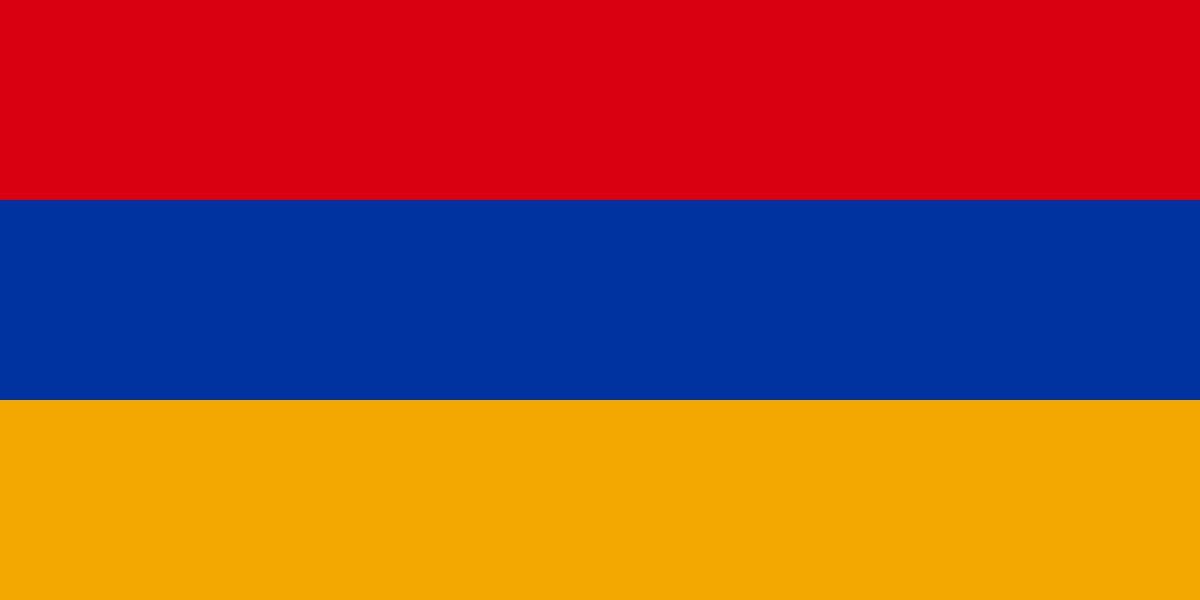 Armenia
-
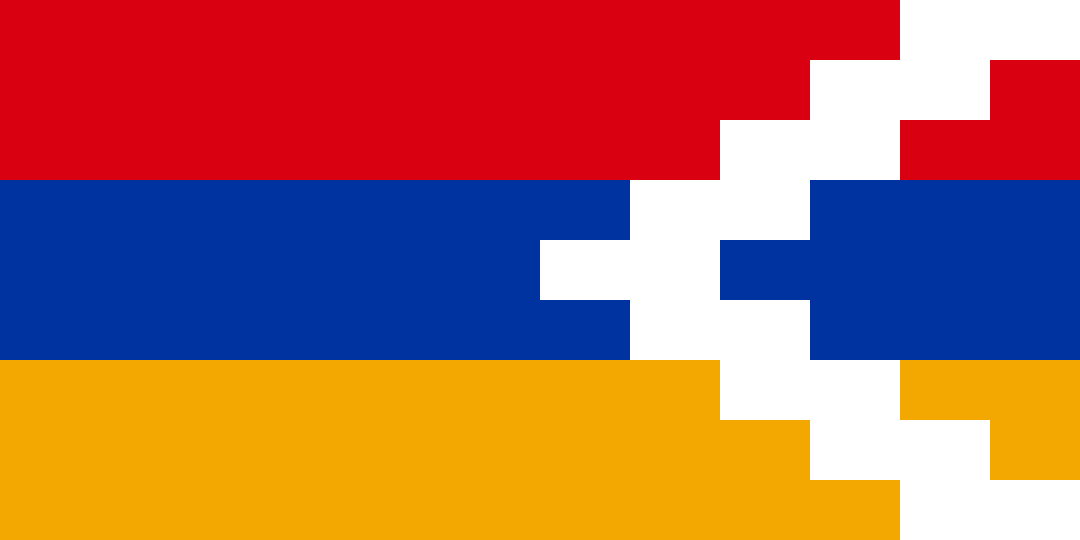 Artsakh
-
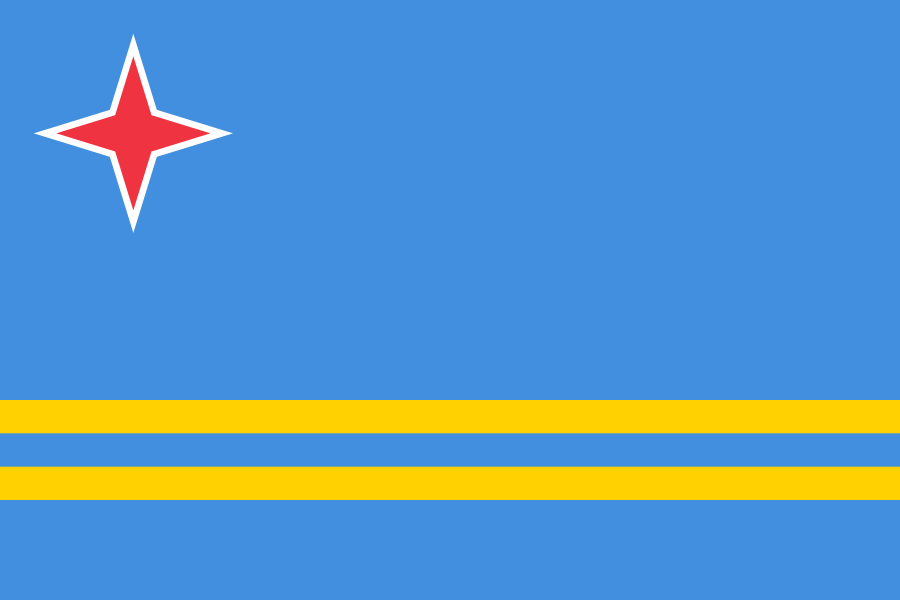 Aruba
Aruba
-
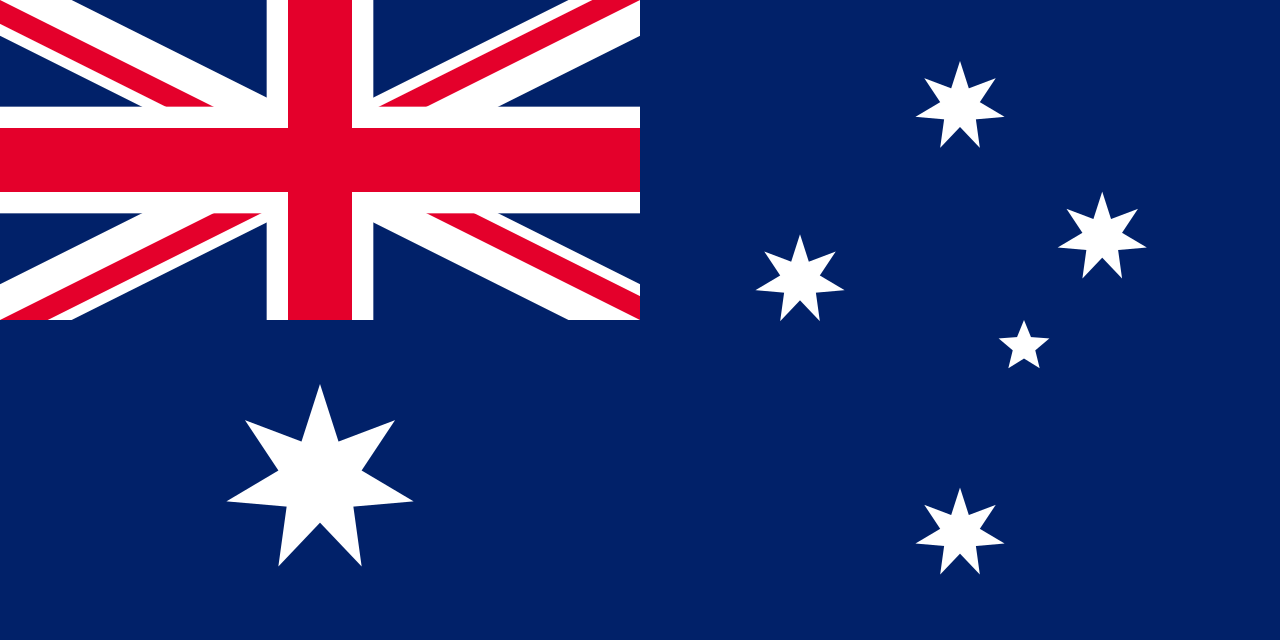 Australia
-
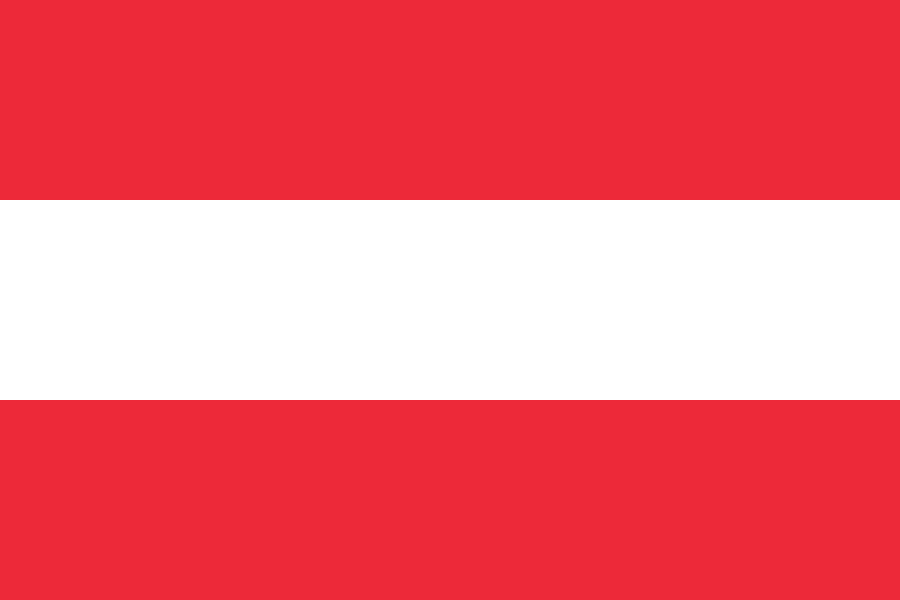 Austria
-
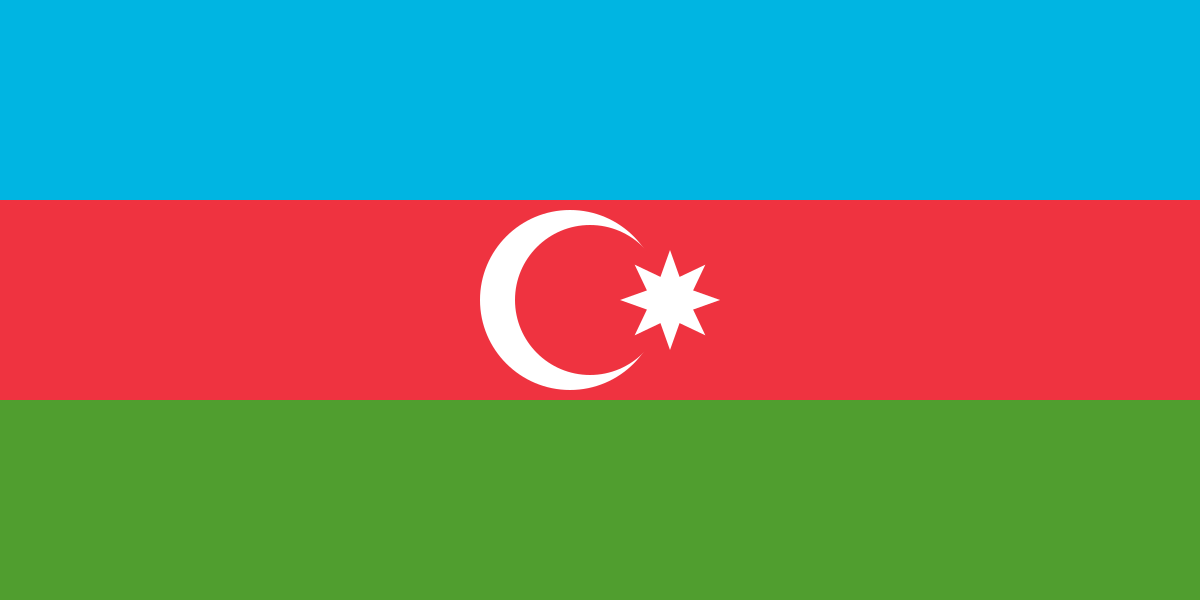 Azerbaiyán
-
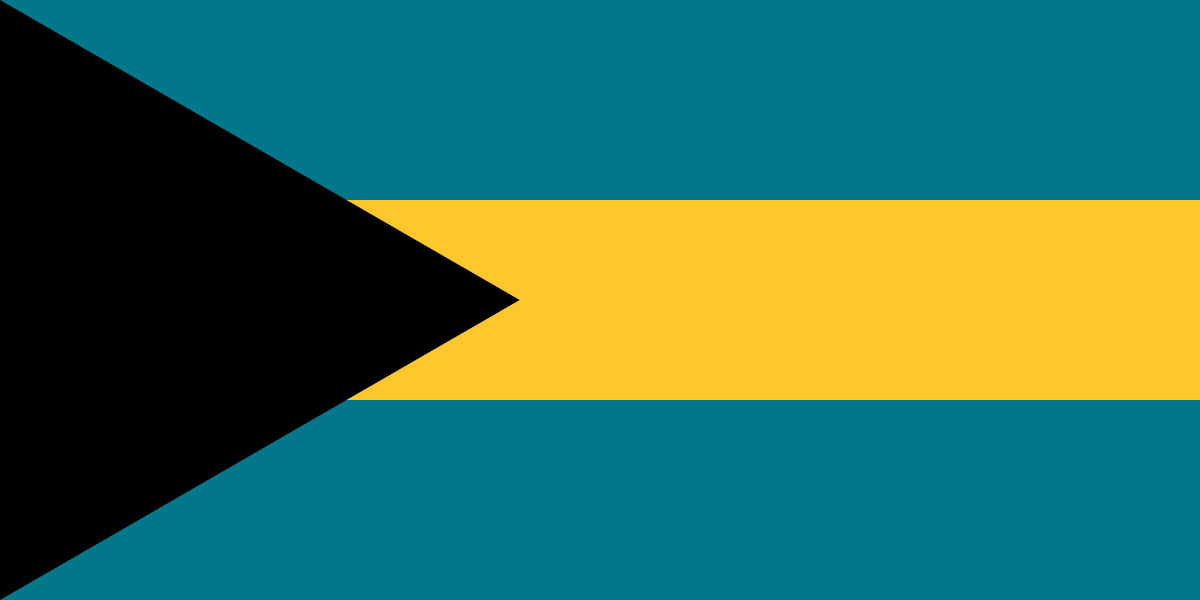 Bahamas
-
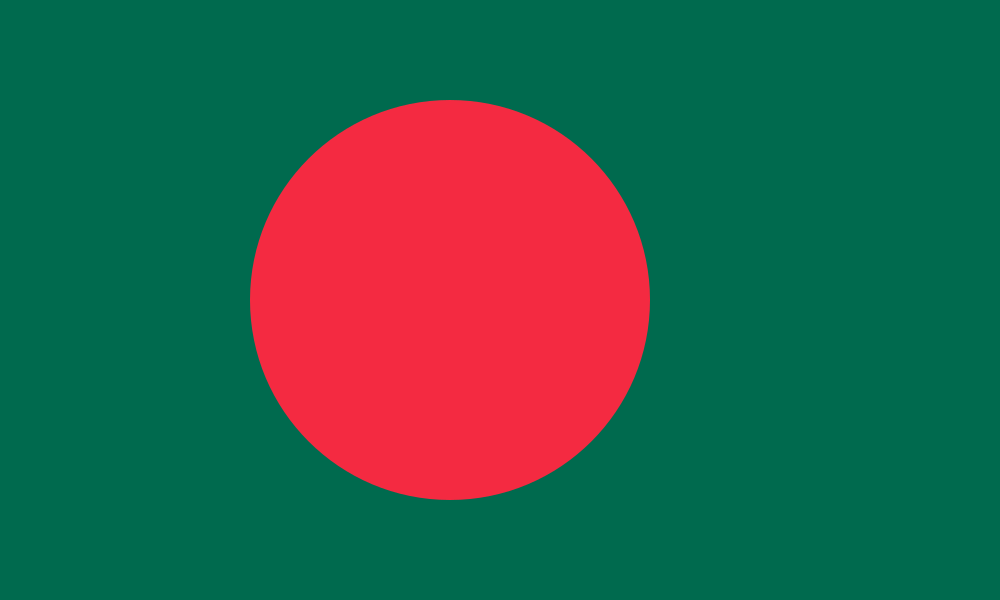 Bangladés
-
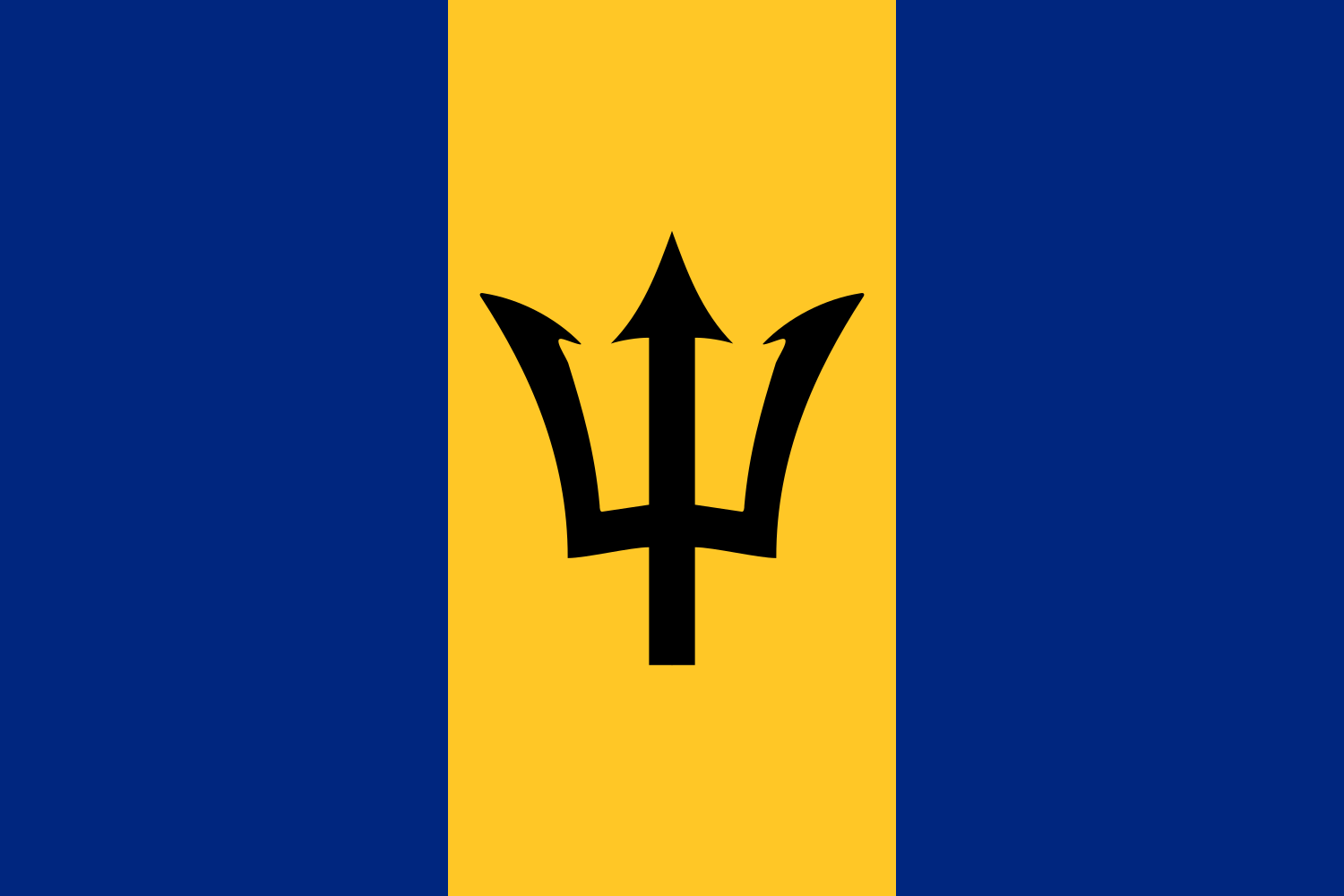 Barbados
-
 Baréin
-
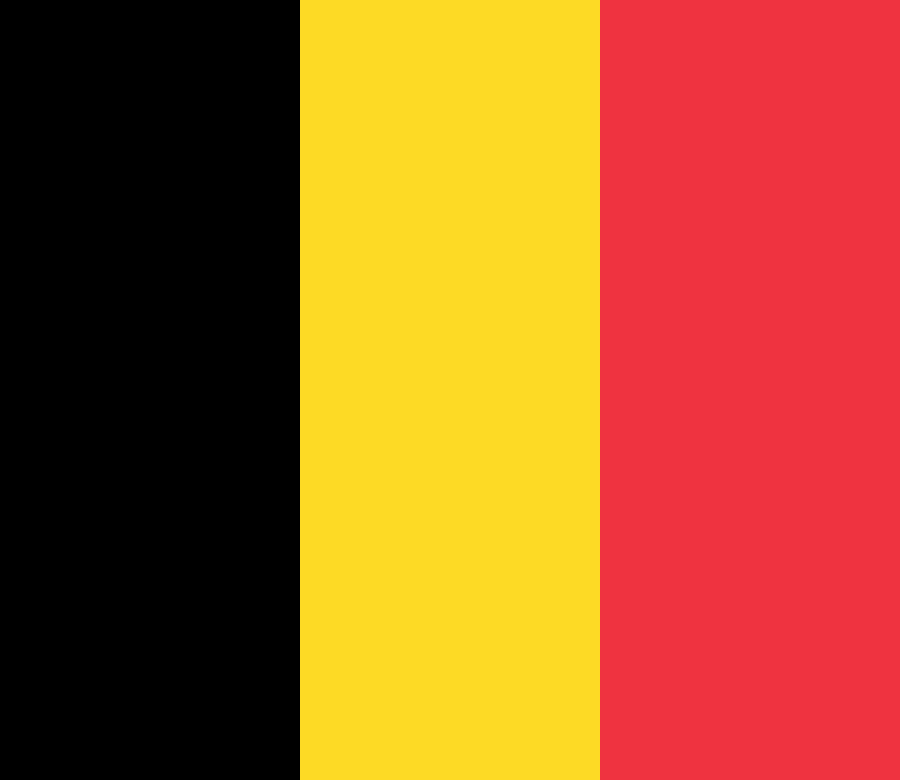 Bélgica
-
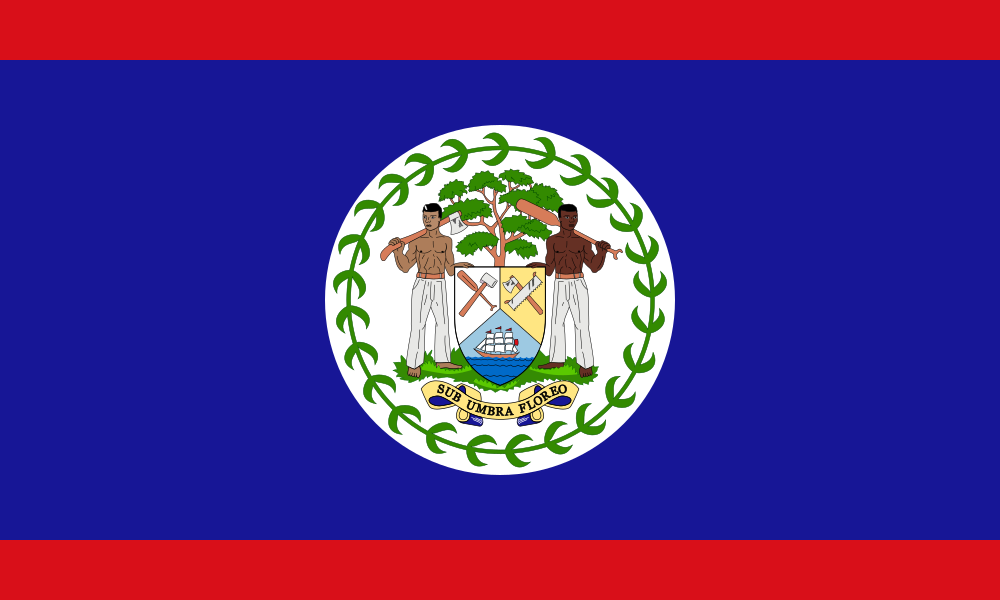 Belice
-
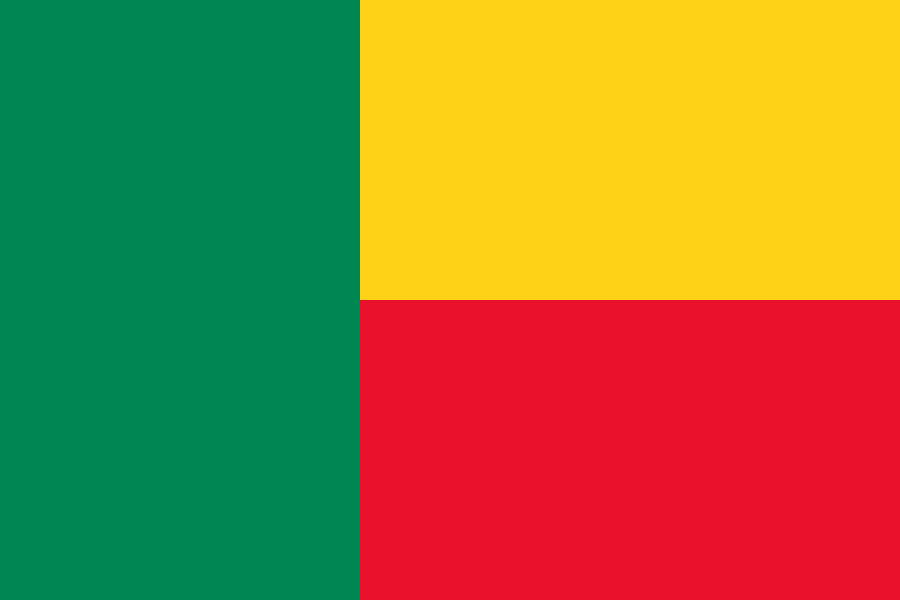 Benín
Benín
-
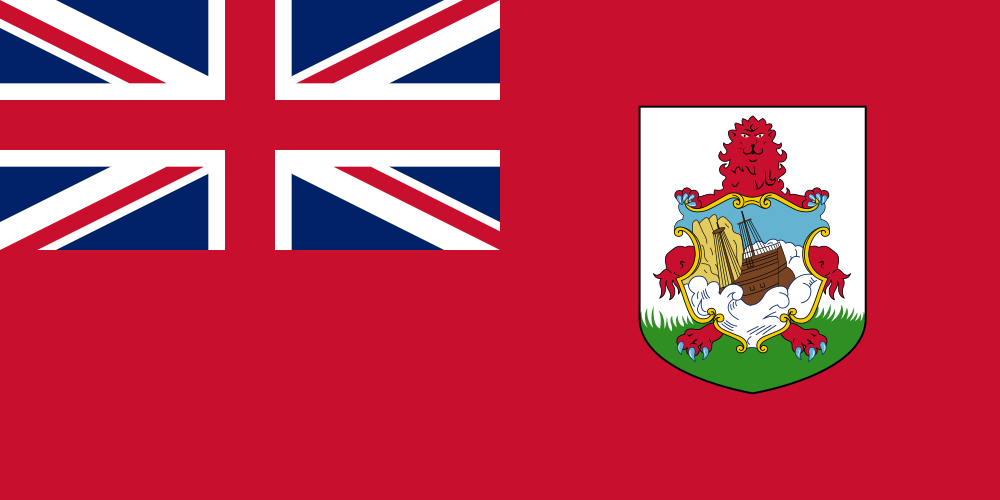 Bermudas
-
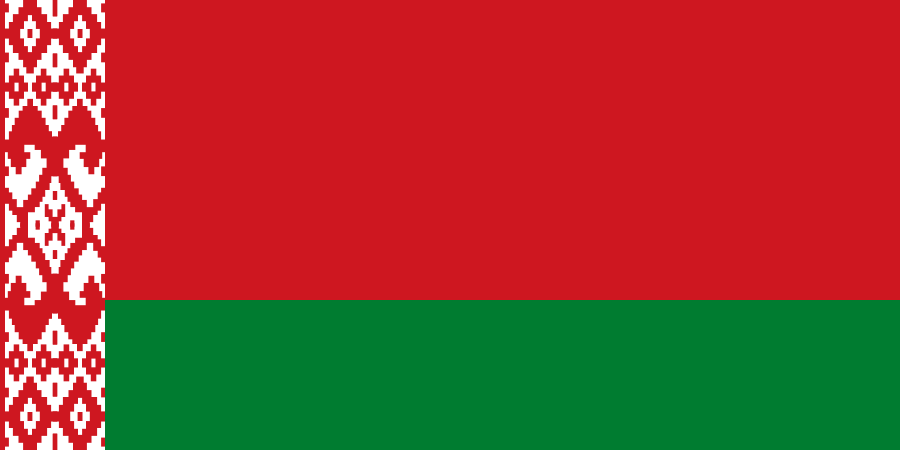 Bielorrusia
-
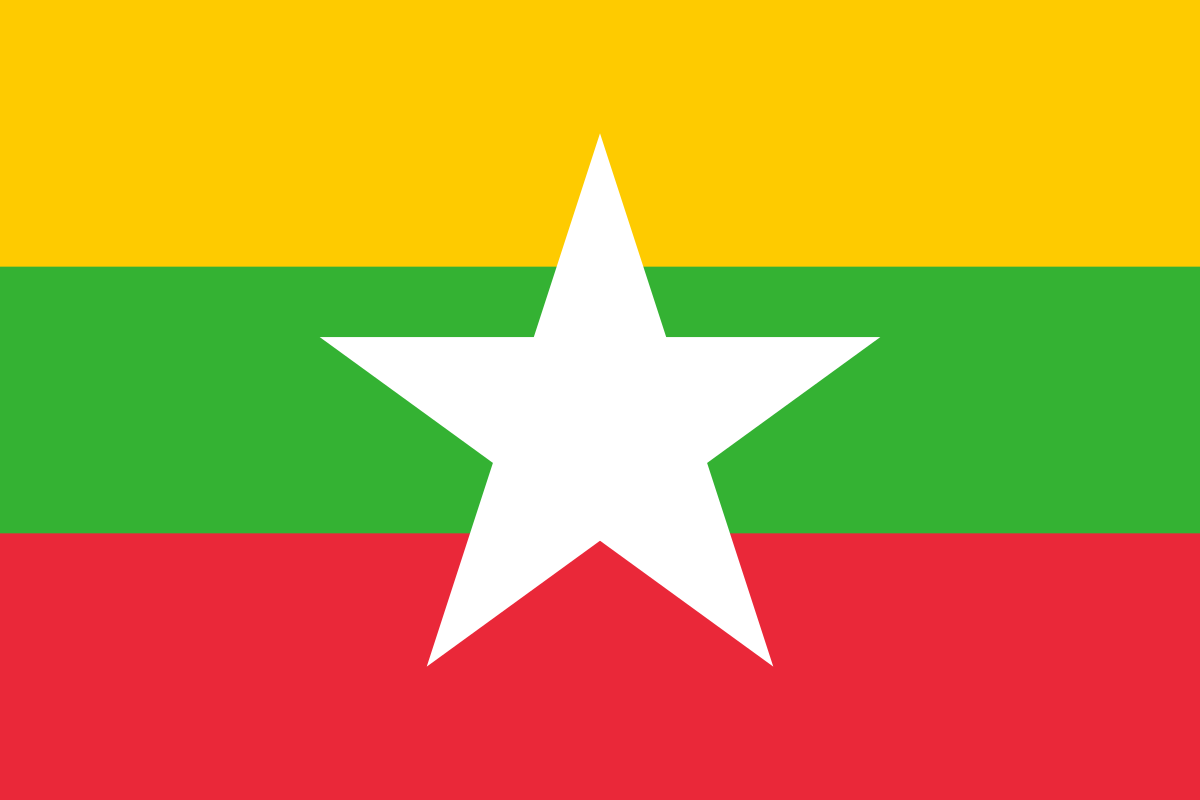 Birmania
-
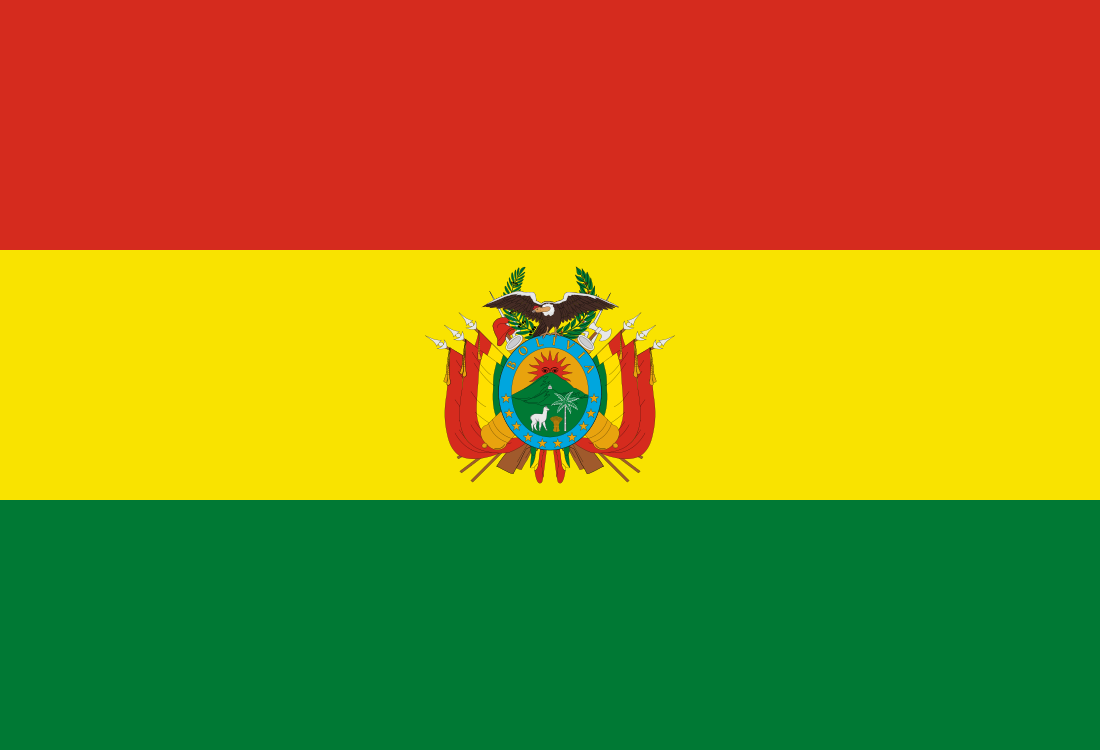 Bolívia
-
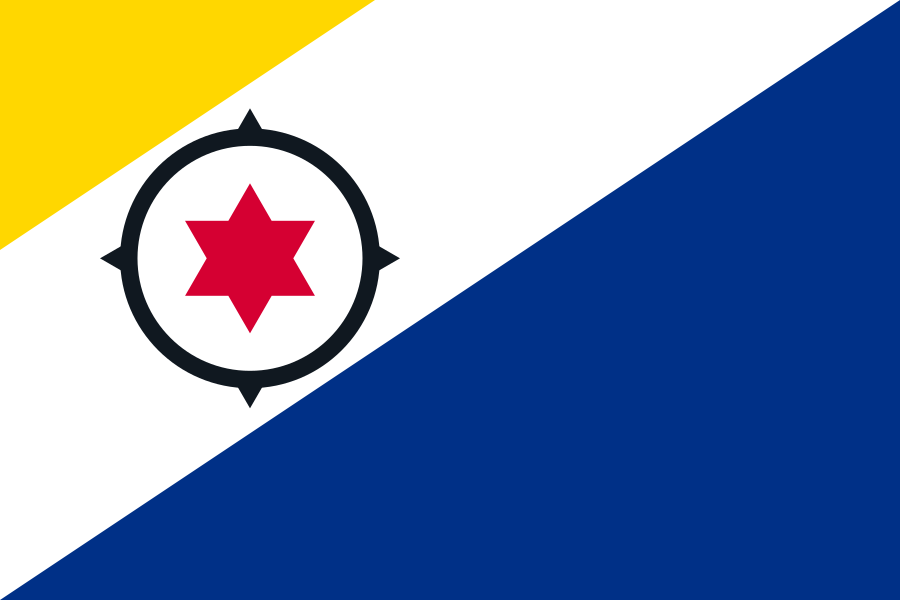 Bonaire
-
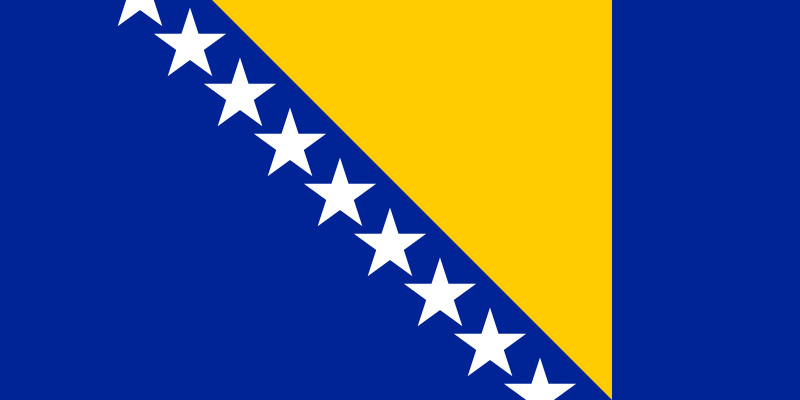 Bosnia y Herzegovina
-
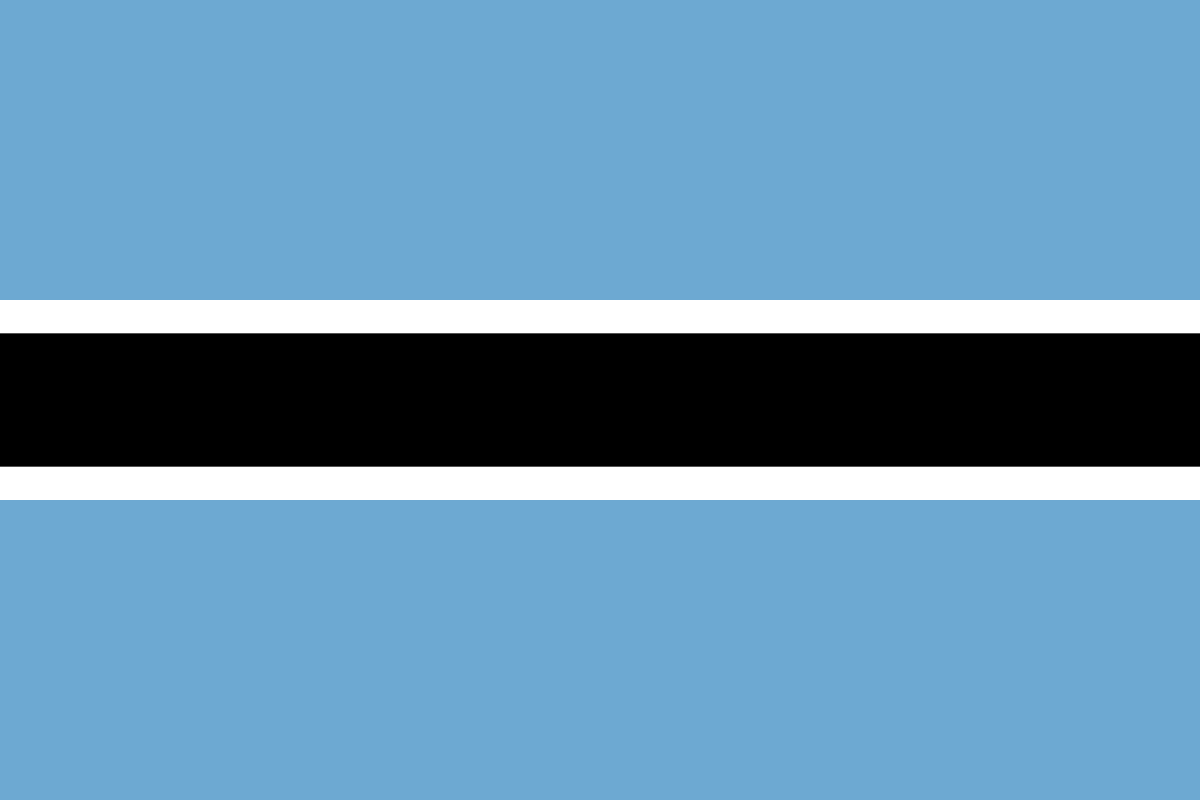 Botsuana
-
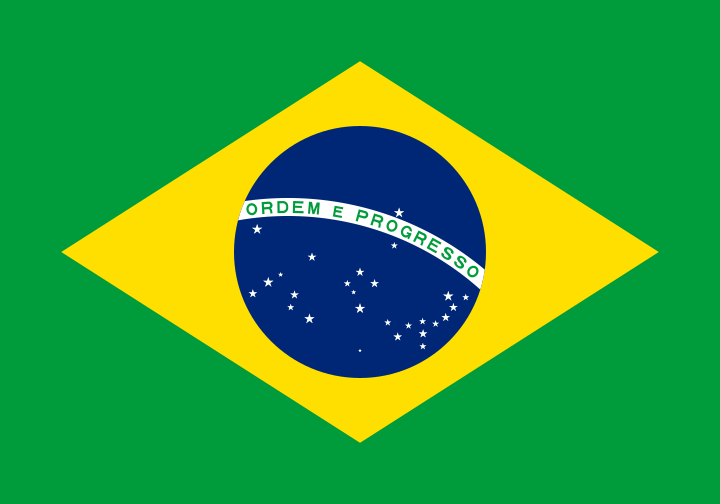 Brasil
-
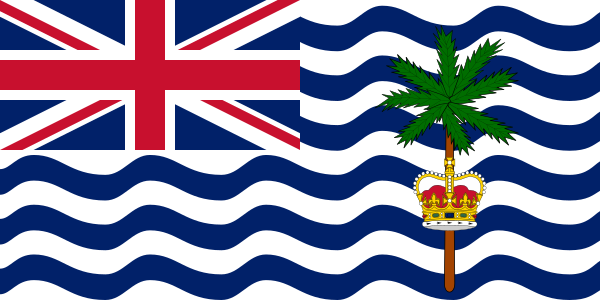 British Indian Ocean Territory
-
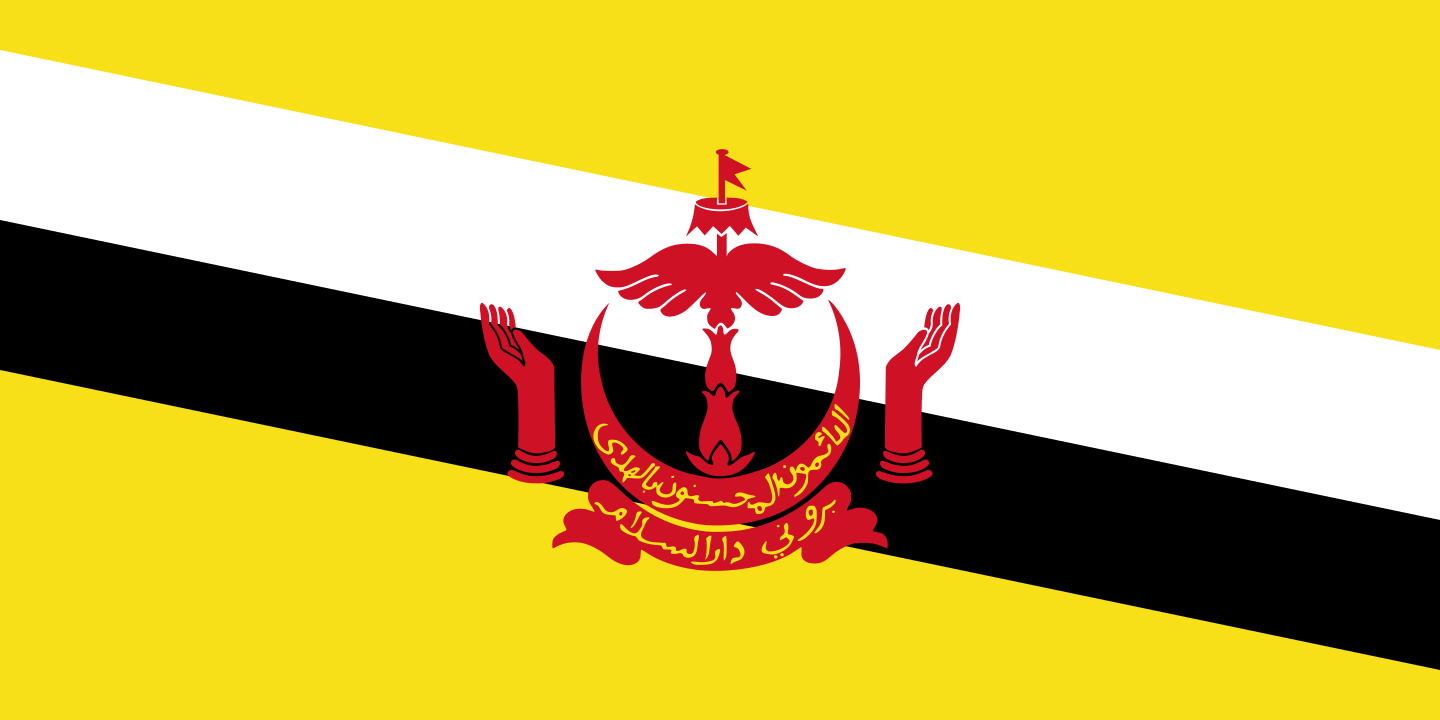 Brunéi
-
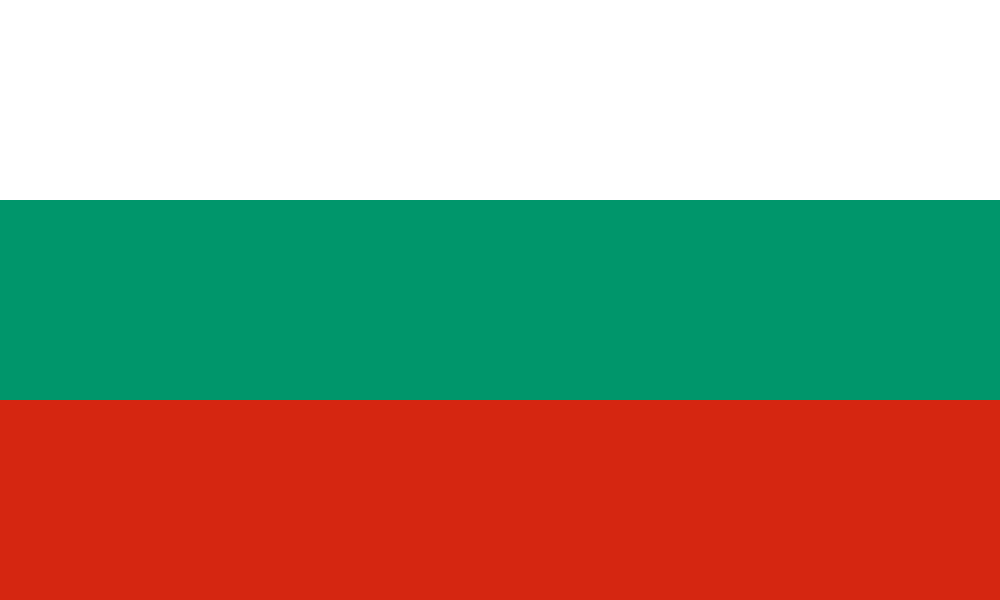 Bulgaria
-
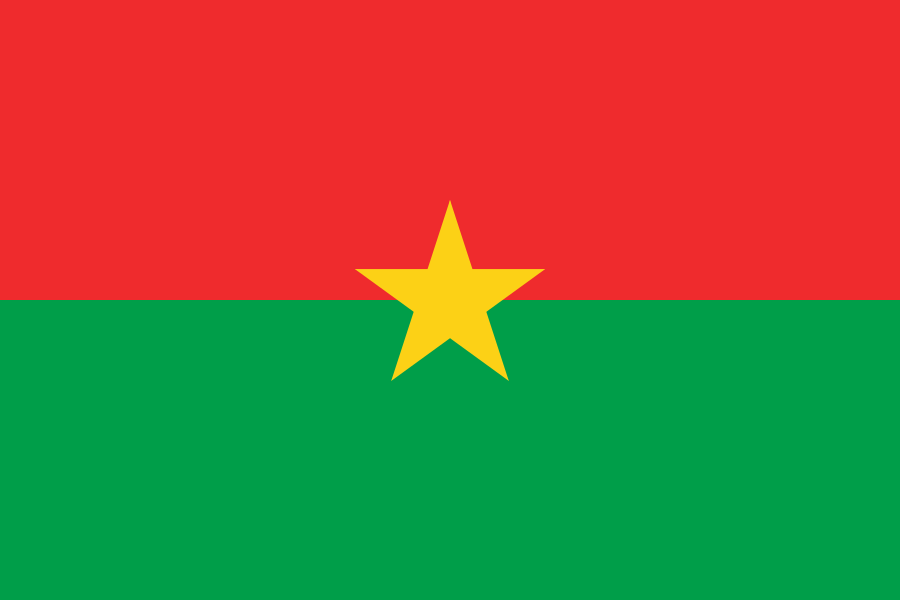 Burkina Faso
-
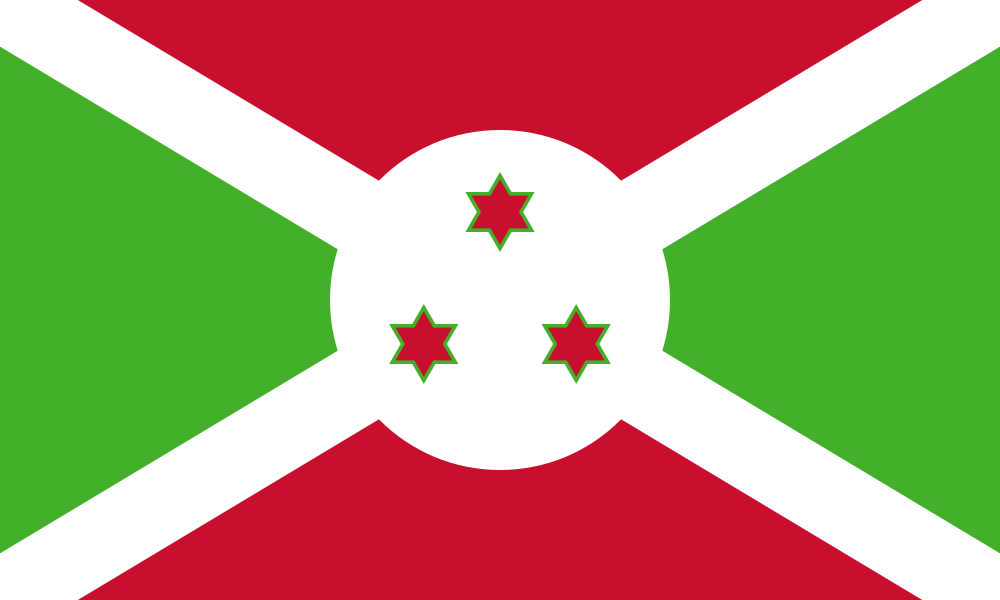 Burundi
-
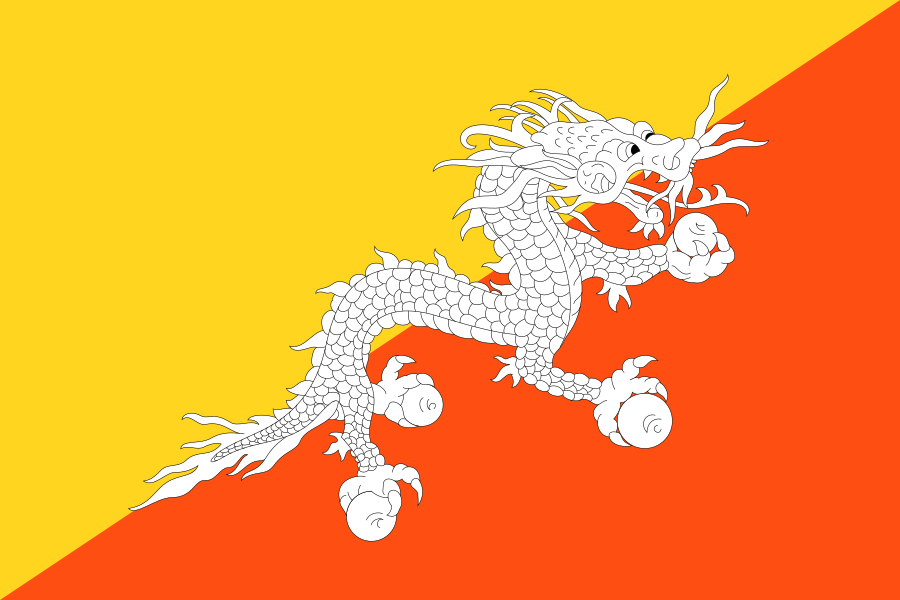 Bután
Bután
-
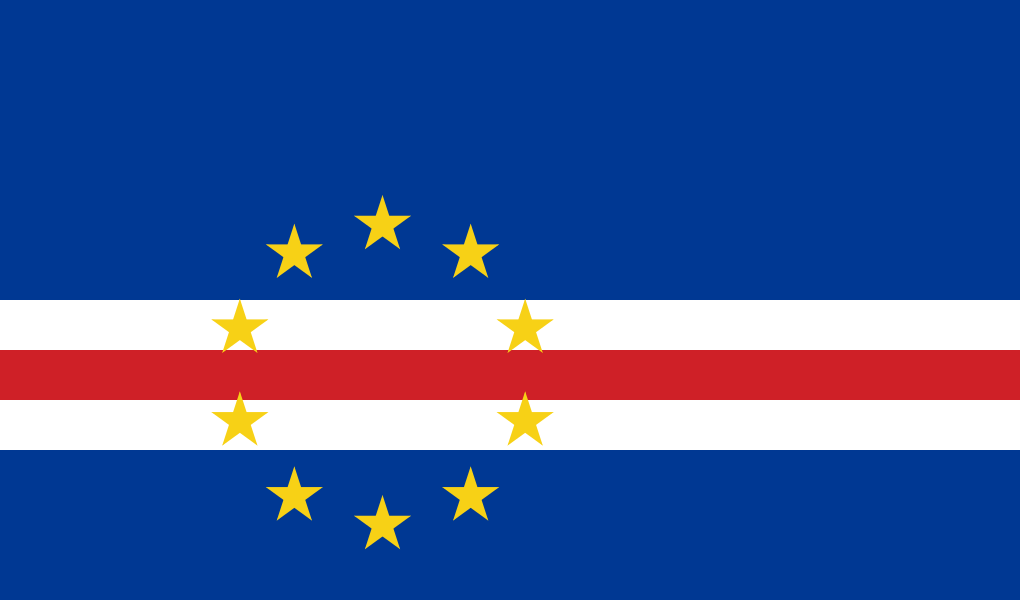 Cabo Verde
-
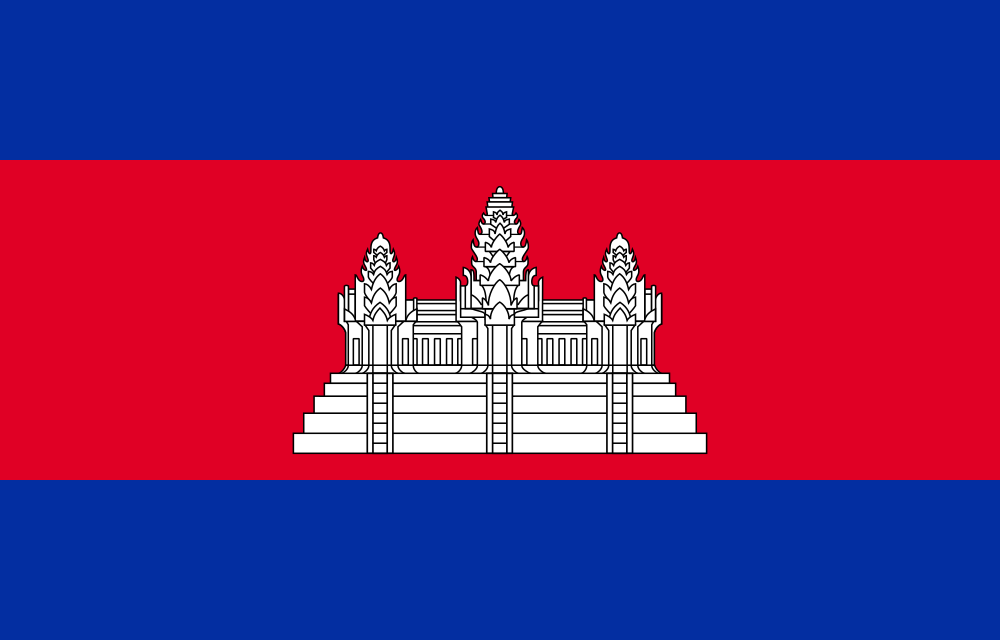 Camboya
-
 Camerún
-
 Canadá
-
 Caribe Neerlandés
-
 Catar
Catar
-
 Chad
Chad
-
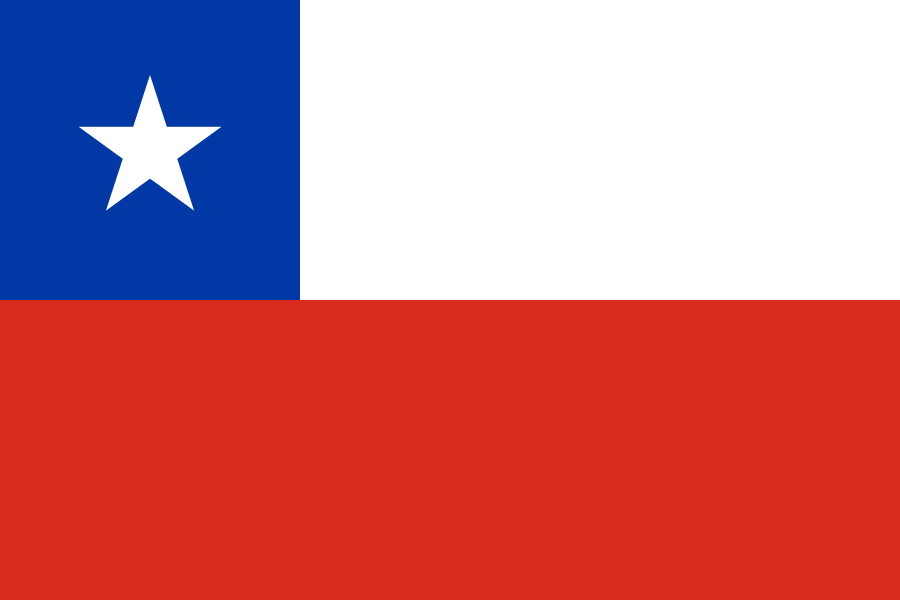 Chile
Chile
-
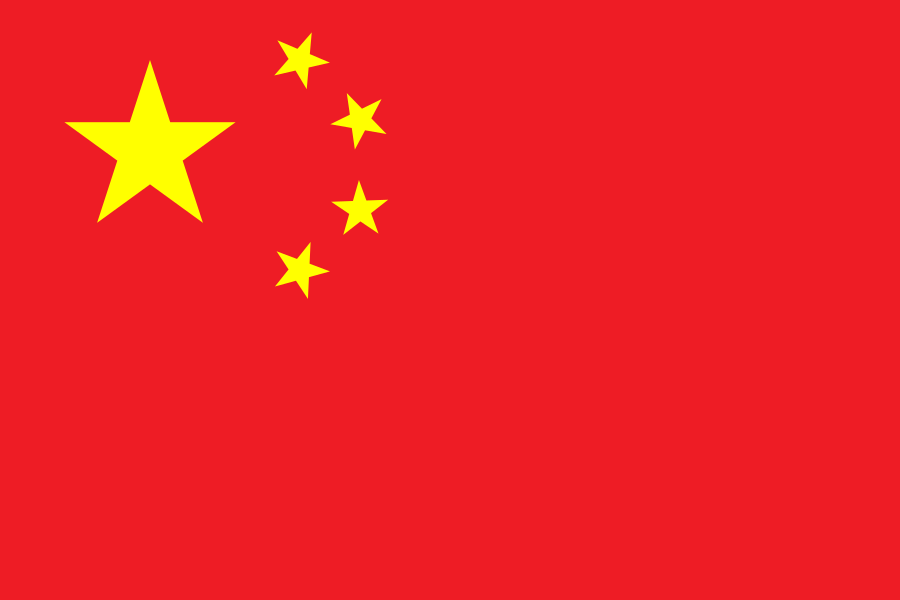 China
China
-
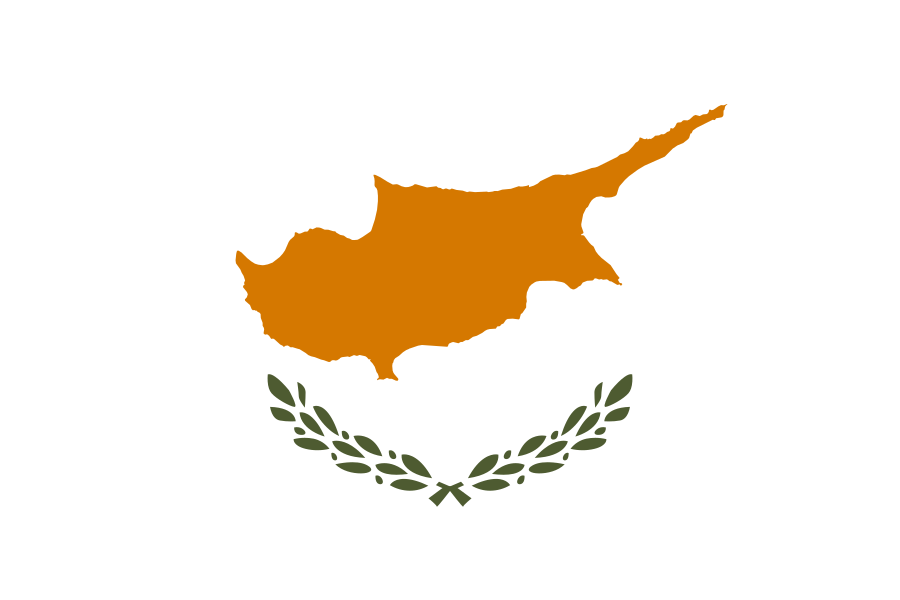 Chipre
-
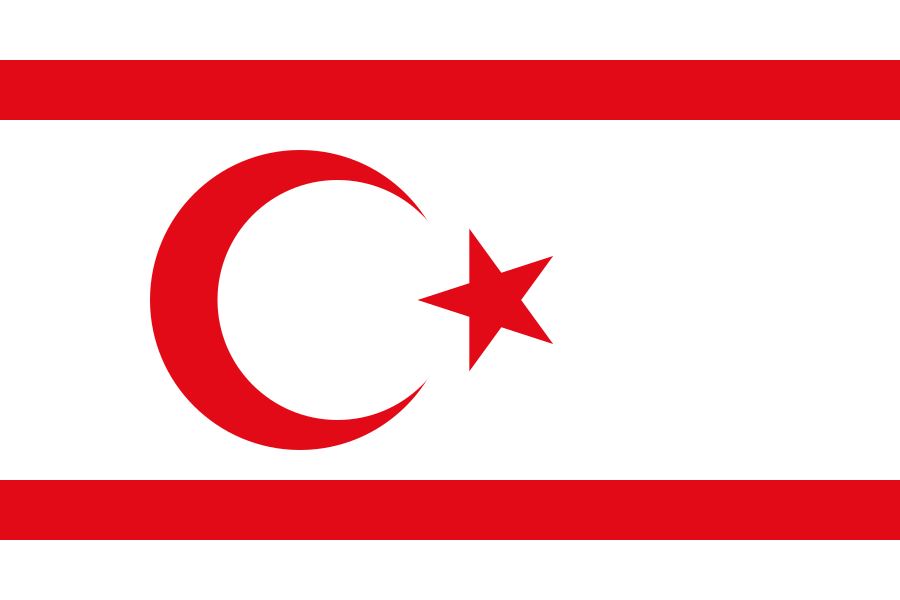 Chipre del Norte
-
 Ciudad del Vaticano
-
 Colombia
-
 Comoras
-
 Corea del Norte
-
 Corea del Sur
-
 Costa de Marfil
-
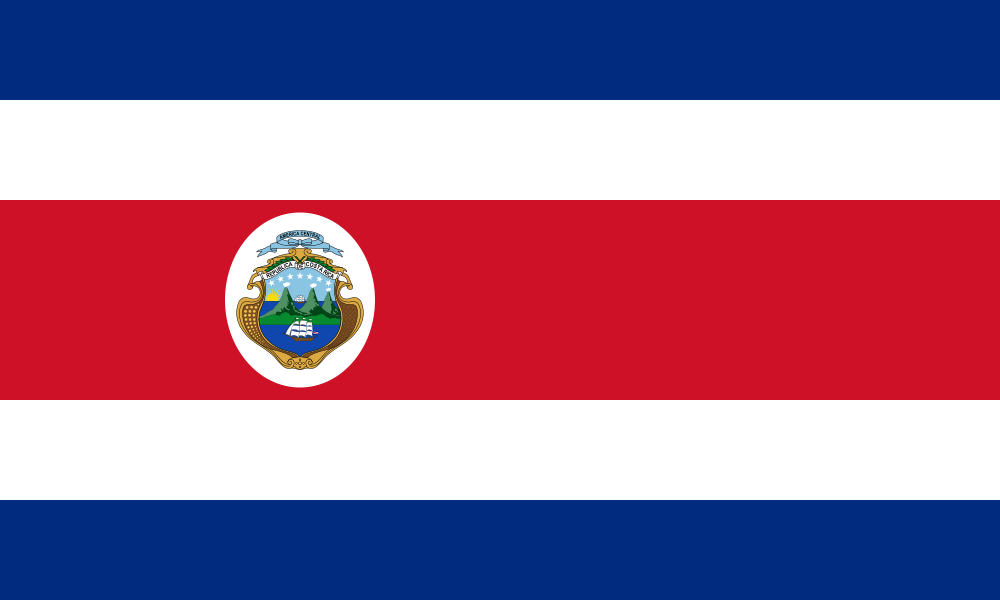 Costa Rica
-
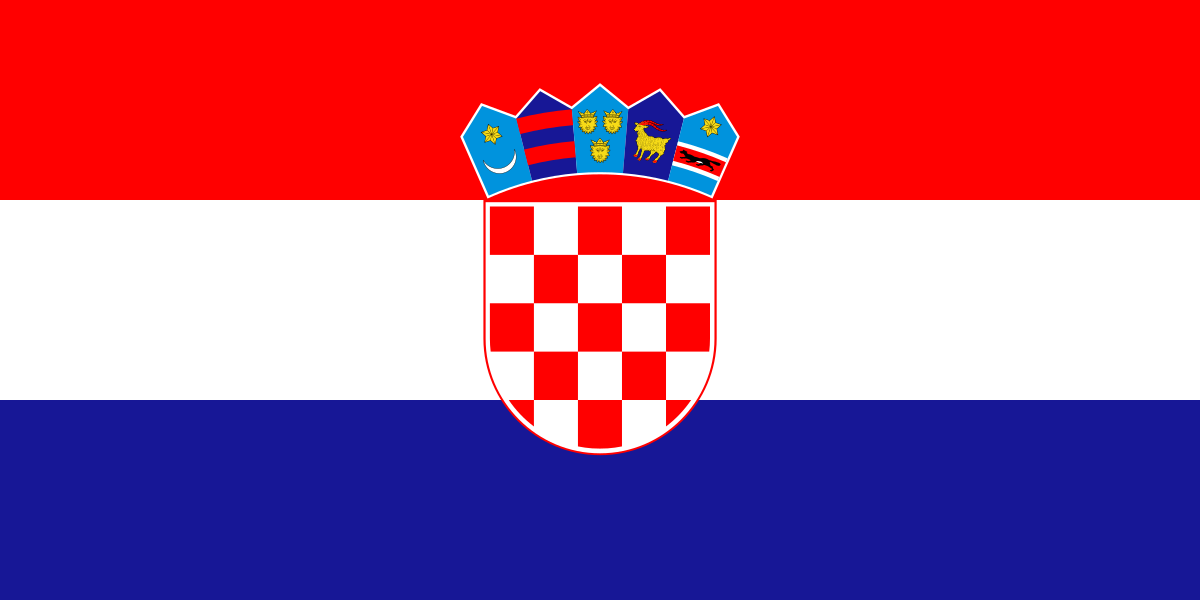 Croacia
-
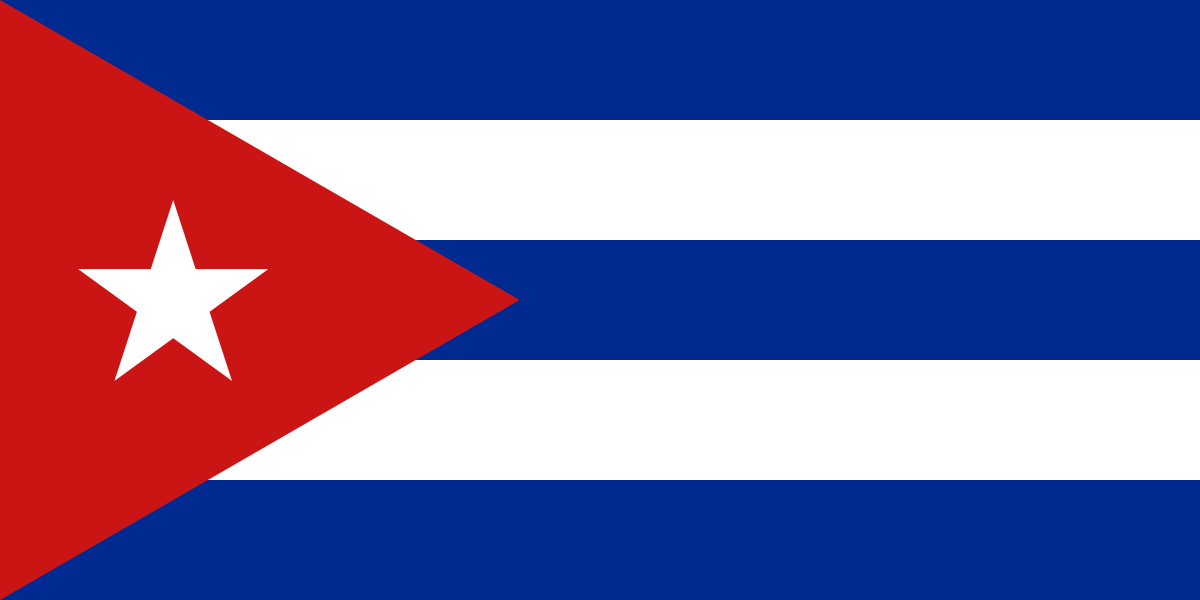 Cuba
Cuba
-
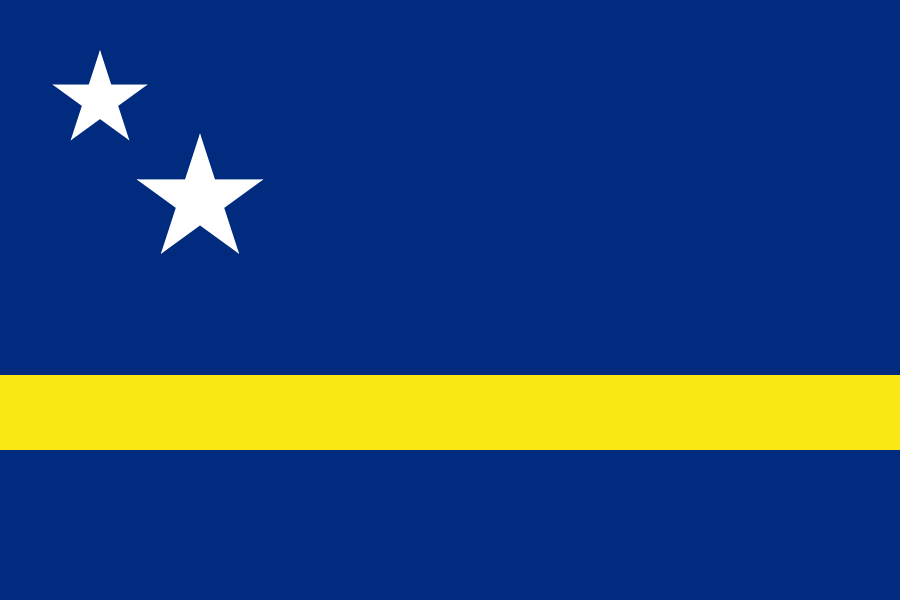 Curazao
-
 Dinamarca
-
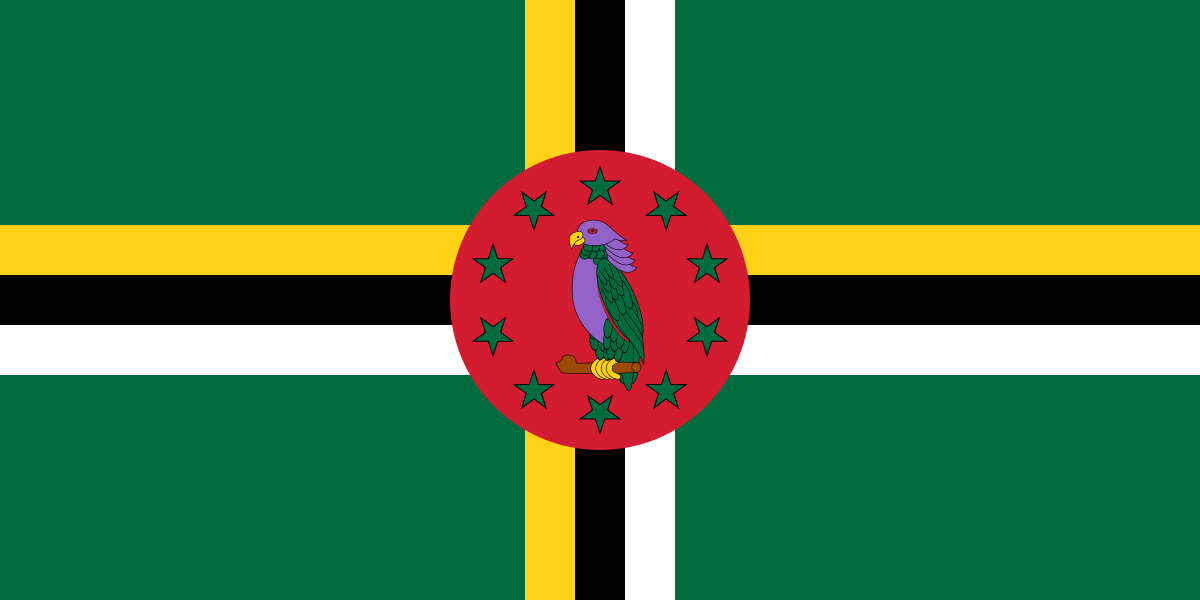 Dominica
-
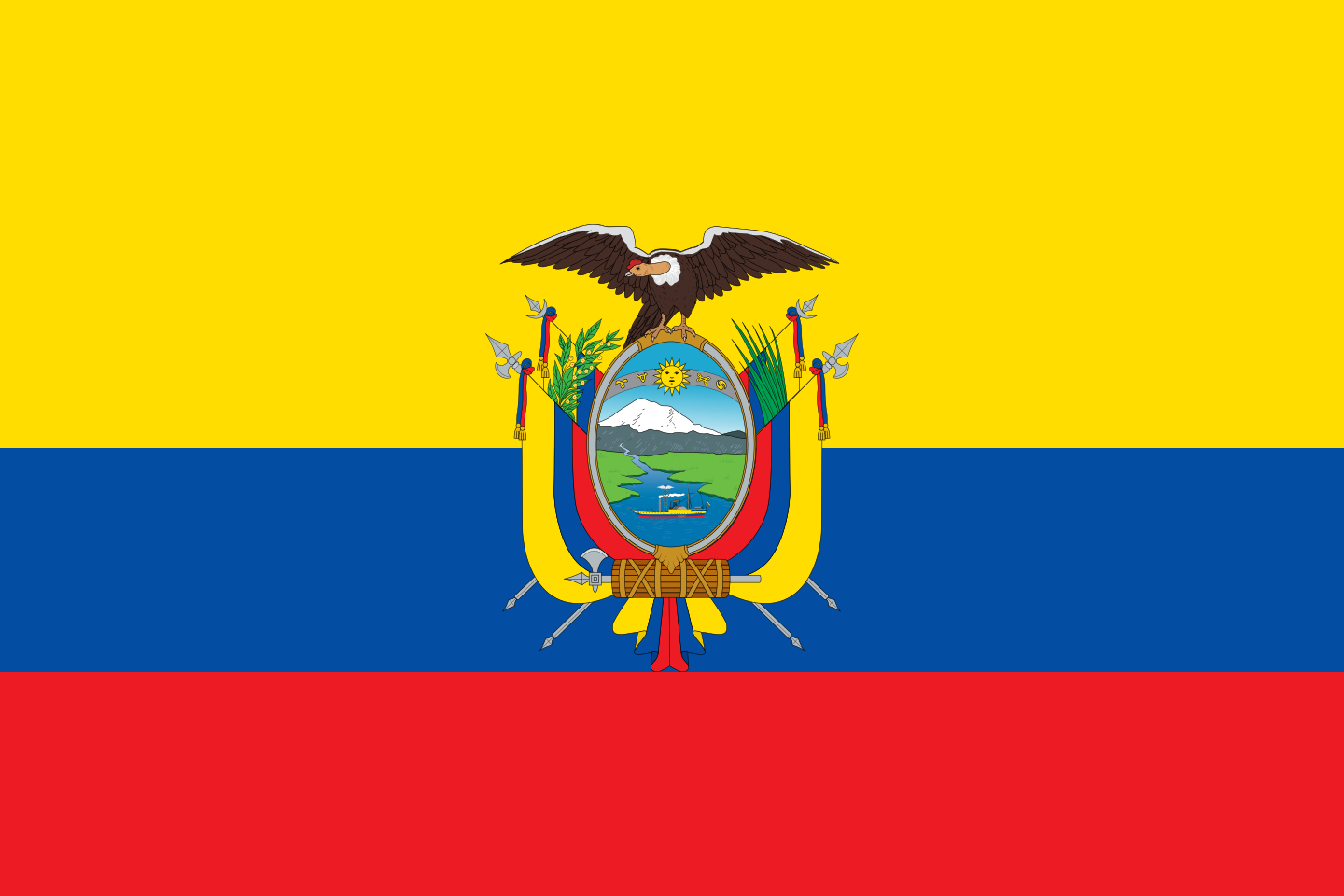 Ecuador
-
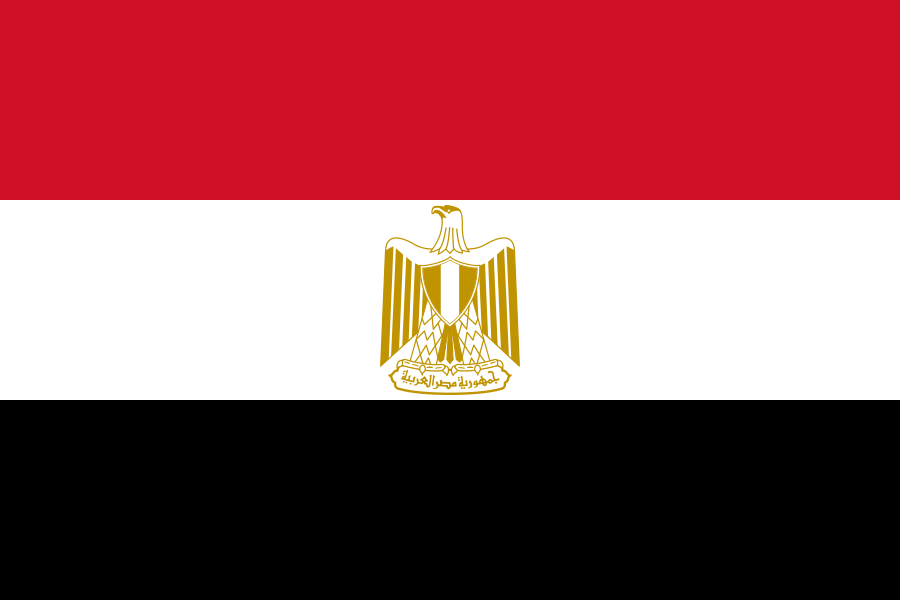 Egipto
-
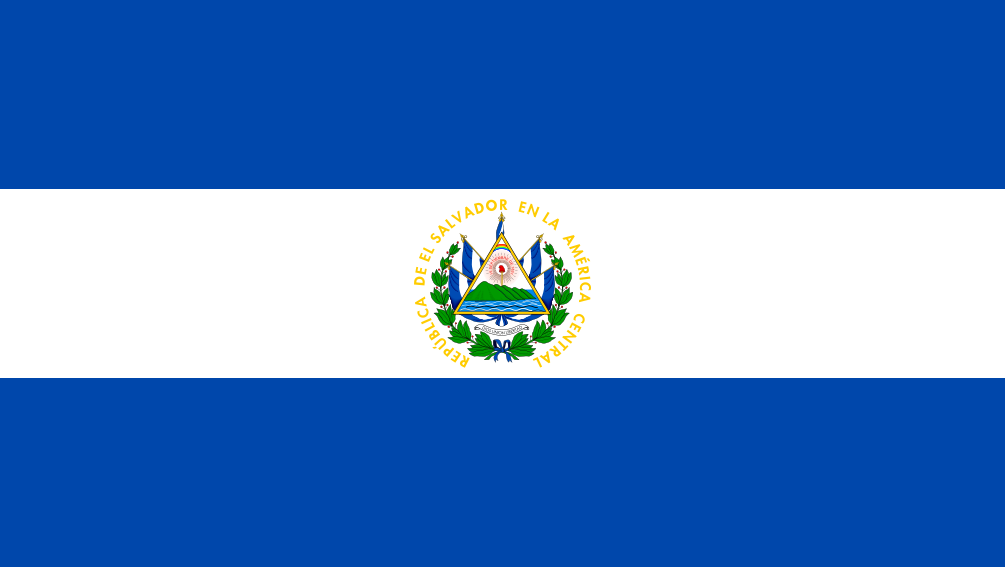 El Salvador
-
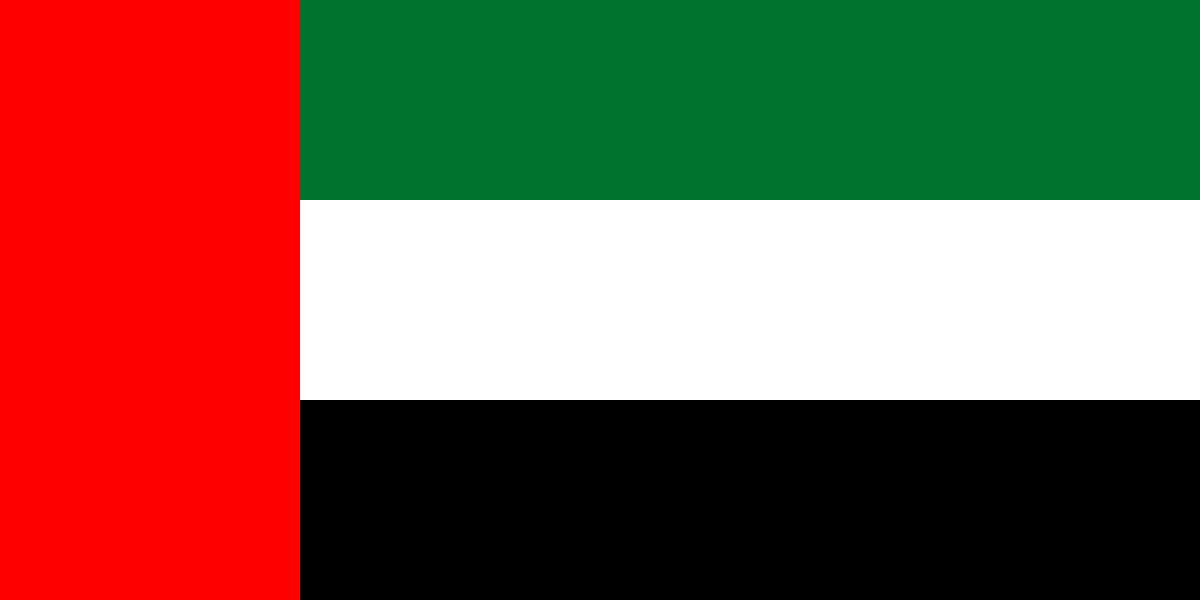 Emiratos Árabes Unidos
-
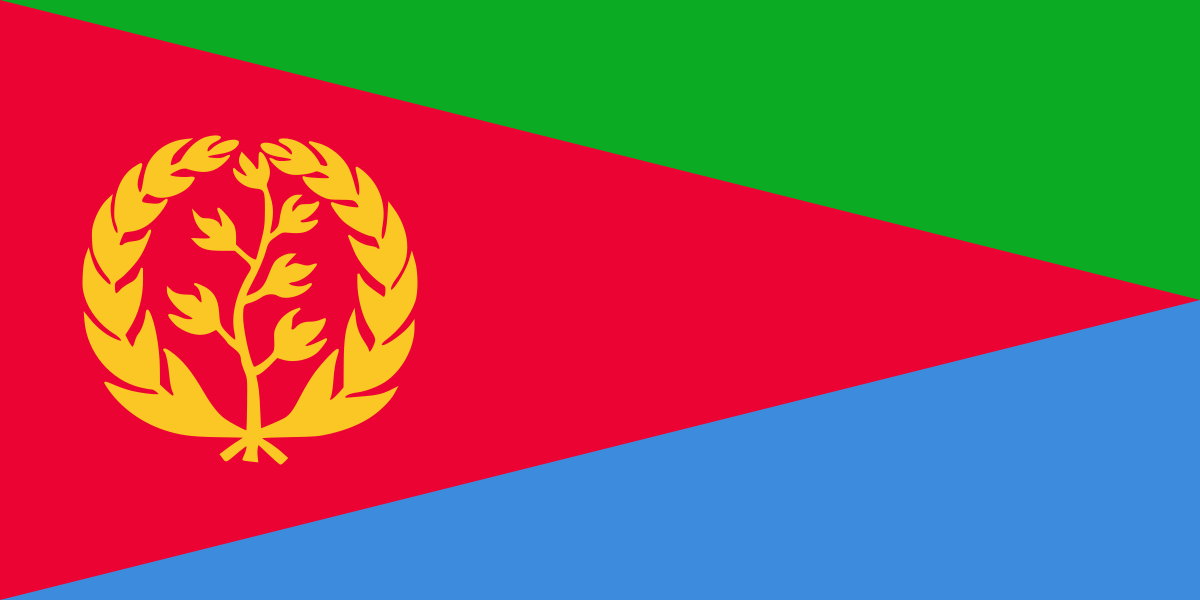 Eritrea
-
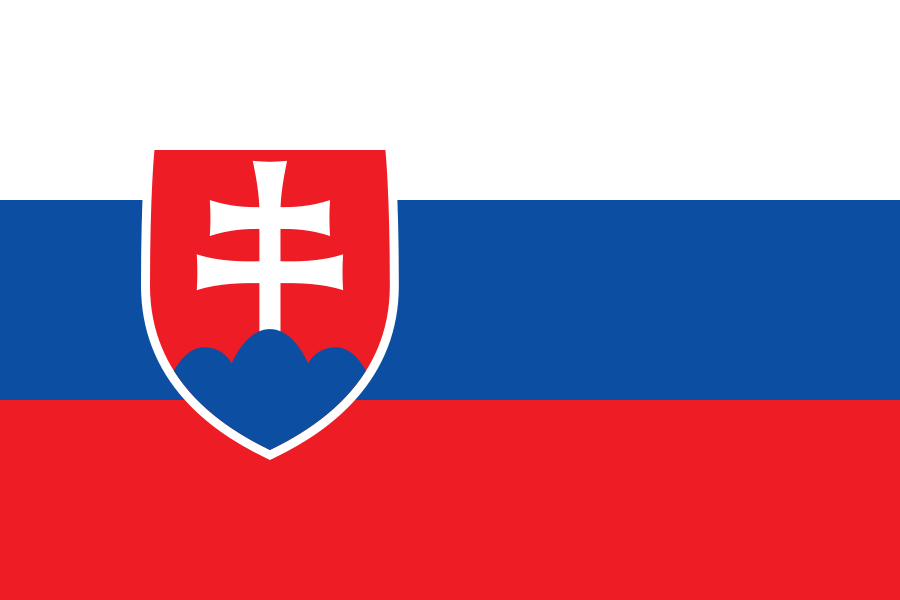 Eslovaquia
-
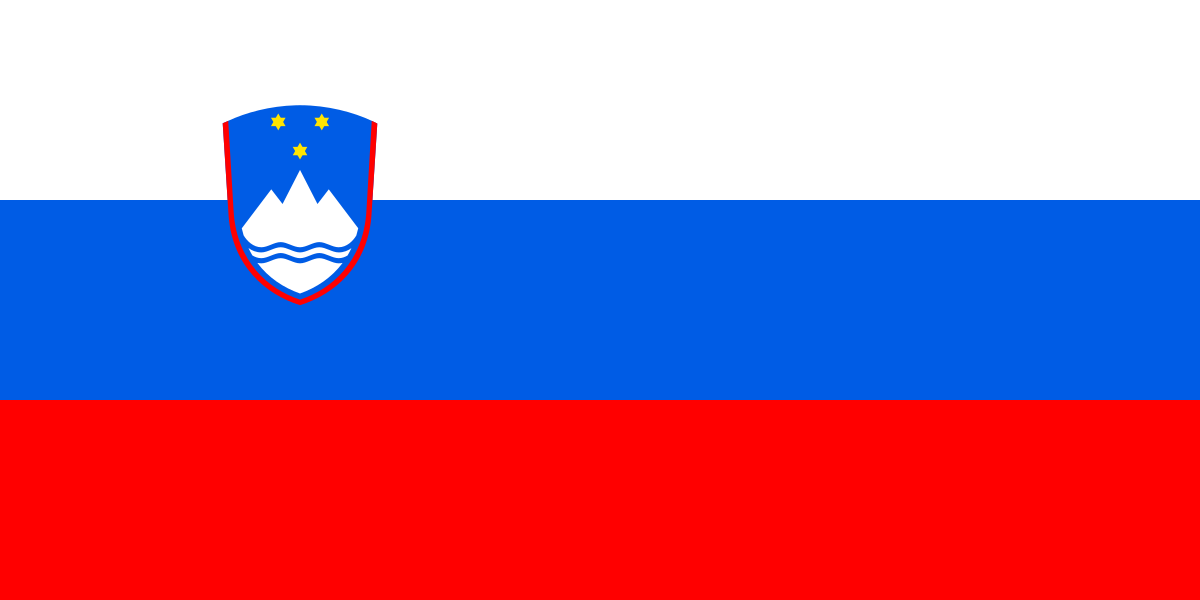 Eslovenia
-
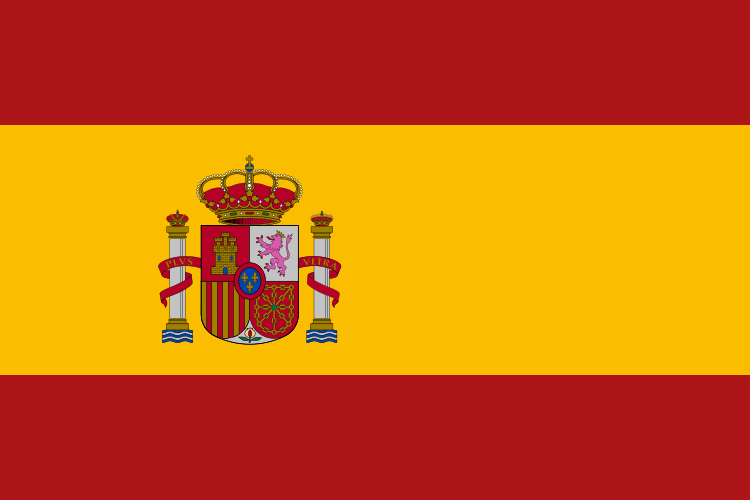 España
-
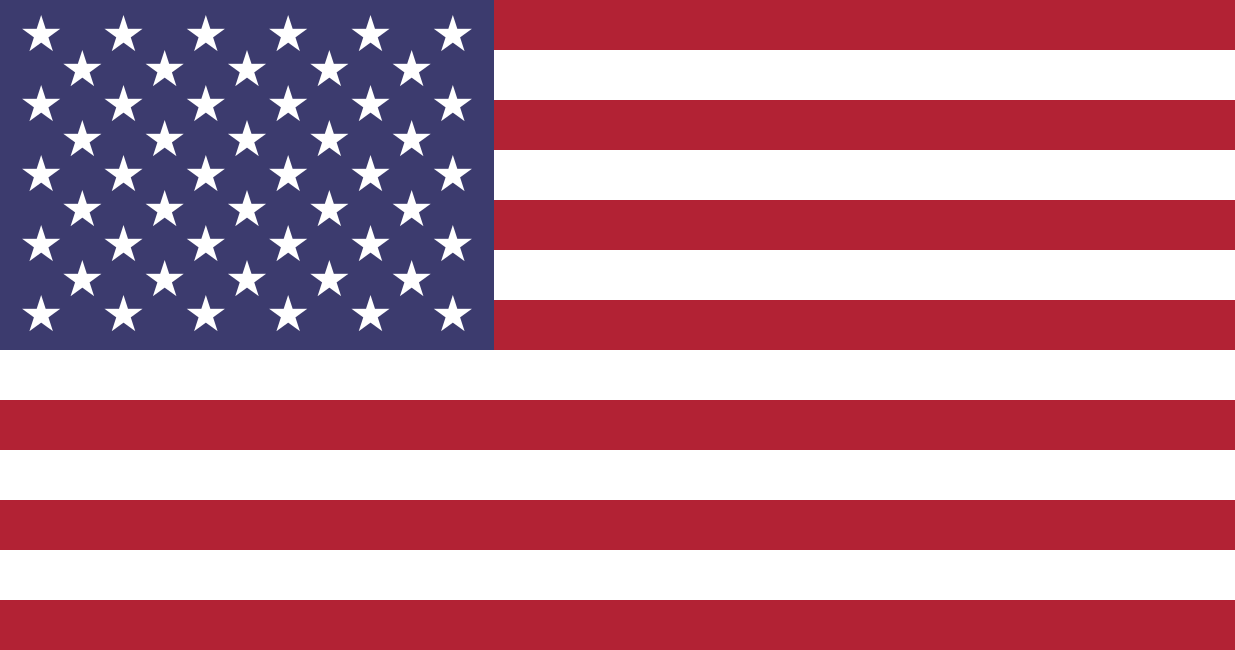 Estados Unidos
-
 Estonia
-
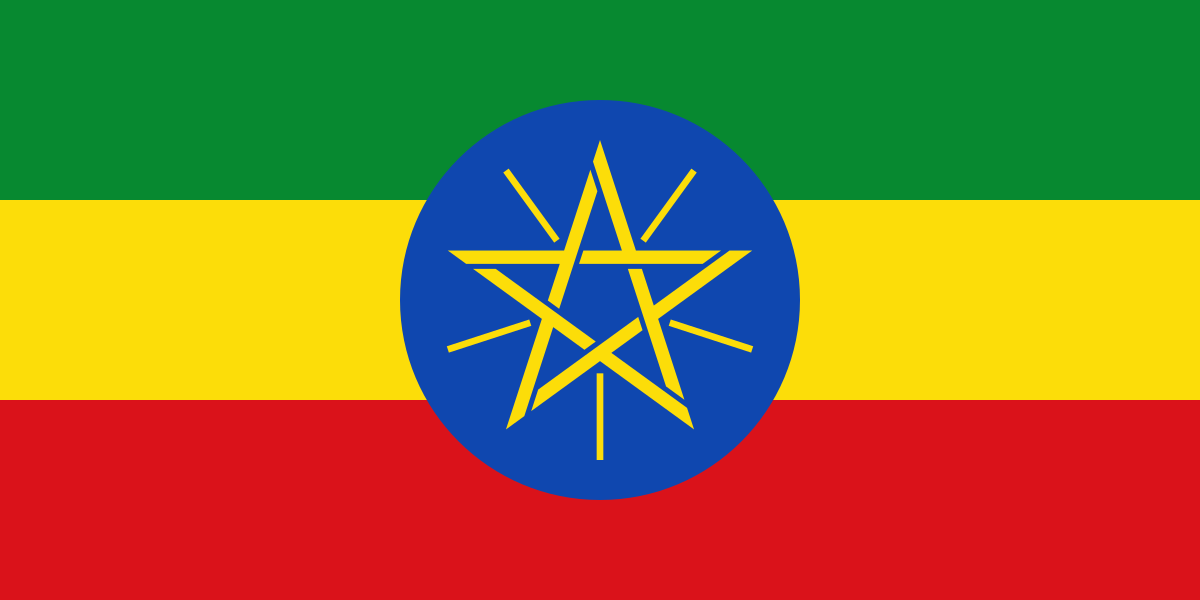 Etiopía
-
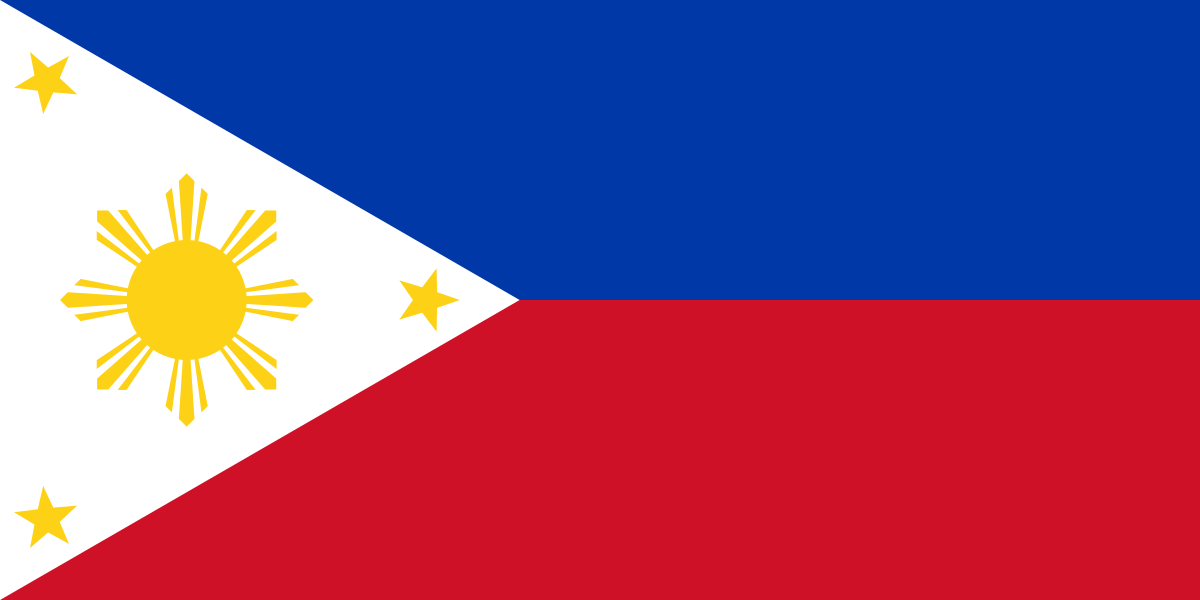 Filipinas
-
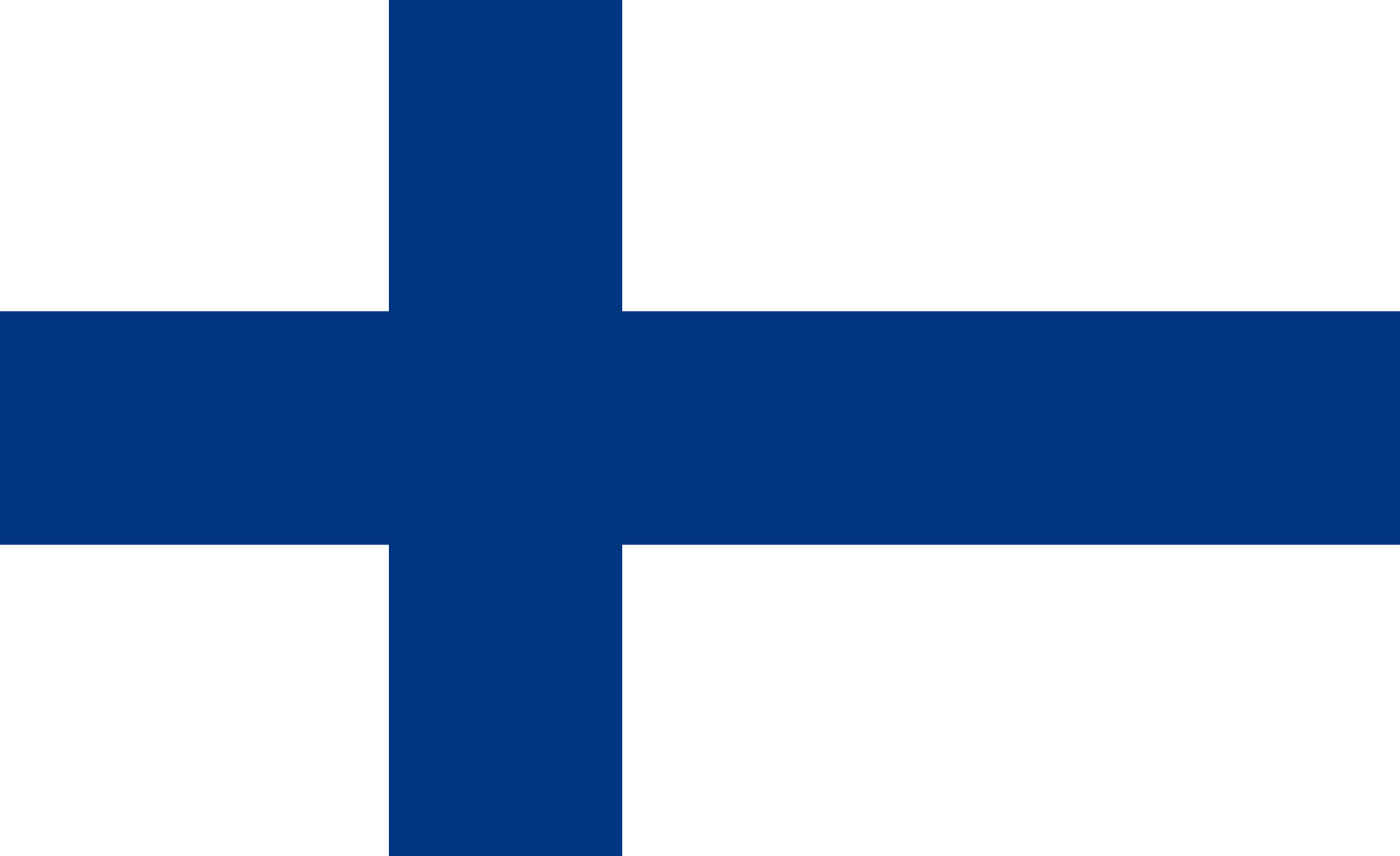 Finlandia
-
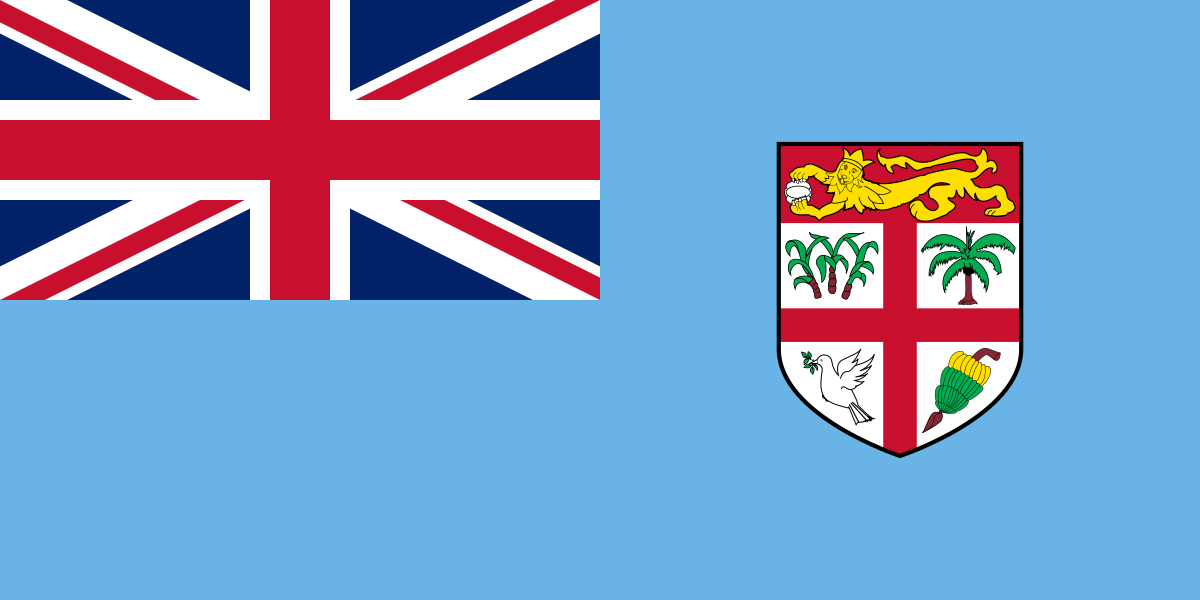 Fiyi
Fiyi
-
 Francia
-
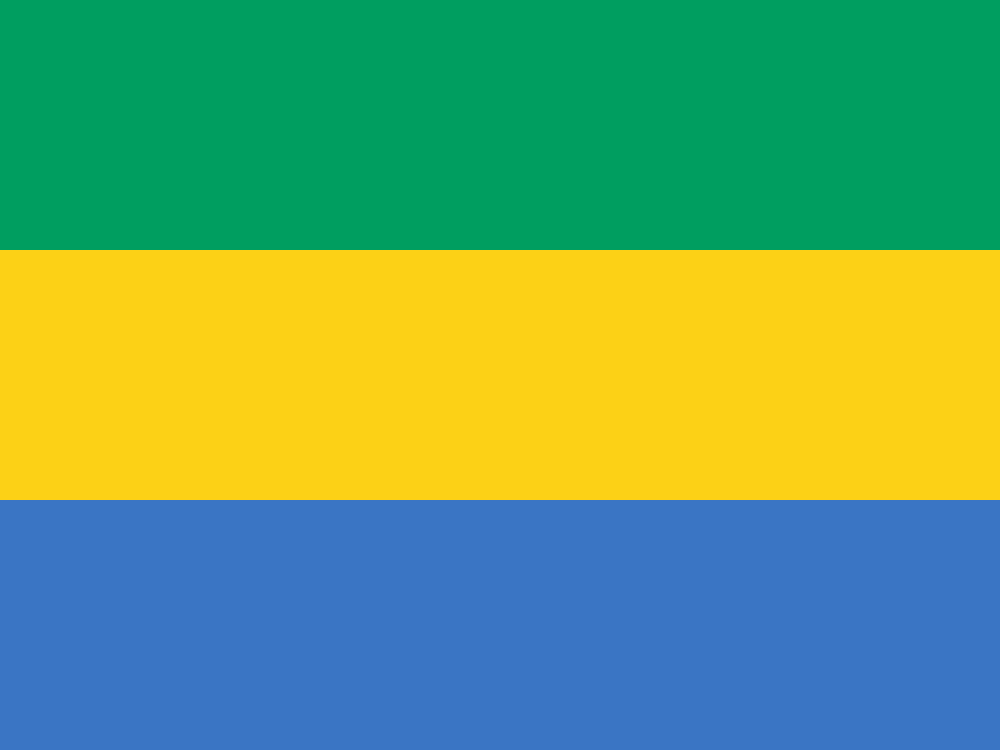 Gabón
Gabón
-
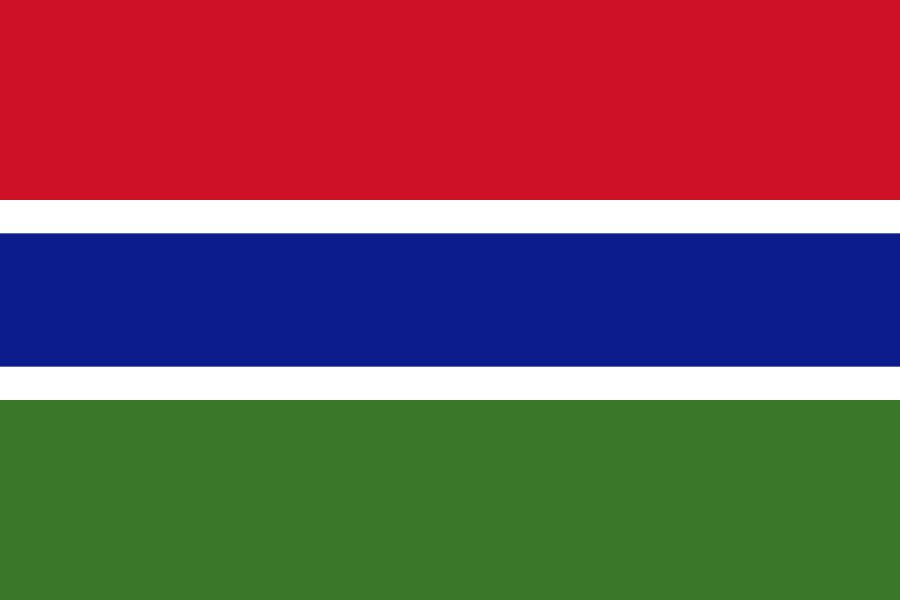 Gambia
-
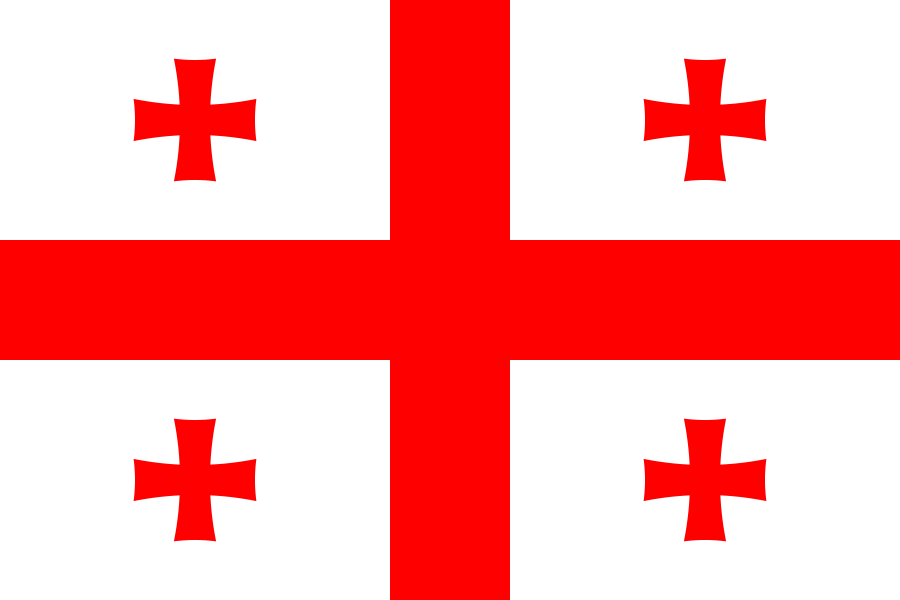 Georgia
-
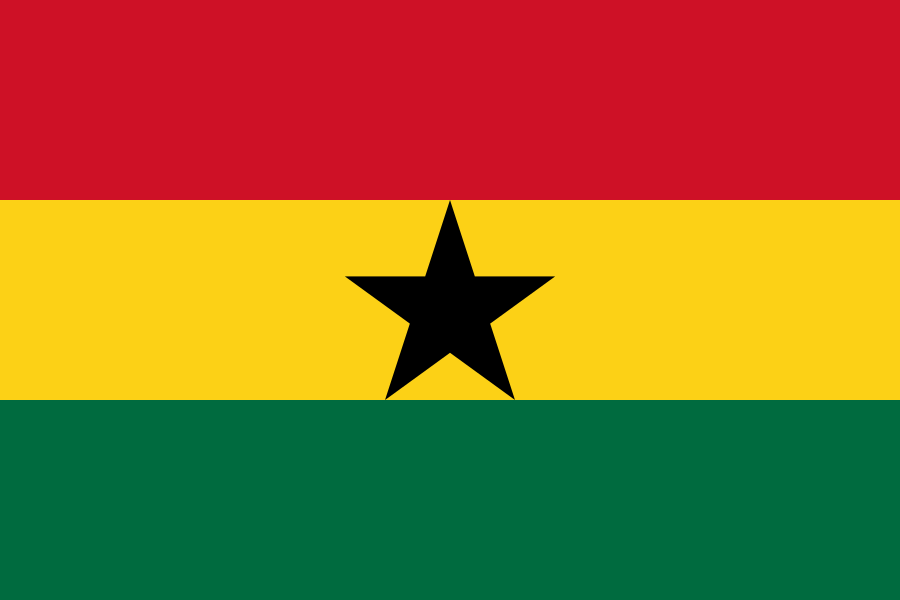 Ghana
Ghana
-
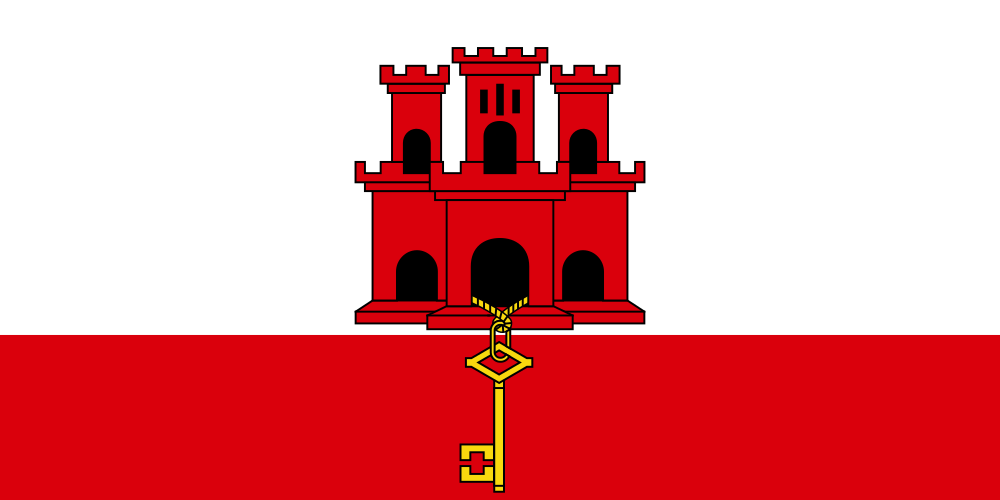 Gibraltar
-
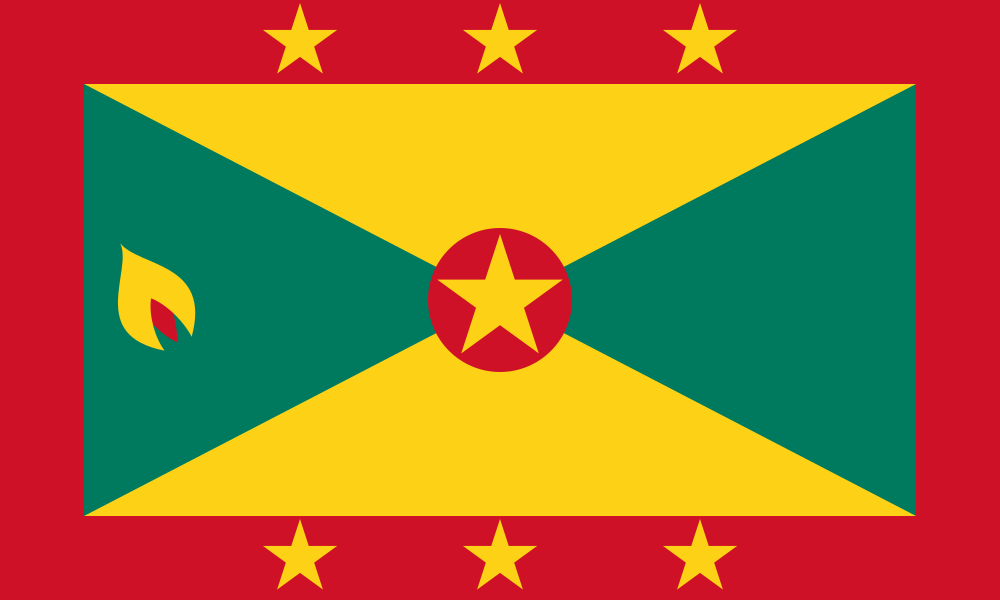 Granada
-
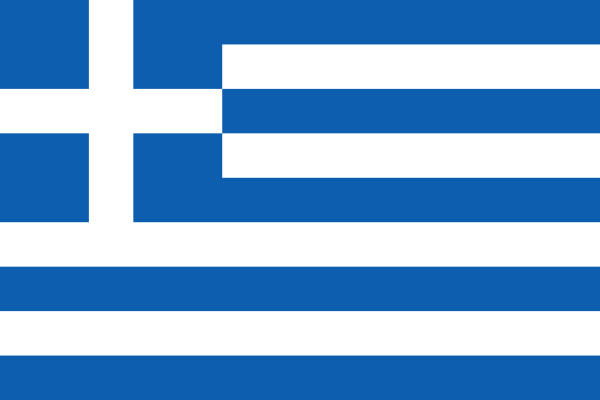 Grecia
-
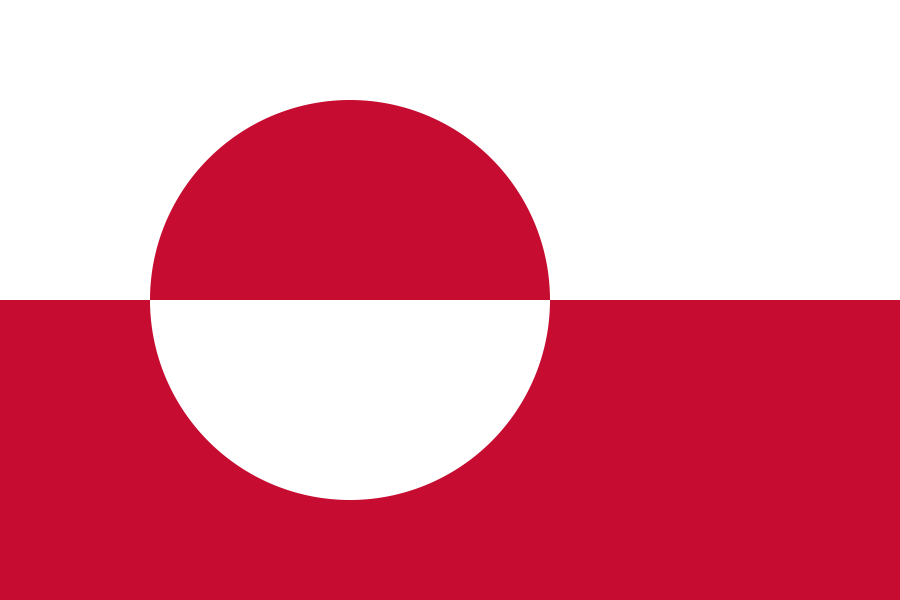 Groenlandia
-
Guadalupe
-
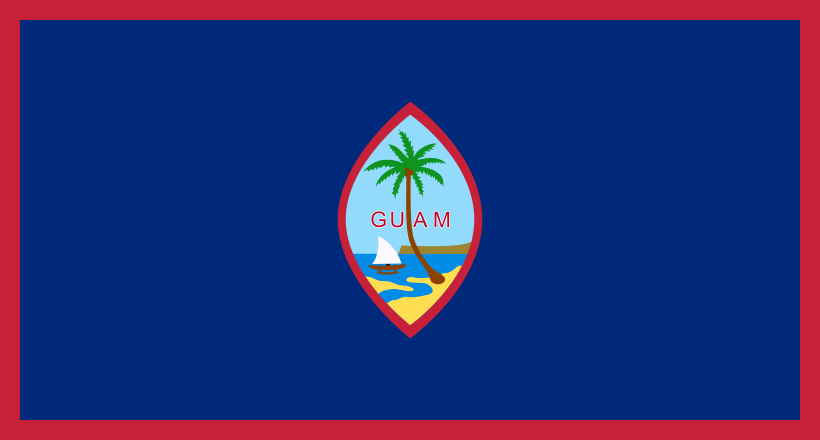 Guam
Guam
-
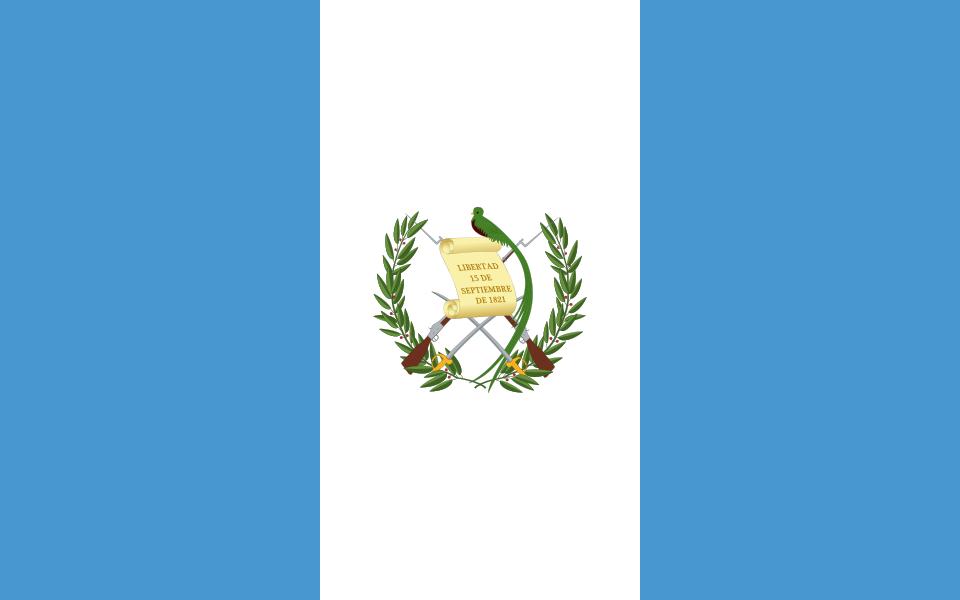 Guatemala
-
Guayana Francesa
-
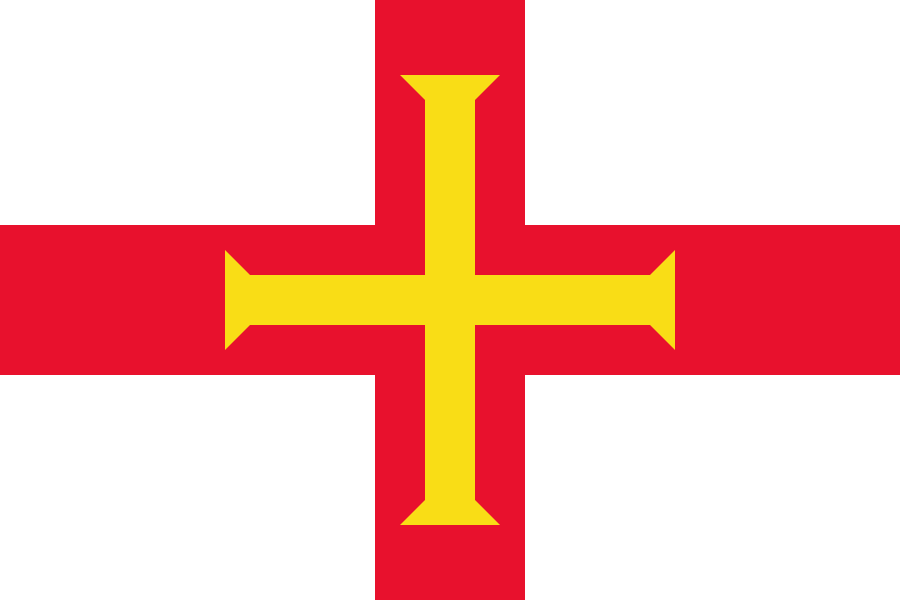 Guernsey
-
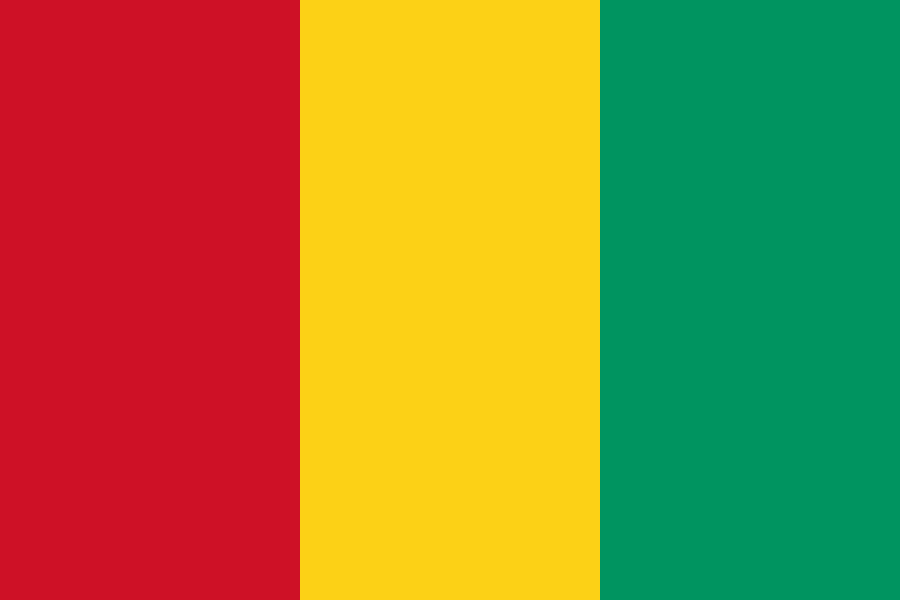 Guinea
-
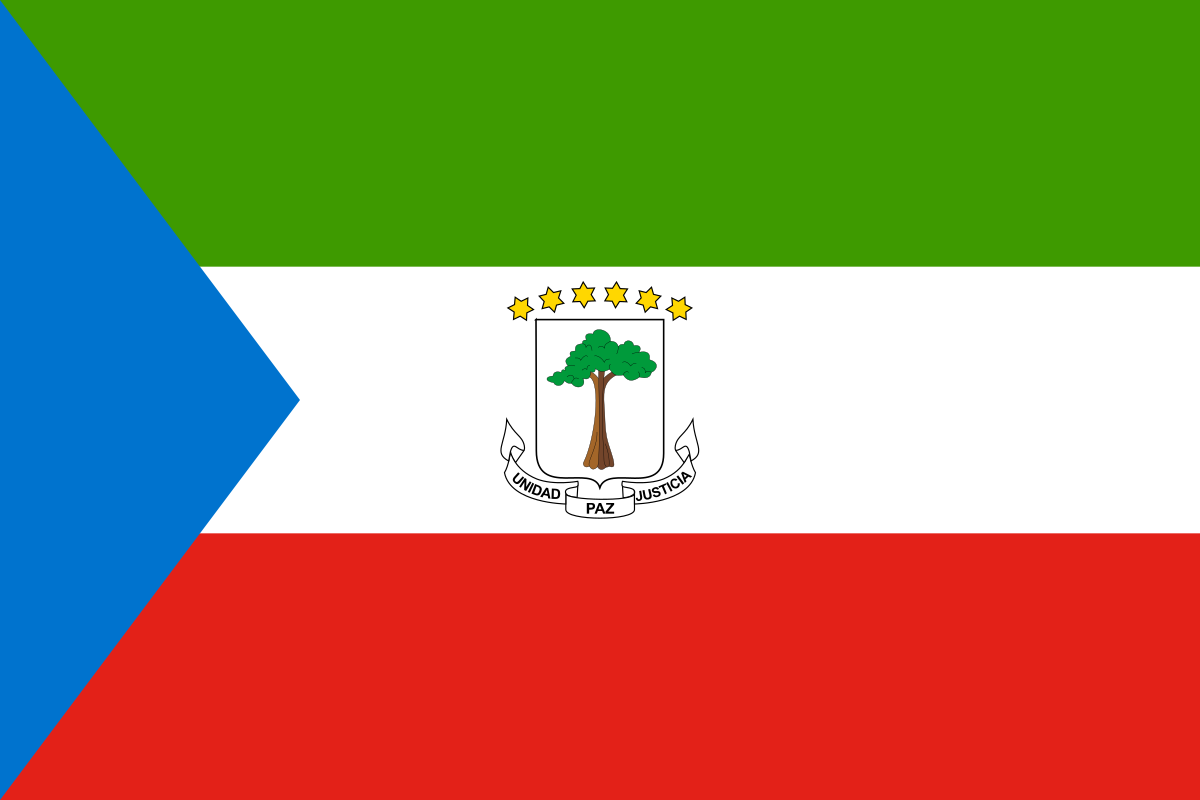 Guinea Ecuatorial
-
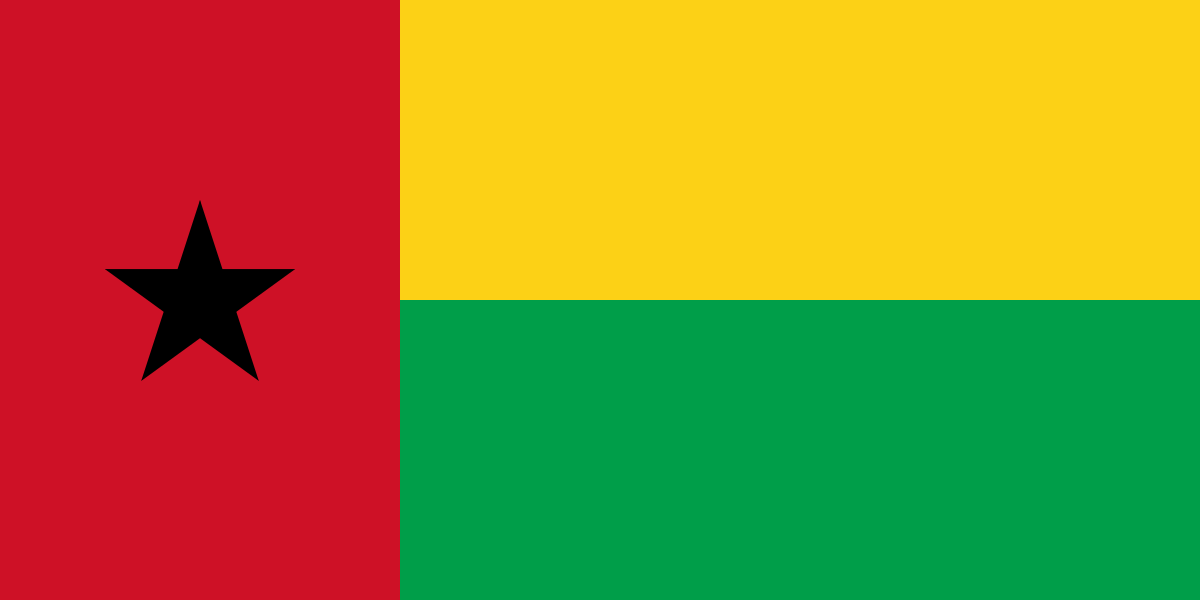 Guinea-Bisáu
-
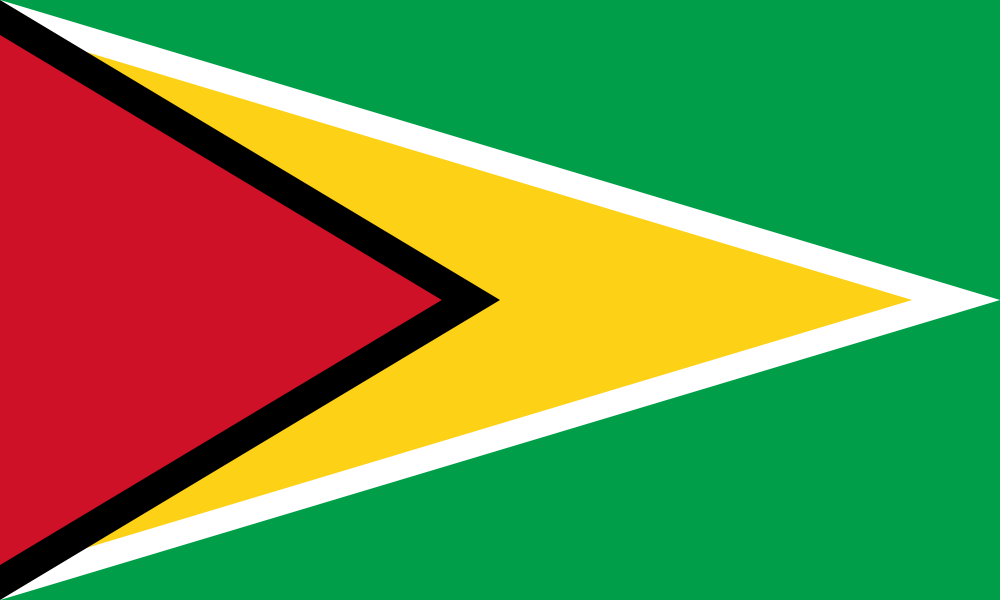 Guyana
-
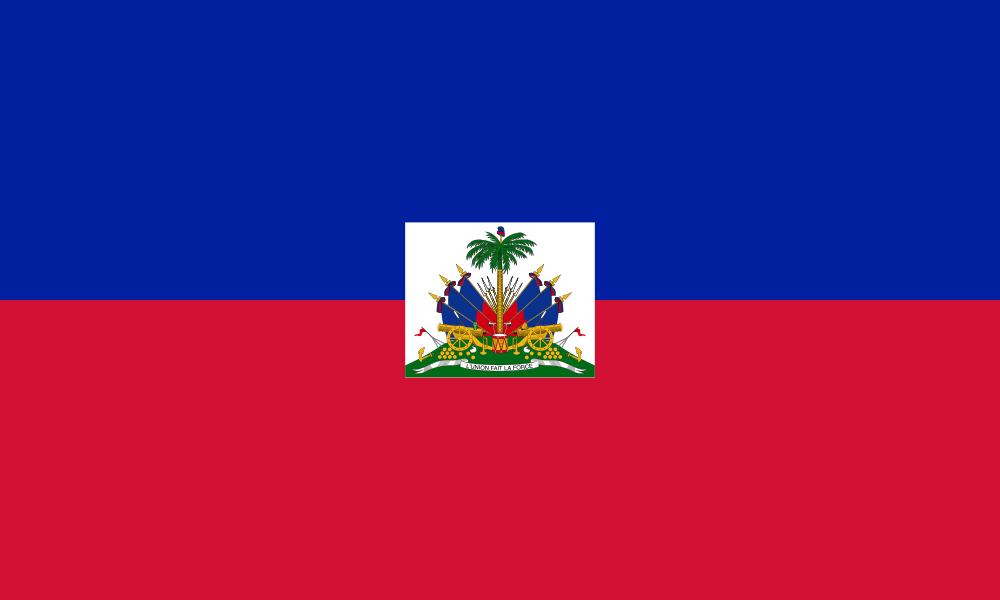 Haití
Haití
-
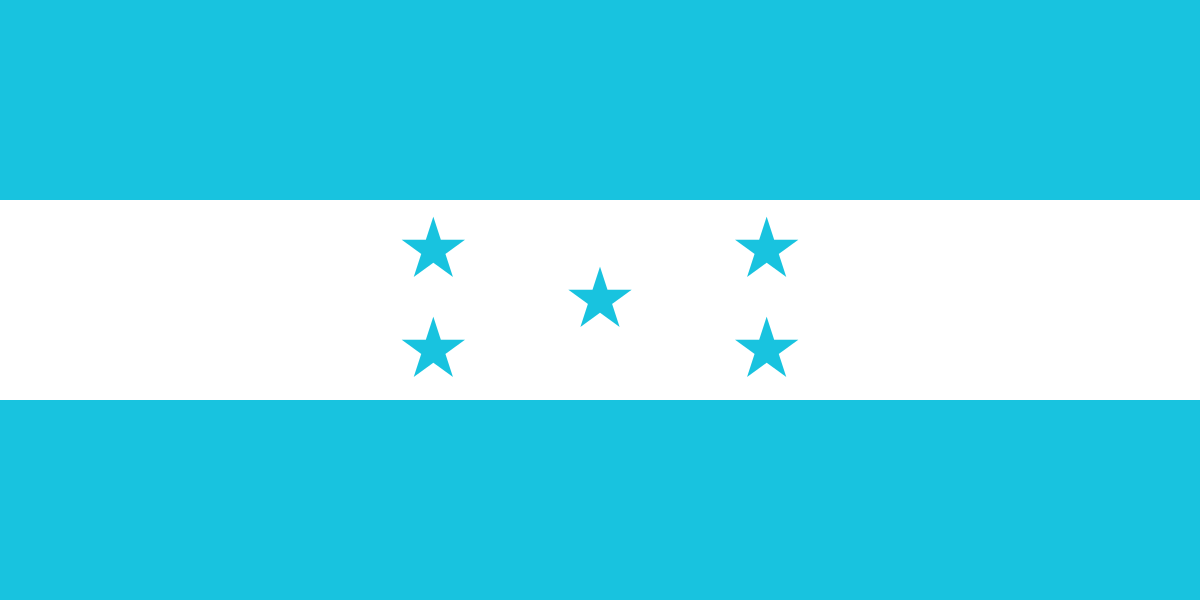 Honduras
-
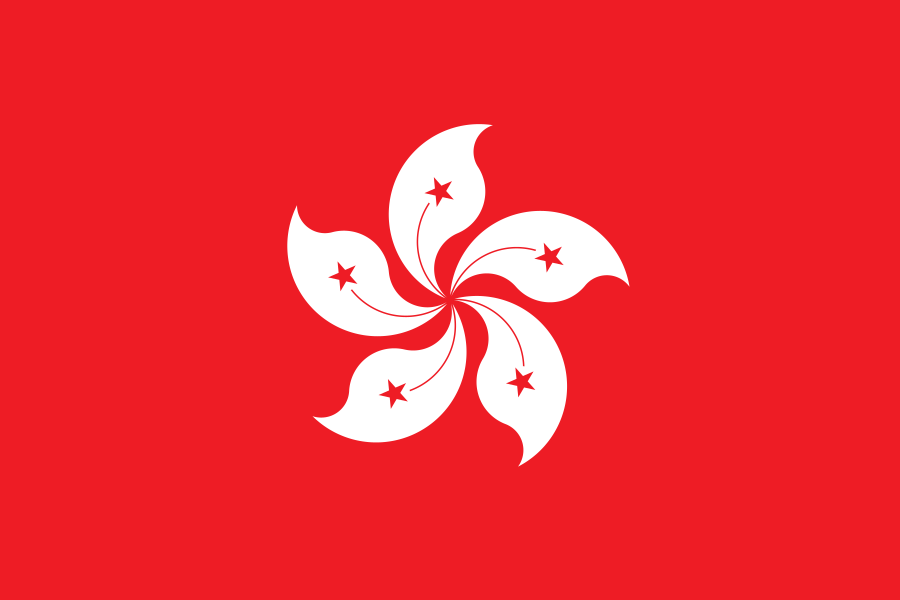 Hong Kong
-
 Hungría
-
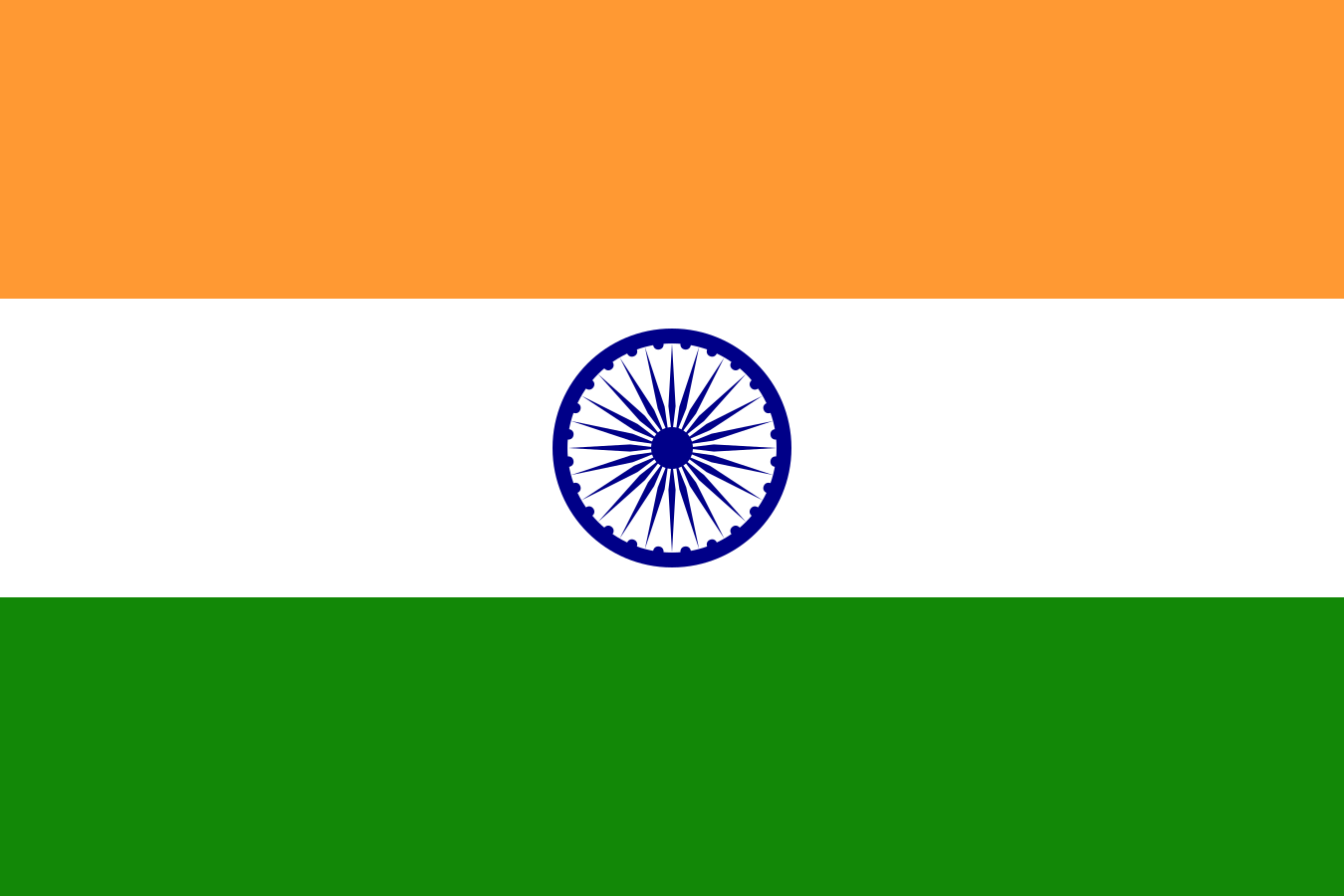 India
India
-
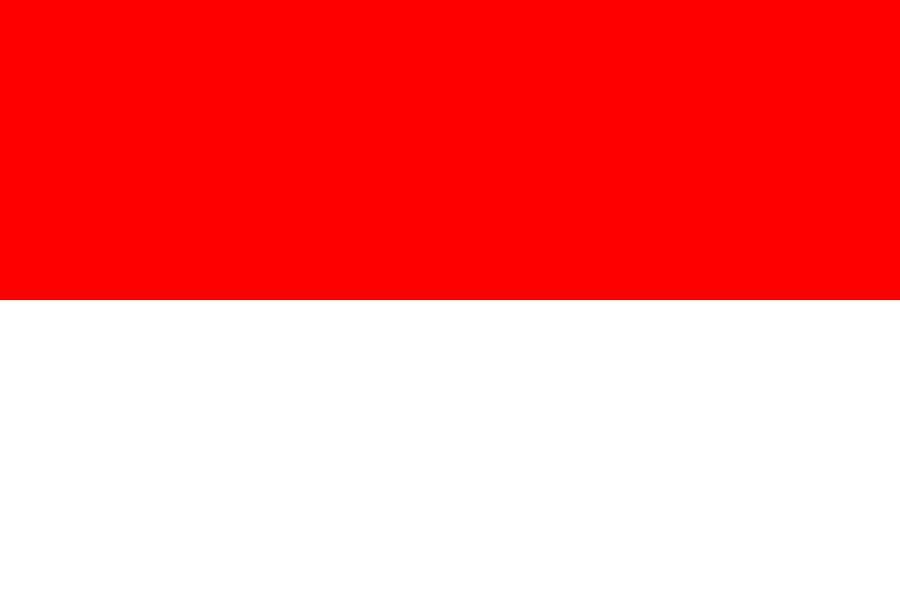 Indonesia
-
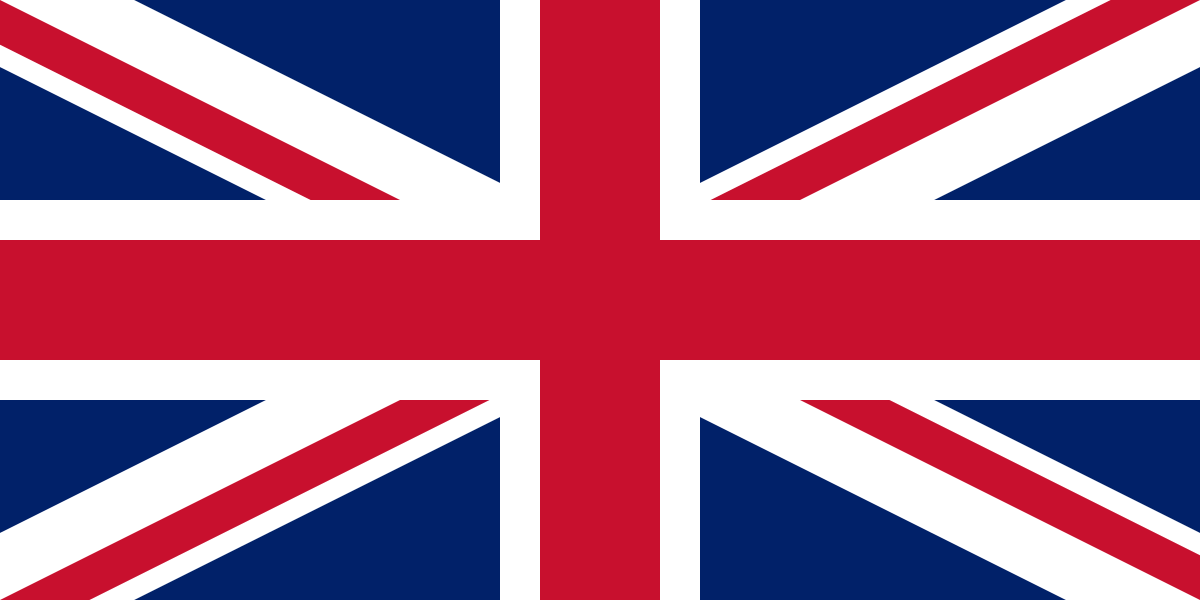 Inglaterra
-
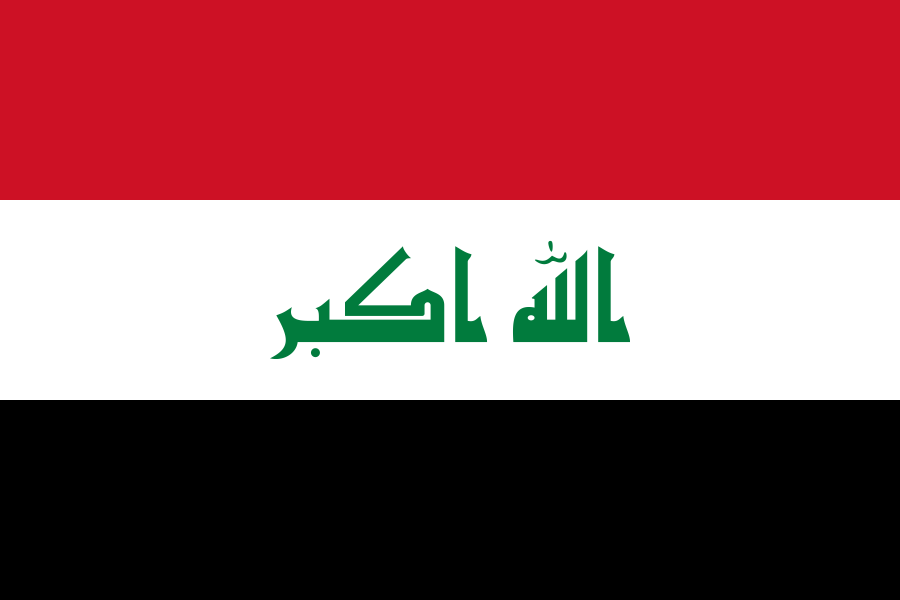 Irak
Irak
-
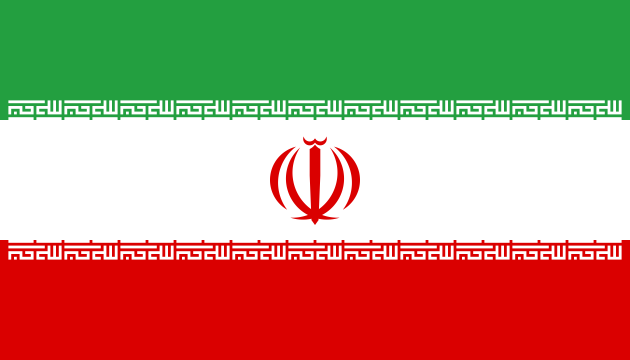 Irán
Irán
-
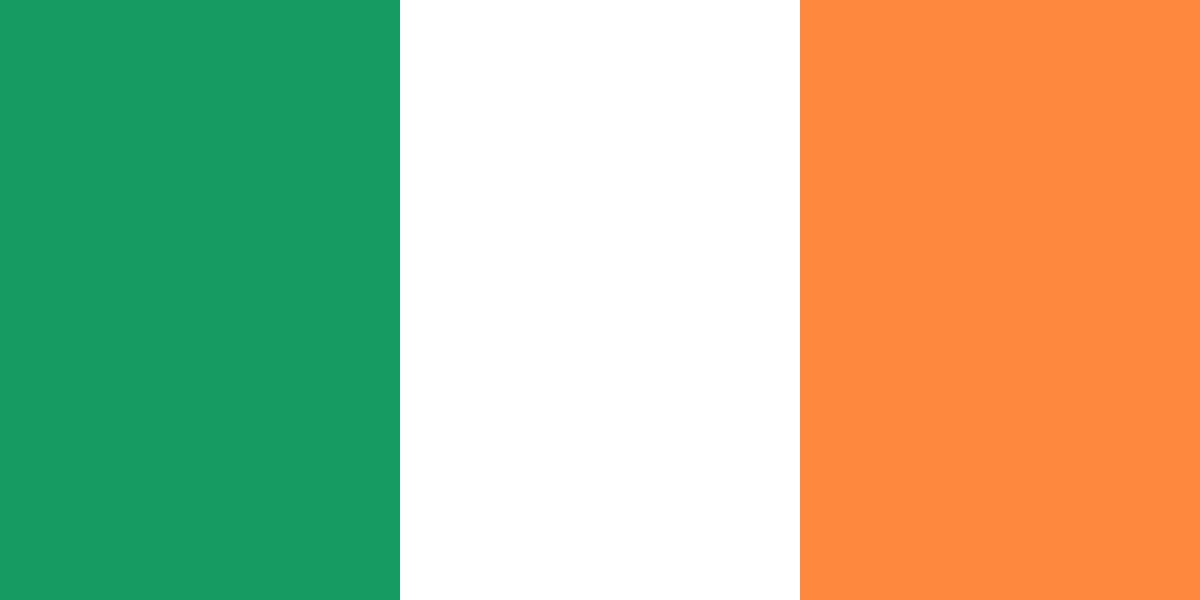 Irlanda
-
 Isla Bouvet
-
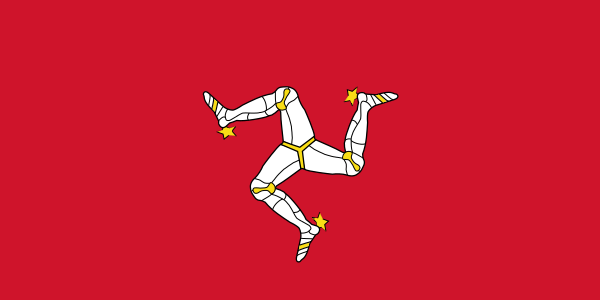 Isla de Man
-
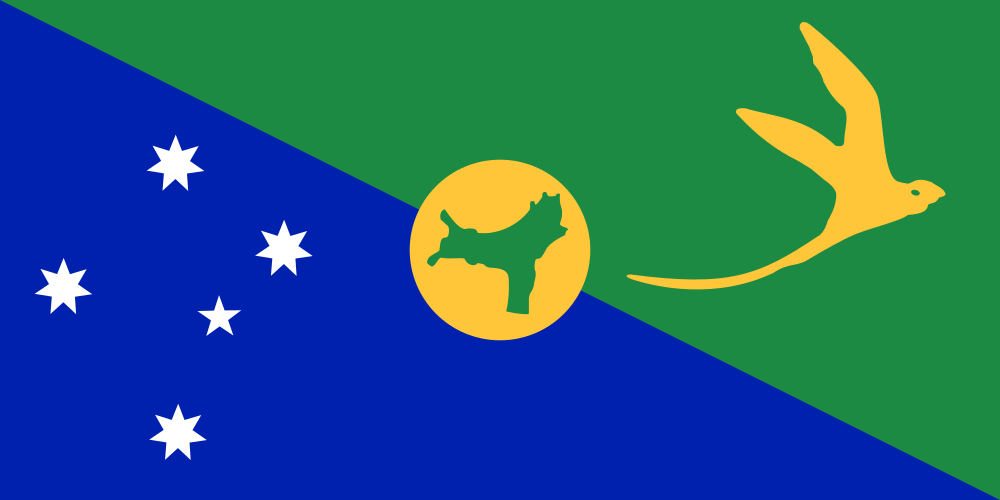 Isla de Navidad
-
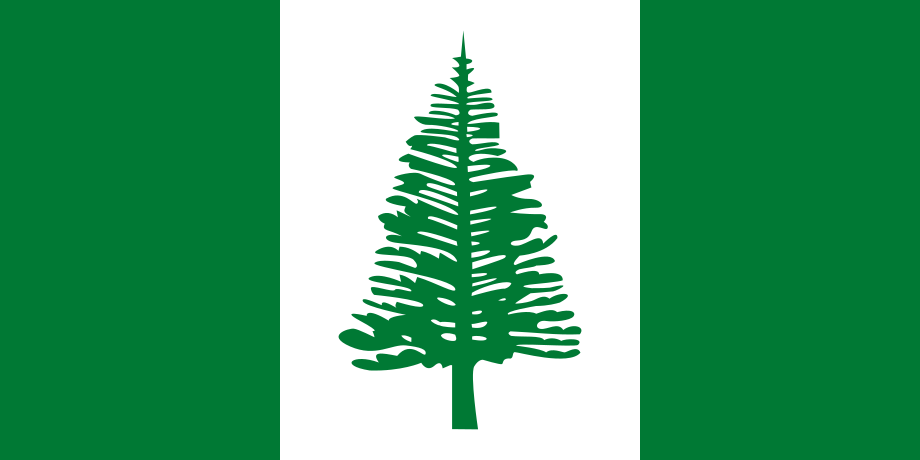 Isla Norfolk
-
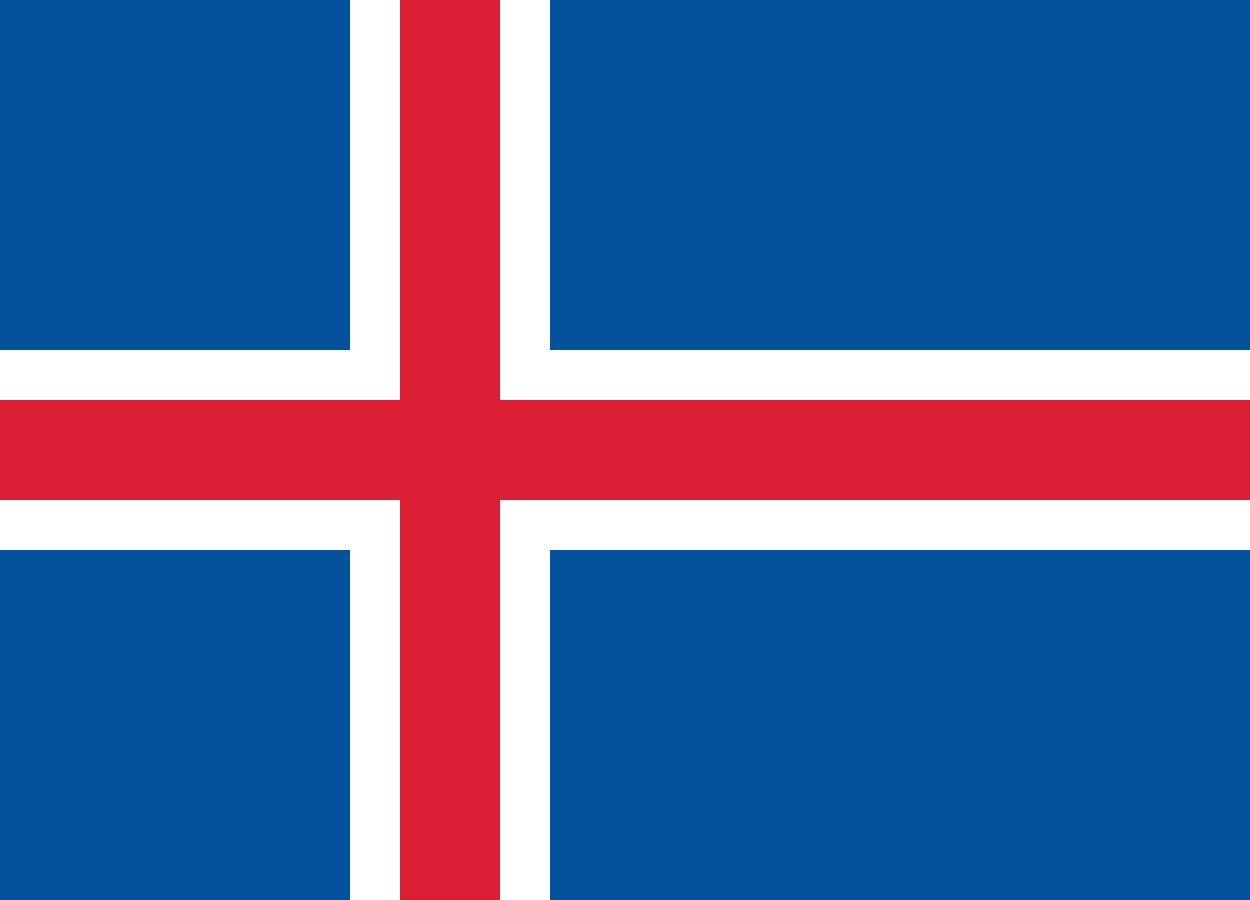 Islandia
-
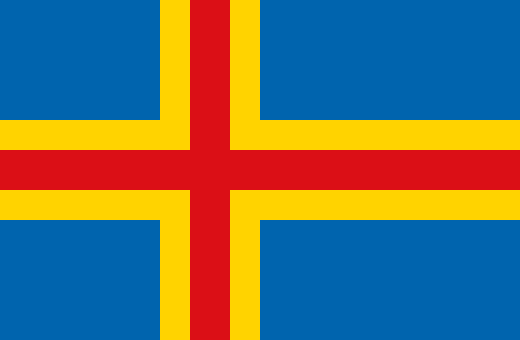 Islas Åland
-
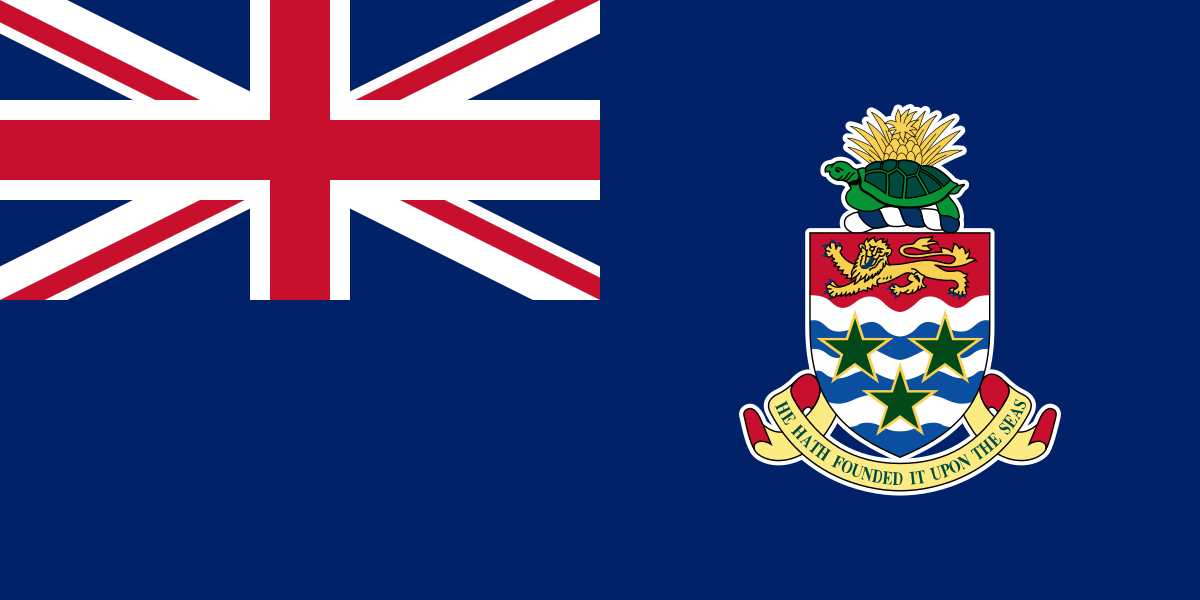 Islas Caimán
-
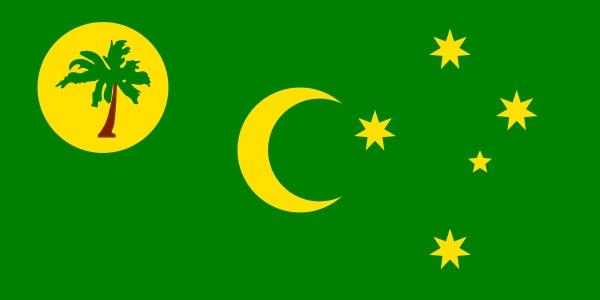 Islas Cocos
-
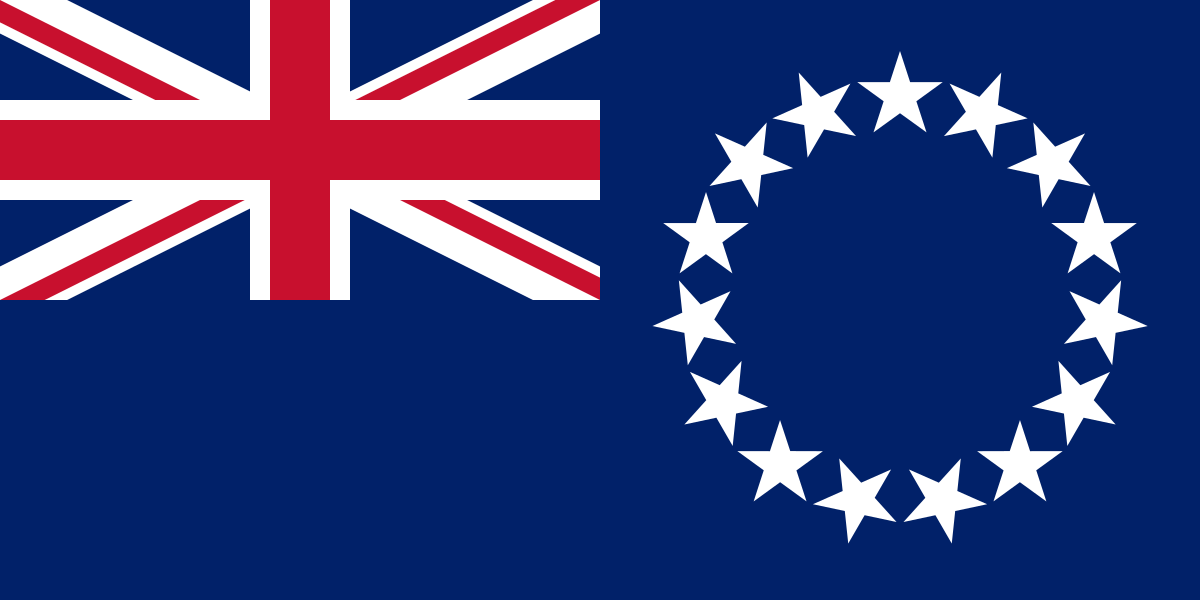 Islas Cook
-
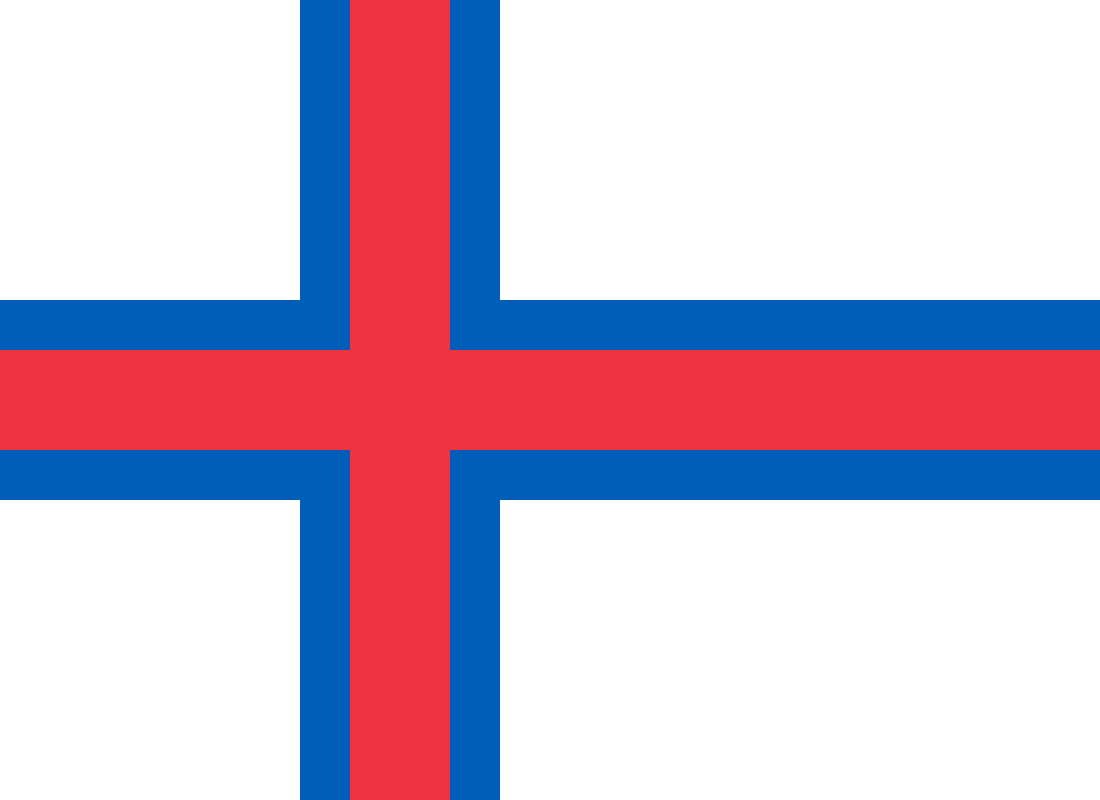 Islas Feroe
-
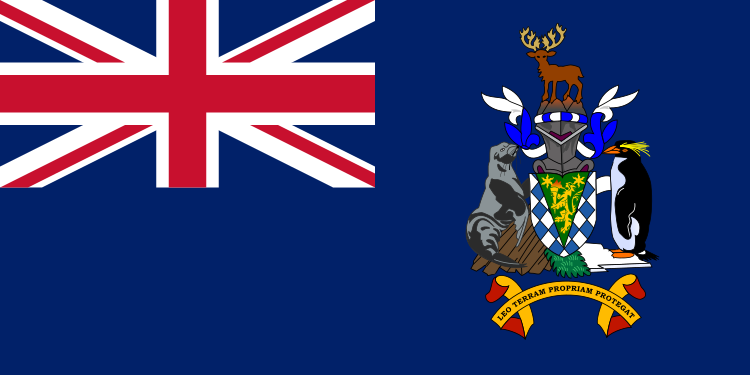 Islas Georgias del Sur y Sandwich del Sur
-
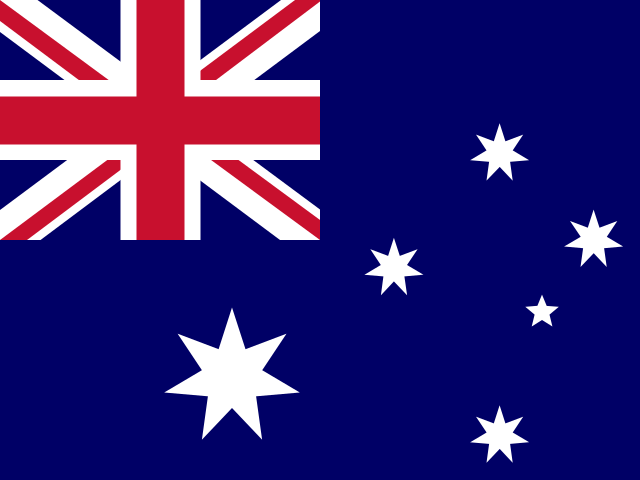 Islas Heard y McDonald
-
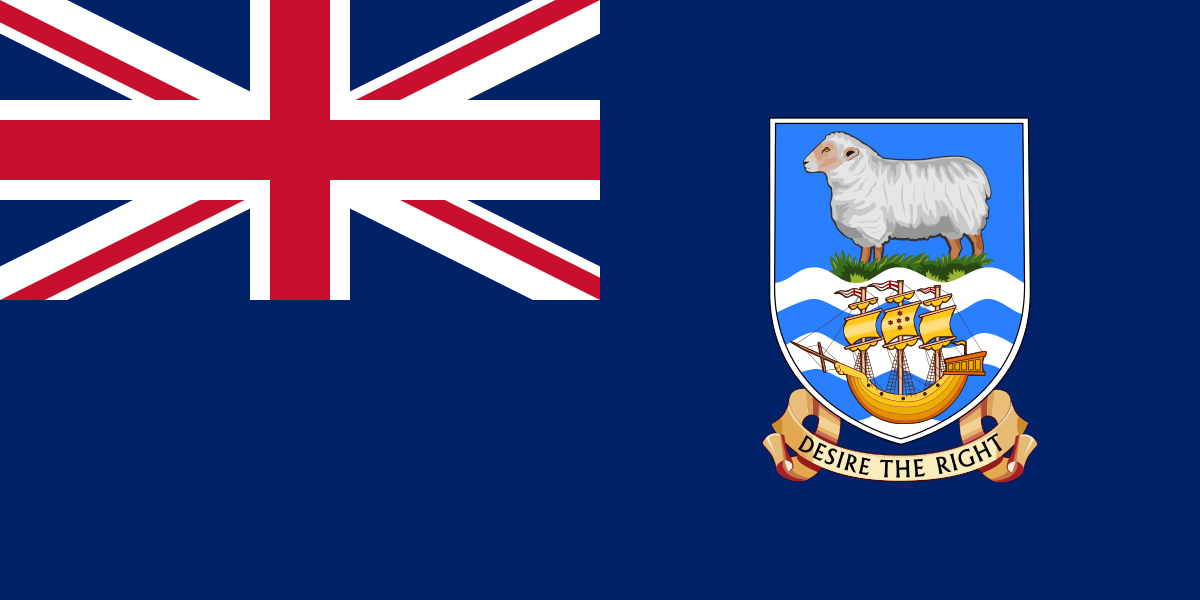 Islas Malvinas
-
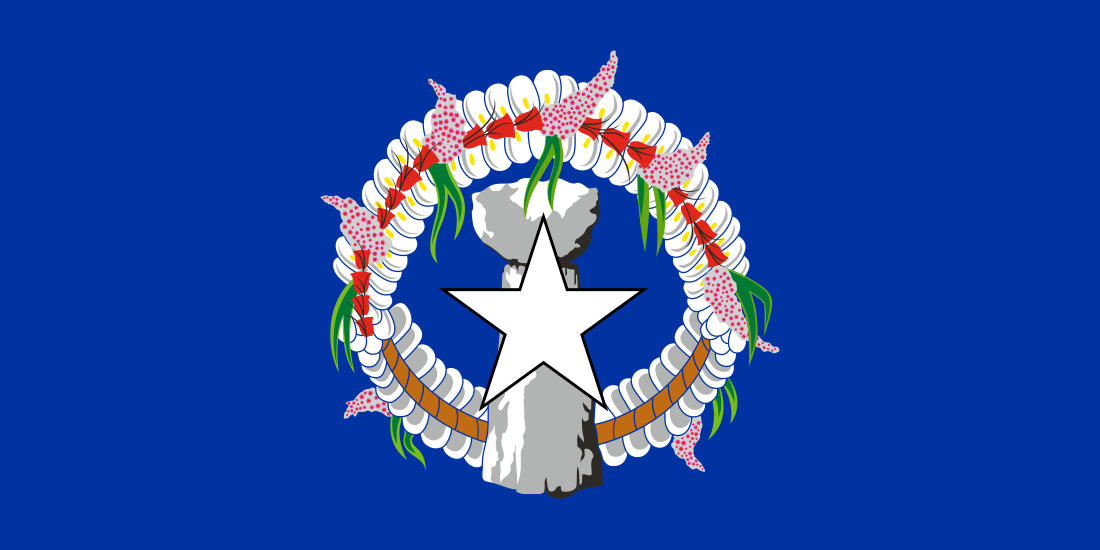 Islas Marianas del Norte
-
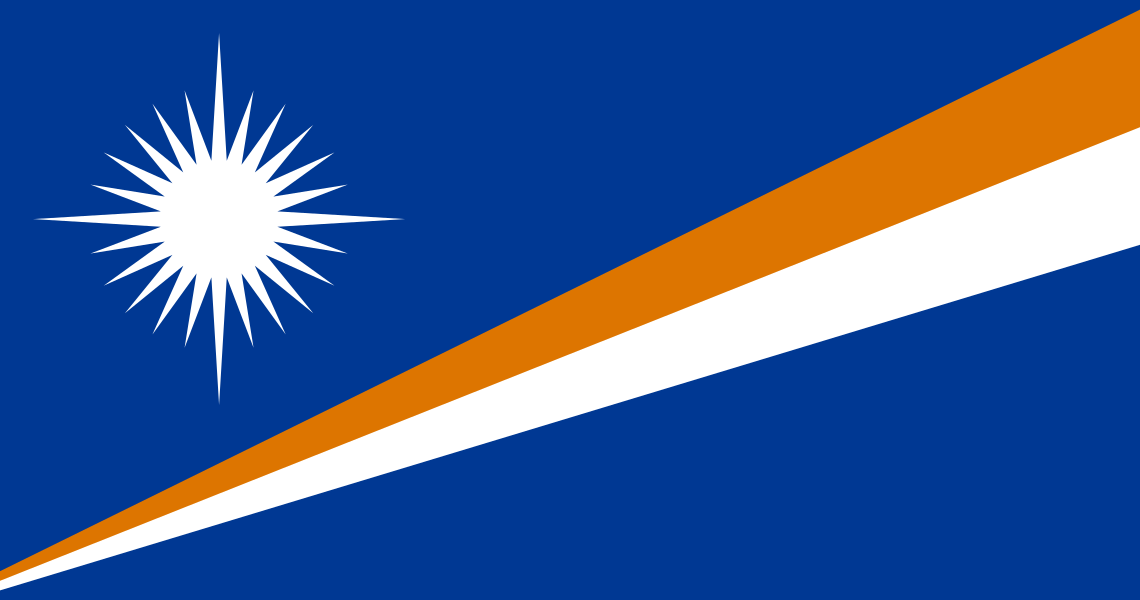 Islas Marshall
-
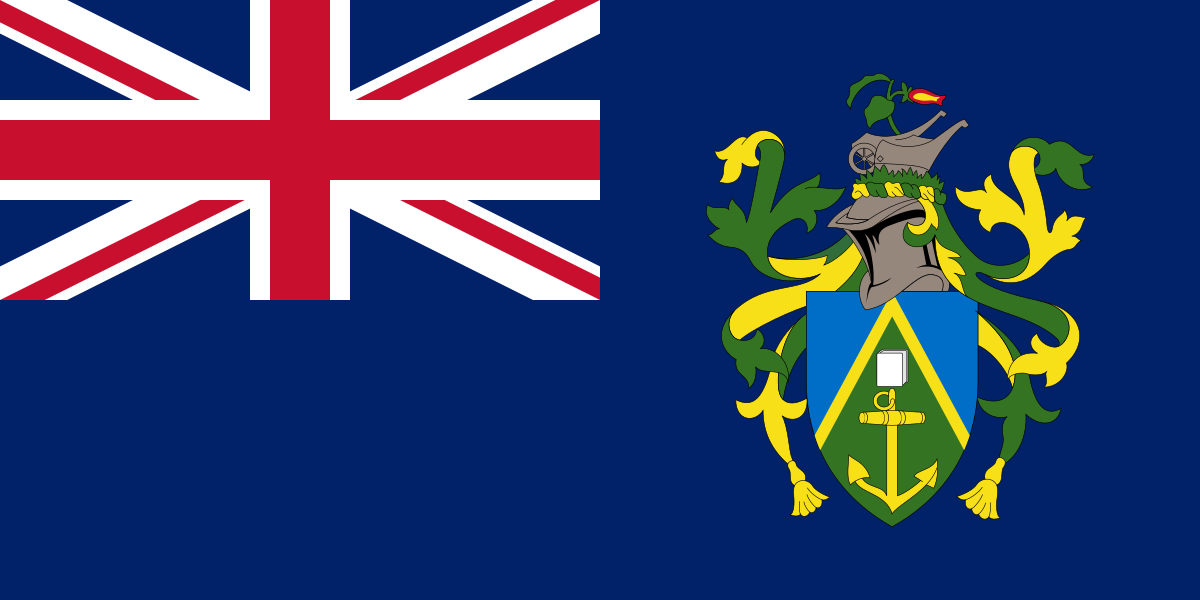 Islas Pitcairn
-
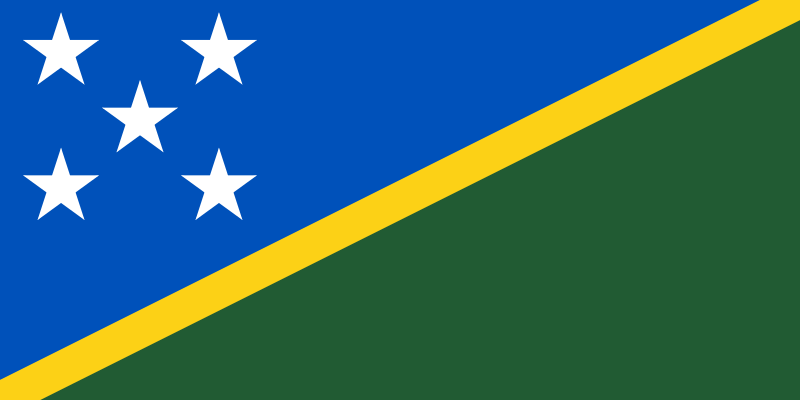 Islas Salomón
-
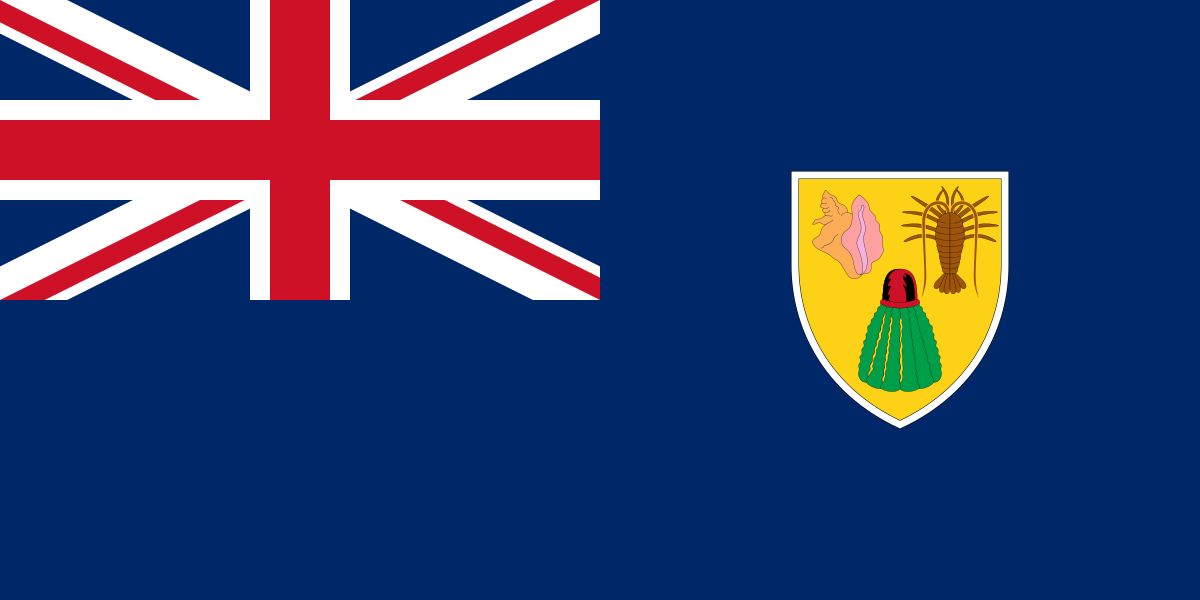 Islas Turcas y Caicos
-
Islas Ultramarinas Menores de los Estados Unidos
-
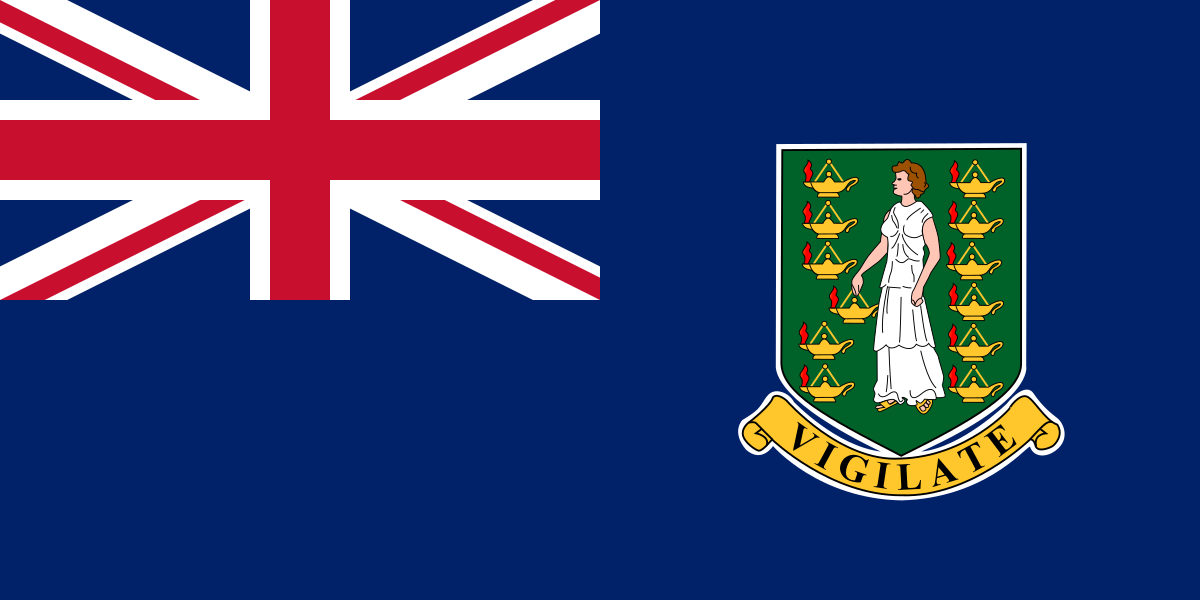 Islas Vírgenes Británicas
-
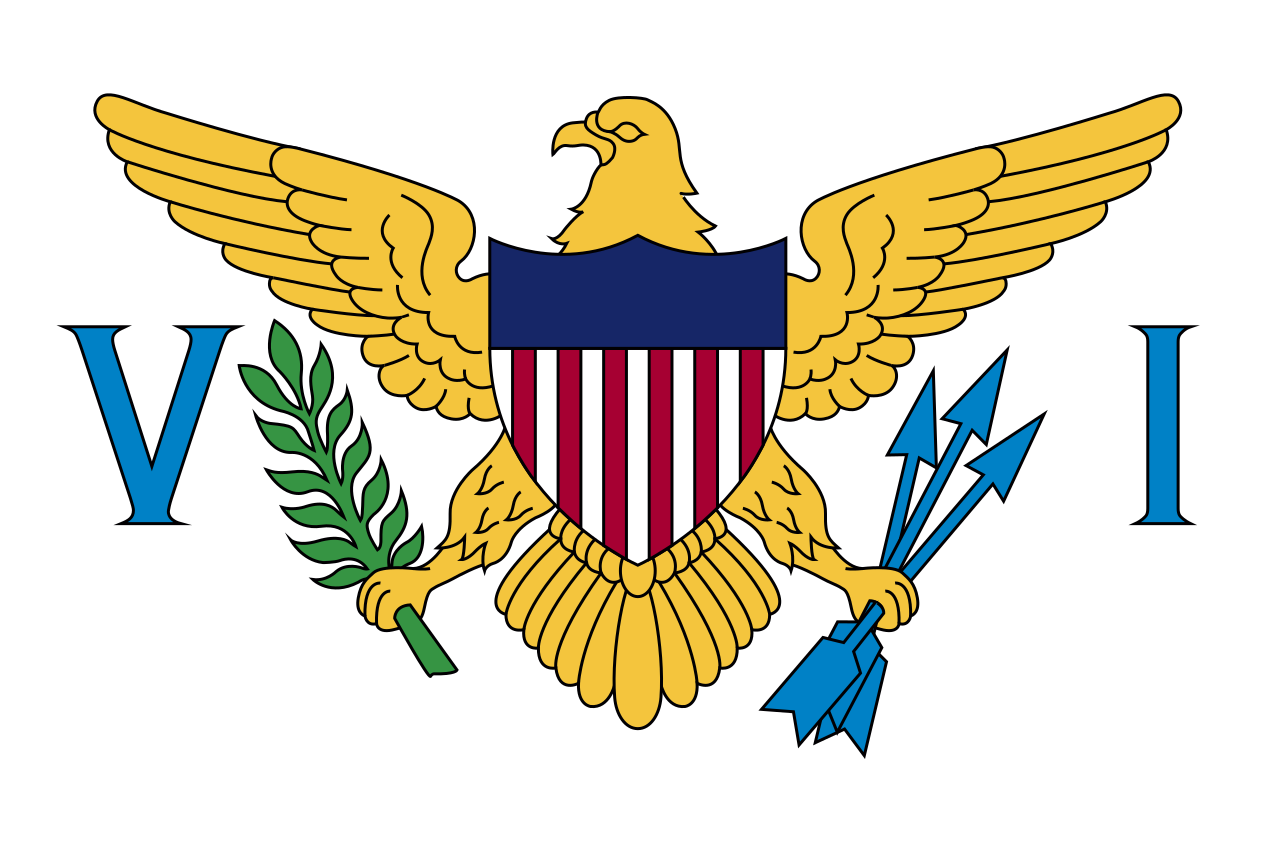 Islas Vírgenes de los Estados Unidos
-
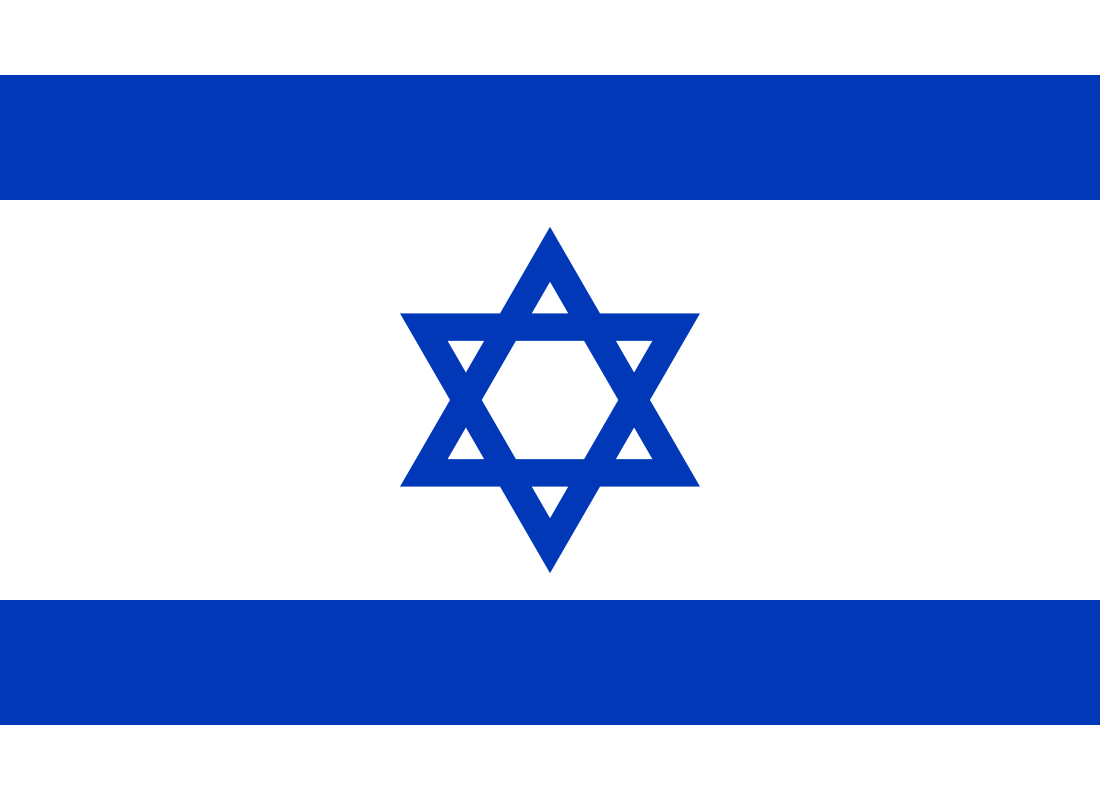 Israel
-
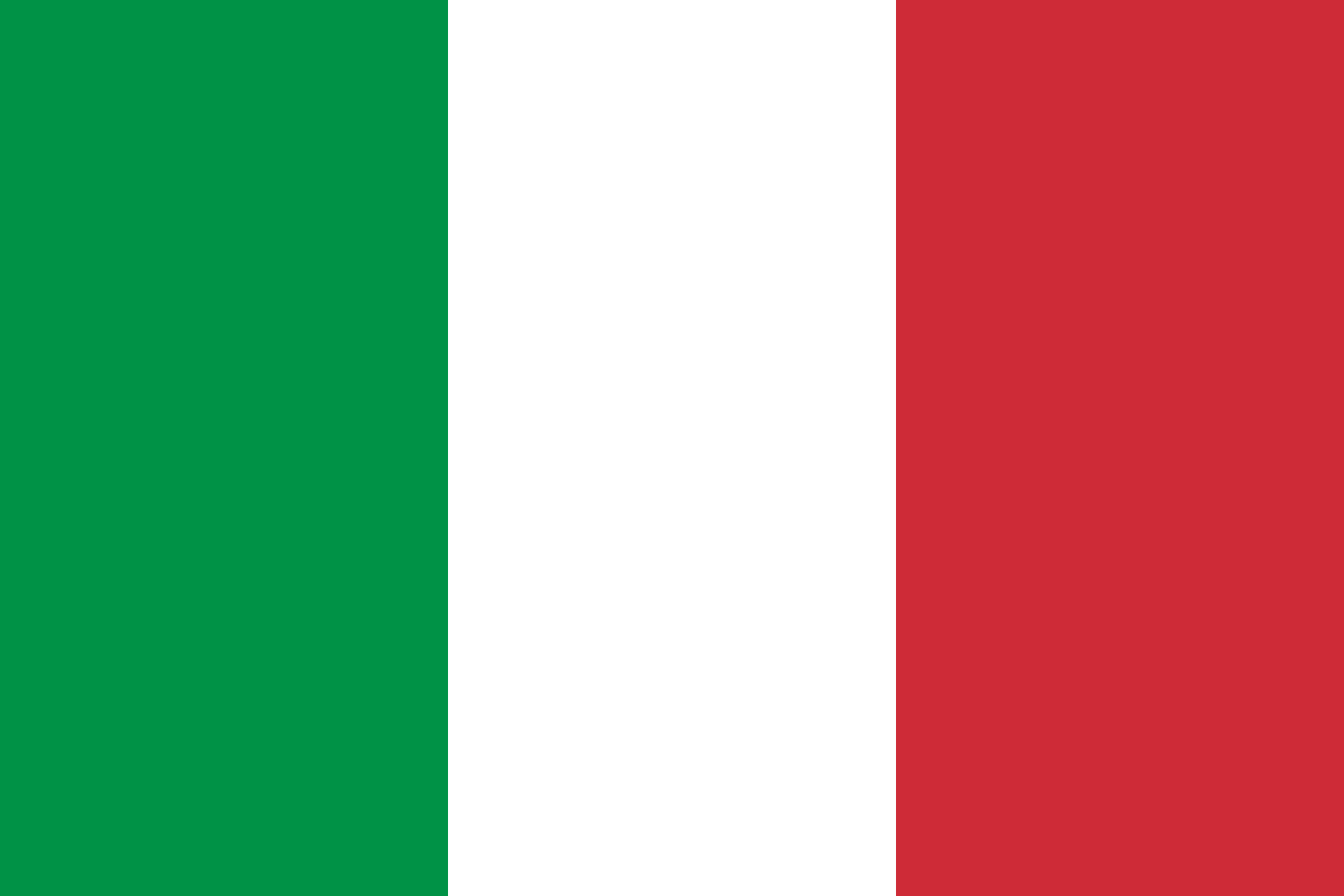 Italia
-
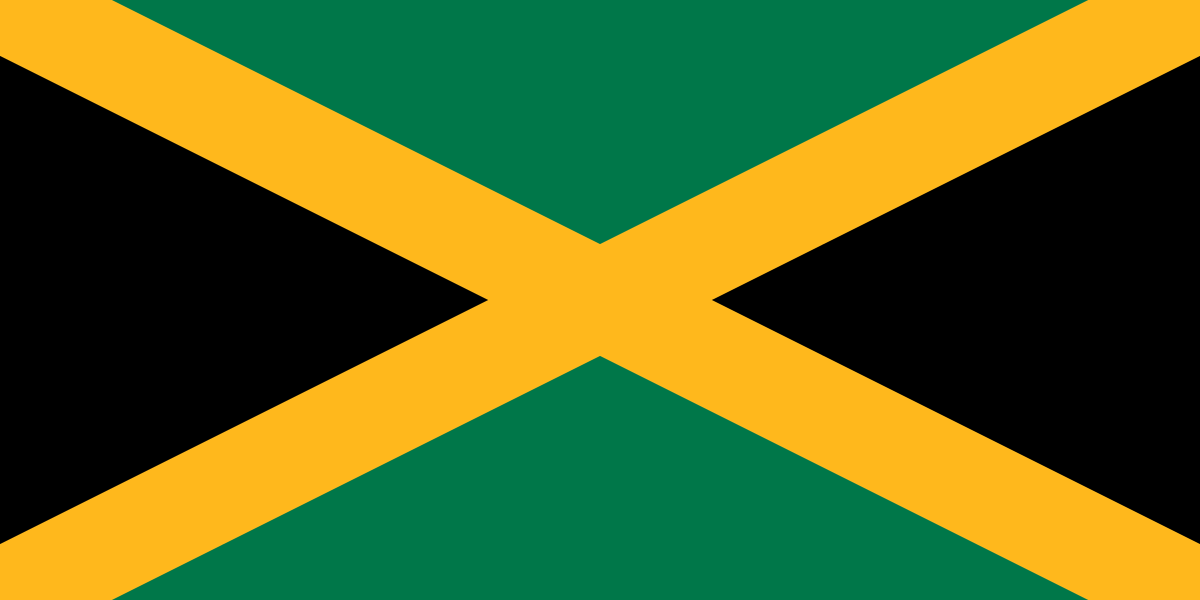 Jamaica
-
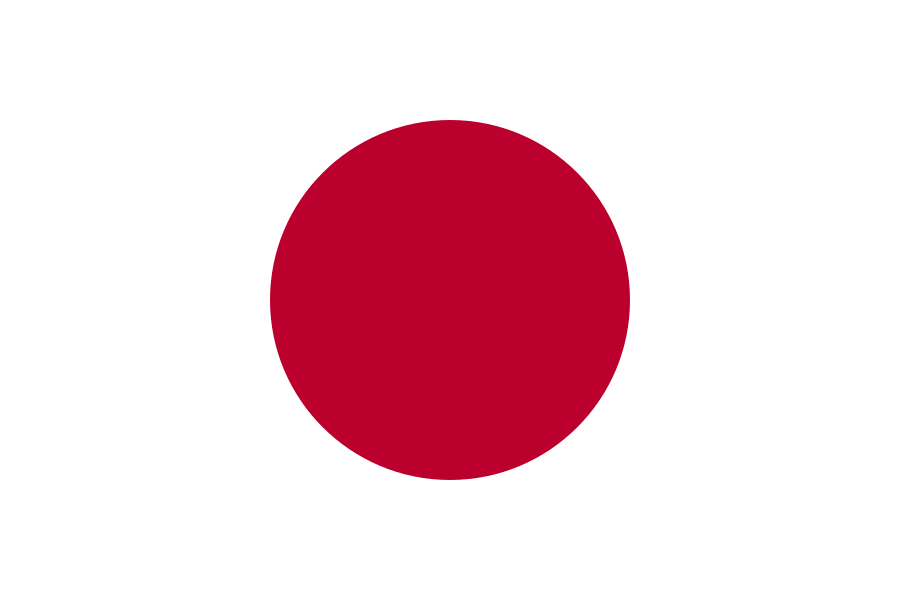 Japón
Japón
-
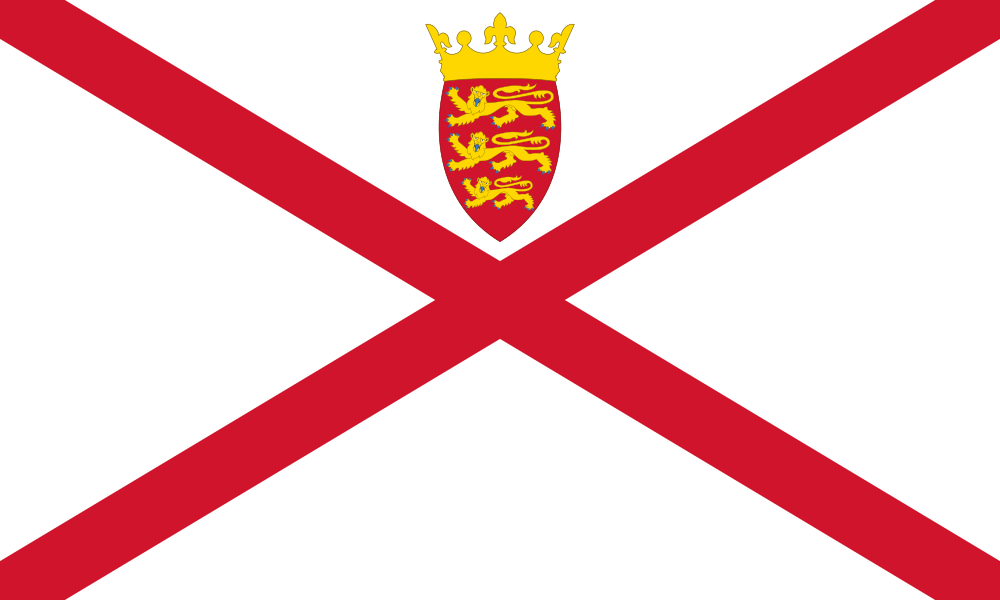 Jersey
-
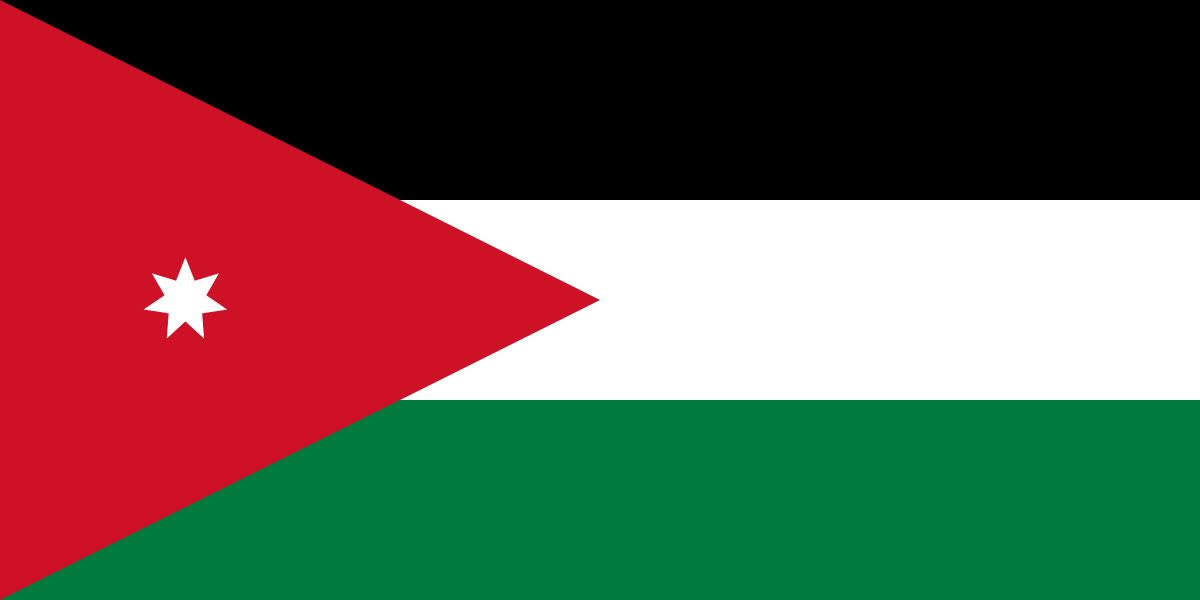 Jordania
-
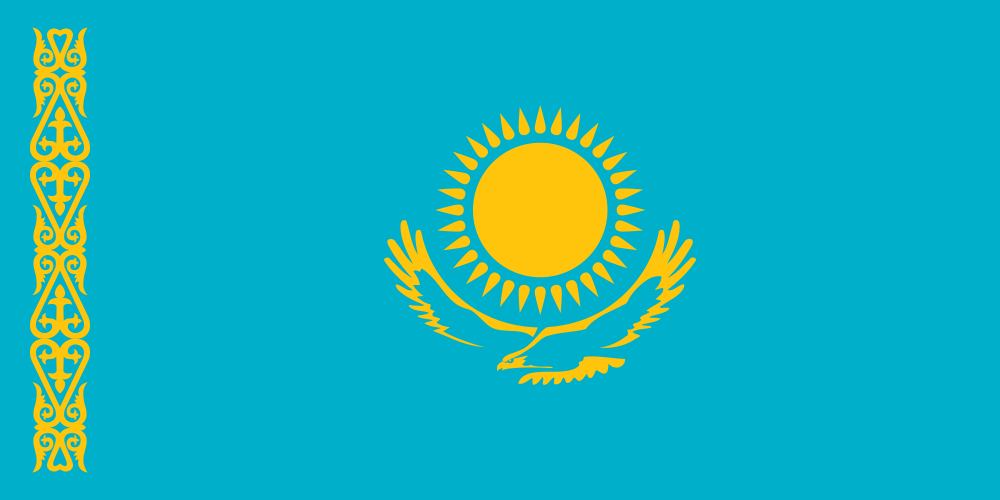 Kazajistán
-
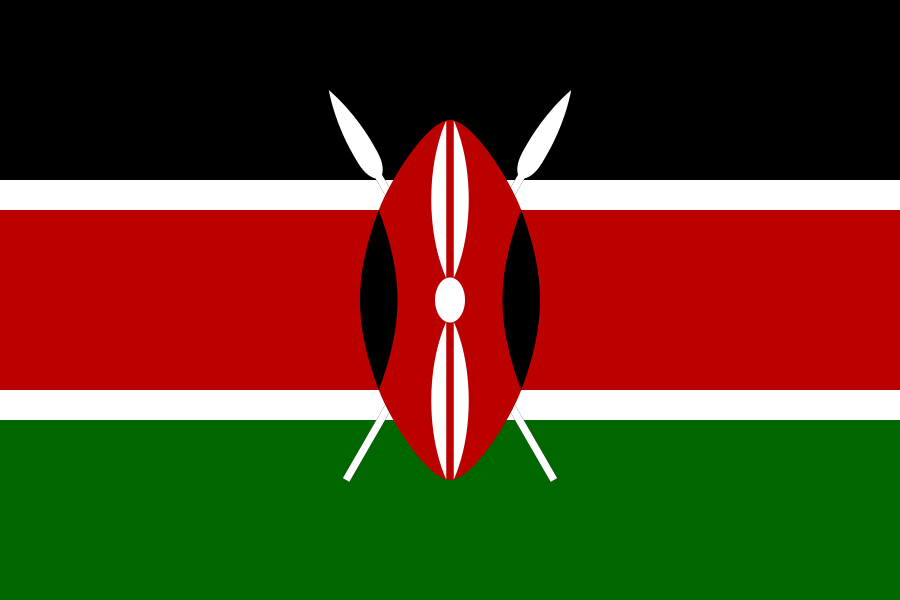 Kenia
Kenia
-
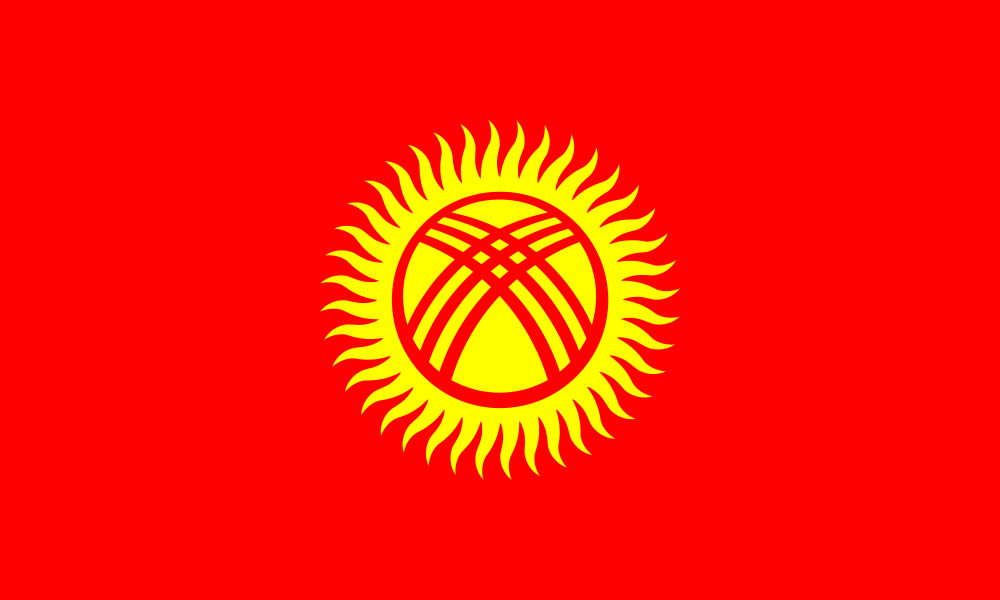 Kirguistán
-
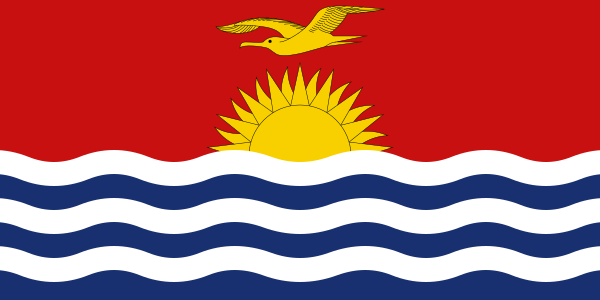 Kiribati
-
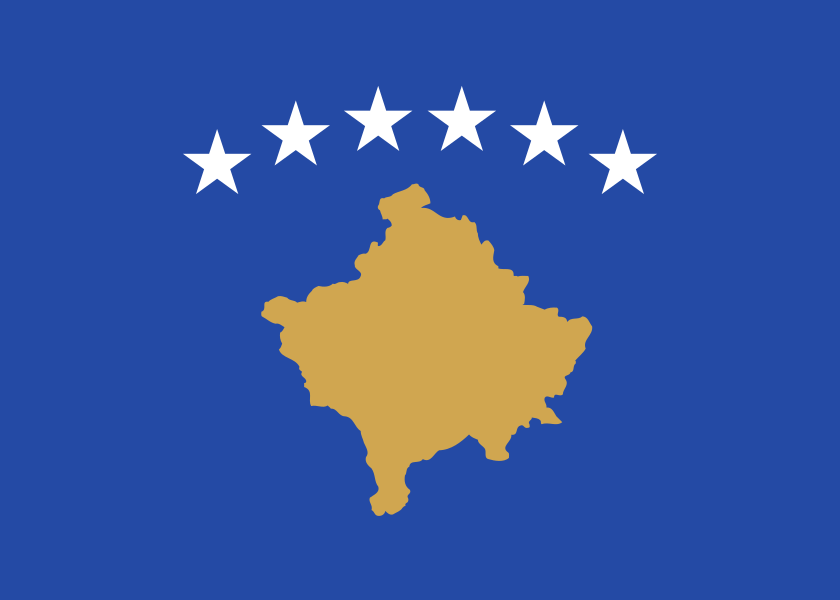 Kosovo
-
 Kuwait
-
 Laos
Laos
-
 Lesoto
-
 Letonia
-
 Líbano
-
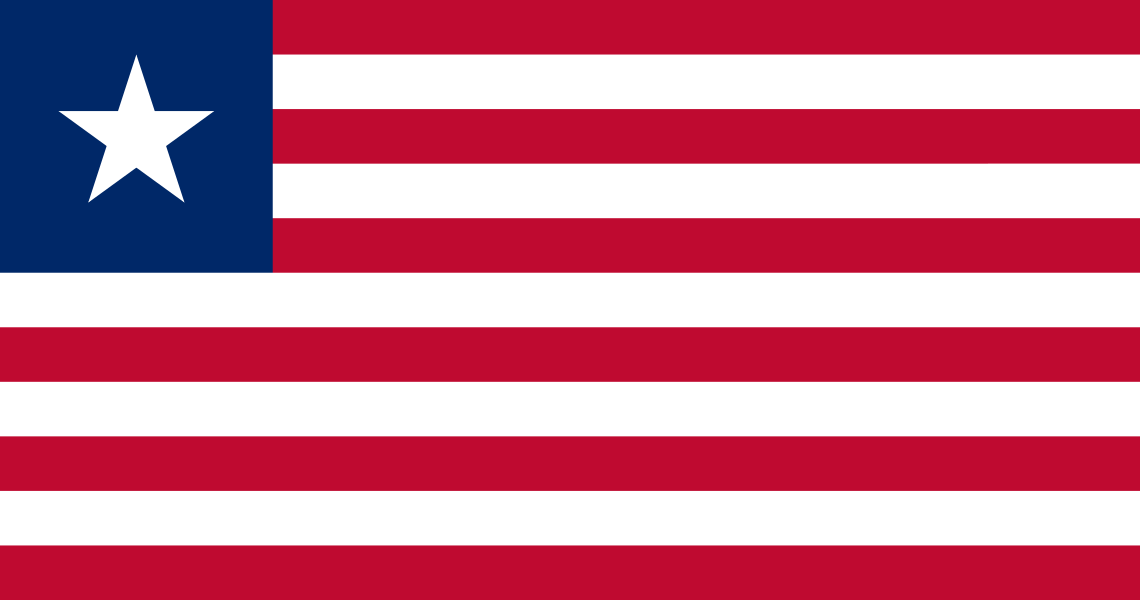 Liberia
-
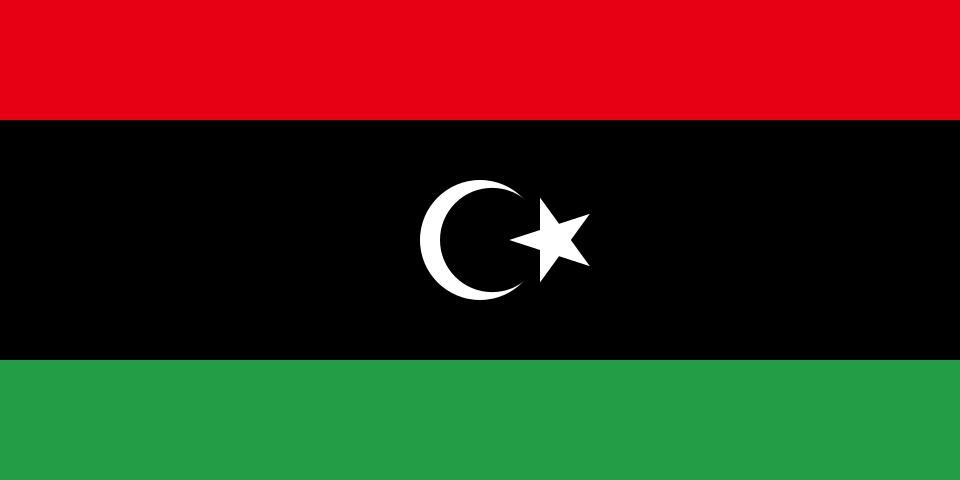 Libia
Libia
-
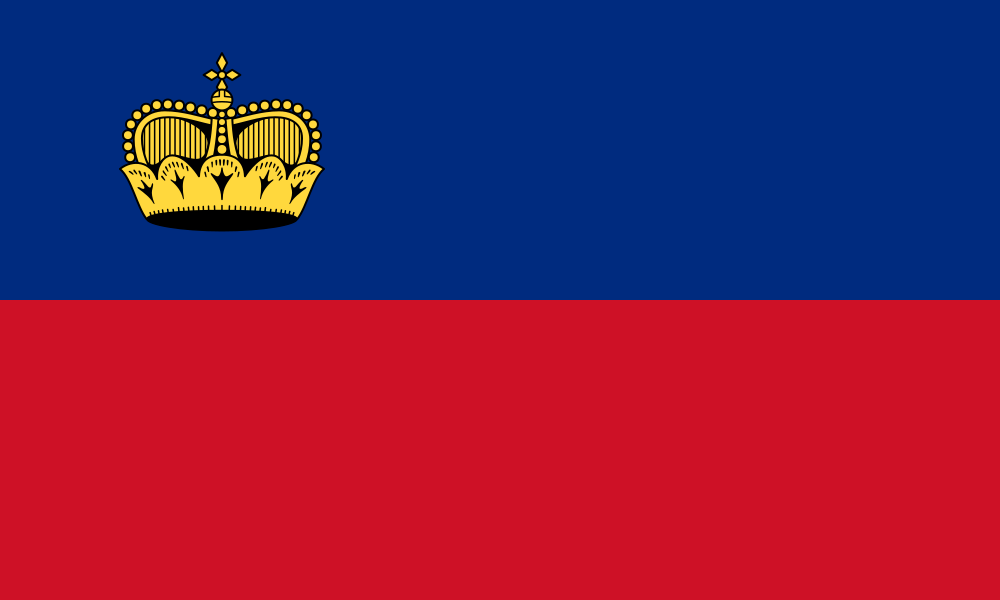 Liechtenstein
-
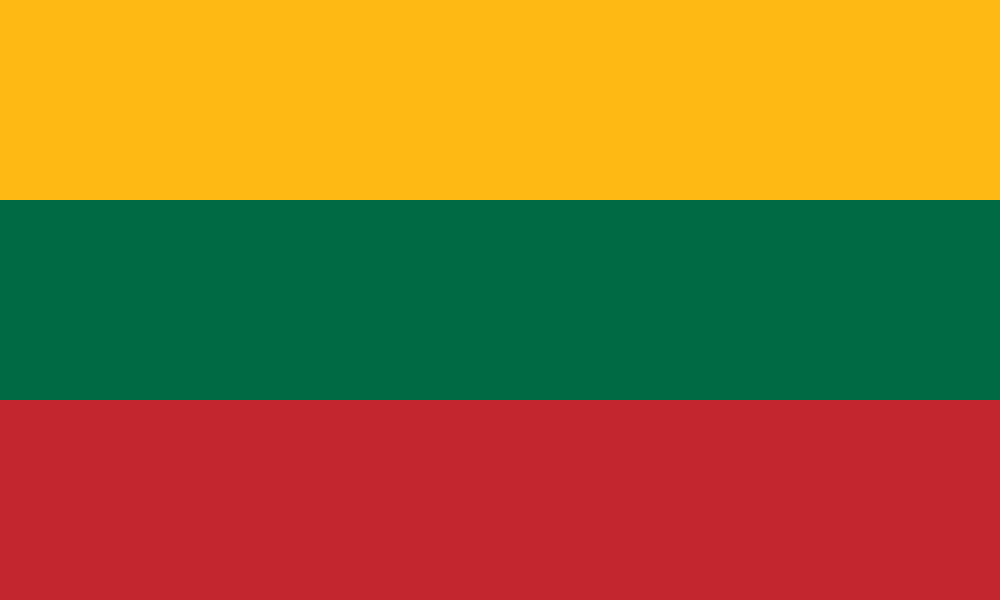 Lituania
-
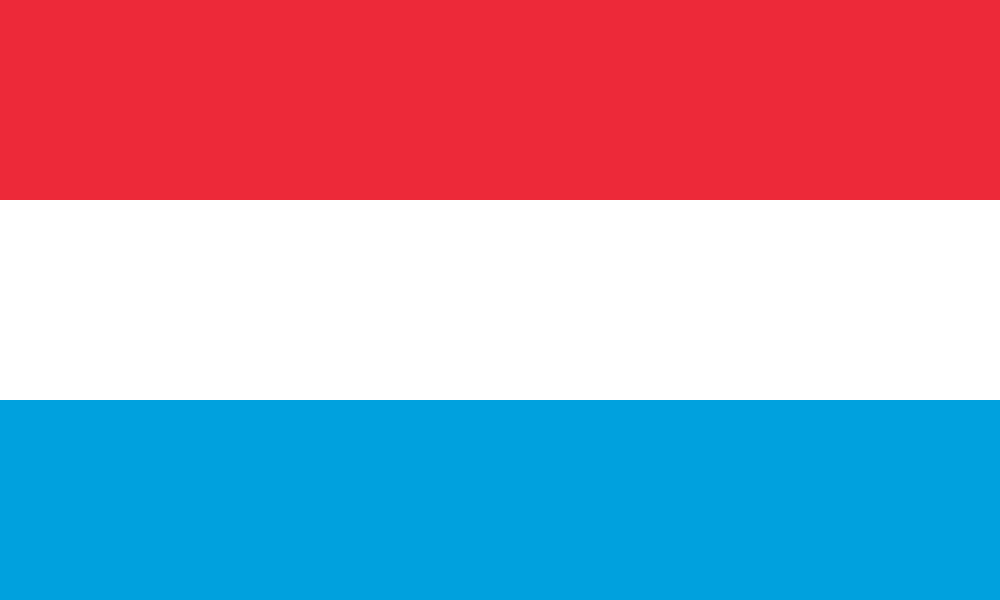 Luxemburgo
-
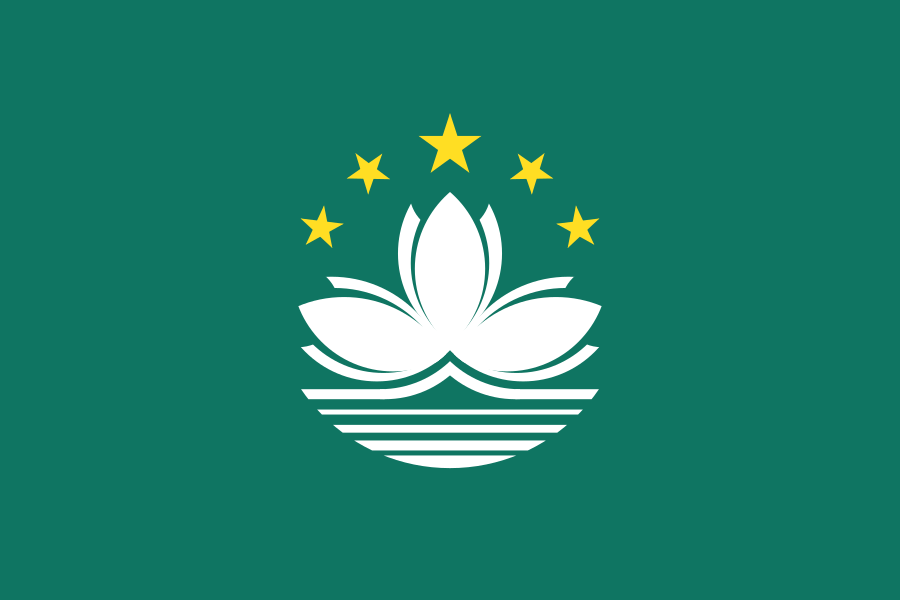 Macao
Macao
-
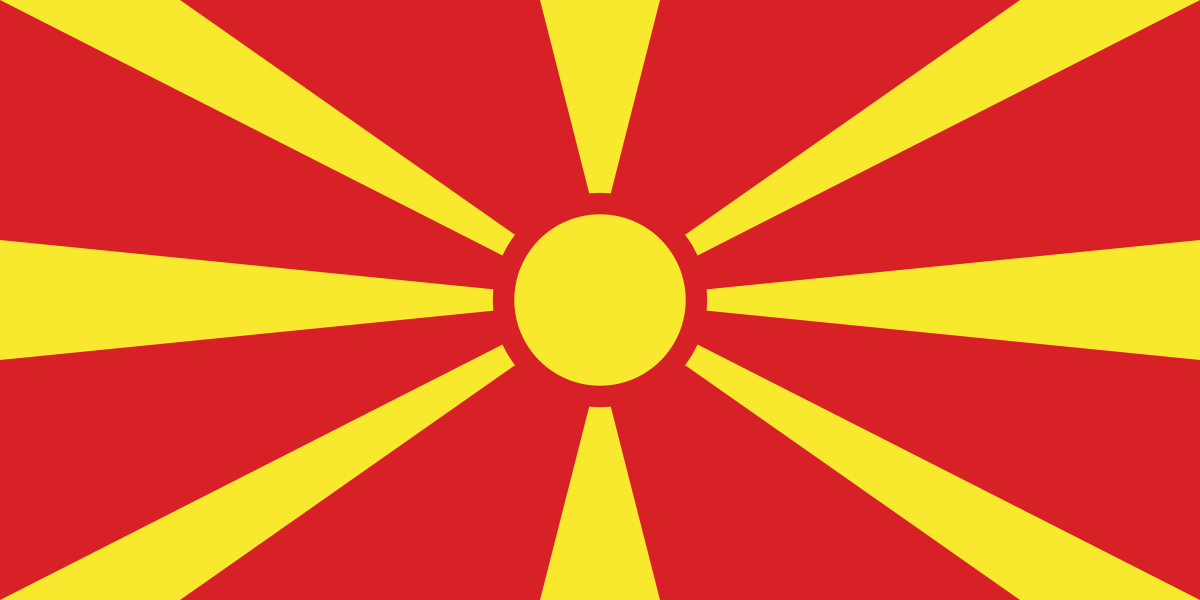 Macedonia del Norte
-
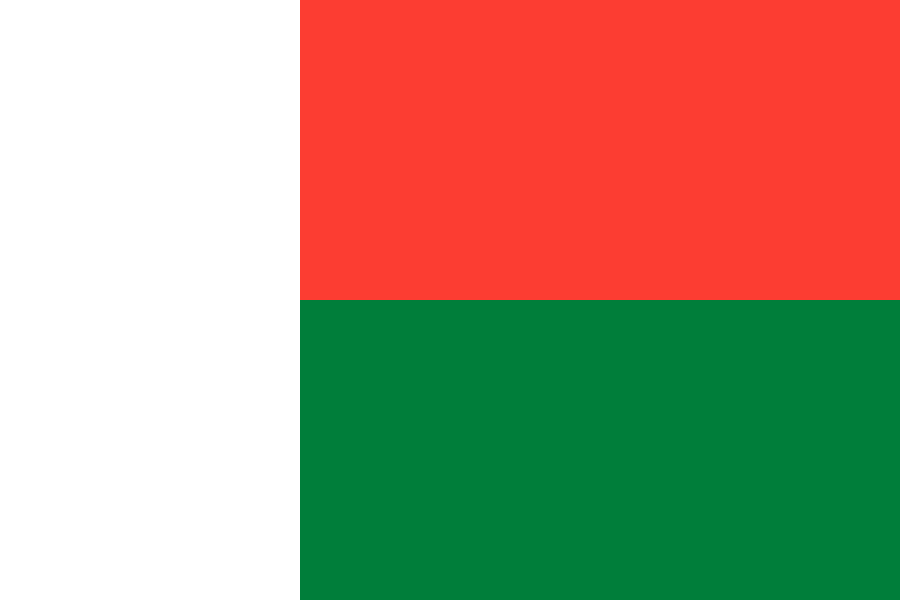 Madagascar
-
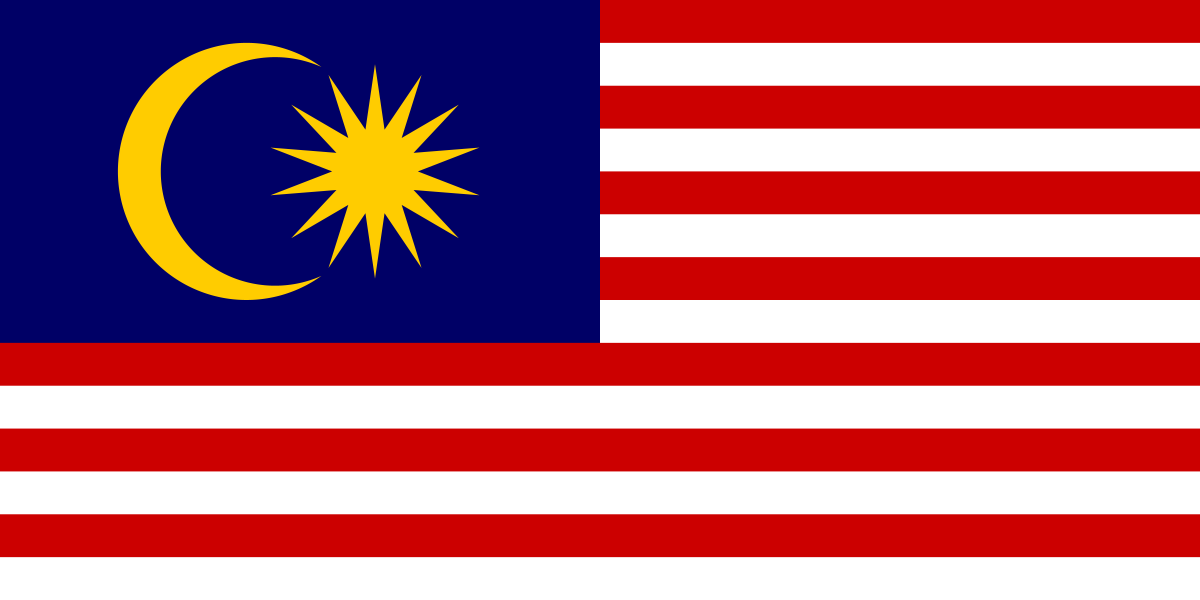 Malasia
-
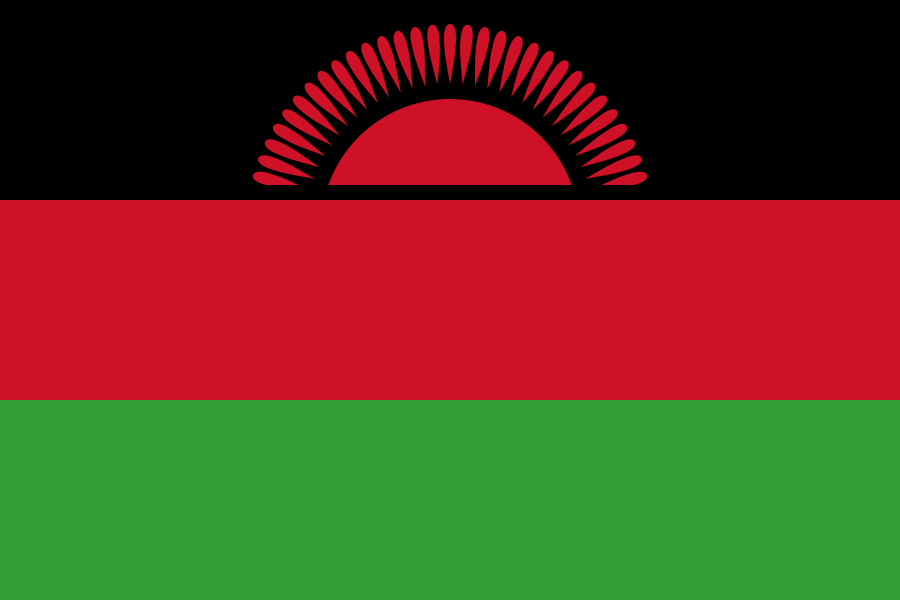 Malaui
-
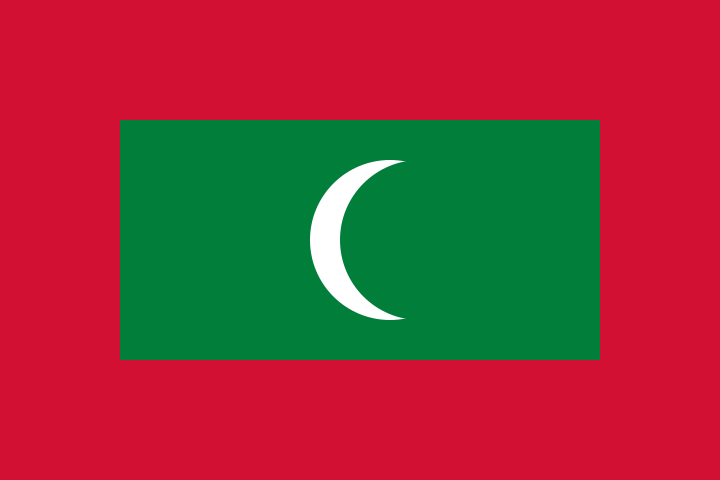 Maldivas
-
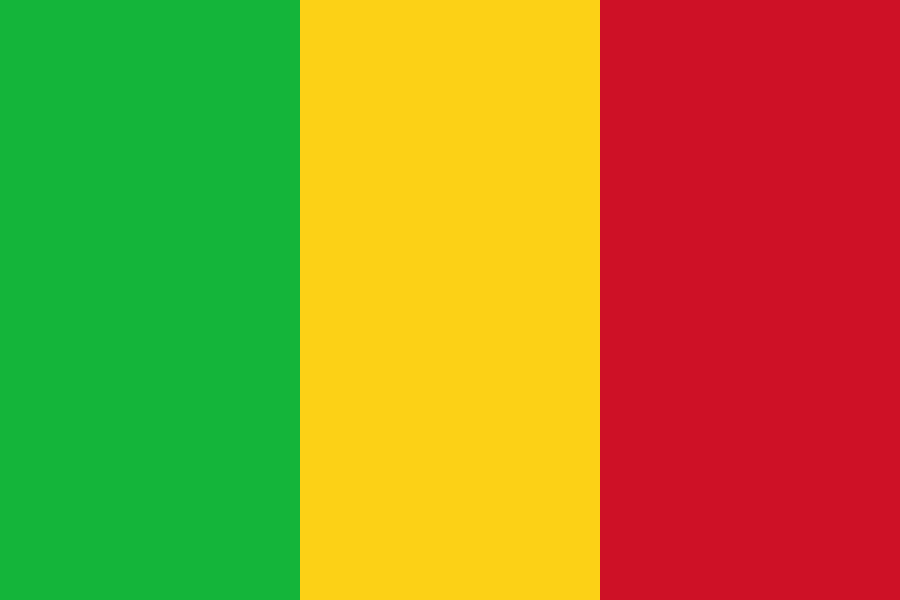 Malí
Malí
-
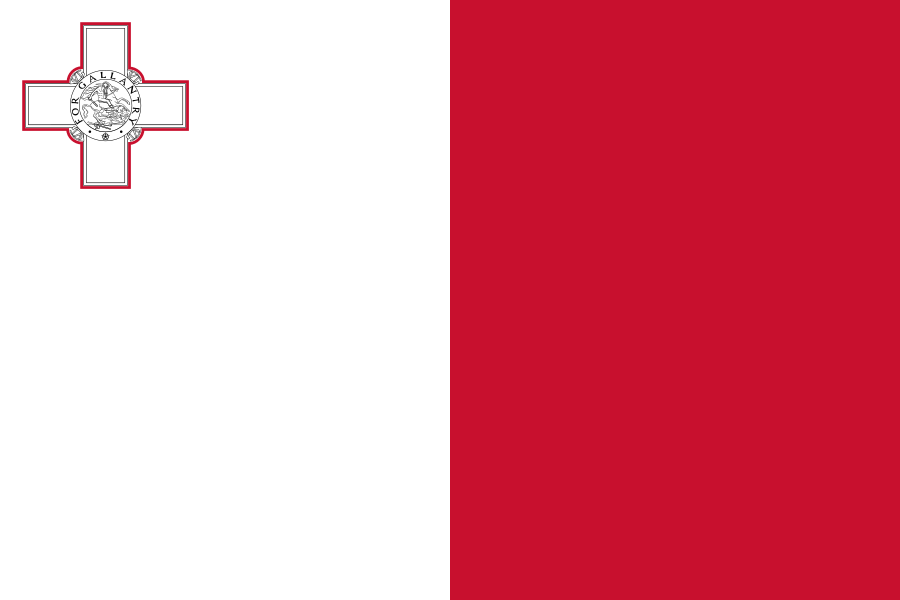 Malta
Malta
-
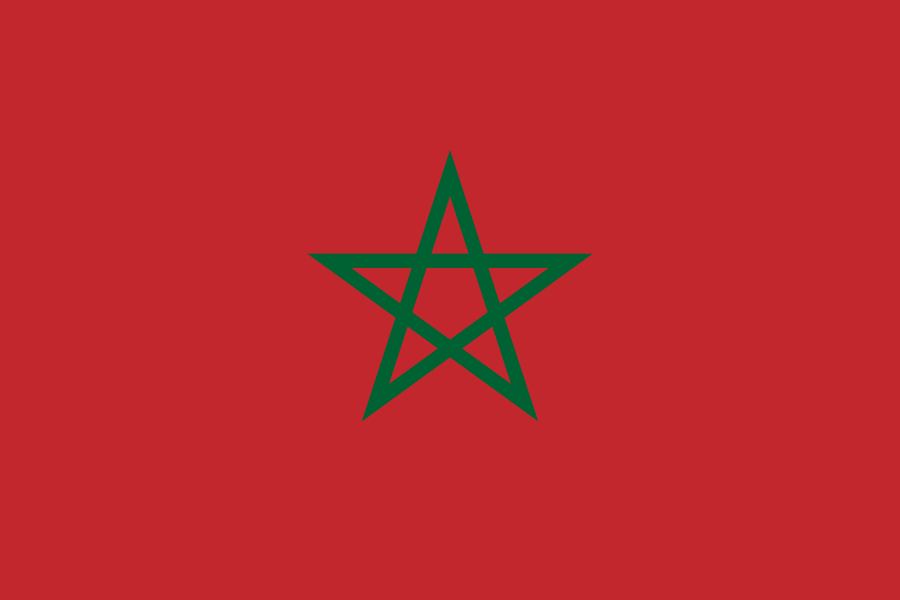 Marruecos
-
Martinica
-
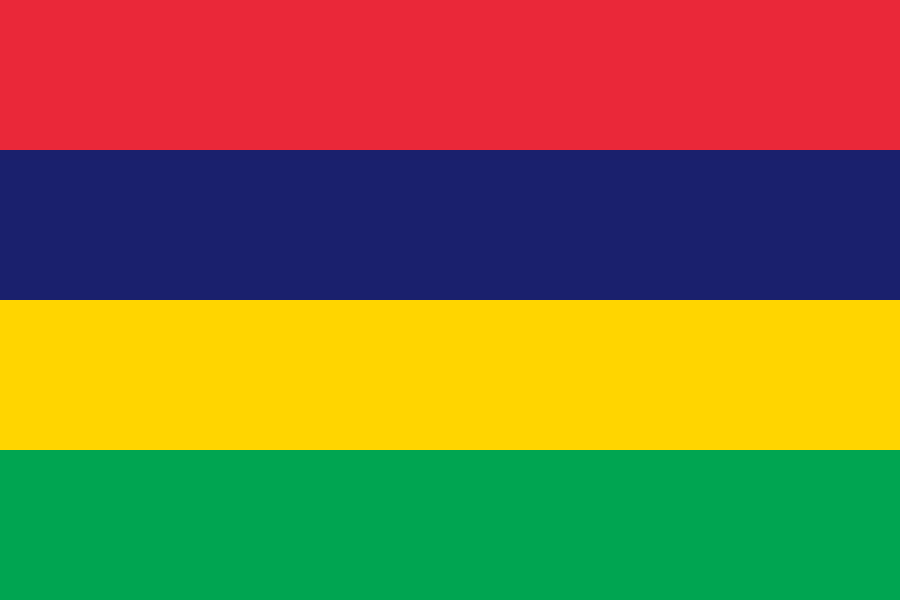 Mauricio
-
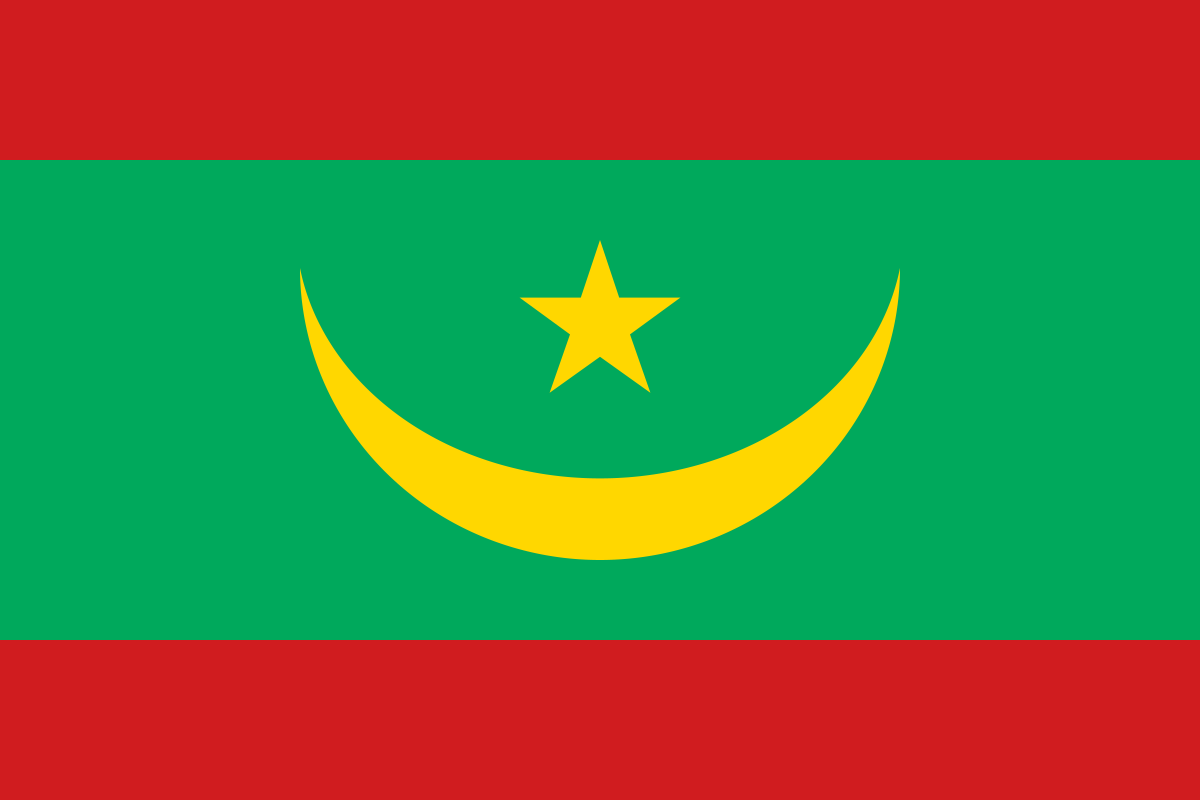 Mauritania
-
Mayotte
-
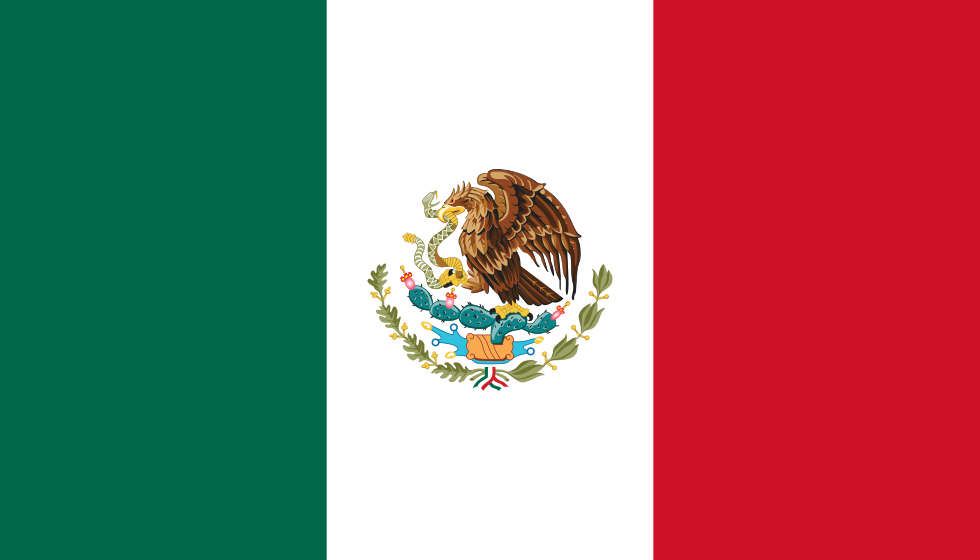 México
-
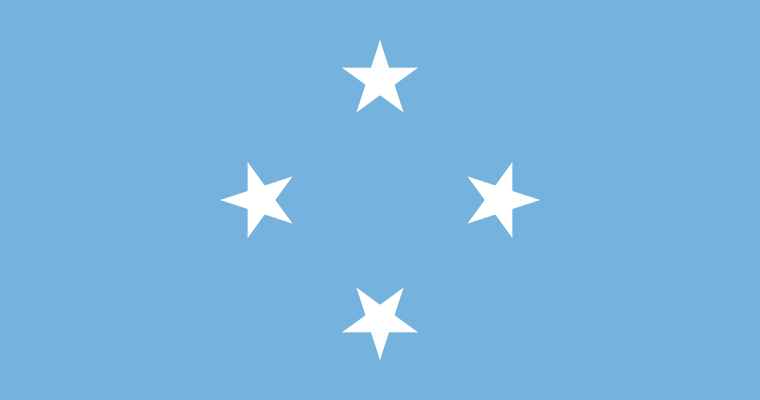 Micronesia
-
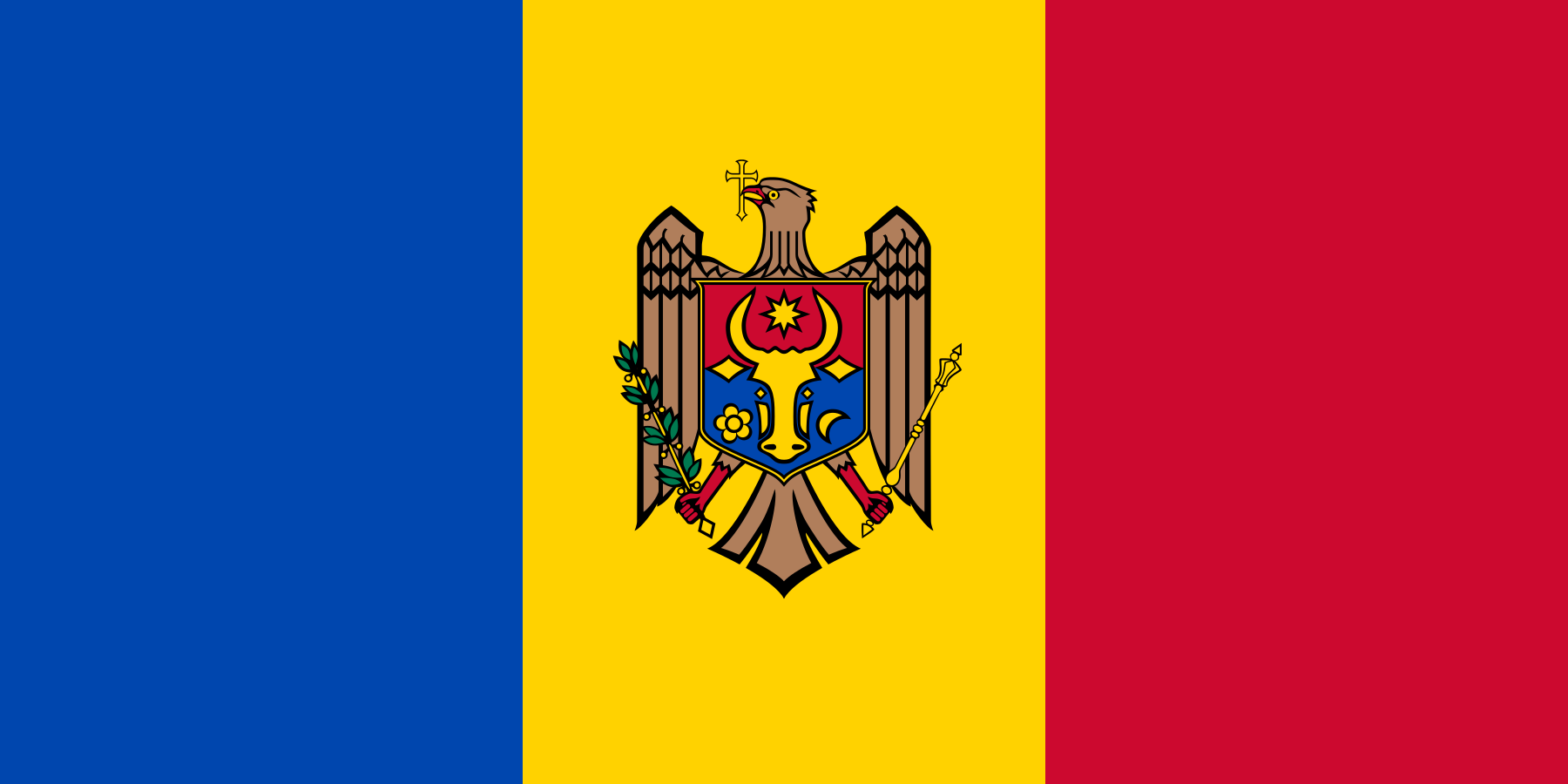 Moldavia
-
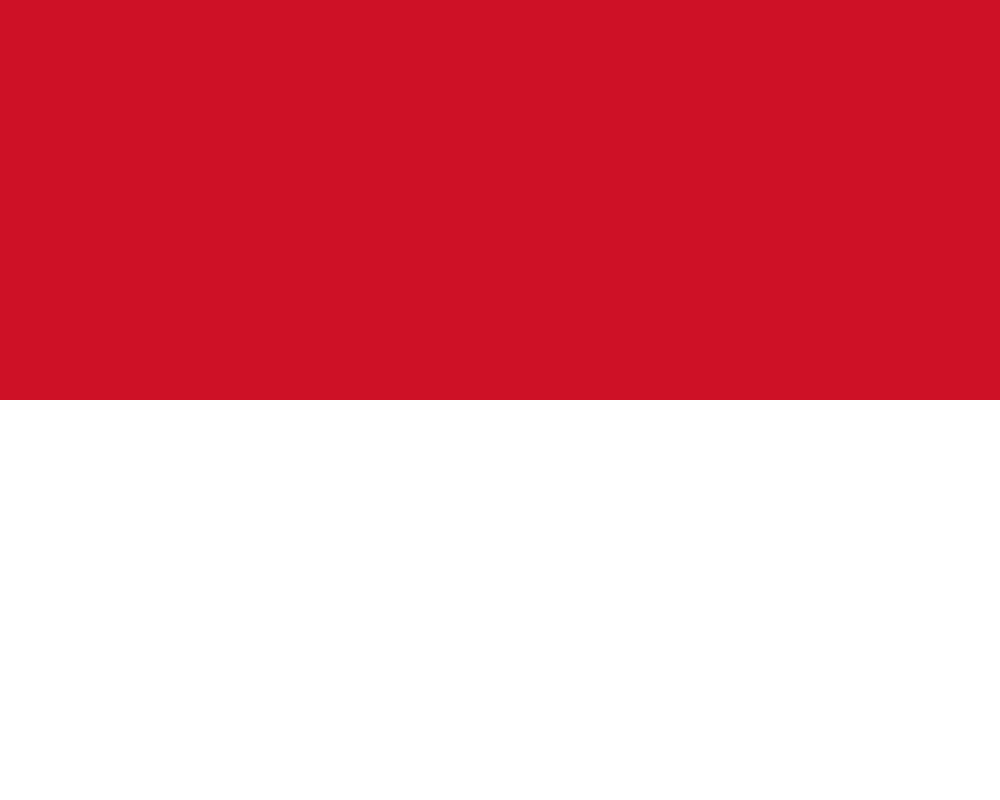 Mónaco
-
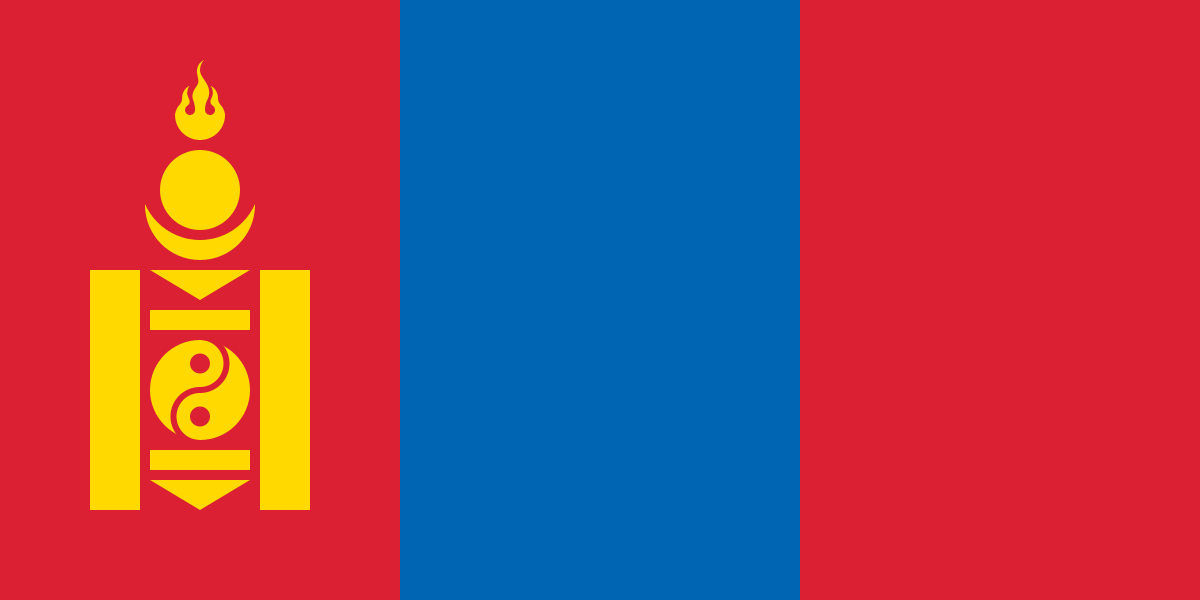 Mongolia
-
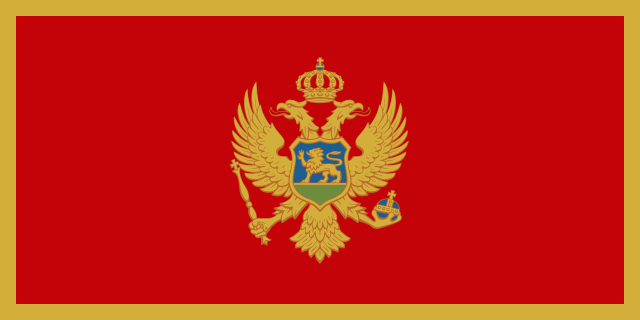 Montenegro
-
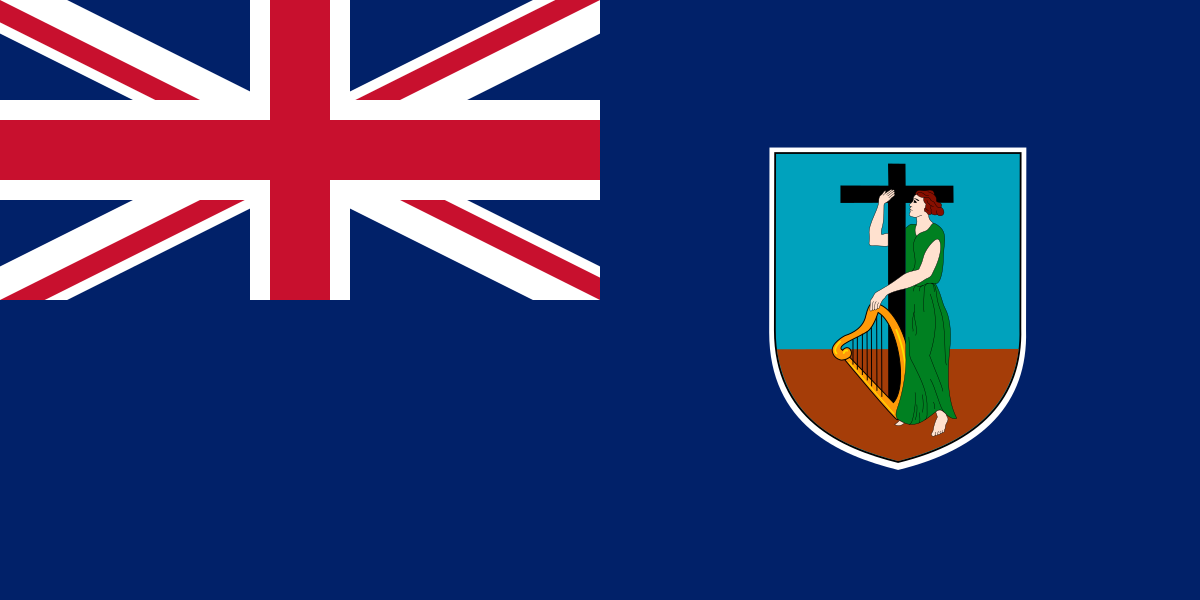 Montserrat
-
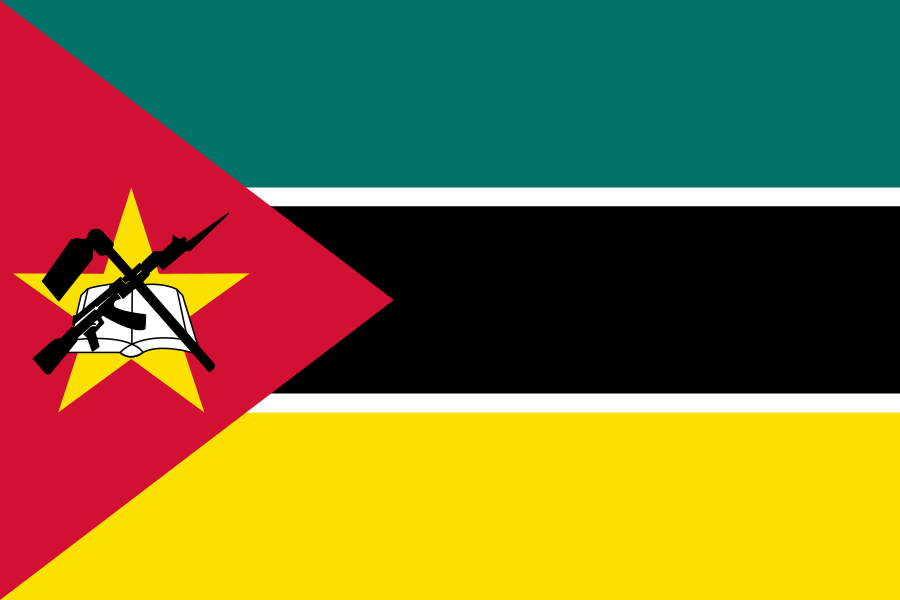 Mozambique
-
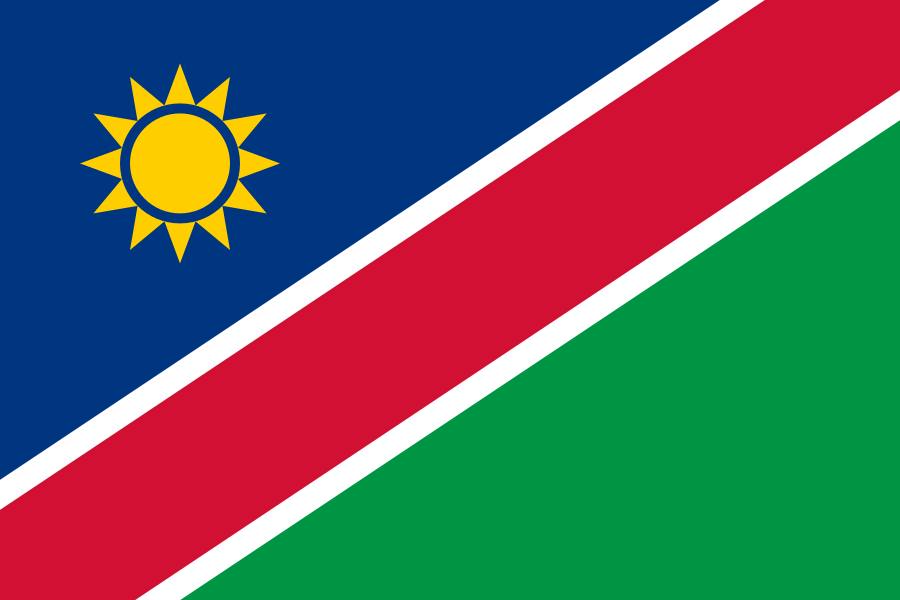 Namibia
-
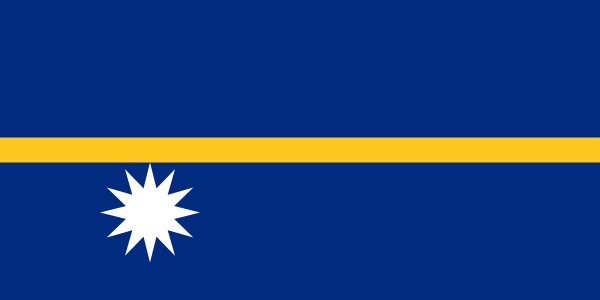 Nauru
Nauru
-
 Nepal
Nepal
-
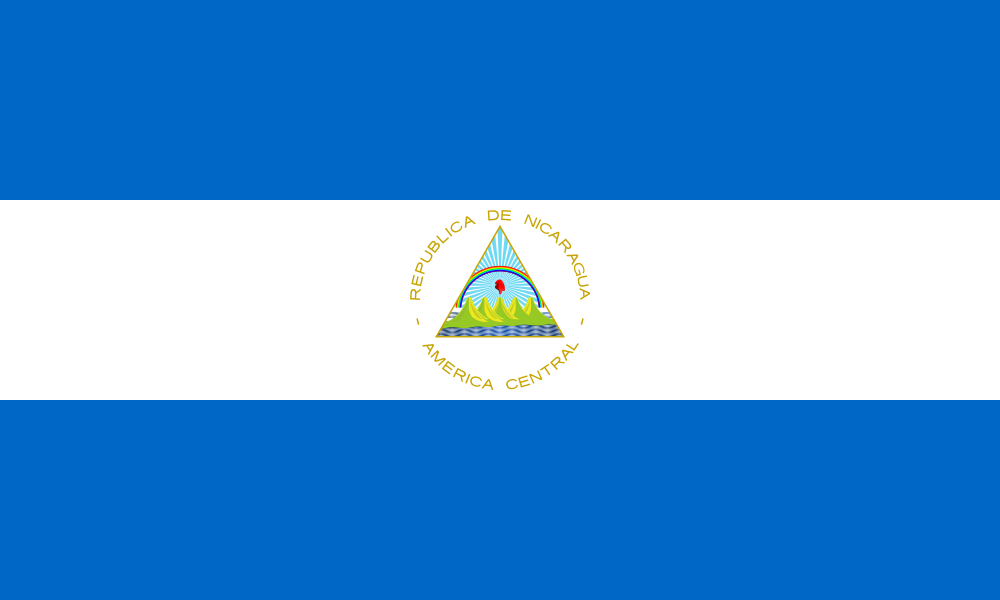 Nicaragua
-
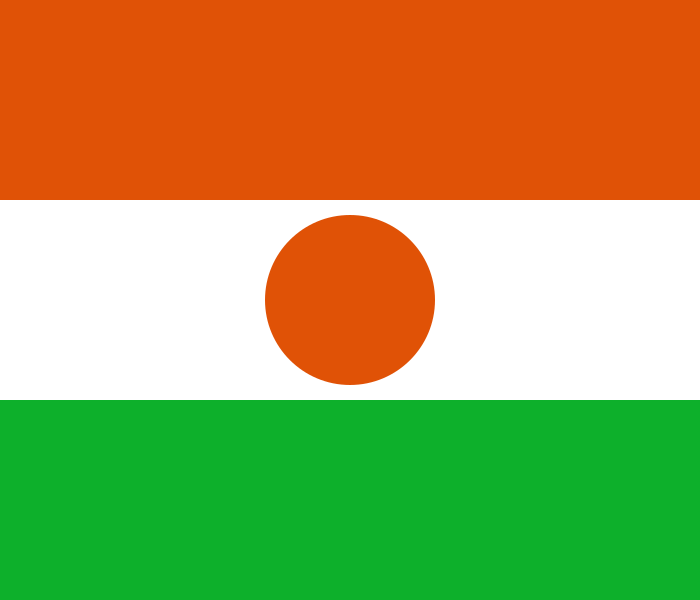 Níger
Níger
-
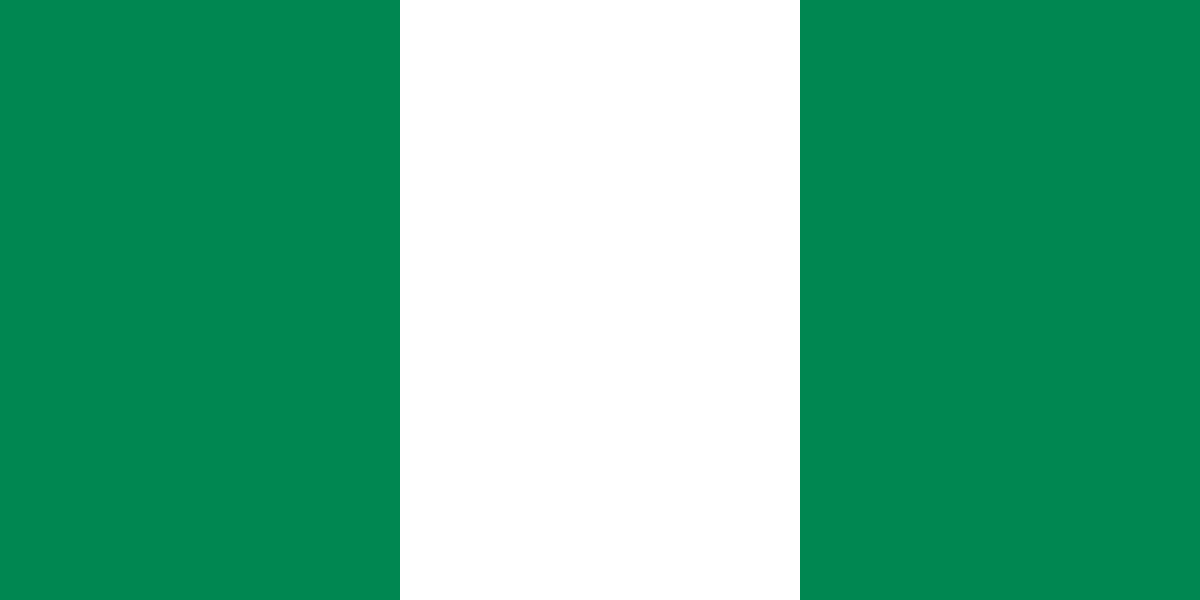 Nigeria
-
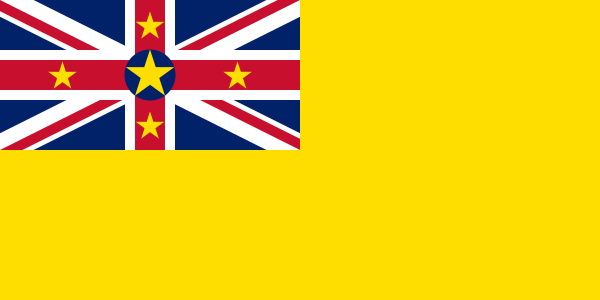 Niue
Niue
-
 Noruega
-
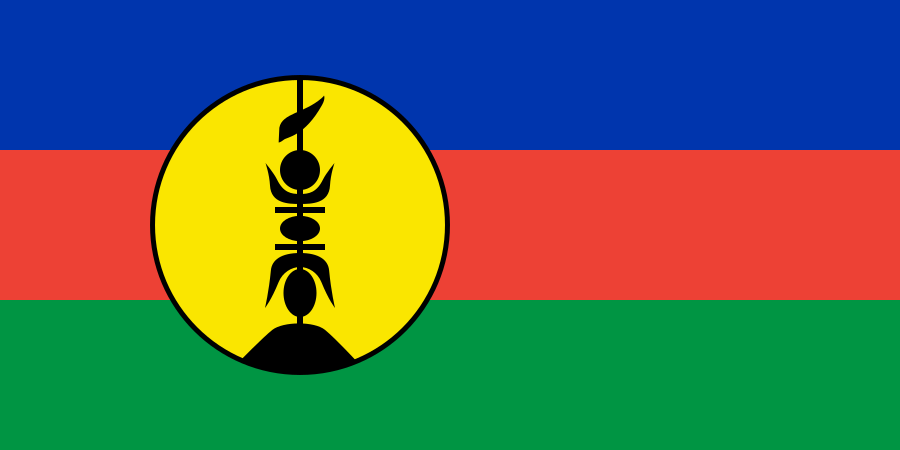 Nueva Caledonia
-
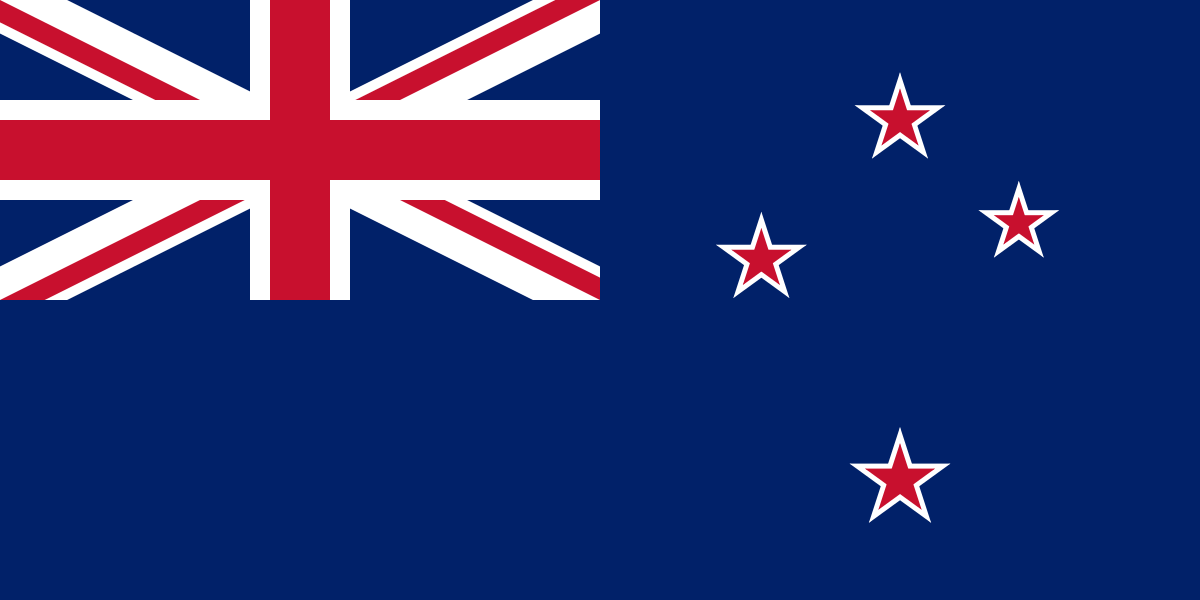 Nueva Zelanda
-
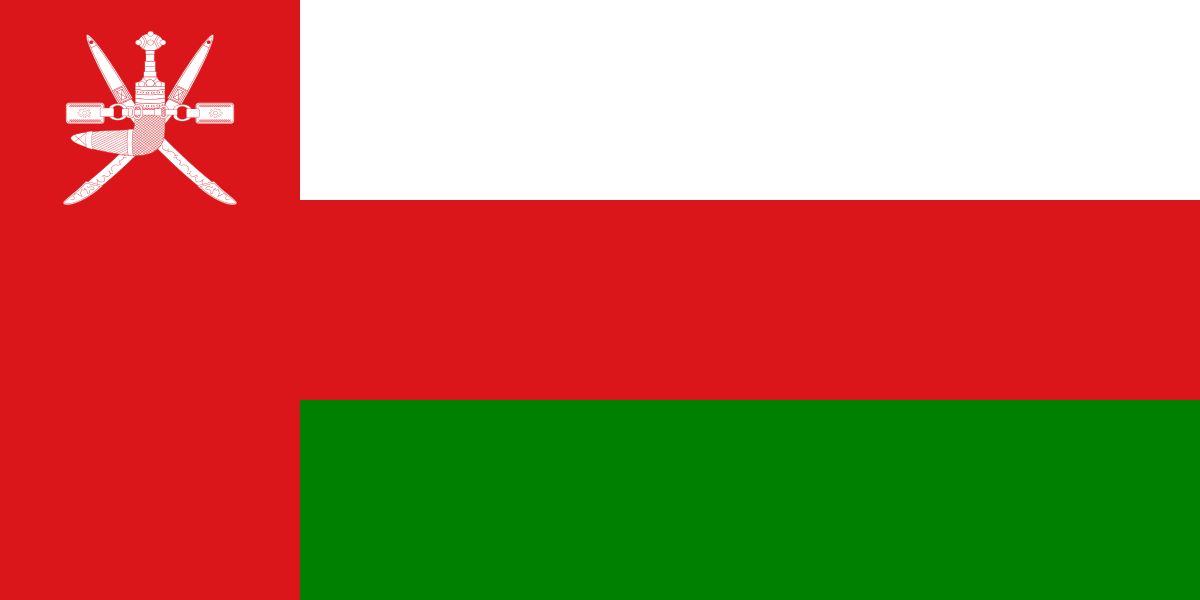 Omán
Omán
-
Países Bajos
-
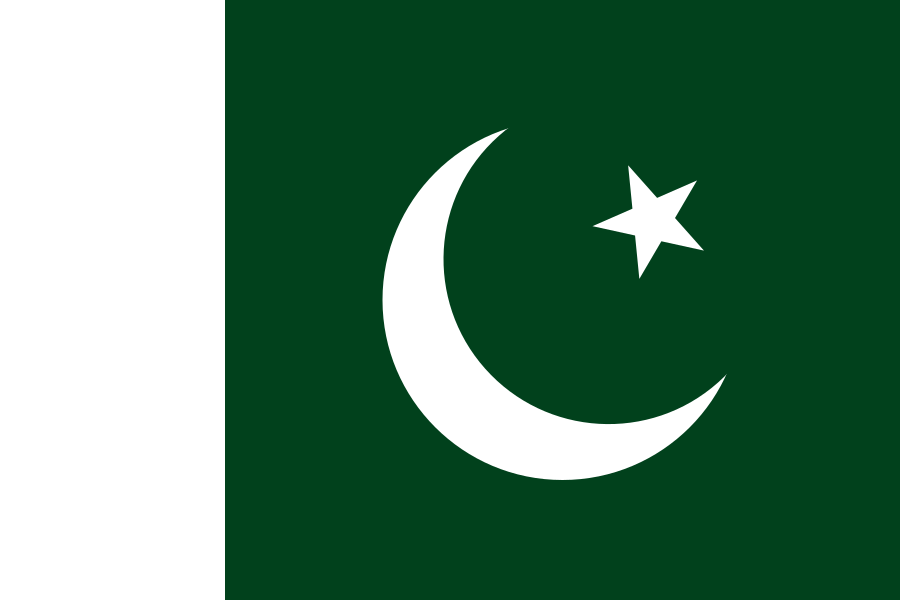 Pakistán
-
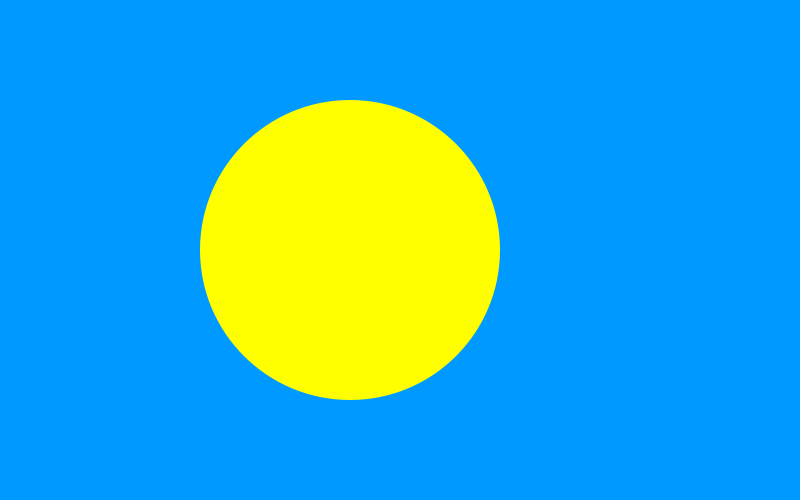 Palaos
-
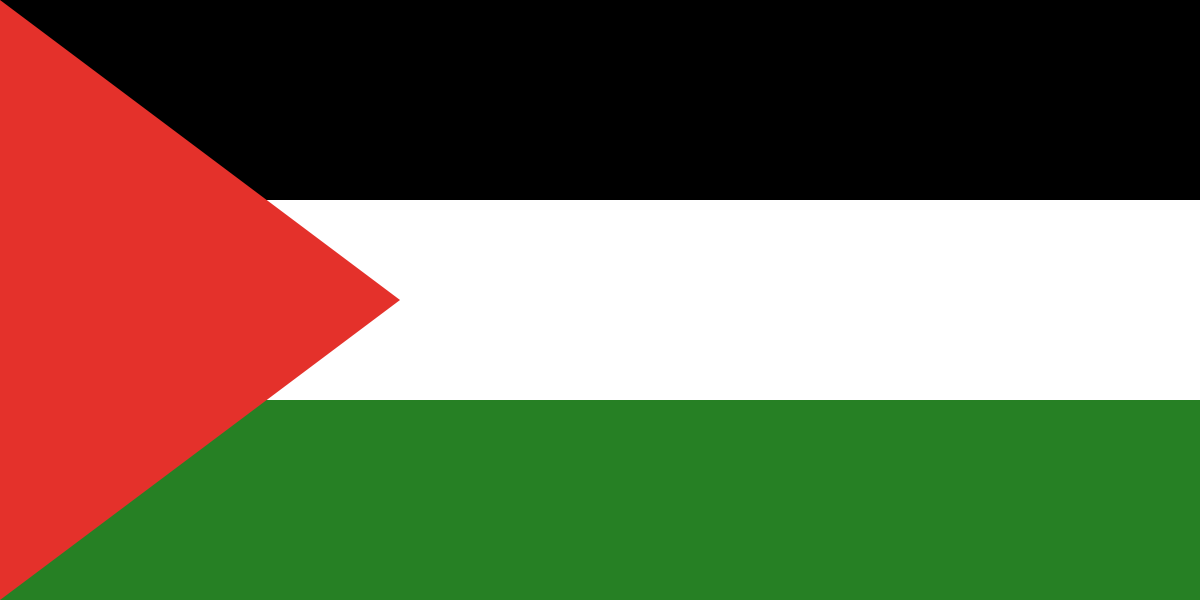 Palestina
-
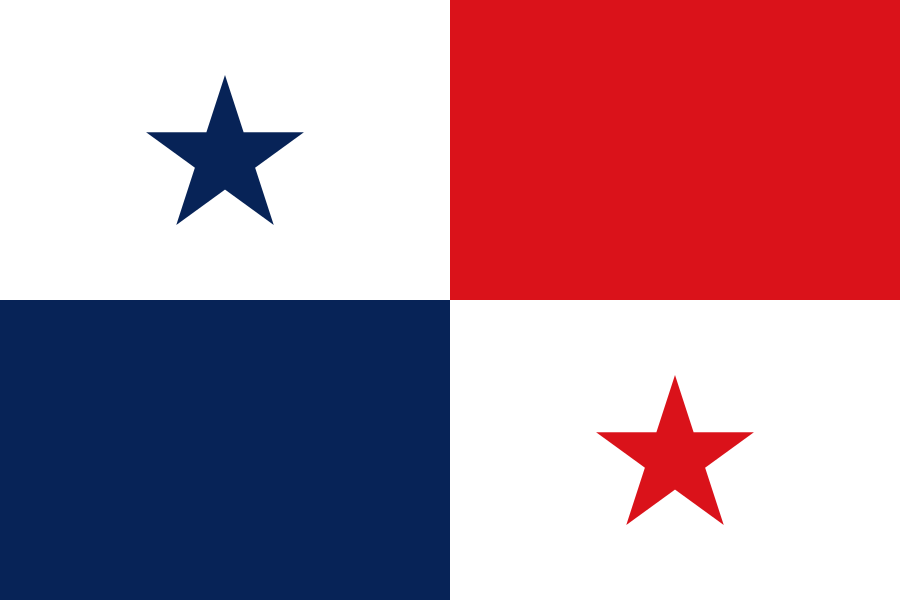 Panamá
-
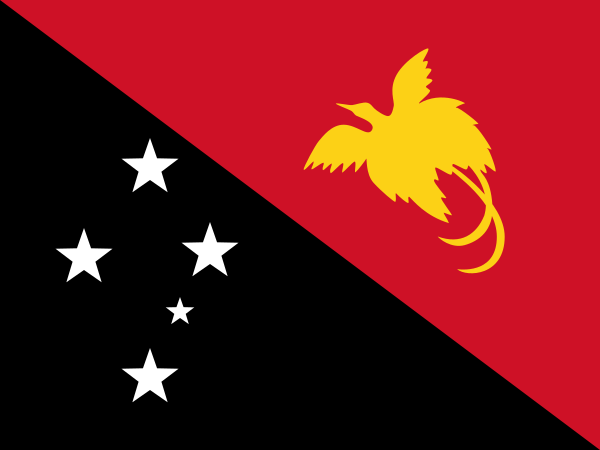 Papúa Nueva Guinea
-
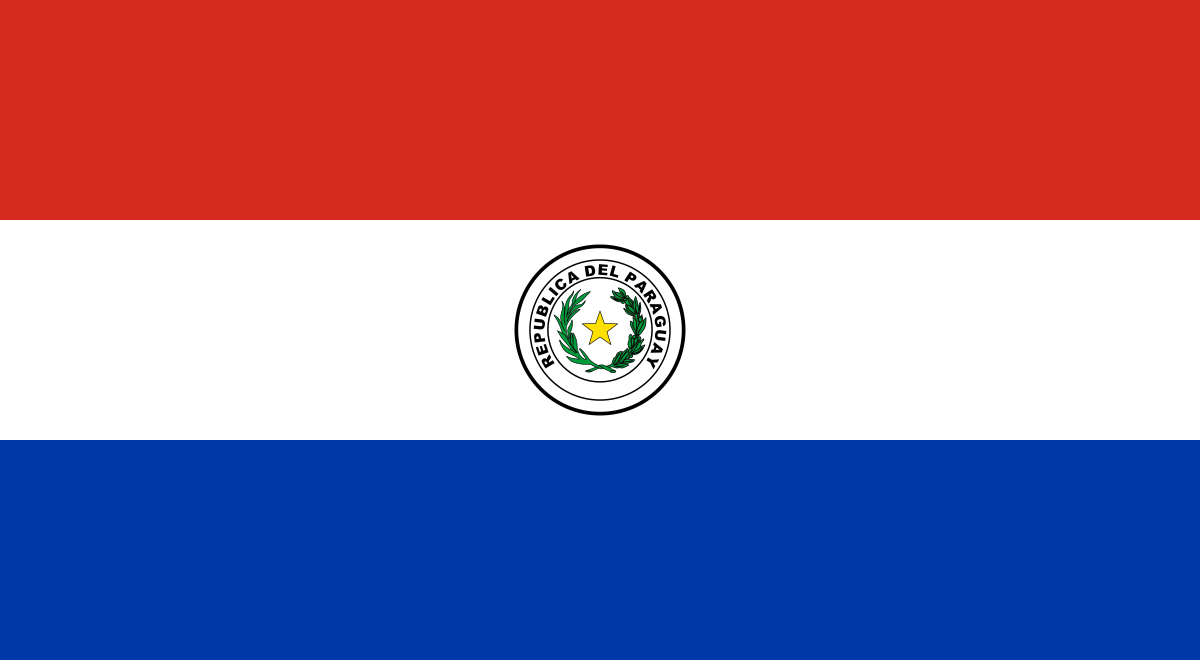 Paraguay
-
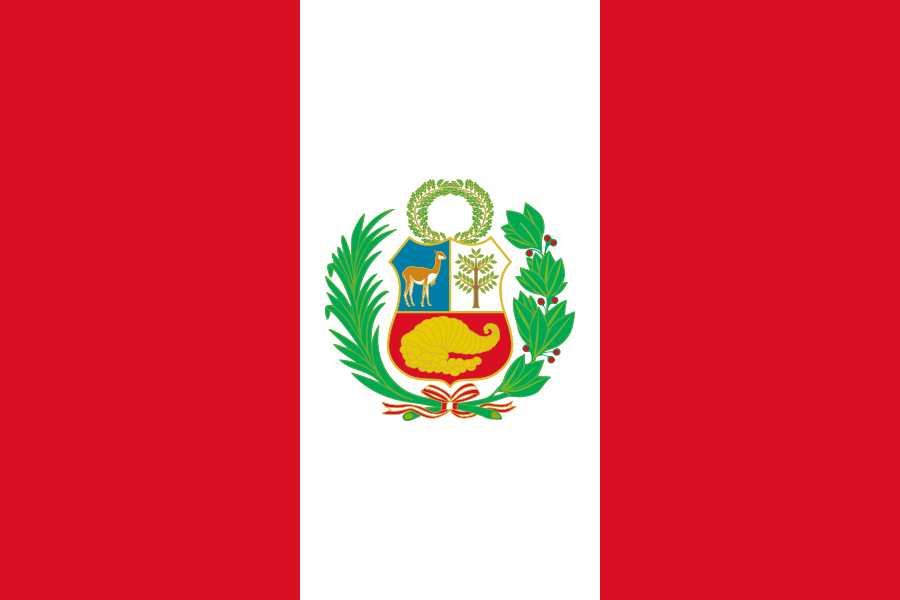 Perú
Perú
-
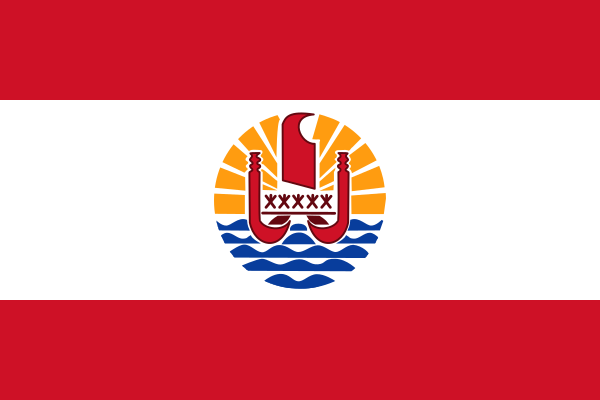 Polinesia Francesa
-
 Polonia
-
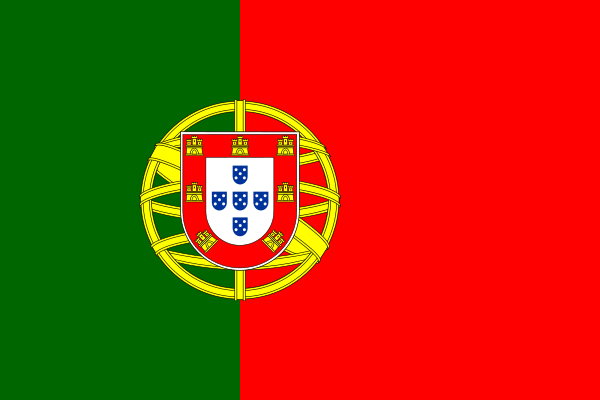 Portugal
-
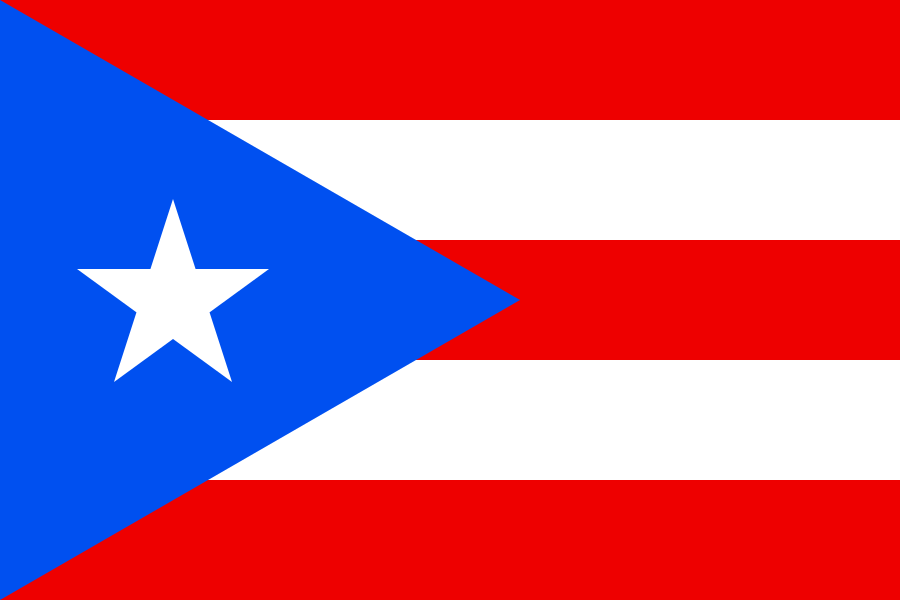 Puerto Rico
-
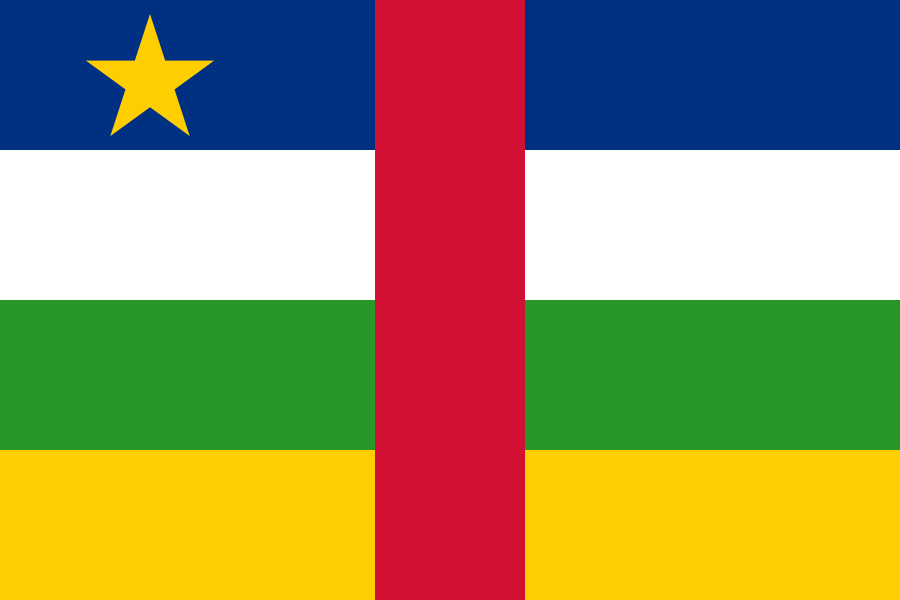 República Centroafricana
-
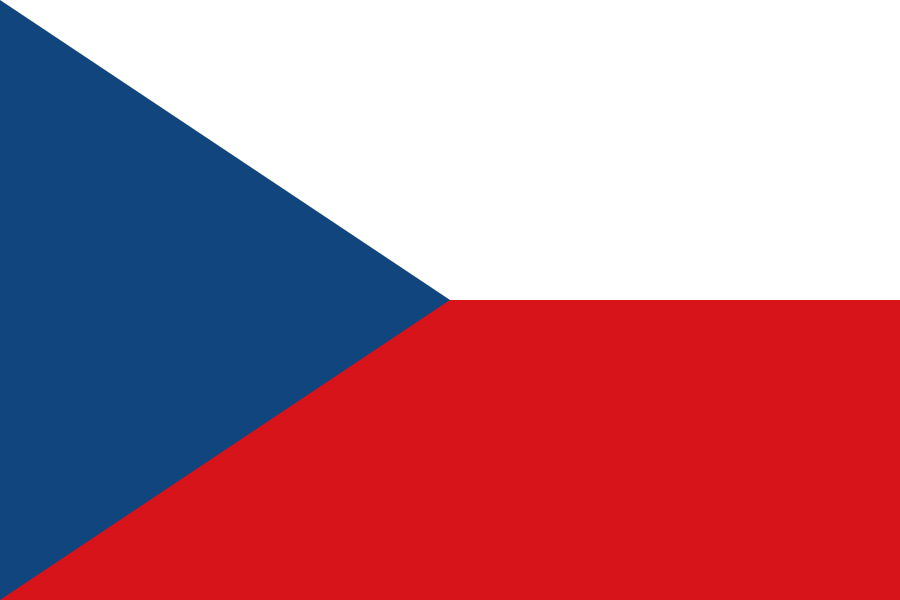 República Checa
-
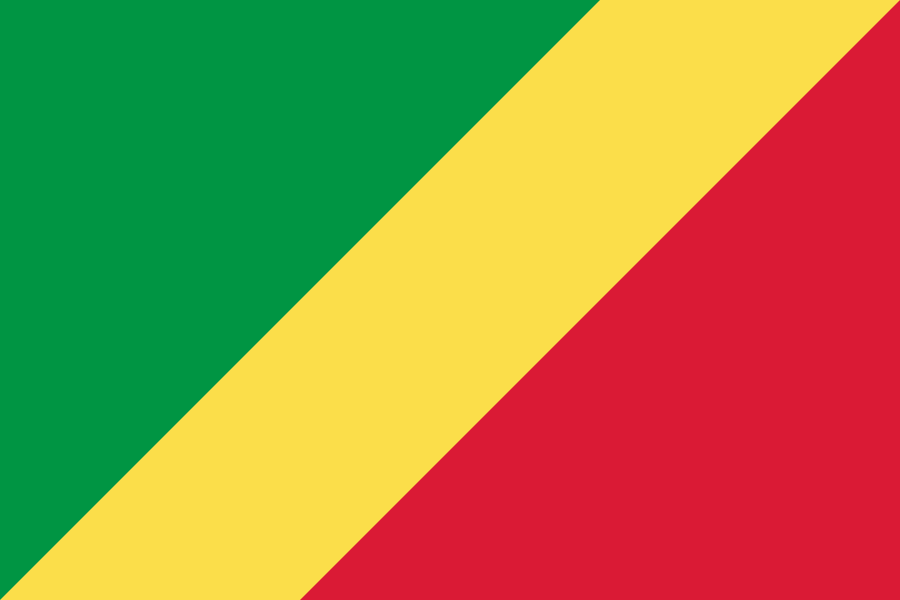 República del Congo
-
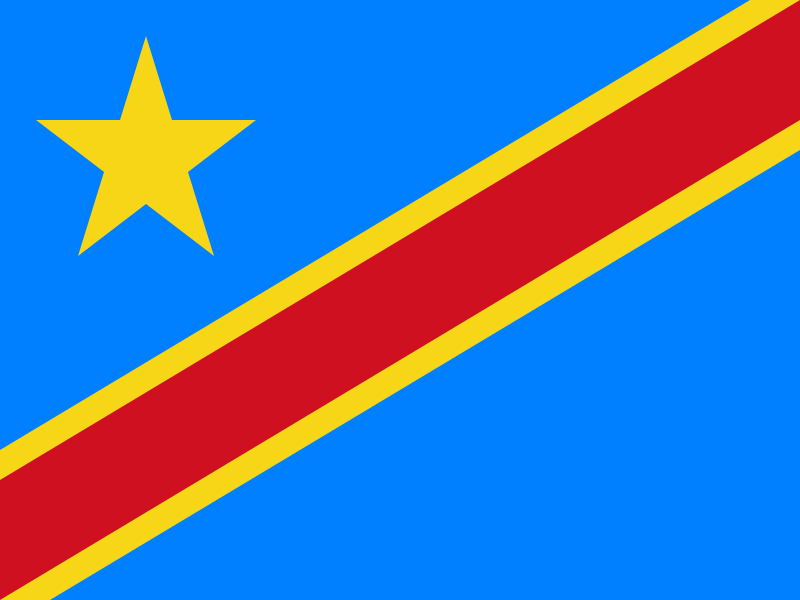 República Democrática del Congo
-
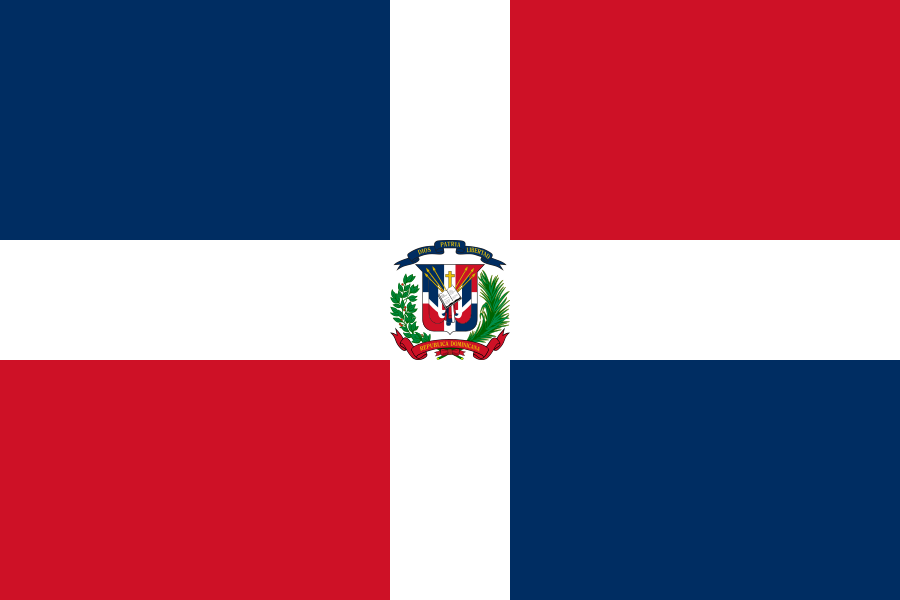 República Dominicana
-
Reunión
-
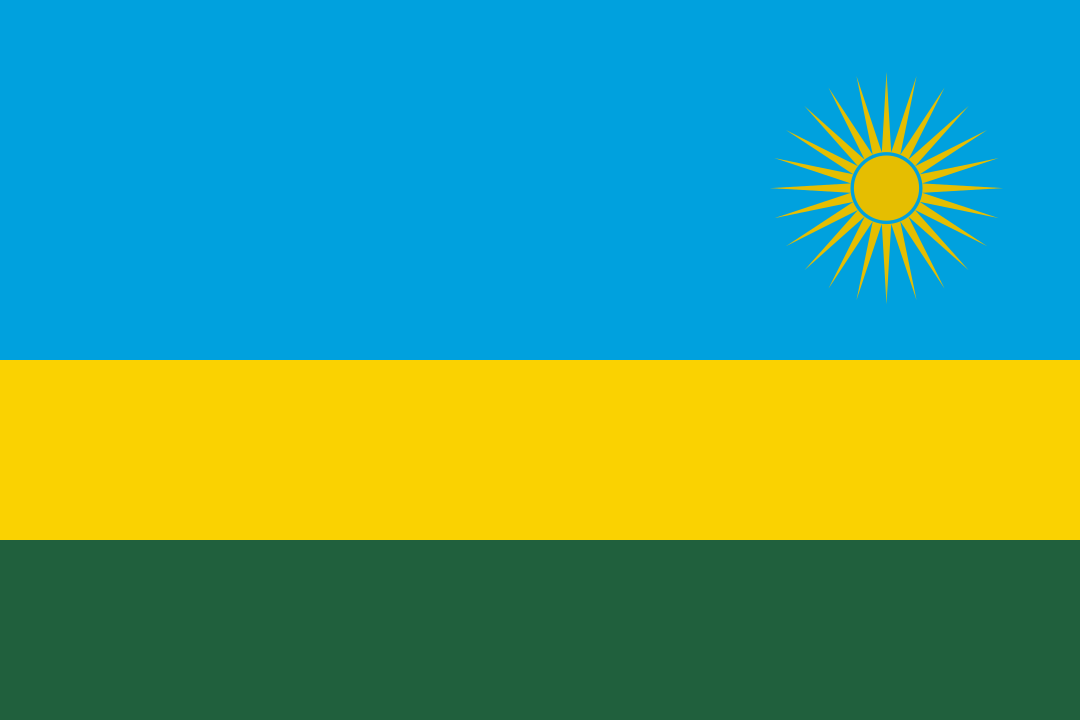 Ruanda
-
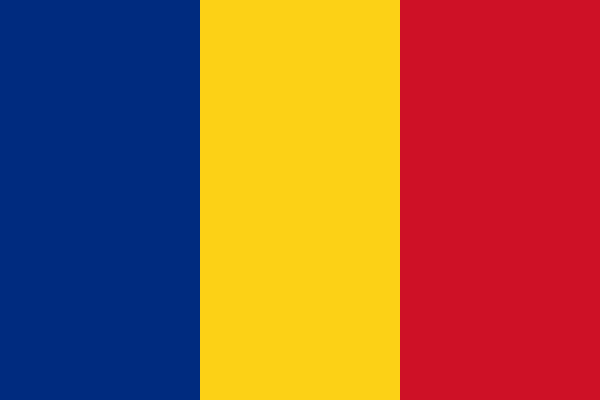 Rumania
-
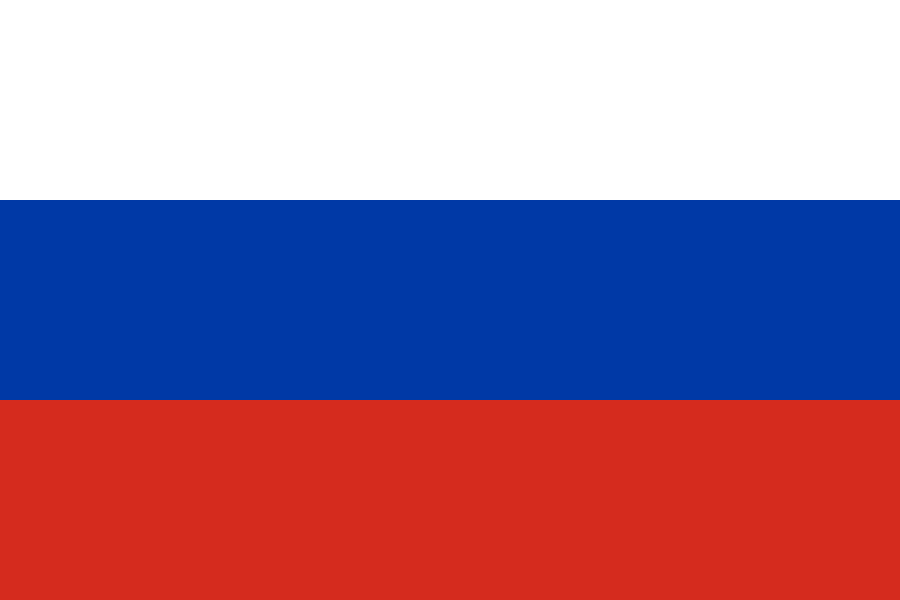 Rusia
Rusia
-
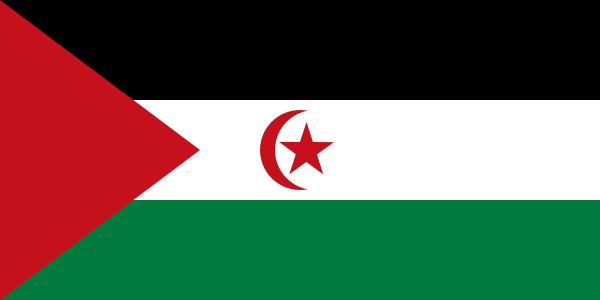 Sahara Occidental
-
Saint Barthélemy
-
 Samoa
Samoa
-
 Samoa Americana
-
 San Cristóbal y Nieves
-
 San Marino
-
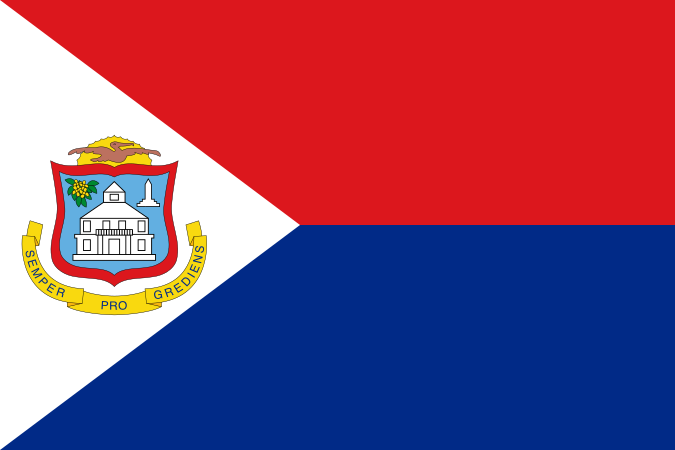 San Martín
-
San Martin
-
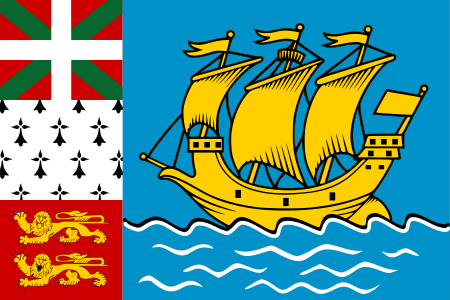 San Pedro y MIquelón
-
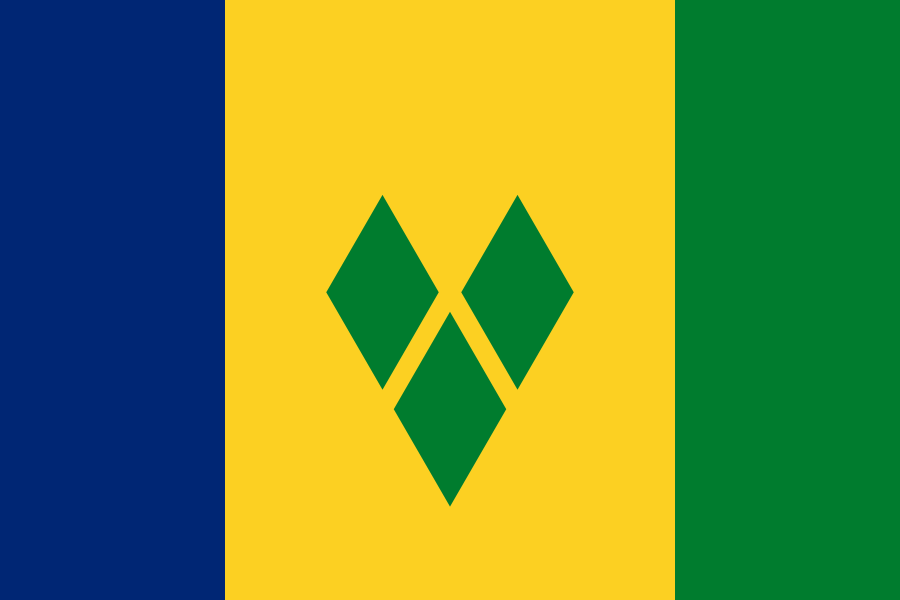 San Vicente y las Granadinas
-
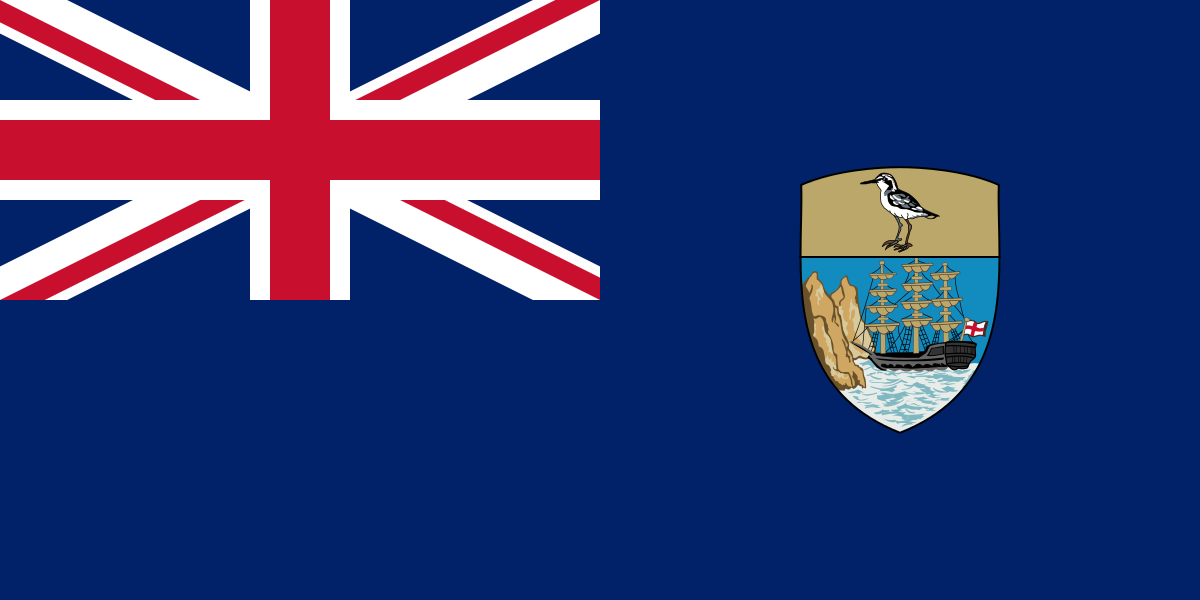 Santa Elena
-
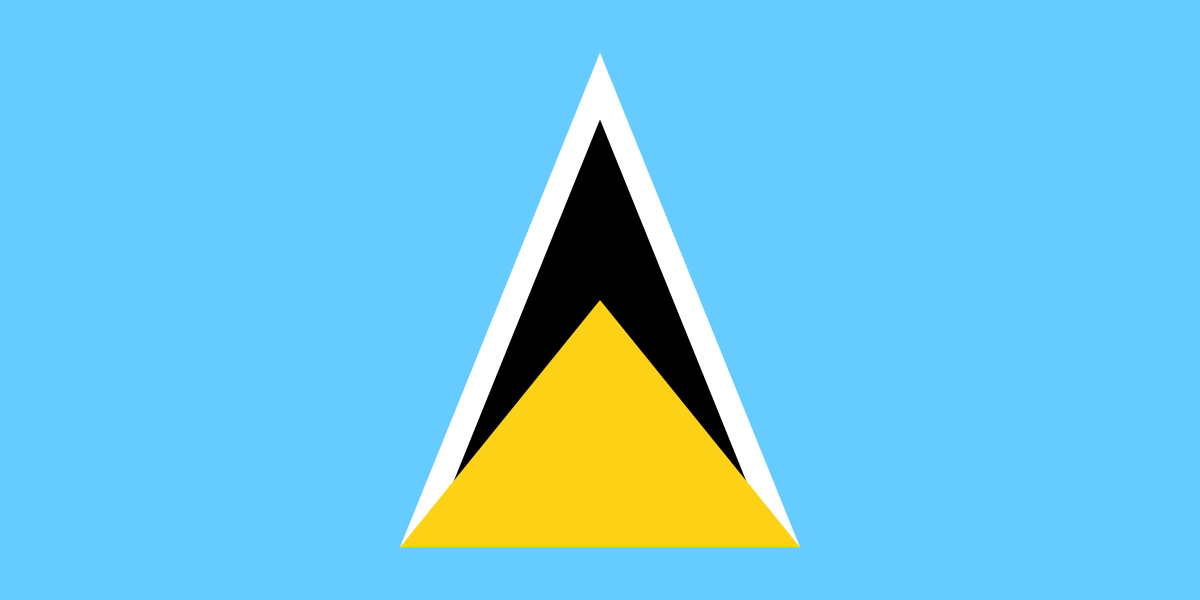 Santa Lucía
-
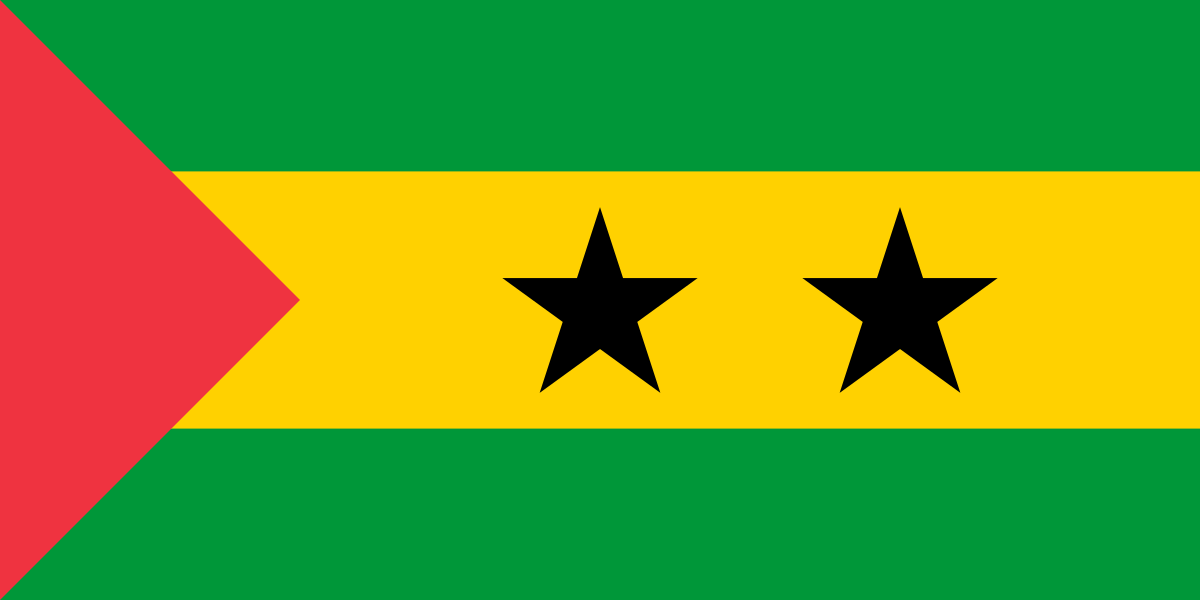 Santo Tomé y Príncipe
-
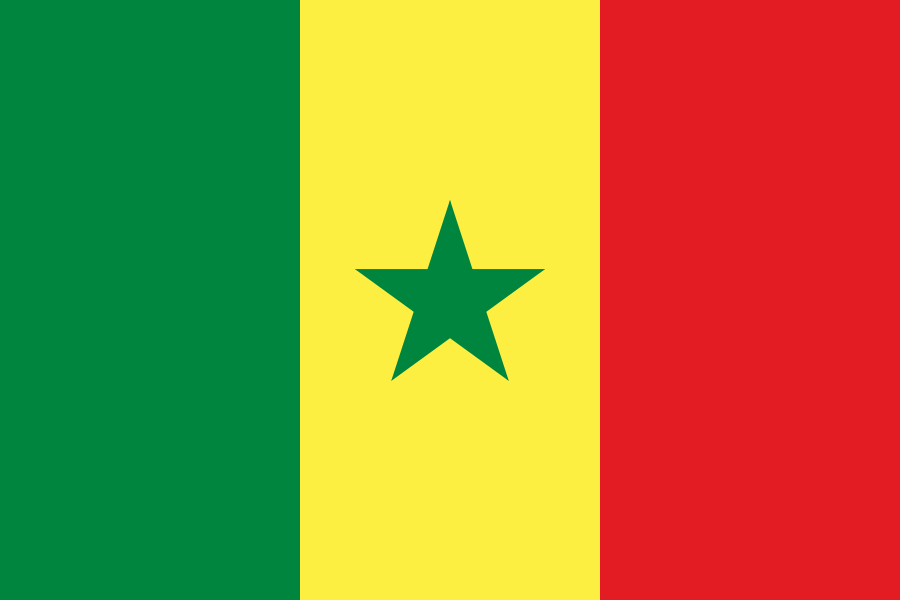 Senegal
-
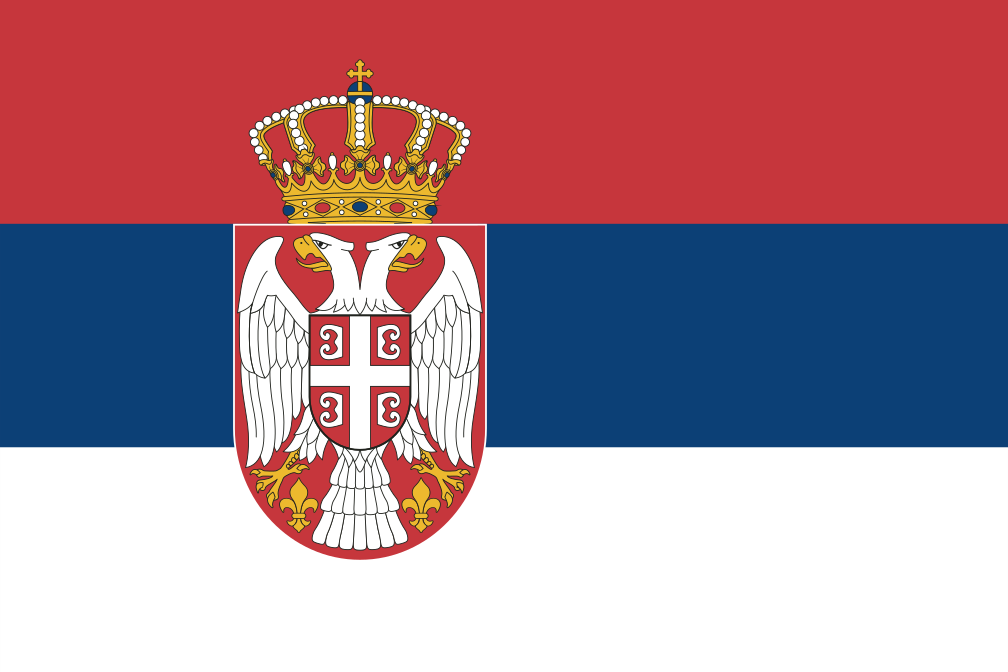 Serbia
-
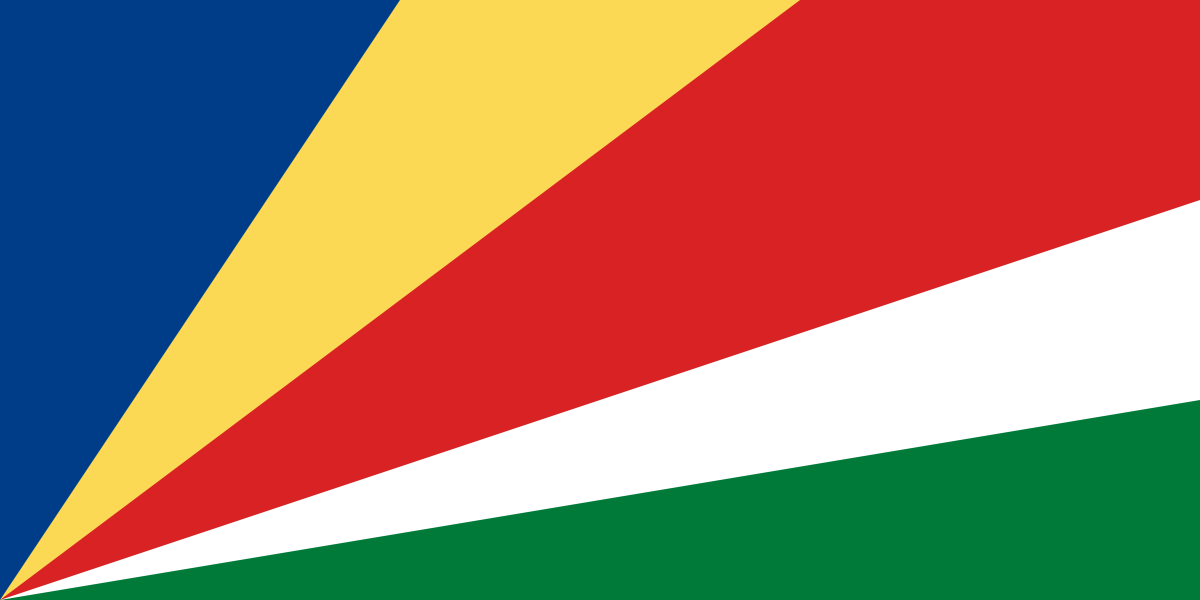 Seychelles
-
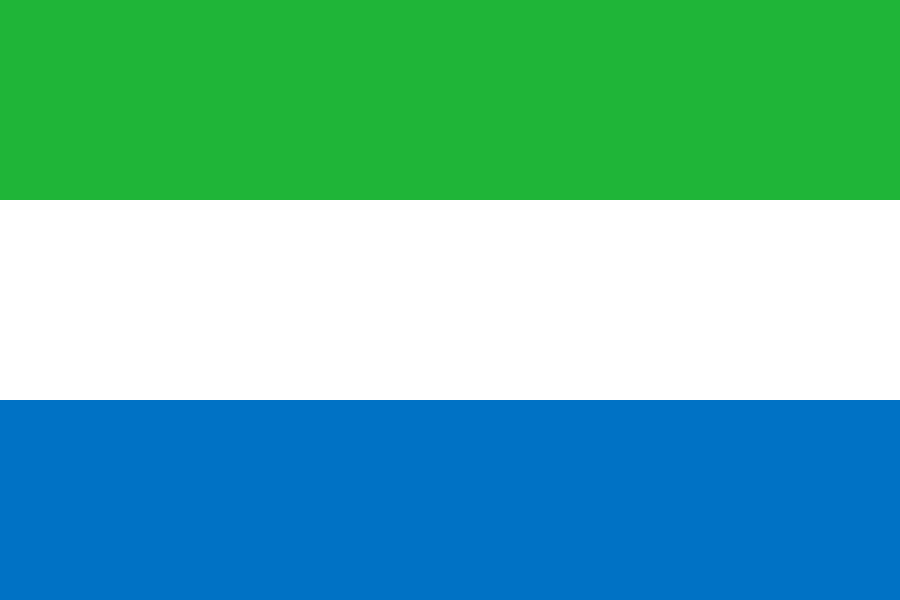 Sierra Leona
-
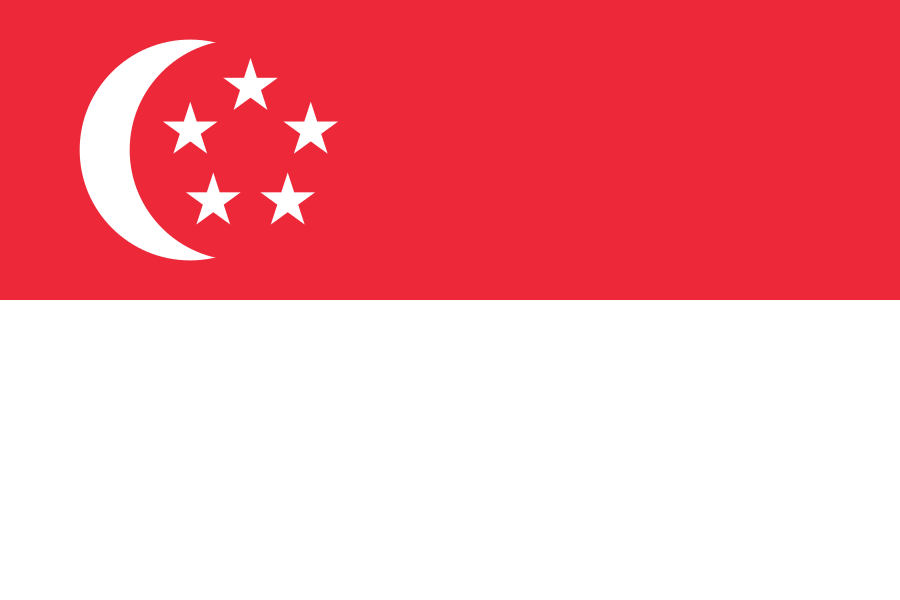 Singapur
-
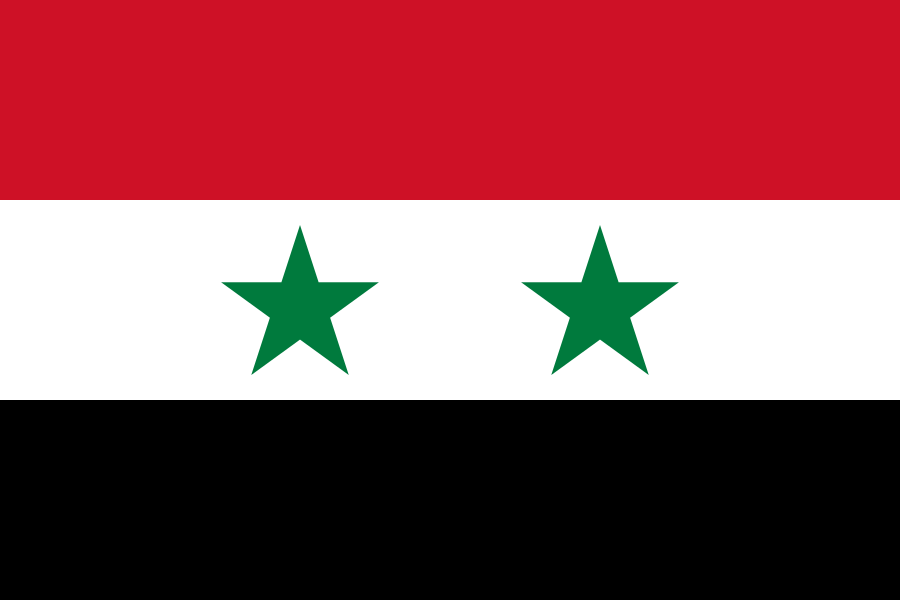 Siria
Siria
-
 Somalia
-
 Sri Lanka
-
 Suazilandia
-
 Sudáfrica
-
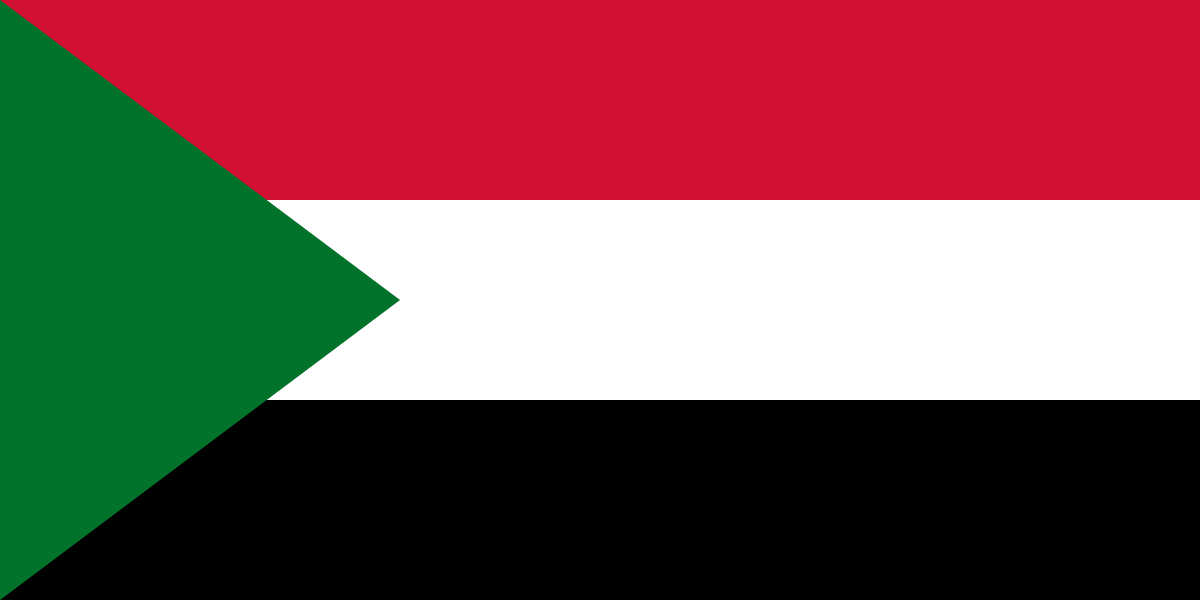 Sudán
Sudán
-
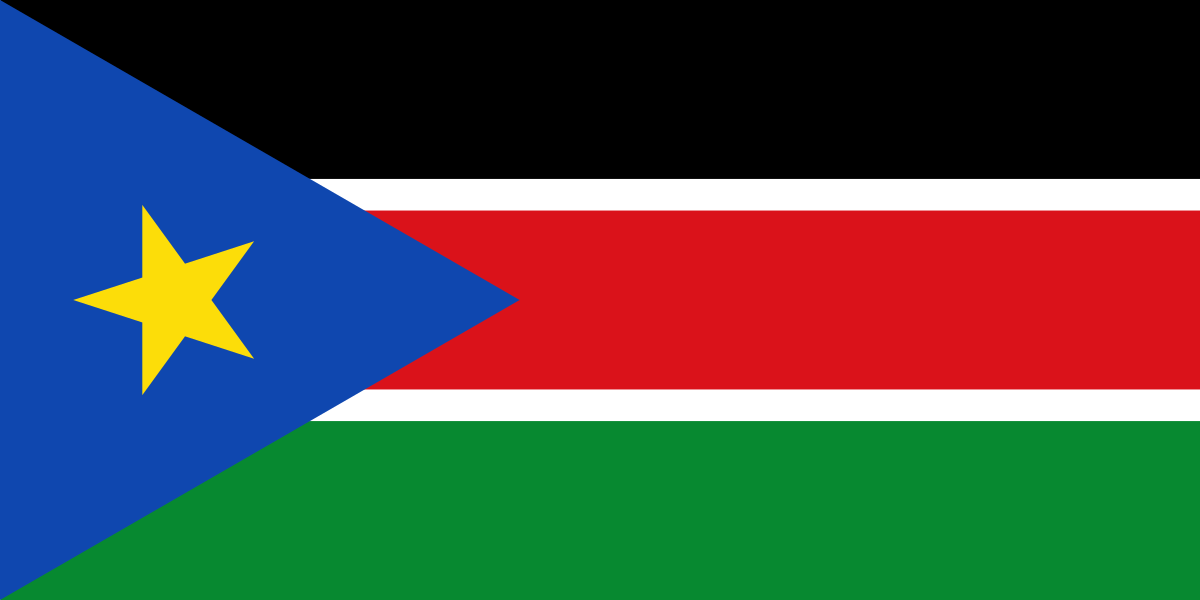 Sudán del Sur
-
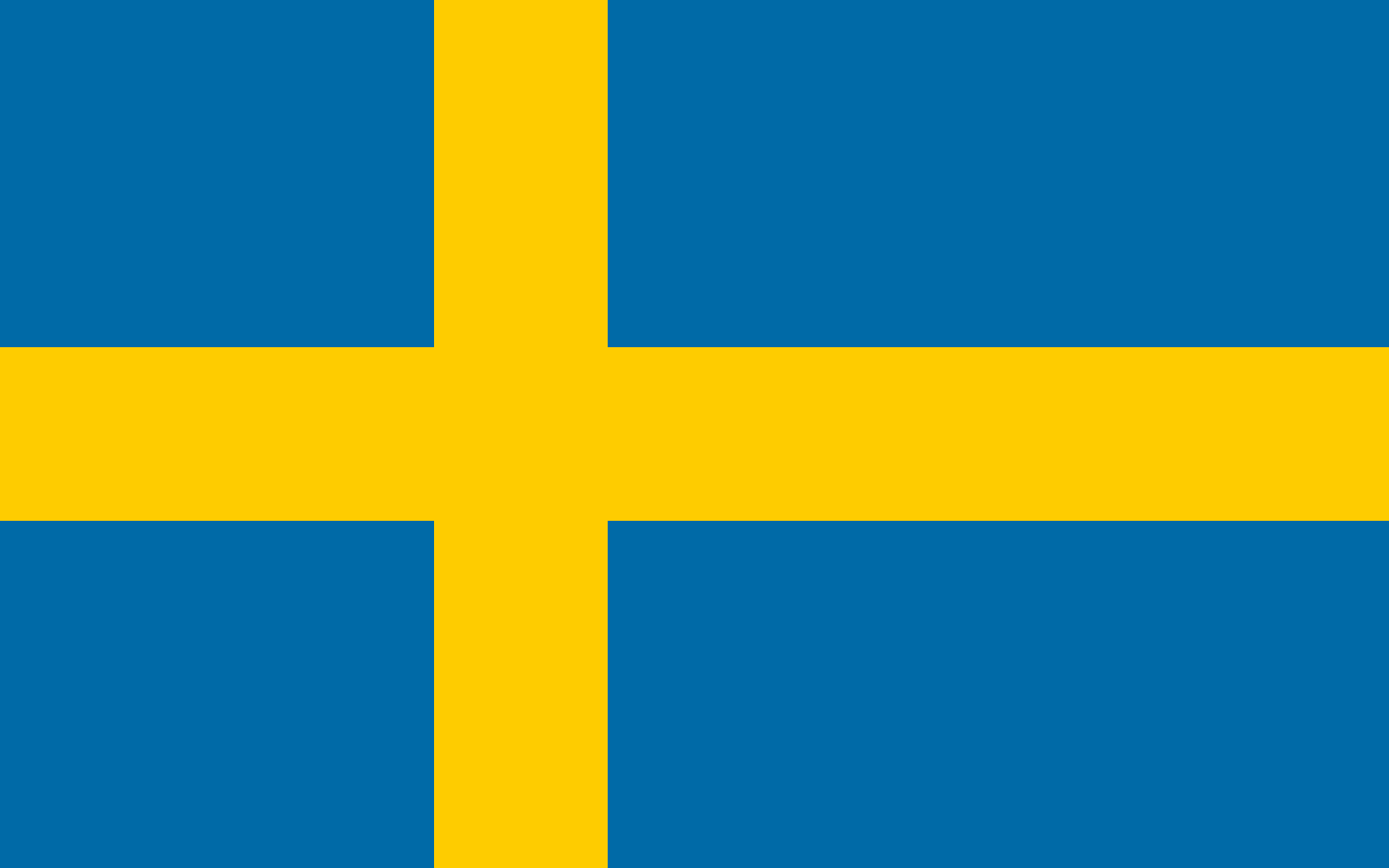 Suecia
-
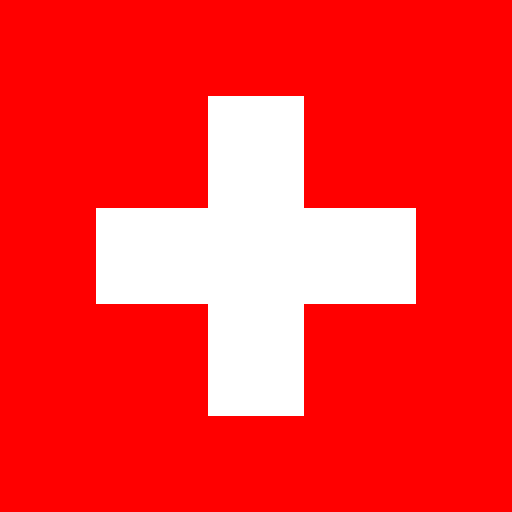 Suiza
Suiza
-
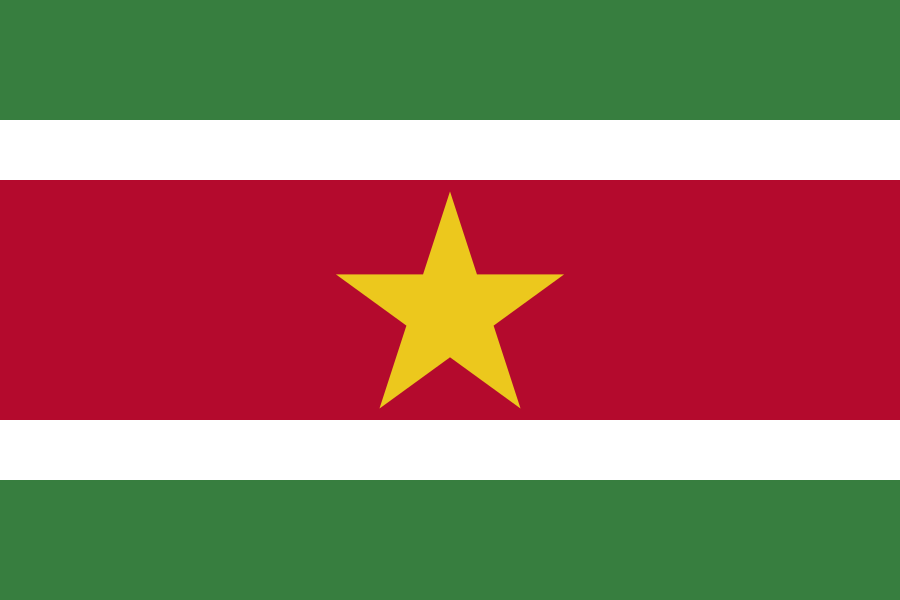 Surinam
-
Svalbard y Jan Mayen
-
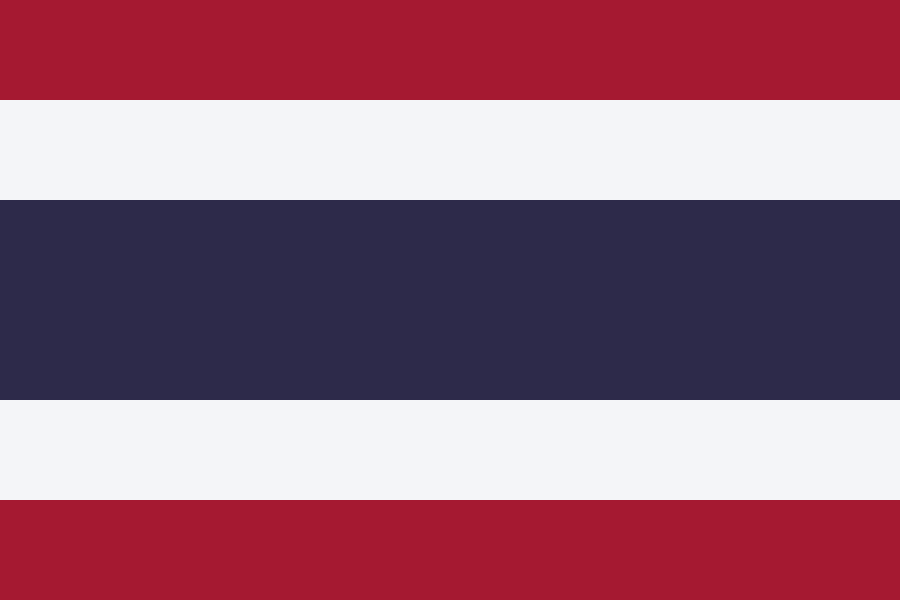 Tailandia
-
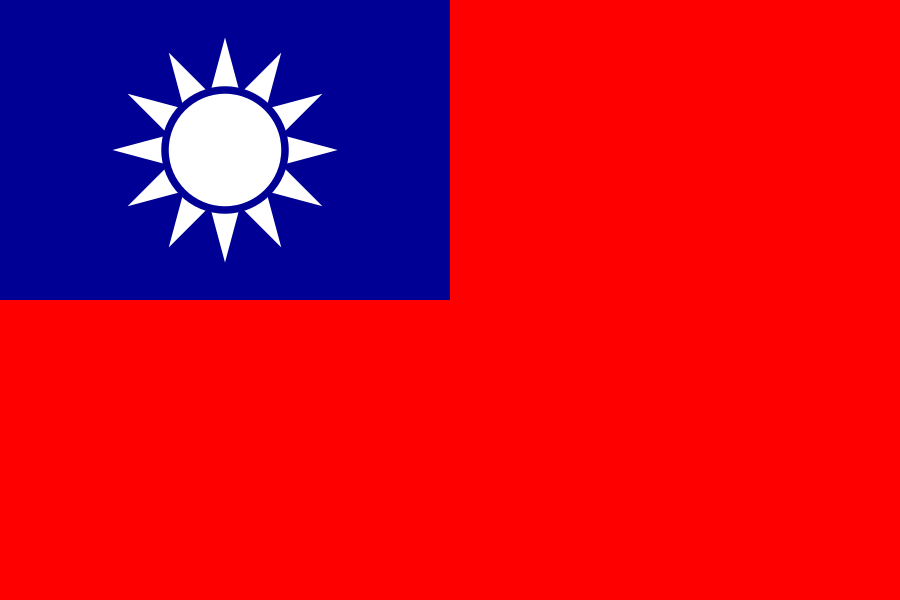 Taiwán
-
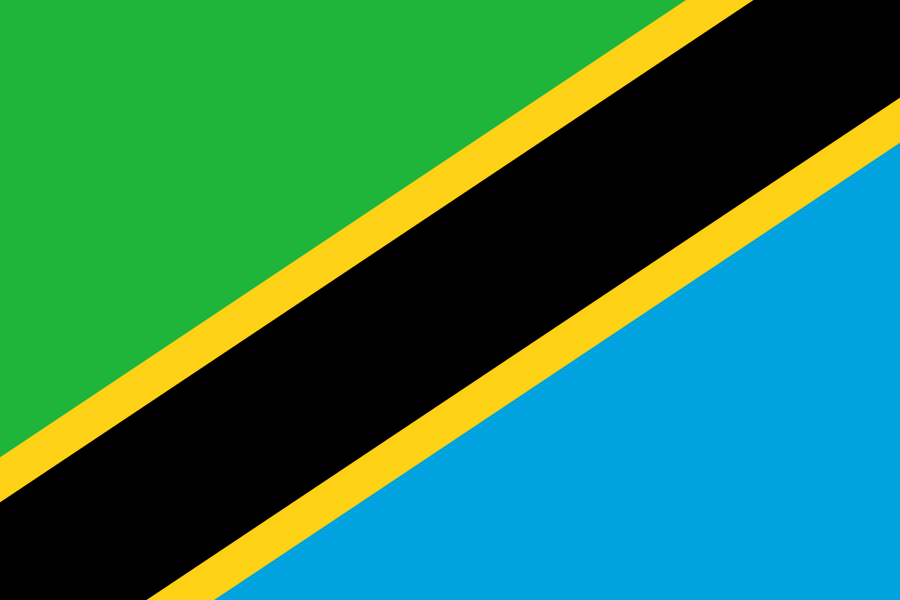 Tanzania
-
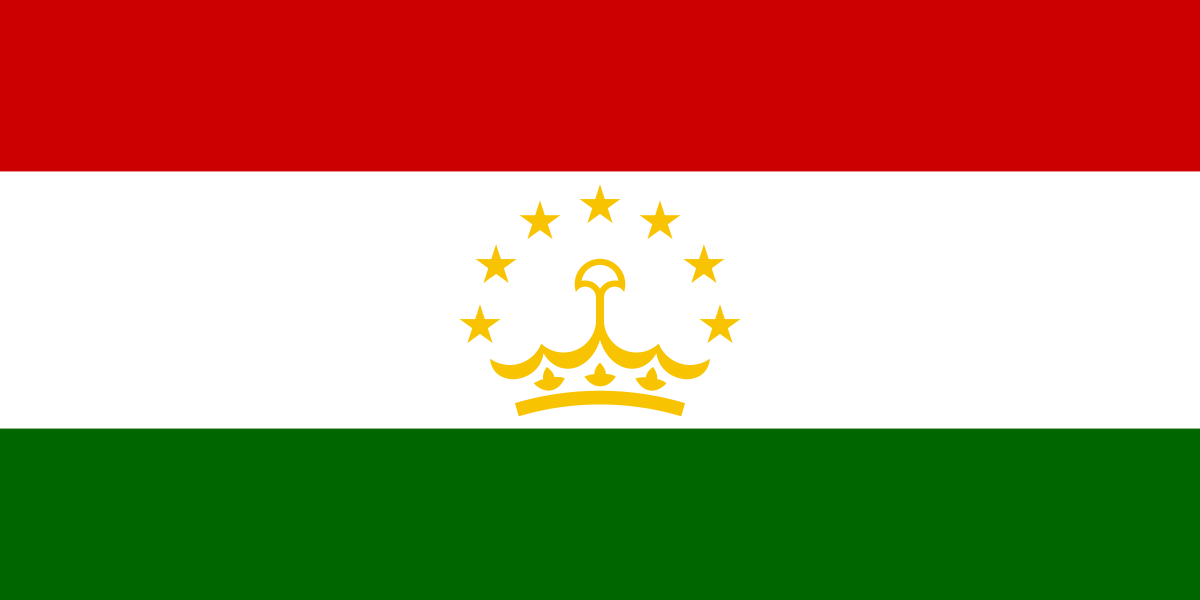 Tayikistán
-
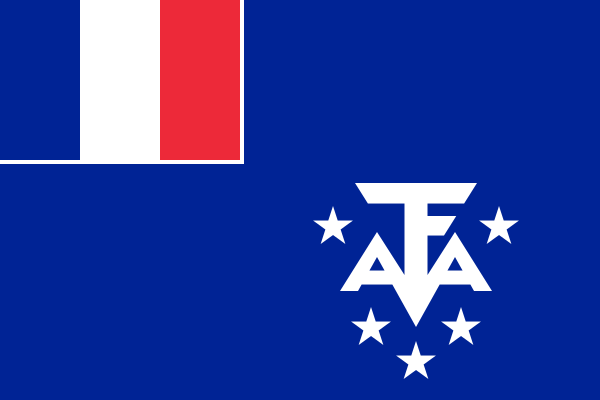 Tierras Australes y Antárticas Francesas
-
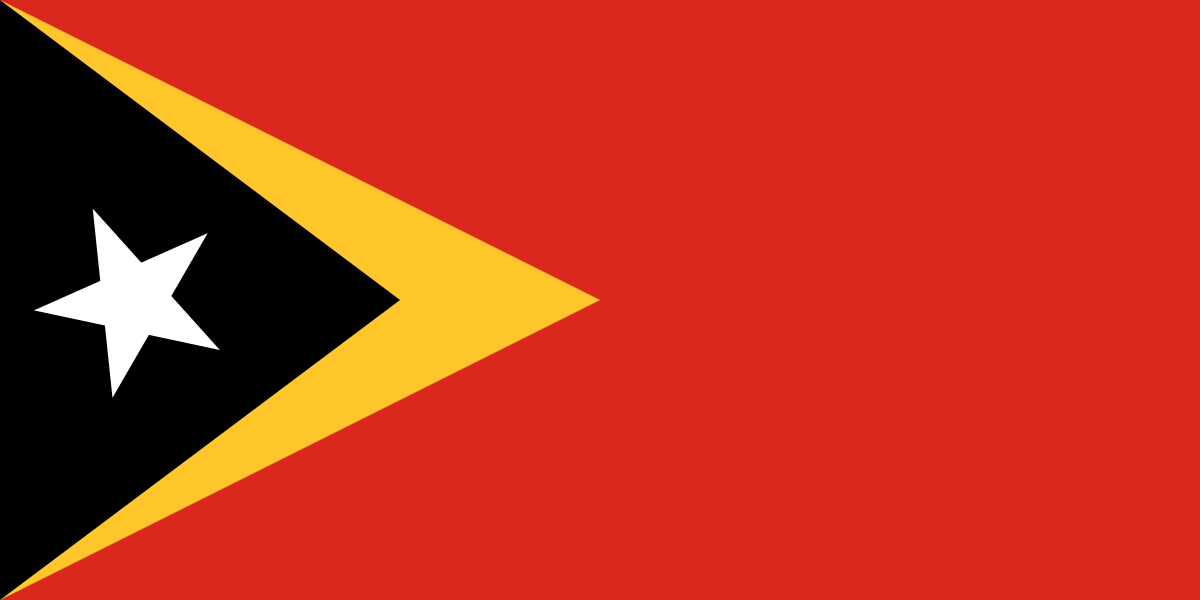 Timor Oriental
-
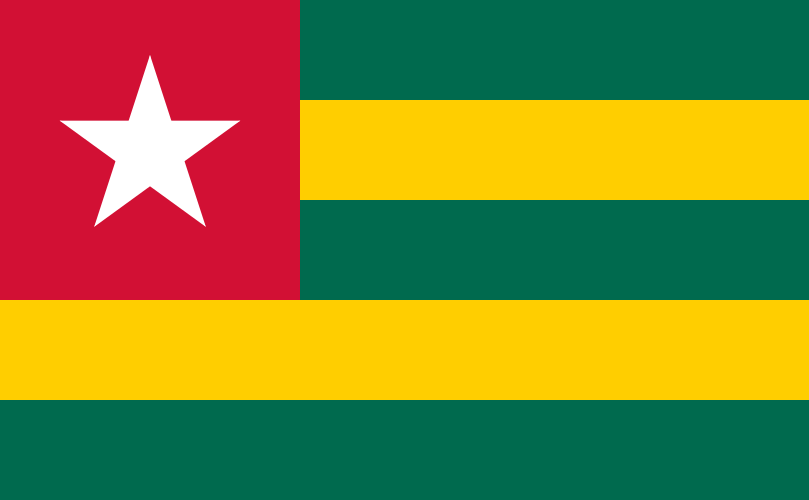 Togo
Togo
-
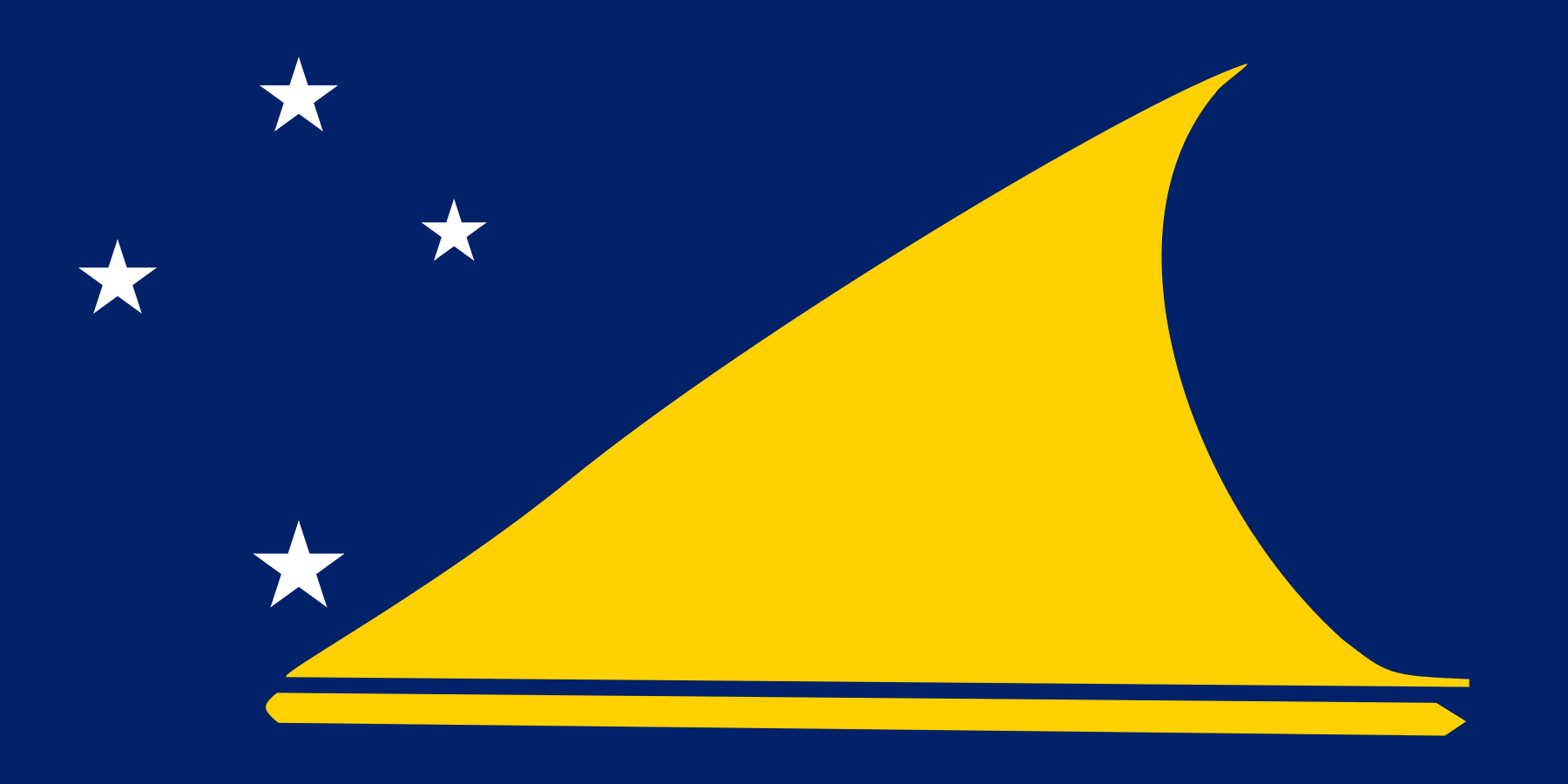 Tokelau
-
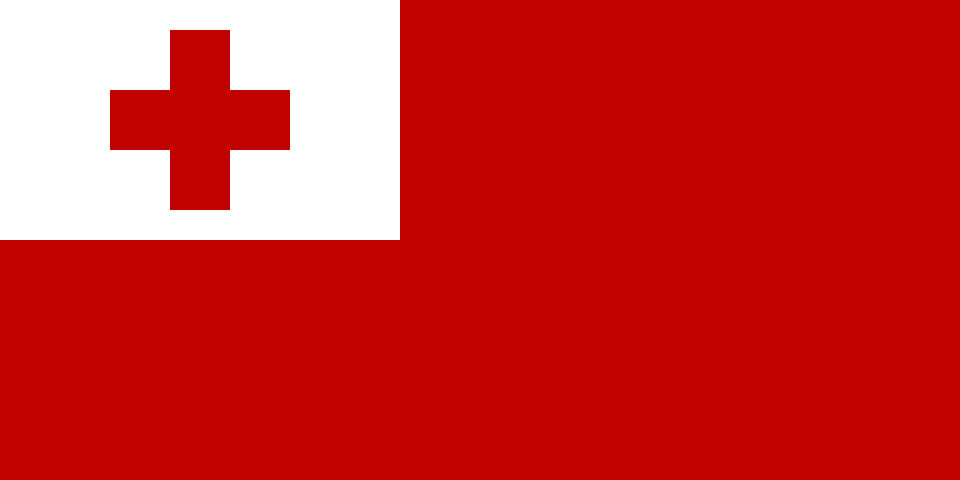 Tonga
Tonga
-
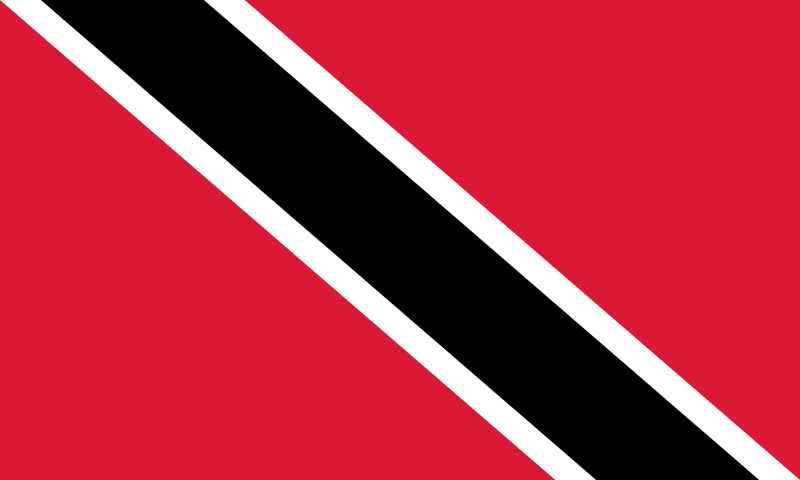 Trinidad y Tobago
-
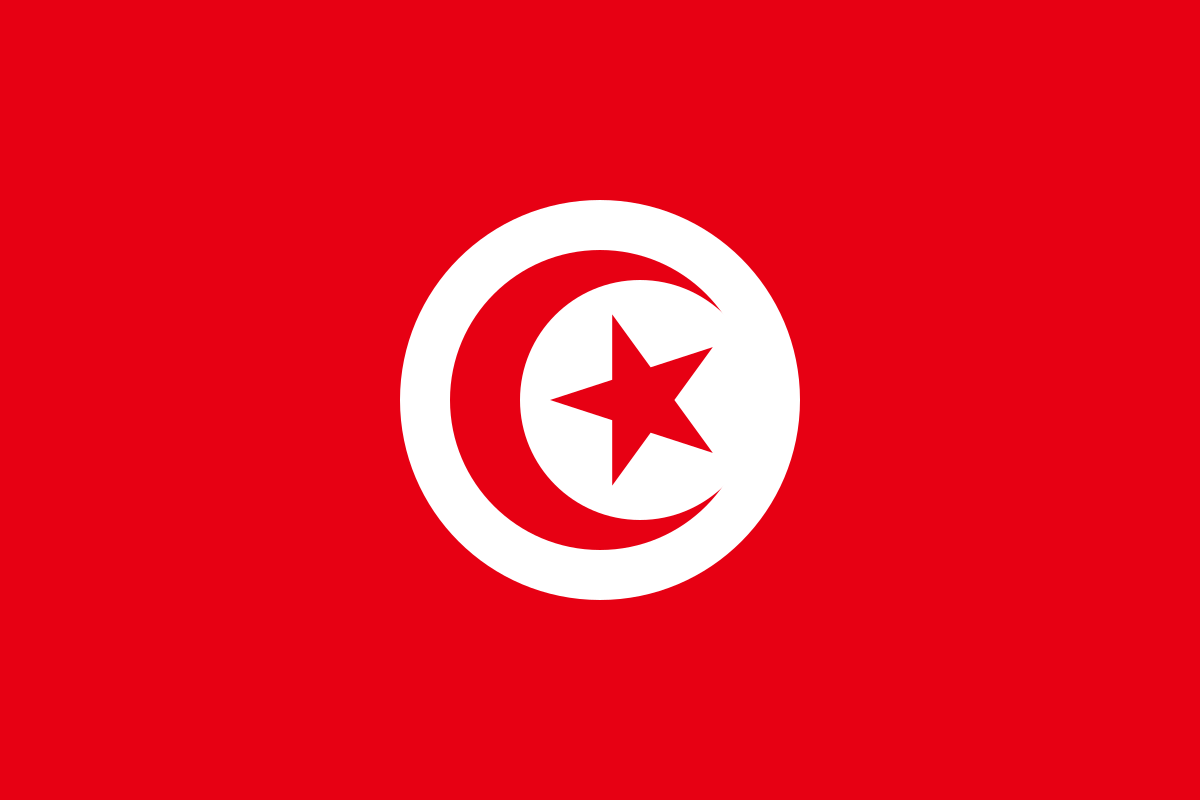 Túnez
Túnez
-
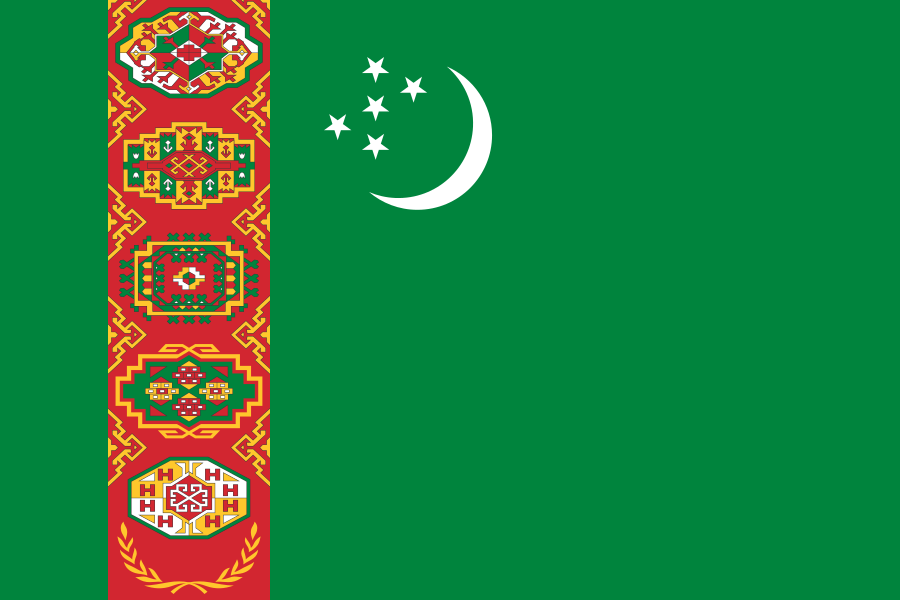 Turkmenistán
-
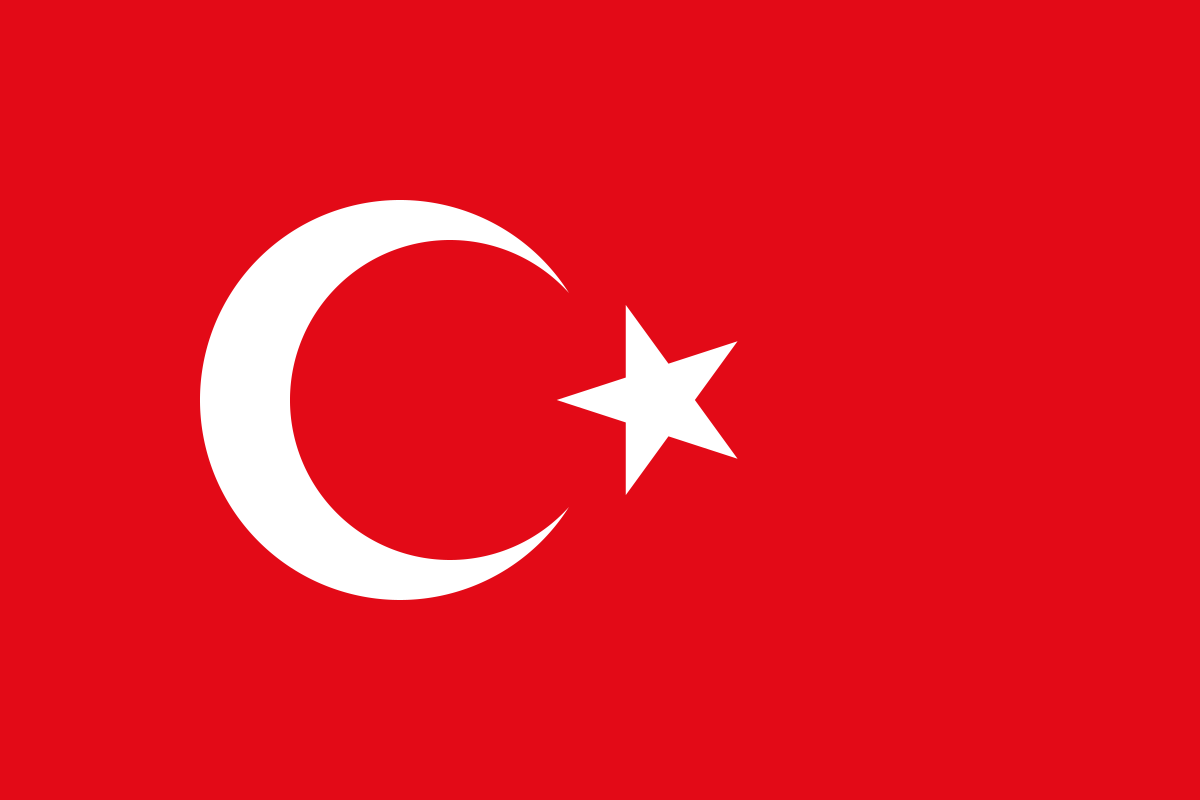 Turquía
-
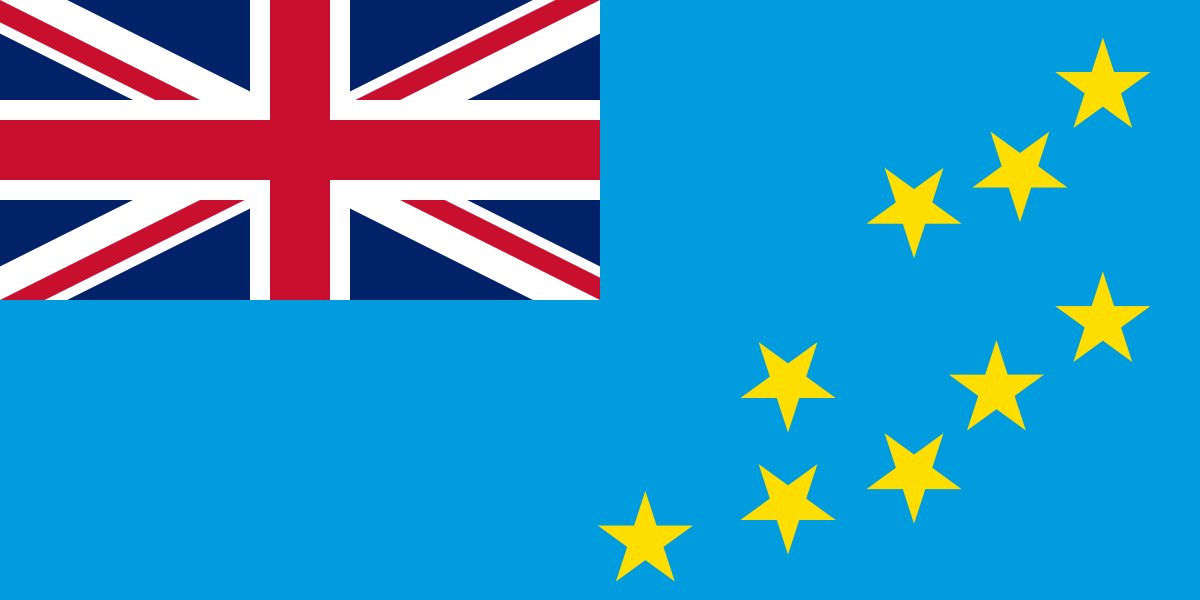 Tuvalu
-
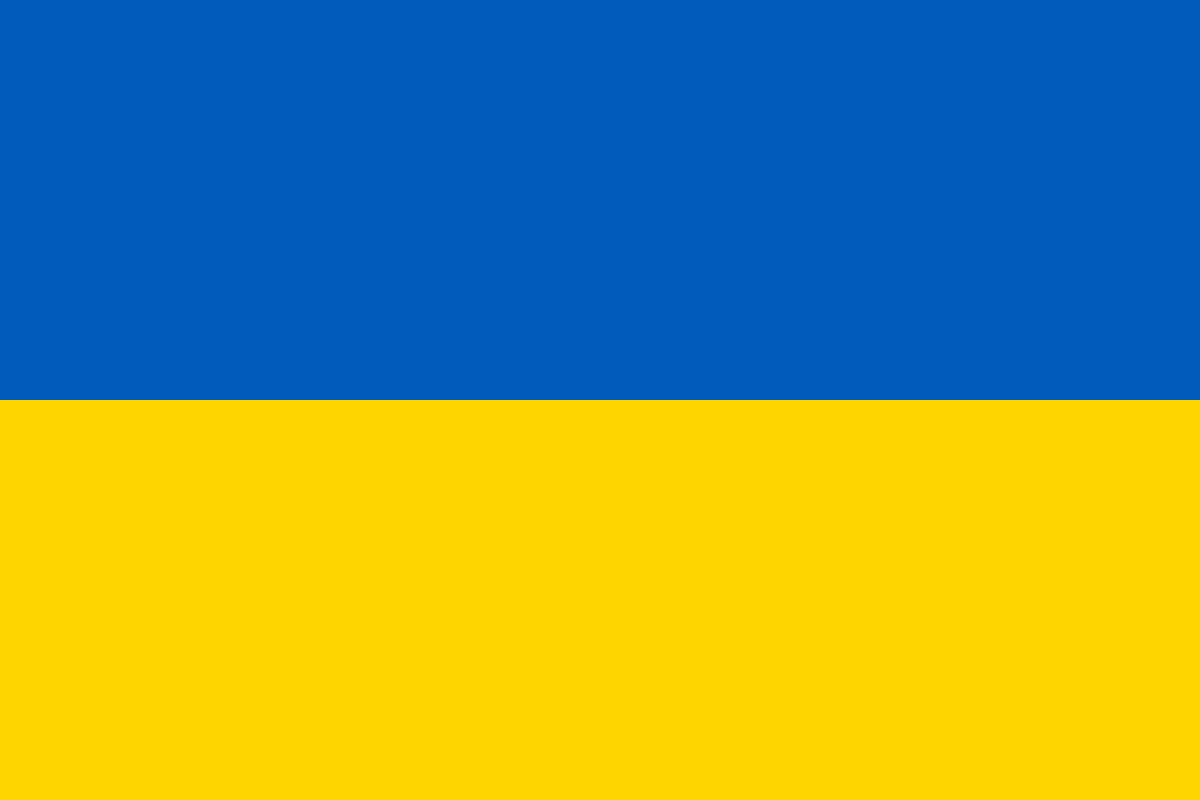 Ucrania
-
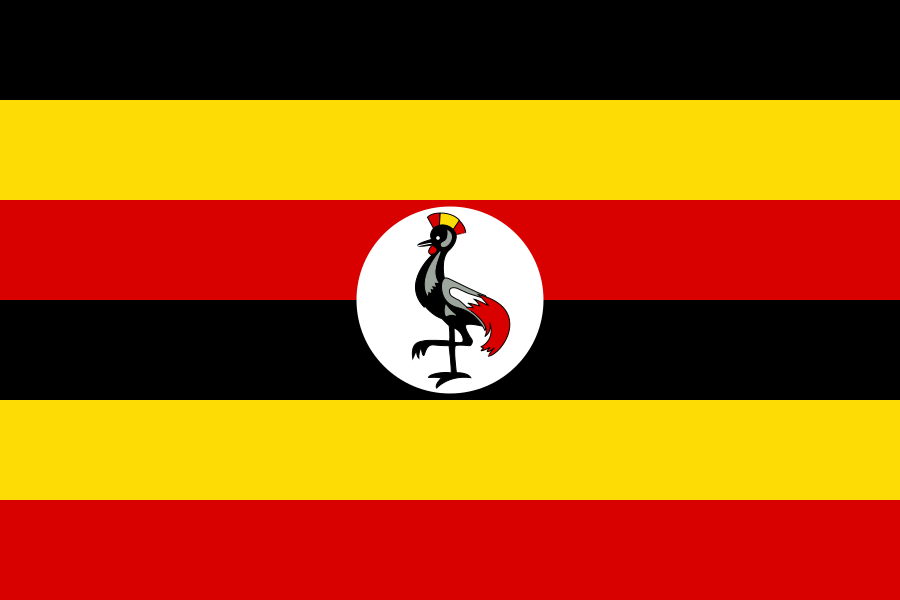 Uganda
-
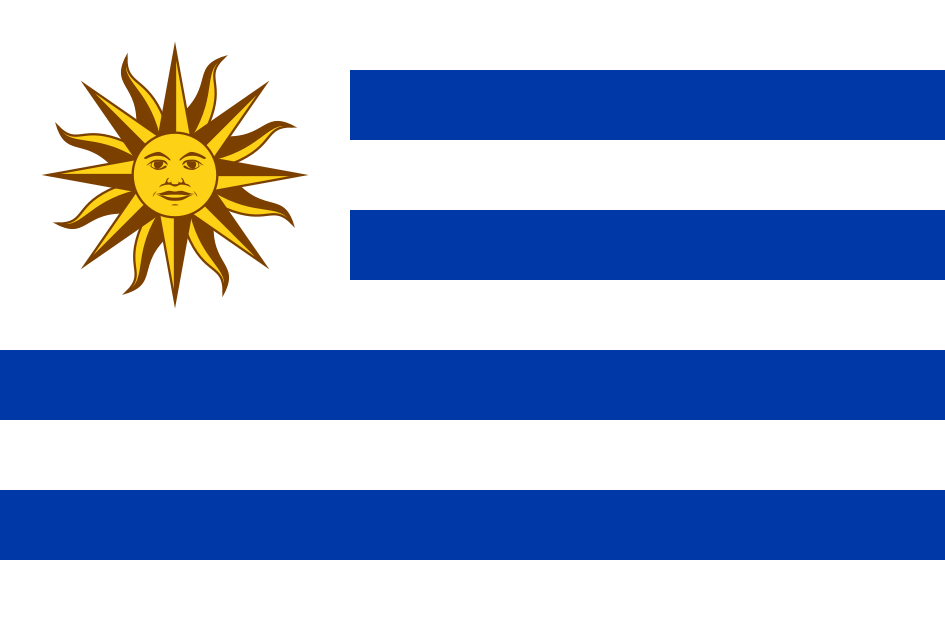 Uruguay
-
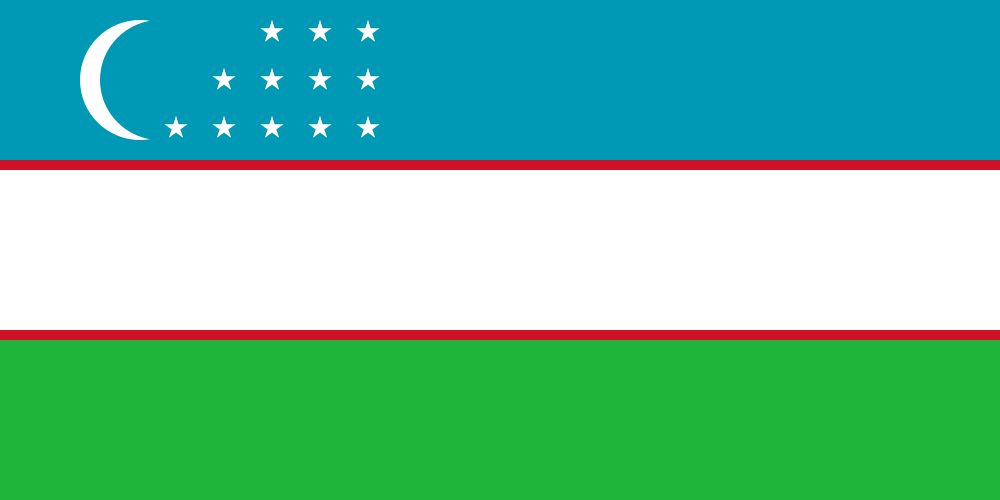 Uzbekistán
-
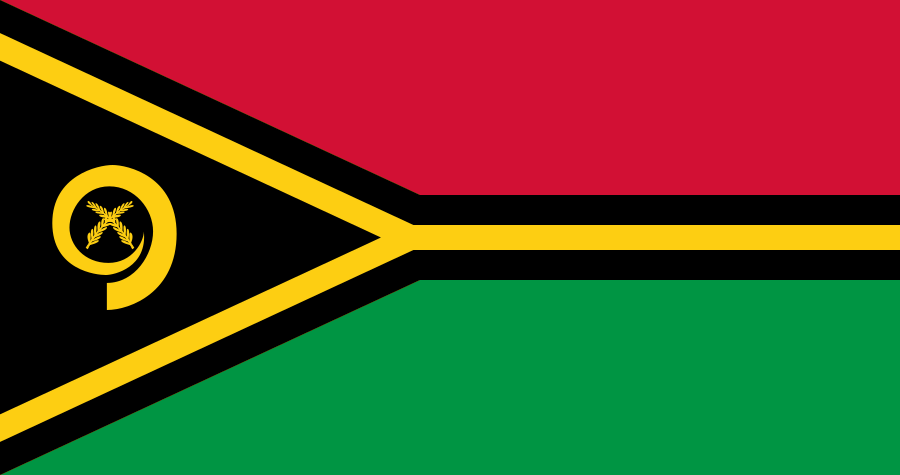 Vanuatu
-
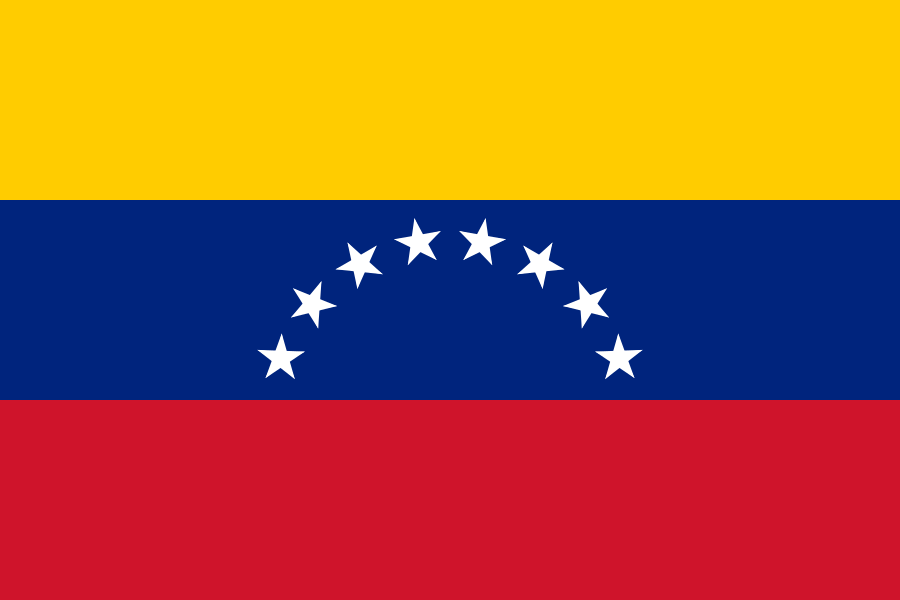 Venezuela
-
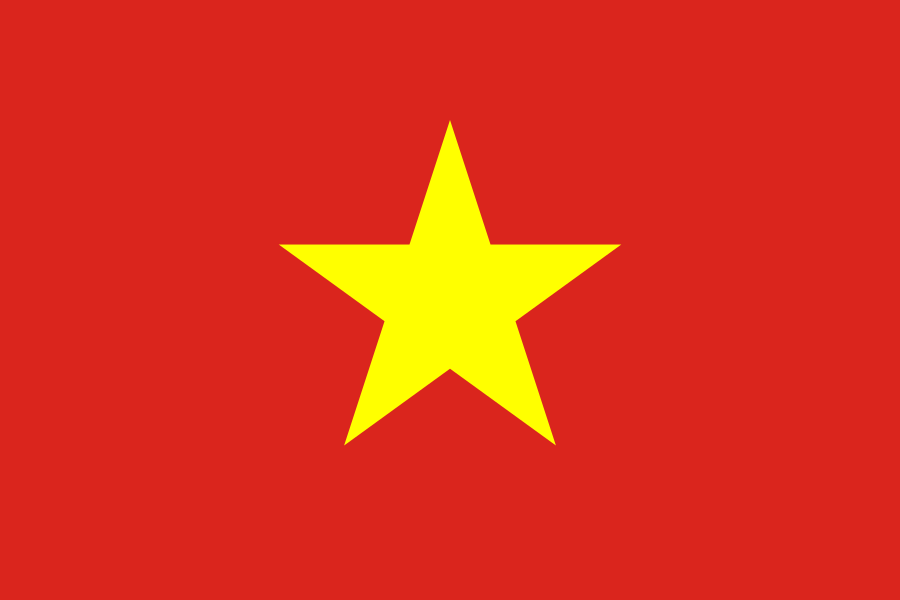 Vietnam
-
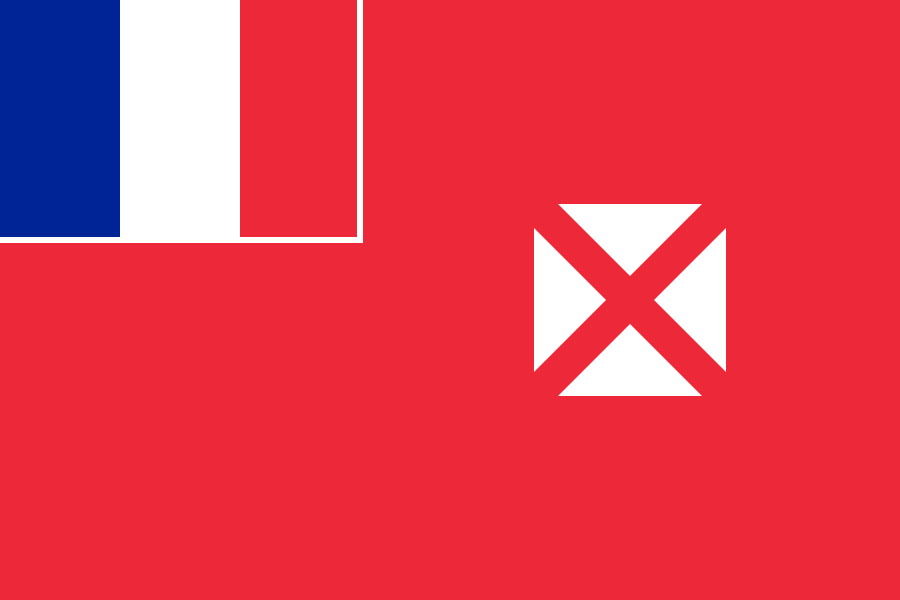 Wallis y Futuna
-
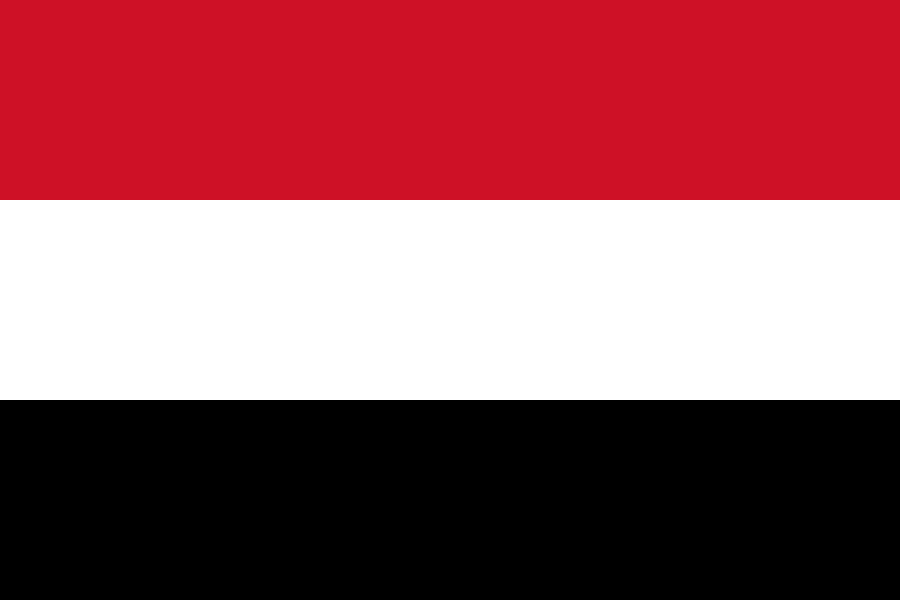 Yemen
Yemen
-
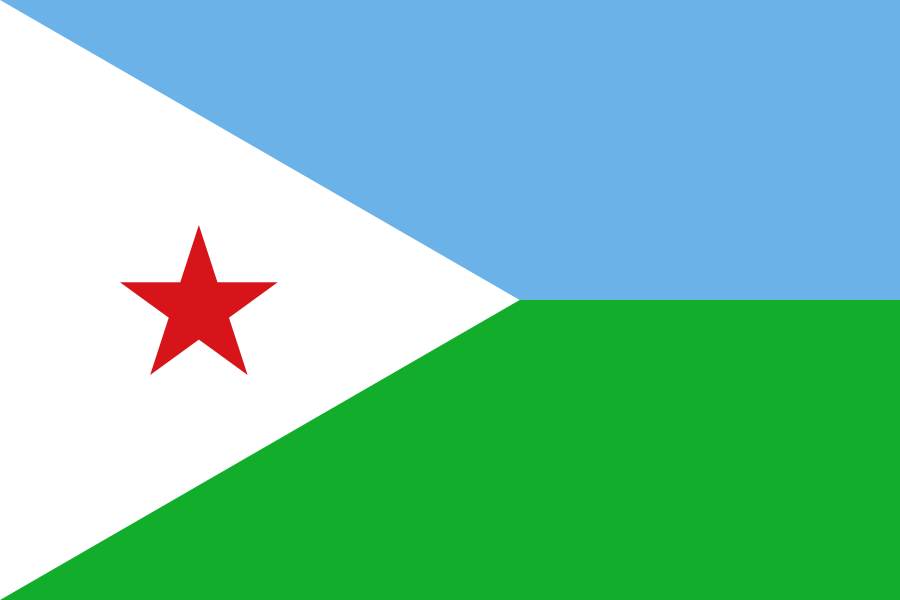 Yibuti
-
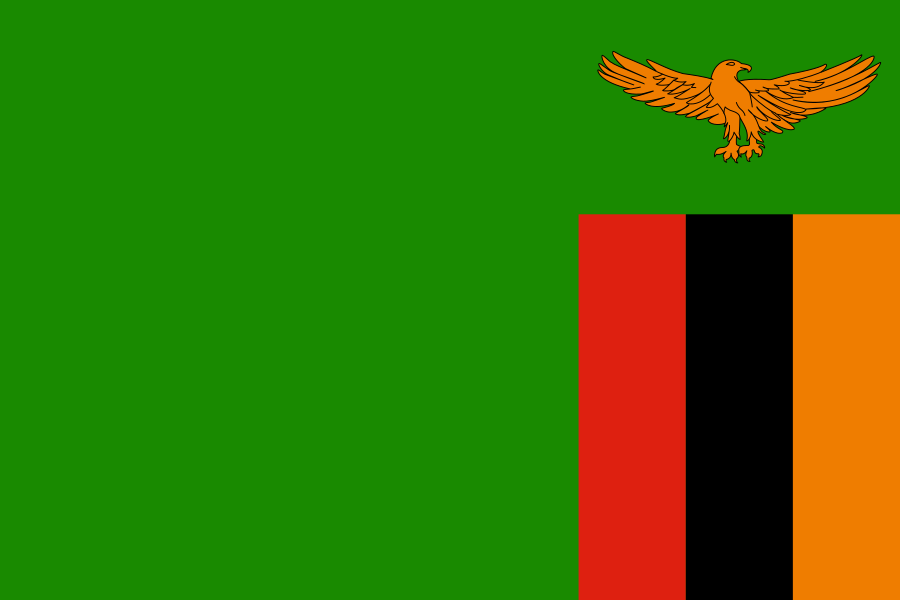 Zambia
-
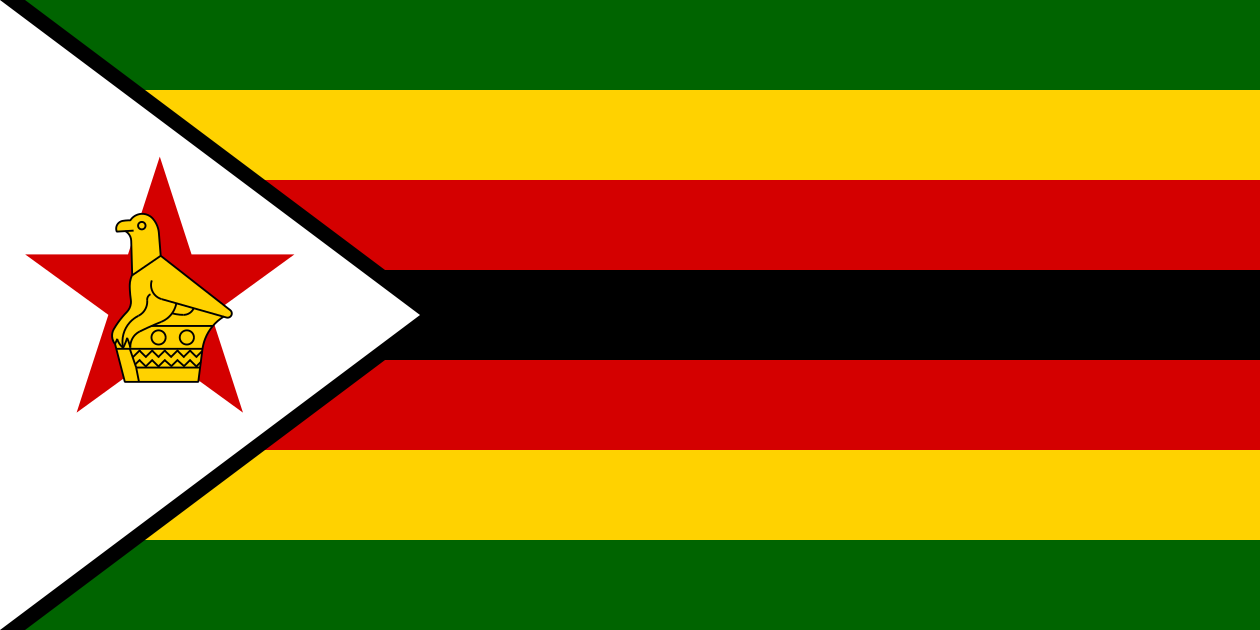 Zimbabue
Australia .au
Significado de la Bandera
The national flag of Australia is based on the British Blue Ensign—a blue field with the Union Jack in the upper hoist quarter—featuring a large white seven-pointed star (the Commonwealth Star) and a representation of the Southern Cross constellation, made up of five white stars (one small five-pointed star and four larger seven-pointed stars). Australia also has a number of other official flags representing its states and territories, indigenous peoples and government bodies. It is one of the most distinctive constellations visible in the Southern Hemisphere, and has been used to represent Australia since the early days of British settlement. The flag was last altered in 1908 to its current form when a seventh point was added to the Commonwealth Star; this seventh point has come to represent all territories and any future states of Australia.
Historia de la Bandera
-
1770The Union Jack, as the flag of the British Empire, was first hoisted on Australian soil when Lieutenant James Cook landed at Botany Bay, on 29 April 1770.
-
1801
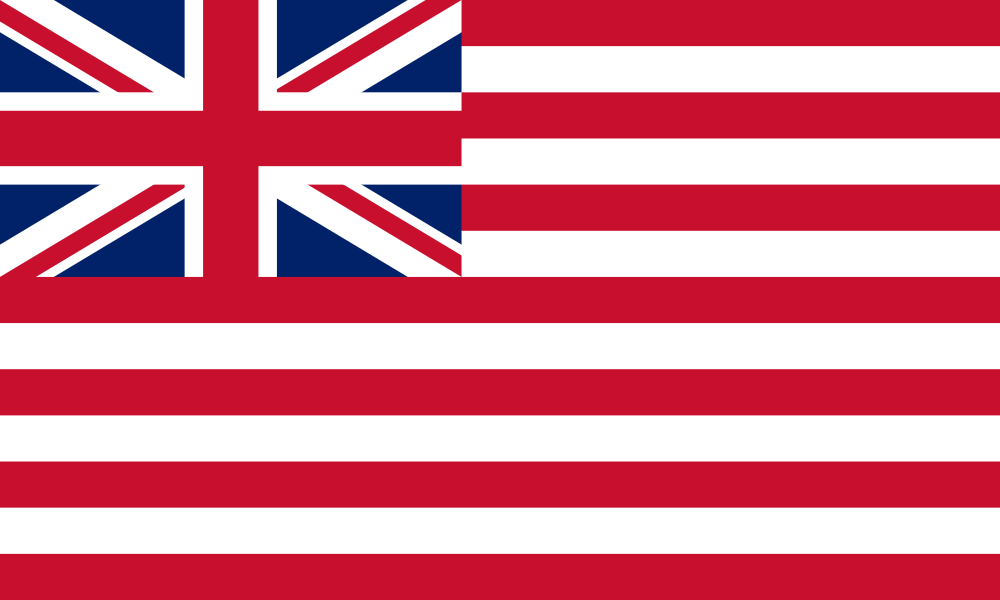 It was incorporated after the Acts of Union 1801 between Great Britain and Ireland, hence featuring on the Australian flag.
 -
1903–1908
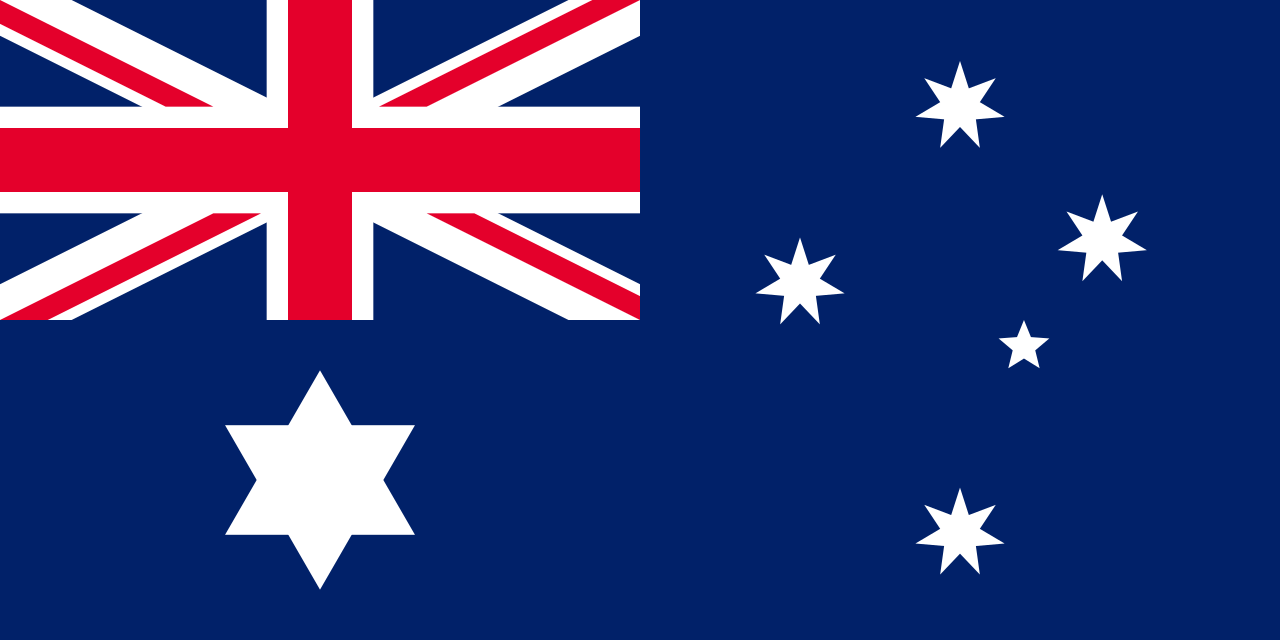 As Federation approached, thoughts turned to an official federal flag.
 -
1954–presente
Bandera actual, en uso desde 1954.
Curiosidades
The Flags Act outlines the exact specifications for the design of the Australian flag. The Flags Act also features guidelines for flying the flag.
It is recommended to fly the flag only during daylight hours. If the flag is flown at night, it must be illuminated. It is also recommended to not fly two flags on the same flag pole.
Australia has an email service that provides citizens with information on when to fly the flag.
September 3 has been designated as Australia’s Flag Day.