-
 Abkhazia
-
 Afganistán
-
 Albania
-
 Alemania
-
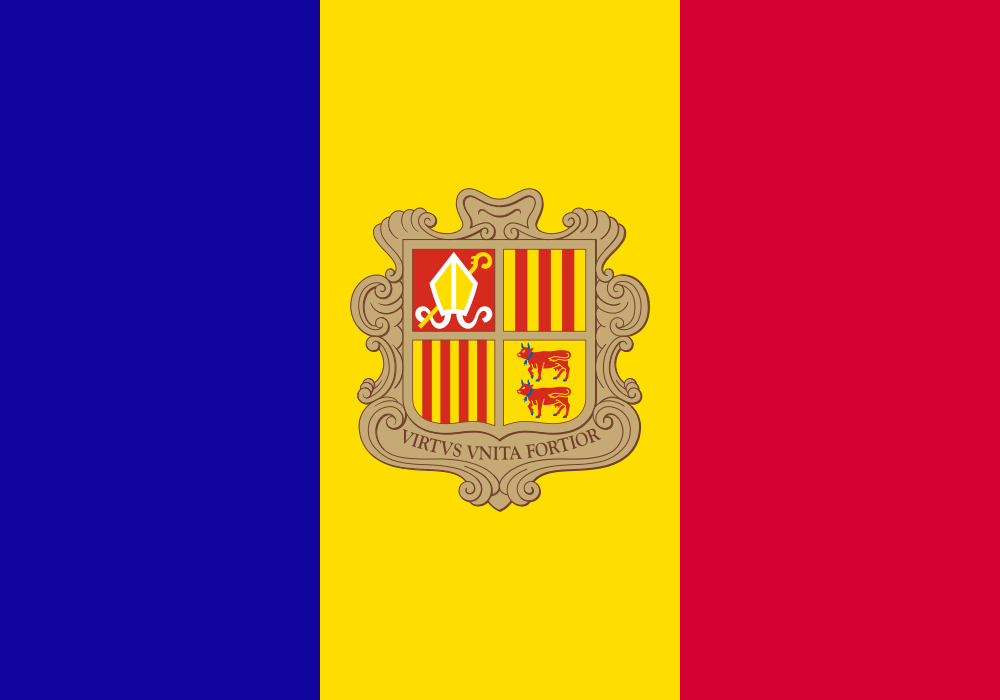 Andorra
-
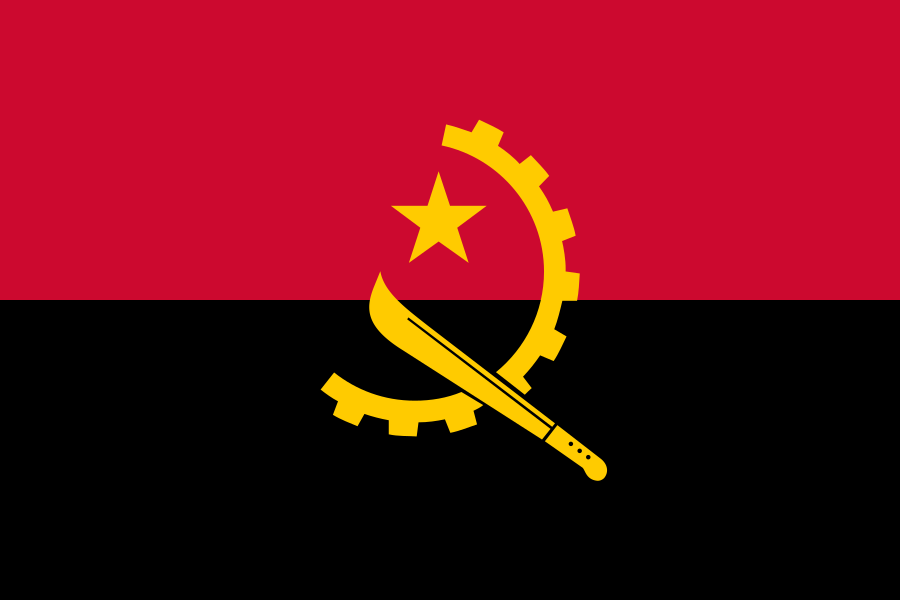 Angola
-
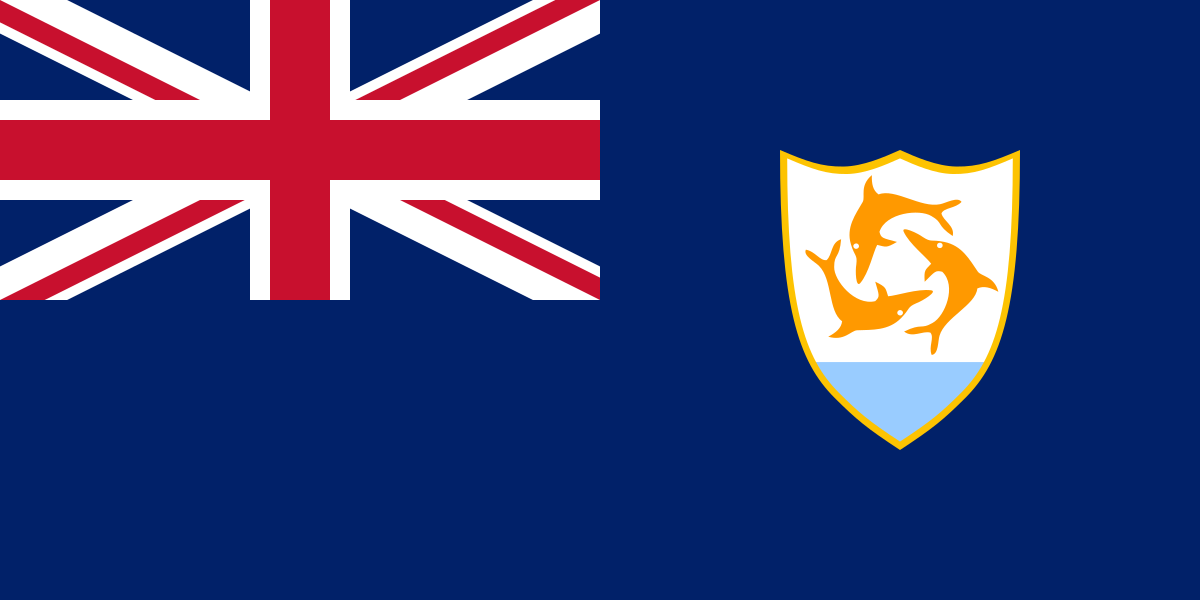 Anguila
-
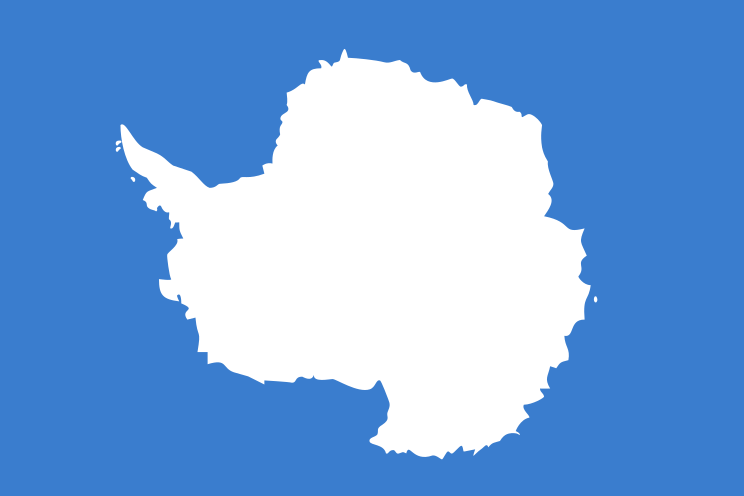 Antártida
-
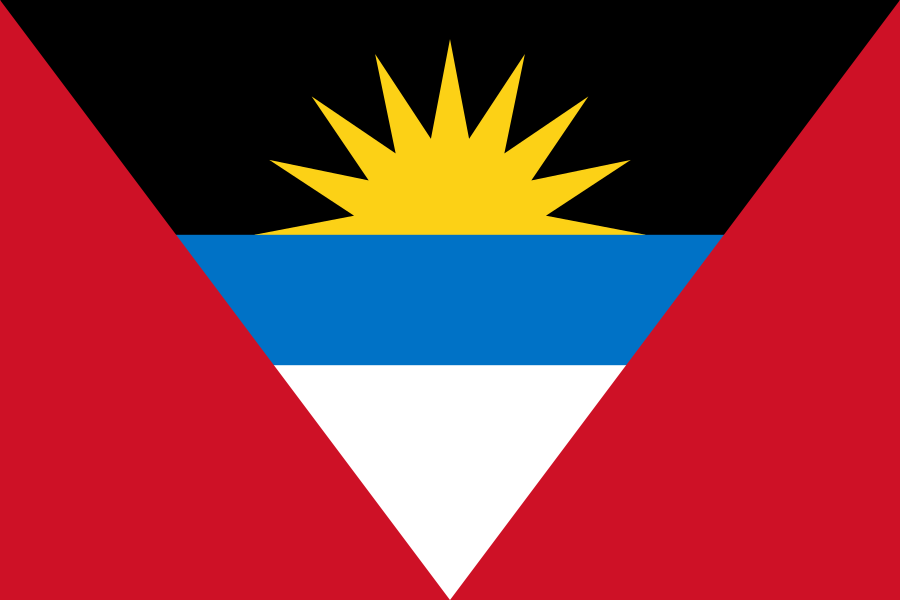 Antigua y Barbuda
-
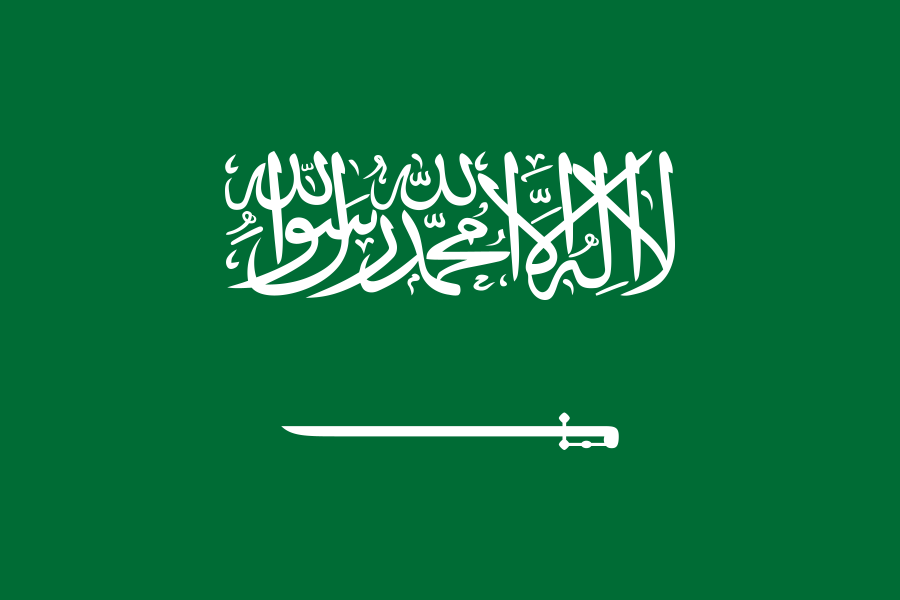 Arabia Saudita
-
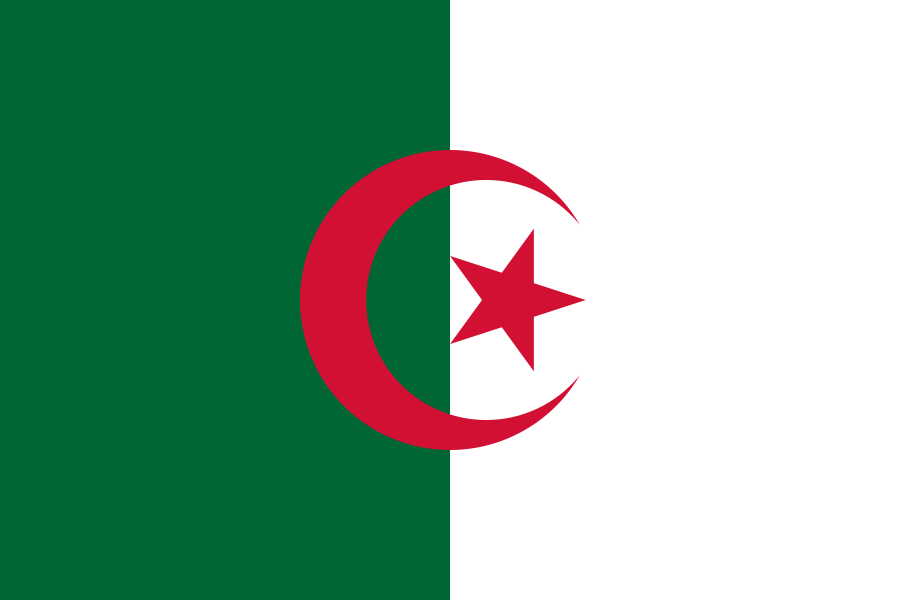 Argelia
-
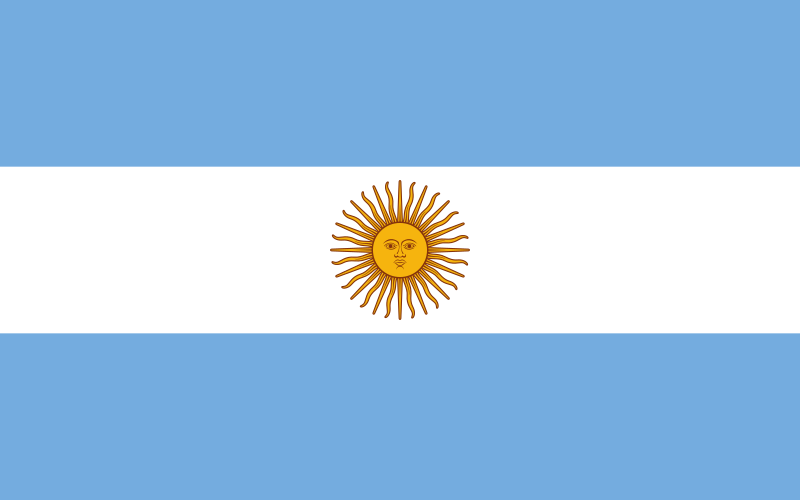 Argentina
-
 Armenia
-
 Artsakh
-
 Aruba
Aruba
-
 Australia
-
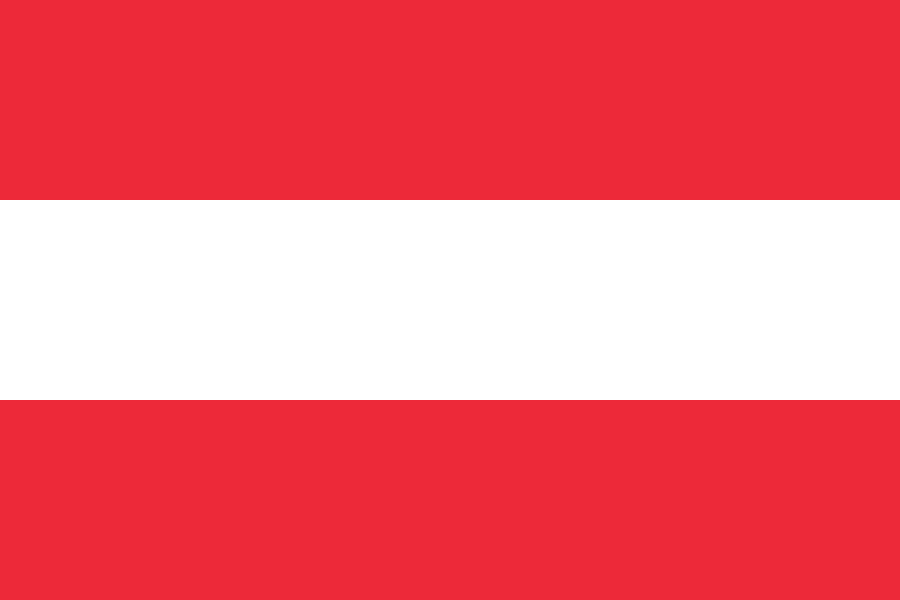 Austria
-
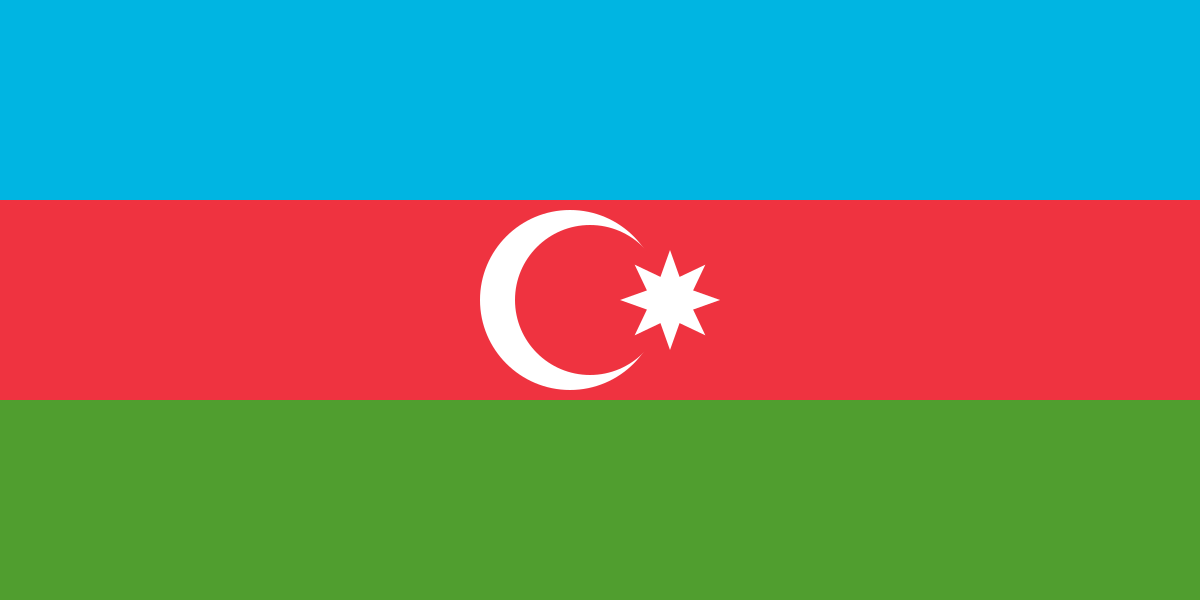 Azerbaiyán
-
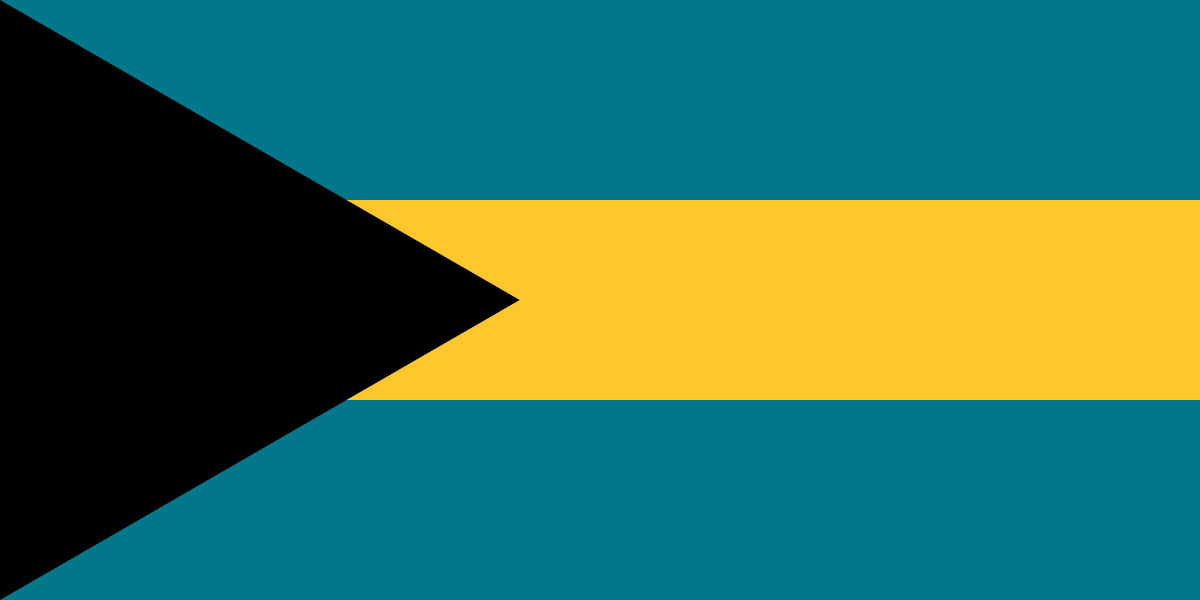 Bahamas
-
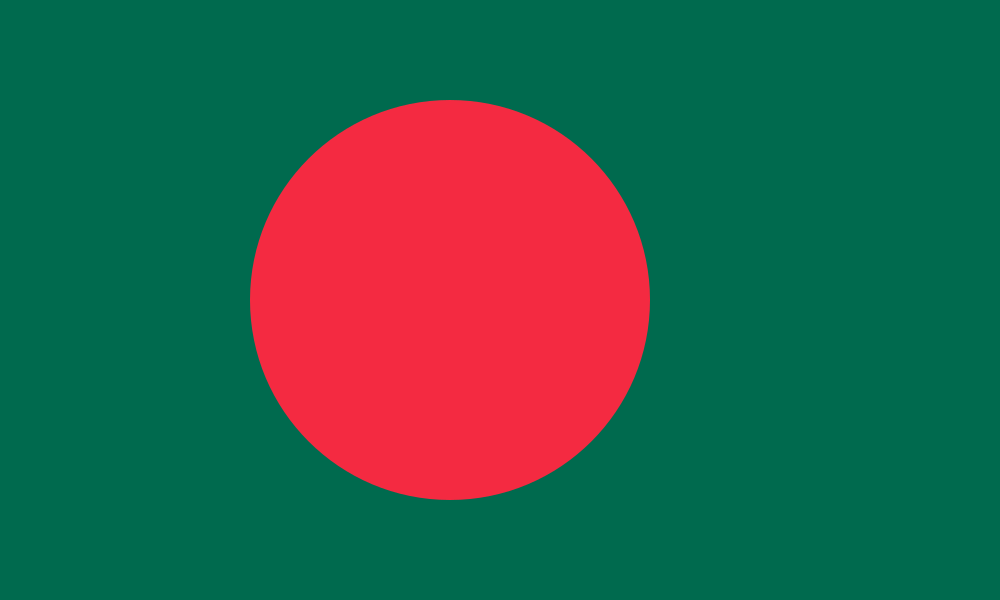 Bangladés
-
 Barbados
-
 Baréin
-
 Bélgica
-
 Belice
-
 Benín
Benín
-
 Bermudas
-
 Bielorrusia
-
 Birmania
-
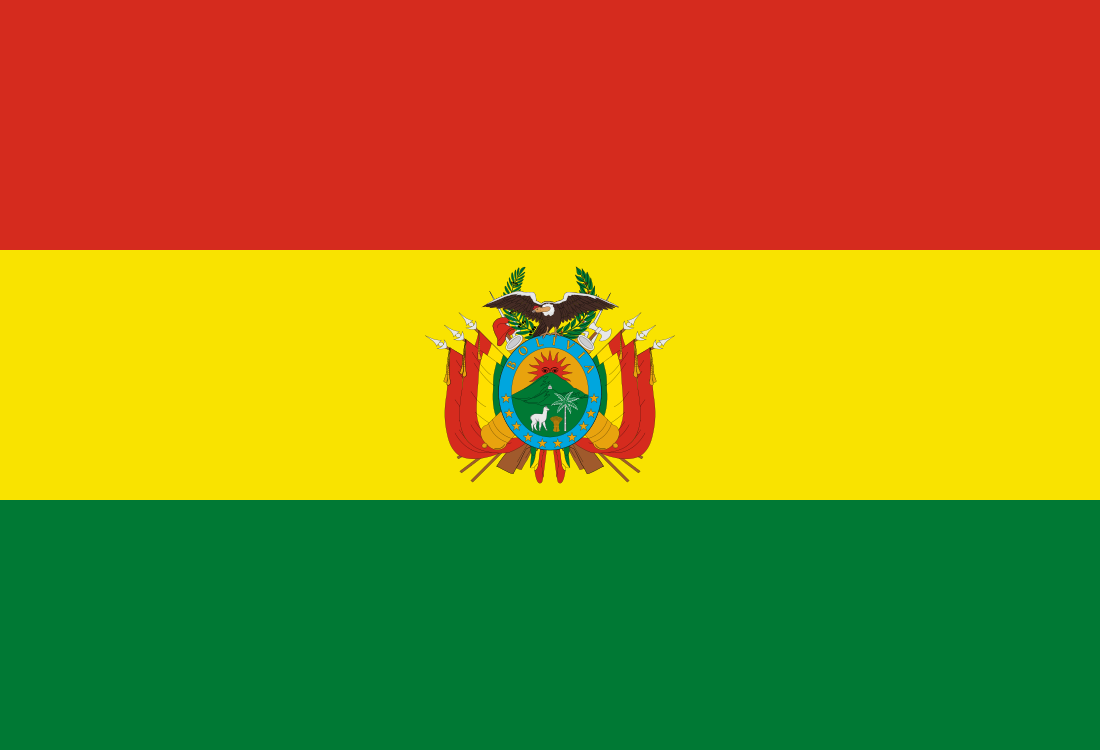 Bolívia
-
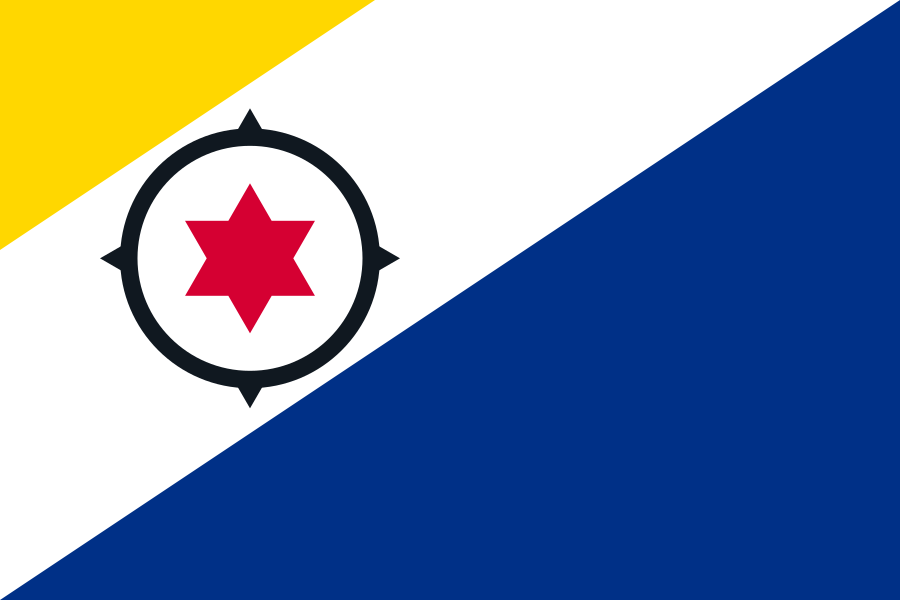 Bonaire
-
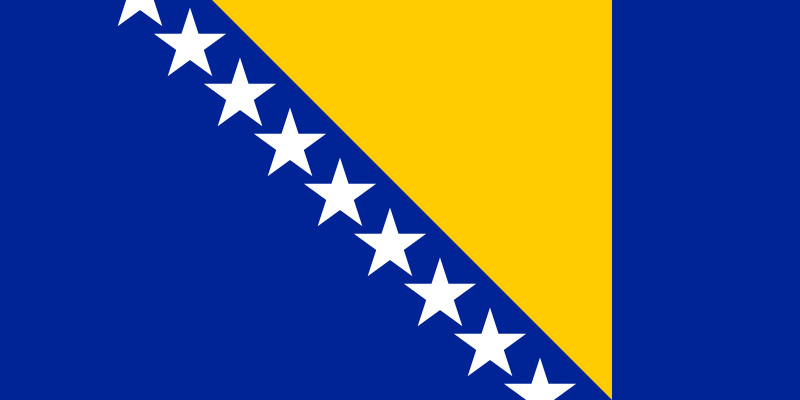 Bosnia y Herzegovina
-
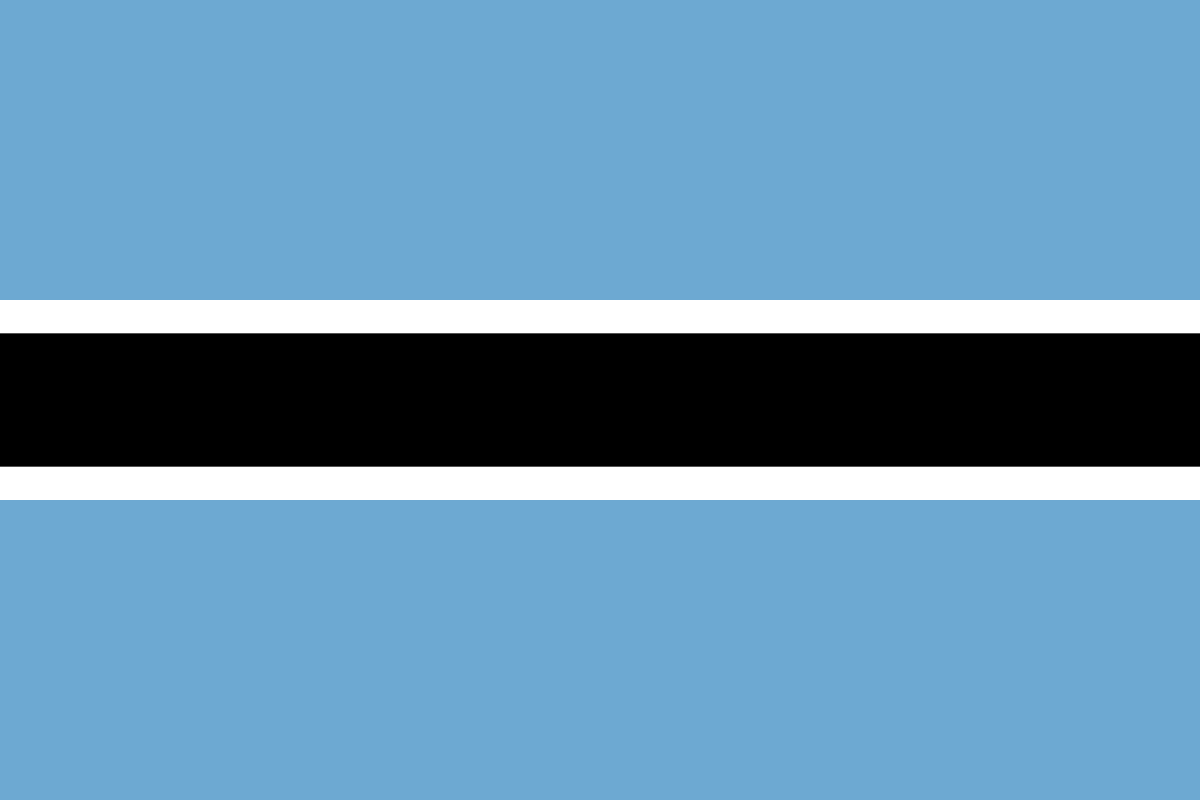 Botsuana
-
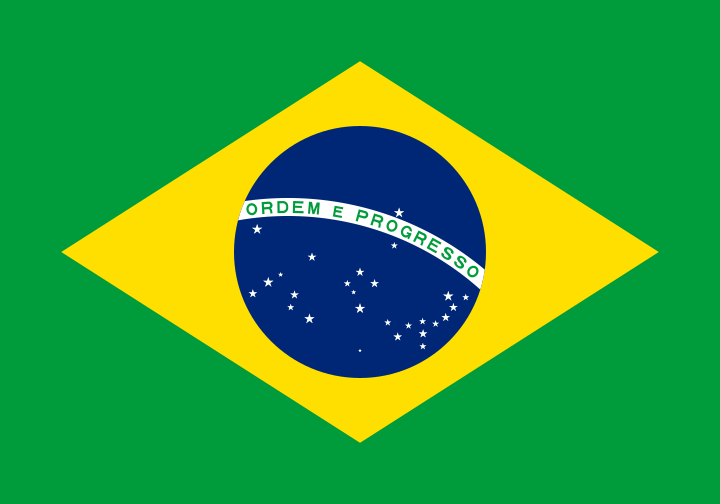 Brasil
-
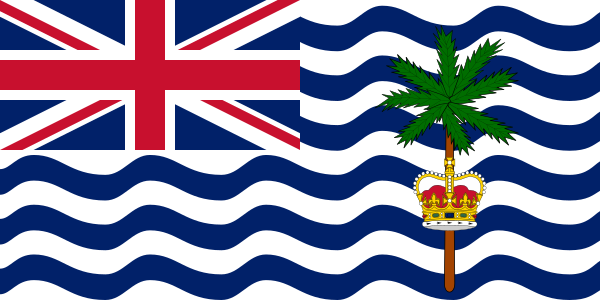 British Indian Ocean Territory
-
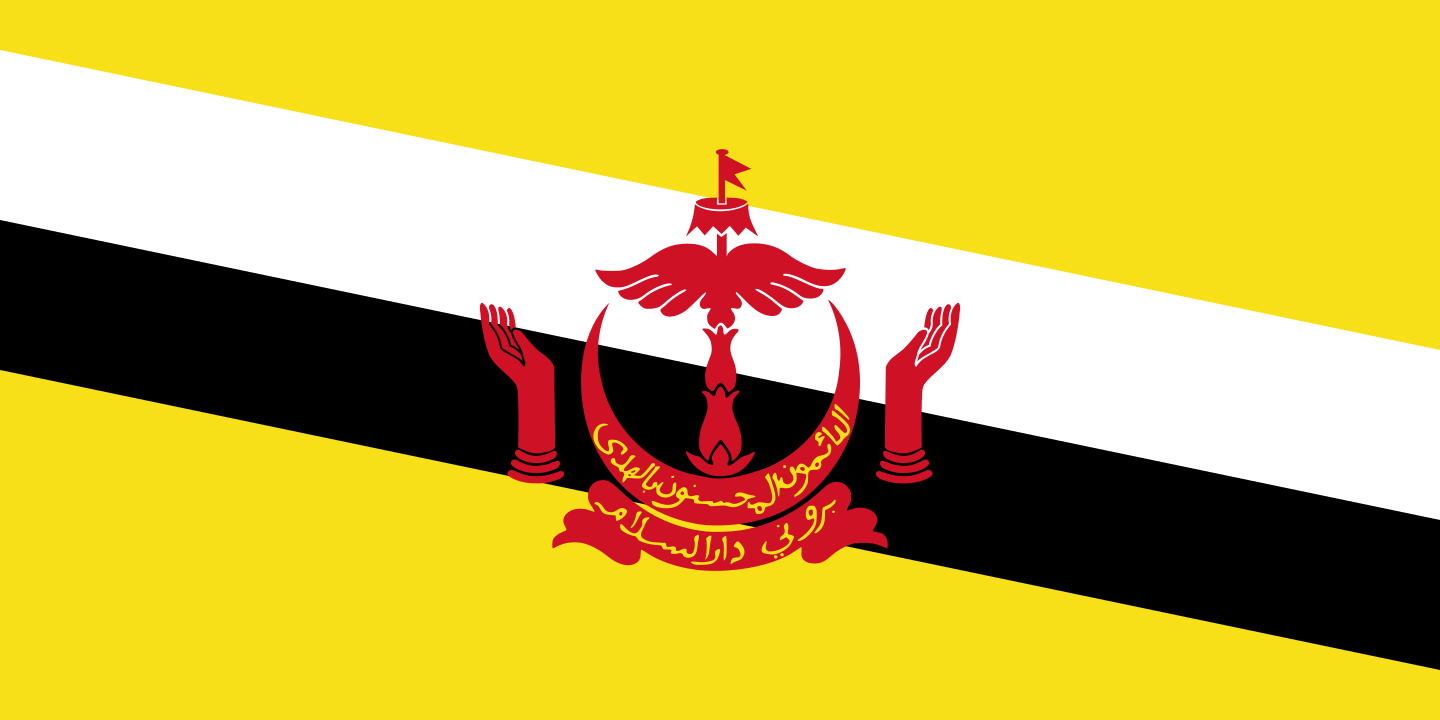 Brunéi
-
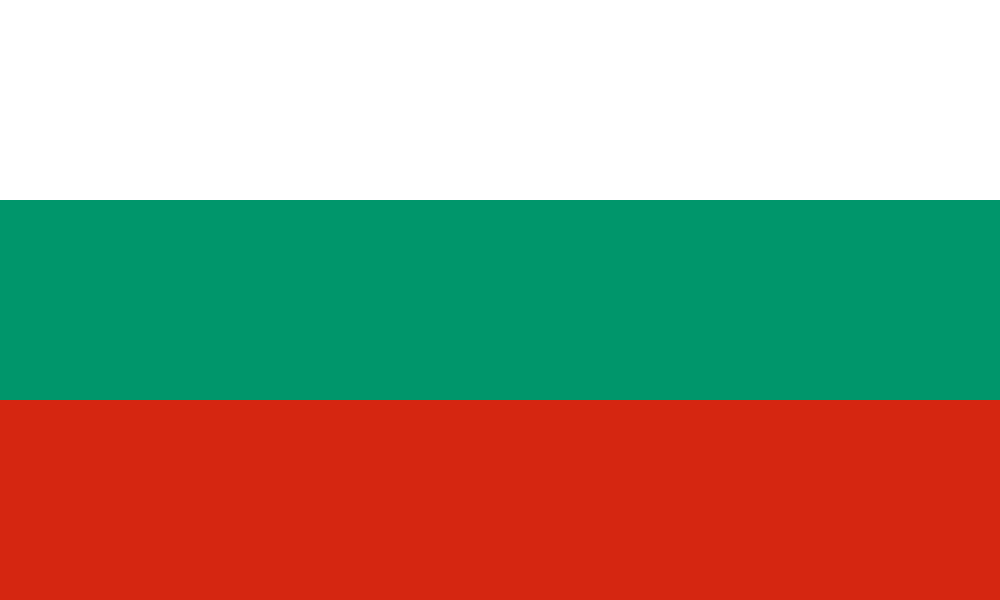 Bulgaria
-
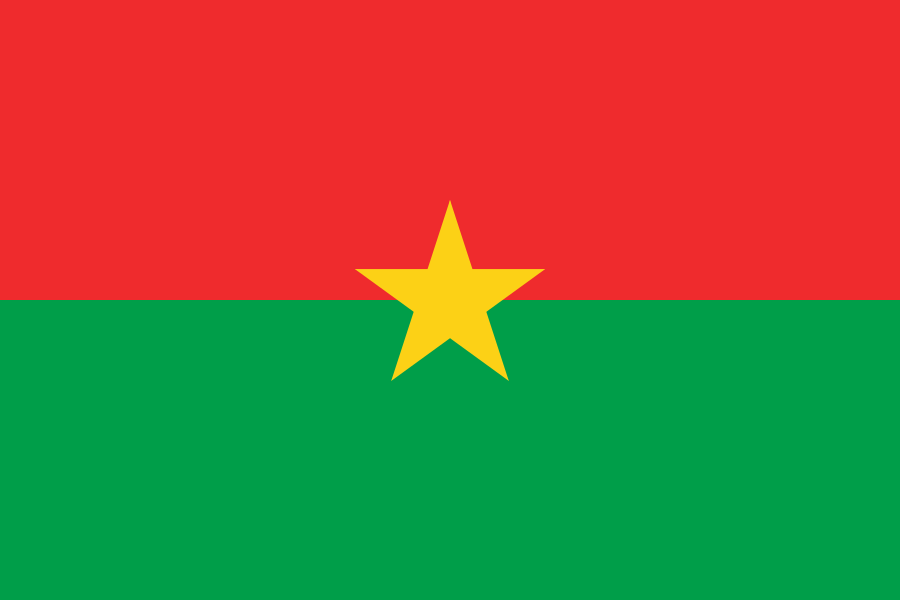 Burkina Faso
-
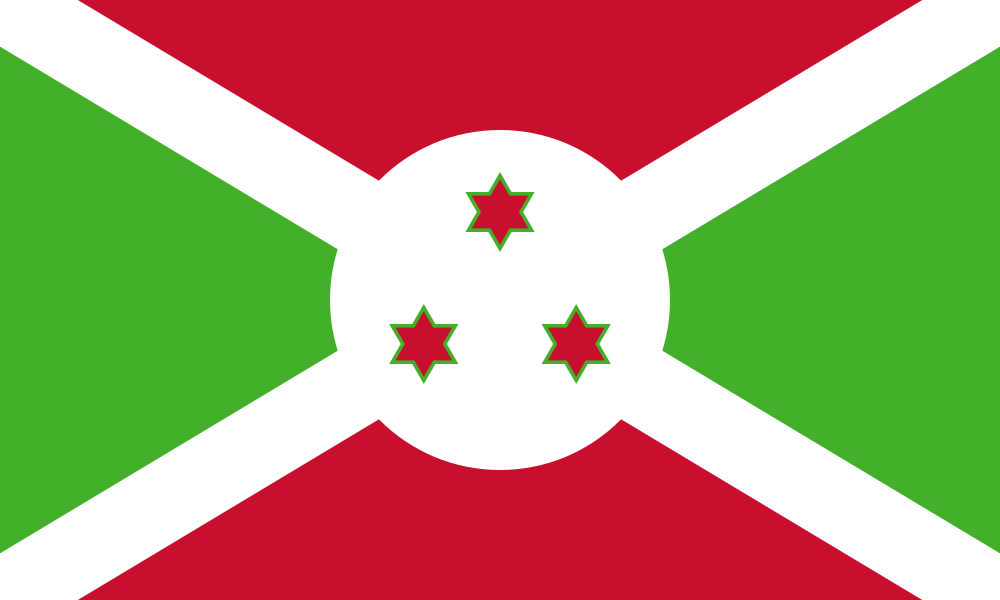 Burundi
-
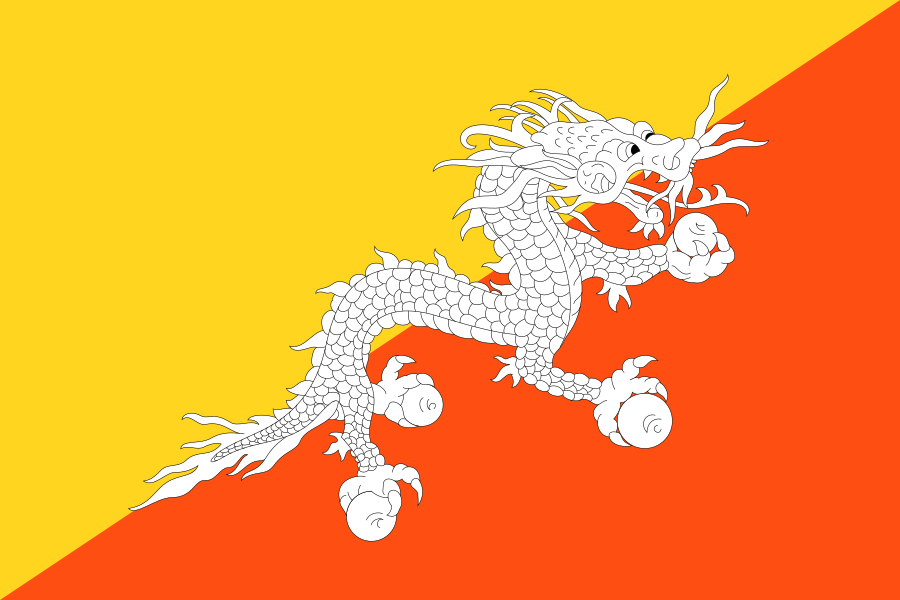 Bután
Bután
-
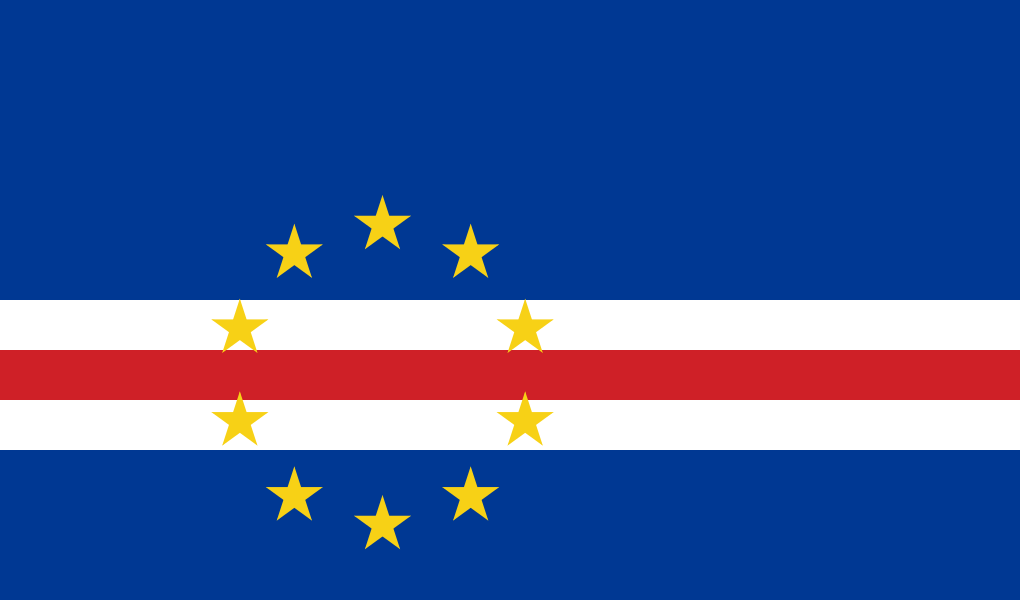 Cabo Verde
-
 Camboya
-
 Camerún
-
 Canadá
-
 Caribe Neerlandés
-
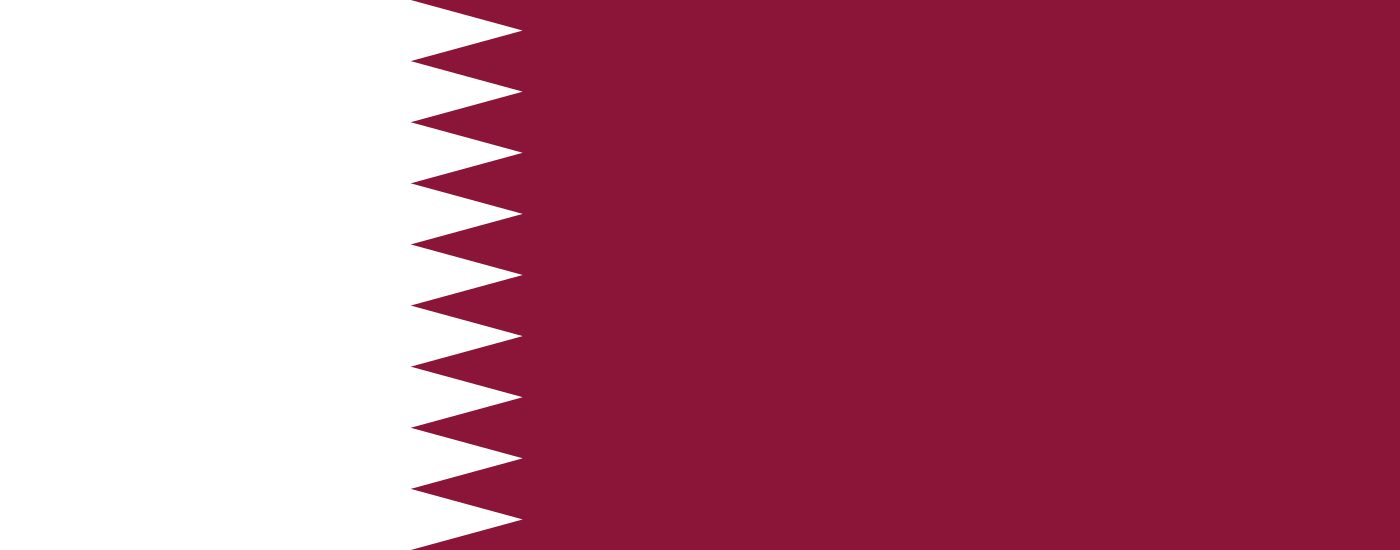 Catar
Catar
-
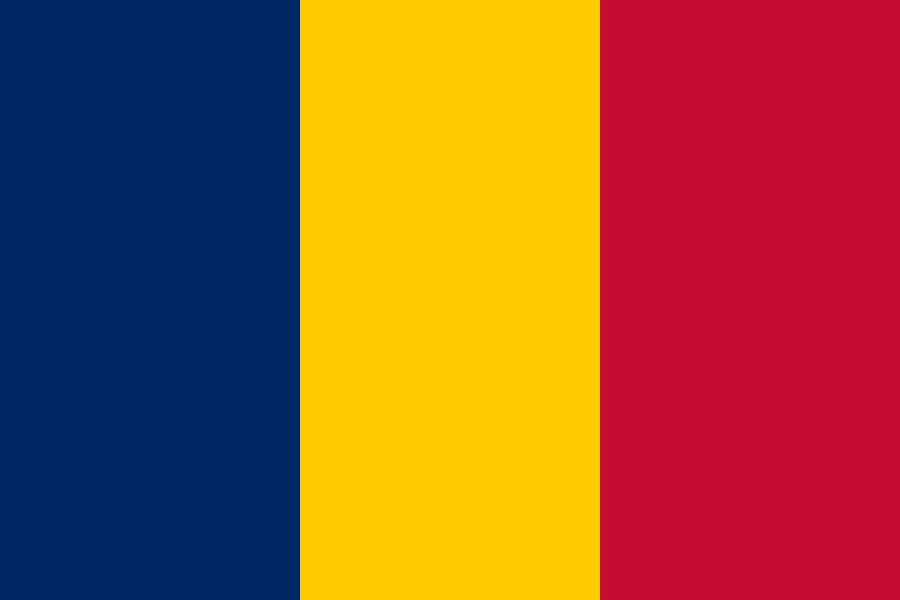 Chad
Chad
-
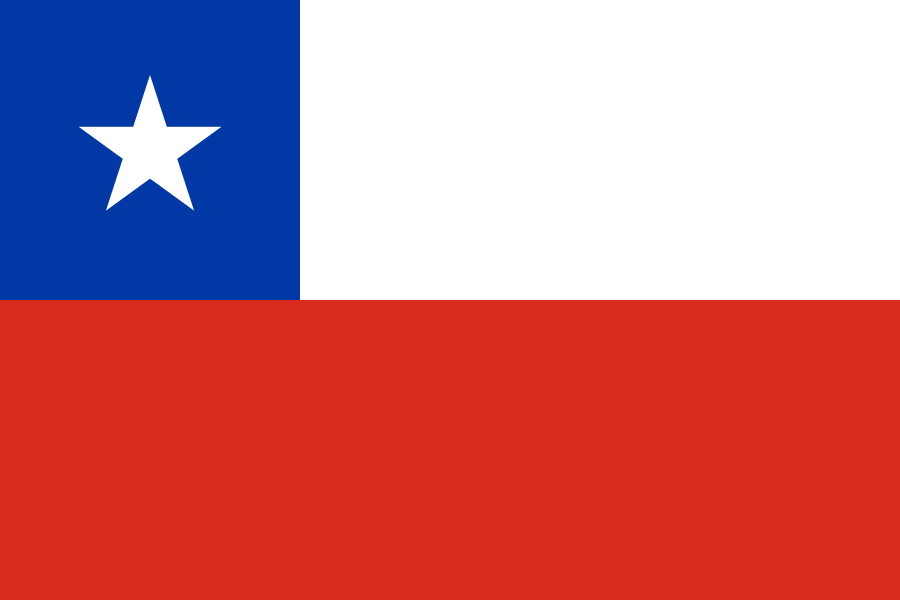 Chile
Chile
-
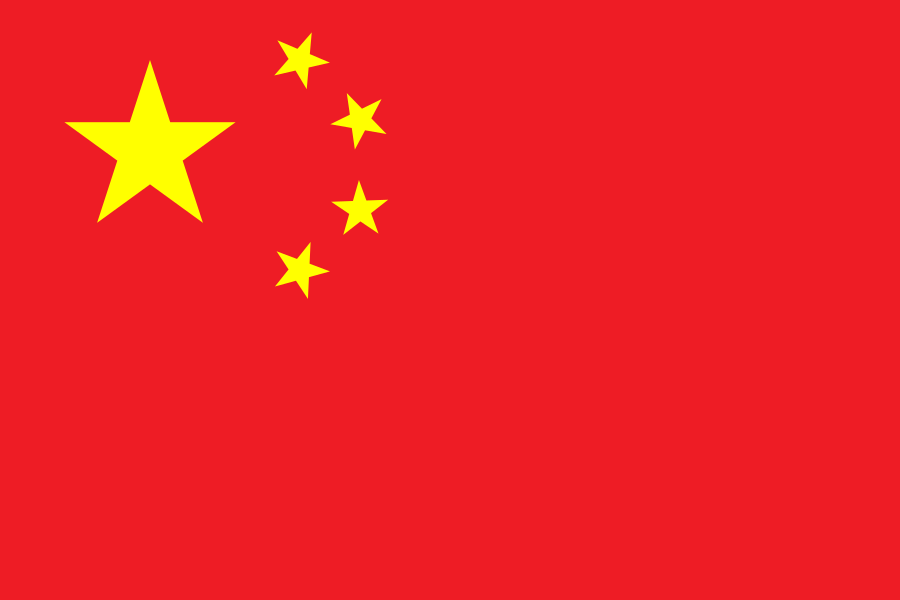 China
China
-
 Chipre
-
 Chipre del Norte
-
 Ciudad del Vaticano
-
 Colombia
-
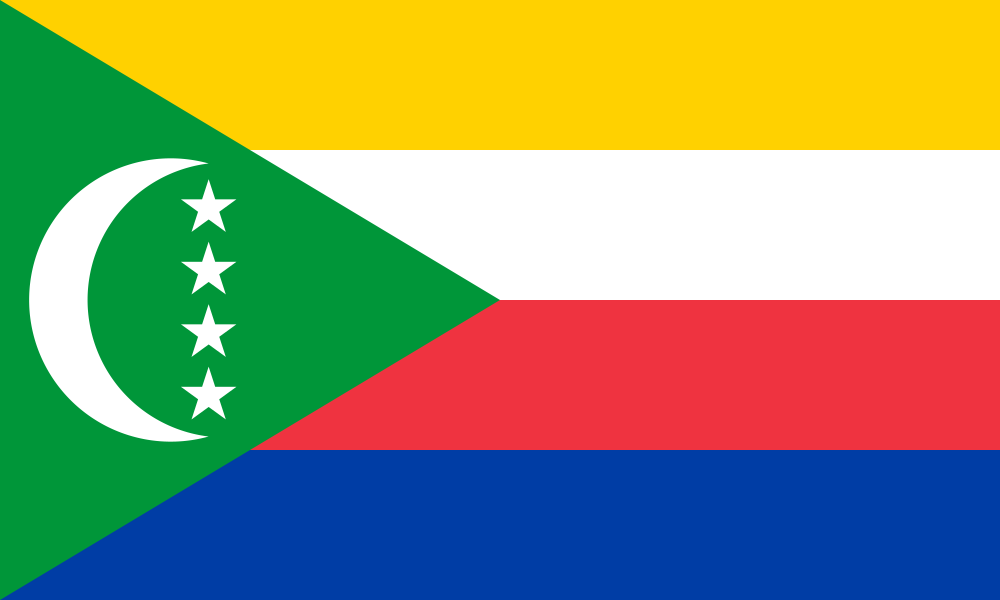 Comoras
-
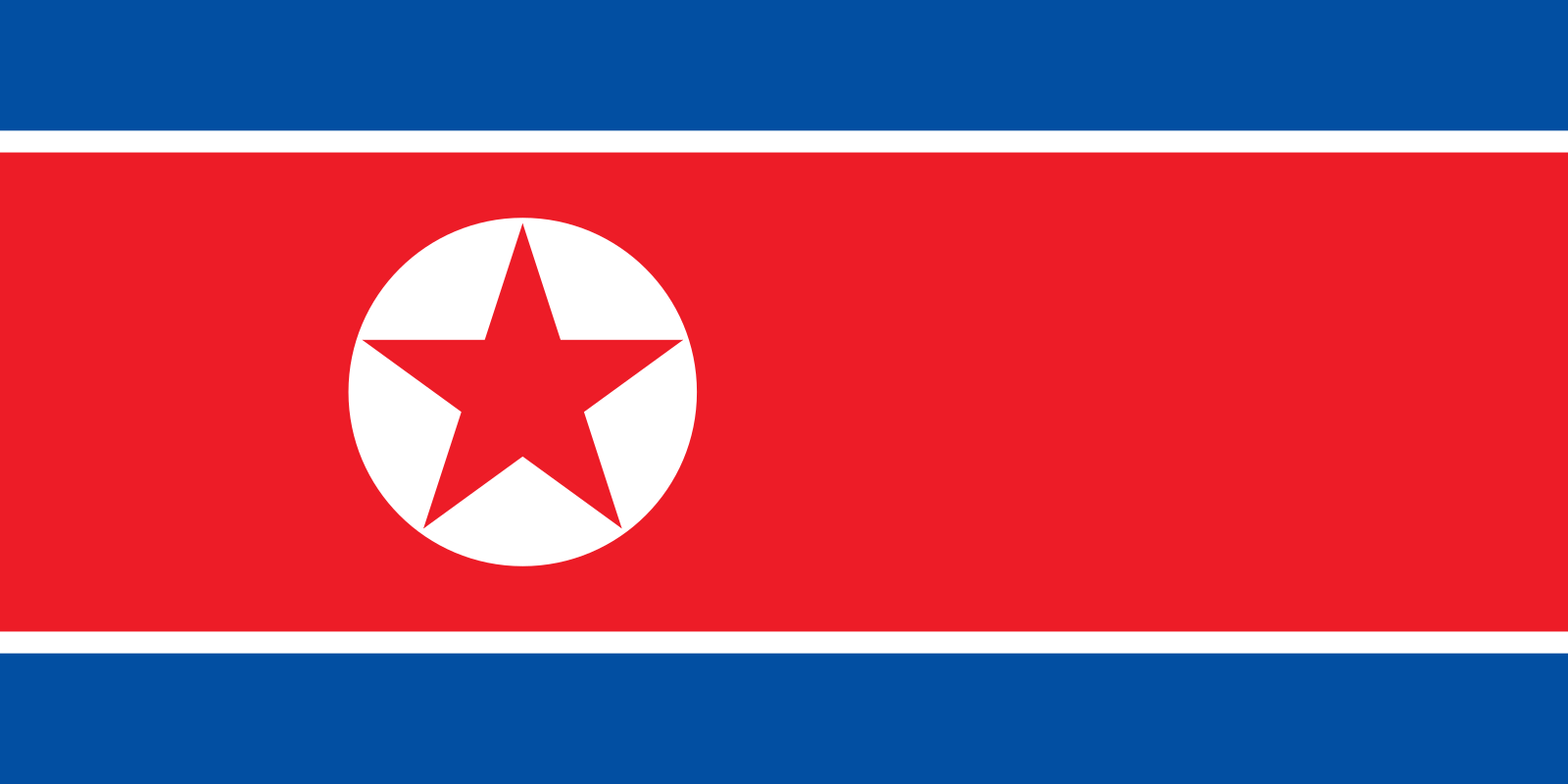 Corea del Norte
-
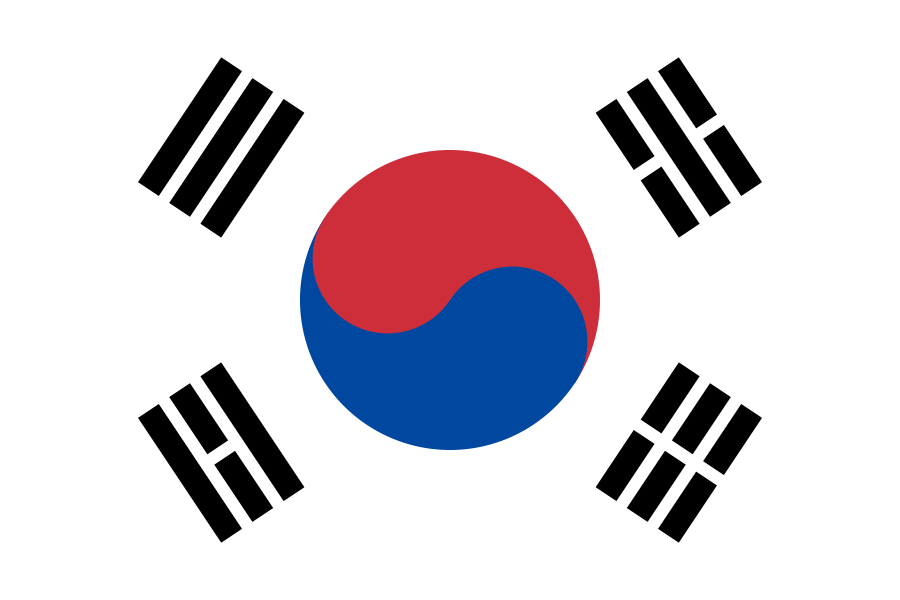 Corea del Sur
-
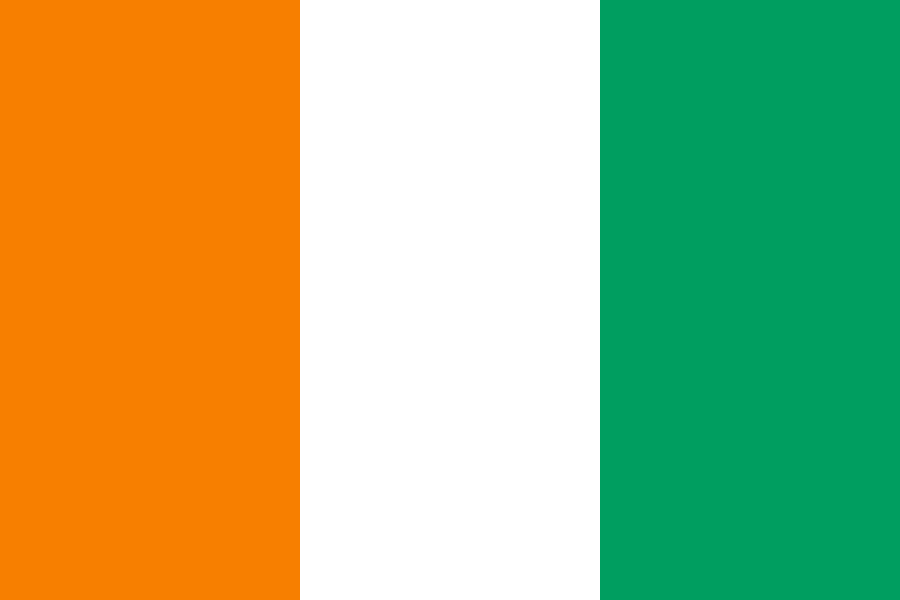 Costa de Marfil
-
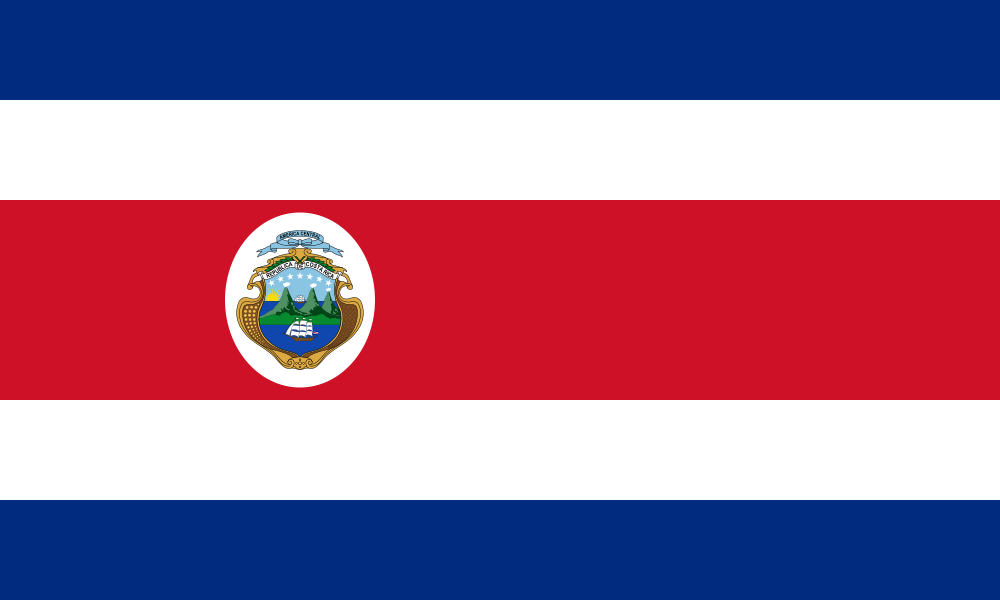 Costa Rica
-
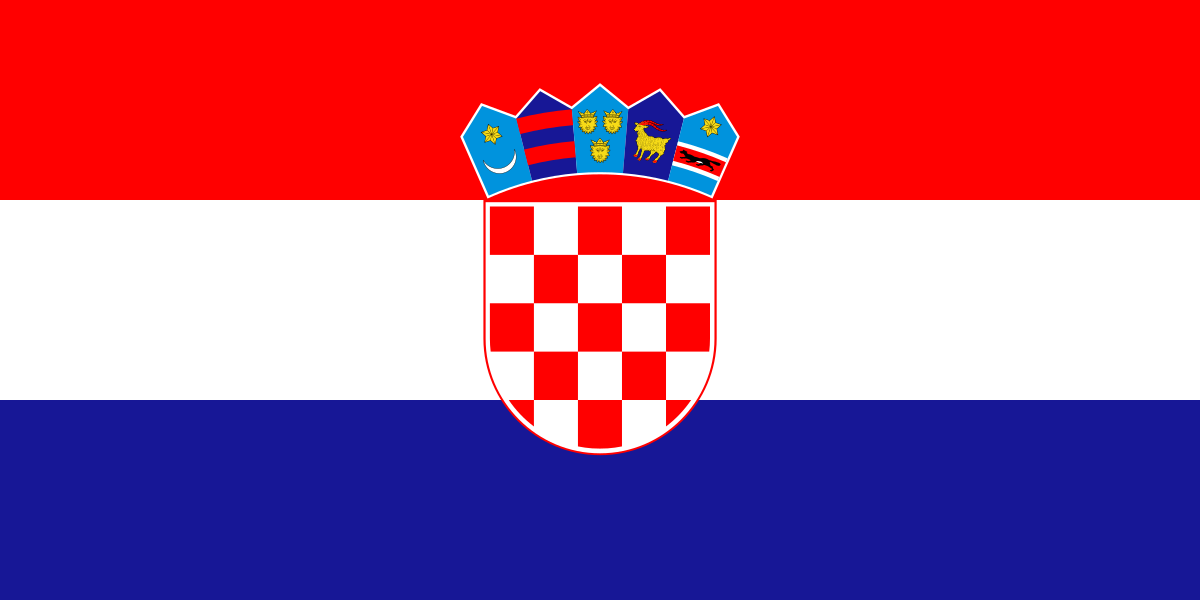 Croacia
-
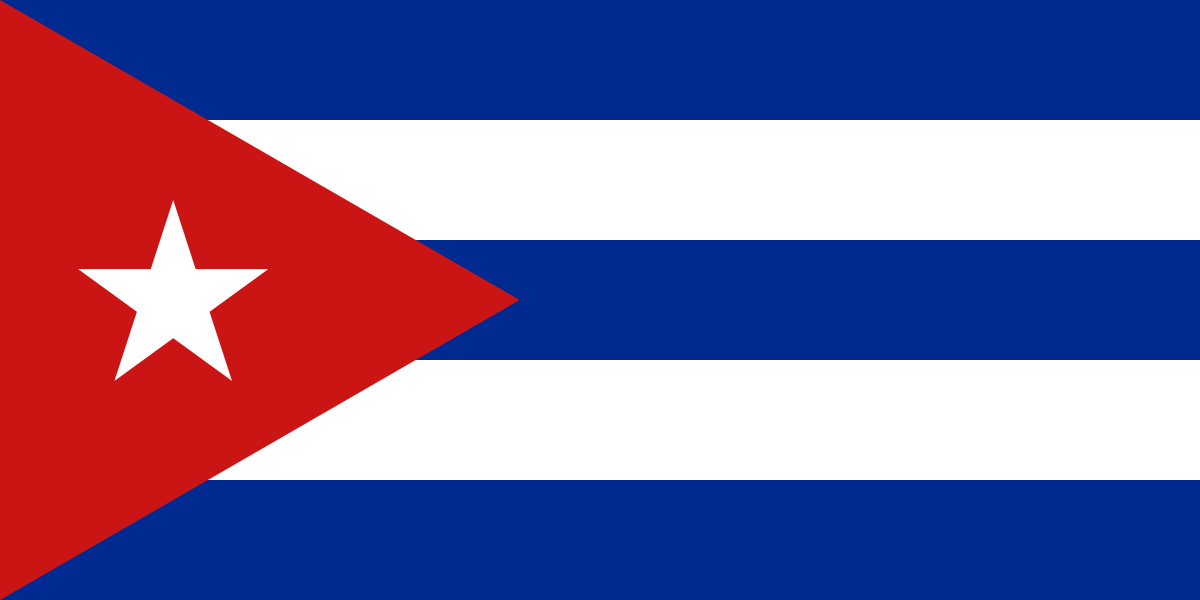 Cuba
Cuba
-
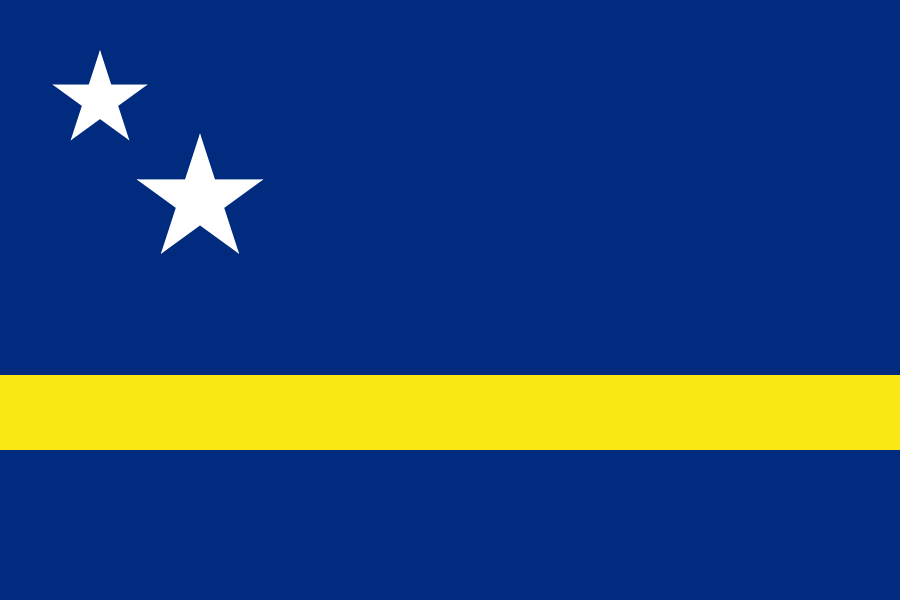 Curazao
-
 Dinamarca
-
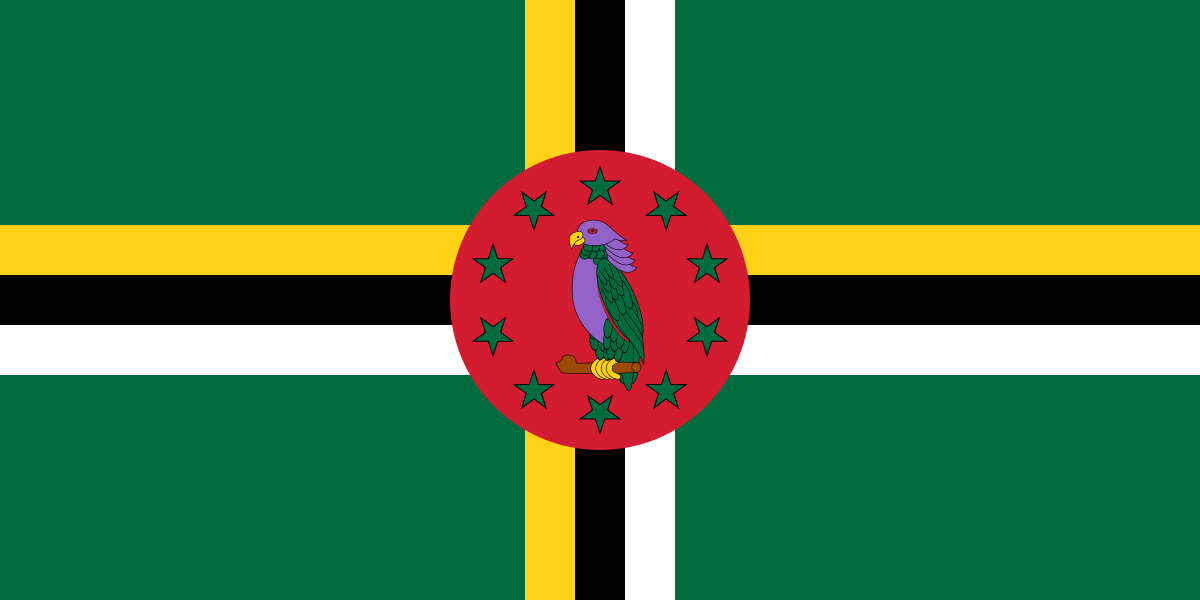 Dominica
-
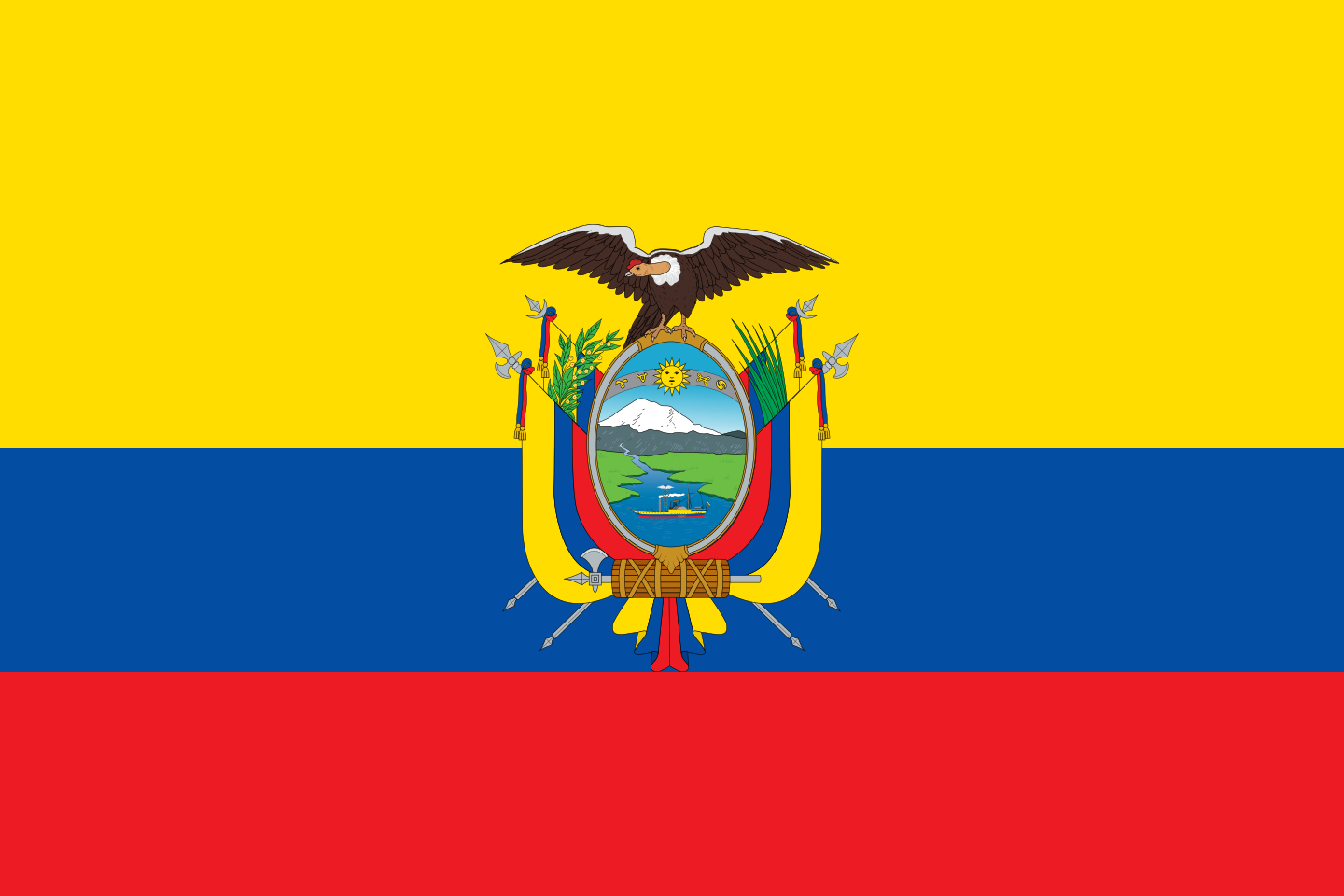 Ecuador
-
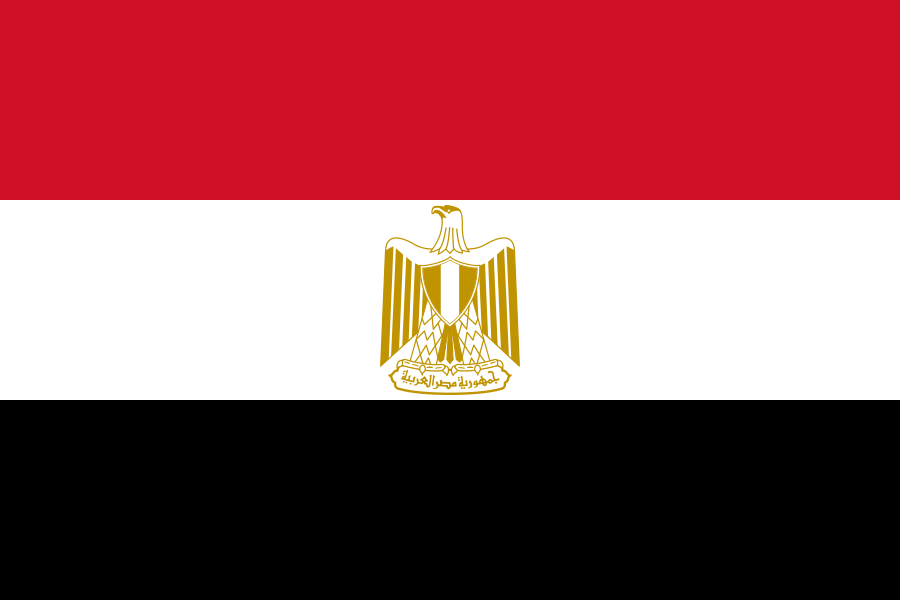 Egipto
-
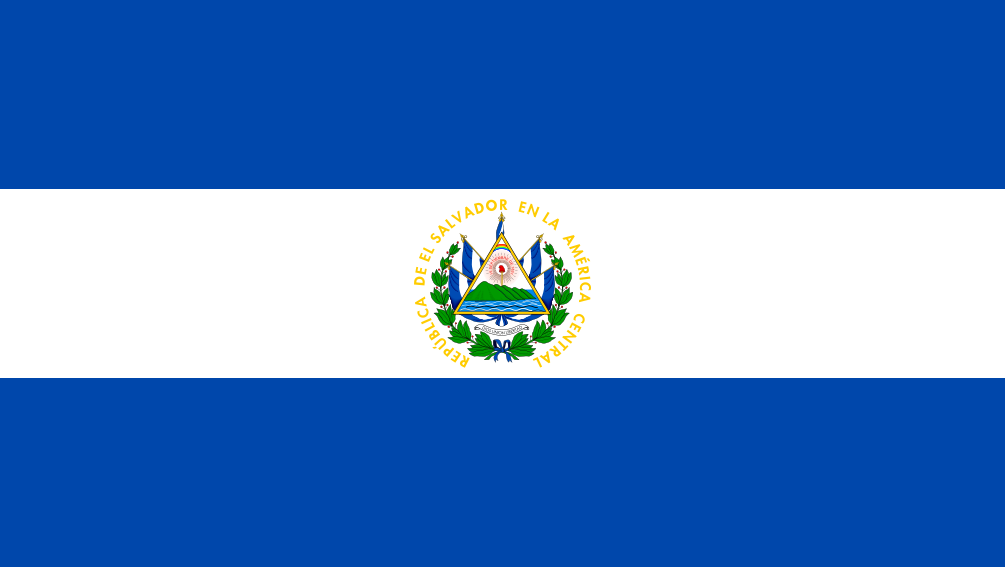 El Salvador
-
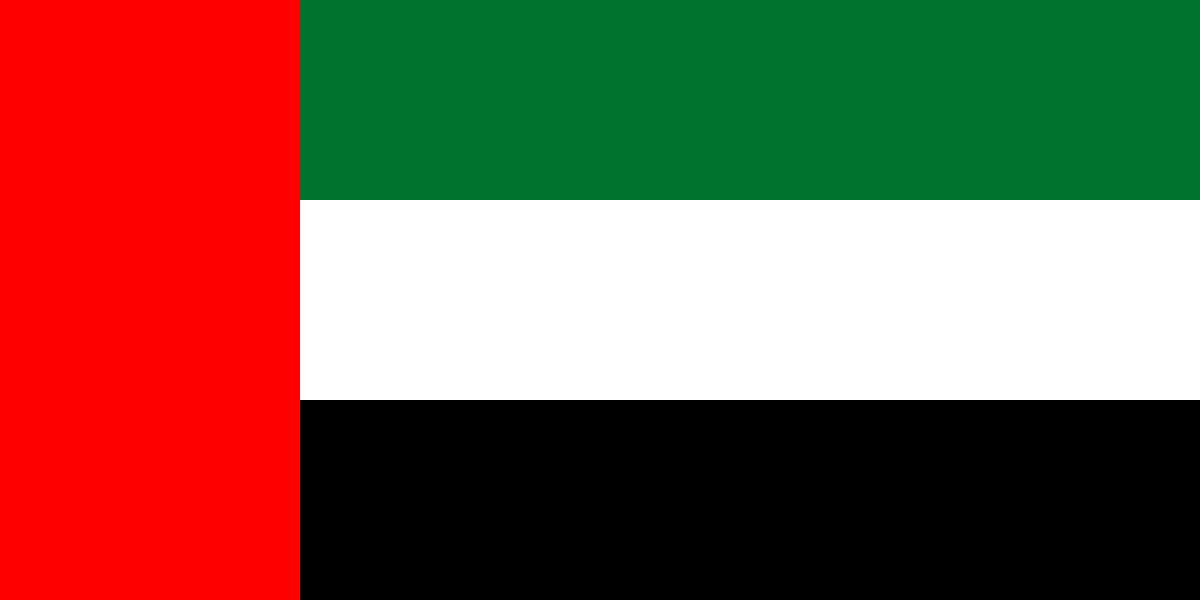 Emiratos Árabes Unidos
-
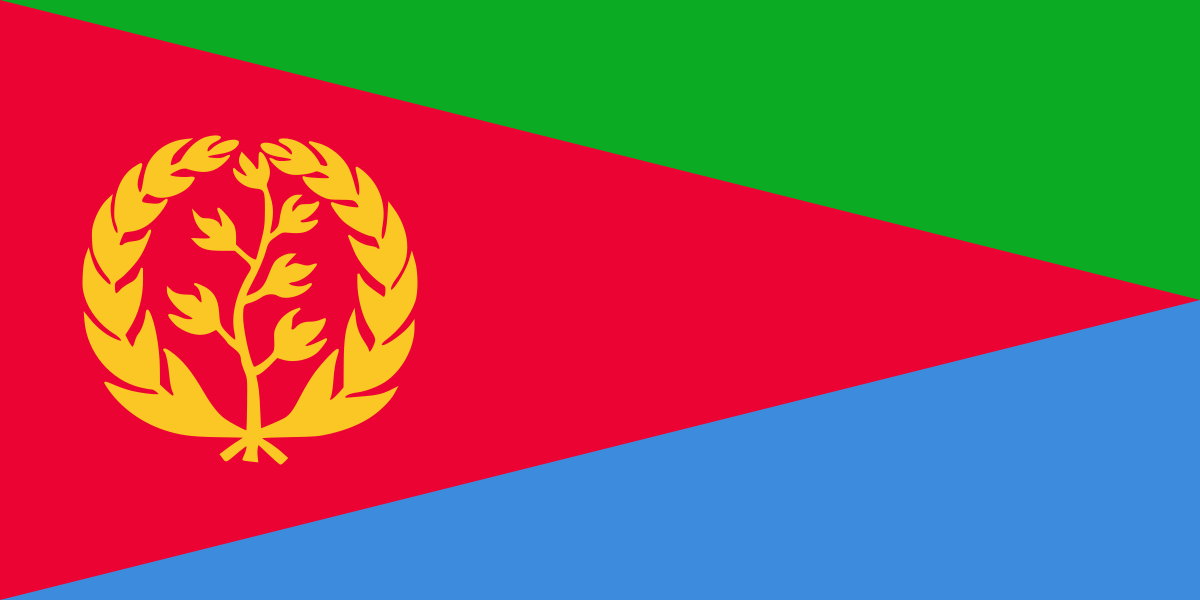 Eritrea
-
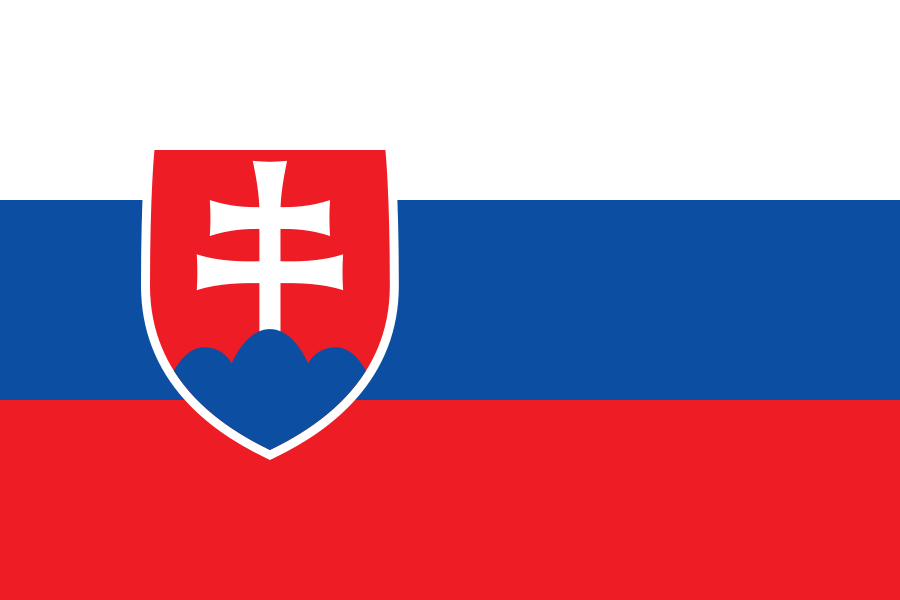 Eslovaquia
-
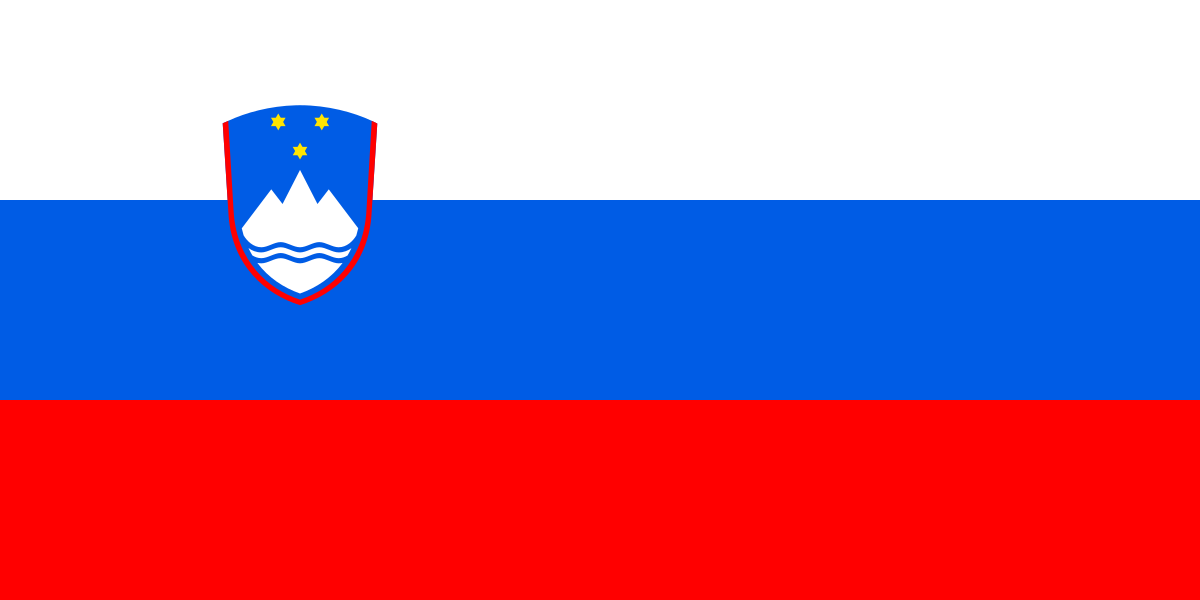 Eslovenia
-
 España
-
 Estados Unidos
-
 Estonia
-
 Etiopía
-
 Filipinas
-
 Finlandia
-
 Fiyi
Fiyi
-
 Francia
-
 Gabón
Gabón
-
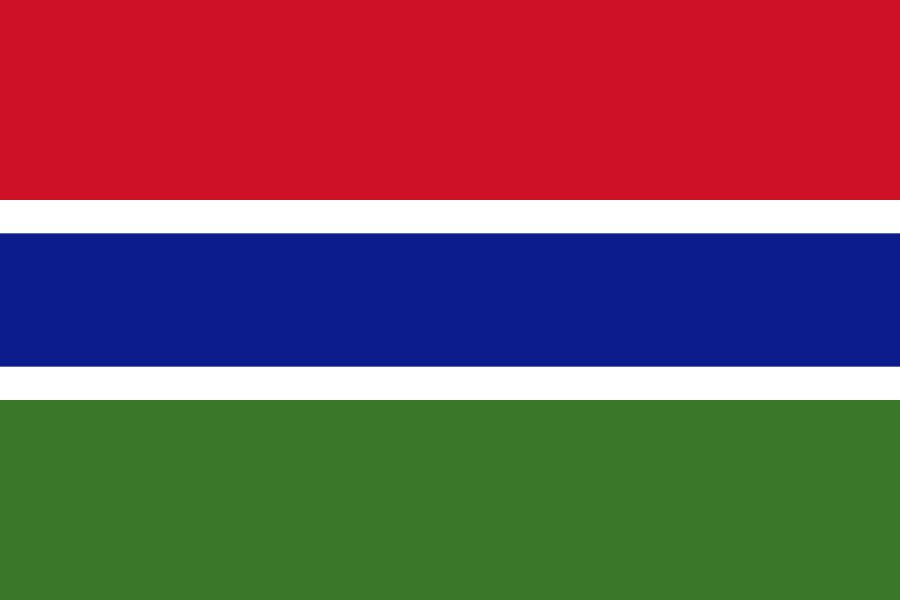 Gambia
-
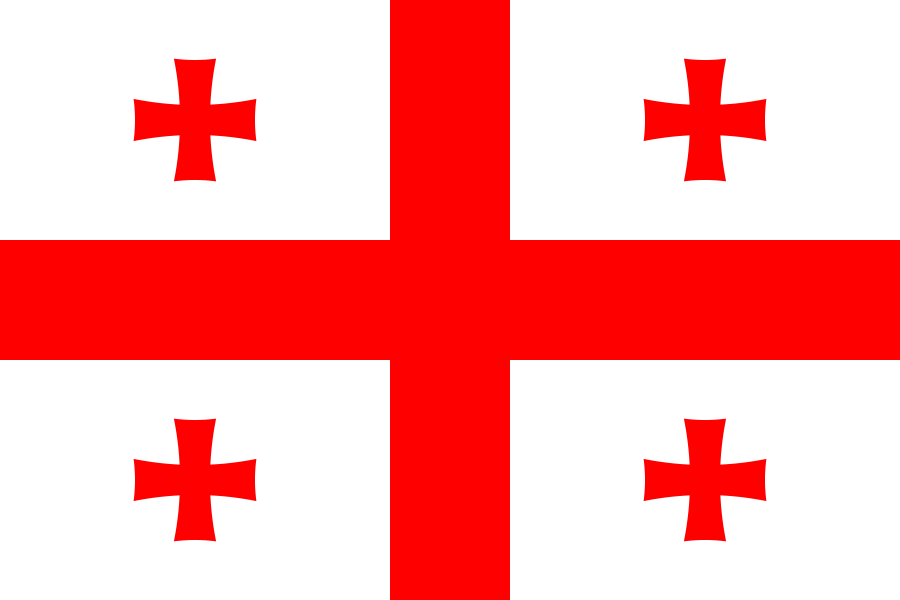 Georgia
-
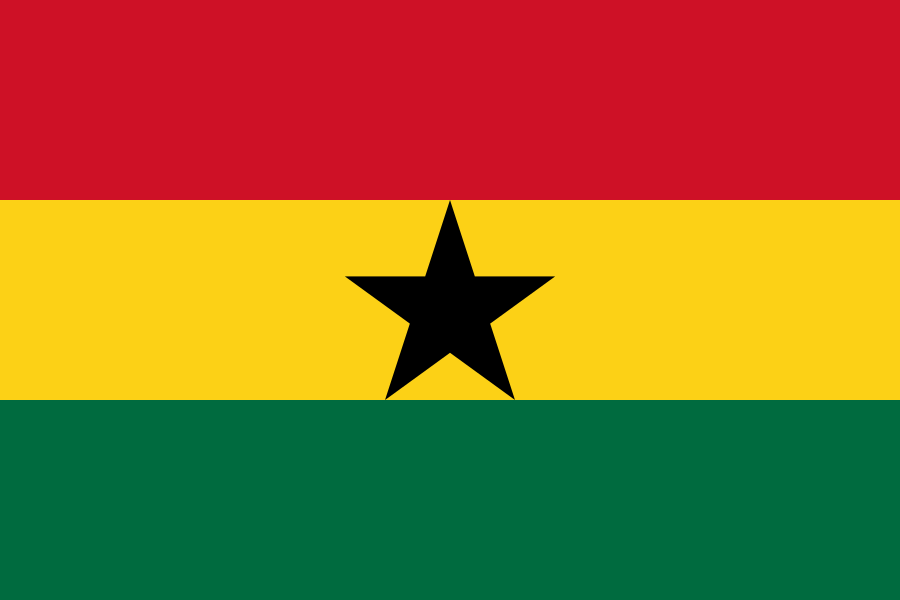 Ghana
Ghana
-
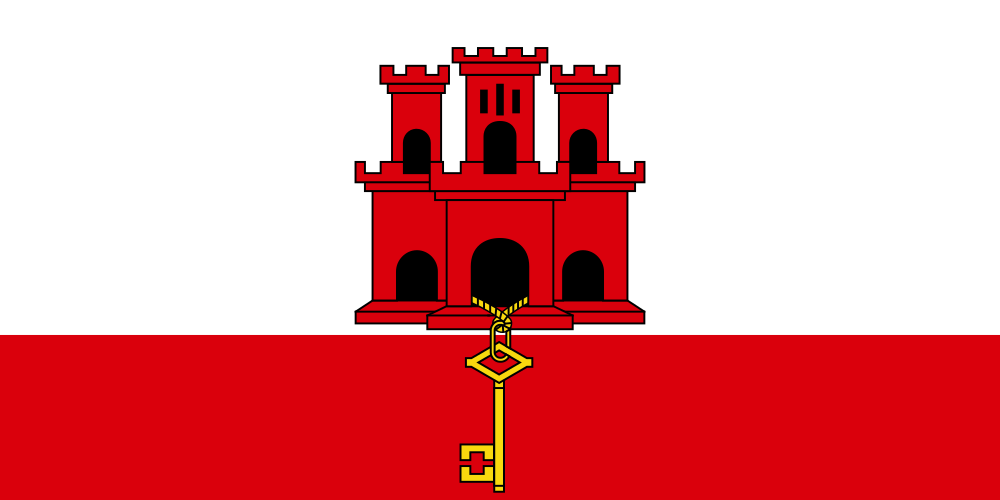 Gibraltar
-
 Granada
-
 Grecia
-
 Groenlandia
-
Guadalupe
-
 Guam
Guam
-
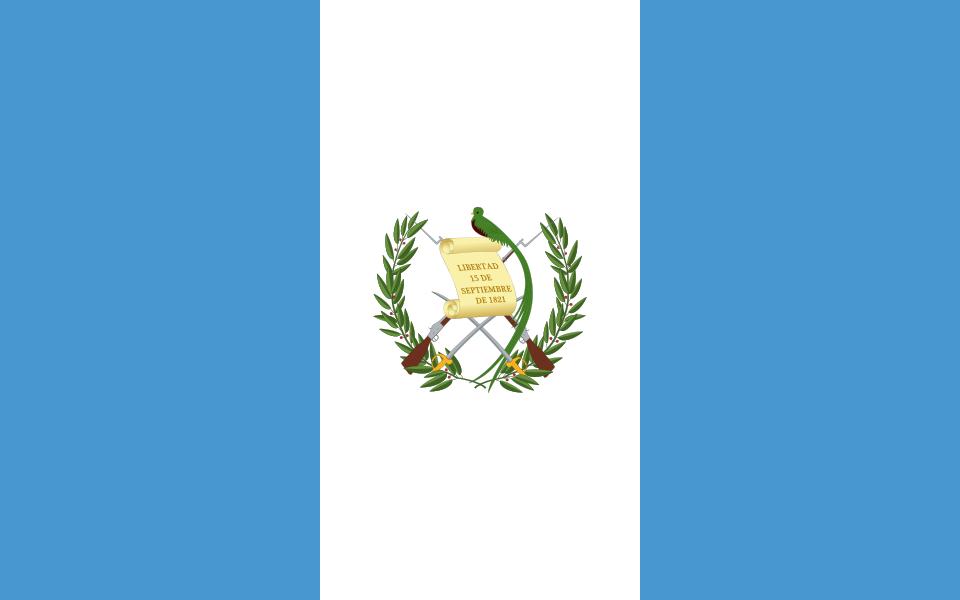 Guatemala
-
Guayana Francesa
-
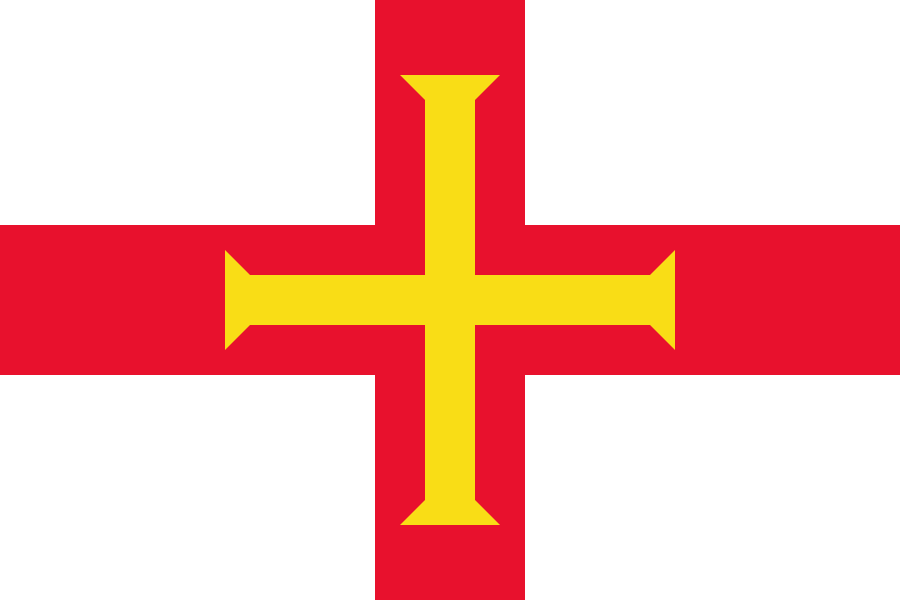 Guernsey
-
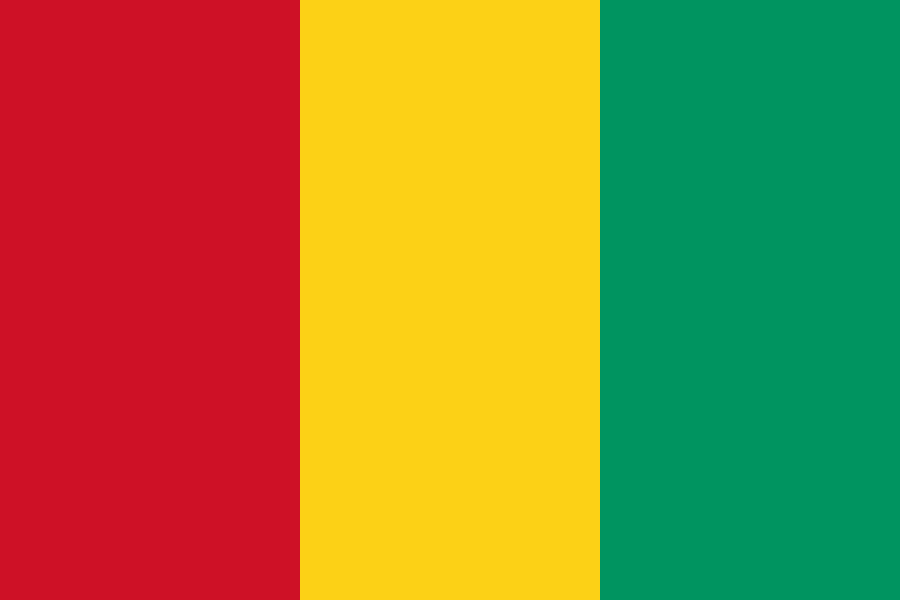 Guinea
-
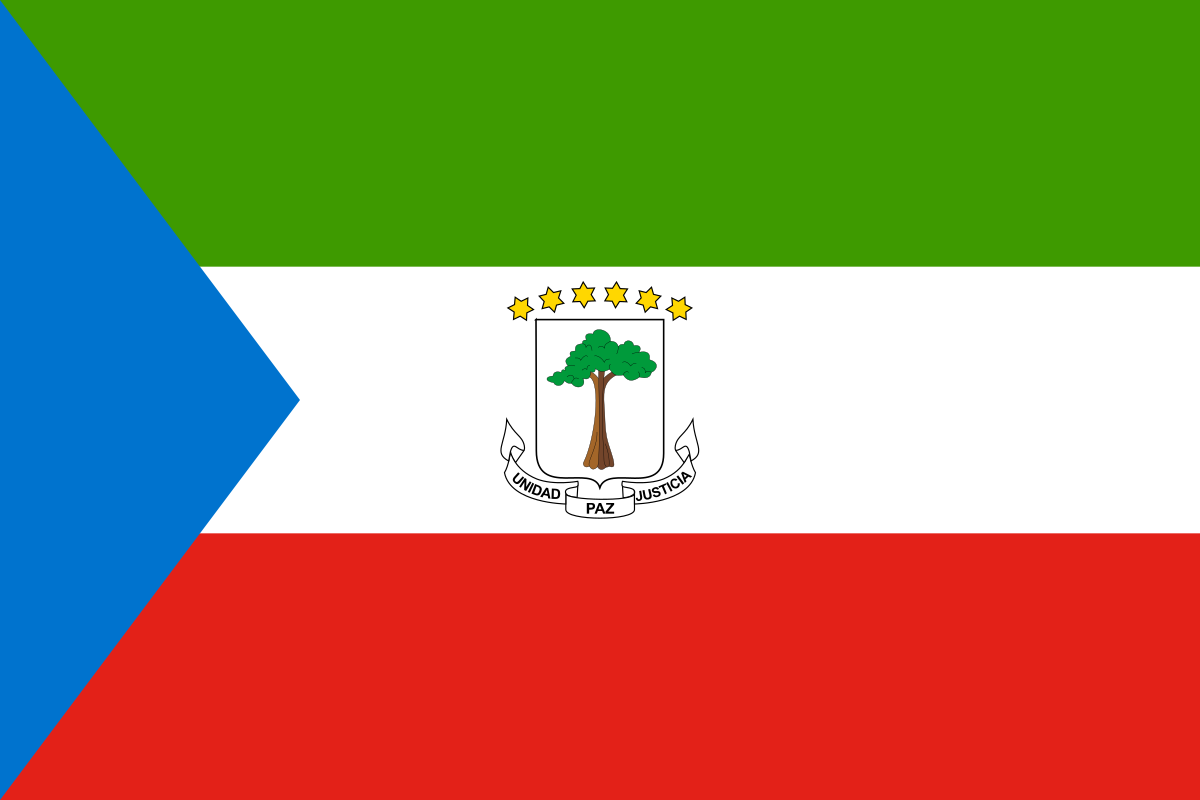 Guinea Ecuatorial
-
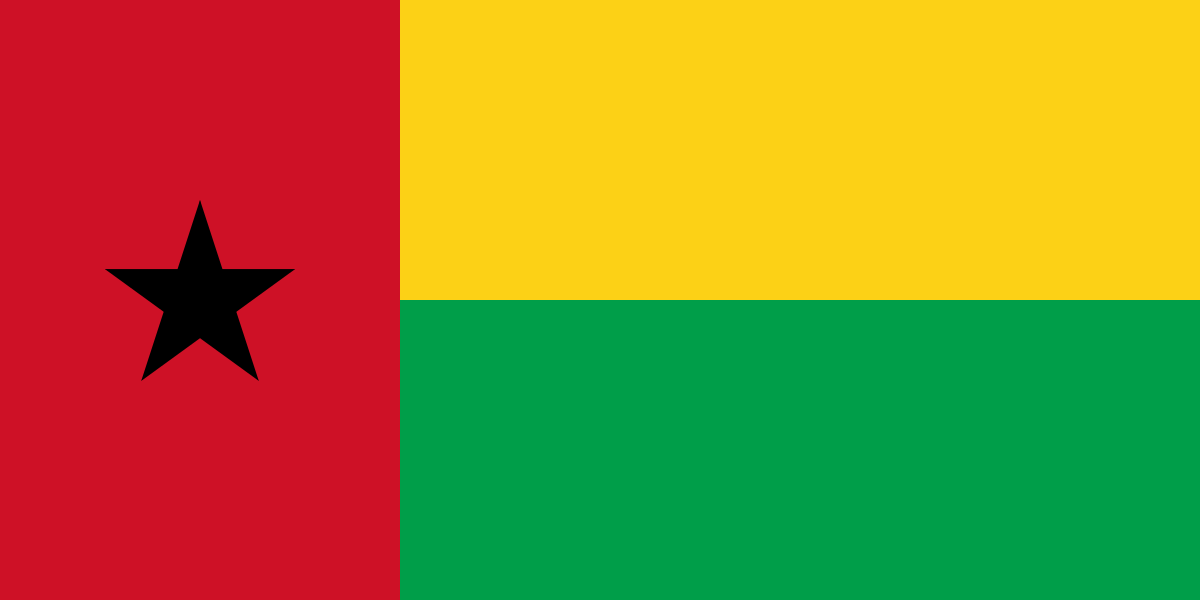 Guinea-Bisáu
-
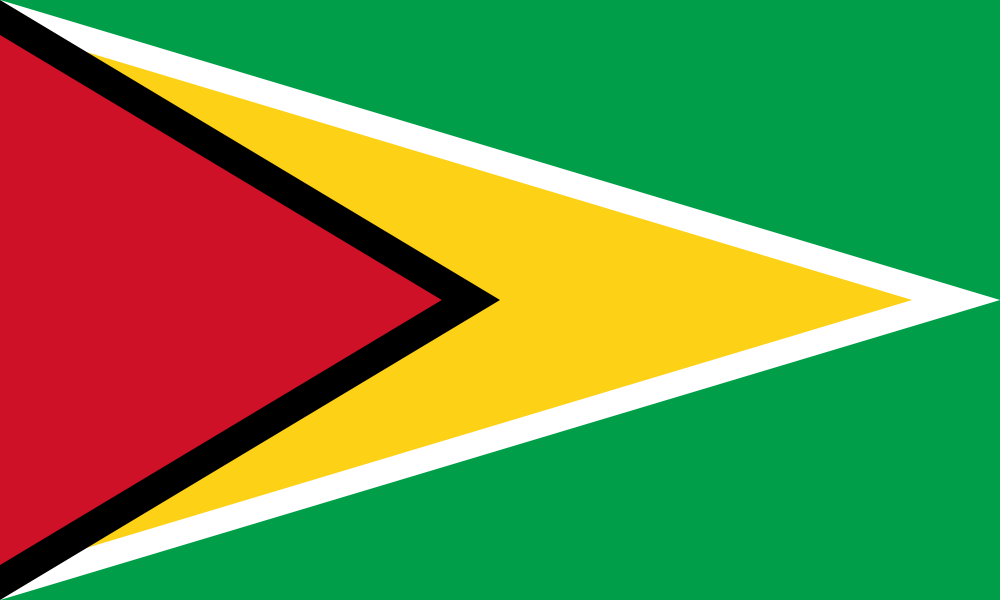 Guyana
-
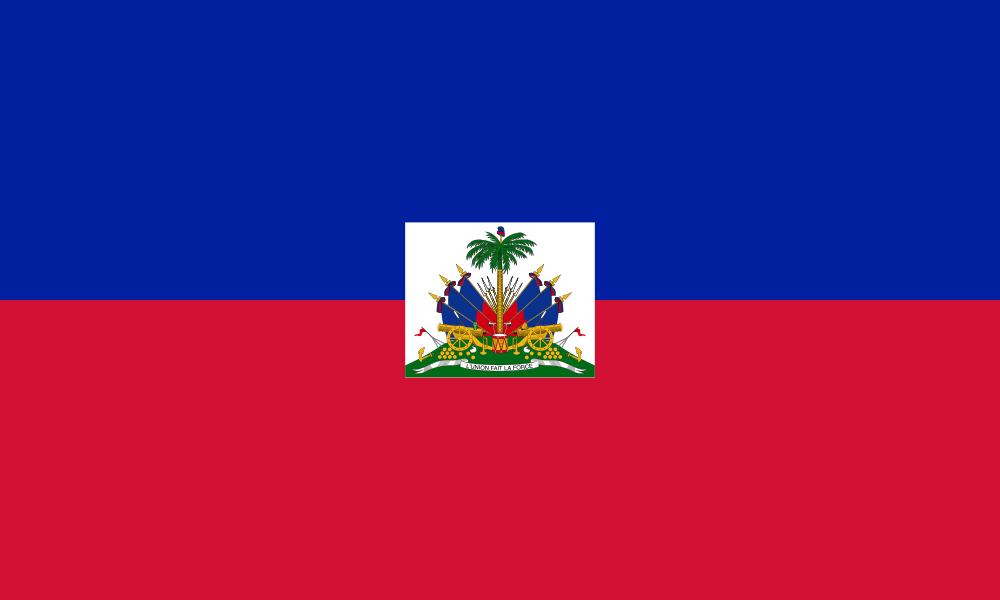 Haití
Haití
-
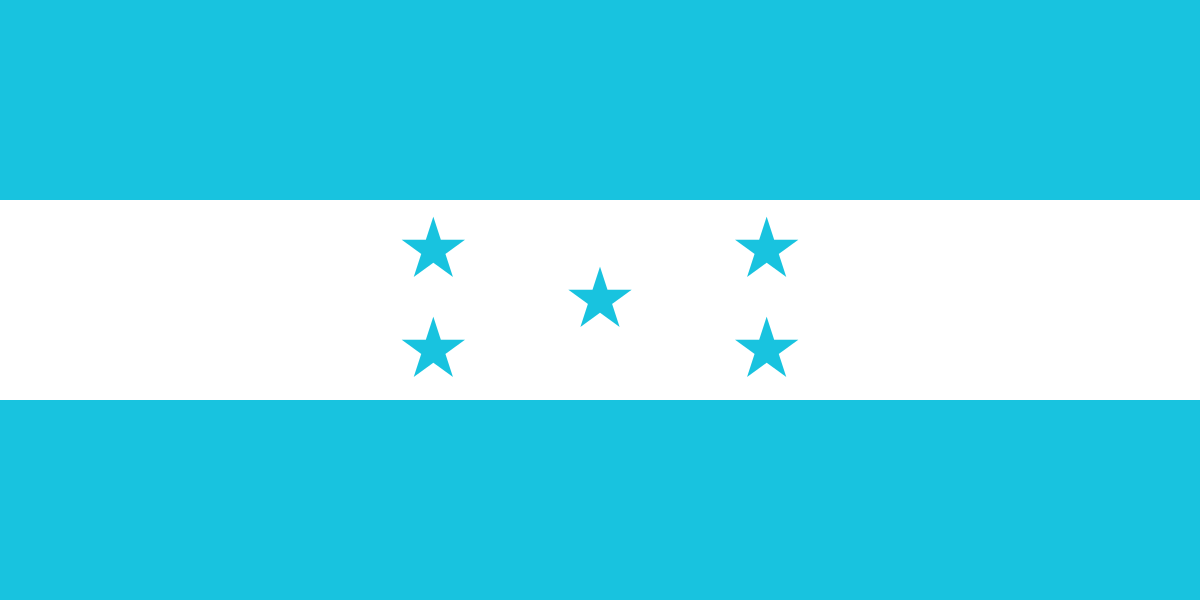 Honduras
-
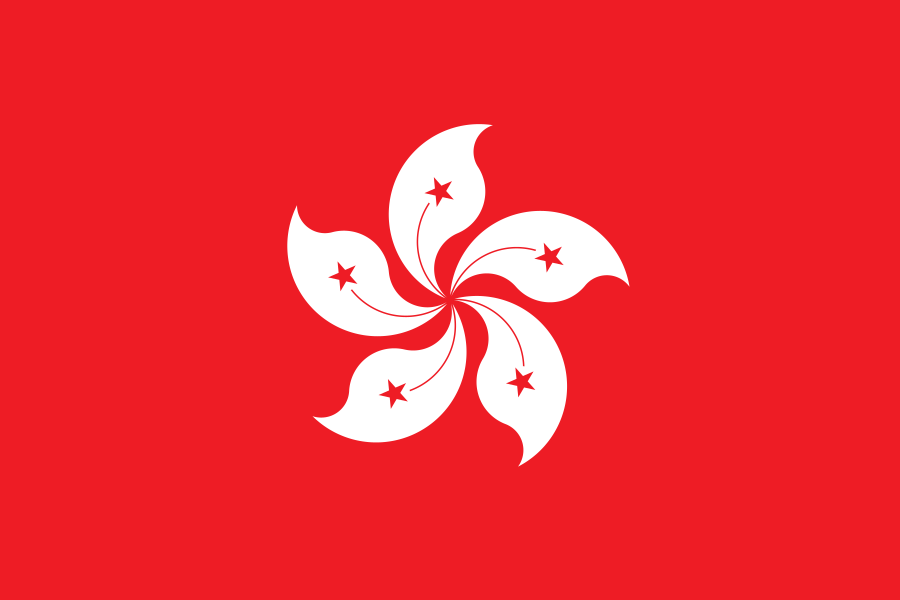 Hong Kong
-
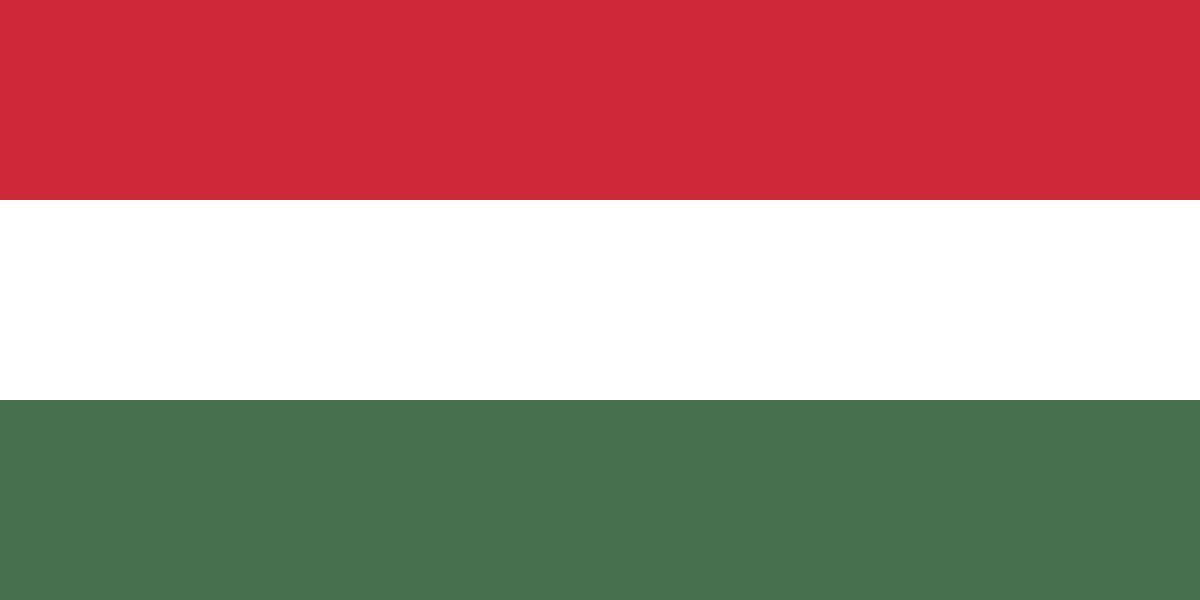 Hungría
-
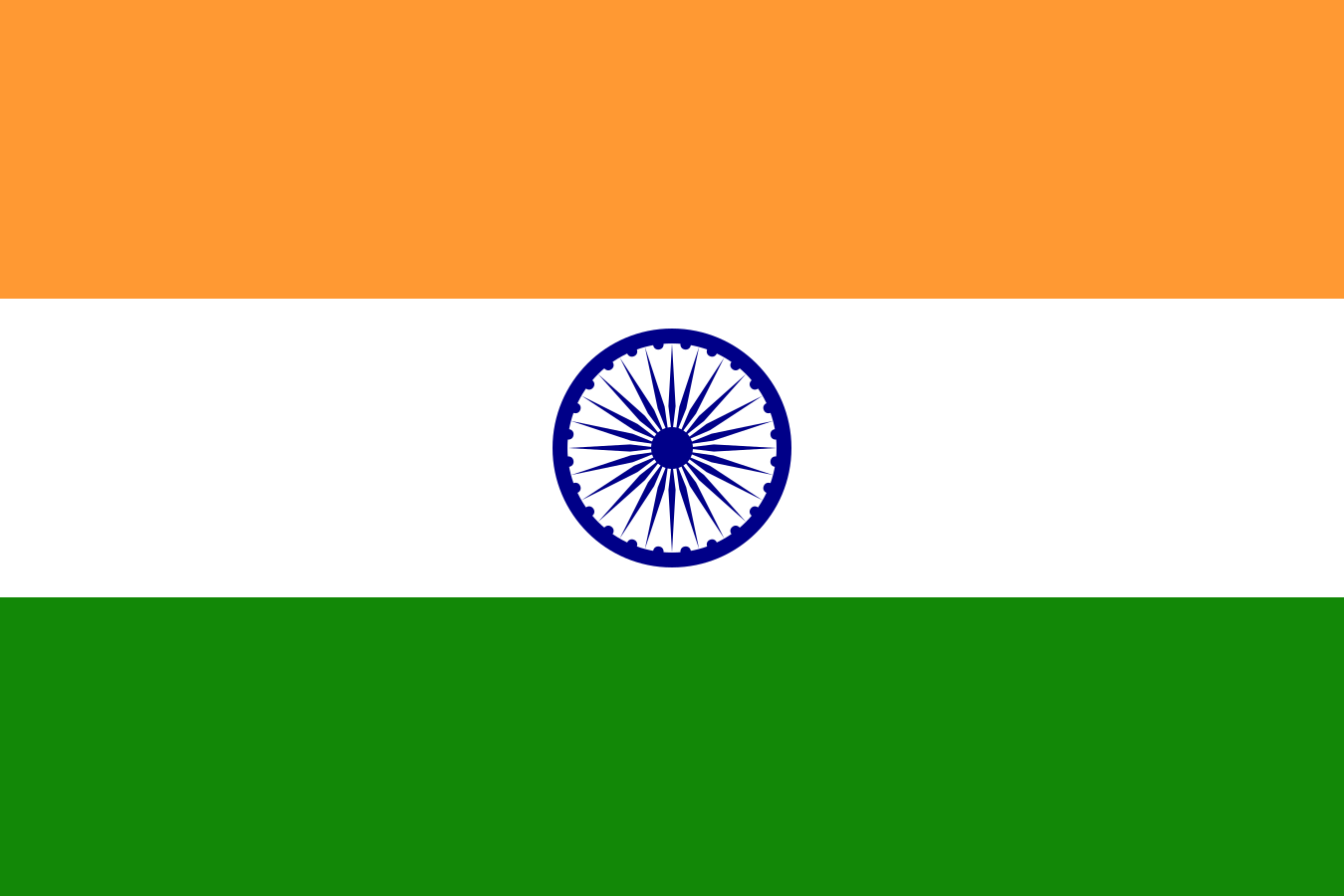 India
India
-
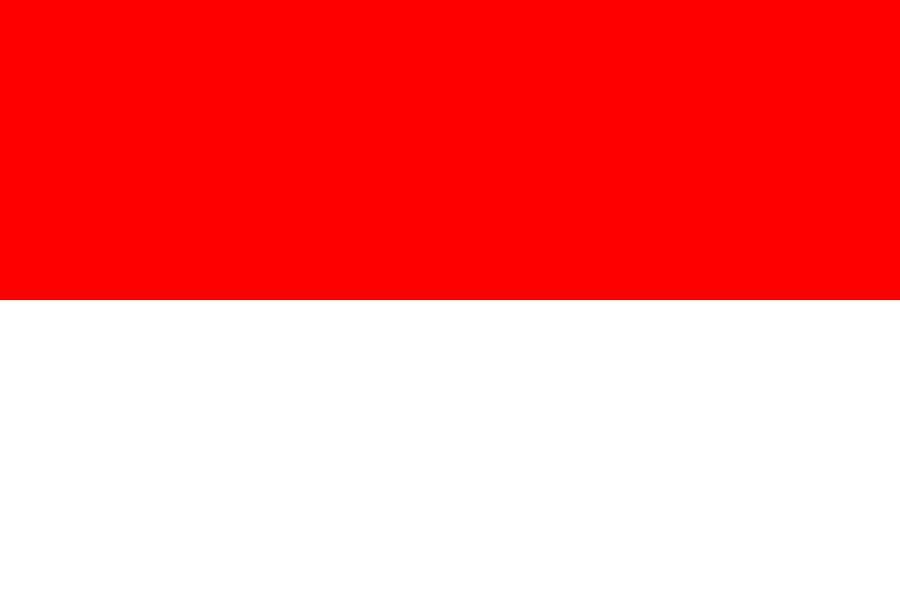 Indonesia
-
 Inglaterra
-
 Irak
Irak
-
 Irán
Irán
-
 Irlanda
-
 Isla Bouvet
-
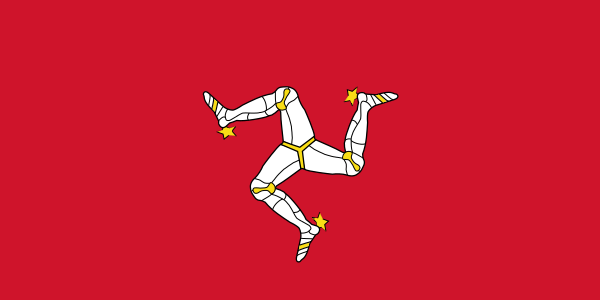 Isla de Man
-
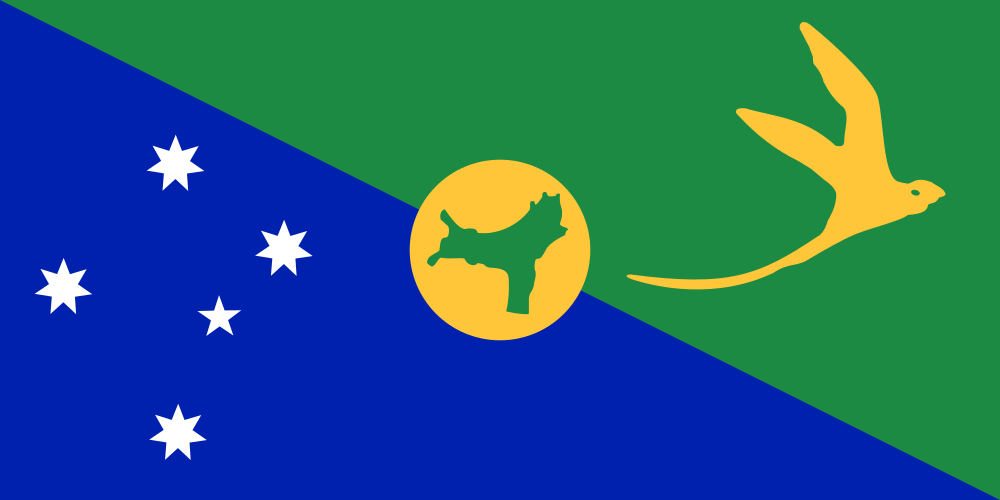 Isla de Navidad
-
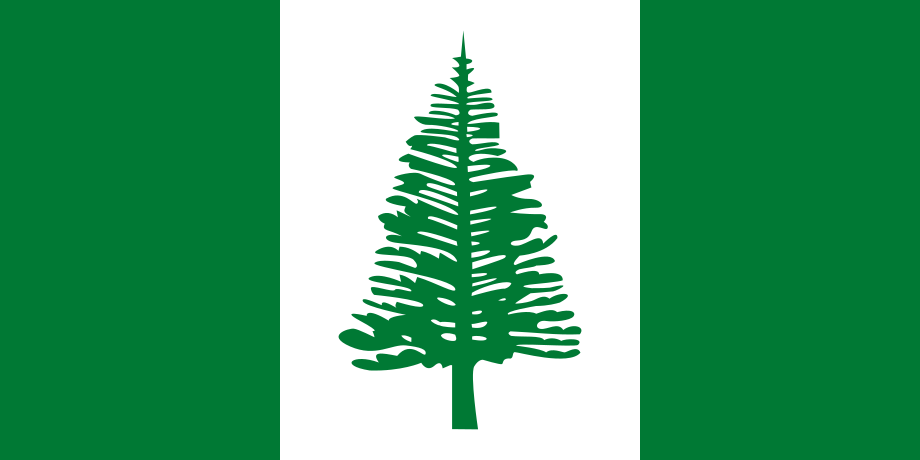 Isla Norfolk
-
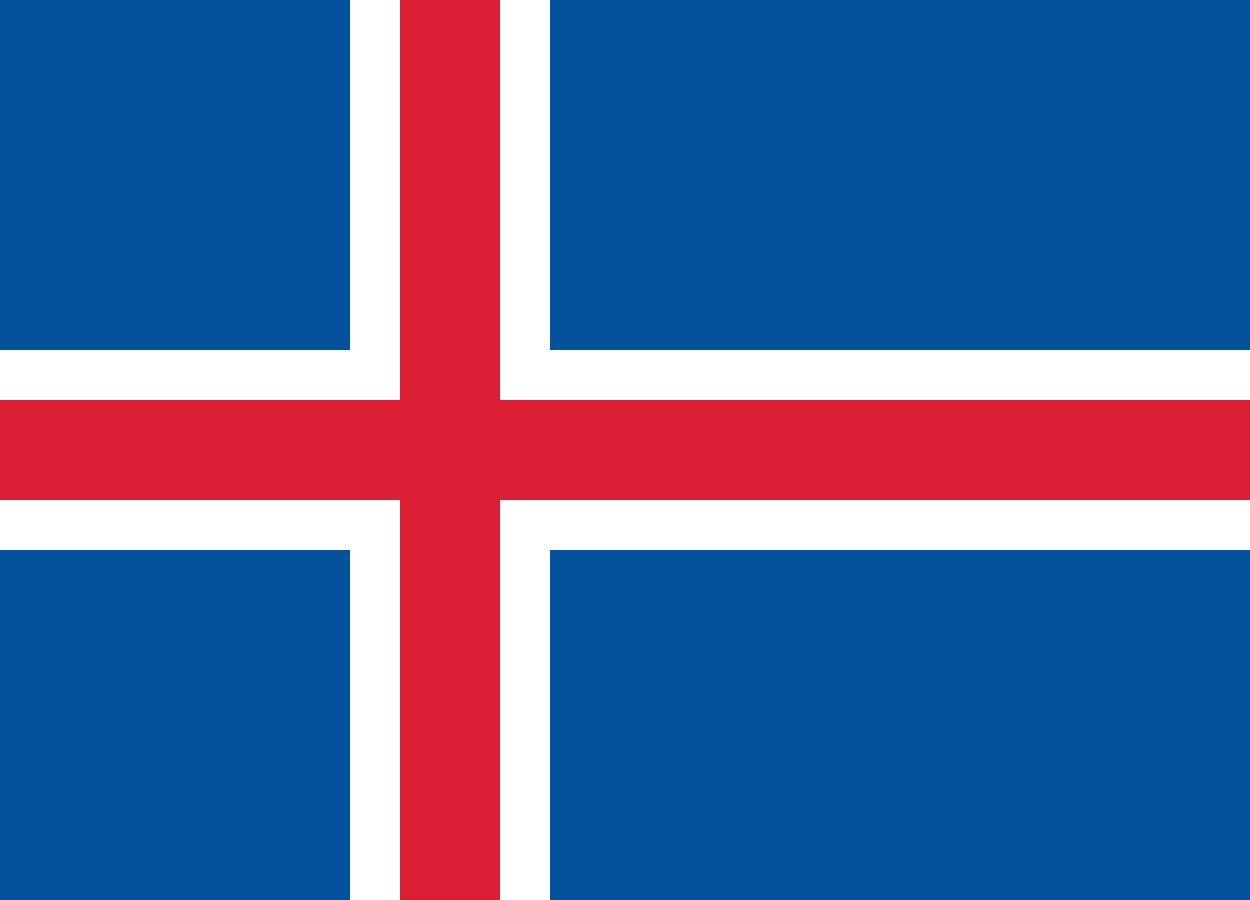 Islandia
-
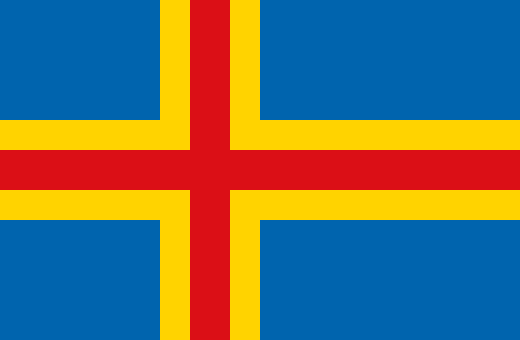 Islas Åland
-
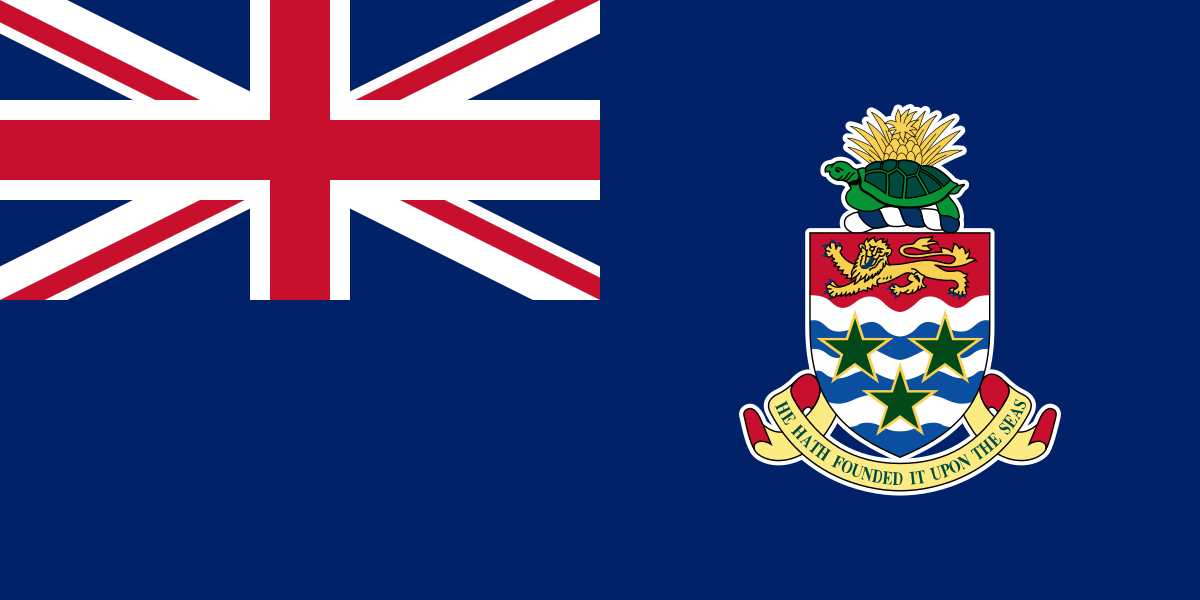 Islas Caimán
-
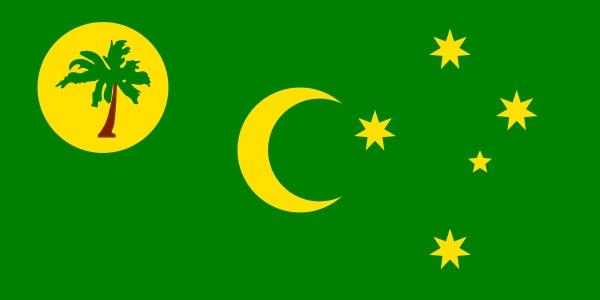 Islas Cocos
-
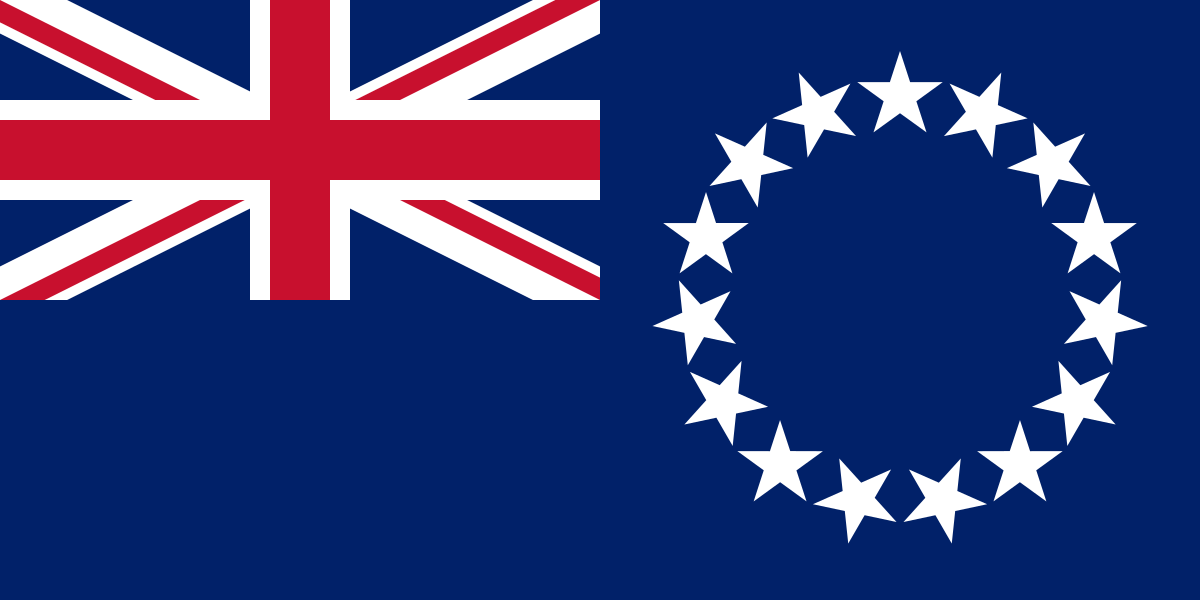 Islas Cook
-
 Islas Feroe
-
 Islas Georgias del Sur y Sandwich del Sur
-
 Islas Heard y McDonald
-
 Islas Malvinas
-
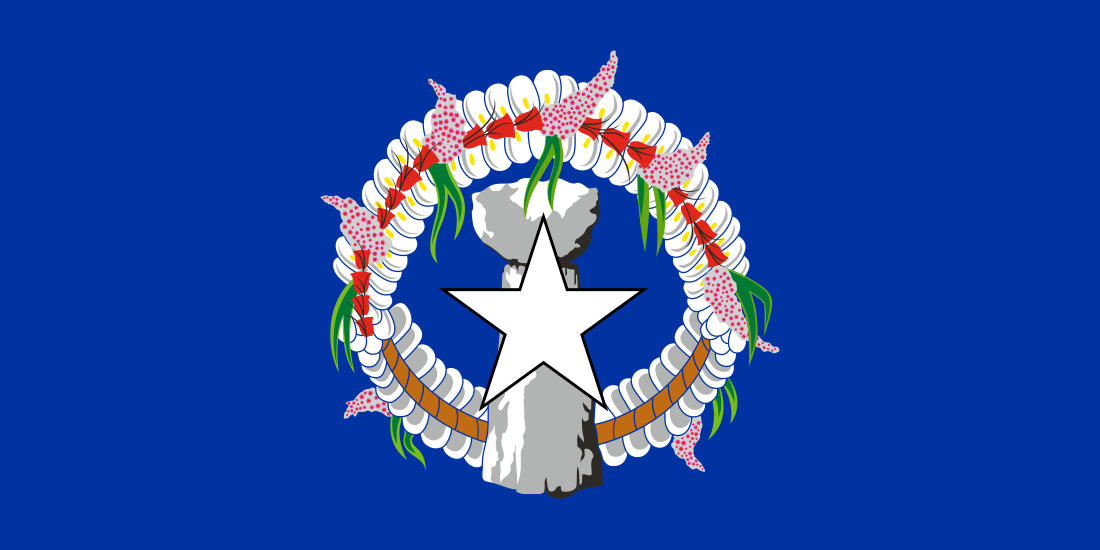 Islas Marianas del Norte
-
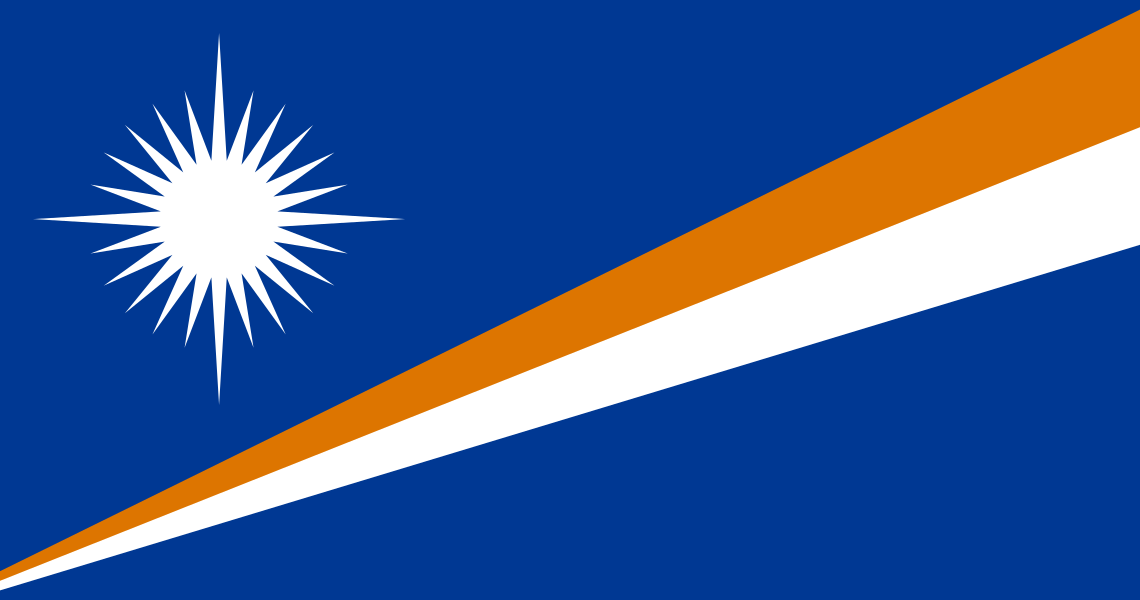 Islas Marshall
-
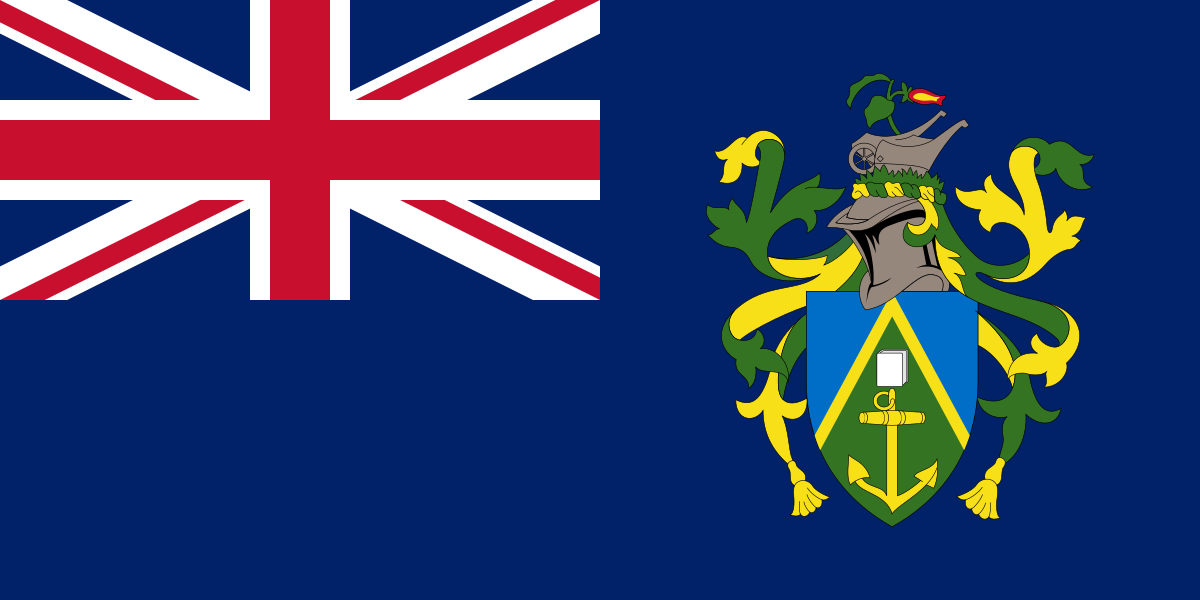 Islas Pitcairn
-
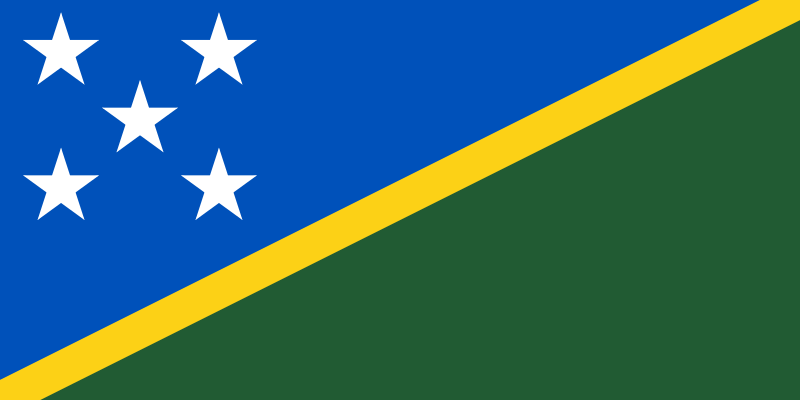 Islas Salomón
-
 Islas Turcas y Caicos
-
Islas Ultramarinas Menores de los Estados Unidos
-
 Islas Vírgenes Británicas
-
 Islas Vírgenes de los Estados Unidos
-
 Israel
-
 Italia
-
 Jamaica
-
 Japón
Japón
-
 Jersey
-
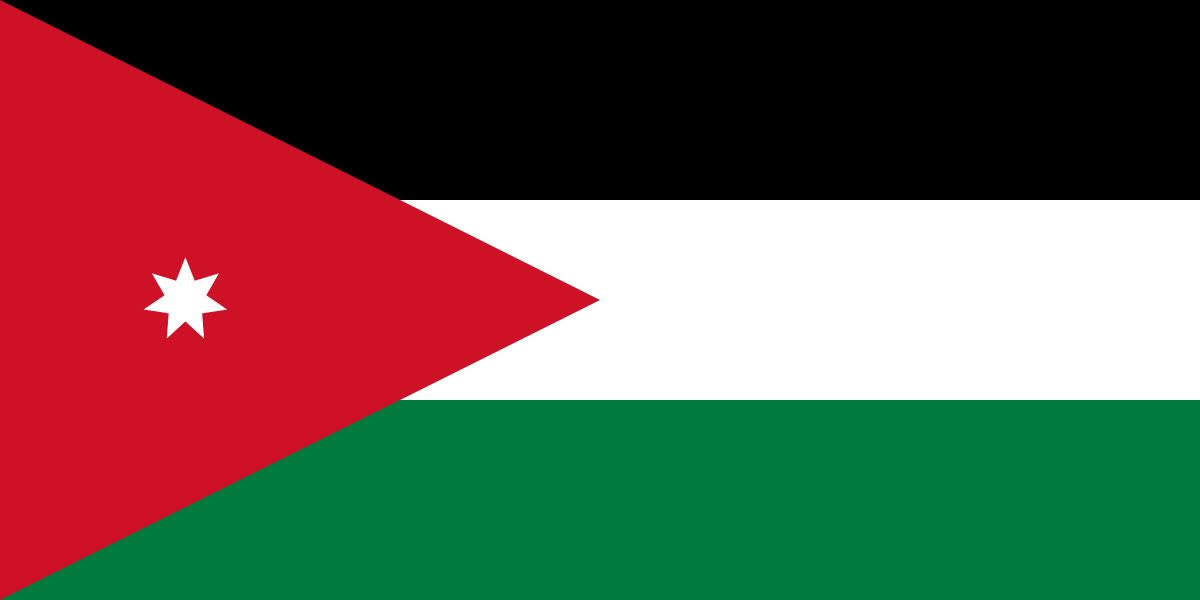 Jordania
-
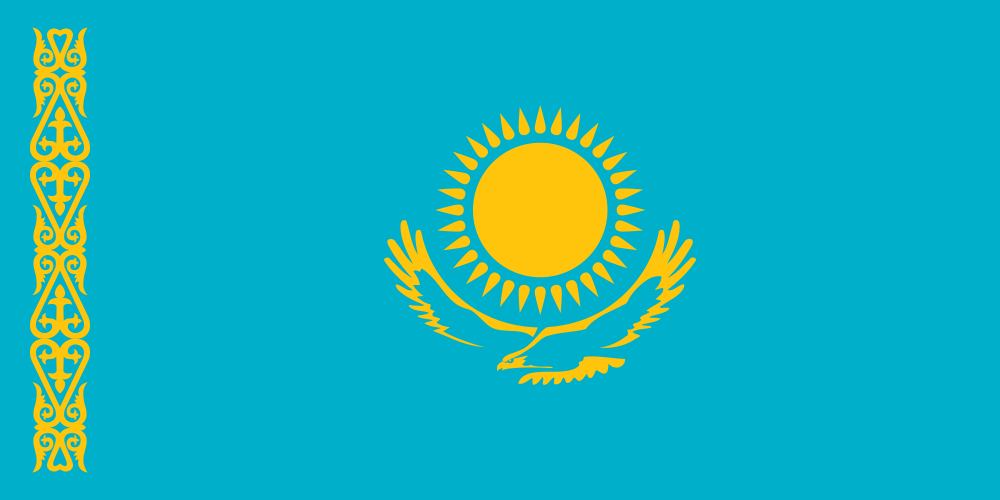 Kazajistán
-
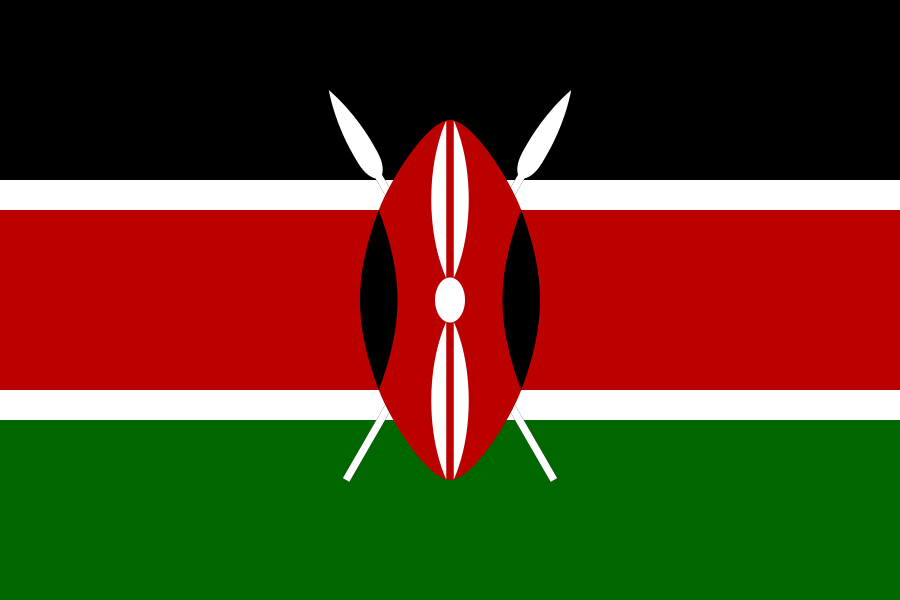 Kenia
Kenia
-
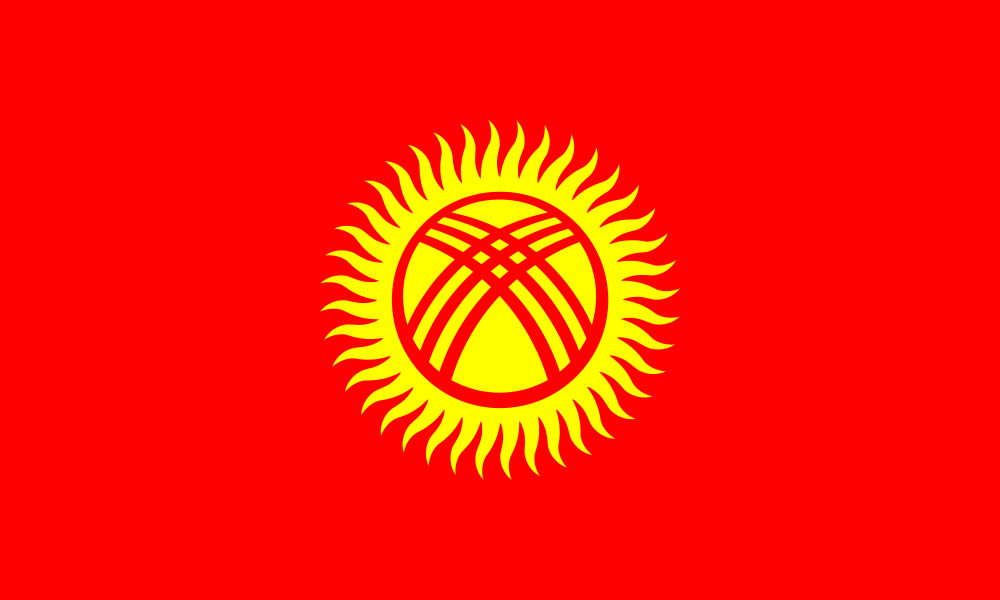 Kirguistán
-
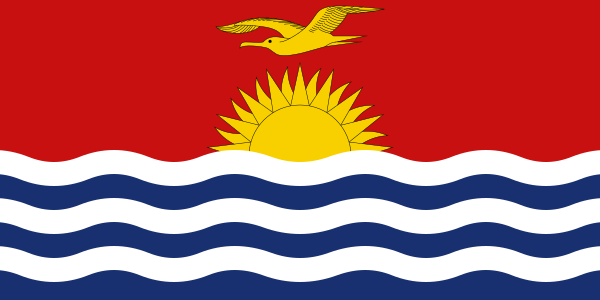 Kiribati
-
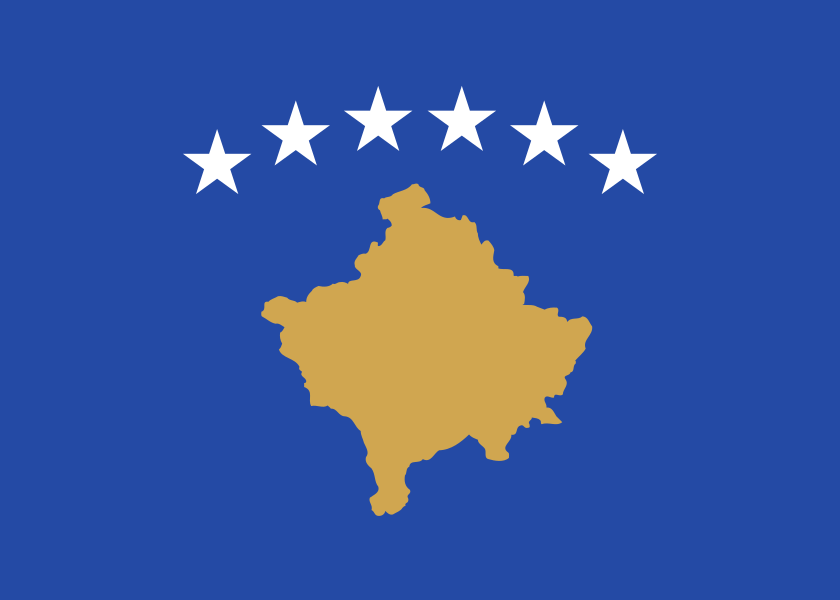 Kosovo
-
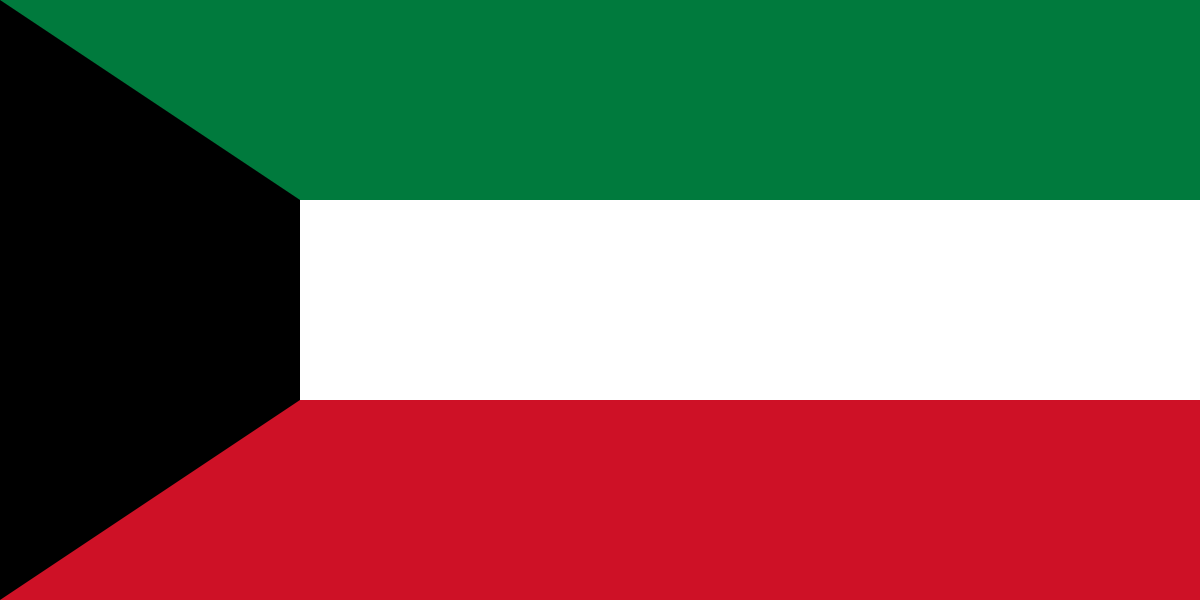 Kuwait
-
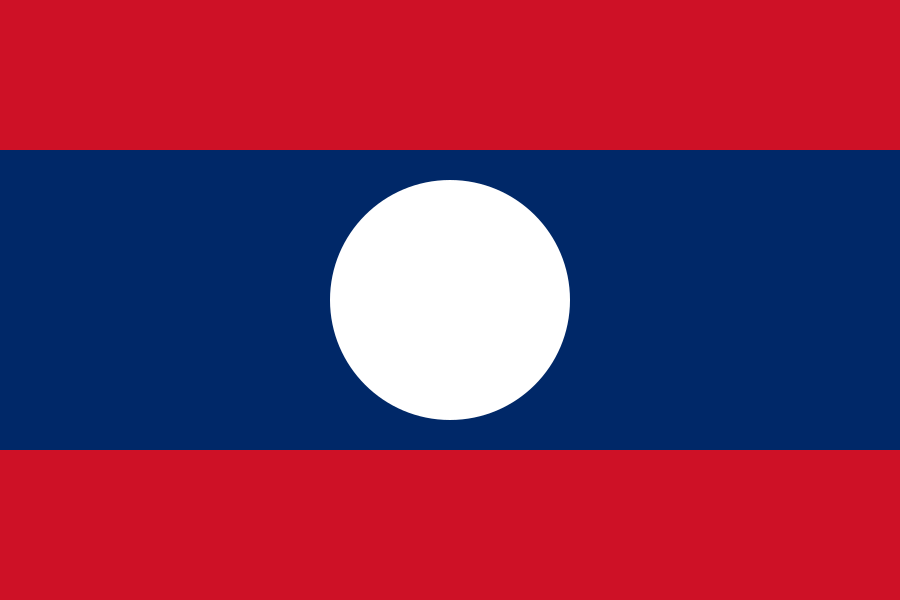 Laos
Laos
-
 Lesoto
-
 Letonia
-
 Líbano
-
 Liberia
-
 Libia
Libia
-
 Liechtenstein
-
 Lituania
-
 Luxemburgo
-
 Macao
Macao
-
 Macedonia del Norte
-
 Madagascar
-
 Malasia
-
 Malaui
-
 Maldivas
-
 Malí
Malí
-
 Malta
Malta
-
 Marruecos
-
Martinica
-
 Mauricio
-
 Mauritania
-
Mayotte
-
 México
-
 Micronesia
-
 Moldavia
-
 Mónaco
-
 Mongolia
-
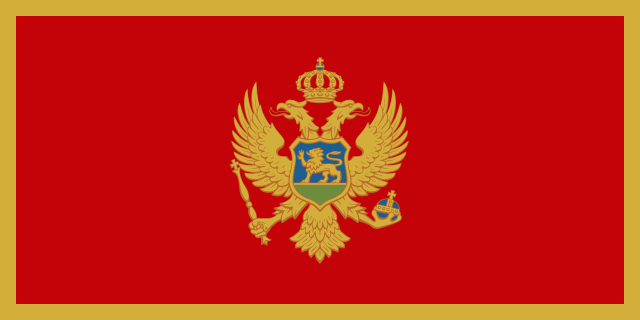 Montenegro
-
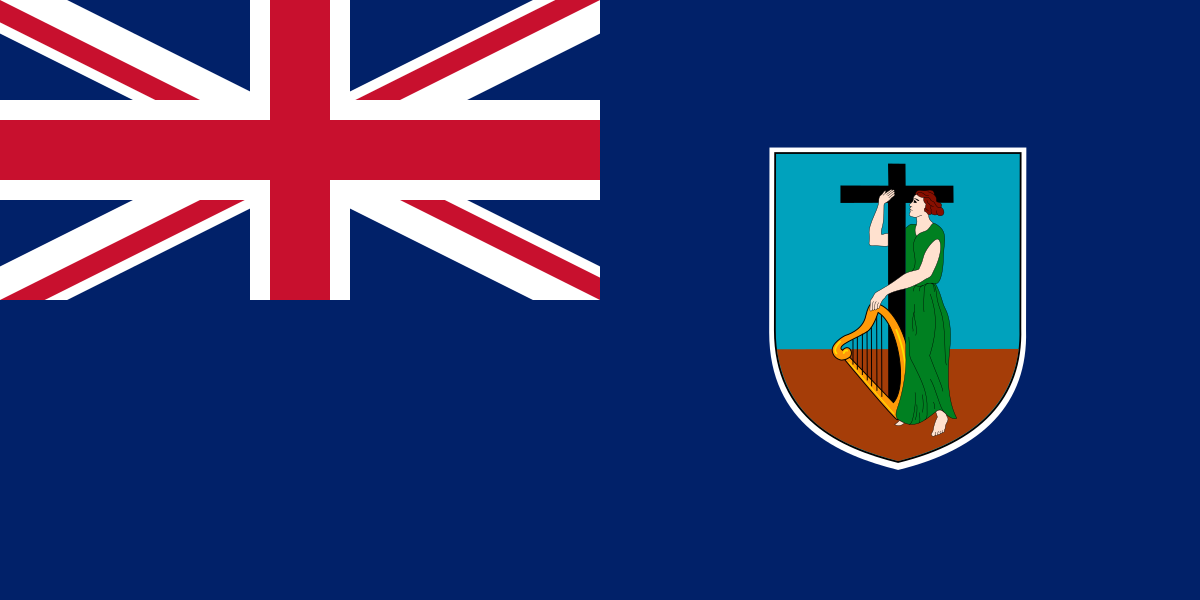 Montserrat
-
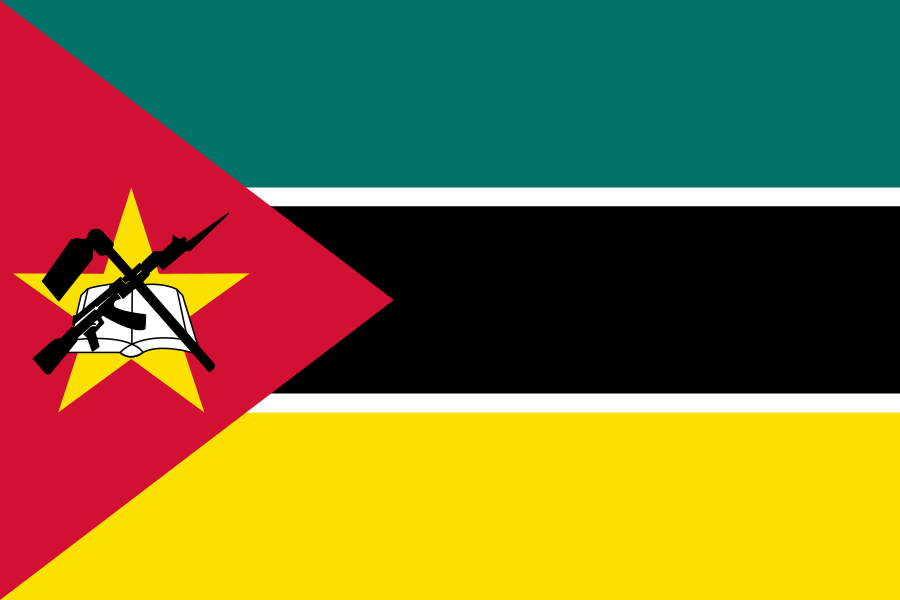 Mozambique
-
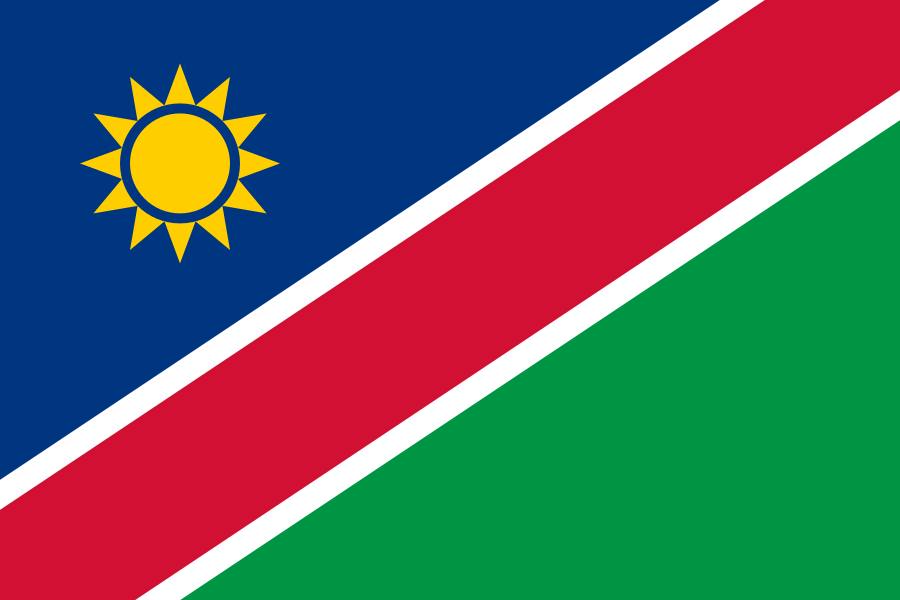 Namibia
-
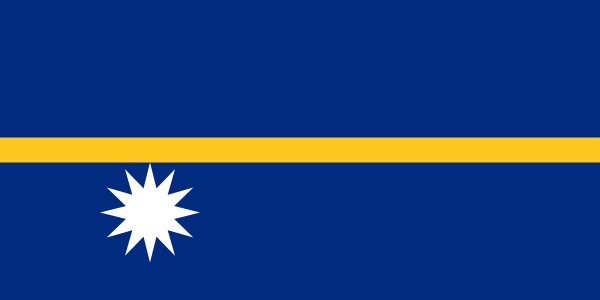 Nauru
Nauru
-
 Nepal
Nepal
-
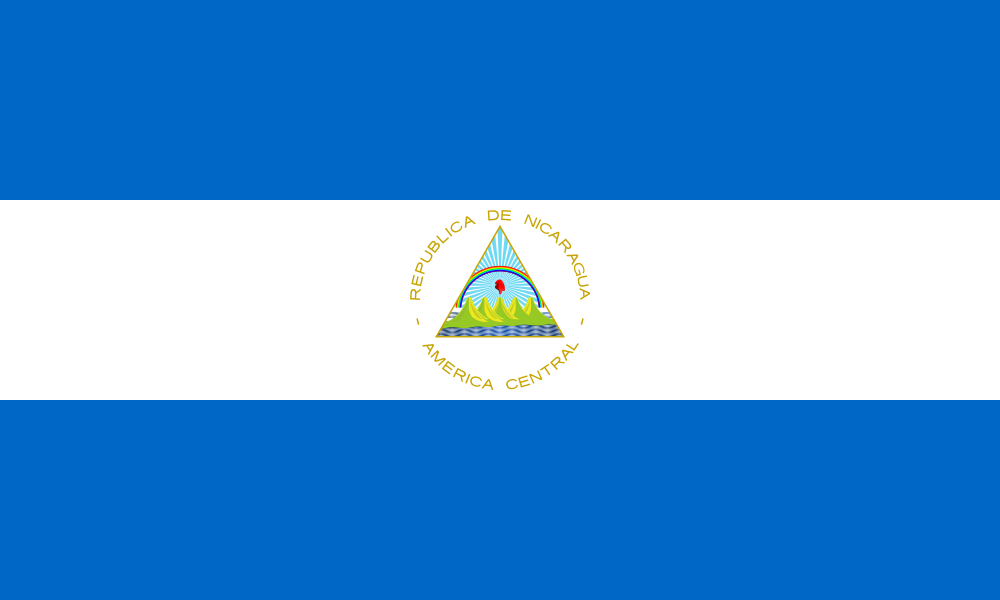 Nicaragua
-
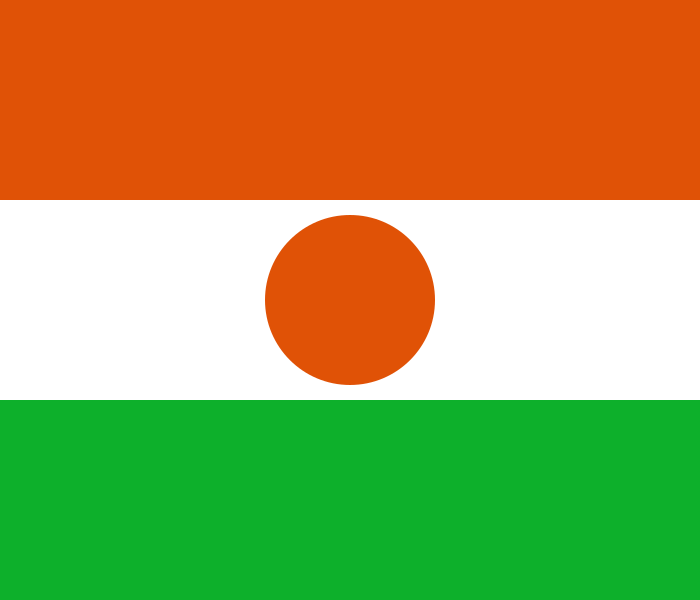 Níger
Níger
-
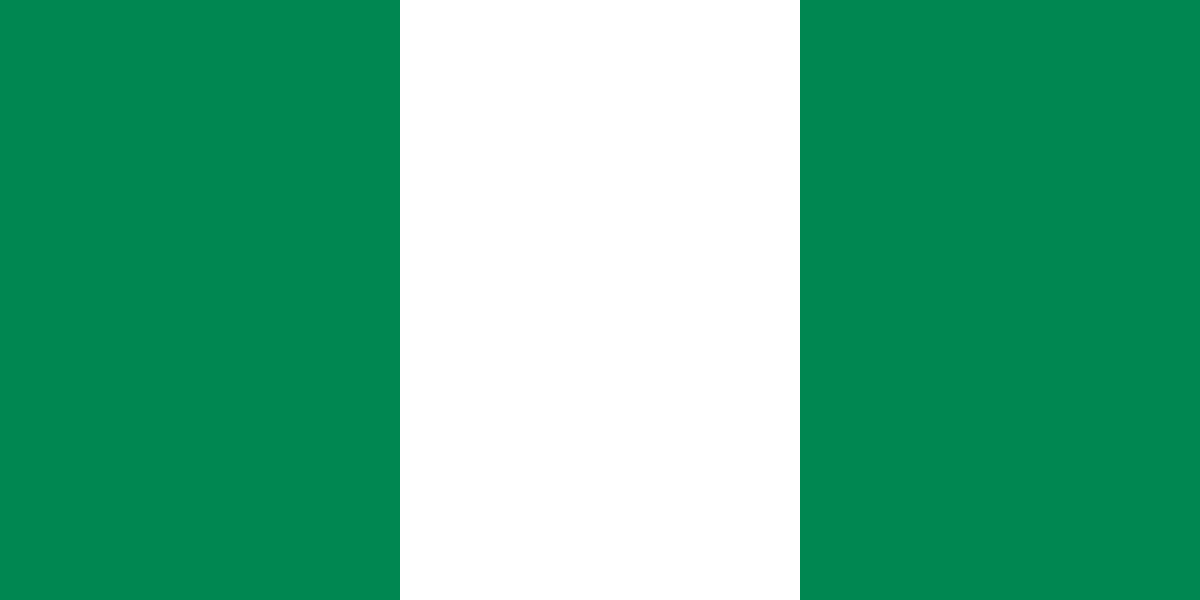 Nigeria
-
 Niue
Niue
-
 Noruega
-
 Nueva Caledonia
-
 Nueva Zelanda
-
 Omán
Omán
-
Países Bajos
-
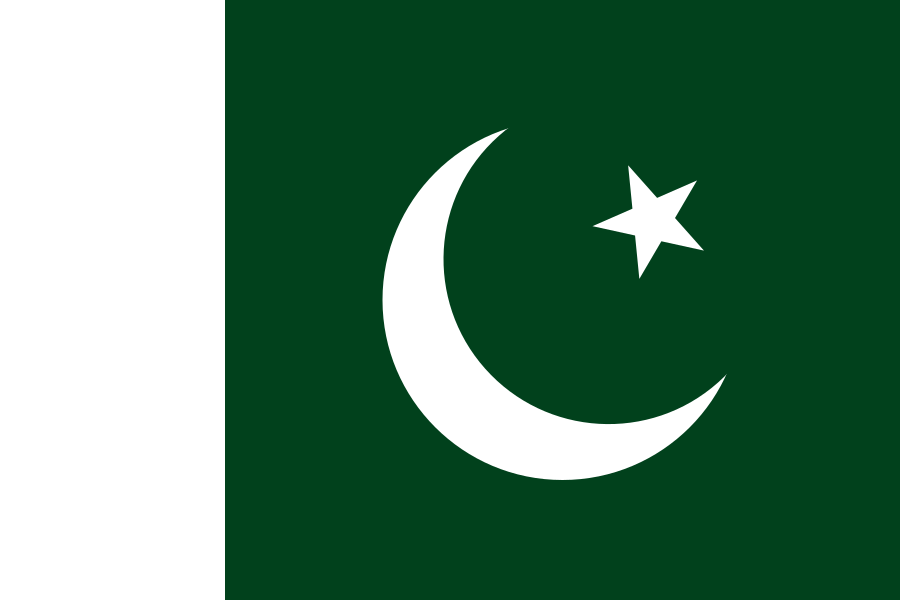 Pakistán
-
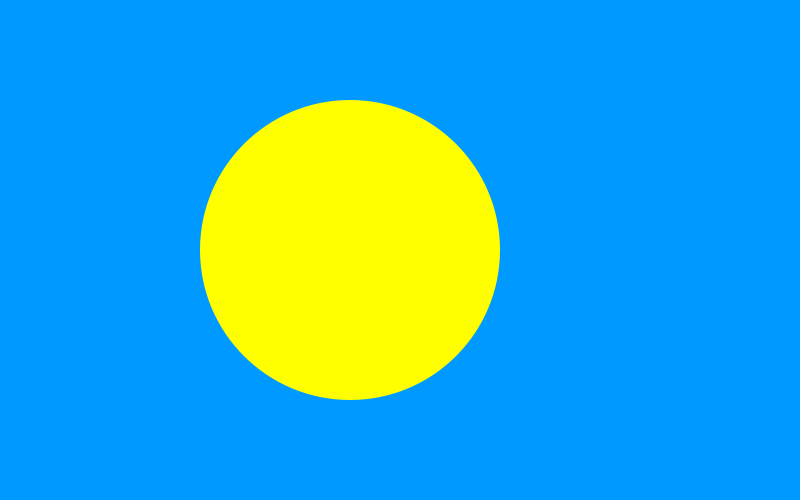 Palaos
-
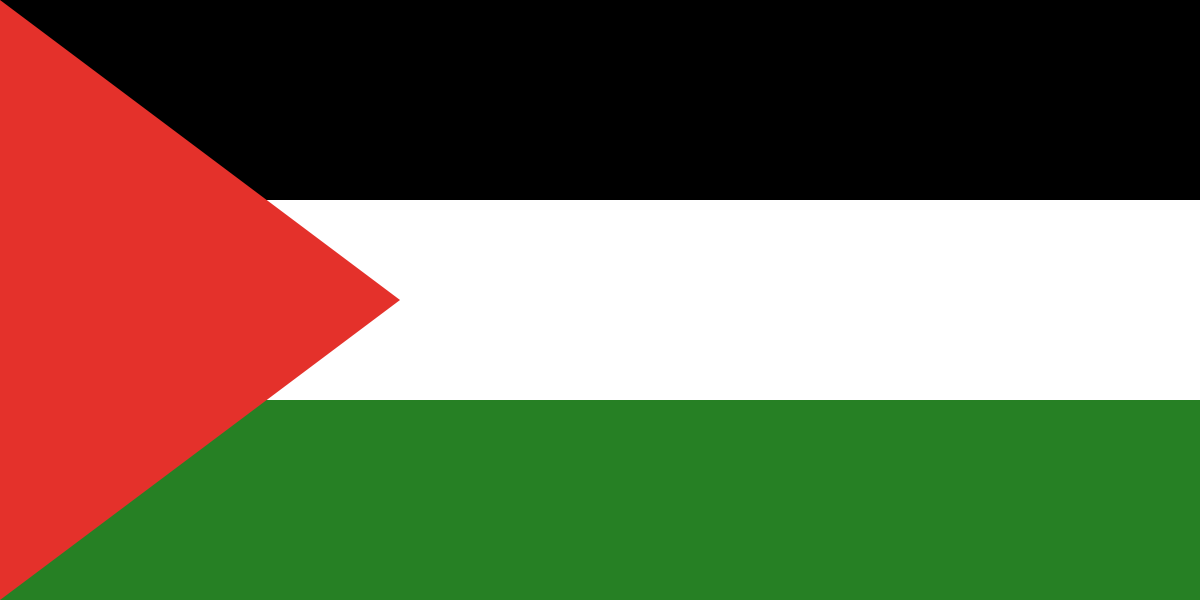 Palestina
-
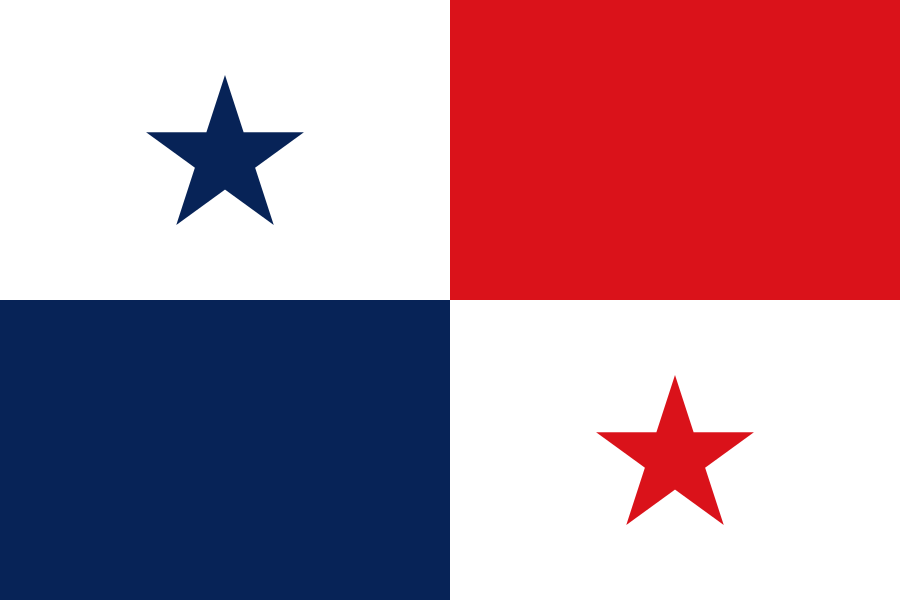 Panamá
-
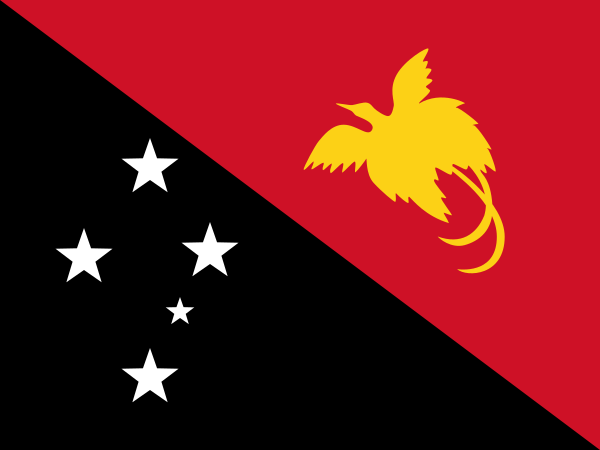 Papúa Nueva Guinea
-
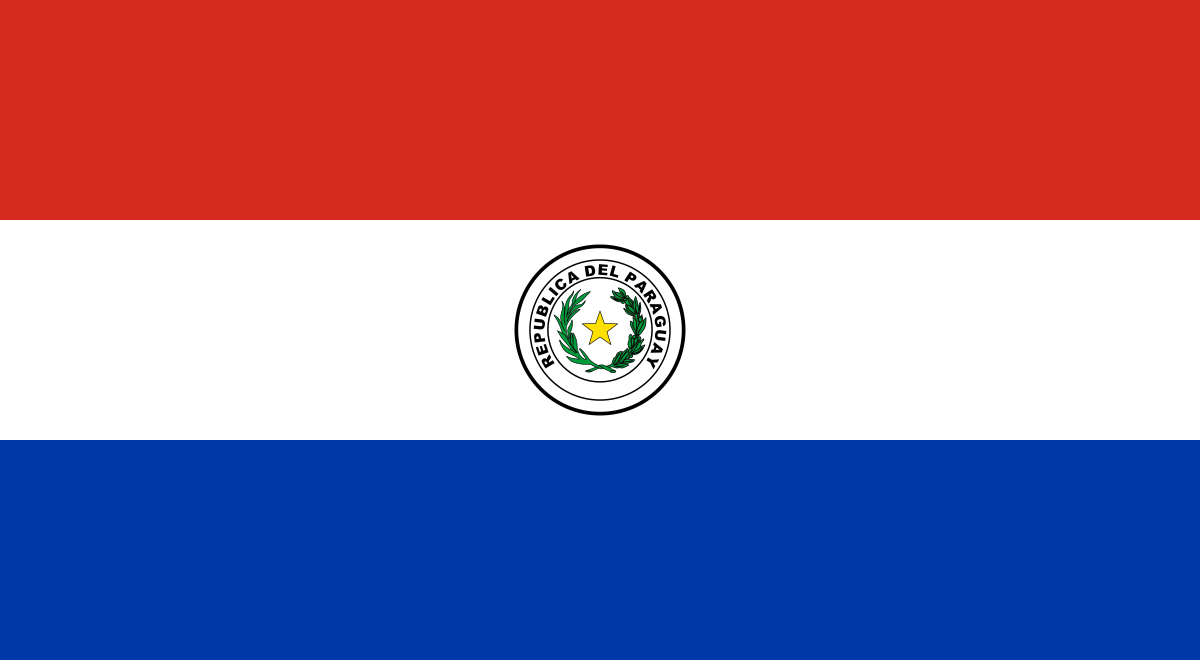 Paraguay
-
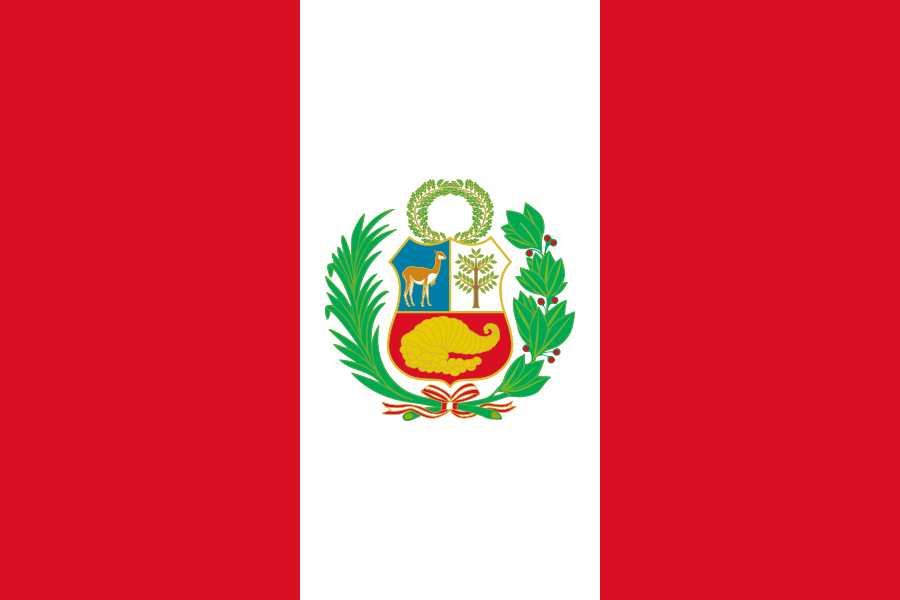 Perú
Perú
-
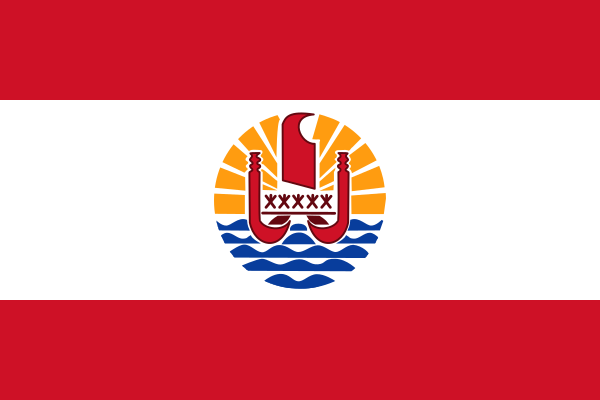 Polinesia Francesa
-
 Polonia
-
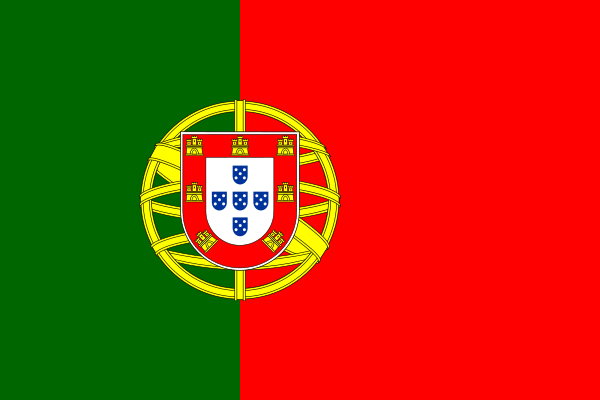 Portugal
-
 Puerto Rico
-
 República Centroafricana
-
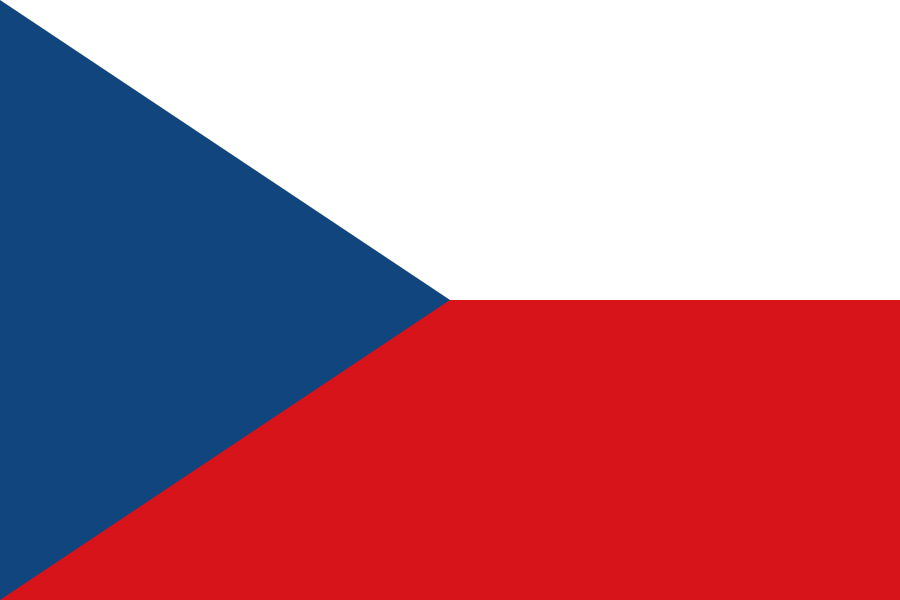 República Checa
-
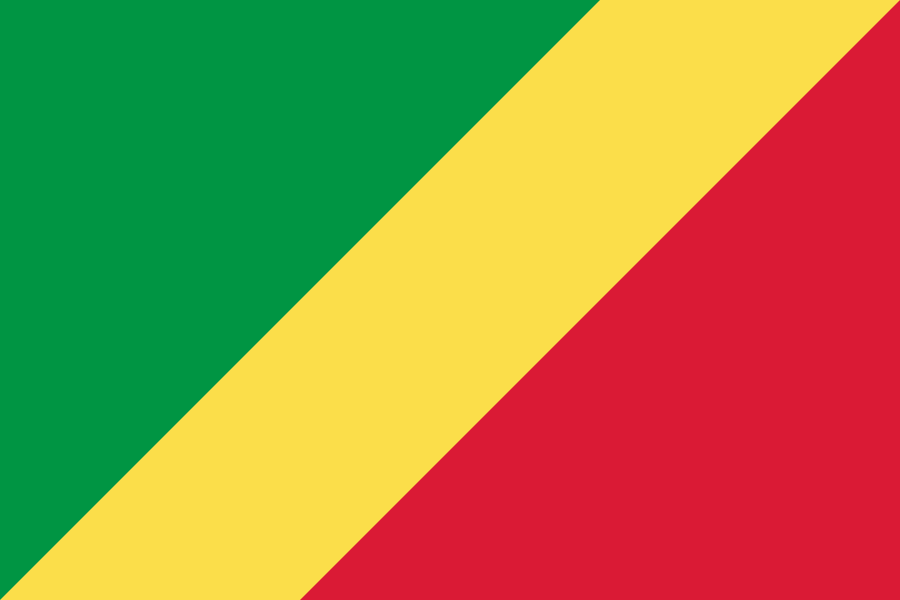 República del Congo
-
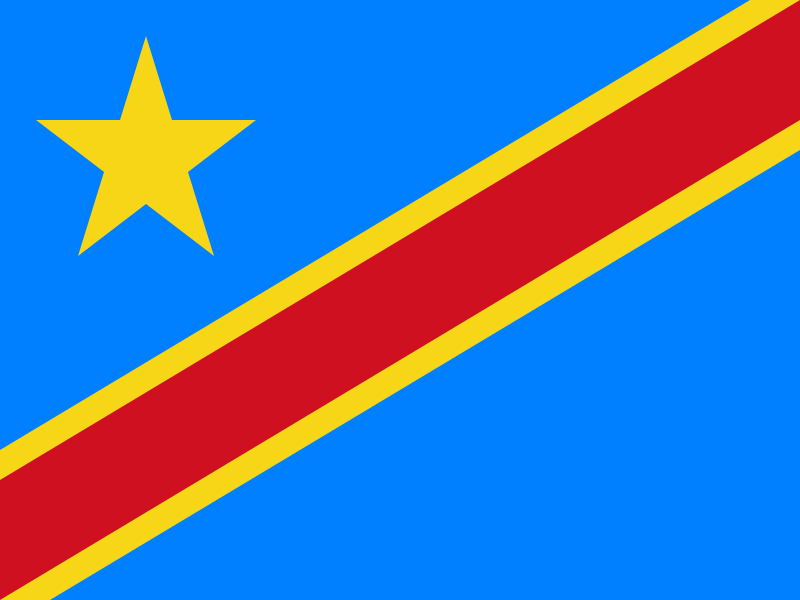 República Democrática del Congo
-
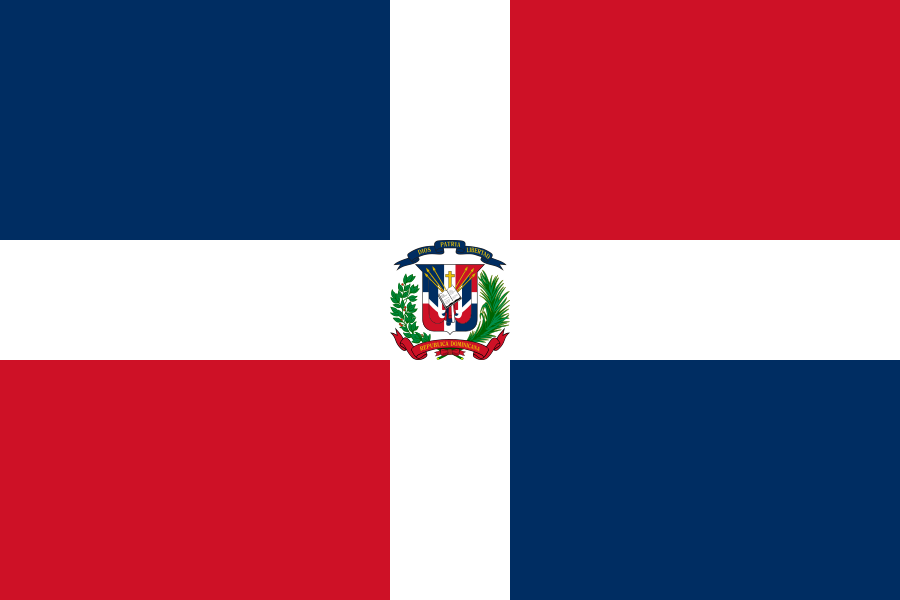 República Dominicana
-
Reunión
-
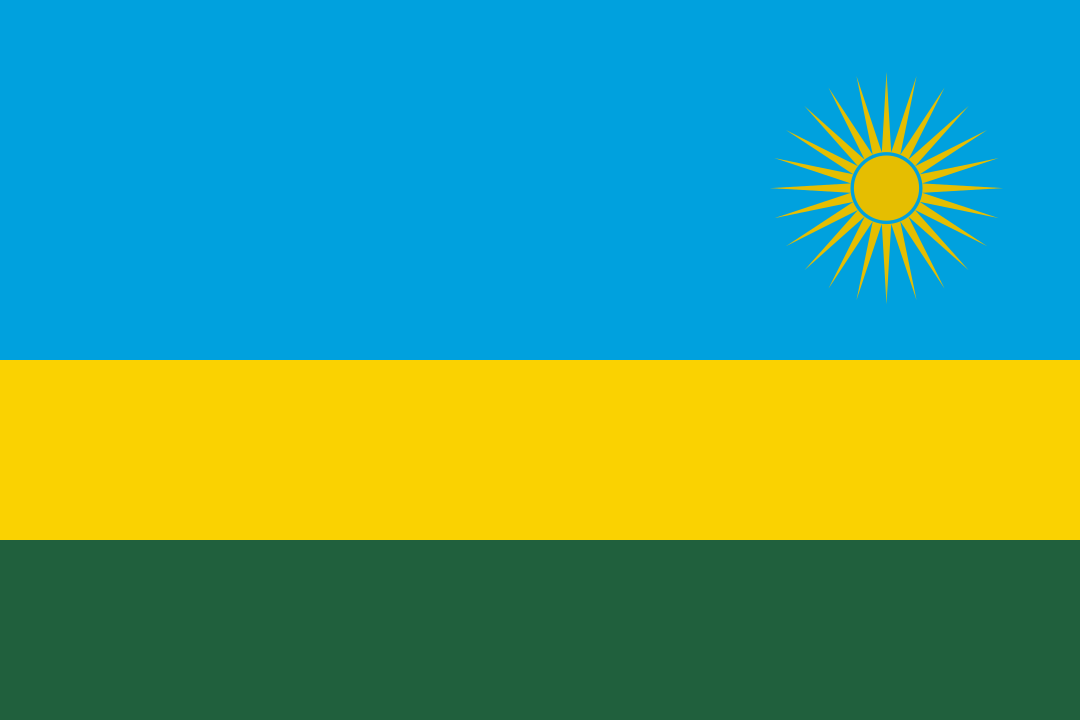 Ruanda
-
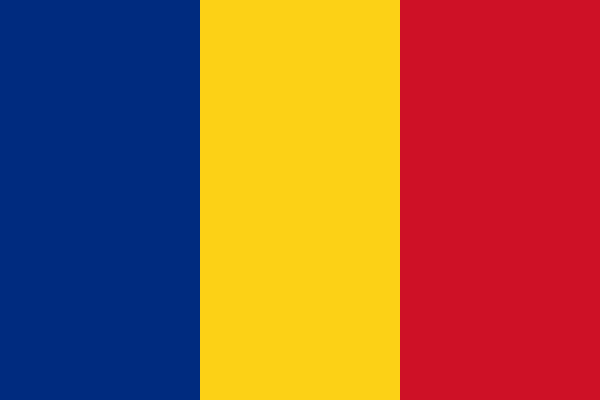 Rumania
-
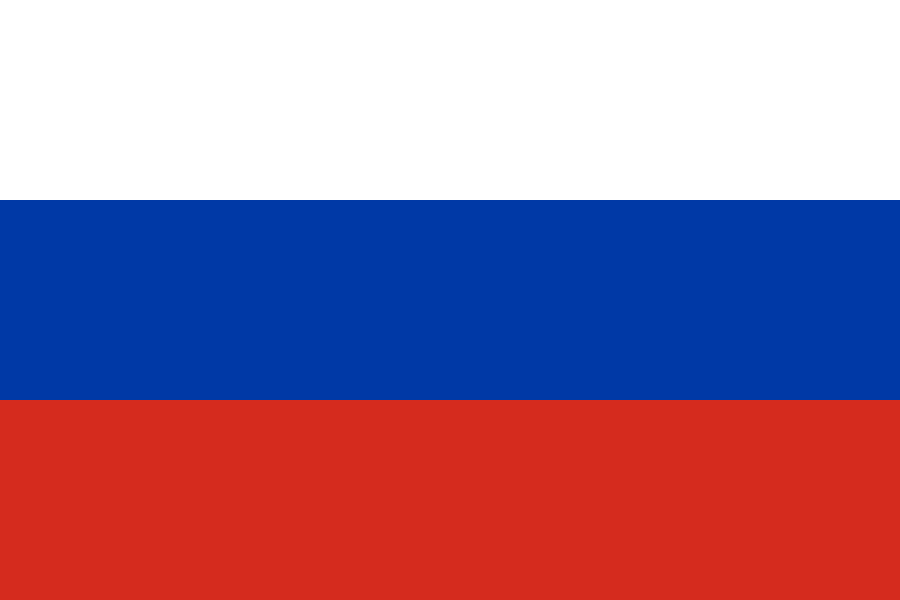 Rusia
Rusia
-
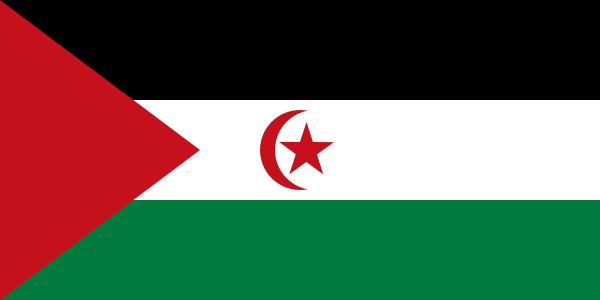 Sahara Occidental
-
Saint Barthélemy
-
 Samoa
Samoa
-
 Samoa Americana
-
 San Cristóbal y Nieves
-
 San Marino
-
 San Martín
-
San Martin
-
 San Pedro y MIquelón
-
 San Vicente y las Granadinas
-
 Santa Elena
-
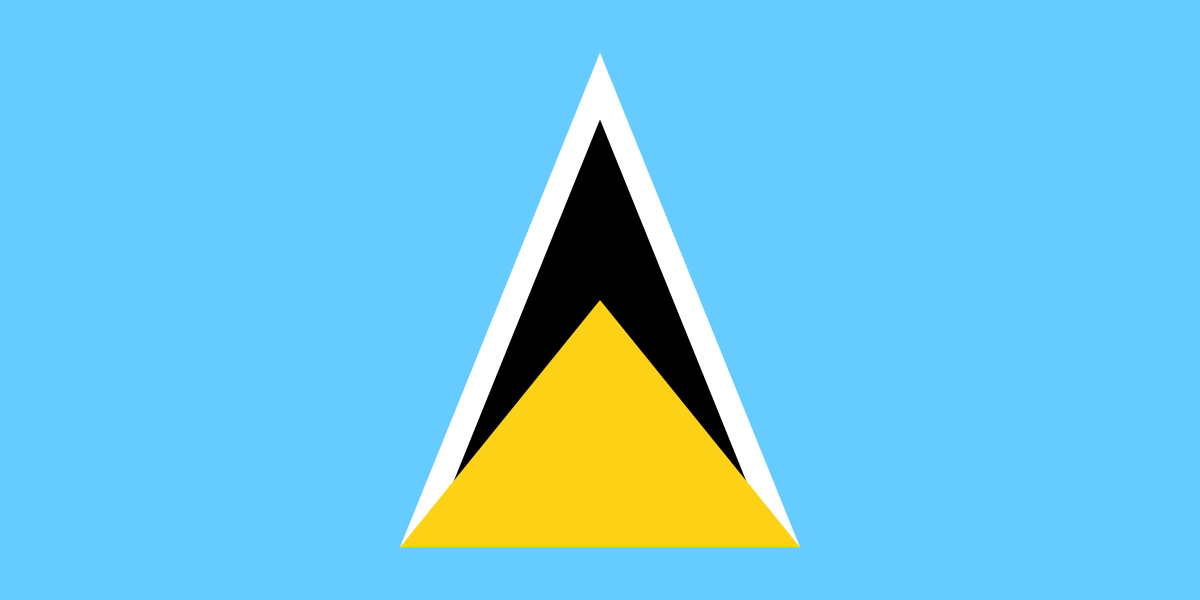 Santa Lucía
-
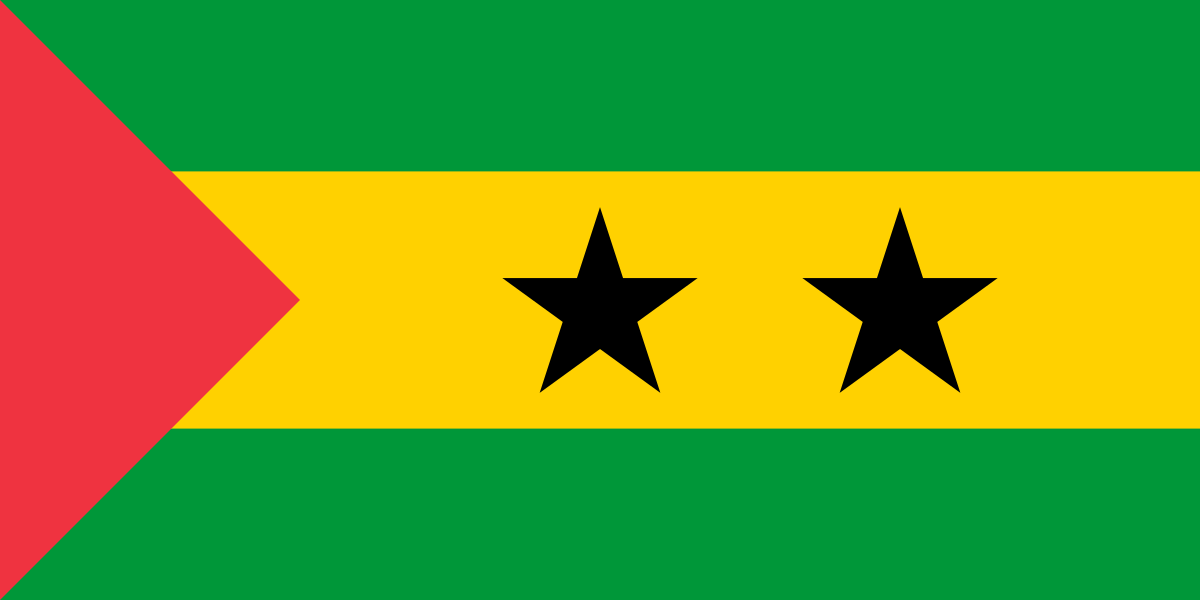 Santo Tomé y Príncipe
-
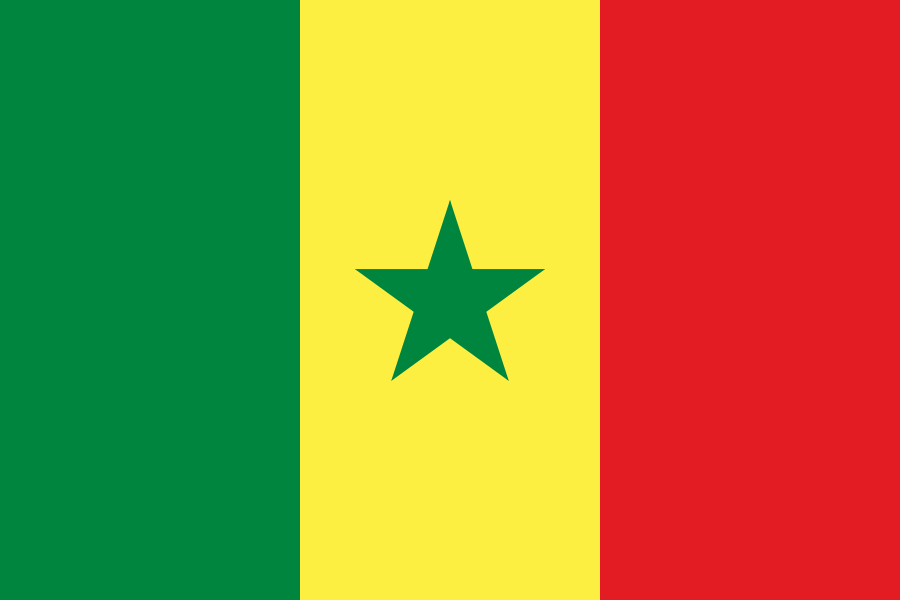 Senegal
-
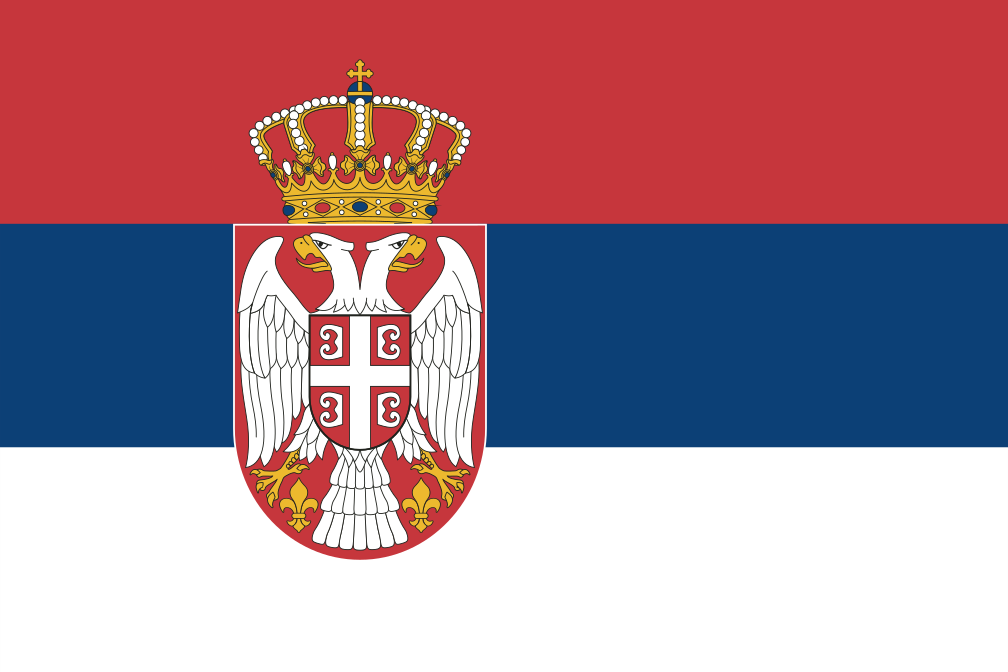 Serbia
-
 Seychelles
-
 Sierra Leona
-
 Singapur
-
 Siria
Siria
-
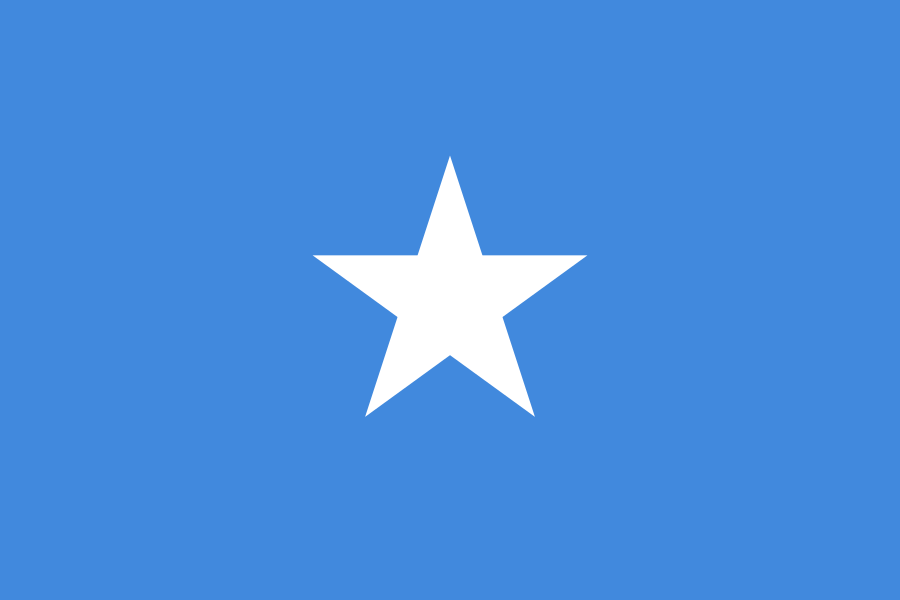 Somalia
-
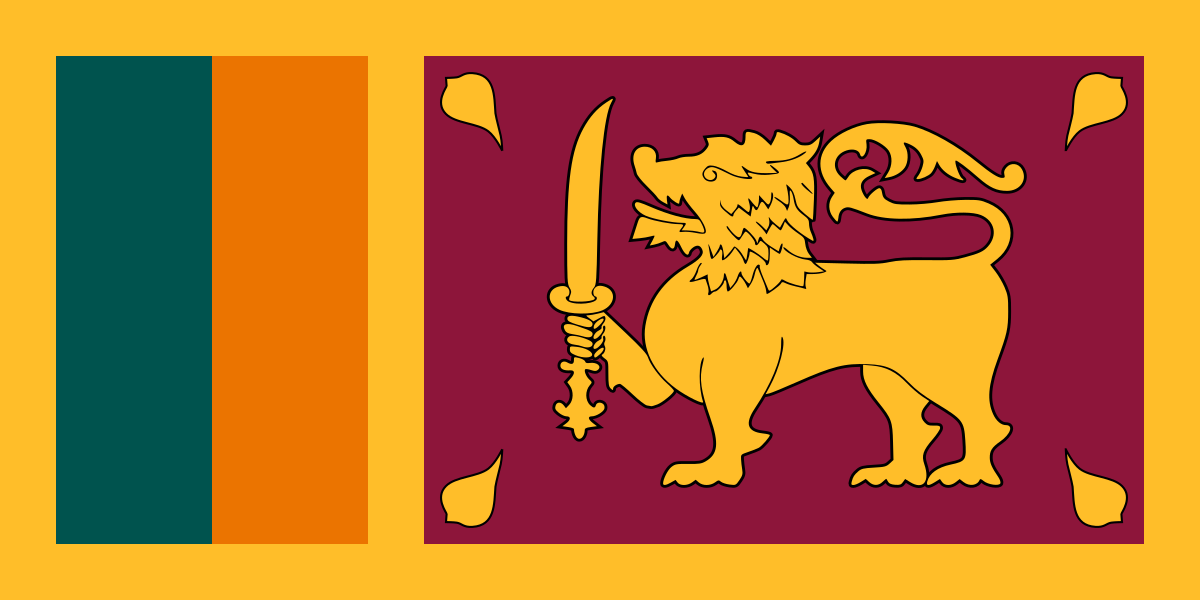 Sri Lanka
-
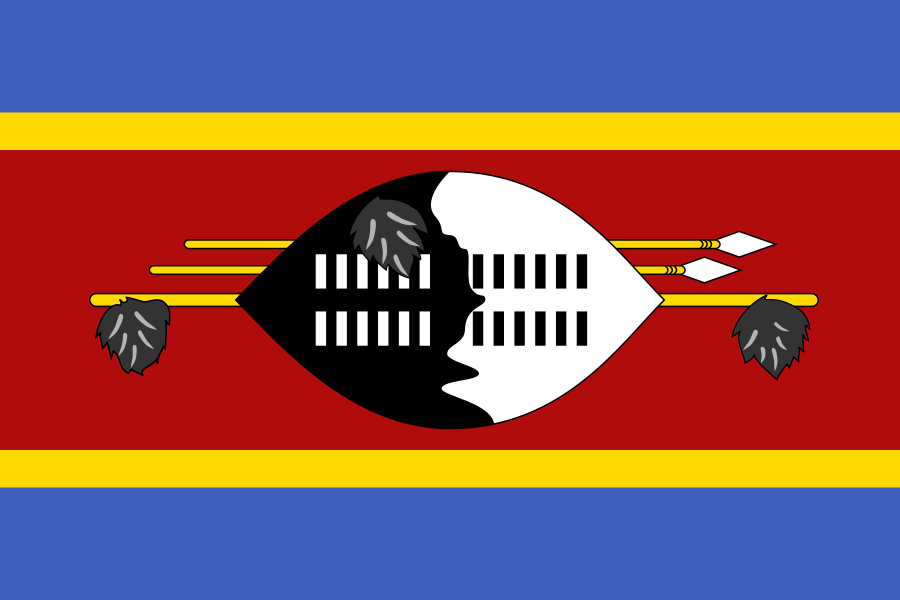 Suazilandia
-
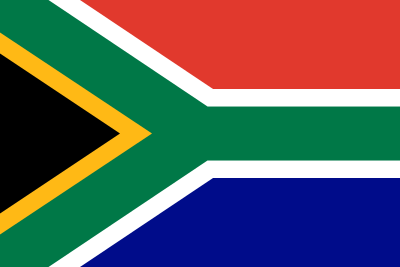 Sudáfrica
-
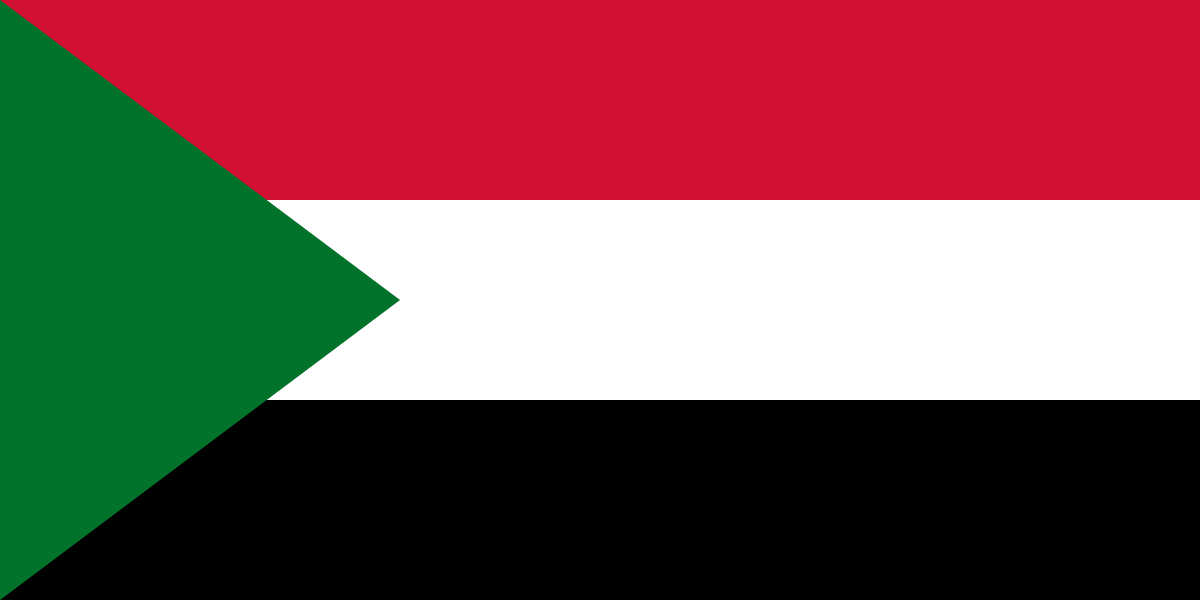 Sudán
Sudán
-
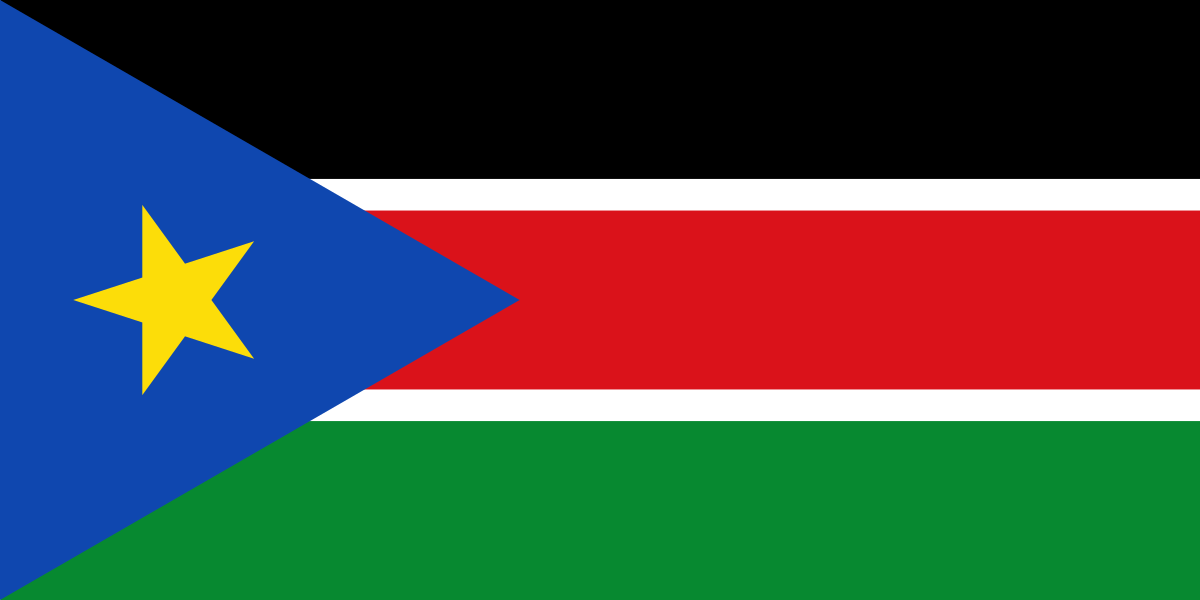 Sudán del Sur
-
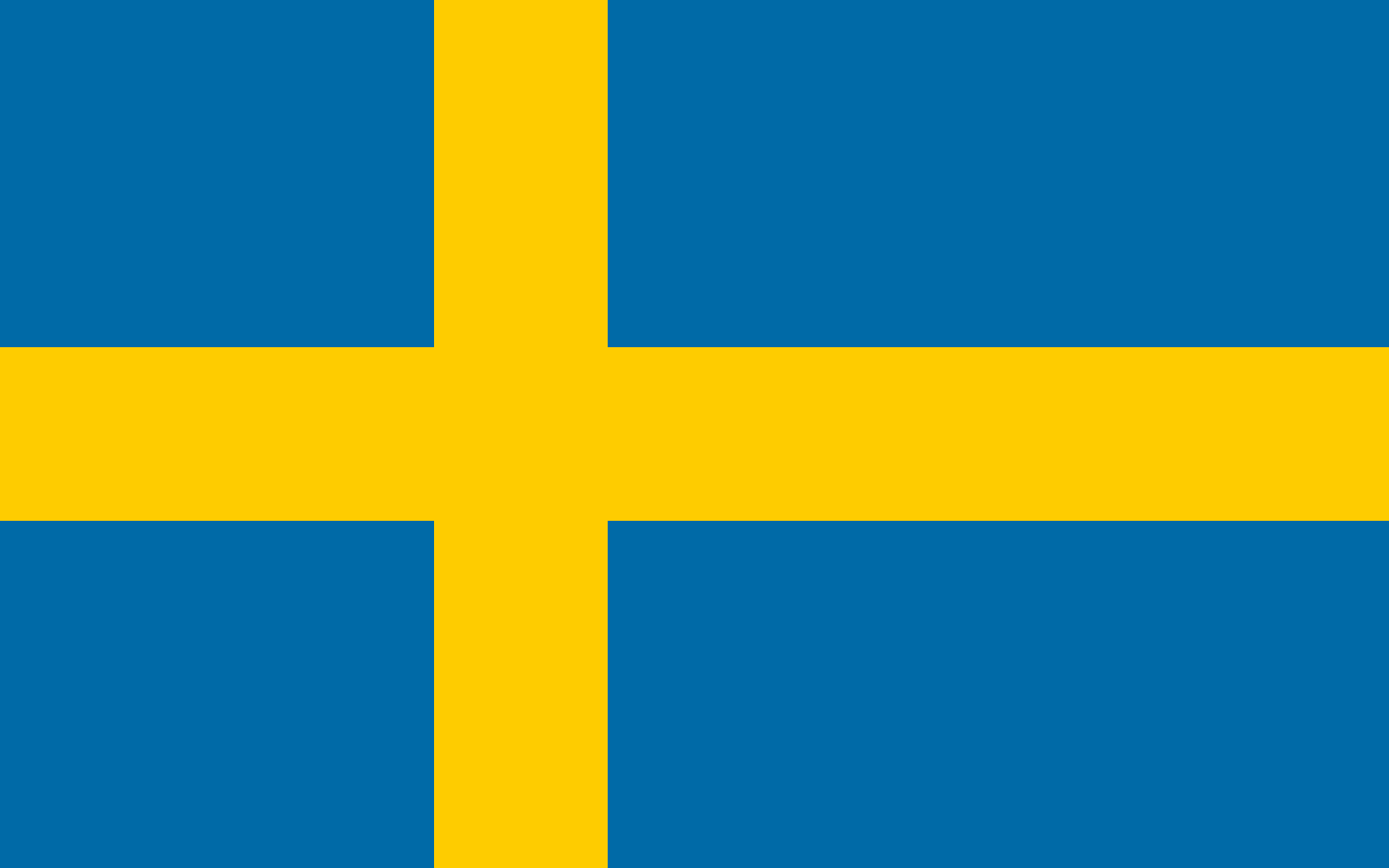 Suecia
-
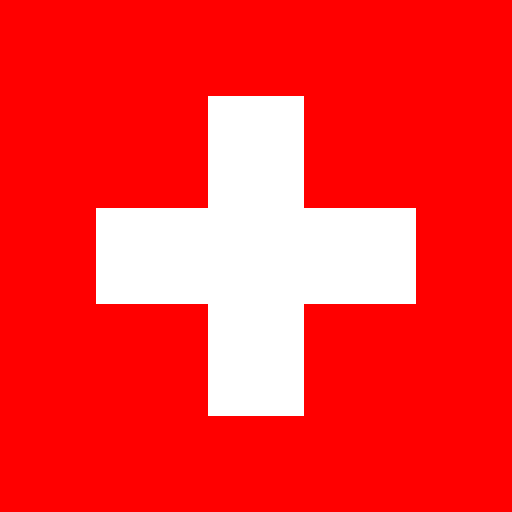 Suiza
Suiza
-
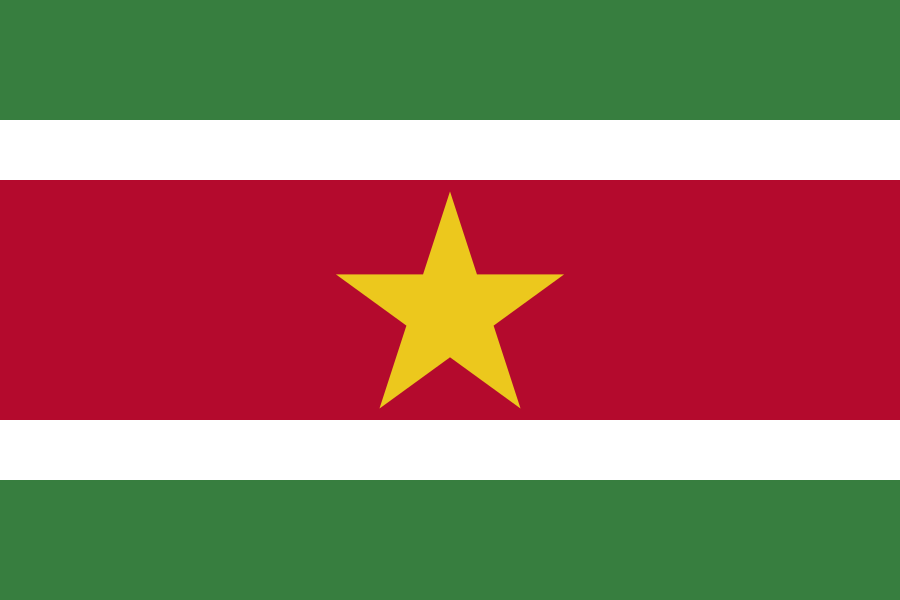 Surinam
-
Svalbard y Jan Mayen
-
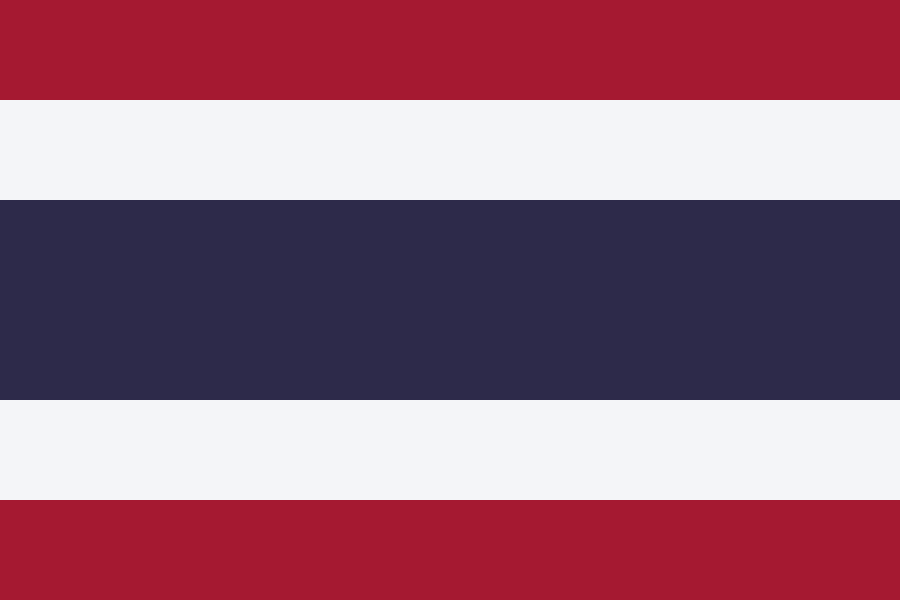 Tailandia
-
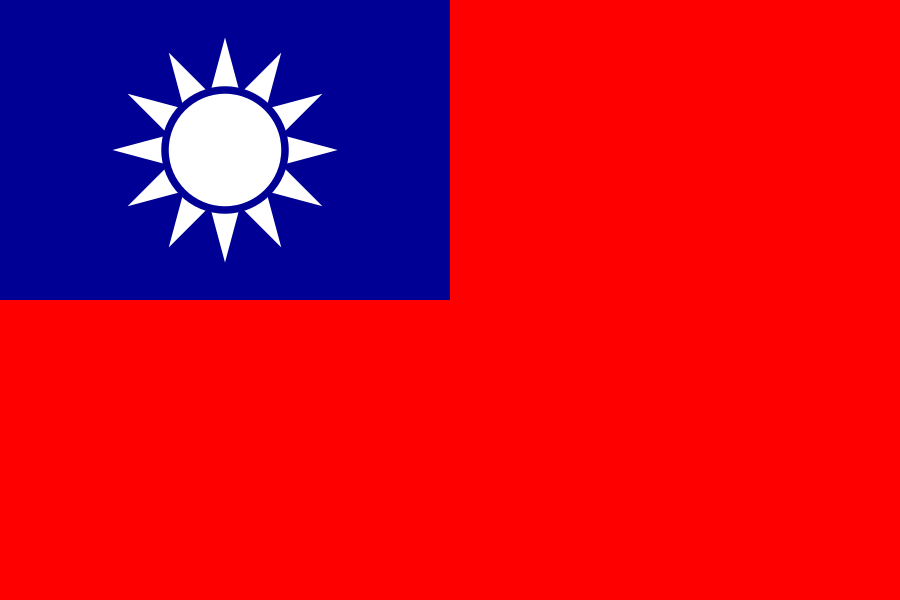 Taiwán
-
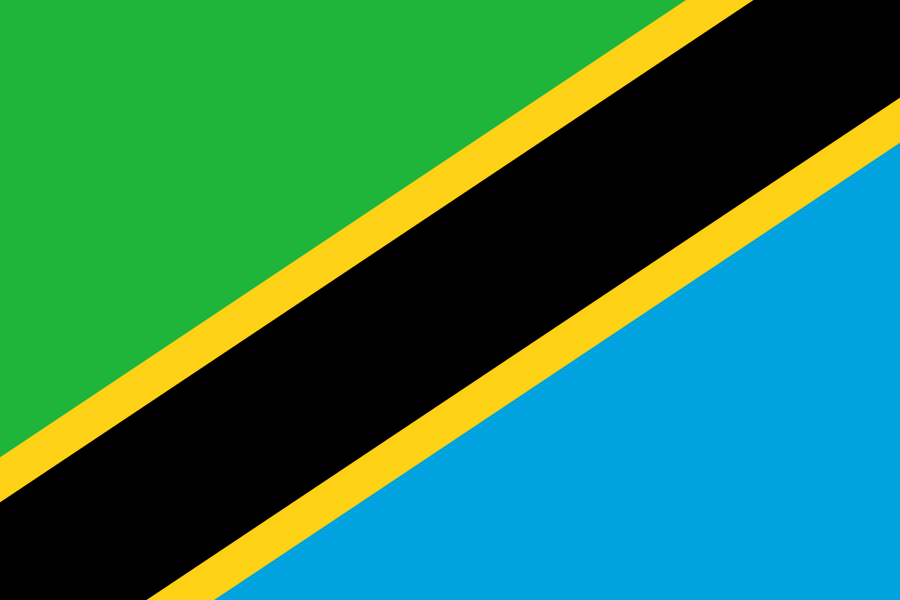 Tanzania
-
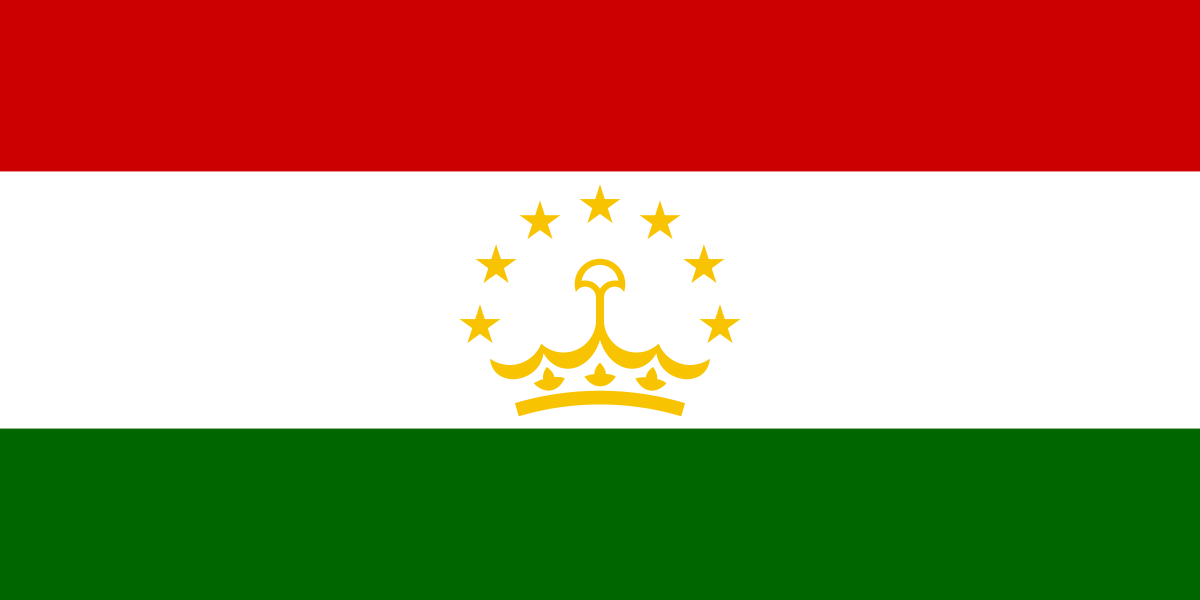 Tayikistán
-
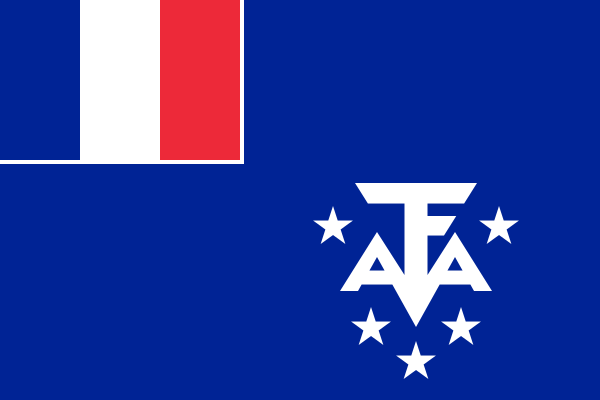 Tierras Australes y Antárticas Francesas
-
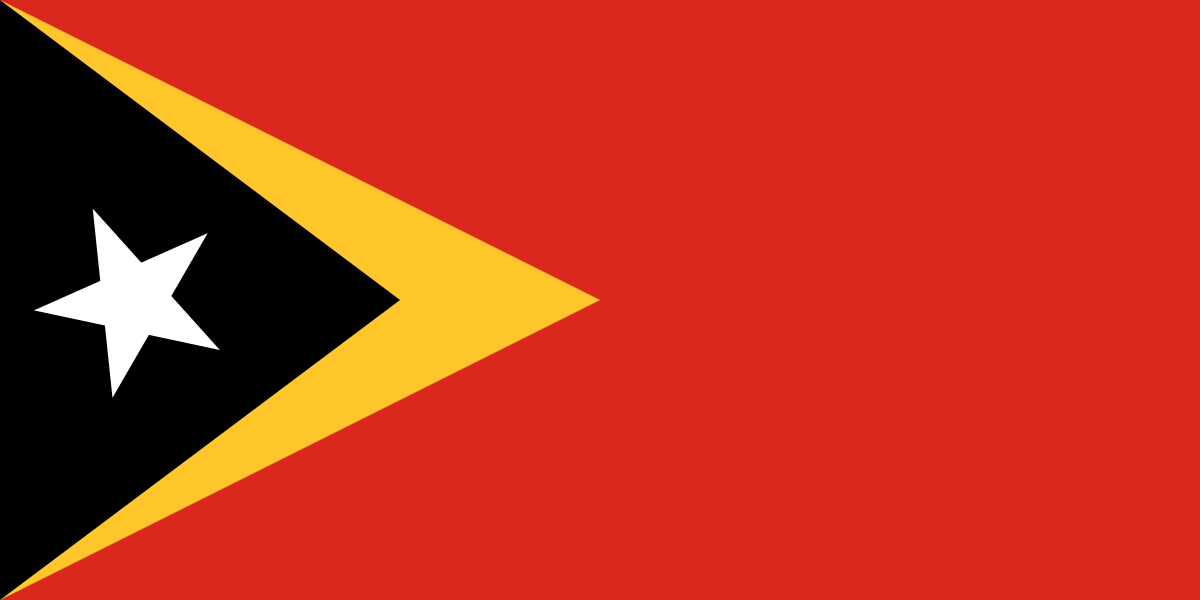 Timor Oriental
-
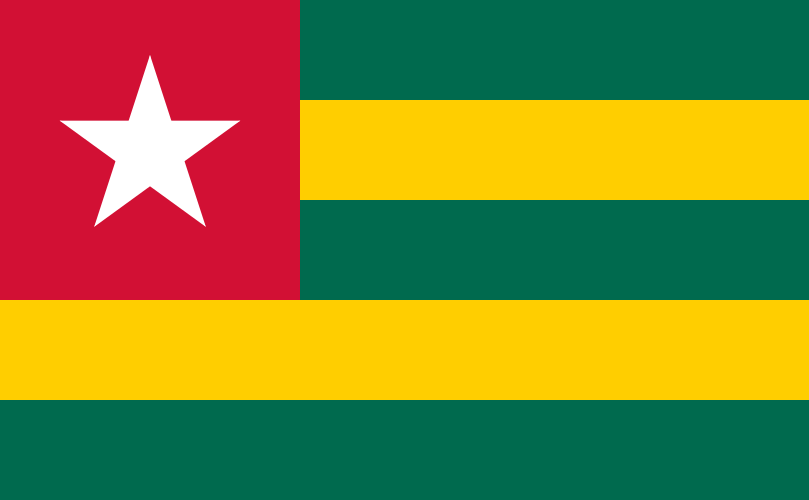 Togo
Togo
-
 Tokelau
-
 Tonga
Tonga
-
 Trinidad y Tobago
-
 Túnez
Túnez
-
 Turkmenistán
-
 Turquía
-
 Tuvalu
-
 Ucrania
-
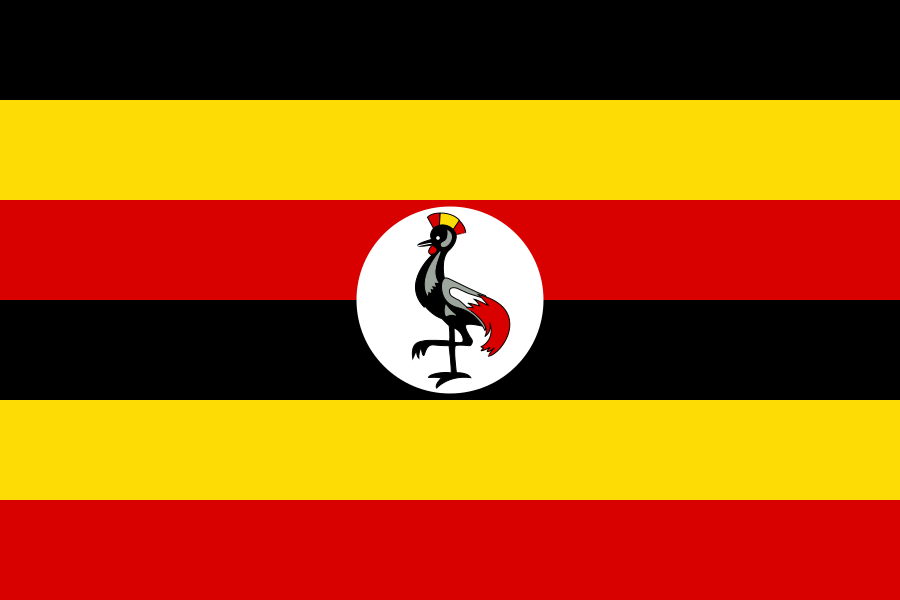 Uganda
-
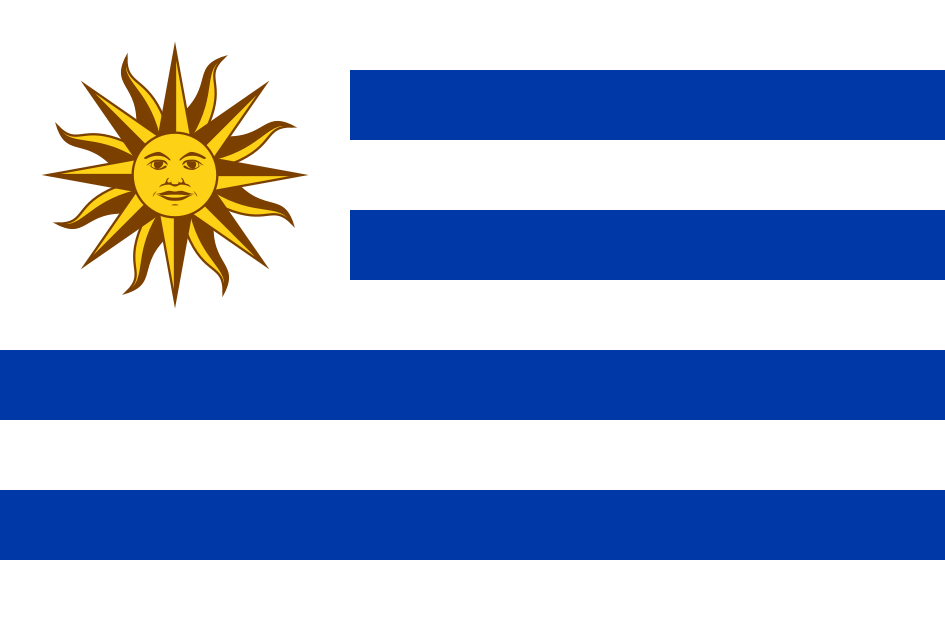 Uruguay
-
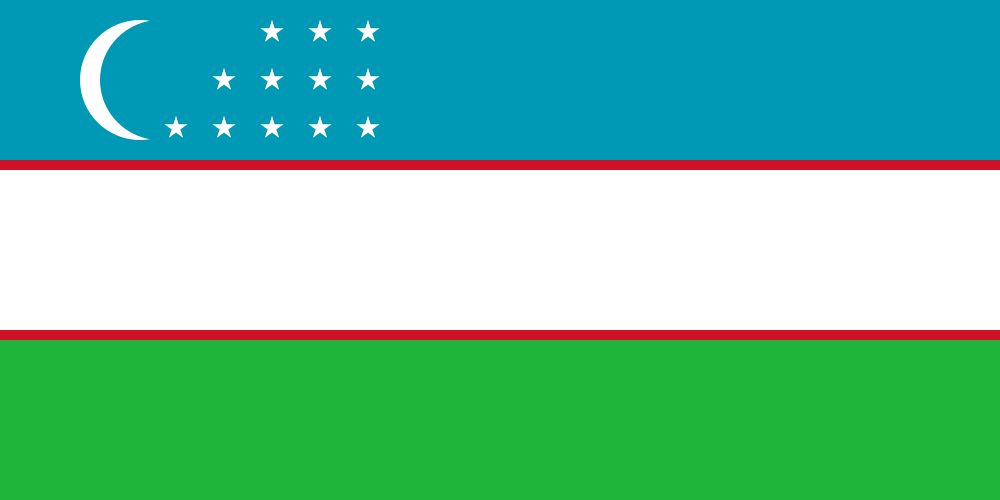 Uzbekistán
-
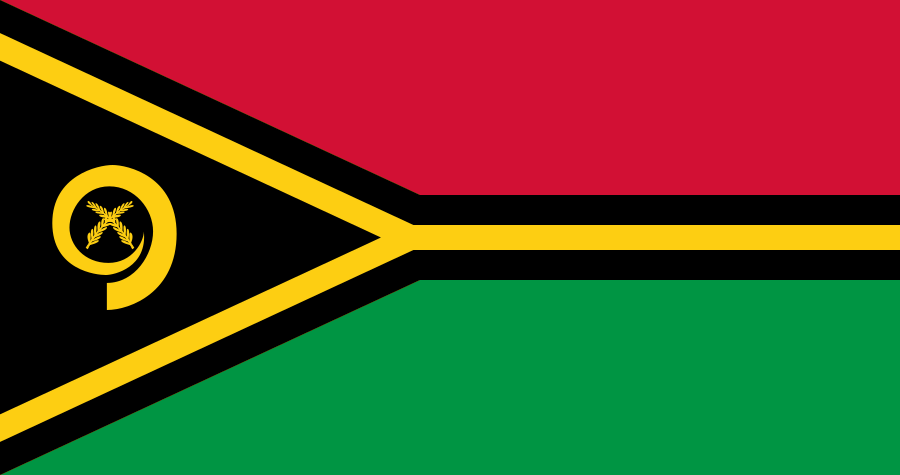 Vanuatu
-
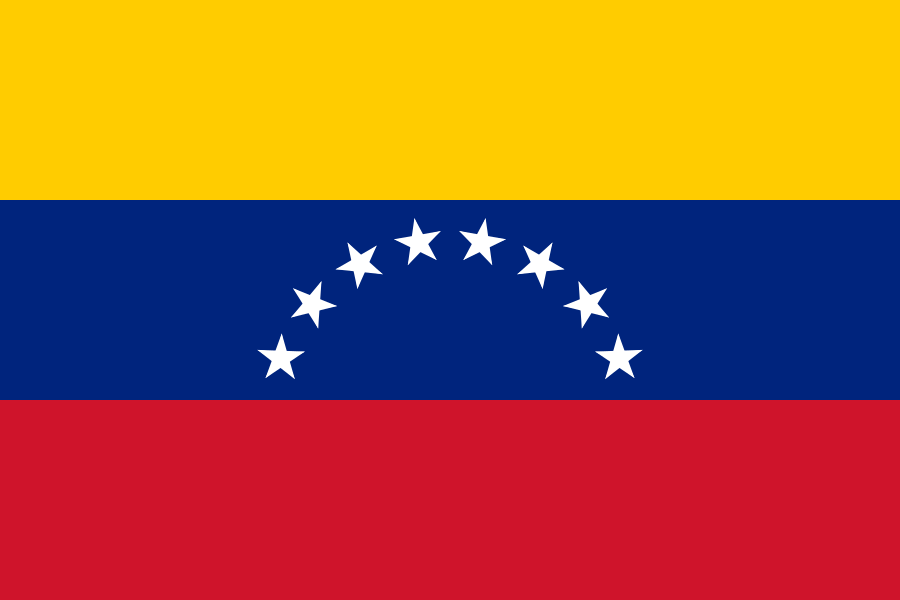 Venezuela
-
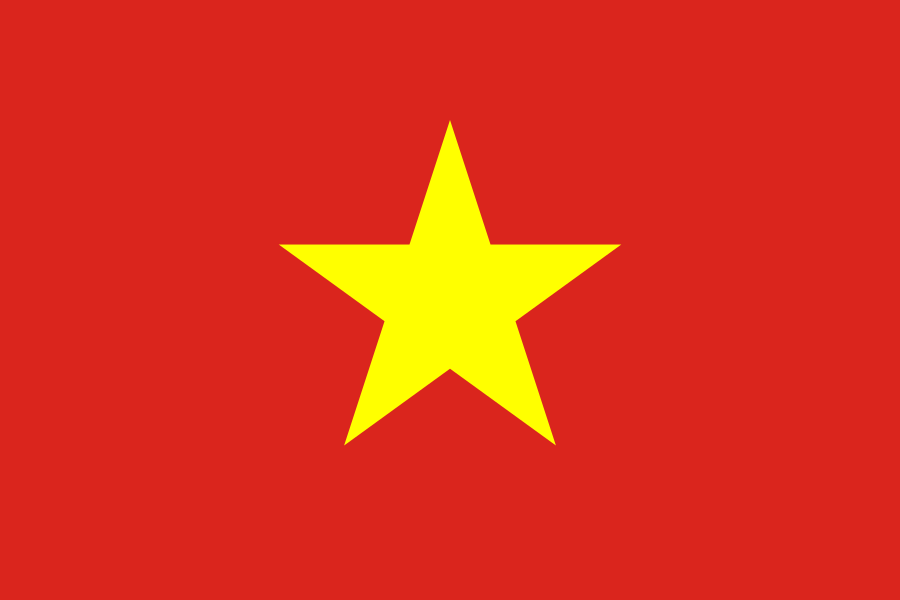 Vietnam
-
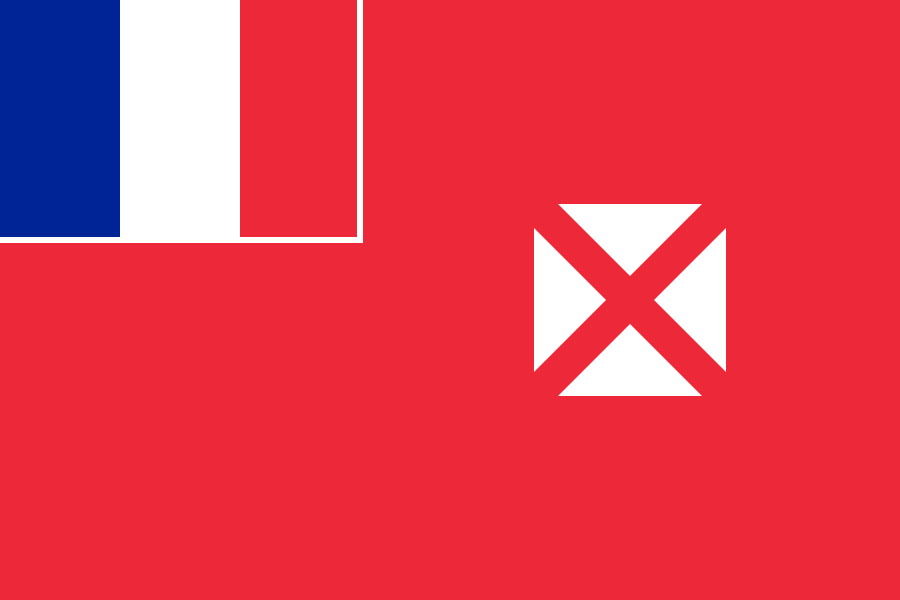 Wallis y Futuna
-
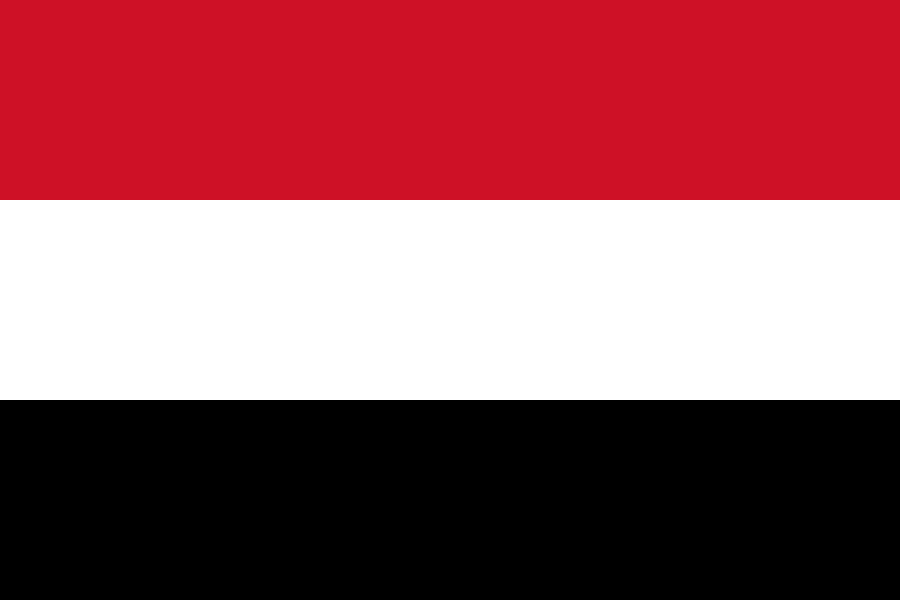 Yemen
Yemen
-
 Yibuti
-
 Zambia
-
 Zimbabue
Portugal .pt
Significado de la Bandera
The national flag of the Portuguese Republic, often referred to as the Portuguese flag, consists of a rectangular bicolour with a field divided into green on the hoist, and red on the fly. The version without laurels of the country’s national coat of arms stands in the middle of the Portuguese armillary sphere and shield, centered over the colour boundary at equal distance. The flag was announced in 1910, following the 5 October 1910 revolution, inspired by the colours of the Republican Party and the design of radical conspiratorial society the Carbonária. The great circles represent the ecliptic (wider oblique arc), the equator, and two meridians. The 1891 flag-inherited red stands for the colour of the republican-inspired masonry-backed revolutionaries, whereas green was the colour Auguste Comte had destined to be present in the flags of positivist nations, an ideal incorporated into the republican political matrix.
Historia de la Bandera
-
1521
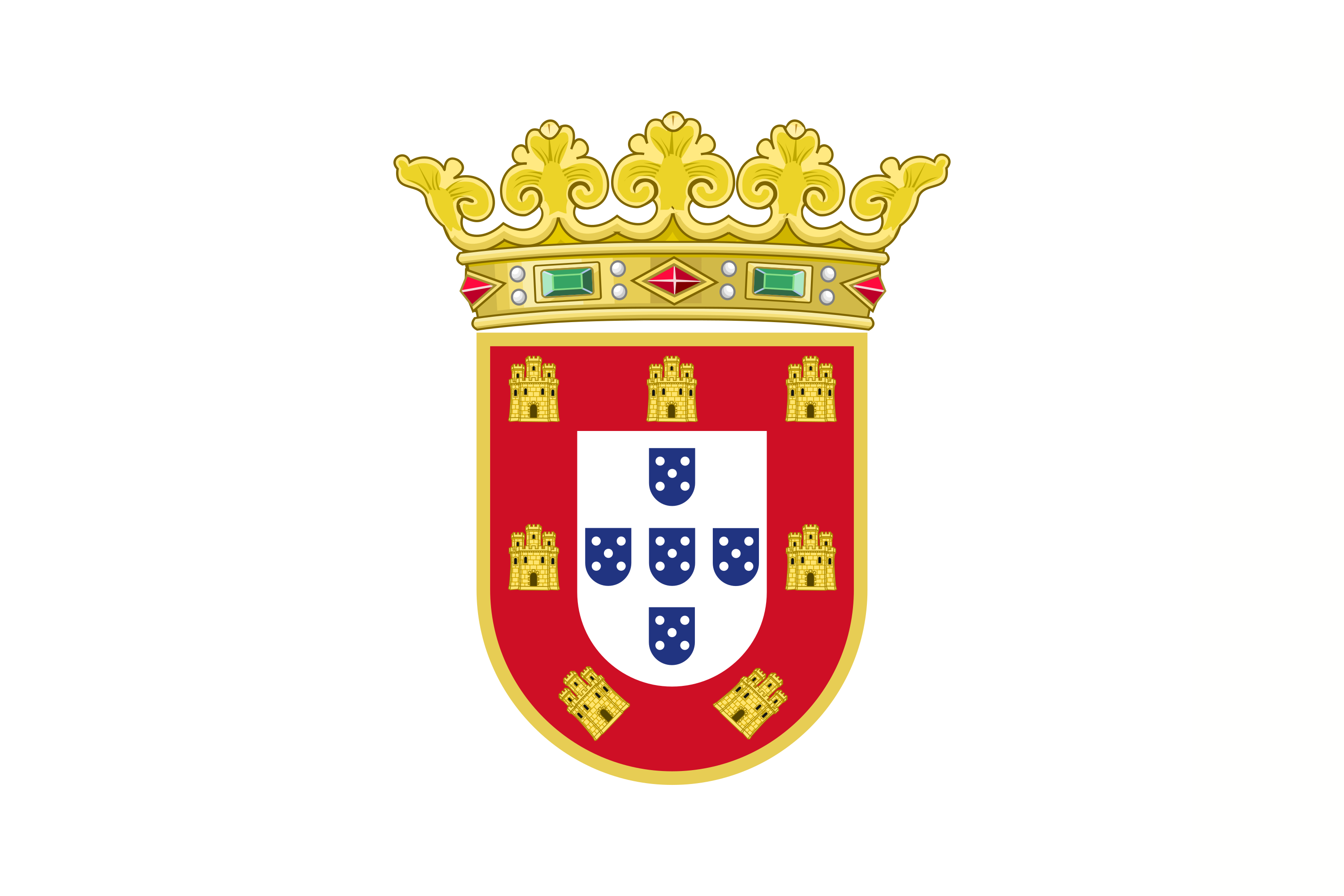 In 1521, John III made minor changes to the flag by adopting a coat of arms (bearing only seven castles) with a round shaped shield.
 -
1578
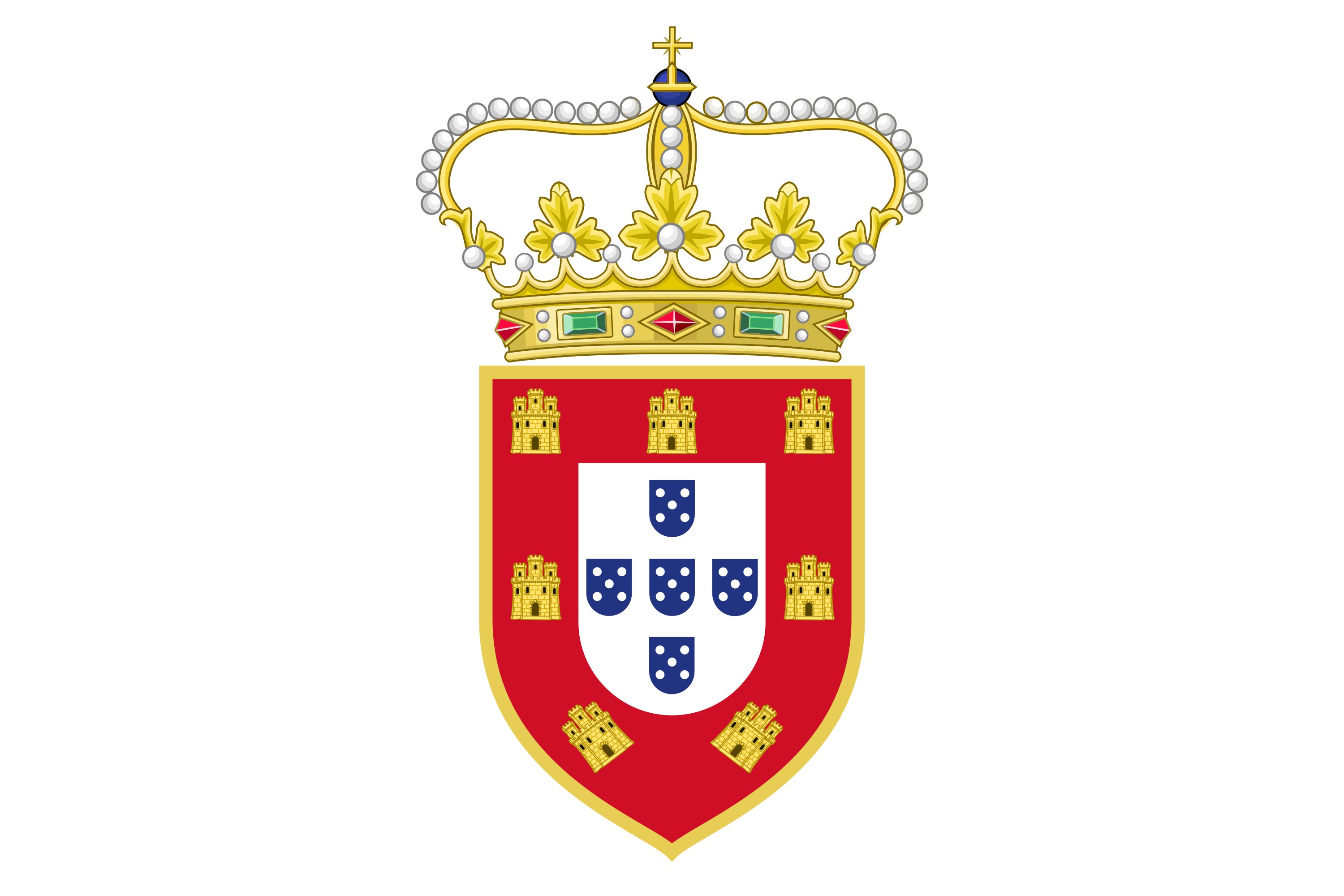 In 1578, during the reign of Sebastian and on the eve of the fatal Battle of Alcácer Quibir, the flag was again modified.
 -
1640
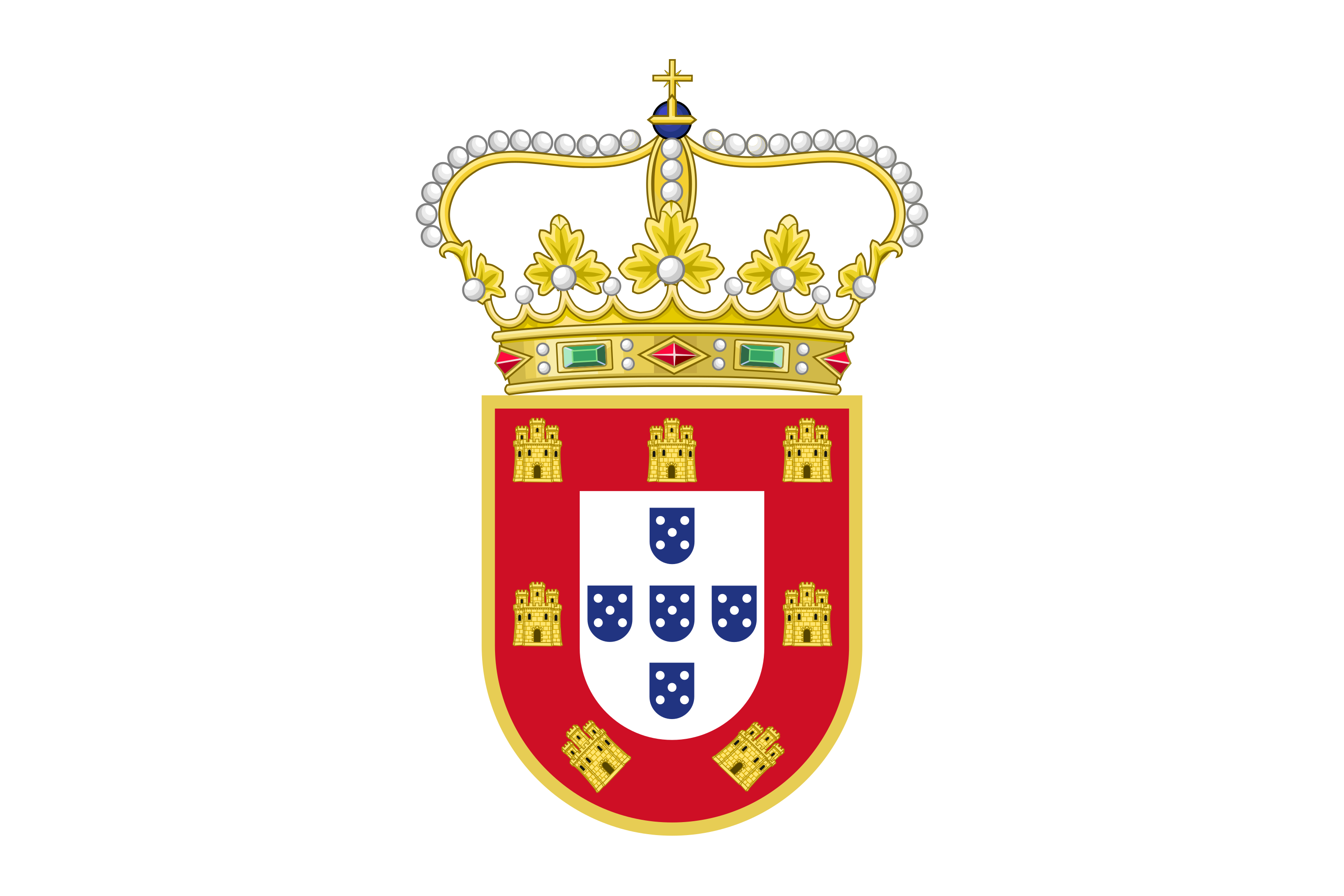 A green background version was a popular standard of the rebellious during the 1640 revolution that restored Portugal's independence from Spain.
 -
1667–1830When Afonso VI's younger brother Peter II replaced him on the throne, in 1667, he adapted the flag's crown to fit the contemporary trends by transforming it into a five-arched crown.
-
1707
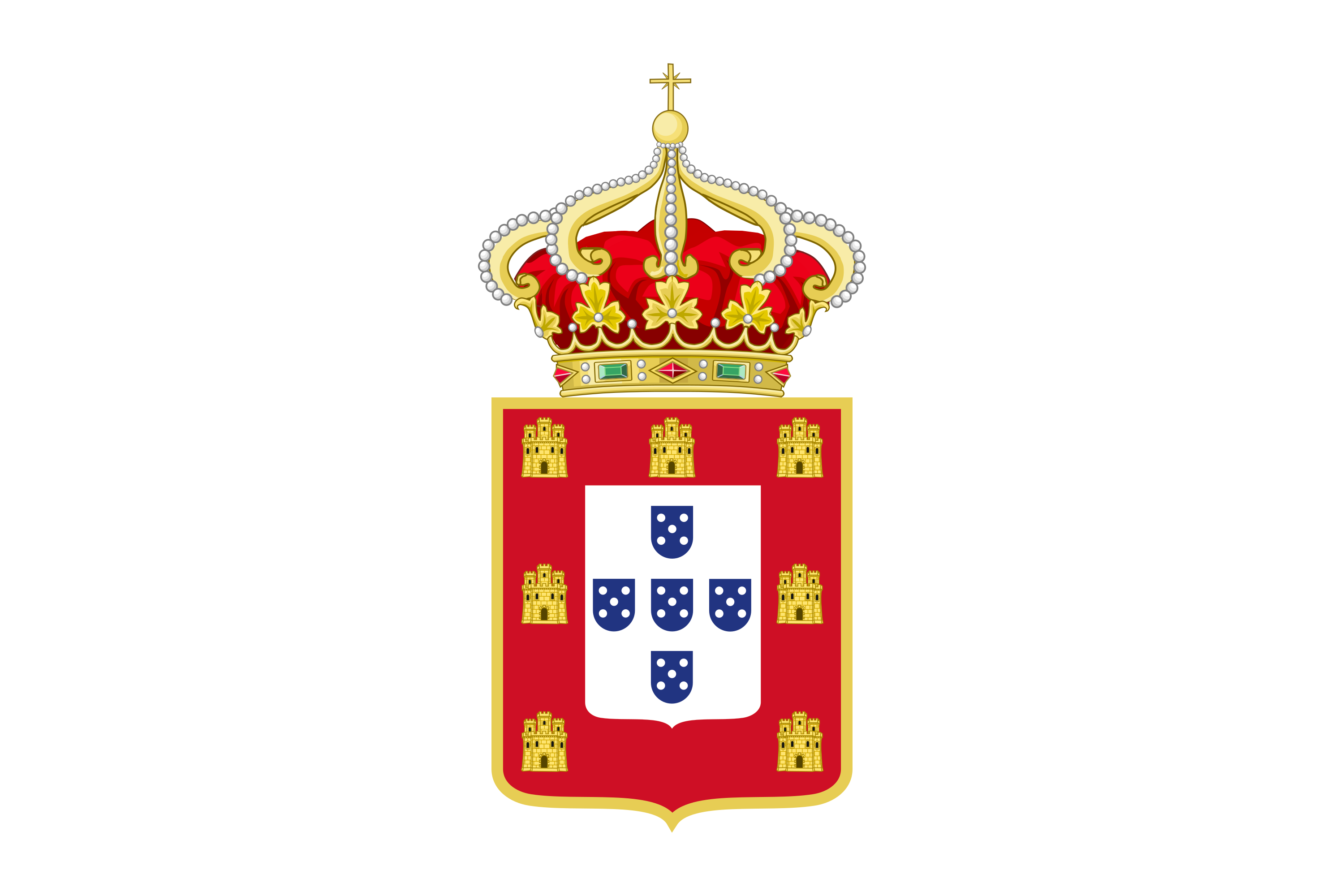 The new flag did not remain unchanged for too long, as it was refurbished by Peter's son John V, after he took the throne, in 1707.
 -
Actual
Bandera nacional actual.