Inicio
-
 Abkhazia
-
 Afganistán
-
 Albania
-
 Alemania
-
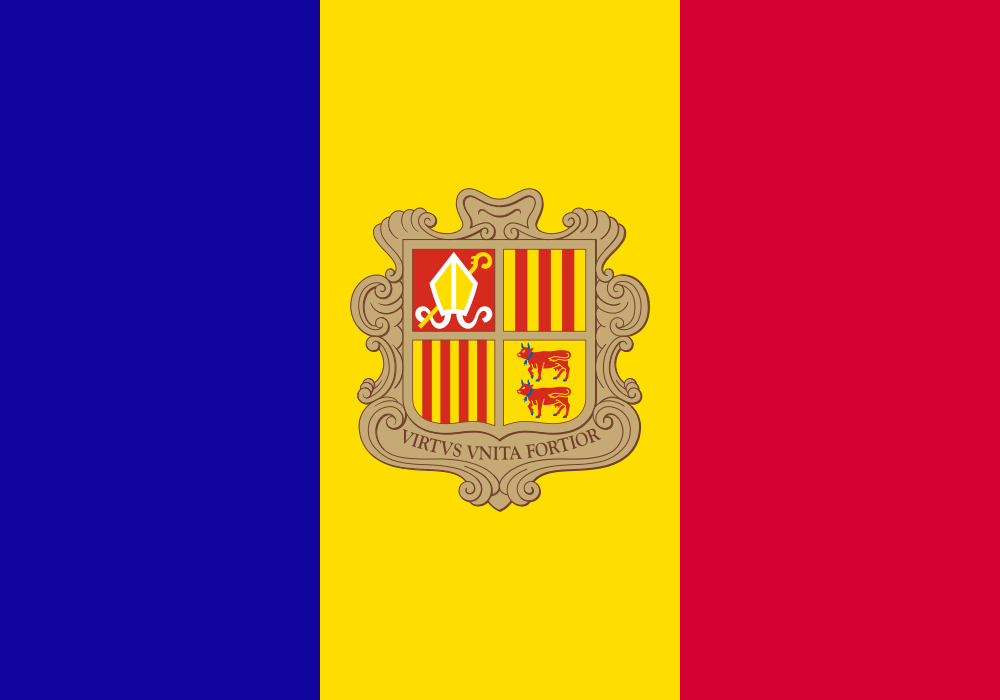 Andorra
-
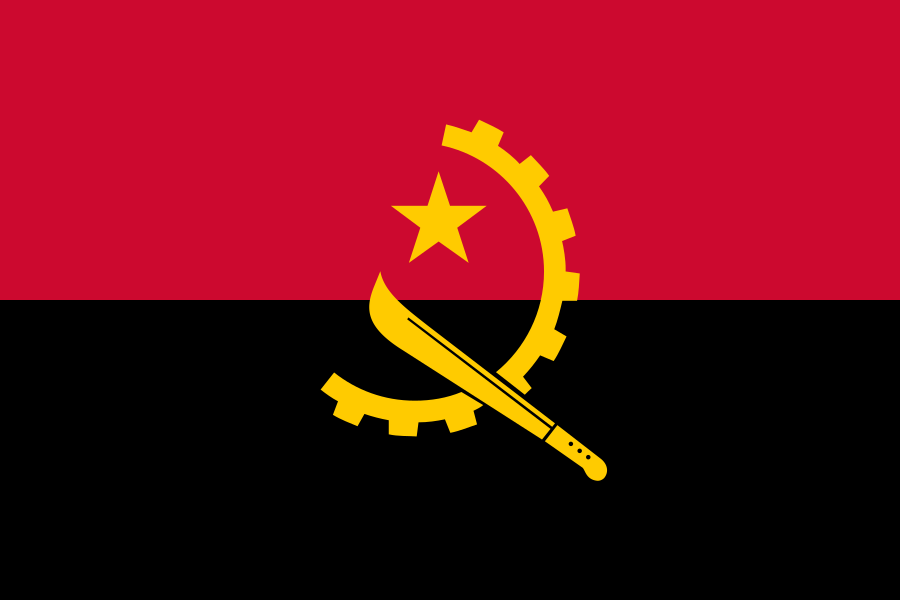 Angola
-
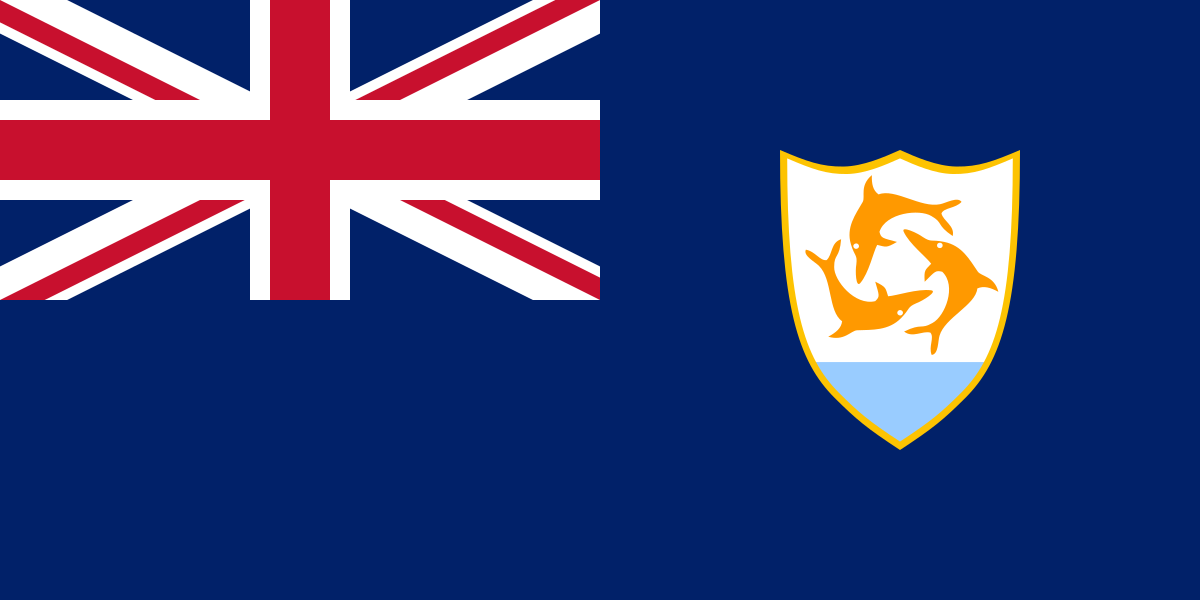 Anguila
-
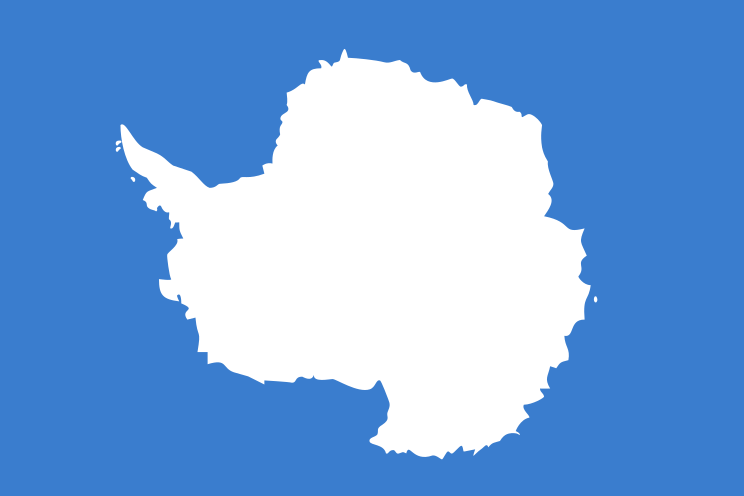 Antártida
-
 Antigua y Barbuda
-
 Arabia Saudita
-
 Argelia
-
 Argentina
-
 Armenia
-
 Artsakh
-
 Aruba
Aruba
-
 Australia
-
 Austria
-
 Azerbaiyán
-
 Bahamas
-
 Bangladés
-
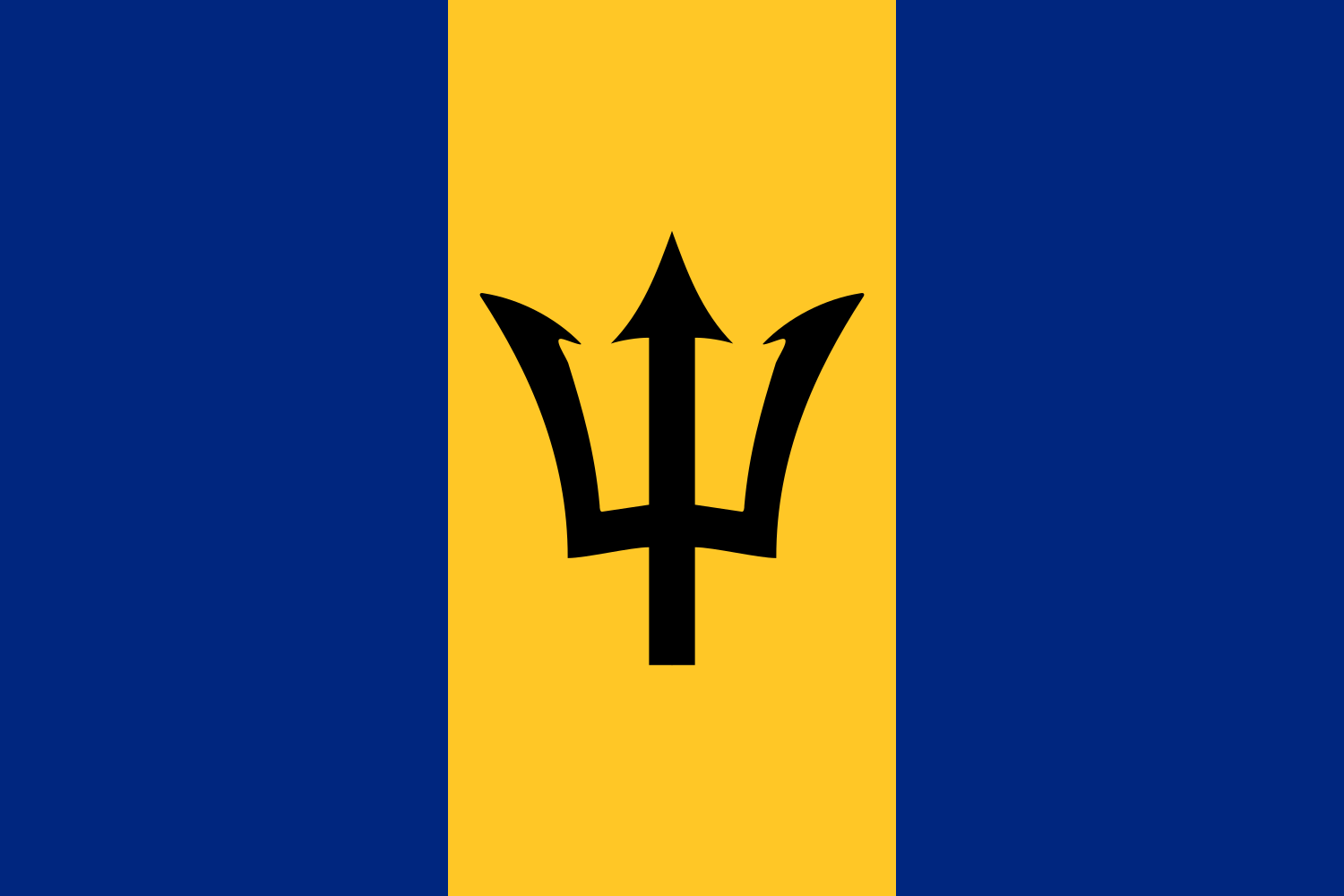 Barbados
-
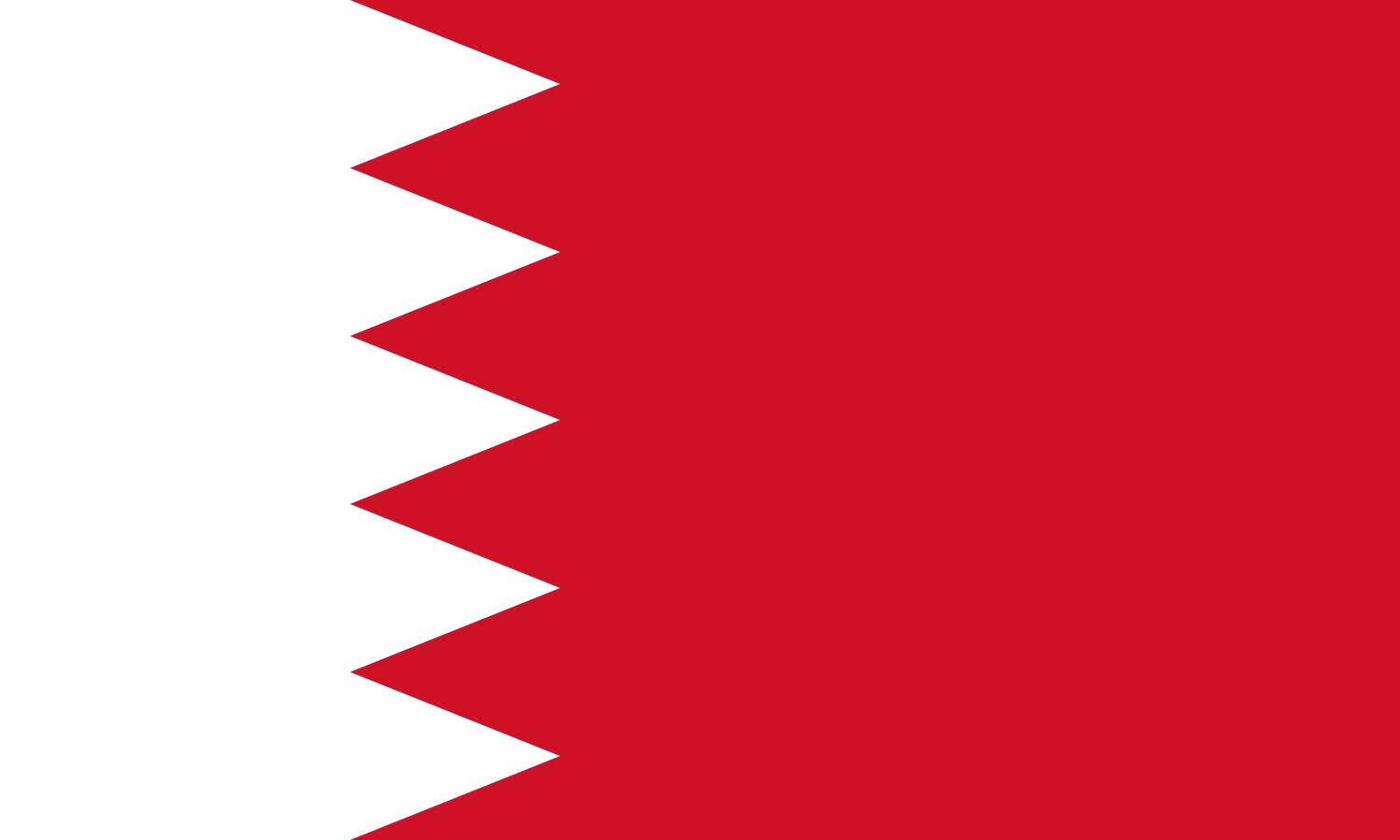 Baréin
-
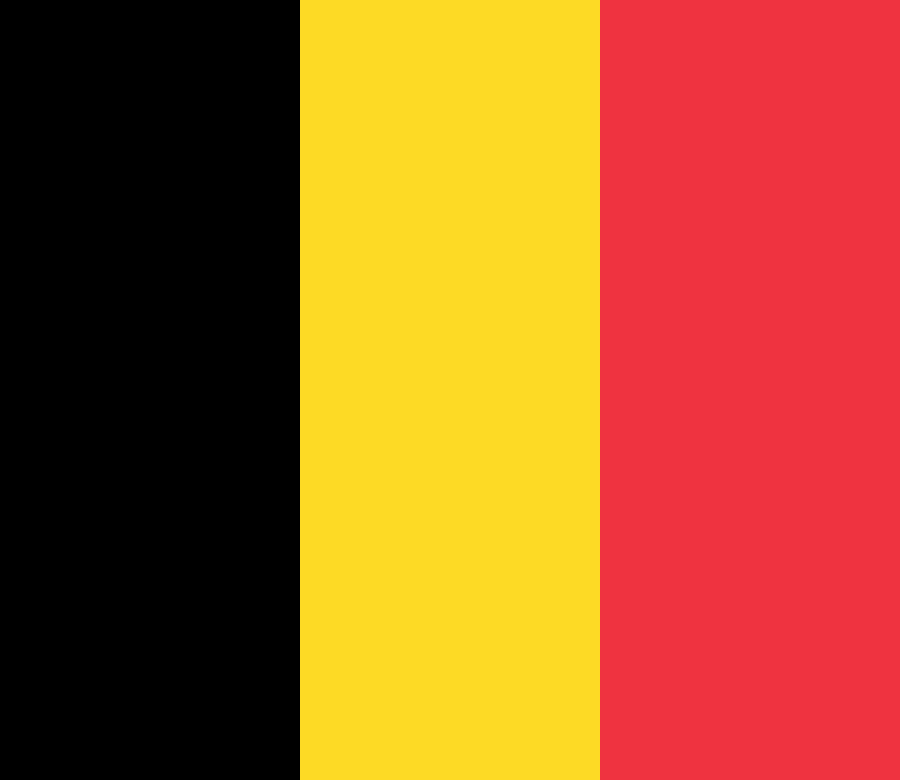 Bélgica
-
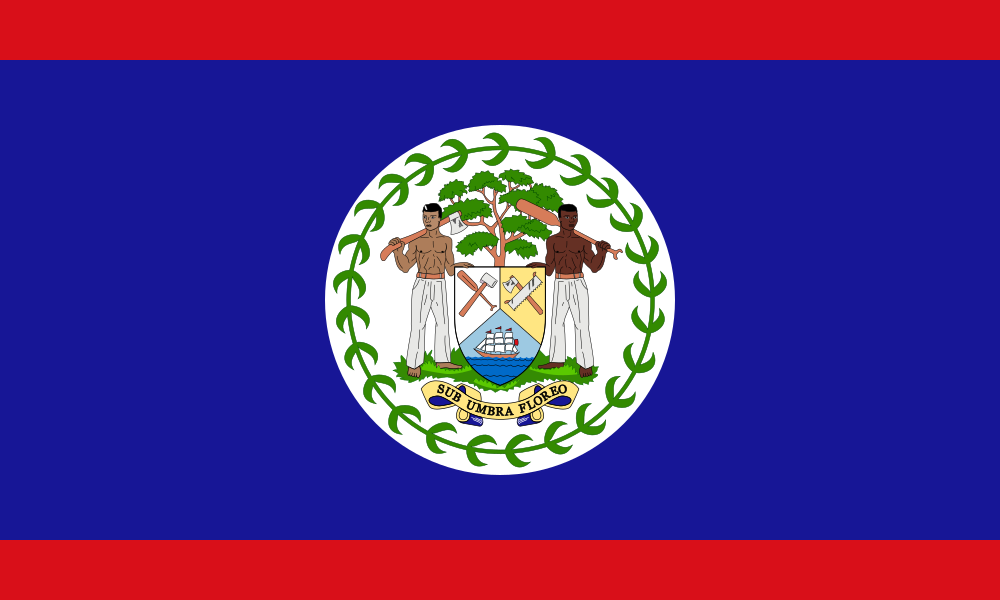 Belice
-
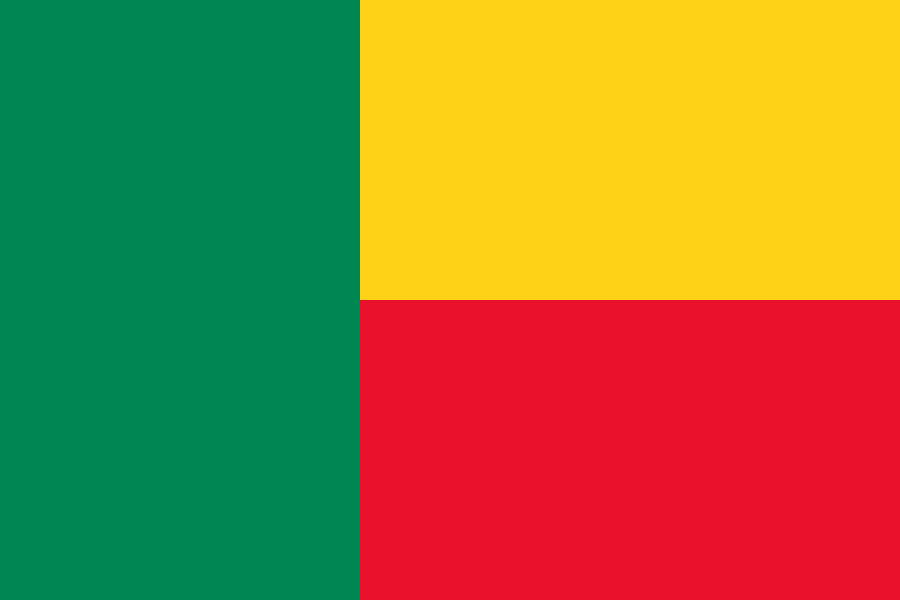 Benín
Benín
-
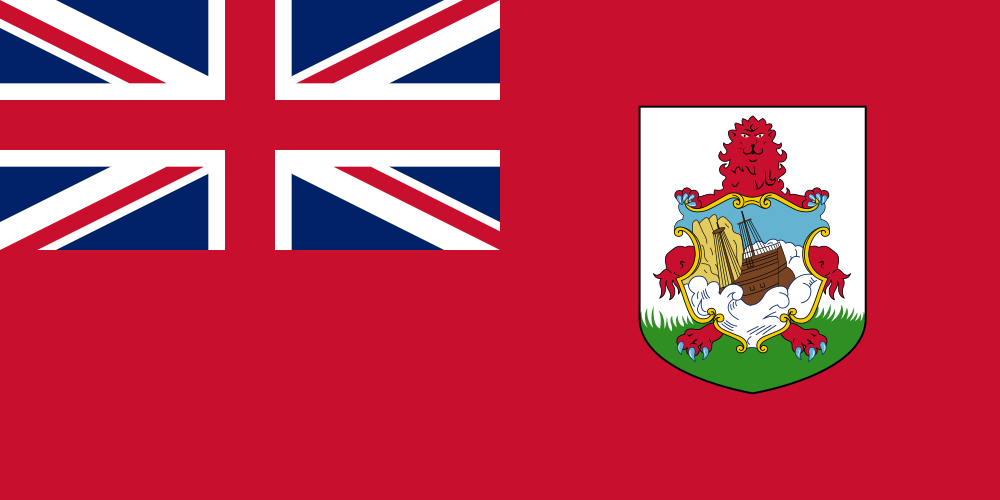 Bermudas
-
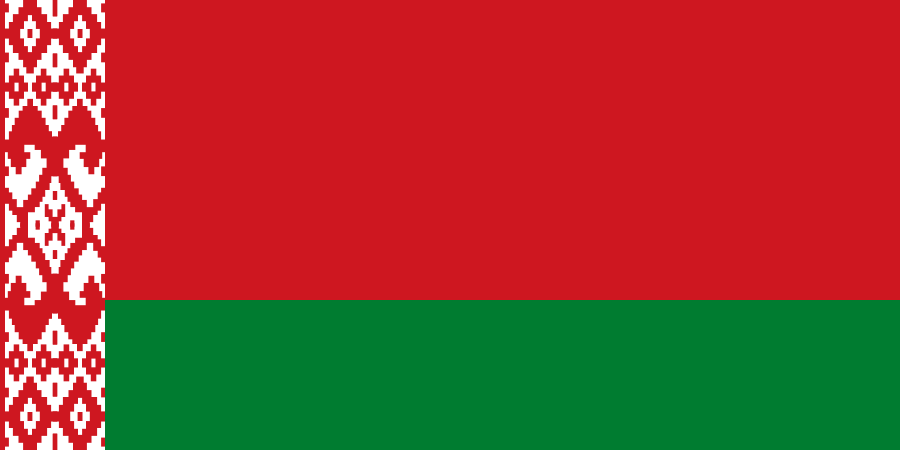 Bielorrusia
-
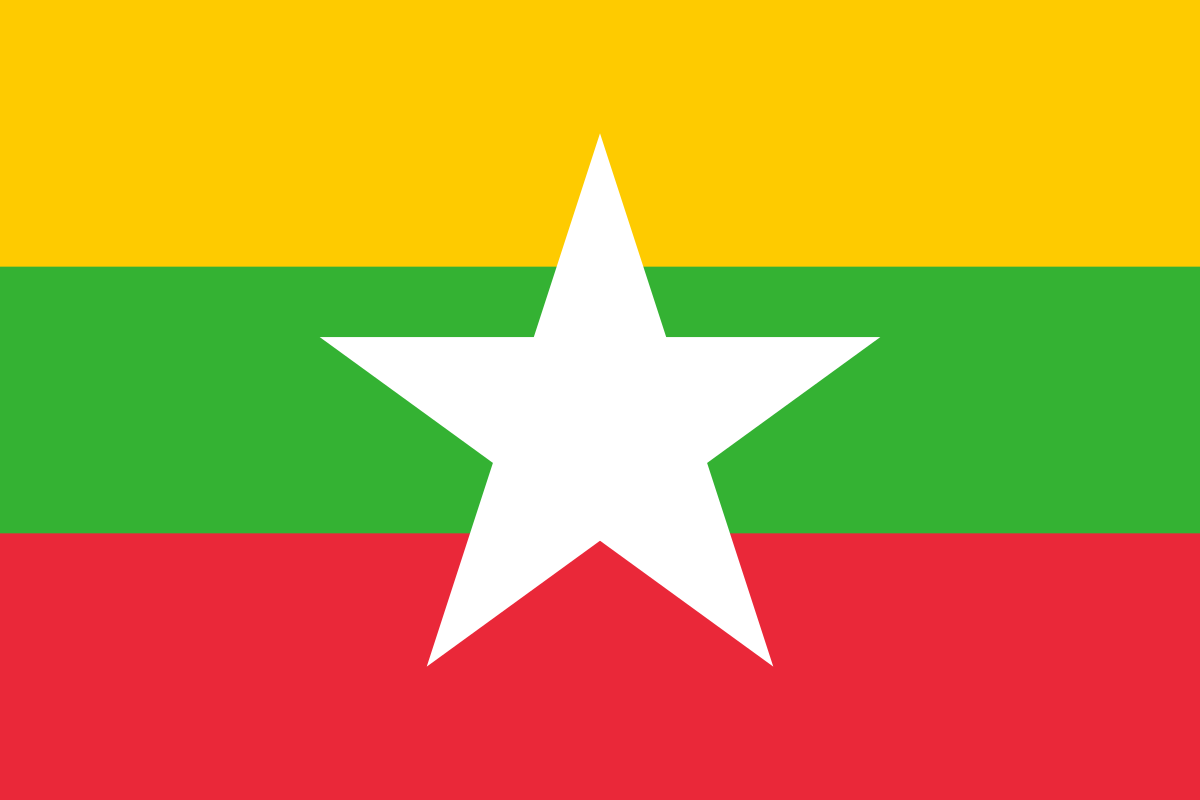 Birmania
-
 Bolívia
-
 Bonaire
-
 Bosnia y Herzegovina
-
 Botsuana
-
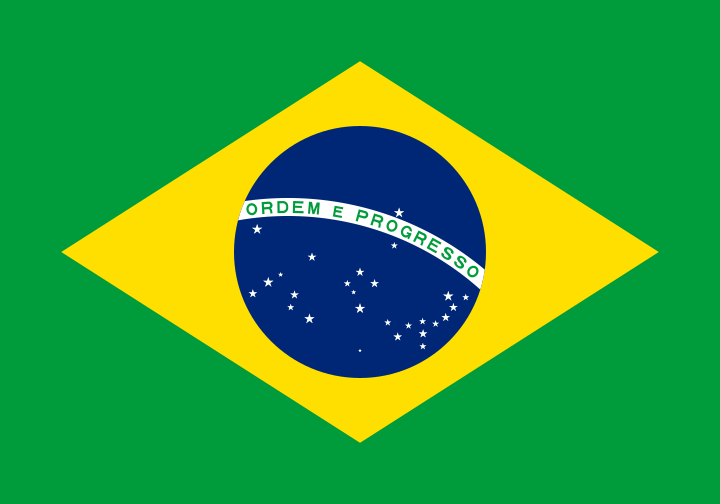 Brasil
-
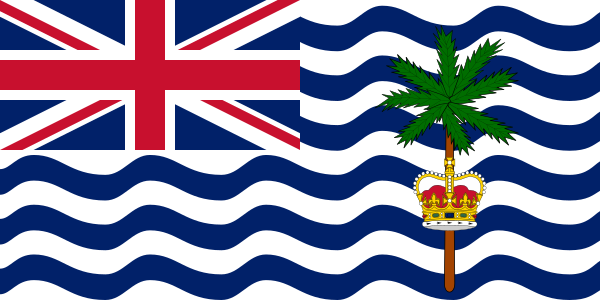 British Indian Ocean Territory
-
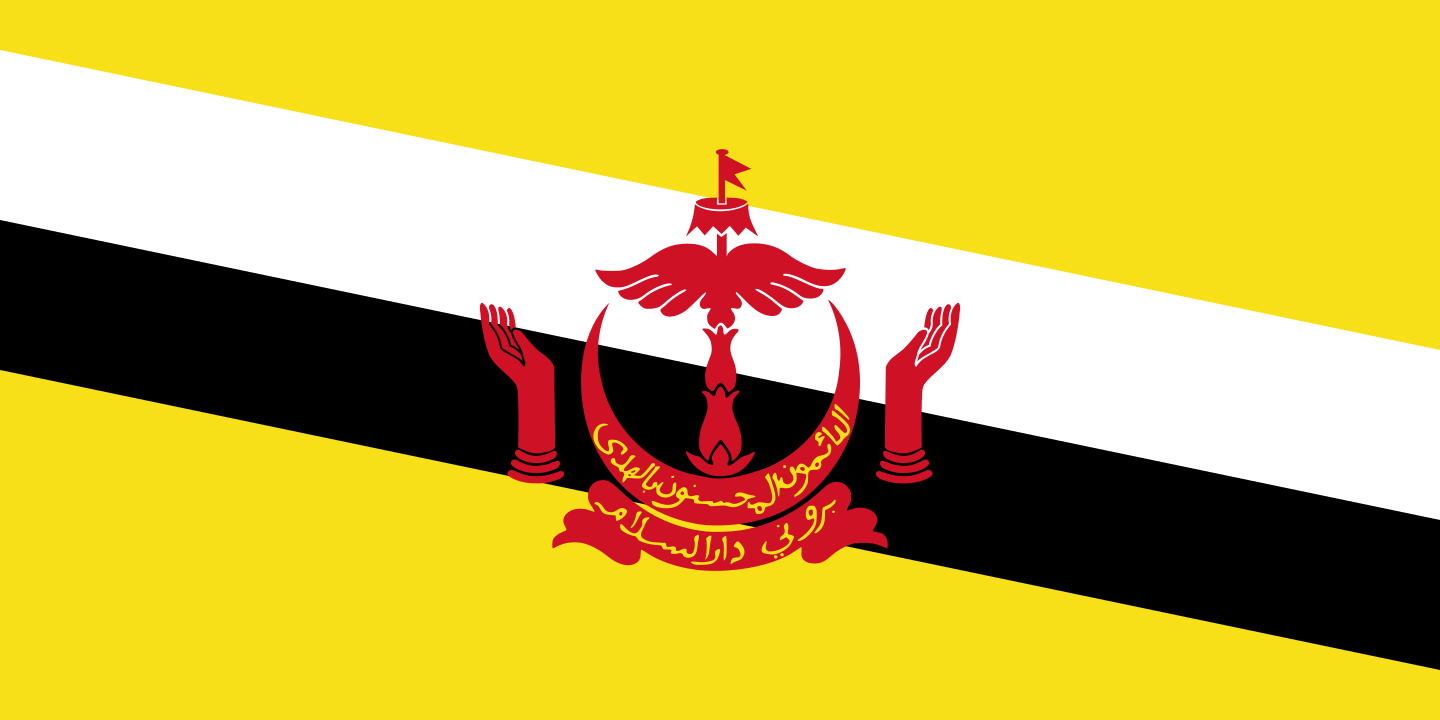 Brunéi
-
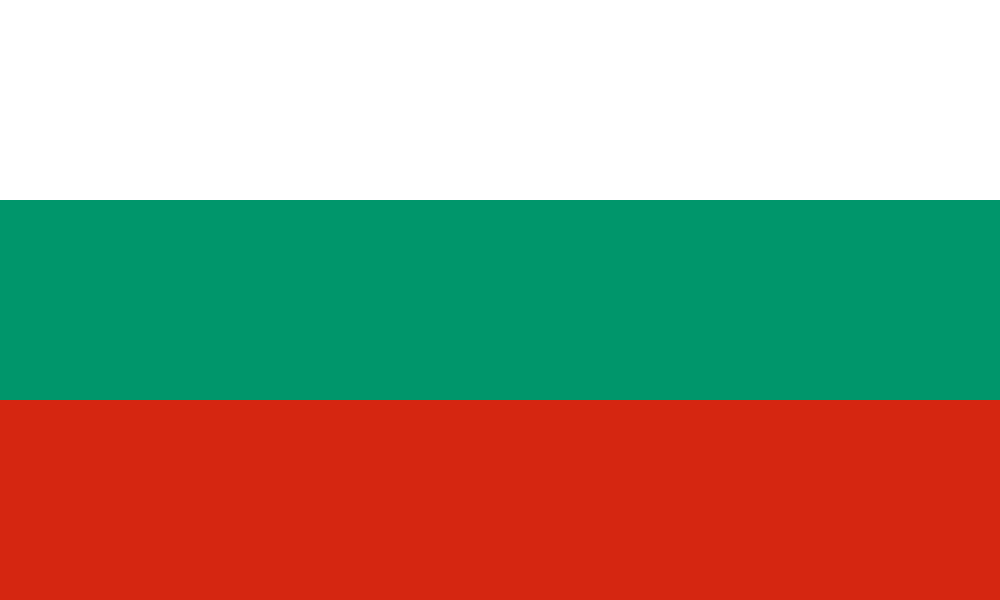 Bulgaria
-
 Burkina Faso
-
 Burundi
-
 Bután
Bután
-
 Cabo Verde
-
 Camboya
-
 Camerún
-
 Canadá
-
 Caribe Neerlandés
-
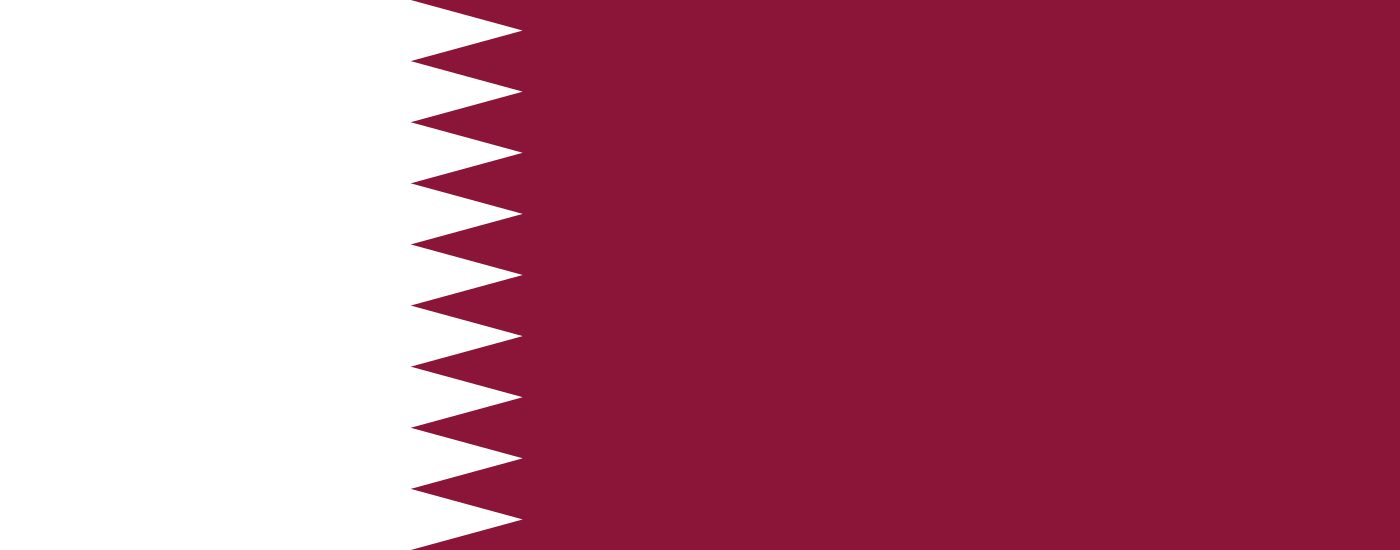 Catar
Catar
-
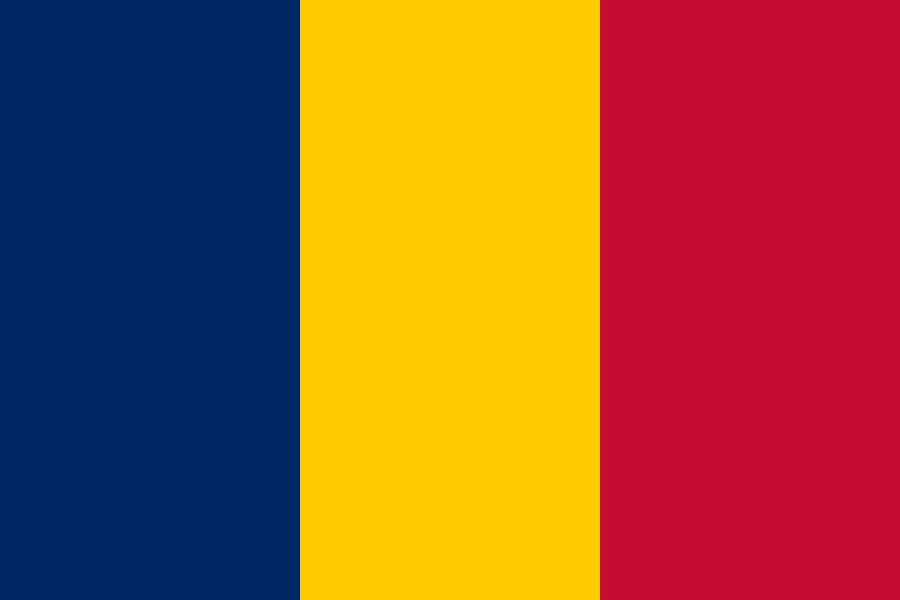 Chad
Chad
-
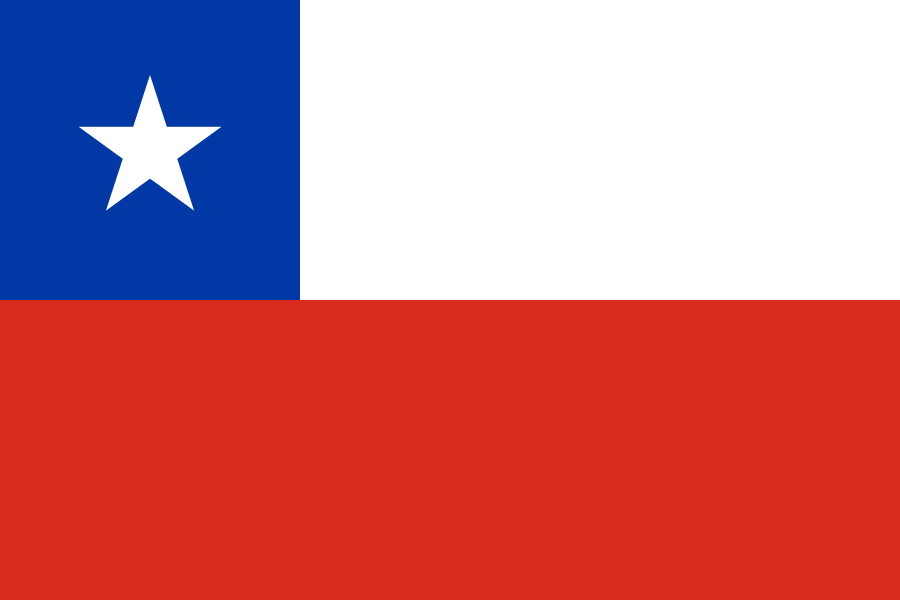 Chile
Chile
-
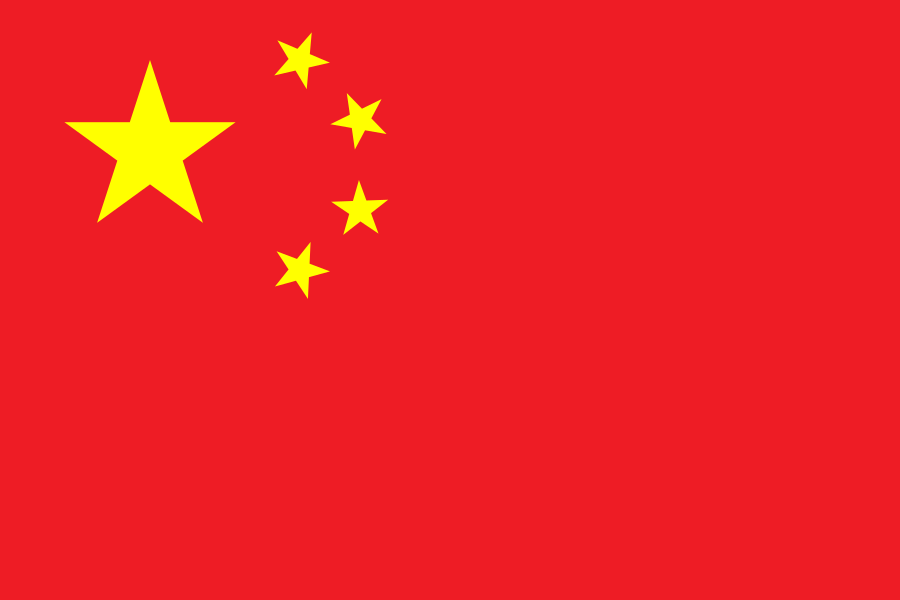 China
China
-
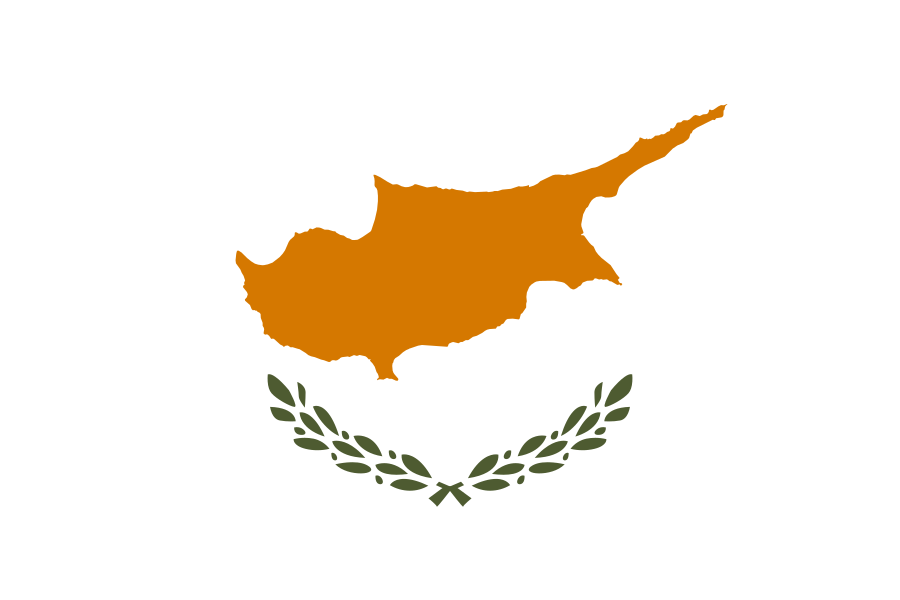 Chipre
-
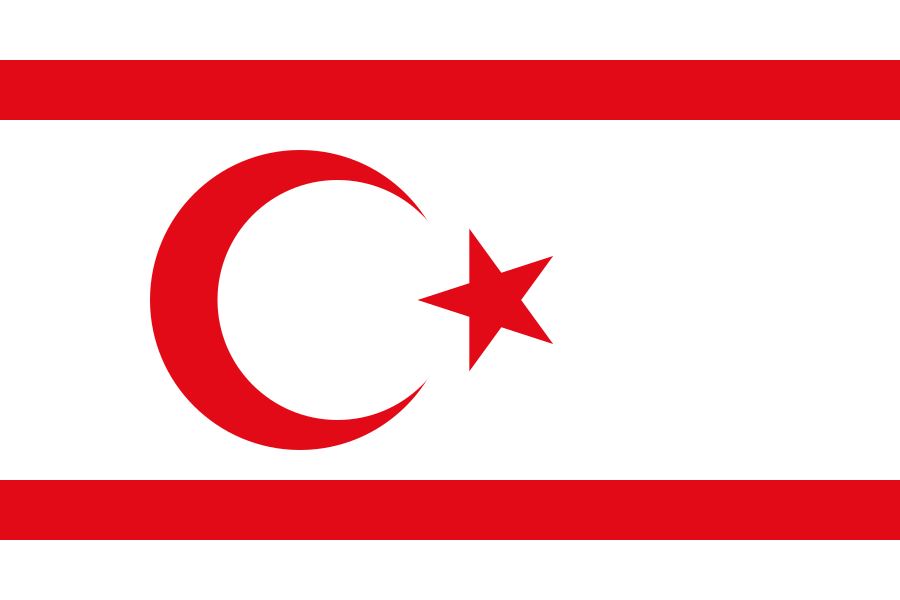 Chipre del Norte
-
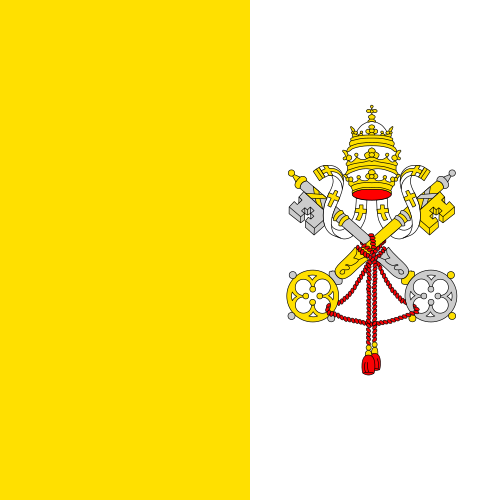 Ciudad del Vaticano
-
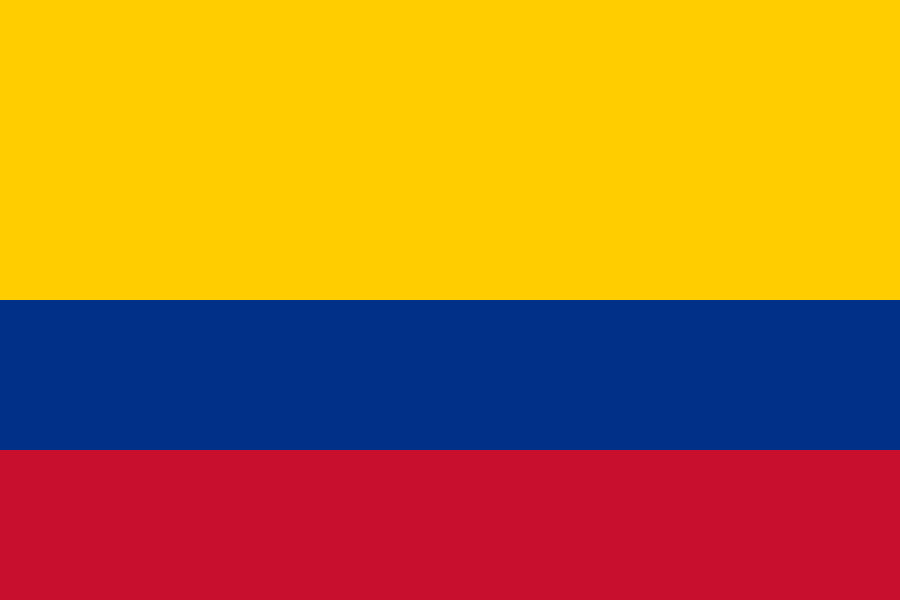 Colombia
-
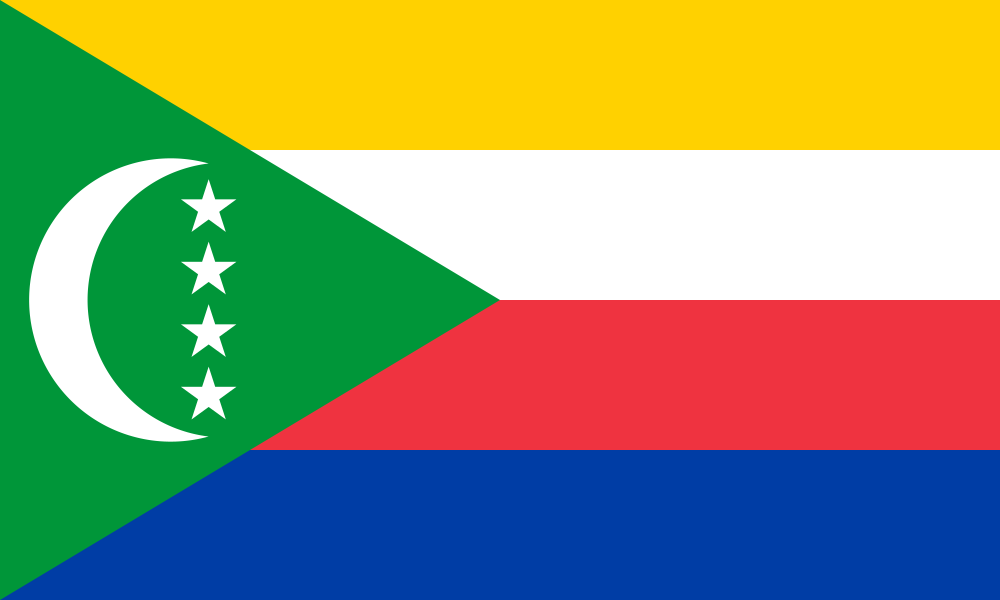 Comoras
-
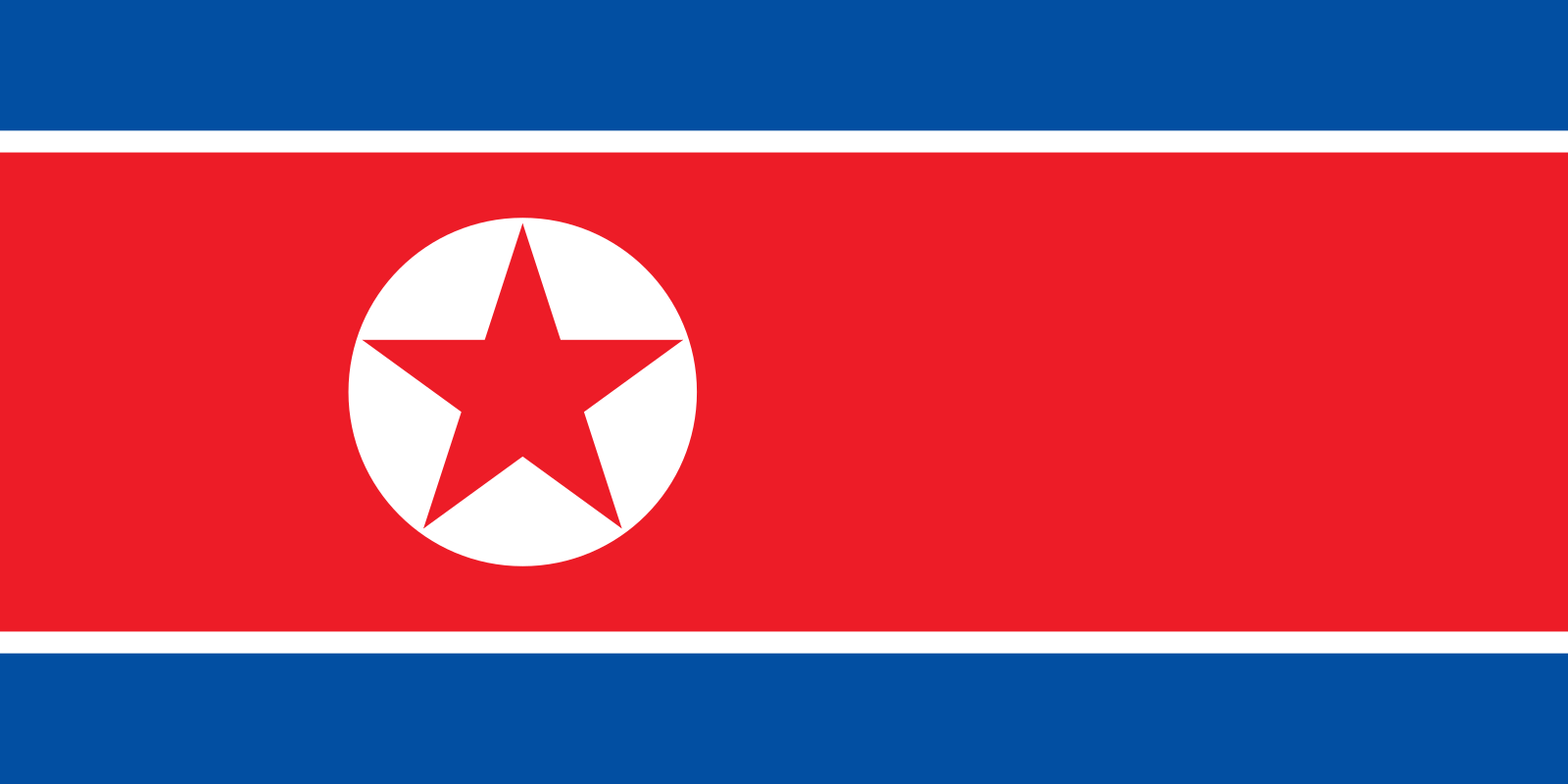 Corea del Norte
-
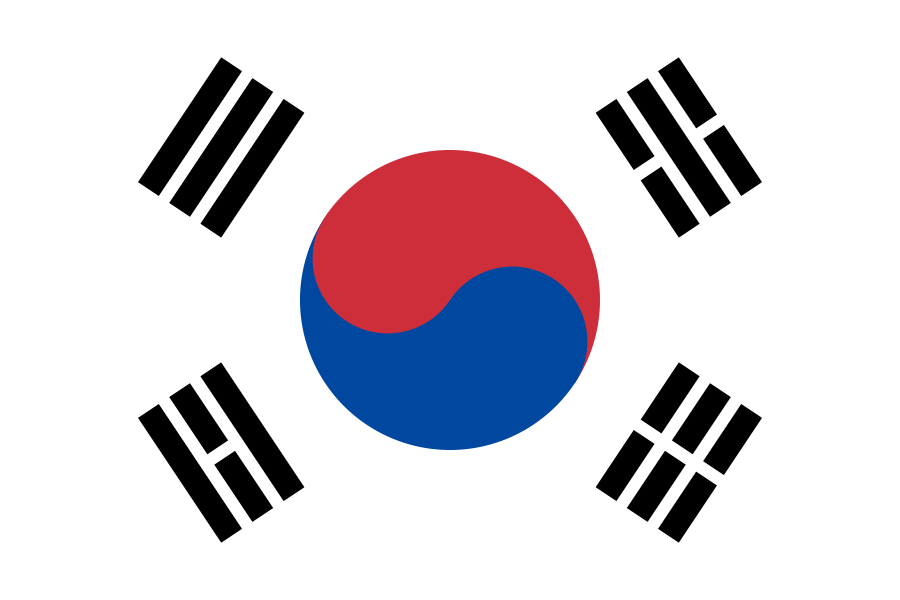 Corea del Sur
-
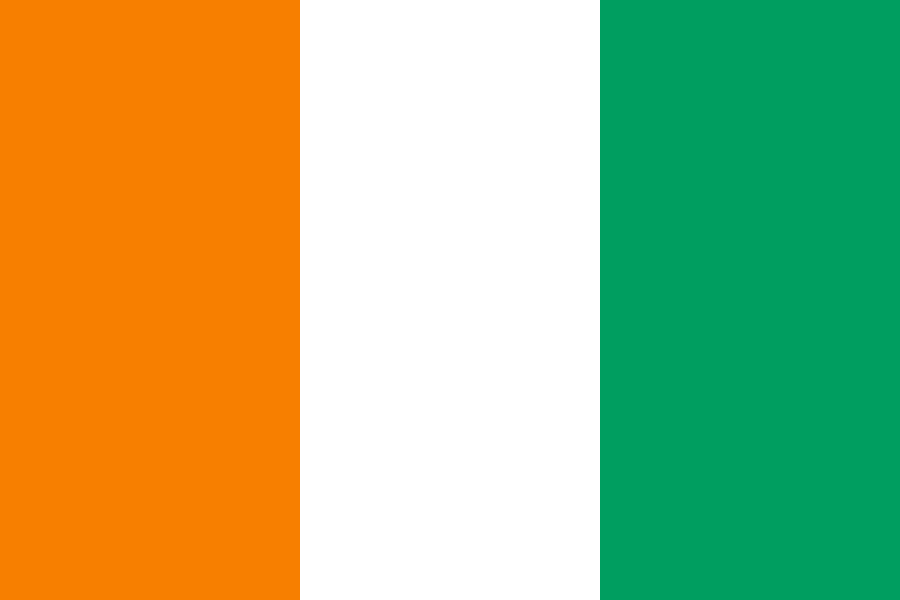 Costa de Marfil
-
 Costa Rica
-
 Croacia
-
 Cuba
Cuba
-
 Curazao
-
 Dinamarca
-
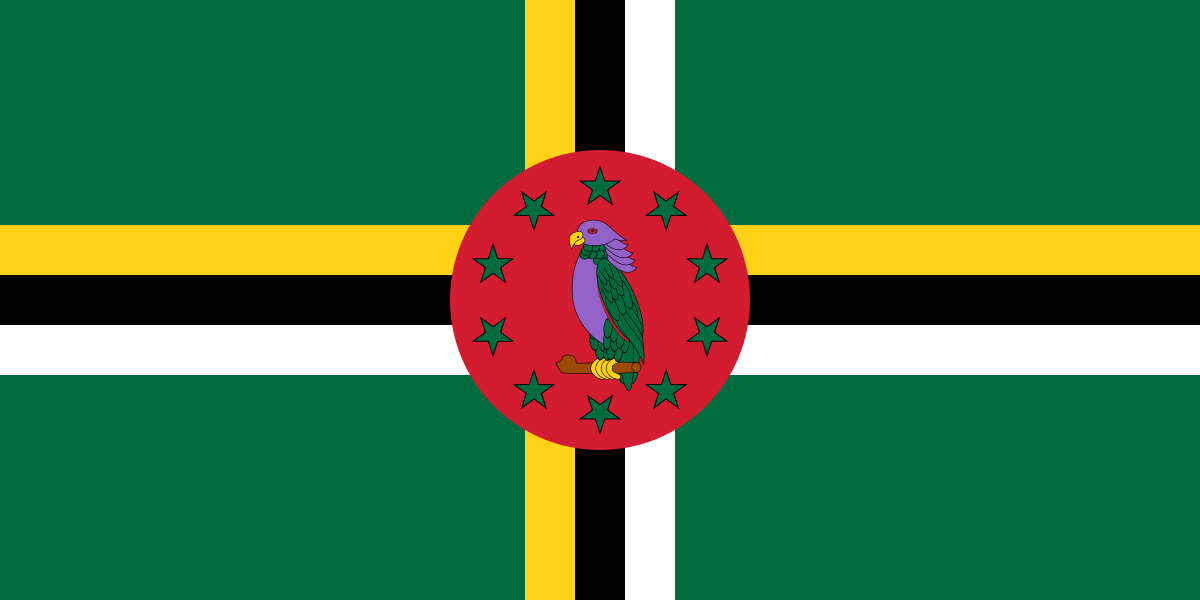 Dominica
-
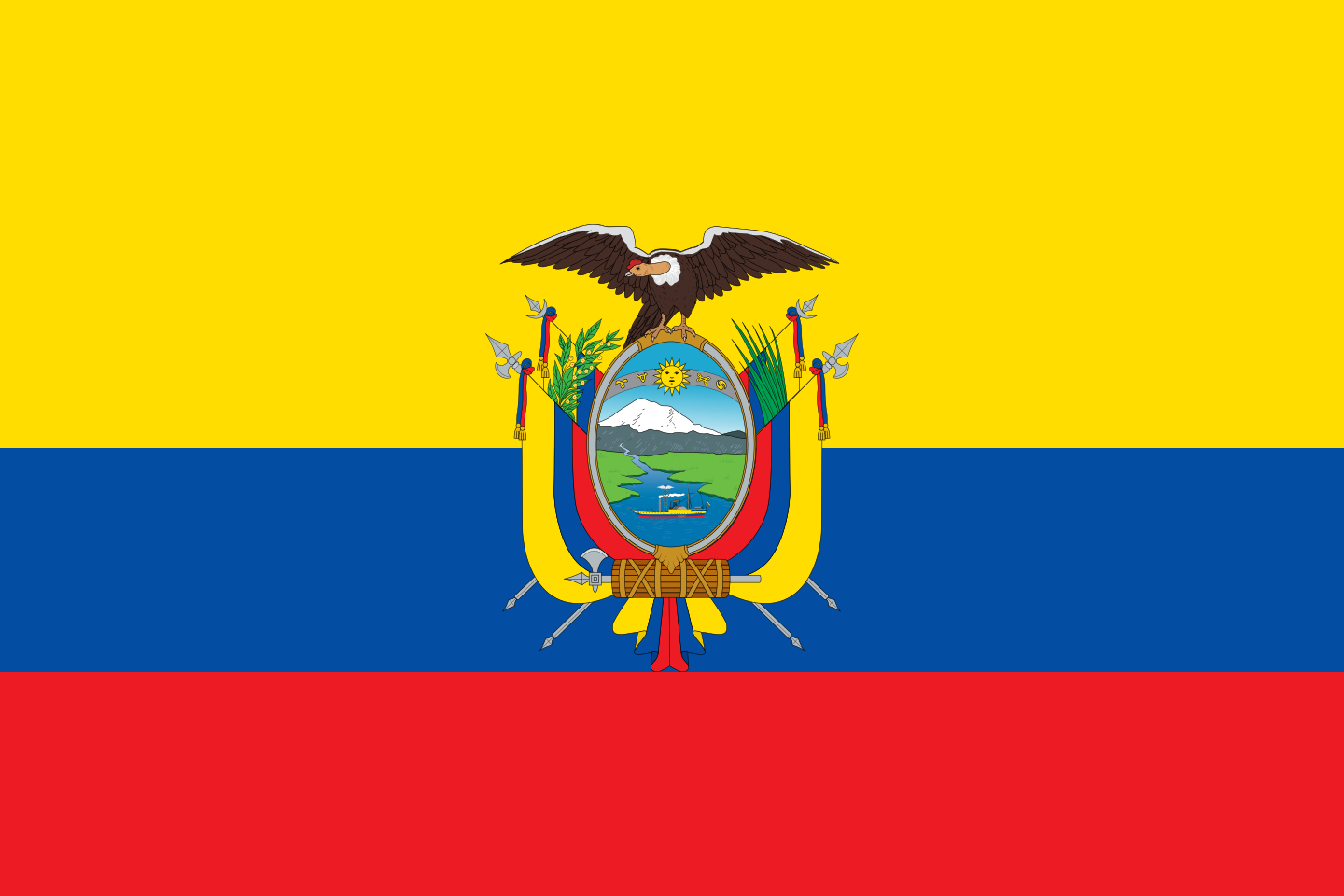 Ecuador
-
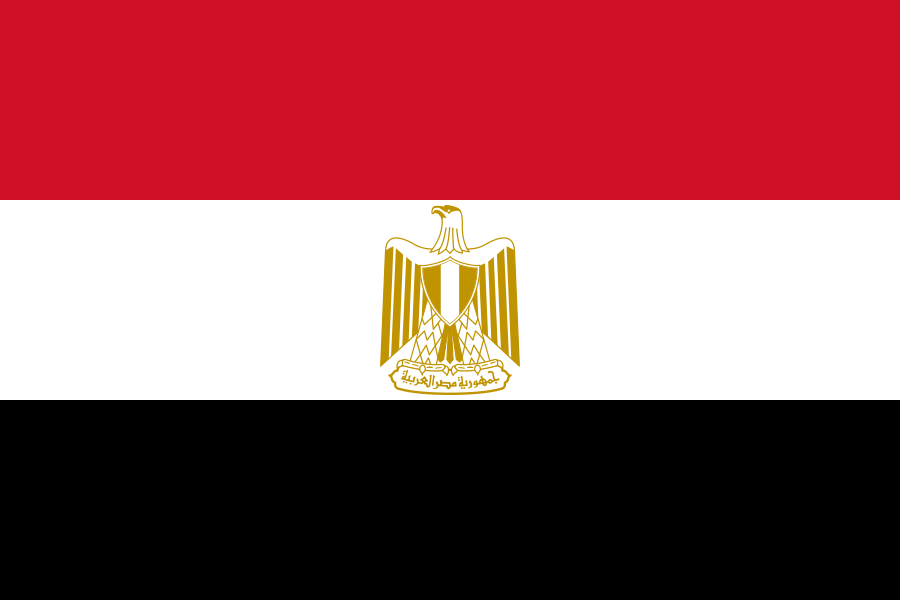 Egipto
-
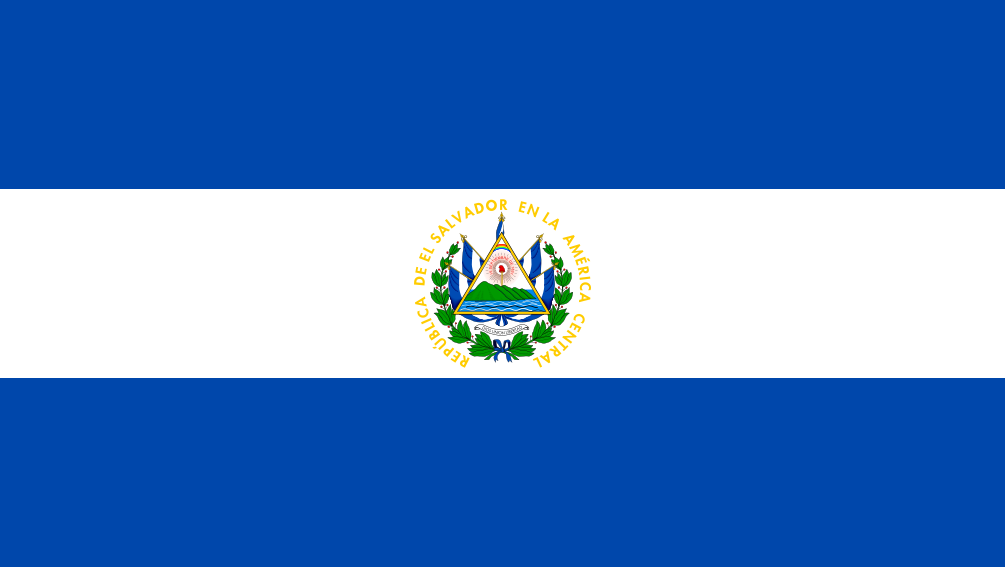 El Salvador
-
 Emiratos Árabes Unidos
-
 Eritrea
-
 Eslovaquia
-
 Eslovenia
-
 España
-
 Estados Unidos
-
 Estonia
-
 Etiopía
-
 Filipinas
-
 Finlandia
-
 Fiyi
Fiyi
-
 Francia
-
 Gabón
Gabón
-
 Gambia
-
 Georgia
-
 Ghana
Ghana
-
 Gibraltar
-
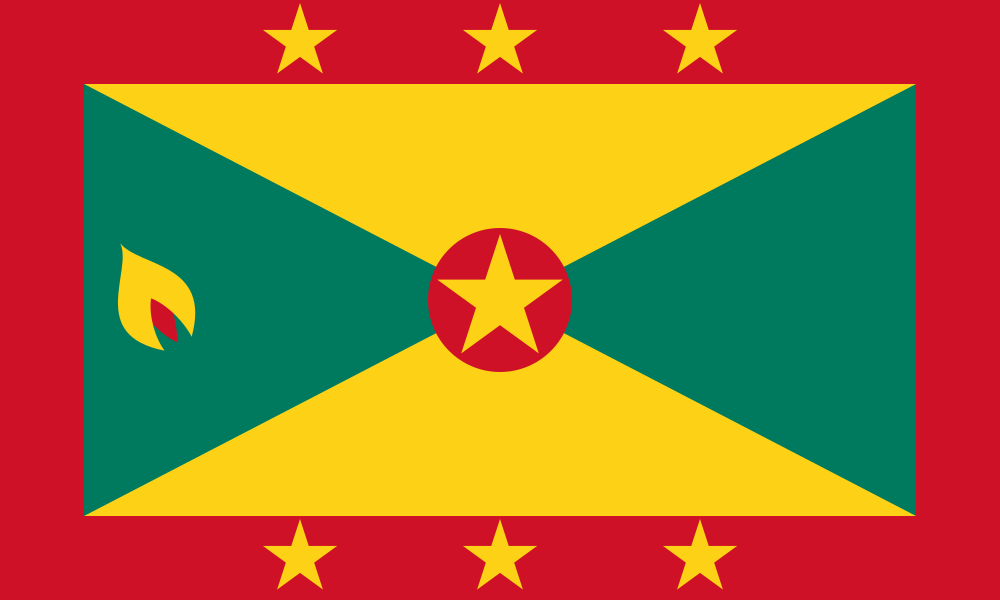 Granada
-
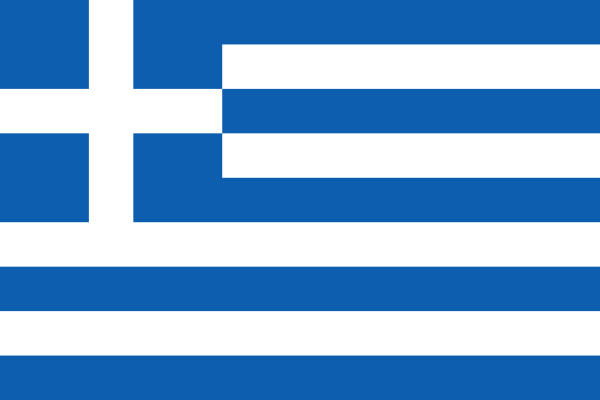 Grecia
-
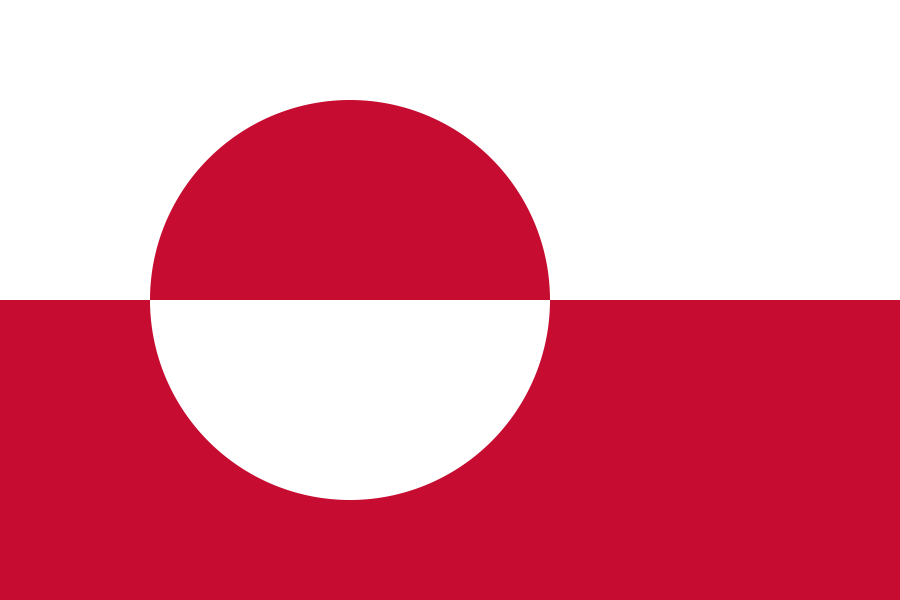 Groenlandia
-
Guadalupe
-
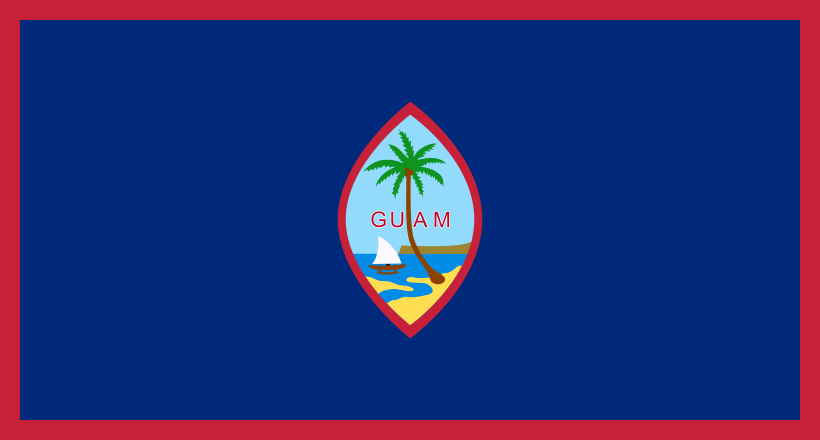 Guam
Guam
-
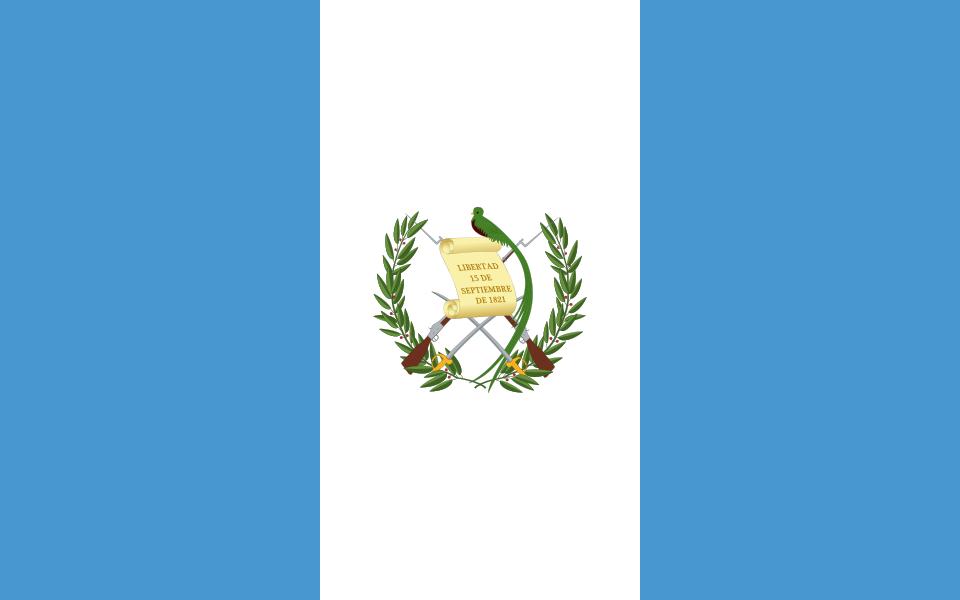 Guatemala
-
Guayana Francesa
-
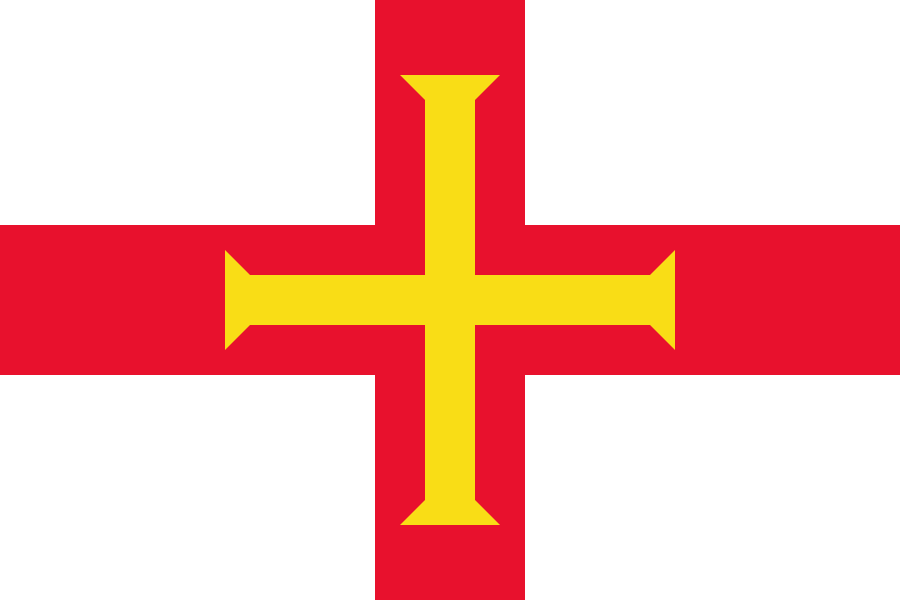 Guernsey
-
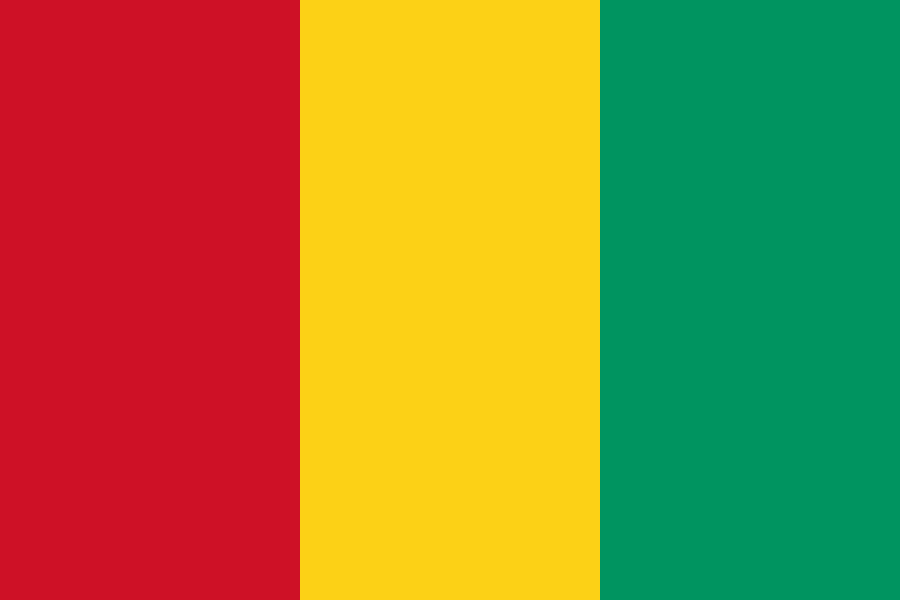 Guinea
-
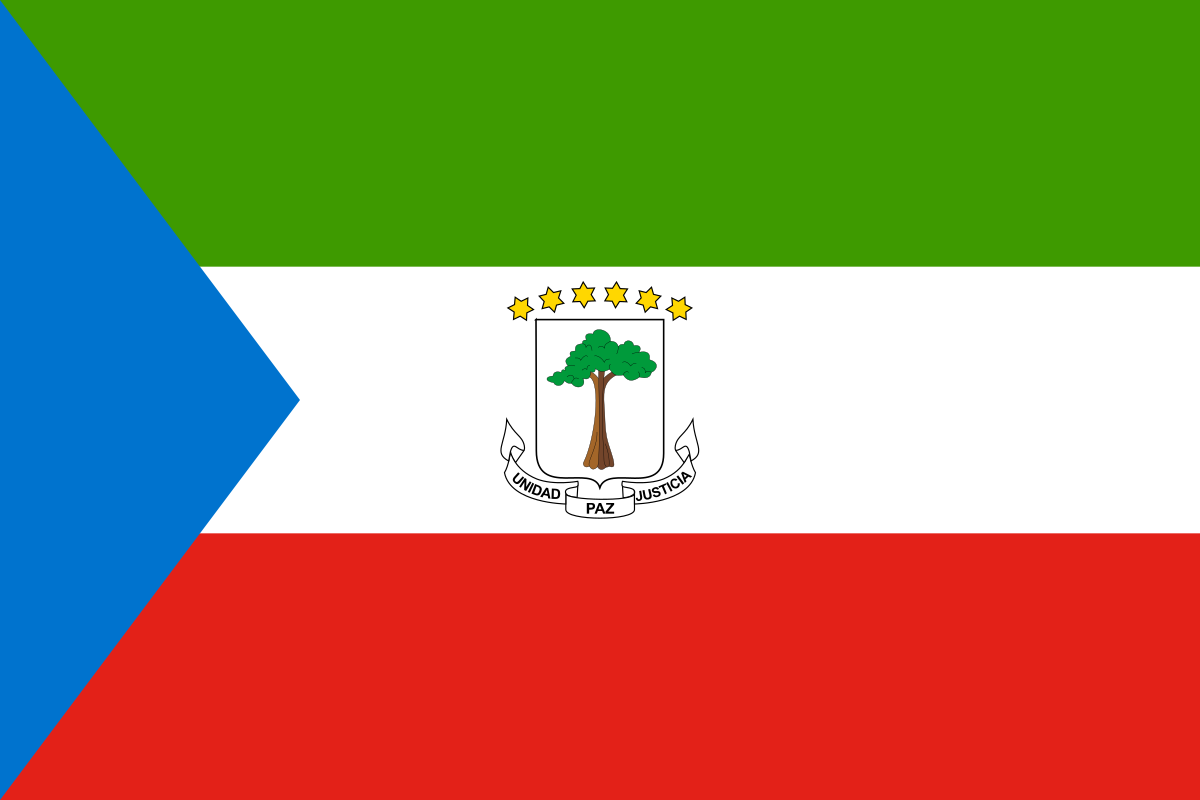 Guinea Ecuatorial
-
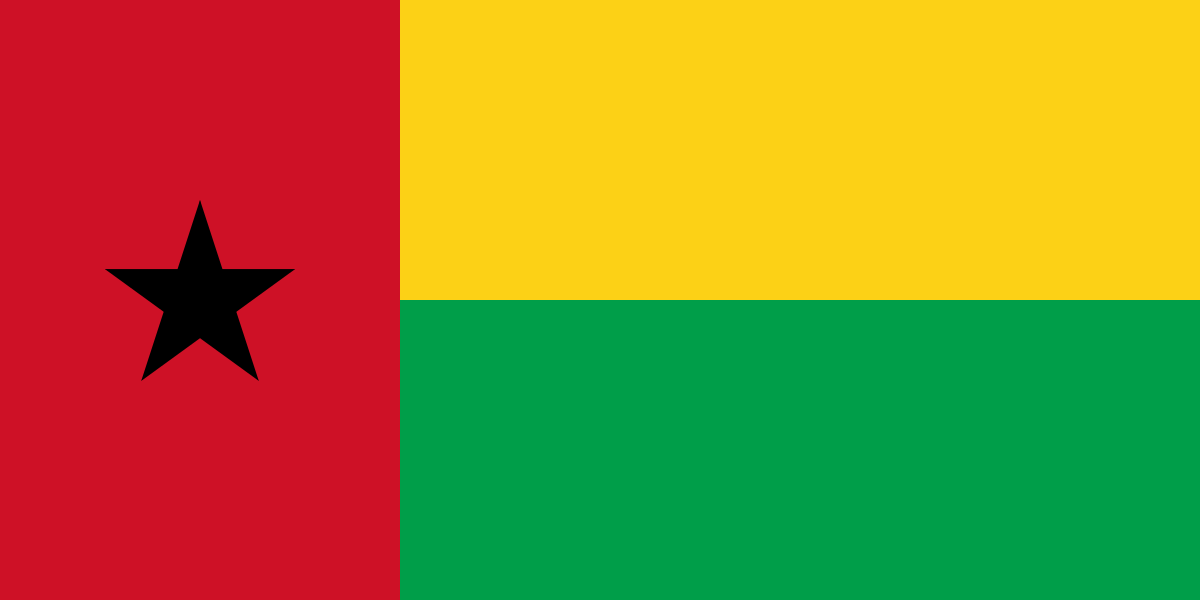 Guinea-Bisáu
-
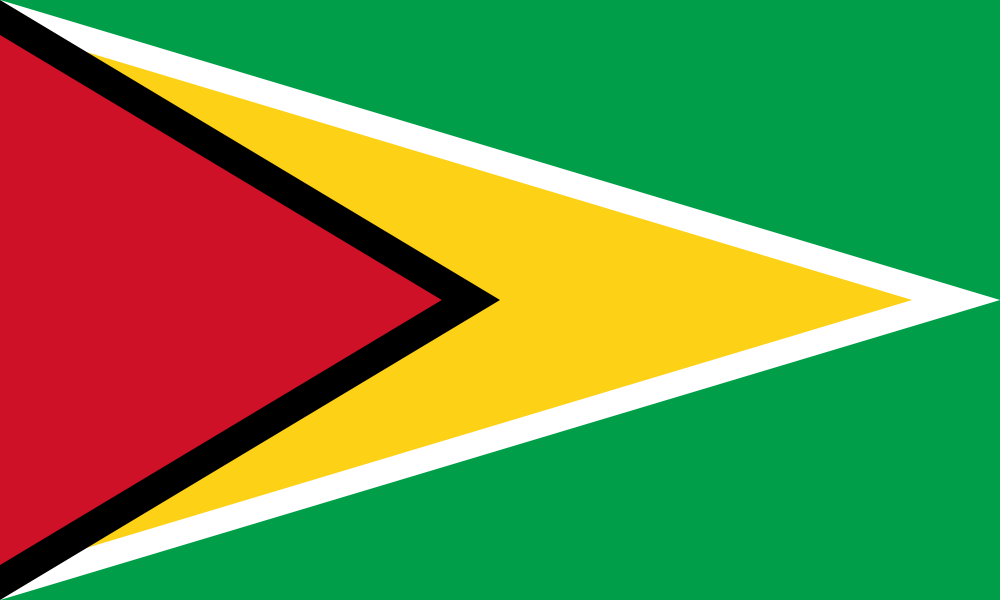 Guyana
-
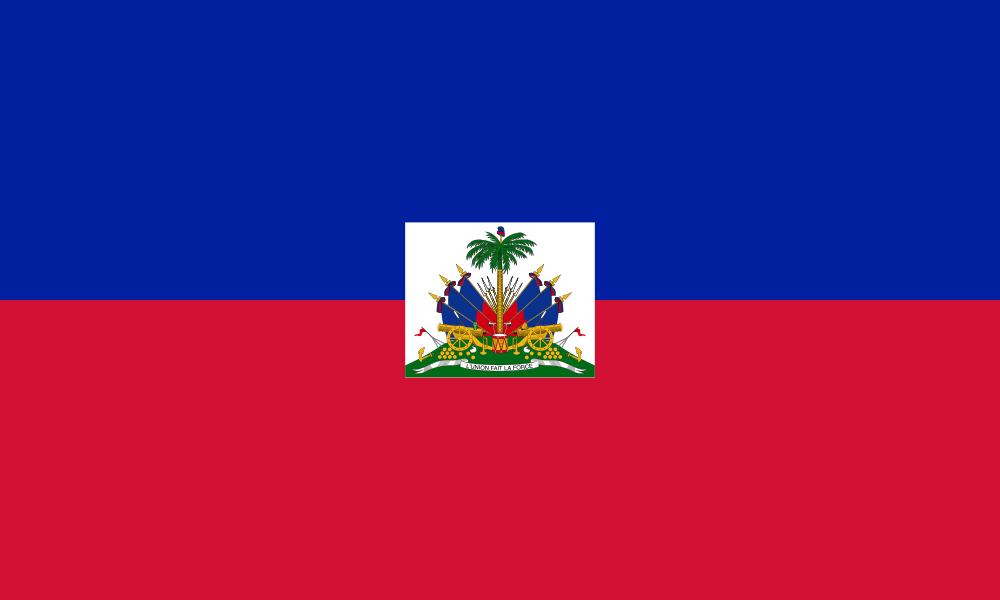 Haití
Haití
-
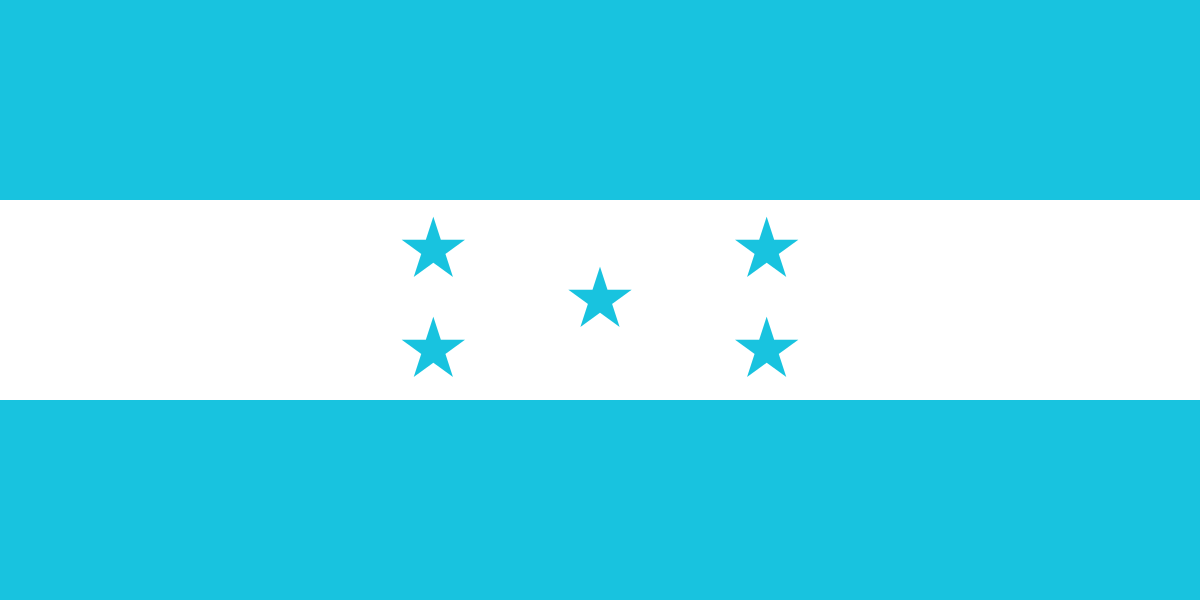 Honduras
-
 Hong Kong
-
 Hungría
-
 India
India
-
 Indonesia
-
 Inglaterra
-
 Irak
Irak
-
 Irán
Irán
-
 Irlanda
-
 Isla Bouvet
-
 Isla de Man
-
 Isla de Navidad
-
 Isla Norfolk
-
 Islandia
-
 Islas Åland
-
 Islas Caimán
-
 Islas Cocos
-
 Islas Cook
-
 Islas Feroe
-
 Islas Georgias del Sur y Sandwich del Sur
-
 Islas Heard y McDonald
-
 Islas Malvinas
-
 Islas Marianas del Norte
-
 Islas Marshall
-
 Islas Pitcairn
-
 Islas Salomón
-
 Islas Turcas y Caicos
-
Islas Ultramarinas Menores de los Estados Unidos
-
 Islas Vírgenes Británicas
-
 Islas Vírgenes de los Estados Unidos
-
 Israel
-
 Italia
-
 Jamaica
-
 Japón
Japón
-
 Jersey
-
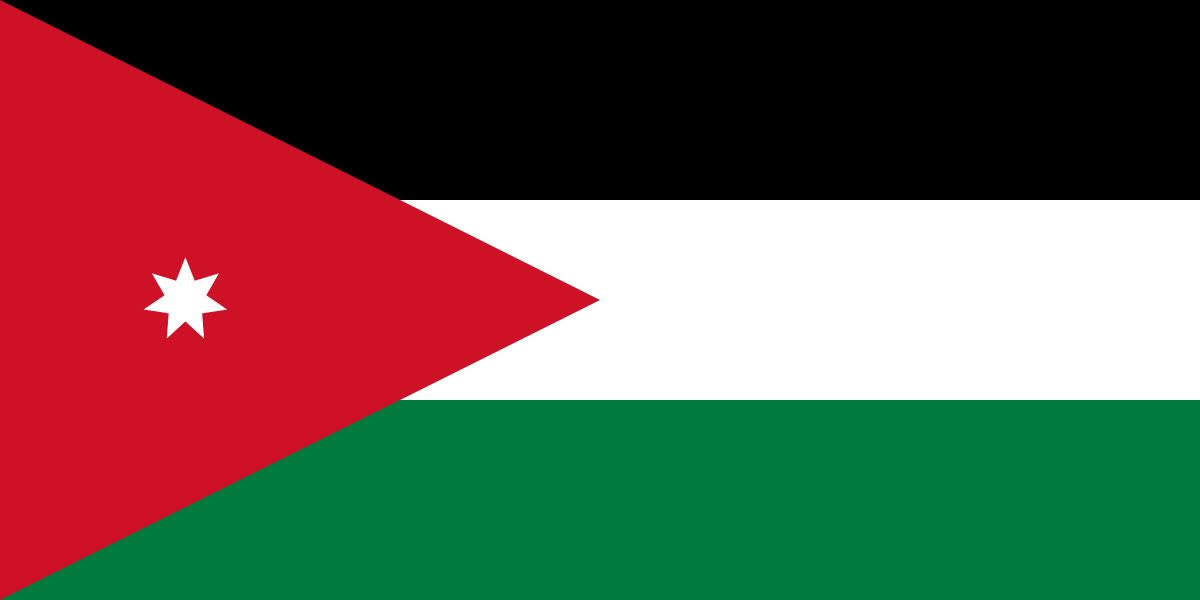 Jordania
-
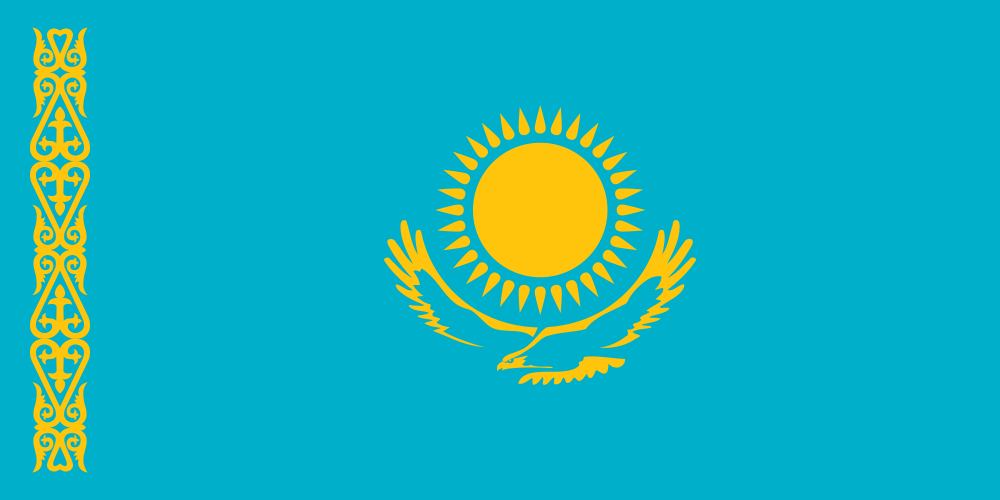 Kazajistán
-
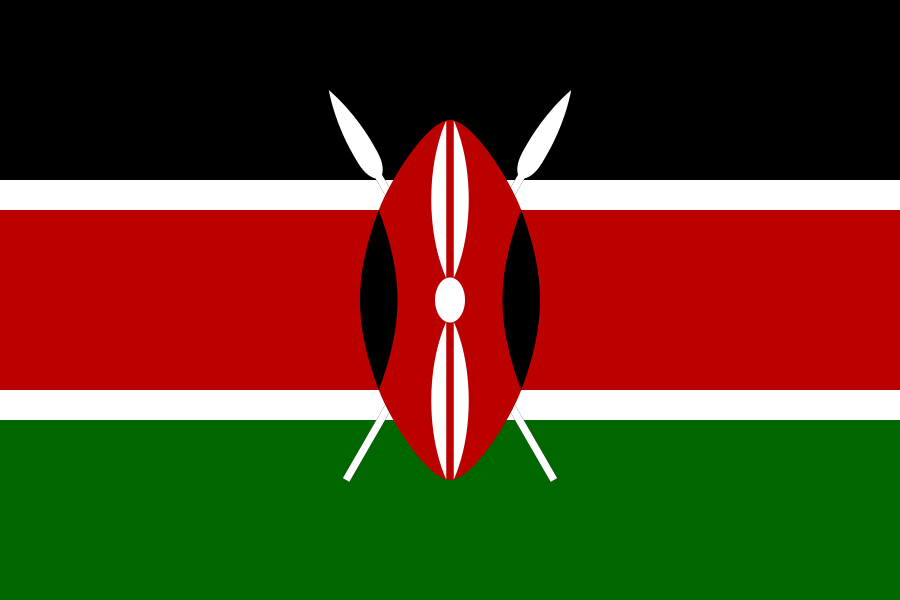 Kenia
Kenia
-
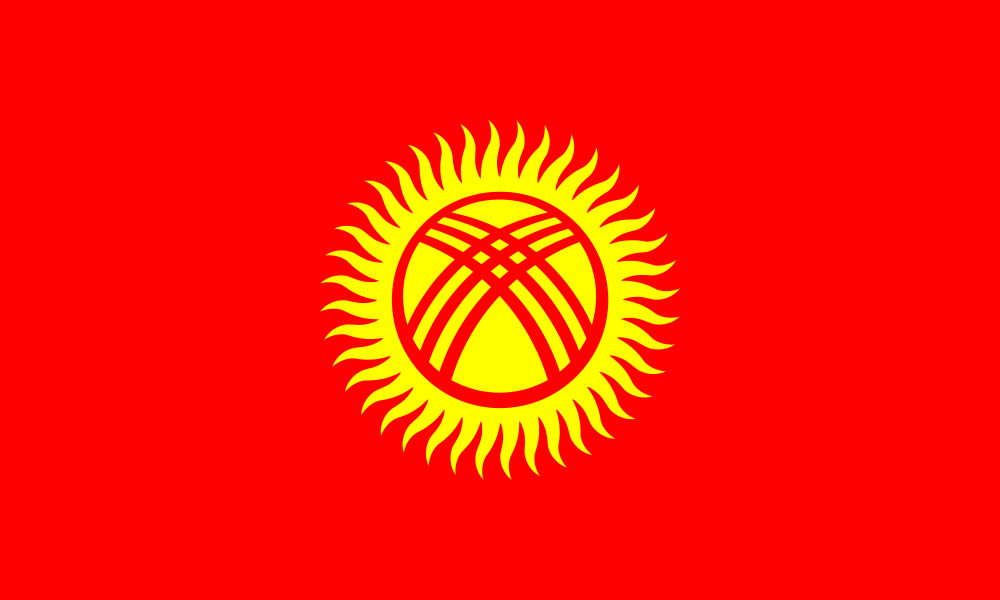 Kirguistán
-
 Kiribati
-
 Kosovo
-
 Kuwait
-
 Laos
Laos
-
 Lesoto
-
 Letonia
-
 Líbano
-
 Liberia
-
 Libia
Libia
-
 Liechtenstein
-
 Lituania
-
 Luxemburgo
-
 Macao
Macao
-
 Macedonia del Norte
-
 Madagascar
-
 Malasia
-
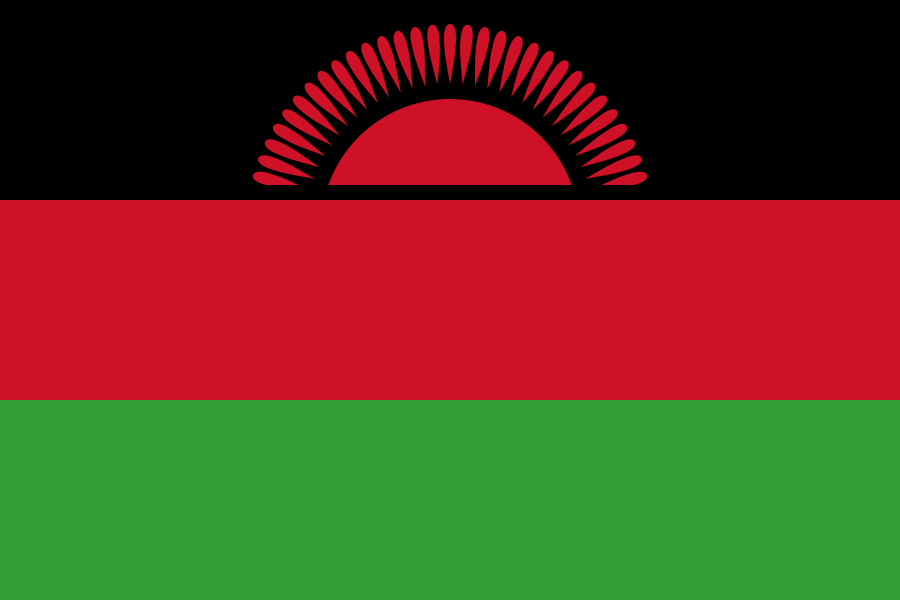 Malaui
-
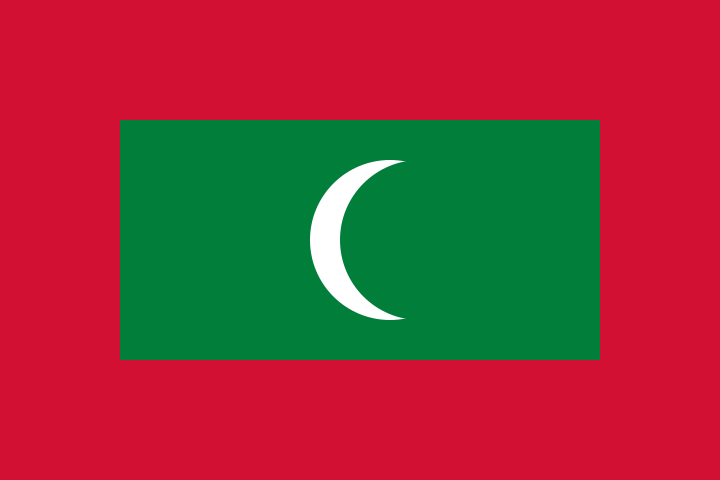 Maldivas
-
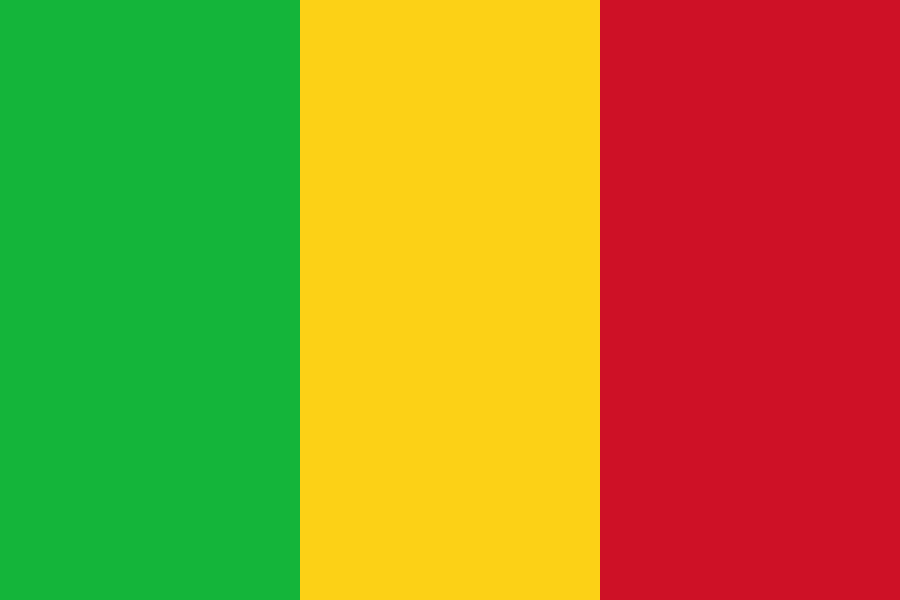 Malí
Malí
-
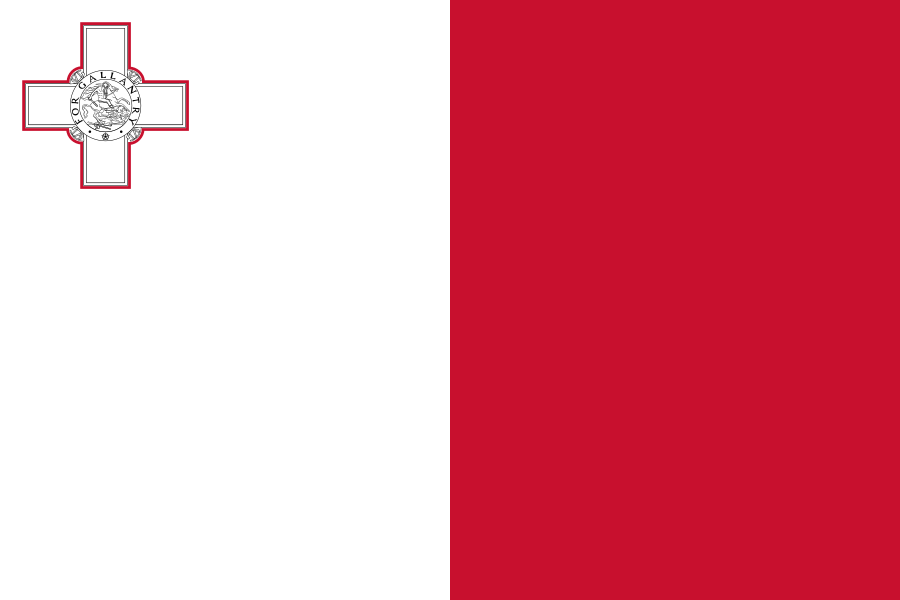 Malta
Malta
-
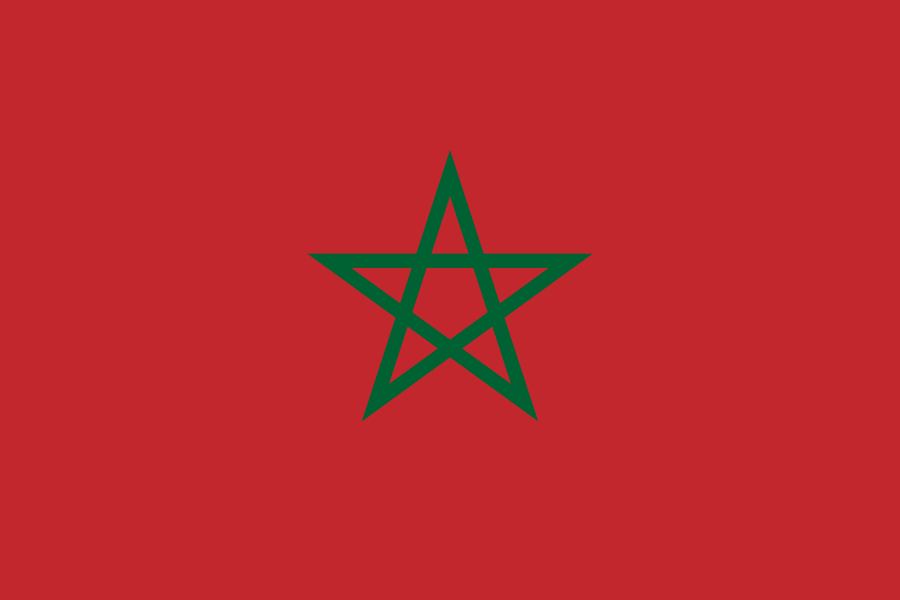 Marruecos
-
Martinica
-
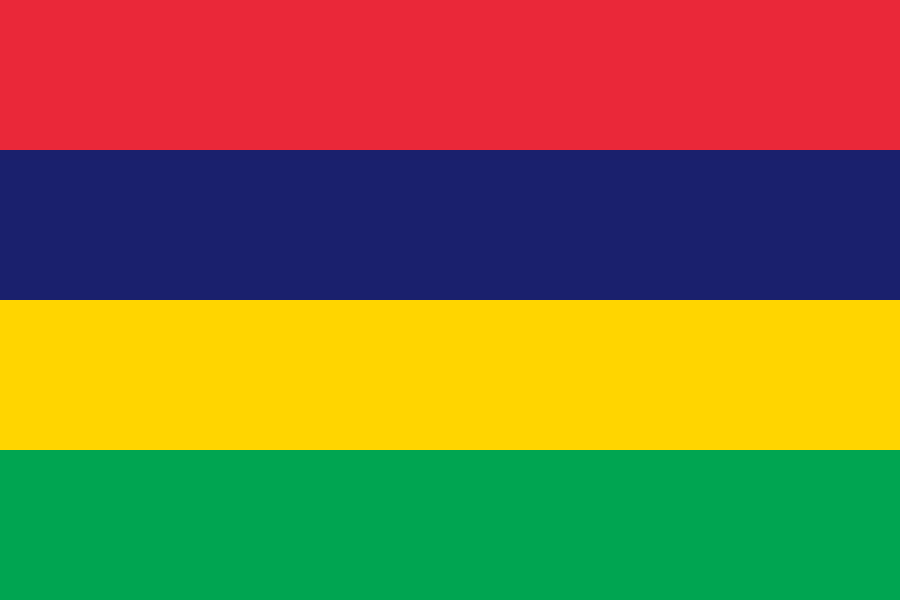 Mauricio
-
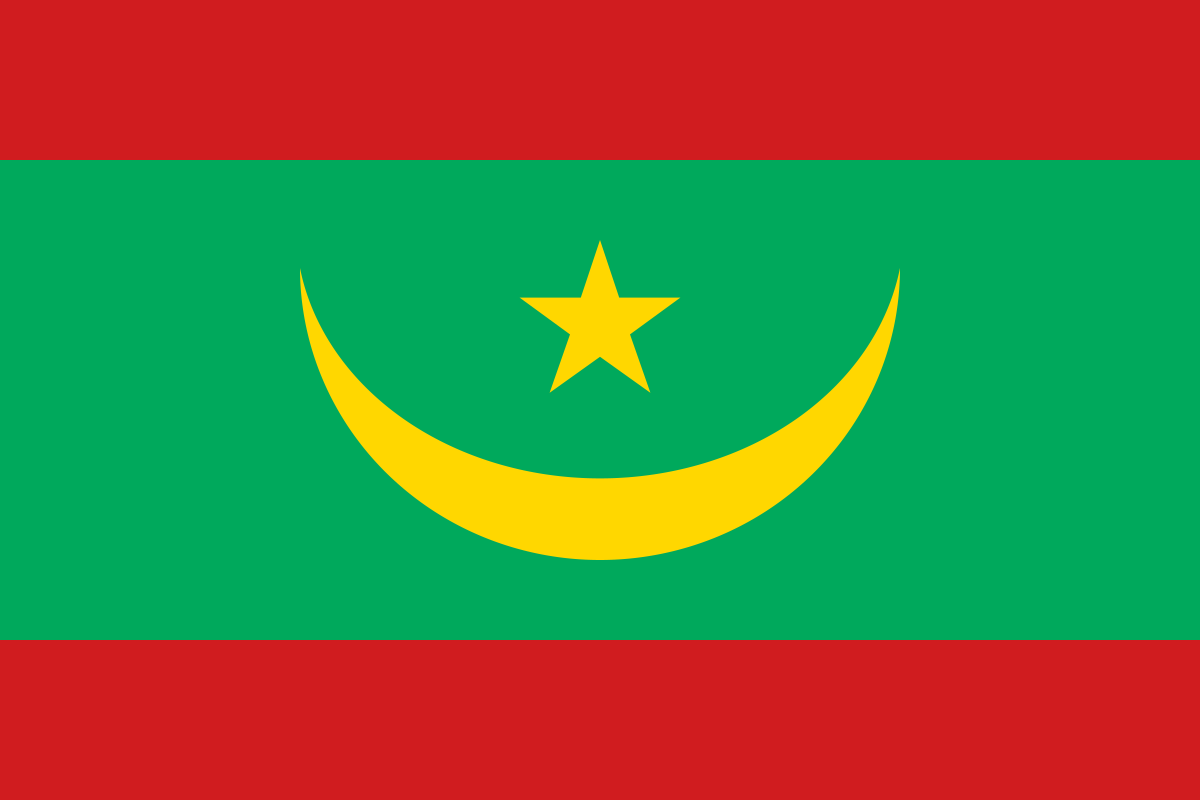 Mauritania
-
Mayotte
-
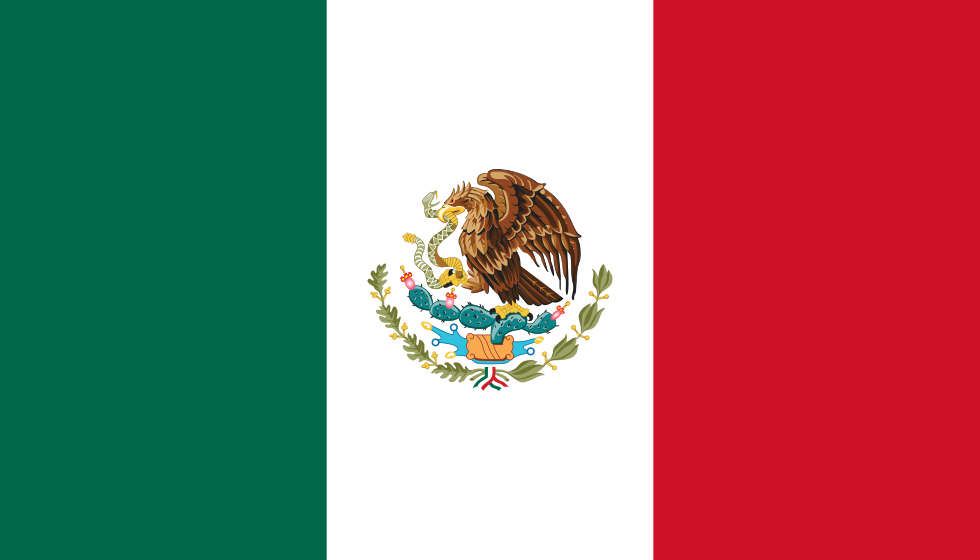 México
-
 Micronesia
-
 Moldavia
-
 Mónaco
-
 Mongolia
-
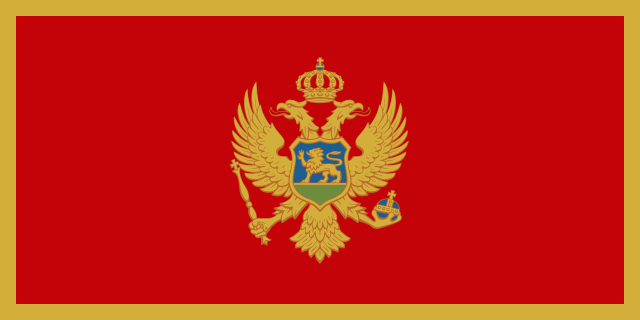 Montenegro
-
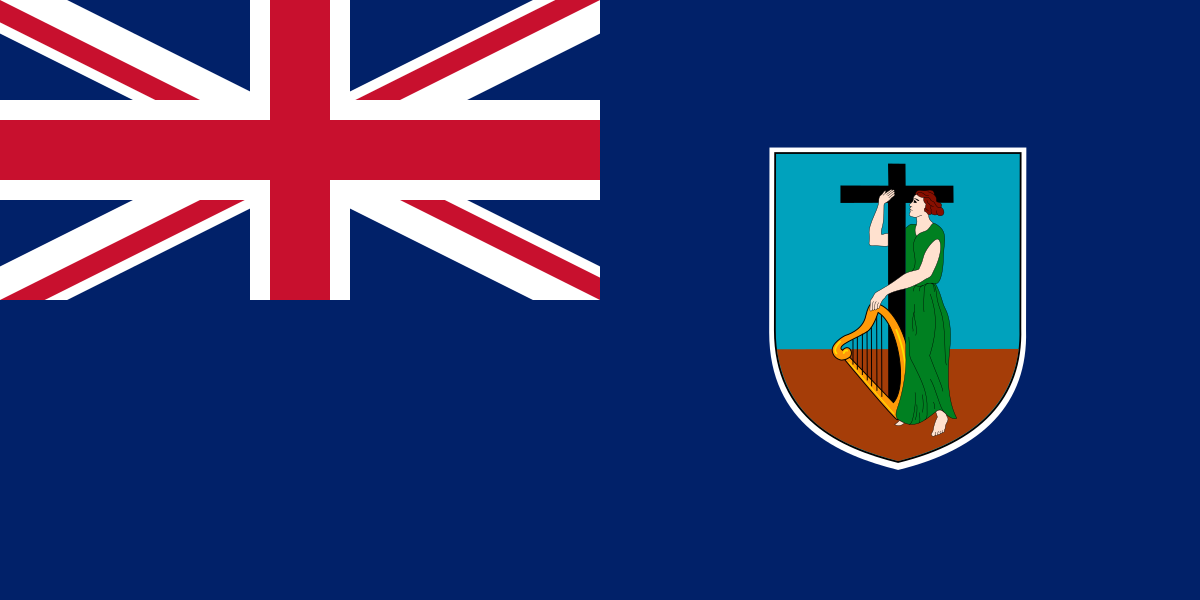 Montserrat
-
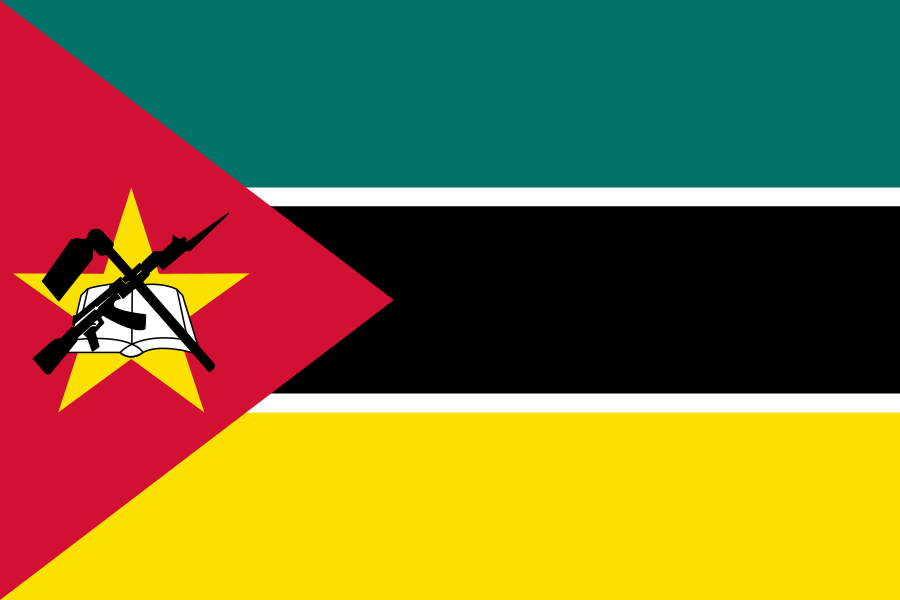 Mozambique
-
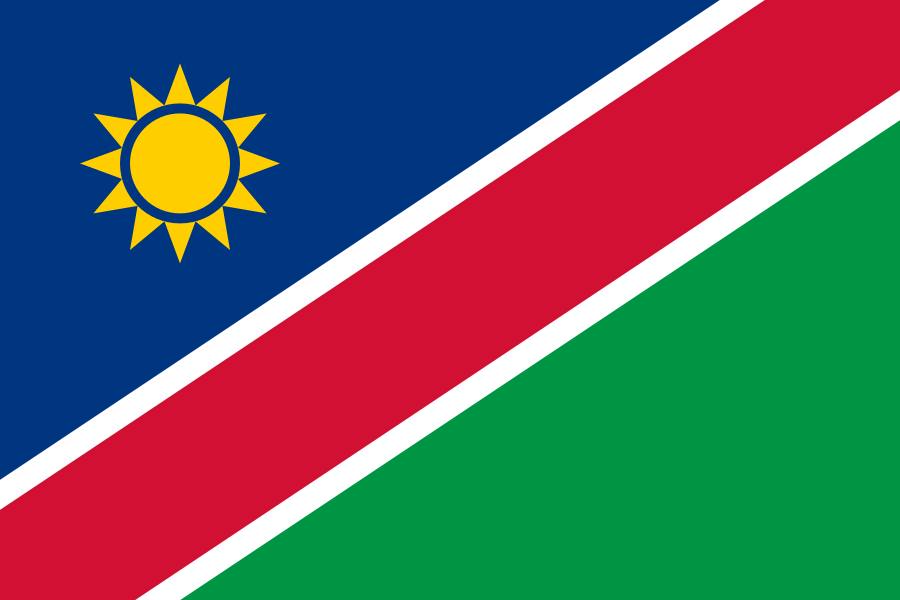 Namibia
-
 Nauru
Nauru
-
 Nepal
Nepal
-
 Nicaragua
-
 Níger
Níger
-
 Nigeria
-
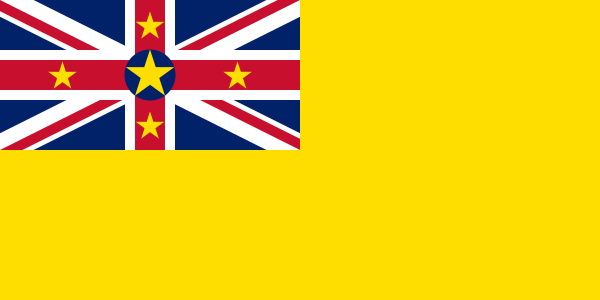 Niue
Niue
-
 Noruega
-
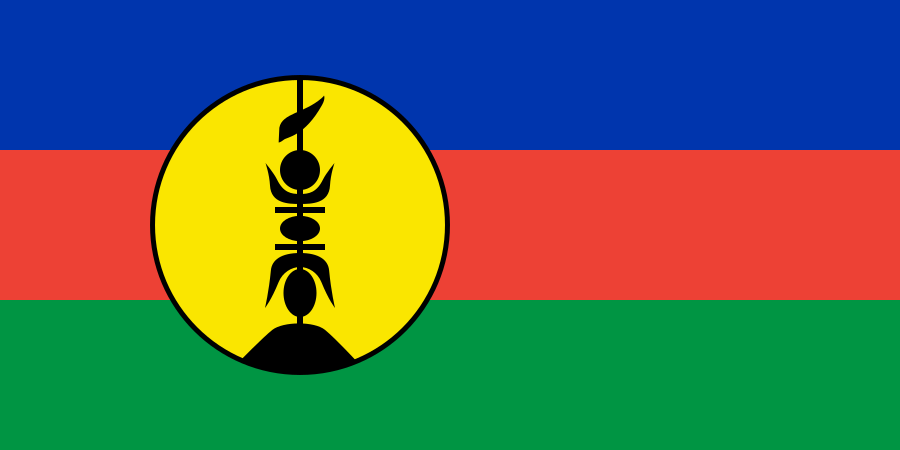 Nueva Caledonia
-
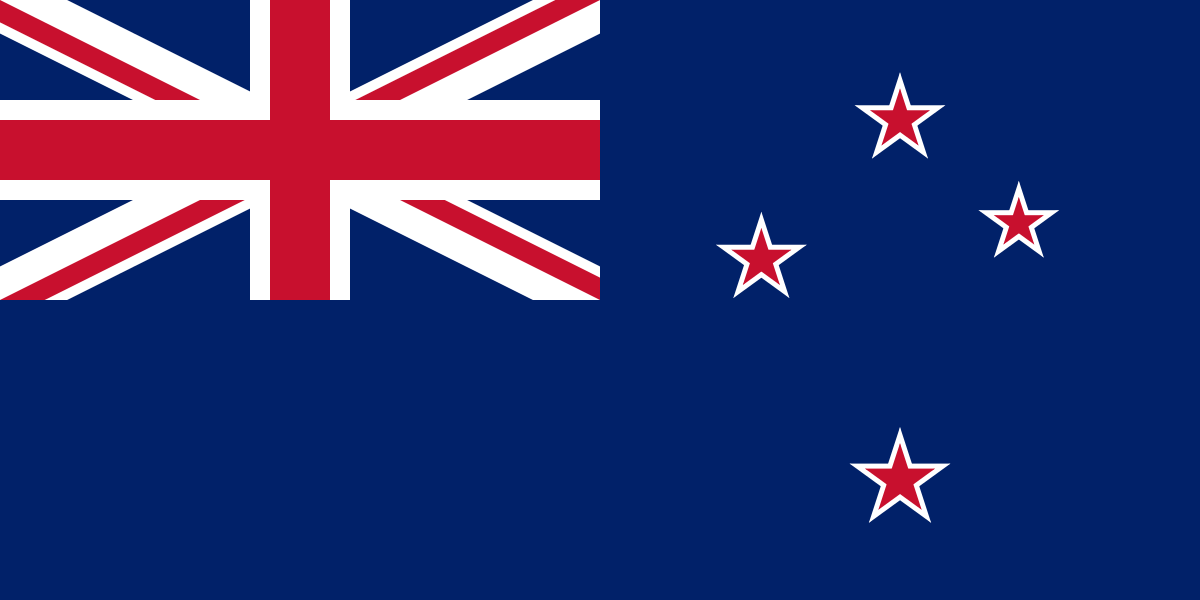 Nueva Zelanda
-
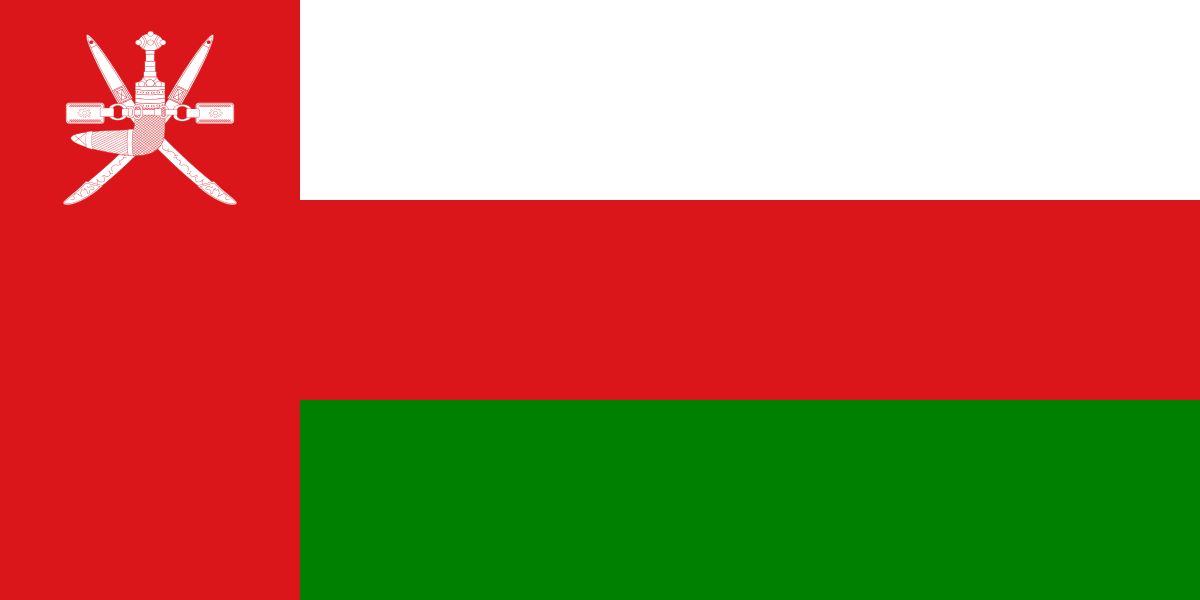 Omán
Omán
-
Países Bajos
-
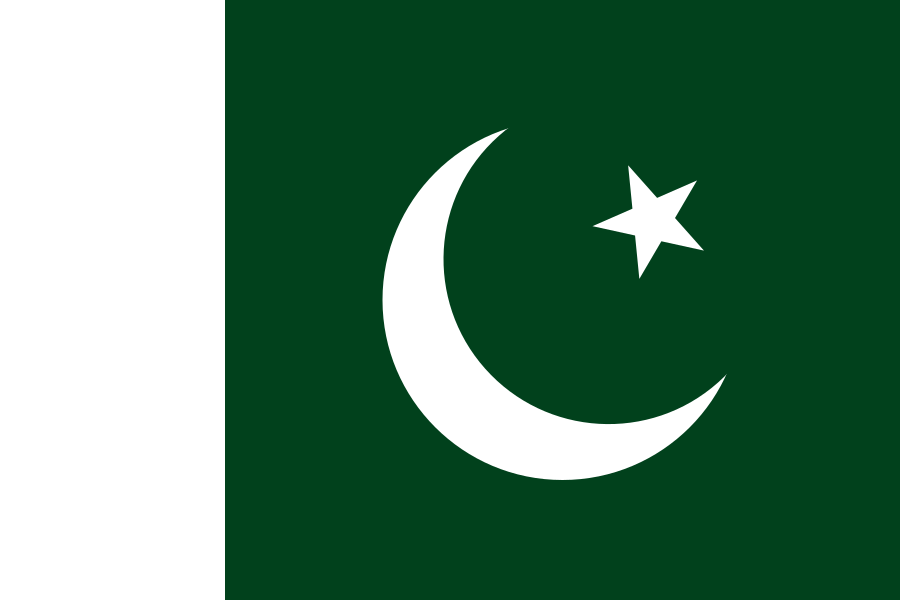 Pakistán
-
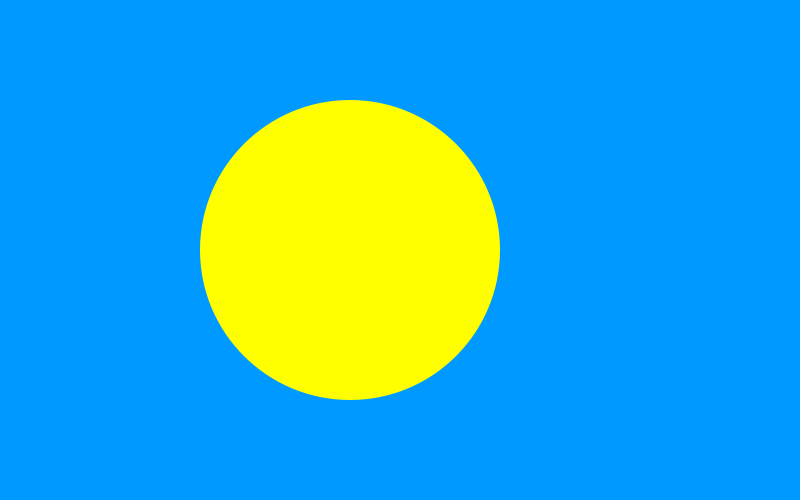 Palaos
-
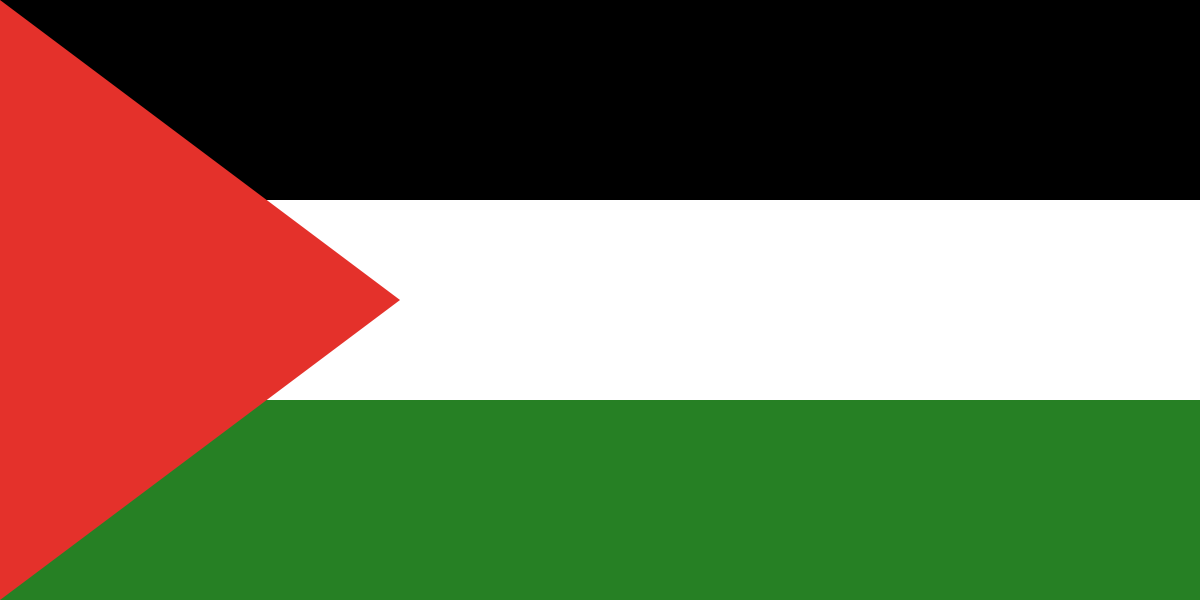 Palestina
-
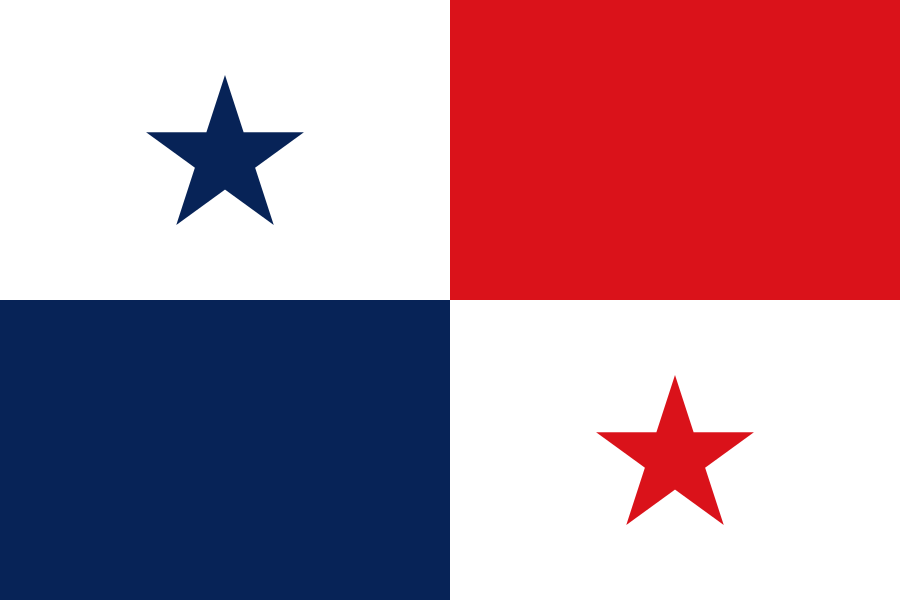 Panamá
-
 Papúa Nueva Guinea
-
 Paraguay
-
 Perú
Perú
-
 Polinesia Francesa
-
 Polonia
-
 Portugal
-
 Puerto Rico
-
 República Centroafricana
-
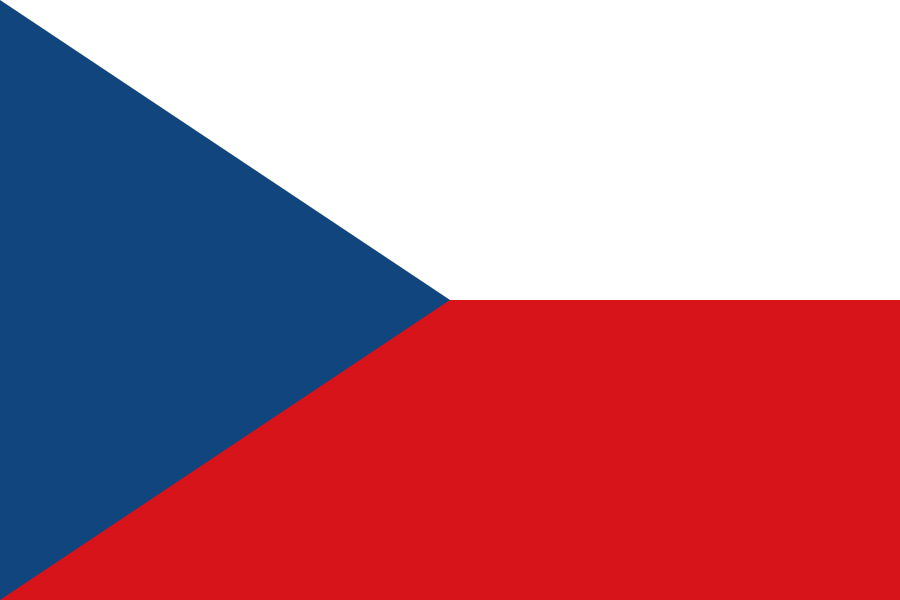 República Checa
-
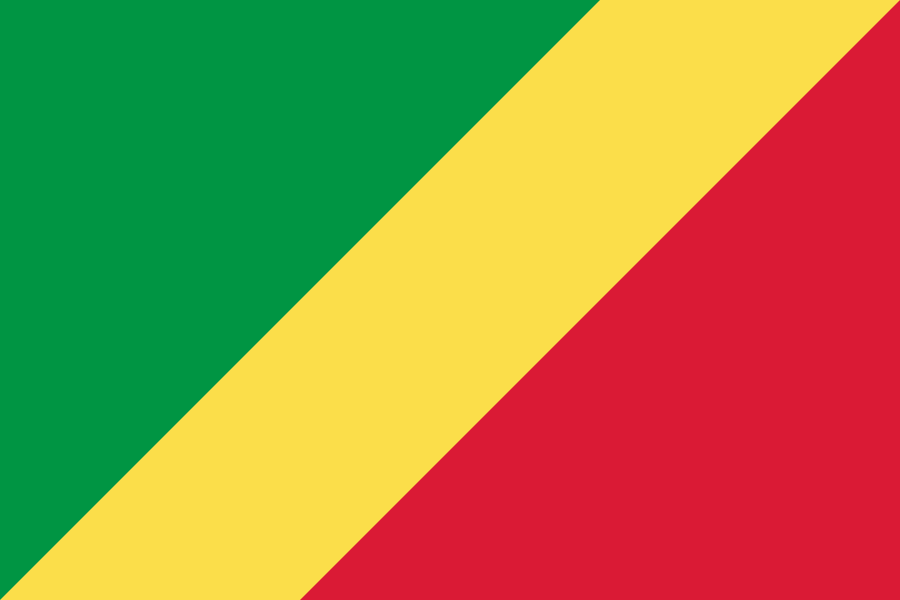 República del Congo
-
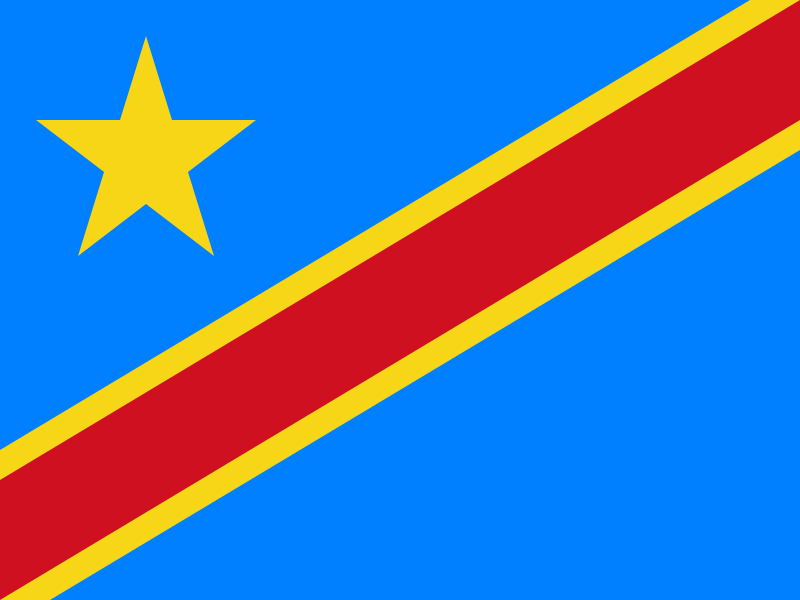 República Democrática del Congo
-
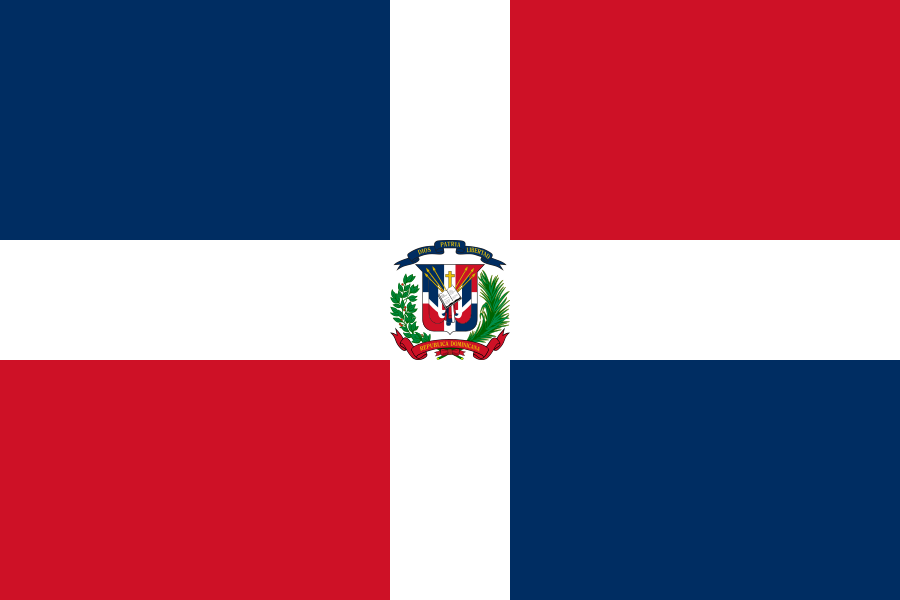 República Dominicana
-
Reunión
-
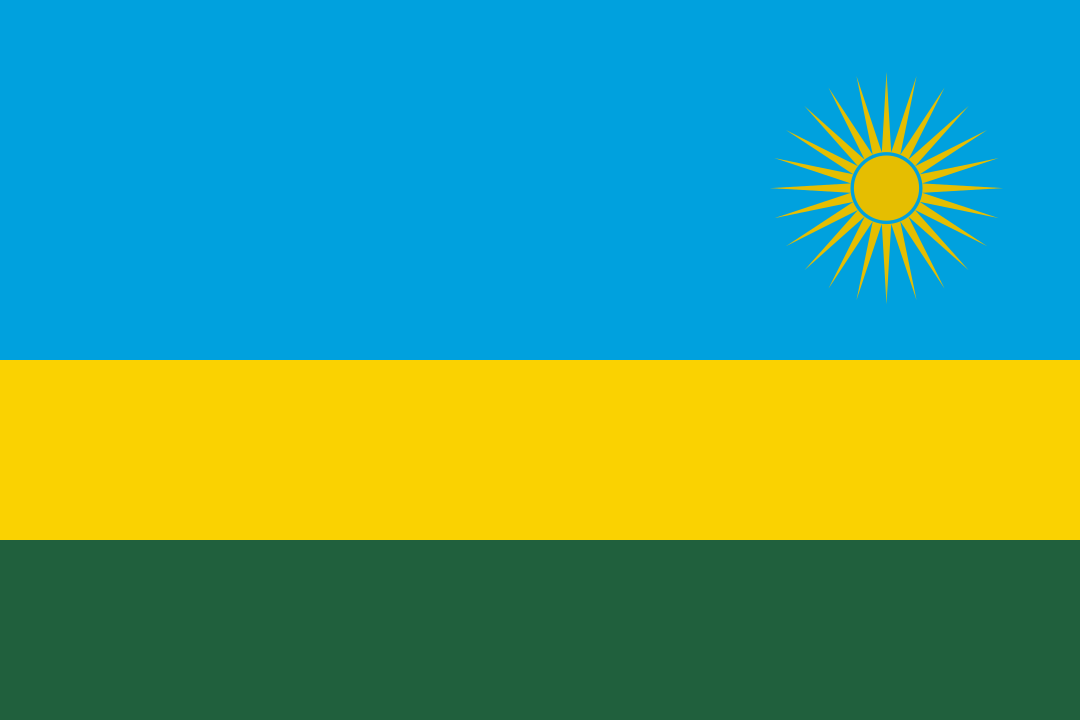 Ruanda
-
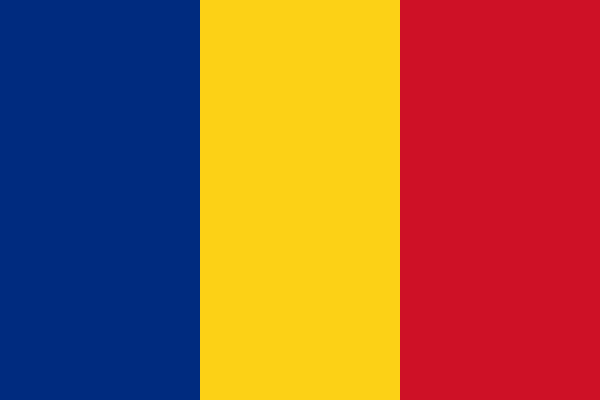 Rumania
-
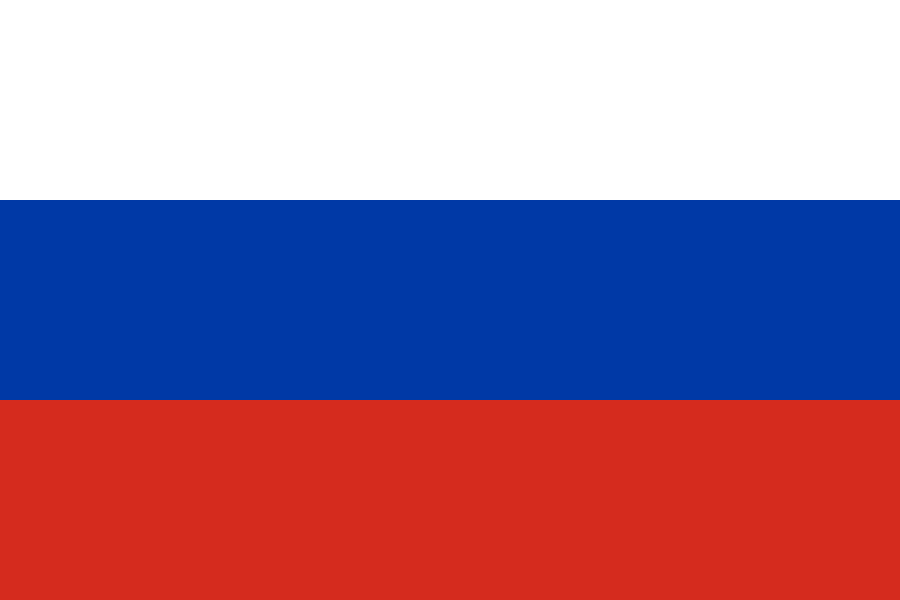 Rusia
Rusia
-
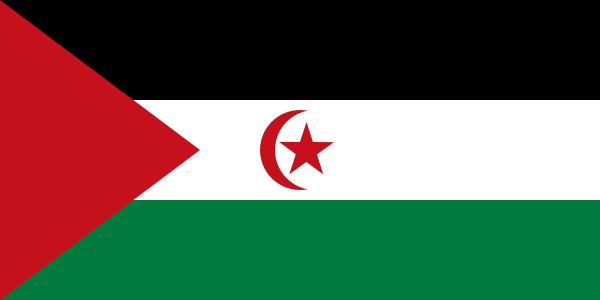 Sahara Occidental
-
Saint Barthélemy
-
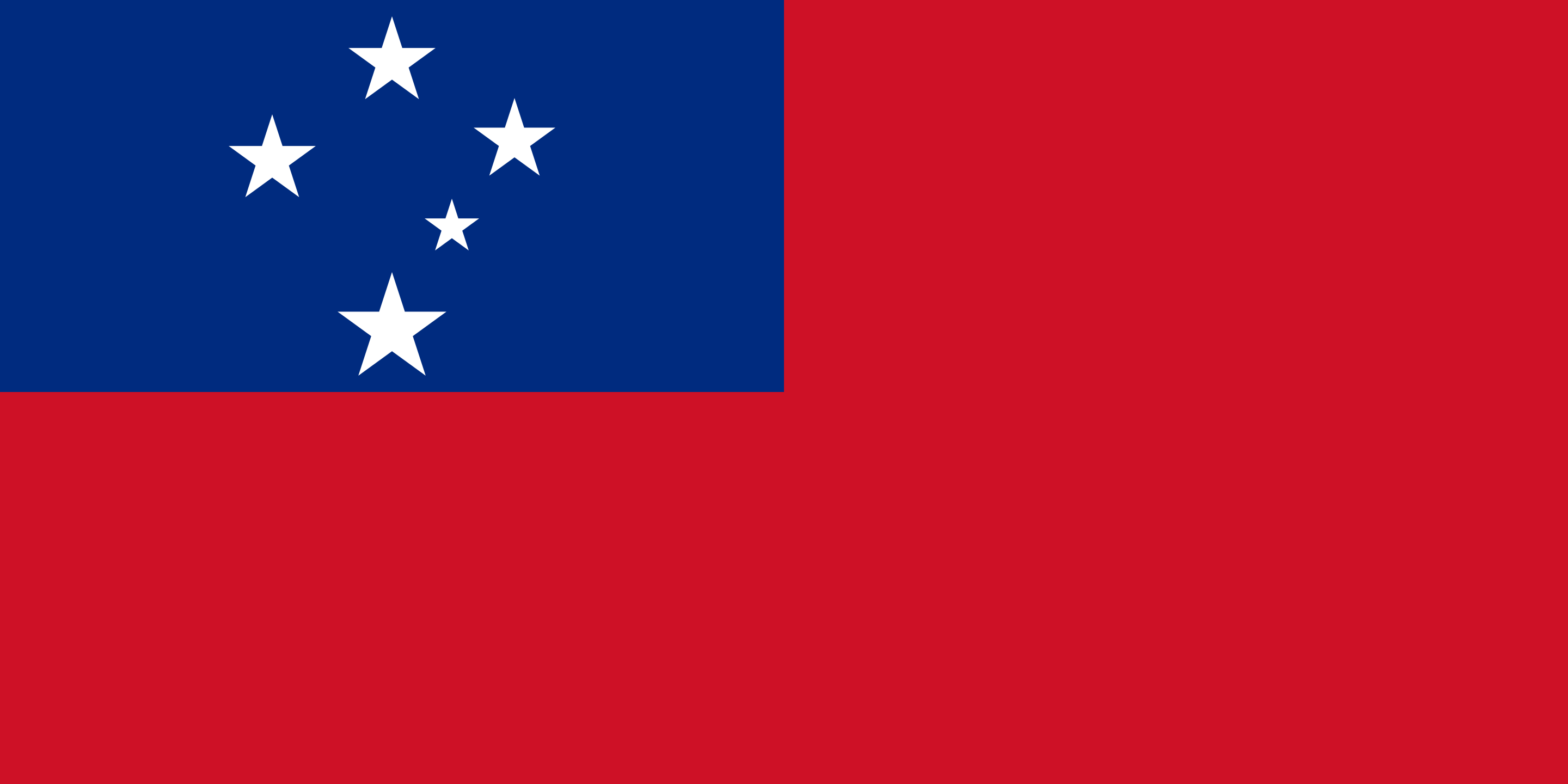 Samoa
Samoa
-
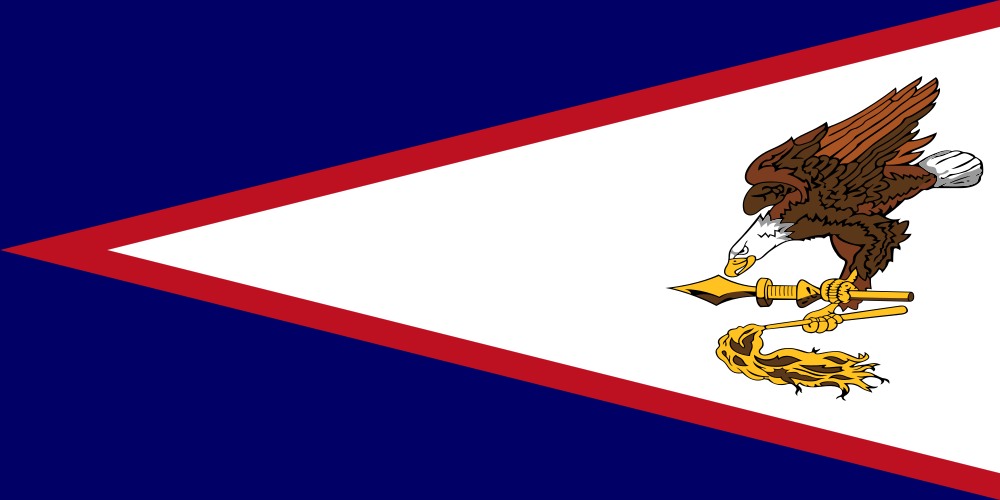 Samoa Americana
-
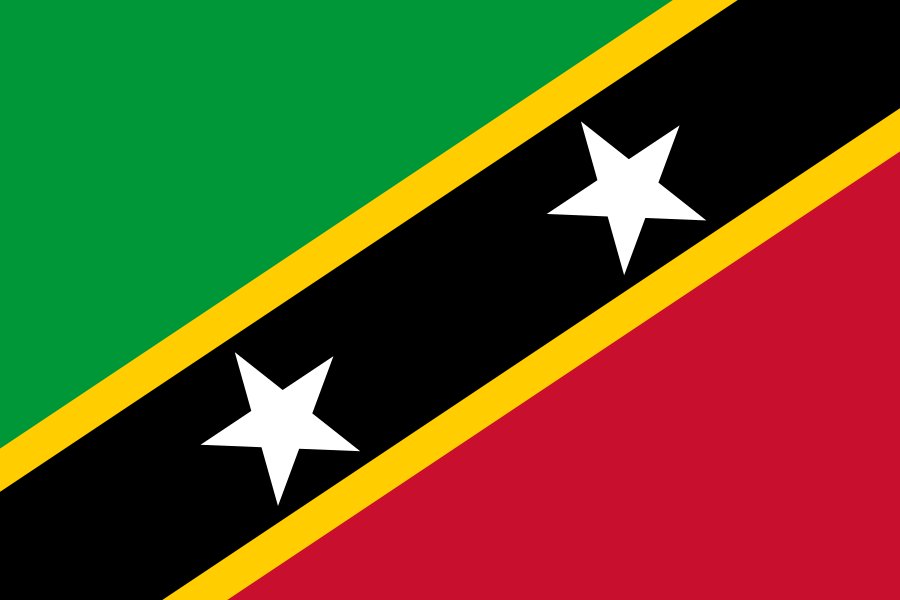 San Cristóbal y Nieves
-
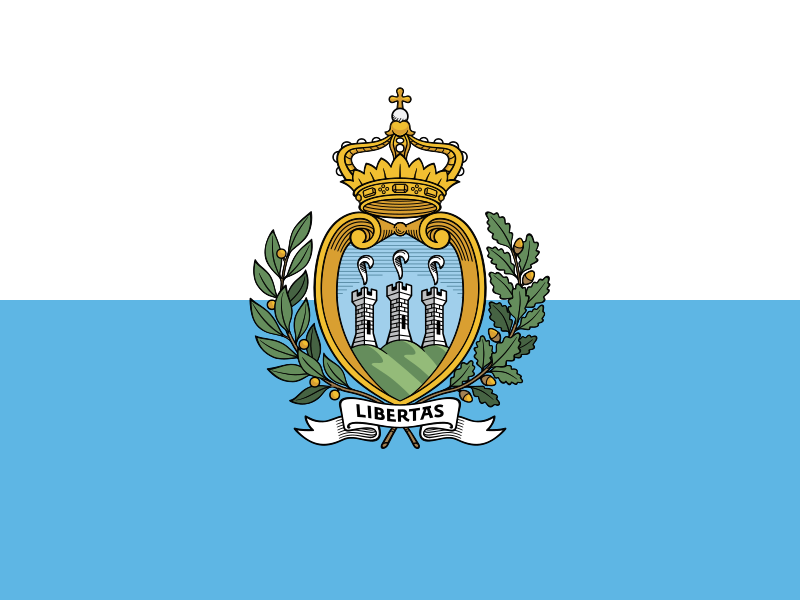 San Marino
-
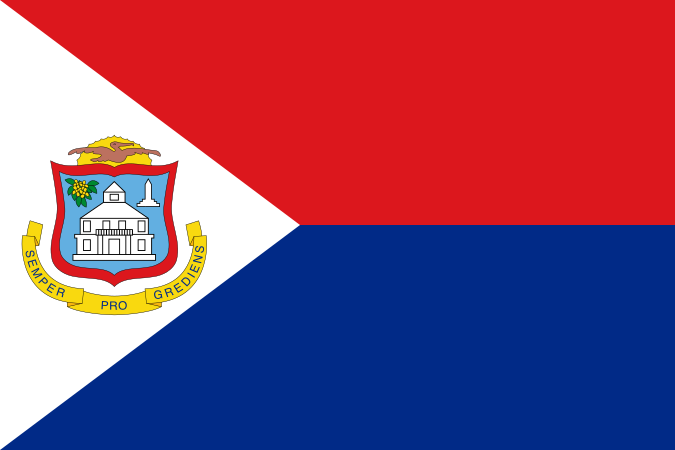 San Martín
-
San Martin
-
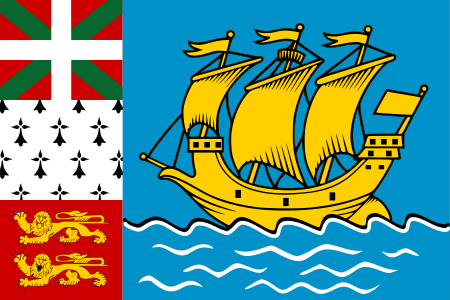 San Pedro y MIquelón
-
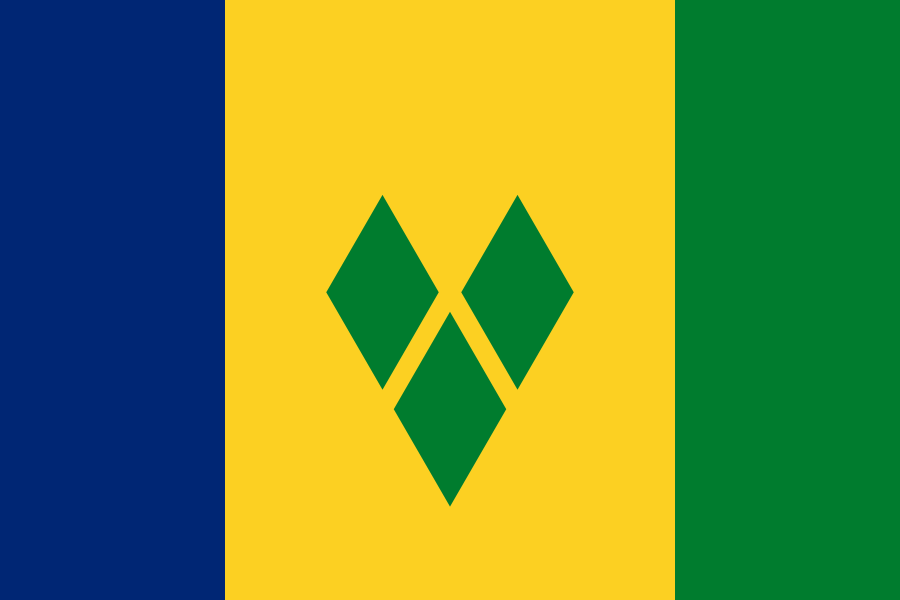 San Vicente y las Granadinas
-
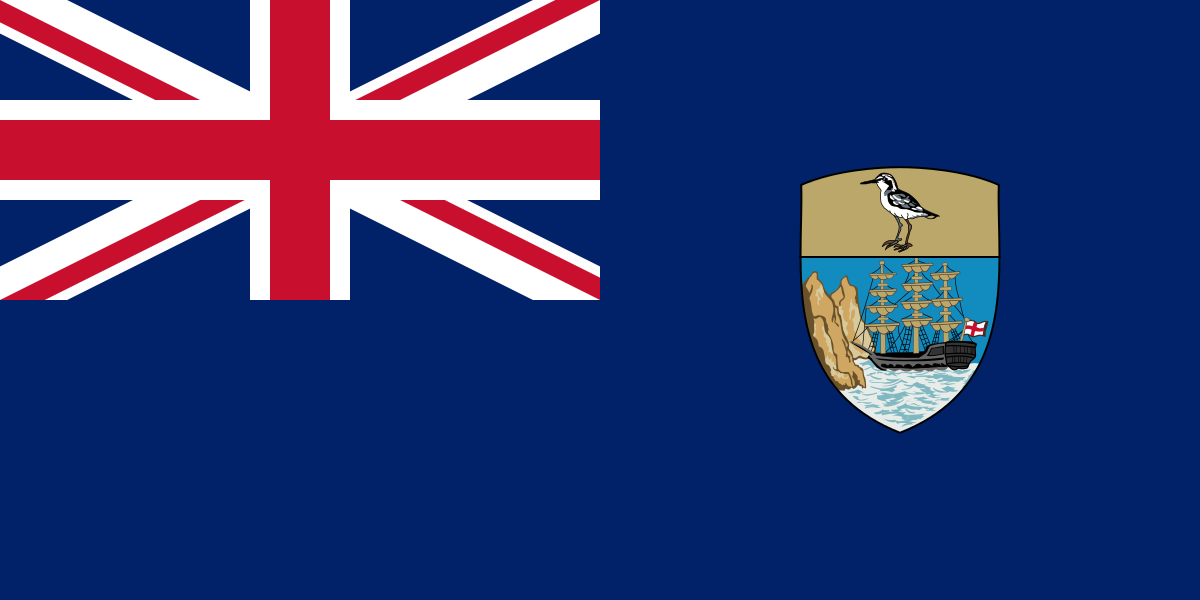 Santa Elena
-
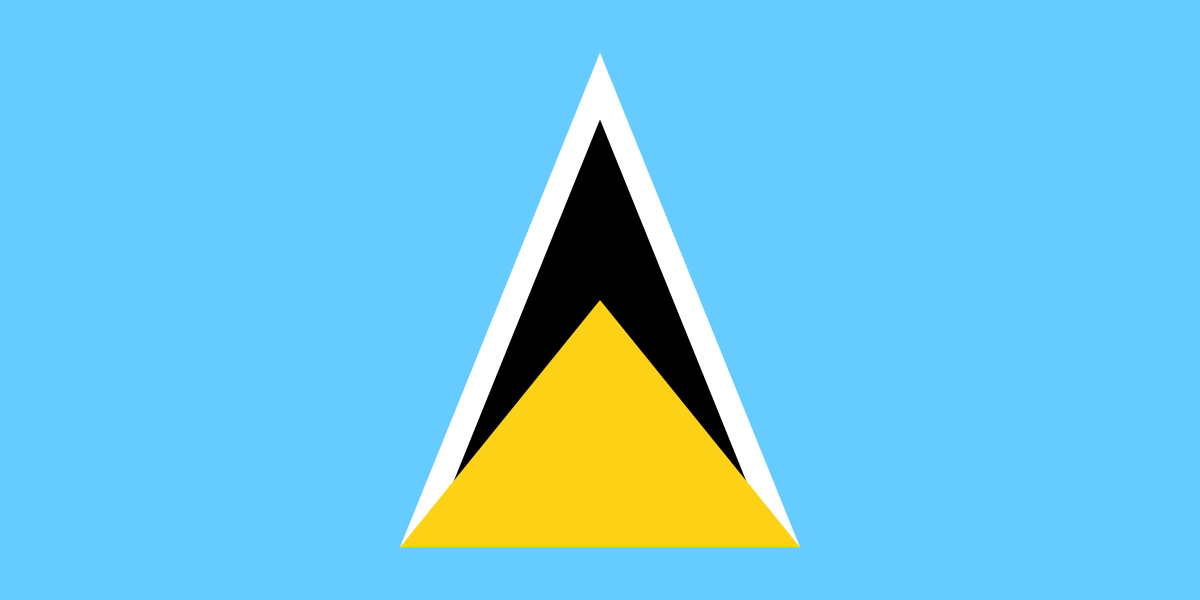 Santa Lucía
-
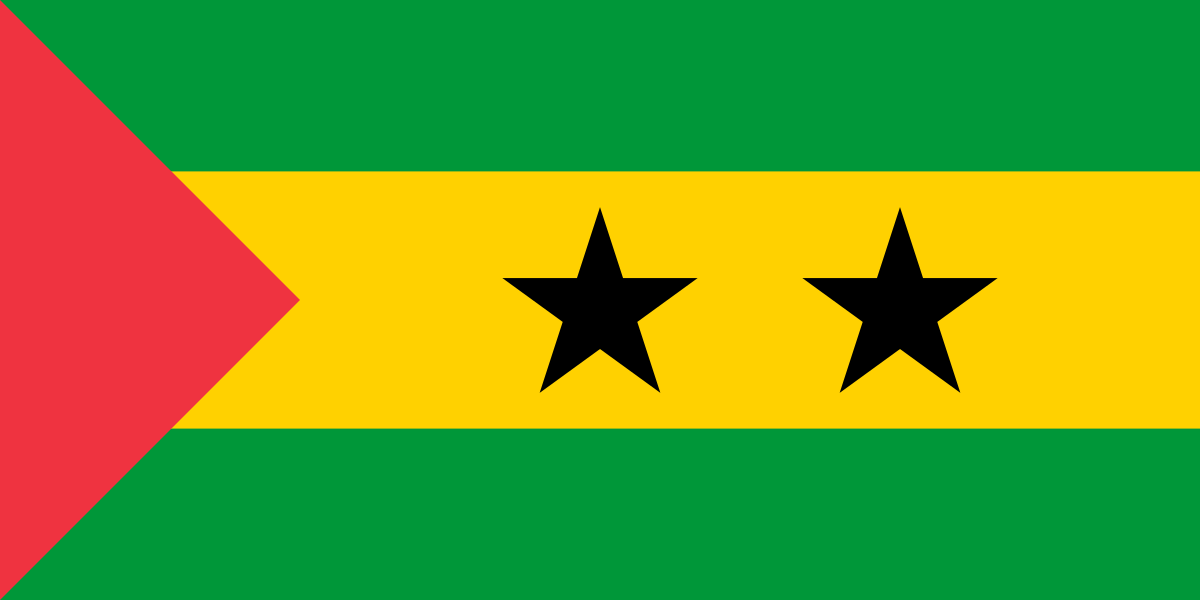 Santo Tomé y Príncipe
-
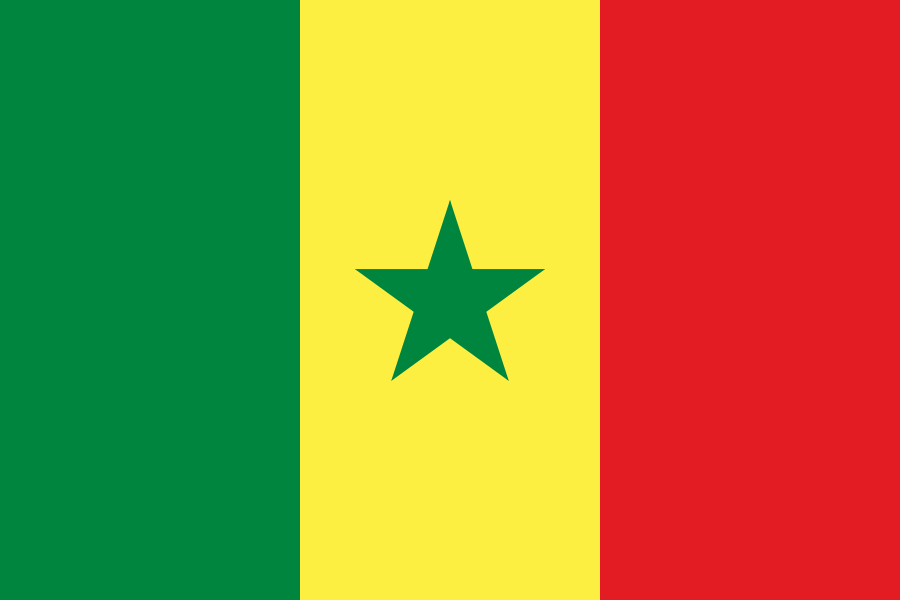 Senegal
-
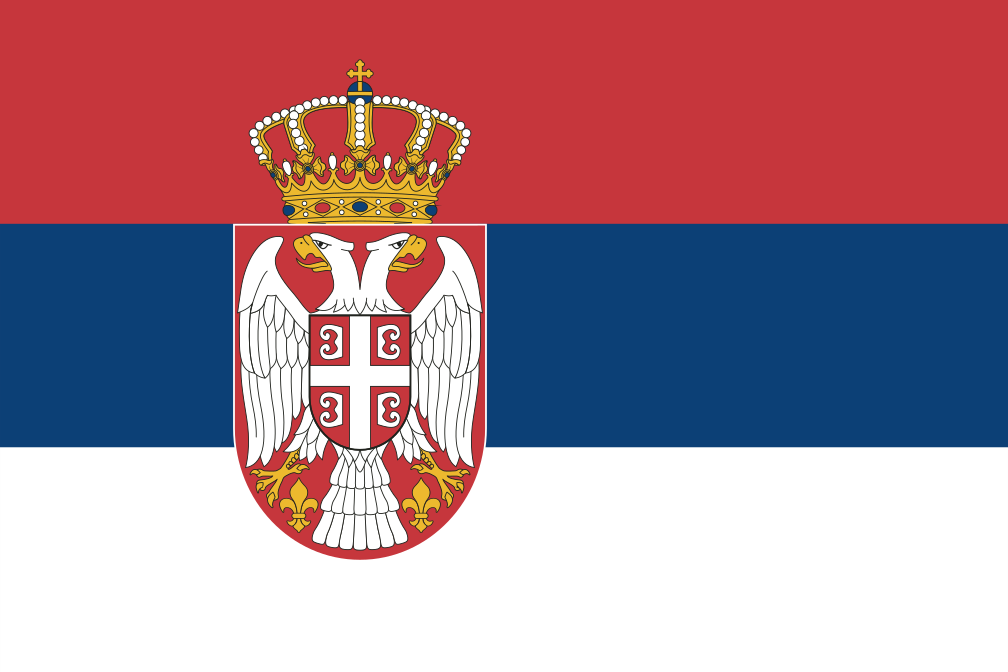 Serbia
-
 Seychelles
-
 Sierra Leona
-
 Singapur
-
 Siria
Siria
-
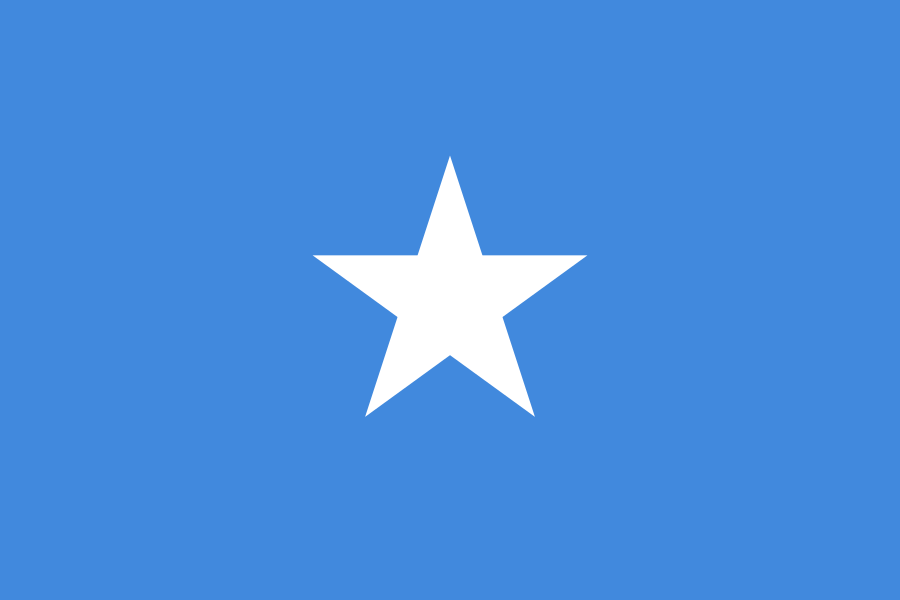 Somalia
-
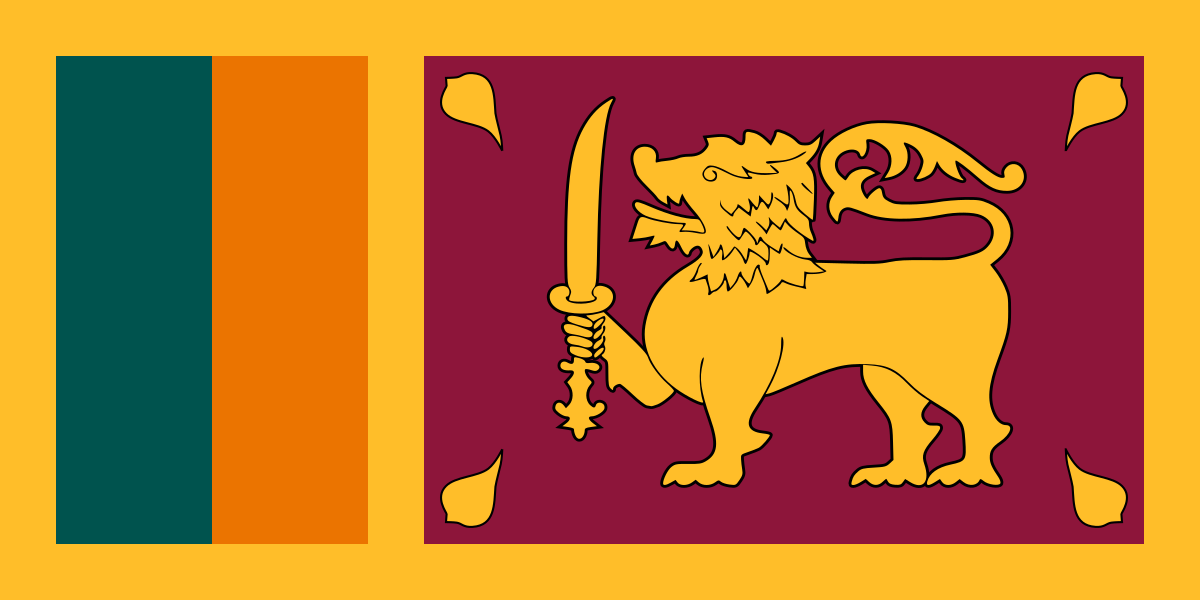 Sri Lanka
-
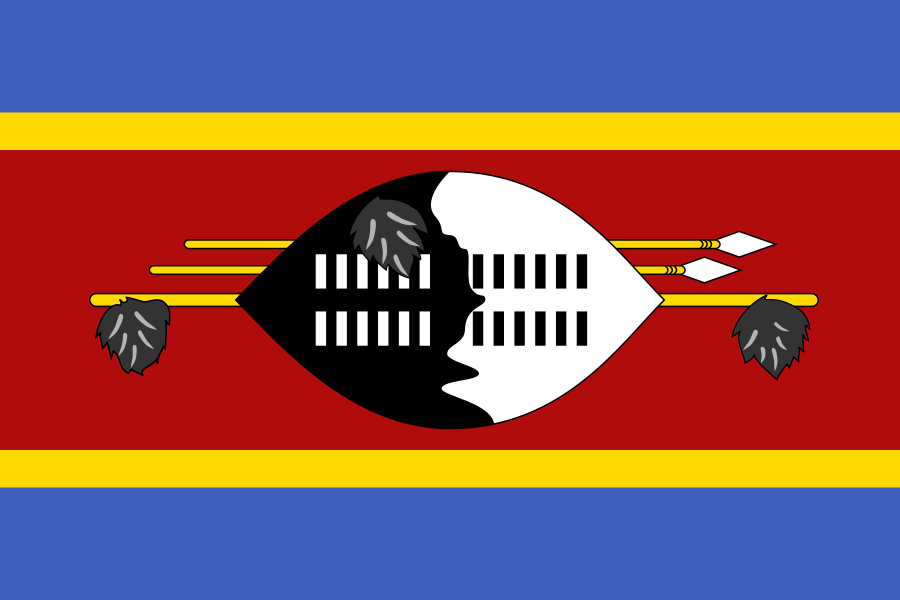 Suazilandia
-
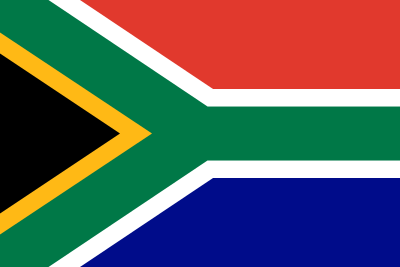 Sudáfrica
-
 Sudán
Sudán
-
 Sudán del Sur
-
 Suecia
-
 Suiza
Suiza
-
 Surinam
-
Svalbard y Jan Mayen
-
 Tailandia
-
 Taiwán
-
 Tanzania
-
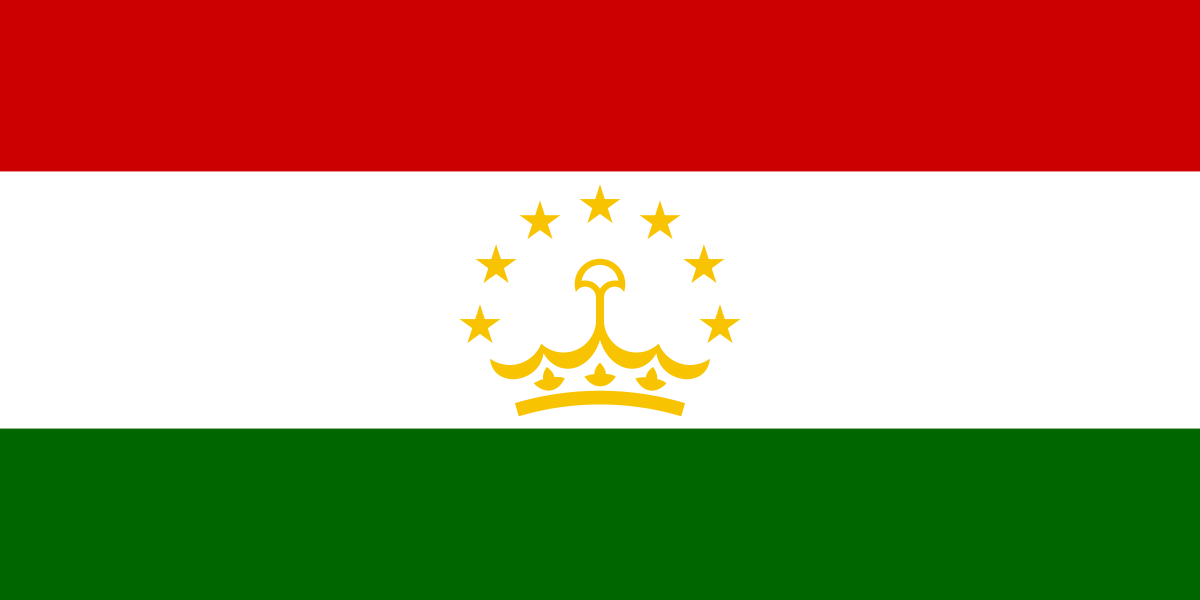 Tayikistán
-
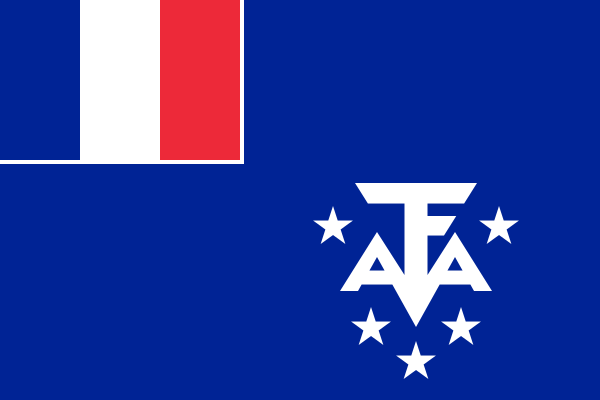 Tierras Australes y Antárticas Francesas
-
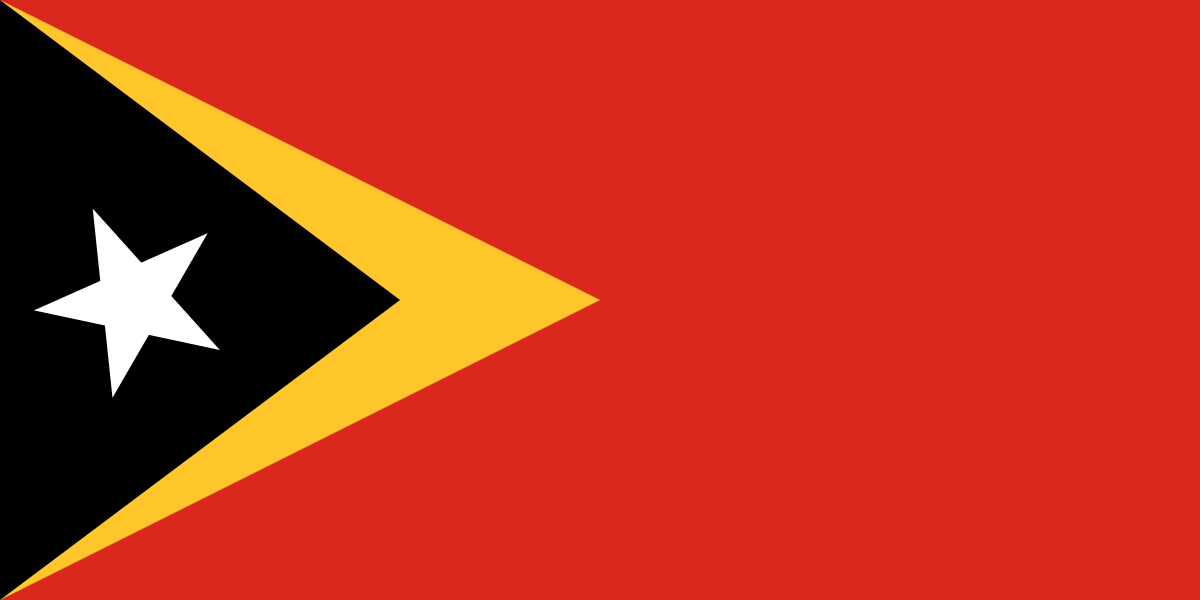 Timor Oriental
-
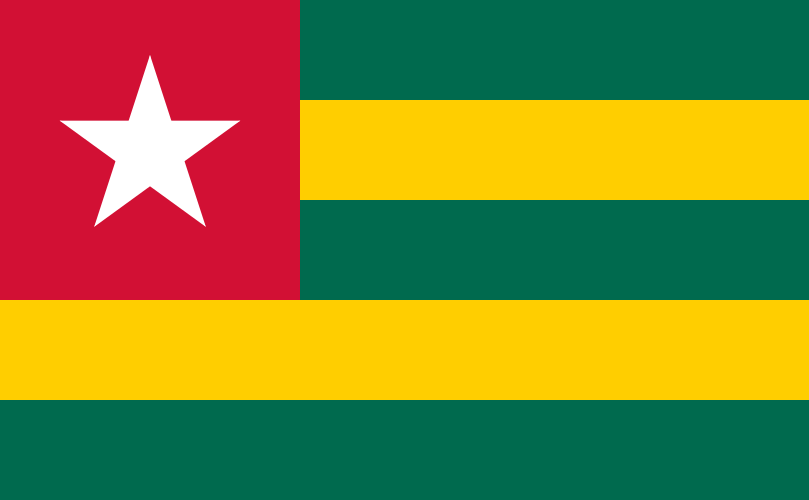 Togo
Togo
-
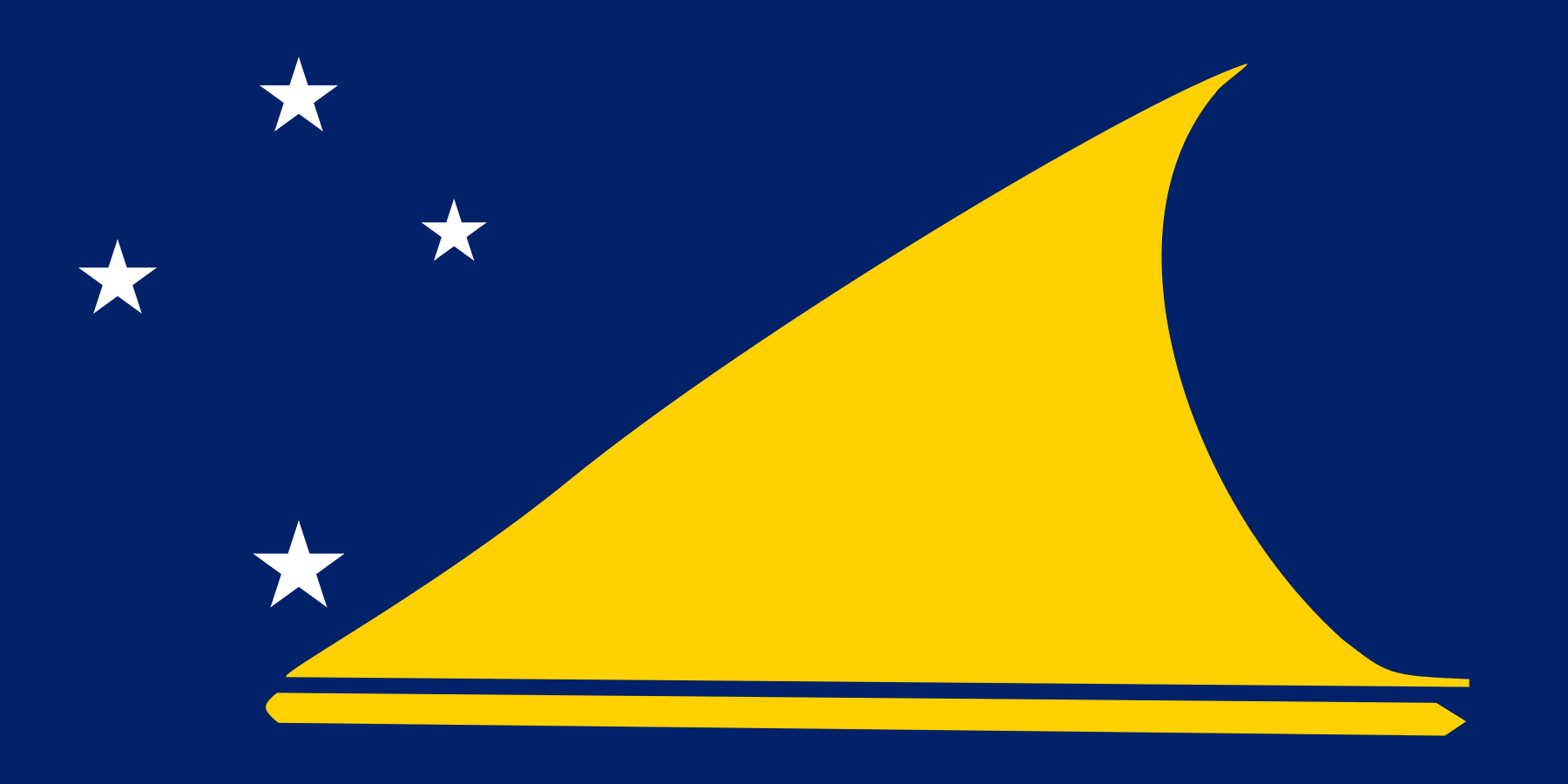 Tokelau
-
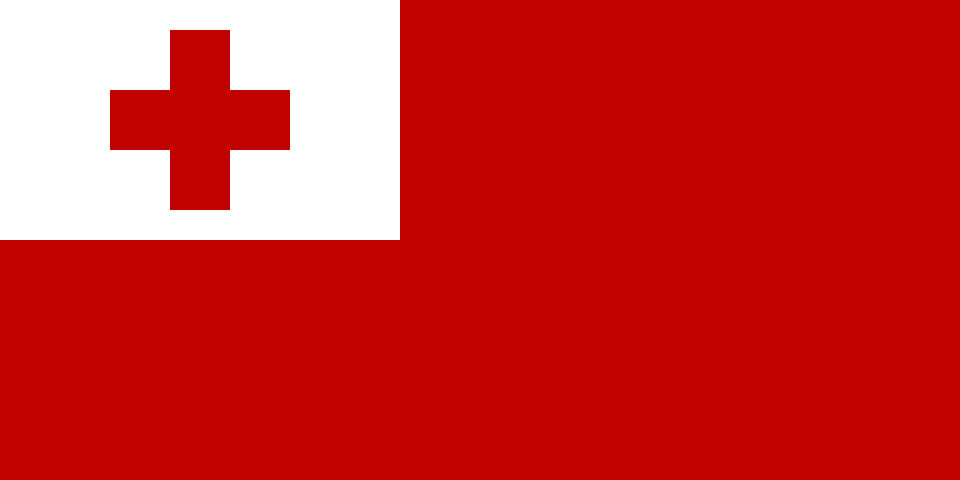 Tonga
Tonga
-
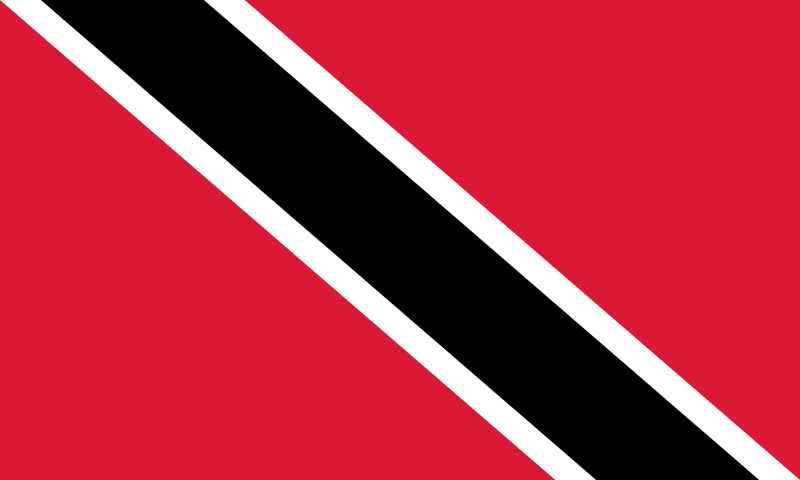 Trinidad y Tobago
-
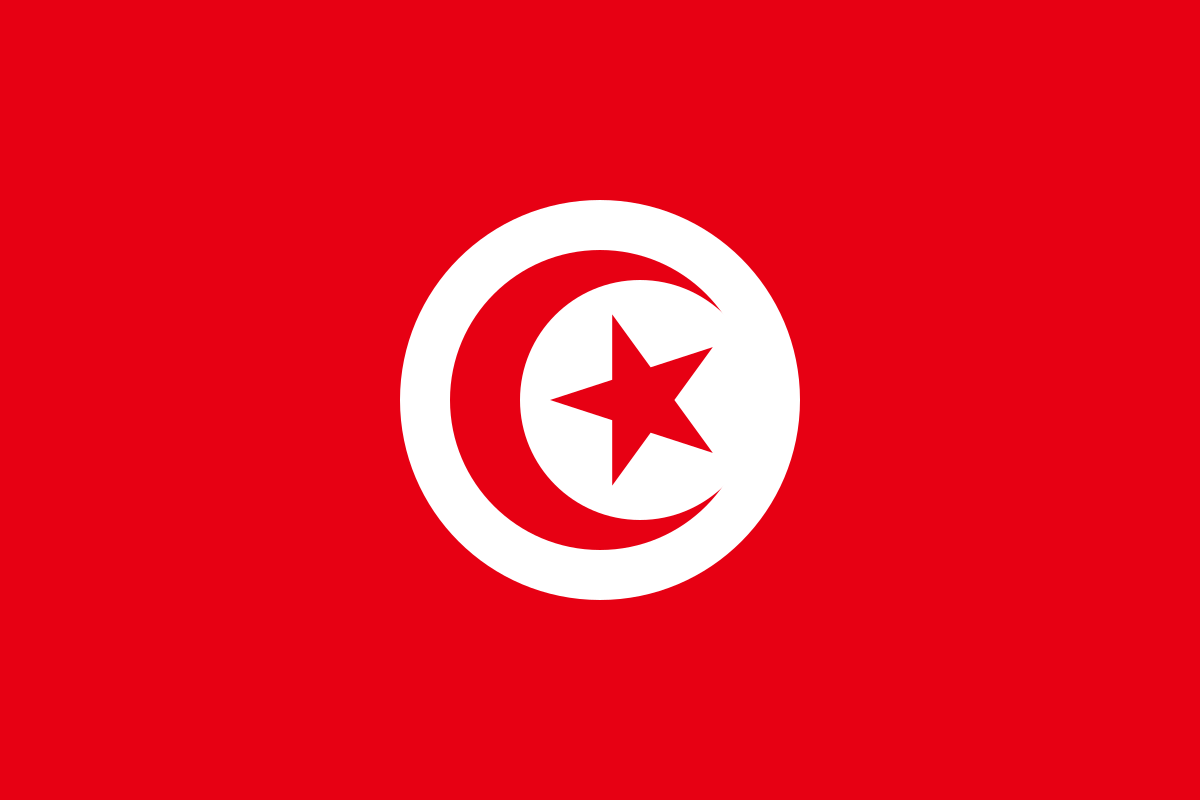 Túnez
Túnez
-
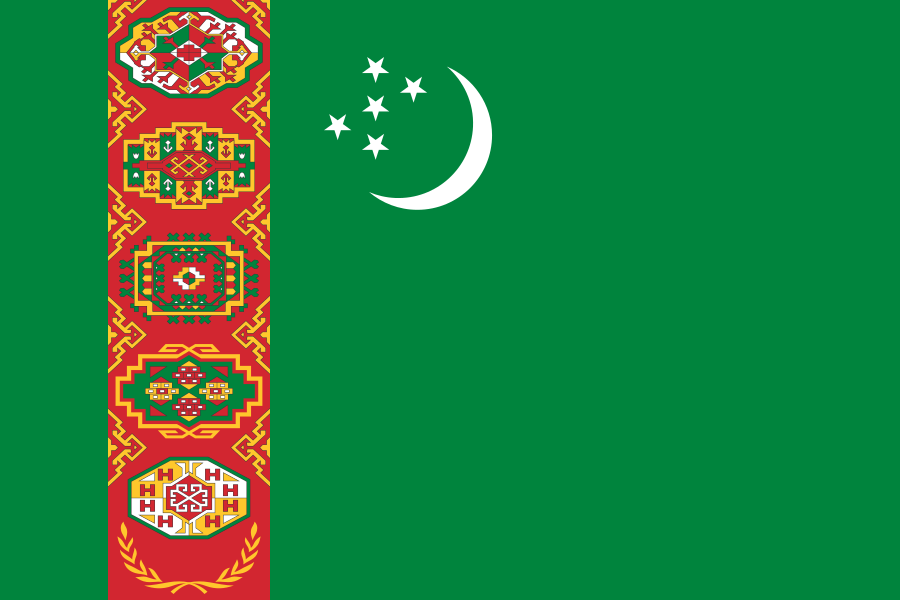 Turkmenistán
-
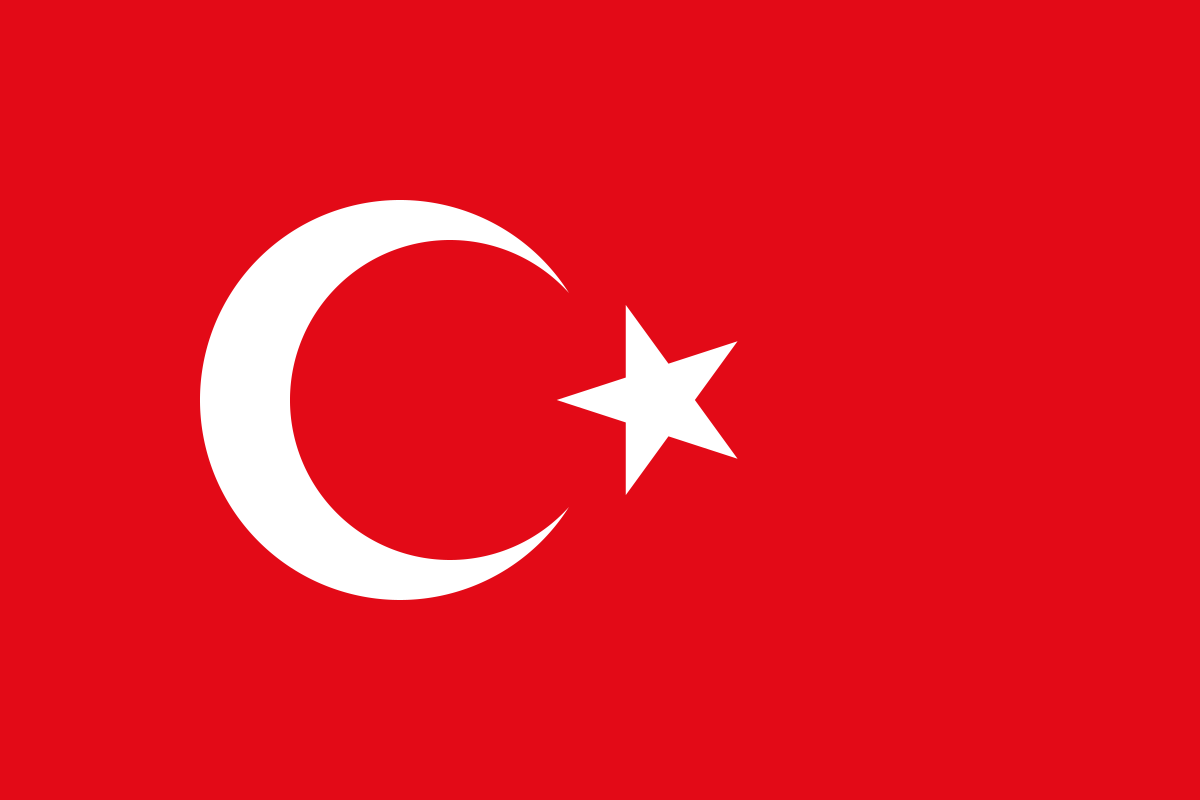 Turquía
-
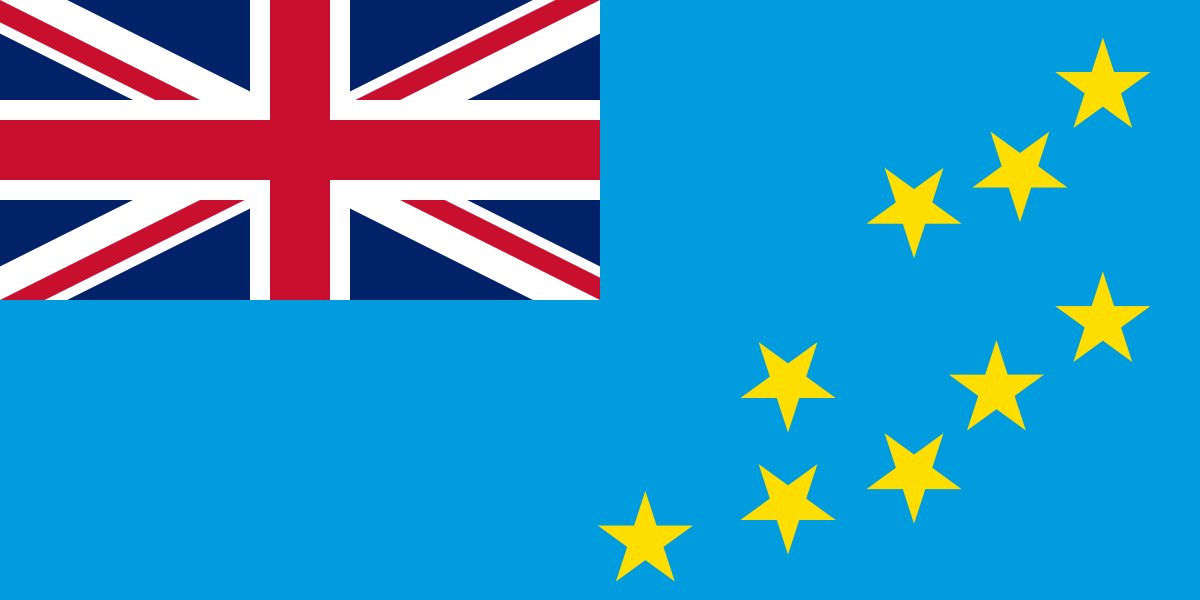 Tuvalu
-
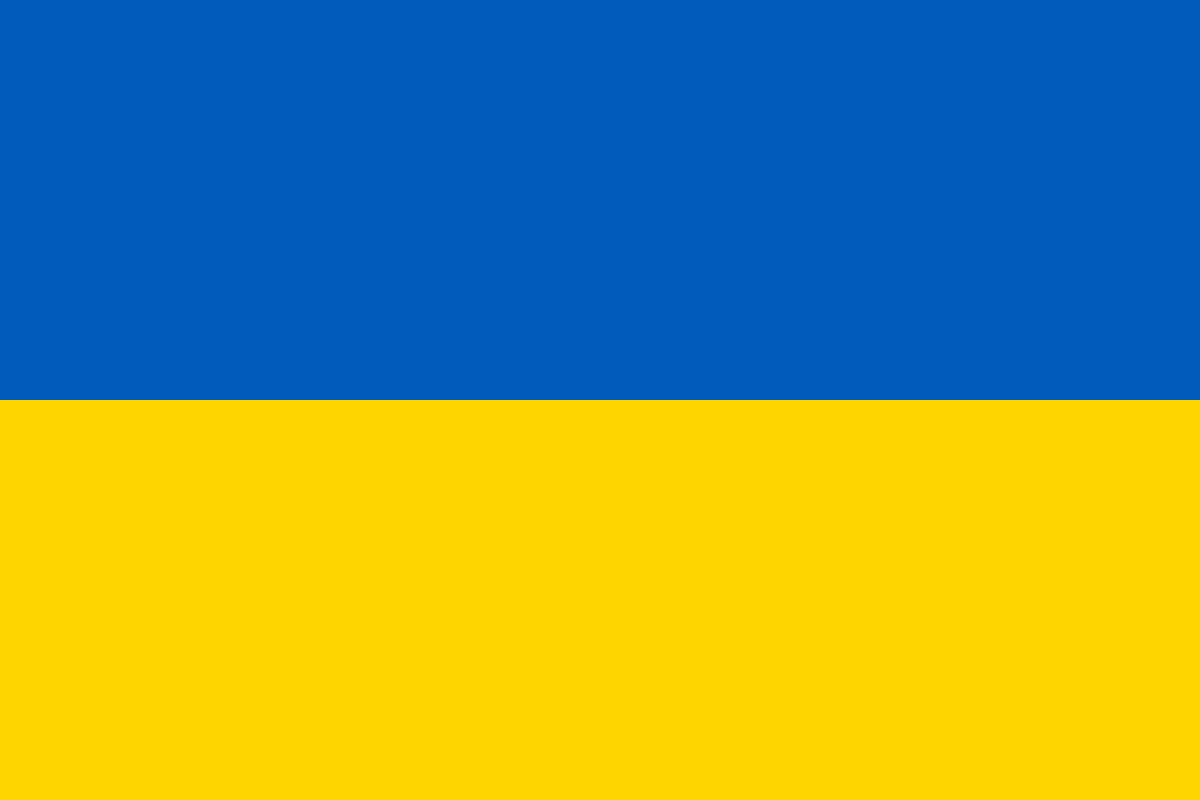 Ucrania
-
 Uganda
-
 Uruguay
-
 Uzbekistán
-
 Vanuatu
-
 Venezuela
-
 Vietnam
-
 Wallis y Futuna
-
 Yemen
Yemen
-
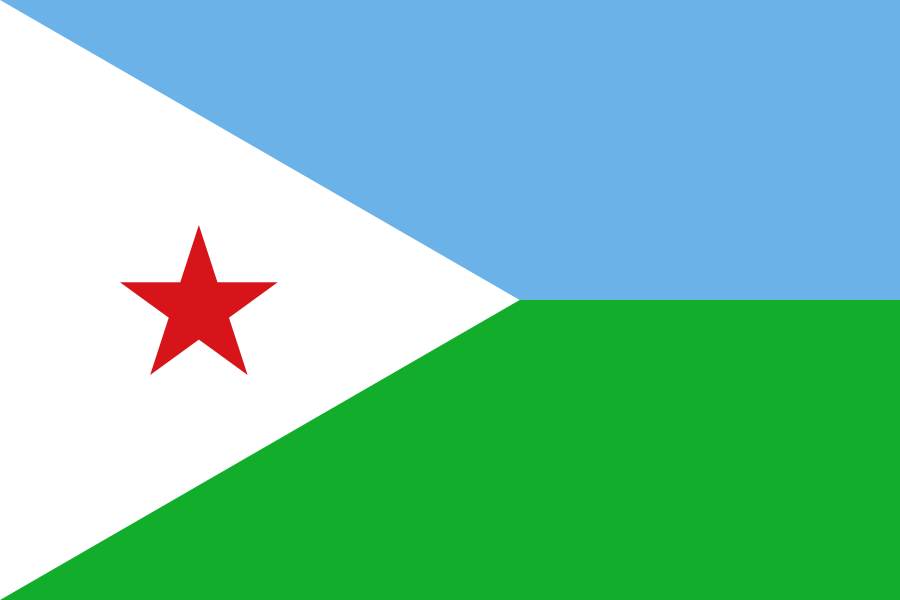 Yibuti
-
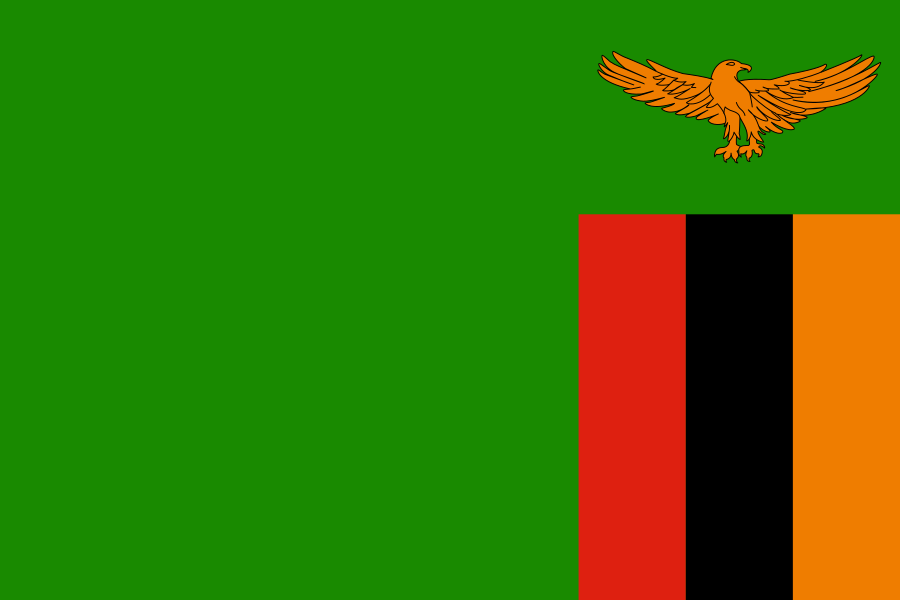 Zambia
-
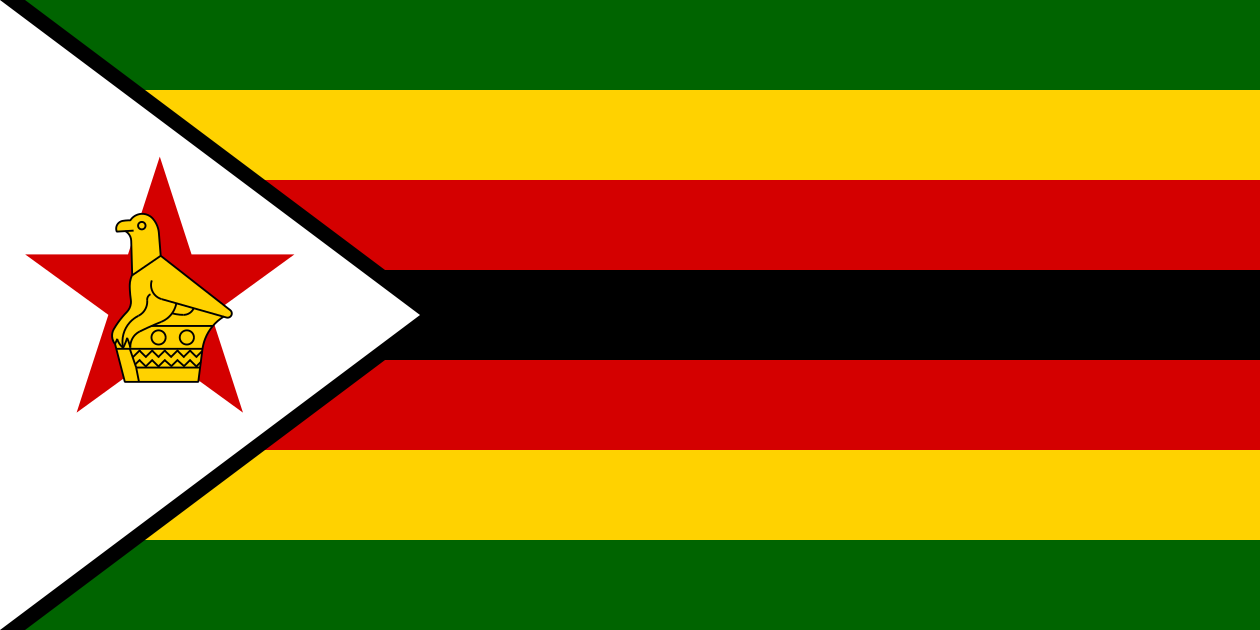 Zimbabue
Uruguay .uy
Jefe de Estado
Yamandú Orsi (since 2025)
Significado de la Bandera
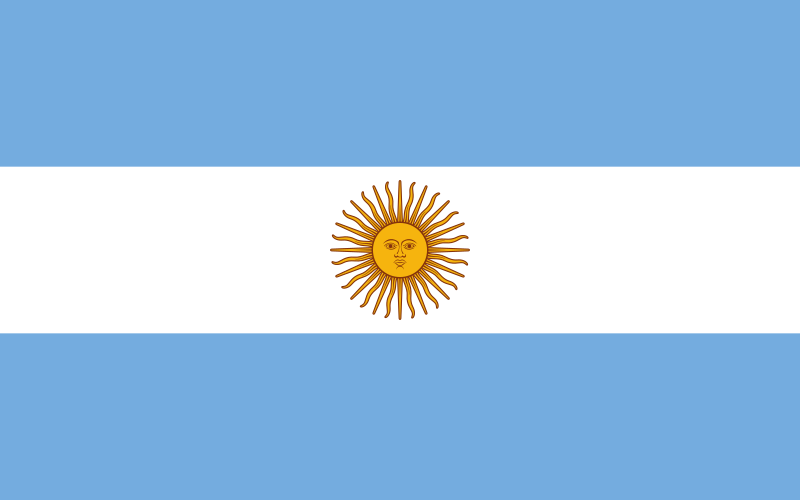
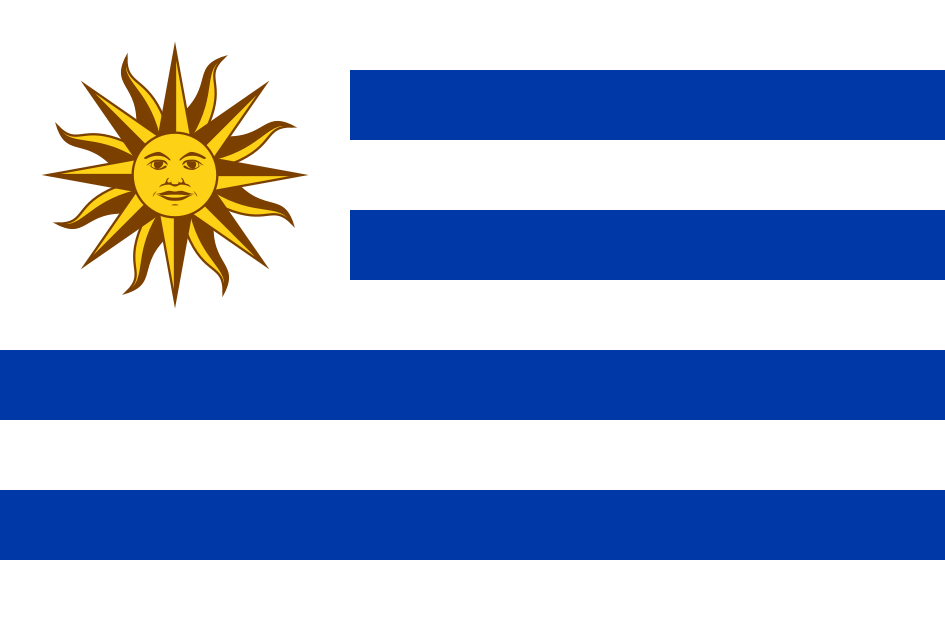
The national flag of Uruguay (bandera nacional de Uruguay), officially known as the National Pavilion (Pabellón Nacional), is the most important of the three official flags of Uruguay along with the Artigas flag and the flag of the Treinta y Tres. It has a field of nine equal horizontal stripes alternating white and blue. == Symbolism and design == The horizontal stripes on the flag represent the nine original departments of Uruguay, based on the U.S. flag, where the stripes represent the original 13 colonies. These stripes of blue and white were inspired by the flag of Argentina, making the flag of Uruguay part of both the Stars and Stripes and Belgrano flag families.
Historia de la Bandera
-
1812The Artigas flag used the white stripe between two blue stripes from the flag created in 1812 by Manuel Belgrano for the Army of the North commanded by him in the service of the United Provinces.
-
1825–1828
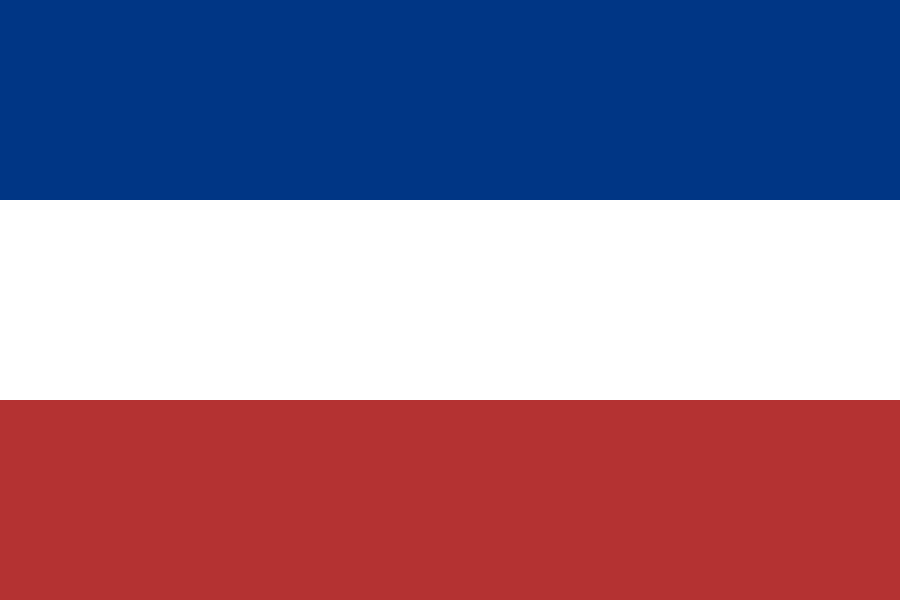 On 19 April 1825, a group of revolutionaries known as the Thirty-Three Orientals planted a tricolor flag on Agraciada Beach with the words "Libertad o Muerte" ("Liberty or Death") painted in the center.
 -
1828–1830
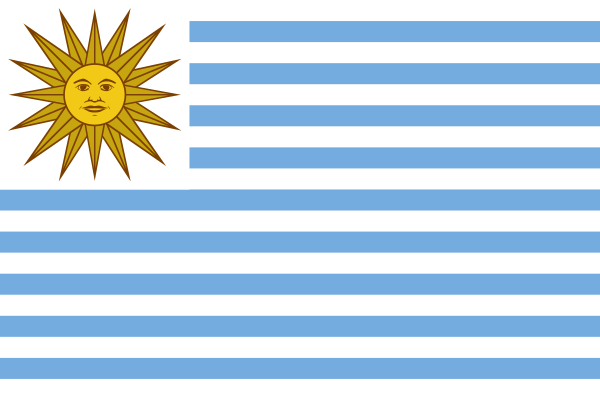 The flag was first adopted by law on 18 December 1828, and had 19 alternating stripes of white and blue until 11 July 1830, when a new law reduced the number of alternating stripes to nine.
 -
1830–presente
Bandera actual, en uso desde 1830.