-
 Abkhazia
-
 Afganistán
-
 Albania
-
 Alemania
-
 Andorra
-
 Angola
-
 Anguila
-
 Antártida
-
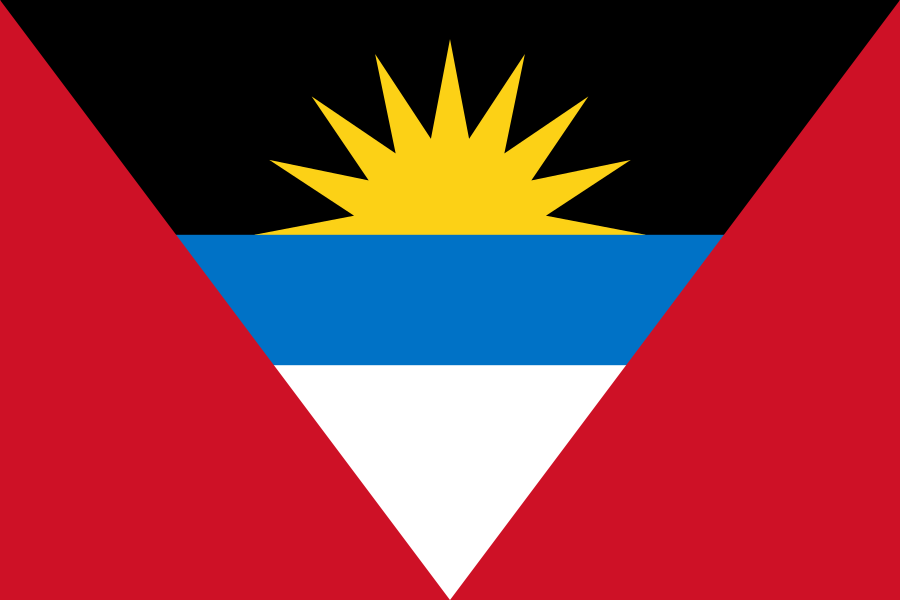 Antigua y Barbuda
-
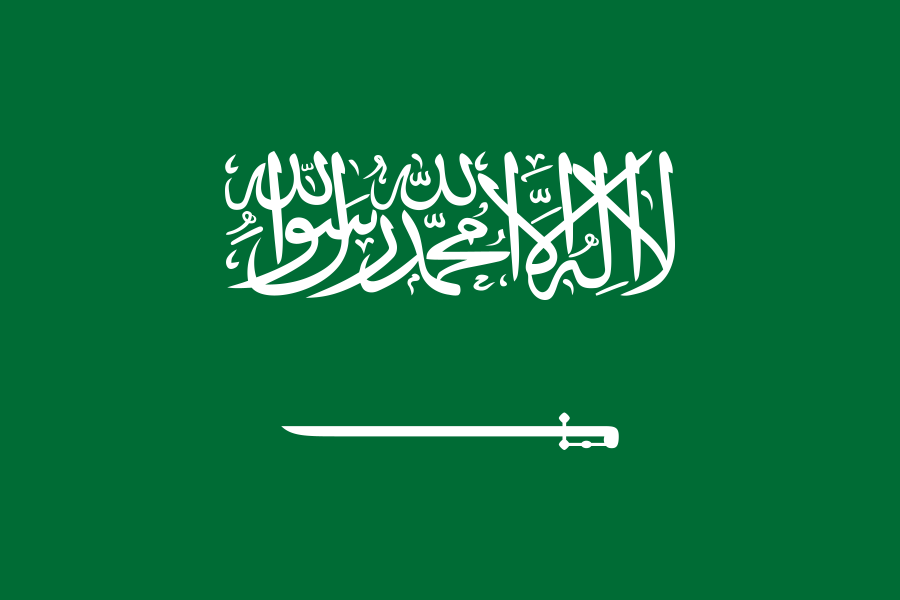 Arabia Saudita
-
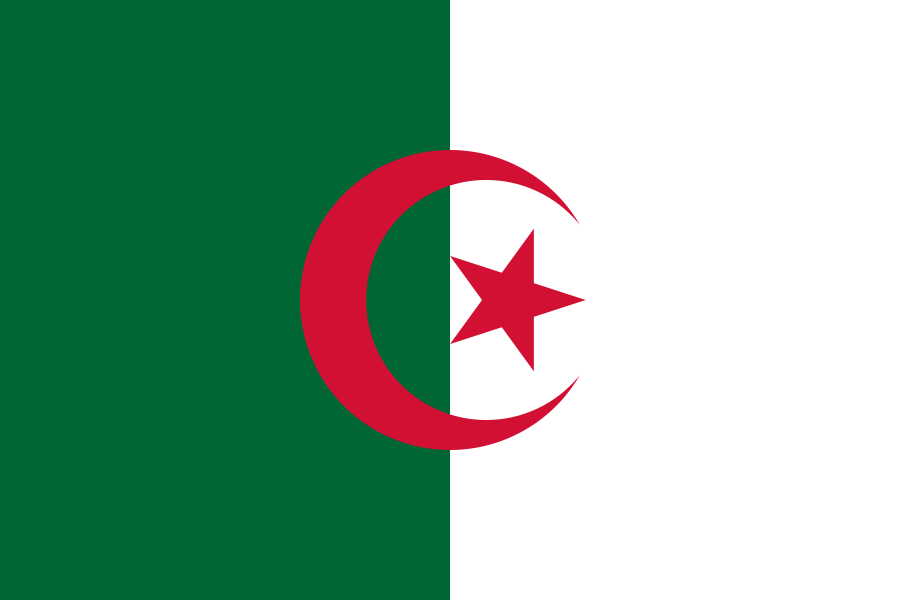 Argelia
-
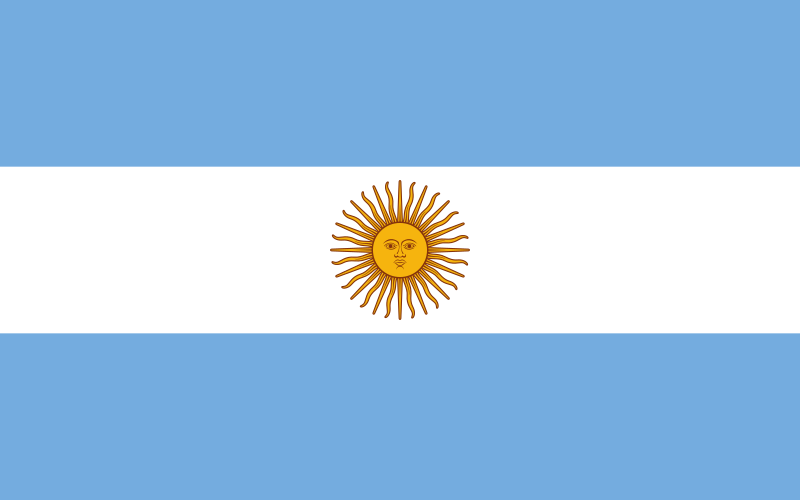 Argentina
-
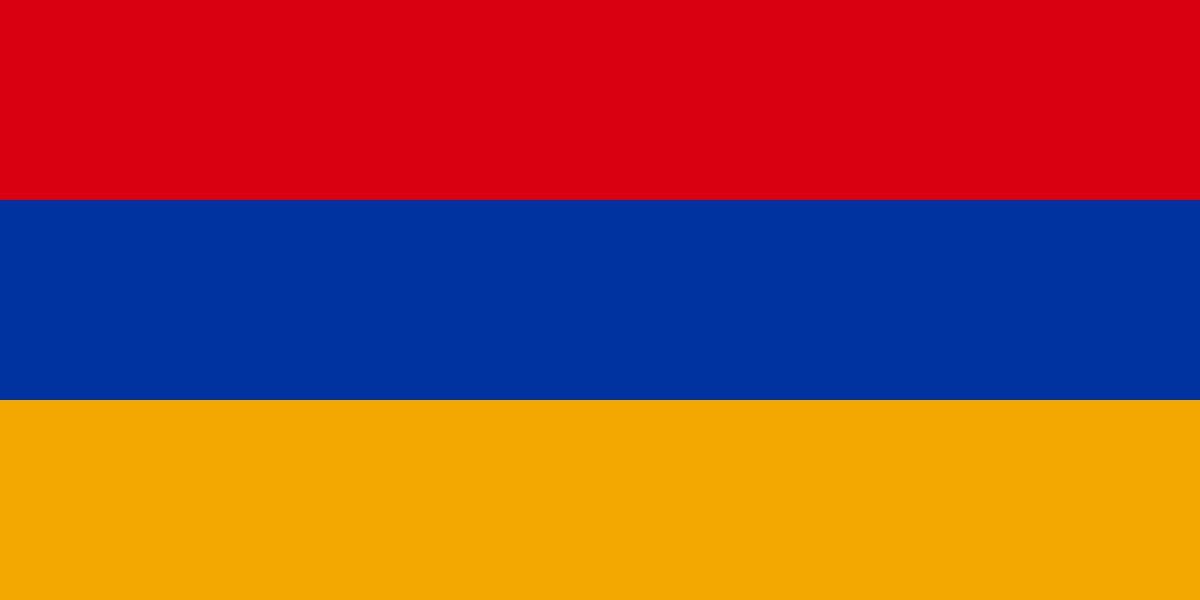 Armenia
-
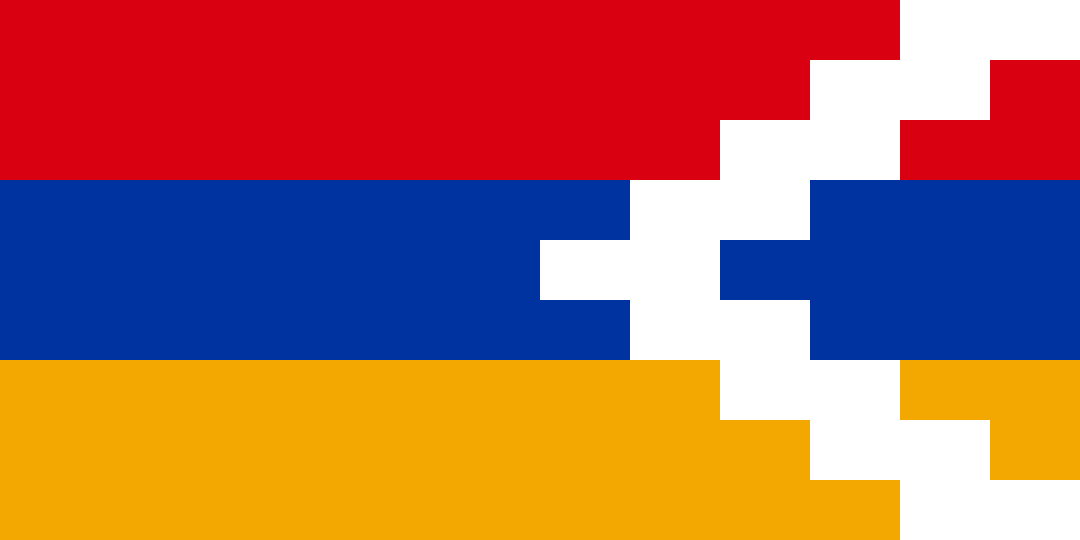 Artsakh
-
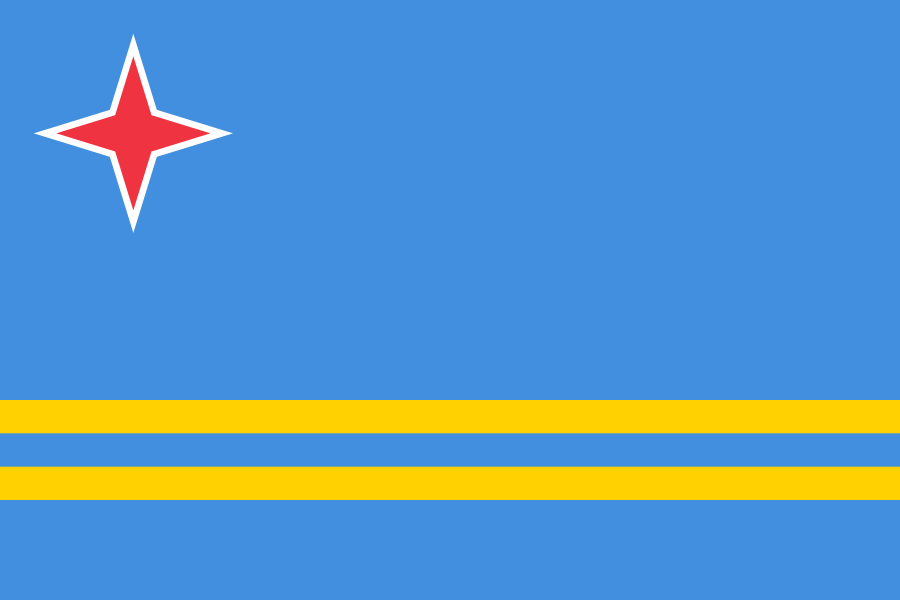 Aruba
Aruba
-
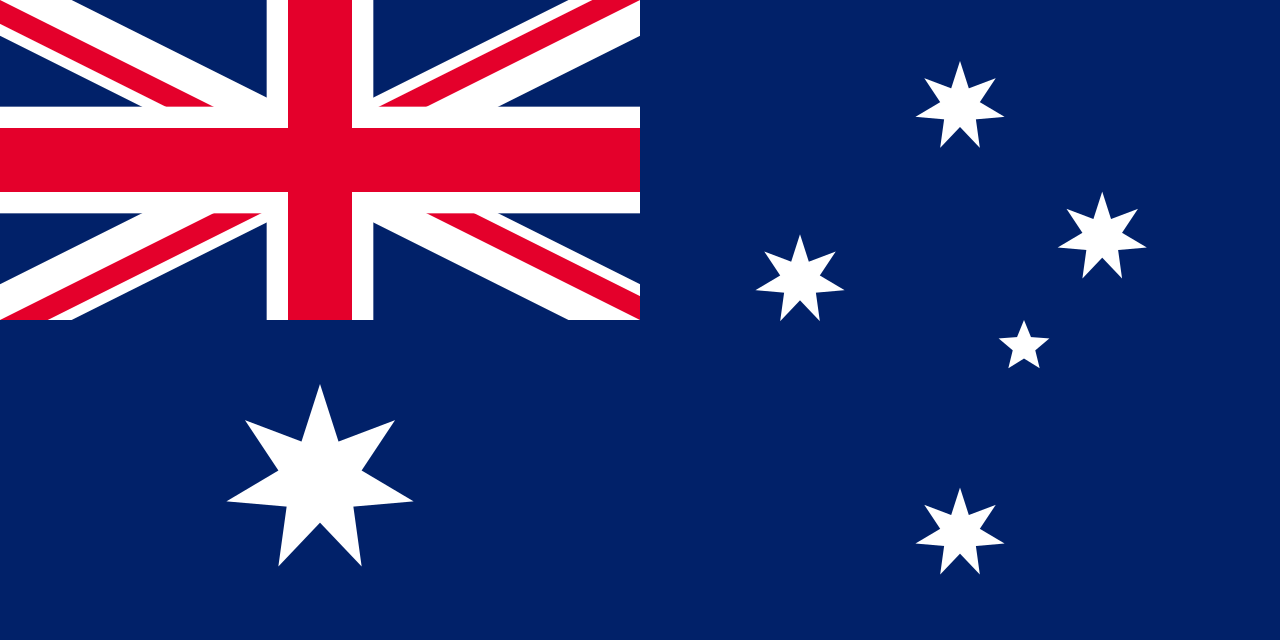 Australia
-
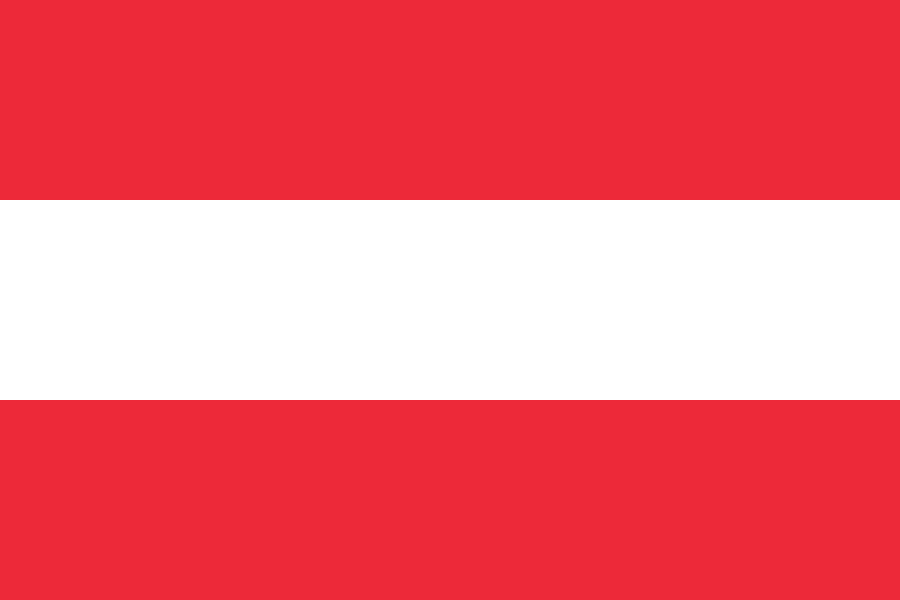 Austria
-
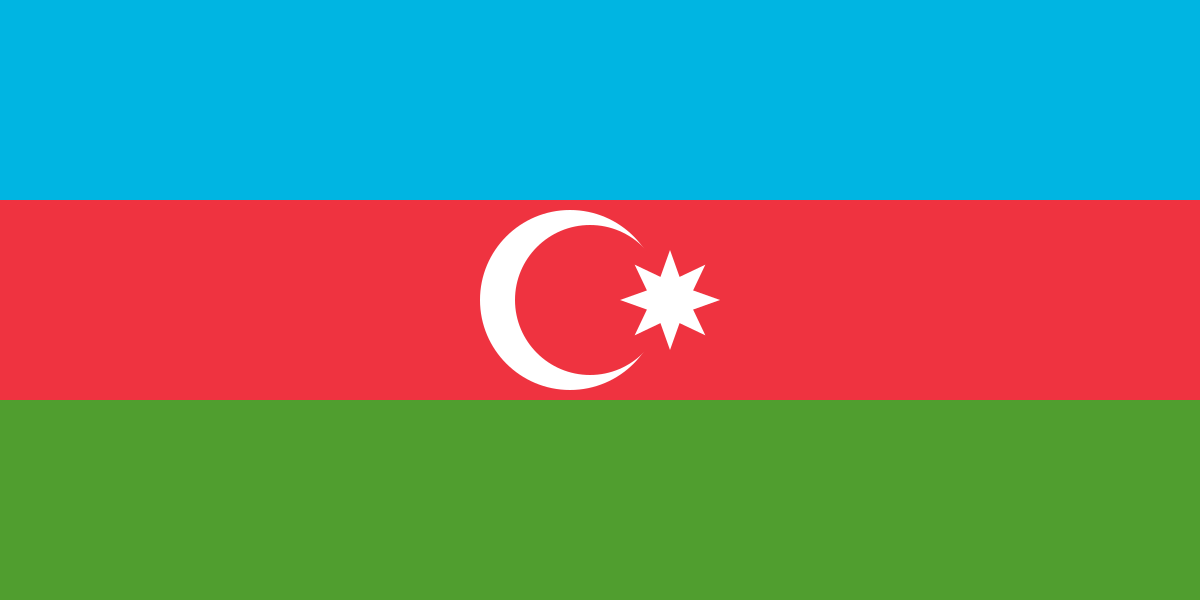 Azerbaiyán
-
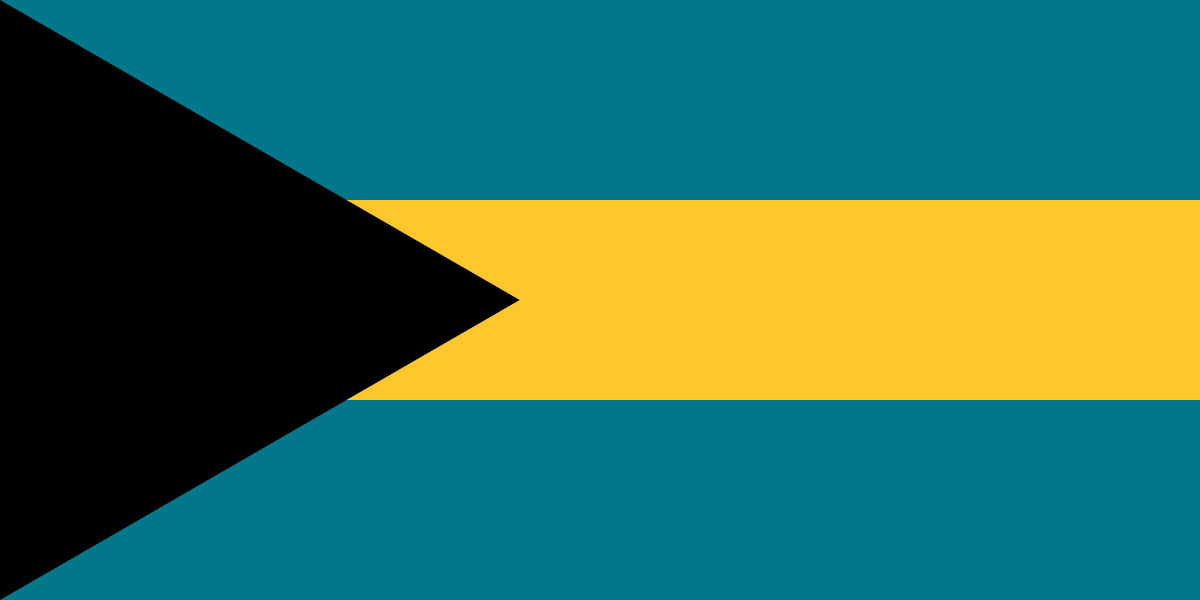 Bahamas
-
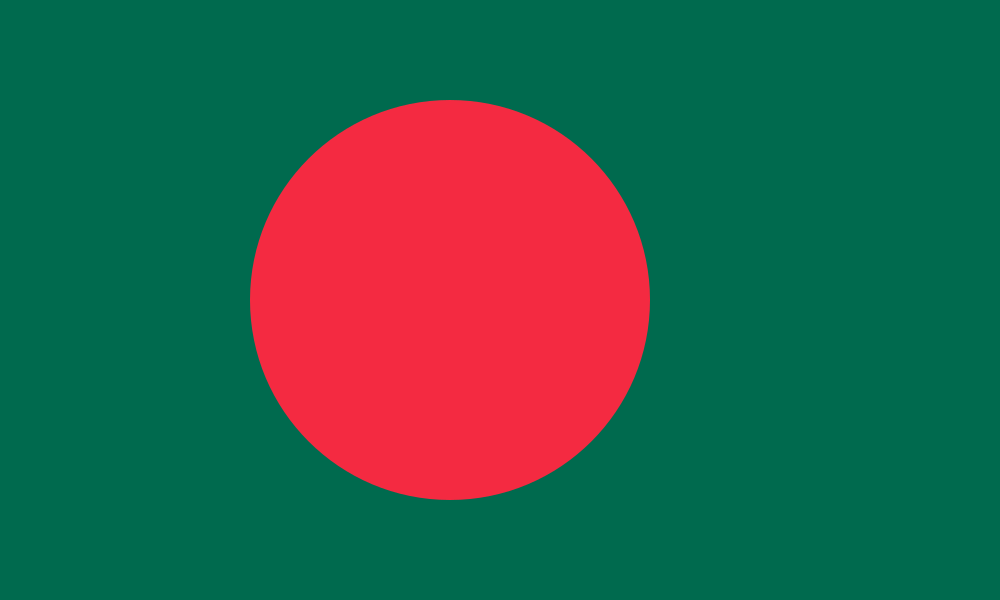 Bangladés
-
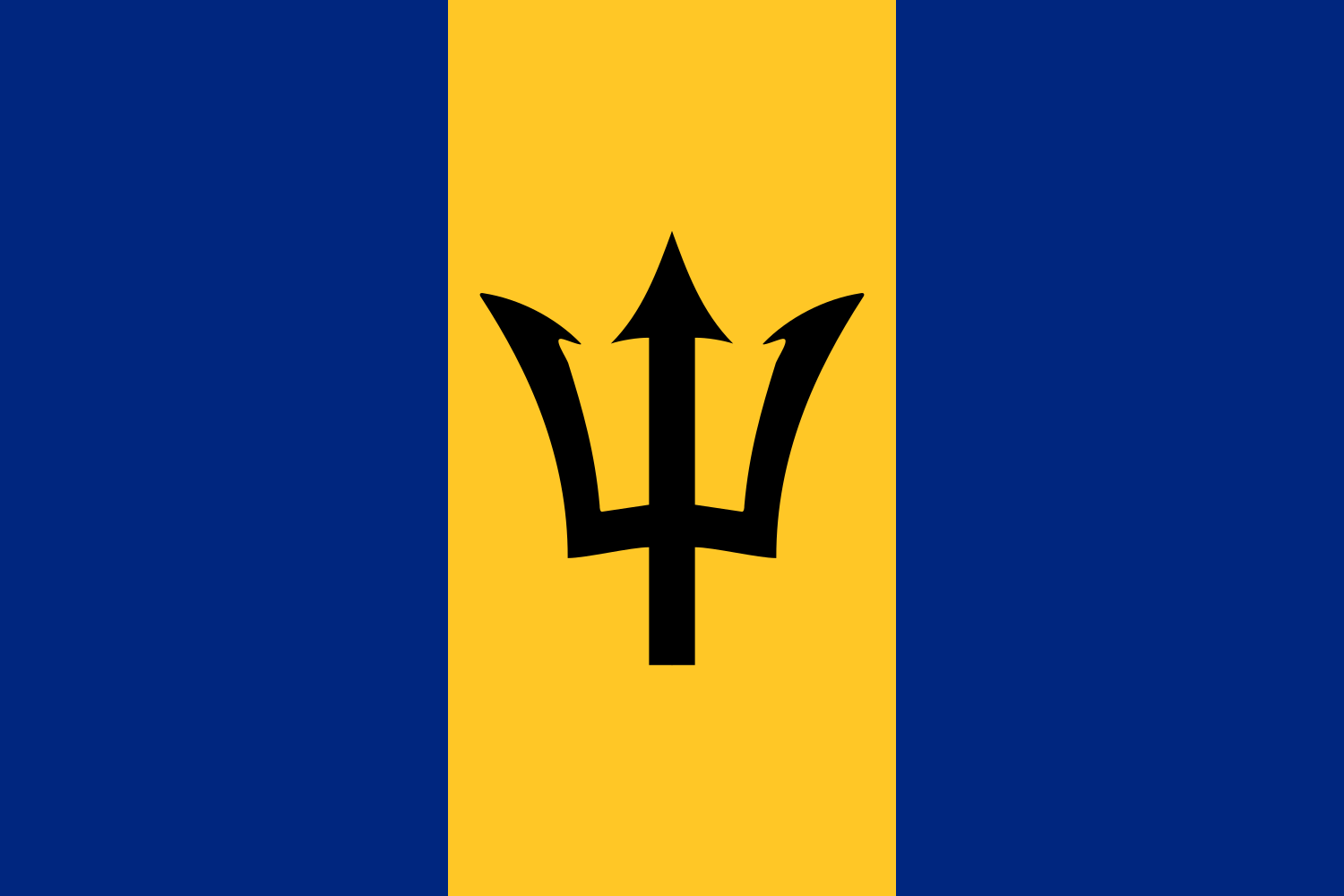 Barbados
-
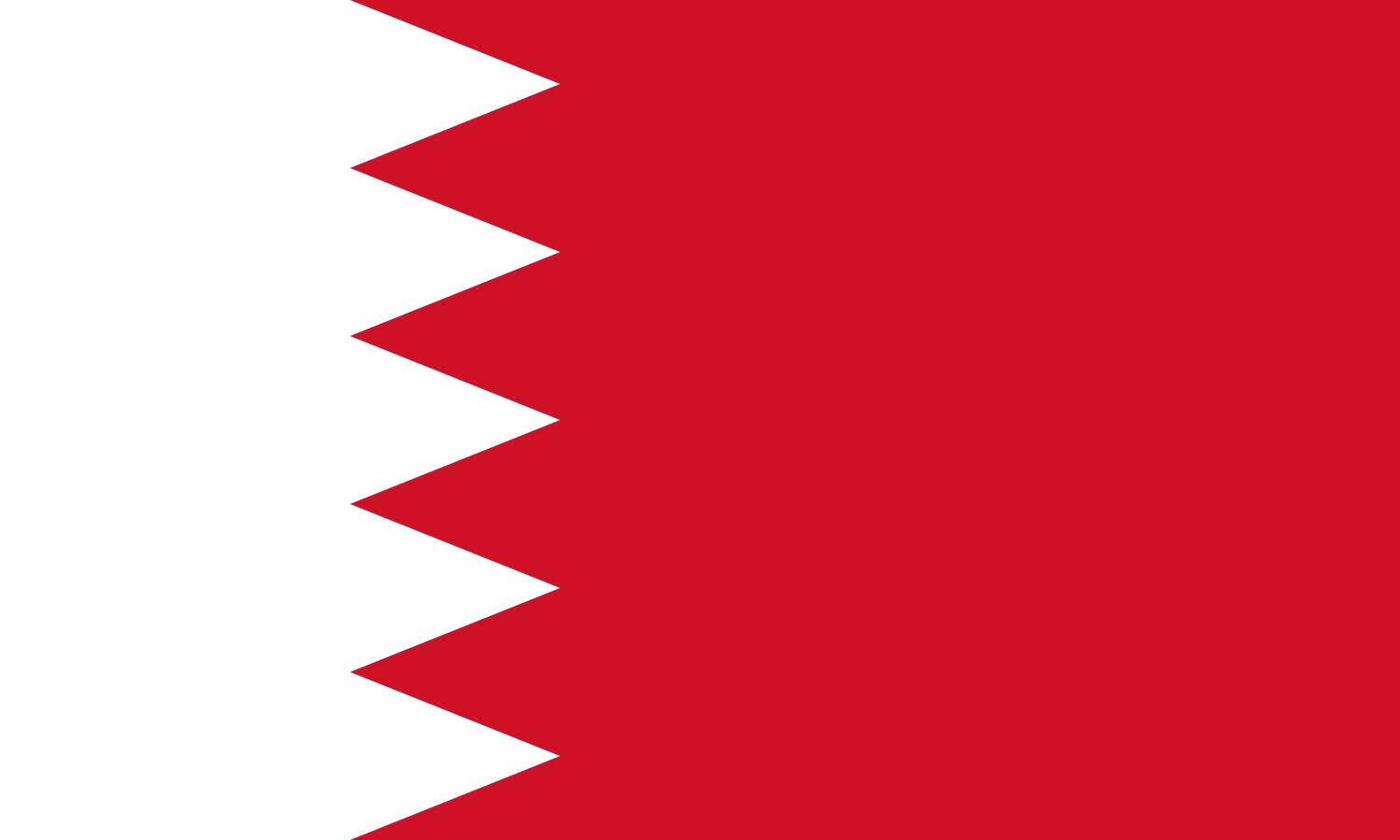 Baréin
-
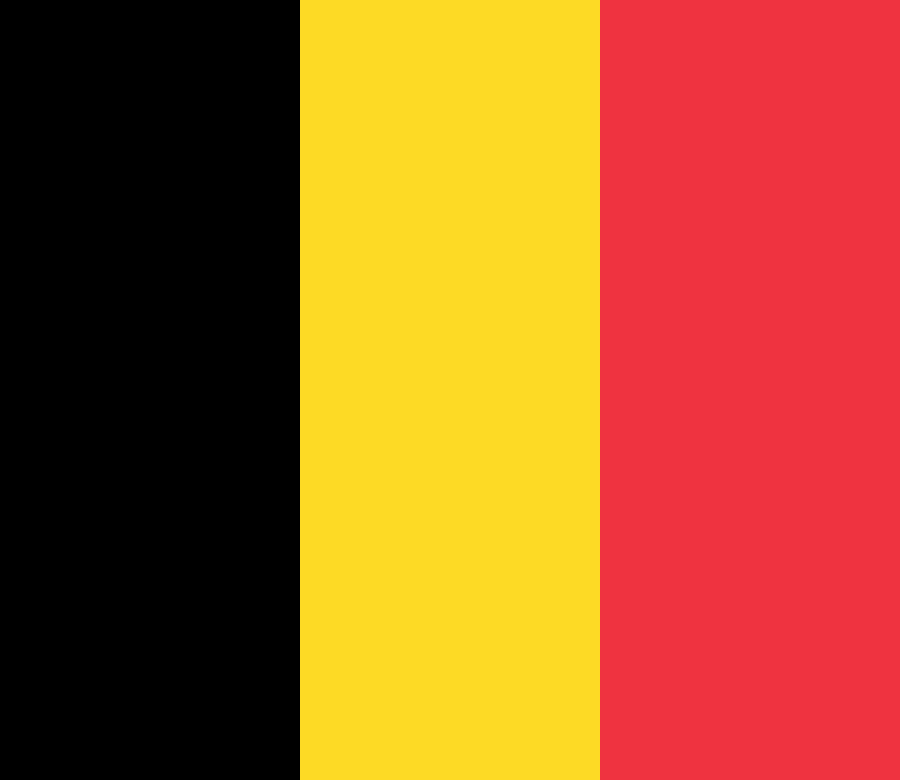 Bélgica
-
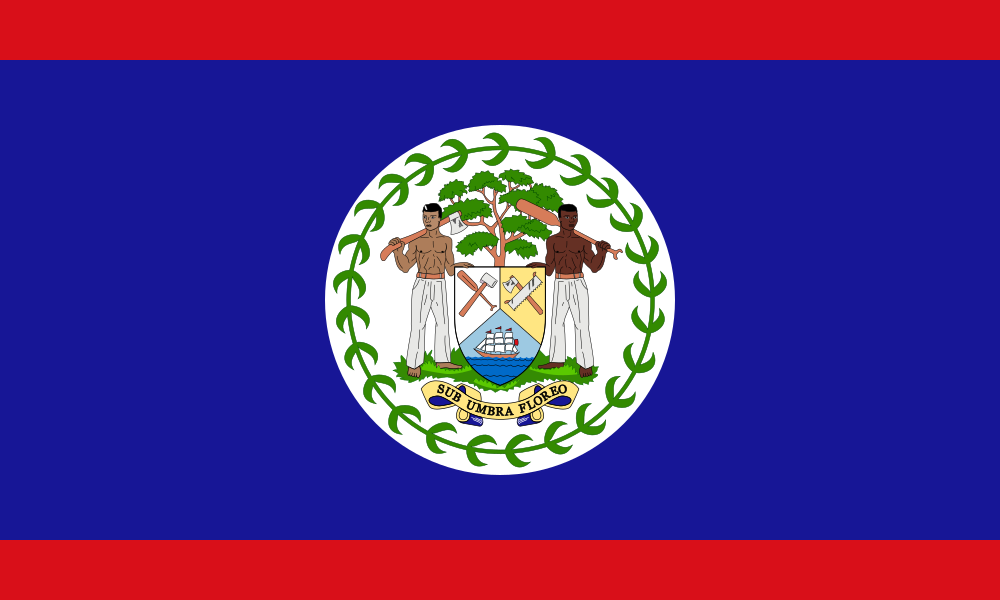 Belice
-
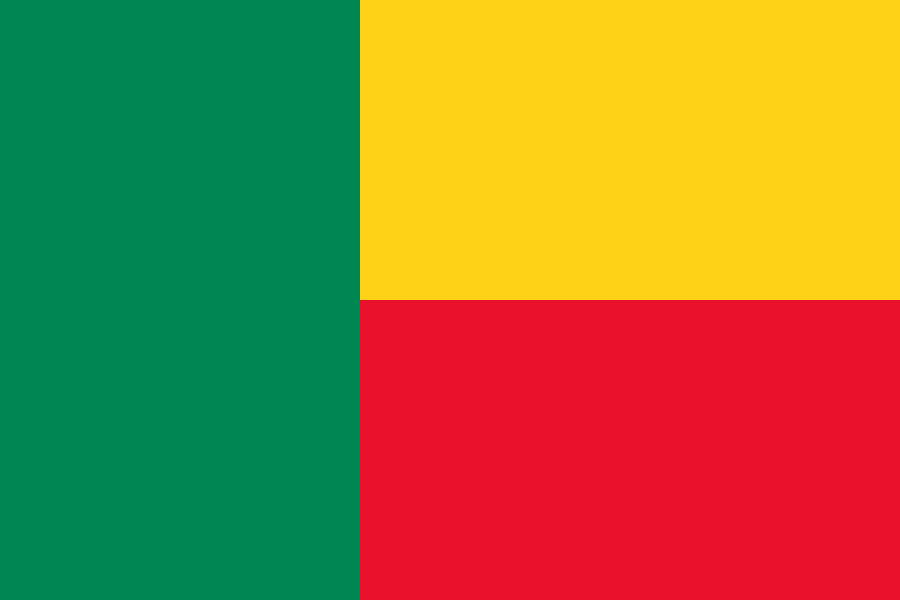 Benín
Benín
-
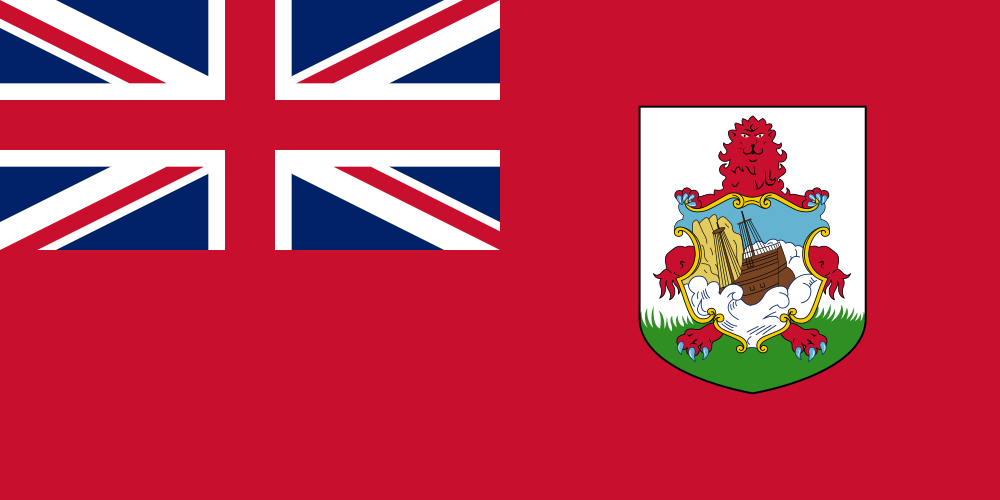 Bermudas
-
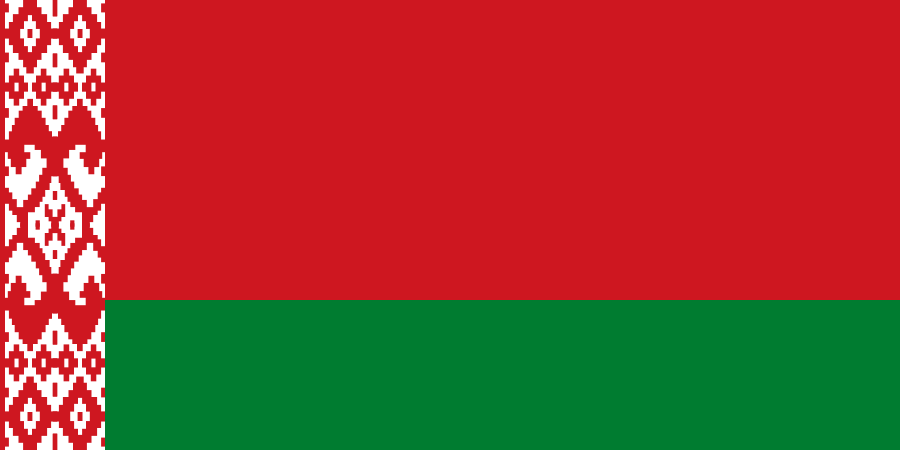 Bielorrusia
-
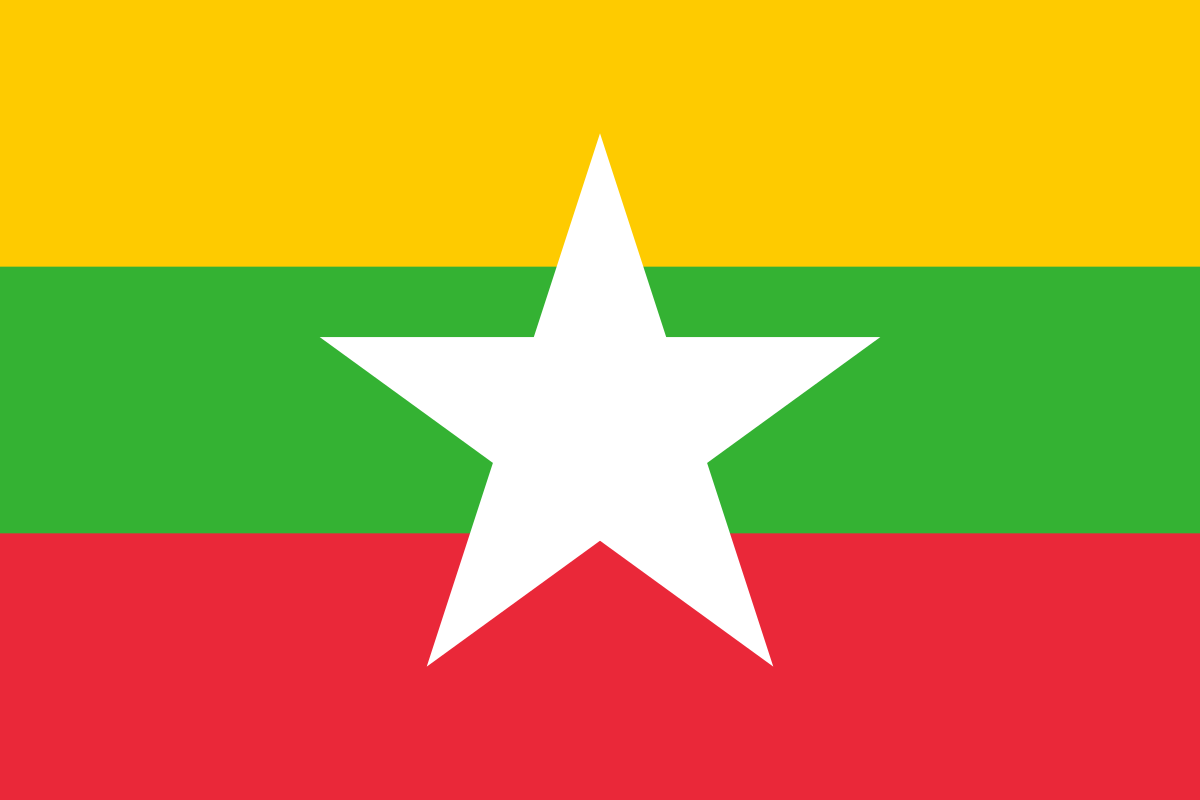 Birmania
-
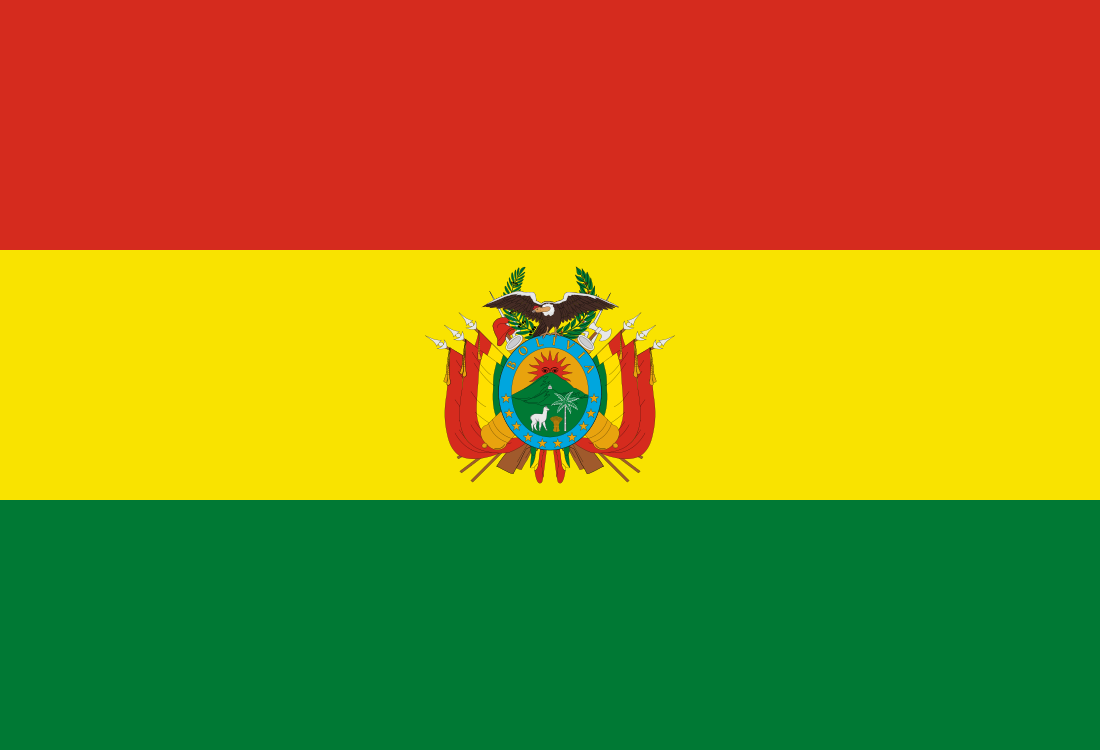 Bolívia
-
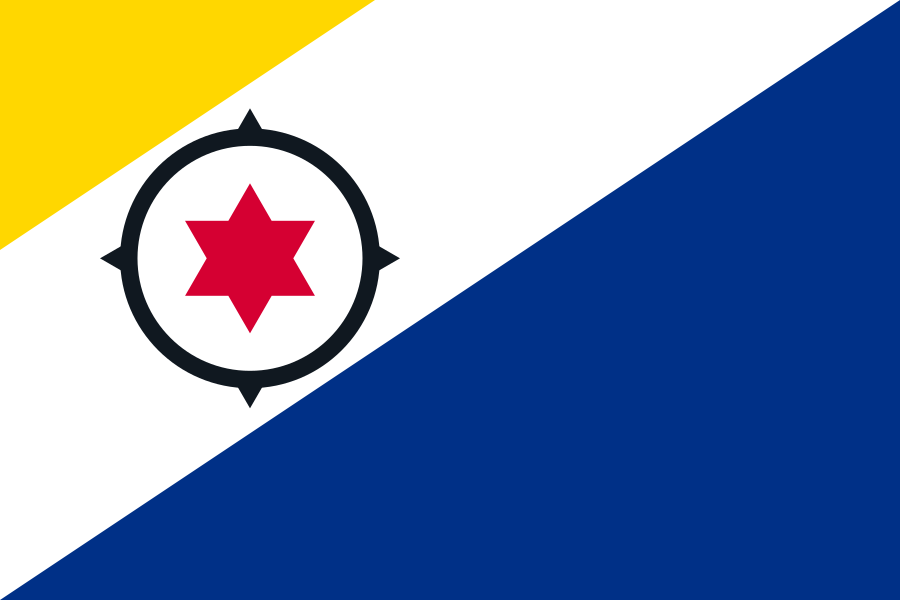 Bonaire
-
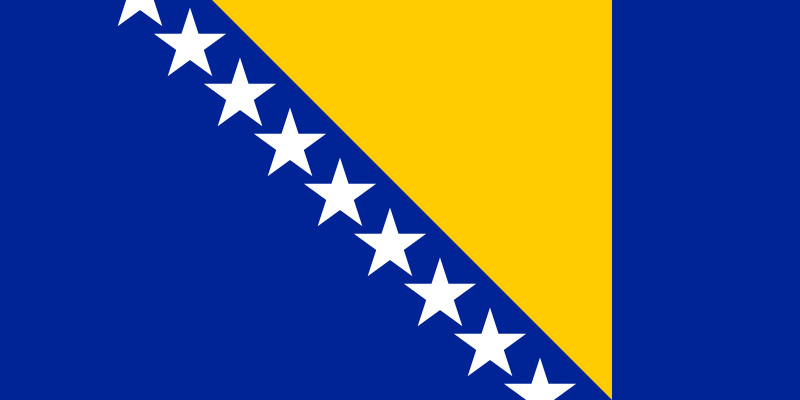 Bosnia y Herzegovina
-
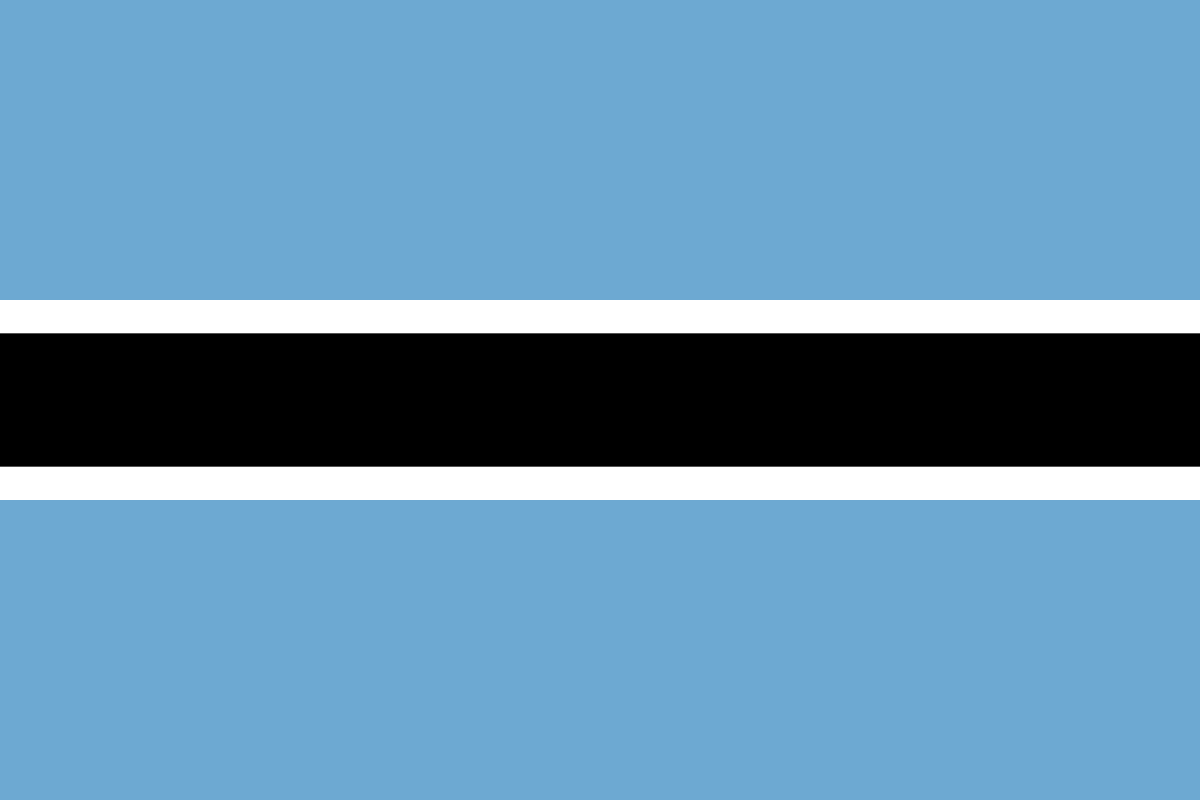 Botsuana
-
 Brasil
-
 British Indian Ocean Territory
-
 Brunéi
-
 Bulgaria
-
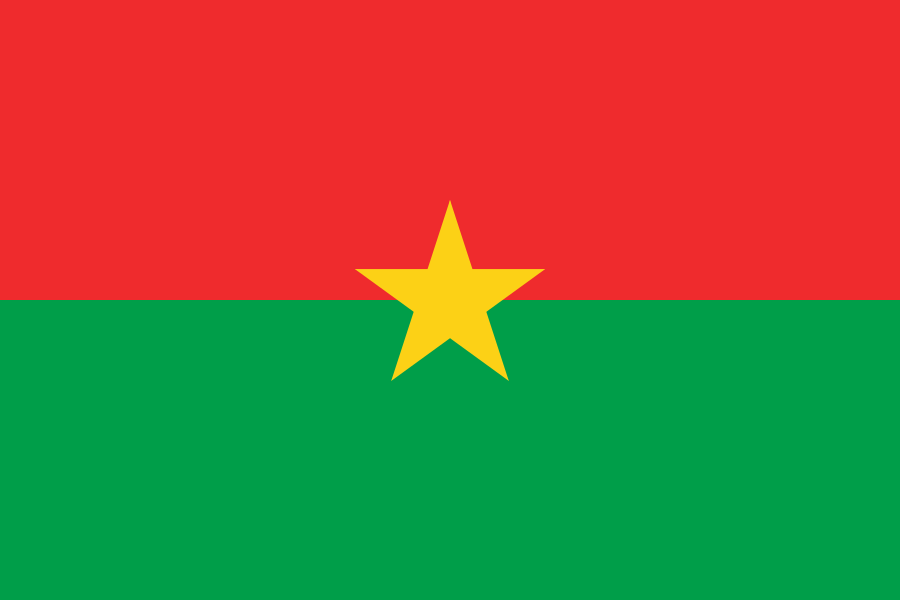 Burkina Faso
-
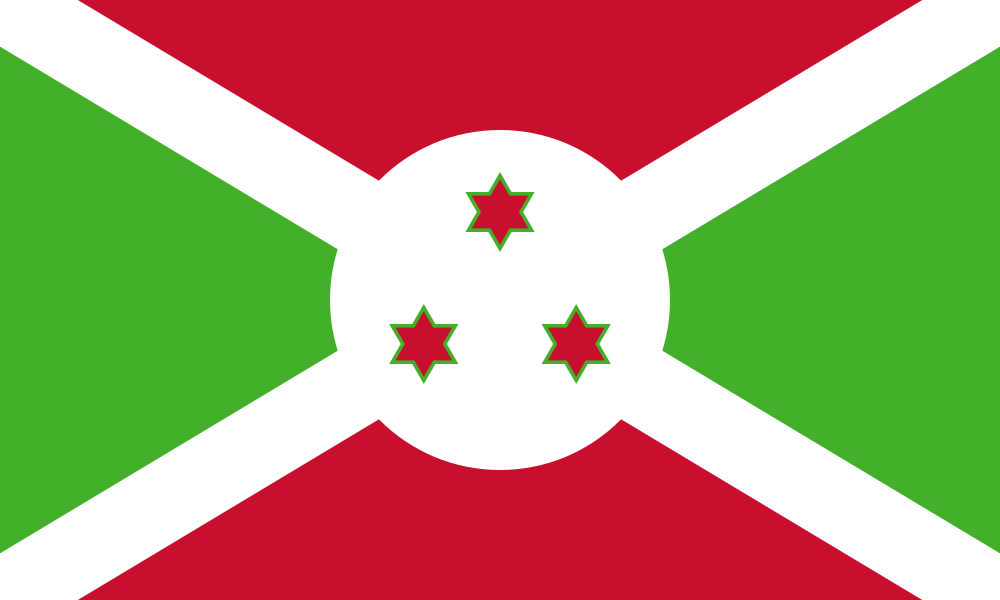 Burundi
-
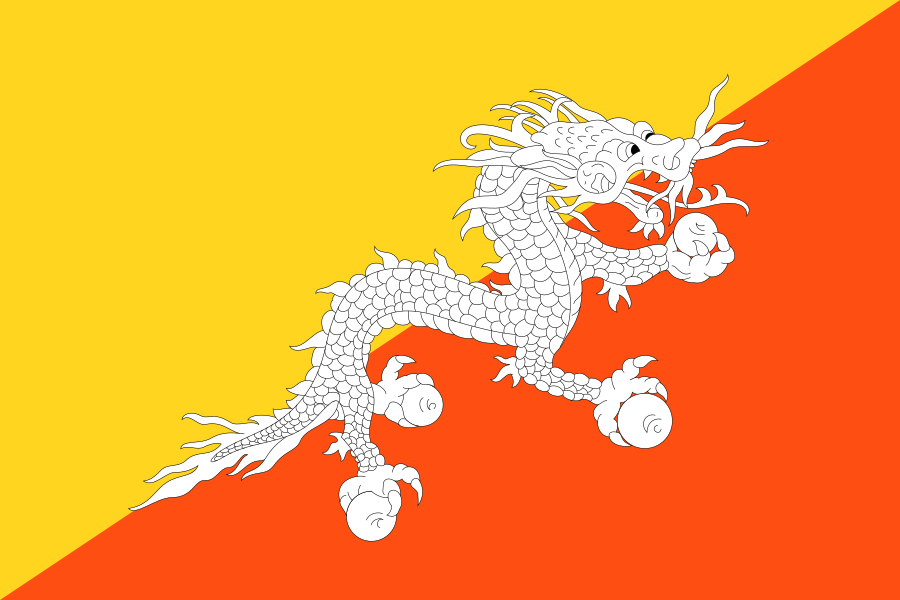 Bután
Bután
-
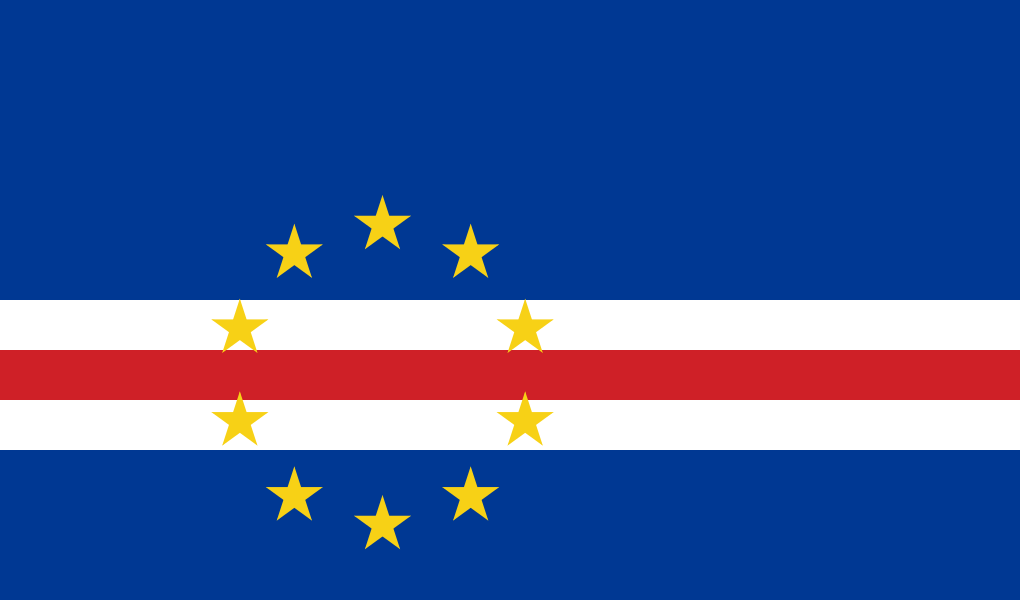 Cabo Verde
-
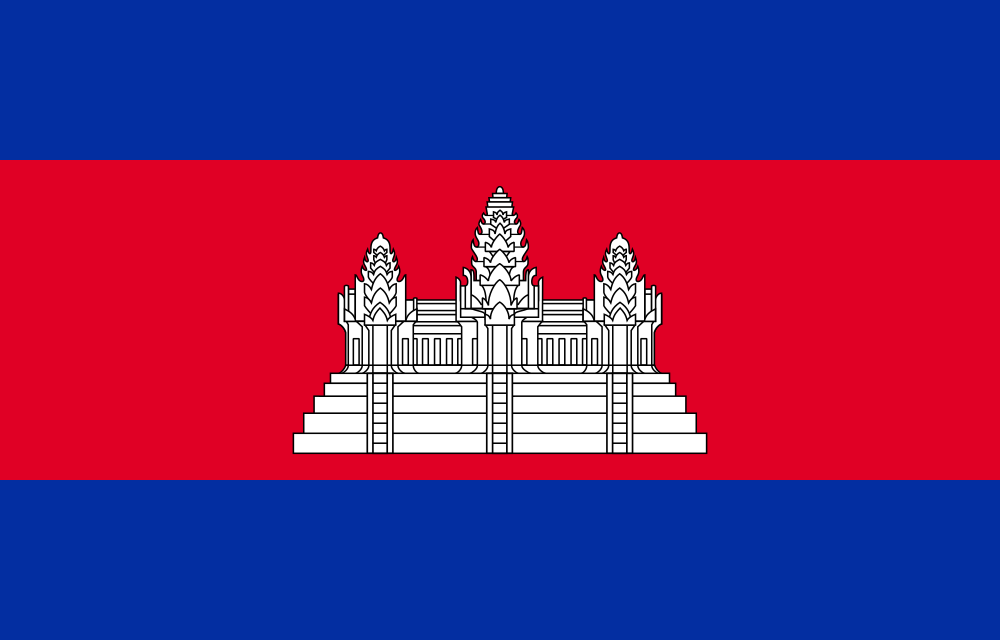 Camboya
-
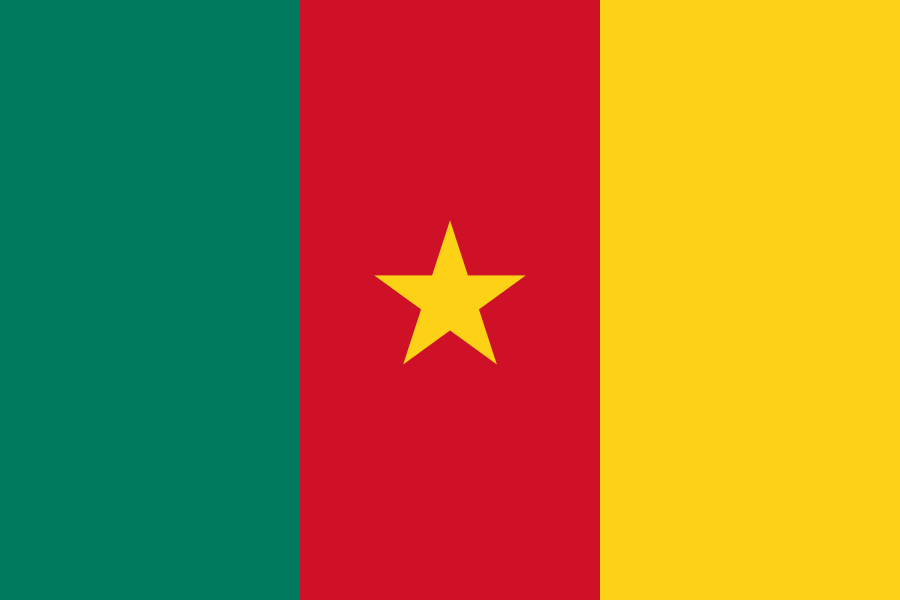 Camerún
-
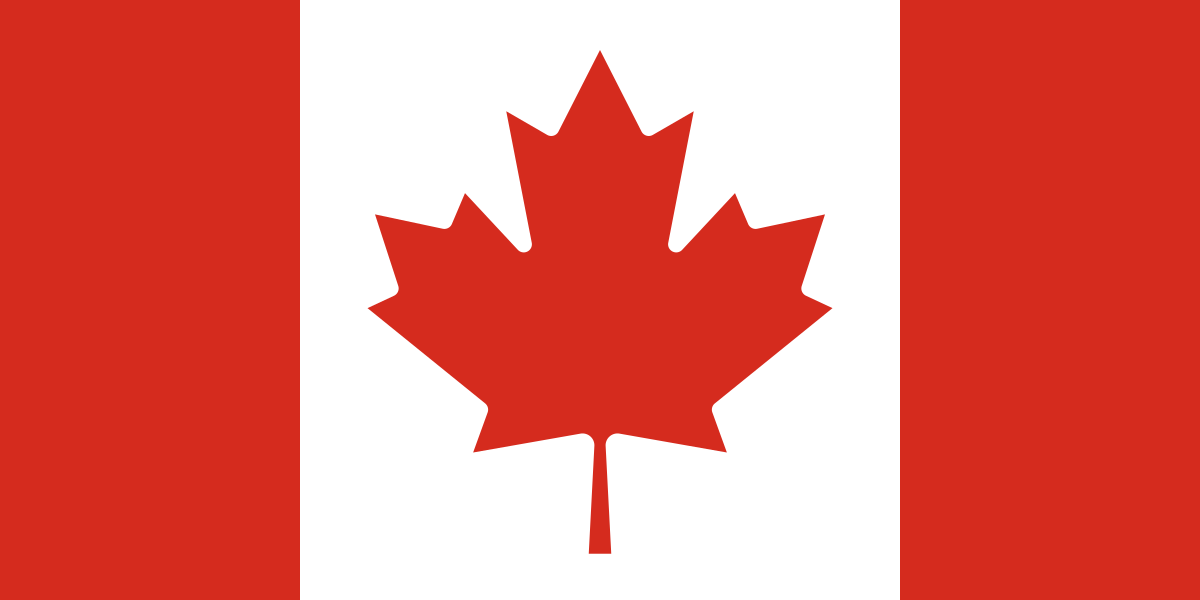 Canadá
-
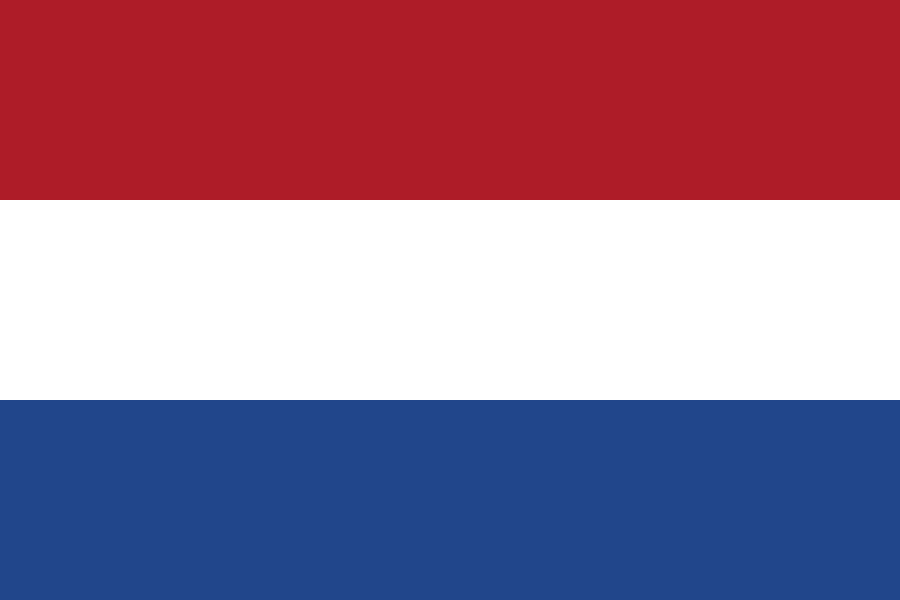 Caribe Neerlandés
-
 Catar
Catar
-
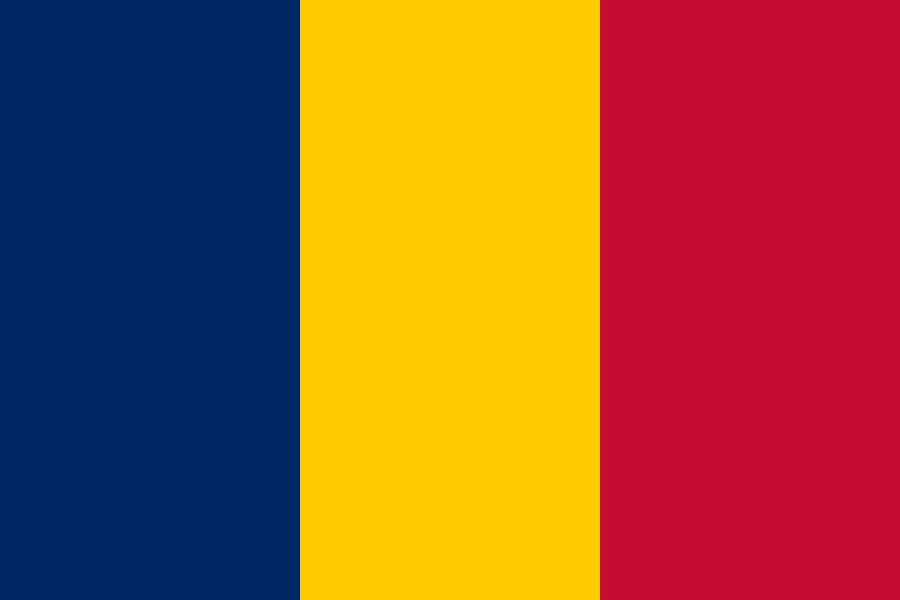 Chad
Chad
-
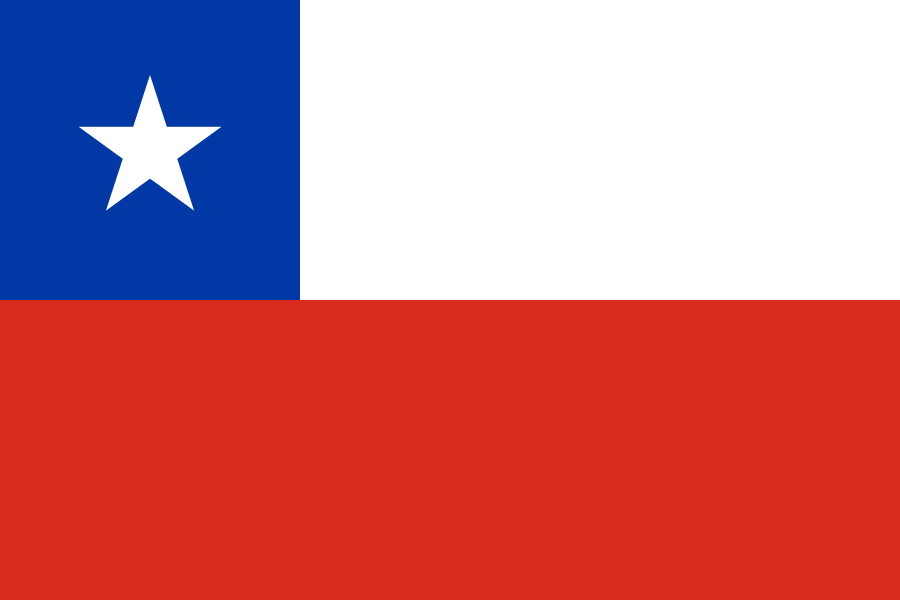 Chile
Chile
-
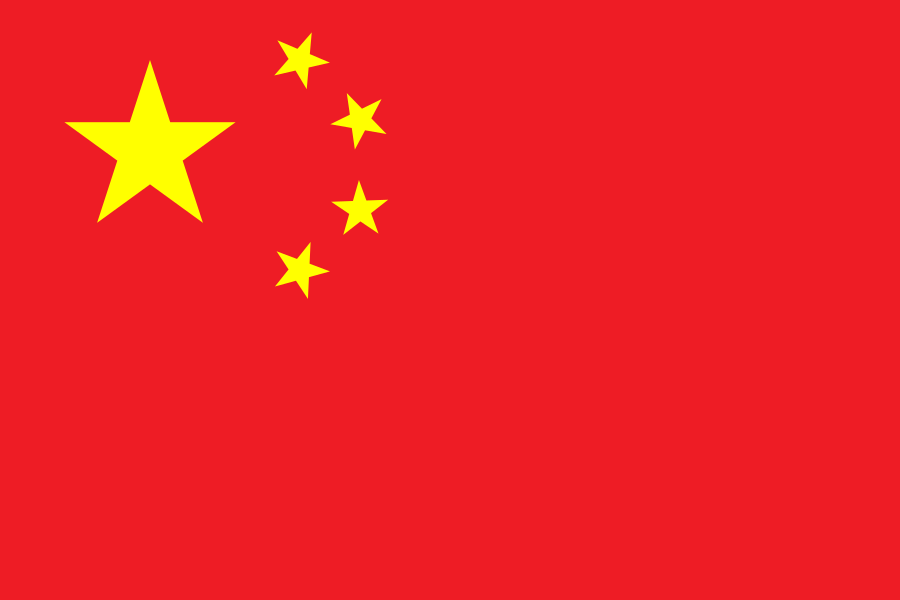 China
China
-
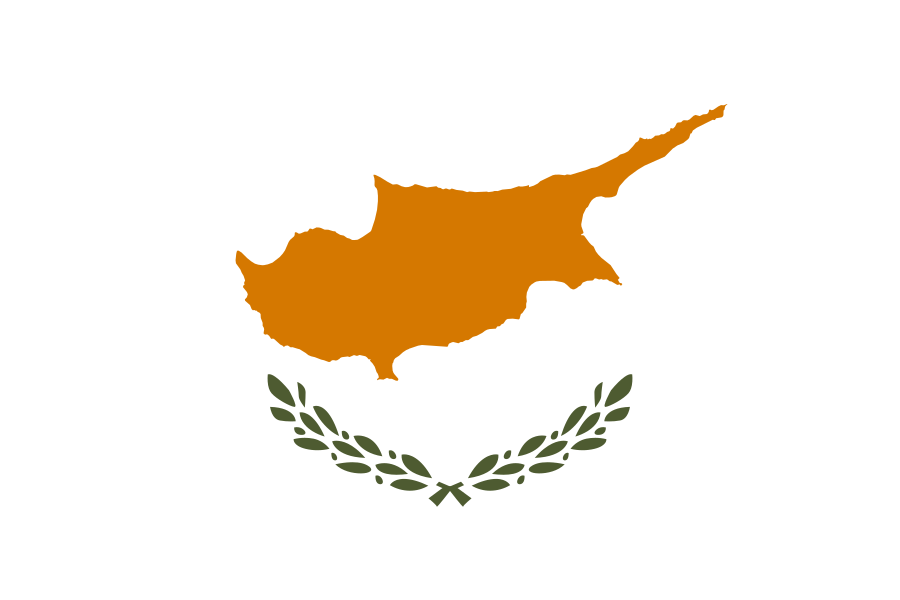 Chipre
-
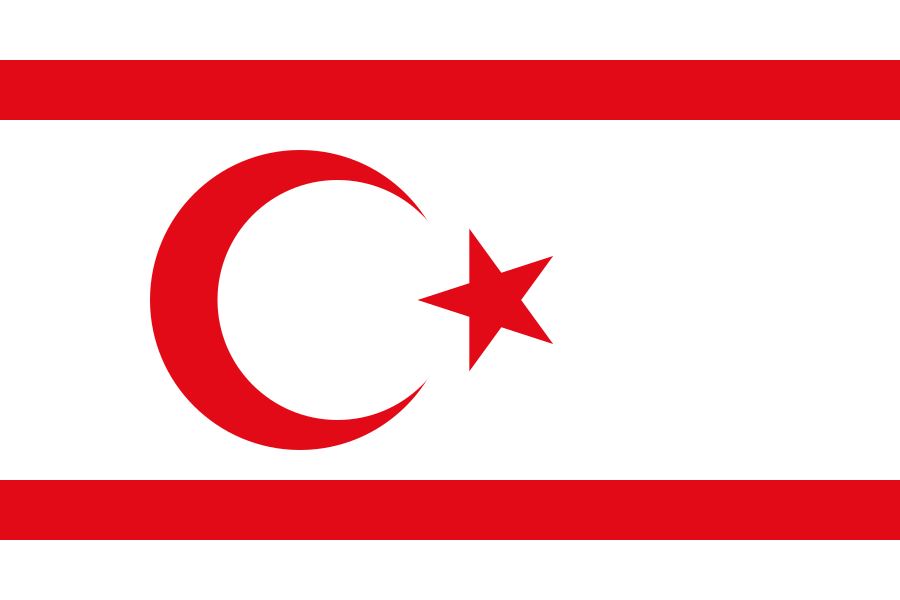 Chipre del Norte
-
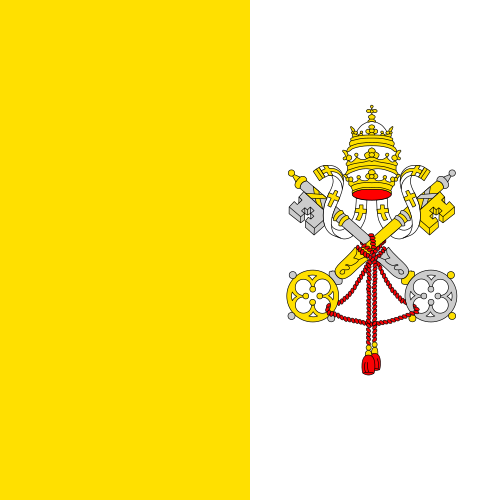 Ciudad del Vaticano
-
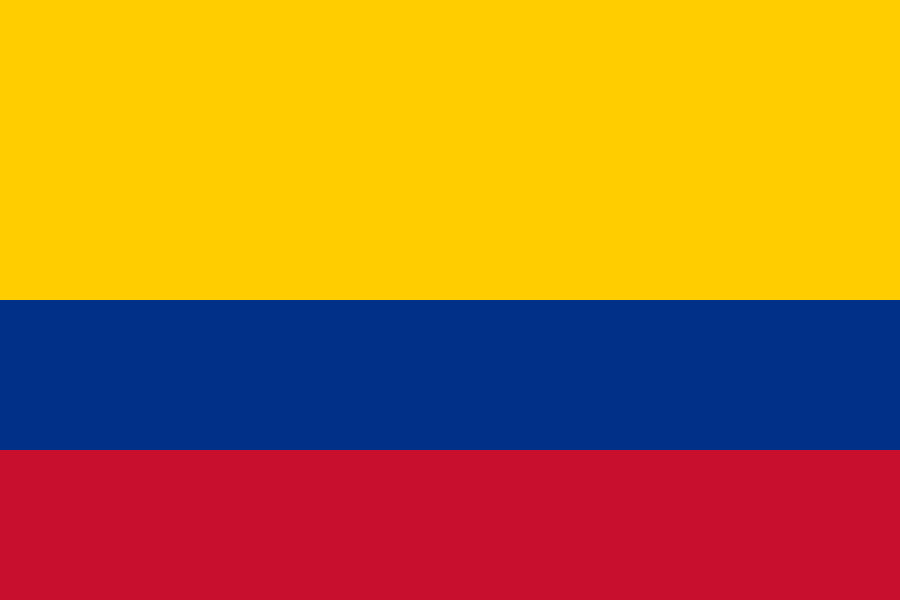 Colombia
-
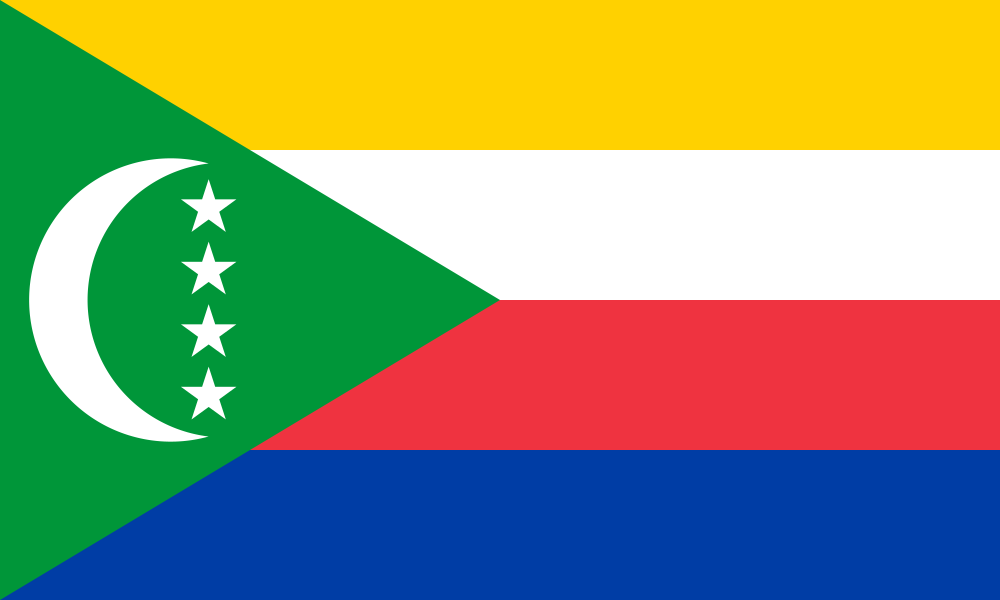 Comoras
-
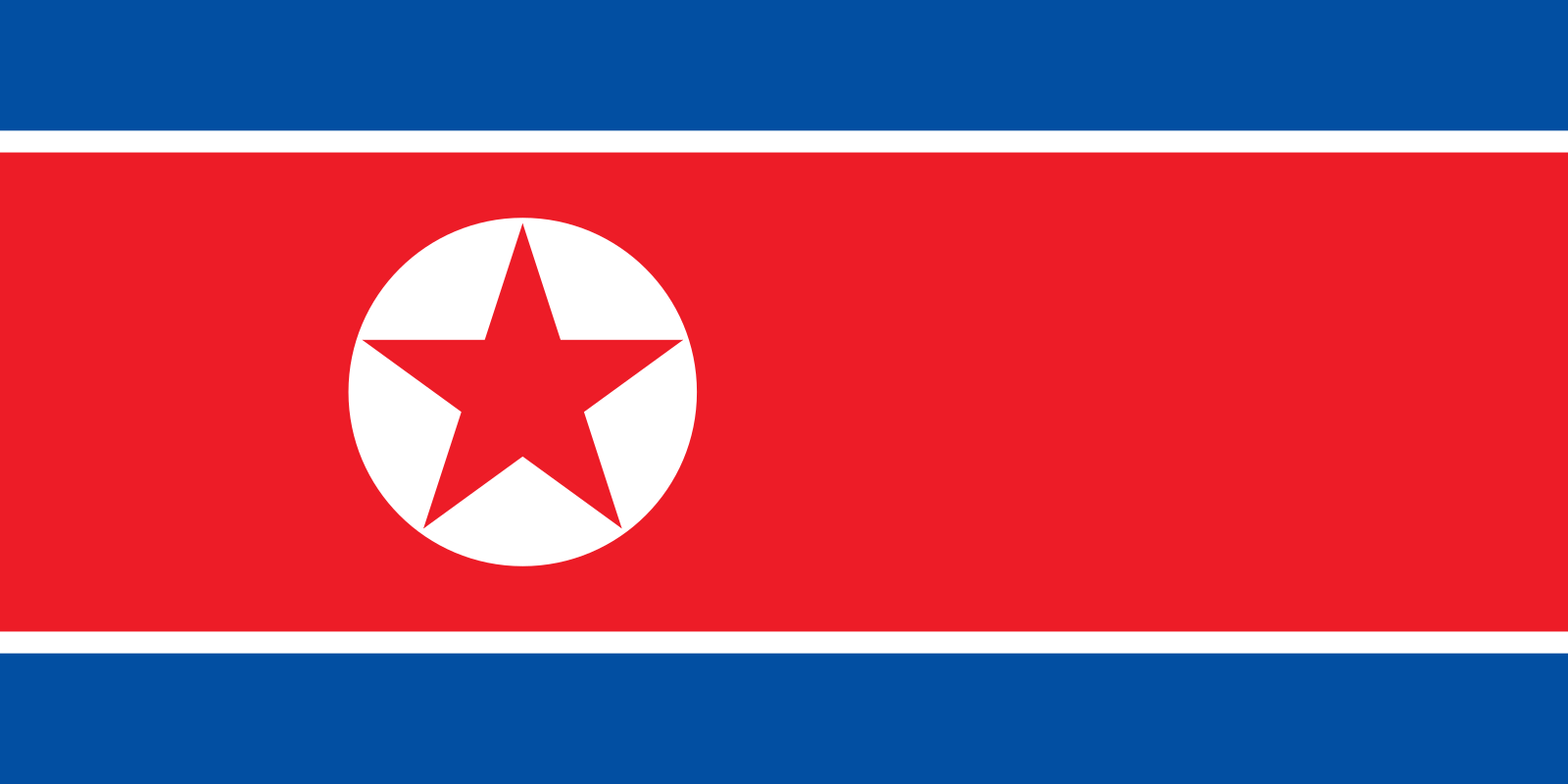 Corea del Norte
-
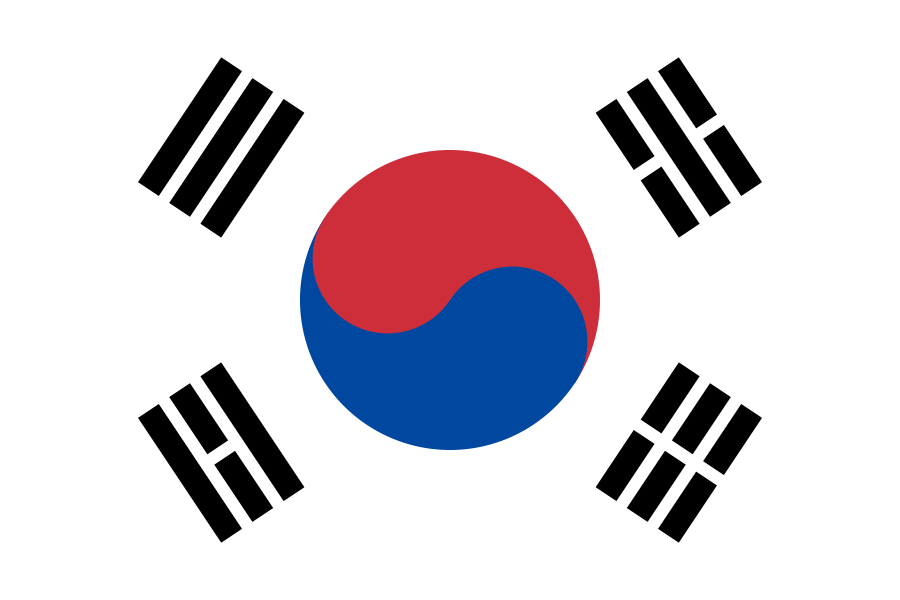 Corea del Sur
-
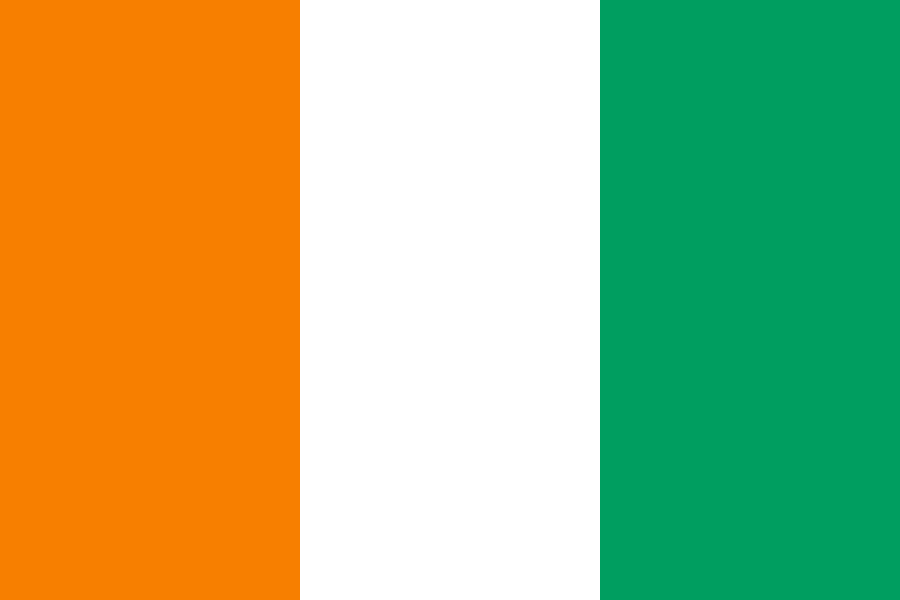 Costa de Marfil
-
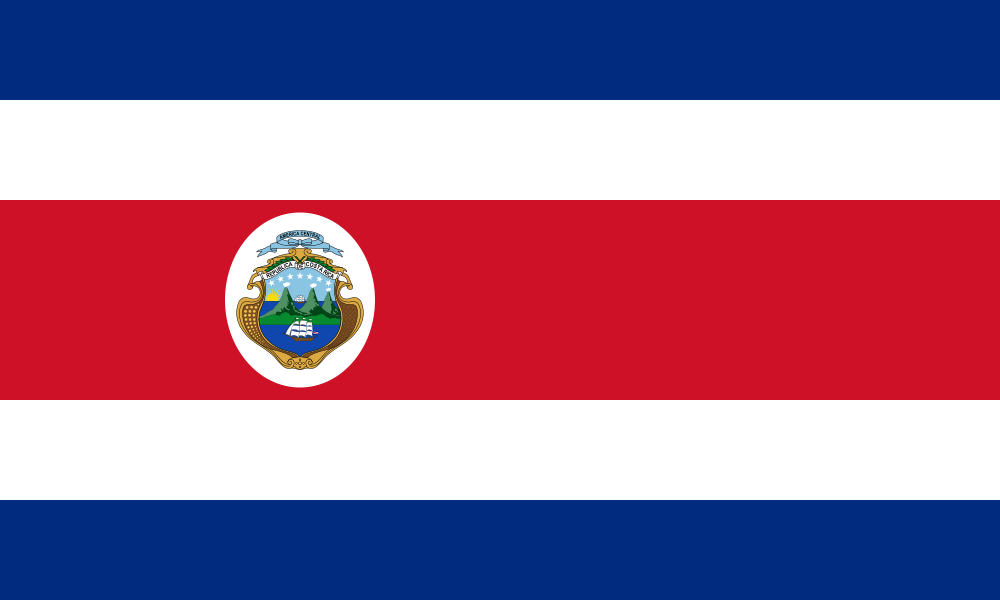 Costa Rica
-
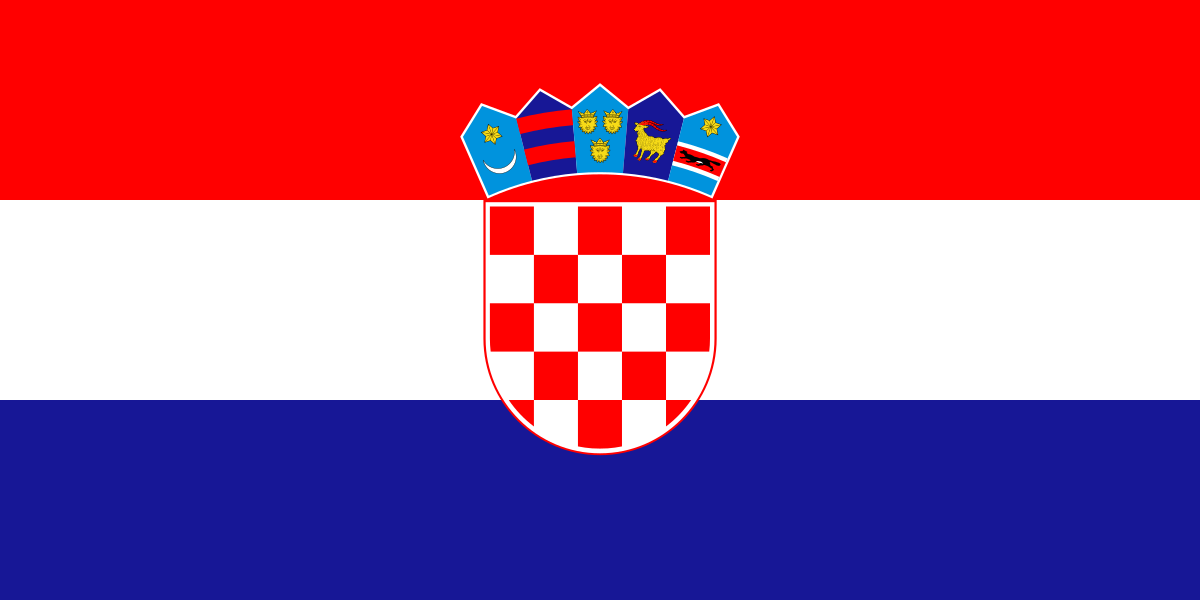 Croacia
-
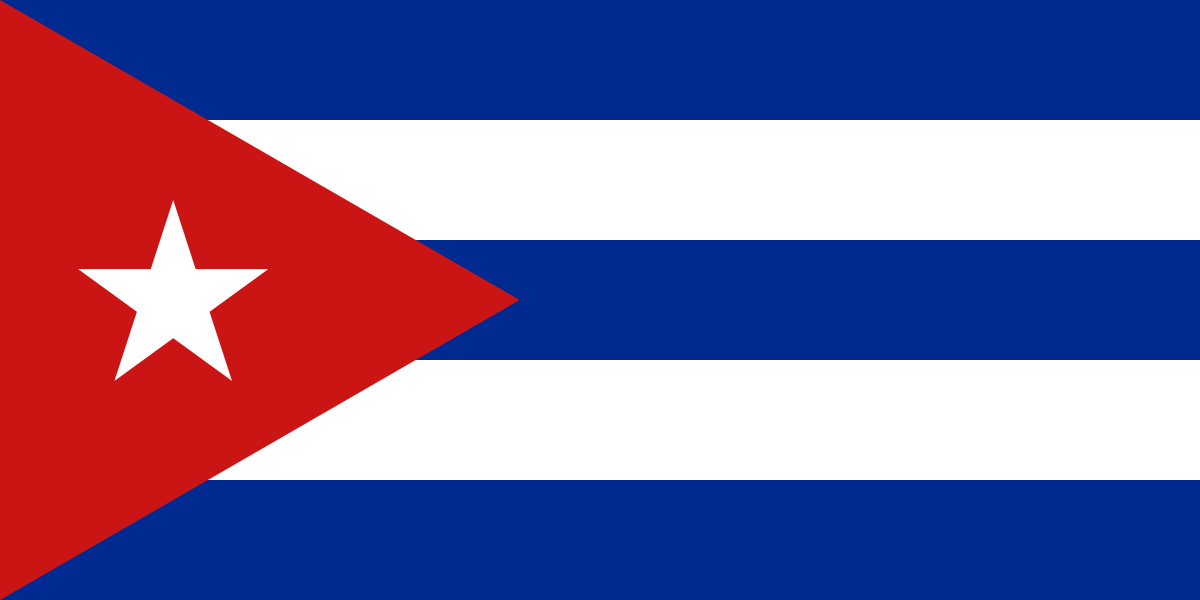 Cuba
Cuba
-
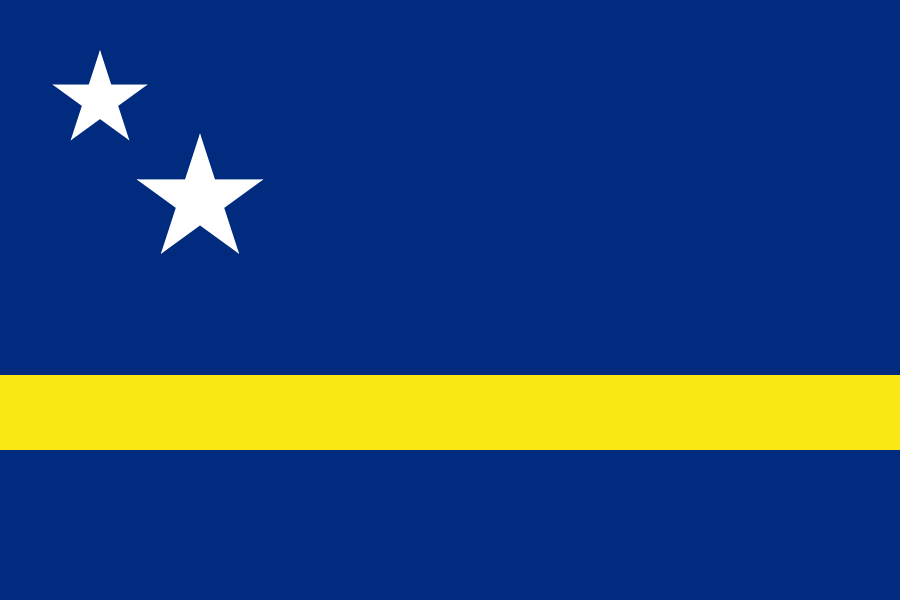 Curazao
-
 Dinamarca
-
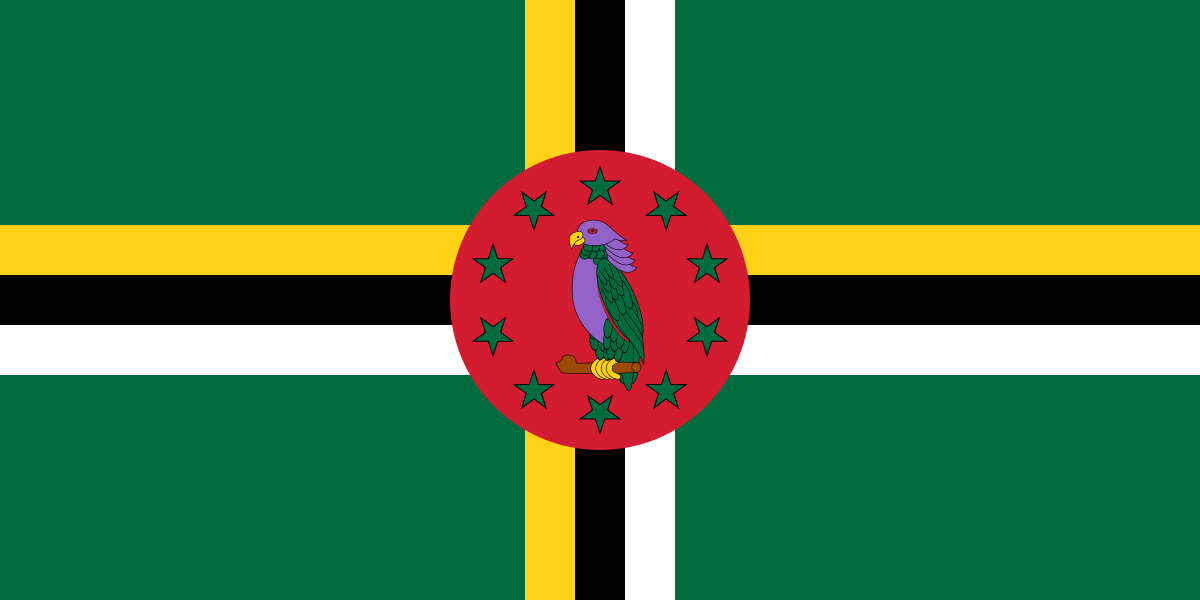 Dominica
-
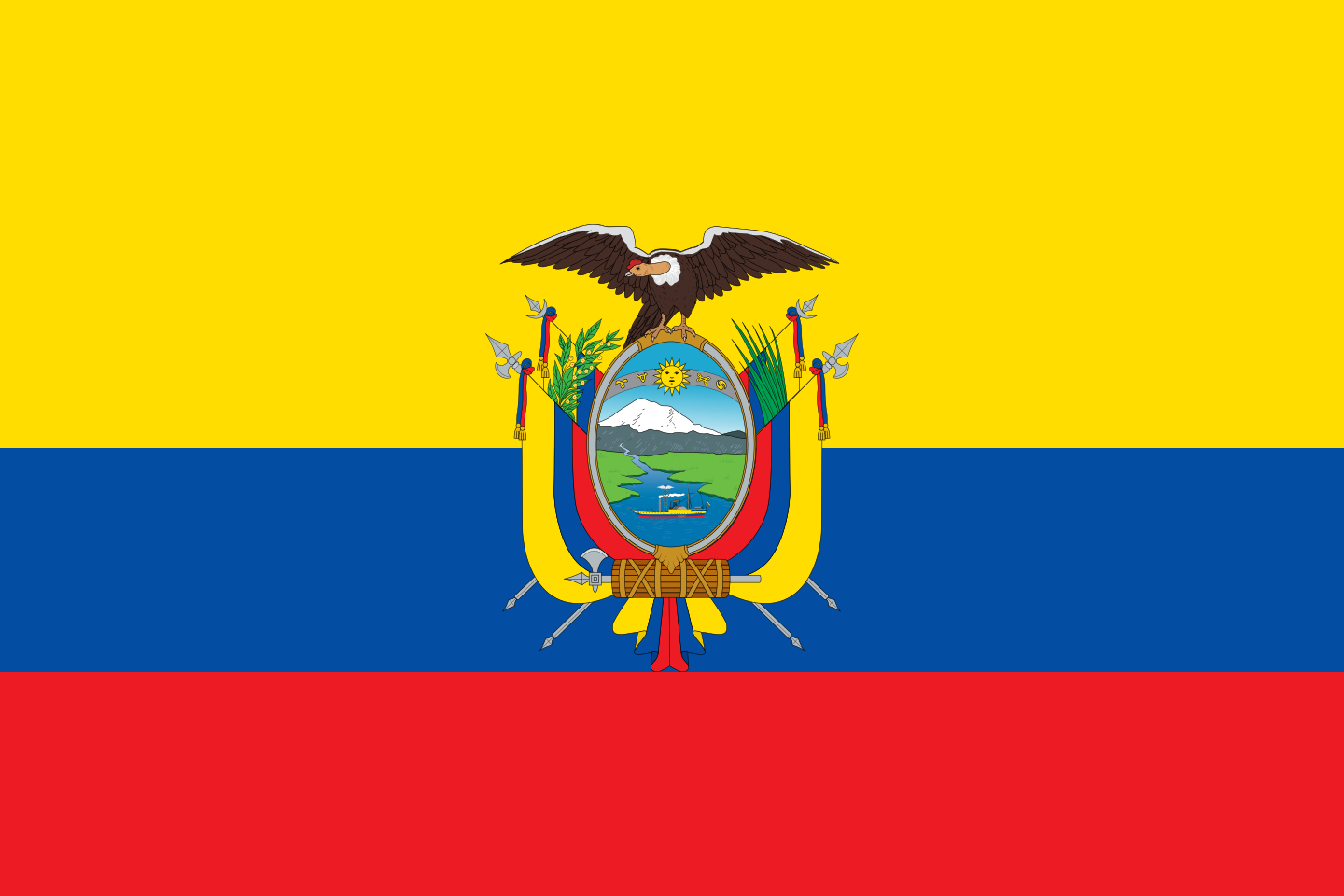 Ecuador
-
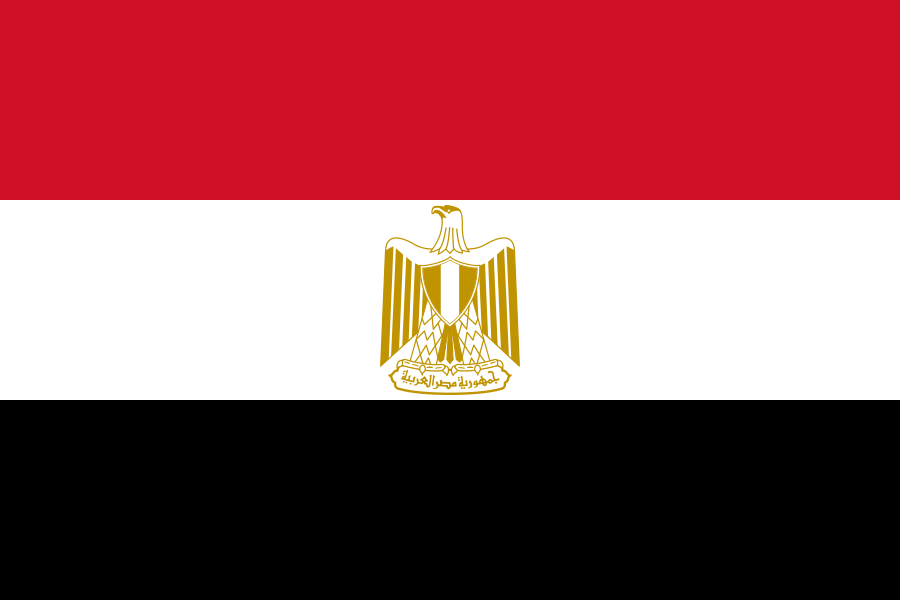 Egipto
-
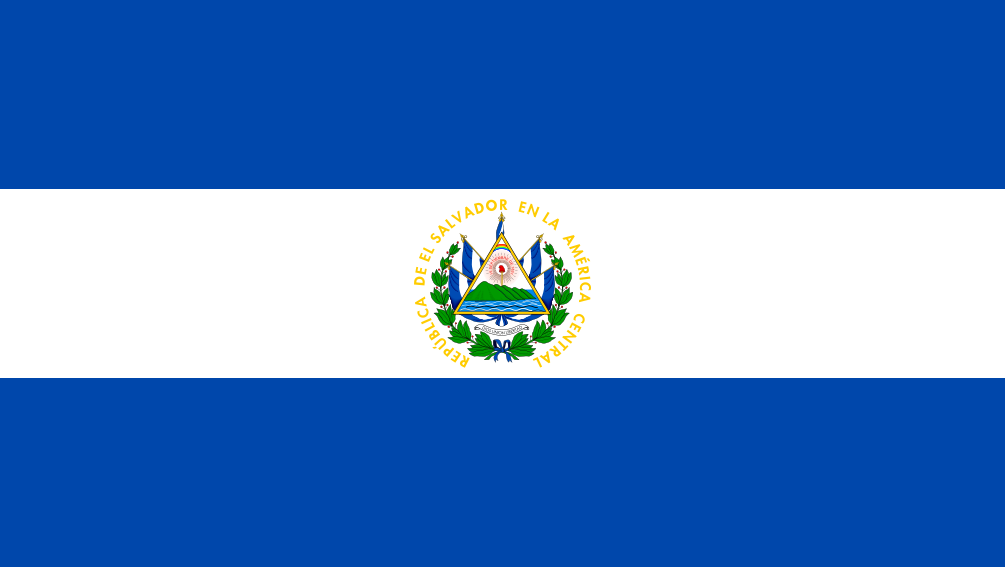 El Salvador
-
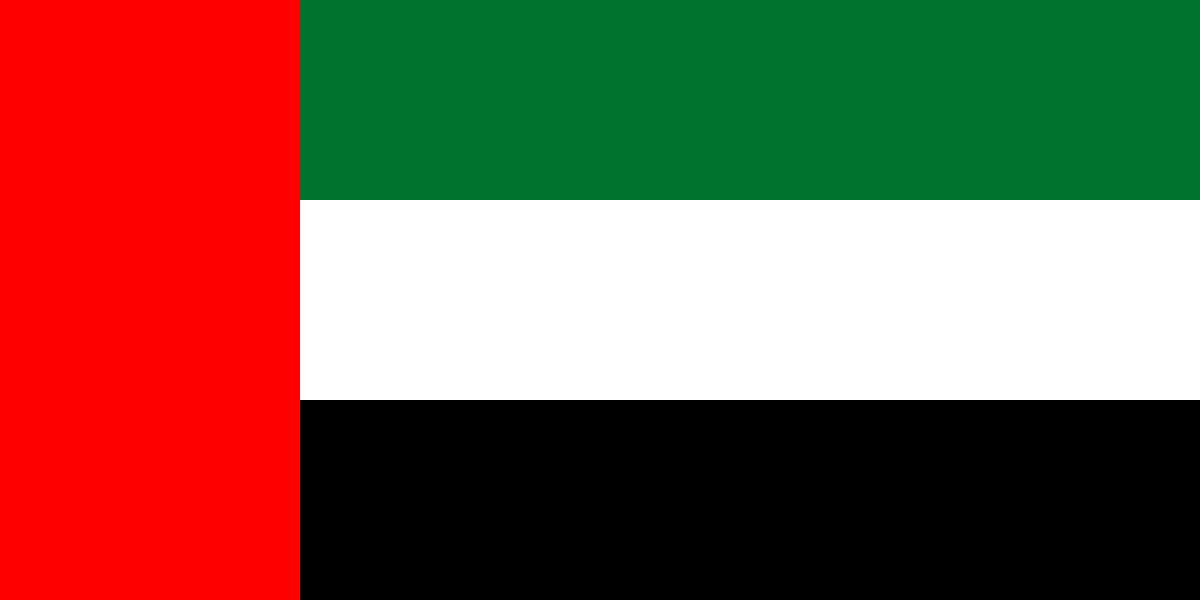 Emiratos Árabes Unidos
-
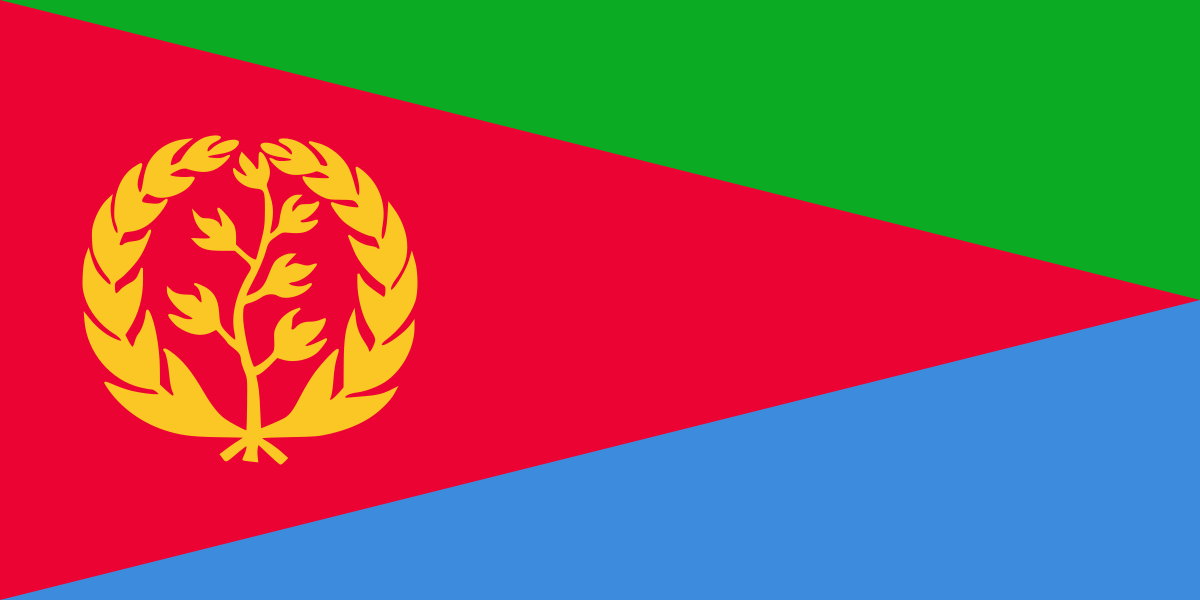 Eritrea
-
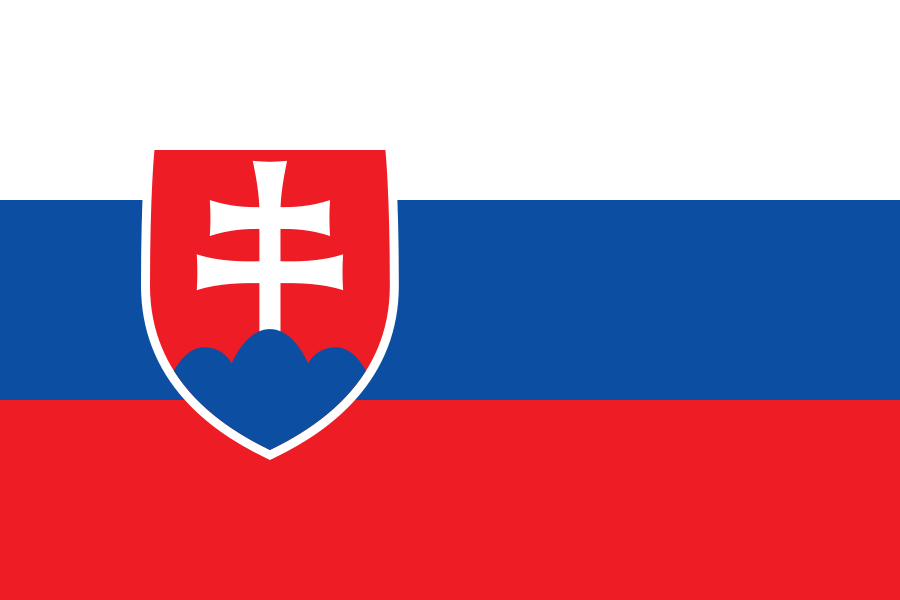 Eslovaquia
-
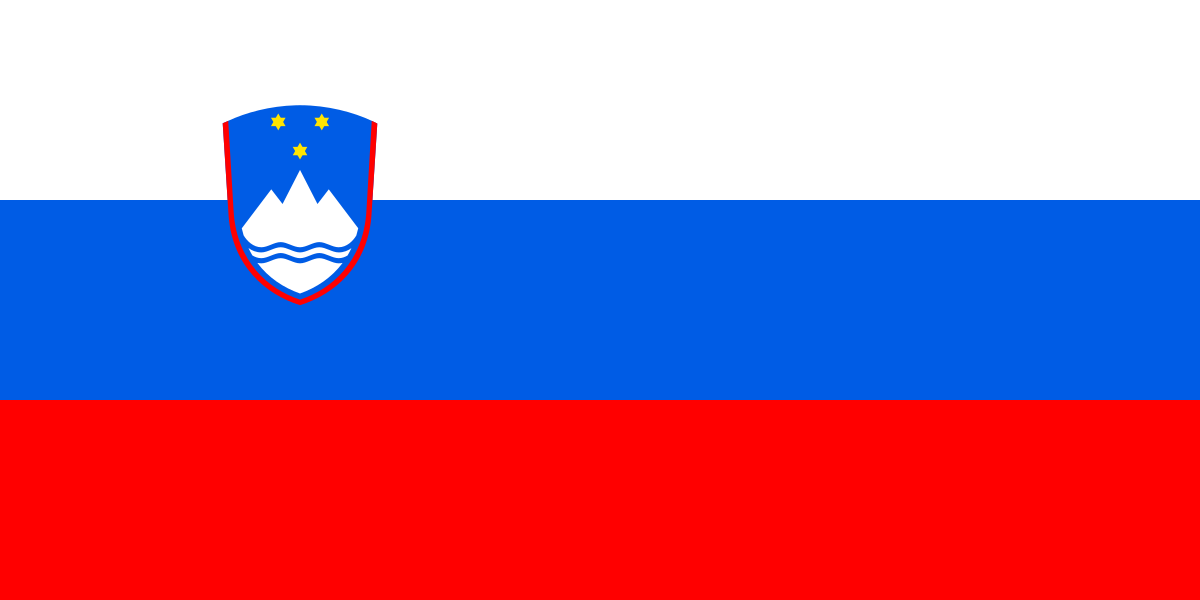 Eslovenia
-
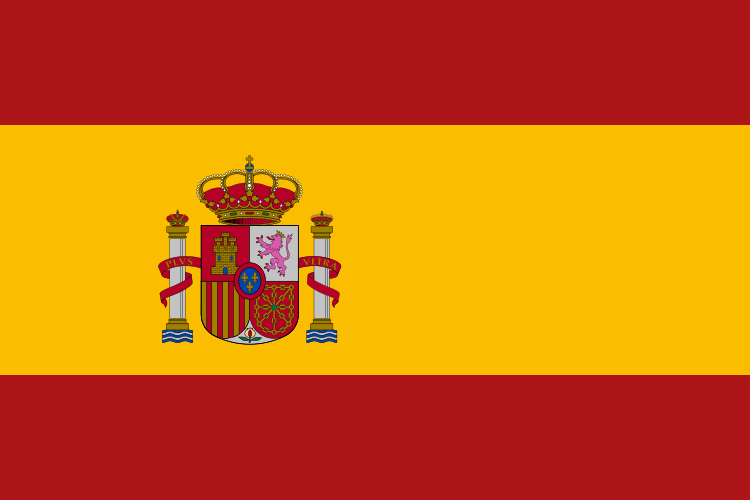 España
-
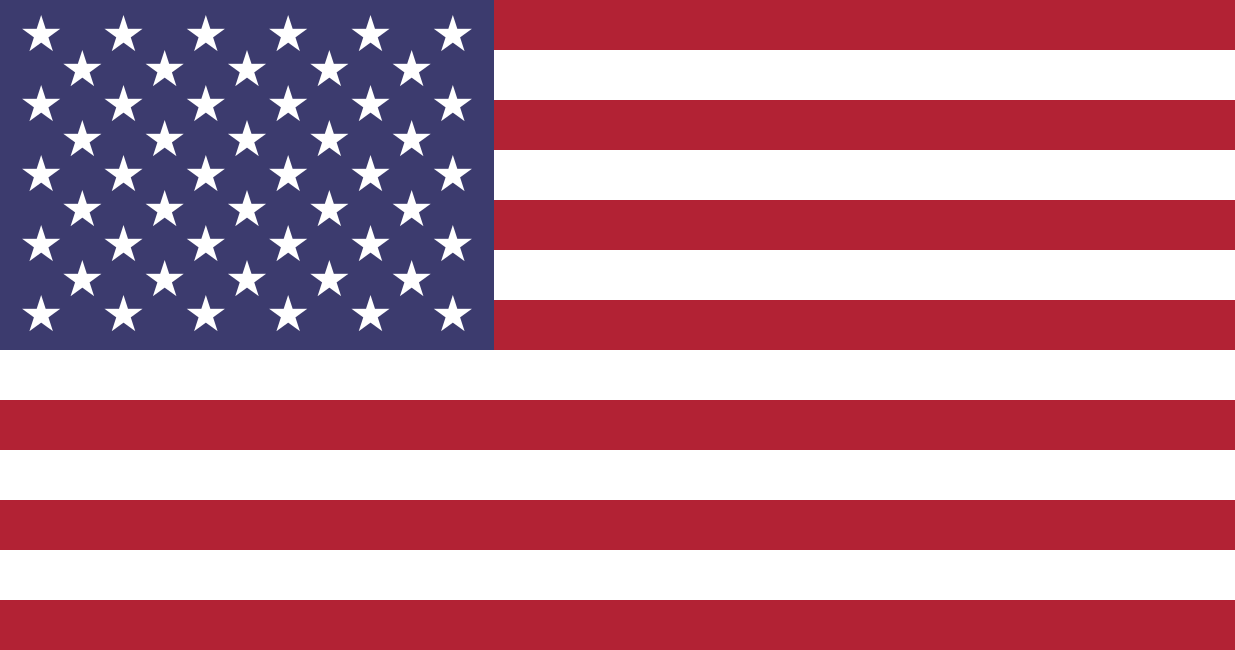 Estados Unidos
-
 Estonia
-
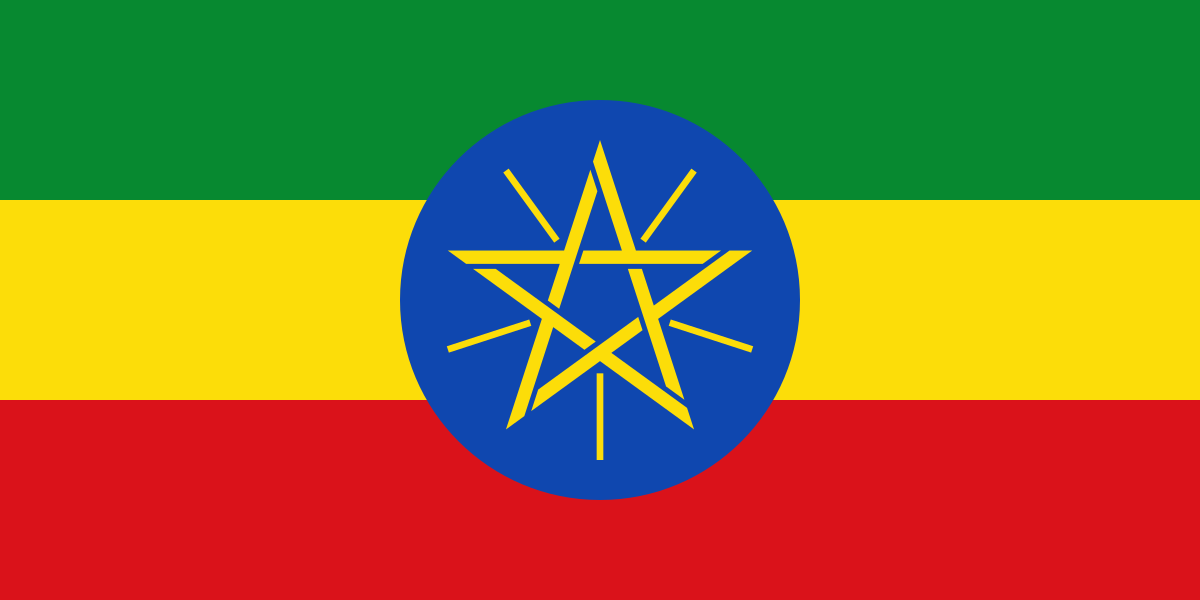 Etiopía
-
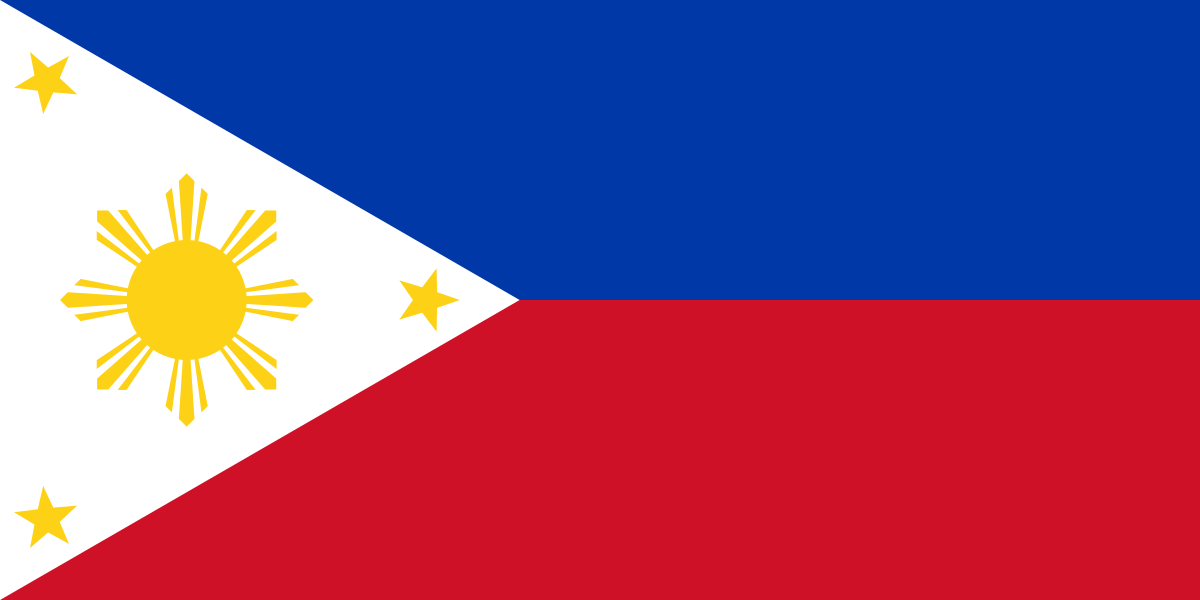 Filipinas
-
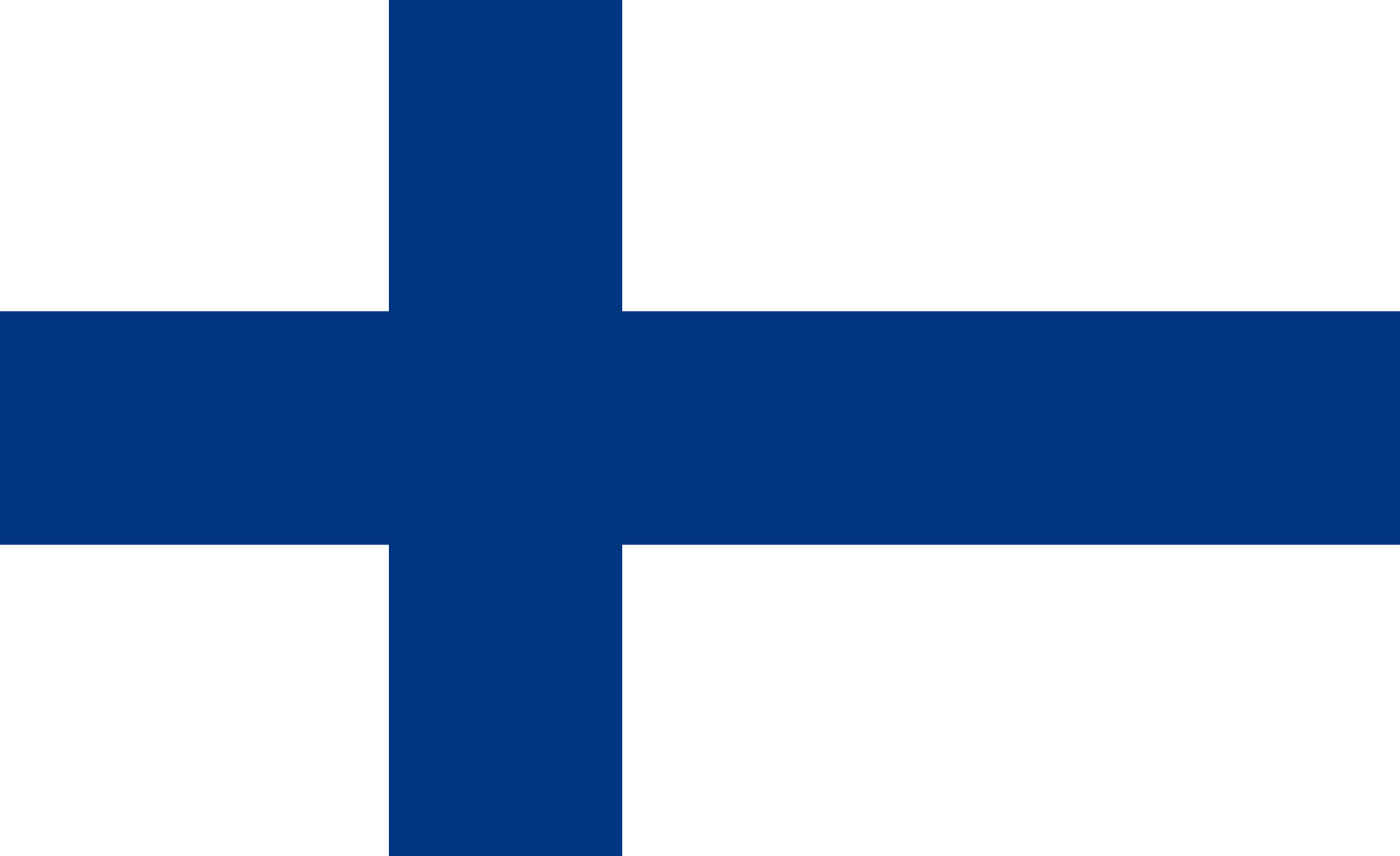 Finlandia
-
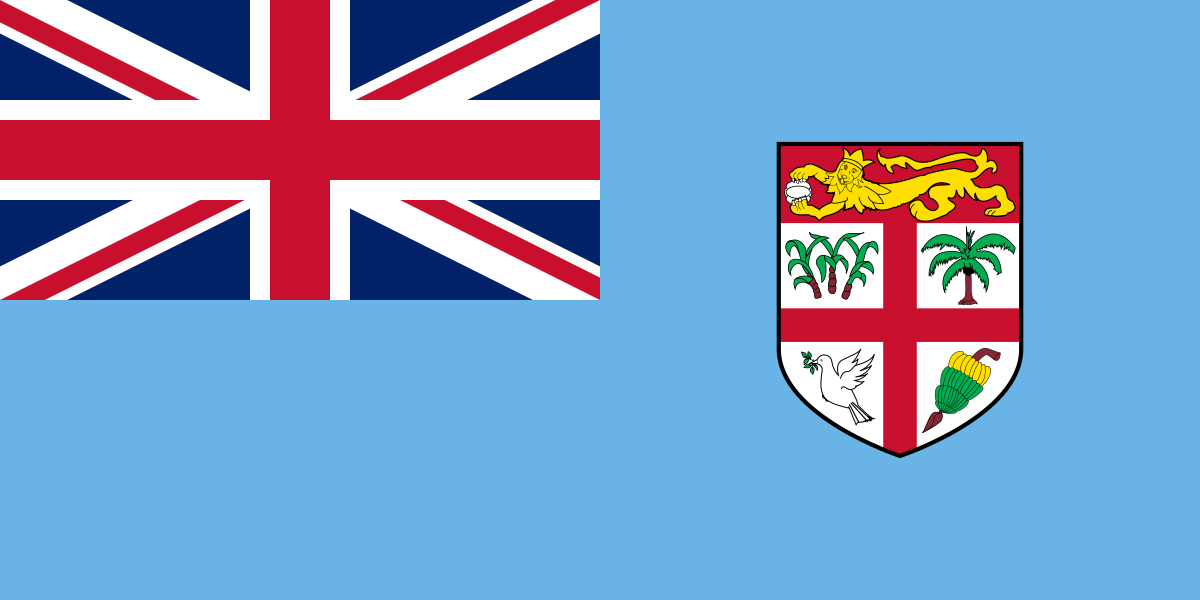 Fiyi
Fiyi
-
 Francia
-
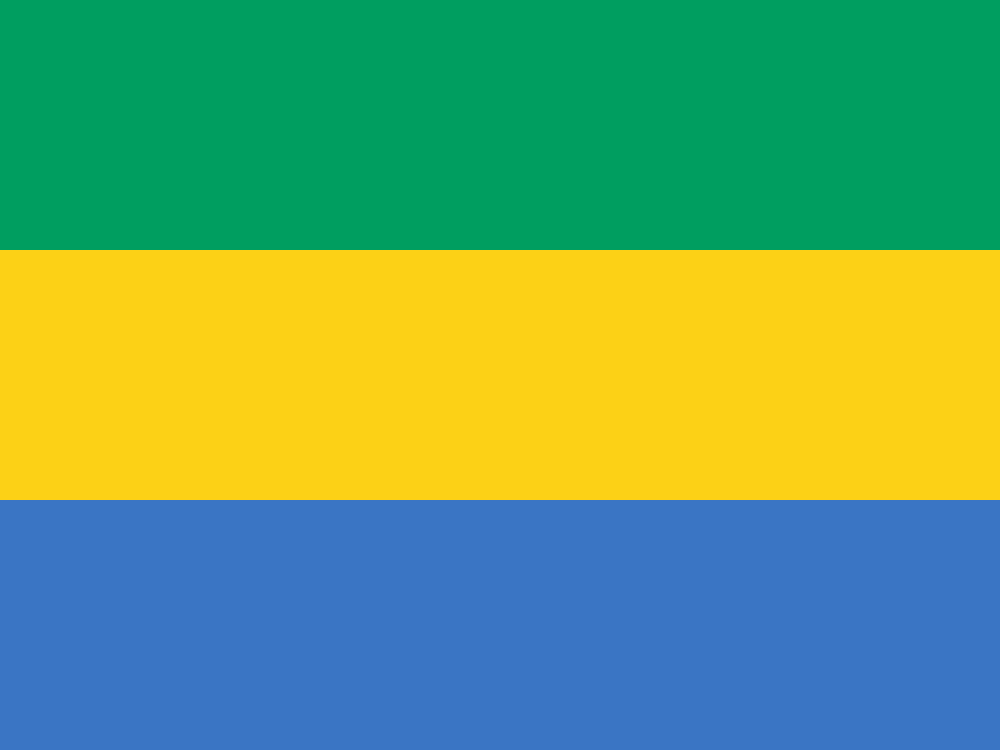 Gabón
Gabón
-
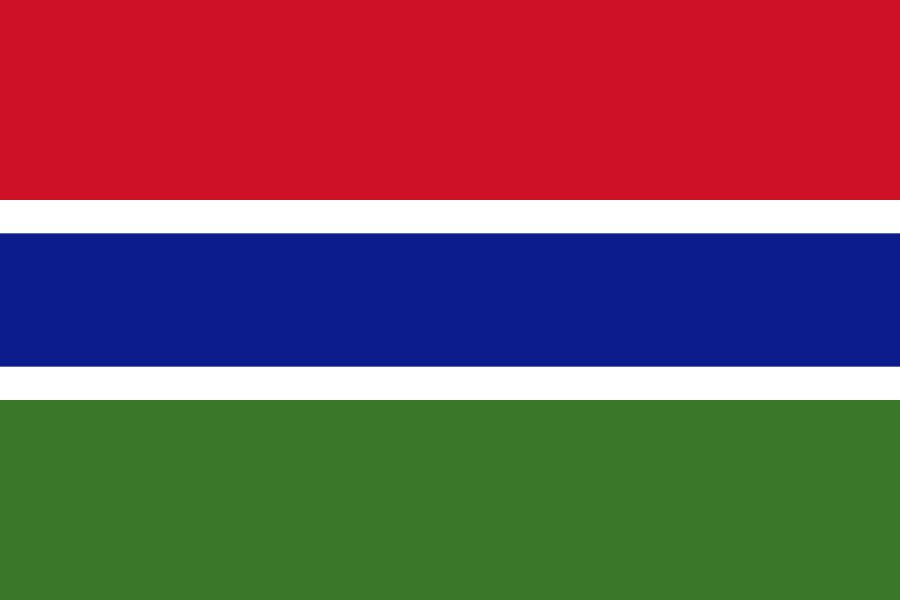 Gambia
-
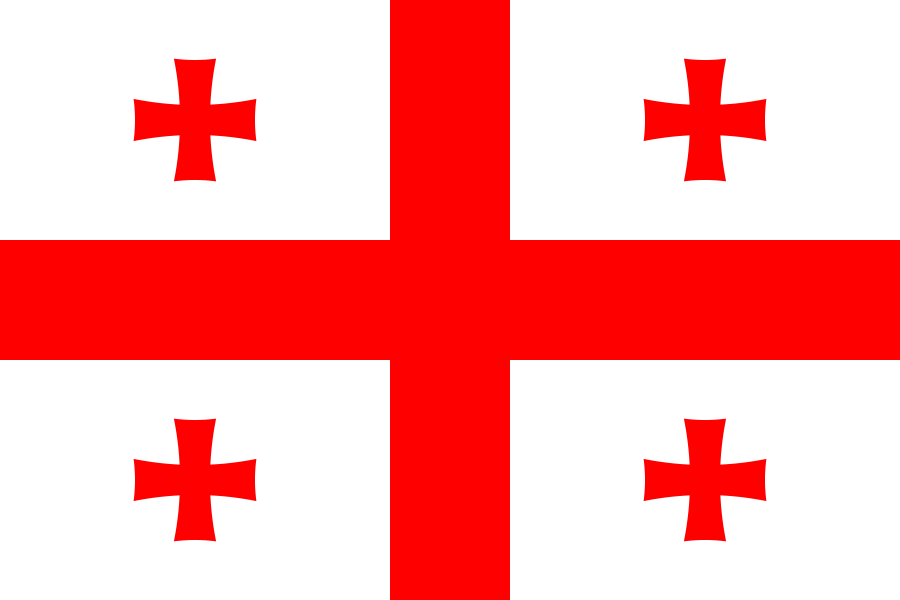 Georgia
-
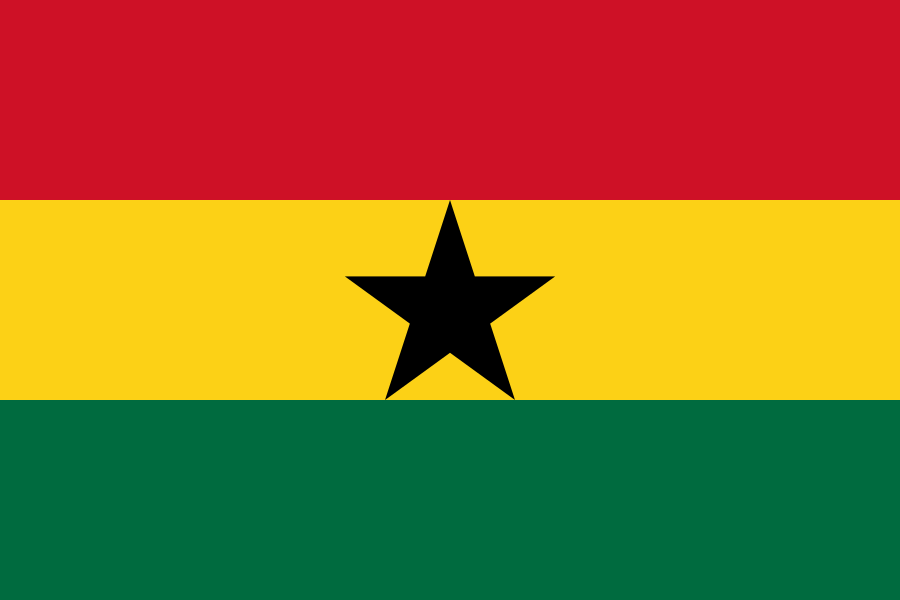 Ghana
Ghana
-
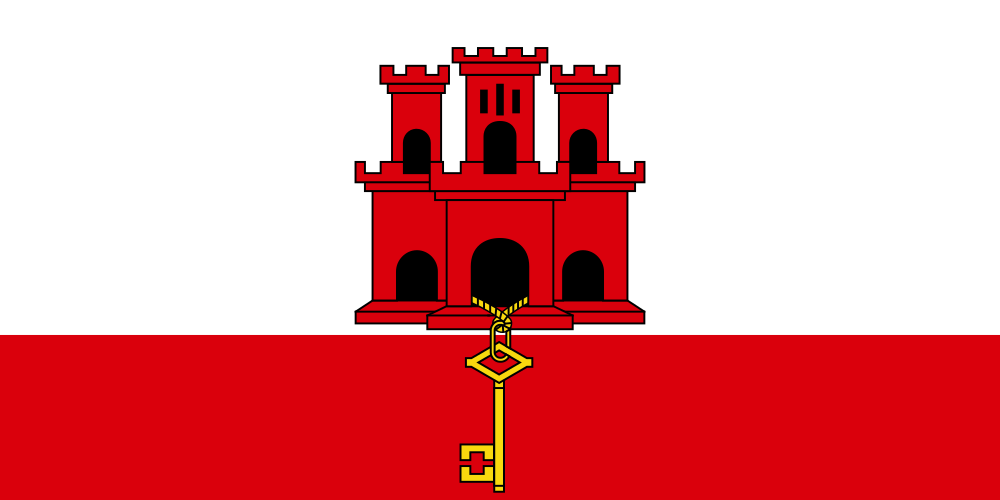 Gibraltar
-
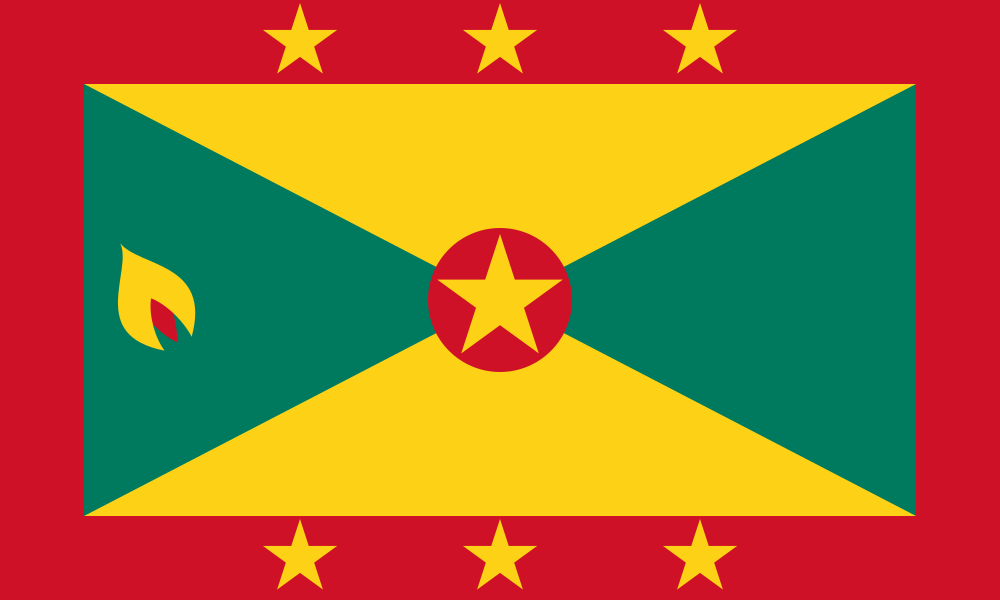 Granada
-
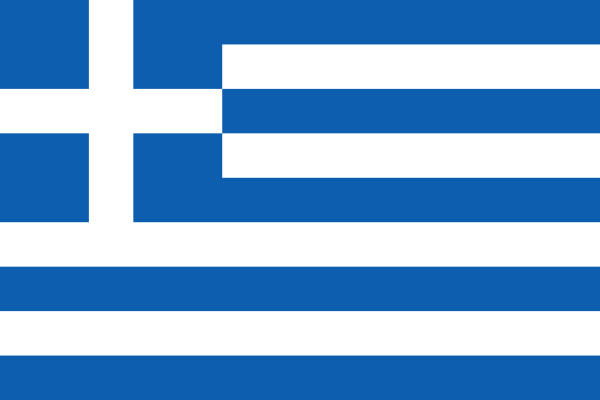 Grecia
-
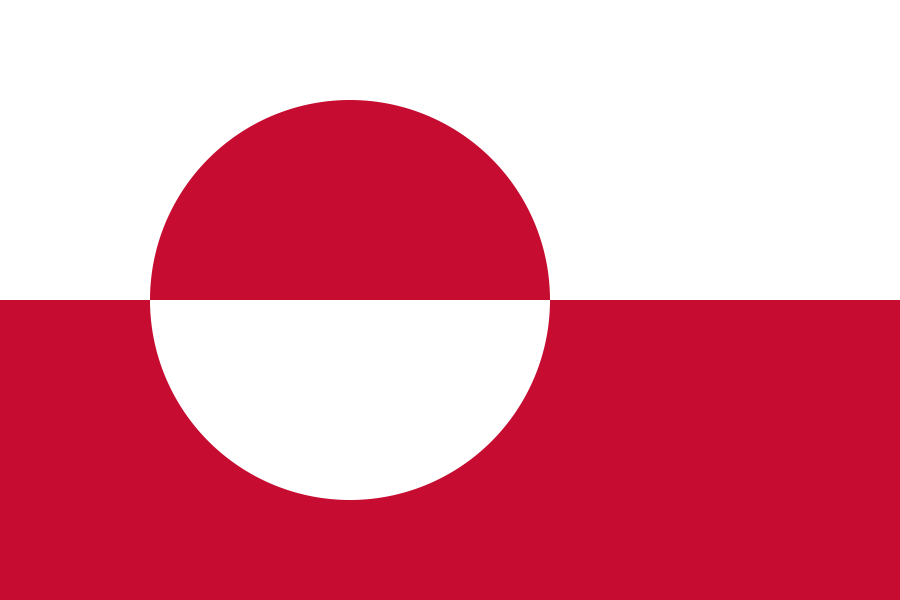 Groenlandia
-
Guadalupe
-
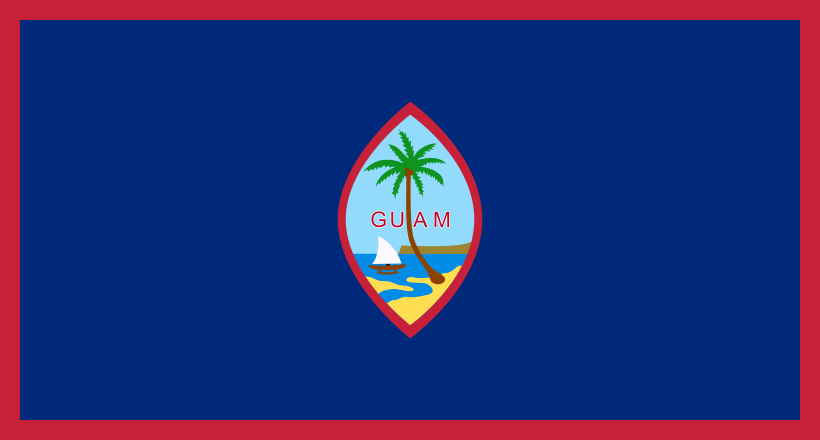 Guam
Guam
-
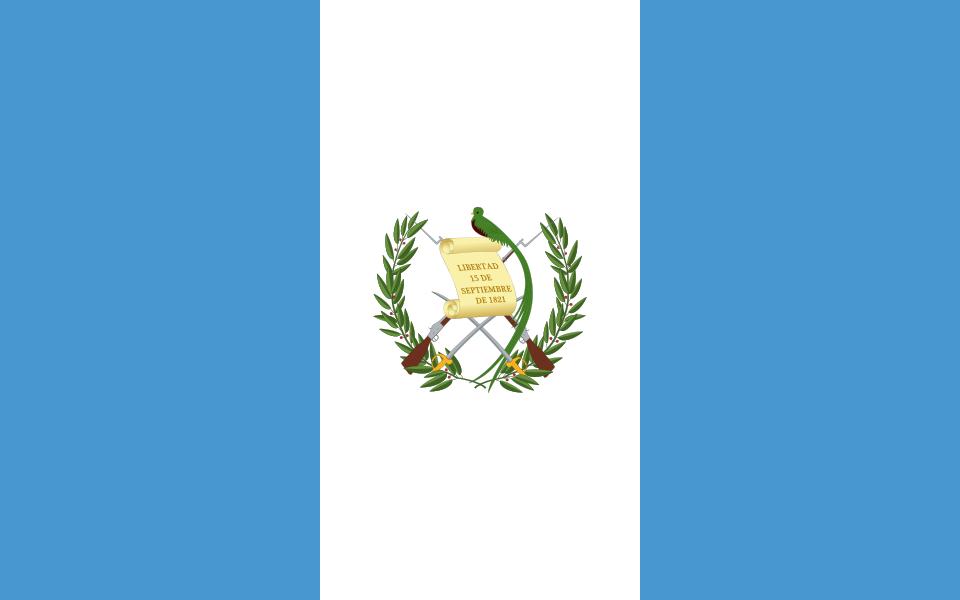 Guatemala
-
Guayana Francesa
-
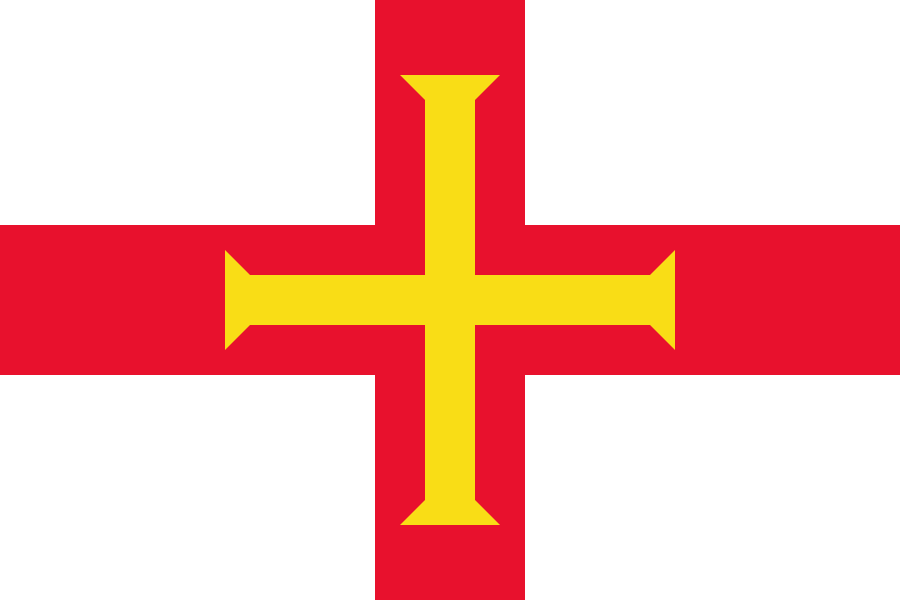 Guernsey
-
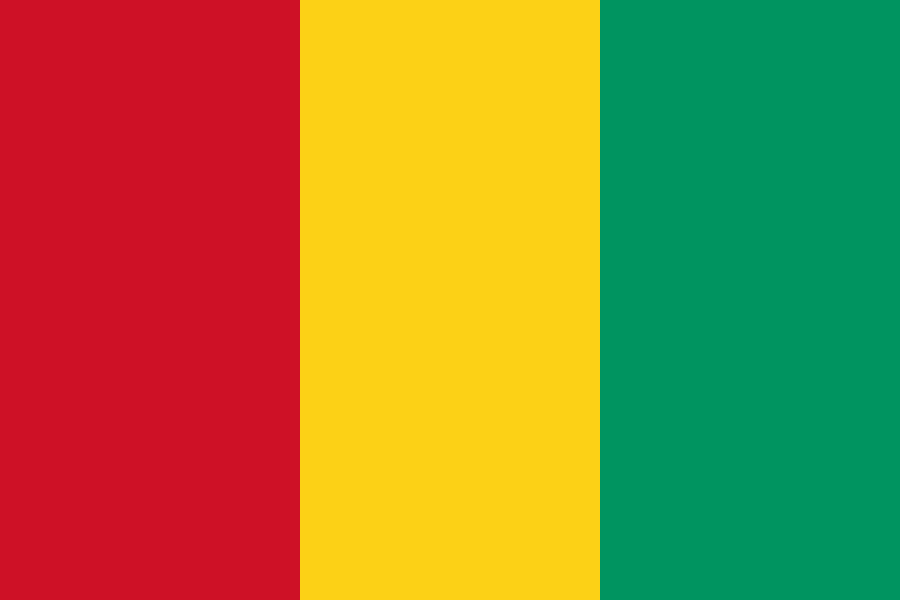 Guinea
-
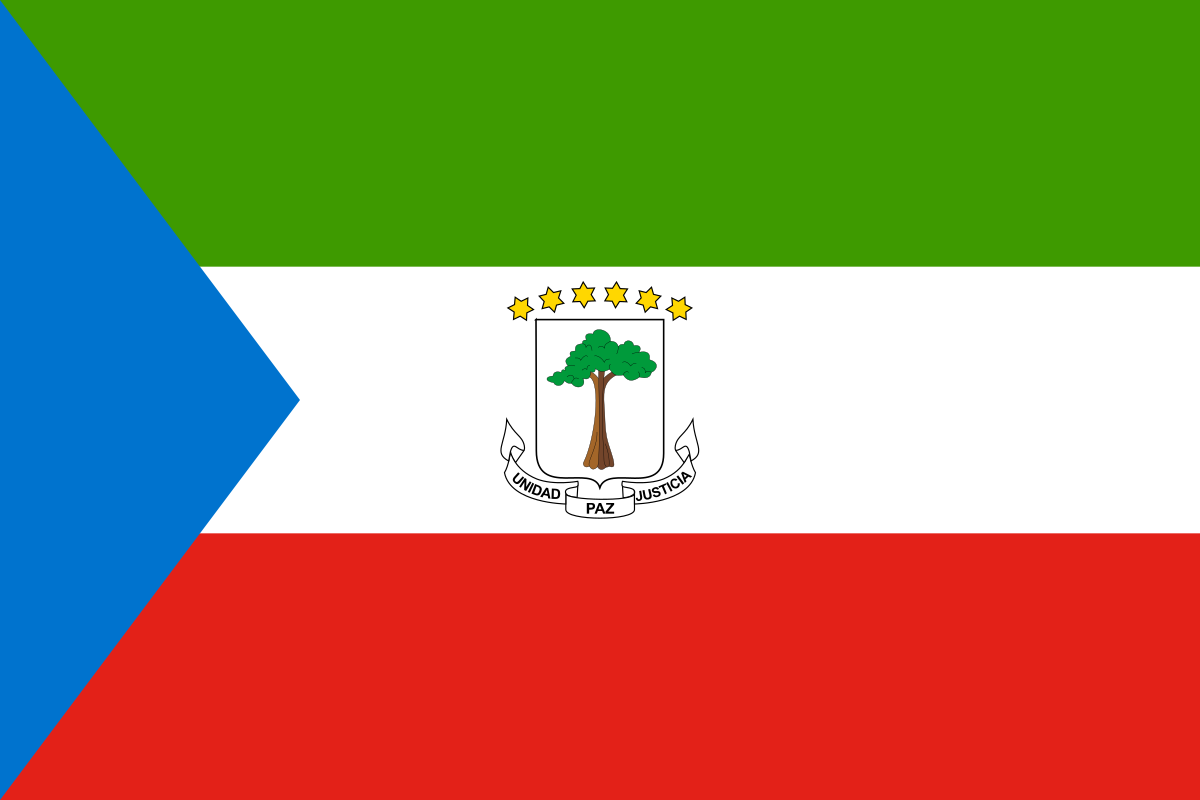 Guinea Ecuatorial
-
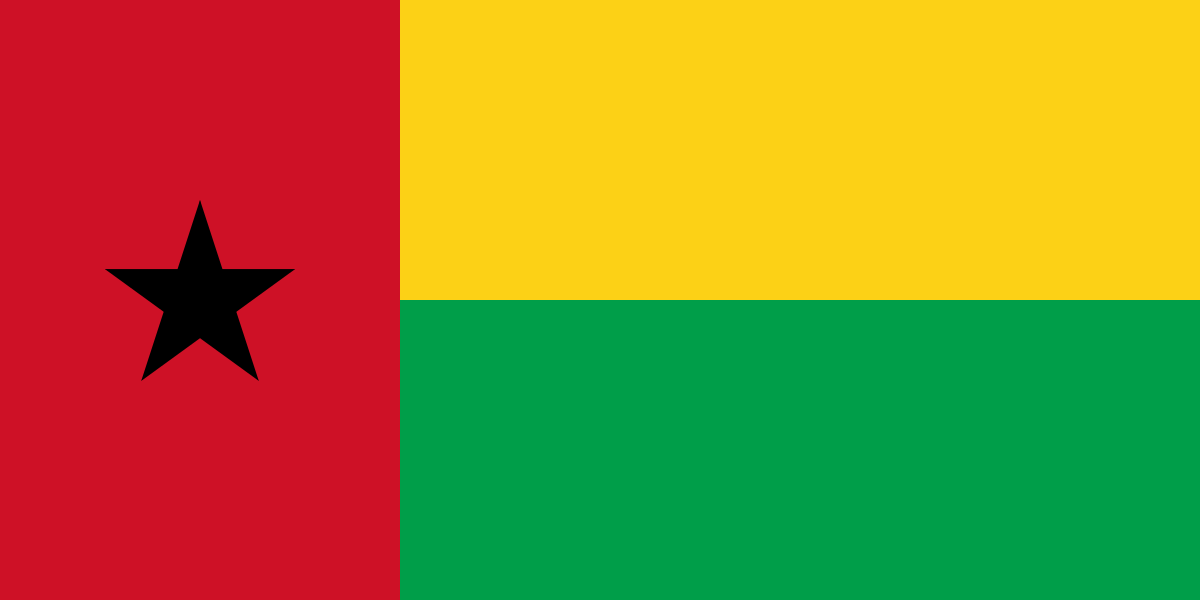 Guinea-Bisáu
-
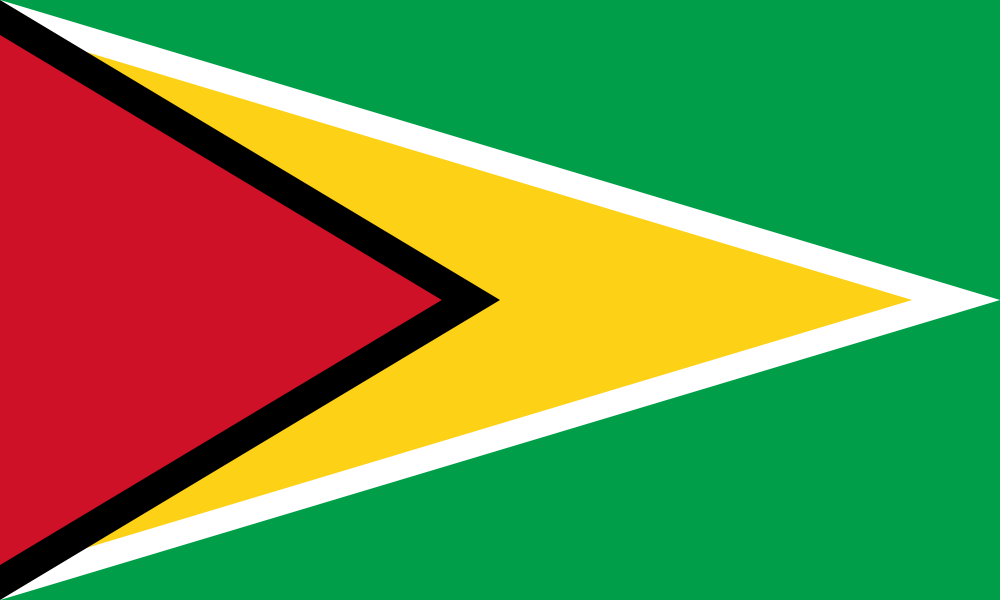 Guyana
-
 Haití
Haití
-
 Honduras
-
 Hong Kong
-
 Hungría
-
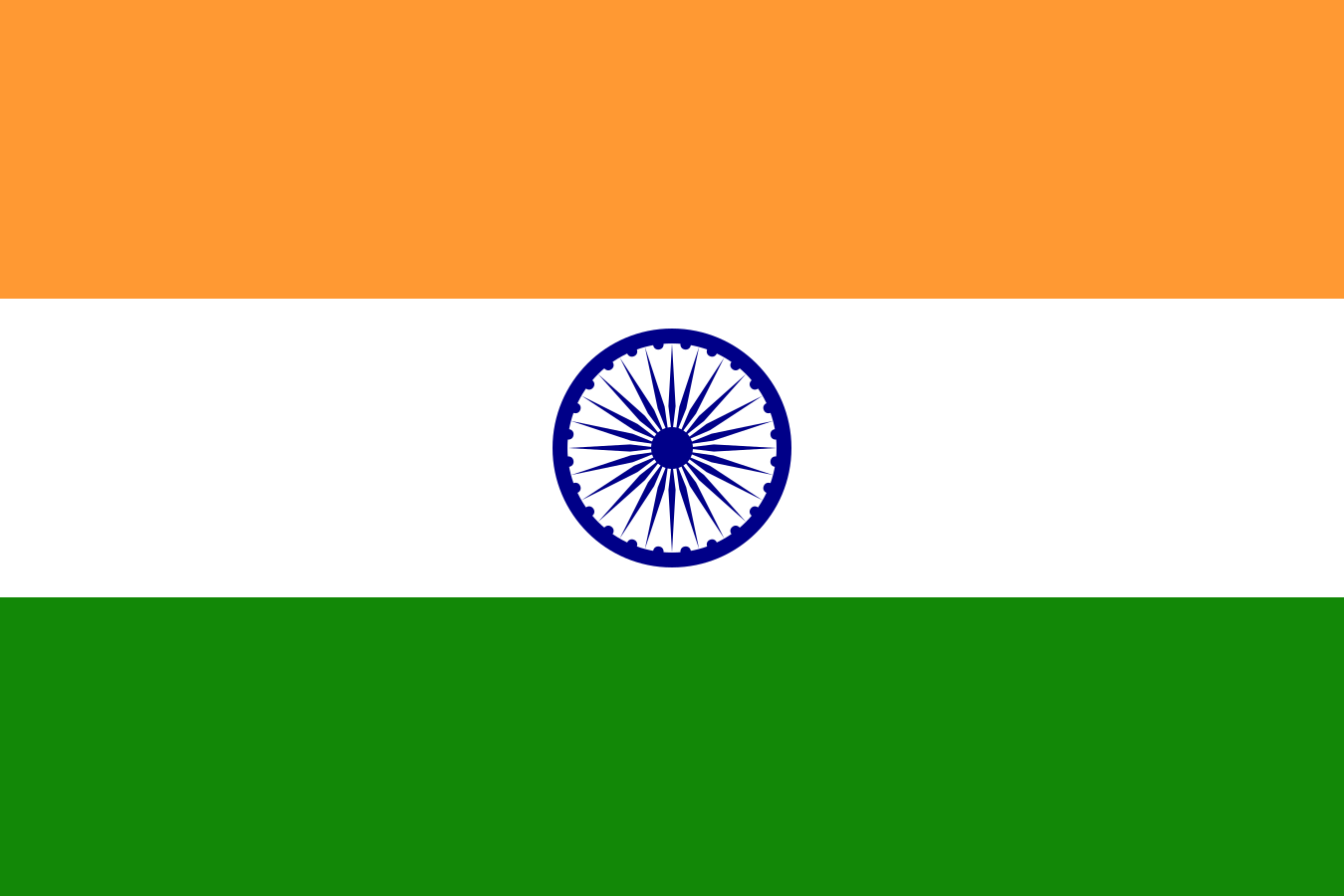 India
India
-
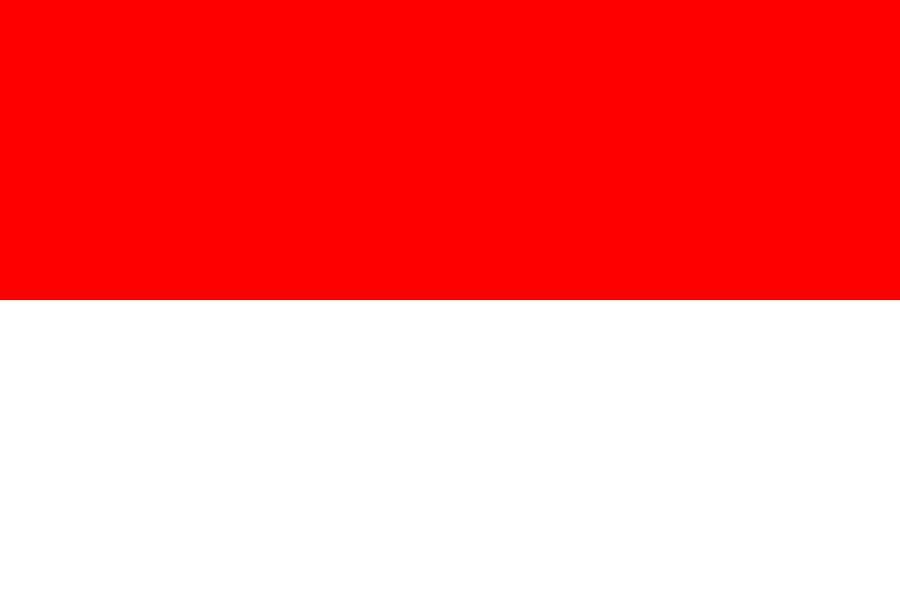 Indonesia
-
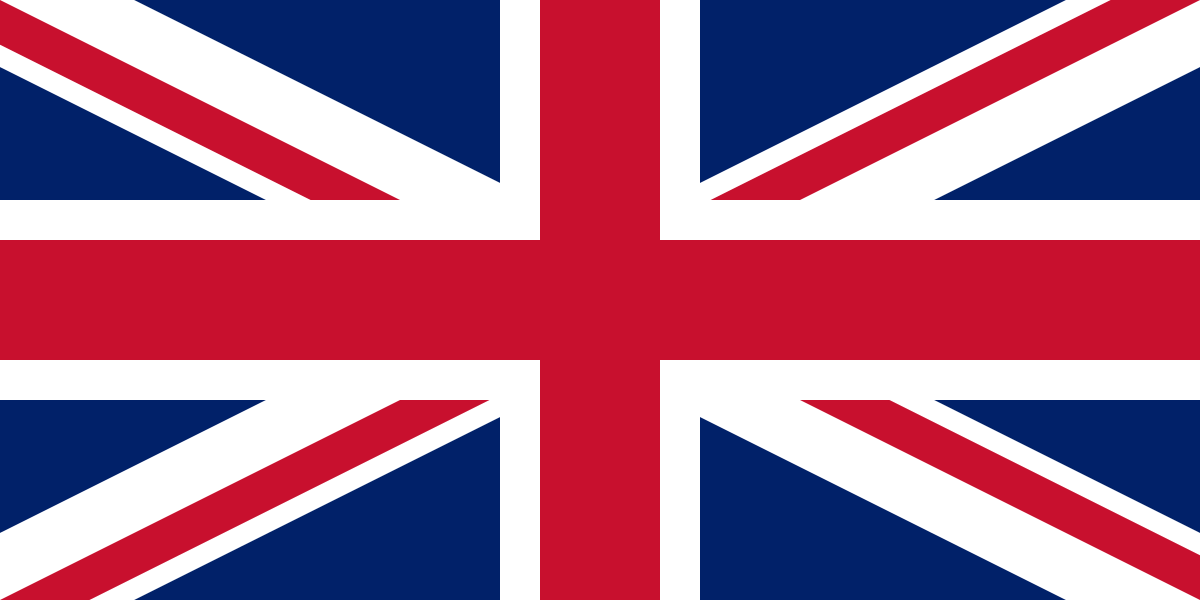 Inglaterra
-
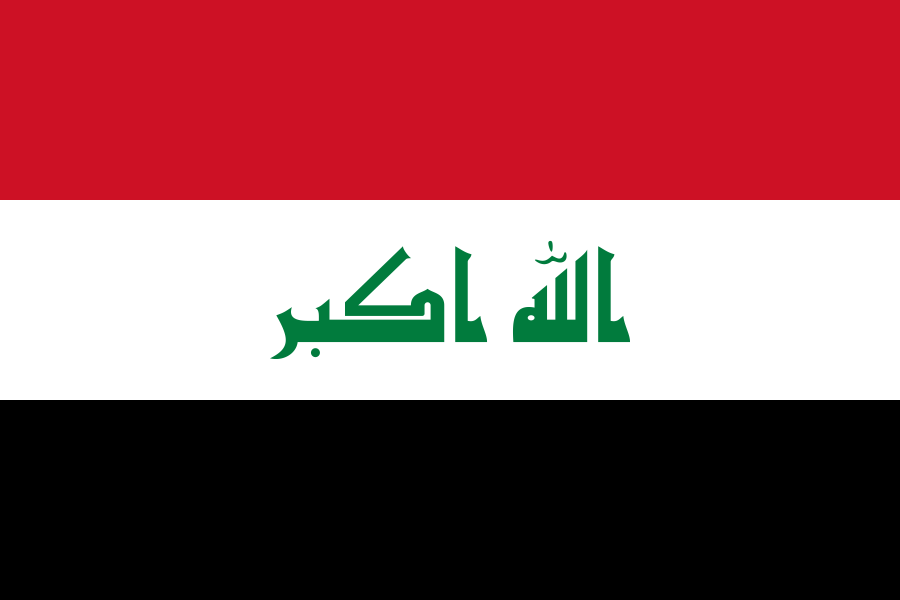 Irak
Irak
-
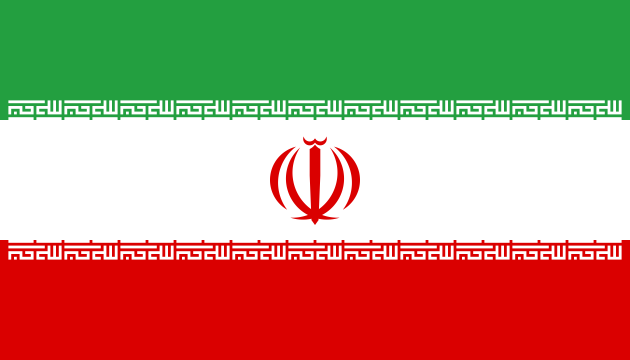 Irán
Irán
-
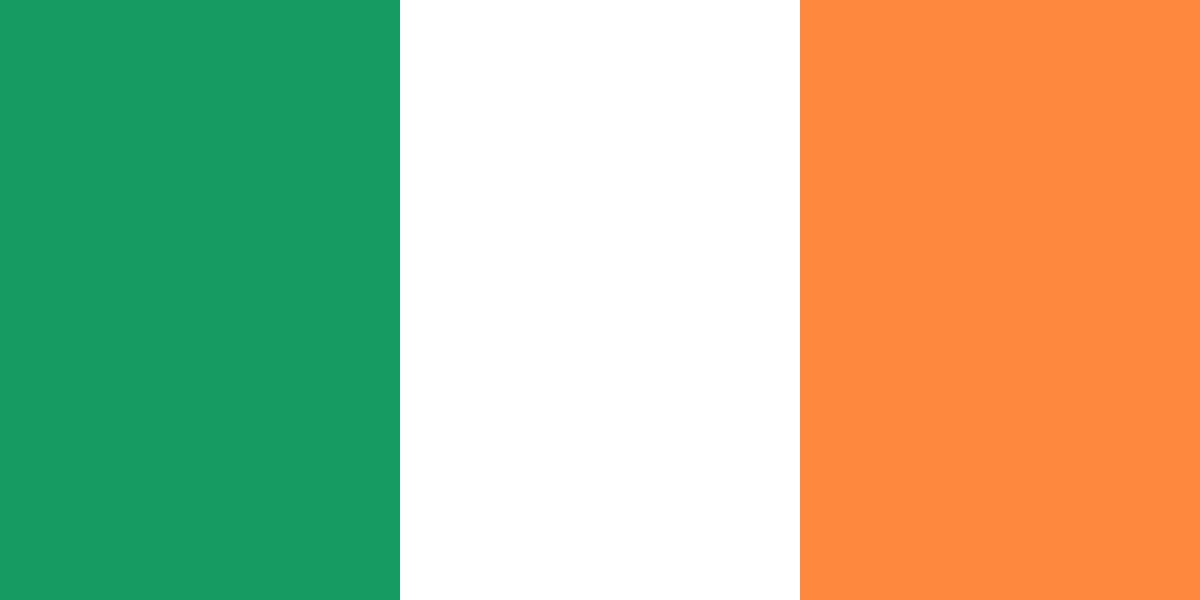 Irlanda
-
 Isla Bouvet
-
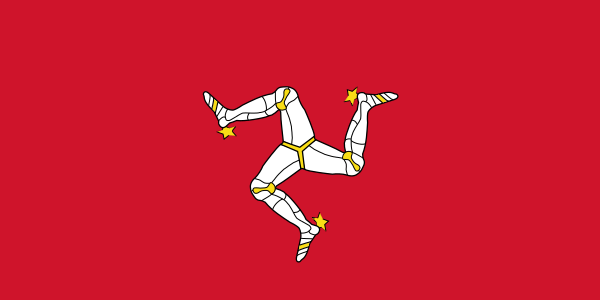 Isla de Man
-
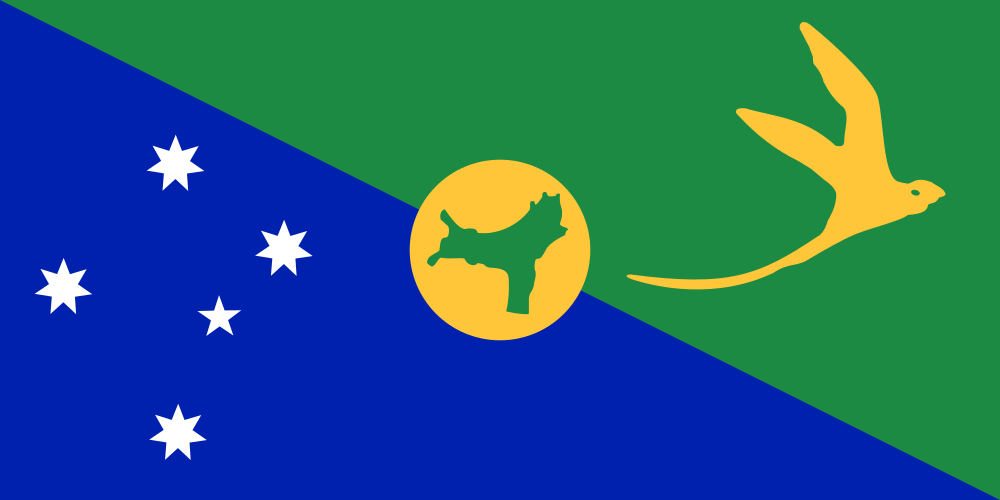 Isla de Navidad
-
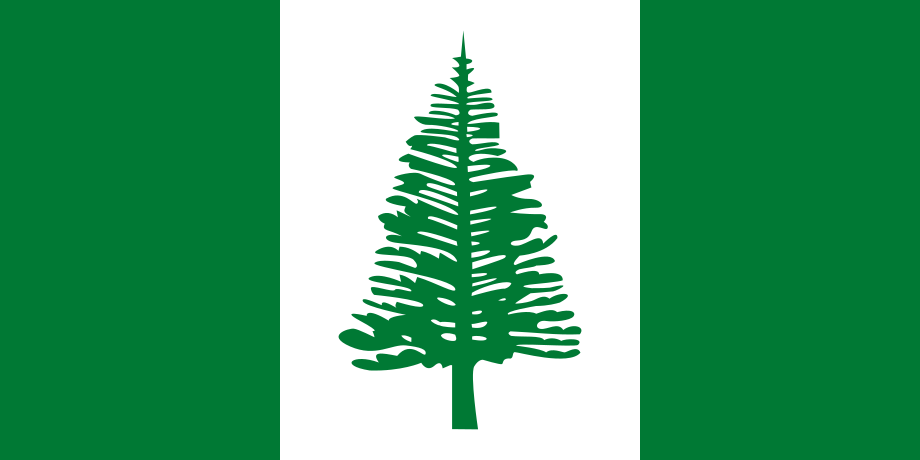 Isla Norfolk
-
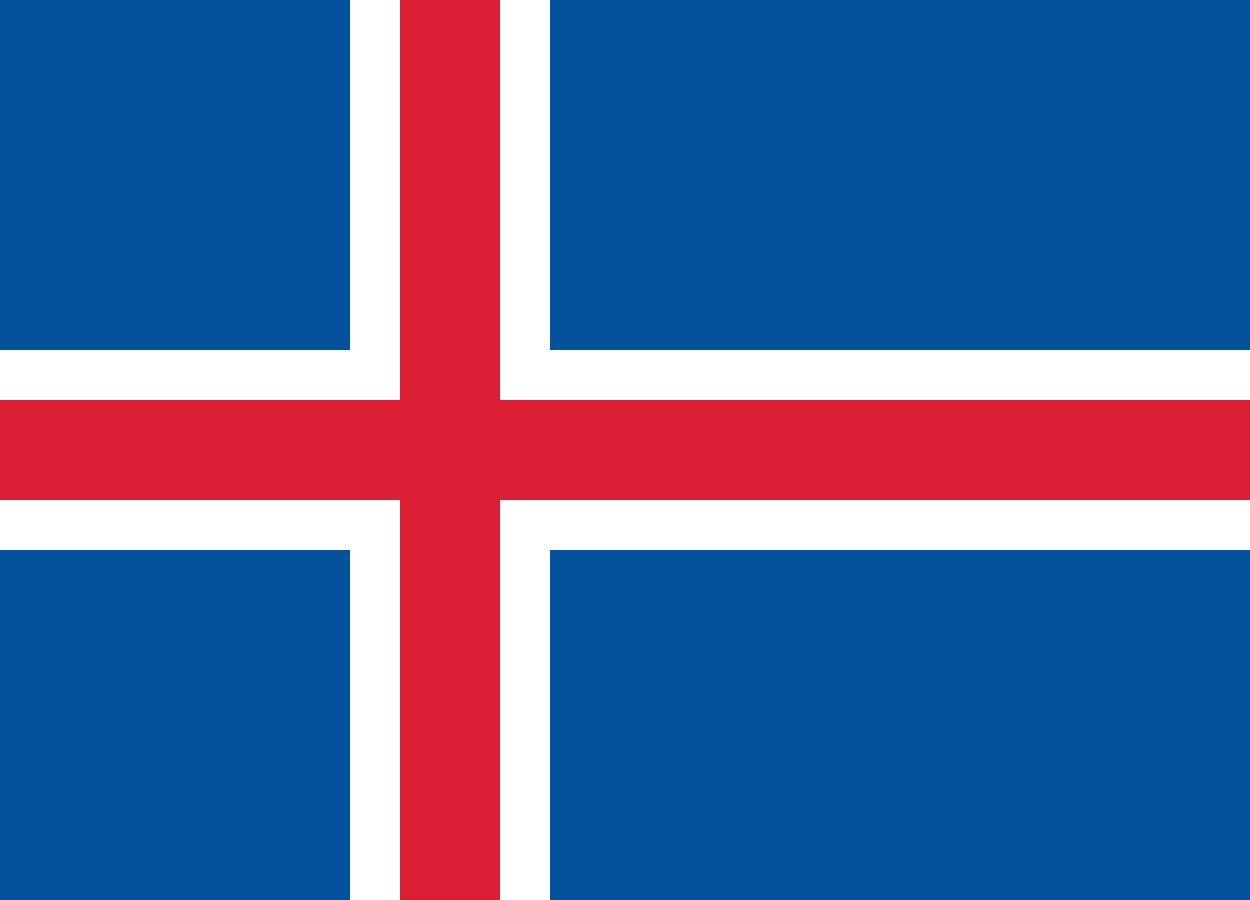 Islandia
-
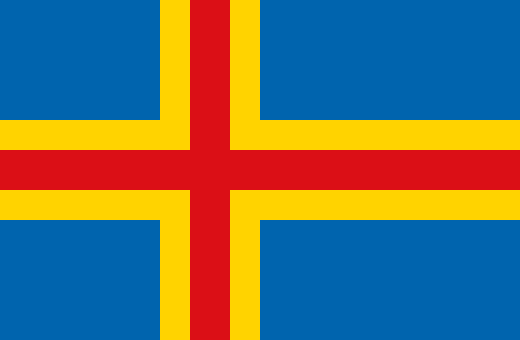 Islas Åland
-
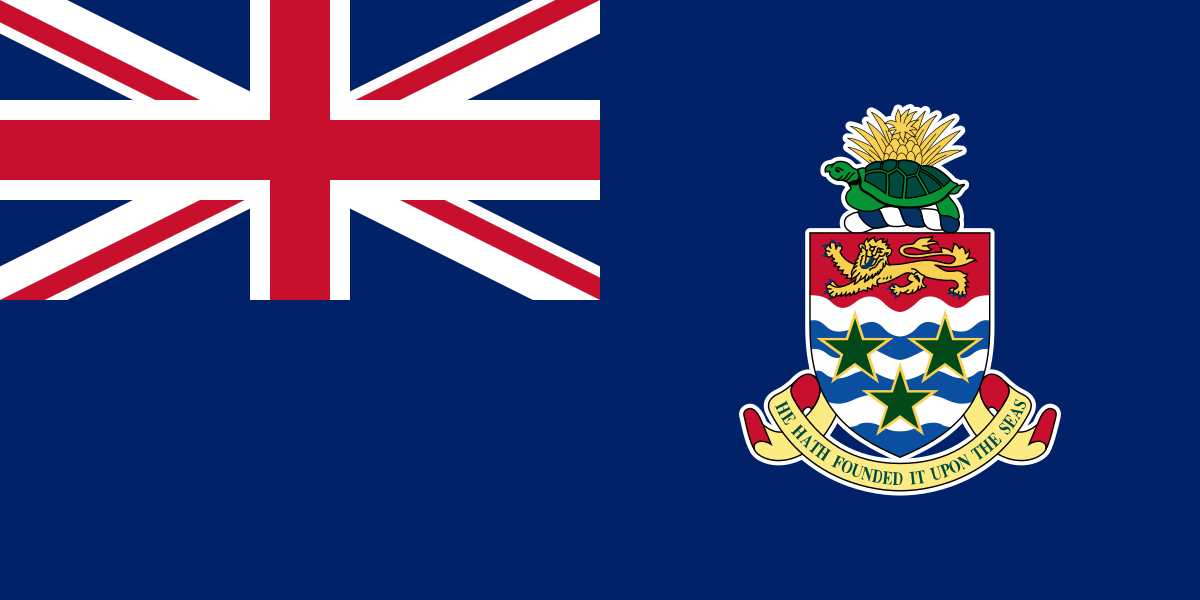 Islas Caimán
-
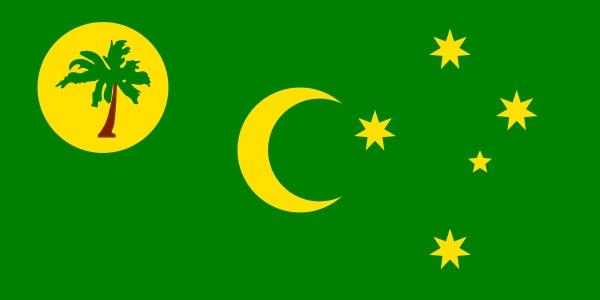 Islas Cocos
-
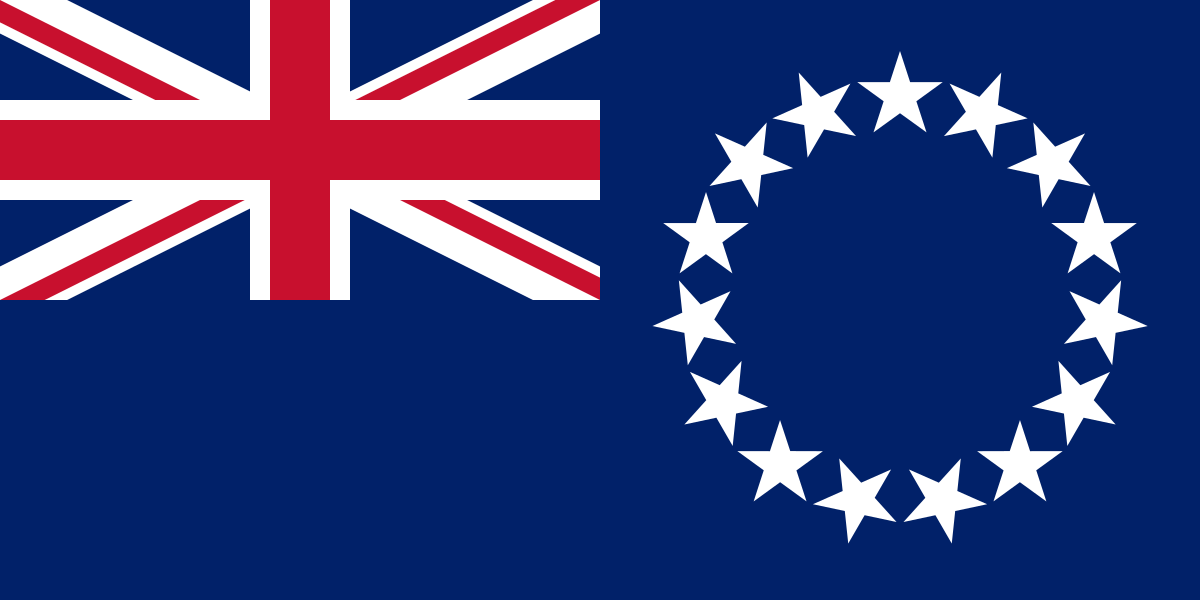 Islas Cook
-
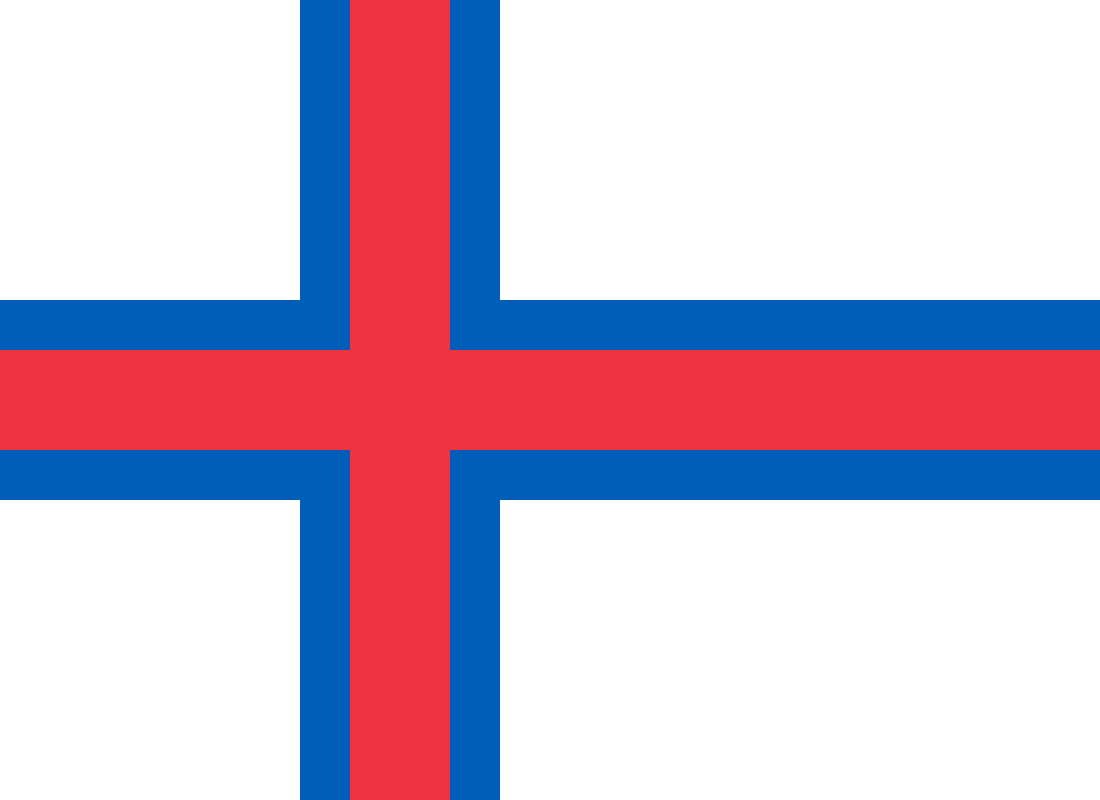 Islas Feroe
-
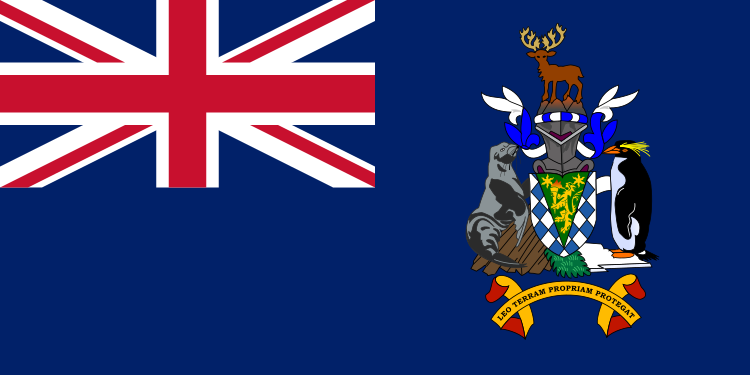 Islas Georgias del Sur y Sandwich del Sur
-
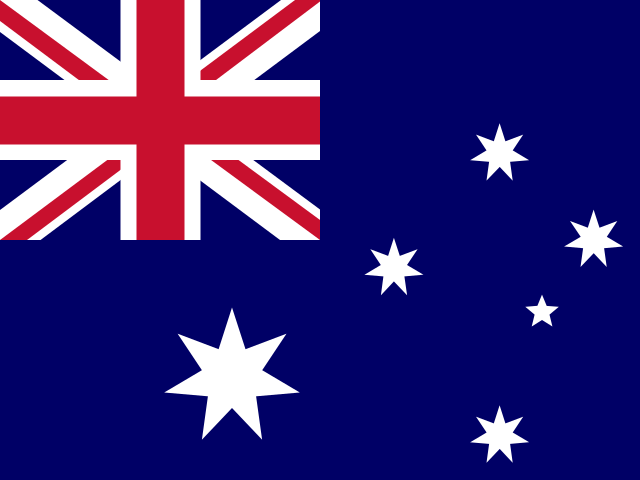 Islas Heard y McDonald
-
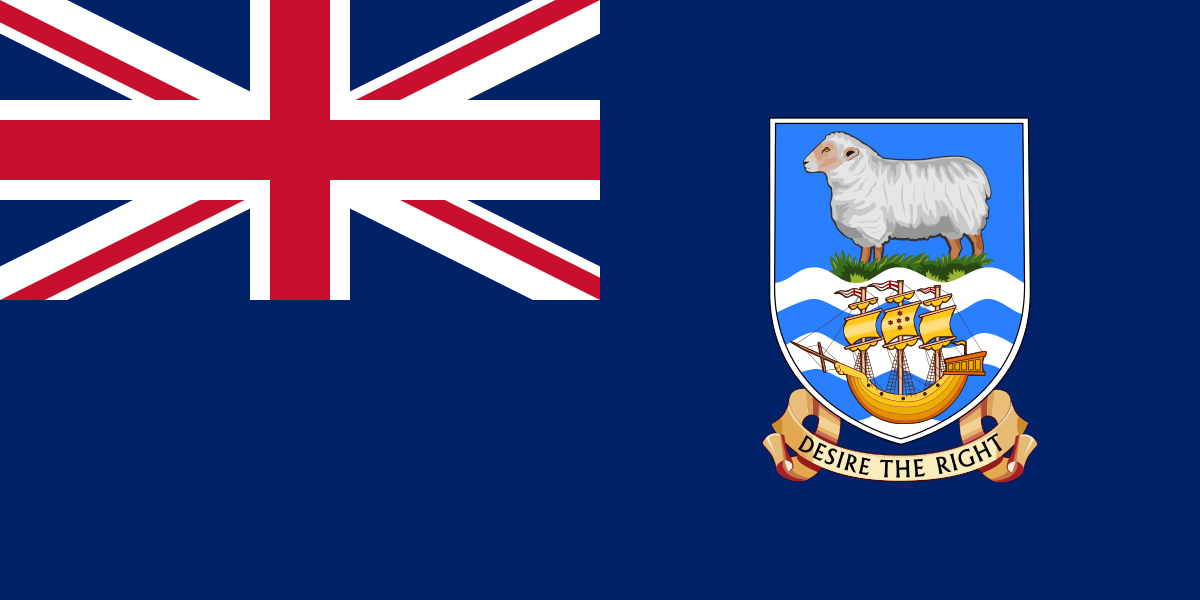 Islas Malvinas
-
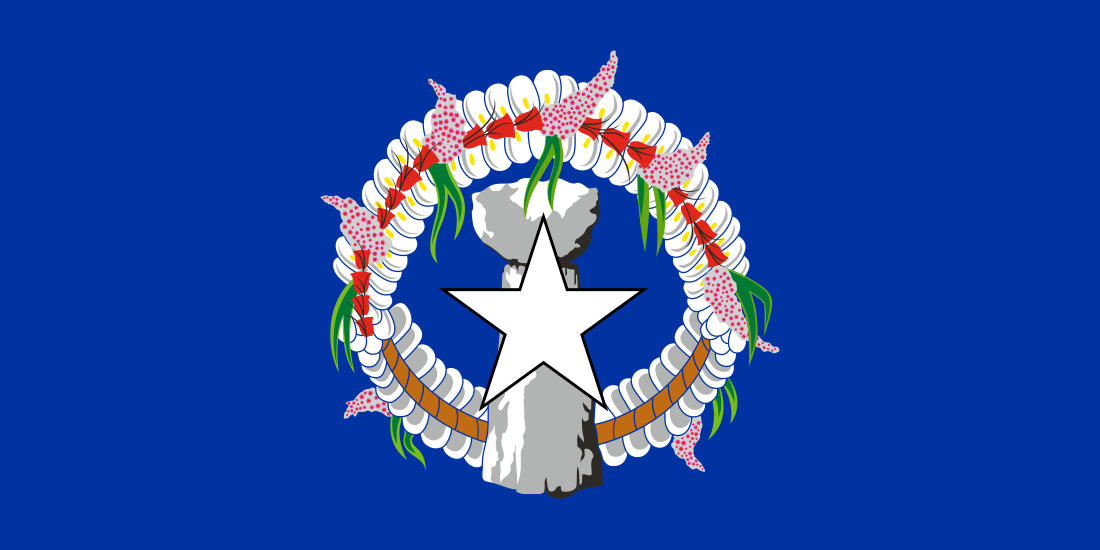 Islas Marianas del Norte
-
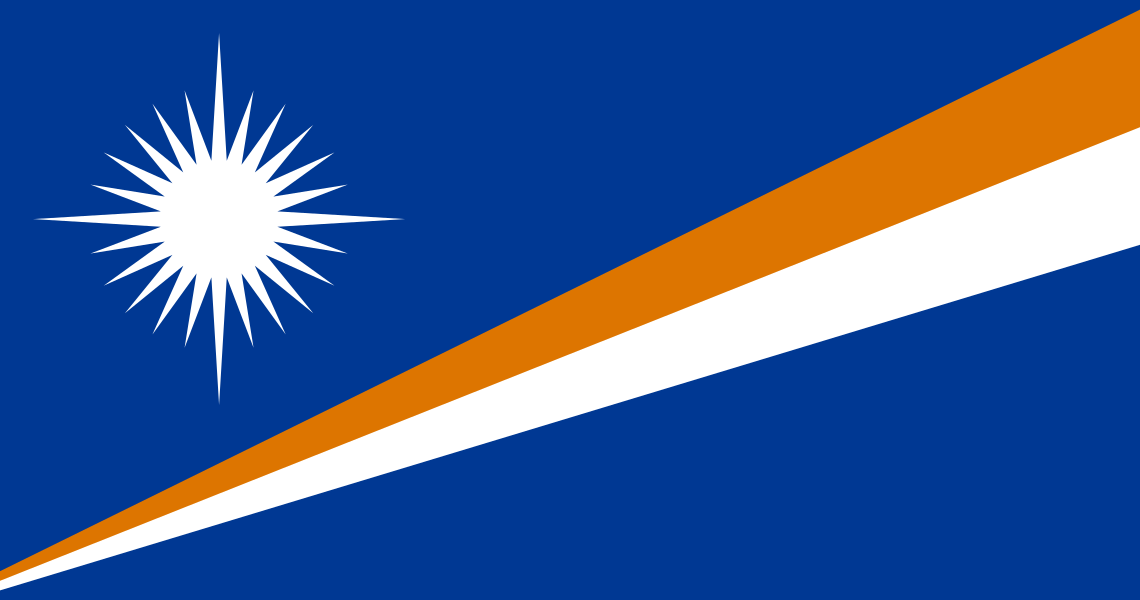 Islas Marshall
-
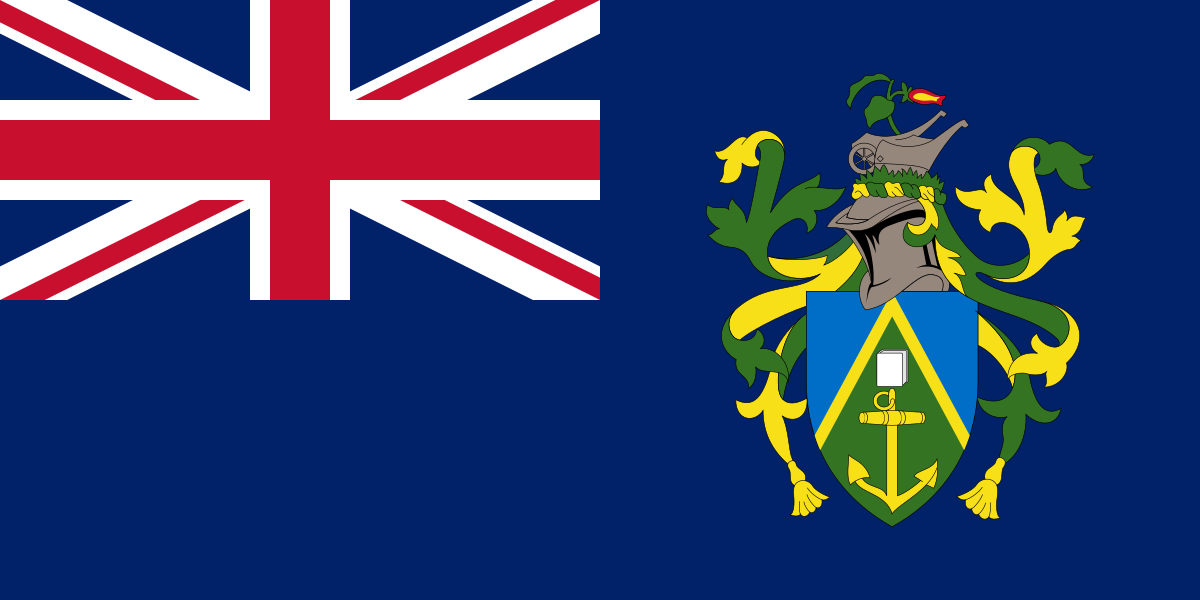 Islas Pitcairn
-
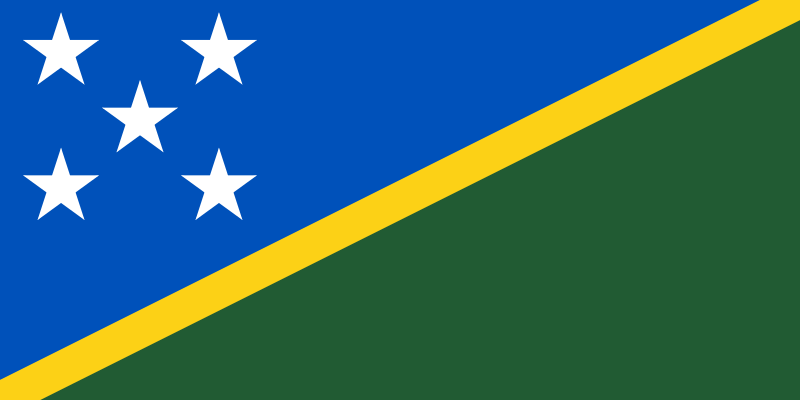 Islas Salomón
-
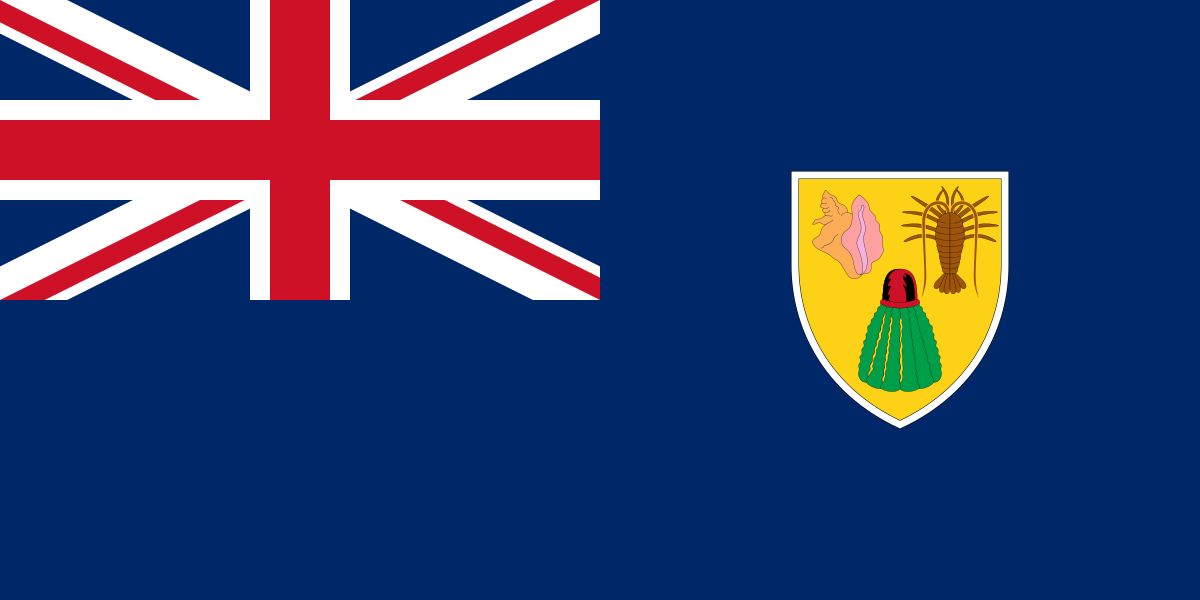 Islas Turcas y Caicos
-
Islas Ultramarinas Menores de los Estados Unidos
-
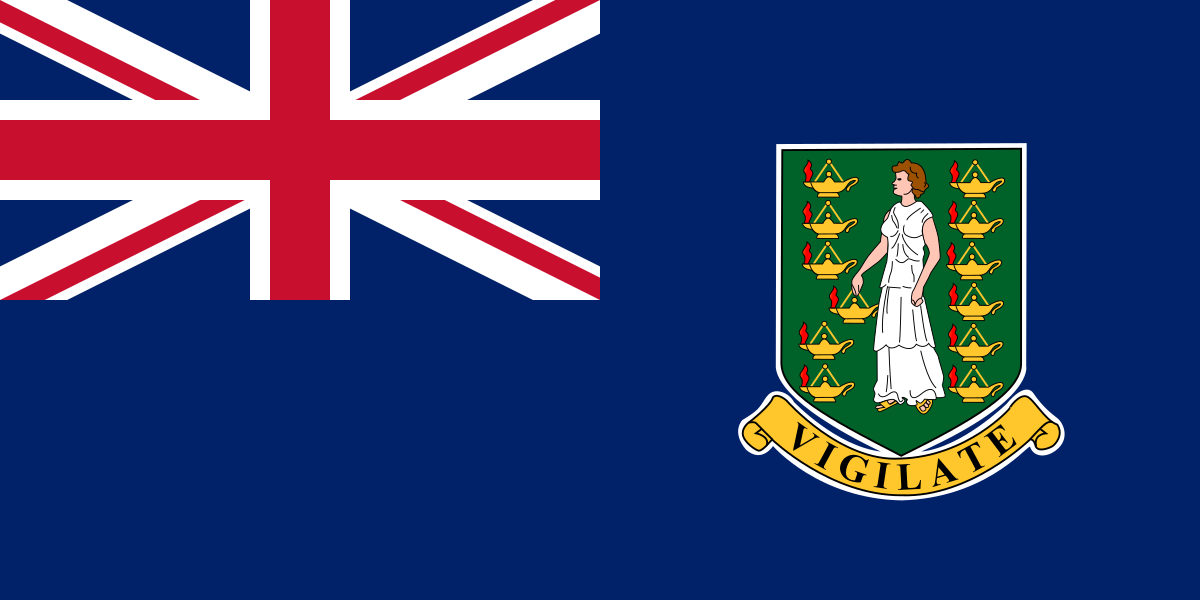 Islas Vírgenes Británicas
-
 Islas Vírgenes de los Estados Unidos
-
 Israel
-
 Italia
-
 Jamaica
-
 Japón
Japón
-
 Jersey
-
 Jordania
-
 Kazajistán
-
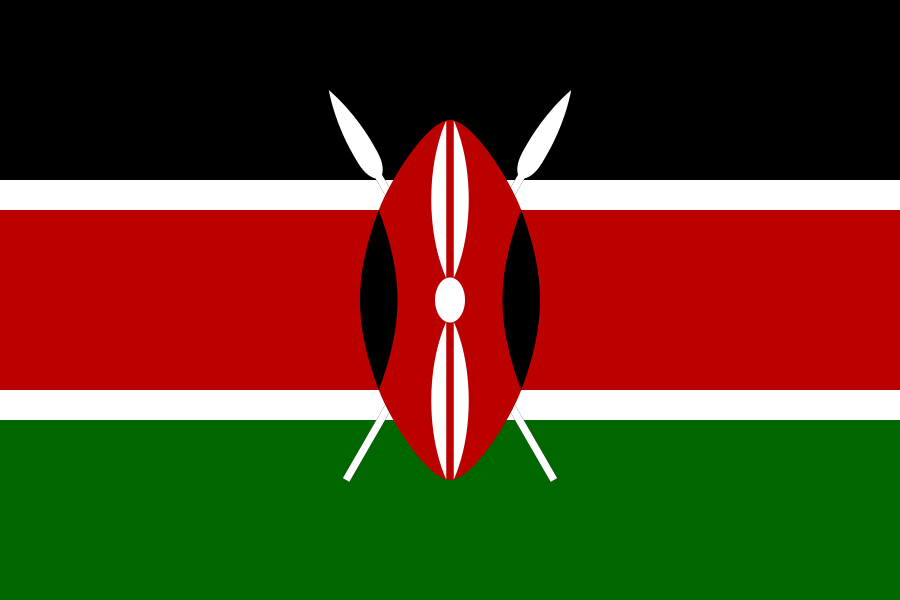 Kenia
Kenia
-
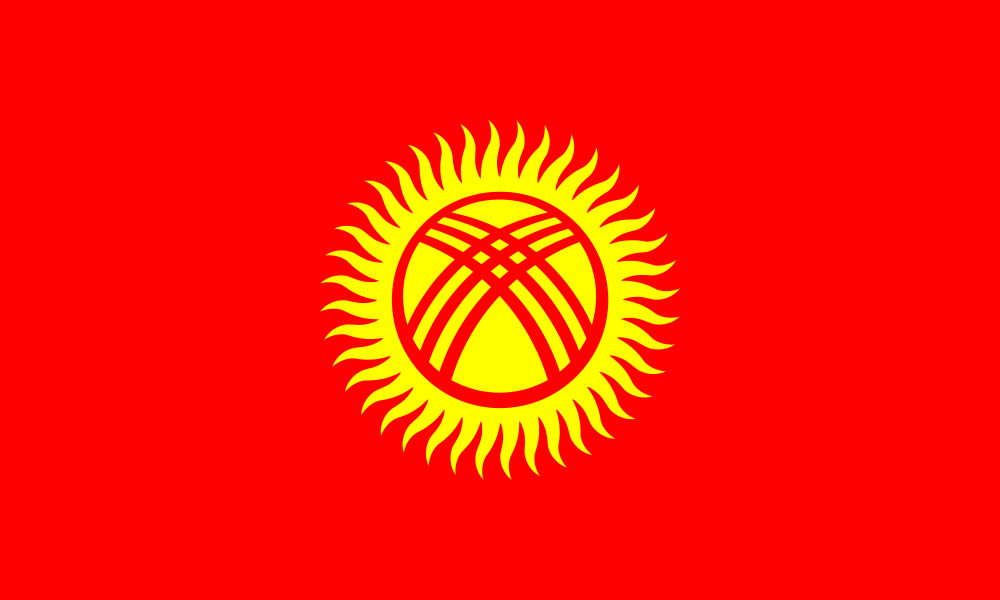 Kirguistán
-
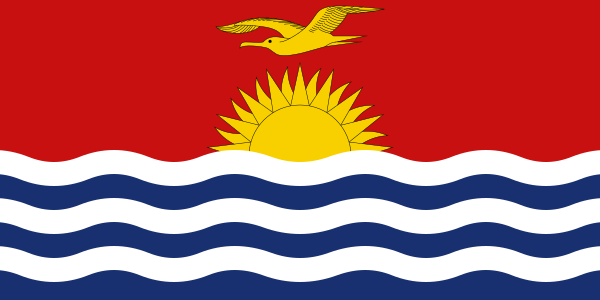 Kiribati
-
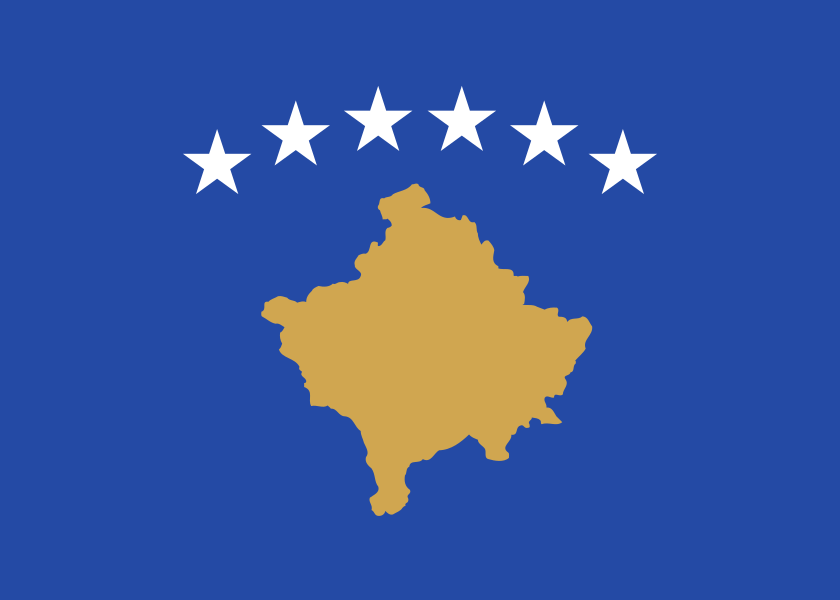 Kosovo
-
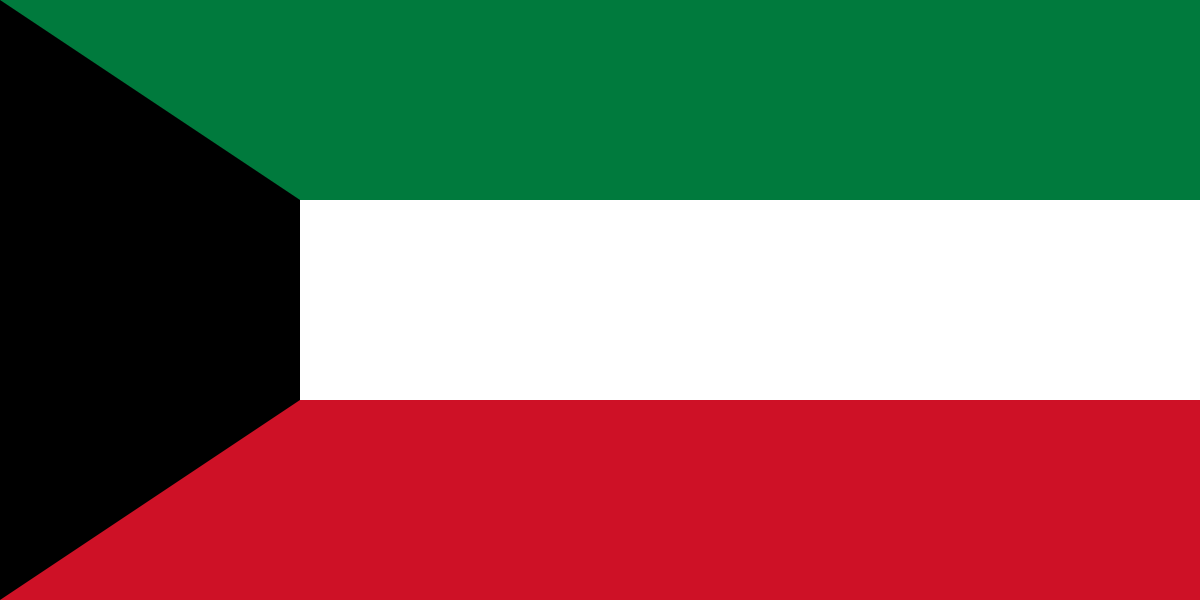 Kuwait
-
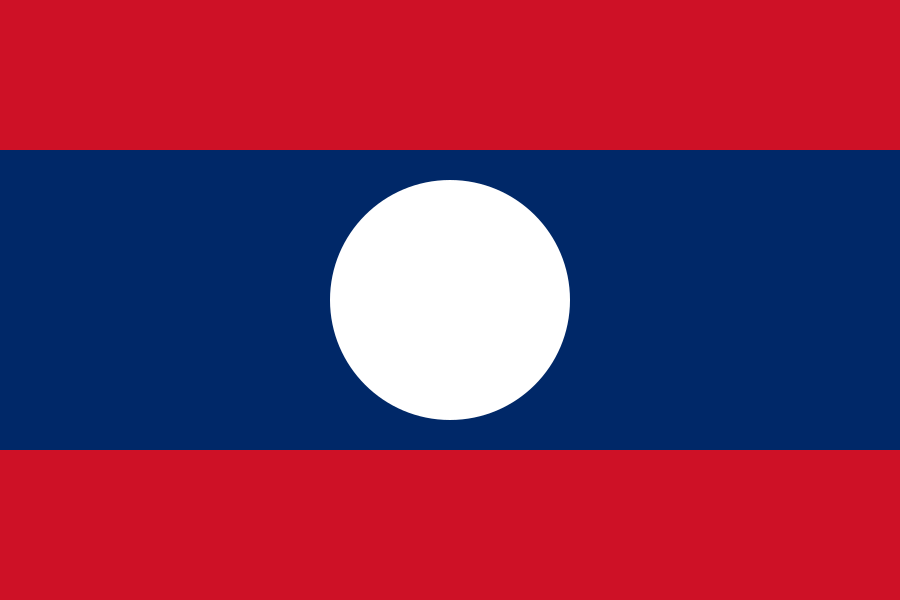 Laos
Laos
-
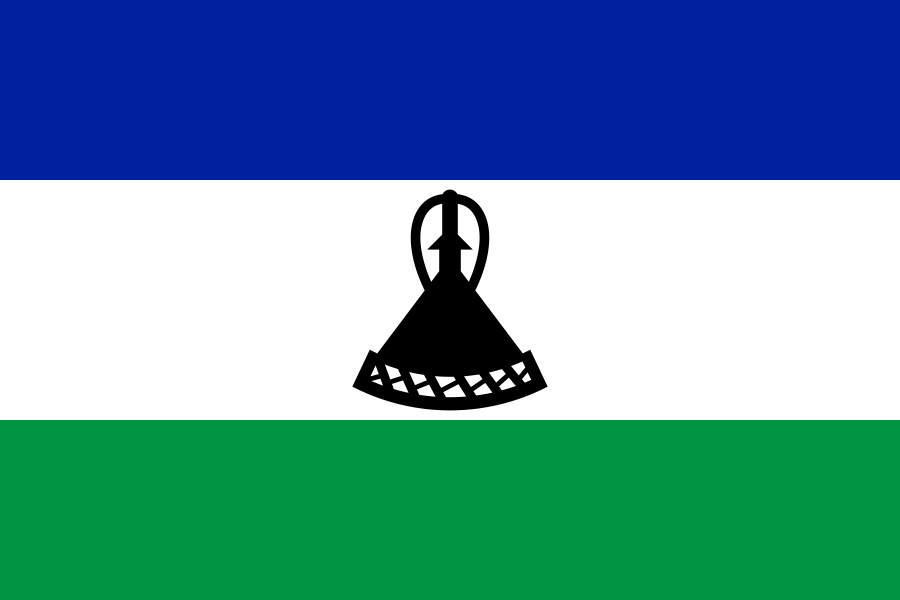 Lesoto
-
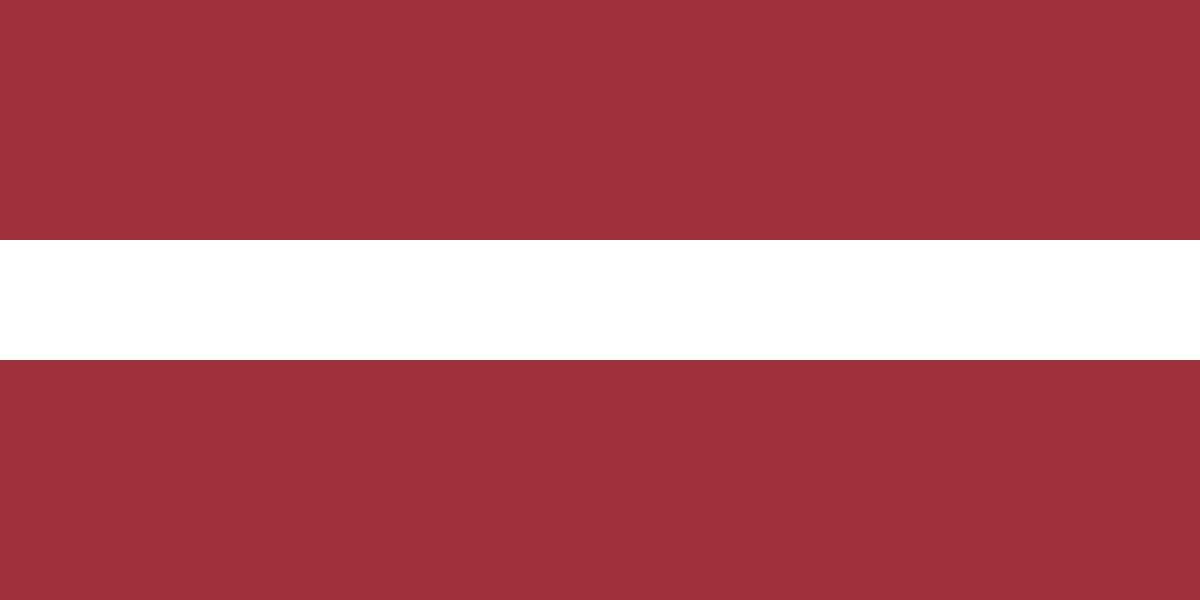 Letonia
-
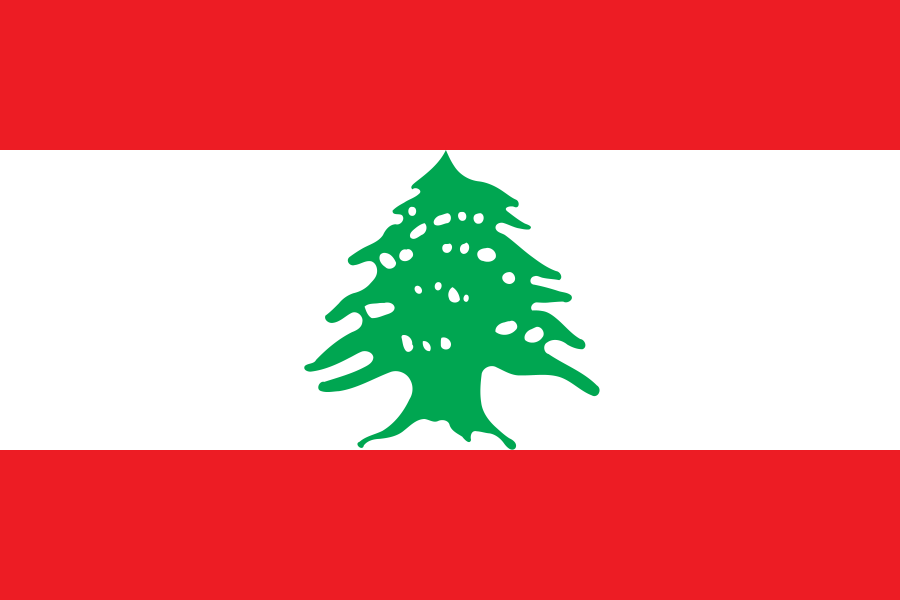 Líbano
-
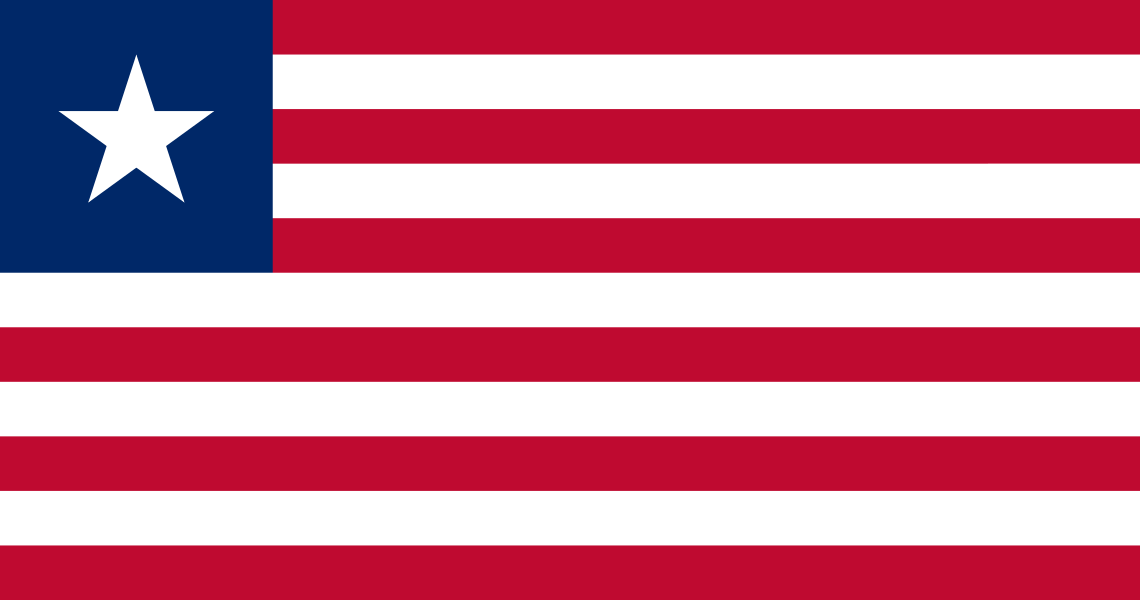 Liberia
-
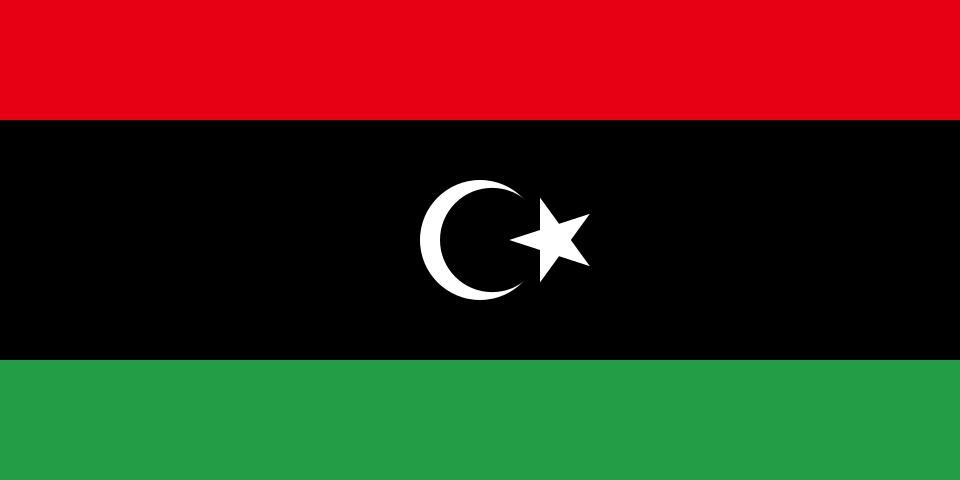 Libia
Libia
-
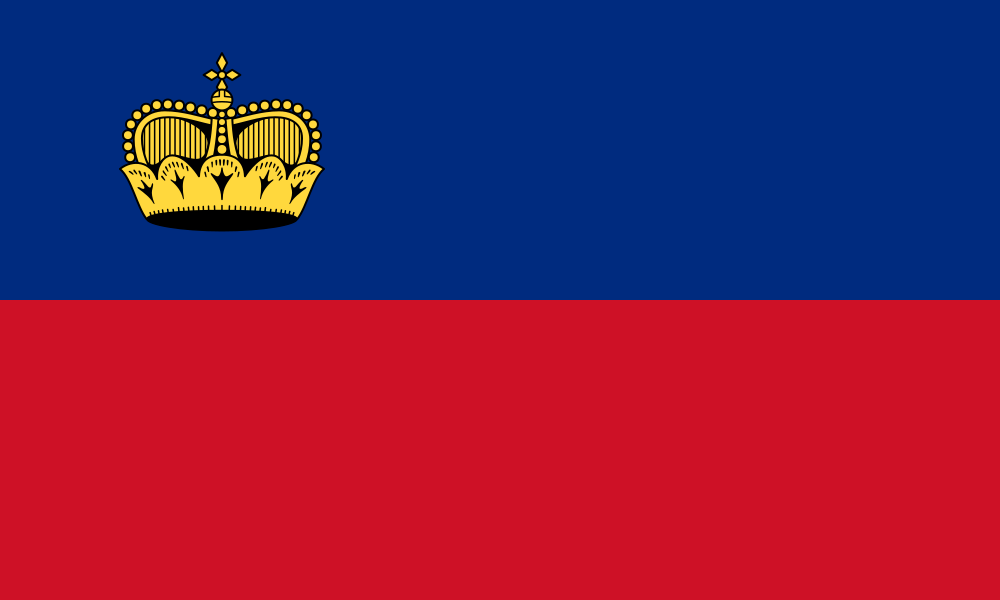 Liechtenstein
-
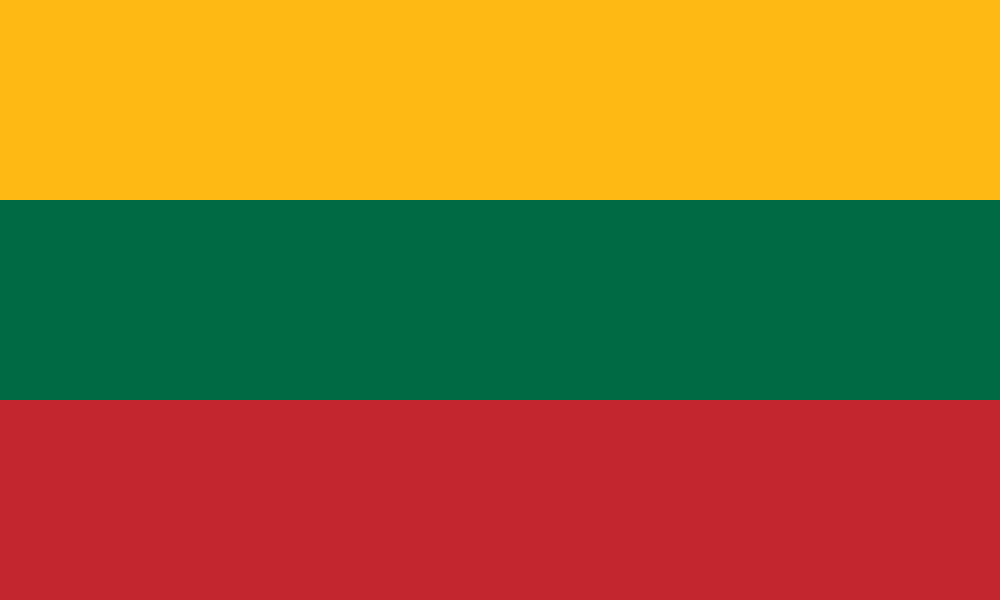 Lituania
-
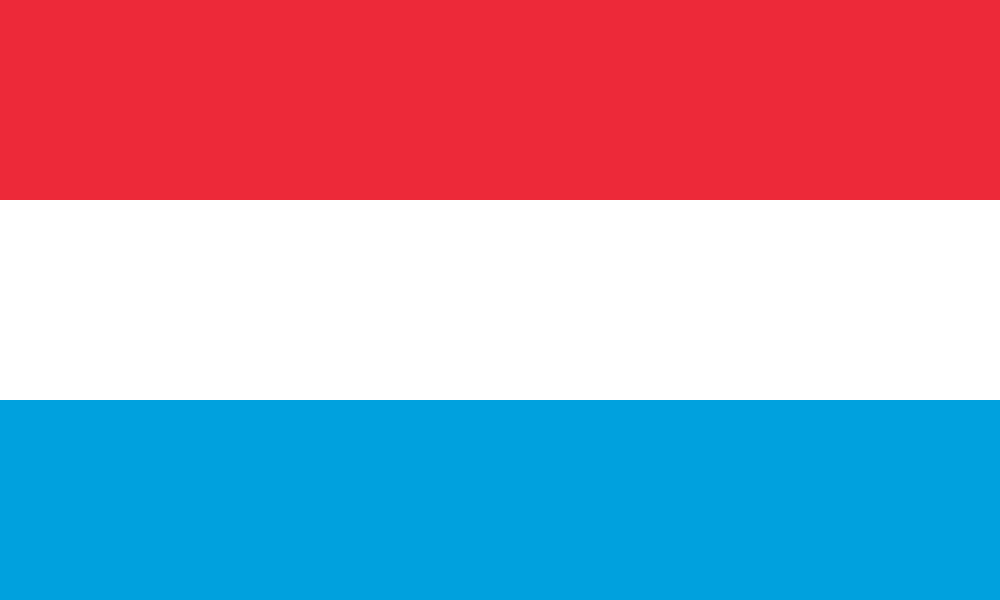 Luxemburgo
-
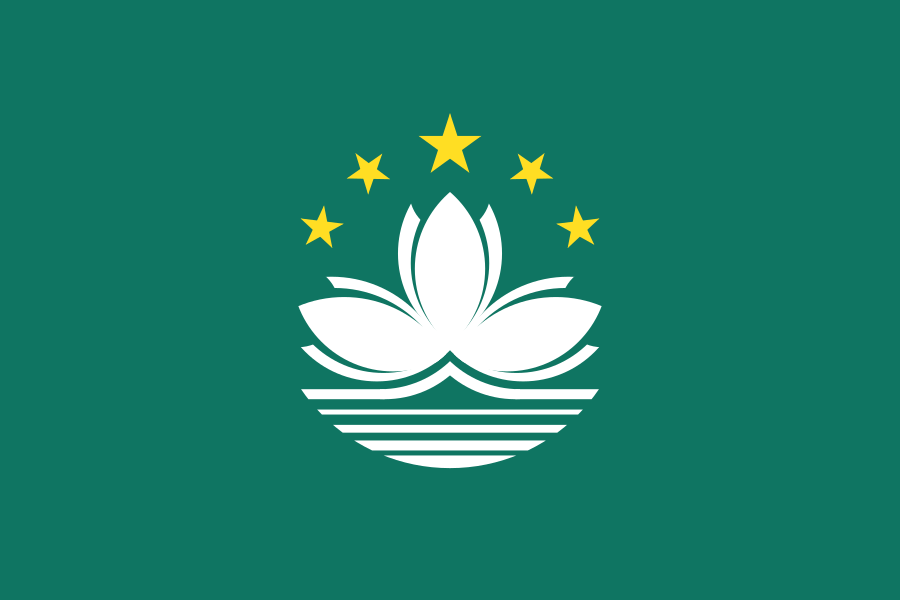 Macao
Macao
-
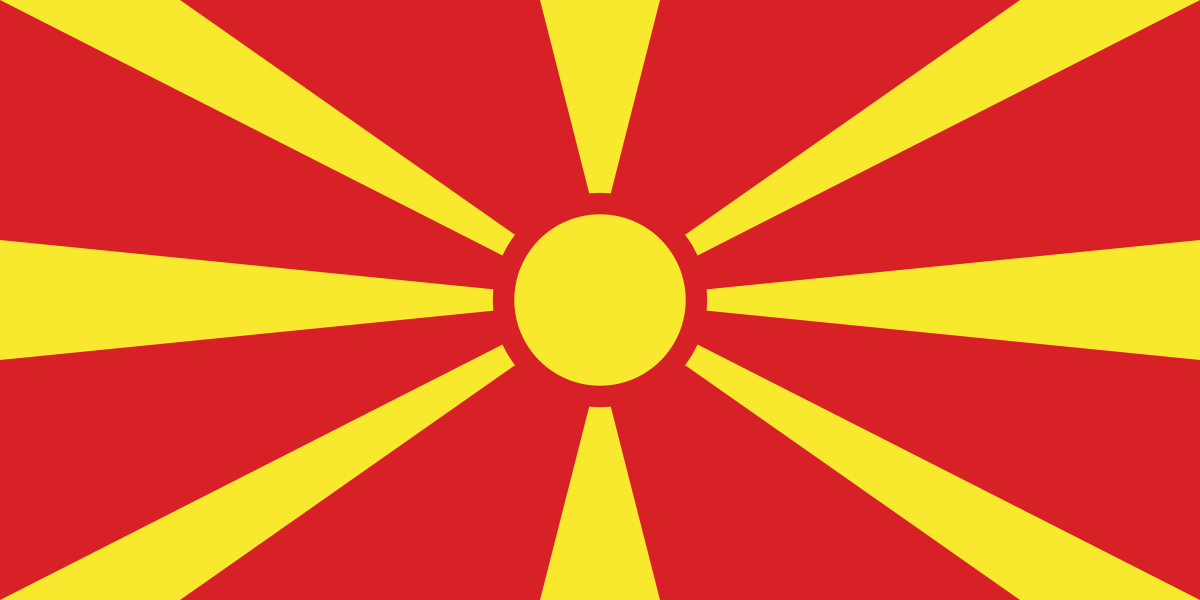 Macedonia del Norte
-
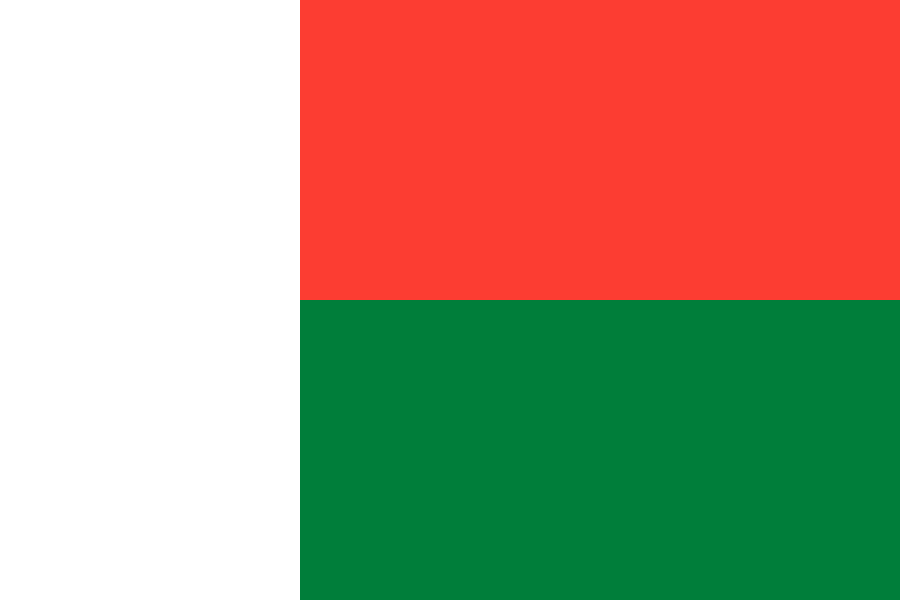 Madagascar
-
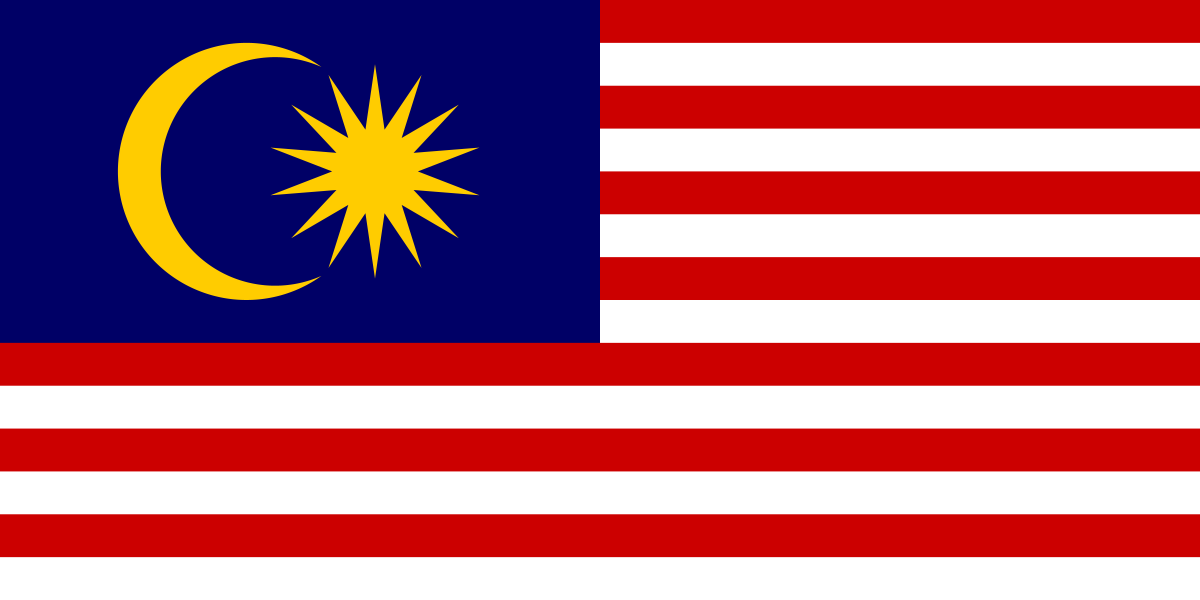 Malasia
-
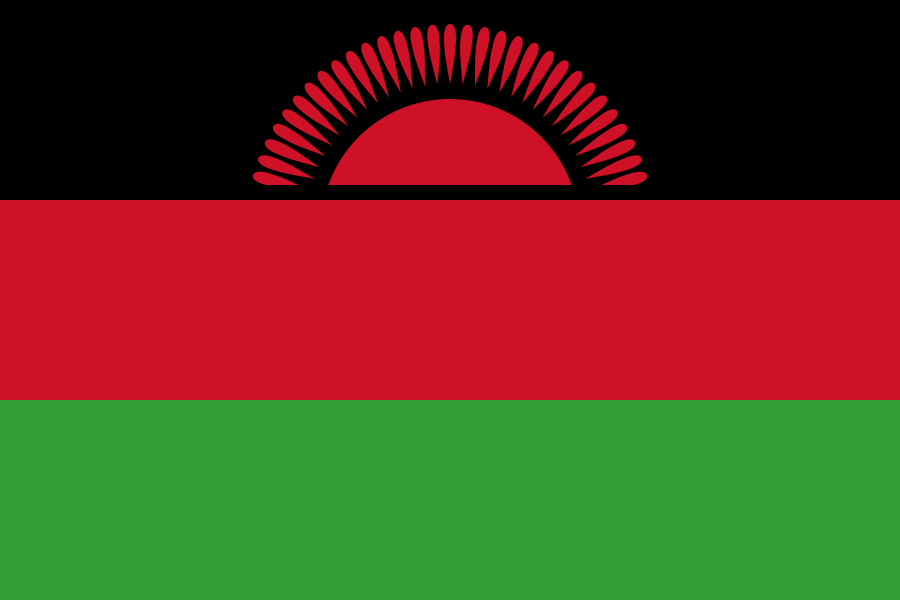 Malaui
-
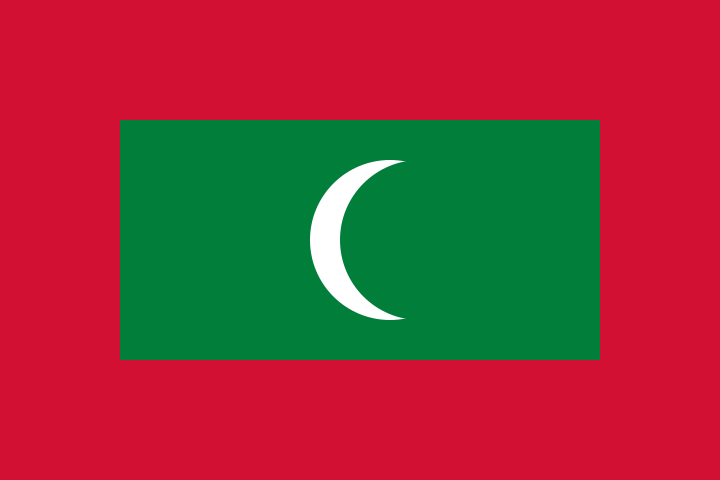 Maldivas
-
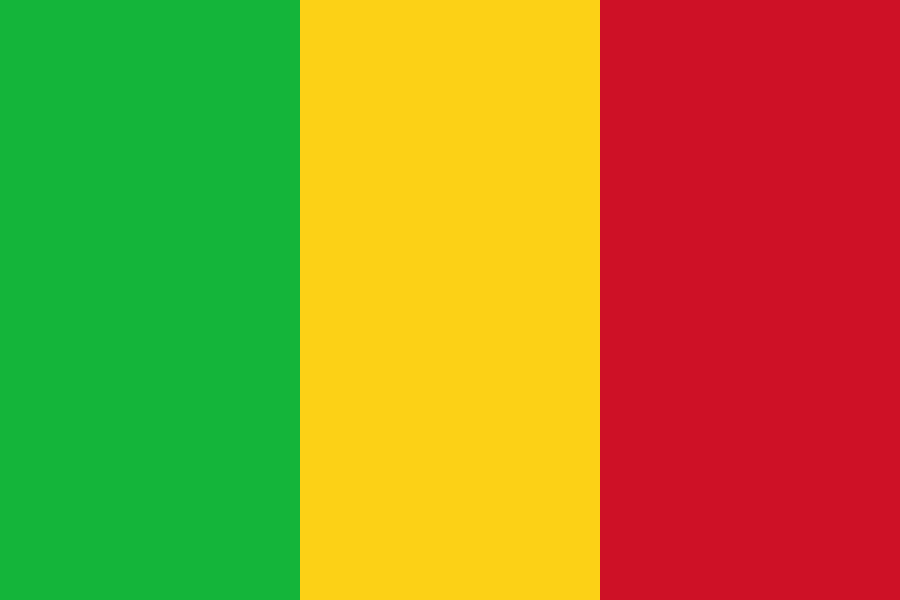 Malí
Malí
-
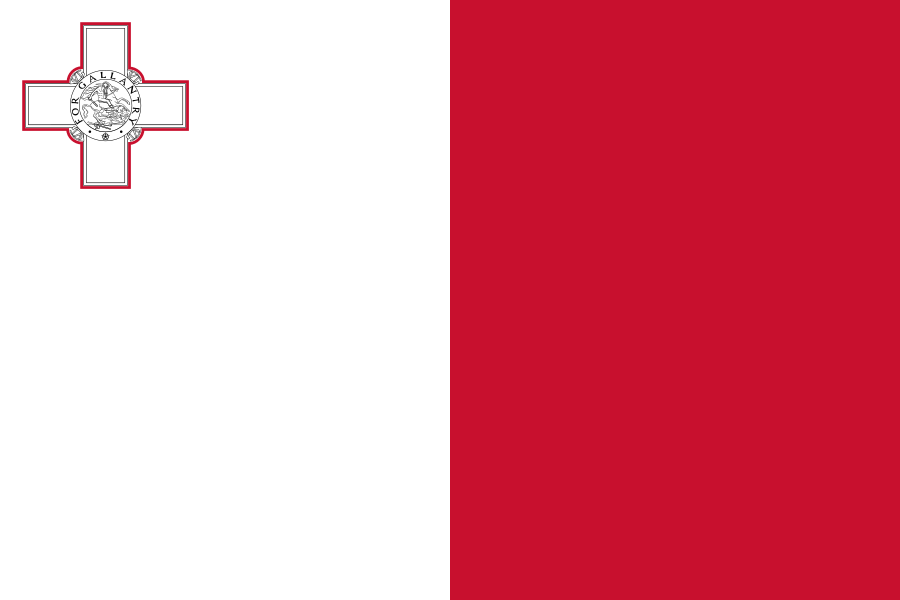 Malta
Malta
-
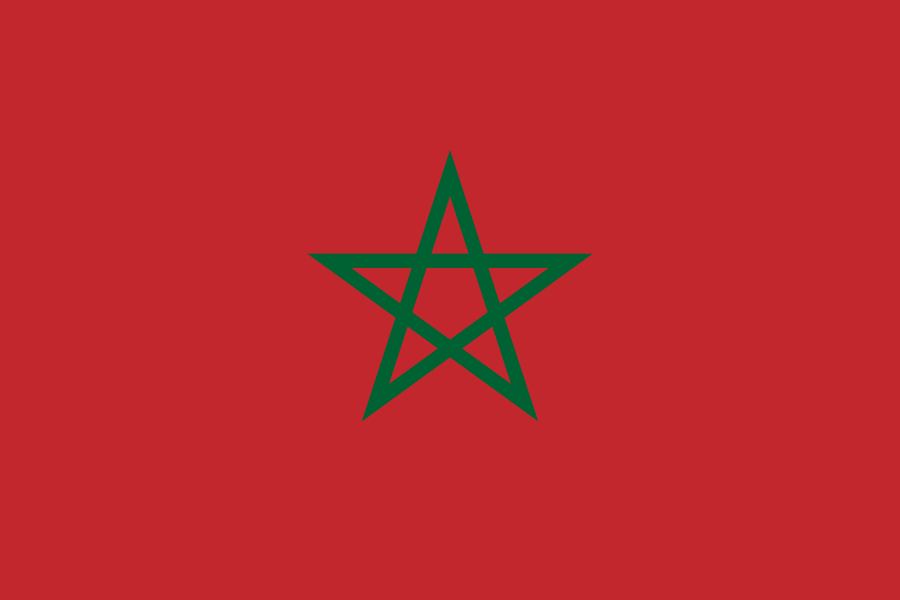 Marruecos
-
Martinica
-
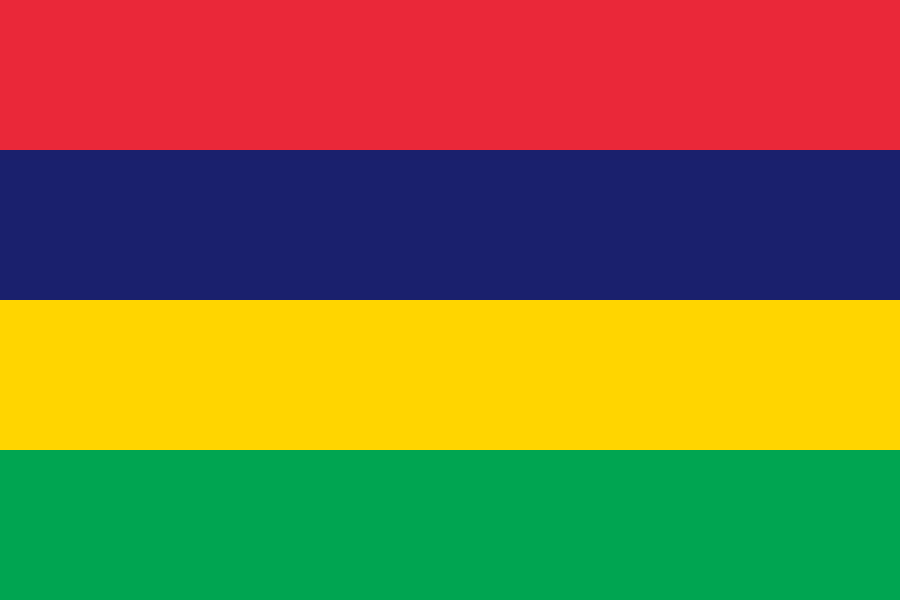 Mauricio
-
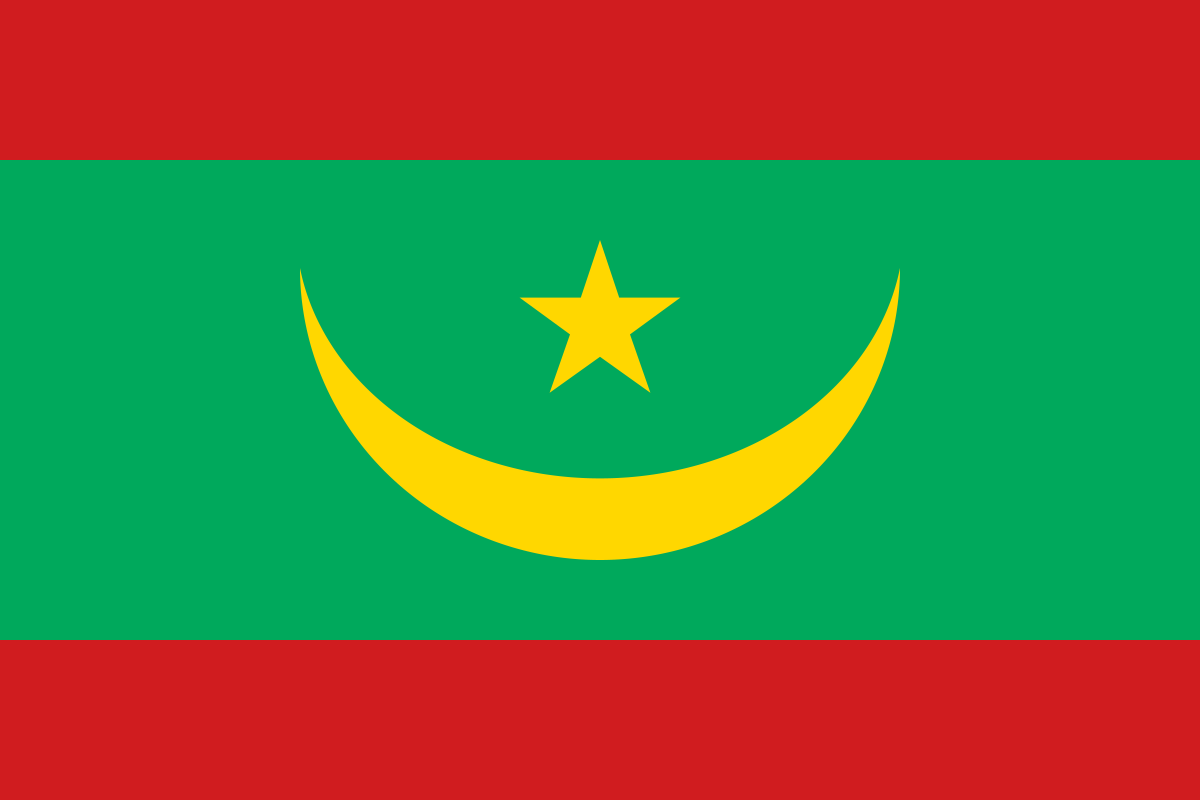 Mauritania
-
Mayotte
-
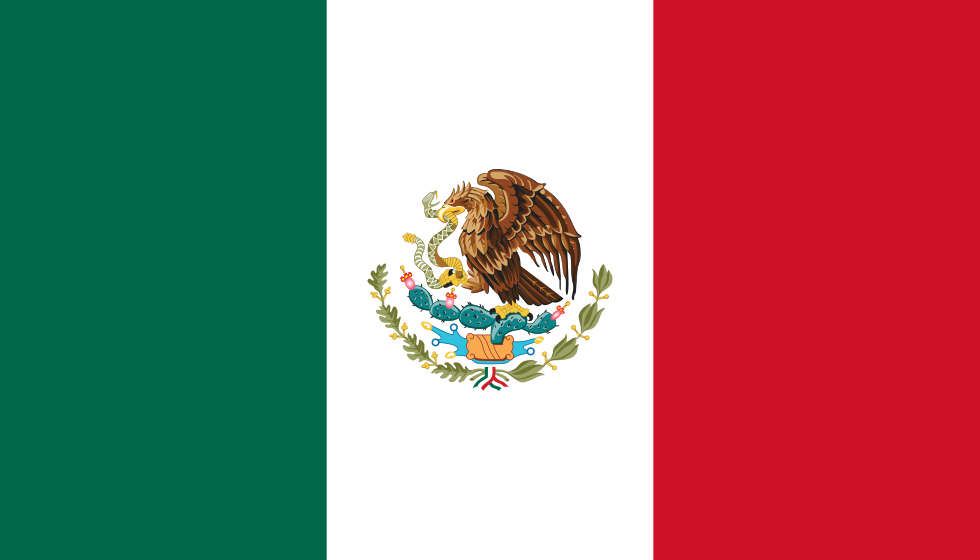 México
-
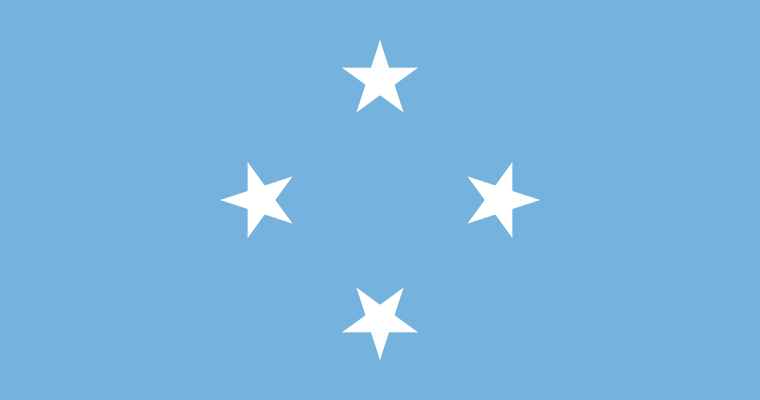 Micronesia
-
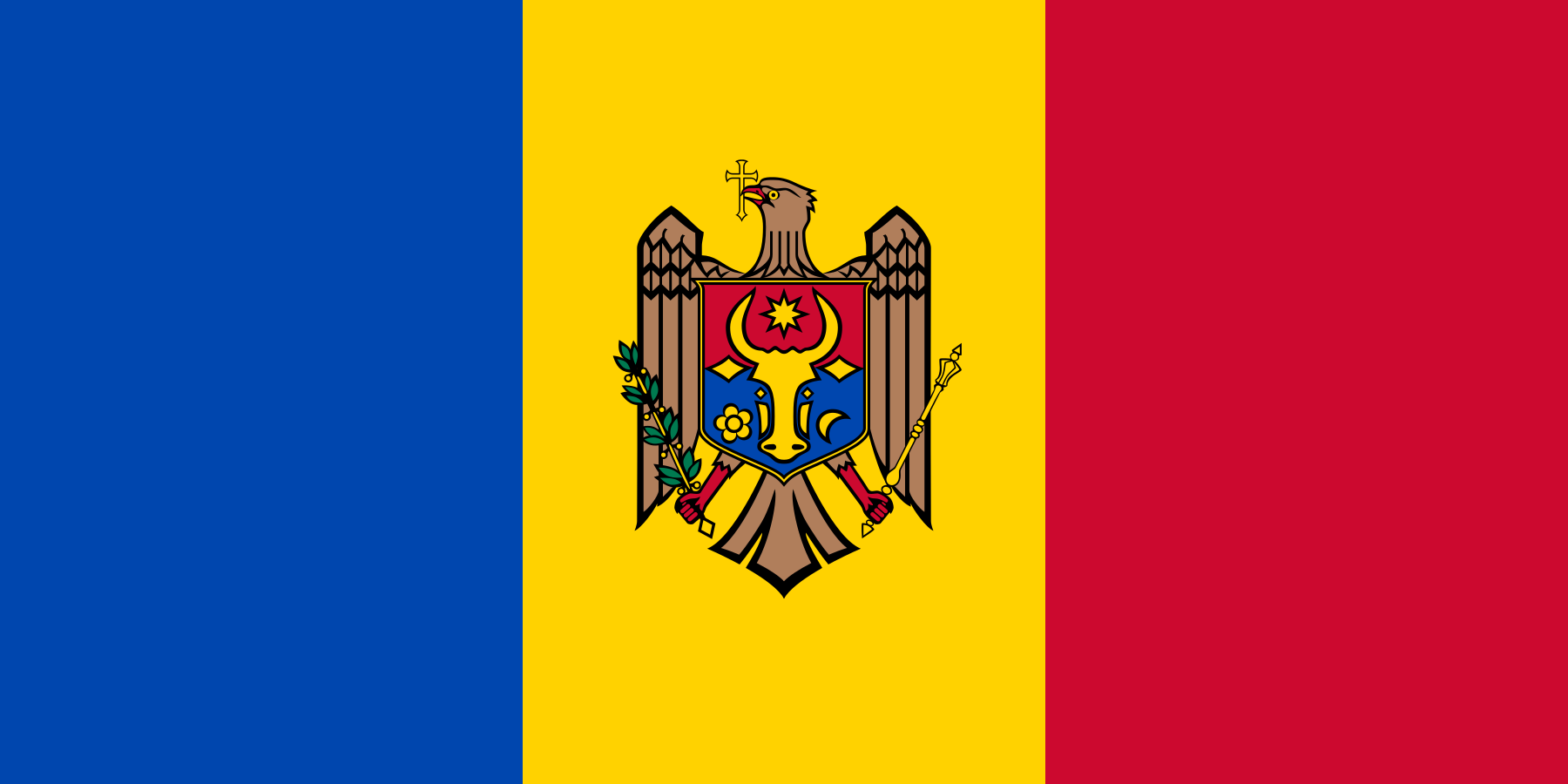 Moldavia
-
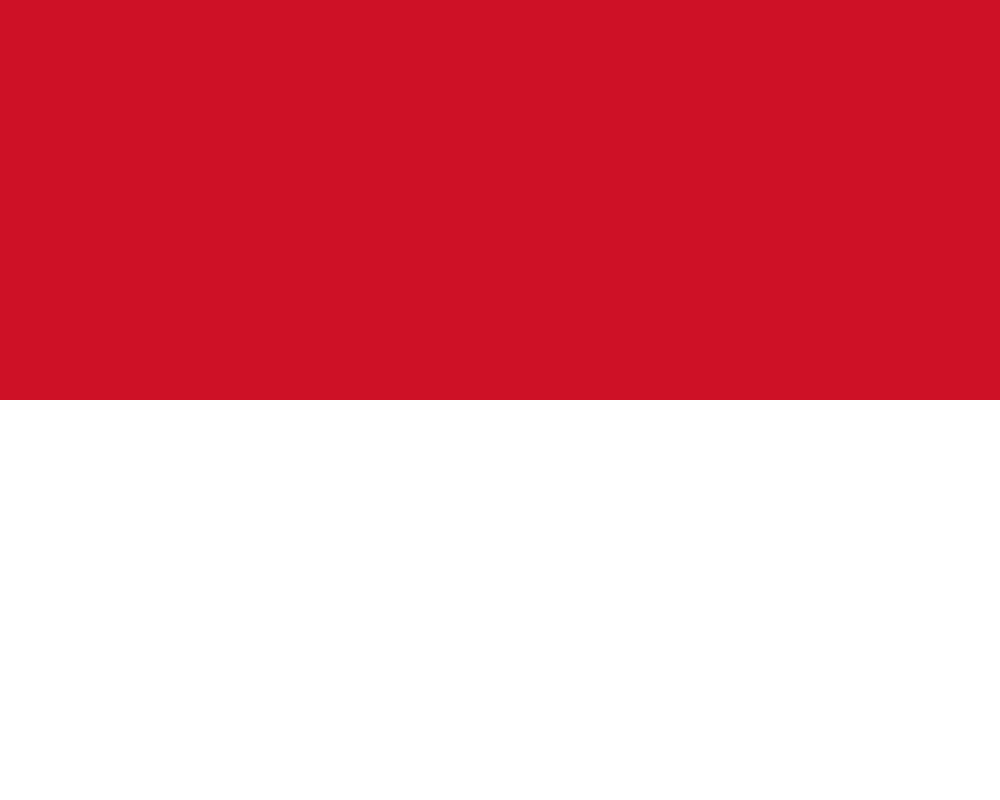 Mónaco
-
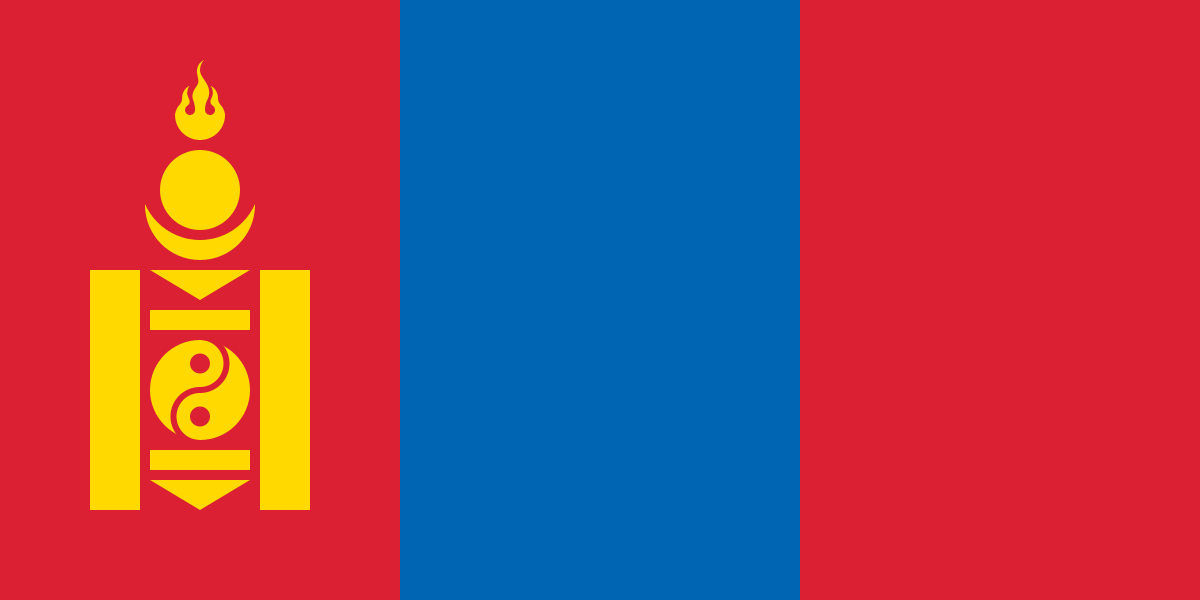 Mongolia
-
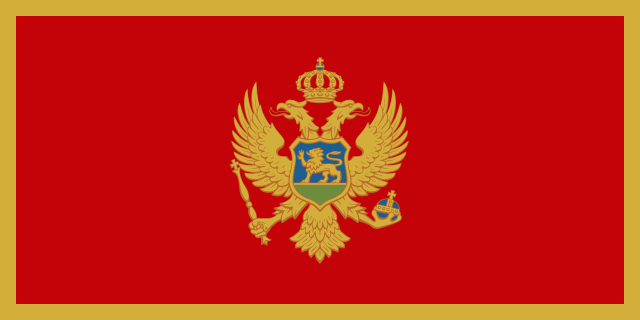 Montenegro
-
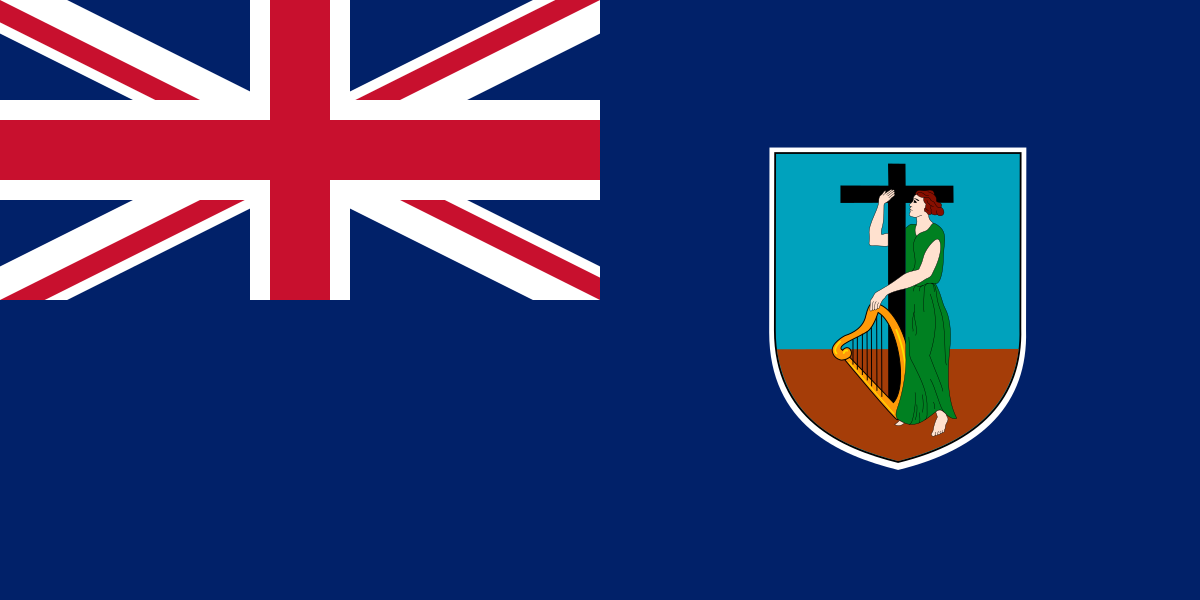 Montserrat
-
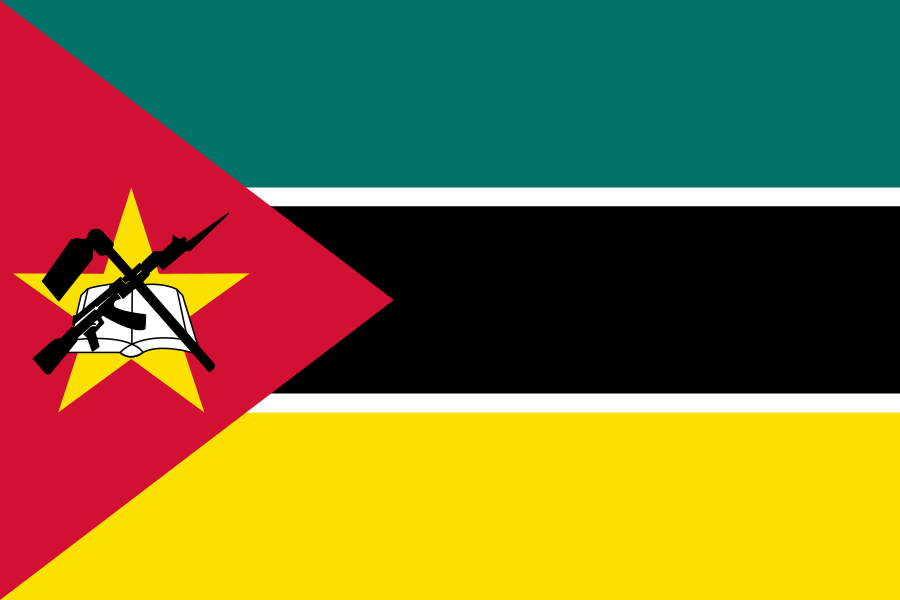 Mozambique
-
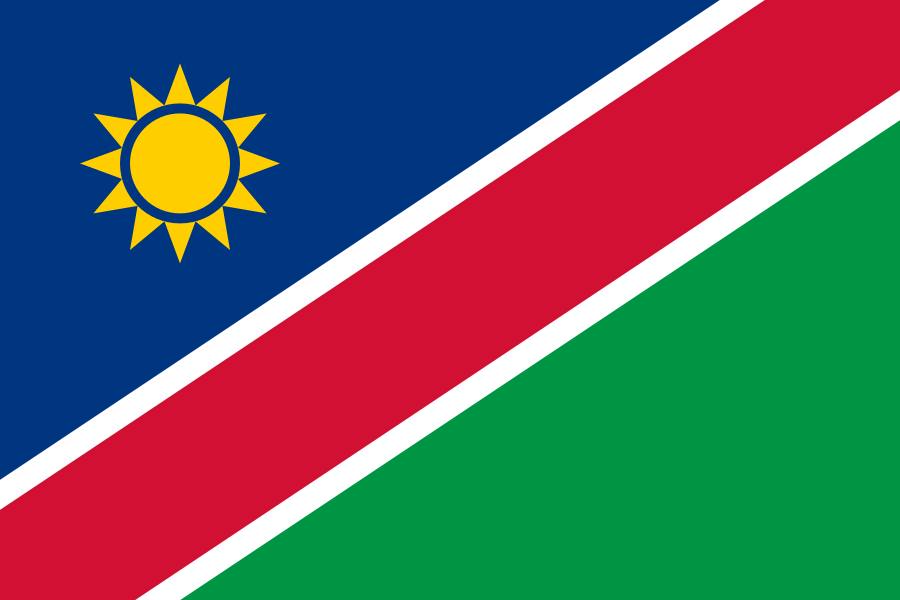 Namibia
-
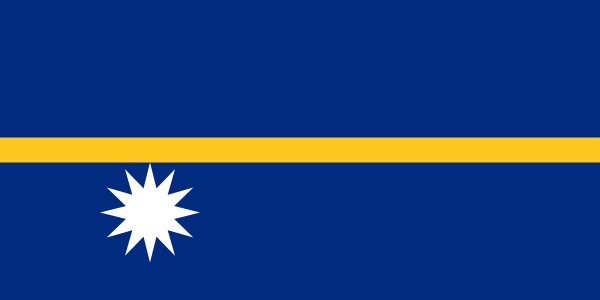 Nauru
Nauru
-
 Nepal
Nepal
-
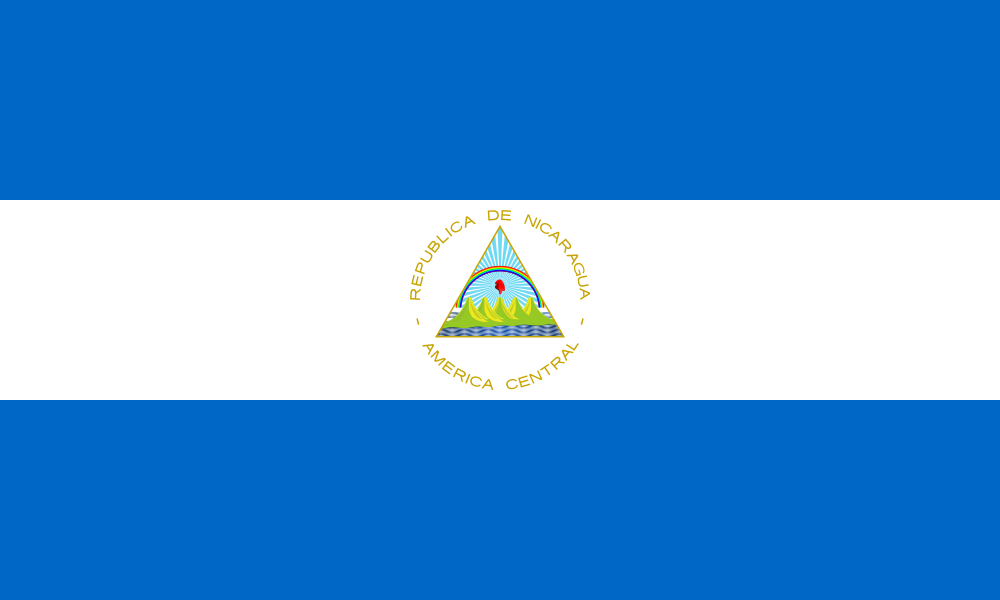 Nicaragua
-
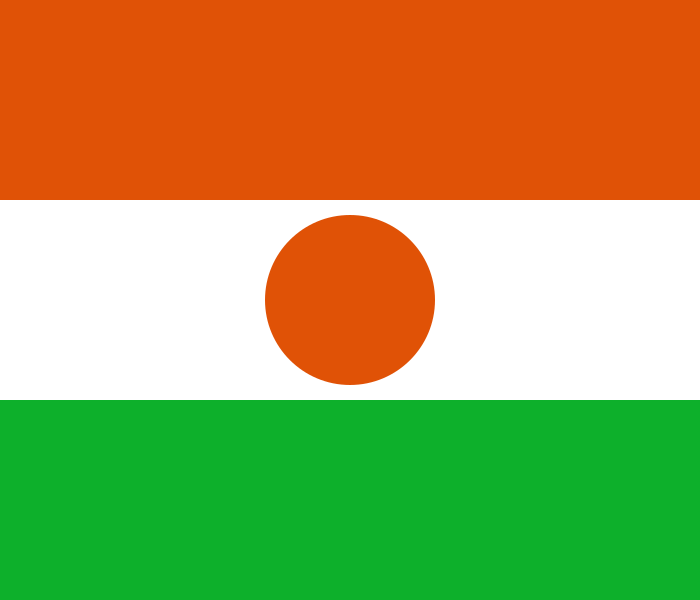 Níger
Níger
-
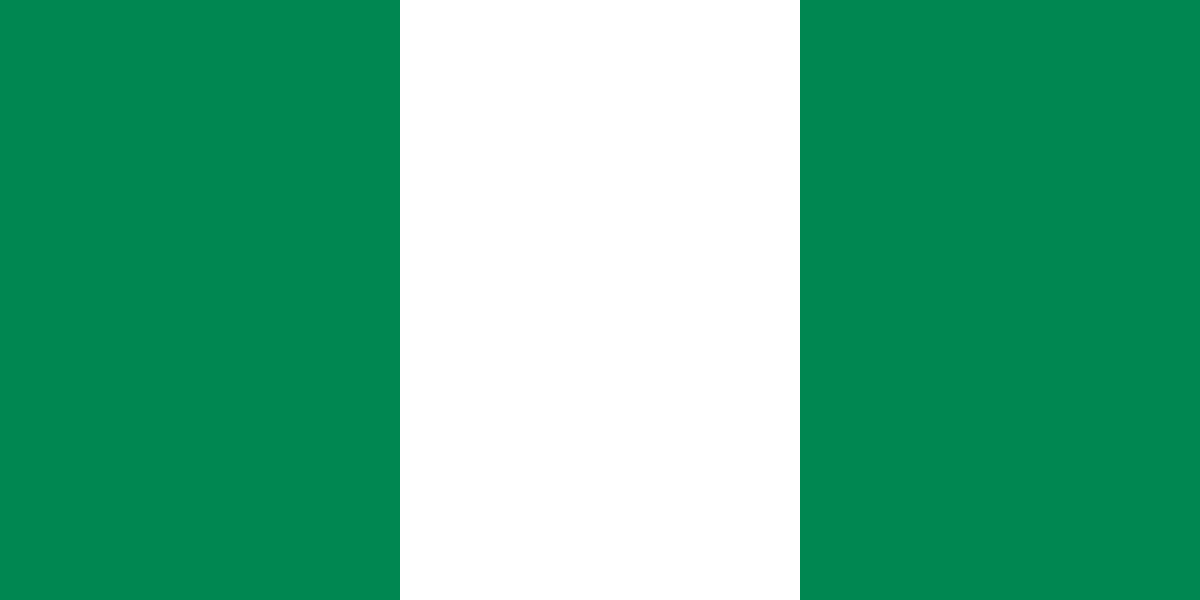 Nigeria
-
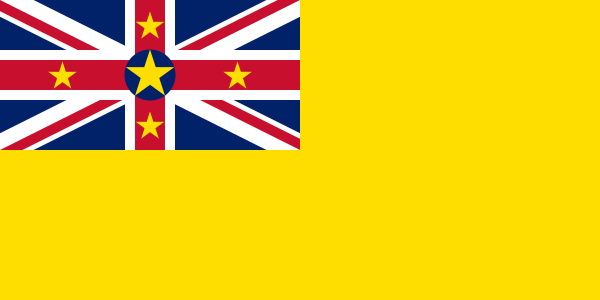 Niue
Niue
-
 Noruega
-
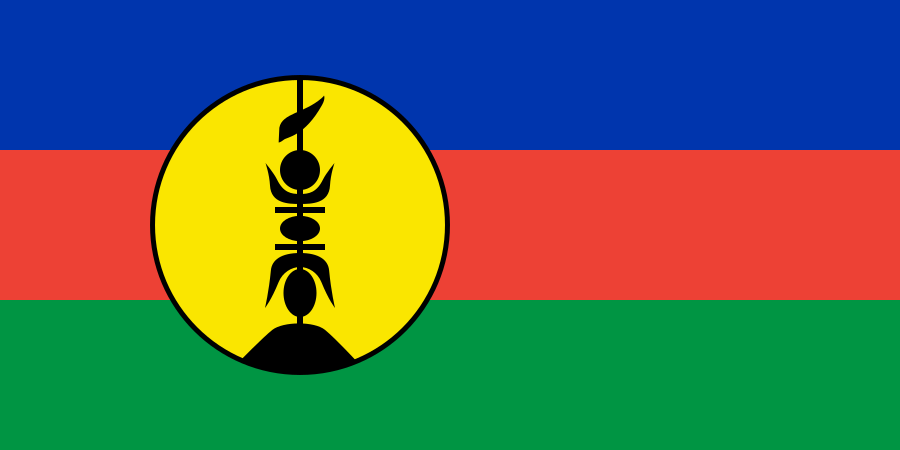 Nueva Caledonia
-
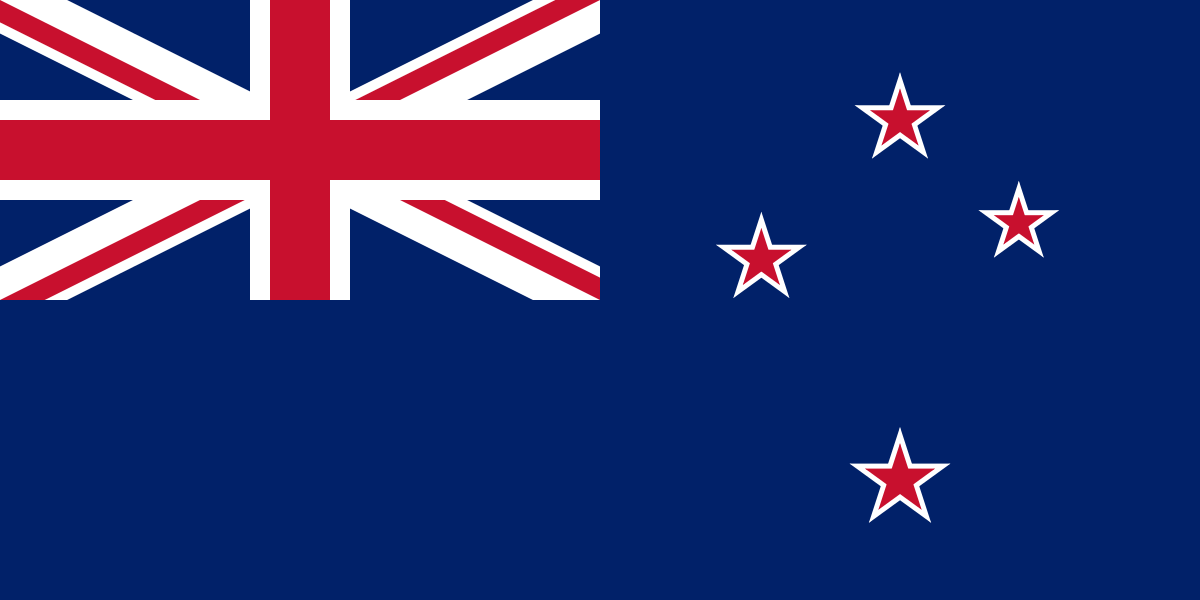 Nueva Zelanda
-
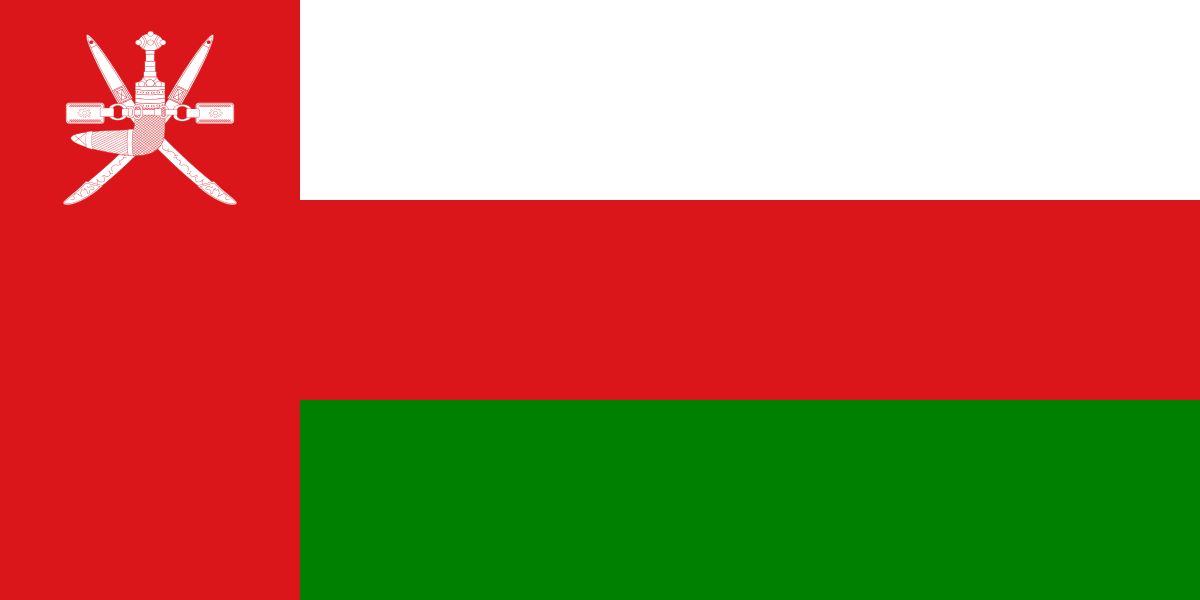 Omán
Omán
-
Países Bajos
-
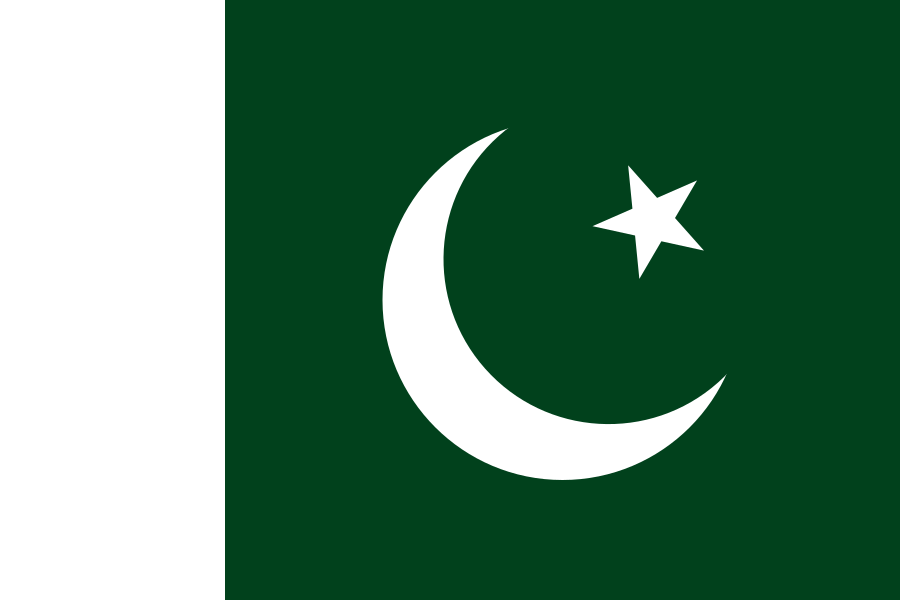 Pakistán
-
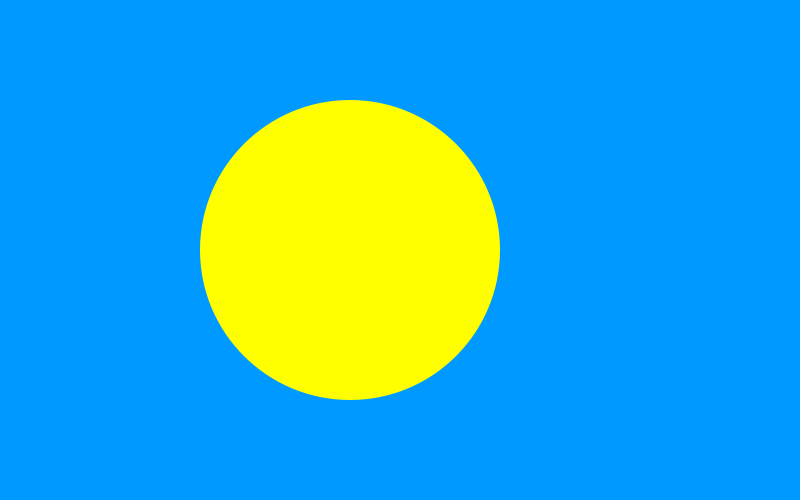 Palaos
-
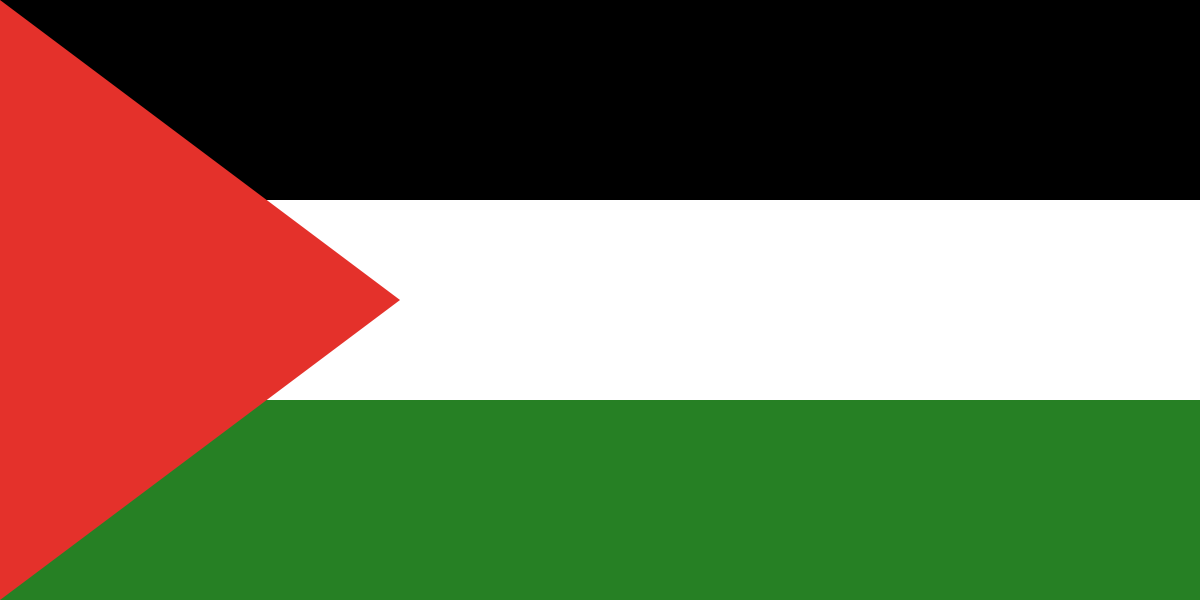 Palestina
-
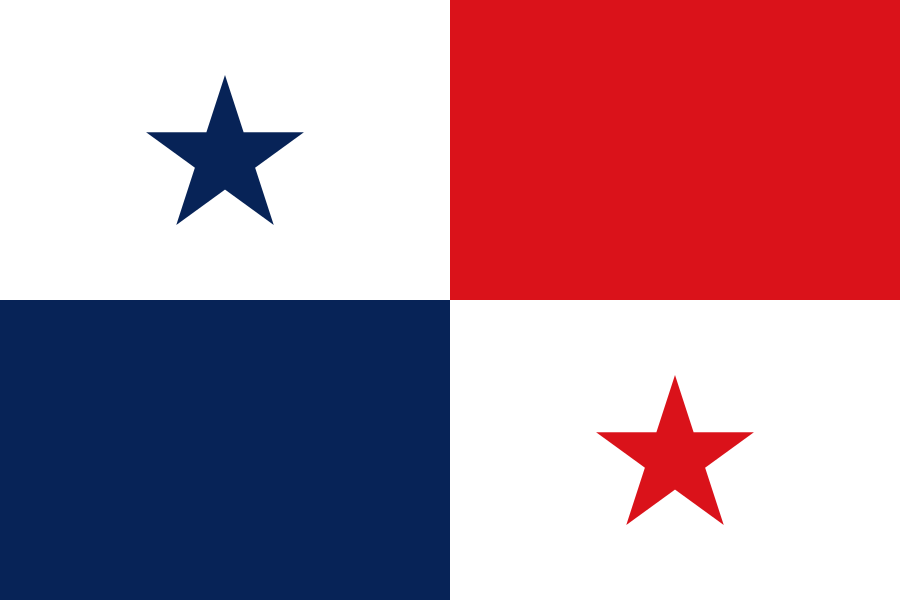 Panamá
-
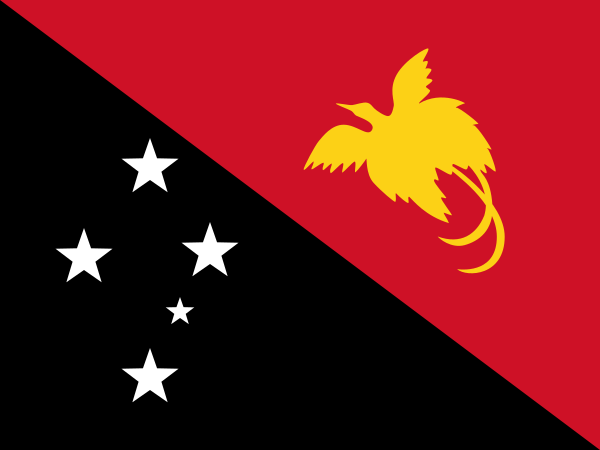 Papúa Nueva Guinea
-
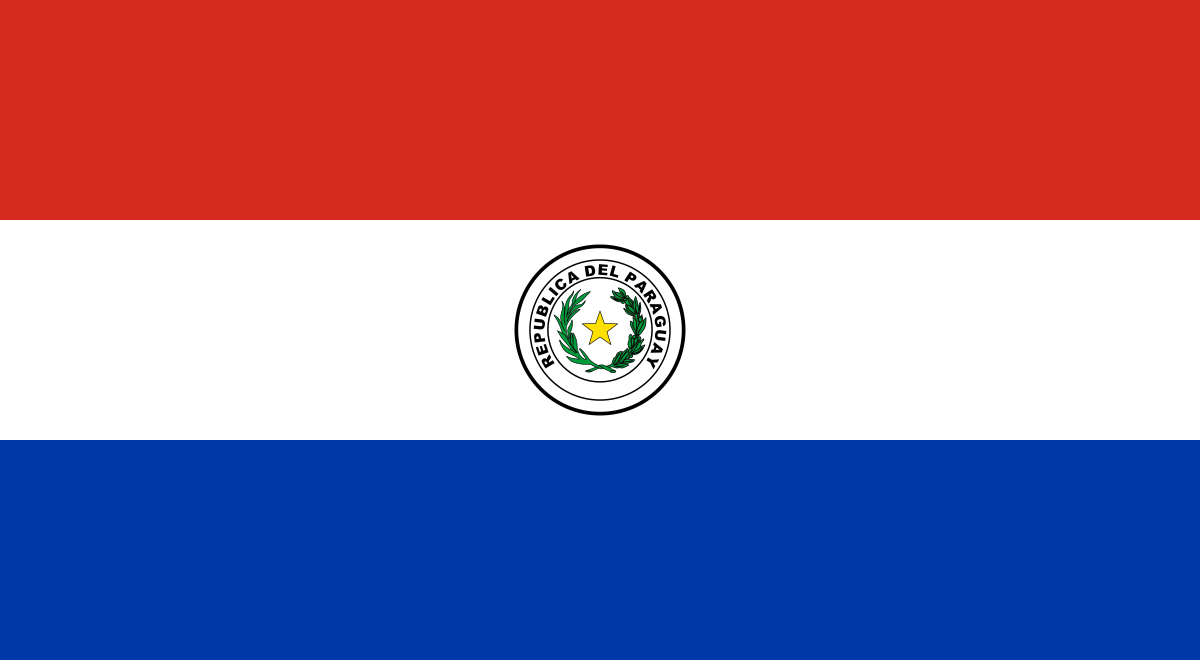 Paraguay
-
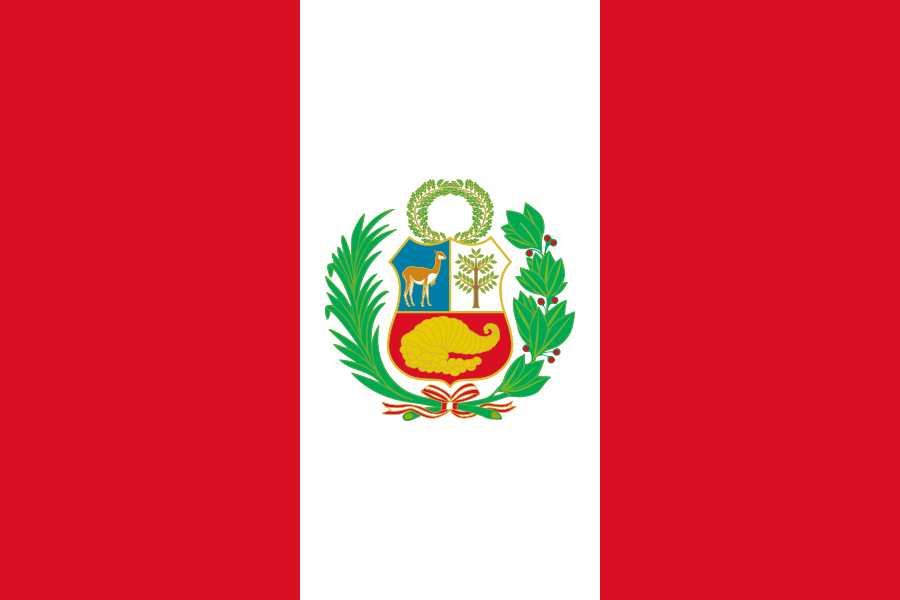 Perú
Perú
-
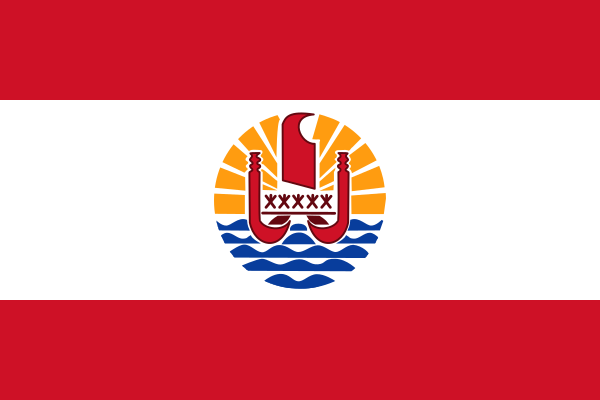 Polinesia Francesa
-
 Polonia
-
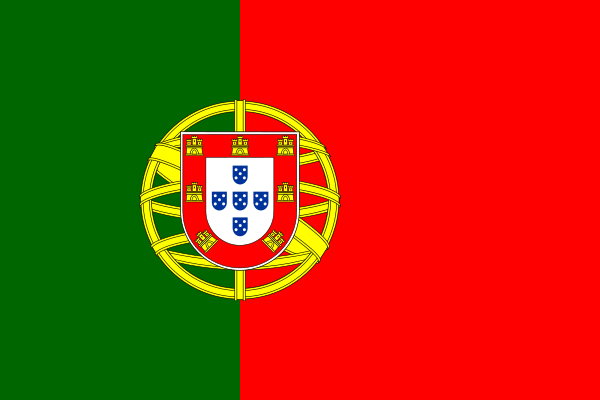 Portugal
-
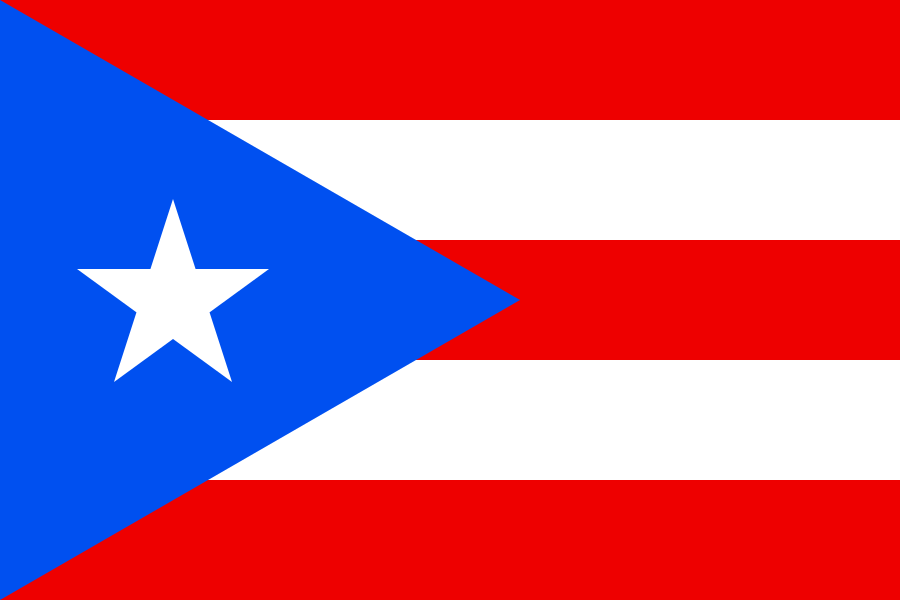 Puerto Rico
-
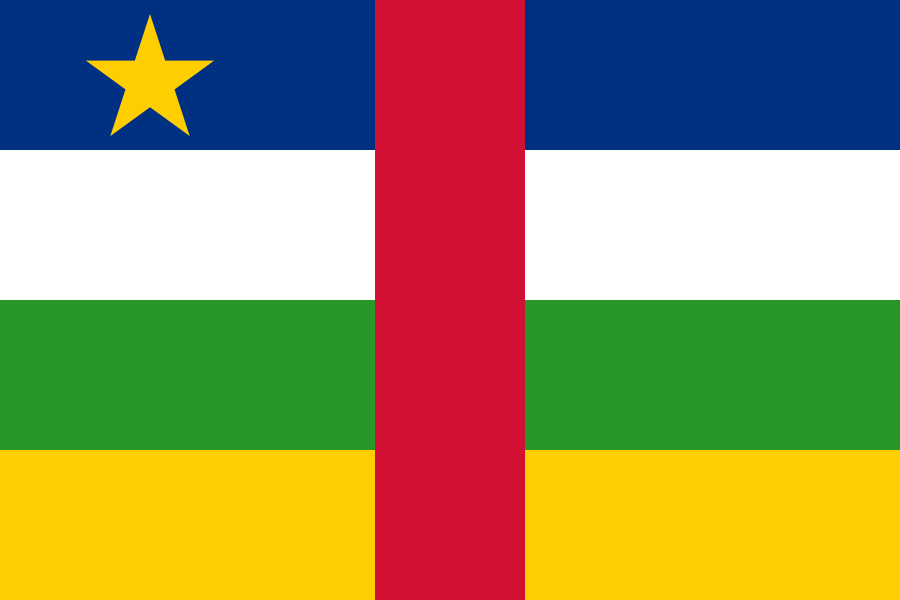 República Centroafricana
-
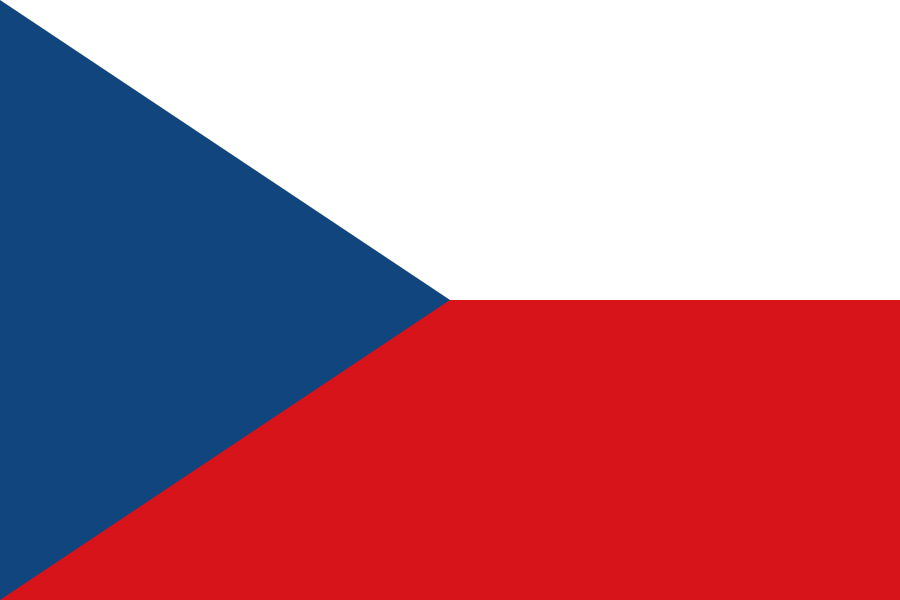 República Checa
-
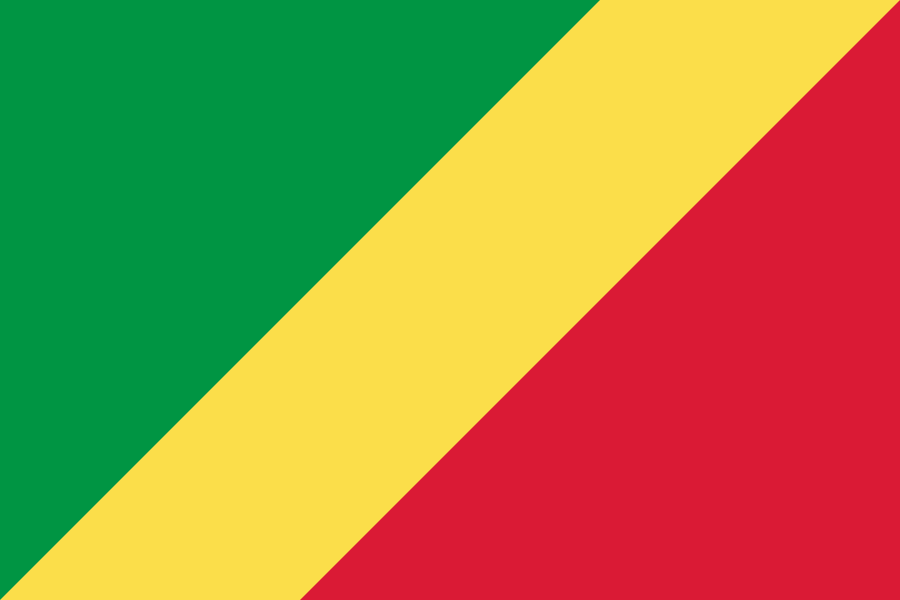 República del Congo
-
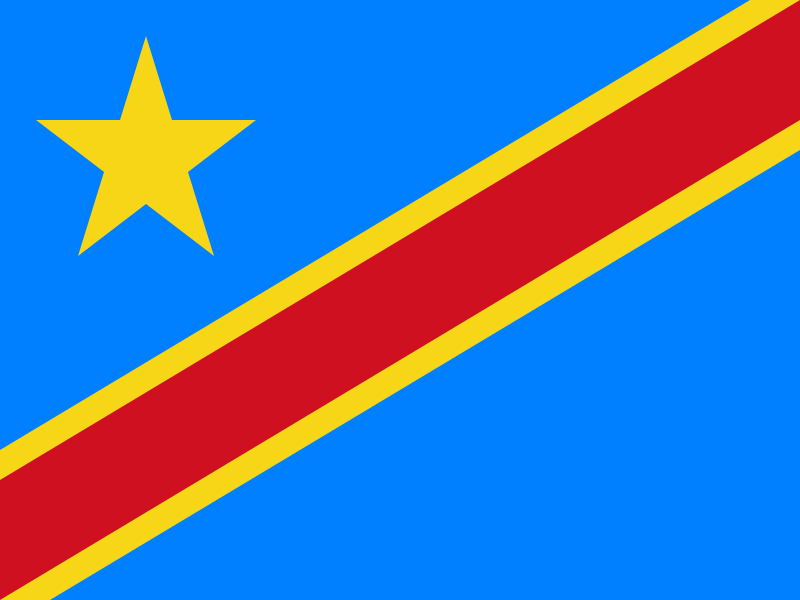 República Democrática del Congo
-
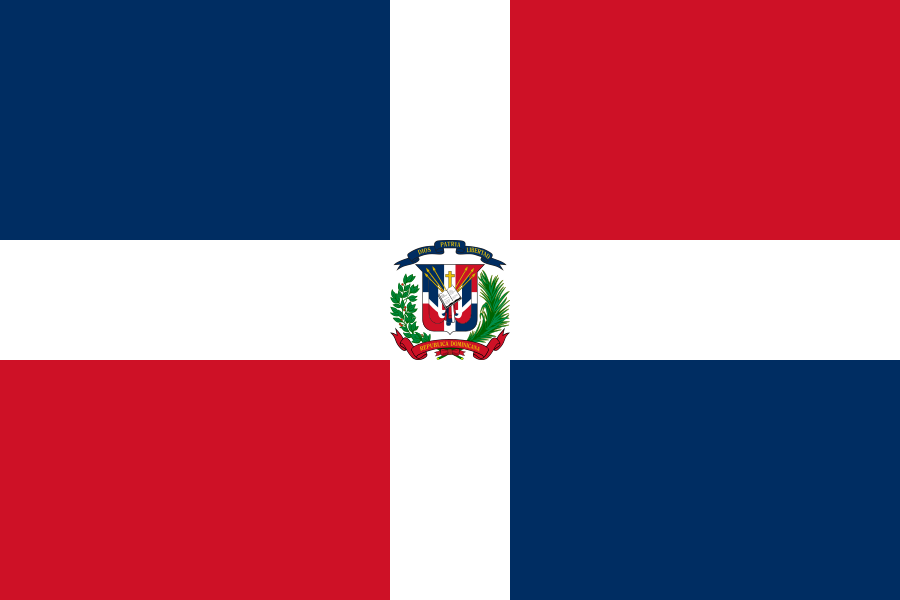 República Dominicana
-
Reunión
-
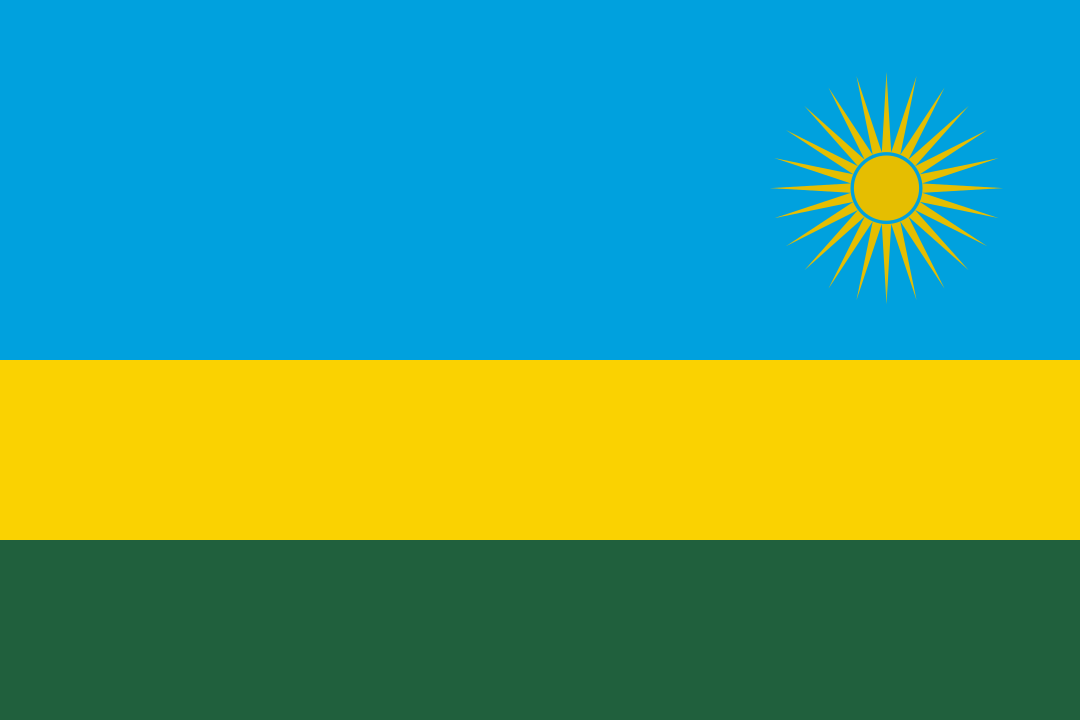 Ruanda
-
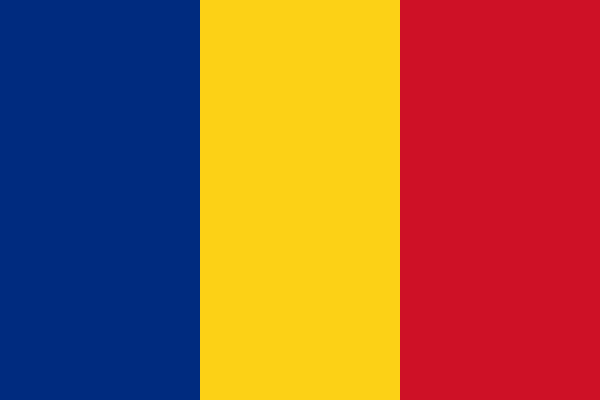 Rumania
-
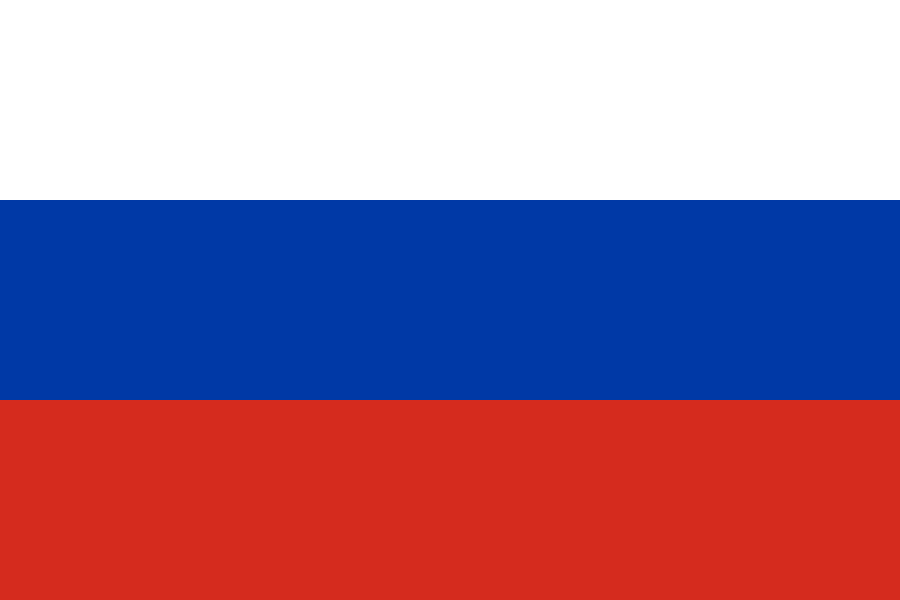 Rusia
Rusia
-
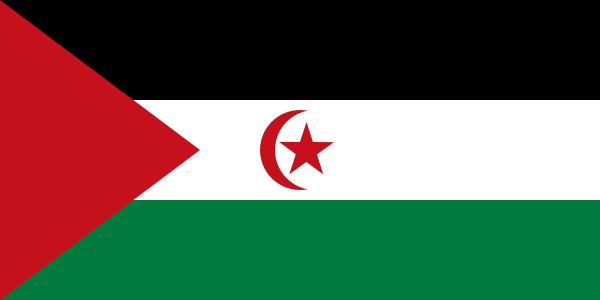 Sahara Occidental
-
Saint Barthélemy
-
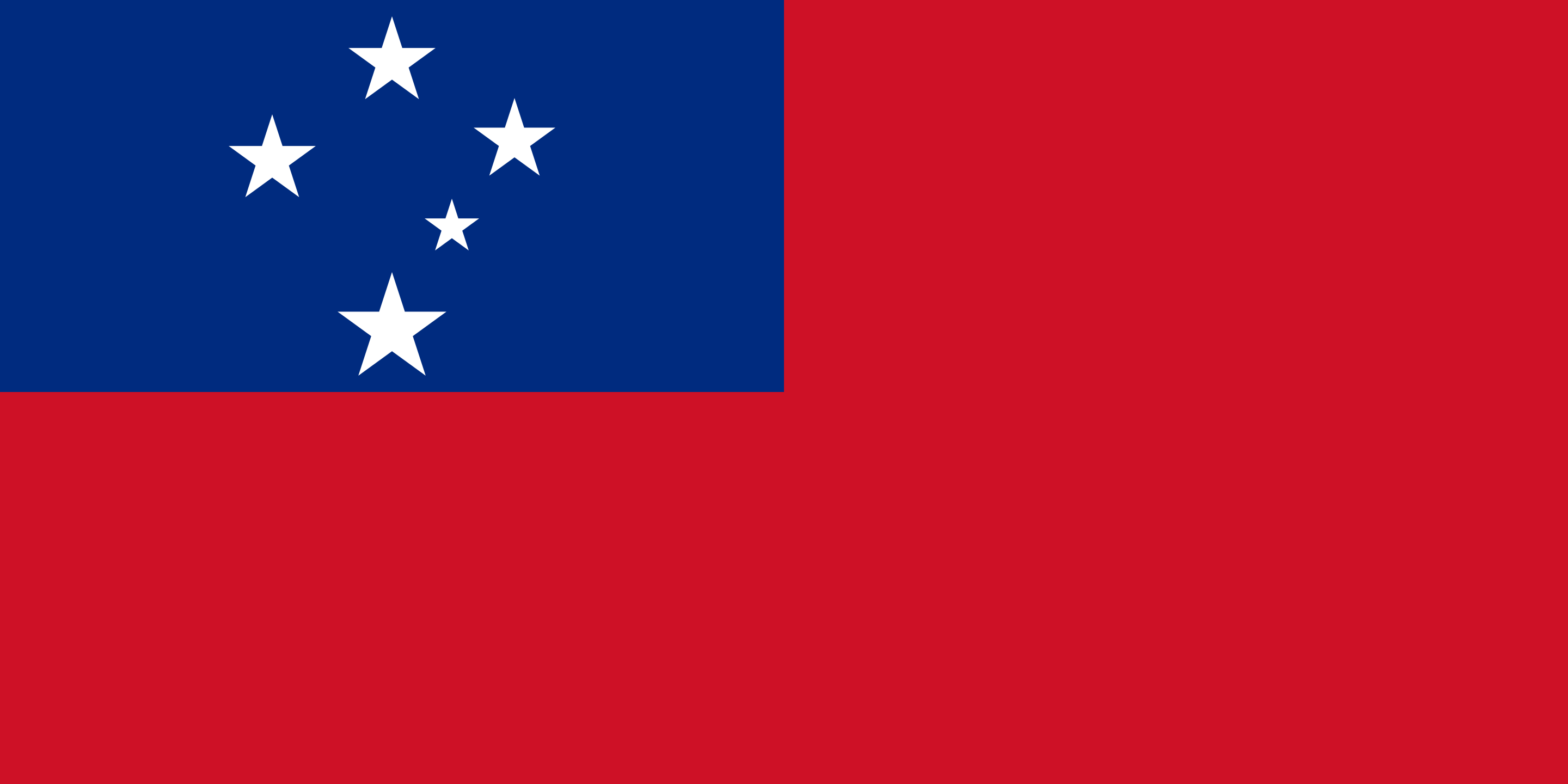 Samoa
Samoa
-
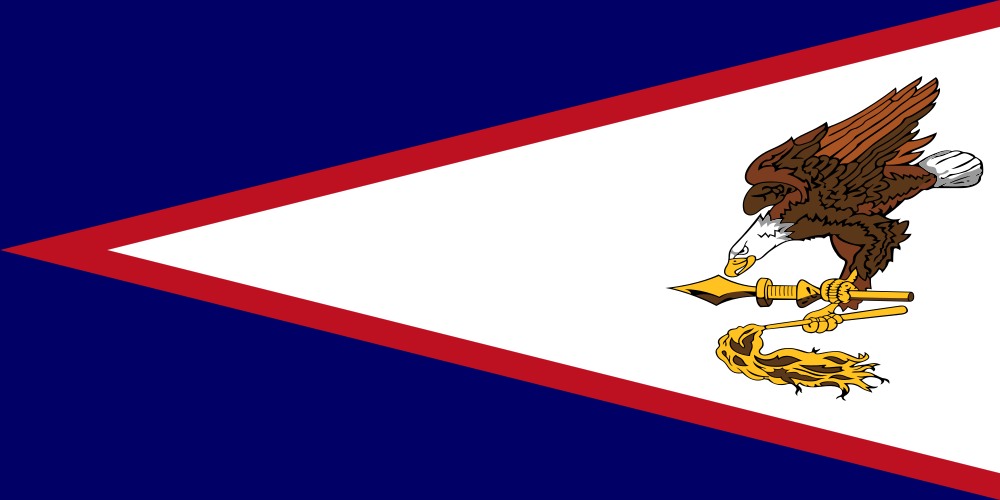 Samoa Americana
-
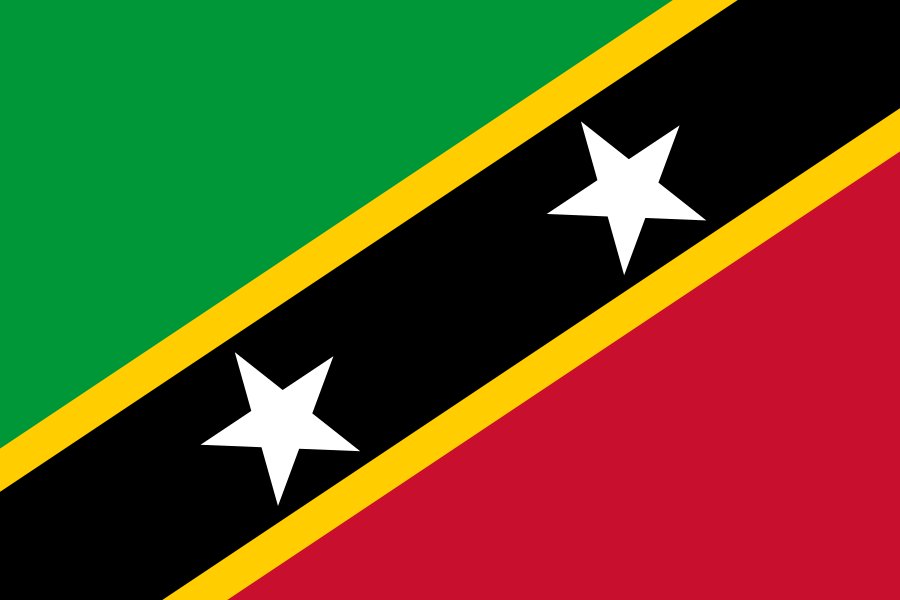 San Cristóbal y Nieves
-
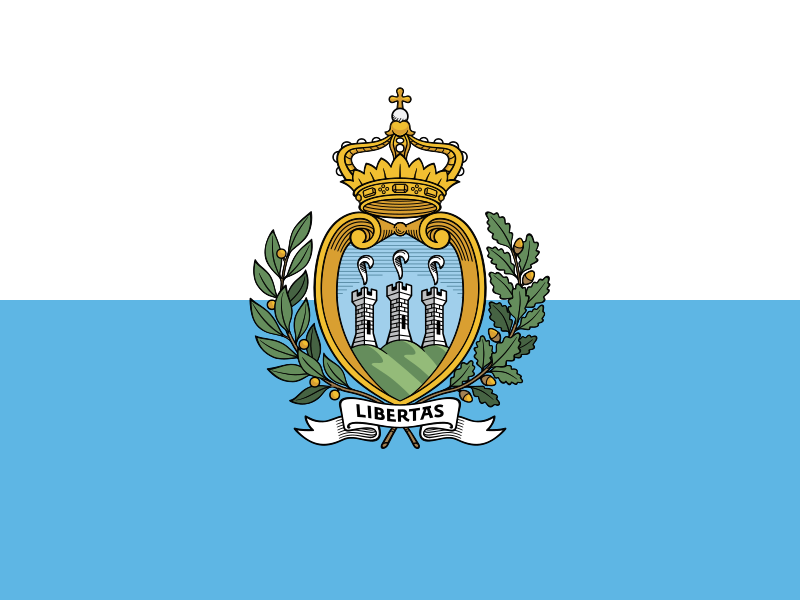 San Marino
-
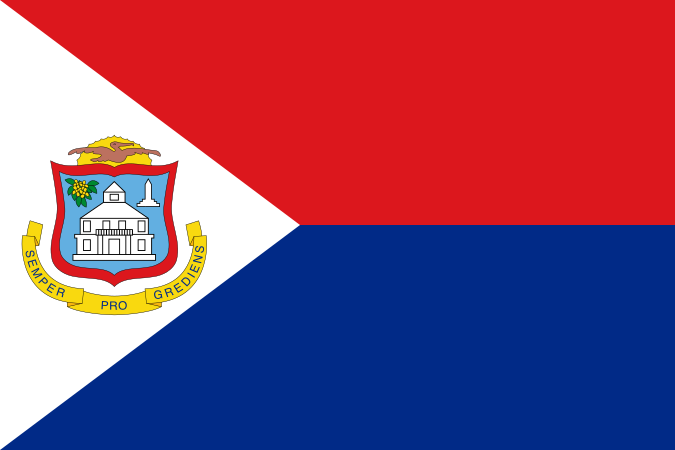 San Martín
-
San Martin
-
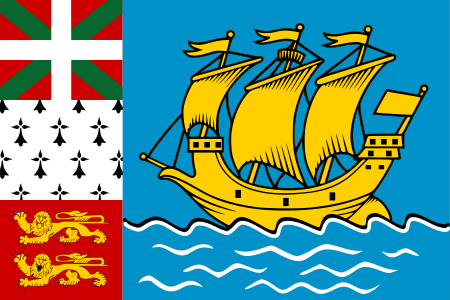 San Pedro y MIquelón
-
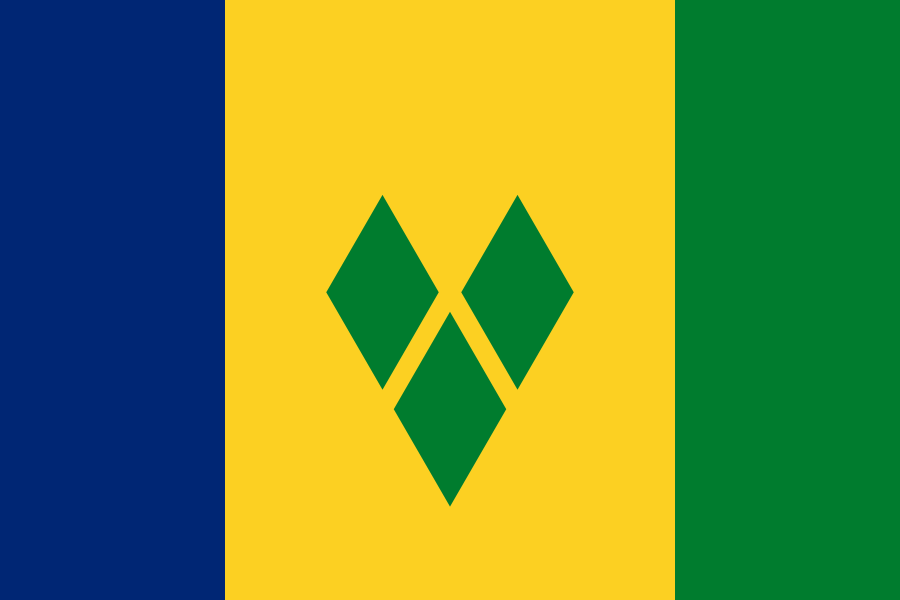 San Vicente y las Granadinas
-
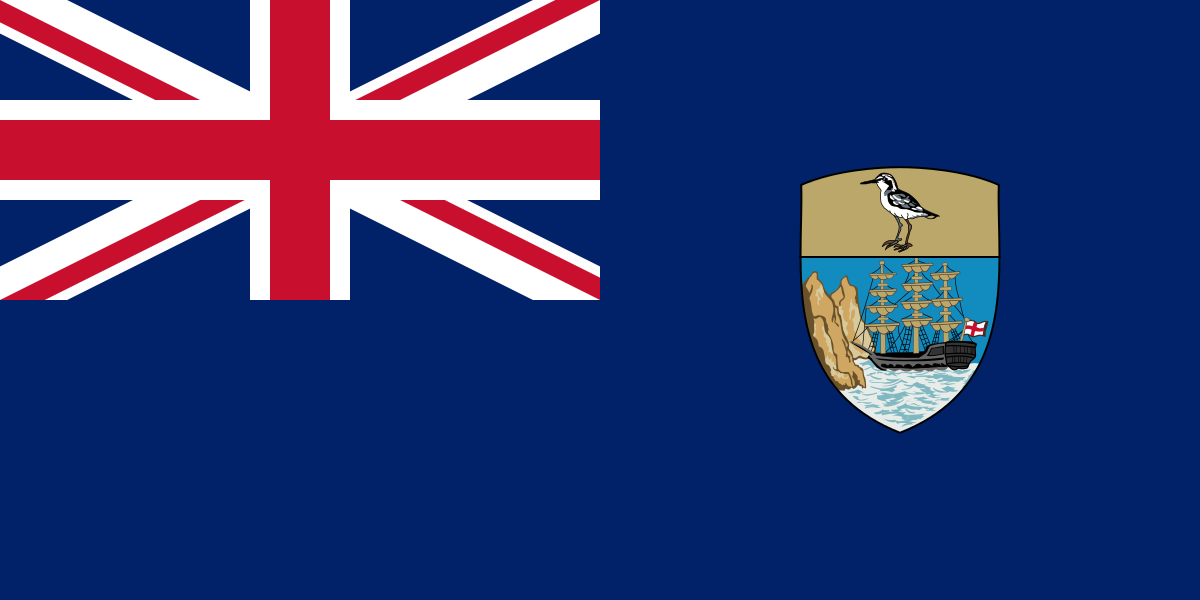 Santa Elena
-
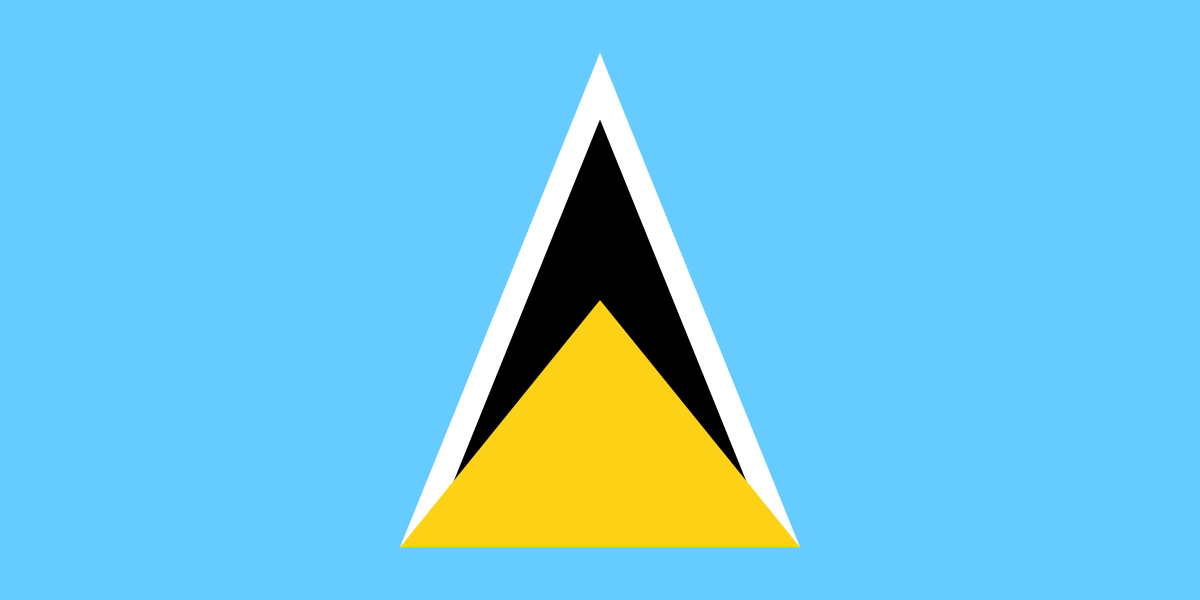 Santa Lucía
-
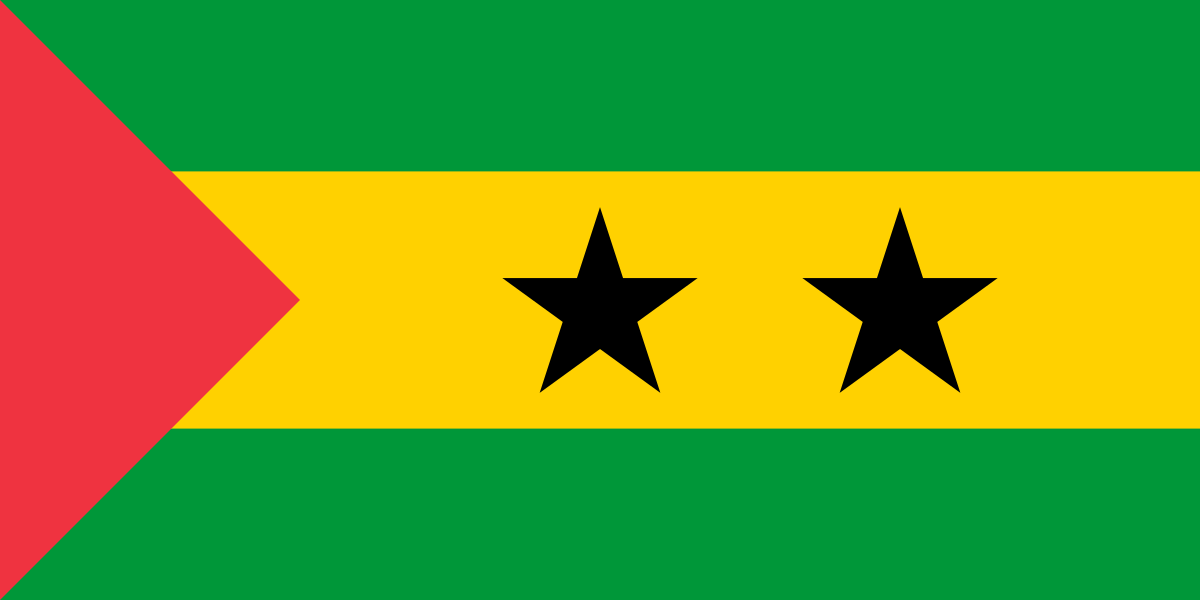 Santo Tomé y Príncipe
-
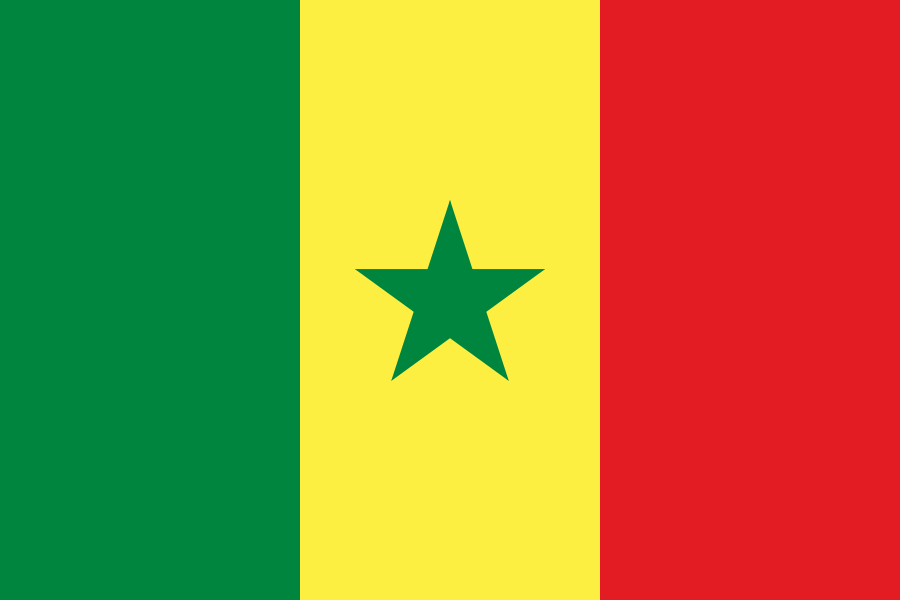 Senegal
-
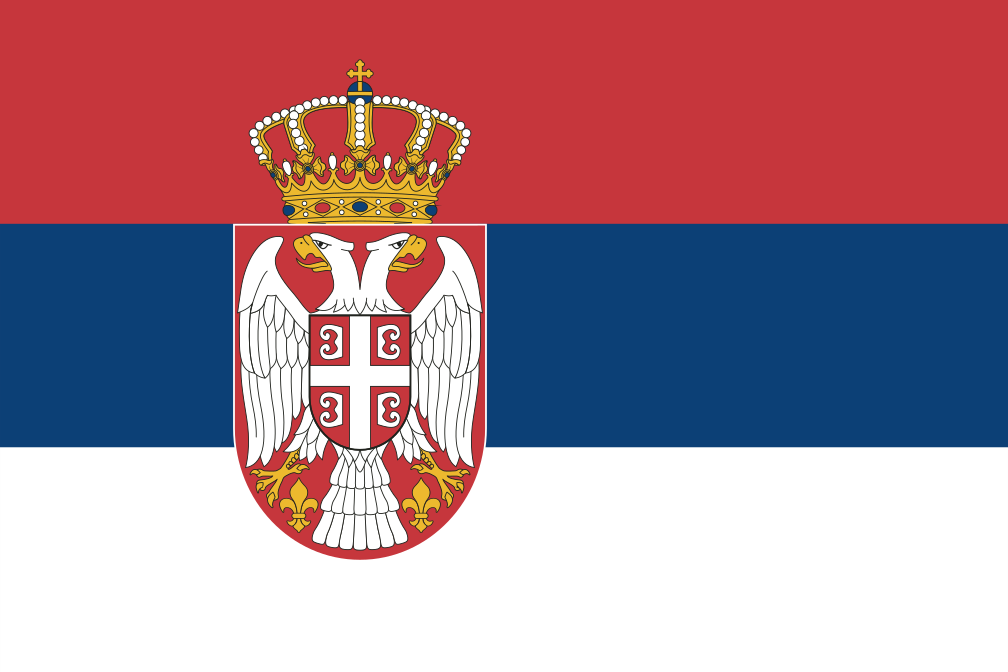 Serbia
-
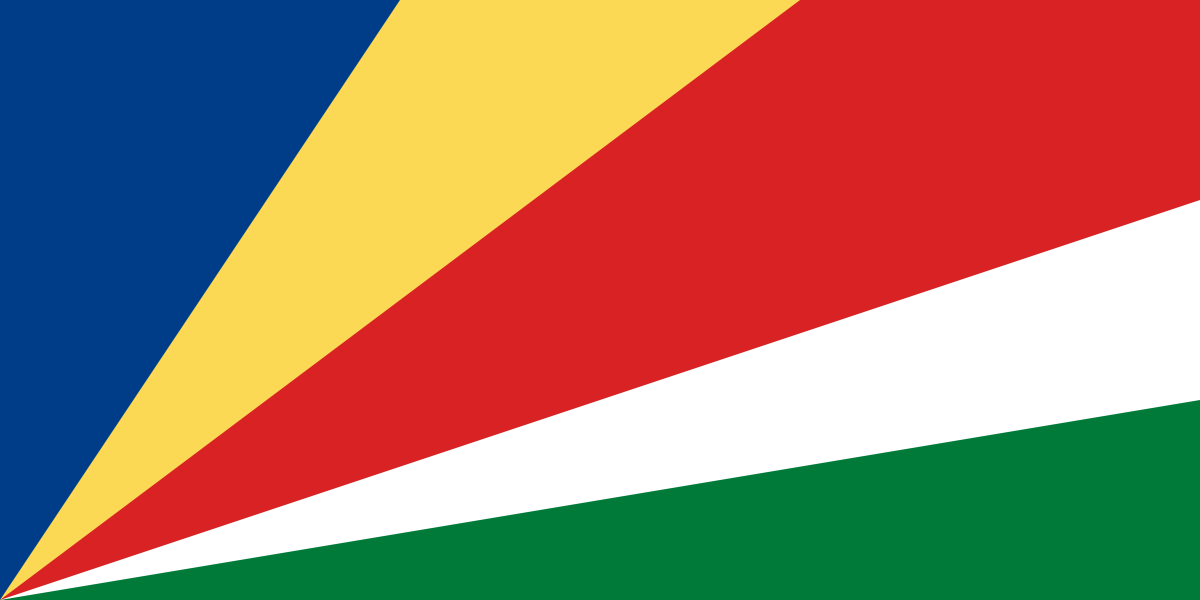 Seychelles
-
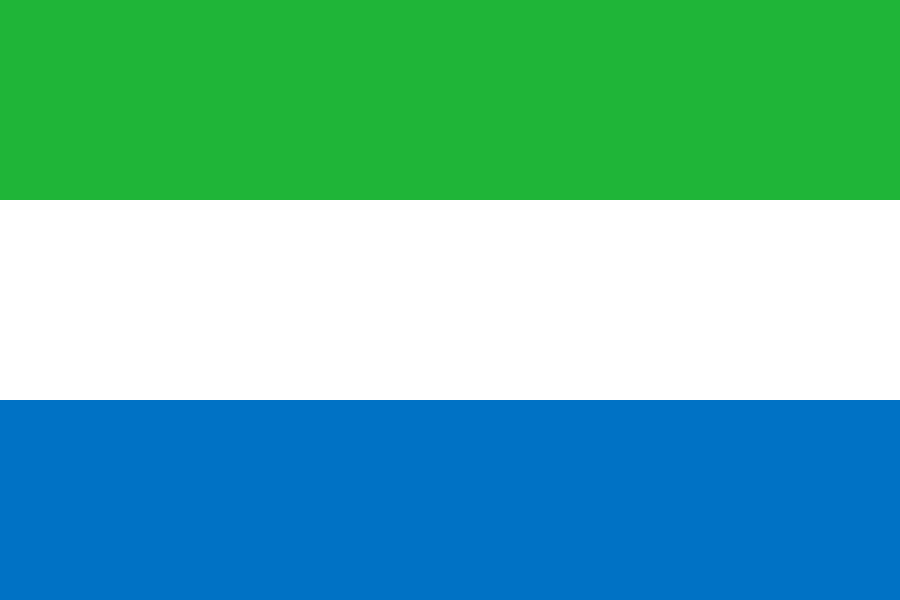 Sierra Leona
-
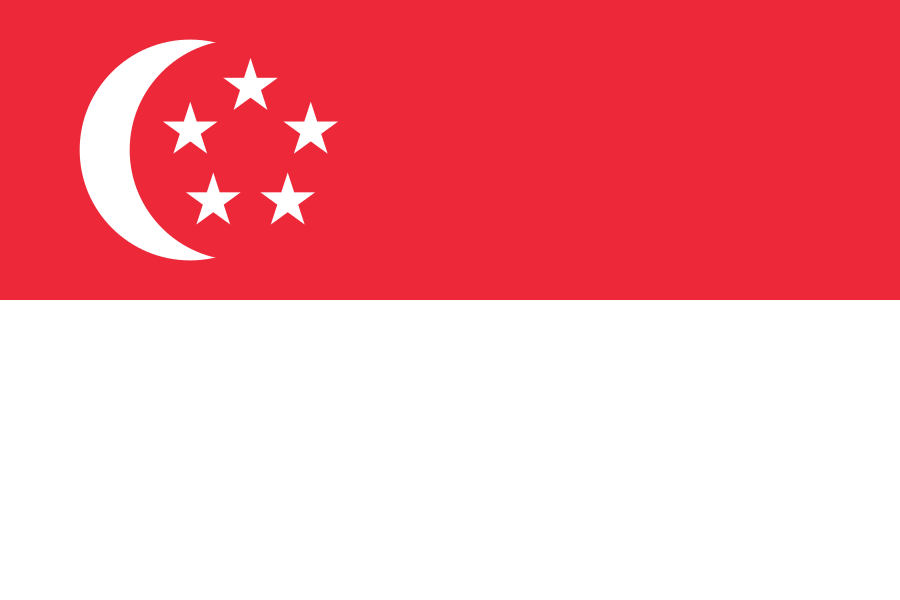 Singapur
-
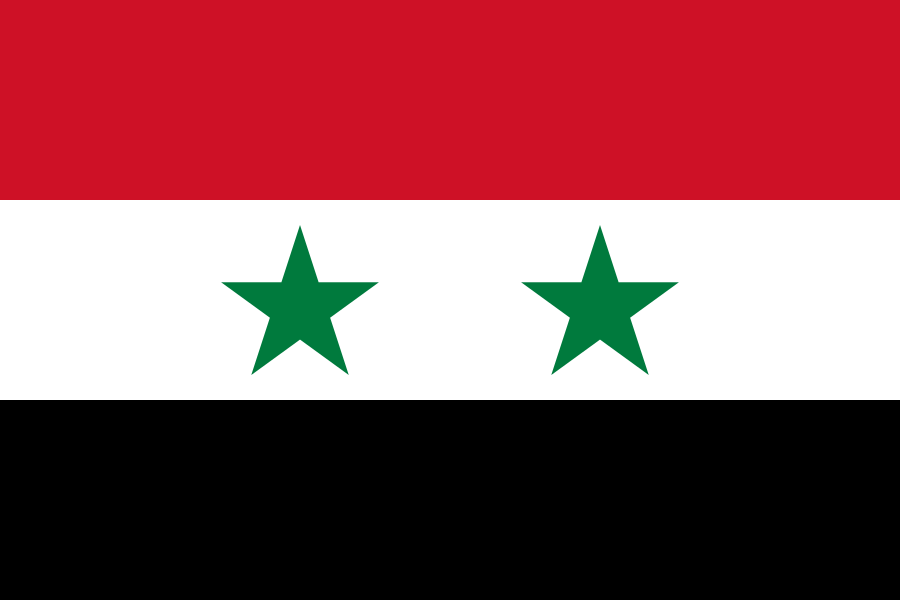 Siria
Siria
-
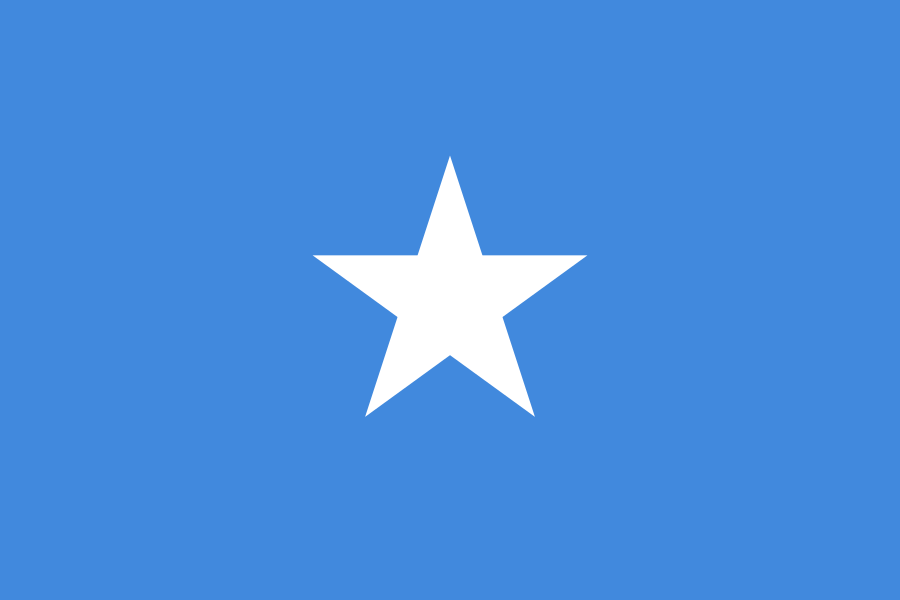 Somalia
-
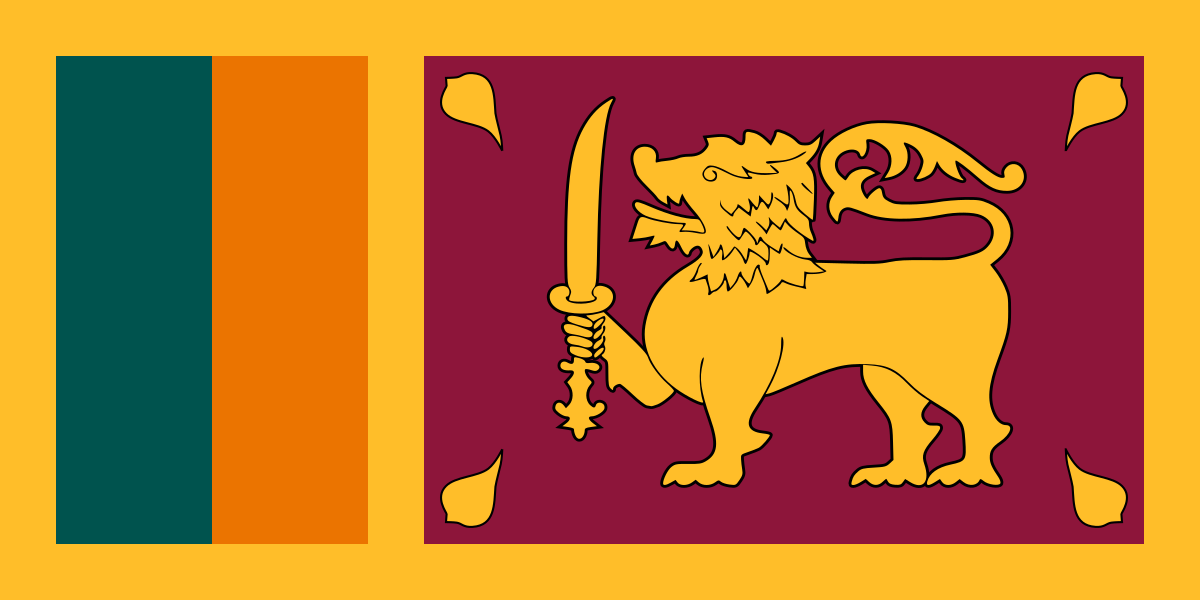 Sri Lanka
-
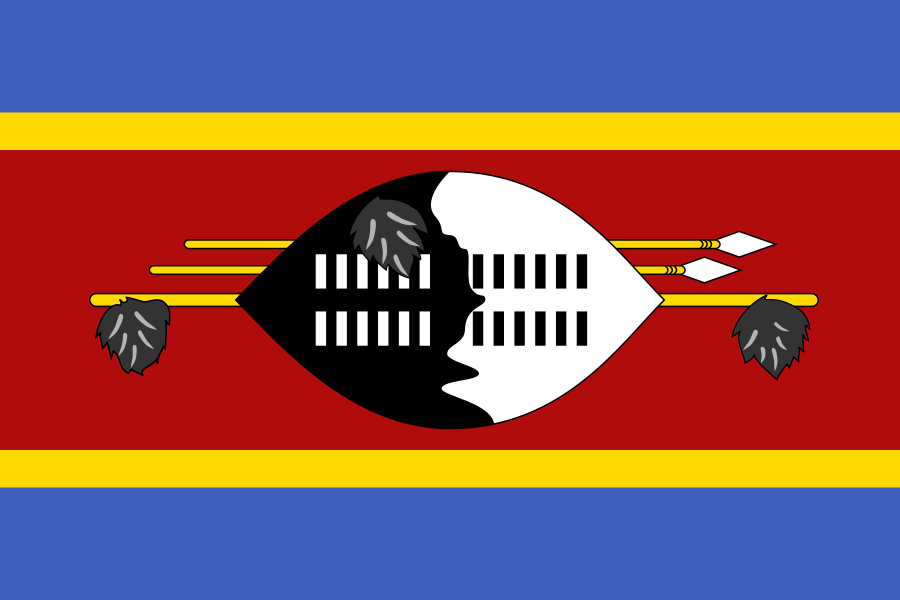 Suazilandia
-
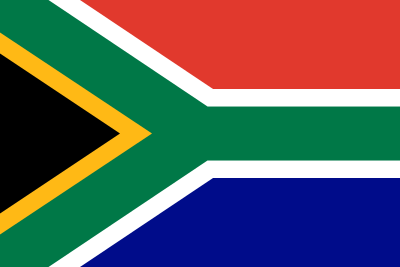 Sudáfrica
-
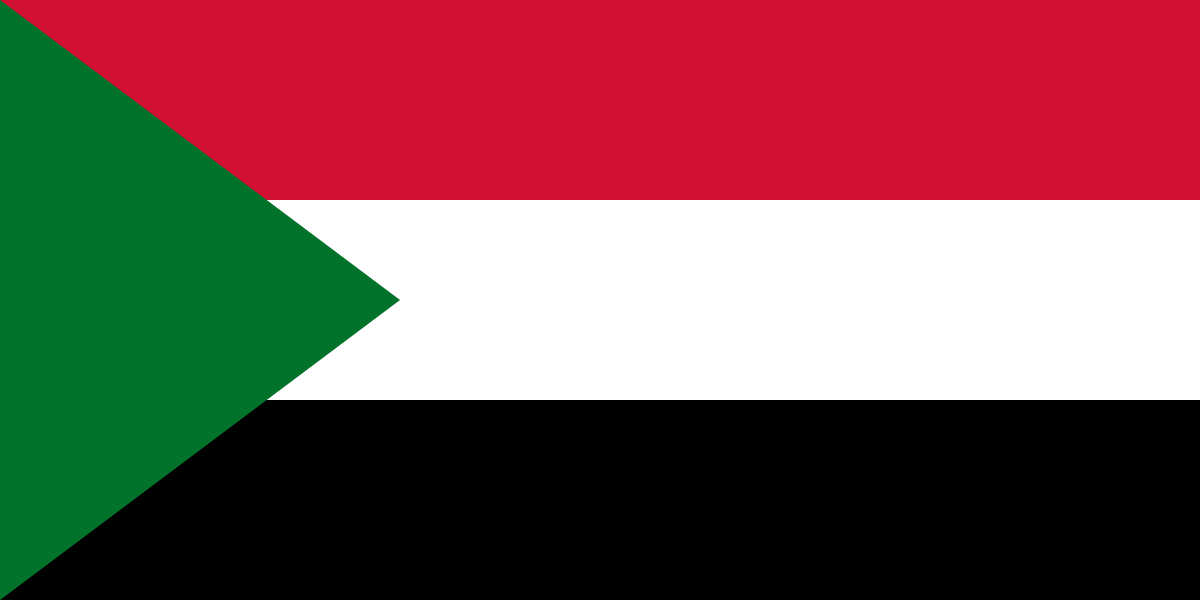 Sudán
Sudán
-
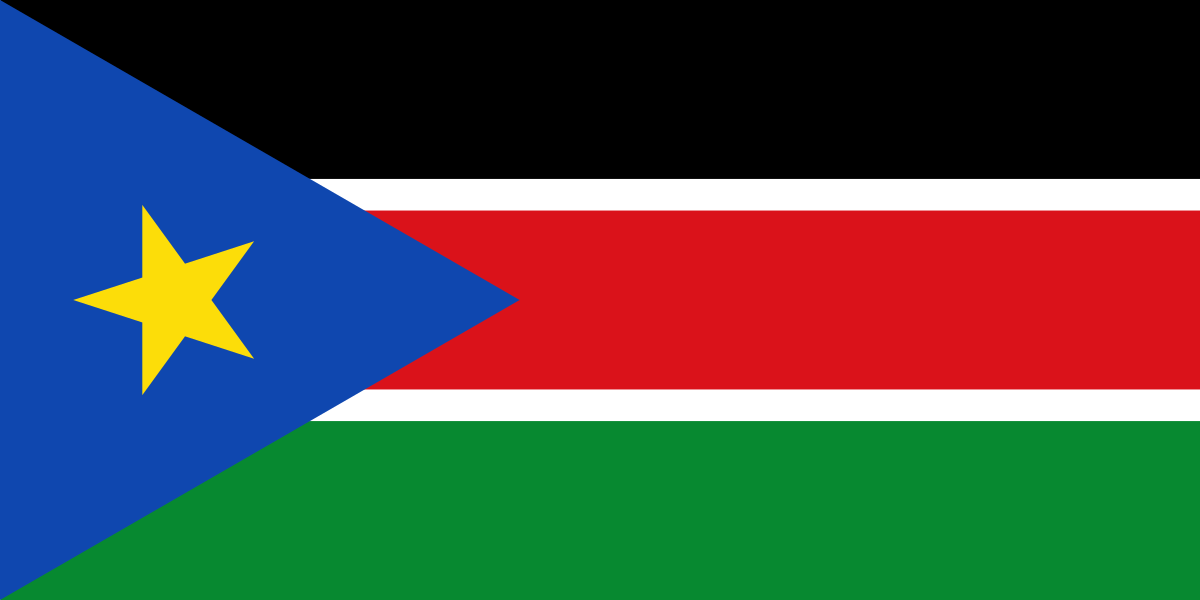 Sudán del Sur
-
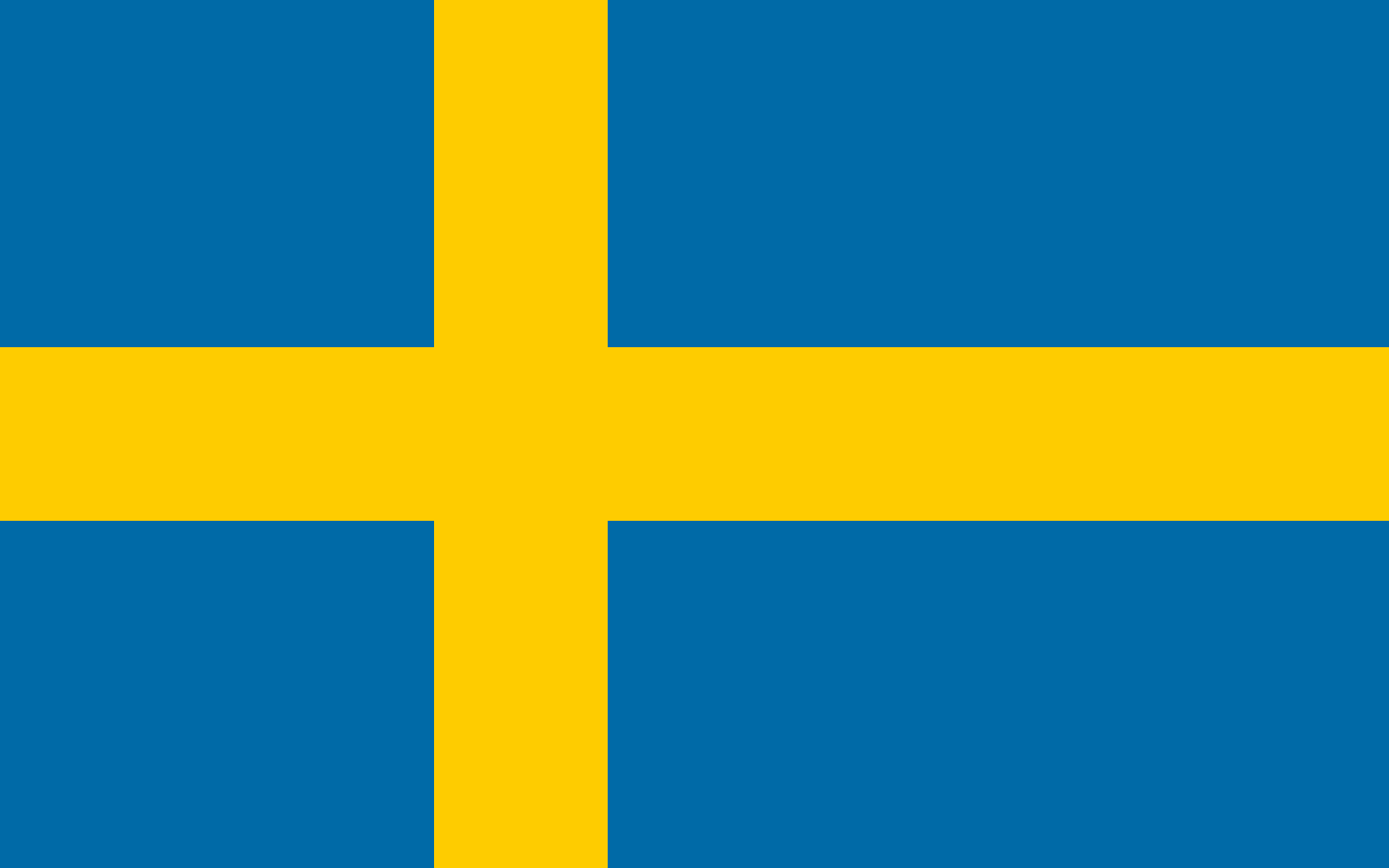 Suecia
-
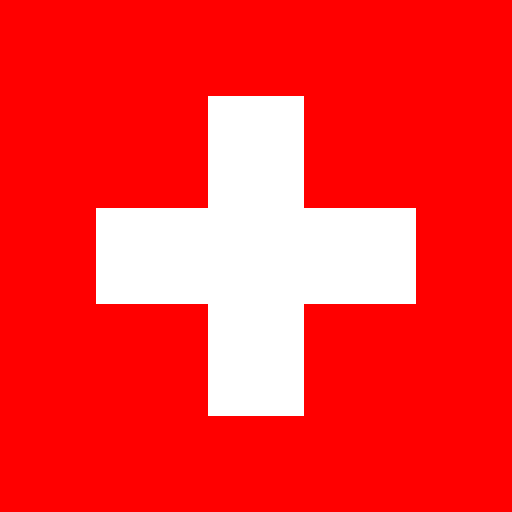 Suiza
Suiza
-
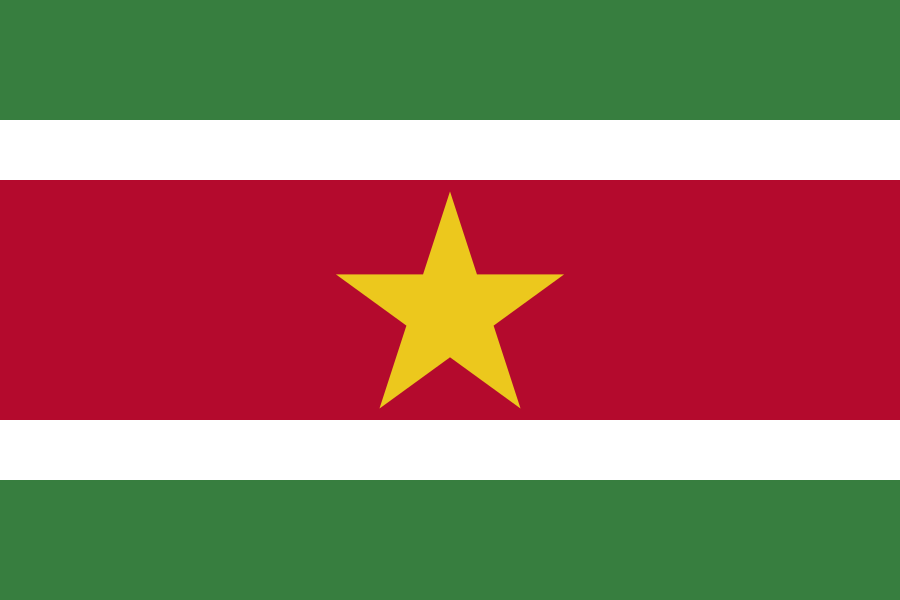 Surinam
-
Svalbard y Jan Mayen
-
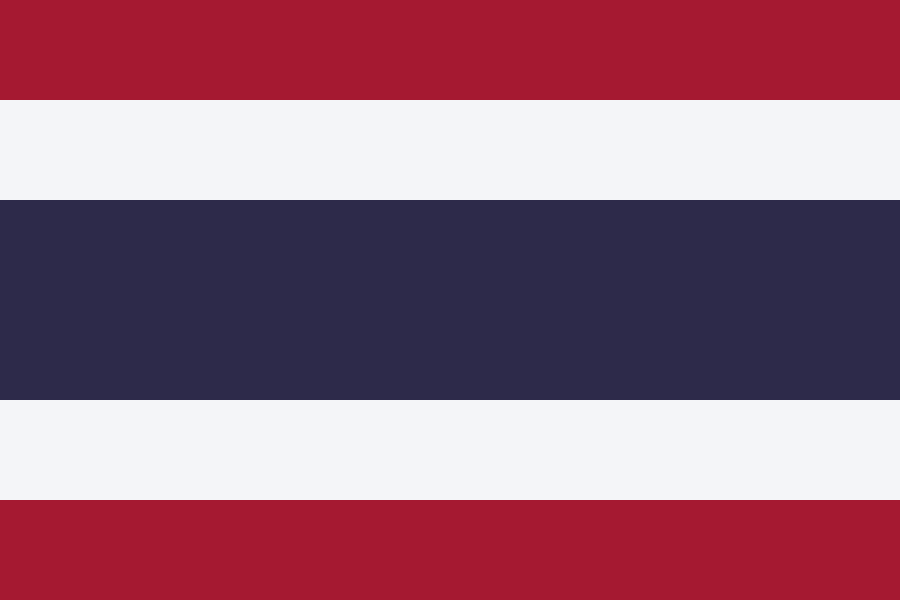 Tailandia
-
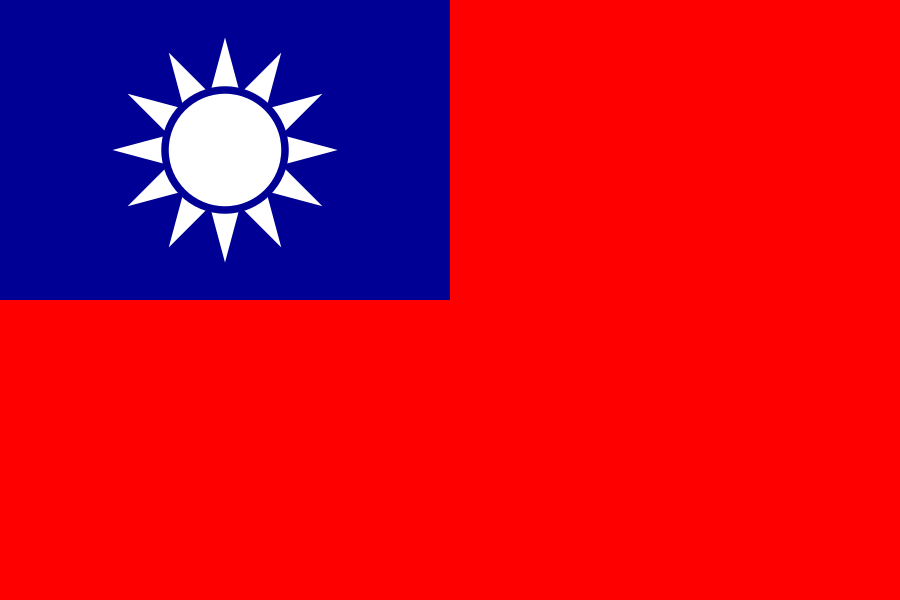 Taiwán
-
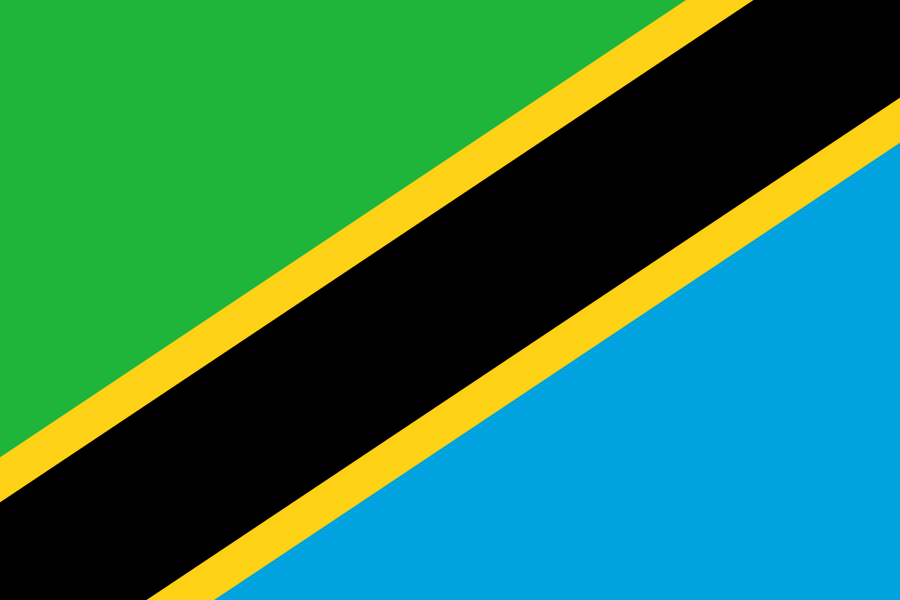 Tanzania
-
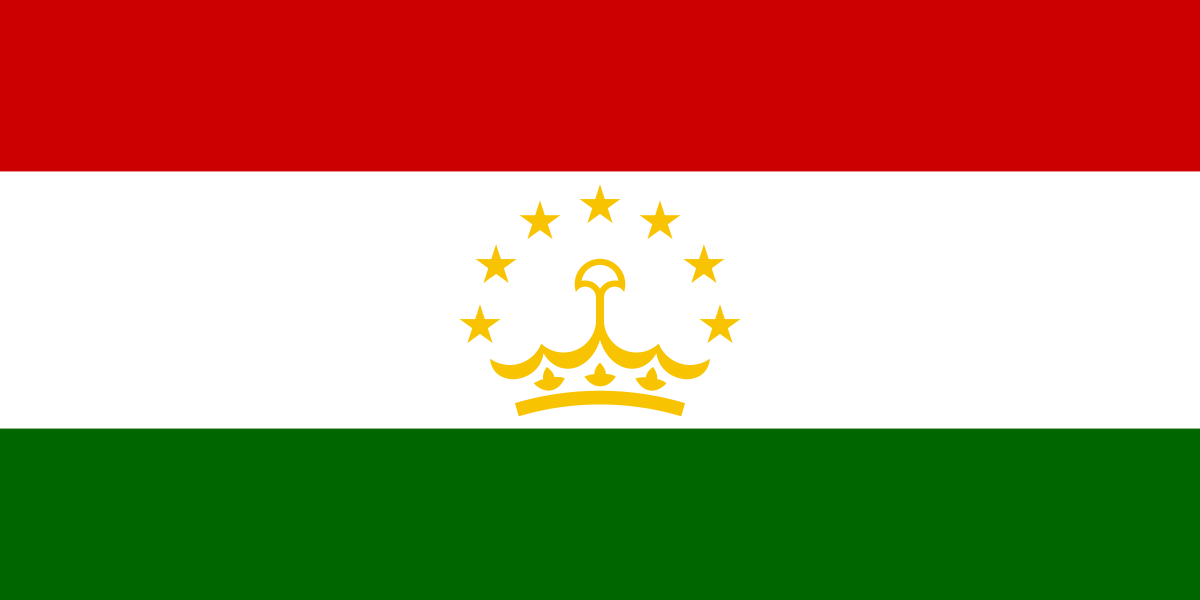 Tayikistán
-
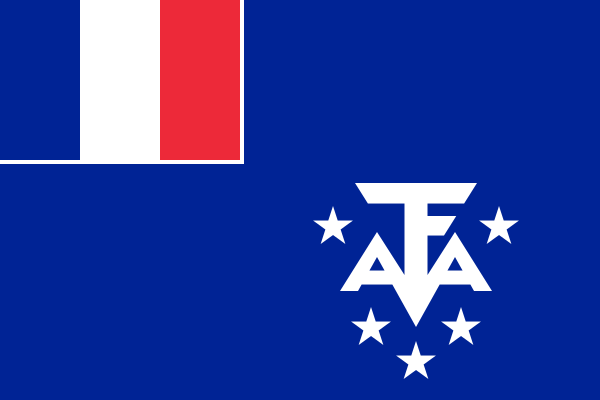 Tierras Australes y Antárticas Francesas
-
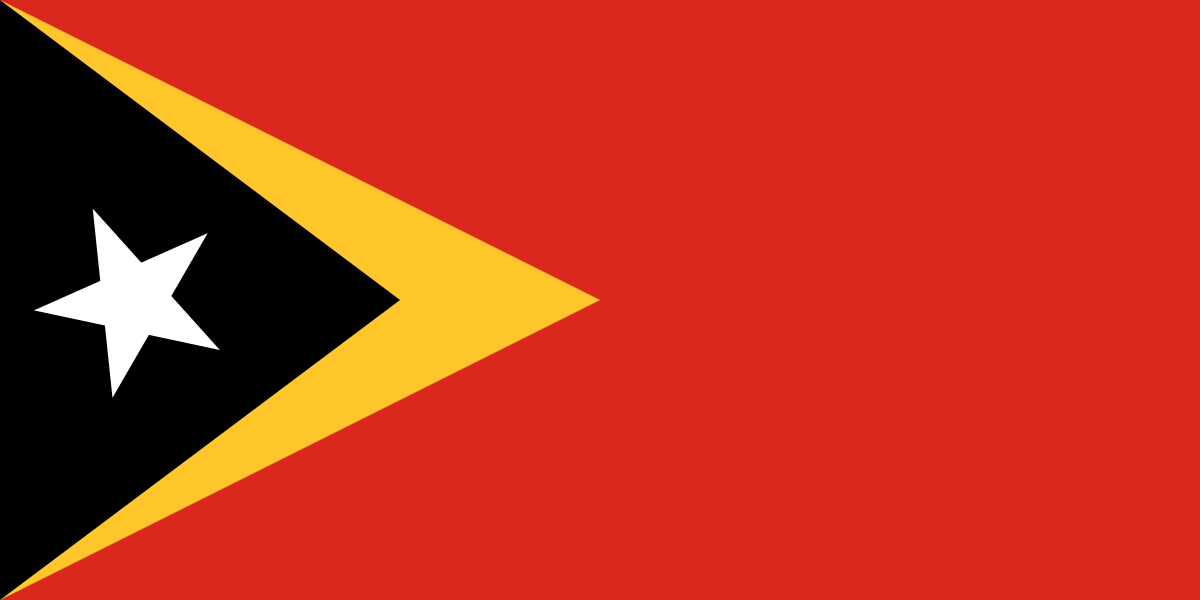 Timor Oriental
-
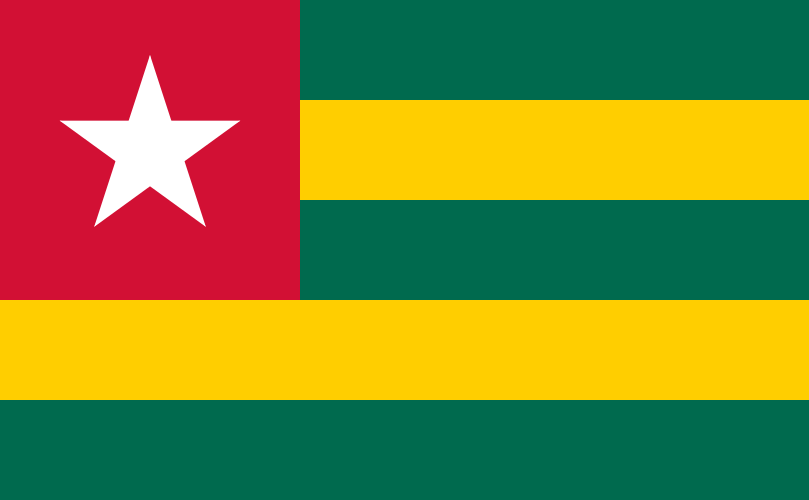 Togo
Togo
-
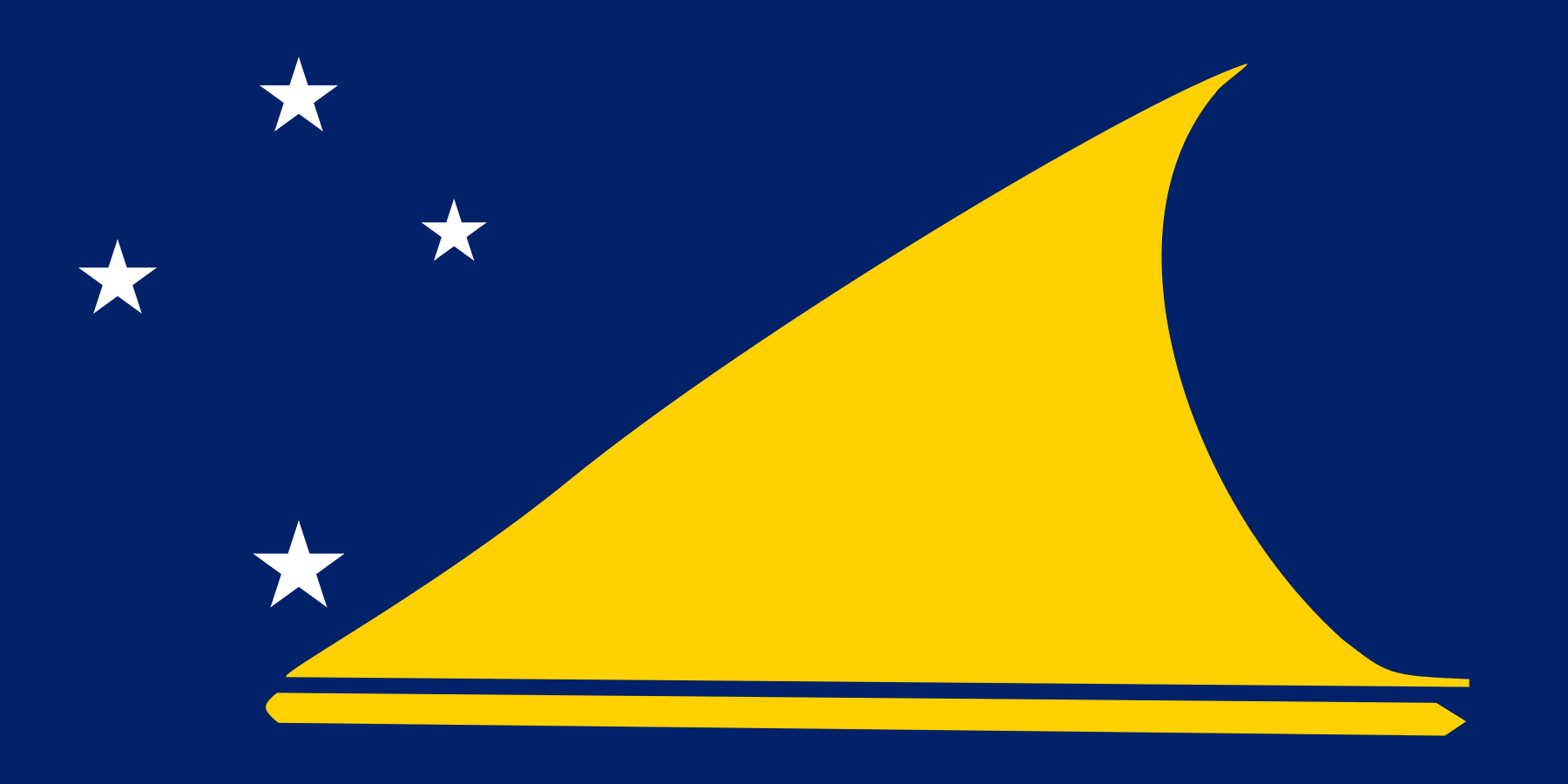 Tokelau
-
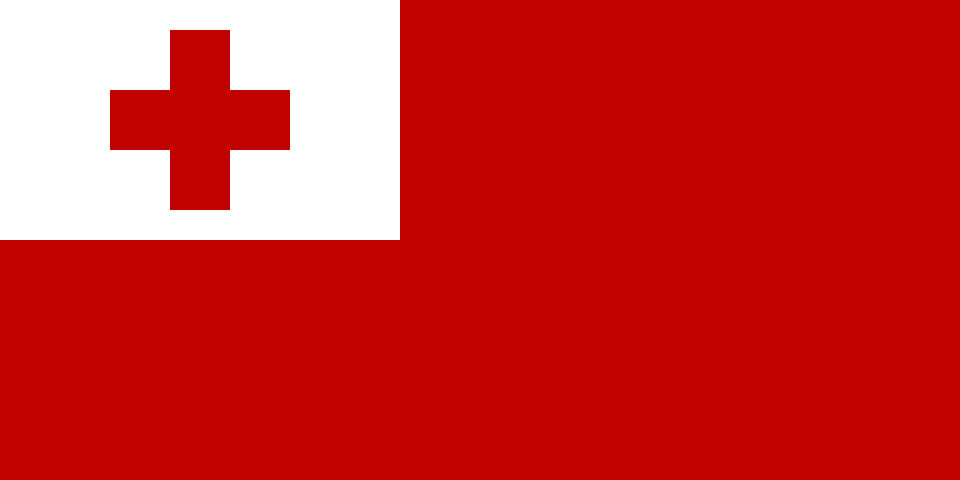 Tonga
Tonga
-
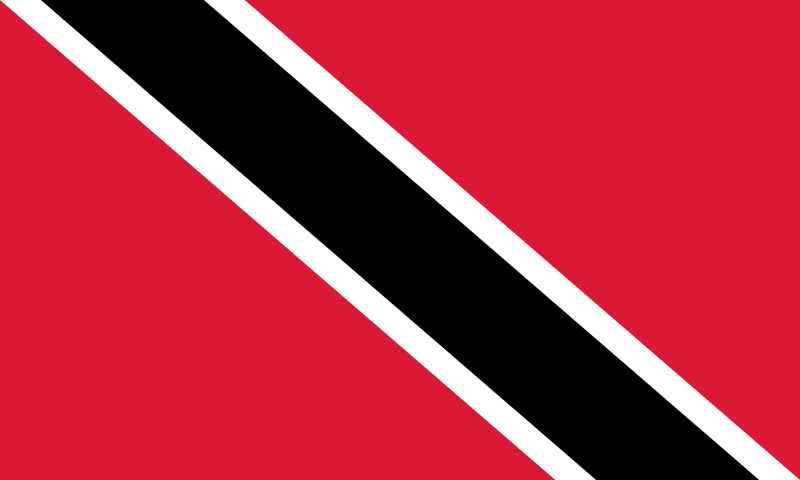 Trinidad y Tobago
-
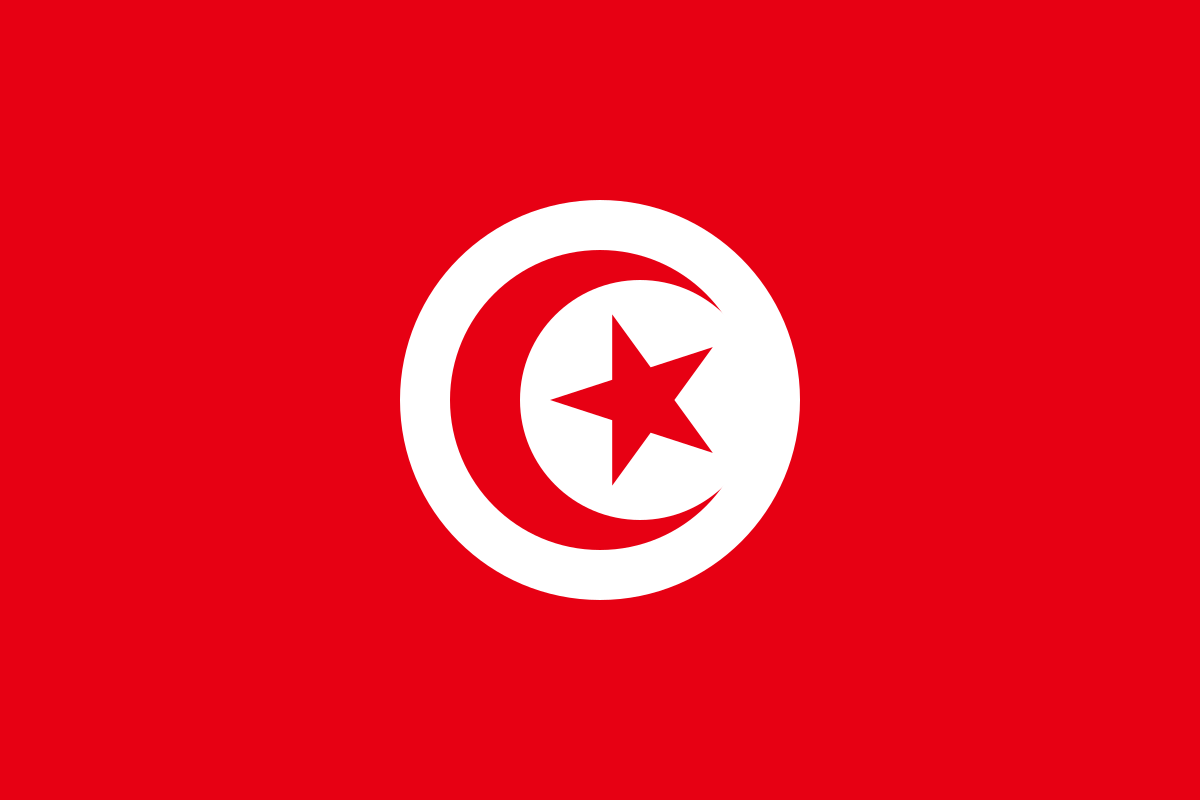 Túnez
Túnez
-
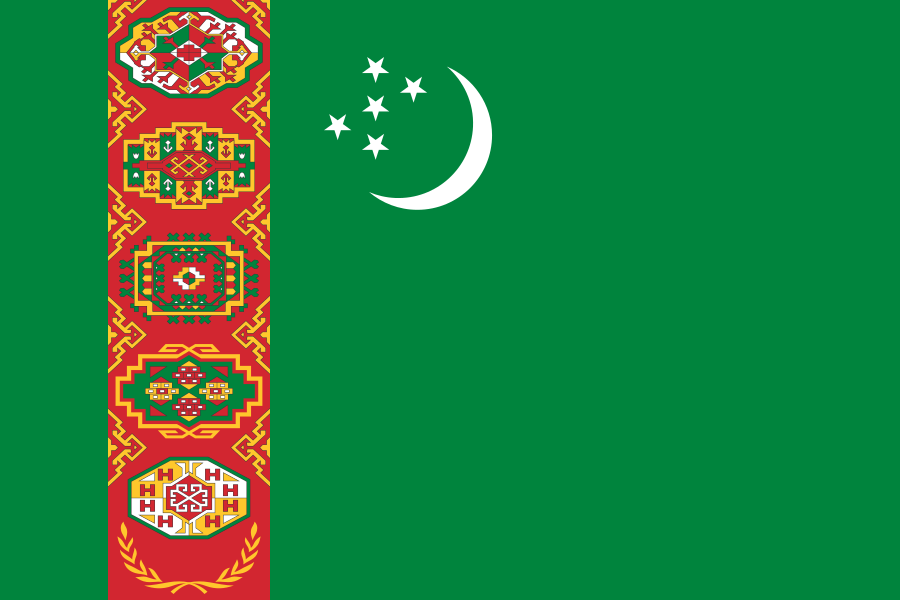 Turkmenistán
-
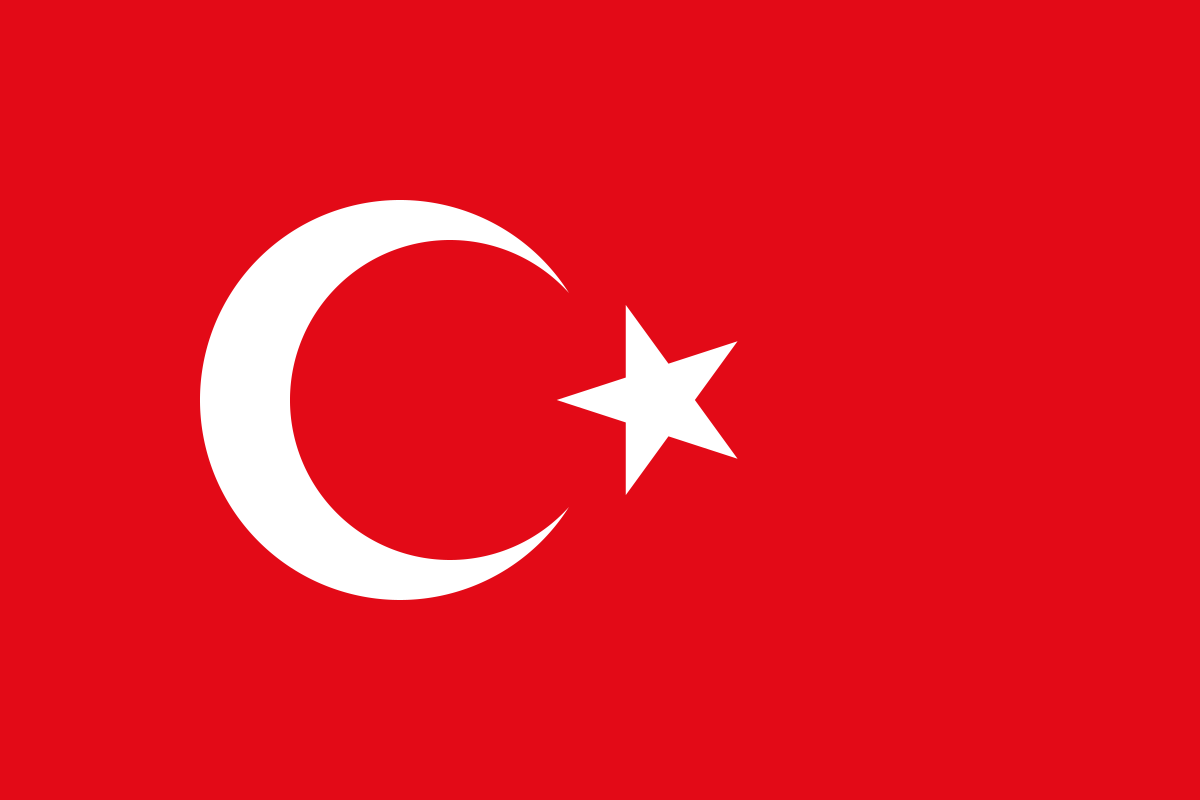 Turquía
-
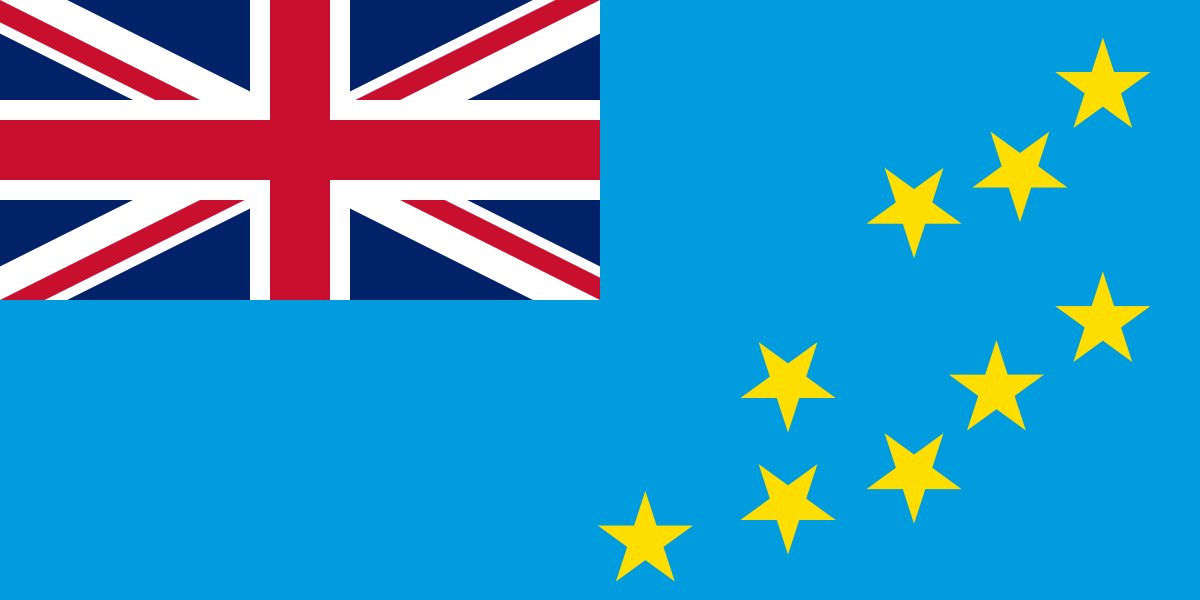 Tuvalu
-
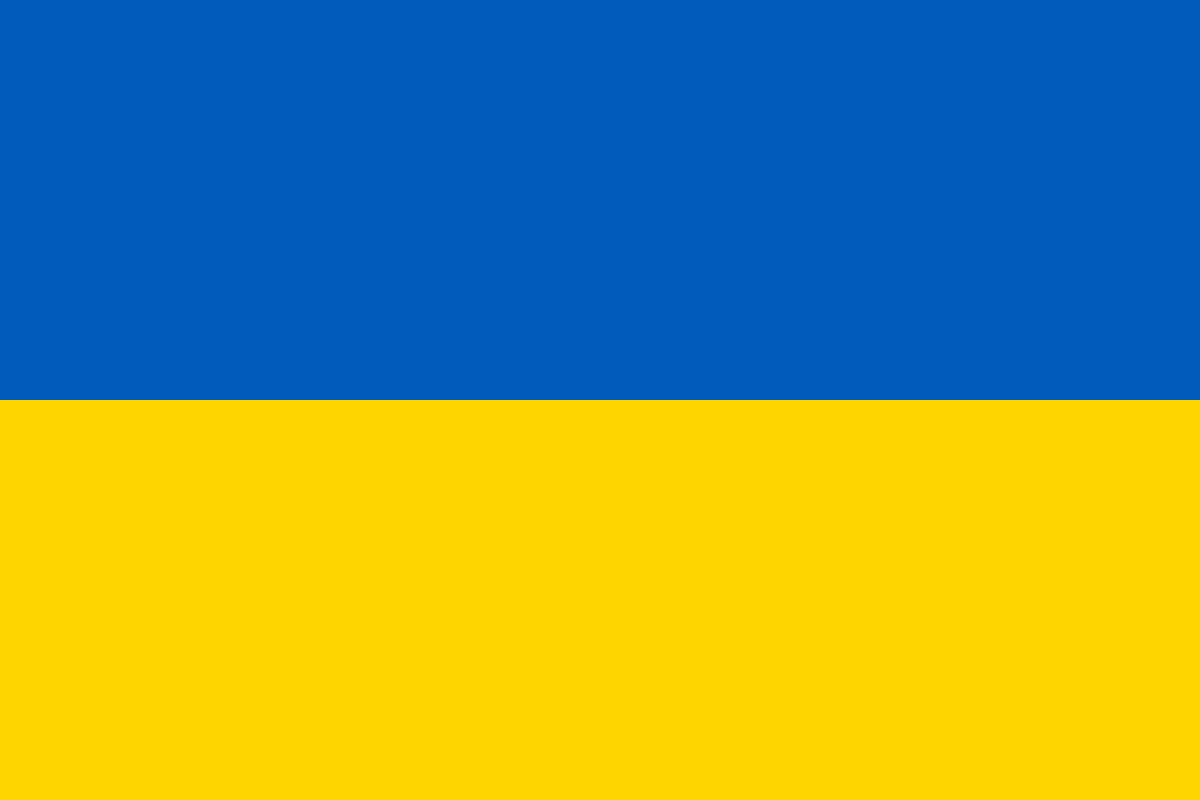 Ucrania
-
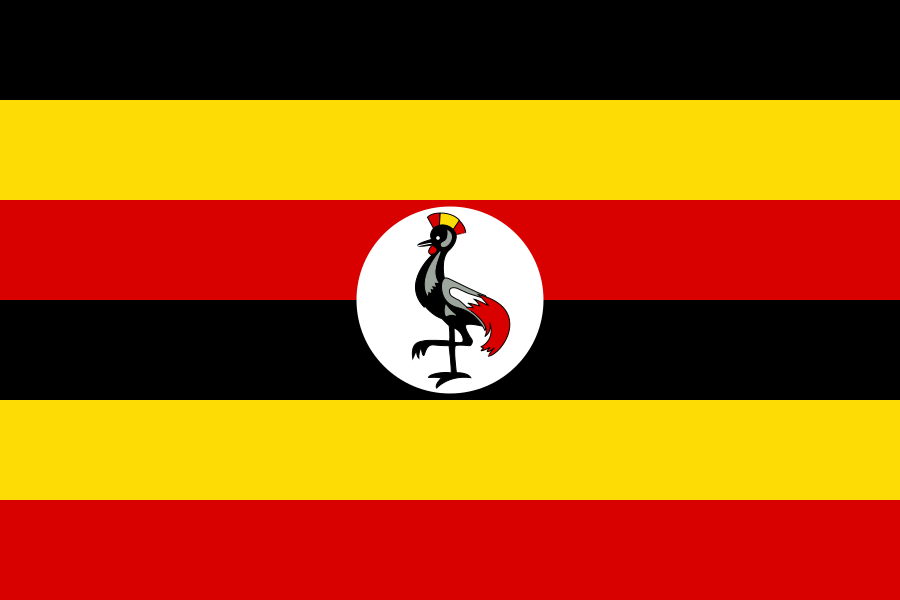 Uganda
-
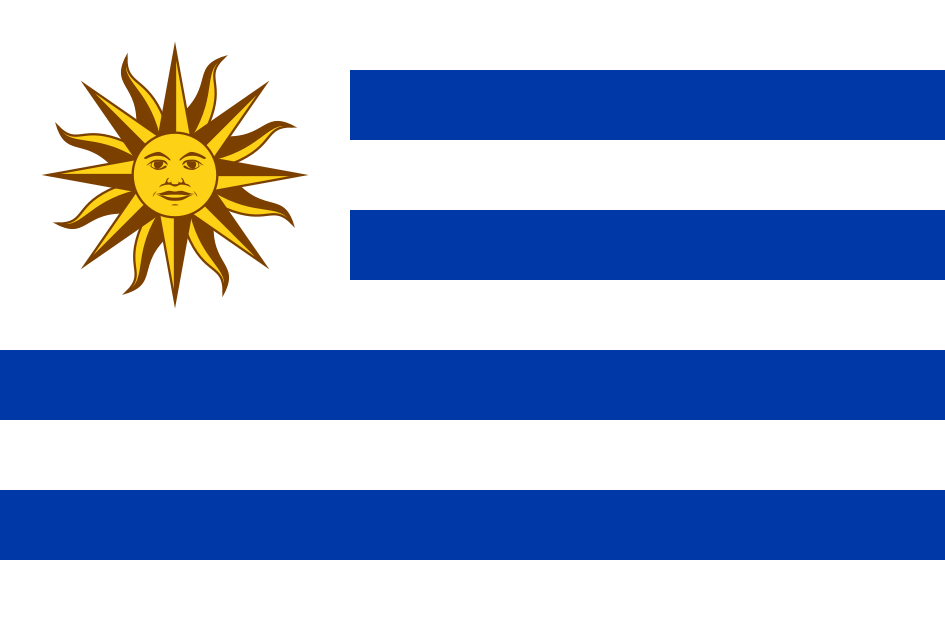 Uruguay
-
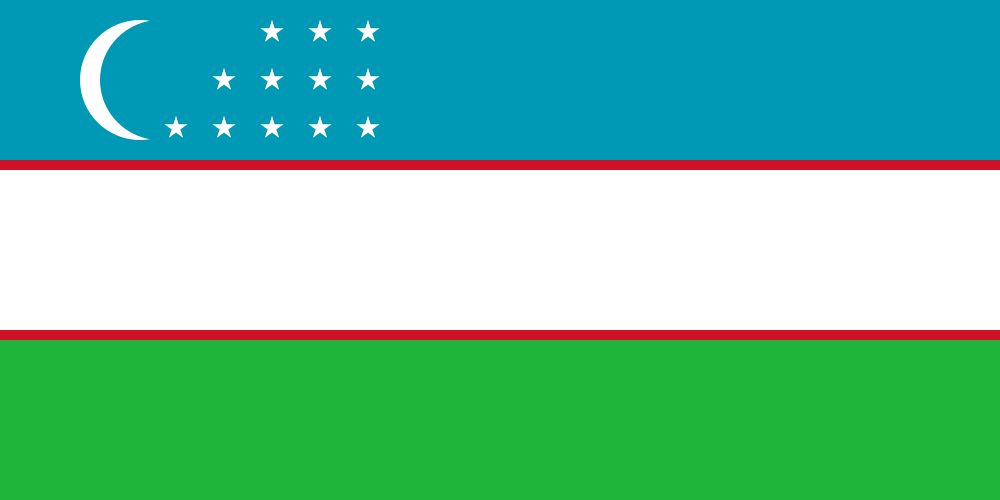 Uzbekistán
-
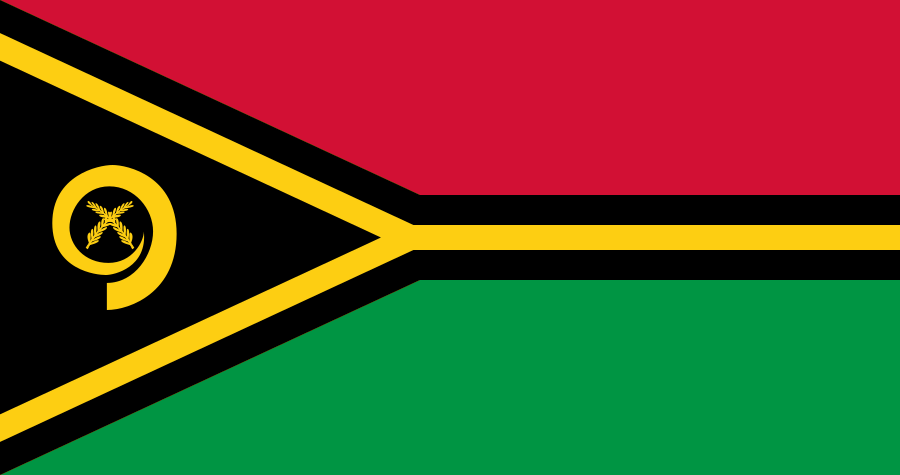 Vanuatu
-
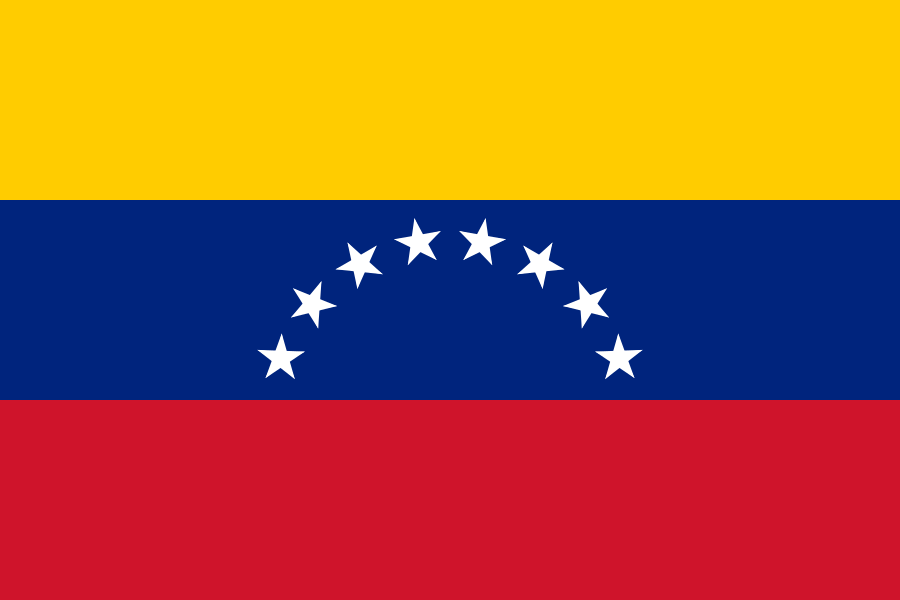 Venezuela
-
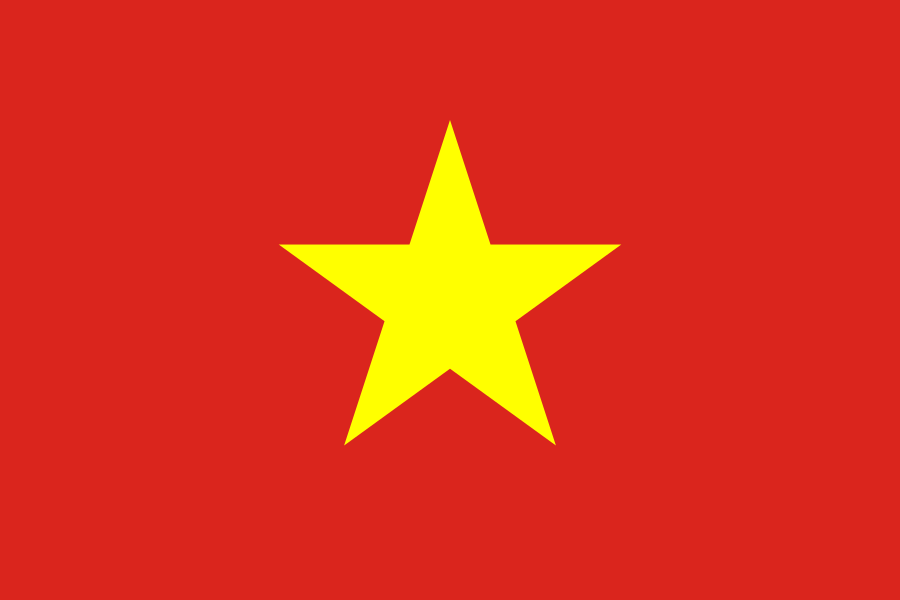 Vietnam
-
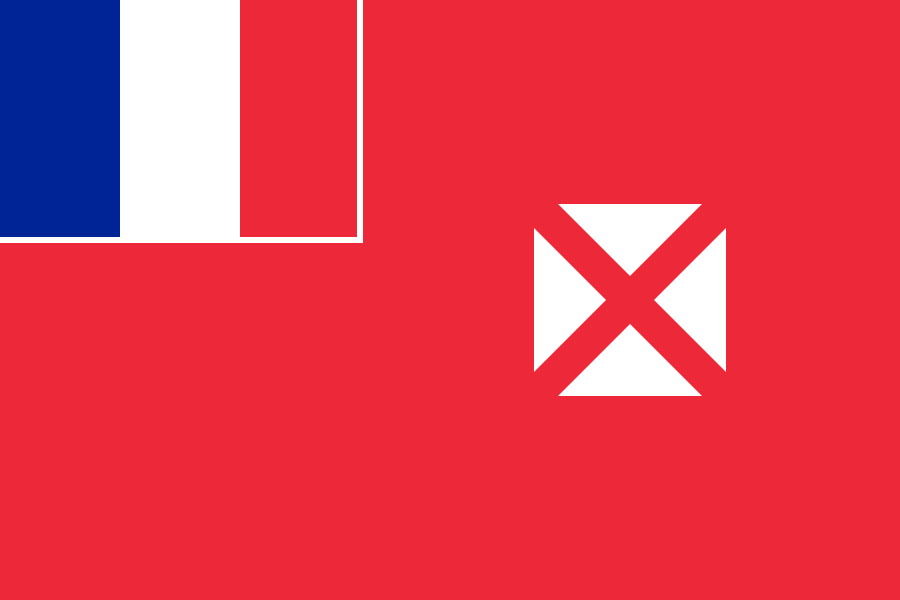 Wallis y Futuna
-
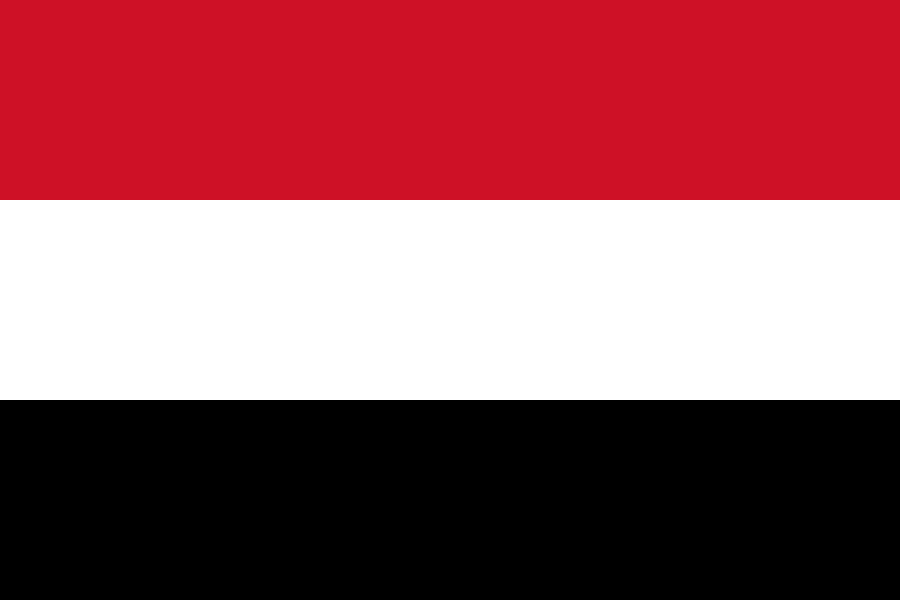 Yemen
Yemen
-
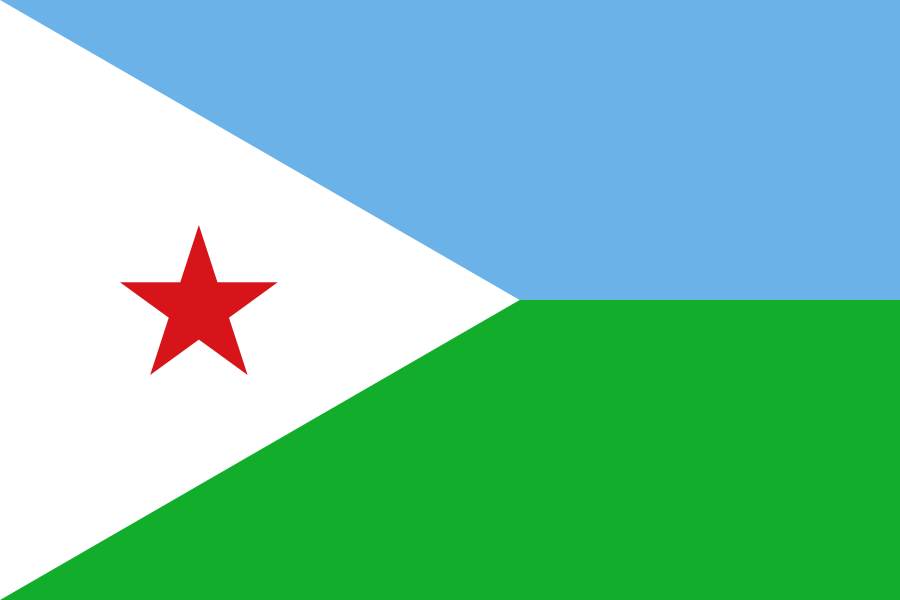 Yibuti
-
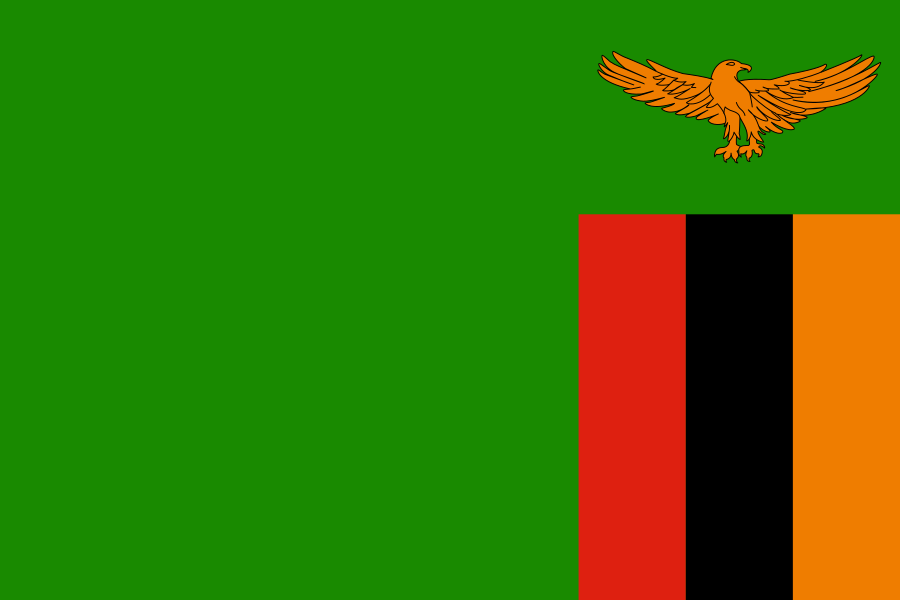 Zambia
-
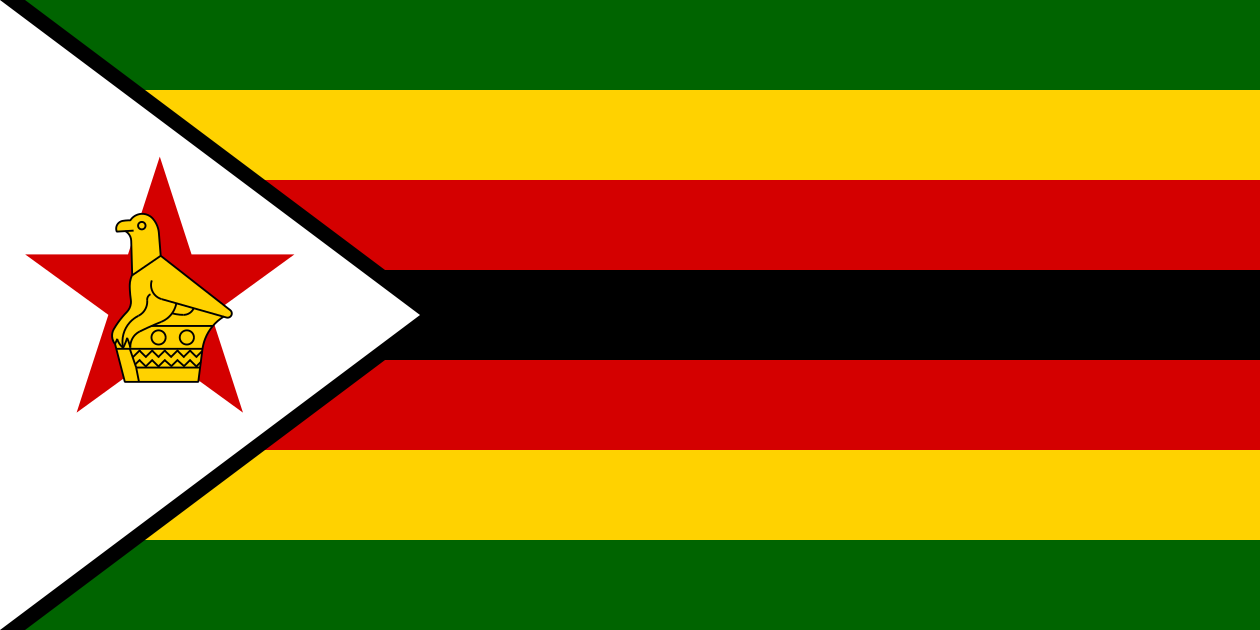 Zimbabue
Angola .ao
Significado de la Bandera
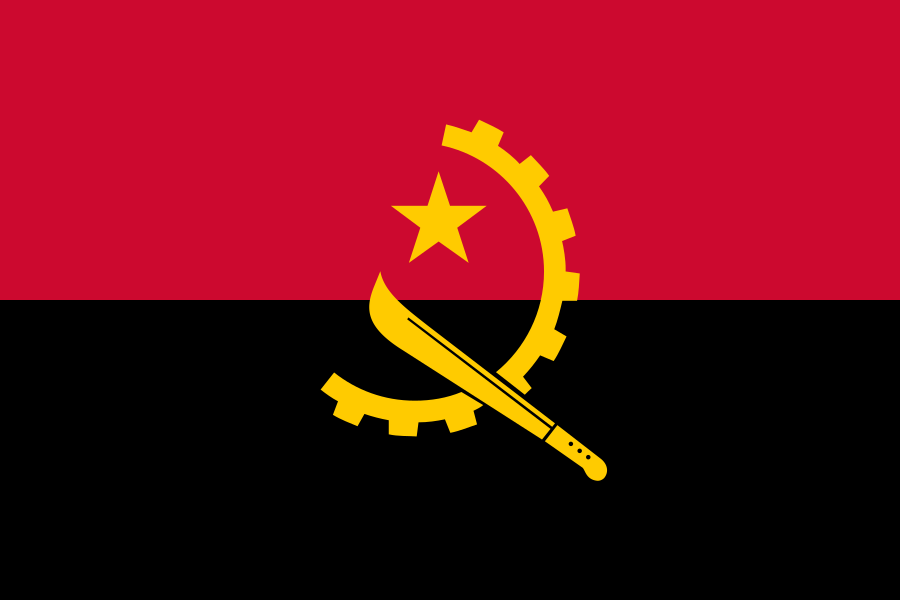
The national flag of Angola is a horizontal bicolour of red and black, charged in the center with a yellow emblem consisting of a machete crossed by a half-cogwheel and crowned with a five-pointed star. It was adopted on 11 November 1975, when Angola became independent from Portugal following the thirteen-year Angolan War of Independence. The original meanings of the flag's colours and symbols accordingly referenced the war and colonial period, but they have since been reinterpreted to represent the Angolan people and society more broadly. Ana Maria de Oliveira, the MPLA deputy who was responsible for coordinating the subcommission for the national symbols, explained the flag's significance: "The blue strips represent freedom, justice and solidarity, whereas the white ones stand for peace, unity and harmony.
Historia de la Bandera
-
1975At noon on 10 November 1975, the Portuguese flag was lowered in the capital Luanda, and Cardoso departed for Portugal with the remaining Portuguese colonial officials and soldiers.
-
1975–presente
Bandera actual, en uso desde 1975.
Curiosidades
The description of the flag of Angola is written in the nation’s Constitution. A flag featuring a design based on the painting found in the Tchitundo-Hulu cave was proposed but the idea was never adopted.